China.org.cn | January 26, 2026


South China Morning Post:
The NBS recently announced that the CPI remained flat throughout last year, but rebounded to 0.8% year on year in December, a nearly three-year high. Does this mean downward price pressure has eased? What is your outlook for prices in 2026? Thank you.
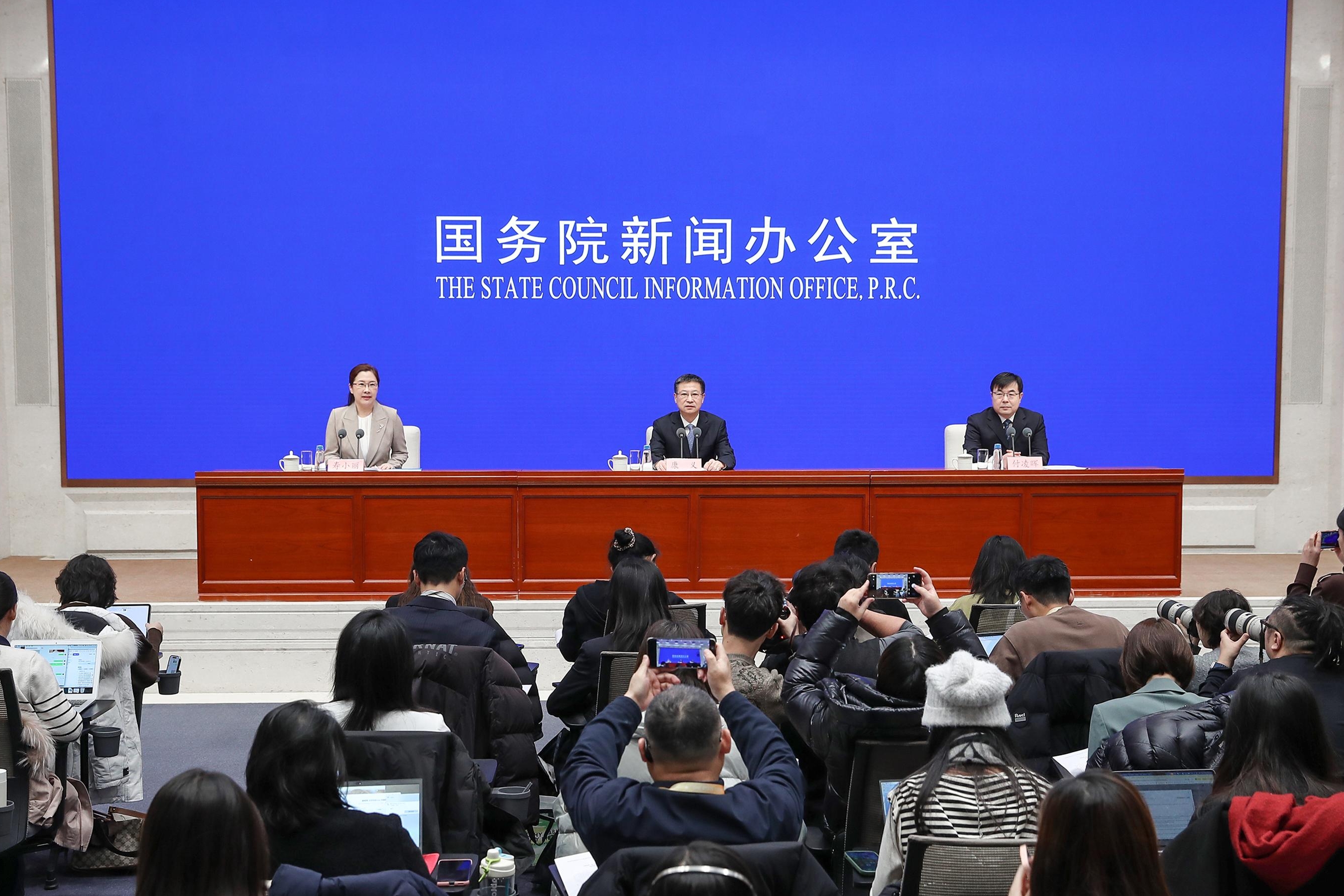
Kang Yi:
Thank you for your questions. Price issues are of great concern to everyone. In recent years, China's price level has been generally low and has remained at a low level. In 2025, the CPI was unchanged from the previous year, with slight fluctuations in the monthly year-on-year readings. When it comes to price issues, we must take a comprehensive and dialectical view, considering not only the overall picture but also the structure and policy developments.
First, the CPI exhibited distinct structural factors, with declines in food and energy prices having a significant impact on the headline figure. In terms of food prices, favorable climate conditions in China last year, coupled with ample hog production capacity, ensured a sufficient supply of meat, eggs, vegetables and other food items. As a result, food prices fell by 1.5% year on year, contributing approximately 0.27 percentage point to the CPI decline. In terms of energy prices, domestic energy prices declined due to downward fluctuations in international oil prices, which was also an important factor in the lower CPI. In 2025, energy prices fell by 3.3%, pulling down the CPI by approximately 0.25 percentage point. At the same time, it should be noted that the current low-level CPI is related to both complex changes in the domestic and international macroeconomic situation and to China's current stage of development. While the slowing momentum of certain traditional industries and external environmental shifts have pressured domestic prices, these factors are transitional.
Second, policies aimed at expanding domestic demand and related measures took effect, with the core CPI showing a moderate rebound. Driven by the consumer goods trade-in program, capacity management in some industries took effect, and supply-demand dynamics in some areas improved, leading to a recovery in prices of related products. In 2025, the core CPI, excluding food and energy prices, rose by 0.7% compared to the previous year, 0.2 percentage point higher than that in the first half of the year. December saw a 1.2% increase, marking the fourth consecutive month of growth above 1%. Specifically, in 2025, industrial consumer goods prices excluding energy rose 1.1%, with household appliances and communication equipment up 1.8% and 0.6%, respectively. Price declines for fuel-powered cars and new energy cars also narrowed significantly. Service prices maintained a moderate upward trend, rising 0.5% for the year.
Third, favorable factors driving a moderate rebound in the CPI are accumulating. Looking at the fundamentals, with the implementation of special initiatives to boost consumption, particularly incremental measures such as the coordinated fiscal and financial policy package to promote domestic demand, consumer demand is expected to gradually expand, laying a foundation for stable prices. In December, the CPI rose 0.8% year on year, the highest since March 2023. Food consumption increased during the New Year's Day holiday, while service consumption, such as dining out, visiting relatives and friends, and tourism, was relatively active. The nine-day Spring Festival holiday is also approaching, which will help drive a seasonal rebound in the CPI. Preliminary data for January shows prices for goods and services, such as fresh fruit, flight tickets and tourism, have generally remained stable with some increases. From a policy perspective, the effects of industry self-regulation and capacity management will continue to show. This year, capacity controls in key industries will be further strengthened, and product standards and quality will be improved, supporting price recovery.
Overall, promoting a reasonable rebound in prices benefits both businesses and residents by increasing incomes and stabilizing market expectations. We will continue to leverage the combined effects of macroeconomic policies, expand consumer spending, regulate market competition, and actively address supply-demand imbalances to promote a reasonable price recovery.
Thank you.