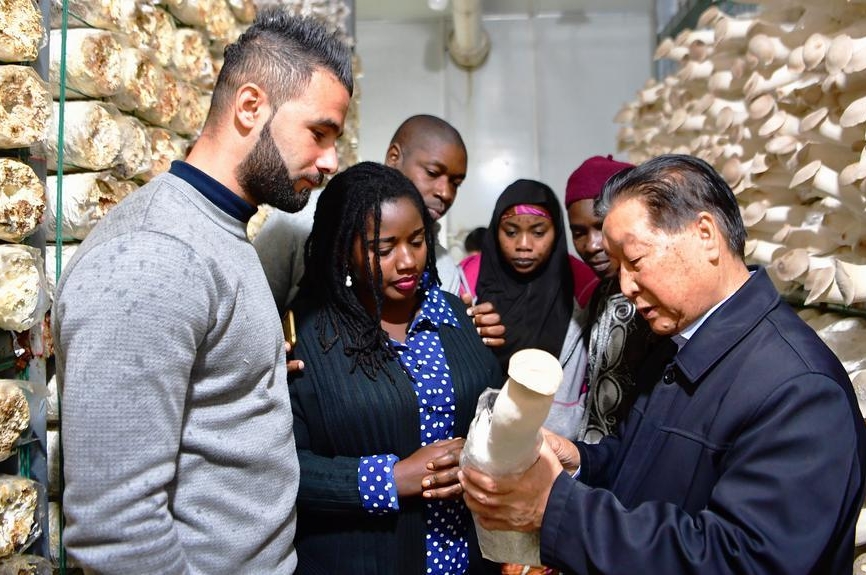
How Chinese hybrid grass technology is changing the world for the better
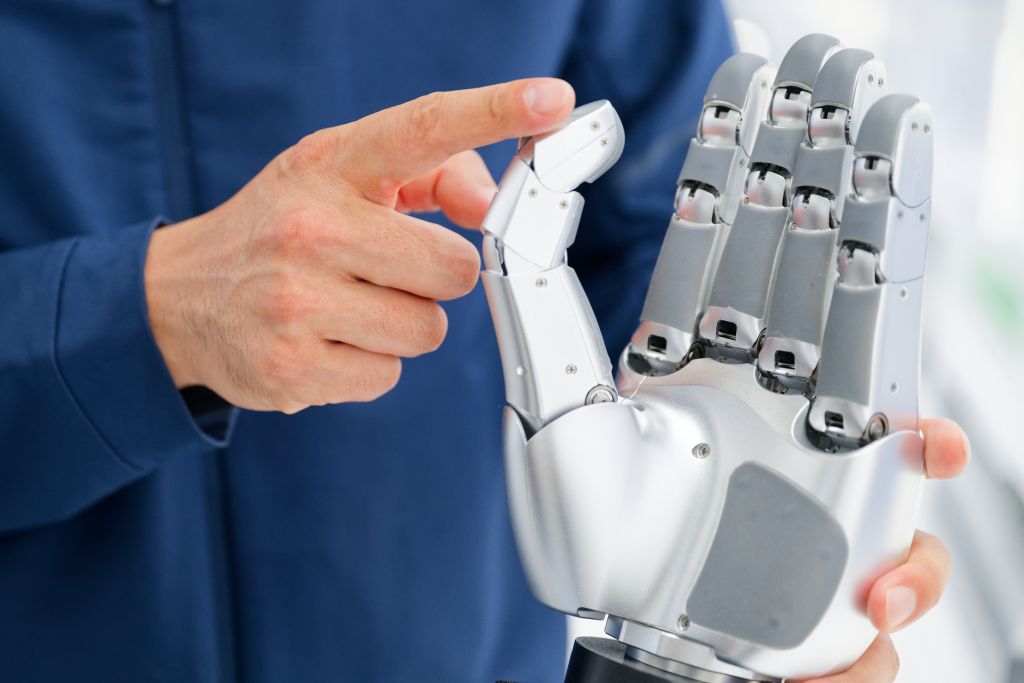
Long known as one of China's traditional industrial heartlands, Heilongjiang built its reputation on industries such as steel, machinery and oil. Today, the province is seeking new growth engines as China pushes to upgrade its manufacturing sector and advance artificial intelligence.
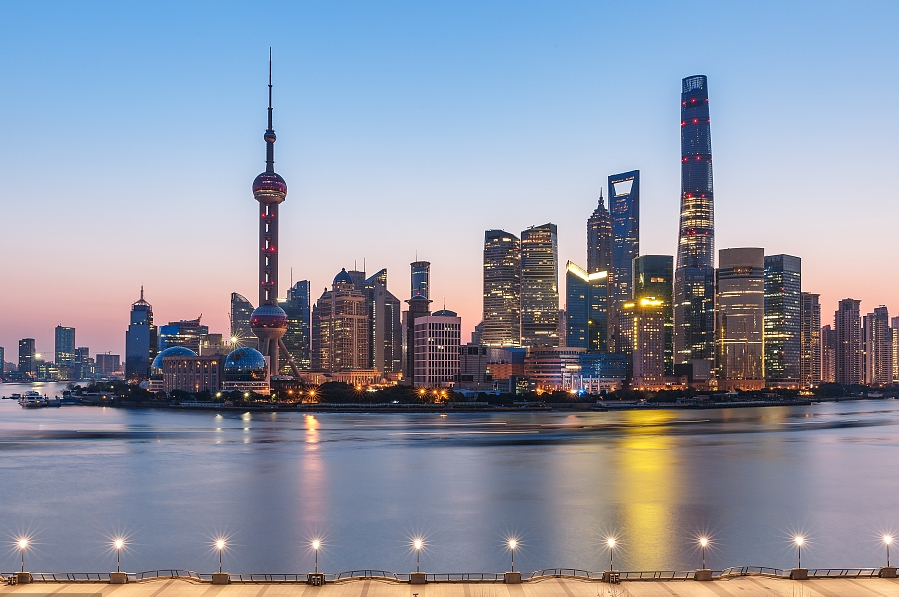
The Global Development Initiative (GDI) proposed by China has been lauded by experts and diplomatic envoys for delivering tangible benefits to people in different countries.

Half a century on, many of the Tangshan earthquake survivors have died or reached old age, but the 1976 earthquake remains vividly etched in the collective memory of Tangshan, and the city has continued to benefit from the spirit of solidarity and resilience forged in the post-quake reconstruction.
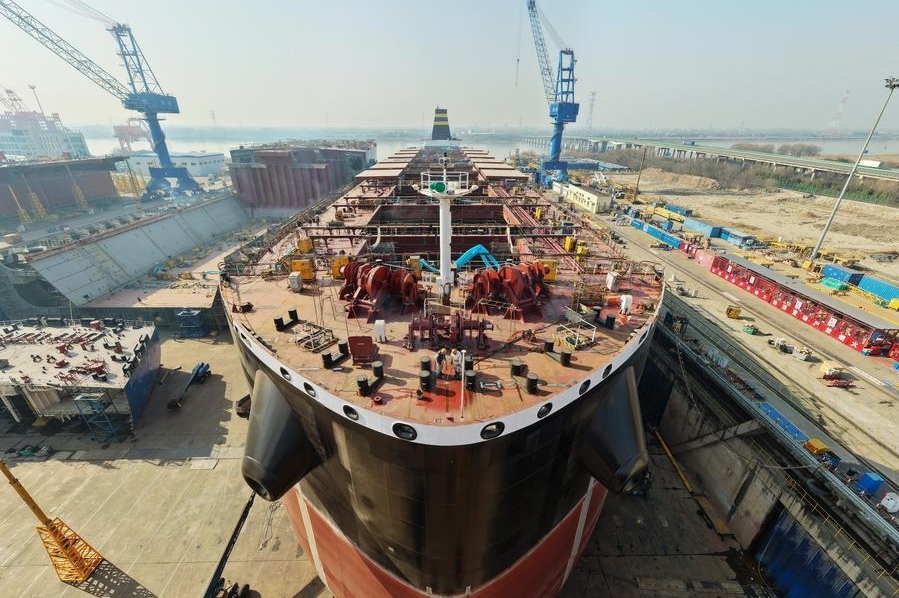
China is upgrading its traditional industrial base while cultivating new sectors that could shape future competitiveness, seeking to move beyond scale and cost advantages toward a more innovation-driven industrial model, and inject new impetus into the country's high-quality development.
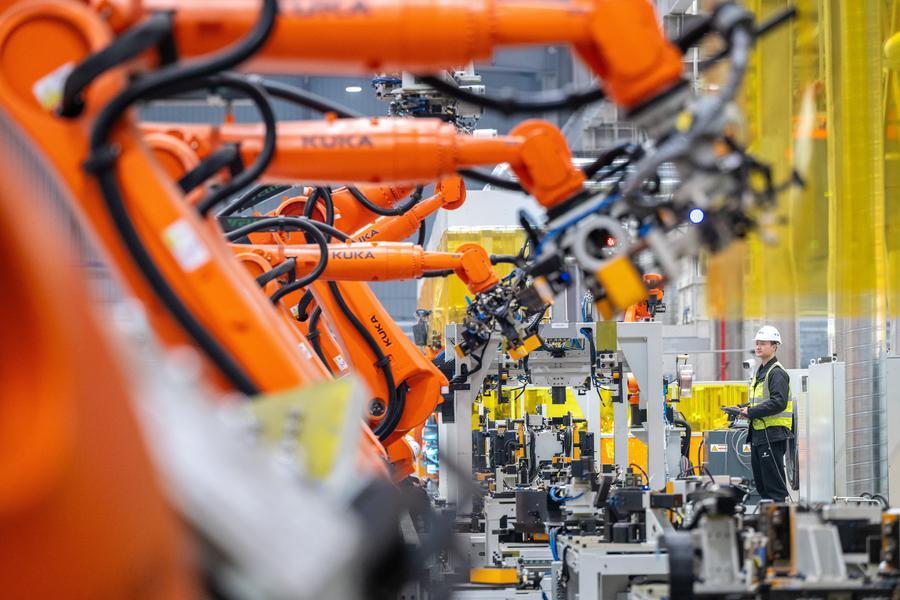
As a demonstration zone for achieving common prosperity, Zhejiang is leveraging its digital advantages to drive economic growth and deliver broader, more balanced gains.
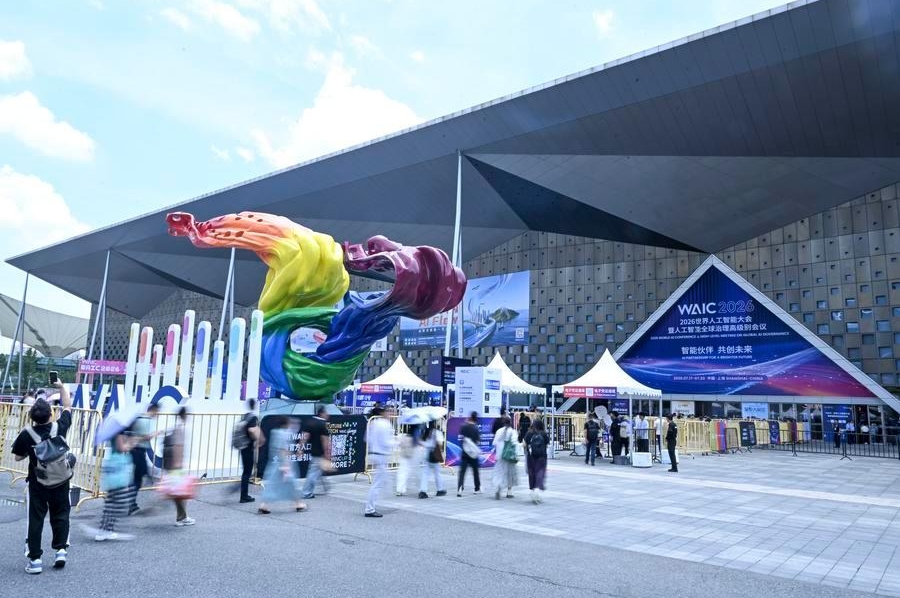
In education, finance and law, vertical AI models are increasingly turning services once dependent on scarce experts into tools that ordinary people and small businesses can use directly.
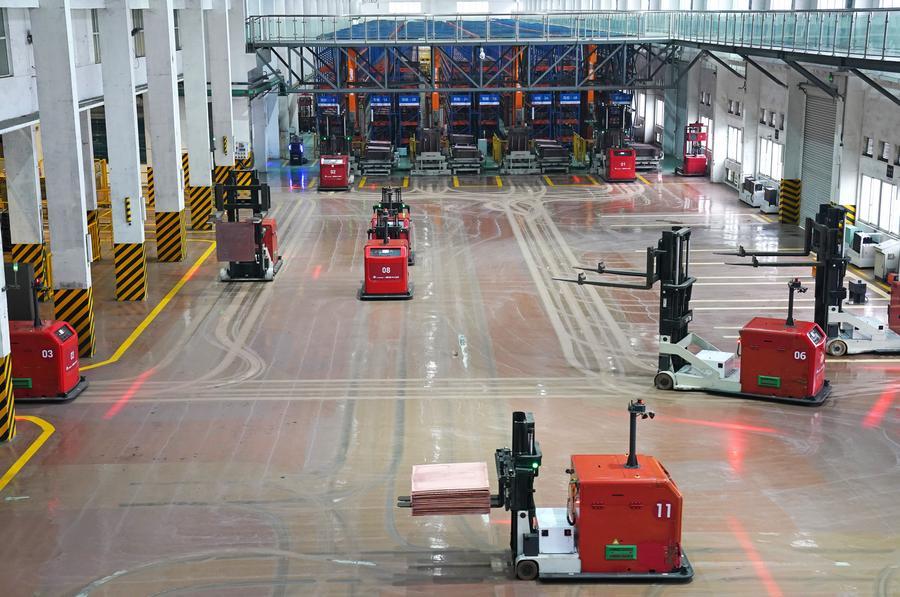
As the global economy faces slowing growth, rising protectionism and mounting uncertainties, China's latest economic data showed steady growth in the first half of 2026, drawing attention to the resilience, transformation and high-quality development underpinning its growth.

Artificial intelligence (AI) is fast becoming a reliable engine of growth for China's industrial transformation. From factories and mines to classrooms and hospital wards, fresh AI applications are creating new businesses and reshaping the world's second-largest economy.
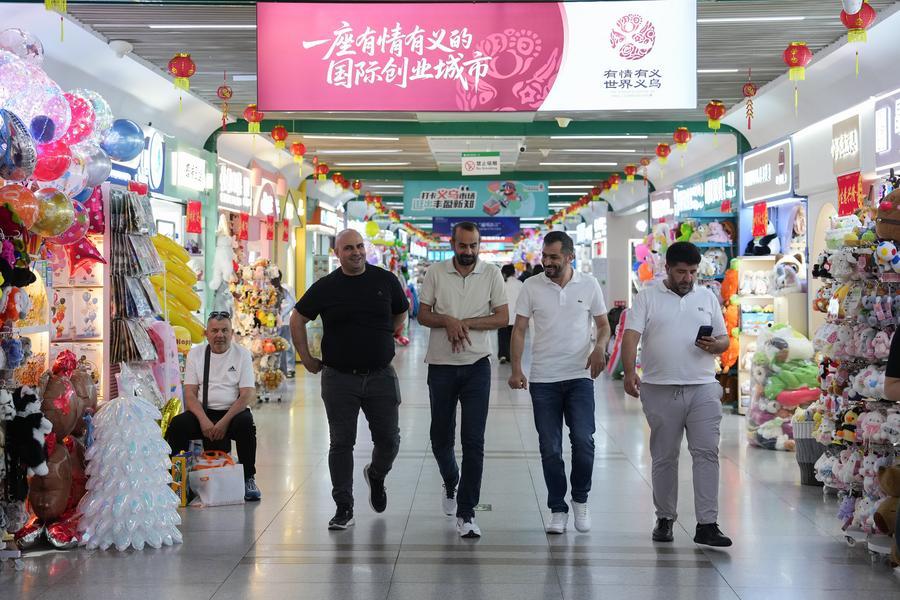
The World Cup boom comes as China seeks to spur consumption. Businesses from breakfast shops to cinemas and factories are capitalizing on football fever. The tournament is creating fresh opportunities.
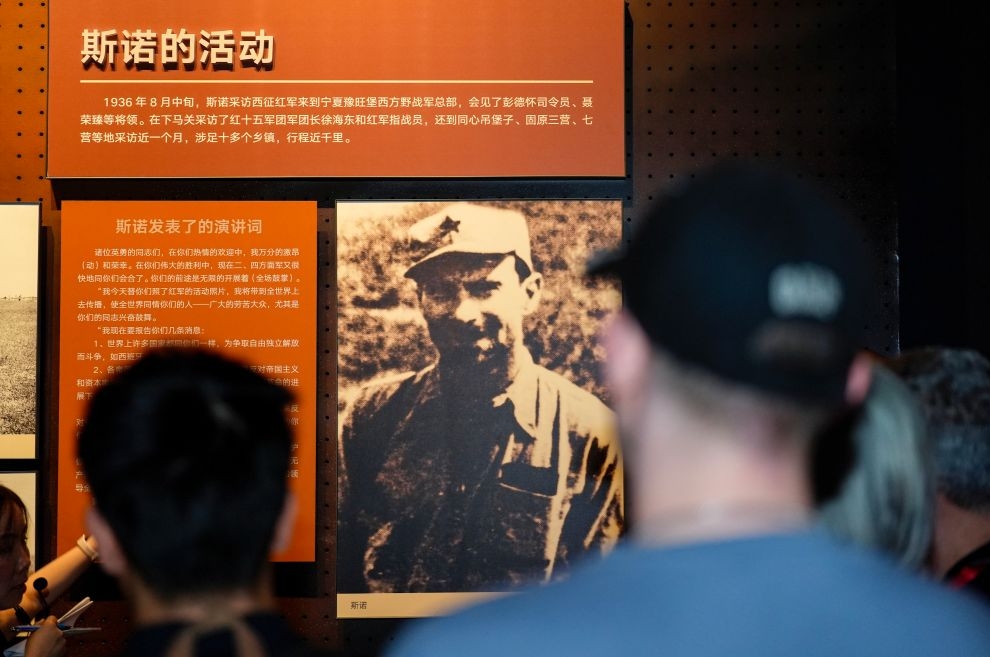
At the entrance to the Red Army's western expedition memorial hall in Tongxin County, in northwest China's Ningxia Hui Autonomous Region, a bronze sculpture of a young bugler stands with his face upturned to the sky. The figure evokes a pivotal moment in Chinese history, first captured 90 years ago by American journalist Edgar Snow.

Despite the policy discrepancies between the European Union and China, the broader European market still exhibits significant complementarity with Chinese manufacturing, particularly in sectors closely tied to people's livelihood requirements and industrial upgrading.
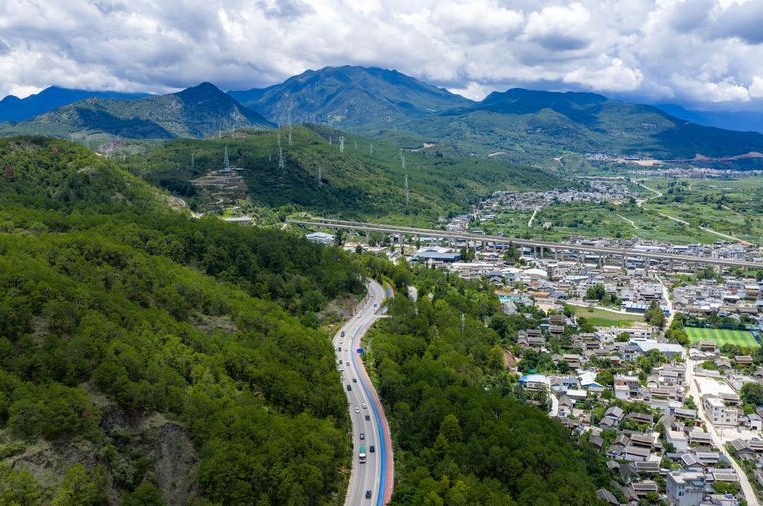
Over five decades, this multi-functional strategic corridor has not only greatly improved transport and logistics, but has also boosted ethnic integration and fueled green eco-tourism and highland industries.
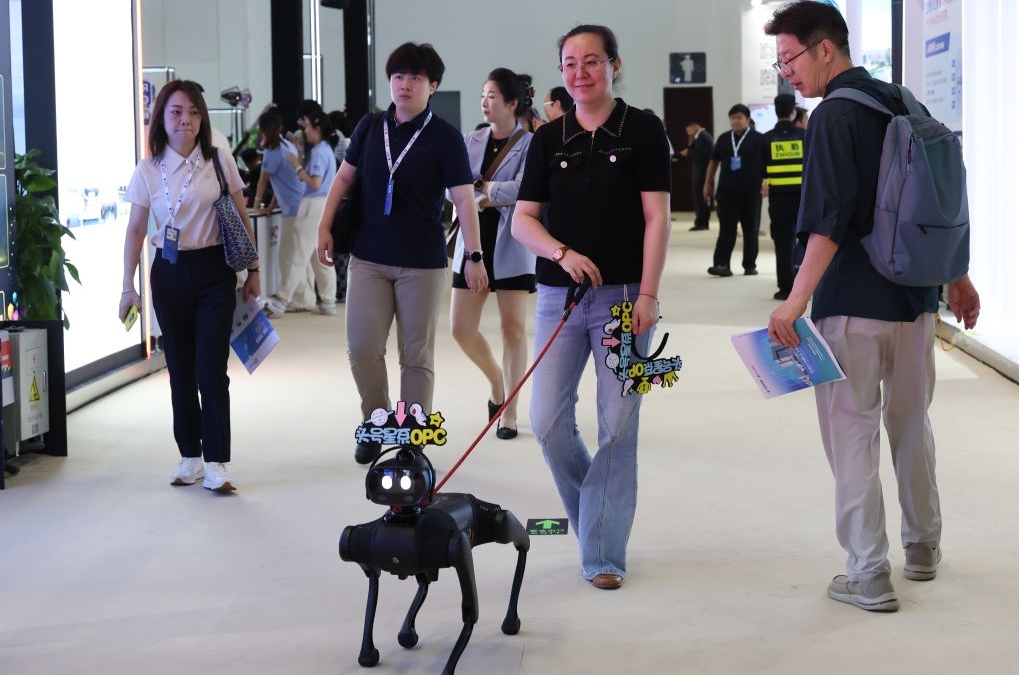
As AI technologies advance rapidly, a growing number of Chinese demand-driven innovations are emerging, injecting fresh momentum into the global digital economy.

Despite recent frictions in China-EU trade relations, the surging air conditioner sales indicate that the strong underlying logic of the market outweighs any narrative aiming to promote trade protectionism in the name of "security."
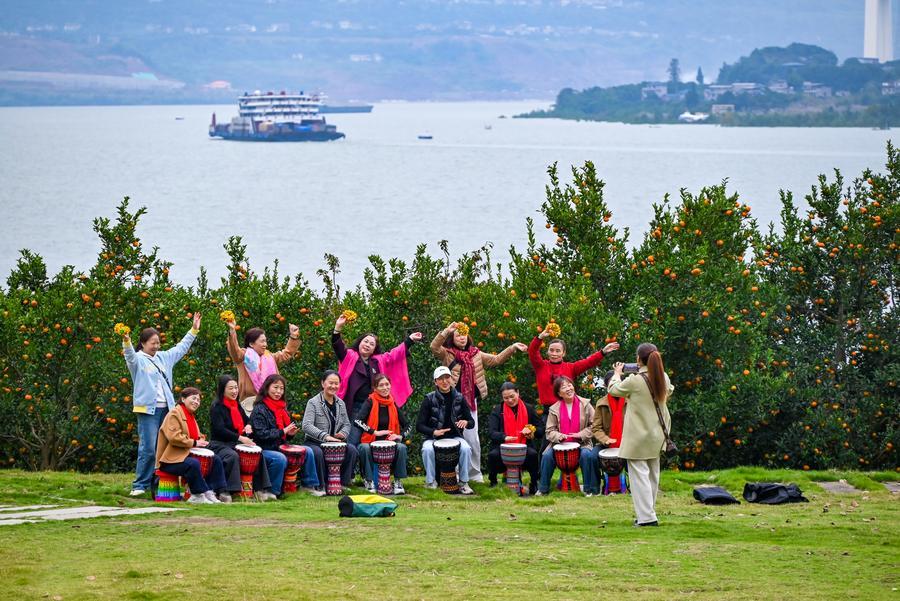
Overseas political leaders, scholars and policy researchers pointed to the CPC's long-term strategic vision, people-centered governance and capacity for constant self-improvement as key drivers of China's development as the CPC marked its 105th founding anniversary on Wednesday.
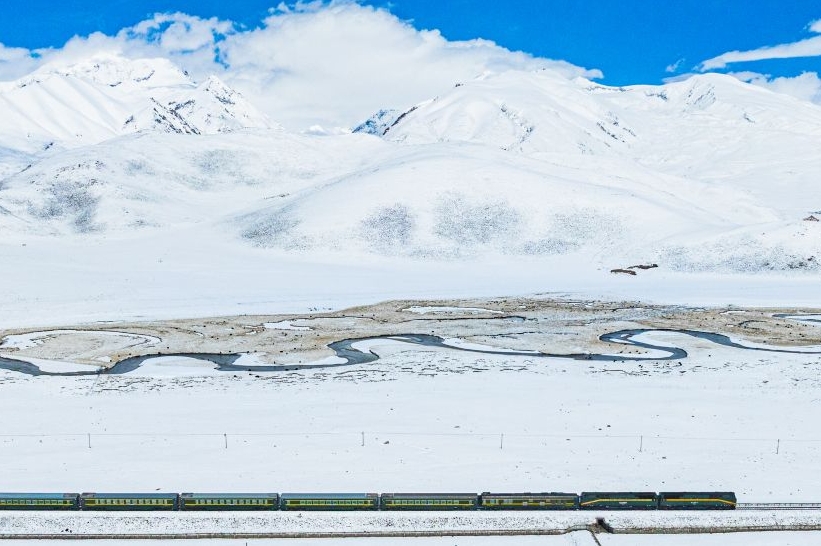
The Qinghai-Xizang Railway reached Lhasa on July 1, 2006, ending Xizang's long history without a rail service. Over the past two decades, what began as a fast track into the plateau has since become the main artery of a broader railway network in Xizang.
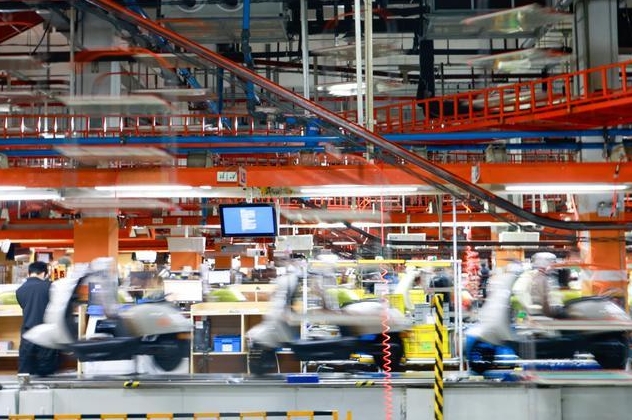
The global reach of Chinese electric motorcycles is becoming increasingly difficult to miss. The shift from gasoline-powered vehicles to electric mobility has created an opportunity for China's two-wheeler industry. The global success of Chinese electric motorcycles demonstrates the growing international competitiveness of China's new energy industries.
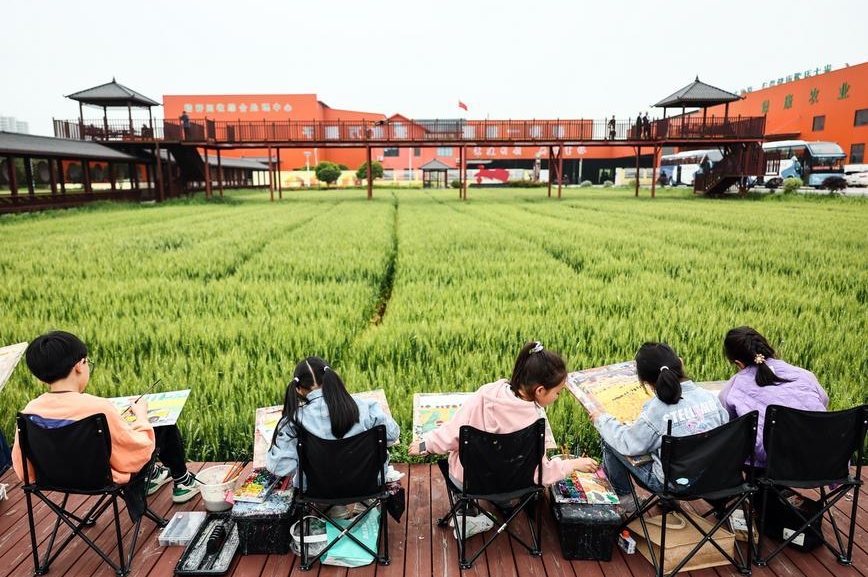
Under the leadership of the Party, China's rural areas have undergone tremendous transformations, securing a sweeping victory in eliminating absolute poverty in 2020 before embarking on rural revitalization. China's rural revitalization unfolds through dedicated villagers, robust grassroots Party organizations, and the belief that the countryside will surely have an even brighter future.
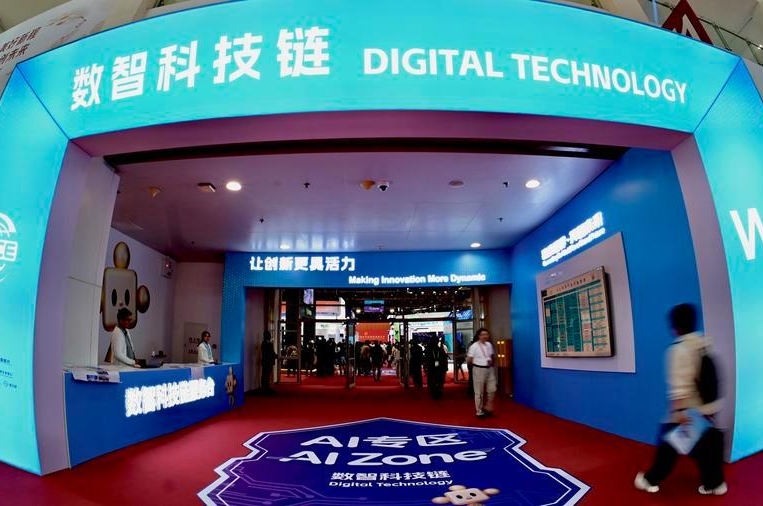
China has long been both a participant and a contributor to global supply chains -- building green infrastructure, opening wider, deploying AI across industries, and strengthening resilience.
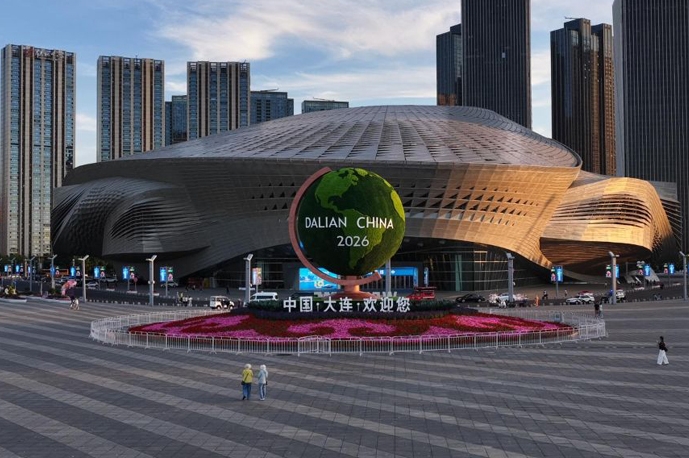
This year's Summer Davos, held under the theme of "Innovating at Scale" from June 23 to 25, has brought together over 1,700 participants from more than 90 countries and regions to discuss ways to scale innovation into better jobs, stronger economies and new growth opportunities.
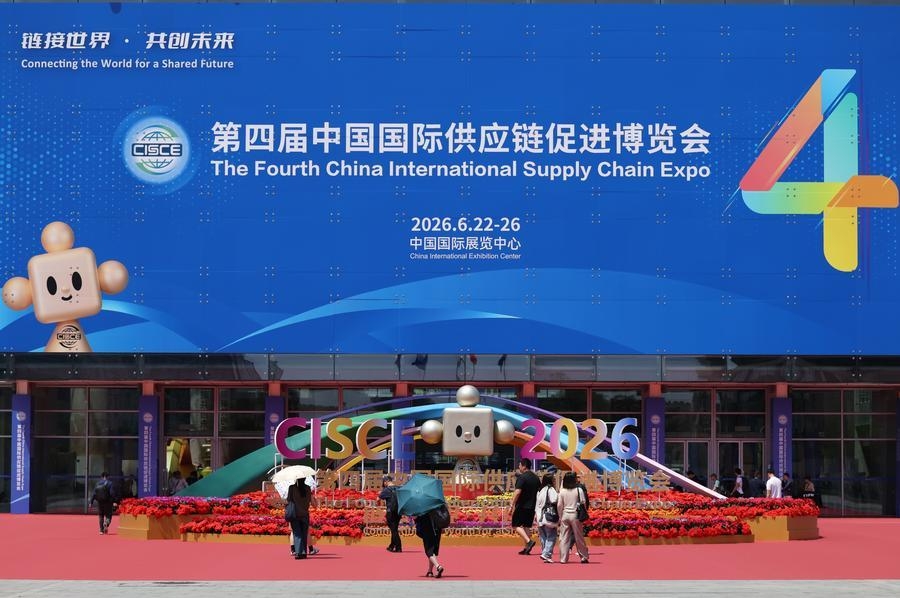
At the fourth China International Supply Chain Expo being held in Beijing, a complete aviation industry innovation chain stands out, spanning aviation materials, core forgings and low-altitude economy applications, drawing widespread attention to the participating companies.

As the country accelerates its push to become a sporting powerhouse by 2035, policymakers are weaving sports into a broader vision that links public health, economic vitality and quality of life, turning physical activity into an integral part of daily routines.
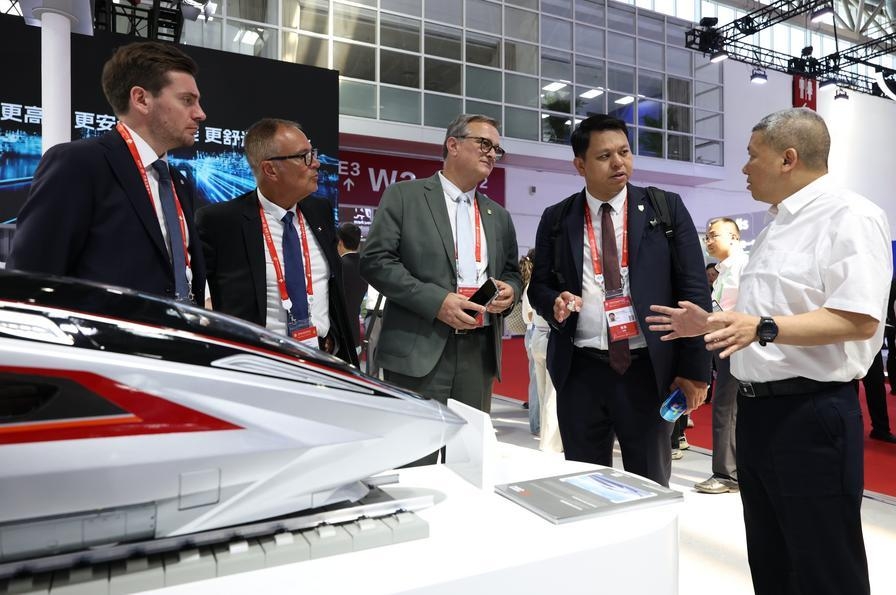
As geopolitical uncertainty and economic fragmentation continue to test the resilience of the global economy, government officials and business leaders are gathering in Beijing this week for the 2026 China International Supply Chain Expo, an emerging platform to foster diversified and cooperative global supply chains.
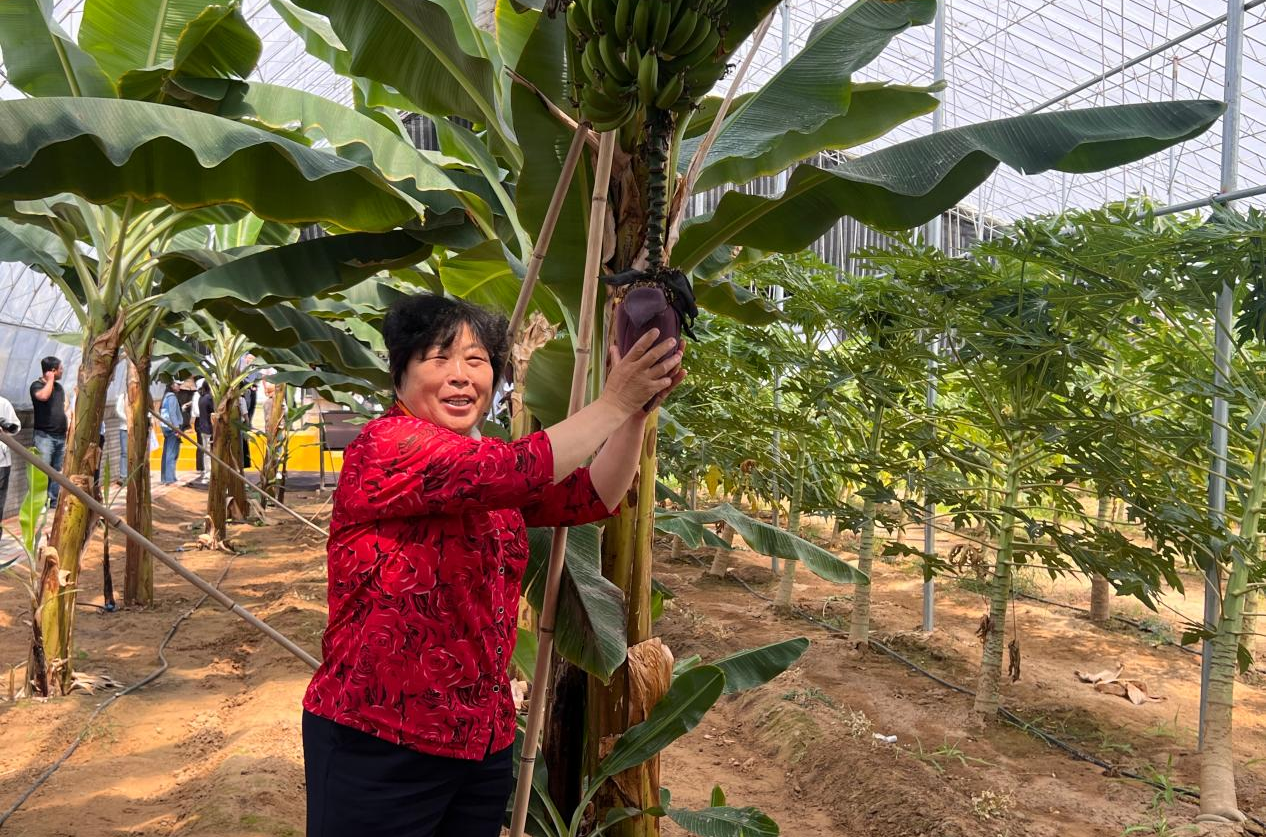
Inner Mongolia is leading the fight against desertification in China. By combining scientific control, ecological restoration and renewable energy, it aims to achieve both environmental recovery and economic growth.
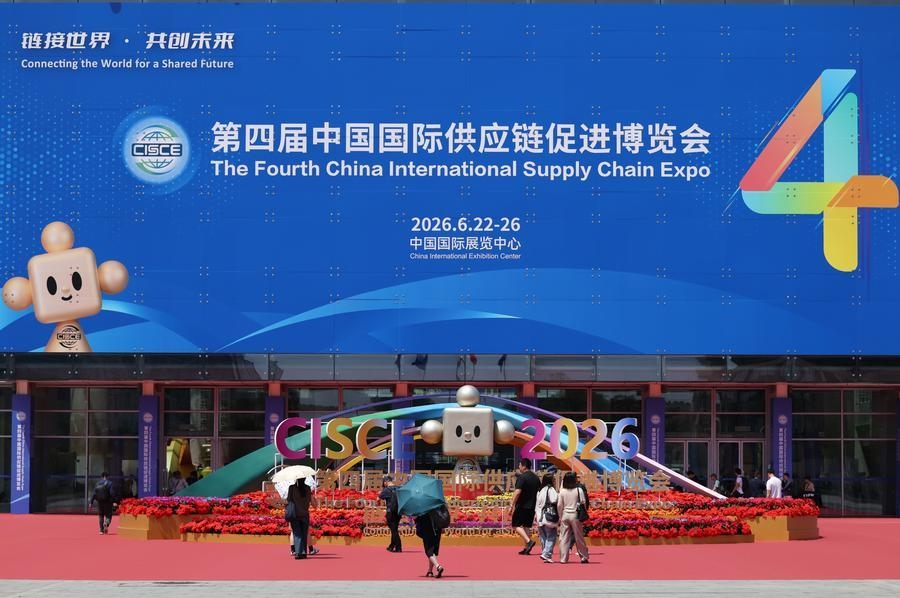
As the vulnerabilities of global supply chains become increasingly evident, there is a growing call for cooperation to preserve the global division of labor and keep global supply chains stable, open and efficient.
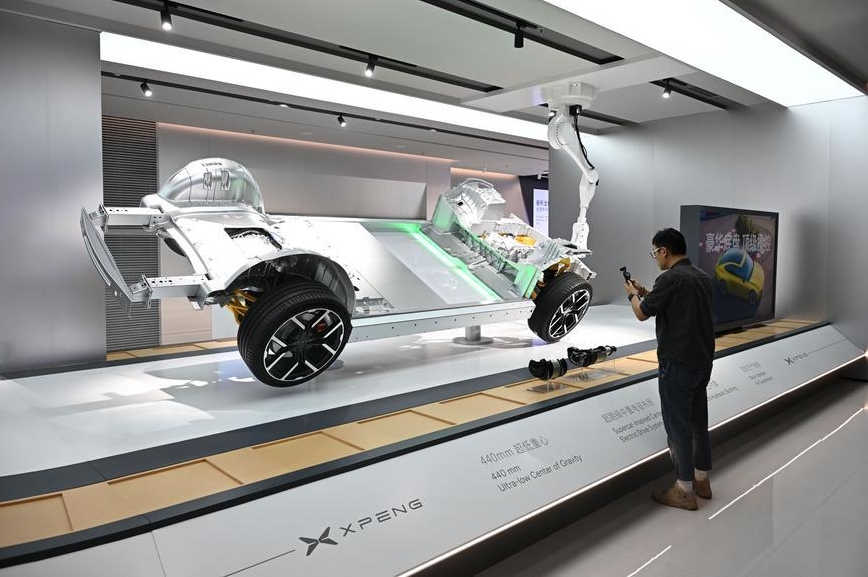
From integrating into China's digital ecosystem, to forming strategic alliances with local partners, multinational carmakers are increasingly embedding in China's innovation and supply chains.

Dragon boat racing is expanding beyond its traditional roots, attracting younger participants and international teams while maintaining a strong cultural link to the legacy of Qu Yuan and the Dragon Boat Festival.
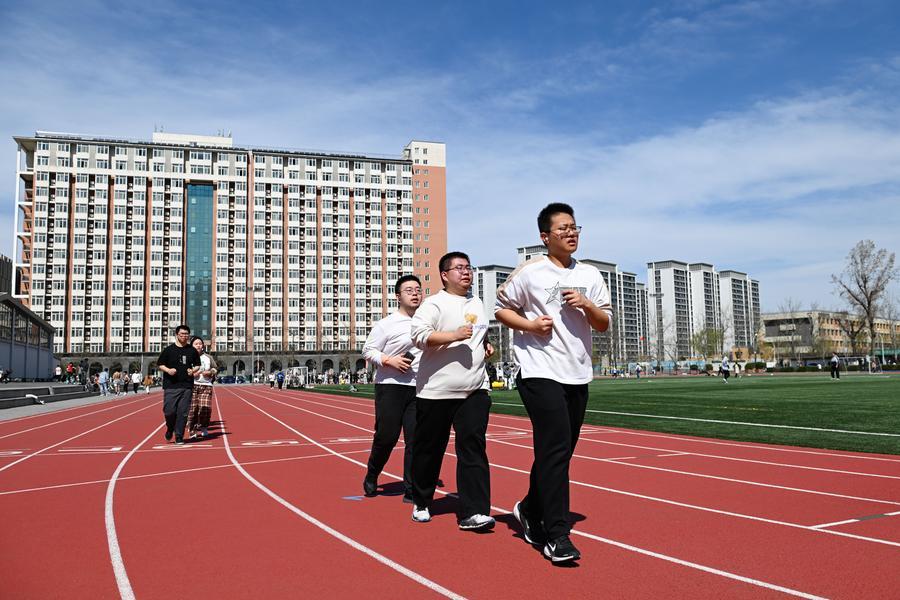
Weight management in China is redefined as a science-backed, society-wide project. That change has been accelerated by a national campaign that is now entering its third year.

China has made significant strides in halting desert expansion through its decades-long afforestation campaign, known as the Three-North Shelterbelt Forest Program. With the progress of the program, 53 percent of China's treatable sandy land has been effectively managed through afforestation.
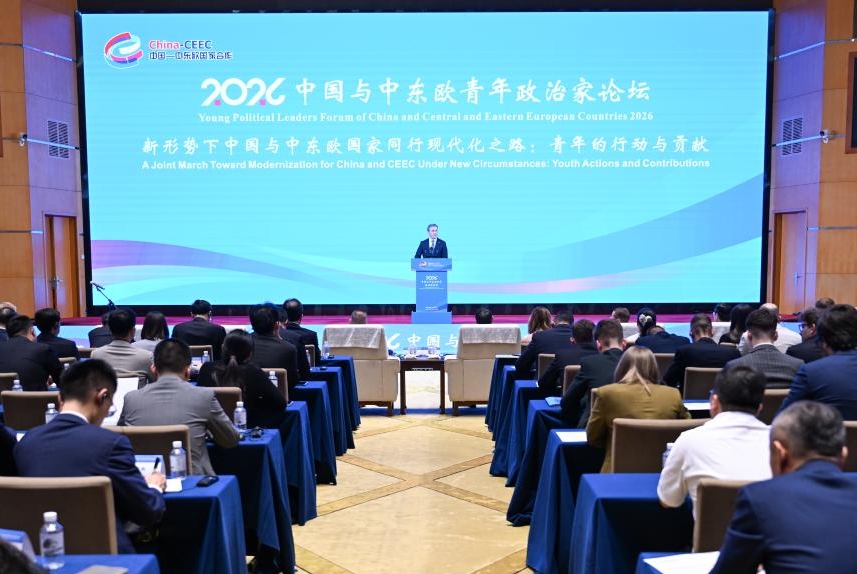
An international forum in central China's Hubei Province on Monday heard how China is increasingly viewed as a reliable and trustworthy partner by young people in Bosnia and Herzegovina.