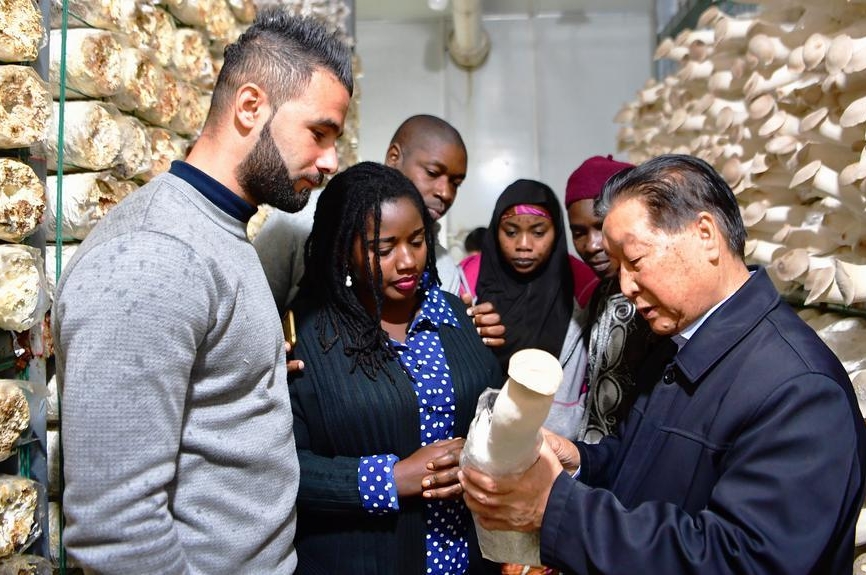
How Chinese hybrid grass technology is changing the world for the better

As temperatures drop, more regions are turning ice and snow into economic activity. According to an official industry report, China's ice-and-snow sector is expected to surpass one trillion yuan this year.
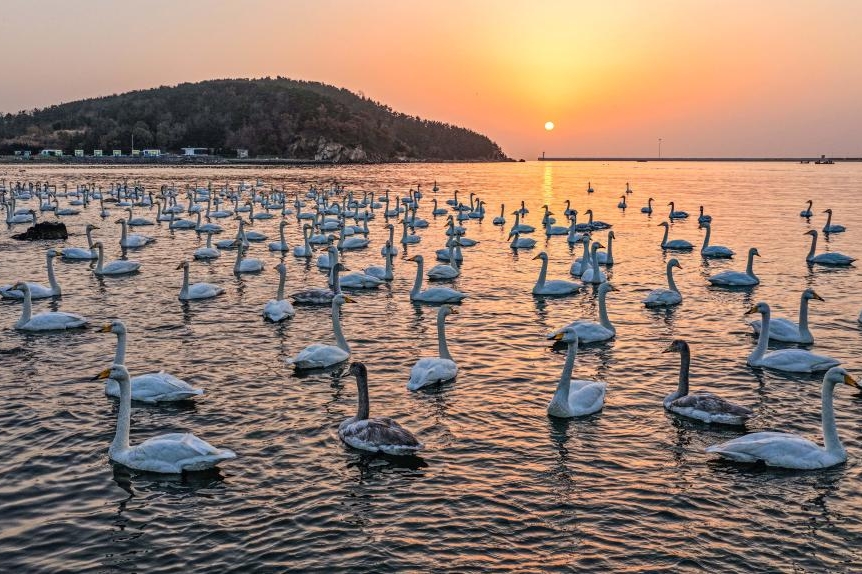
From stringent ecological conservation to an integrated, intelligent "space-air-ground" monitoring network and rigorous law enforcement for bird protection, China is rolling out an extensive system to ensure the safety of migratory birds and to strengthen coexistence between humans and nature.

Performed solo, Yimakan blends narrative and song without instrumental accompaniment. Passed down orally through generations, the ancient art form reflects the history, heroic tales, fishing and hunting practices, rituals, and moral norms of the Hezhen people, whose dialect has no written script.
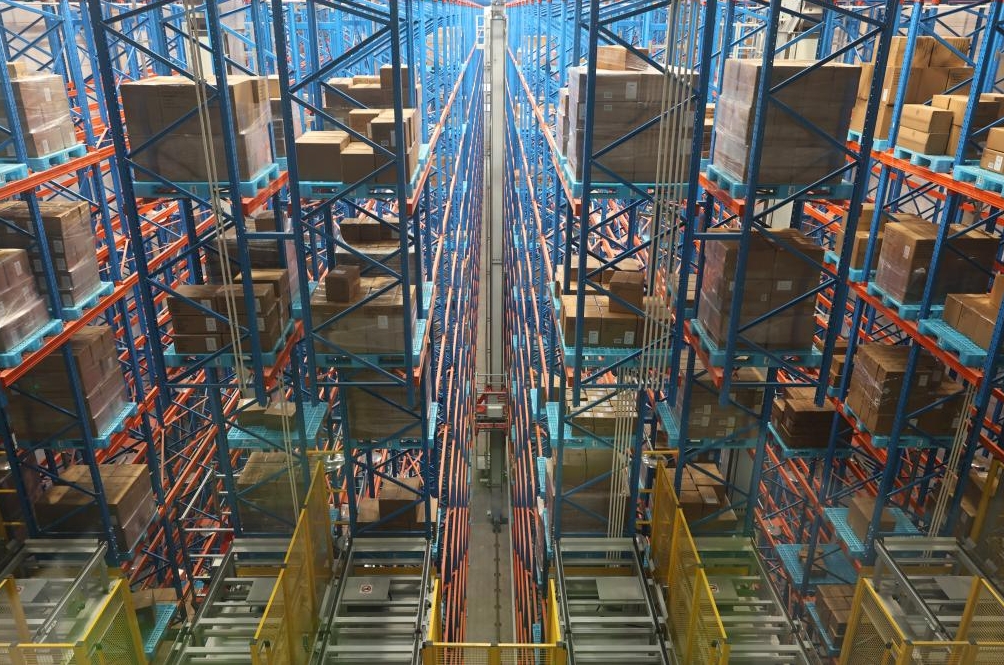
Chinese leaders set priorities for economic work in 2026 at a key meeting that concluded Thursday, signaling the country's firm determination to navigate uncertainties with high-quality development.
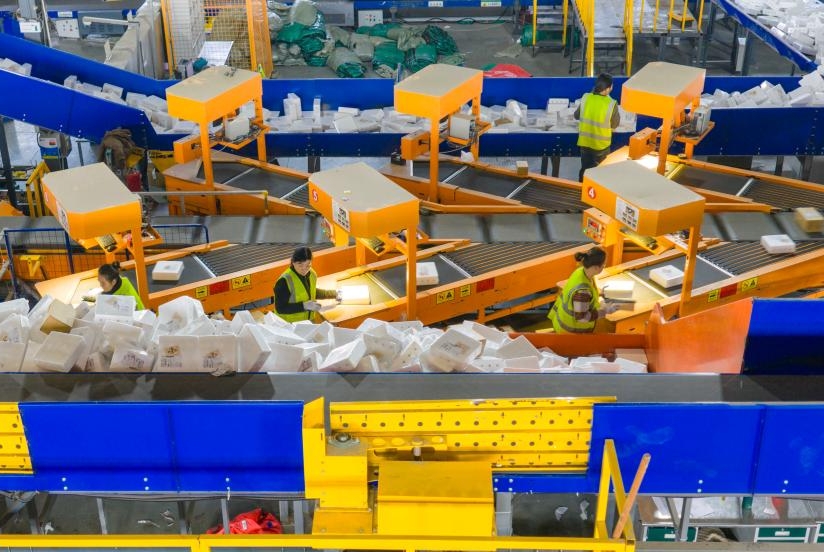
Handling more than 16 billion parcels monthly and processing over 6,200 parcels per second on average now, China's fast-growing express delivery market is evidence of the nation's economic vitality and consumption potential.
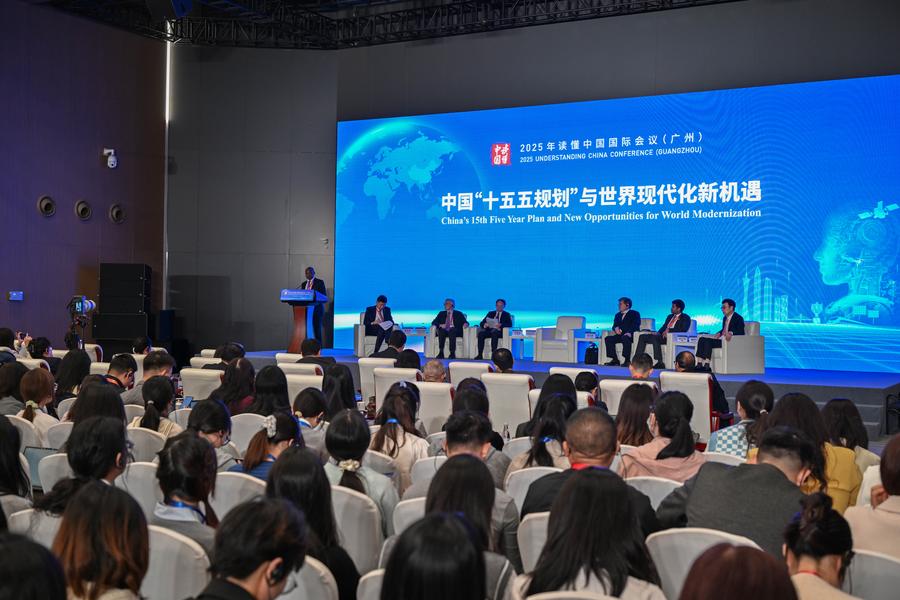
The Communist Party of China Central Committee's recommendations for formulating the 15th Five-Year Plan (2026-2030) not only outline a blueprint for the country's economic and social development over the next five years, but have been widely viewed as a new opportunity for shared global development at the 2025 Understanding China Conference.

The Seventh Tang Xianzu International Theatre Exchange Month was held in Fuzhou City, east China's Jiangxi Province, attracting over 1,000 experts, scholars, students and drama enthusiasts from home and abroad. A centuries-old Kunqu Opera masterpiece staged by international performers highlighted fresh possibilities for the fusion of Eastern and Western theatrical traditions.
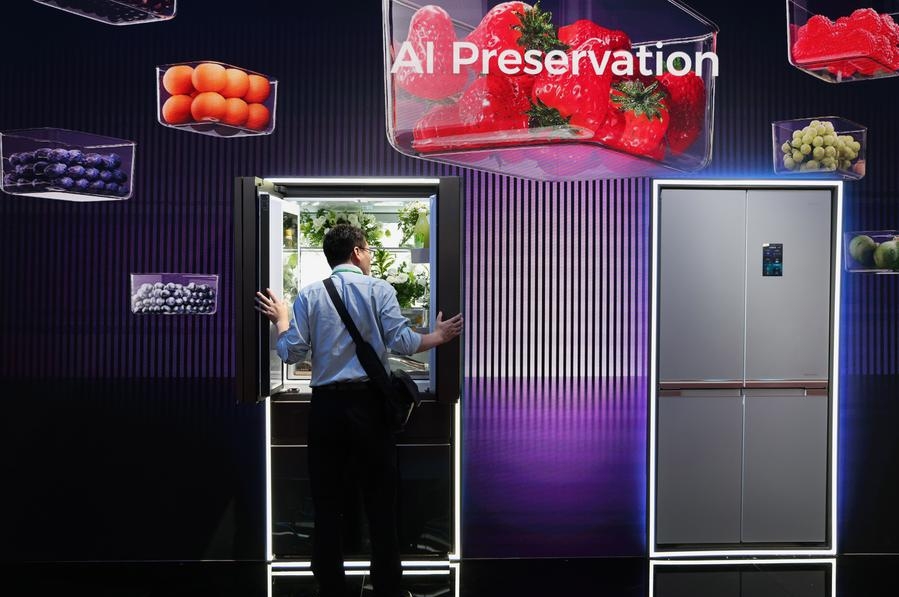
China seeks to form three massive consumption sectors, namely elderly care products, intelligent connected vehicles, and consumer electronics, with them reaching a market scale worth trillions of yuan by 2027.
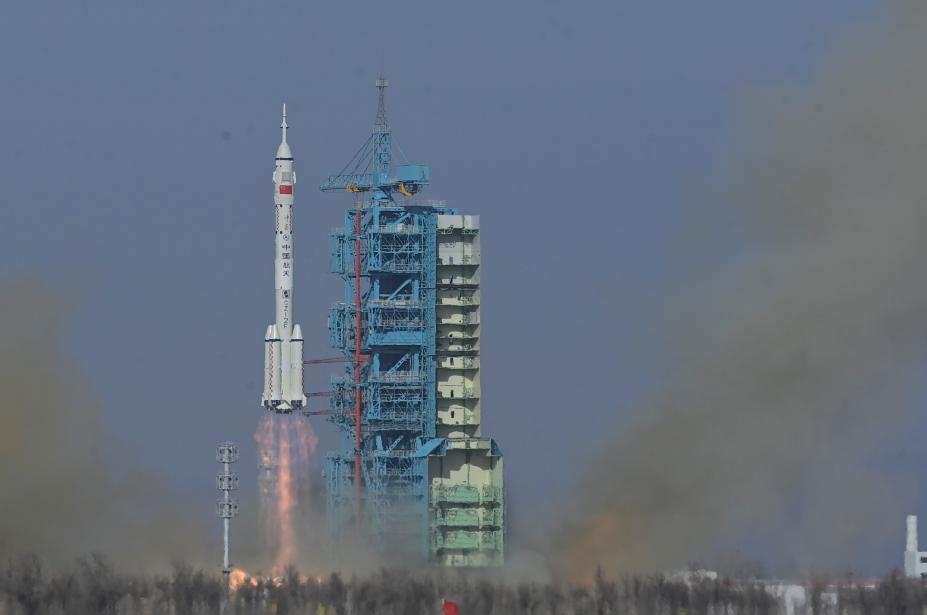
From Beijing's bustling laboratories to remote sensing satellites orbiting above, a series of recently released international rankings and reports from prestigious institutions and major academic publishers reveal a "meteoric rise" in China's research capabilities.

As sprint legend Su Bingtian ran his final race in front of a home crowd, the end of his career coincided with a historic new chapter for China's National Games.
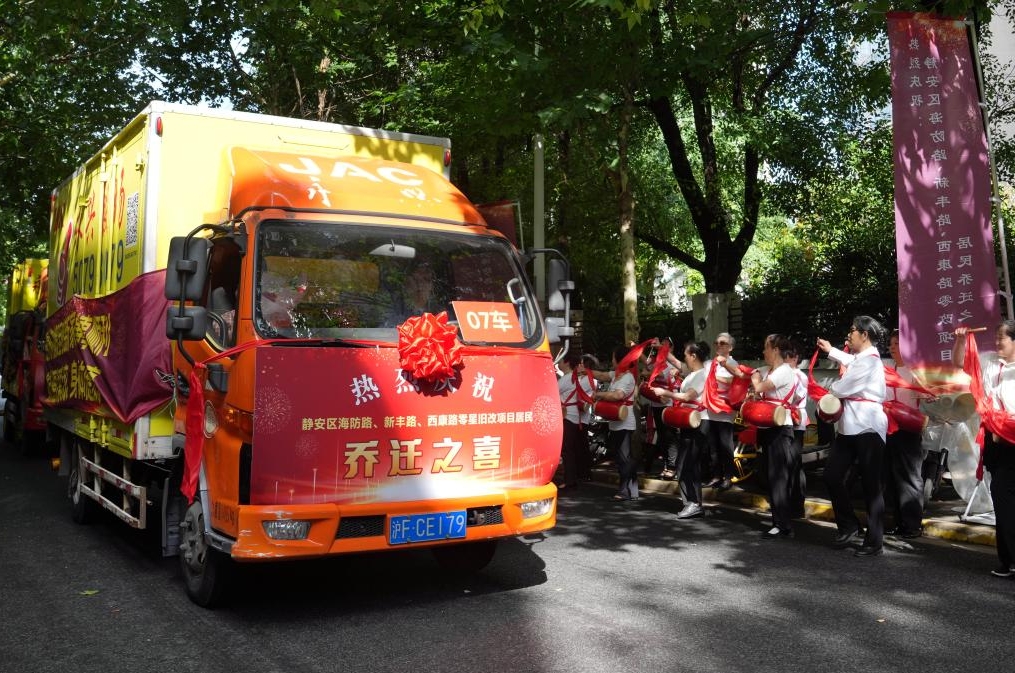
China has persistently advanced high-quality urban renewal to improve residents' sense of happiness, consciously practicing the people-centered development philosophy, and the efforts have paid off.
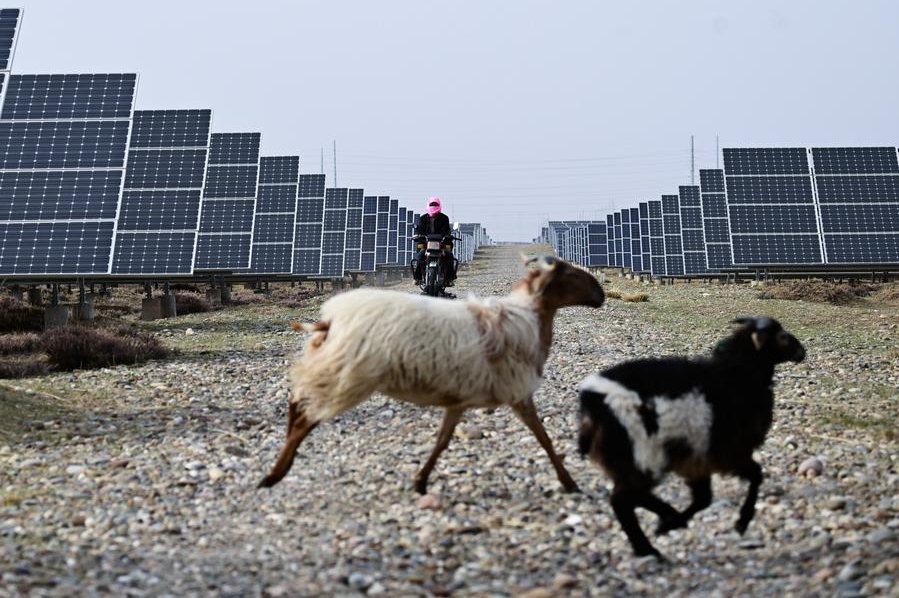
The ongoing green revolution in China's countryside offers fresh insights into the country's climate commitment. The growing adoption of clean energy, particularly in rural areas, has opened up new possibilities for improving farmers' quality of life.
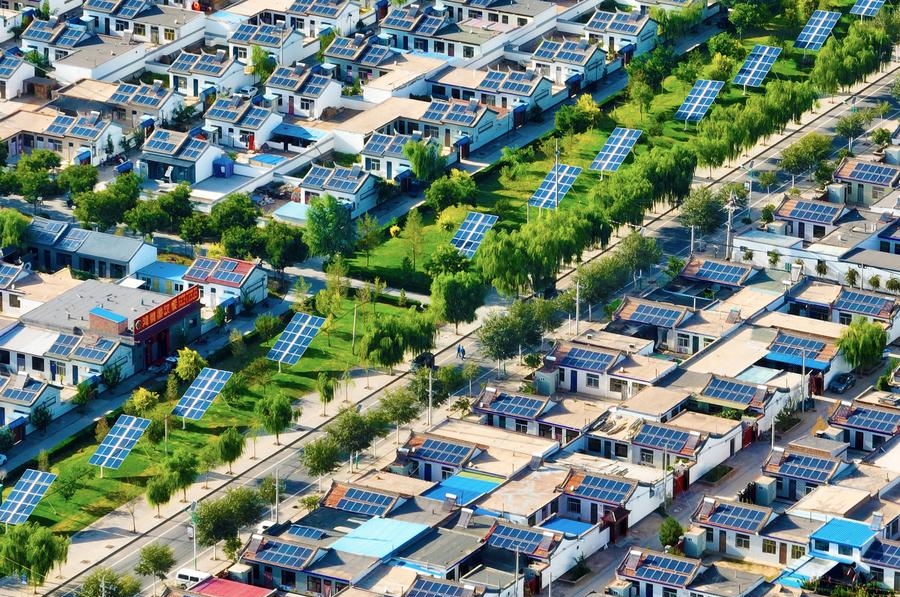
In a span of eight years, China lifted nearly 100 million people out of destitution, officially eliminating absolute poverty -- based on a national poverty line of 2,300 yuan per person per year at the 2010 price level -- at the end of 2020. Yet the long-term sustainability of this achievement was once a major concern.
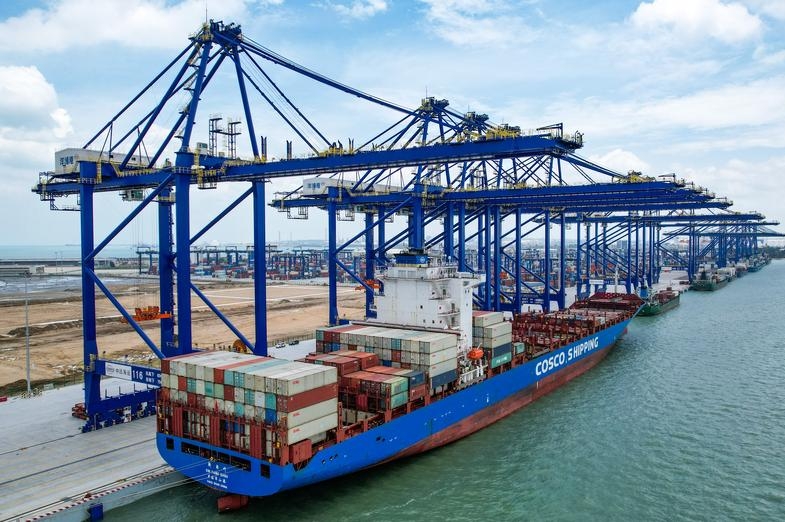
China's Hainan Free Trade Port (FTP) has entered a one-month countdown to launching island-wide special customs operations.
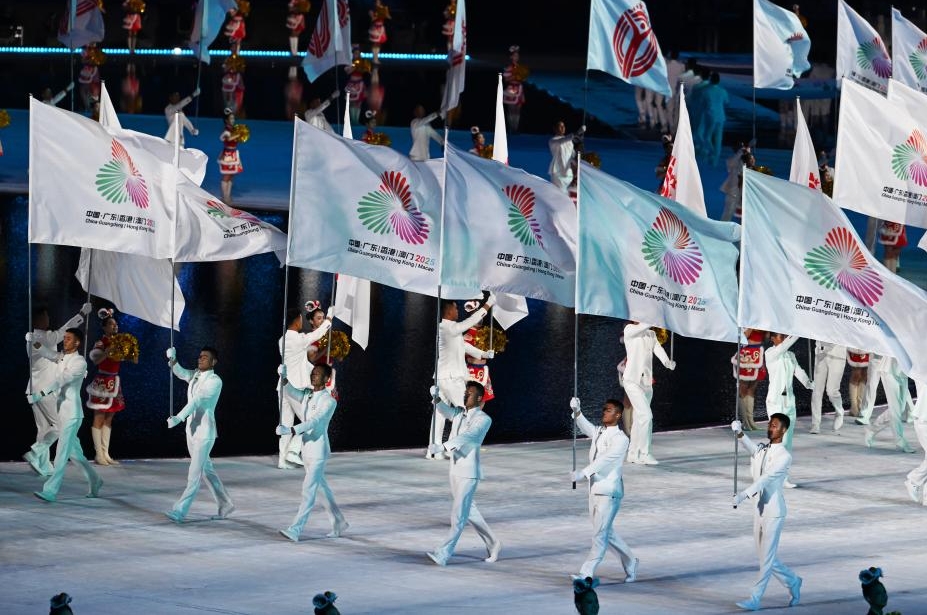
As the 15th National Games unfolds in southern China, the country's premier multi-sport event serves as a mirror, reflecting its journey toward becoming a global sports power and hinting at its future ambitions.
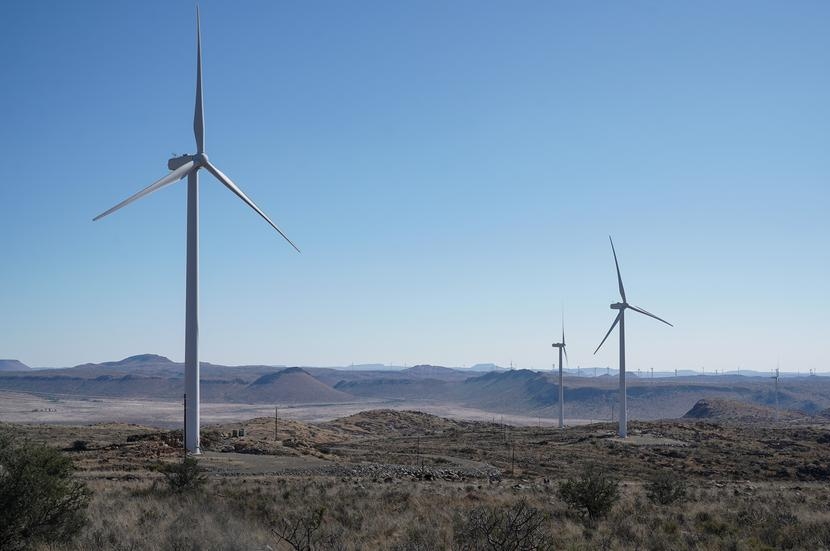
Chinese-made green technologies transform lives far beyond China's borders, turning natural resources into real opportunities and allowing developing countries to share in the global green transition.
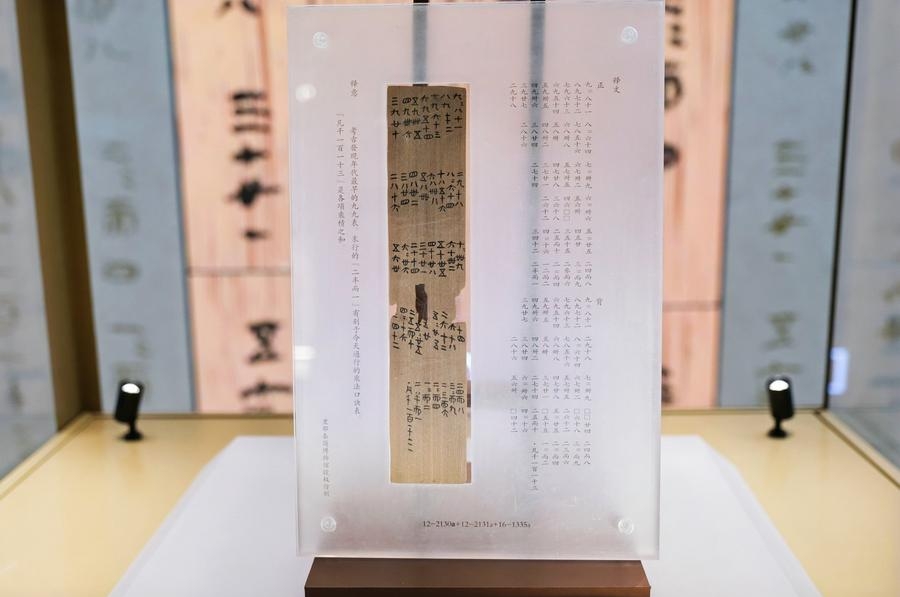
Chinese museums and cultural institutions are turning the spotlight on bamboo and wooden slips, or jiandu -- the country's primary writing medium for thousands of years before the invention of paper.
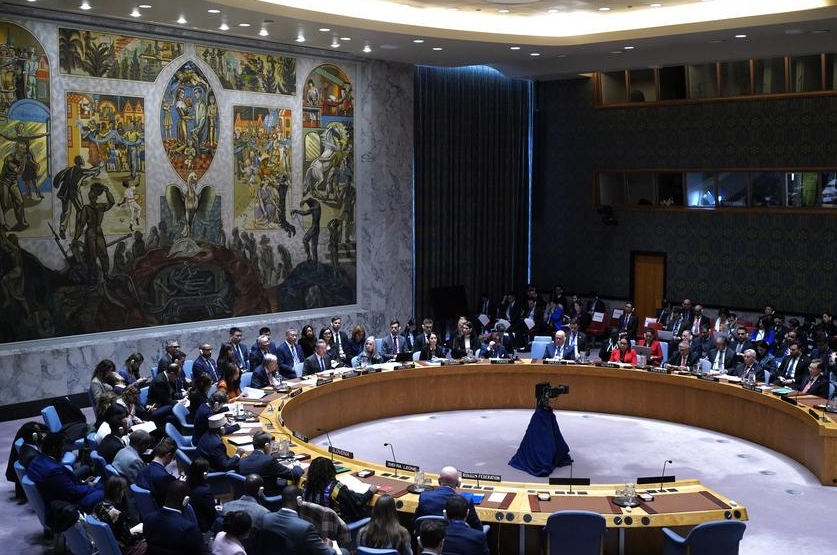
The Global South Media and Think Tank Forum China-Africa Partnership Conference opened in Johannesburg on Thursday to explore ways to strengthen global governance and deepen China-Africa cooperation.
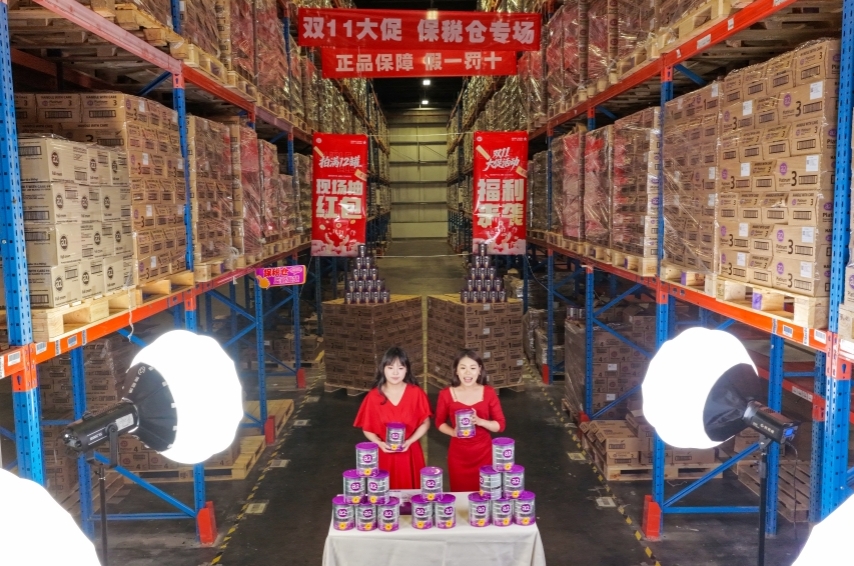
When tech heavyweight Alibaba launched Singles Day on Nov 11 in 2009, it was just a 24-hour promotional event. But its rapid evolution over the past 16 years has seen it stretch into a nearly four-week extravaganza and become the world's biggest online shopping gala.
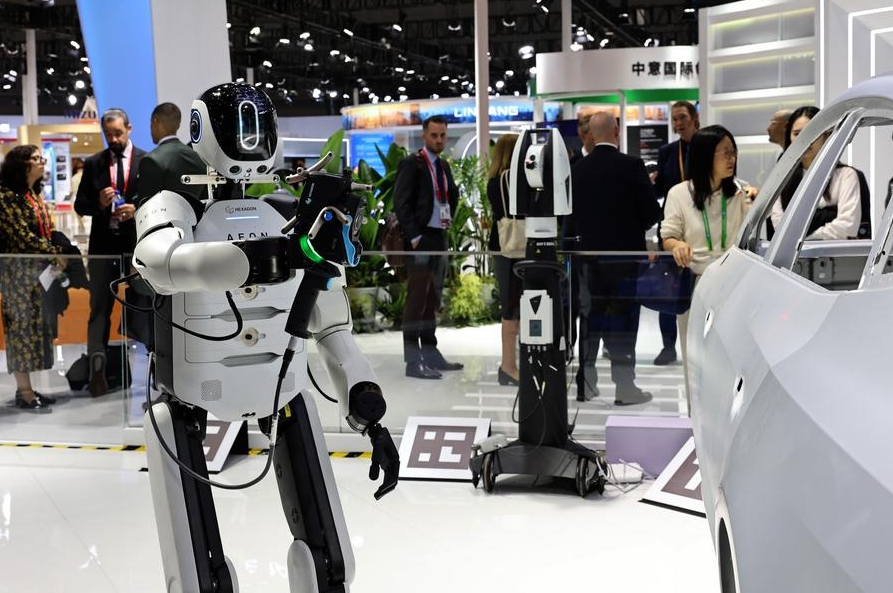
Having participated in the China International Import Expo (CIIE) for eight consecutive years, Medtronic, one of the largest medical device companies in the world, has showcased more than 500 innovative products and treatments at this event, with over 70 of them making their market debuts.
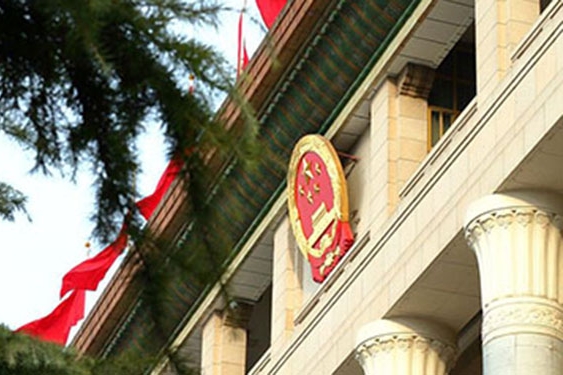
The Communist Party of China (CPC) leadership has drawn a development roadmap for the world's second-largest economy in the next five years.
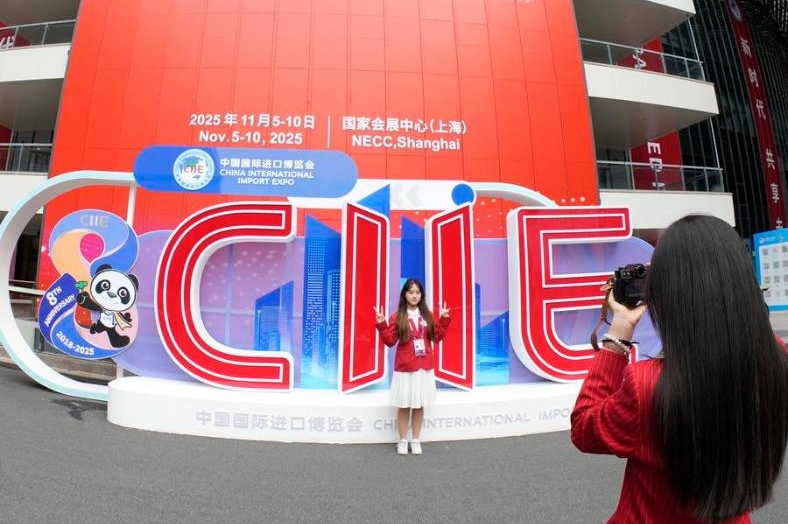
Investors around the world have once again flocked to the China International Import Expo (CIIE), experiencing the opportunities created by China's vast and open market at the ongoing eighth edition of the event.
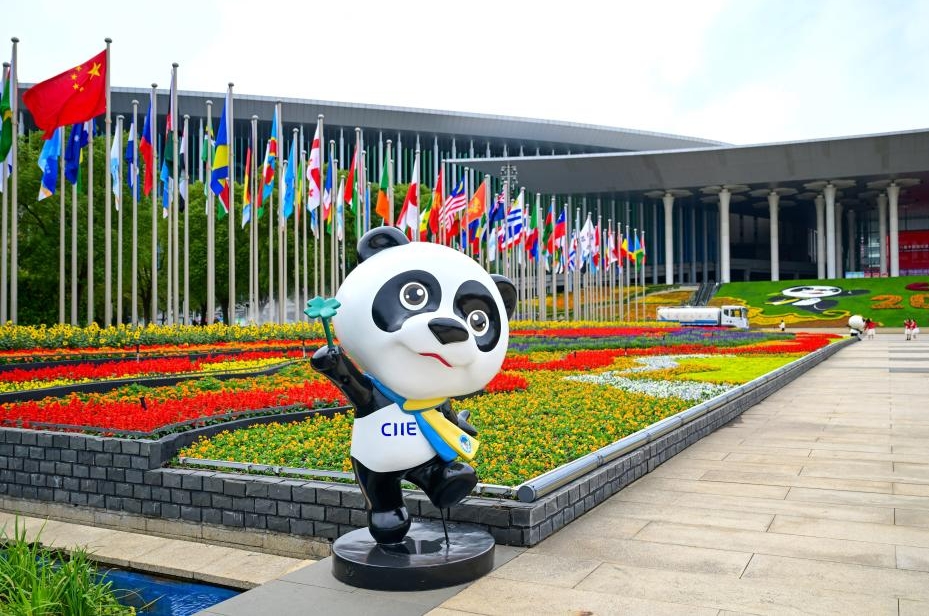
The move dovetails with the recently released recommendations for formulating the 15th Five-Year Plan (2026-2030), which advocates for balanced development of imports and exports -- a strategy set to fuel China's high-quality development and give a boost to the global economy.
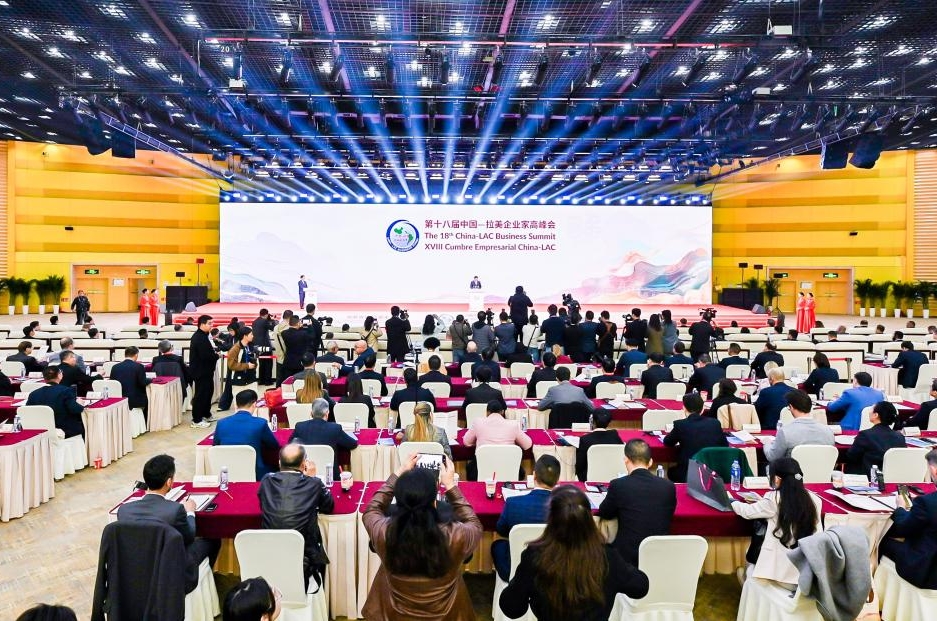
Long a cornerstone of exchange between China and LAC countries, the agricultural sector is being digitally remastered. For Gustavo Gonzalez, a rural development official from Uruguay, his first trip to Henan hinted at a partnership reaching beyond conventional farming.
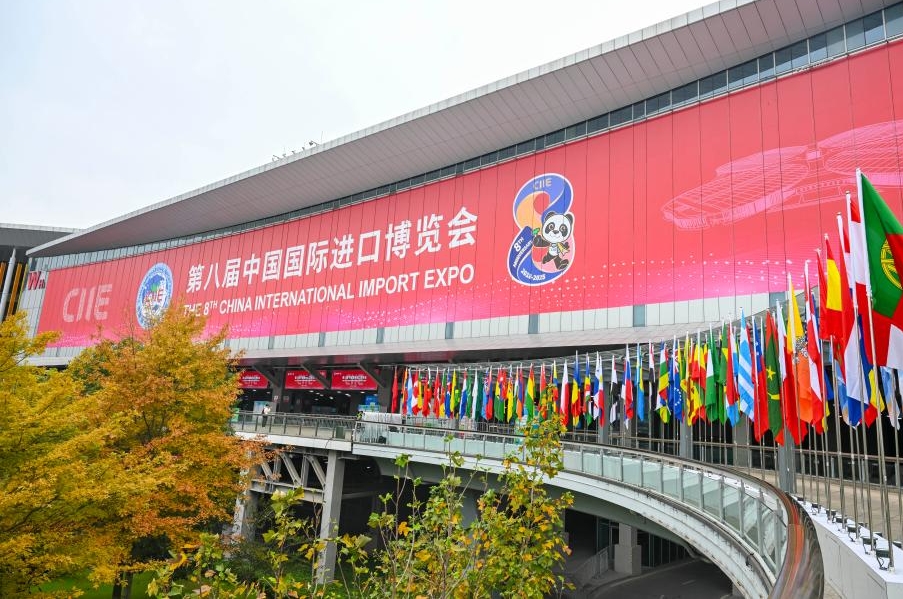
The 8th China International Import Expo (CIIE), the world's first national-level exposition dedicated to imports, opened in Shanghai on Wednesday, showcasing China's firm commitment to global cooperation, which injects much-needed certainty and stability into the global economy.

In recent years, the Canton Fair has not only expanded in scale but also in scope, launching new thematic zones and services to meet the needs of global buyers.
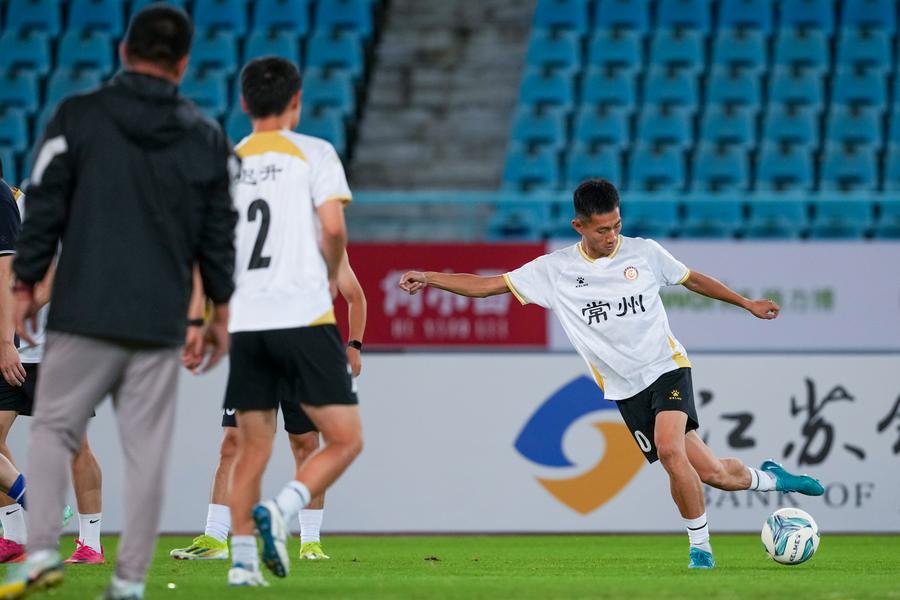
Backed by pro-consumption policies and technological advances across sectors, new consumption models are gathering pace, helping channel demand into more scenarios and inject more vitality into the economy.
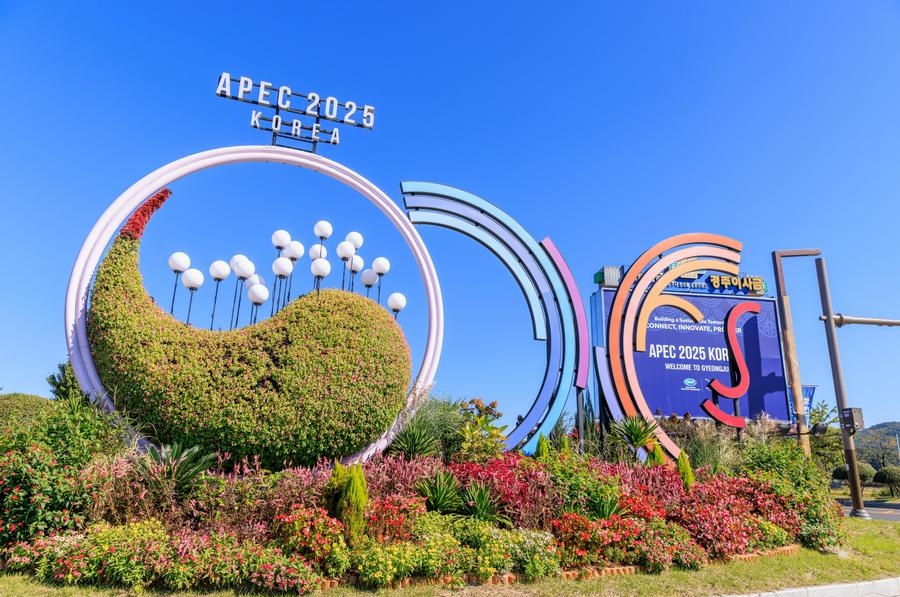
As the world grapples with mounting uncertainties, observers believe that the meeting's renewed emphasis on cooperation, openness and shared prosperity has injected positive energy and stability into the global economy.
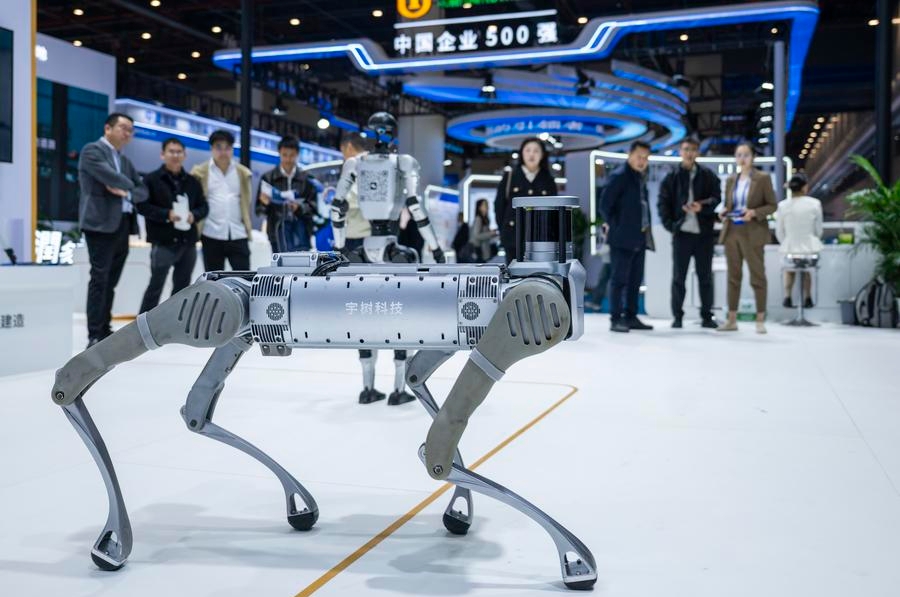
Shifting from the "world factory" to a tech innovation hub, China is accelerating the development of new quality productive forces to forge a new growth path amid a more complex global landscape.
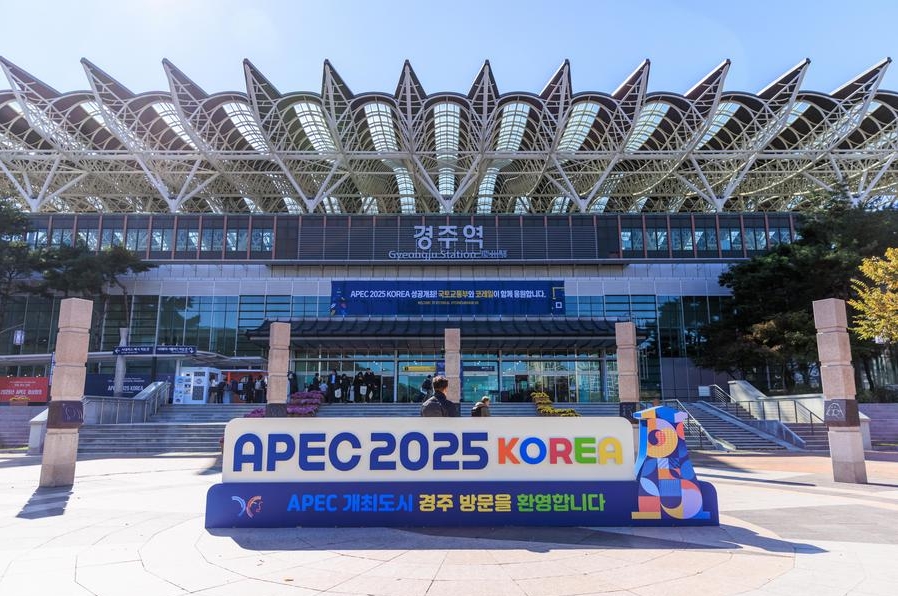
China's push for greater openness and global collaboration was prominently showcased at the Asia-Pacific Economic Cooperation (APEC) Economic Leaders' Meeting in the Republic of Korea.