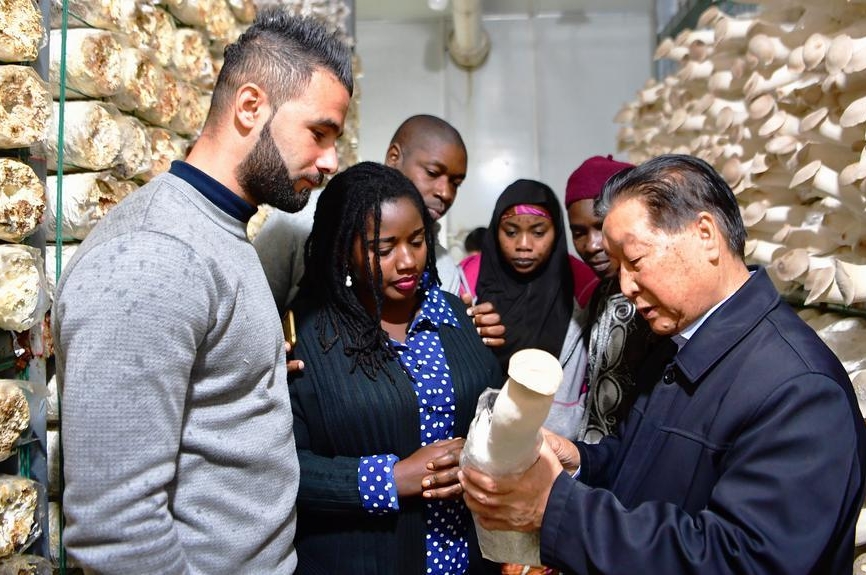
How Chinese hybrid grass technology is changing the world for the better
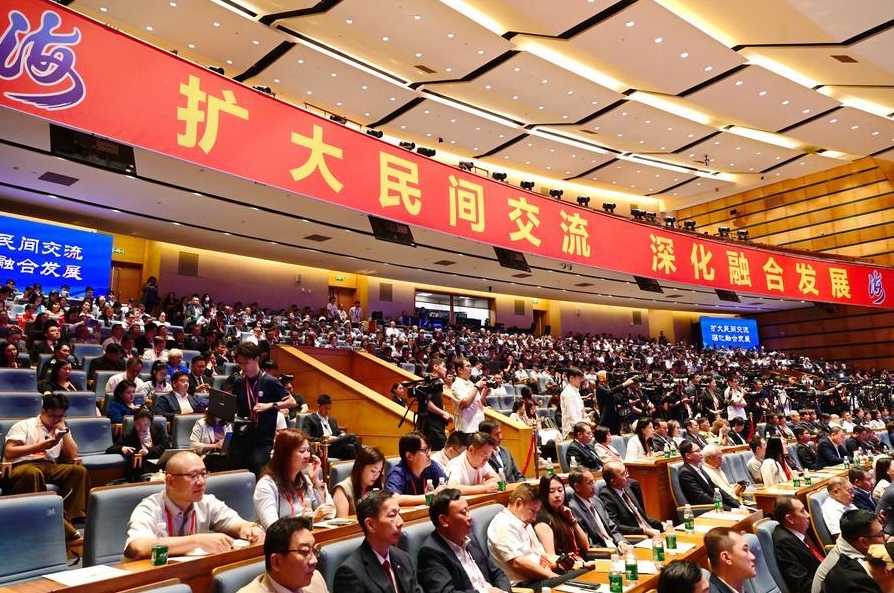
Against a complex and grave cross-Strait backdrop, the ongoing 18th Straits Forum in Xiamen, Fujian Province, delivers an unambiguous message: the mainland extends a warm welcome to Taiwan compatriots to share its development opportunities and achievements.
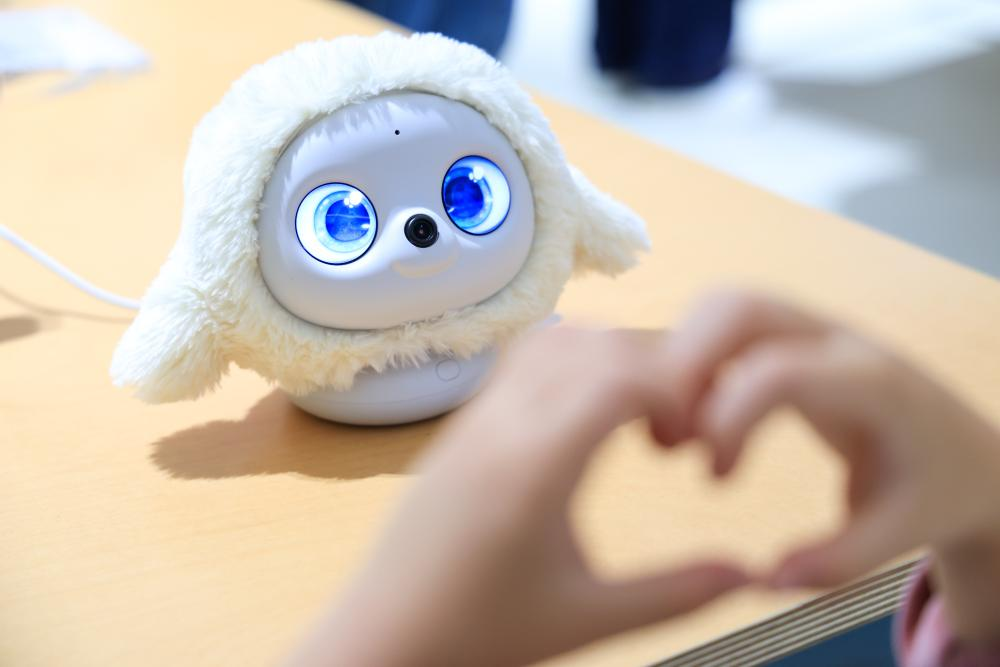
Since the very moment toys were first brought to life by human hands, their purpose has been to wrap us in comfort, spark delight and touch the heart. Now, AI is enabling toys to engage in more natural interactions with people while delivering even warmer companionship, resulting in speeding up competition and transformation in this time-honored sector.
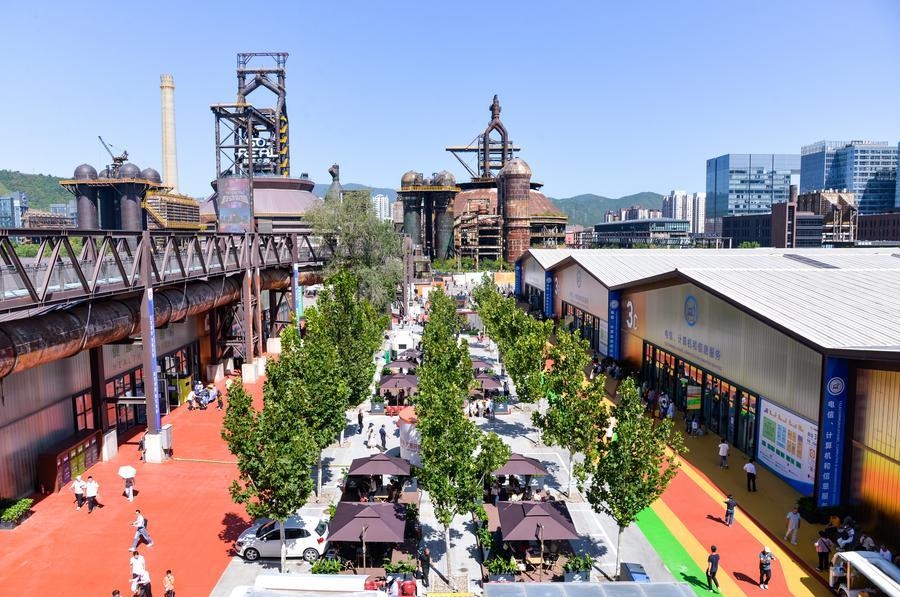
The industrial-tourism boom reflects a desire to record and preserve a story of industrialization that arrived relatively late but unfolded at extraordinary speed.

The upcoming Morocco session of the China-Africa Economic and Trade Expo (CAETE) is expected to bolster China-Morocco economic ties, as China's zero-tariff policy for African countries and deepening industrial cooperation create new opportunities for trade, investment, and supply-chain integration.
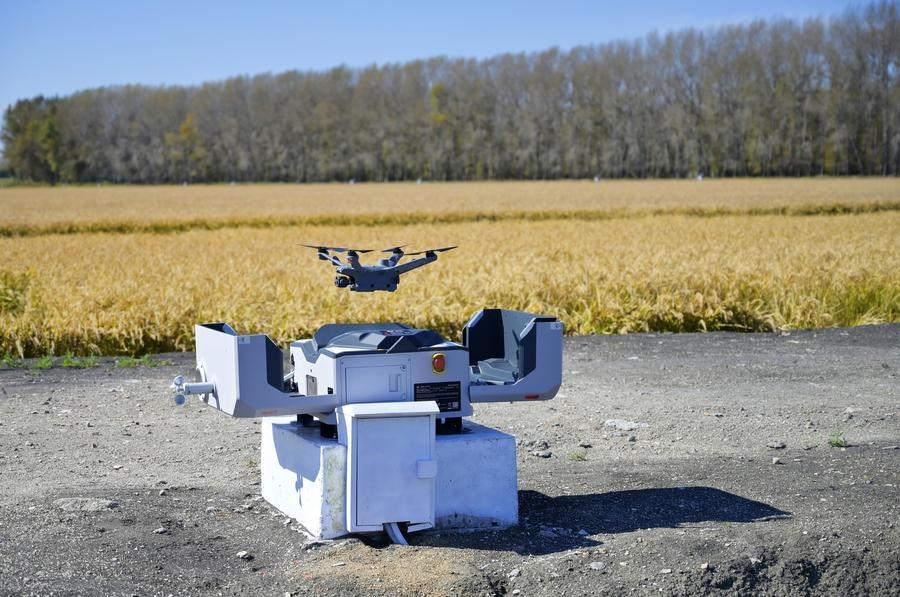
Chinese scientists have released research results documenting technological breakthroughs in combating black soil degradation and boosting modern agricultural development through the use of modern precision practices.
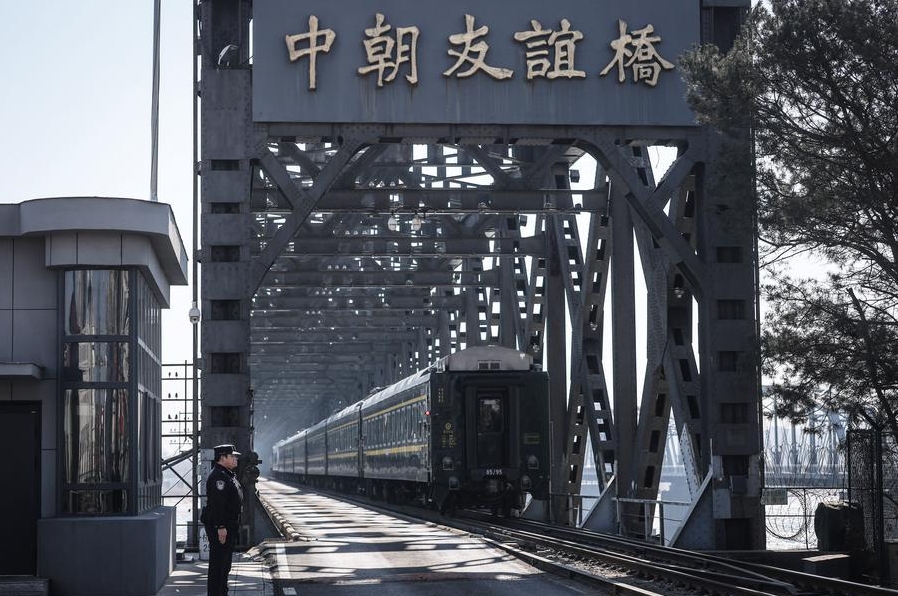
In recent years, under the strategic guidance of the top leaders of the two parties and the two countries, China-DPRK traditional friendly and cooperative relations have maintained sound and steady development.
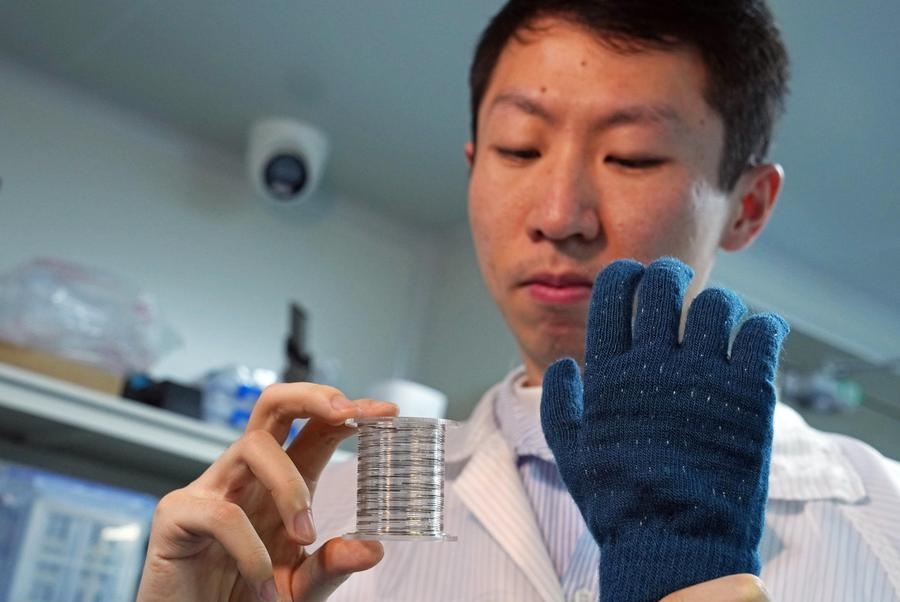
With the global push for AI computing power unleashing an unprecedented wave of infrastructure buildout, China-made optical modules that shuttle data and the chips that process it have become critical links. Featuring the world's leading market shares and accelerating upgrades, China's tech supply chains have become essential to sustaining global AI growth.
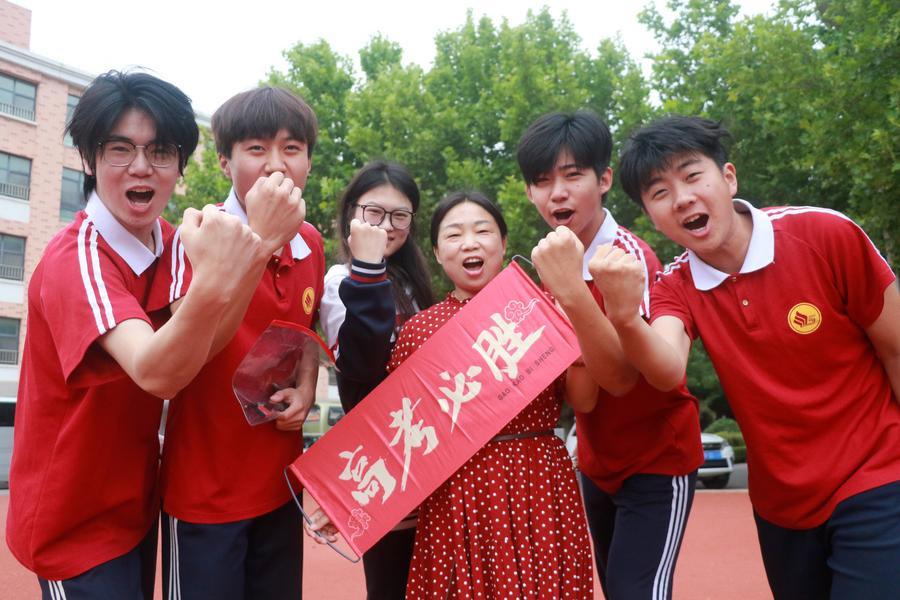
Some 12.9 million people across China sat for the annual college entrance exam, or gaokao, on Sunday, a pivotal milestone for generations of young Chinese.
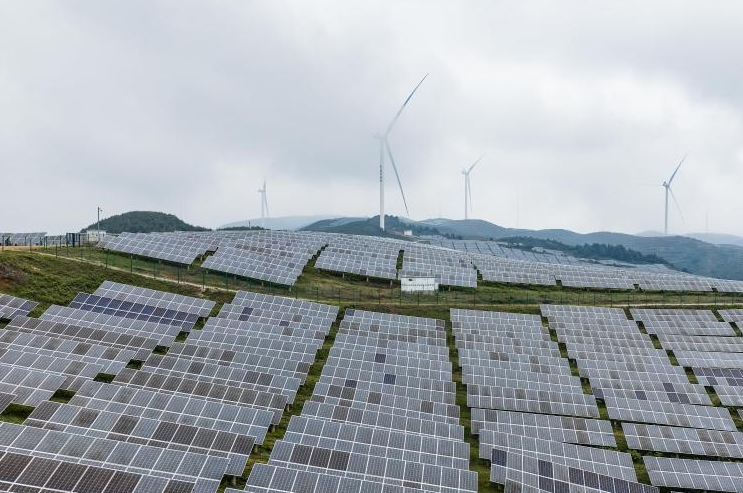
A quiet transition is sweeping across factories in China, the "workshop of the world," as industrial sites embrace green technologies and sustainable practices.
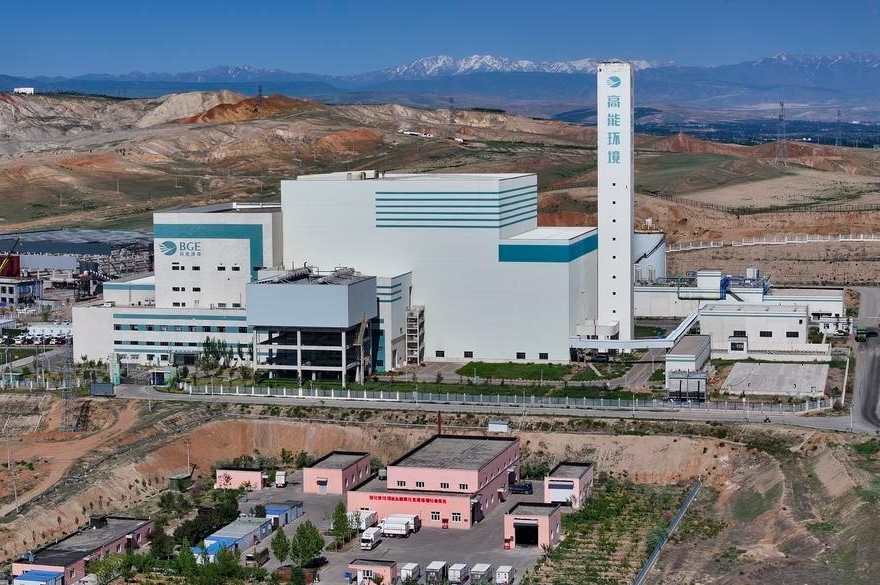
Once a looming 110-meter-high mountain of waste -- rivaling a 30-story skyscraper -- towered over Shenzhen, south China's Guangdong Province. Today, that eyesore is gone, soon to be replaced by a cutting-edge digital industry park and a lush ecological green valley.
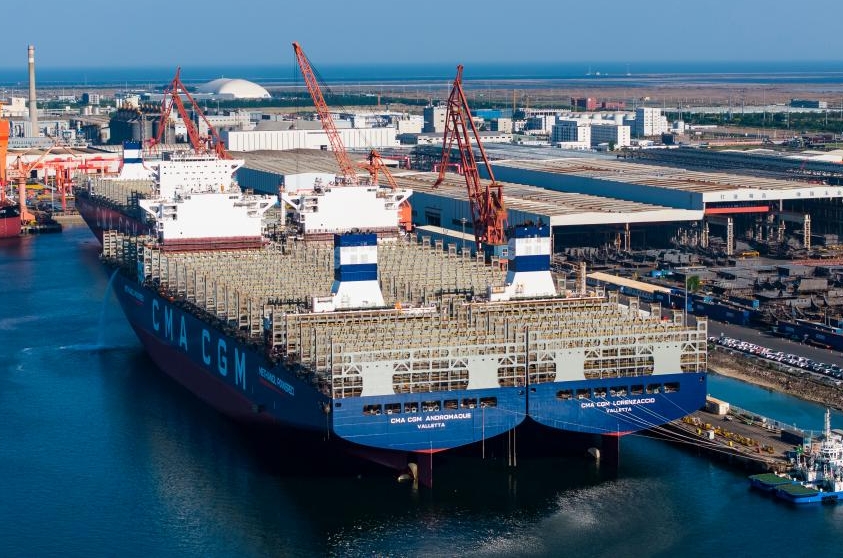
As the international shipping industry faces rising unilateralism and protectionism, as well as geopolitical tensions, an expo in northern China has drawn over 400 exhibitors from home and abroad to explore ways to fortify global logistics, supply and industrial chains.
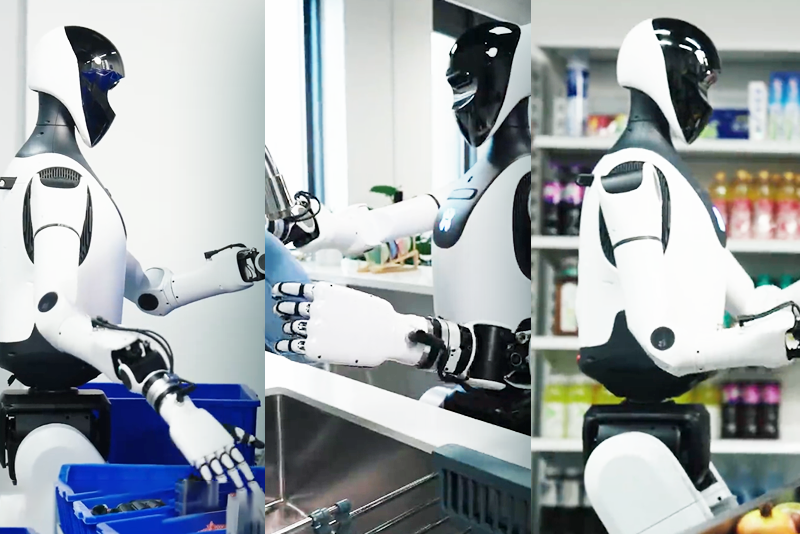
Beyond dancing robots and marathon runners, Beijing is laying the groundwork for a humanoid robot industry aimed at real-world deployment.
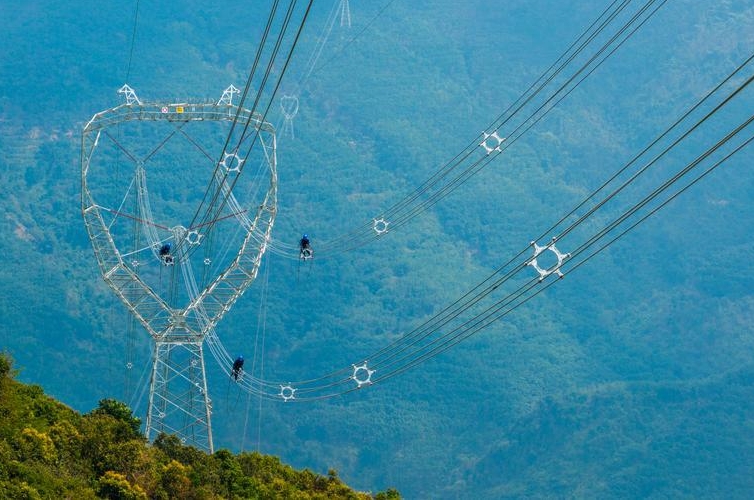
Since the establishment of diplomatic ties on April 25, 1961, Laos and China have been committed to the principles of long-term stability, good-neighborliness, mutual trust and comprehensive cooperation.
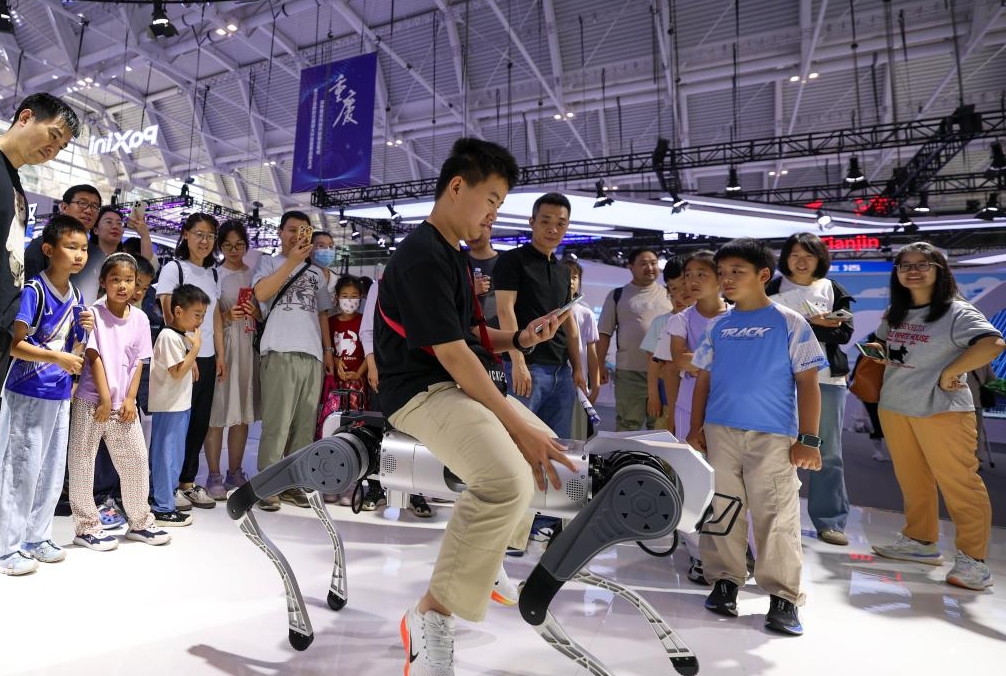
At the World Intelligence Expo 2026 in north China's Tianjin Municipality, a smart mirror provides an instant snapshot of a person's health status, a robotic arm deftly prepares a savory Chinese crepe, and a robot plays Go and tells stories to children, as what once seemed like science fiction increasingly becomes part of everyday life in China.
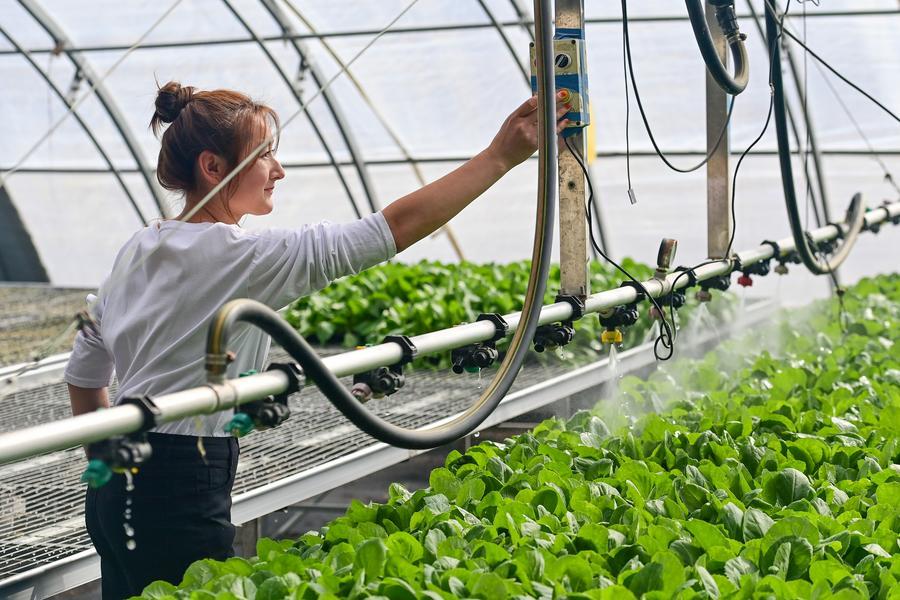
China's anti-poverty campaign continues to evolve after the country declared the elimination of absolute poverty in 2021.
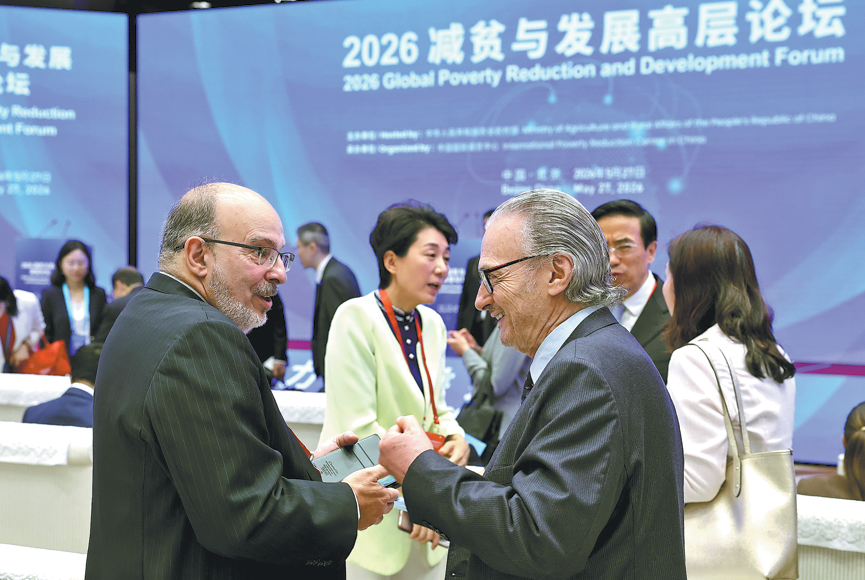
A major outcome of the 2026 Global Poverty Reduction and Development Forum that opened in Beijing on Wednesday is the establishment of the Global Partnership for Poverty Alleviation and Development (GPPAD) by China and 53 other countries, along with nine international organizations.
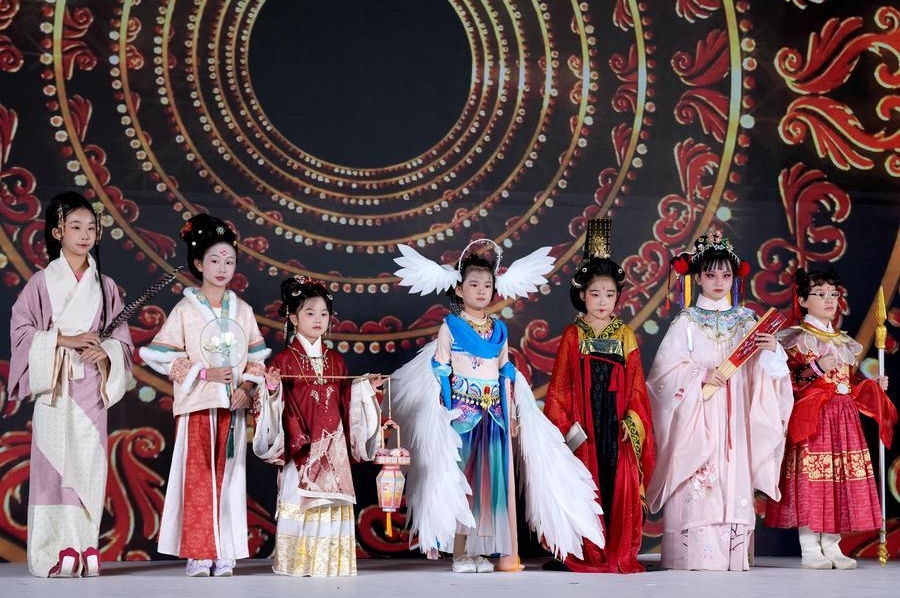
A new generation is rediscovering traditional culture not by preserving it behind museum glass alone, but by reimagining it through web novels, animation, fashion and social media.

The Shenzhou-23 crew will conduct more than 100 new science and application projects, focusing on frontier fields such as space life science, materials science, microgravity fluid physics, aerospace medicine, and new space technologies.

The transformation of Gamtog reflects the region's leap from backward serfdom to prosperity, from a life of hunger, leaking roofs, and corvee labor to one with paved roads, steady incomes, and children who sit in classrooms and learn.

Nearly 300 exhibitors and a 5,000-member procurement delegation from Russia took part in the 10th China-Russia Expo, cementing the event's status as the largest and most influential bilateral business platform for business cooperation between the two countries.
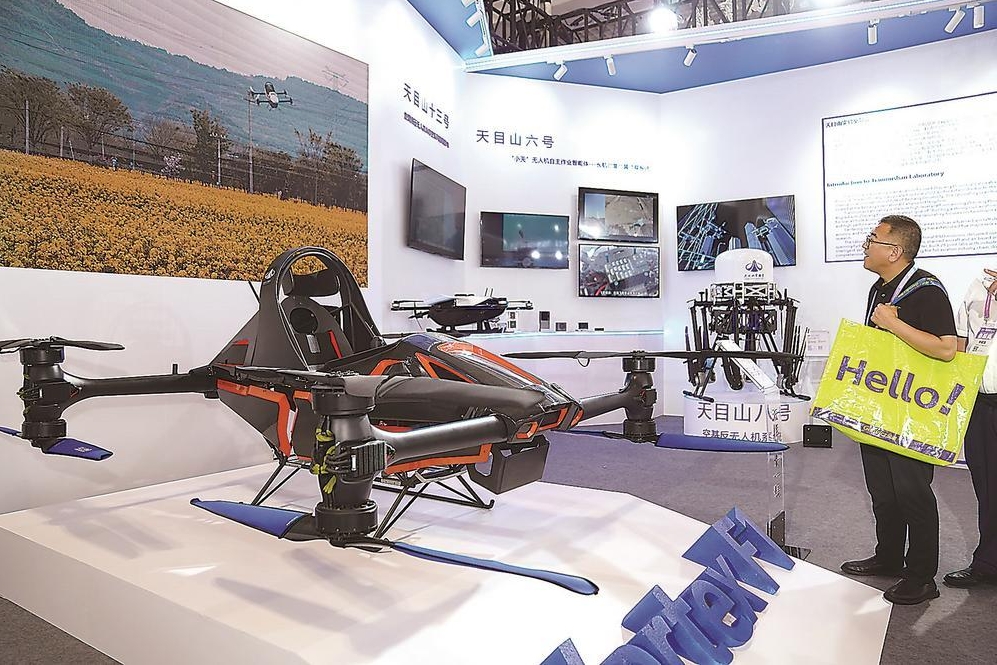
Industry leaders attending the on-going 2026 China International Intelligent Transportation Systems Industry Expo in Xiamen in east China's Fujian Province, are describing "AI plus transportation" as the new driving force for building China into a transportation powerhouse.
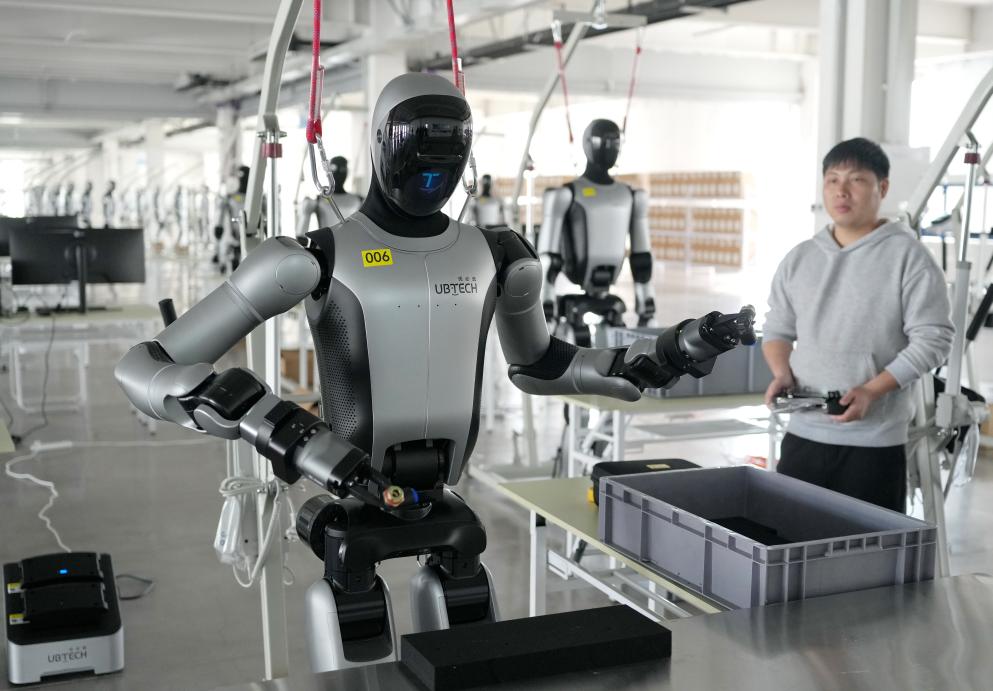
According to Polish company Tech4Business, given the rapid development of China's robotics industry, the company is seeking cooperation with more Chinese robotics suppliers, while European frms are competing to become distributors for Chinese robotics brands.
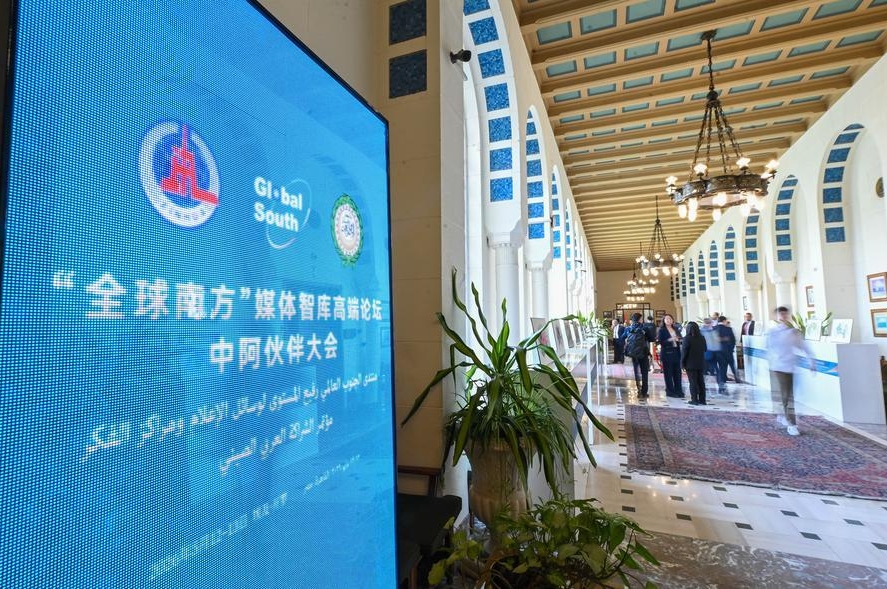
China-Arab cooperation has long been hailed as a model for South-South collaboration. At this forum, discussions centered on translating this potential into tangible results across media and other key sectors.

China's auto industry is accelerating its green and high-quality transformation, powered by the rapid growth of new-energy vehicles (NEVs), which signaled a structural shift by accounting for more than half of China's monthly car sales in April.

Digital technology is rapidly reshaping the landscape of sports in China.

In China, a growing number of educated young people with digital skills are turning rural entrepreneurship into an online phenomenon -- using short videos and e-commerce to bridge the gap between farm and consumer.
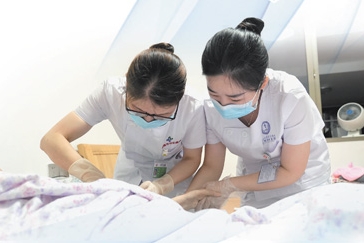
As China celebrates International Nurses Day on Tuesday, demand for home-based care has been on the rise, making Internet and nursing services a key public welfare issue in improving and upgrading healthcare services.
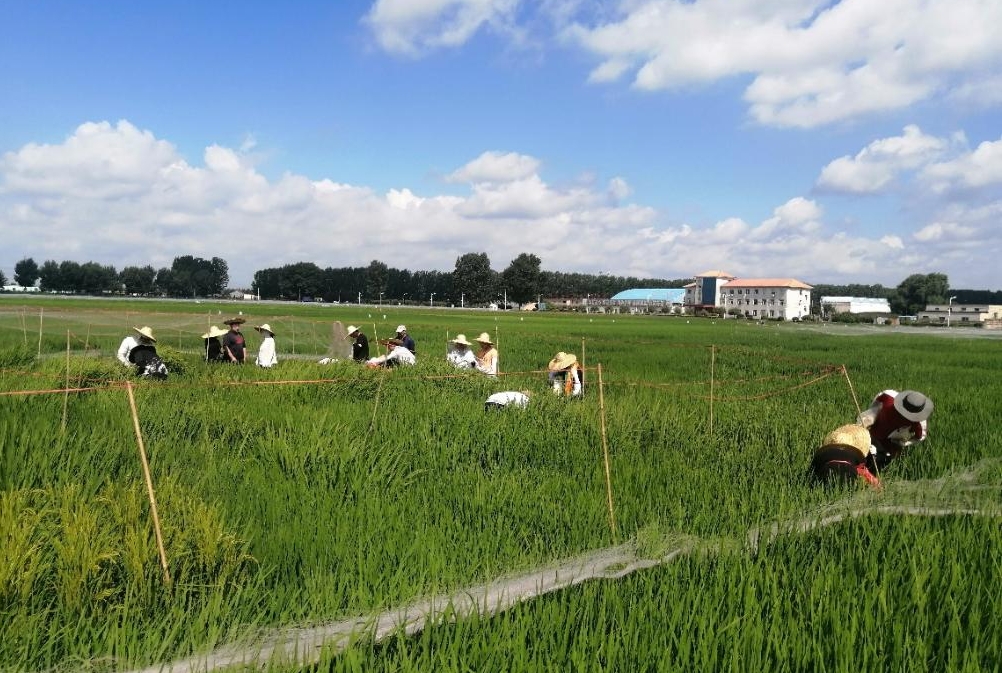
Launched in 2023 by the Institute of Crop Sciences of the Chinese Academy of Agricultural Sciences (CAAS) and China's digital-tech giant Tencent, the "Tian Shu" initiative aims to decode the genetic information carried by crop germplasm resources -- the hereditary materials that hold the keys to higher yields, stress tolerance and improved quality.

China plays an irreplaceable role in global migratory bird conservation. And as the country doubles down on biodiversity and green ecosystems, migratory bird protection initiatives have been rolled out across the country.

Chinese brands are engaging global markets with a more open and collaborative approach, driven by the country's growing innovation capacity, market vitality, and rising cultural appeal.