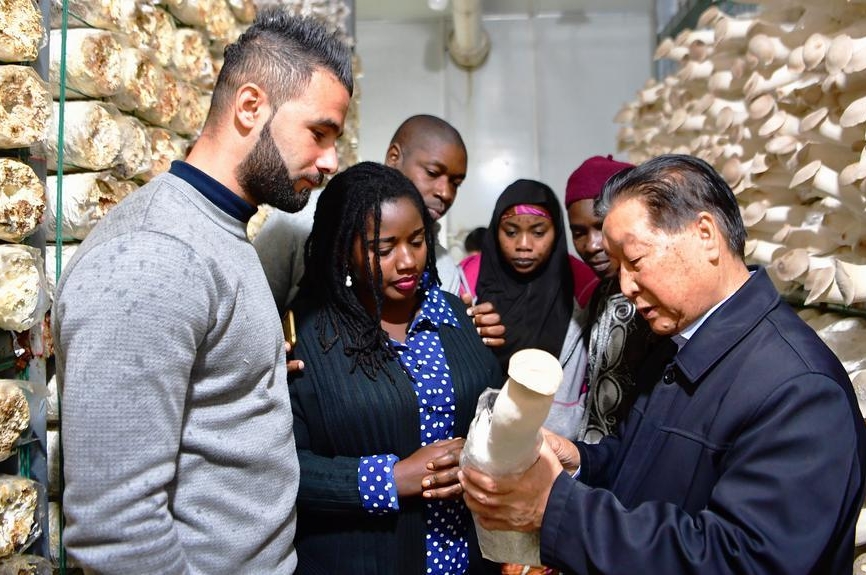
How Chinese hybrid grass technology is changing the world for the better
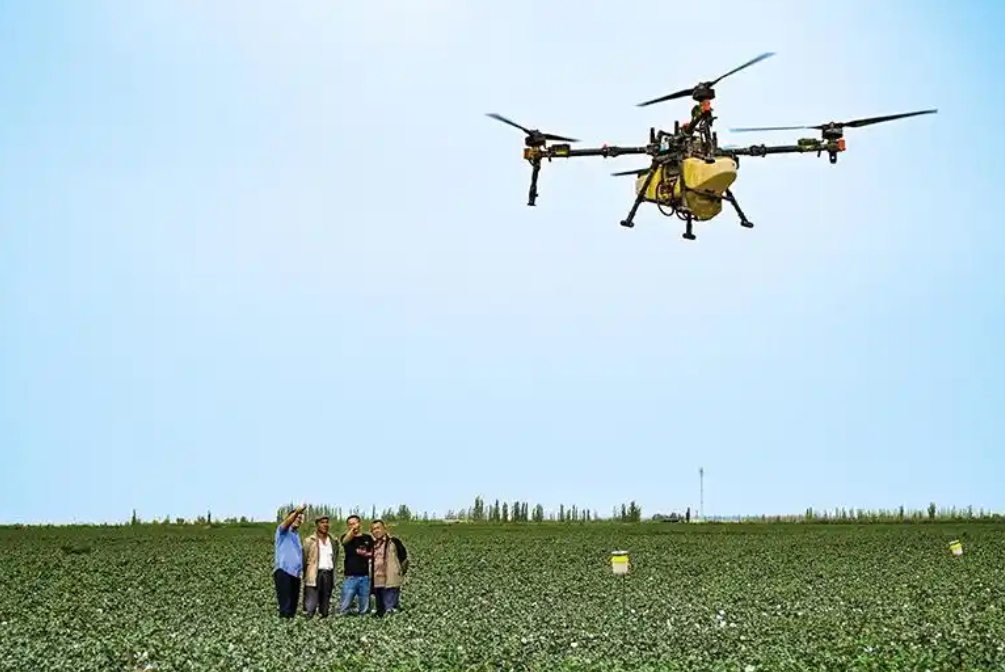
How many hectares of cotton can two people plant? In northwest China's Xinjiang Uygur Autonomous Region, Ai Haipeng and Ling Lei, both born in the 1990s, have a striking answer -- 200 hectares.

The growing use of artificial intelligence (AI) is pushing the industry into a new stage defined by broader participation, higher efficiency and more diverse content, helping drive its global expansion.
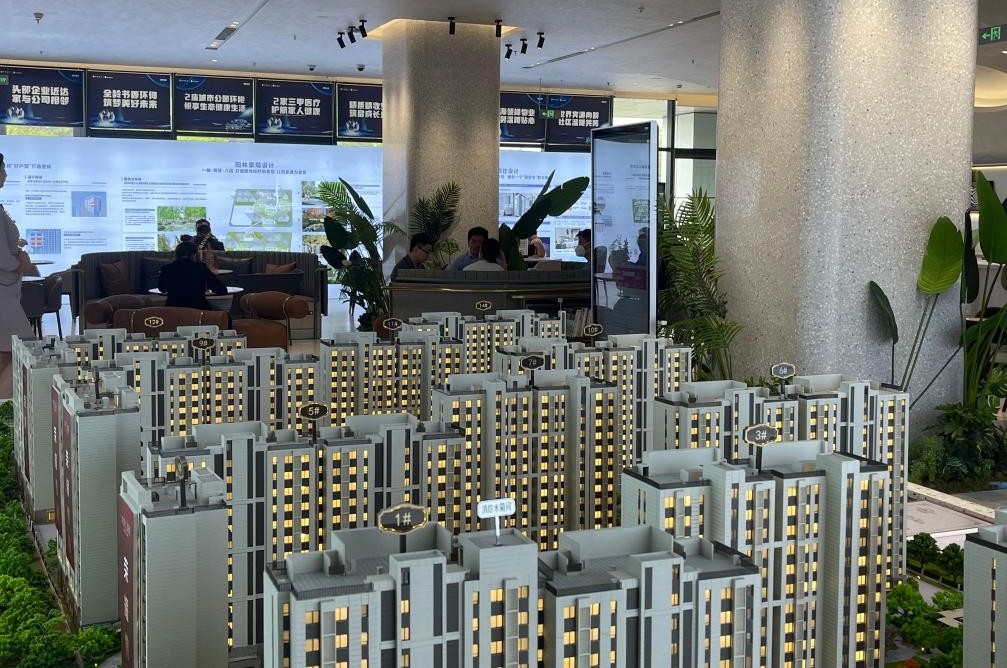
China's property market, after a period of adjustment, is showing tentative signs of recovery, with transaction volumes in major cities rising in March and month-on-month price declines easing into flat or modest gains, indicating a gradual return of buyer confidence and improving market liquidity.
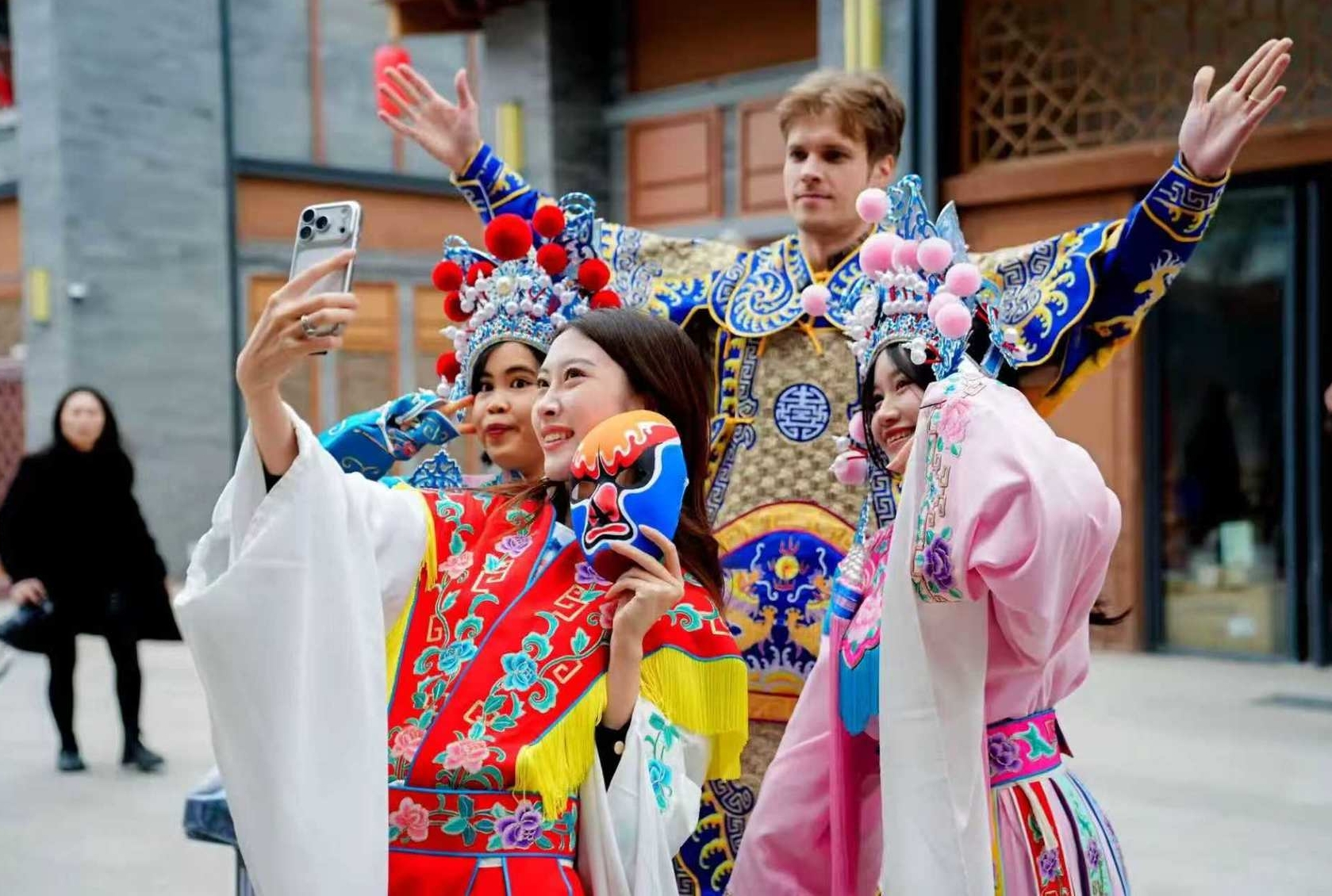
According to China's customs data, in the first quarter of 2026, China's exports of thermos flasks reached 5 billion yuan (about 732 million U.S. dollars). Meanwhile, tea exports hit 2.7 billion yuan, while overseas sales of electric kettles reached 200 million yuan. These surging numbers tell a bigger story -- one where China's evolving industrial strength goes hand-in-hand with its expanding cultural appeal.
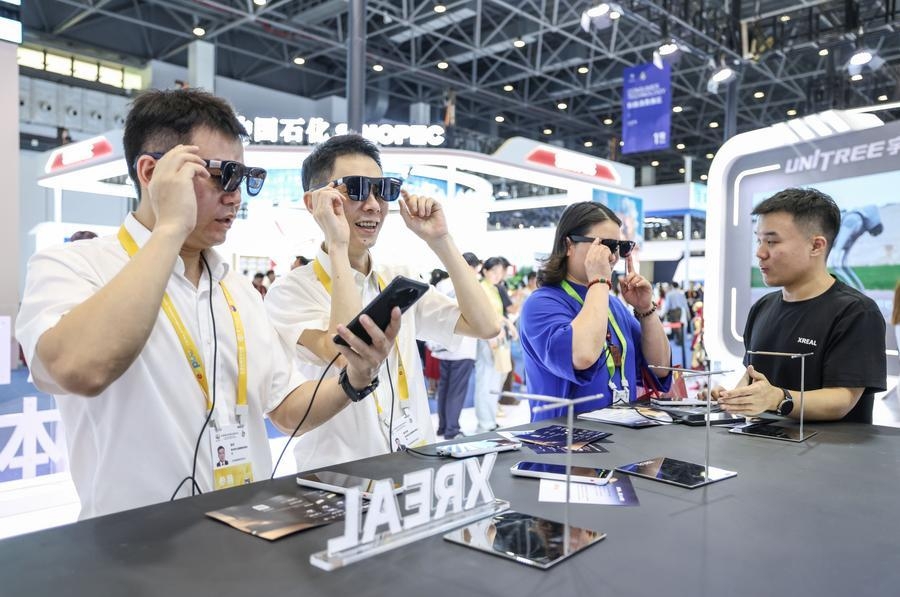
Benign interaction between demand and supply is the key driver of economic development. To promote this positive interplay, China has written into the 15th Five-Year Plan (2026-2030) the need to foster virtuous interaction between consumption and investment, as well as between supply and demand, so as to achieve a higher-standard dynamic balance and strengthen the endogenous momentum and reliability of the domestic economy.
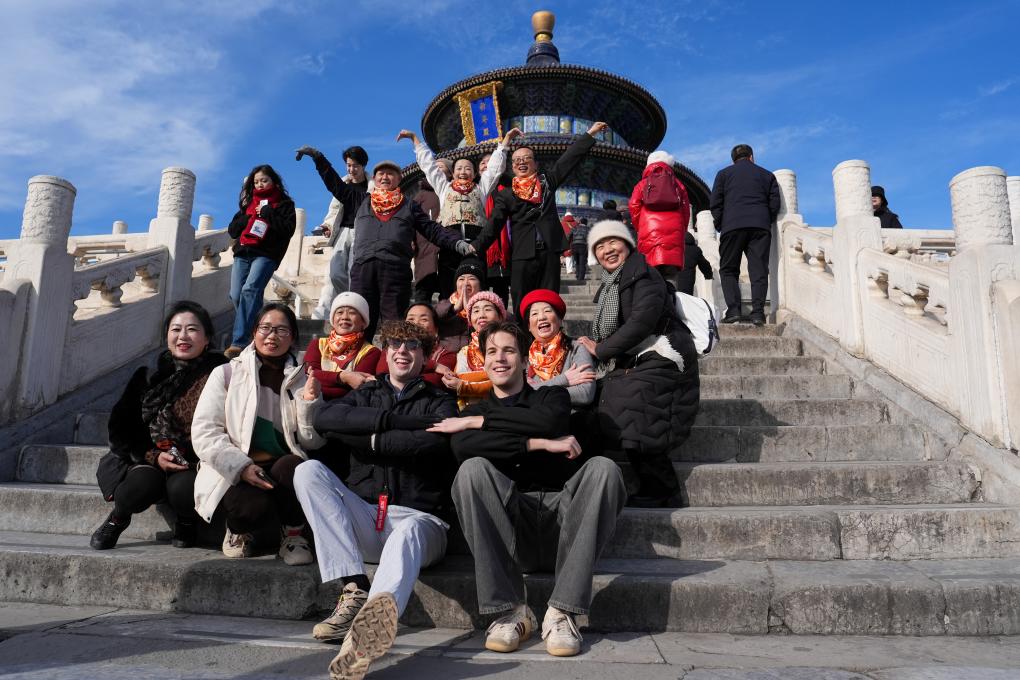
Foreign tourists still come for the expected attractions -- historic landmarks, natural scenery, futuristic urban life, and a rich culture. Yet a quieter observation is increasingly common in travel accounts: a strong sense of order and safety that is part of China's appeal.

Thursday's World Book Day is being celebrated in China not just for a day but over an entire week this year, as a new national "reading week" initiative points to changing reading habits and growing enthusiasm for books.
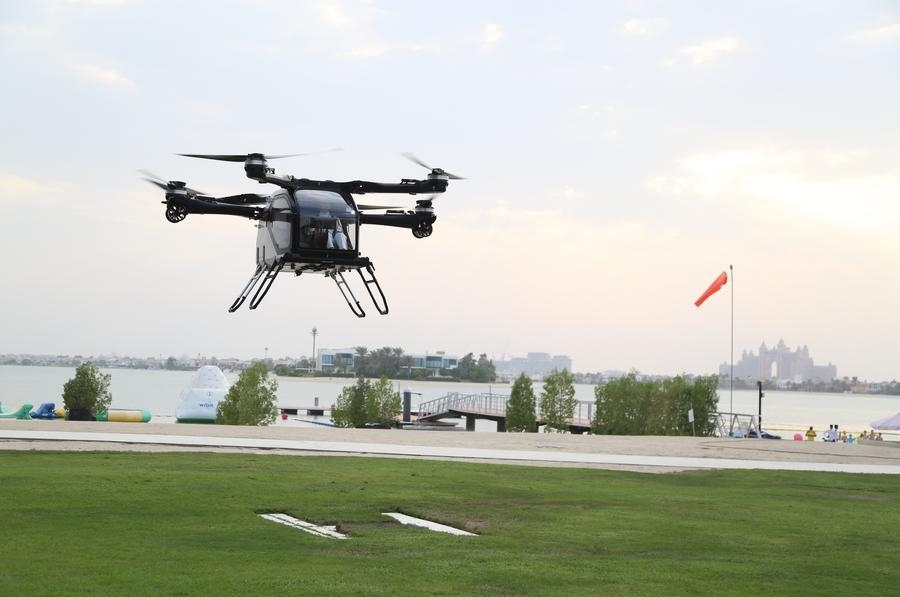
Many have shown a keen interest in China's homegrown technology and energy innovations during their diplomatic engagements. The prevailing vibe is pivoting away from the angst and decoupling pressures that once dominated Western narratives on China toward a renewed readiness to engage and deepen cooperation.
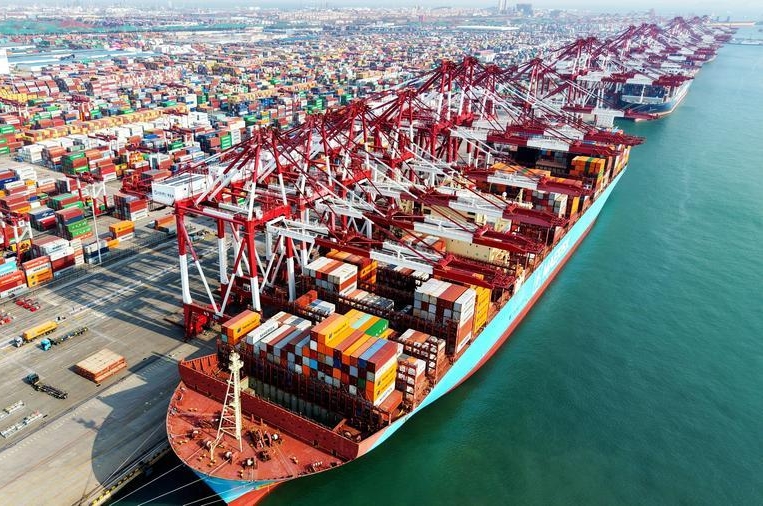
The improving economic figures in the first quarter (Q1) despite headwinds at home and abroad have not only signaled a sound start for the Chinese economy this year, but also provided powerful evidence of the efficacy of China's economic policies.
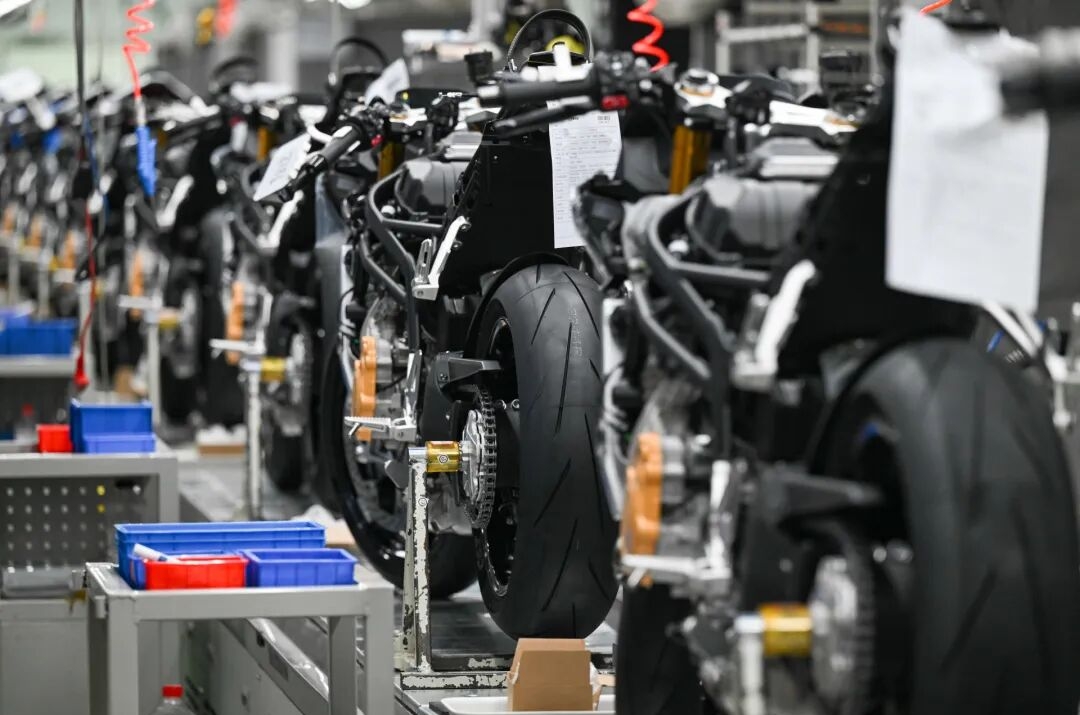
Hailed by international media as a testament to China's manufacturing strength and comprehensive local supply chain, the victory highlights a larger reality: as global economic turbulence intensifies, China's manufacturing sector is proving its resilience and capacity for high-quality growth.
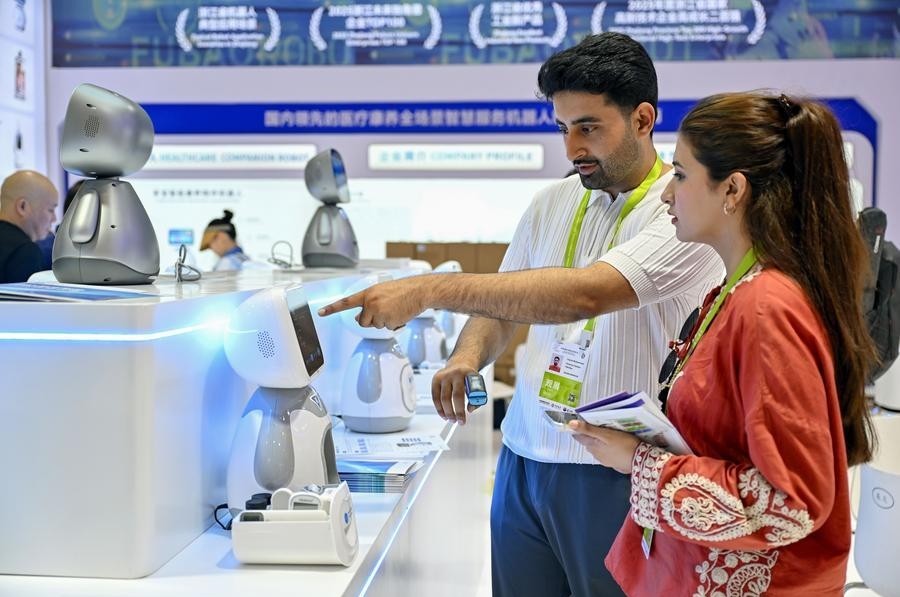
As a major event showcasing the Hainan Free Trade Port (FTP) after it fully launched island-wide special customs operations in December last year, the sixth China International Consumer Products Expo (CICPE) kicked off on Monday in Haikou, capital of south China's Hainan Province, attracting more than 3,400 brands from over 60 countries and regions.
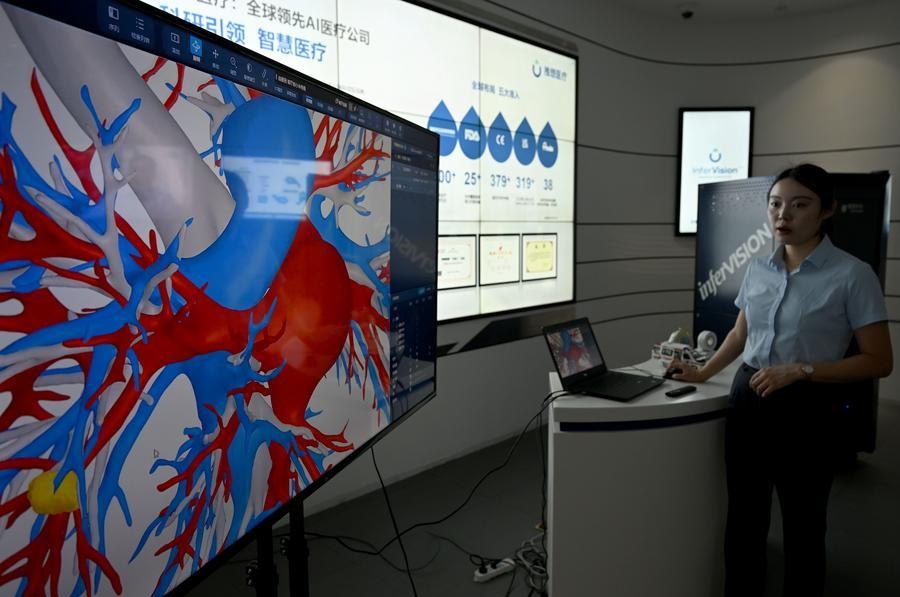
From AI diagnostics to infectious disease control and smart aging services, technology helps China advance its Healthy China Initiative, which implements a health-first strategy and aims at promoting people's health.

With growing public awareness of ecological conservation, people and authorities across China are stepping up wildlife protection, and more people are embracing new ways to live in harmony with wild animals.
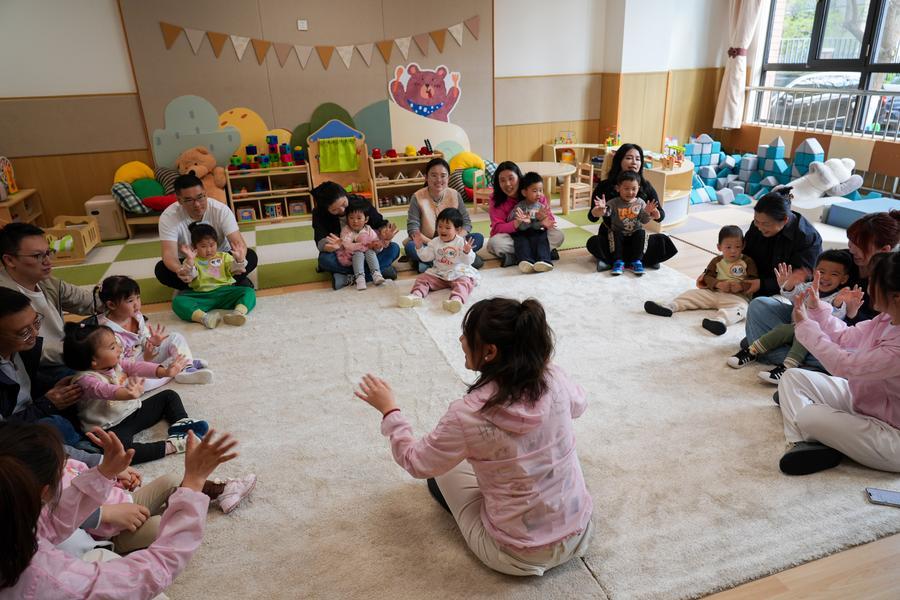
China is moving to foster more "China Services" brands and promote high-quality development across its service sector, as policymakers seek to empower manufacturing, expand domestic demand and create jobs.
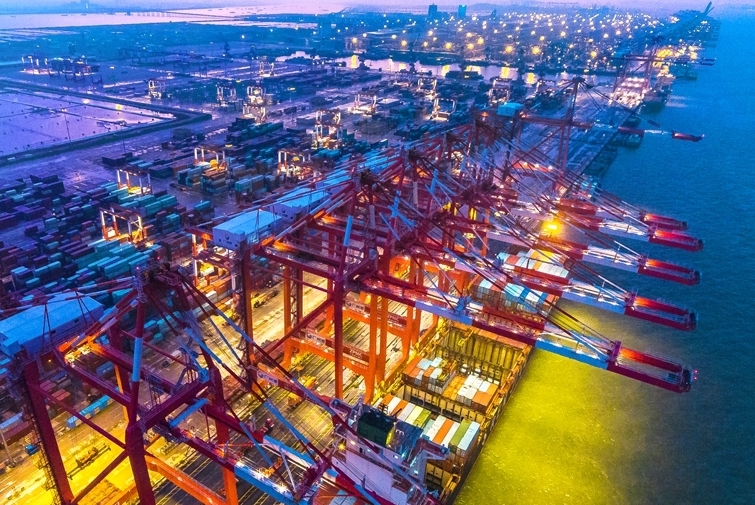
When headlines trumpet China's 2025 goods trade surplus of about 1.19 trillion U.S. dollars, it is easy to see it as a one-sided windfall or a sign of imbalance. But the real story is not the number itself—it is how that surplus moves. Far from being hoarded, China's trade gains circulate through global markets, fueling investment, supporting cost stability, and reinforcing financial stability worldwide.
Major projects outlined in China's 15th Five-Year Plan are creating jobs that require stronger technical skills, more specialized expertise or broader cross-sector capabilities, challenging the long-held view that construction work is largely manual labor.
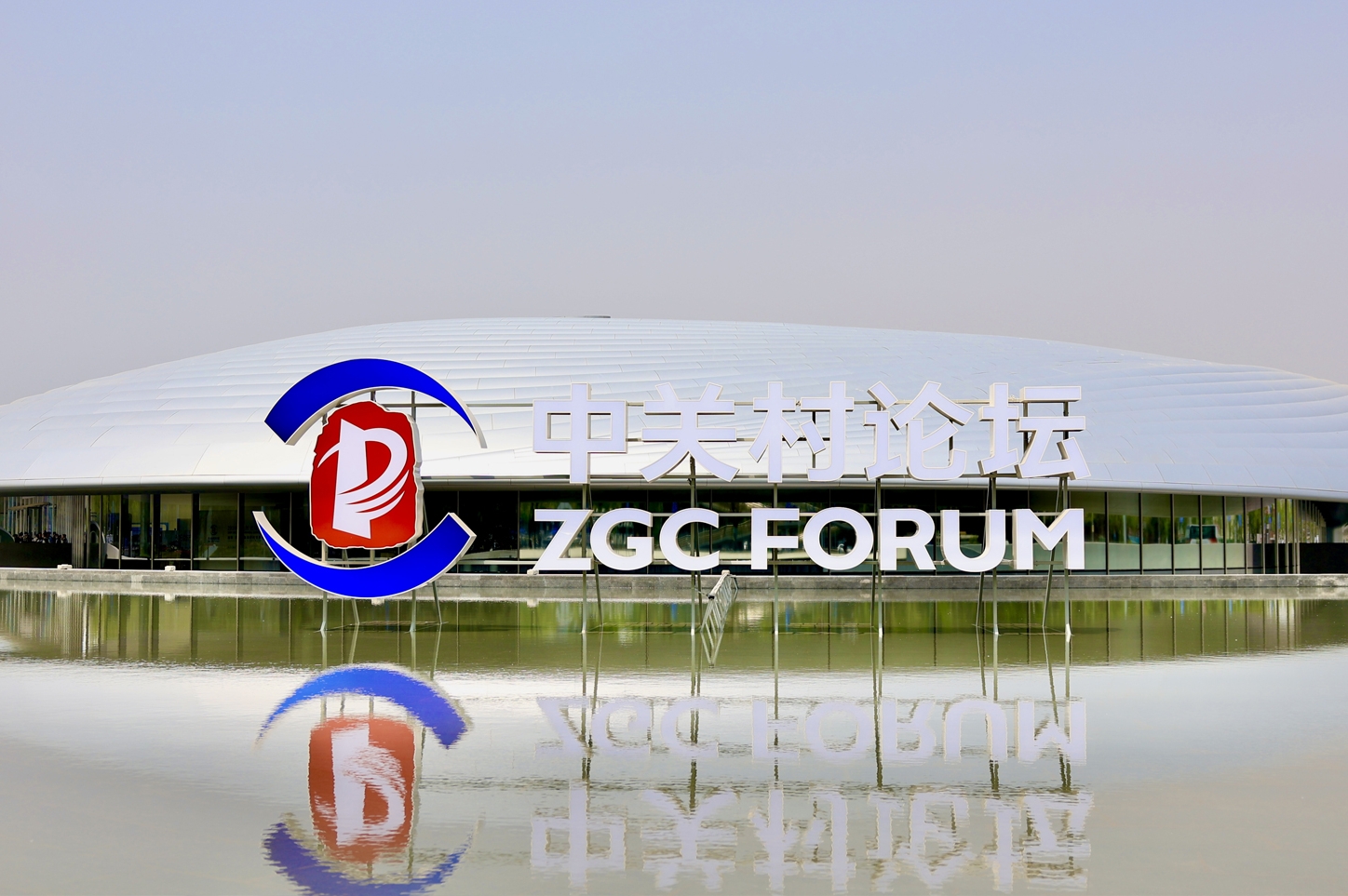
The 2026 Zhongguancun Forum (ZGC Forum) Annual Conference has once again drawn global attention to China's innovation drive, with a focus this year on closer integration between technological and industrial innovation.
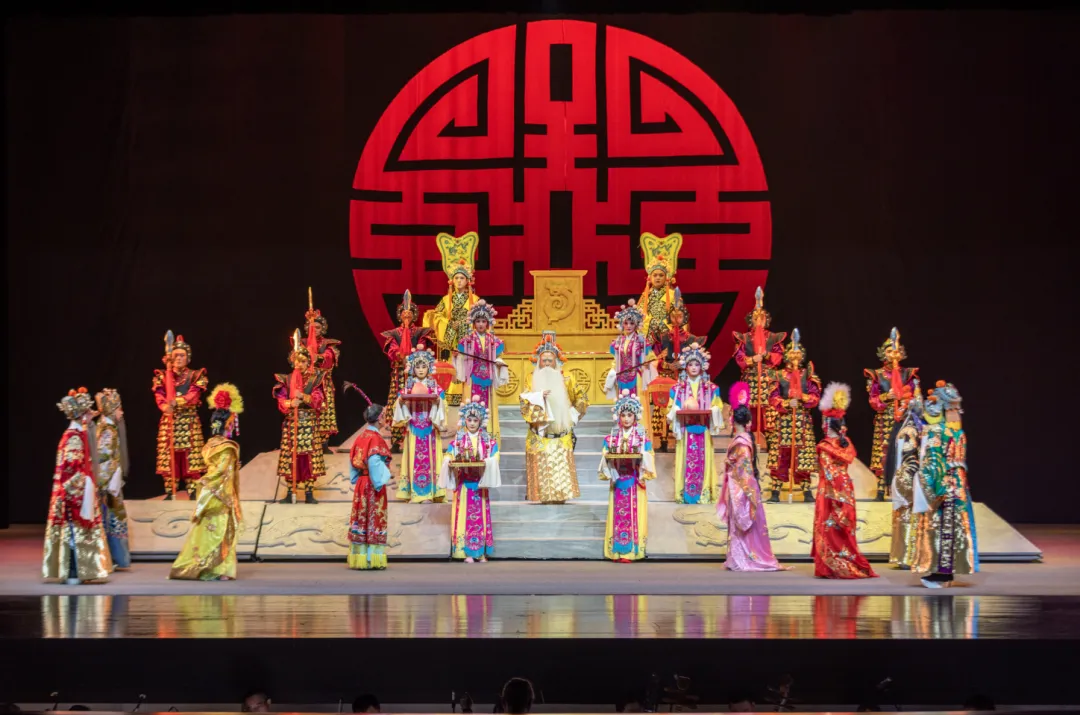
William Shakespeare's King Lear is often associated with the grand theaters of London's West End or New York's Broadway. But on a winter night in Leping, a county-level city in east China's Jiangxi Province, the tragic king takes an unexpected form as Li Er, brought to life through Ganju, a centuries-old local opera tradition.
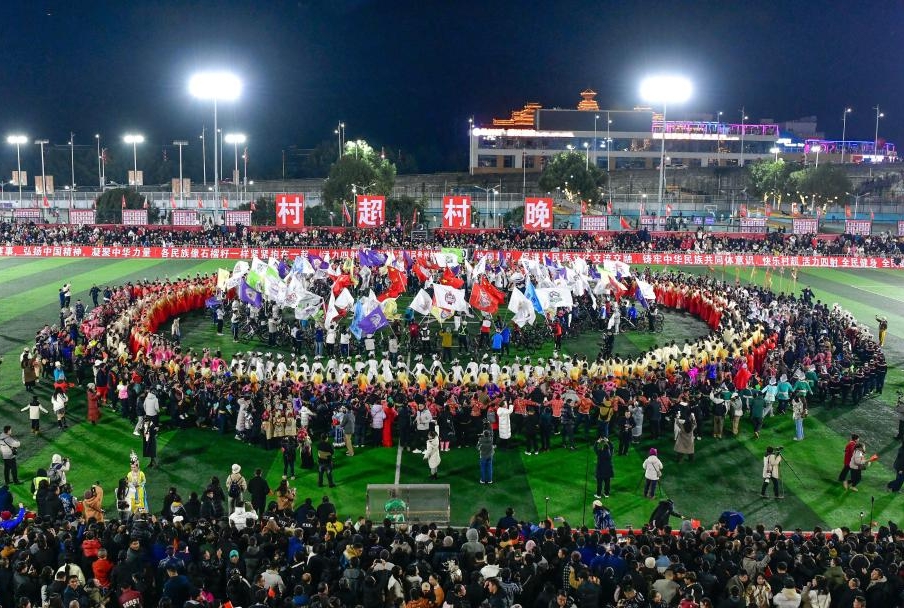
Medals and trophies still matter, but for more people, sport is becoming a personal and participatory pursuit. It is evolving into an activity shaped less by national ambition and more by a quieter, introspective question: how to live better.
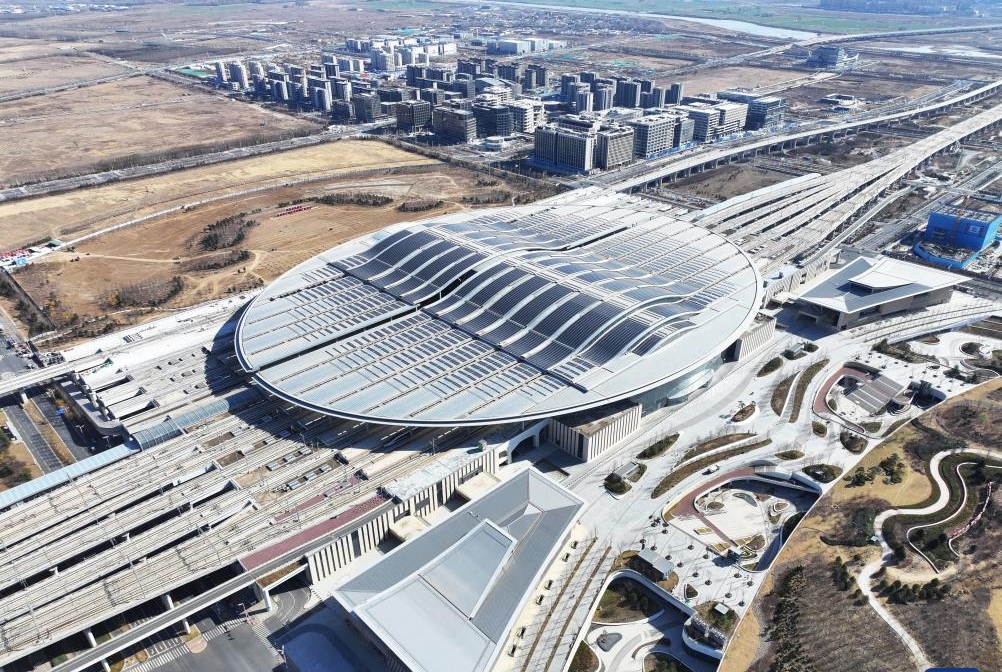
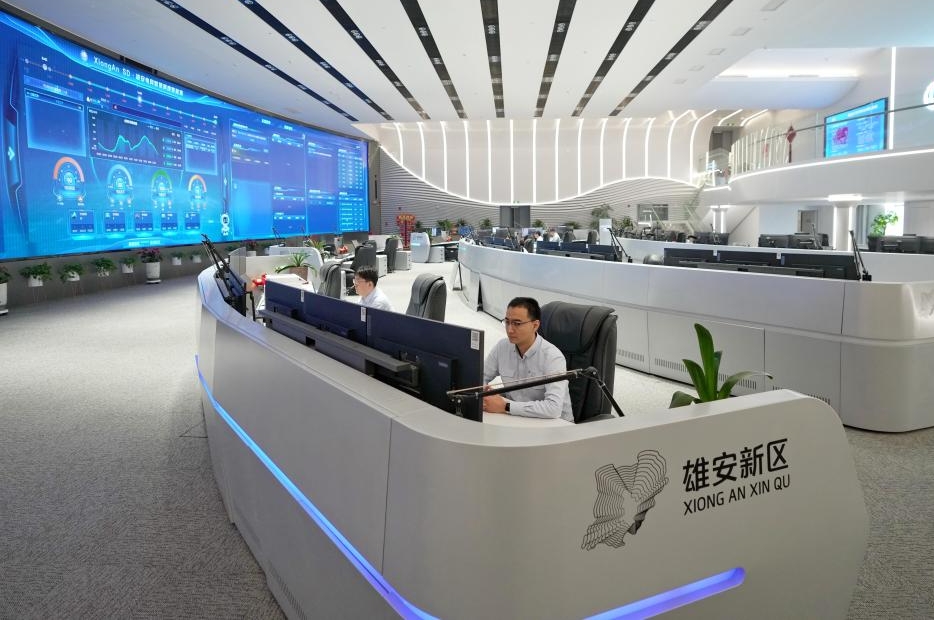
At the Xiong'an Artificial Intelligence (AI) industrial park, blue signage panels line the walls, each bearing the name of a different AI startup. Offices sit just a door apart, and entrepreneurs often meet in the roadshow hall or over coffee in the shared lounge -- casual encounters that frequently spark collaboration.
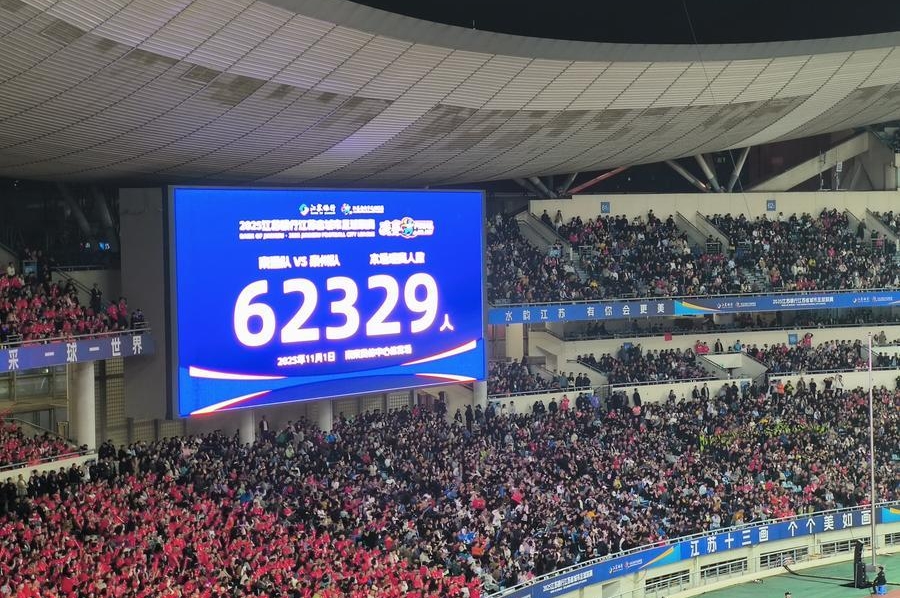
Amateur football leagues are exploding in popularity across China, turning ordinary players into hometown heroes and transforming weekend matches into citywide celebrations.
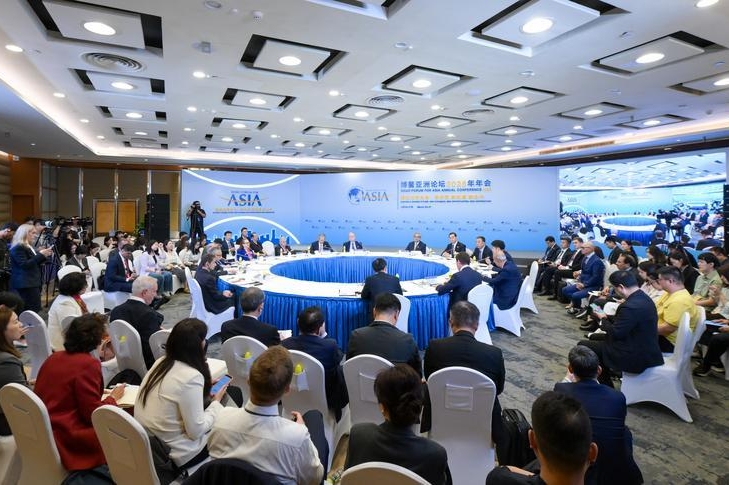
Amid rising global uncertainty and a shifting economic landscape, the Global South is emerging as a more active force in shaping global economic governance, as calls for greater solidarity and reform of the existing mechanisms grew at the Boao Forum for Asia (BFA) Annual Conference 2026.
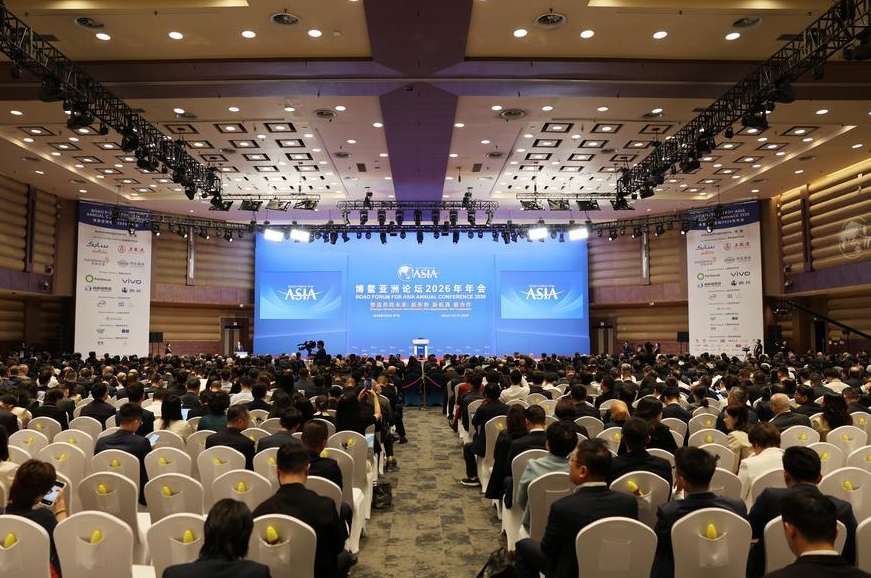
As the humid spring breeze drifts in from the South China Sea, Boao, a tranquil town on China's tropical island of Hainan, once again draws global attention.

As spring ice melts along the upper reaches of the Lancang River in northwest China's Qinghai Province, 37-year-old ranger Chozin sets out on his patrol. Clad in full gear and holding binoculars, he carefully monitors the water source, a routine he has followed for years.
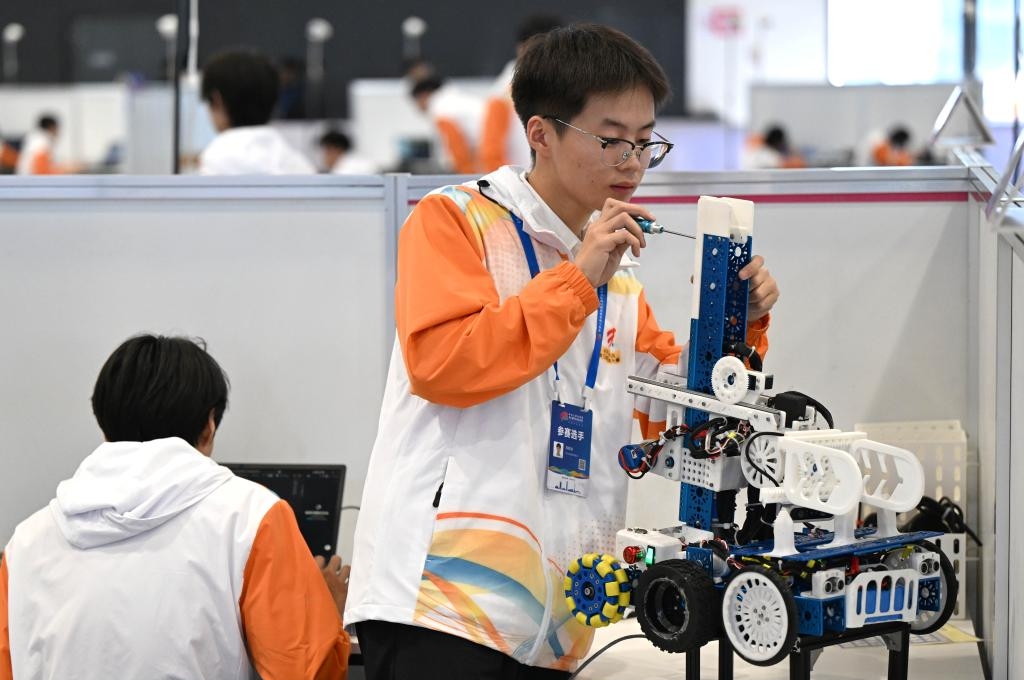
In the outline of the 15th Five-Year Plan (2026-2030), the country's policymakers have set a dual strategy focusing on investment in "both physical assets and people." The government work report also highlighted investment in human capital for the second consecutive year.
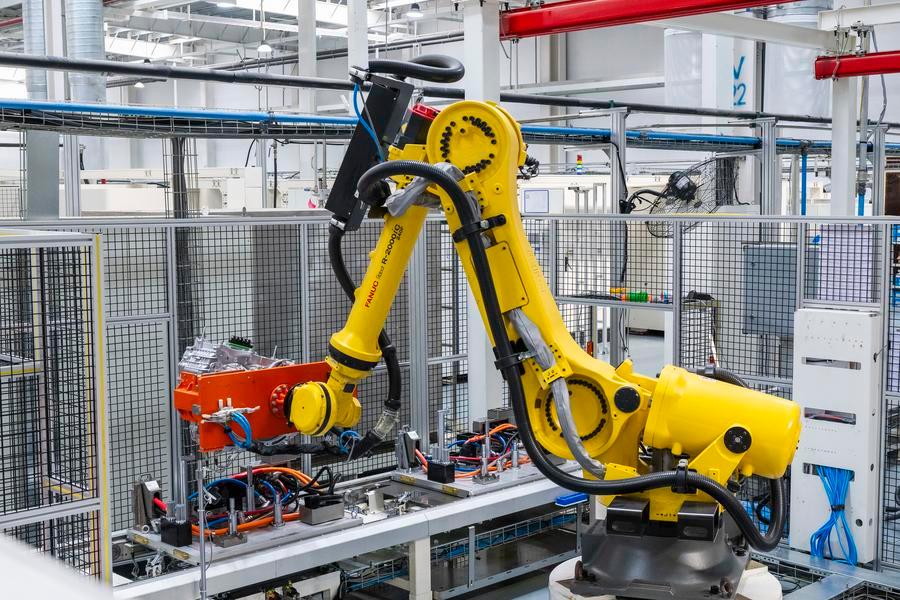
China's recently unveiled development blueprint places building a modern industrial system and consolidating the foundation of the real economy at the top of national strategic tasks to be pursued over the next five years.
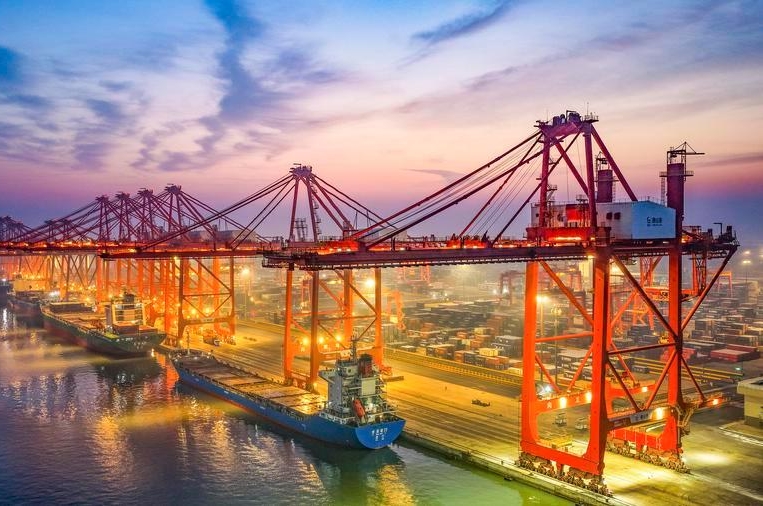
The curtain fell last Thursday on an important political gathering in China this year. As the "two sessions" concluded, Beijing sent an unequivocal message to a world grappling with heightened uncertainty: China will remain the most stable engine of the global economy.
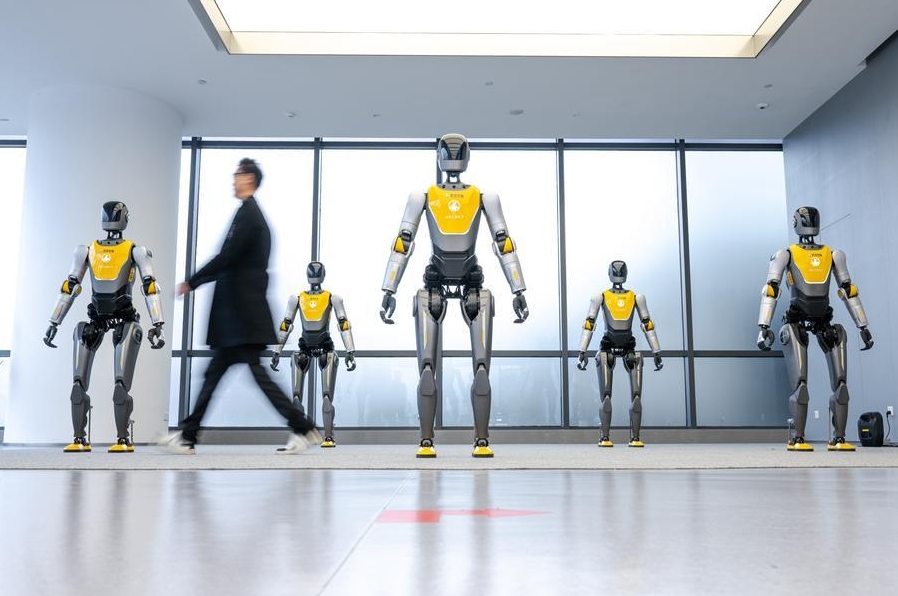
The outline of the 15th Five-Year Plan (2026-2030), adopted on Thursday, places the integration of technological and industrial innovation in a prominent position, aiming to move lab-born technologies onto factory floors to unlock trillion-yuan opportunities across its real economy sectors.

The outline of the 15th Five-Year Plan (2026-2030) for national economic and social development sets a slew of goals, with high-quality development high on the agenda. Key indicators span areas including economic development, innovation, public well-being, green transition, and security. Many of the indicators focus on people's livelihoods, sending a clear signal that development is ultimately meant to benefit the people.

With embodied artificial intelligence (AI), brain-computer interfaces and 6G mobile communications featuring prominently in documents released during the "two sessions," innovation is set to drive China's high-quality development in the new stage.