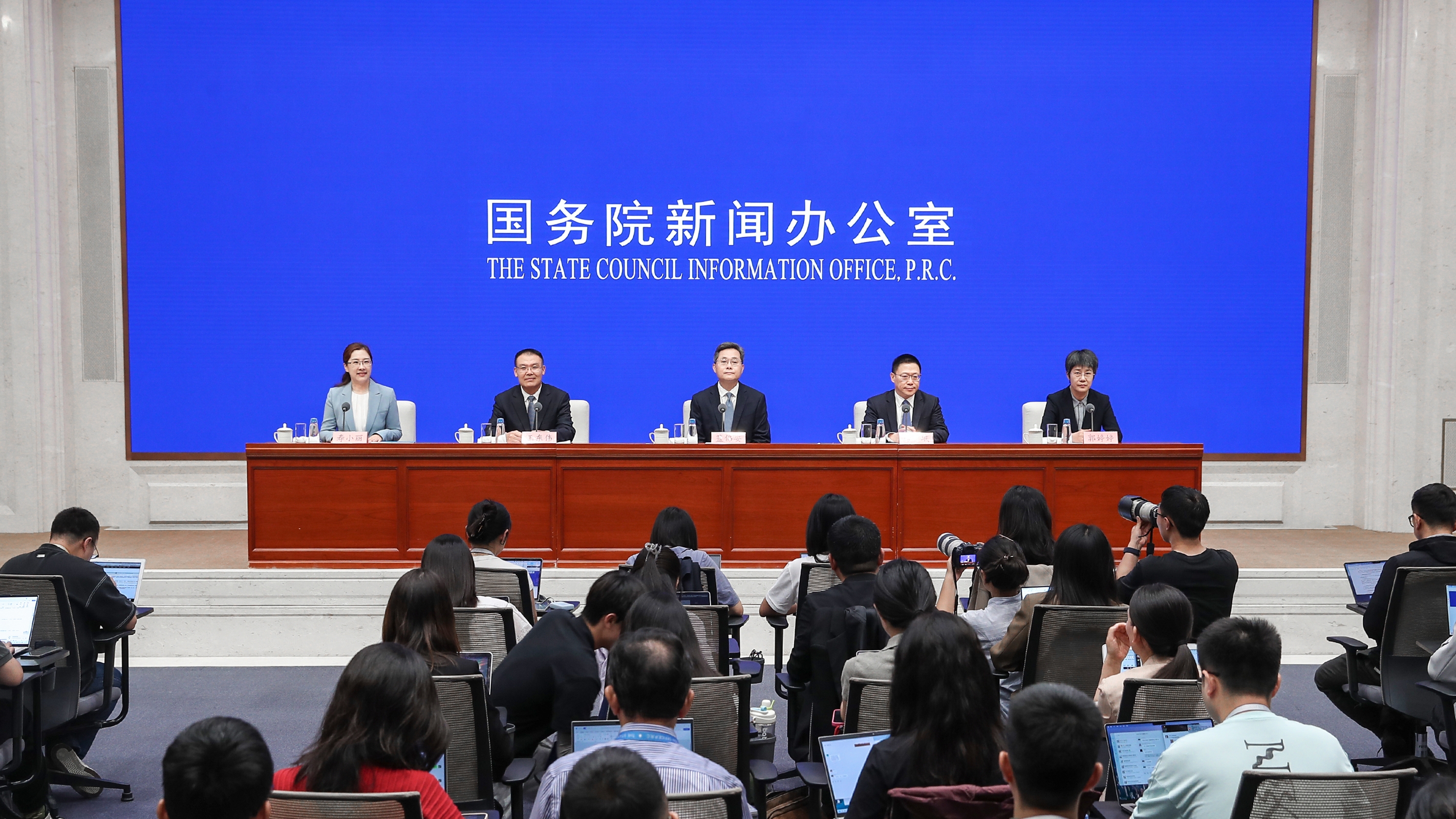

SCIO briefing on fiscal reform and development achievements in the 14th Five-Year Plan period
Beijing | 3 p.m. Sept. 12, 2025
Speakers

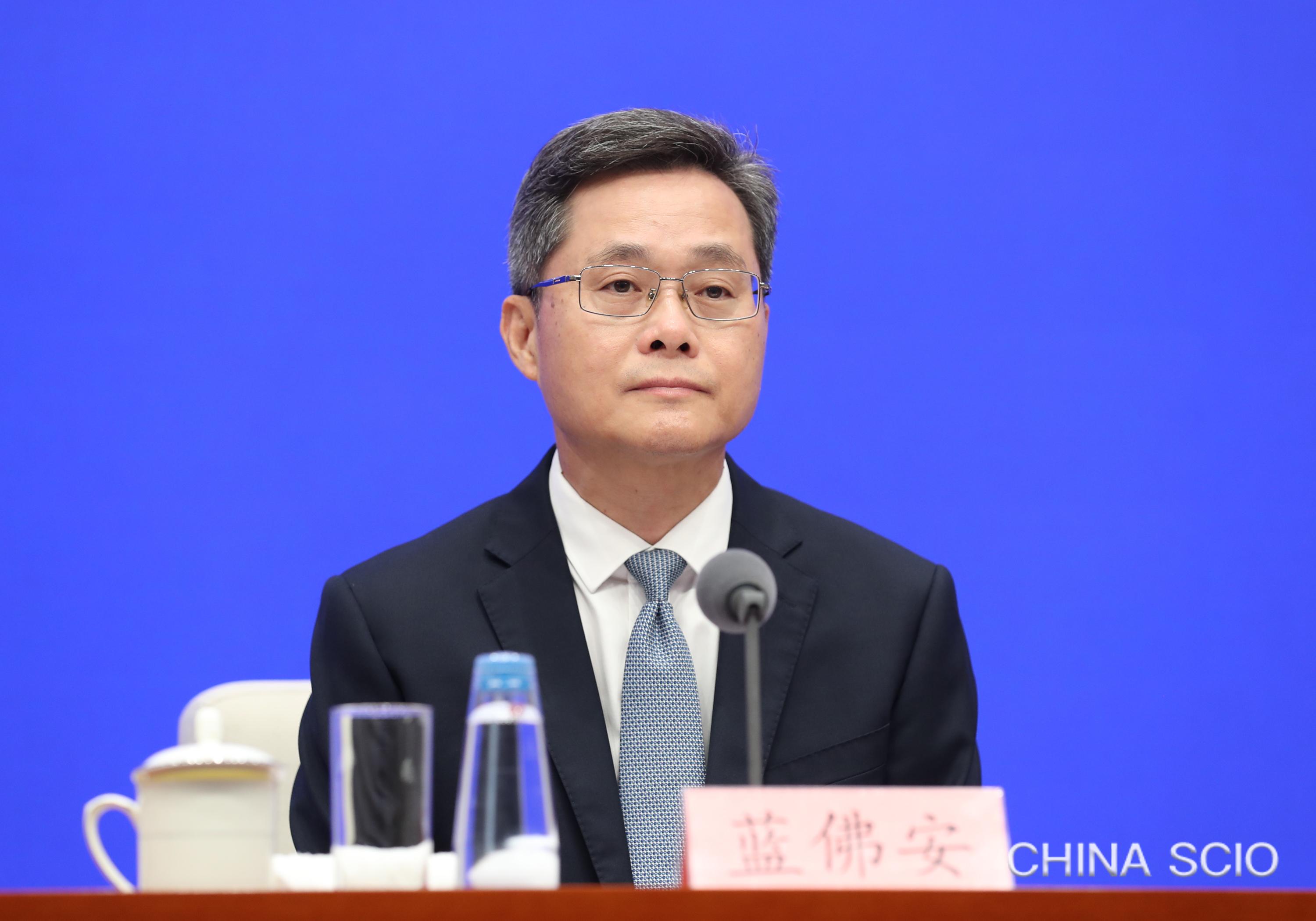
Lan Fo'an, minister of finance
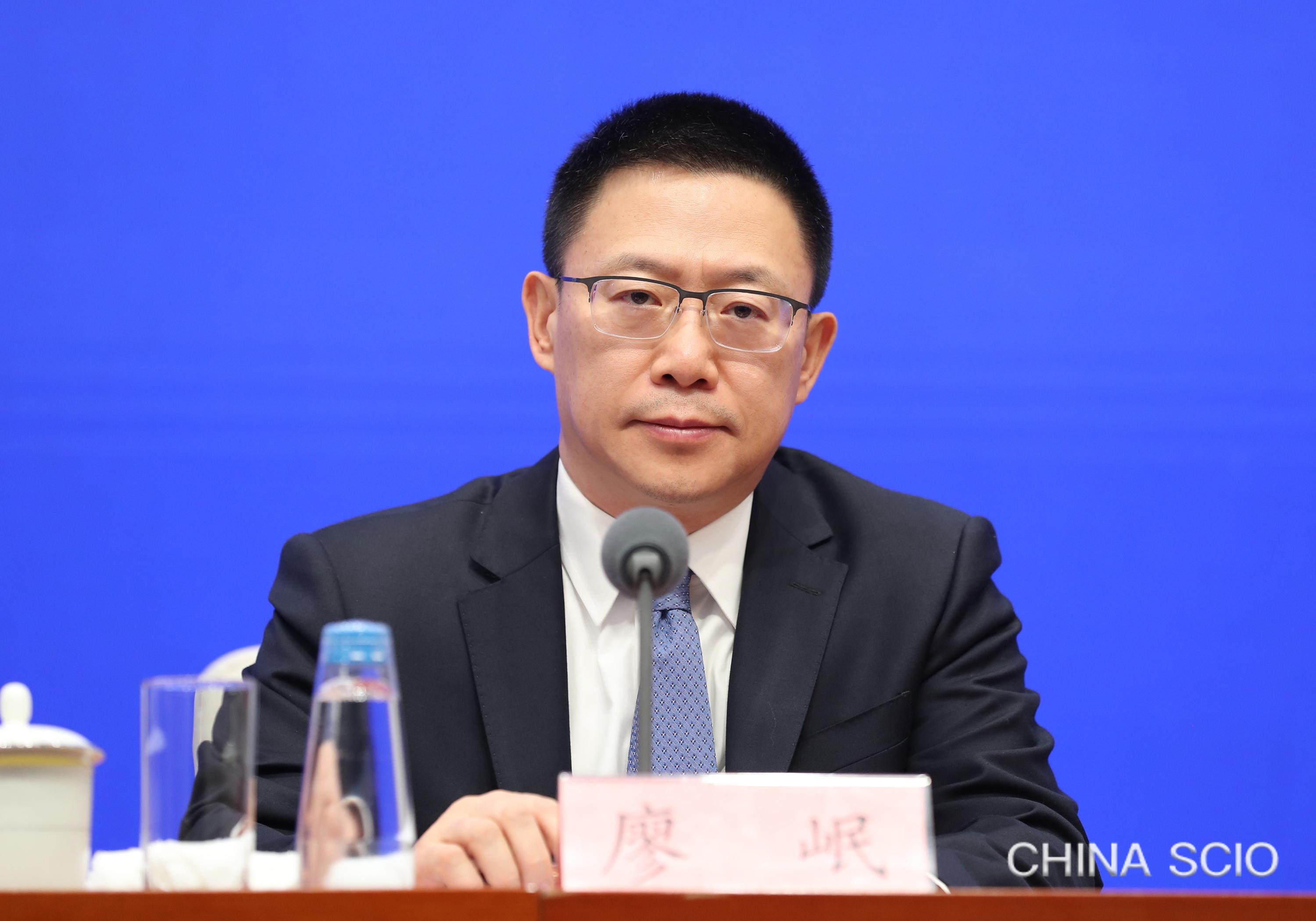
Liao Min, vice minister of finance
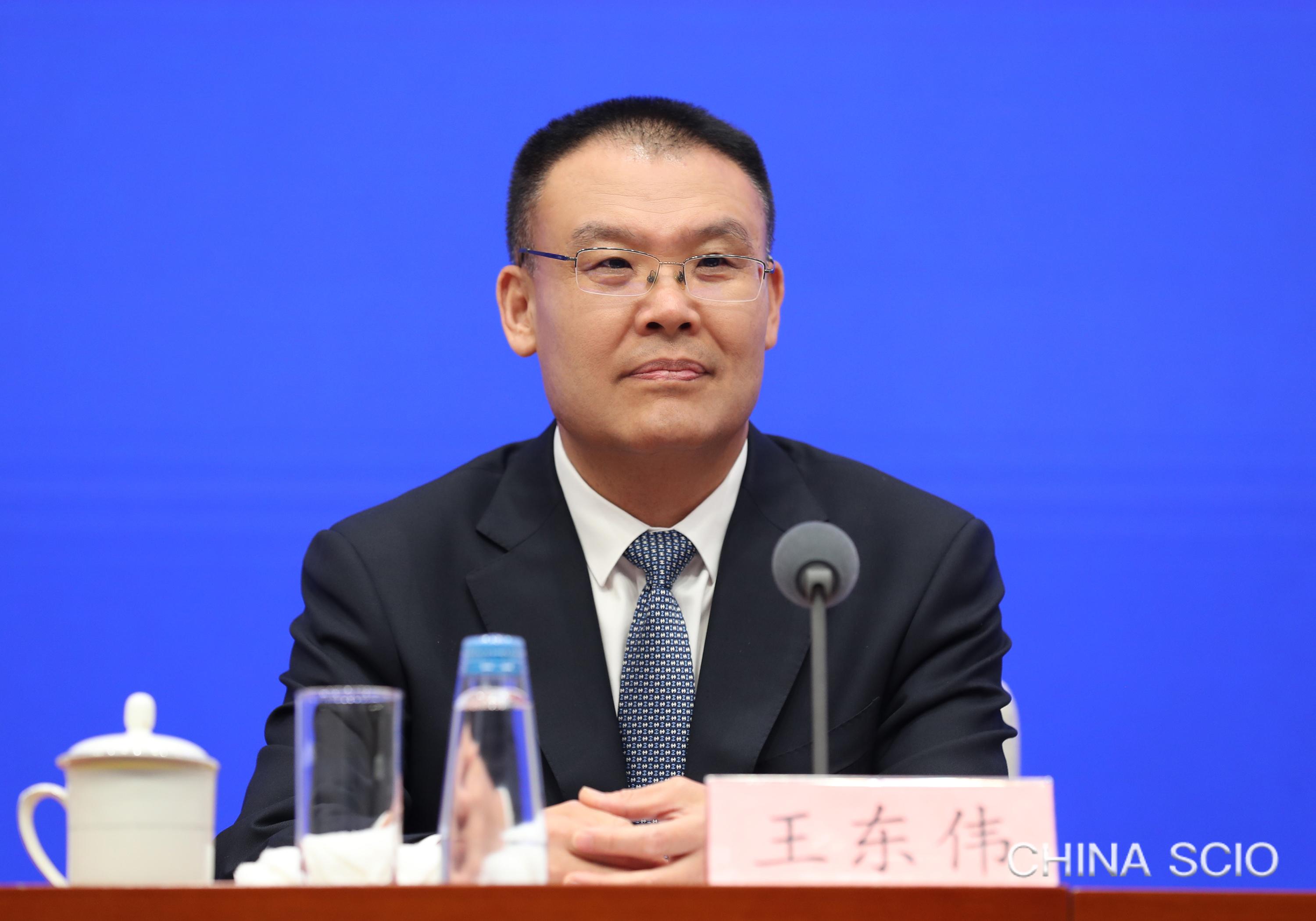
Wang Dongwei, vice minister of finance
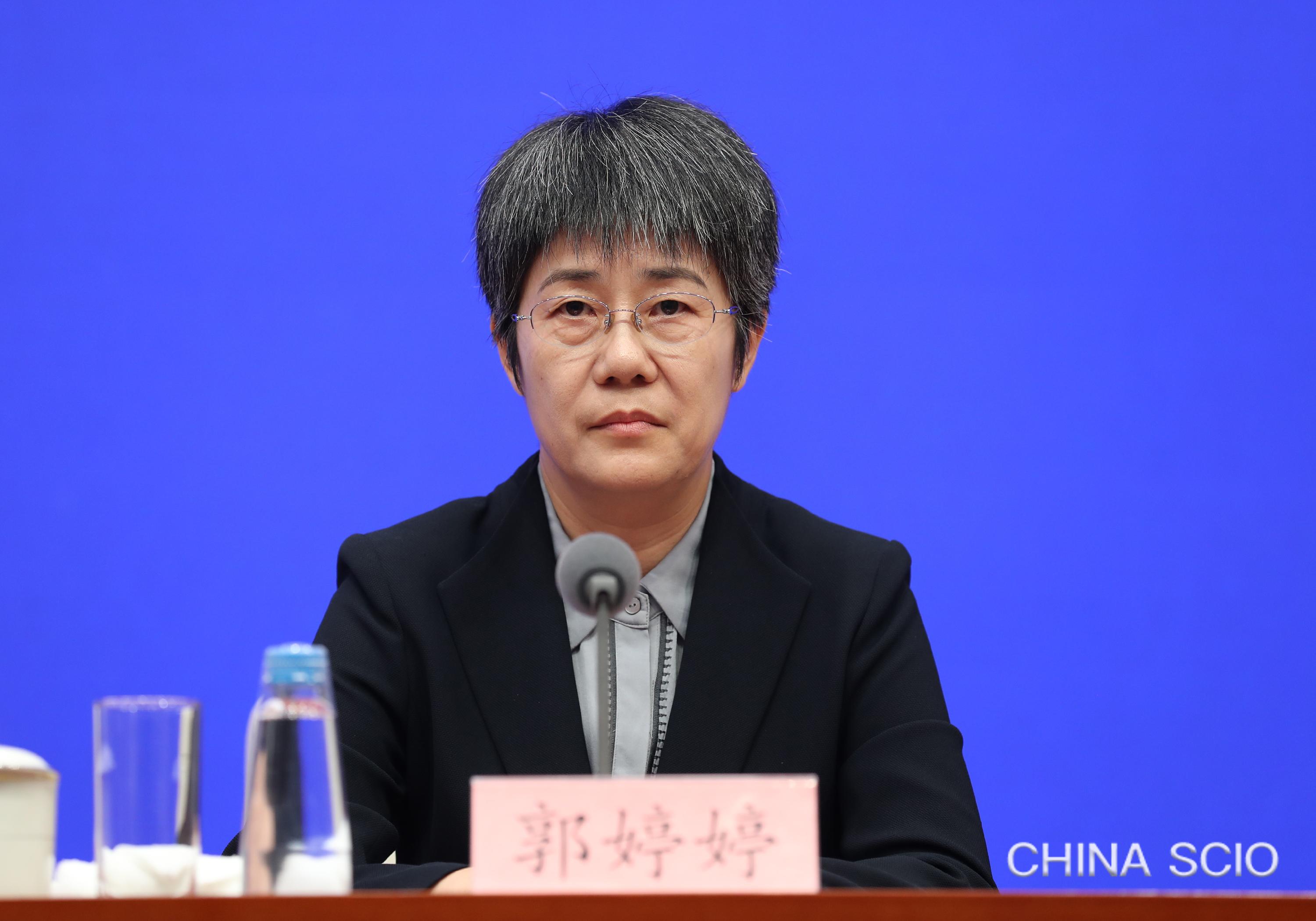
Guo Tingting, vice minister of finance
Chairperson
Speakers:
Mr. Lan Fo'an, minister of finance
Mr. Liao Min, vice minister of finance
Mr. Wang Dongwei, vice minister of finance
Ms. Guo Tingting, vice minister of finance
Chairperson:
Ms. Shou Xiaoli, director general of the Press Bureau of the State Council Information Office (SCIO) and spokesperson of the SCIO
Date:
Sept. 12, 2025
Shou Xiaoli:
Ladies and gentlemen, good afternoon. Welcome to this press conference held by the State Council Information Office (SCIO). Today, we are continuing to hold the series of briefings titled "high-quality achievements during the 14th Five-Year Plan period." We are very pleased to have invited Mr. Lan Fo'an, minister of finance, to brief you on fiscal reform and development achievements during the 14th Five-Year Plan period, and to answer your questions. Mr. Liao Min, Mr. Wang Dongwei and Ms. Guo Tingting, all vice ministers of finance, are also present today.
Now, I'll give the floor to Mr. Lan for his introduction.
Lan Fo'an:
Thank you. Good afternoon. It is a great pleasure to speak with you today.
First of all, on behalf of the Ministry of Finance (MOF), I would like to extend my sincere gratitude to you for your long-term interest in and support for the finance work. Next, I will briefly introduce the major achievements in fiscal development during the 14th Five-Year Plan period.
During this period, under the strong leadership of the Central Committee of the Communist Party of China (CPC) with Comrade Xi Jinping at its core, the whole country worked together with determination and made significant achievements in economic and social development. The fiscal departments have resolutely implemented the decisions and arrangements of the CPC Central Committee, adhered to the principle of seeking progress while maintaining stability, and promoted reform and innovation. They withstood risks and challenges, expanded development space, continuously enhanced the national financial strength and improved efficiency. The role of finance as the foundation and an important pillar of national governance became more prominent, providing a solid guarantee for the steady and long-term development of the Party and the country, and strong support for meeting the people's aspirations for a better life. I will now introduce six key aspects of these efforts.
First, the nation's financial strength has been greatly enhanced, concentrating financial resources to accomplish many major tasks. On the one hand, China's income pie has grown significantly. During the 14th Five-Year Plan period, the national general public budget revenue is expected to reach 106 trillion yuan (around $14.89 trillion), an increase of 17 trillion yuan compared to the 13th Five-Year Plan period, with growth of around 19%. The financial strength of local governments has steadily increased. According to data from 2024, the fiscal revenue of 16 provinces has increased by more than 20% compared to 2020; and seven provinces have exceeded 500 billion yuan, while two of these provinces have exceeded 1 trillion yuan. On the other hand, the intensity of expenditure is unprecedented. The national general public budget expenditure is expected to exceed 136 trillion yuan during these five years, an increase of 26 trillion yuan compared to the 13th Five-Year Plan period, and growth of 24%. At the same time, the fiscal structure is continuously improving, with more concrete funding going toward key development projects and initiatives that directly improve people's lives.
Second, fiscal macro control is more proactive and effective, promoting qualitative and effective improvements and reasonable quantitative growth of the economy. During the 14th Five-Year Plan period, fiscal policy became better aligned with the evolving economic landscape — becoming even more proactive, adopting a more strategic and targeted approach, and serving as a key driver for stable and healthy economic growth. On the one hand, counter-cyclical adjustments have been strengthened to smooth out short-term fluctuations. For example, in the second and third quarters of last year, the downward pressure on China's economy increased significantly. The fiscal departments implemented the central government's arrangements and quickly introduced a package of incremental policies at the end of September, effectively promoting economic stabilization and recovery. On the other hand, cross-cyclical adjustments are being coordinated to enhance medium- and long-term development momentum. We are committed to supporting the expansion of domestic demand, assisting the development of new quality productive forces, and promoting the smooth flow of the economic cycle. In the past four years, China's economy has achieved an average growth rate of 5.5%, contributing to 30% of global economic growth.
Third, national finance is more weighted toward people's livelihoods, and the achievements of Chinese modernization are benefiting all people more fairly. In the national fiscal ledger, the heaviest and most substantial part has always been centered around people's livelihoods. During the 14th Five-Year Plan period, the national general public budget allocated 20.5 trillion yuan for education, 19.6 trillion yuan for social security and employment, 10.6 trillion yuan for health care and 4 trillion yuan for housing security. Including expenditures in other fields, fiscal investment in people's livelihoods was nearly 100 trillion yuan. This year, the national finance allocated 100 billion yuan for child care subsidies and 20 billion yuan to gradually implement free preschool education, actively responding to public concerns. It is fair to say that whether in bustling cities or remote villages, from toddlers just learning to speak to elderly people in their later years, people across the country are enjoying more extensive and higher-quality public services and social benefits.
Fourth, China has worked to prevent and defuse risks in key areas, promoting a positive interaction between high-quality development and high-level security. In terms of local government debt, we have strengthened regular supervision and established a "closed-loop" management system for legal debts. For implicit debt, we have orderly resolved existing debt and resolutely curbed the new debt, gradually narrowing the risks. In terms of grassroots financial operations, the central government has allocated nearly 50 trillion yuan in transfer payments to local governments over the past five years, maximizing the utilization of financial resources to ensure the three priorities: the well-being of the public, payment of salaries, and normal government functioning at the primary level. These efforts have ensured overall stability in local government finances. At the same time, we have coordinated efforts to halt the decline in prices and stabilize the real estate market, as well as promote reform and risk mitigation among small- and medium-sized financial institutions.
Fifth, fiscal and taxation reform and management have been advanced in depth to better serve the modernization of the national governance system and governance capacity. In terms of reform, there are three main focuses. First, we have focused on optimizing allocation and improving efficiency, deepening budget system reform, strengthening the coordination of funds, resources, and assets, and enhancing budget performance management to allocate funds effectively and save on unnecessary expenditures. Second, we have focused on efficiency and fairness, optimizing the tax system's structure, standardizing tax preferential policies, strengthening tax regulation, and continuously improving the tax system to ensure compatibility with the economic and social structure. Third, we have focused on mobilizing the enthusiasm of both the central and local governments, establishing an incentive and restraint mechanism for transfer payments to promote high-quality development. We have continuously optimized the division of fiscal powers and expenditure responsibilities between governments, further clarifying "who does what and who pays for it." In terms of management, we have focused on systematic, refined, standardized, and law-based approaches. Starting from the source of budget preparation, we have leveraged the supporting roles of expenditure standards and information technology to integrate fiscal management throughout the entire chain of fund usage, horizontally covering all departments and units, and vertically extending to grassroots levels in cities and counties.
Sixth, we have deepened and expanded international financial cooperation to better serve major-country diplomacy with Chinese characteristics. International financial cooperation is an important part of major-country diplomacy. The MOF is responsible for 26 multilateral and bilateral financial dialogue mechanisms and also serves as a window for 18 international organizations. We have actively practiced the concept of a community with a shared future for humanity, deeply promoted the reform of global economic governance, strengthened dialogue and coordination on macroeconomic policies, promoted the high-quality development of the Belt and Road Initiative, and supported the sound operation of institutions such as the Asian Infrastructure Investment Bank (AIIB) and the New Development Bank (NDB). For example, AIIB has been in operation for 10 years, with 110 members and a total financing scale exceeding $60 billion, serving as a model for promoting inclusive development globally. At the same time, we have expanded high-level opening-up, further reducing the overall tariff level to 7.3%. Through deepening pragmatic cooperation in the international financial field, our circle of friends for win-win cooperation has become larger and more stable. This has given developing countries a stronger voice and greater say in global affairs, garnering broad appreciation from the international community, especially from countries in the Global South.
These accomplishments exemplify China's high-quality economic and social development throughout the 14th Five-Year Plan period. They fully reflect the continuous enhancement of national strength and governance capabilities, and are a vivid practice of the Party's innovative theories in the field of finance. We deeply appreciate that the underlying logic sustaining these achievements has remained consistently clear: an unwavering commitment to and strengthening of the Party's overall leadership, a steadfast adherence to putting people first, and a consistent reliance on reform to solve problems.
Looking ahead to the 15th Five-Year Plan period, the MOF will focus on the goal of building China into a great modern socialist country in all respects. It will enhance fiscal macroeconomic control with greater efficiency, deepen fiscal and tax system reforms with greater intensity, and promote fiscal management more scientifically, thus contributing new fiscal strength to the advancement of Chinese modernization.
Next, my colleagues and I would be happy to answer your questions. Thank you.
_ueditor_page_break_tag_Shou Xiaoli:
Thank you, Mr. Lan. The floor is now open for questions. Please identify the media outlet you represent before asking your questions. Please raise your hand to ask questions.
CCTV:
Mr. Lan just introduced the many new breakthroughs China's fiscal macroeconomic regulation system has achieved during the 14th Five-Year Plan period. Could you provide more details on what new characteristics fiscal macroeconomic regulation has demonstrated in recent years, and what considerations are there moving forward? Thank you.
Lan Fo'an:
Thank you for your questions.
Fiscal policy, as the primary means of macroeconomic regulation, offers the dual advantages of expanding aggregate demand and facilitating targeted structural adjustments. Since the start of the 14th Five-Year Plan, China's fiscal policy has maintained a consistently proactive orientation. It has actively responded to short-term economic fluctuations and strengthened countercyclical adjustments, while keeping anchored to the central task of advancing Chinese modernization and enhancing medium- and long-term development momentum. It has maintained policy continuity and stability while making timely adjustments based on changing macroeconomic conditions, carefully calibrating the strength and pace of interventions, and has become an important force in promoting steady and healthy economic development. It can be generally summarized into the following four characteristics:
First, the intensity has been significantly enhanced. Since the beginning of the 14th Five-Year Plan period, the deficit ratio has increased from 2.7% to 3.8%, and this year it has further risen to 4%. An additional 19.4 trillion yuan has been allocated for local government special bonds. The amount of new tax cuts, fee reductions, tax refunds, and deferred tax payments has exceeded 10 trillion yuan, further expanding the fiscal policy space.
Second, our toolkit has become more diversified. We have comprehensively employed tools such as government bonds, taxes, fiscal subsidies, and special funds to strengthen coordination with other macroeconomic policies and amplify the policy multiplier effect. For example, we have issued and utilized ultra-long-term special treasury bonds for implementing major national strategies, strengthening security capacity in key areas, and supporting large-scale equipment renewals and trade-in programs for old consumer goods. These efforts have supported the comprehensive expansion of domestic demand.
Third, our efforts have become more targeted. We have focused on addressing the bottlenecks and difficulties in economic development, taking measures with far-reaching implications to smooth the economic cycle. For example, we raised the debt ceiling of local governments by 6 trillion yuan to replace existing implicit debts, significantly reducing the debt repayment pressure on local governments. This freed up financial resources for livelihood improvement and development promotion, accomplishing several objectives simultaneously.
Fourth, our timing has become more flexible. We always seize the window of opportunity and implement policies as early as possible. Once we are certain of a policy, we decisively act with ample force to ensure swift execution and early results.
In this process, our understanding of the patterns and principles governing fiscal macroeconomic regulation has gradually deepened. For example, fiscal macroeconomic regulation should maintain overall stability, but when conditions change significantly, we must also adjust promptly and enhance targeted flexibility. For instance, we have placed greater emphasis on promoting microeconomic circulation by supporting local governments in refinancing existing implicit debts, and issuing special bonds to support land reserves and purchase existing commercial housing for conversion into affordable housing. These efforts have smoothed financing channels for local governments and enterprises and removed bottlenecks in economic circulation. Additionally, we have strengthened the coordination of fiscal and monetary policies to achieve policy synergy. This year, a dedicated issuance of 500 billion yuan in special treasury bonds was made to inject capital into large commercial banks, which can be leveraged to add about 6 trillion yuan in credit issuance.
Regarding the second question you raised, I would like to say that our fiscal policies balance risk prevention and development promotion, leaving room for maneuver, so that we will be able to roll out effective fiscal policies in the future. First, the long-term positive trajectory of China's economy remains unchanged, ensuring that the fundamental basis of fiscal operations stays firm and secure. Second, we have gained growing experience in macroeconomic regulation over the years, continuously enriched our policy toolkit, and significantly strengthened our capacity for counter-cyclical and cross-cyclical adjustment. Third, with the further improvement of the institutional mechanism for risk prevention in key areas and the gradual defusion of existing risks, the fiscal response to future challenges will be more firmly grounded and composed. These are the sources of both our confidence and our strengths in conducting fiscal work effectively.
Moving forward, fiscal departments will maintain policy continuity and stability, enhance flexibility and foresight, strengthen forward-looking assessments of economic conditions, prepare policy reserves, take proactive actions, and contribute fiscal strength to high-quality socioeconomic development.
Thank you.
_ueditor_page_break_tag_South China Morning Post:
What progress has been made regarding fiscal and tax reforms during the 14th Five-Year Plan period? Looking ahead, how will you strike a balance between the needs of economic development and the goal of stabilizing tax revenue sources during the 15th Five-Year Plan period? And how will the fiscal relationship between the central and local governments be improved? Thank you.
Lan Fo'an:
I'd like to invite Mr. Liao to answer your questions.
Liao Min:
Thank you for your questions. Deepening fiscal and tax system reform is not only an important part of comprehensively deepening reform but also a necessary requirement to ensure the smooth progress of reforms in other areas. During the 14th Five-Year Plan period, fiscal departments have adhered to deepening fiscal and tax system reform as a core work priority, energetically and steadily implementing various reform tasks in an orderly manner. This has accelerated the formation of a more favorable system where budget management is better conceived, the tax system is more refined, and the fiscal system is better-rounded, providing institutional support for Chinese modernization and high-quality development. Next, I will address these three aspects in brief.
First, we have identified revenue, expenditure and management as the three focuses, generating benefits through budget system reform. In terms of revenue, the main focus is on strengthening the overall planning of fiscal resources. Over the past four years, central government transfers from government fund budget and state-owned capital operation budget into the general public budget have reached a level more than 10 times that of the 13th Five-Year Plan period. This has strengthened the central government's fiscal regulation to support socioeconomic development. We have established a nationwide coordination system for pension insurance, with interprovincial transfers reaching 253.3 billion yuan in 2024, ensuring timely and full disbursement of pension payments. On the expenditure side, the main focus has been on optimizing the expenditure structure. We have leveraged zero-based budgeting reform as a key tool, allocating resources where they are needed most according to actual needs and priorities, and ensuring that Party and government agencies practise austerity. Many central departments and provincial governments are actively exploring this approach. Through zero-based budgeting reform, they are dismantling entrenched spending patterns, consolidating special-purpose funds, pooling fragmented funds into unified allocations, and strengthening financial support for major strategic initiatives. In terms of management, the primary focus has been on enhancing the efficiency of fund utilization. We have strengthened dynamic monitoring of the entire chain of fund usage, reinforced budget reviews and performance evaluations, and ensured that spending is effective, with ineffective spending held accountable.
Second, we have focused on three core functions of promoting high-quality development, ensuring social equity and strengthening market unity, adding vitality to the economy and society through tax system reform. For example, in terms of high-quality development, we have fully implemented pilot reforms to convert water resource fees to taxes and advanced the inclusion of volatile organic compounds within the scope of environmental protection tax collection. These efforts have strongly promoted the green transformation of the economy and society. Regarding social equity, we have improved the personal income tax system. In 2022, we introduced a special deduction for child care expenses for children under 3 years old. In 2023, we substantially increased the deduction standards for three items supporting older people and children, benefiting a cumulative total of over 67 million people. Additionally, in terms of market unity, we have standardized tax and fee preferential policies, expedited tax legislation, and established a fair and unified tax environment. Of China's 18 existing tax categories, 14 have already been formally codified through legislation.
Third is regarding fiscal system reform, an area that is also of great concern to the market. We have anchored our efforts around three key goals — clearly defining fiscal powers and responsibilities, improving coordination of financial resources, and promoting balanced regional development — so as to generate new momentum through fiscal reform. We have better leveraged the initiative of both central and local governments, appropriately increased the central government's fiscal powers and expenditure responsibilities, and improved the system for shared fiscal powers to clarify powers and responsibilities. We have accelerated reform of the fiscal system below the provincial level, promoted the downward shift of financial resources, continuously strengthened fiscal capacity at the primary level, and improved the coordination of financial resources. We have also optimized the transfer payment system by establishing and improving mechanisms such as the incentive and constraint mechanisms for transfer payments that promote high quality development, and cross-regional ecological compensation mechanisms. As a result, the management of transfer payments has become more scientific, standardized and effective, significantly promoting the regional balance. Since the 14th Five-Year Plan period (2021-2025), central government's transfer payments to local governments have reached nearly 50 trillion yuan, helping local authorities better implement the decisions and arrangements of the CPC Central Committee.
The Third Plenary Session of the 20th CPC Central Committee made clear arrangements for deepening reform of the fiscal and tax systems. We have formulated an implementation plan and annual work schedules, and are making solid progress in advancing the reform. Going forward, we will introduce each reform measure as soon as conditions are ripe and circumstances allow. Thank you.
_ueditor_page_break_tag_Yicai:
During the 14th Five-Year Plan period, finance departments have introduced a series of fiscal and tax policies to expand domestic demand. How has the progress been so far? And what are your considerations for the next stage? Thank you.
Lan Fo'an:
Thank you for your questions.
Strengths unique to large economies are domestic demand-driven growth and capacity for internal circulation. During the 14th Five-Year Plan period, we have earnestly implemented the strategy of expanding domestic demand, taking coordinated actions from both the supply and demand sides and introducing a package of policy measures to promote positive interaction between consumption and investment. These efforts have helped domestic demand play a stronger role as the main driving force and stabilizing anchor of the economy, thereby enhancing the internal momentum for high-quality development. I will now introduce four key aspects of these efforts.
First, strengthening the foundation by expanding consumption demand through ensuring and improving people's livelihoods. We have focused on boosting incomes through employment to enhance consumption capacity. We have implemented a series of policies, including wage subsidies for job retention and employment subsidies. During the 14th Five-Year Plan period, the central government allocated 318.6 billion yuan in employment subsidy funds, an increase of 29% compared with the 13th Five-Year Plan period, and urban areas have seen a cumulative net increase of more than 50 million jobs. We have improved the social security system enhance the support for pension, health care and social assistance, alleviating people's worries and booting their confidence in spending.
Second, tapping into potential by offering substantial financial support to boost consumption. We have strongly supported product trade-ins, and by the end of August this year, the central government had allocated approximately 420 billion yuan, driving sales of various goods to more than 2.9 trillion yuan. Special funds have been arranged to support county-level commercial development and release of rural consumption potential. Since the 14th Five-Year Plan period, retail sales of consumer goods in rural areas have increased by 24%. We have introduced direct subsidies, including child care subsidies and elderly care service subsidies, and provided interest subsidies for personal consumer loans in key areas as well as loans to businesses in related industries, ensuring an efficient allocation of resources to boost consumer spending. Policies on duty-free shops has been improved to encourage more domestic products and trendy brands to expand into global market. Tax-refund policies have been optimized by further lowering the minimum threshold for refunds and increasing the amount of cash refunds, thereby promoting expanded inbound consumption.
Third, addressing bottlenecks by guiding high-quality demand with high-quality supply. We have leveraged special funds to accelerate breakthroughs in core technologies and facilitate the transformation and upgrading of key industries. During the 14th Five-Year Plan period, we supported the market application of more than 30,000 sets of major technical equipment and 190 types of innovative material products. We have stepped up efforts to advance the pilot program for building a modern commercial circulation system, supporting the build of national comprehensive freight hubs in 37 cities. This has boosted resilience and security of logistics supply chains. We have also supported new forms, models and scenarios of consumption to improve convenience for consumers.
Fourth, boosting momentum through multiple measures to expand effective investment. Over the past two years, we have allocated 1.5 trillion yuan in ultra-long-term special treasury bonds to advance major national strategies and building up of security capacity in key areas. Over the past five years, 19.4 trillion yuan of special-purpose bonds for local governments was issued, which supported 150,000 projects. And 3.33 trillion yuan was allocated from the central government budget for investment, which supported the development of infrastructure such as water conservancy and transportation. Government investment has effectively leveraged social investment, helping to improve weak links and enhance the momentum for future development.
China is the world's fastest-growing mega-sized market. The promotion of new industrialization is being accelerated and urbanization is steadily advancing, generating substantial investment demand, while domestic demand holds enormous potential for growth.
Going forward, we will follow the decisions and arrangements of the CPC Central Committee and the State Council, and make full use of fiscal and tax policy tools to stimulate potential consumption, expand productive investment, tap into the enormous potential of domestic demand, and leverage its driving force to fuel high-quality development with renewed impetus and vitality.
Thank you.
_ueditor_page_break_tag_Economic Daily:
In the past two years, Chinese technology has been very popular, and a series of technological achievements have attracted attention. Can you introduce what measures the Ministry of Finance has taken in the past few years to support greater self-reliance and strength in science and technology, and to better transform technological achievements into productivity? Thank you.
Lan Fo'an:
I would like to invite Mr. Wang to answer this question.
Wang Dongwei:
Thank you for your question. Chinese modernization relies on the support of technological modernization, and achieving high-quality development depends on fostering new drivers through sci-tech innovation. The national finance coordinates the use of various policy instruments to vigorously promote greater self-reliance and strength in science and technology, and to promote the integrated development of sci-tech innovation and industrial innovation.
First, we "added fuel to the fire" in terms of funding input. During the 14th Five-Year Plan period, national fiscal expenditure on science and technology is projected to reach 5.5 trillion yuan, an increase of 34% over the 13th Five-Year Plan period. Funds are primarily directed towards basic research, applied basic research and national strategic science and technology tasks. Among them, cumulative investment in basic research will reach 730 billion yuan, with an average annual growth of 12.3%. Fiscal investment has driven rapid growth in R&D investment across society, with investment intensity increasing from 2.41% at the end of the 13th Five-Year Plan period to 2.68% in 2024. The scale of R&D investment remains the second largest in the world.
Second, we delegated power and loosened restrictions in the use of funds. In recent years, we have been exploring the management model of science and technology funding. The general direction is to adapt to the general laws of scientific and technological innovation, granting scientists a greater say in deciding on technology roadmaps, funding allocation, and resource deployment. For example, in basic research projects, we implemented a "contract system" where the project leader decides on the use of funds. At the same time, we have been continuously improving supervision methods, conducting performance evaluations, and enhancing the efficiency of science and technology funding expenditures.
Third, we built platforms and bridges for the transformation of technological achievements. The role of scientific and technological innovation and the value of scientific research achievements are ultimately reflected in real-world productivity. During the 14th Five-Year Plan period, we have continuously adjusted and improved relevant policies, granting researchers ownership or long-term use rights over their scientific and technological output to fully share the benefits of the transformation of scientific and technological achievements. We have innovated the government procurement system, using government-initiated demand to guide and support product innovation and promotion. We have also implemented the first (set) and the first batch of insurance compensation policies to promote the iteration and upgrading of innovative products. The implementation of these policies has greatly supported the faster transition of innovations from the laboratory, turning samples into products and forming industries.
Fourth, we empowered enterprises and reduced their burdens to strengthen their role as the main body of innovation. Whether it is the original innovation "from 0 to 1" or the industrial implementation "from 1 to 100," enterprises play an irreplaceable role. We have introduced a series of fiscal and tax policies to help enterprises reduce costs, expand applications and upgrade and transform. For example, since the 14th Five-Year Plan period, we have implemented fiscal reward and subsidy policies for innovative SMEs that use special and sophisticated technologies to produce novel and unique products, supporting the cultivation of 14,600 "little giant" enterprises. New tax and fee reductions for technological innovation and advanced manufacturing have cumulatively reached 3.6 trillion yuan. Government financing guarantees have cumulatively supported over 300,000 innovative SMEs in obtaining approximately 800 billion yuan in loans, with the average guarantee fee rate for guaranteed enterprises falling below 1%.
Next, we will continue to increase fiscal support, focus on improving the efficiency of technological investment, better implement the innovation-driven development strategy and accelerate the building of a scientifically and technologically nation. Thank you.
_ueditor_page_break_tag_Dazhong Daily:
In recent years, the finance department has introduced many policies to support education, and recently made key strides in promoting free preschool education. What progress has been made in supporting high-quality educational development? Thank you.
Lan Fo'an:
I would like to invite Ms. Guo to answer this question.
Guo Tingting:
Thank you for your question.
During the 14th Five-Year Plan period, national fiscal investment has continued to increase, supporting the establishment of the world's largest education system and driving high-quality development of the sector. The main achievements are as follows:
First, the scale of investment has steadily increased and the level of education for all people has continuously improved. As of the end of 2024, the proportion of national fiscal education expenditure to GDP has remained above 4% for more than 10 consecutive years. During the 14th Five-Year Plan period, national fiscal education expenditure is expected to exceed 25 trillion yuan, an increase of about 38% compared to the 13th Five-Year Plan period. The accessibility of education in China at all levels now either matches or surpasses the standards of middle and high-income countries. By 2024, the consolidation rate of compulsory education reached 95.9%, and the gross enrollment rate of higher education exceeded 60%. The average years of education for the working-age population reached 11.21 years, an increase of 0.41 years compared to the end of the 13th Five-Year Plan.
Second, the expenditure structure has been further optimized and key areas of education have been consolidated and improved. It is mainly embodied in three priorities. The first priority is to guarantee compulsory education. During the 14th Five-Year Plan period, the central government has arranged 1.1 trillion yuan in transfer payments. This has driven local governments to continuously increase investment in compulsory education. More than half of the budgetary spending on education are used for compulsory education, effectively ensuring the high-quality and balanced development of compulsory education. The second priority is to tilt towards the central and western regions. More than 80% of the central budget's transfer payments for education are allocated to the central and western regions. This has supported these regions to significantly improve teaching conditions and quality. The third priority is to support the development of a high-quality professional teaching team, increase funding guarantees and implement national-level training programs, as well as teacher quality improvement initiatives for vocational colleges and the targeted teacher training plan. In 2024, 86% of full-time teachers in compulsory education have a bachelor's degree or above, an increase of about 12 percentage points compared with the end of the 13th Five-Year Plan period.
Third, the policy for subsidizing students with financial difficulties has been adjusted and improved. The equity and accessibility of education have been further enhanced. During the 14th Five-Year Plan period, the central government allocates about 130 billion yuan each year to provide government scholarships and grants to students at all stages, benefiting about 150 million students. For four consecutive years, the policy of waiving interest and deferring principal repayment for government-subsidized student loans has been implemented. Last year, we significantly increased the standards and quotas of government scholarships and grants, and raised the cap and reduced the interest rates of government-subsidized student loans. This is the most intensive and extensive adjustment in recent years, benefiting 34 million students, allowing them to study without worry.
Fourth, the quality and efficiency of investment have been significantly enhanced, and the potential of education has been fully unlocked. Fiscal investment takes into account both "hardware" and "software" investments, and promotes the improvement of school-running conditions and the enhancement of education quality in a coordinated manner. In terms of improving school-running conditions, we have coordinated various funding resources to support the construction and expansion of necessary school buildings, updated teaching, research and training equipment and increased IT application in education. Currently, the campus network access rate across the country has reached 100%. In terms of improving teaching quality, we have carried out first-class discipline cultivation, supported the establishment of 14 national high-level talent training centers in mathematics, physics, chemistry, and biology, accelerated efforts to develop world-class universities and leading disciplines with Chinese features, and improved the training of homegrown talent. Every year, the number of college graduates in science, technology, engineering, and mathematics (STEM) majors in China exceeds 5 million, ranking first in the world. At the same time, we have promoted the development of high-level vocational colleges and majors with Chinese characteristics, explored the establishment of a differentiated per-student funding system for vocational education based on broad professional categories, and determined funding standards by category and grade considering factors such as the school-running costs of each professional category and the needs of economic and social development, so as to promote the close alignment of professional programs with industrial structure. Currently, in sectors such as modern manufacturing, over 70% of new frontline workers come from vocational schools.
The report to the 20th National Congress of the CPC proposed that by 2035, China will become a leading country in education. The ministry will continue to strengthen investment in education, further ensuring basic needs, addressing shortcomings, promoting fairness, and improving quality, to better meet the people's expectations from "having access to education" to "receiving high-quality education."
Thank you.
_ueditor_page_break_tag_Reuters:
I would like to ask, during the 14th Five-Year Plan period, how did fiscal policy supports economic growth while controlling government debt levels? Additionally, after the policy of allocating 10 trillion yuan to replace local government hidden debt was launched last year, what is the current situation of local government hidden debt? Also, what is the progress of the rectification of local financing platforms? Finally, given the current downward pressure on the economy, how will fiscal policies ensure the achievement of this year's growth targets? Thank you.
Lan Fo'an:
You have asked a question that is of great concern to all parties. In the fourth quarter of last year, following the decisions and deployments of the CPC Central Committee and the State Council, we launched a package of measures to tackle debt risks. Overall, the various measures have taken effect as planned and continue to deliver results. As of the end of August this year, the one-time increase of 6 trillion yuan in special debt quota has seen a cumulative allocation of 4 trillion yuan. After the debt swap in various regions, the average interest cost of debt has been reduced by more than 2.5 percentage points, saving over 450 billion yuan in interest expenses. Since the beginning of this year, 2.78 trillion yuan of new local government special bonds have been issued nationwide, of which 800 billion yuan has been allocated to supplement government fund financial resources, specifically for local government debt reduction.
These series of measures, combined with various policy measures adopted earlier, have driven the gradual reduction of local government debt risks. By the end of 2024,China's total government debts stood at 92.6 trillion yuan, including 34.6 trillion yuan in central government debts, 47.5 trillion yuan in statutory local government debts, and 10.5 trillion yuan in hidden local government debts. The government debt ratio stood at 68.7%. According to the report released by the IMF in April this year, the average government debt ratio of G20 countries is 118.2%, and that of G7 countries is 123.2%. At the same time, our government debt is backed by a substantial amount of high-quality assets. Overall, China's government debt ratio is within a reasonable range, and risks are manageable and under control.
Debt resolution is the means; development is the goal. We have adopted a two-pronged approach to debt resolution and development, effectively promoting a virtuous cycle of economic growth and sound debt management. First, we have strengthened local development momentum. Debt resolution has unblocked funding channels, allowing local governments to free up more financial resources, time, energy and policy space to tackle bottlenecks and obstacles in economic development. Second, we have accelerated the phasing out of local financing platforms. By the end of June 2025, more than 60% of local government financing platforms had completed their exit, meaning the implicit debt associated with over 60% of these platforms has been cleared. The transformation of these platforms is accelerating. Third, we have improved the financial environment. The asset quality of financial institutions has improved, with risks significantly reduced. At the same time, both their willingness and ability to extend credit to the real economy have been significantly enhanced.
During the 15th Five-Year Plan period, we will continue to coordinate development and security, accelerate the establishment of a government debt management mechanism suited to high-quality development, resolve debt issues through development, and promote development through debt resolution. These efforts will provide strong support for steady, long-term economic growth.
First, we will focus on reducing existing debt. We will continue to implement a package of debt resolution measures, issue part of the 2026 local government debt quota in advance, make early use of debt resolution allocations, and take multiple steps to address existing hidden debts.
Second, we will focus on strengthening management. We will strictly manage local government debt ceilings to ensure debt is well‑used, repayable, and sustainable. We will strengthen full lifecycle management of special bonds, covering borrowing, use, oversight and repayment. Additionally, we will promote the integrated management of both implicit and statutory debts and establish a unified long-term regulatory system. We will increase debt information disclosure in accordance with the law to enhance transparency in management.
Third, we will boost efficiency exponentially. We will scientifically arrange the scale and structure of bond issuance, reasonably manage the timing and pace of issuance, ensure funding for major projects and key areas, improve the performance of bond fund utilization, and better leverage the catalytic and multiplier effects of government bonds.
Fourth, we will focus on risk mitigation. We will strengthen risk monitoring and early warning, shifting the focus from post-hoc remediation to proactive prevention. We will improve the management of special bond repayment reserve funds to guard against redemption risks. We will maintain zero tolerance through rigorous oversight and strict accountability at every level. We will strictly enforce lifelong accountability for debt issuance and retroactive investigations of debt problems, and resolutely curb new implicit debt.
Regarding your question on how to ensure this year's economic growth target is met, I have already addressed this in outlining the next steps for fiscal policy, so I won't repeat those details here. Thank you.
_ueditor_page_break_tag_The Poster News APP:
The 14th Five-Year Plan period has been a key transition for aligning the consolidation and expansion of poverty alleviation achievements with the promotion of rural revitalization, and it is now drawing to a close. Could you please outline the results of fiscal support in consolidating poverty alleviation gains and advancing rural revitalization during this transition? Thank you.
Lan Fo'an:
I'd like to invite Mr. Wang to answer this question.
Wang Dongwei:
Thank you for your question.
Since the 18th CPC National Congress in 2012, the CPC Central Committee with Comrade Xi Jinping at its core mobilized the strength of the entire Party and society in the fight against poverty, and by the end of 2020, achieved a comprehensive victory. This historic achievement resolved the problem of absolute poverty that had plagued China for thousands of years, set a model for global poverty reduction, and won wide acclaim from the international community.
After the victory, the CPC Central Committee established a five-year transition period to link the consolidation and expansion of poverty alleviation gains with rural revitalization, providing continued support to areas and populations lifted out of poverty. The MOF has resolutely implemented the following measures: First, we have maintained consistent and robust policy support throughout the transition period, ensured funding through multiple channels, and effectively prevented any large-scale relapse into poverty. Second, we have focused on stimulating the internal momentum of areas that have shaken off poverty, not only by providing assistance but also by equipping them with the skills needed for self-reliance, thereby supporting sustainable development. Third, we have worked to improve development conditions in areas that have emerged from poverty, adopting a range of measures to advance all-around rural revitalization. Overall, achievements have been made in three key areas.
First, stronger measures have been taken to prevent any relapse into poverty and to solidify the achievements of poverty alleviation. A central government-funded subsidy was established to align with and promote rural revitalization, with allocations increasing from 156.5 billion yuan in 2021 to 177 billion yuan in 2025, totaling 850.5 billion yuan over these five years. This represents an increase of 320 billion yuan compared to the 13th Five-Year Plan period, up 60%. Monitoring and assistance mechanisms have been established and refined to prevent people from lapsing or relapsing into poverty, ensuring risks are steadily mitigated. Formerly impoverished regions have withstood multiple tests, including economic slowdowns and frequent disasters in certain areas, without experiencing large-scale returns to poverty.
Second, the internal driving force for development has grown stronger, and the income of people lifted out of poverty has become more stable. Distinctive and competitive local industries in rural areas have continued to grow. Almost every formerly impoverished county has developed industries with clear characteristics, notable strengths and strong capacities to drive local development. For example, black fungus in Zhashui county, Shaanxi province, daylilies in Yunzhou district, Datong city, Shanxi province, and potatoes in Anding district, Dingxi city, Gansu province, have all become signature products with remarkable success. These industries have established close mechanisms that link the interests of formerly impoverished households, enabling farmers to find employment and increase their incomes, helping rural communities attract and retain talent, and ensuring sustainable development following poverty alleviation. To ensure higher incomes for farmers and greater agricultural output, fiscal support has been provided to expand the coverage and raise the protection levels of agricultural insurance. Full coverage has now been achieved nationwide for insurance programs covering total production costs and incomes for the three major grain crops: rice, wheat and corn. Since the start of the 14th Five-Year Plan period, rural residents' per capita disposable income in formerly impoverished areas has increased by nearly 40%, reaching 17,522 yuan in 2024. For four consecutive years, its annual growth rate has exceeded the national average for per capita disposable income.
Third, public well-being has been further secured, and the foundation for rural revitalization has become stronger. Since the start of the transition period, rural roads in formerly impoverished areas have been gradually improved. The quality and service capacity of the construction, management, maintenance and operation of roads in rural areas has been continuously enhanced. All key counties receiving assistance for rural revitalization now have 5G coverage in every township, opening up major channels for economic development. The burden of medical expenses and other costs has continued to ease, and the livelihood security of people who have been lifted out of poverty has been further reinforced. Renovation of dilapidated rural houses and efforts to ensure safe drinking water have progressed further, and rural infrastructure construction has made significant headway.
Going forward, we will leverage public finance to its fullest potential, provide robust support for completing the transition tasks, and carefully plan ongoing assistance work for the post-transition period. These efforts will ensure that no one is left behind on the journey toward common prosperity. Thank you.
_ueditor_page_break_tag_China Securities Journal:
Facing an international landscape marked by intertwined complexities and challenges, deepening international engagement and cooperation in the fiscal and financial fields is an important means for advancing China's high-quality development and high-standard opening up. What achievements has the MOF made in international fiscal and financial cooperation during the 14th Five-Year Plan period? Thank you.
Lan Fo'an:
I'd like to invite Mr. Liao to take this question.
Liao Min:
Thank you for your question. Looking back over the past few years, the MOF has actively engaged in international fiscal and financial cooperation and has fully supported head-of-state diplomacy. Through substantive accomplishments in the fiscal and financial fields, it has effectively opened up new international avenues for China's high-quality development and is playing an increasingly significant role in advancing global sustainable and inclusive growth. I'll outline three areas of progress for you.
First, we have continued to promote reform in global economic governance. We have firmly upheld the international system with the United Nations at its core, promoted governance reforms in multilateral institutions such as the World Bank, and enhanced the voice and representation of developing countries. Working in collaboration with the international community, we have actively contributed to the formulation of G20 rules on sovereign debt management for developing countries. We have actively participated in consultations on the two-pillar approach to international tax rules. We have also supported the improvement of rules on environmental information disclosure, green bond standards and related areas.
Second, we have focused on coordinating international macroeconomic policies. In response to global economic growth and development challenges, we have actively worked to enhance the coordination of international macroeconomic policies through multilateral anchoring mechanisms and bilateral bridge-building initiatives. On the multilateral anchoring front, we have fully leveraged the role of multilateral fiscal and financial dialogue platforms to build greater consensus. We have made substantive headway in advancing the establishment of the Shanghai Cooperation Organization Development Bank. In 2025, as joint chair of the ASEAN+3 financial cooperation mechanism, we led discussions on key fiscal policy issues for the first time. We have made full use of the G20 Finance Ministers and Central Bank Governors Meeting mechanism to safeguard global economic and financial stability. Next year, China will host the Asia-Pacific Economic Cooperation (APEC) forum, and we will work with all members to advance the organization's role in fiscal and financial matters. On the bilateral bridge-building front, we have expanded China's circle of friends and explored new spaces for international cooperation. We have actively engaged in China-U.S. economic and trade consultations and dialogues to manage differences and help stabilize bilateral economic and trade relations. We have leveraged the role of MOF offices for China-U.K., China-Germany, China-France vice prime minister dialogue mechanisms to consolidate and deepen China-Europe economic, fiscal and financial cooperation. Through bilateral fiscal and financial dialogue mechanisms with Russia, Saudi Arabia, Brazil, and others, we have strengthened communication and coordination with developing countries on major international fiscal and financial issues.
Third, we have worked to effectively promote shared development worldwide. We have continuously improved the Belt and Road investment and financing system, optimized infrastructure construction standards, supported the advancement of a number of landmark projects, and incubated many "small and beautiful" livelihood projects. We have also promoted the stable operation of new multilateral development institutions such as the AIIB and the NDB. Take the AIIB as an example: since its establishment in 2015, it has approved and implemented 322 projects, benefiting 38 members both within and outside the region. These projects have resulted in the construction and upgrading of over 51,000 kilometers of transportation infrastructure, improving travel convenience for 41 million people.
Looking ahead, we will remain committed to genuine multilateralism and uphold a global governance approach that emphasizes extensive consultation, joint contributions and shared benefits. We will continue to follow the three principles of mutual respect, peaceful coexistence and win-win cooperation, promoting the development of an open global economy and writing new chapters of mutual benefit and win-win results, and achieving common prosperity. Thank you.
_ueditor_page_break_tag_Shou Xiaoli:
Let's continue. Two reporters are raising their hands. We'll take the last two questions, please.
National Business Daily:
In recent years, financial and accounting supervision has become a key term. Can you tell us what progress has been made in financial and accounting supervision during the 14th Five-Year Plan period? Thank you.
Lan Fo'an:
I'd like to invite Ms. Guo to answer this question.
Guo Tingting:
Thank you for your question. Financial and accounting oversight is an important part of the Party and state supervision system. Since the General Office of the CPC Central Committee and the General Office of the State Council issued the Opinions on Further Strengthening Financial and Accounting Supervision in 2023, all sectors of society have paid closer attention to this work. As the main responsible department, our responsibilities have also grown heavier. In recent years, we have continuously strengthened the systems and mechanisms for financial and accounting oversight, intensified supervision and achieved positive results. This is mainly reflected in the following areas:
First, we have carried out special campaigns to enforce financial and economic discipline, ensuring the effective implementation of the decisions and plans of the CPC Central Committee. This is the most important task of financial and accounting supervision. In recent years, we have focused on implementing proactive fiscal policies, with special attention to the use of additional treasury bonds, local government debt management and tighter oversight of illegal tax rebate incentives. We have strictly investigated and addressed problems as they arise, ensuring that all policies designed to benefit enterprises and the public fully deliver their intended impact.
Second, we are determined to crack down on financial fraud to maintain a healthy, fair and orderly market economy. Financial and accounting information is the universal business language. Its authenticity and quality directly affect the stability of the capital market, the development of business entities, and the vital interests of investors. We have continuously strengthened supervision of the accounting and asset evaluation industries. Over the past two years, we have conducted quality inspections of more than 4,600 accounting firms and nearly 1,500 asset evaluation institutions, strictly investigating and handling financial fraud and accounting deceit. At the same time, we have actively promoted improvements to laws and regulations such as the Accounting Law and the Certified Public Accountants Law, creating a market environment that respects the law, upholds integrity and encourages trustworthy business practices.
Third, we have strengthened regular budget execution oversight to ensure fiscal funds are used in a more standardized, efficient and secure manner. We have improved the integrated budget management system, establishing comprehensive oversight for central departments' budgets and transfer payments. At the same time, we have actively leveraged the local supervision strengths of the MOF's regional offices to continuously tighten budget discipline, strengthen execution, and ensure funds are used in compliance and for maximum effectiveness.
Fourth, we have strengthened coordination and integration between fiscal and accounting oversight and other forms of supervision to build a unified and effective monitoring system. We have systematically advanced fiscal and accounting oversight within the Party and state supervision systems, actively coordinated with disciplinary and inspection agencies, and improved the effectiveness of fiscal and accounting supervision through information sharing and joint action.
Looking ahead, the MOF will fulfill its primary responsibility for fiscal and accounting supervision and further strengthen its authority and effectiveness. We will enhance deterrence and risk prevention and ensure all parties strictly comply with financial and economic discipline. We will work more vigorously to implement the decisions and plans of the CPC Central Committee and more effectively safeguard market order, providing strong support for high-quality socioeconomic development. Thank you.
_ueditor_page_break_tag_Shou Xiaoli:
One last question, please.
Beijing Daily:
Mr. Lan just mentioned that the most significant and substantial part of the national financial ledger has always been people's livelihoods. The 14th Five-Year Plan period marked the first five years since China achieved the goal of building a moderately prosperous society in all respects. During this period, people's expectations for a better life have continued to rise. What has the MOF done to ensure and improve people's livelihoods? Thank you.
Lan Fo'an:
Thank you for your questions. The public's well-being is of paramount importance. Enabling people to live happy lives is our top priority. Since the 14th Five-Year Plan period, we have prioritized ensuring and improving people's livelihoods alongside high-quality development. Financial investment in people's livelihoods accounts for more than 70% of the national general public budget expenditure, with more resources flowing directly to our people. In recent years, we have strived to achieve four priorities.
First, we have prioritized greater fairness by strengthening the social safety net, continuously expanding coverage and raising benefit levels. Currently, over 1.07 billion people are enrolled in basic pension insurance, while 1.327 billion participate in basic health insurance. Additionally, more than 45 million people receive basic living assistance. China has established the world's largest and most comprehensive social security system. Not only is the scope of protection expanding, but the level of protection is also improving. During the 14th Five-Year Plan period, the financial subsidy standard for residents' medical insurance rose from 580 yuan per person per year to 700 yuan, while minimum living standards rose approximately 20% in both rural and urban areas. Meanwhile, we have established an innovative rapid allocation mechanism for disaster relief funds. During the 14th Five-Year Plan period, a total of 2.59 trillion yuan was allocated to support disaster relief and facilitate the recovery of production and livelihoods.
Second, we have emphasized greater balance in basic public services between urban and rural areas, as well as across different regions. Policy and resource support for underdeveloped areas has been strengthened. During the 14th Five-Year Plan period, the scale of transfer payments for ensuring equal access to basic public services increased from 1.9 trillion yuan in 2021 to 2.7 trillion yuan in 2025, representing an average annual growth rate of 9.6%. Efforts to shore up weak links in basic public services are accelerating. To date, all of China's more than 500,000 administrative villages have been connected to paved roads. Express delivery coverage has exceeded 95%, tap water accessibility has reached 94%, and the rate of household waste collection and disposal has surpassed 90%. Urban basic public services are continuously improving. For example, we have supported the financing and creation of approximately 7.8 million units of various types of affordable housing and the renovation of 160,000 old residential communities, ensuring urban disadvantaged residents' access to housing.
Third, we have prioritized inclusiveness by promoting the accessibility of public resources such as education and health care. All urban and rural students receiving compulsory education are exempt from tuition and miscellaneous fees and receive free textbooks. Approximately 20 million students from financially disadvantaged families receive living subsidies, while around 13 million students from migrant worker families have had their compulsory education subsidies transferred to their urban schools. With the fall semester just underway, tuition and education fees for the final year of kindergarten have also been waived, a policy expected to benefit 12 million children. More than 80 billion yuan has been allocated to support the development of key clinical specialties and regional medical capabilities. This funding also strengthens the cultivation of multi-tiered health professionals, significantly enhancing the service capacity of medical institutions at all levels. These beneficial policies from the Party have truly delivered tangible benefits to millions of households.
Fourth, we are prioritizing accessibility by creating "circles of happiness," designed to better satisfy diverse livelihood needs right at people's doorsteps. Since the start of the 14th Five-Year Plan period, we have actively advanced the direct settlement of cross-province medical expenses, benefiting 560 million patient visits and saving the public 590 billion yuan in upfront payments. We also aim to explore service models such as home-based elderly care and custodial care services, and support the implementation of child-friendly and elderly-friendly renovations in aging residential communities. We have also supported nearly 50,000 public libraries and museums in offering free access to the public, many of which have become popular photo spots and leisure destinations.
Ensuring people's well-being is an ongoing journey that requires continuous effort for long-term success. During the 15th Five-Year Plan period, we will adopt a people-centered approach by safeguarding and improving livelihoods. Financial resources will be directed toward areas that matter most to the public's aspirations for a better life, while fiscal policies will be concentrated on meeting people's most urgent needs. Thank you.
Shou Xiaoli:
I'd like to thank Mr. Lan, thank all our speakers and thank all the journalists for being here today. This concludes today's press conference. Goodbye, everyone!
Translated and edited by Guo Yiming, Yang Xi, Wang Xingguang, Liu Caiyi, Zhang Yuxin, Yang Chuanli, Xu Kailin, Zhu Bochen, Chen Xinyan, Wang Qian, Zhang Junmian, Liu Sitong, Gong Yingchun, Li Huiru, Huang Shan, Liu Qiang, Zhang Rui, Zhou Jing, David Ball, Jay Birbeck and Tudor Finneran. In case of any discrepancy between the English and Chinese texts, the Chinese version is deemed to prevail.

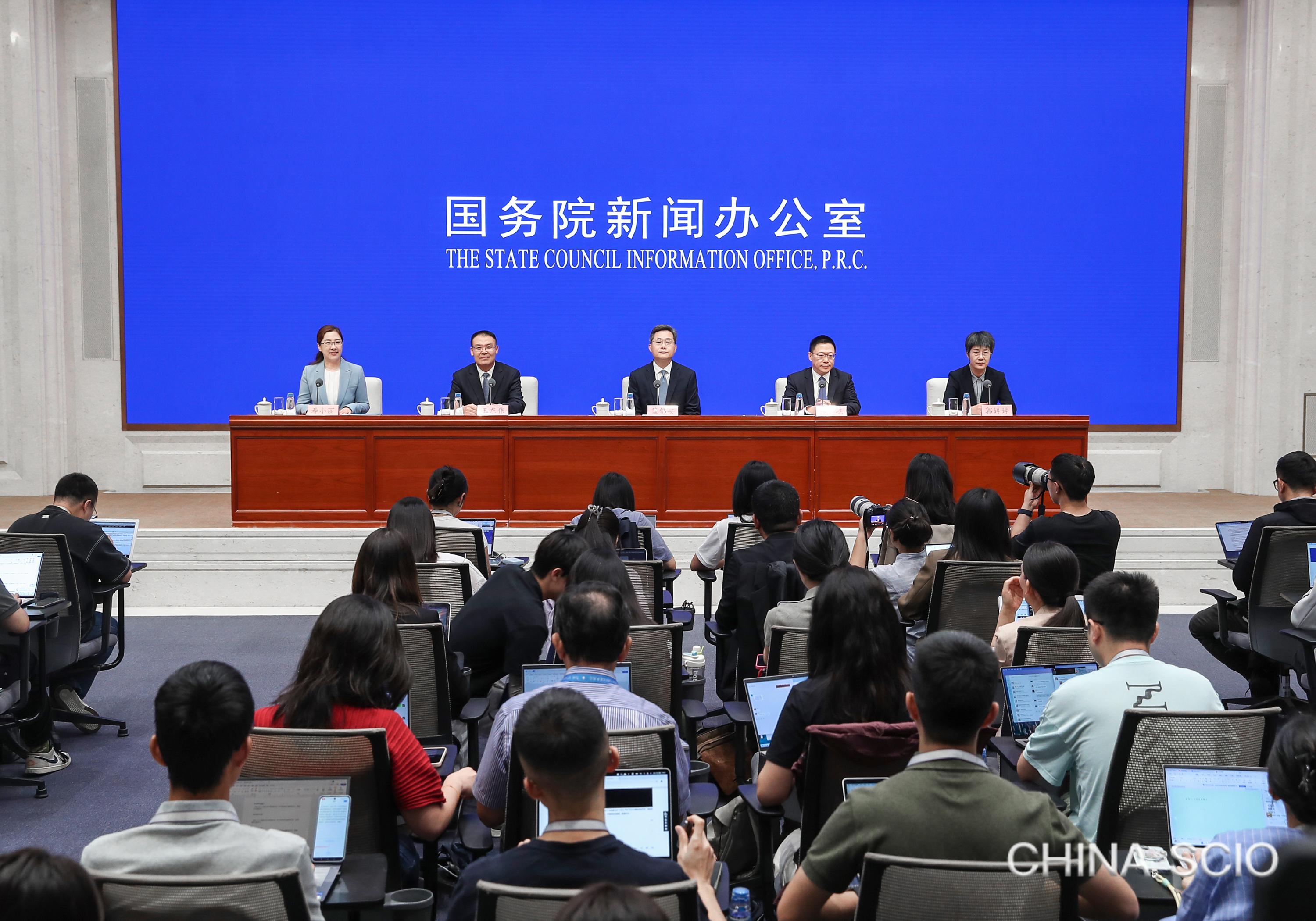
/6 Group photo
/6 Lan Fo'an
/6 Liao Min
/6 Wang Dongwei
/6 Guo Tingting
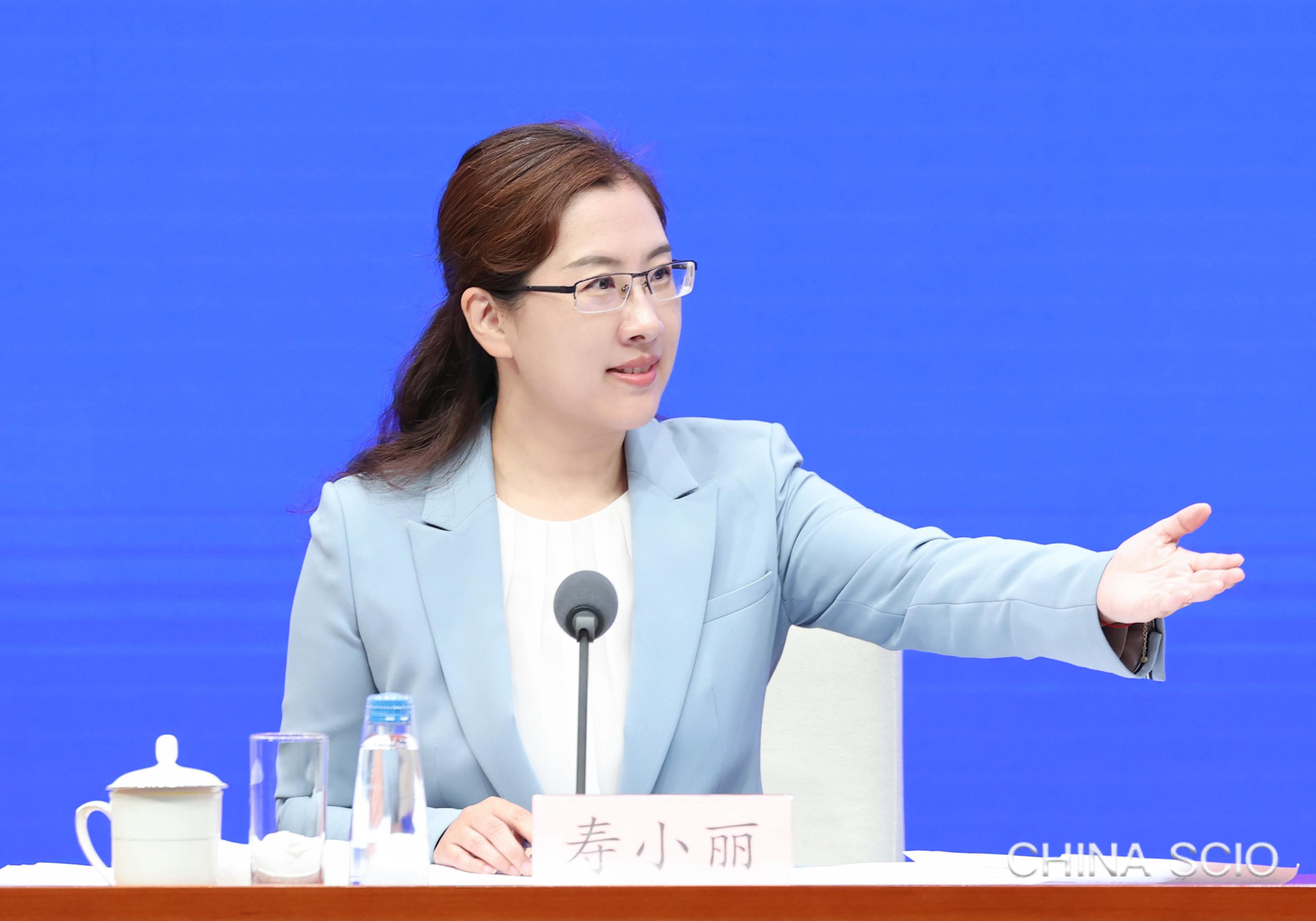
/6 Shou Xiaoli
SCIO briefing on 4th Global Digital Trade Expo
September 11, 2025SCIO briefing on achievements in the healthcare sector during the 14th Five-Year Plan period
September 11, 2025