China.org.cn | November 2, 2026


Yicai:
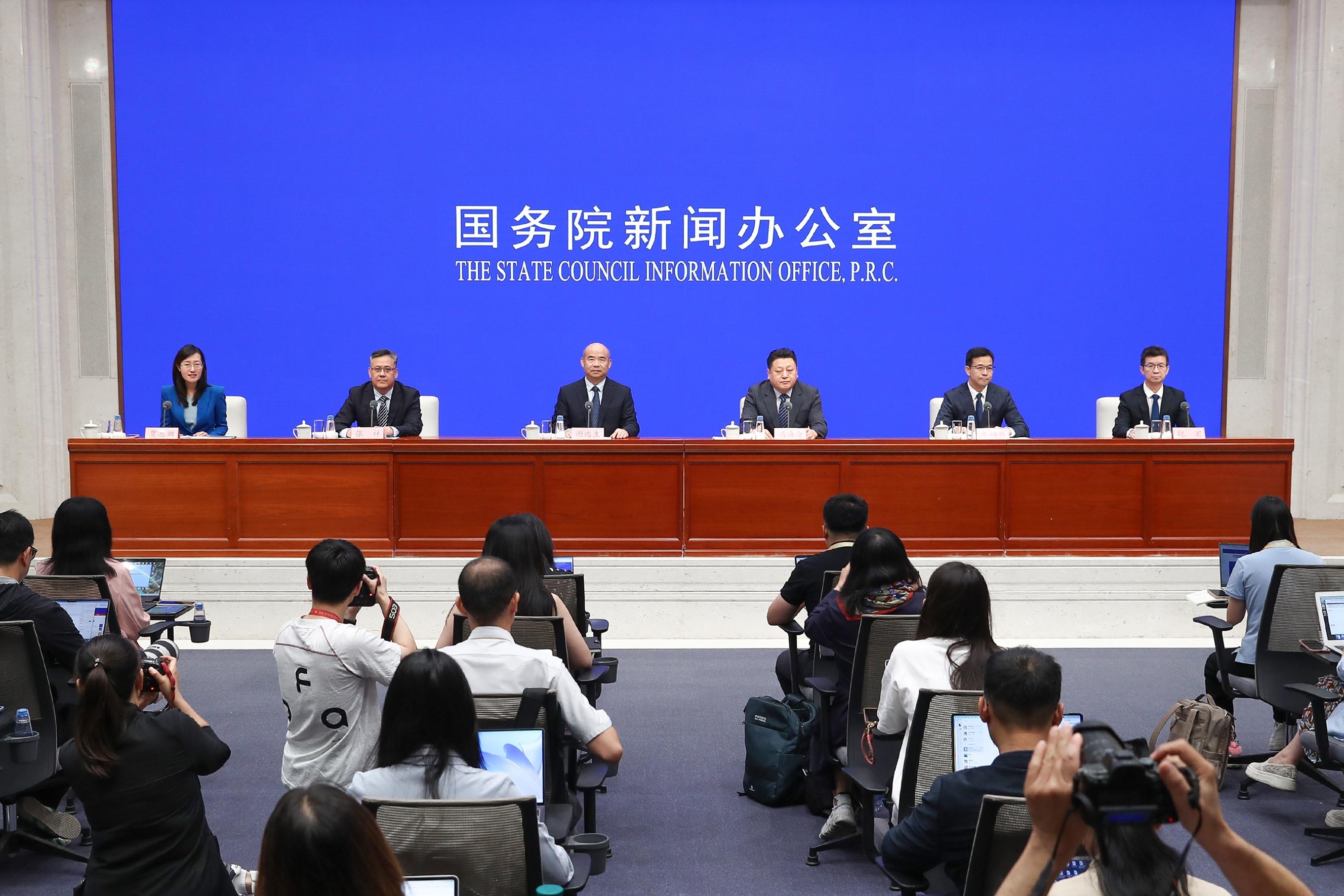
Many of the entities in renowned traditional industries are small and micro enterprises and handicraft workshops. Their development cannot be achieved without the support of technical standards. How does the SAMR use standards to guide the high-level inheritance and high-quality development of renowned traditional industries? Thank you.
Wei Hong:
Thank you for your interest in market regulation. Many businesses in renowned traditional industries are small and micro enterprises and handicraft workshops. Standards should play an important role by summarizing and refining the experience of skilled craftsmen into standardized norms, thereby promoting industrial development and improving product quality. Regarding standardization work, the SAMR has carried out work in three main areas:
First, standards have been upgraded to guide the optimization and upgrading of renowned traditional industries. We have actively promoted the development of relevant national standards and released 172 national standards for tea, silk, arts and crafts, and the Four Treasures of the Study (brush, ink, paper, and inkstone), strictly regulating product quality and helping to standardize the inheritance of traditional cultural products. For example, we have improved the silk standard system, and issued national standards in areas such as silk quilts and Shu embroidery, turning safety indicators, quality requirements and advanced technologies into production regulations that can be implemented. These standards provide a basis for production for farmers, micro and small enterprises, and traditional artisans, helping industries to improve quality and efficiency. For example, the Lacquerware General Technical Requirements national standard clearly specifies the requirements for raw and auxiliary materials, lacquer films and lacquer surfaces. While preserving the essence of traditional techniques, it incorporates modern materials and scientific and technological achievements, thereby promoting the innovative development of lacquerware craftsmanship.
Second, efforts have been made to continuously enhance the level of internationalization of standards among renowned traditional industries. China has successively undertaken the secretariats of six technical bodies of international standards organization in the fields of silk, tea, porcelain and TCM, with six chairpersons serving for technical bodies, and led the formulation of 163 international standards. For example, the international standard, Green tea — Vocabulary, innovatively adopted a text-plus-visual-index model. In the past, it was a purely text-based standard. Now with the addition of visual indexes and picture illustrations, it has eliminated ambiguity in the textual expressions among different countries, promoting the export of high-quality Chinese green tea at good prices, increasing tea farmers' incomes and empowering rural revitalization. Another example is the international standard for Ganoderma lucidum, which has effectively improved the safety and efficacy of Ganoderma lucidum and its products by standardizing the quality requirements of the products. Following the release of the international standard, the average export price of Ganoderma lucidum from China increased by 107%, and the total export value increased by 285% year on year, allowing China's high-quality products to sell for good prices.
Third, we have actively promoted the internationalization of standards for renowned traditional industries. As part of Belt and Road work on standards connectivity, we have selected eight model cases of Chinese standards adopted overseas in areas such as silk and TCM. We have published 63 foreign-language versions of national standards, covering tea, silk, liquor, acupuncture and other fields. We have used the China-ASEAN International Standardization Forum as a platform to strengthen exchanges and cooperation on international standards in areas such as liquor and cultural heritage protection. For example, we worked with Laos to draw up technical specifications for the standardized production of Amomum villosum, and helped Laos turn the technical requirements for the plant's seed quality into a national standard. We have also trained more than 1,000 Lao technicians and farmers, helping Chinese traditional medicine and its standards go global and reach overseas markets.
Going forward, the SAMR will continue to strengthen quality support and standards guidance, focusing on product quality, process specifications, green production and other key areas. It will draw up and revise a set of advanced, practical national standards that these industries urgently need, take part in international standardization work, lead the drafting of more international standards and strengthen international exchanges and cooperation, using standards connectivity to support high-quality Belt and Road cooperation. Thank you.