China.org.cn | November 3, 2026


Jinan Times APP:
The year-on-year growth rate of the PPI rebounded in August. What are the underlying factors behind this? And what are your predictions for the PPI trend for the year as a whole? Thank you.
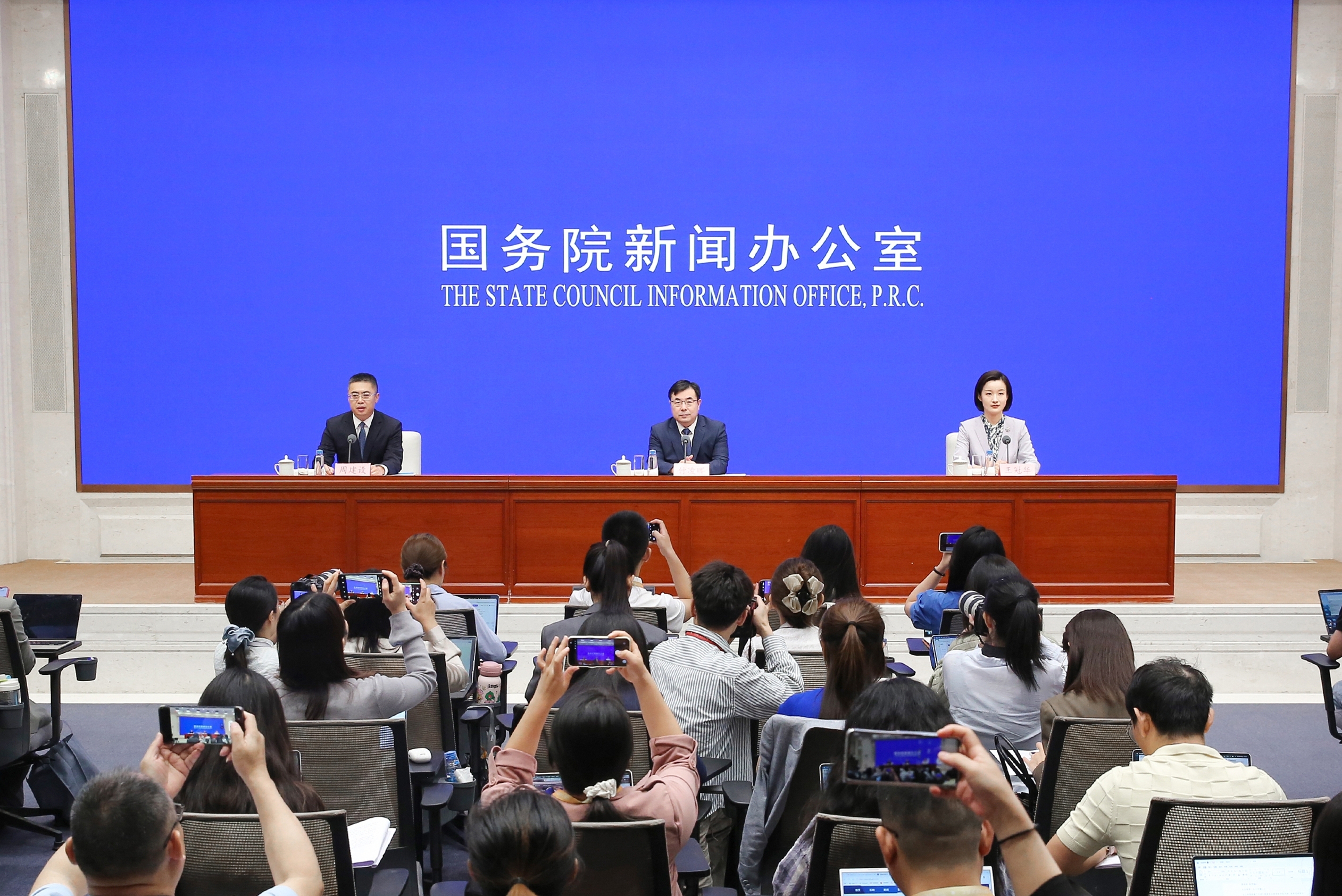
Wang Guanhua:
Thank you for your questions. In August, China's PPI increased 0.4% month on month, reversing a 0.7% decline the previous month, and increased by 3.8% year on year, 0.3 percentage point higher than the previous month. This was mainly the result of the combined effects of international factors transmitted to domestic market, domestic industrial transformation and upgrading, and seasonal factors.
First, it was influenced by the pass-through effect of rising international bulk commodity prices. In August, international crude oil and non-ferrous metal prices rose, and through import channels, were transmitted to domestic industrial chains, driving up prices in industries such as petroleum processing, chemicals and non-ferrous metal smelting. Prices in the non-ferrous metal smelting and rolling processing industry rose by 20.8% year on year, while prices in the petroleum and natural gas extraction industry, petroleum, coal and other fuel processing industry, and the chemical raw materials and chemical products manufacturing industry rose by 10.5%, 11.1% and 9.1%, respectively. These four industries together drove up the year-on-year growth rate of PPI by approximately 2.58 percentage points, with their upward contribution 0.24 percentage point higher than the previous month.
Second, it was influenced by the driving effect of industrial high-end, intelligent and green transformation. China has been accelerating the development of new industries and new growth drivers, with strong market demand in areas such as high-end manufacturing, smart manufacturing and environmental protection, leading to a rebound in product prices. In August, prices in electronic circuit manufacturing related to AI and the digital economy rose 6.6% year on year, while prices in virtual reality equipment manufacturing and the manufacturing of service consumption robots for consumer use rose 6.0% and 2.1%. In industries related to clean energy and the circular economy, prices in biomass fuel processing and comprehensive utilization of waste resources rose by 7.4% and 2.5%, respectively.
Third, it was influenced by seasonal factors. The average temperature nationwide in August this year was higher than the average for the same period in previous years, leading to a seasonal increase in demand for electricity and coal. Coupled with a period of relatively tight coal supply, the prices of coal mining and washing industry rose by 2.8% month on month and 26.6% year on year.
Overall, the rebound in industrial product prices this year is the result of the combined effects of international and domestic factors, which has had a positive effect on improving corporate profitability. Looking ahead, the global geopolitical landscape is complex and volatile, and the trend for international commodity prices remains uncertain. External influences need to be closely monitored. However, China boasts a complete industrial system, resilient industrial and supply chain, strong basic- energy security, diversified energy import channels and sufficient reserves of important materials. These enable the country to cope effectively with the impact of external market fluctuations. Meanwhile, the advancement of domestic industrial restructuring, the cultivation and development of new quality productive forces, and the deepening of comprehensive efforts to address rat race competition will continue to support industrial product prices. Thank you.