China.org.cn | September 2, 2026


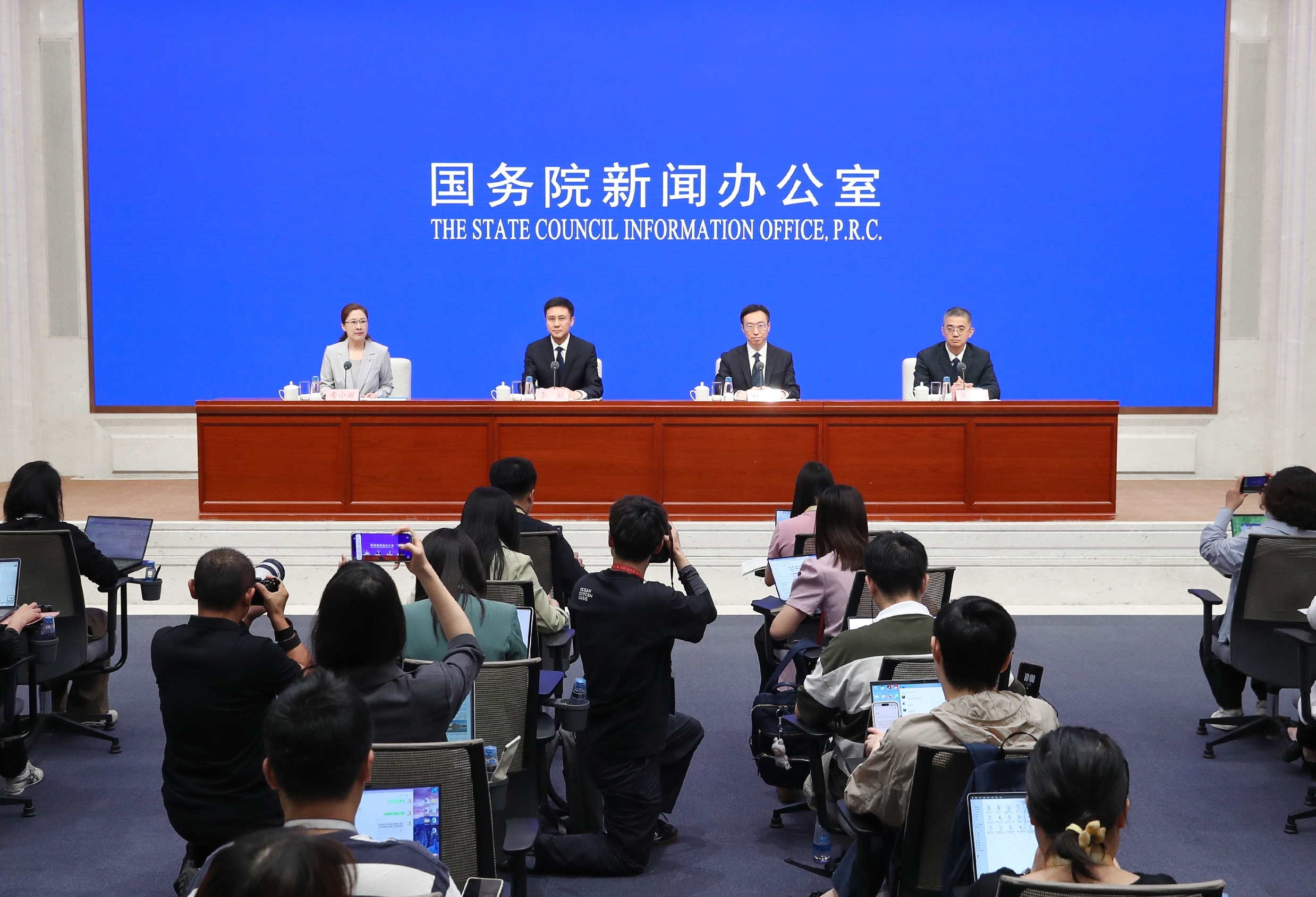
Shandian News:
China's total external debt increased in the first quarter of this year. What are the main reasons behind this? And how do you view the future trajectory of external debt? Thank you.
Li Bin:
I would like to invite Mr. Xiao to answer this question.
Xiao Sheng:
Thank you for your questions. The external debt mainly refers to liabilities owed by domestic institutions to non-residents for which they have repayment obligations. External debt is generated when domestic institutions issue bonds or borrow money overseas, or when overseas institutions hold domestic bonds or deposit funds in domestic banks. Appropriate use of external debt is beneficial for a country's enterprises, banks and other entities to make full use of both international and domestic markets and resources to enrich and expand their financing channels. While improving financing efficiency, the external repayment risks posed by excessive external debt also require continued attention.
In terms of total external debt, China's foreign debt has remained generally stable over the past period. Over the past three years, China's external debt has remained relatively stable at around $2.3 trillion to $2.5 trillion. It is normal for external debt to fluctuate within a certain time period due to factors such as changes in the external environment and adjustments in the financing needs of domestic entities. At the end of the first quarter of 2026, the total outstanding external debt was $2.41 trillion, up 3.6% from the previous quarter. This increase was mainly due to three factors: first, the increase in deposits of foreign institutions in China; second, the increase in loans borrowed from abroad because of growing financial needs of domestic entities; and third, the increase in trade credit financing resulting from rapid growth of foreign trade.
In terms of the structure of external debt, China's external debt structure has been continuously optimized in recent years. By the end of the first quarter of 2026, RMB-denominated external debt accounted for 55% of China's total external debt, up 10 percentage points from 2022; and the proportion of medium- and long-term external debt remained stable at over 40%, suggesting a notable reduction in the risks of maturity mismatch and currency mismatch in China's external debt.
In terms of risks, China's current external debt is relatively safe. Generally speaking, four indicators are used internationally to measure whether an economy's external debt is safe. First, the liability ratio, which is the ratio of outstanding external debt to GDP, measures the overall debt burden. In 2025, China's liability ratio was 11.9%, below the internationally recognized threshold of 20%. Second, the debt ratio, which is the ratio of outstanding external debt to export revenue, measures the ability of export revenue to repay external debt. China's debt ratio is 56.3%, while the international recognized threshold is 100%. Third, the debt servicing ratio, which is the ratio of the total amount of external debt repayment and interest payment in a given year to export revenue, measures short-term debt repayment pressure. China's ratio is only 6.2%, far below the threshold of 20%. Fourth, the ratio of short-term external debt to foreign exchange reserves is used to measure emergency repayment capacity. China's ratio is 39.2%, which is also significantly lower than the internationally recognized threshold of 100%.
Finally, in terms of development trends, China's external debt is expected to maintain stable growth in the future. Currently, China's economic performance is generally stable, and foreign trade is maintaining rapid growth. Enterprises and other sectors will borrow external debt according to their actual needs. Meanwhile, the opening up of the financial market is progressing steadily and the value of RMB assets for portfolio allocation continues to emerge. As a result, foreign investment in RMB bonds is expected to rise steadily.
Going forward, we will continue to increase policy support for facilitating cross-border financing, encourage enterprises to make better use of both domestic and international markets for financing, and effectively serve the healthy development of the real economy. Thank you.