China.org.cn | September 2, 2026


ThePaper.cn:
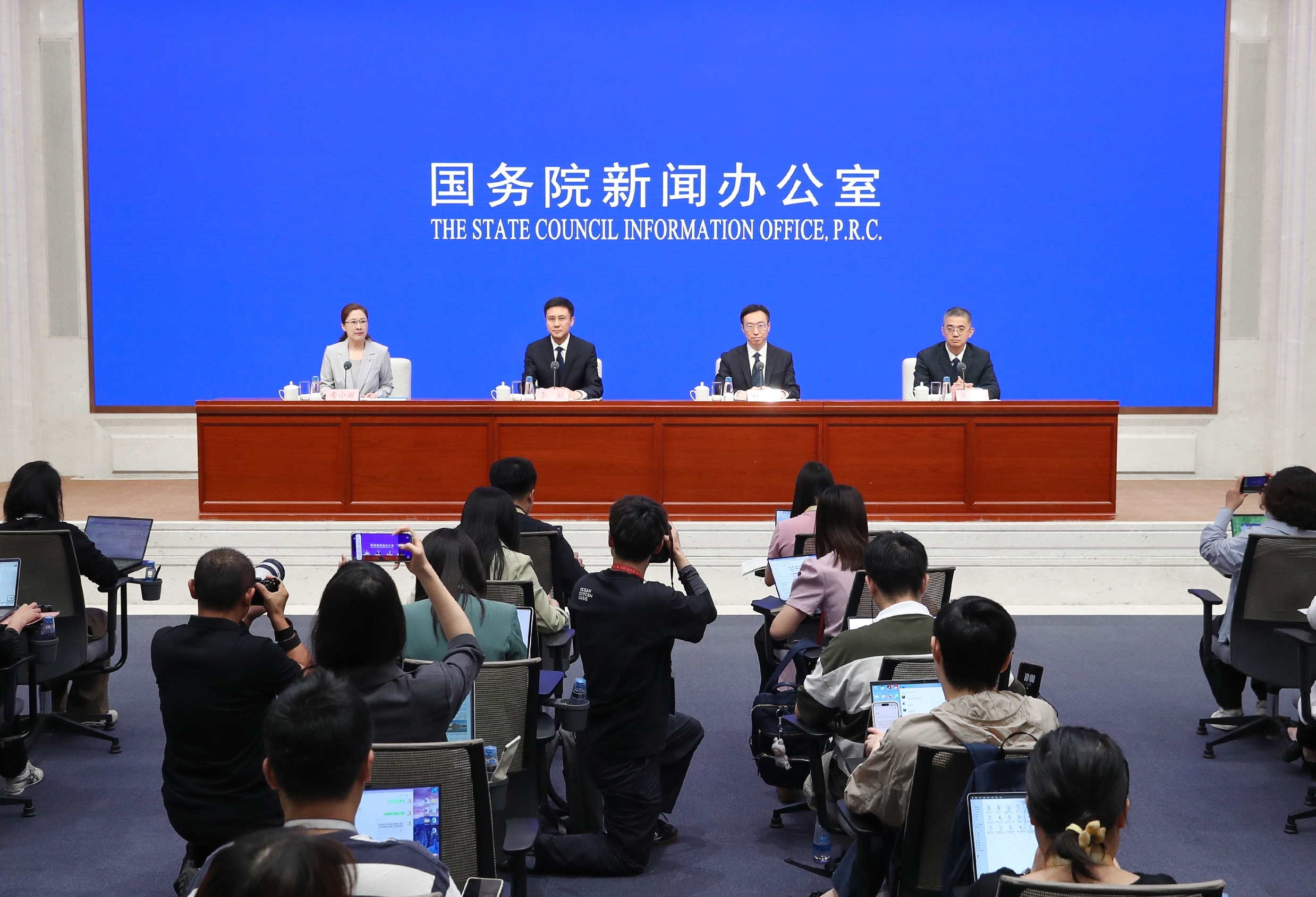
With the ongoing restructuring of China's economy, trade in services has attracted much attention. What new changes have taken place in China's cross-border trade in services, and what are the new prospects for future trends? Thank you.
Li Bin:
Thanks for your questions. Let me introduce the relevant situation.
In recent years, China's trade in services has maintained a sound development momentum, and has played an important role in supporting industrial upgrading, meeting the needs of people's livelihoods, driving employment expansion, and promoting the development of the global service industry.
Economic structure adjustment has driven the steady expansion of China's cross-border services. International balance of payments data shows that in the past five years, China's imports and exports of services have continued to grow rapidly at an average annual rate of 12%, and the total value exceeded $1 trillion in 2025. In the first five months of 2026, imports and exports of services continued to grow by 10% year on year. The share of trade in services in the combined total trade of goods and services can measure changes in a country's trade and economic structure. In 2025, this share stood at 13.5% in China, showing a steady upward trend. China's trade structure is gradually shifting towards the coordinated development of goods and services, with the service sector playing an increasingly important role in the economy.
In terms of imports, China's imports of services have grown steadily, better meeting the diverse needs of residents and effectively promoting the development of global trade in services. In 2025, China's imports of services reached more than $620 billion, making it the world's second-largest import market for services. China's deficit in trade in services is close to $240 billion, the largest among all countries in the world. It is fair to say that China provides a large market for the development of the global service industry. China's demand for service imports covers areas such as travel, intellectual property, transportation, and business services, providing residents with more choices and high-quality products for service consumption. China's imports of services are sourced from many developed and developing economies, effectively driving their employment and economic growth.
In terms of exports, China's trade in services have seen accelerated growth, with significant improvements in quality and efficiency. China's exports of services have grown at an average annual growth rate of 14% over the past five years, and by 2025 the volume had almost doubled that of 2020. In the first five months of 2026, China's exports of services grew by 21% year on year, mainly driven by two factors. First, China has continued to promote the expansion of visa-free entry for foreigners and optimize policies such as payment services and tax refunds for foreign nationals coming to China. In the first five months of this year, revenue from cross-border travel increased by 37% year on year, contributing 24% to the growth of service exports. Second, China has vigorously developed science and technology services and digital and intelligent services, promoted the integrated development of manufacturing and service industries, and continuously enhanced the competitive advantages of trade in emerging producer services. In the first five months of this year, combined revenue from computer information services, business services, and intellectual property services increased by 17%, contributing 45% to the growth of service exports.
China has attached great importance to the comprehensive development of the service industry and carried out the actions to enhance the service sector in both capacity and quality. In the future, the scale of trade in services is expected to continue to expand, and the level of digitalization, standardization, integration and internationalization of services will be further improved. The SAFE will comprehensively deepen the reform of foreign exchange management for trade in services, expand the pilot program for high-standard opening up of cross-border trade, and contribute to promoting the high-quality development of trade in services. Thank you.
Shou Xiaoli:
Last question, please.