China.org.cn | September 2, 2026


Seashell Finance:
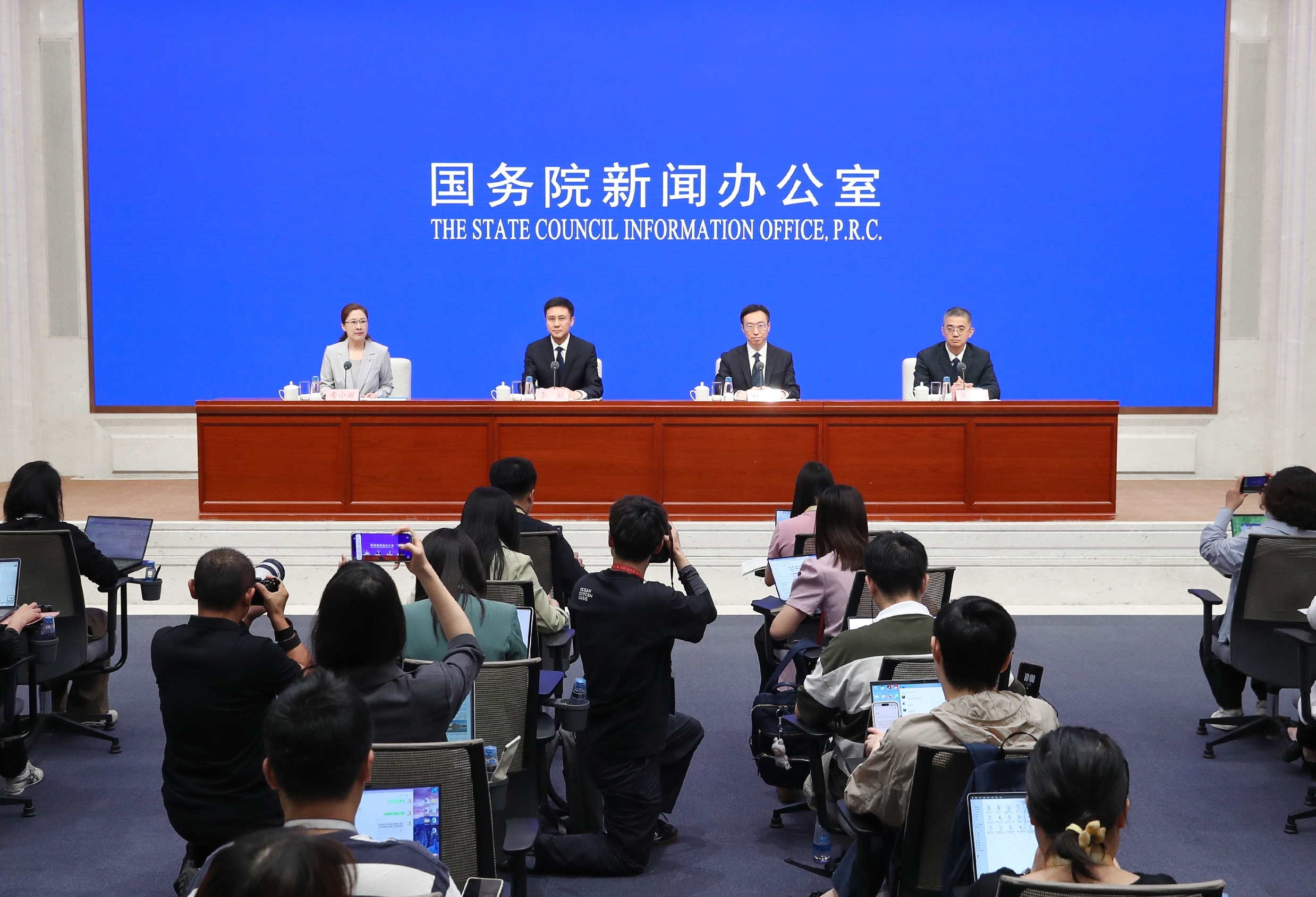
The speaker just outlined the foreign exchange market's steady performance in the first half of the year. Given that the external environment is likely to remain complex and volatile for some time, how do you view the market's prospects for the second half of the year? Thank you.
Li Bin:
Thank you for your question and for your interest in foreign exchange developments. As I just noted, since the beginning of this year, China's foreign exchange market has operated steadily despite external shocks, demonstrating that domestic factors play a decisive role in shaping market trends. China's accelerated pursuit of high-quality development, steady expansion of high-standard opening up, vibrant foreign trade, and increasingly resilient foreign exchange market will continue to support its stable operation.
First, the rapid development of new quality productive forces, together with the Chinese economy's strong resilience and ample room for growth, will further bolster market confidence. Emerging industries are expanding rapidly, the integration of technological and industrial innovation is gathering pace, and innovation capacity is rising quickly, providing strong support for high-quality economic development. In the first half of the year, the value added of high-tech manufacturing enterprises above designated size rose 13.3% year on year, nearly 4 percentage points faster than in 2025. More Chinese companies are emerging in global fields such as large AI models, quantum technology and new energy. As a major economy, China also has greater resilience and more room for growth. Despite external shocks such as geopolitical conflicts in the Middle East, China's economy has demonstrated strong resilience and an ability to withstand shocks, supported by a diversified energy supply and the rapid development of the new energy sector.
Second, notable progress in maintaining the scale and improving the structure of China's foreign trade will help maintain activity in foreign exchange market transactions. Mutually beneficial cooperation based on comparative advantages is inherent in a market economy and is an internal driver of economic and trade growth. In the first half of the year, China's total imports and exports of goods exceeded 25 trillion yuan, up 16.9% year on year, providing an important impetus to the growth of cross-border receipts and payments. The foreign trade structure also continued to improve, with exports of integrated circuits and the "new trio" (NEVs, lithium-ion batteries, and PV products) contributing nearly half of total export growth and supplying the world with higher-quality products. China's imports reached a record high for the period and grew faster than exports, creating room and opportunities for global trade growth. Looking ahead, technological advances are injecting fresh momentum into global trade. The global manufacturing PMI has remained above the 50-point threshold for 11 consecutive months, while China's manufacturing PMI also rose month on month in June, supporting more balanced growth in both exports and imports.
Third, China's orderly opening up will help promote more balanced cross-border capital flows. In the first half of the year, foreign investment in China recorded a net inflow, while China's outbound investment continued to grow steadily. As of the end of March, China's external assets and liabilities stood at about $12 trillion and $8 trillion, respectively, both at high levels by global standards. Going forward, China will remain committed to expanding opening up, further facilitate foreign investment in China, and steadily broaden channels for domestic entities to invest overseas, making two-way cross-border investment more active and balanced.
Finally, the foreign exchange market itself is becoming more resilient, providing strong safeguards against external shocks. In recent years, the market-based mechanism for forming the RMB exchange rate has continued to improve, the range of foreign exchange market participants has broadened and become more diverse, and the market's capacity for self-adjustment has strengthened. Companies are increasingly using the RMB and foreign exchange derivatives to manage exchange rate risks in cross-border transactions. In recent years, the overall share of goods trade priced and settled in RMB has risen steadily. In the first half of this year, the share of corporate foreign exchange transactions hedged with derivatives reached 35.3%, up 5.3 percentage points from 2025. Meanwhile, the macroprudential policy toolbox for making countercyclical adjustments to foreign exchange market supply and demand when necessary has become richer and more mature. All these developments will help strengthen the market's resilience and promote its stable operation.
That being said, the external environment remains complex, and developments in global geopolitics, economic growth, inflation and the monetary policies of major economies require continued monitoring. We will strengthen the monitoring of cross-border capital flows, continue to enhance the resilience and vitality of the foreign exchange market, and further improve macroprudential management and expectation guidance to maintain the stable operation of the market. Thank you.