China.org.cn | March 27, 2026


Phoenix TV:
We have noted that the decline in PPI continued to narrow in February. Meanwhile, international oil prices have fluctuated significantly, pushing up shipping and insurance costs. How do you assess the impact of such imported inflationary pressure on future PPI trends and industrial prices? Thank you.
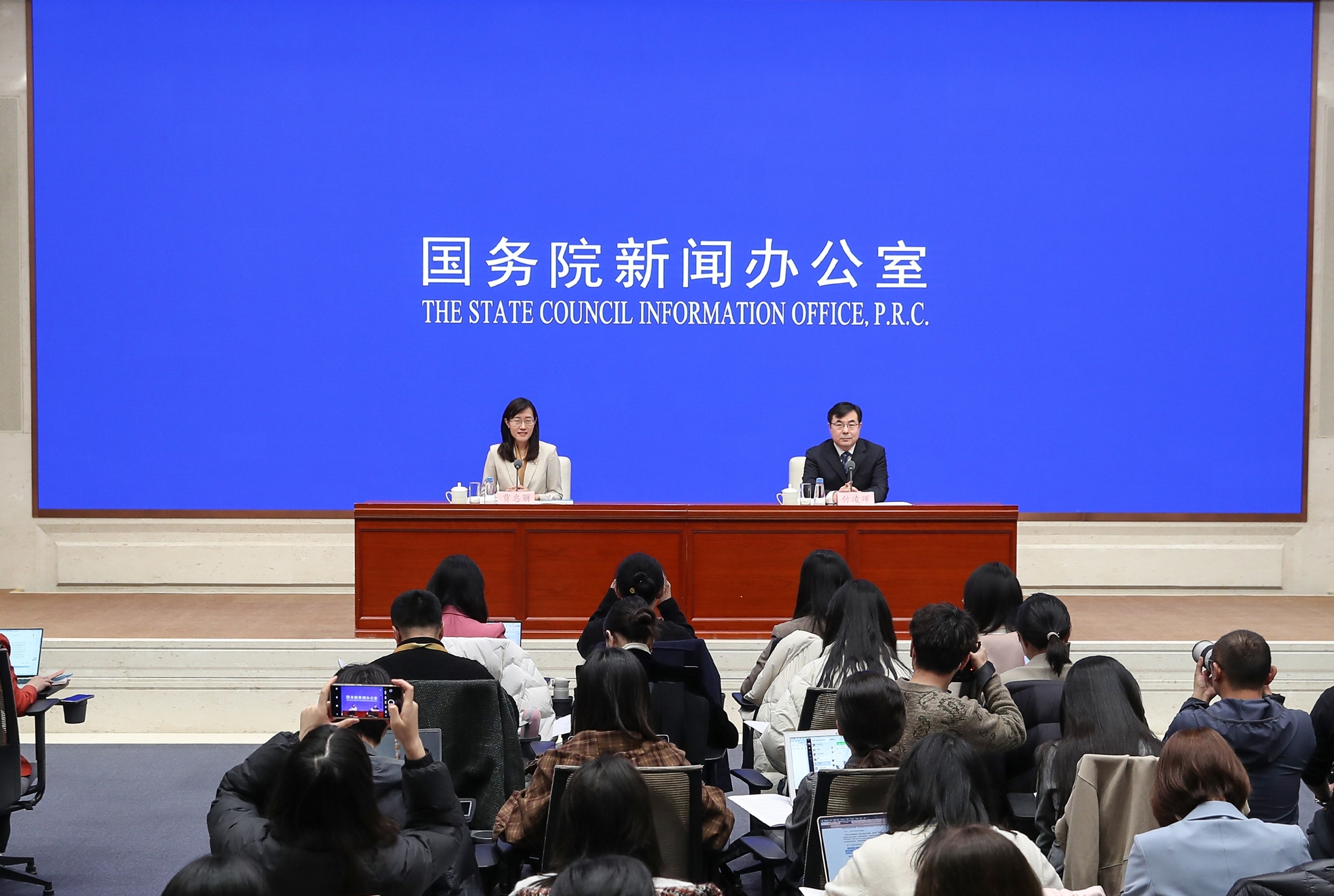
Fu Linghui:
Thank you for your question. Indeed, rising geopolitical risks have led to sharp fluctuations in international oil prices, raising concerns about market price trends. Since the beginning of this year, producer prices have generally shown a narrowing year-on-year decline. In February, the PPI fell 0.9% year on year, with the rate of decline easing by 0.5 percentage point from the previous month, marking the third consecutive month of narrowing. On a month-on-month basis, producer prices have risen for five consecutive months. The improvement in producer prices is mainly driven by expanding demand in certain domestic industries, the boost to industrial product prices from the growth of new drivers, and rising international commodity prices. These factors have jointly contributed to the recovery. As I noted earlier when introducing the economic performance for January and February, new growth drivers have played a supportive role in economic development, and this is also reflected in price trends.
The February figures show that the narrowing of the PPI decline was mainly driven by the following factors. First, industrial upgrading has boosted demand for high-end equipment, pushing up prices in related sectors. In February, aircraft manufacturing prices rose 7.7% year on year, largely driven by the growth of the domestic commercial aviation sector. Meanwhile, prices for shipbuilding and related equipment manufacturing rose 0.5% year on year. Second, the advancement of industrial digitalization and green transformation has spurred demand, pushing up prices in related sectors. With the rapid development of the "AI Plus" initiative, prices for electronic components and specialized electronic materials rose 4.9% year on year in February. The recent rise in prices of products such as memory chips is largely driven by growing domestic demand for computing power. Under the continued push for green transformation, prices for biomass fuel processing rose 3.2% year on year in February. Third, improvements in market competition order have driven price gains in certain sectors. Efforts to address overcapacity and curb involution-style competition in key industries have continued. In February, price declines in cement manufacturing and ferrous metal smelting and rolling processing narrowed by 1.5 percentage points and 0.3 percentage point, respectively, compared with the previous month. In addition, rising international energy and non-ferrous metal prices also contributed to the rebound in producer prices. In February, prices in non-ferrous metal smelting and rolling processing rose 22.1% year on year, a notably large increase.
Overall, producer prices have shown positive changes, which bodes well for improving business operations and corporate confidence. Recently, geopolitical tensions in the Middle East have led to fluctuations in international oil prices, raising market concerns. However, China has a strong capacity to ensure energy supply and is well-positioned to cope with external market volatility. At present, significant uncertainties remain over global energy prices, and the pass-through impact on domestic prices warrants close monitoring. Going forward, we will continue to expand domestic demand and optimize supply, develop new quality productive forces suited to local conditions, and further advance the development of a national unified market. These efforts will bring industrial product prices back to a reasonable range, improve economic circulation, and promote the sustained and healthy development of the industrial economy. Thank you.