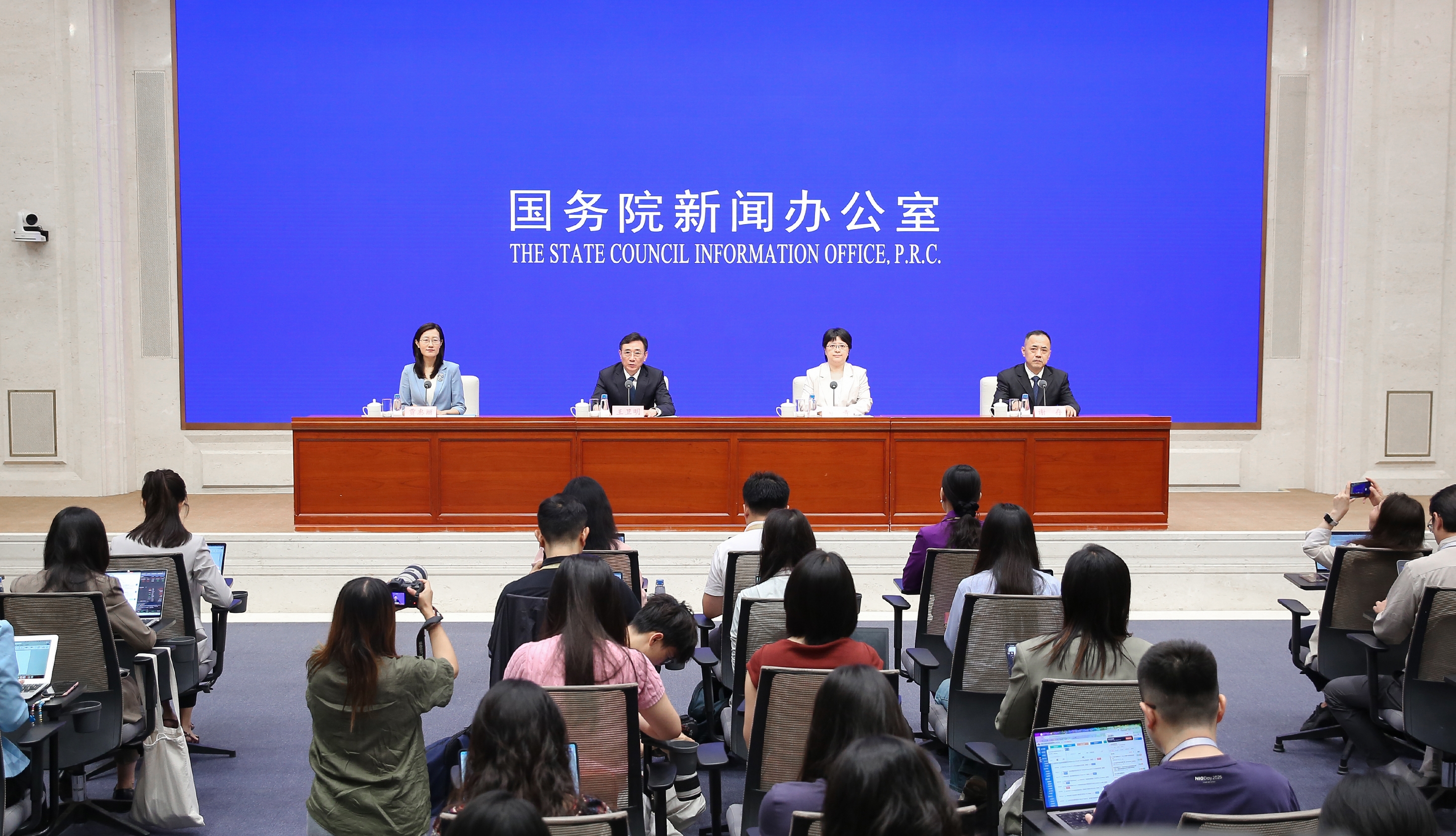

SCIO briefing on development of industry and information technology in H1 2026
Beijing | 10 a.m. July 20, 2026
Speakers

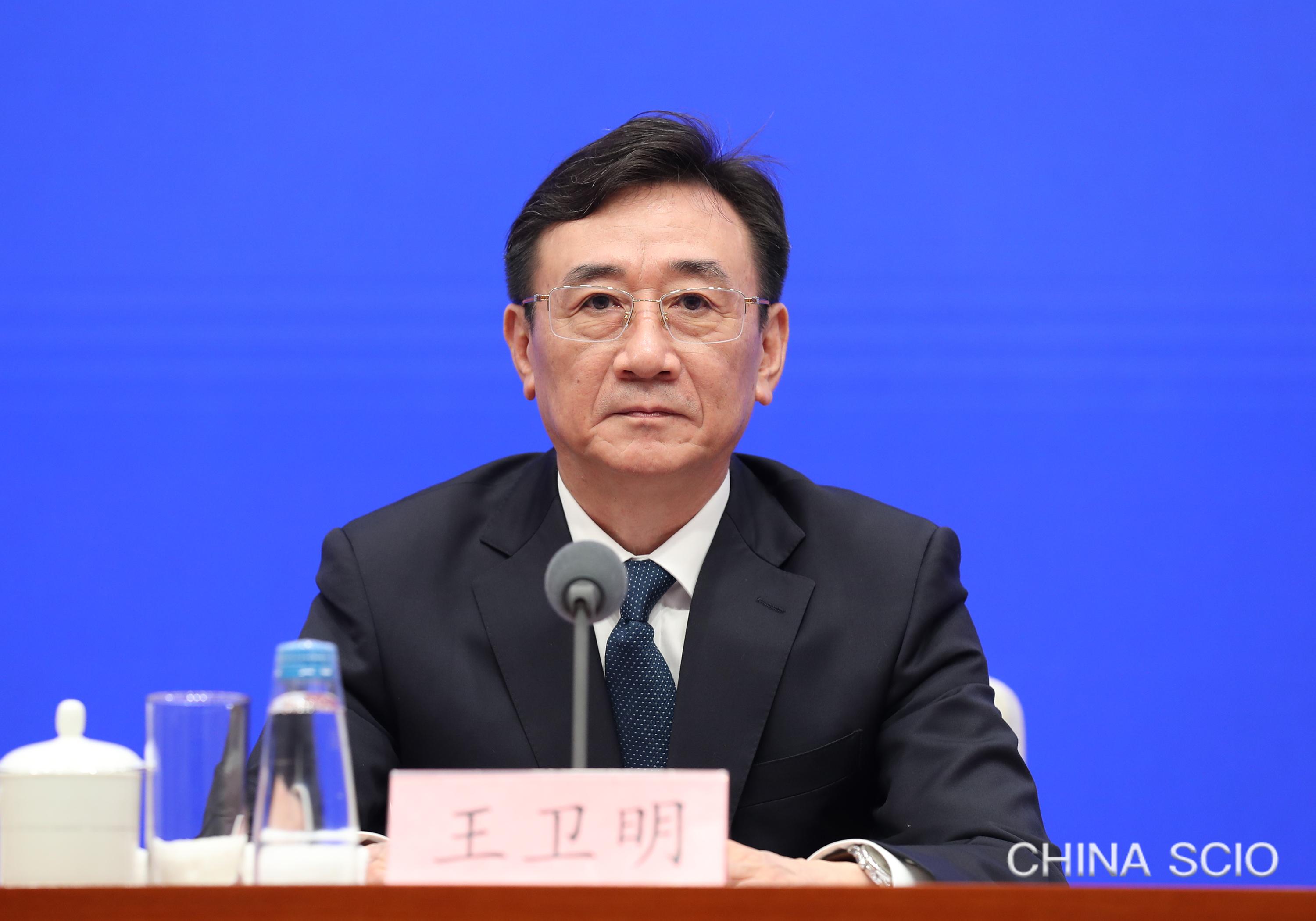
Wang Weiming, chief engineer of the Ministry of Industry and Information Technology (MIIT)
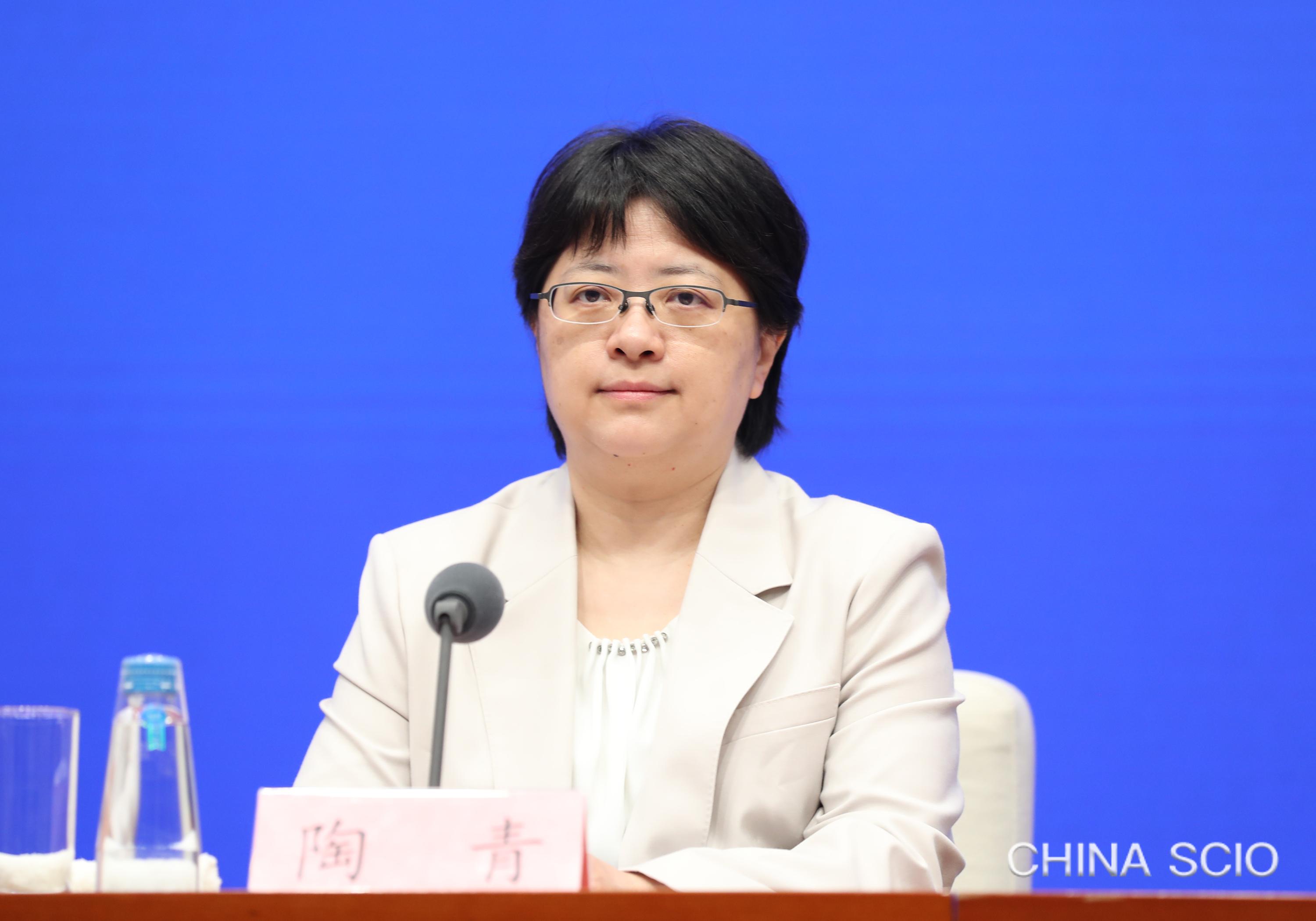
Tao Qing, spokesperson of the MIIT and director general of the Bureau of Operation Monitoring and Coordination of the MIIT
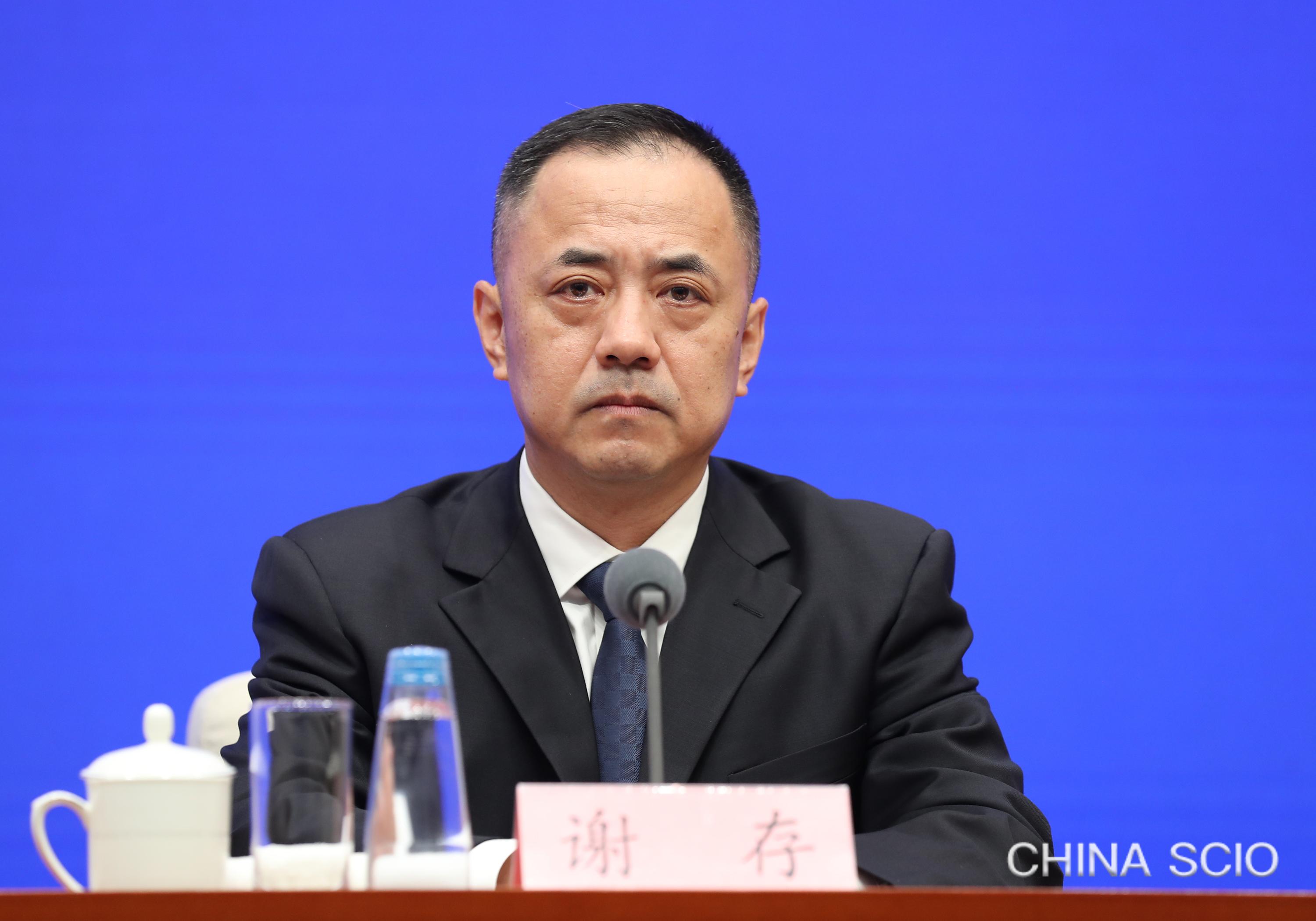
Xie Cun, spokesperson of the MIIT and director general of the Bureau of Information and Communications Management of the MIIT
Chairperson
Speakers:
Mr. Wang Weiming, chief engineer of the Ministry of Industry and Information Technology (MIIT)
Ms. Tao Qing, spokesperson of the MIIT and director general of the Bureau of Operation Monitoring and Coordination of the MIIT
Mr. Xie Cun, spokesperson of the MIIT and director general of the Bureau of Information and Communications Management of the MIIT
Chairperson:
Ms. Jia Huili, deputy director general of the Press Bureau of the State Council Information Office (SCIO) and spokesperson of the SCIO
Date:
July 20, 2026
Jia Huili:
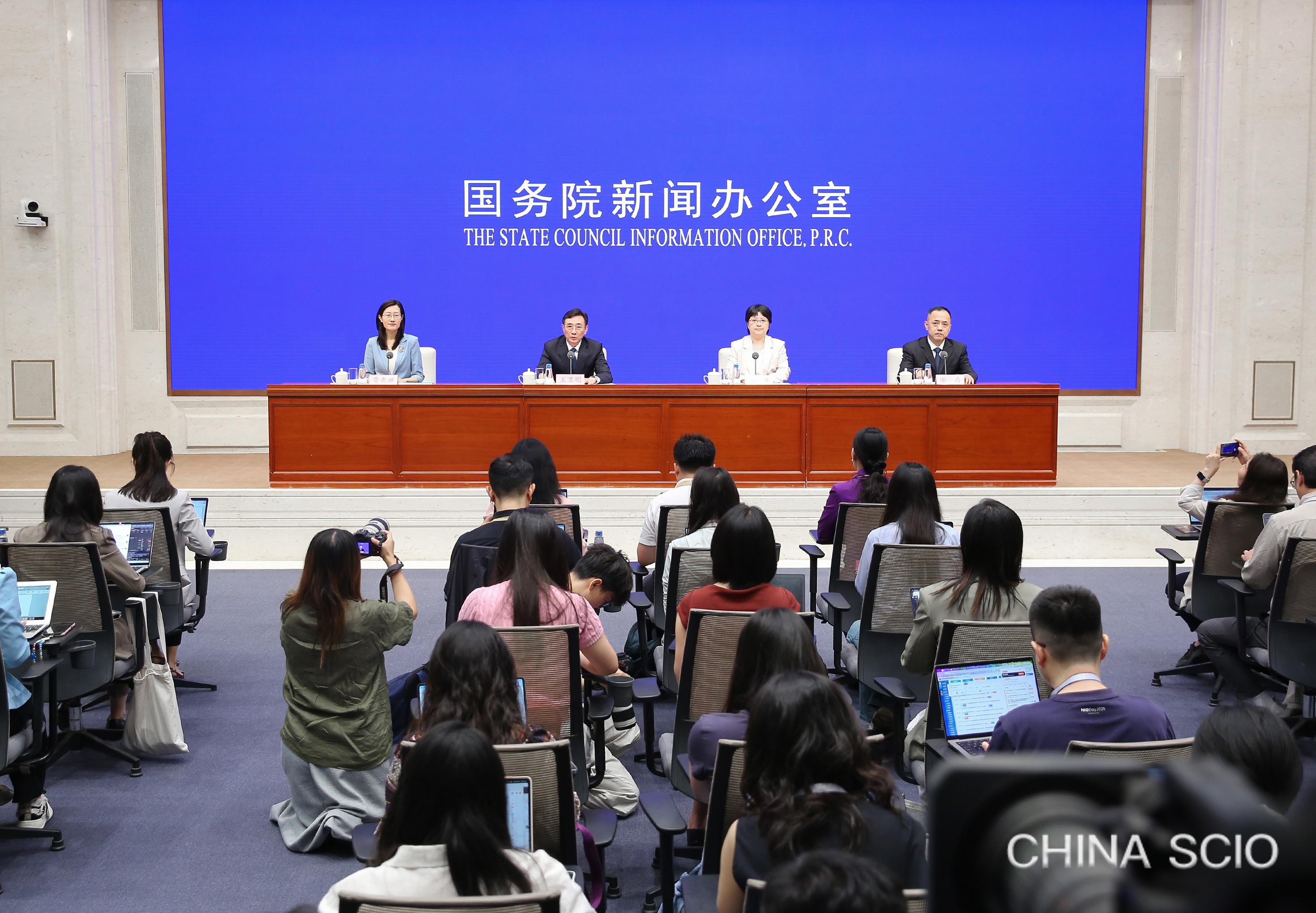
Ladies and gentlemen, good morning. Welcome to this press conference held by the State Council Information Office (SCIO). Today's conference is a routine release of economic data. We have invited Mr. Wang Weiming, chief engineer of the Ministry of Industry and Information Technology (MIIT), to brief you on China's development of industry and information technology in the first half of 2026 and take your questions. Also joining us today are Ms. Tao Qing, spokesperson of the MIIT and director general of the Bureau of Operation Monitoring and Coordination of the MIIT; and Mr. Xie Cun, spokesperson of the MIIT and director general of the Bureau of Information and Communications Management of the MIIT.
Now, I will give the floor to Mr. Wang for his introduction.
Wang Weiming:
Ladies and gentlemen,
Good morning. First, I would like to thank you for your continued interest in and support for the development of the industry and information technology sectors.
Since the beginning of this year, under the strong leadership of the Central Committee of the Communist Party of China (CPC) with Comrade Xi Jinping at its core, the MIIT has thoroughly implemented the arrangements of the Central Economic Work Conference and the Political Bureau of the CPC Central Committee, fully implemented the various tasks set forth in the Government Work Report, adhered to the general principle of seeking progress while maintaining stability, and actively implemented the requirements of "stabilizing employment, supporting enterprises, ensuring smooth market operations and strengthening expectations." In the first half of the year, the industry and information technology sectors continued to evolve toward innovation and higher quality.
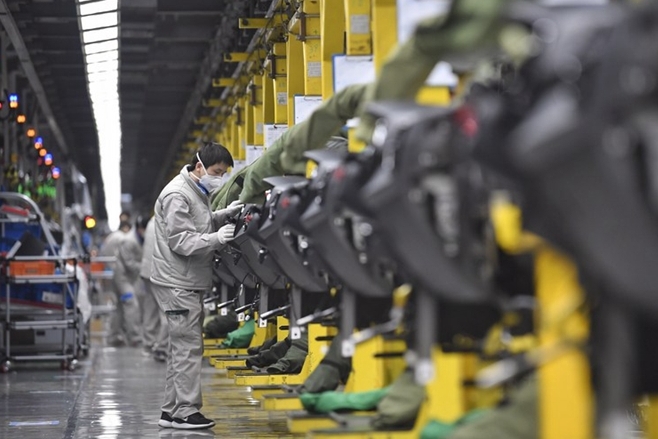
First, the economic performance remained stable overall. We have accelerated the implementation of policies to boost consumption, advance major national strategies and key-area security capacity building, and promote large-scale equipment upgrades and consumer goods trade-ins. We have also implemented a new round of growth initiatives for 10 key industries, focusing on enriching the supply of high-quality products and services and improving supply-demand alignment. In the first half of the year, the value added of industrial enterprises above designated size increased by 5.4% year on year, and industry contributed more than 35% to overall economic growth. The profitability of industrial enterprises has improved significantly, with the total profits of industrial enterprises above designated size increasing by 18.8% year on year in the first five months. Industrial exports grew rapidly; in the first half of the year, China's total goods exports in yuan-denominated terms rose by 13.4% year on year. The digital industry is accelerating, with total revenue reaching 16.7 trillion yuan in the first five months, up 13% year on year, and profits up 19.3% year on year. Business expectations have remained generally stable, with the production index in the manufacturing purchasing managers' index (PMI) staying in expansion territory for four consecutive months.
Second, innovation capabilities have continued to strengthen. We have further scaled up the "AI Plus" initiative. AI adoption among manufacturing enterprises above designated size has exceeded 30%, and the global cumulative downloads of open-source large AI models have surpassed 10 billion. We have accelerated the formation of a closed-loop chain of "technology, services and industry," designated a second batch of 111 key pilot testing platforms for cultivation, and recognized 14 outstanding and 402 standard-level incubators for technology companies. We have given full play to the leading role of major national sci-tech projects, accelerating breakthroughs in key core and foundational technologies. The "Jiuzhang 4.0" quantum computing prototype has set a new world record in optical quantum information technology, and the world's first invasive brain-computer interface (BCI) medical device has been approved for marketing.
Third, the industrial structure has been constantly optimized. We have driven industrial optimization and upgrading through standards enhancements, formulating 114 new mandatory national standards and 1,403 industry standards. We have thoroughly implemented initiatives for high-quality development of key industrial chains in the manufacturing sector, major technological transformation and upgrading programs, as well as large-scale equipment renewal projects. We have accelerated the smooth transition from old to new growth drivers, and steadily enhanced the resilience and security of industrial and supply chains. We have fostered and strengthened emerging and future industries, launching an action plan to grow emerging industrial sectors and cultivate new growth drivers. The value added of equipment manufacturing and high-tech manufacturing enterprises above designated size increased by 9.3% and 13.3% year on year, respectively. Investment in emerging fields such as computer and office equipment manufacturing and aerospace equipment manufacturing achieved double-digit growth. In the first five months, the profits of "little giant" firms and high-tech enterprises above designated size increased by more than 20% year on year.
Fourth, we have made solid progress in benefiting enterprises and the public. We have further intensified comprehensive rectification of cutthroat internal competition, and released mandatory national standards covering sectors including photovoltaic power and intelligent connected vehicles. We have used a combination of measures to bring greater order to market competition, including production capacity early warnings, capacity replacement and regulatory talks with enterprises. As a result, the producer price index (PPI) for the battery manufacturing sector rose year on year for four consecutive months, and prices of products such as lithium carbonate have continued to stabilize. We have intensified efforts to clear overdue payments owed to enterprises and continued to implement special campaigns to reduce corporate burdens. We have rolled out 10 user-centric practical initiatives for the information and communications sector for 2026, directing enterprises to detail measures for telecom service handling and personal information protection to improve overall service quality. We have delivered robust emergency communications support for flood prevention and disaster relief. As of 5 p.m. on July 19, the information and communications sector had rushed to restore 46,600 base stations and mobilized 190,100 support personnel (person-times). We spared no effort to fortify the emergency communications lifeline, command line and support line for flood prevention and disaster relief.
The current international environment remains complex and severe. The structural imbalances between robust supply and weakening demand is still prominent. However, China has distinct strengths in its complete and resilient industrial system. In addition, with reform measures and supporting policies continuously playing an effective role, the overall performance of China's industrial sector remains stable and promising. Going forward, we will focus on high-quality development as our primary task, better ensure both development and security, and issue and implement industry-specific and thematic 15th five-year plans for the industrial and information technology sectors. We will move faster to build a modernized industrial system with advanced manufacturing as its backbone, further enhance the quality and effectiveness of performance in the industrial sector, and maintain the steady growth of the industrial and information technology sectors. All these efforts will contribute to a solid start to the 15th Five-Year Plan period (2026-2030).
That concludes my introduction. Next, my colleagues and I will be happy to take your questions. Thank you.
Jia Huili:
Thank you for your introduction, Mr. Wang. The floor is now open for questions. Please identify the media outlet you represent before asking your questions.
_ueditor_page_break_tag_CCTV:
As just mentioned, the overall performance of industrial sector in the first half of the year remained stable, with its underlying trend toward innovation-driven and high-quality development unchanged. Could you provide a detailed overview of the performance of industrial sector in the first half of the year? Thank you.
Wang Weiming:
Thank you for your questions. As I have just outlined, the overall performance of industrial sector remained stable in the first half of the year, giving full play to its role as a "ballast stone" for the macroeconomy. Overall, the main features are summarized as follows.
First, major economic indicators have shown steady growth. In the first half of the year, industrial production maintained growth momentum, with the added value of industrial enterprises above the designated size increasing by 5.4% year on year, and 32 out of 41 major industrial sectors posting growth. The ability of industrial enterprises to make a profit continued to improve. In the first five months, the operating profit margin of industrial enterprises above the designated size was 5.56%, the highest monthly level since 2024. Driven by robust global demand for artificial intelligence and green and low-carbon transition, exports of integrated circuits, electronic components, and wind turbine generators, denominated in RMB, increased by 88.7%, 62.6%, and 35.6% year on year in the first half of the year, respectively.
Second, key regions and major industries have provided strong impetus for growth. Efforts were made to support localities in enhancing policy support, advancing industrial restructuring, and refining services for businesses. The 10 major industrial provinces recorded an average growth rate of industrial added value of about 7%, underscoring their crucial role in driving industrial growth. By seizing opportunities of artificial intelligence and new energy development worldwide, we have expanded the supply of high-quality products. Industries such as electronics, specialized equipment, general-purpose equipment, automobiles, and electrical machinery contributed more than 50% to the industrial growth. Meanwhile, the added value of industries like integrated circuit manufacturing and electronic special materials manufacturing maintained double-digit growth.
Third, accelerated efforts have been made to upgrade industries. We have taken a coordinated approach to upgrading traditional industries while fostering and expanding emerging ones. A new round of selection for national-level advanced manufacturing clusters has been initiated, and efforts are underway to develop new arenas of growth in national new- and high-tech development zones for 2026, focusing on 16 emerging fields. The share of the added value from the equipment manufacturing and high-tech manufacturing enterprises above designated size in industry as a whole increased by 1.9 and 0.9 percentage points respectively compared with the first quarter. The output of products such as industrial robots and service robots maintained double-digit growth. Solid progress has been made in promoting the shift toward digital and intelligent development of the manufacturing industry. We have established over 56,000 basic-level, more than 9,000 advanced-level, and more than 500 excellence-level smart factories, and cultivated 15 flagship-level smart factories. Further progress has been made in carbon and pollutant reduction, and greenery expansion in the industrial sector. At the national level, the output value of green factories accounted for 22% of that of the manufacturing industry.
Going forward, we will thoroughly implement the decisions and plans of the CPC Central Committee and the State Council, with a focus on expanding demand, fostering new growth drivers, improving governance, and guarding against risks. We will ensure the security and stability of industrial and supply chains, and pursue higher-quality industrial growth while achieving an appropriate increase in industrial output. Thank you.
_ueditor_page_break_tag_Jimu News:
The information and communications industry is a fundamental sector for economic and social development. Could you give us an overview of the sector's performance in the first half of this year, and outline the key areas where efforts will be focused to further advance the construction of new-generation telecommunication networks going forward? Thank you.
Wang Weiming:
Thank you for your questions. I would like to invite Mr. Xie to answer them.
Xie Cun:
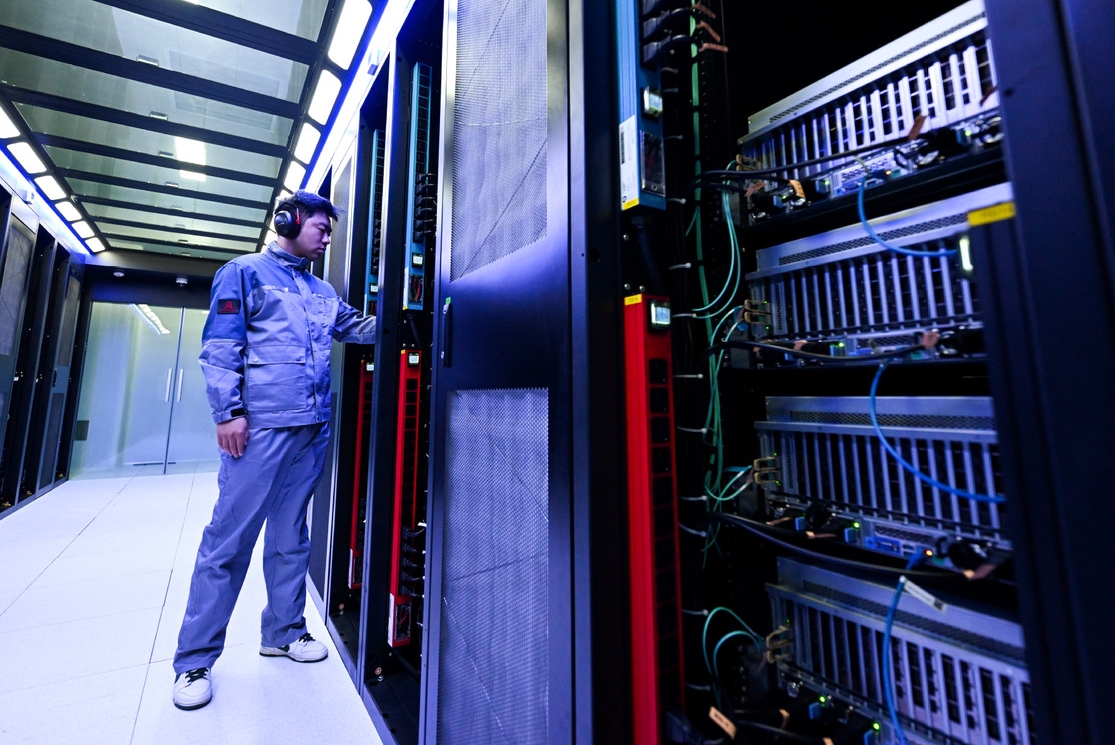
Thank you for your questions. In the first half of the year, the total volume of telecommunication services increased by 7.9% year on year. The information and communications industry as a whole demonstrated a sound performance, marked by steady improvement across four key dimensions. First, infrastructure became ever-better able to sustain development. By the end of June, we had built 5.102 million 5G base stations and 32.86 million 10G passive optical network (PON) ports capable of providing gigabit network services. The commercial deployment of 5G-Advanced (5G-A) networks was further promoted, and 10-gigabit optical networks were piloted in residential communities, factories, and industrial parks. China's intelligent computing power reached 2,185 EFLOPS, a year-on-year increase of 177%. Second, the effectiveness of integrated applications steadily increased. Information and communications technologies have deeply empowered the real economy, with over 80,000 virtual private 5G networks built. 5G and gigabit optical networks have been applied across 94 major categories of the national economy, with more than 26,000 "5G + Industrial Internet" projects under construction and 1,260 classified, graded and distinctive 5G factories established. Third, industrial innovation capacity has been steadily strengthened. The variety of 5G-enabled smart terminals continued to expand, with AI-powered smartphones, computers, smart robots, AI glasses, and AI toys emerging as new highlights in IT consumption. We have approved the trial spectrum in the 6GHz band for 6G testing and accelerated the second phase of 6G technology trials. Fourth, the open development has been steadily advanced. The pilot program to expand the opening up in value-added telecom services has yielded significant results in attracting and utilizing foreign investment. To date, the number of foreign-invested telecom companies has reached 3,219, up 23.9% year on year.
This year, the CPC Central Committee has made decisions and plans for the construction of "six networks." We are currently conducting research into the construction of the next-generation communications networks. What is new about the networks? From our understanding, there are four main aspects: First, the connected objects have expanded from traditional individual users to diverse entities such as people, machines, physical objects and embodied intelligence. Second, the coverage has broken through the traditional ground limitations and expanded to an integrated, all-domain coverage spanning space, air, ground and sea. Third, the connectivity capabilities have achieved significant improvements, including more predictable and stable performance, to better meet the differentiated needs of industry applications. Fourth, the network functions have evolved from simple information transmission to a deep integration of multiple capabilities such as communications, sensing, computing, intelligence and security. It can be said that the next-generation communications networks are not just a traditional network upgrade, but a key innovation in digital information infrastructure for the intelligent era.
Next, the MIIT will prioritize the planning and construction of the next-generation communications networks as a key driver for the development of the information and communications industry. By leveraging the industry's 15th Five-Year Plan as a starting point, it will deepen research, strengthen overall coordination, and improve policies, focusing on three key areas.
First, we will focus on the construction and deployment of the networks. We will coordinate the construction of basic networks, space networks, international networks and converged networks, promote the large-scale commercial use of 5G-A and 10-gigabit optical networks, continuously extend the reach of international undersea fiber-optic cables, accelerate the construction of new industrial networks, and form an infrastructure system that meets the needs of the intelligent economy and intelligent society.
Second, we will focus on providing industrial support and empowerment. We will drive advances in innovation and breakthroughs in core technologies such as 6G mobile communication, ultra-high-speed optical communication, undersea fiber-optic cables, and satellite communication, accelerate the development of related products, and support the high-quality construction and deployment of the next-generation communications networks. We will also emphasize the principal role of enterprises in technological innovation, leverage the roles of industrial platforms, research institutes and industry associations, and achieve efficient synergy between the innovation chain and the industrial chain.
Third, we will focus on promoting innovative applications. We will deepen the application of 5G and gigabit optical networks in key industries, and innovate new application scenarios and models. We will also deepen the integration and development of brain-computer interfaces, embodied intelligence, intelligent connected vehicles with 5G-A/6G and satellite internet. Leveraging the supporting role of next-generation communications networks as a digital foundation, we will collaboratively empower the integrated application innovation of water networks, new-type power grids, computing power networks, urban underground pipeline networks and logistics networks. Thank you.
_ueditor_page_break_tag_ThePaper.cn:
How has China's equipment manufacturing industry performed this year? What new developments and breakthroughs have been made in key areas? And what are the key priorities going forward? Thank you.
Wang Weiming:
Thank you for your questions. I will answer these. Since the first half of 2026, China's equipment manufacturing industry has generally shown the characteristics of "a solid foundation, multiple growth highlights and strong external demand." First, its role as a "ballast" continues to be prominent, and smart equipment is accelerating its expansion. In the first half of the year, the added value of the equipment manufacturing industry increased by 6.4% year on year, accounting for 20% of the total added value of industries above designated size, and contributing 23.5% to the growth of their added value, effectively supporting the stable operation of the industrial economy. New quality productive forces are being cultivated and expanded rapidly, with the output of industrial robots and service robots increasing by 28% and 11.9% year on year, respectively. Second, breakthroughs in high-end equipment are accelerating, and major national projects are showing remarkable achievements. Aviation equipment is being applied at an accelerated pace. The C919 large passenger aircraft has accumulated 41 deliveries and it has exceeded 130,000 safe flight hours. The AS700 manned airship participated in flood control and emergency rescue drills for the first time. Breakthroughs have been made in transportation equipment innovation. The CR450 high-speed train has successfully completed its full-train test. The market penetration rate of new passenger cars equipped with combined driving assistance functions has reached 70%. The U.N. global technical regulations for automated driving systems, led by China, have been released. The mandatory national standard for safety requirements of combined driving assistance systems has been released and implemented. Ship equipment has been upgraded and iterated; the world's first car carrier capable of carrying 10,000 vehicles has been successfully delivered; and China's second domestically made large cruise ship, Adora Flora City, has completed its sea trial. Third, advanced equipment has gone global, becoming the main force driving export growth. In the first half of the year, the export delivery value of equipment manufacturing industry increased by 18.2% year on year, contributing nearly 50% to the growth of industrial exports. Specifically, exports of wind turbine generators and lithium batteries increased by 35.6% and 37.6% year on year, respectively; exports of complete vehicles reached 5.096 million units, an increase of 65.3% year on year; and exported ships accounted for over 90% of the country's total completed ships, new orders and existing order backlog, demonstrating a steady improvement in international competitiveness.
Next, we will resolutely implement the decisions and plans of the CPC Central Committee and the State Council, coordinate efforts to ensure stable industrial operation, make breakthroughs in key technologies, and promote equipment application, and also make every effort to drive the transformation and upgrading of the equipment manufacturing industry. First, we will promote steady growth in the industry. We will closely follow the outline of the 15th Five-Year Plan, implement all overall plans and arrangements, promote and implement the 15th Five-Year Plan for the Development of the Intelligent Connected New Energy Vehicle Industry, continue to implement a new round of work plans to stabilize growth in sectors such as machinery, automobiles and power equipment, and expand high-quality supply and effective demand in all aspects. Second, we will accelerate breakthroughs in core technologies in key fields. We will coordinate efforts to carry out industrial foundation reengineering projects and research projects on major technologies and equipment, improve our strengths, address our weaknesses and enhance our foundation, thereby achieving breakthroughs in a number of landmark products and continuously improving the resilience and security of key industrial and supply chains. Third, we will accelerate the promotion and application of domestic equipment. We will deepen supply and demand matching in industries such as industrial machine tools, smart robots and medical equipment, and accelerate the promotion and application of newly-developed major technological equipment. We will organize promotional activities for new energy vehicles (NEVs) in rural areas, and continue to carry out pilot application projects for vehicle-road-cloud integration, as well as pilot programs for the market access and road access of intelligent connected vehicles. We will also activate the consumption potential of the big-ticket goods market. Thank you.
_ueditor_page_break_tag_Yicai:
Pharmaceuticals are closely related to people's lives and health. How was the development of China's pharmaceutical industry in the first half of this year? How do you plan to promote the high-quality development of the pharmaceutical industry? Thank you.
Wang Weiming:
Thank you for your questions. I will invite Ms. Tao to take the questions.
Tao Qing:
Thank you for your questions. The pharmaceutical industry is a strategic industry that is related to people's well-being, economic development and national security, and is an important foundation for implementing the Healthy China initiative. In the first half of this year, China's pharmaceutical industry demonstrated the following three features.
First, innovative capabilities continued to strengthen. The MIIT has closely combined national strategic sci-tech forces with innovative enterprises, injecting fresh vitality into pharmaceutical innovation. Fruitful results have been achieved in areas such as first-in-class drugs and high-end medical devices. In the first half of this year, 38 innovative drugs were approved for marketing, of which 31 were domestically produced, accounting for more than 80%. China has seen a steady stream of high-quality achievements in innovative drugs, with a number of world-first products approved for marketing. These include the world's first antibody therapy for hepatitis D, the first CAR-T therapy for solid tumors, the first bispecific antibody against rabies, and the first invasive brain-computer interface medical device. Overseas out-licensing deals for China-developed innovative drugs reached a new high, with aggregate deal value exceeding $100 billion in the first half of the year. This reflects a systemic leap in the innovation quality of China's pharmaceutical industry.
Second, the industry maintained stable performance with steady progress. Facing a complex and challenging external environment and the pressure of industry transformation, the pharmaceutical industry has demonstrated strong resilience. From January to June, the value added of the pharmaceutical industry above designated size increased by 6.4% year on year. The biopharmaceuticals sector recorded double-digit growth, becoming the main driver for the industry's accelerated expansion. The industry's export delivery value exceeded 210 billion yuan, up 9% year on year. The export structure was continuously optimized, with high value-added products such as chemical preparations and biopharmaceuticals accounting for nearly 20% of the total. Exports were shifting more rapidly from active pharmaceutical ingredients toward higher-value-added finished drug formulations.
Third, the quality and efficiency of development continued to improve. Digital and intelligent technologies and green technologies empowered the pharmaceutical industry to accelerate transformation and upgrading. Together with relevant departments, we issued and implemented the "Implementation Plan for the Digital and Intelligent Transformation of the Pharmaceutical Industry (2025-2030)" to comprehensively and collaboratively promote the digital and intelligent transformation of the pharmaceutical industry. We adopted a tiered approach to developing smart pharmaceutical factories, supporting 21 pharmaceutical manufacturers in building excellence-level smart factories and developing model applications of digital and intelligent technologies that set the pace for the industry's high-quality development. We accelerated the green and low-carbon transformation of the pharmaceutical industry, cultivated more than 300 green factories, and supported pharmaceutical companies in using green technologies to reduce costs, improve efficiency, and enhance operational safety.
Next, we will accelerate the promotion and implementation of the 15th Five-Year Plan for the Development of the Pharmaceutical Industry, focus our efforts on developing a pharma sector that is innovative, digitally driven, inclusive, and open, and build greater momentum in biomedicine as a new growth frontier. We will continue to step up R&D in original and core technologies, and leverage artificial intelligence to fully empower industrial development. We will enhance drug access for key groups such as the elderly, children, and patients with rare diseases, and strive to ensure that every patient has access to effective, safe, and affordable medications, and step up efforts to bring more innovative, high-quality medicines made in China to patients around the world. Thank you.
_ueditor_page_break_tag_People's Posts and Telecommunications News:
In the digital economy era, computing power is a key foundational resource. What progress was made in building high-quality computing capacity and promoting its intensive and efficient use in the first half of this year? How should computing resources be rationally allocated in the future?
Wang Weiming:
Thank you for your questions. I will invite Mr. Xie to answer the questions.
Xie Cun:
Thank you for your questions. The MIIT has thoroughly implemented the decisions and plans of the CPC Central Committee and the State Council, and worked with relevant departments to build computing infrastructure in an integrated manner and leverage computing power to empower applications, achieving positive results. First, the scale of computing power continues to increase. We have continued to promote the high-quality development of computing infrastructure and accelerate the coordinated deployment of hub, regional and edge computing facilities. We have encouraged large-scale computing facilities to concentrate at national hub nodes, while supporting regions in developing computing infrastructure based on local needs. Relying on China's computing power platform, we have built a national integrated automated monitoring system for computing power situational awareness, while accelerating the development of a computing power supermarket. By the end of June this year, China's intelligent computing power had reached 2,185 EFLOPS (FP16). The eastern, central, western and northeastern regions accounted for 55.9%, 10.6%, 32.6%, and 0.9% of the country's total intelligent computing capacity, respectively. The overall utilization rate of computing power facilities nationwide reached 71.4%. Second, the industrial ecosystem has gradually improved. We have further implemented the initiatives to enhance computing power infrastructure and to promote computing power interconnection, supported the development of an independent ecosystem, and enhanced the innovative application of technologies such as computing-network integration, direct green electricity connection, and source-grid-load-storage. We have stepped up work on formulating the "Guideline for Developing the Computing Power Standard System (2026 Edition)," with the aim of driving industrial upgrading in a standardized way. Third, transmission channels have been constantly expanded. We have been accelerating the construction of high-speed broadband networks, further implemented the special initiative to enable millisecond computing services in urban areas, enhancing the networks' capability to deliver computing power more efficiently. Over the past two years, more than 70 major computing power corridors have been established linking the national computing power hub nodes, boosting network performance between them by 10%.
Currently, the explosive growth of large AI models and AI agent applications is driving up the demand for intelligent computing power. Next, the MIIT will continue to follow the systematic approach of "node-chain-network-ecosystem" to optimize the deployment of computing infrastructure resources, create interconnected computing nodes, and improve the efficiency of computing resource utilization. First, we will focus efforts on building interconnection nodes. We will optimize the deployment of computing power resources, take into account factors such as industrial development and energy supply, promote the construction of intelligent computing clusters and the coordinated development of computing and electricity, create a tiered computing power layout, and strengthen the overall monitoring of computing power. Second, we will pursue innovation along industrial chains. We will issue guidelines for building a system of standards for computing power, and advance standards for evaluating computing service capacity and market-based pricing of computing resources. We will address key technological challenges in new transmission protocols and inter-card interconnects. Third, we will upgrade network infrastructure. We will accelerate the rollout of high-speed broadband networks to build smooth and efficient transmission channels for computing power. We will further advance the "millisecond computing" special action in urban areas, improve the interactive experience of computing power applications, and promote the connectivity of computing power. Fourth, we will work to achieve comprehensive empowerment. We will further implement the special action plan to empower the development of SMEs with inclusive computing power and make computing power services more user-friendly and accessible. We will organize computing power companies to conduct international exchanges, improve service systems and strengthen international cooperation. Thank you.
_ueditor_page_break_tag_People's Daily Online:
In the first half of this year, AI products became a new consumer hotspot, and we also saw that the production and sales of NEVs both exceeded 7 million units, demonstrating very strong momentum for the development of emerging industries. What progress and achievements has the MIIT made in promoting the development of emerging industries? And what are the new considerations going forward? Thank you.
Wang Weiming:
Thank you for your questions. Let me address these. As you mentioned, with concerted efforts from all sides, emerging industries are playing an increasingly prominent role as new growth drivers. The MIIT has resolutely implemented the decisions and plans of the CPC Central Committee and the State Council, carried out major technology and equipment research projects and industrial foundation reengineering projects, promoted large-scale application demonstrations of new technologies, new products and new scenarios in the manufacturing industry, and promoted the accelerated development of emerging industries and build up momentum through sustained efforts.
First, significant innovative achievements have continued to emerge. Breakthroughs have been made in a number of key technologies and strategically important products. In the commercial space sector, the successful and controlled recovery of the first stage of the Long March 10B carrier rocket has attracted widespread attention. This is the first time that a Chinese carrier rocket has achieved controlled recovery, and it is also the world's first carrier rocket to be recovered in a network system, marking a historic breakthrough for China in the field of reusable rocket technology. In the field of NEVs, the second-generation blade battery and megawatt flash charging system made their global debut, breaking the technical bottleneck whereby fast charging, long range, long life and low temperature performance could not be achieved at the same time. In the field of new materials, China has made breakthroughs in the preparation process of T1200-grade ultra-high strength carbon fiber, becoming the world's first country to achieve mass production of this grade of carbon fiber at the 100-ton-level.
Second, typical application scenarios are being expanded at an accelerated pace. A number of new technologies and products are being industrialized in real-world application scenarios. In terms of "5G+" scenarios, 5G-enabled factories have achieved wireless flexible production and remote equipment control, with the average production capacity of 100 typical 5G-enabled factories increasing by 25% from pre‑transformation levels; and orthopedic and laparoscopic surgical robots have remotely performed more than 3,000 minimally invasive surgeries using 5G communication and other technologies. In terms of "robot+" scenarios, inspection robots are entering underground mines and high-pressure tunnels, and industrial robots are being used in batches on automobile welding lines. Robots are gradually replacing positions in high-temperature, toxic, high-altitude and high-risk environments. In terms of "AI+" scenarios, AI-powered visual quality inspection systems have enabled automatic identification of defects at the micron level, improving detection efficiency by more than five times compared to manual methods; and large industrial models accelerate the screening of antibodies and small molecule drugs, and shorten the preclinical research and development cycle of new antitumor targeted drugs and other therapeutics by 40%.
Third, the competitiveness of key industries has steadily improved. A number of industries with international competitive advantages are rapidly growing. In the field of intelligent robots, China's quadruped robots account for nearly 70% of global sales, and its humanoid robot products number over 400 models, exceeding half of the global market. In the field of shipbuilding and marine engineering equipment, China secured 81.2% of the world's new shipbuilding orders from January to May, ranking first globally. In fields such as AI, semiconductors, new energy and biomedicine, a number of global unicorn companies have emerged, actively contributing Chinese solutions to international standards development and industrial governance.
Next, we will adhere to innovation-driven development, strengthen research into key core technologies, and accelerate the iterative upgrading of technologies and products. We will strengthen application-driven development, create a number of typical application scenarios, and accelerate the large-scale promotion of new technologies and products. We will strengthen the construction of high-level platforms, cultivate high-quality enterprises in a tiered manner, foster new growth tracks in national high-tech zones, and create a national demonstration base for the development of emerging industries. Thank you.
_ueditor_page_break_tag_China Electronics News:
Since the beginning of this year, the electronic information manufacturing industry has shown strong growth momentum. How did it perform in the first half of the year? What new highlights have emerged in terms of technological innovation and integrated applications? What key tasks will be prioritized in the next stage? Thank you.
Wang Weiming:
Thank you for your questions. These questions go to Ms. Tao.
Tao Qing:
Thank you for your questions. In the first half of the year, China's electronic information manufacturing industry adhered to the principle of giving equal importance to innovation-driven and application-oriented development, maintaining a rapid growth momentum, and significantly improved profitability, achieving continuous results in industrial upgrading. This all led to a good start to the 15th Five-Year Plan period.
First, the industry has demonstrated strong growth momentum in both scale and investment. The added value and operating revenue of the computer, communications and other electronic equipment manufacturing sector above designated size both achieved double-digit growth. In the first half of this year, production increased by 14.8% year on year, and investment increased by 6.5% year on year; in the first five months, operating revenue exceeded 7.5 trillion yuan, an increase of 17.1% year on year; and profits exceeded 420 billion yuan, doubling compared with the same period last year.
Second, there were many highlights in technological and product innovation. A number of standards, including CLink (a unified protocol for high-speed computing interconnect buses) and AI terminals, were released to support industry innovation. A number of AI terminal companies have launched a variety of products, including AI musical instruments, AI cameras, and AI headphones, by leveraging flexible market mechanisms and a well-developed industrial chain support system, thereby expanding consumer choices in the market. Significant progress has been made in the development of independent positioning chips for the BeiDou Navigation Satellite System, resulting in a continuous enrichment of BeiDou product offerings and a rapid increase in shipments.
Third, the scope of new integrated application scenarios continued to expand. Electronic information technology continued to be deeply integrated with various industries, accelerating the intelligent upgrading of production, life and urban governance through technology integration and adaptation to specific scenarios, and continuously releasing the dividends of the digital economy. AI terminals were gradually making their way to scenarios such as business offices and smart homes, with AI computers, AI TVs and AI speakers evolving from standalone tools to proactive services. New models, scenarios and business formats for BeiDou applications were constantly emerging, providing precise indoor and outdoor navigation, shopping guides and tour guides at business districts, improving the convenience of life. By connecting to the traffic police system's intelligent unmanned mobile law enforcement equipment, BeiDou can achieve accurate identification and second-level response to traffic violations.
Next, we will further promote the development of Digital China and the smart economy, focusing our efforts on three key areas. First, we will strengthen policy and planning guidance, and accelerate the publicity and implementation of the 15th five-year plans for the development of electronic information manufacturing industry and new battery industry, consolidating the institutional guarantee for the high-quality industry development during the 15th Five-Year Plan period. Second, we will deepen the application demonstration and promotion, and carry out a campaign to collect typical examples in advanced computing, audio-visual electronics, and intelligent sports in 2026 to accelerate the large-scale promotion of mature products and solutions. Third, we will proactively plan for emerging sectors, accelerate the cultivation of new growth points such as photonics and spatiotemporal information, expedite the implementation of computing-power coordination, continuously shape new drivers and advantages for industrial development, and promote the high-quality development of the electronic information manufacturing industry. Thank you.
_ueditor_page_break_tag_Phoenix TV:
The telecommunications service industry is closely related to everyone's life. What new measures has the MIIT introduced this year to optimize telecommunications services? How can we strengthen standardized management and guide operators to better protect consumer rights in the future? Thank you.
Wang Weiming:
Thank you for your questions. I would like to invite Mr. Xie to answer them.
Xie Cun:
Thank you for your questions. Information and communications services are widely integrated into the field of public services, and it can be said that they help the general public enjoy a digital lifestyle at all times. Since 2026, the MIIT has been practicing a people-centered approach, making progress while addressing problems, and continuously promoting the improvement of information and communication service levels, which is mainly reflected in the following three aspects.
First, we did our utmost to provide high-quality network services. As of the end of June, the total number of 5G base stations reached 5.102 million, and the commercial 5G-Advanced network covered more than 330 cities. Efforts were made to improve broadband coverage in border areas as well as across forests and grasslands. In June, the Dataflow of Usage (DOU) reached 23.57GB, an increase of 13.6% year on year. We successfully completed the communication service support for major events and efficiently responded to major natural disasters such as earthquakes, floods and typhoons. Especially since the beginning of this year's flood season, the information and communications industry has accelerated the construction of super base stations and full-network-compatibility base stations, strengthened the cross-regional allocation and deployment of emergency communications equipment, established a joint delivery mechanism for emergency communication forces from multiple departments, and taken multiple measures to comprehensively improve the emergency communication support capabilities in extreme scenarios. As of 5 p.m. on July 19, a total of 46,600 base stations have been restored, with 190,100 person-times of support personnel deployed, together with 70,100 vehicle-times of emergency communication vehicles and 96,600 generator-times of oil generators. 1.731 billion emergency warning messages have been sent, and the "life-saving signals" have been restored in a rapid response. Second, we focused on improving the perceived quality of service. We launched a campaign to address the practical needs of the public, guided the introduction of 10 measures in this regard in 2026, and improved the "secondary confirmation" method and clarified the online and offline procedures for handling telecommunications services. We have continuously improved service convenience: video customer service served approximately 26 million users; the "one-click call" hotline answered by live agents served a total of 750 million elderlies; and the service regarding reallocated phone numbers unlinked phone numbers previously linked to application accounts more than 850 million times. Third, we stepped up efforts to regulate business and service practices. We strengthened the regulation and governance of the basic telecommunications market, enhanced tariff management and marketing channel control, effectively curbed irrational competition in the basic telecommunications market, and safeguarded the legitimate rights and interests of users. If you find any problems such as non-compliant business practices or inadequate services by telecommunications companies, you can first file a complaint with the company. If you are not satisfied with the handling of the complaint by the company, you can file an appeal with the MIIT. We will guide and urge companies to properly handle user requests. At the same time, we will further strengthen service tracking and monitoring. If any violations are found, we will take measures such as conducting regulatory talks, issuing public notices, ordering corrective actions, and imposing administrative penalties to address them in accordance with the law, and we will resolutely safeguard the legitimate rights and interests of the general public.
Going forward, the MIIT will adhere to strict supervision and management, further improve the whole-process control and closed-loop management mechanism for service supervision, continue to guide enterprises to refine their implementation measures, and constantly meet people's new needs and expectations for a better digital life. Furthermore, the current flood control and disaster relief efforts have entered a critical stage of front-line response. We will continue to strengthen cross-departmental coordination and, as always, spare no effort to safeguard emergency command communications for flood control and disaster relief, as well as the emergency repair and restoration of public communications in disaster-stricken areas. That concludes my introduction. Thank you.
_ueditor_page_break_tag_Cover News:
Given that future industries are characterized by their forward-looking and strategic nature, what new measures has the MIIT taken to guide the direction of these industries and explore promising sectors? Thank you.
Wang Weiming:
Thank you for your questions. The MIIT has thoroughly implemented the guiding principles of General Secretary Xi Jinping's important instructions on future industries, put into practice the "Implementation Opinions on Promoting the Innovative Development of Future Industries," and enhanced its strategic foresight regarding cutting-edge technologies to further guide the direction of future industries and explore promising sectors. The work has focused on three aspects.
First, technology foresight for future industries has been conducted. The extent of technological breakthroughs largely determines the speed, breadth and depth of future industrial development. In order to capture the latest global technological developments in a timely manner, we have established a technology foresight platform for future industries to conduct regular technology foresight and potential tracking research, formulate a list of key technologies for future industries, and identify future industries with strong potential. Meanwhile, we have implemented tailored policies for different tracks to promote the exploration of cutting-edge technologies. For example, we have established a quantum information standardization technical committee to keep abreast of developments in cutting-edge technologies and to focus on the development of standards. We have also formulated development plans for bio-manufacturing and other fields, implemented research projects on major technologies and equipment, and supported the exploration of technologies and the development of equipment in fields such as bio-manufacturing, hydrogen energy and nuclear fusion energy; and we have released achievements such as the "6G Overall Vision and Potential Key Technologies," establishing a reserve of more than 300 key 6G technologies.
Second, active efforts have been made to explore new directions for future industries. As we all know, future industries are characterized by their forward-looking, strategic and disruptive nature. Therefore, it is essential to take a scientific approach to managing the pace of development and take the initiative in planning and layout. We have taken the initiative to promptly study and formulate development policies for key sectors, clarify cultivation goals and development directions, and make dynamic adjustments based on industry development. Currently, detailed policies have been introduced for multiple tracks, and a batch of new policies is currently being drafted. Recently, we released the "Initiative on Innovation and Development of Atomic-Level Manufacturing" to provide guidance for industrial layout and to fully promote the transformation of experimental fields into productive fields. At the same time, we have guided local governments to establish more than 85 provincial-level pilot zones for future industries based on local conditions, while actively exploring supporting environments suitable for future industries, and conducting pioneering trials.
Finally, research into the monitoring system for future industries has been strengthened. To keep abreast of developments in future industries, we have analyzed development outcomes and carried out statistical surveys, monitoring and evaluation in key areas, striving to ensure that every sector can clearly identify its direction, maintain the right pace, and accelerate its growth under the guidance of scientific monitoring. We have seen that the bio-manufacturing industry has continued to grow, with a total output value of approximately 1.1 trillion yuan, with China's fermented products accounting for more than 70% of the global output. The world's first invasive BCI product has been approved for market launch. Embodied intelligent products have been rapidly iterating, with more than 230 companies releasing over 400 complete product models, while the total number of complete product models for the year is expected to exceed 100,000 units. It can be said that future industries are empowering more sectors with vigorous momentum. Thank you.
Jia Huili:
Due to time constraints, we will take two final questions.
_ueditor_page_break_tag_CNR:
With the accelerated innovation and upgrading in digital technologies, the software industry and the development of the open-source ecosystem are receiving increasing attention. How did the software and information technology services industry perform in the first half of the year? And what are the next steps in fostering the open-source ecosystem? Thank you.
Wang Weiming:
Thank you for your questions. I would like to invite Ms. Tao Qing to answer them.
Tao Qing:
Thank you for your questions. Software serves as the core of the next-generation information technology, an important foundation for the development of the digital economy, and a key pillar supporting the building of a manufacturing powerhouse, a cyber powerhouse and a "Digital China." The MIIT has resolutely acted on the decisions and plans of the CPC Central Committee and the State Council, fully carried out the national software development strategy, continuously refined the policy system, optimized the development environment, and propelled the high-quality development of the software industry to new heights. From January to May, China's software business revenue exceeded 6.2 trillion yuan, a year-on-year increase of 10.3%, maintaining a steady growth trend.
Since the beginning of this year, China's software industry has mainly exhibited the following development characteristics:
First, basic software has been gaining momentum at a faster pace. Breakthroughs have been made in basic software such as operating systems and databases, resulting in a number of innovative achievements. The open-source HarmonyOS fully covers terminal devices such as cellphones, computers, automobiles and home appliances, with a cumulative total of over 1.35 billion devices in the ecosystem. In addition, over 100 OpenHarmony-based industry distributions, such as "Dianhong" and "YiHong," have been launched.
Second, industrial software has been widely adopted. Industrial software now covers key industries with a sound product system, accelerating deployment and application in key areas, and undergoing continuous iteration to inject strong momentum into the digital transformation of various sectors. As of the end of June, the penetration rate of digital R&D and design tools in major industrial enterprises reached 86.3%, and the numerical control rate of key production processes reached 69.5%.
Third, artificial intelligence (AI) is empowering all sectors. Software companies have been guided to seize the opportunities for industrial transformation brought around by AI. This has led to the acceleration and use of large code models, intelligent programming tools, and other technologies to improve R&D and production efficiency. This has resulted in richer product functions, more natural interactive experiences, and more efficient content creation. Innovative applications such as intelligent testing and smart operation and maintenance have been implemented at an accelerated pace.
Fourth, the open-source ecosystem is growing rapidly. The national open-source foundation has admitted more than 50 projects into its incubation pipeline. The national-level AI open-source community has gathered more than 11 million users and hosted more than 70,000 models, accelerating the construction of full-stack open-source solutions covering basic software, large models and applications. China's open-source AI model has been downloaded more than 10 billion times globally.
Next, in accordance with national software development strategy, we will continue to bolster the supply of key software products and services, expediate the rollout of the "AI + Software" action plan, and promote the intelligent transformation of software development, the intelligent upgrading of software products and services, and the cultivation of new AI agent-based software business models. We will continue to enhance the capabilities of open-source infrastructure in areas such as project incubation, supply chain security governance, exploration of emerging scenarios, and overseas expansion. It will accelerate the growth of the national-level AI open-source community into an innovation hub for emerging technologies and an important scenario for the application of software and hardware products. Thank you.
Jia Huili:
Now for the final question.
_ueditor_page_break_tag_China Securities Journal:
The key to accelerating the integration of technological innovation and industrial innovation lies in unblocking the channels for commercializing technological achievements and streamlining the incubation chain for technology-based enterprises to nurture more and better companies and projects. What key work has the MIIT carried out in this regard this year? What are the key tasks next to promote the industrial application of scientific and technological achievements? Thank you.
Wang Weiming:
Thank you for your questions. I will answer these questions. Since the beginning of this year, the MIIT has focused on facilitating the industrial applications and streamlining the incubation chain for sci-tech companies. Using the growth of the technology service industry as a key leverage point, we have carried out work in three key areas.
First, we have strengthened the "incubation chain." We have established full-chain service capability spanning R&D, pilot testing and incubation. In the R&D service phase, two new national manufacturing innovation centers were established, bringing the total number to 32. This enabled the continuous enhancement of the industry's supply capacity of key generic technologies. In the pilot testing phase, a national manufacturing pilot testing service network has been established. This consists of 21 national-level manufacturing pilot testing platforms, 331 key cultivation platforms, and more than 1,800 reserve platforms. In the incubation service phase, the MIIT accredited and announced its first batch of 14 outstanding-level and 402 standard-level science and technology enterprise incubators, guiding incubators to upgrade from traditional "space providers" to "industry organizers." To date, there are over 425,000 incubated companies and teams. One-third of the companies listed on the Science and Technology Innovation Board were nurtured in incubators. Among the much-discussed "Six Little Dragons" of Hangzhou, half of them (namely Unitree, Cloud Depth, and Game Science) grew and thrived from incubators.
Second, we have established a good platform for trade. Many high-quality achievements have solid technical foundations, but are constrained by geography and channels, making it difficult for them to access the national market. As the saying goes, "Even the best wine fears being hidden in the deep alley." Currently, we are accelerating the formulation of policy documents to build a unified national technology market, focusing on removing regional barriers and institutional obstacles in the technology transactions. We are building a unified national technology trading service platform, and constructing a national technology transaction hub that integrates the entire chain of rights registration, value assessment, supply and demand matching, transaction settlement, and contract registration. This will promote the free flow and efficient allocation of technology factors nationwide, achieving "one-time registration, mutual recognition nationwide, and countrywide trading."
Third, we have ensured the steady supply and demand. Transforming achievements into applications cannot be done by "holding a hammer and looking for nails." We must adhere to the principle of "industry posing questions and technology providing solutions." This requires giving full play to the role of technology managers in ensuring a smooth supply and demand cycle, covering research output, intermediary matchmaking, application implementation, and demand feedback. Currently, guided by the approach that "demand creates the market, the market creates jobs, and jobs drive the development of talent pool," we are accelerating the formulation of reform measures to expand the pool of technology managers, and formulating evaluation and service standards for them, which will be released soon.
Next, we will strengthen the coordination among the "incubation chain, trading marketplace, and supply and demand cycle," whilst also enhancing policy support. We will also cultivate more high-quality incubators, high-quality scientific and technological achievements, and support outstanding technology managers. We will implement standards for the maturity of science and technology service capabilities, and promote the establishment of a brand concept of "excellent service." We will accelerate the reform and pilot program of "pay-after-use" model, and build an integrated national technology market based on the national unified technology trading service platform, making scientific and technological achievements accessible to and beneficial for more enterprises. Thank you.
Jia Huili:
This concludes today's press conference. My thanks to all our speakers and journalists. Goodbye.
Translated and edited by Yang Chuanli, Ma Yujia, Yan Xiaoqing, Liu Jianing, Xiang Bin, Li Congrong, Xu Kailin, David Ball, Tudor Bentley Finneran, Liu Qiang, Wang Yanfang, Li Xiao, Zhang Junmian, Liu Sitong, Li Huiru, Wang Qian. In case of any discrepancy between the English and Chinese texts, the Chinese version is deemed to prevail.

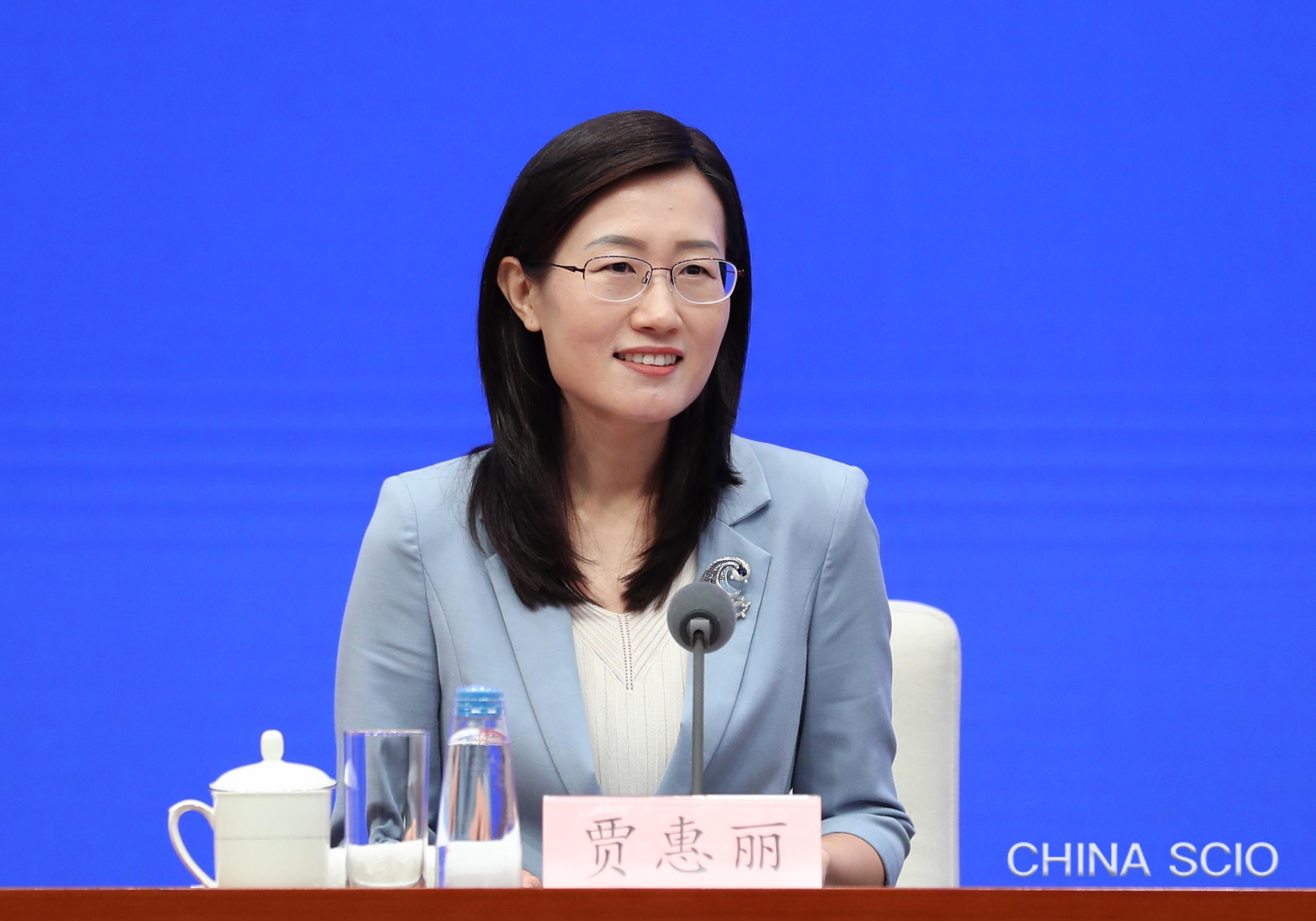
/5 Jia Huili
/5 Wang Weiming
/5 Tao Qing
/5 Xie Cun
/5 Group photo
SCIO briefing on development of industry and information technology in H1 2026
SCIO briefing on China's foreign-exchange receipts and payments data for H1 2026
July 17, 2026SCIO briefing on implementation of monetary policy, financial statistics in H1 2026
SCIO briefing on China's economic performance in H1 2026
July 15, 2026