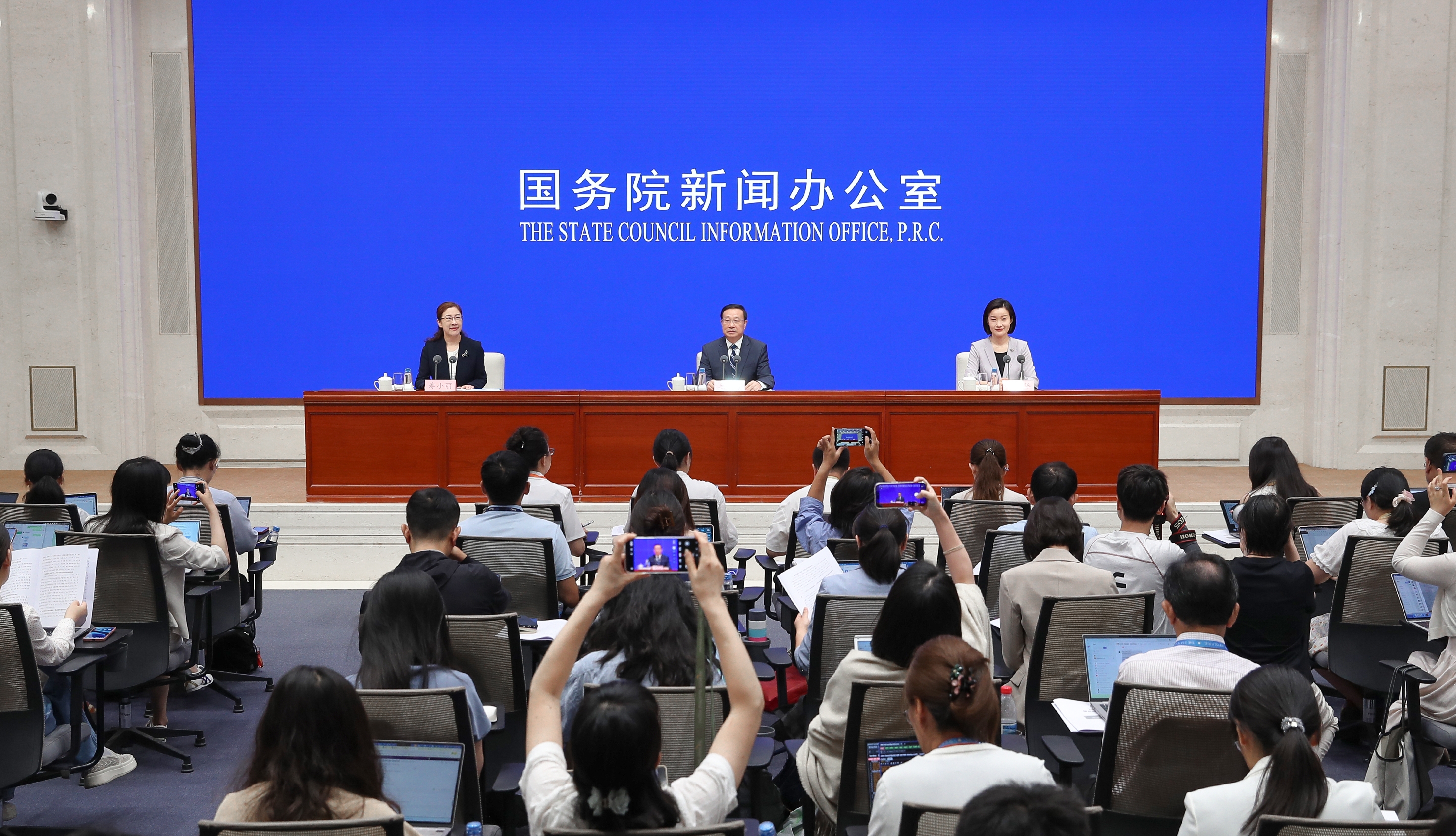

SCIO briefing on China's economic performance in H1 2026
Beijing | 10 a.m. July 15, 2026
Speakers

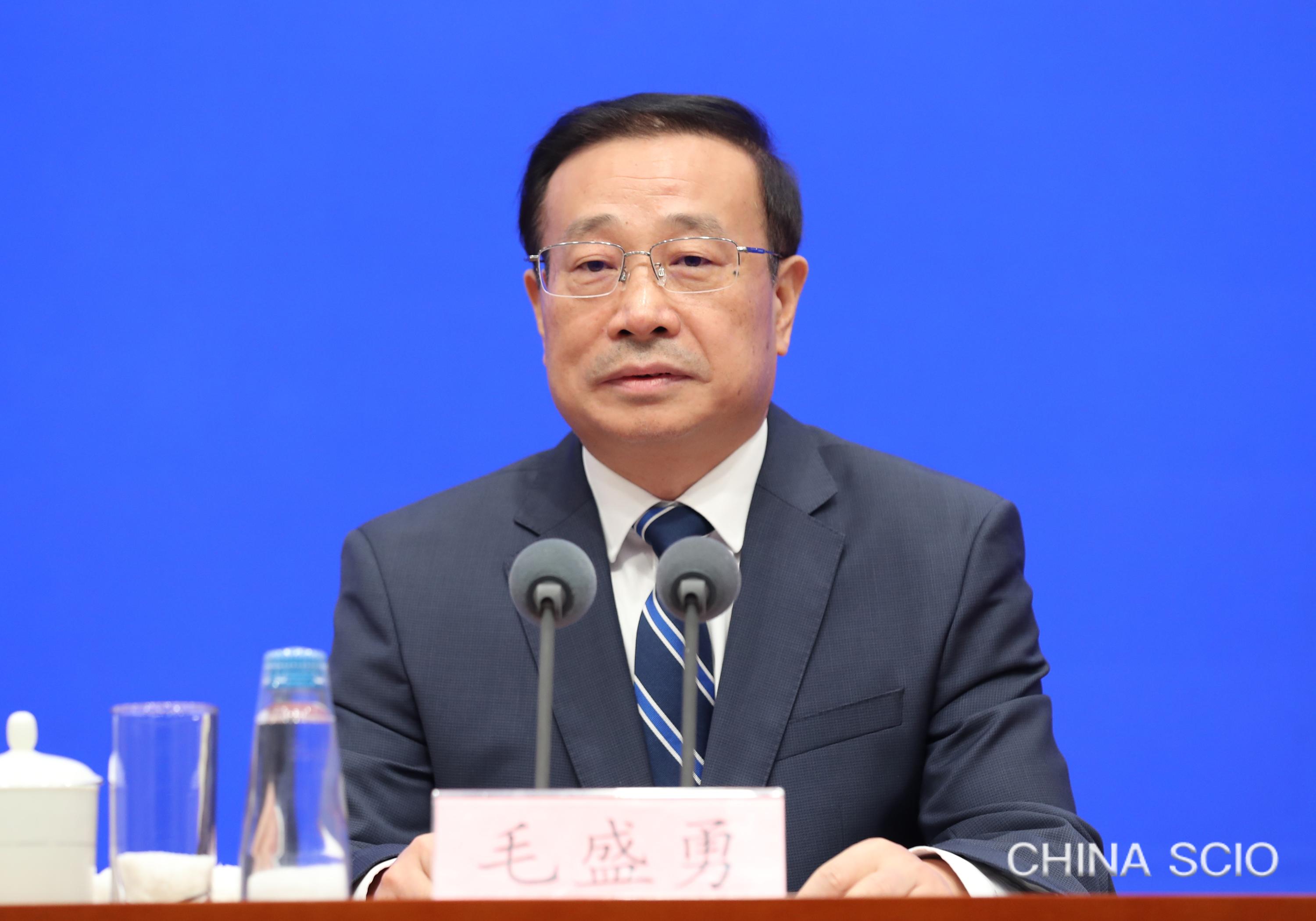
Mao Shengyong, deputy commissioner of the National Bureau of Statistics (NBS)
Wang Guanhua, spokesperson of the NBS and deputy director general of the Department of Comprehensive Statistics of the NBS
Chairperson
Speakers:
Mr. Mao Shengyong, deputy commissioner of the National Bureau of Statistics (NBS)
Ms. Wang Guanhua, spokesperson of the NBS and deputy director general of the Department of Comprehensive Statistics of the NBS
Chairperson:
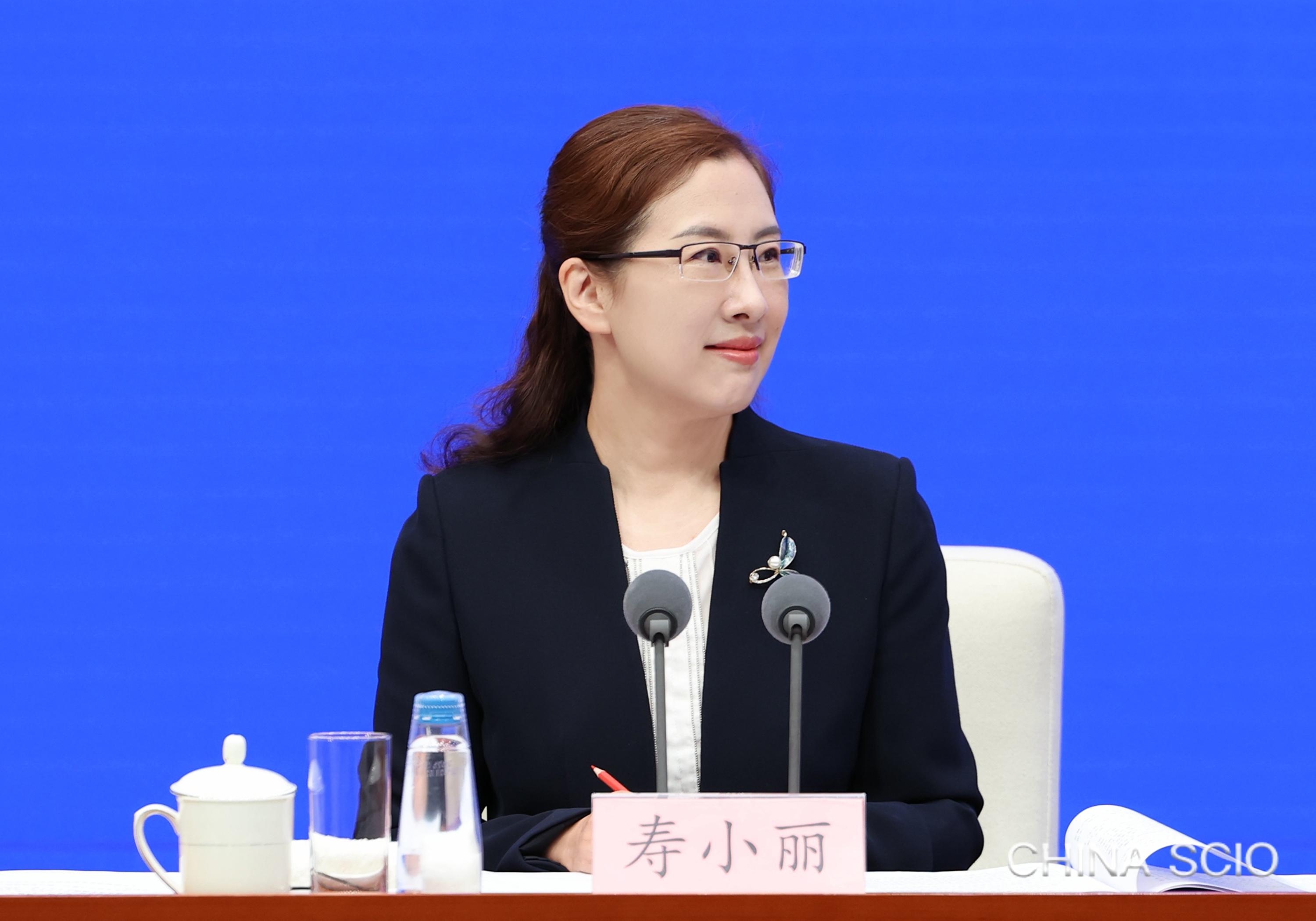
Ms. Shou Xiaoli, director general of the Press Bureau of the State Council Information Office (SCIO) and spokesperson of the SCIO
Date:
July 15, 2026
Shou Xiaoli:
Ladies and gentlemen, good morning. Welcome to this press conference held by the State Council Information Office (SCIO). Today's conference is a routine release of economic data. We are pleased to welcome Mr. Mao Shengyong, deputy commissioner of the National Bureau of Statistics (NBS), who will brief you on China's national economic performance in the first half of 2026 and answer your questions. We also have with us Ms. Wang Guanhua, spokesperson of the NBS and deputy director general of the Department of Comprehensive Statistics of the NBS. Now, I'll give the floor to Mr. Mao for his introduction.
Mao Shengyong:
Thank you, Ms. Shou. Good morning, everyone. I will start by briefing you on China's economic performance in the first half of this year, and then take your questions.
The economy operated within an appropriate range in the first half of the year as new growth drivers expanded rapidly.
In the first half of the year, under the strong leadership of the Central Committee of the Communist Party of China (CPC) with Comrade Xi Jinping at its core, all localities and government departments fully implemented the decisions and arrangements made by the CPC Central Committee and the State Council, adhered to the general principle of pursuing progress while ensuring stability, fully and faithfully applied the new development philosophy on all fronts, moved faster to foster a new pattern of development, made efforts to promote high-quality development and effectively carried out more proactive and effective macro policies. As a result, the national economy operated within an appropriate range against pressure. Production and supply grew quickly, employment remained generally stable, prices rose moderately, foreign trade showed good growth momentum, new growth drivers expanded rapidly, and people's well-being was ensured in a strong and effective way. The national economy continued to demonstrate strong resilience.
According to preliminary estimates, the gross domestic product (GDP) in the first half of 2026 reached 69,570.4 billion yuan, up by 4.7% year on year at constant prices. By industry, the value added of the primary industry was 3,152.2 billion yuan, up by 3.7% year on year; that of the secondary industry was 25,047.3 billion yuan, up by 3.9%; and that of the tertiary industry was 41,370.9 billion yuan, up by 5.2%. By quarter, GDP increased by 5.0% year on year in the first quarter and 4.3% in the second quarter. On a quarter-on-quarter basis, GDP in the second quarter increased by 0.9%.
First, summer grain witnessed a bumper harvest with increased output, and animal husbandry grew steadily.
In the first half of the year, the value added of agriculture (crop farming) grew by 3.6% year on year. National summer grain output reached 150.75 million metric tons, 1.00 million tons more than that of the previous year, an increase of 0.7%. In the first half of the year, the output of pork, beef, mutton and poultry totaled 50.50 million metric tons, up by 4.3% year on year. Specifically, the output of pork and poultry grew by 3.3% and 9.4%, respectively, and that of beef and mutton dropped by 1.0% and 3.9%, respectively. Milk production rose by 2.4%, while egg production went down by 2.2%. At the end of the second quarter, the number of hogs registered in stock was 424.91 million, up by 0.1% year on year; and 372.46 million hogs were slaughtered, up by 1.7% in the first half of the year.
Second, industrial production grew rapidly, with equipment manufacturing and high-tech manufacturing showing sound upward momentum.
In the first half of the year, the total value added of industrial enterprises above designated size grew by 5.4% year on year. In terms of sectors, the value added of mining increased by 3.6% year on year; that of manufacturing grew by 5.6%; and that of the production and supply of electricity, thermal power, gas and water went up by 5.5%. The value added of equipment manufacturing increased by 9.3% year on year and that of high-tech manufacturing increased by 13.3%, which were 3.9 percentage points and 7.9 percentage points faster than that of industrial enterprises above designated size, respectively. In terms of ownership, the value added of state holding enterprises increased by 4.3% year on year; that of share-holding enterprises was up by 5.9%; that of enterprises funded by foreign investors or investors from Hong Kong, Macao and Taiwan was up by 3.2%; and that of private enterprises was up by 4.6%. In terms of products, the production of 3D printing devices, lithium-ion batteries and industrial robots grew by 48.5%, 39.3% and 28.0% year on year, respectively. In June, the value added of industrial enterprises above designated size went up by 5.3% year on year, 0.8 percentage point faster than that of the previous month, or up by 0.76% month on month. In June, the Manufacturing Purchasing Managers' Index (PMI) stood at 50.3%, 0.3 percentage point higher than that of the previous month. The Production and Operation Expectation Index was 54.3%, 0.4 percentage point higher than that of the previous month. In the first five months, total profits of industrial enterprises above designated size were 3,144 billion yuan, up by 18.8% year on year.
Third, the service sector maintained steady growth, and modern services developed well.
In the first half of the year, the value added of services grew by 5.2% year on year. Specifically, that of leasing and business services, information transmission, software and information technology (IT) services, finance, and accommodation and catering grew by 11.9%, 10.7%, 6.7% and 5.0%, respectively. In June, the Index of Services Production increased by 4.7% year on year, 0.3 percentage point faster than that of the previous month. Specifically, that of leasing and business services, information transmission, software and IT services, and finance grew by 9.7%, 9.6% and 5.8%, respectively. In the first five months, the business revenue of service enterprises above designated size grew by 6.6% year on year. In June, the Business Activity Index for Services stood at 50.4%, 0.1 percentage point higher than that of the previous month; and the Business Activity Expectation Index for Services rose 0.6 percentage point to 56.0%. Specifically, the Business Activity Index for telecommunications, broadcasting, television and satellite transmission services, internet software and IT services, monetary and finance services, and insurance stayed within the high expansion range of 55.0% and above.
Fourth, the consumer market continued to expand, with rapid growth in service retail.
In the first half of the year, the total retail sales of consumer goods and services rose by 2.7% year on year, with service retail sales increasing by 5.3% and retail sales of goods growing by 1.1%. Specifically, retail sales in telecommunication information services, tourism consulting and rental services, and cultural, sports and leisure services all grew rapidly. In the first half of the year, the total retail sales of consumer goods reached 24,872.2 billion yuan, marking a year-on-year increase of 1.3%. Urban retail sales reached 21,550.6 billion, up 1.2% year on year, while rural retail sales came in at 3,321.6 billion yuan, up 2.5%. Grouped by consumption patterns, the retail sales of goods were 22,046.7 billion yuan, up by 1.1% year on year; and catering revenue was 2,825.5 billion yuan, up by 2.8%. Sales of essential goods and certain upgraded goods grew quickly, with retail sales of grain, oil and food; clothing, shoes, hats and textiles; and communication equipment at enterprises above designated size increasing by 7.4%, 6.7% and 14.4% year on year, respectively. In June, the total retail sales of consumer goods reached 4,269.1 billion yuan, up 1.0% year on year, compared to a 0.6% decrease in the previous month; and up 0.38% month on month. In the first half of the year, online retail sales of goods and services nationwide reached 10,071.5 billion yuan, up 5.2% year on year. Specifically, online retail sales of goods reached 6,429.6 billion yuan, an increase of 4.8%; online service retail sales reached 3,641.9 billion yuan, up 6.0%.
Fifth, fixed asset investment declined, while investment in intellectual property products grew faster.
In the first half of the year, nationwide fixed-asset investment excluding rural households reached 22,637.0 billion yuan, down 5.7% year on year. Fixed-asset investment excluding real estate development fell 2.7%. Among this, investment in intellectual property products increased 9.4% year on year, 1.5 percentage points faster than in the first quarter. By sector, infrastructure investment fell by 2.4% year on year, manufacturing investment fell by 1.2% and real estate investment fell by 18.0%. The floor space of newly-built commercial buildings sold was 401.40 million square meters, down by 11.6% year on year; and the total sales of newly-built commercial buildings were 3,794.5 billion yuan, down by 13.6%. By industry, the investment in the primary industry went up by 0.9% year on year, that in the secondary industry fell by 1.1%, and that in the tertiary industry fell by 8.4%. Private investment fell 8.5% year on year, or 4.9% excluding real estate development. Investment in high-tech industries increased by 4.6% year on year, among which, investment in the manufacture of aircraft, spacecraft and related equipment, computers and office equipment, and information services increased by 23.3%, 8.1% and 15.5%, respectively. In June, fixed-asset investment (excluding rural households) fell 0.37% month on month.
Sixth, imports and exports of goods grew quickly and the trade structure continued to improve.
In the first half of the year, the total value of goods imports and exports was 25,468.6 billion yuan, rising 16.9% year on year. The total value of exports was 14,731.4 billion yuan, up by 13.4%. The total value of imports was 10,737.2 billion yuan, up by 22.1%. Imports and exports with Belt and Road partner countries grew 14.8%. Imports and exports by private enterprises increased by 17.0%, accounting for 57.0% of the total value of imports and exports. Exports of mechanical and electrical products went up by 20.1%, accounting for 63.5% of the total value of exports. In June, the total value of imports and exports was 4,782.3 billion yuan, up 24.2% year on year, 7.3 percentage points faster than the previous month. Specifically, the total value of exports was 2,820.7 billion yuan, up 20.8%; and the total value of imports was 1,961.6 billion yuan, up 29.4%.
Seventh, consumer prices rose mildly, while producer prices for industrial products saw year-on-year growth.
In the first half of the year, the Consumer Price Index (CPI) went up by 1.0% year on year. By category, prices for food, tobacco, alcohol and dining out fell 0.2% year on year. Clothing rose 1.6%; housing declined 0.2%; articles and services for daily use rose 1.9%; transportation and communication climbed 1.8%; education, culture and recreation grew 1.2%; medical services and health care increased 2.0%; and other articles and services jumped 11.6%. Within the category of food, tobacco, alcohol and dining out, prices for pork went down by 13.4%, grain down by 0.3%, fresh fruits up by 1.5%, and fresh vegetables up by 4.1%. In June, the CPI rose 1.0% year on year and dipped 0.3% month on month. In the first half of the year, core CPI, excluding food and energy prices, grew 1.2% year on year. Of this, core CPI in June rose 1.0% year on year.
In the first half of the year, the producer prices for industrial products rose 1.5% year on year. Of this, the prices in June rose 4.1% year on year, an increase of 0.2 percentage point from the previous month, and fell 0.3% month on month. In the first half of the year, the purchasing prices for industrial producers rose 2.4% year on year. Of this, the prices in June rose 6.4% year on year and fell 0.2% month on month.
Eighth, the employment situation was generally stable, and the surveyed urban unemployment rate declined.
In the first half of the year, the average surveyed unemployment rate was 5.2%. In June, the urban surveyed unemployment rate was 5.0%, 0.1 percentage point lower than that of the previous month. The surveyed unemployment rate of population with local household registration was 5.0% and that of population with non-local household registration was 4.9%, among which, the rate of the population with non-local agricultural household registration was 4.8%. The surveyed urban unemployment rate in 31 major cities was 5.0%, down 0.1 percentage point from the previous month. Employees of enterprises worked an average of 48.2 hours per week. By the end of the second quarter, the number of rural migrant workers totaled 192.27 million, up 0.5% year on year.
Ninth, personal income grew steadily, with rural residents' income growth outpacing that of urban residents.
In the first half of the year, per capita disposable income reached 22,981 yuan, representing a nominal increase of 5.2% year on year and a real increase of 4.2% after deducting price factors. In terms of permanent residence, the per capita disposable income of urban households was 30,126 yuan, a nominal growth of 4.4% year on year and a real growth of 3.4%; and the per capita disposable income of rural households was 12,699 yuan, a nominal growth of 6.4% year on year and a real growth of 5.5%. By source of income, the per capita salary income, net business income, net property income and net income from transfers grew by 5.3%, 6.5%, 1.1% and 5.8% in nominal terms, respectively. In the first half of the year, the ratio of per capita disposable income between urban and rural residents (with rural residents as 1) was 2.37, a decrease of 0.05 year on year.
Overall, the national economy operated within an appropriate range in the first half of the year, with new quality productive forces cultivated and strengthened, and high-quality development advancing with new and positive momentum. It should also be noted that there are many external instabilities and uncertainties. The domestic supply exceeded demand and the foundation for the economy's rebound and improvement needs to be consolidated. Looking ahead, we must follow the guidance of Xi Jinping Thought on Socialism with Chinese Characteristics for a New Era, continue to pursue progress while ensuring stability, improve both the quality and performance of growth, and enhance counter- and cross-cyclical adjustments. We must further boost domestic demand, improve supply and optimize the allocation of new resources while making the best use of existing ones. We must also develop a robust domestic market, pace up to cultivate and expand new momentum, and provide greater support to keep employment, enterprise operations, markets and expectations stable. These efforts will promote higher-quality economic growth while achieving an appropriate increase in economic output. Thank you.
Shou Xiaoli:
Thank you, Mr. Mao, for your introduction. The floor is now open for questions. Please identify the news outlet you represent before asking your questions.
_ueditor_page_break_tag_CCTV:
Despite external uncertainties in the first half of this year, China's economy maintained steady growth. How would you evaluate the overall performance of the economy in the first half of the year, and what were the highlights and positive changes? Thank you.
Mao Shengyong:
Thank you. Since the beginning of this year, the external environment has been turbulent, and some new situations and old problems have been intertwined and superimposed domestically. Faced with a complex situation, under the strong leadership of the CPC Central Committee with Comrade Xi Jinping at its core, all regions and government departments have taken proactive steps and implemented comprehensive policies. They have implemented more proactive and impactful macro policies in a precise and effective manner, developed new quality productive forces in accordance with local conditions, and effectively responded to external shocks and challenges. China's economy has withstood pressure and maintained a generally stable and positive development trend, demonstrating strong resilience and vitality. Judging from the general situation, it can be summarized in four aspects: "stability", "resilience", "innovation-driven" and "high-quality."
The first is "stability." The economy has operated smoothly overall, with major indicators remaining within an appropriate range. In terms of growth, China's GDP reached 69.6 trillion yuan in the first half of this year, a year-on-year increase of 4.7% at constant prices, which is in line with the expected economic growth target for the whole year. Compared with the first half of last year, GDP increased by 3.6 trillion yuan, marking the largest increase for the same period in the past five years. For an economy as large as China, achieving a growth rate of 4.7% is truly remarkable. Although the growth rate slowed down in the second quarter, the fundamentals of stable economic operation and the trend towards innovation-driven and high-quality development have not changed. Since the beginning of this year, especially since the second quarter, the world economy has seen new changes. Some international institutions predicted that the growth rates of major economies would decline to varying degrees in the second quarter. For example, the growth rate of the United States was expected to fall from 2.7% in the first quarter to 2.1%, Japan's growth rate was expected to fall from 0.4% in the first quarter to 0.2%, and the Eurozone's growth rate was expected to be around 0.5%. The International Monetary Fund (IMF) recently lowered its forecast for global economic growth this year to 3.0%, down from 3.5% last year. However, the forecast for China's full-year economic growth was raised by 0.2 percentage point. In terms of employment, the average urban surveyed unemployment rate was 5.2%, the same as the same period last year, and down 0.1 percentage point from the first quarter. In terms of prices, the CPI rose moderately, increasing by 1.0% year on year, while the core CPI rose by 1.2%, maintaining an overall level above 1% in the first half of this year. The PPI has turned from negative to positive, rising by 1.5% in the first half of this year, compared with a decline of 0.6% in the first quarter. The CPI rose by 1% year on year in the first half of the year. Both prices were within the appropriate range of 1%-2%, and the overall price performance was relatively ideal, with a moderate upward trend. This is not easy. Inflationary pressures are rising sharply in most economies around the world, and the IMF has recently raised its full-year global inflation forecast to 4.7%. Under these circumstances, China's prices have remained stable. In terms of the balance of payments, the scale of goods trade reached a new high, foreign exchange reserves remained stable at over US$3.4 trillion, and the RMB exchange rate has appreciated by about 3% since the beginning of this year. From the perspective of comprehensive macroeconomic indicators, China's overall macroeconomy is stable, with major indicators operating within an appropriate range. This is what we mean by "stability."
The second is "resilience." China's economic development has continued to demonstrate resilience, effectively responding to external risks and challenges. In terms of energy supply security, since March, the geopolitical conflict in the Middle East has severely impacted the global energy supply. China has been focusing on both domestic production and diversified imports. In the first half of the year, domestic production of crude oil, natural gas, and electricity all reached record highs for the same period. Crude oil production by industrial enterprises above designated size increased by 0.9% year on year, natural gas by 1.6%, and electricity generation by 3.5%. Production of major energy products remained stable, imports were self-supporting and risk-controllable, and energy supply was sufficient to meet various energy needs for production and daily life. From the perspective of market prices, rising energy prices have led to increased global inflationary pressures, and the IMF has raised its global inflation forecast for this year to 4.7%. In contrast, China's policies to ensure supply and stabilize prices have been forceful and effective, and the price control mechanism for refined oil products has been promptly implemented, resulting in a moderate increase in the CPI with little fluctuation. From the perspective of food security, the summer grain output exceeded 300 billion jin for the first time this year, further consolidating the foundation of food security and laying a solid foundation for grain production, price stability, and people's livelihood support throughout the year. Looking at foreign trade, global trade growth has slowed down, but China's imports and exports have shown strong resilience. In the first half of the year, the total value of goods imports and exports reached 25.5 trillion yuan, of which exports increased by 13.4% and imports increased by 22.1%. In the first quarter, China's share of global foreign trade increased by about 0.8 percentage point compared to the same period of the previous year. Despite the complex and ever-changing external environment, the resilience of the Chinese economy has been remarkably strong.
The third word is "innovation-driven." The pace of innovation-driven and high-quality development is steadily accelerating, with new growth drivers contributing over 40% to the overall growth. New growth drivers include not only high-tech industries, modern services, and digital industries, representing the growth of industries in new technologies and areas, but also traditional industries achieving green transformation and upgrading through digitalization. Preliminary estimates indicate that in the first half of this year, new growth drivers, represented by high-end manufacturing, the digital economy, and modern services, contributed over 40% to the economy's growth. China's economy is moving toward innovative and high-quality development, and the overall development trend is accelerating. For example, in the first half of the year, the added value of high-tech manufacturing enterprises above designated size increased by 13.3% year on year, among which the added value of aerospace vehicle and equipment manufacturing and electronic and communication equipment manufacturing industries increased by 16.3% and 17% respectively, while industries related to artificial intelligence such as integrated circuit manufacturing and intelligent vehicle equipment manufacturing maintained robust growth rates of over 30%. The green transformation continued to gain momentum, as the retail penetration rate of new energy vehicles surpassed 60% for three consecutive months in the first half of the year, contributing to a 39.3% increase in lithium-ion battery production. In recent years, the transition from traditional growth drivers to new ones has accelerated, with new growth drivers expanding steadily and playing an increasingly prominent role in driving China's economic growth.
The fourth word is "high-quality." With improvements in quality and efficiency, the economy has achieved substantial growth. First, the share of manufacturing has remained stable and increased. Manufacturing remains the cornerstone and a key strength of China's economy. In the first half of this year, the added value of the manufacturing sector accounted for 26.2% of GDP, up 0.4 percentage point from the same period three years ago. Second, corporate profits and business expectations have improved. From January to May, the profits of industrial enterprises above the designated size increased by 18.8% year on year, maintaining double-digit growth since the beginning of the year. In particular, industries related to new growth drivers, such as electronics and non-ferrous metals, have outperformed in terms of profitability. In June, the manufacturing PMI stood at 50.3% and the Business Activity Index for Services reached 50.4%, up 0.3 and 0.1 percentage point respectively, from the previous month. This indicates that market expectations remain stable. Third, energy consumption intensity has decreased. Industrial structure optimization and ongoing improvements in energy-saving technologies, as well as the green and low-carbon transition have driven a steady decline in energy consumption. Preliminary estimates indicate that energy consumption per unit of GDP declined by 1.9% year on year in the first half of the year.
Considering the above factors, the current international environment remains complex and volatile, with global economic growth generally slowing, international trade also losing momentum, and inflationary pressures rising significantly in many countries. Against this backdrop, China's economy maintained a growth rate of 4.7% in the first half of this year, while prices saw a modest growth, employment was generally stable, the balance of payments continued to improve, and new growth drivers in emerging fields accelerated their expansion. Chinese economy has improved the quality of growth and appropriately increased output. Thank you.
_ueditor_page_break_tag_Zhonghongwang.com:
The monthly data of China's total retail sales of consumer goods fluctuated in the first half of the year, which has attracted significant market attention. How should we assess the performance of the consumer market in the first half of the year? What is the overall economic outlook for the second half of the year? Thank you.
Mao Shengyong:
Thank you for your questions. As many people have noted, the year-on-year growth rate of total retail sales of consumer goods in May was -0.6%, but this figure rebounded in June, returning positive to a year-on-year growth of 1.0%. To assess China's overall consumption situation, it is important to take a broader view by considering the total volume of retail sales of goods and services, which is a more comprehensive measure of consumption activity. Total retail sales of consumer goods is a long-established indicator, however, its coverage of the services sector remains limited, as it only captures catering services. Looking at overall consumption, market sales, including goods and services, recorded positive growth from January through May.
Regarding the fluctuations in growth rates during the second quarter, what is the outlook for the second half of the year and the year as a whole? First, how should we view the decline in growth in the second quarter? First, although the GDP growth rate in the second quarter eased to 4.3%, down 0.7 percentage point from the first quarter, the fundamentals underpinning China's economy remained unchanged. The moderation in growth in the second quarter compared with the first quarter was mainly attributed to some short-term factors and external influences. For example, the petrochemical industry was affected by certain external factors, while coal production was temporarily affected by domestic factors. Apart from these sectors, other industries operated normally. The fundamentals underpinning stable economic performance, and innovation-driven and high-quality development remain unchanged. Second, in terms of nominal growth, economic growth was stronger in the second quarter than in the first quarter, with a larger increment. The 4.3% GDP growth rate is a figure measured at constant prices. Looking at nominal growth, economic growth was stronger in the second quarter than the first quarter. The nominal GDP in the second quarter increased by 5.9% year on year, which is 1 percentage point higher than the growth rate recorded in the first quarter. GDP increased by 2 trillion yuan in the second quarter, 400 billion yuan more than the increase recorded in the first quarter. In other words, the total GDP in the second quarter of this year was 2 trillion yuan higher than in the same period last year. Compared with an increase of 1.6 trillion yuan in the first quarter over the same period a year earlier, the increase in the second quarter exceeded that of the first quarter. The increase in GDP in the second quarter of this year not only exceeded that in the first quarter, but was also more than 700 billion yuan larger than that recorded in the same period last year, indicating even stronger growth on a nominal basis. Third, the indicators reflecting the performance of new growth drivers remained strong in the second quarter, indicating that the development and expansion of new growth drivers continue. For example, in the second quarter, the equipment manufacturing industry above designated size grew by 9.7%, 0.8 percentage point faster than in the first quarter. The added value of high-tech manufacturing increased by 14%, 1.5 percentage points faster than in the first quarter. Meanwhile, the electronics industry expanded by 14.8% in the first half of the year, with growth reaching 16.1% in the second quarter, 2.5 percentage points higher than in the first quarter. The growth of emerging sectors and new drivers of growth continued to gain momentum, with stronger performance in the second quarter than in the first quarter. Fourth, in the second quarter, the economic performance improved month by month. Indicators such as industrial output, services, imports and exports, and PMI were better in May than in April, and better in June than in May. This indicates that the economy continued to recover in the second quarter. Therefore, the fluctuations in growth rate in the second quarter should be viewed and analyzed in a comprehensive and objective manner.
As for the outlook for the second half of the year and the year as a whole: First, China's economy expanded by 4.7% in the first half of the year, laying a solid foundation for achieving the main projected targets for the whole year, especially the annual growth target. Second, the new growth drivers have directly contributed more than 40% to economic growth and continue to show strong momentum. This momentum is expected to carry into the second half of the year, with new growth drivers continuing to provide strong support for and lead economic development. Third, traditional industries are accelerating their transformation and upgrading. Some sectors that weighed on growth in the second quarter are gradually shaking off short-term impact, and the external headwinds remain limited. These sectors have a certain degree of self-resilience, and are expected to gradually recover in the coming months. Fourth, policy measures continue to take effect. The effects of previously introduced policies will continue to unfold. In light of evolving circumstances, the central government will also introduce more proactive and effective policies in a targeted manner to ensure stable economic performance and promote innovation-driven, high-quality development.
Overall, we have solid foundations and strong support for achieving the major projected targets for the year, especially the expected economic growth target. Thank you.
_ueditor_page_break_tag_Zhejiang Daily Tide News:
You mentioned that high-tech manufacturing industries, such as those related to AI and high-end equipment manufacturing, posted strong performance in the first half of the year, providing fresh impetus for economic growth. What are the highlights of the development of new growth drivers this year? Thank you.
Mao Shengyong:
Ms. Wang will take this question.
Wang Guanhua:
Thank you for your question. In the first half of the year, China's transition from old to new growth drivers gathered pace, with many highlights in technological and industrial innovation. These advancements have been tangible in people's daily work and lives. For example, intelligent production lines and industrial robots have become commonplace in factories, while new energy vehicles (NEVs) and smart home appliances have become popular in people's daily lives. These emerging industries, new products and new forms of demand are building new strengths for high-quality development and providing solid support for China's economy to maintain stable performance while continuing to improve. Let me give you some details.
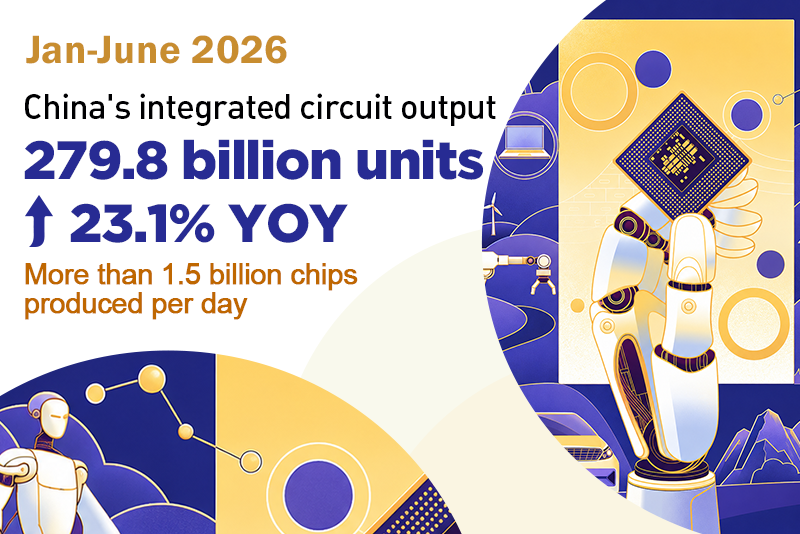
First, a number of technology-intensive and highly resilient emerging industries have provided strong support. After years of planning and development, China's emerging industries have gradually grown stronger and gained momentum. In the first half of the year, the added value of high-tech manufacturing above designated size and digital product manufacturing increased by 13.3% and 12.3%, respectively, with both growth rates accelerating from the first quarter. In particular, the surge in demand for high-end computing chips and memory chips brought about by the global AI technological revolution led to a 23.1% increase in the output of integrated circuits from China's industrial enterprises above designated size in the first half of the year, reaching 279.8 billion units. This is a huge number, equivalent to an average daily production of more than 1.5 billion integrated circuits. Integrated circuits, commonly known as chips, are widely used in intelligent equipment and electronic products. The daily output of more than 1.5 billion chips is not merely a change in the numbers, but a vivid reflection of the driving force behind the development of China's semiconductor industry. In addition to integrated circuits, the output of intelligent products such as 5G smartphones, 3D printing devices and service robots has also maintained rapid growth. Daily token usage has reached hundreds of trillions, marking a leap to a new level of scale and demonstrating the vitality and potential of the country's digital economy and intelligent economy. We have also made preliminary calculations on the industrial sector. In the first half of the year, new growth drivers, represented by high-tech manufacturing and digital product manufacturing, contributed nearly half of industrial growth with a value-added share of over 20%, making them an important engine for driving industrial growth. The transformation and upgrading of the manufacturing industry have also driven demand for professional services such as information technology, modern finance, R&D and design, and business services, opening up broad prospects for growth in the modern service sector. In the first half of the year, both the information transmission, software and information technology services sector and the leasing and business services sector recorded growth rates of over 10% in value added, contributing nearly one-quarter to the country's overall economic growth.
Second, a number of new products in line with the trend toward green and low-carbon development have gained rapid growth. Thanks to its complete industrial chain and continuous technological advancement, China's competitive advantages in fields such as new energy, new materials, and green equipment are becoming increasingly evident, giving rise to new source of economic growth. For example, the development of clean energy has boosted the output of nuclear power generating units and hydroelectric generating units by 92.0% and 51.9%, respectively. Increased demand for NEVs and energy storage led to a 39.3% increase in lithium-ion battery production. Traditional industries such as petrochemicals and chemical fibers have also seen the emergence of high-performing green sub-sectors. The added value of the petroleum processing industry above designated size increased by 1.9%, while the biomass fuel processing industry increased by 33.0%. Likewise, the traditional chemical fiber industry increased by 3.4%, while the bio-based materials manufacturing industry increased by 21.9%. This demonstrates that new growth drivers are not only found in emerging and future industries. Traditional industries can also unleash new growth momentum through transformation, upgrading and digitalization, and regain new vitality and dynamism.
Third, new demands arising from industrial upgrading and quality consumption are being released at a faster pace. Industrial development is driven by demand. At present, new features and trends are emerging in both investment and consumption. In terms of investment, enterprises are placing greater emphasis on R&D innovation and continuing to increase investment in areas such as patent, software and databases. In the first half of the year, investment in intellectual property products accounted for 13.8% of fixed asset investment, up 1.4 percentage points from the first quarter. On the consumption side, smart, green and health-related consumption is gradually becoming a new consumption trend. Since the beginning of the year, the implementation of the consumer goods trade-in policy has been improved, with smart glasses becoming eligible for subsidies. In the first half of the year, retail sales of wearable smart devices, including smart glasses, increased by more than 100%, while that of energy-efficient home appliances increased by more than 30%. The "performance plus consumption" model, featuring concerts, music festivals and sporting events, continues to gain popularity, better meeting people's demand for high-quality cultural experiences and immersive experiences.
Fourth, a number of innovative and dynamic new enterprises that are deeply involved in niche markets are emerging. Enterprises play a principal role in innovation, and the foundation for fostering new quality productive forces also lies in enterprises. In recent years, a number of innovative and enterprising high-quality enterprises have emerged in various industries, of which "little giant" enterprises that use specialized and sophisticated technologies to produce unique and novel products are a typical representative. Currently, there are more than 17,600 national-level "little giant" enterprises, mostly distributed in key links of the industrial chain. A batch of "little giant" enterprises, by concentrating on niche markets and continuously overcoming technical obstacles, have sharpened their distinctive competitive edge. In doing so, they have not only effectively made up for the weak links in the industrial chain, but also injected new momentum into economic development. In the first half of the year, the added value of these "little giant" enterprises above designated size increased by 10.4% year on year. Another noteworthy statistic is that in late June, the World Economic Forum released its latest list of "lighthouse factories," with half of the 16 newly added global lighthouse factories coming from China. Lighthouse factories represent the global benchmark for the digital and intelligent transformation of manufacturing. Currently, China ranks first in the world for the number of lighthouse factories, demonstrating the remarkable achievements of AI and digital technology in empowering the transformation of manufacturing.
The transformation from old to new growth drivers is a systematic project that cannot be accomplished overnight. It requires sustained efforts and long-term commitment. In the next stage, we must adhere to the principle of seeking progress while maintaining stability and adopting measures tailored to local conditions. We should continue to focus on cultivating and expanding emerging and future-oriented industries and transforming and upgrading traditional industries to promote a smooth transition between old and new growth drivers. Thank you.
_ueditor_page_break_tag_Dazhong Daily:
The consumer price index (CPI) continued to rise moderately in the first half of the year, which has drawn much attention from the public. How would you evaluate the price performance in the first half of the year? Given the fluctuations in international market prices, what will the trend in prices be in China in the next stage? Thank you.
Mao Shengyong:
I would like to invite Ms. Wang to answer these questions.
Wang Guanhua:
Thank you for your questions. As you said, price levels are related to both macroeconomic performance and people's daily lives, and so attract a lot of attention from the public. The CPI trend in the first half of this year had the following characteristics:
First, the CPI showed a moderate upward trend in the first half of the year. The CPI rose by 1.0% year on year in the first half of the year, with a 0.9% increase in the first quarter, and a 1.1% increase in the second quarter, 0.2 percentage point higher than that of the first quarter. Since the fourth quarter of last year, the CPI has increased for three consecutive quarters. This reflects both changes in domestic consumer demand in related sectors and the effectiveness of previous comprehensive measures to address "rat race" competition. It was also influenced by recent fluctuations in international commodity prices. In terms of the core CPI, except for January and February when it fluctuated more significantly due to the timing of the Spring Festival, the core CPI remained at or above 1% in other months, reflecting the upward pull on prices from the release of consumer demand. A prime example is the cultural tourism and travel services sector. In the first half of this year, holidays such as the May Day holiday and the spring break for primary and secondary schools in many places boosted demand for travel services. Family trips, parent-child tours and study tours remained popular. In the first half of the year, the price of travel services in the CPI rose by 2.4% year on year, with prices for services such as travel agency fees, hotel accommodation and air tickets all showing an upward trend. In addition, as AI drives the iterative upgrading of consumer electronics products, demand for related products remains robust and prices continue to rise. In the first half of the year, the prices of cellphones and wearable smart devices increased by 4.0% and 2.7% year on year, respectively.
Second, the CPI continued to rise moderately in June, with the growth rate registering a slight decline compared with the previous month. Since February, the CPI has been fluctuating slightly within the narrow range of 1% to 1.3%. In June, it rose by 1% year on year, down 0.2 percentage point from the previous month, not showing much fluctuation. It fell by 0.3% month on month, mainly due to seasonal factors and fluctuations in international market prices. This June, international gold and oil prices dropped with fluctuations. As a result, domestic gold jewelry and gasoline prices fell by 8.7% and 4.9% month on month, respectively, which together dragged the CPI down by 0.22 percentage point month on month, and was the main reason for the month-on-month decline in CPI. In addition, food prices also declined month on month due to seasonal factors. In particular, with an abundant supply of seasonal fruits and vegetables coming to market, prices of fresh vegetables and fruits dropped by 1% and 2%, respectively.
Third, a reasonable rebound in the CPI has helped improve corporate profit expectations, stabilize market confidence, promote employment and income growth, and facilitate the smooth circulation of the national economy. Looking ahead to the second half of the year, although fluctuations in international commodity prices may cause some disruption to domestic prices, the Chinese economy has strong resilience, with sufficient supply of daily necessities, and a robust and effective policy system for ensuring supply and stabilizing prices. With the continued implementation of various policies to promote consumption, demand for services, upgraded goods and new types of consumption are expected to be steadily released, and the CPI will maintain a moderate upward trend. Thank you.
_ueditor_page_break_tag_Market News International:
What are the main reasons for the recent fluctuations in fixed-asset investment? Are these fluctuations due to temporary factors such as projects being brought forward into the first quarter and local governments concentrating on debt repayment, or do they reflect weak underlying investment demand? Thank you.
Mao Shengyong:
Thank you for your questions. There is a lot of interest in fixed-asset investment. Fixed-asset investment growth was negative in the first half of this year, but it is worth noting that its scale remained considerable. Fixed-asset investment reached 22.6 trillion yuan in the first half, which is a very large figure. As China enters a different stage of development, particularly with the move from high-speed growth to high-quality development, the structure, quality and returns of fixed-asset investment matter more than they once did, and deserve closer attention. Where investment goes, whether it delivers returns and quality, whether it matches our expectations, and whether it aligns with the direction of national policy matter more than the total volume and pace of fixed-asset investment. Based on the investment data in the first half of the year, investment has played a major role in promoting the development of new quality productive forces, technological innovation, industrial upgrading, and improvements in people's well-being. Let me give a brief overview covering three areas.
First, investment in emerging sectors continues to build momentum. Local governments have followed the plans and requirements for developing new quality productive forces in line with local conditions, steadily increasing investment in emerging industries and positioning themselves in future industries. Investment grew strongly in new energy, artificial intelligence and integrated circuits. In the first half of the year, investment in high-tech industries grew 4.6% year on year. Within that, investment in integrated circuit manufacturing climbed 8.8%, special electronic materials manufacturing grew 10% and lithium-ion battery manufacturing rose 24.4%. Corporate investment is increasingly shifting toward innovation, a trend that is quite evident. In the first half of the year, investment in intellectual property products increased 9.4% year on year, 1.5 percentage points faster than in the first quarter. Investment in intellectual property products such as R&D and the digital economy continued to accelerate and maintained a high growth rate. The implementation of the large-scale equipment renewal policy has spurred corporate demand for retooling and upgrading. In the first half of the year, investment in equipment and instrument purchases grew 8.1%.
Second, investment in new infrastructure delivers long-term benefits. Infrastructure construction serves both to boost social productivity and to make daily life more convenient for the public. It is an important safeguard and support for high-quality development. Planning and construction of the six major infrastructure networks have picked up pace this year, with traditional and new infrastructure advancing in turn. Computing power networks and next-generation communication networks are being rolled out faster, and investment in related sectors has grown relatively quickly, building future growth momentum for digital and intelligent transformation. In the first half of the year, investment in the internet and its related services surged 39.9% year on year. Investment in information transmission rose 25.6%, optical fiber manufacturing 26.5%, water transport 19.8% and air transport 11%. As of the end of May, China had more than 5 million 5G base stations, accounting for 39% of all mobile base stations. Fiber-optic access ports represented 96.7% of broadband internet access ports.
Third, investment in areas related to people's livelihoods is precisely targeted at shoring up weak links. Greater investment in people's livelihoods is an important way to improve people's well-being. Across the board, more attention has gone to closely combining investment in physical assets with investment in people, and solid progress has been made in agricultural and rural modernization and all-round rural revitalization. In the first half of the year, investment in agriculture increased 6.7% year on year and investment in fisheries grew 12%. Ecological restoration, pollution control and similar projects advanced steadily, driving a 5.9% increase in investment in environmental monitoring and governance services.
Looking ahead, there remains broad scope for expanding effective investment. China's per capita capital stock is currently well below that of developed countries, and the gap points to potential and room for growth. Investment demand is strong in upgrading traditional industries and in promoting emerging and future industries. As the population structure changes, there is also huge investment potential in areas such as elderly care and childcare services, community-level medical and health care, expanding quality education, and advancing all-round rural revitalization. To date, all of this year's 800 billion yuan for the implementation of major national strategies and security capacity-building in key areas has been allocated, along with 200 billion yuan in equipment renewal funds. Construction of the six major infrastructure networks is being advanced in a coordinated way, and special plans for urban renewal, building a new energy system and the high-quality development of the industrial internet are being rolled out one after another. Various policies working in concert should help stimulate investment and unlock its growth potential. Thank you.
_ueditor_page_break_tag_Dingduan News:
The central government has rolled out a series of measures to stabilize the real estate market this year, and local governments have continuously adjusted and optimized their real estate policies according to local conditions. How effective have these measures been? What positive changes are taking place in the real estate market? Thank you.
Mao Shengyong:
Thank you for your questions. Real estate is an area that everyone is following closely. In recent years, local governments have followed the decisions and plans of the CPC Central Committee, adopting city-specific policies and steadily refining their real estate policies to control the number of new real estate projects, reduce housing inventory, and improve supply. They have relaxed purchase restrictions in an orderly manner, deepened reform of the housing provident fund system, increased the supply of affordable housing, and advanced urban renewal and redevelopment. Working on both the supply and demand sides, they have rolled out a package of policy measures. Figures for the first half of the year show that policies are gradually taking effect and that some positive changes have emerged in the real estate market. These fall into several areas.
First, the sales prices of commercial residential homes in first-tier cities have risen for four consecutive months. Since March, the sales prices of new and pre-owned residential properties in first-tier cities have risen for four consecutive months. From March to June, the month-on-month increase in sales prices of newly built commercial residential homes in first-tier cities ranged from 0.1% to 0.2%. Prices of pre-owned homes increased between 0.3% and 0.4%. The overall decline in sales prices of commercial residential properties in second- and third-tier cities has narrowed. In June, the sales prices of newly built commercial residential homes in second-tier cities held steady month on month, reversing the decline recorded in the previous month. Meanwhile, the decline in the sales prices of newly built commercial residential homes in third-tier cities narrowed by 0.1 percentage point compared with the previous month. Year on year, the declines in sales prices of newly built commercial residential homes in second-tier cities and of pre-owned homes in second- and third-tier cities both narrowed compared to the previous month.
Second, the floor space of unsold commercial housing nationwide has declined for four consecutive months. Efforts to reduce the inventory of commercial housing continue to advance, and policy measures are taking effect, resulting in a decrease in the floor space of unsold commercial housing. At the end of June, the total floor space of unsold commercial housing nationwide fell 0.9% year on year, with the decline widening by 0.5 percentage point compared to the previous month, marking the fourth consecutive month of decline. Specifically, the floor space of properties that have been unsold for less than three years decreased by 3.5%.
Third, the pre-owned housing market is relatively active. As the real estate market continues to adjust, the structure and scale of property transactions are undergoing profound changes. The traditional incremental transaction pattern, which is dominated by new home sales, is rapidly shifting toward a combination of new and pre-owned home sales, with pre-owned home transactions becoming an important component of residential transactions. According to official data, the current transaction area of pre-owned homes is now comparable to that of new homes. In the first half of the year, the floor area of pre-owned homes transacted via online registration increased by 10.2% year on year, with the growth rate accelerating by 2.5 percentage points compared to January-May level. If we look at new and pre-owned home sales contracts together, the total transaction volume has seen continuous positive growth over the past three months.
Fourth, expectations for the real estate market have improved. According to an NBS survey in 70 large and medium-sized cities, real estate professionals' expectations for the price trends of both new and pre-owned homes improved after the Spring Festival. In June, 63.1% of real estate professionals expected new residential property sales prices to remain stable or rise in the next six months, remaining above 60% for four consecutive months and rebounding by 20 percentage points from last year's low.
Overall, the relationship between supply and demand in the real estate market is gradually improving, market expectations are recovering, and some positive changes have emerged in the market. Going forward, we will continue to follow the decisions and plans of the CPC Central Committee and the State Council, adopt city-specific policies to control the number of new real estate projects, reduce housing inventory, and improve supply, to promote the stable and healthy development of the real estate market. Thank you.
_ueditor_page_break_tag_Chengdu.cn:
The service sector has been a key priority of our work this year. China has convened a national conference on the service sector and issued new guidelines aimed at expanding the capacity and improving the quality of the service sector, which made specific arrangements for promoting the high-quality development of the service sector. How did the service sector perform in the first half of the year? Thank you.
Mao Shengyong:
I would like to invite Ms. Wang to answer this question.
Wang Guanhua:
Thank you for your question. In the first half of the year, all relevant parties thoroughly implemented the guiding principles of the national conference on the service sector and introduced a number of supporting measures to promote the expansion and improve the quality of the service industry. As a result, the service sector has maintained steady growth, playing an important role in supporting industrial upgrading and meeting people's livelihood needs. There have been several notable characteristics.
First, the service sector's contribution to economic growth has increased. In the first half of the year, the added value of the service sector reached 41.4 trillion yuan, a year-on-year increase of 5.2%, 0.5 percentage point faster than the overall economic growth. It accounted for 59.5% of GDP, making it the largest industry in the national economy. Moreover, the sector contributed 66.1% to economic growth, an increase of nearly 6 percentage points over the same period last year, making it the main driving force for economic growth.
Second, producer services sector has integrated and innovated. Professional services such as information technology, modern finance and modern logistics have played an important role in promoting industrial upgrading and transformation through deeper integration with advanced manufacturing. In the first six months, the added value in the information transmission, software and information technology services sector increased 10.7% year on year, while that of the leasing and business services sector rose 11.9%. Together, the two sectors contributed nearly a quarter of economic growth. Financial services have been strengthened to support the real economy, with the added value of the financial industry increasing by 6.7% and contributing more than 10% to economic growth. The transportation and logistics system operated efficiently, handling more than 550 million express parcels every day and moving over 150 million metric tons of goods across the country, effectively supporting the stable operation of industrial and supply chains.
Third, the consumer services sector has broadened its reach and improved its quality. Efforts have been stepped up to expand consumer services and cater to residents' diverse needs. The added value of wholesale and retail trade, as well as the accommodation and catering industries both expanded in the first half of the year. In the first five months, the operating revenue of enterprises above designated size in the sector of residential services, repair and other services increased by 5.7%. Various regions have been continuously enriching the integrated business formats of "culture, tourism, sports and commerce," and promoting the intensive rollout of offline performances and sporting events. In the first five months, the operating revenue of cultural and artistic enterprises and sports enterprises above designated size increased by 11.8% and 11.9%, respectively.
Fourth, emerging service industries have been steadily cultivated and expanded. In the first five months, the operating revenue of strategic emerging service enterprises above designated size increased by 6.1% year on year. New business formats such as online commerce, telemedicine and digital entertainment continued to expand, driving the transaction volume of e-commerce trading platforms to grow by 3.5% in the first half of the year. Meanwhile, to keep pace with the growing consumer demand for green travel and low-carbon consumption, the network of charging facilities has been increasingly improved, with its application scope continuously expanding. In the first half of the year, the transaction volume on major charging platforms surged by more than 30%.
Fifth, the service sector has steadily expanded its opening-up. In recent years, China has continued to promote deeper opening-up in key service sectors such as tourism, transportation, finance and telecommunications. From January to May, total trade in services grew 6% year on year, and the services trade deficit narrowed by about 20%. The competitiveness of high-tech, high-value-added service exports has continued to improve, with exports of knowledge-intensive services growing 12.2%. The service sector has also been China's largest recipient of foreign investment for many years and maintained strong growth momentum this year. In the first five months, utilized foreign investment in the service sector accounted for 72% of the national total, highlighting the appeal of the service sector's opening-up. Thank you.
_ueditor_page_break_tag_Nanfang Daily, Nanfang Plus:
Since the beginning of this year, various government departments and localities have stepped up special initiatives to boost consumption. How did service consumption and goods consumption perform in the first half of the year? Thank you.
Mao Shengyong:
Thank you for your question. In the first half of this year, total retail sales of consumer goods and services increased 2.7% year on year. In June, total retail sales of consumer goods rose 1% year on year, reversing the previous month's decline. Specifically, there were several characteristics worth noting.
First, service consumption maintained sound growth momentum. As living standards rise, service consumption has become an increasingly important channel for unleashing consumption potential and creating room for further spending. In the first half of the year, retail sales of services grew 5.3% year on year, 4.2 percentage points faster than retail sales of goods. The culture and tourism market remained buoyant. In the first half of the year, retail sales of tourism consulting and rental services rose 11.3% while those of cultural, sports and recreational services rose 10.4%. Data showed sales revenue from tourism and entertainment services increased 12.3% year on year. Services are taking a growing share of household spending. In the first half of the year, the share of per capita consumer spending that went to services rose 0.2 percentage point from a year earlier. Everyone wants to see consumption expand. That requires improving the quality and scale of goods consumption while tapping deeper into the potential of services consumption.
Second, goods consumption improved in quality and expanded in scale. In the first half of the year, total retail sales approached 25 trillion yuan, with retail sales of goods exceeding 22 trillion yuan. Some upgraded consumer goods grew rapidly. Among enterprises above designated size, retail sales of cosmetics increased 6.3% year on year, and sales of communication equipment rose 14.4%. Digital and green consumption released growth potential at an accelerated pace, and more smart and green products entered people's lives. In June, new energy vehicles accounted for 62.8% of retail auto sales, the third straight month above 60%. New retail formats built around quality and digital convenience grew quickly. Among enterprises above designated size, retail sales at warehouse membership stores and unstaffed stores both increased more than 25%, while instant retail transactions posted double-digit growth.
Third, new consumption growth drivers gained momentum. Rural consumption remained active. As rural revitalization advances, county-level commercial networks and distribution facilities continue to improve, sustaining consumer vitality in rural markets. During the 14th Five-Year Plan period, the average annual growth rate of retail sales of consumer goods in rural areas was about 0.3 percentage point higher than that in urban areas. This trend continued in the first half of this year, with rural retail sales growing 1.3 percentage points faster than urban sales. New forms of consumption grew rapidly. In the first half of the year, transaction volumes on cultural and sports service platforms increased 9.7% year on year. Data showed sales revenue from immersive experiences such as live performances and museums grew 28.3% and 24.6%, respectively, in the first half of the year. Inbound consumption remained strong. China has optimized its visa-free entry policy and improved supporting services such as tax refunds for departing tourists and mobile payments for overseas visitors, making travel and shopping in China easier. In the first half of the year, about 17.82 million foreign visits were made under visa-free entry, up 30.6% year on year. Customs oversaw 19.9 billion yuan in duty-free purchases in Hainan, an increase of 18.8%.
Looking ahead, China is well placed to expand and upgrade consumption. China has a large population of 1.4 billion, a growing middle-income group and per capita GDP approaching high-income levels. In terms of development stage, the consumption structure is in a stage of transformation and upgrading, with household demand rising for high-quality goods and for leisure, cultural and entertainment services. As the unified national market takes shape, the supply of high-quality consumer goods has increased and policies to boost consumption are taking effect. A newly issued five-year plan for expanding consumption will also support consumption growth and help lift both its scale and quality. Moving forward, we must focus on enhancing households' willingness and ability to spend, continuously optimizing the consumption environment, and using a range of measures to shore up the foundations for consumption growth, so as to better unleash the potential of China's vast market. Thank you.
Shou Xiaoli:
Due to time constraints, we will take two more questions.
_ueditor_page_break_tag_Cover News:
China's summer grain harvest increased this year despite adverse conditions, which was no small achievement. How did the agricultural and rural economy perform in the first half of the year? Thank you.
Mao Shengyong:
Thank you. Let me give you a brief introduction. In the first half of this year, all regions and departments thoroughly implemented the decisions and deployments of the CPC Central Committee and the State Council regarding work related to agriculture, rural areas and farmers. Working toward agricultural and rural modernization, they sustained farm output and raised rural incomes. The agricultural and rural economy maintained sound growth. There were several notable features.
First, China has secured another bumper summer grain harvest. This year's summer grain production overcame adverse factors such as large-scale late sowing of winter wheat and heavy rainfall, achieving output increase and a bumper harvest. Summer grain output reached 301.49 billion jin, exceeding 300 billion jin for the first time, an increase of 2 billion jin compared with the previous year. Increased per-unit yields are the key to a bumper summer grain harvest. The yield per mu was 378.8 kg, an increase of 3.2 kg over the previous year.
Second, the supply of non-staple foods such as vegetables is bountiful. In the first half of the year, China's combined output of pork, beef, mutton and poultry increased by 2.07 million metric tons year on year, a growth of 4.3%. The pace of hog slaughter has slowed down. In the first half of the year, hog slaughter increased by 1.7% year on year, with the growth rate dropping by 1.1 percentage points compared with the first quarter. This is mainly because, in response to the continued decline in hog prices, the government has focused on intensifying the comprehensive regulation of production capacity, leading to an accelerated reduction in the breeding sow inventory. This has helped improve the supply-demand dynamics in the hog market, resulting in a recent recovery in hog prices. In addition, the supply of vegetables and fruits has maintained steady growth, ensuring that people have a relatively abundant and secure dining experience.
Third, the agri-business and rural economy have achieved stable and positive performance. In the first half of the year, China's total output value of farming, forestry, animal husbandry and fisheries increased by 3.9% year on year. Great prominence has been given to modern protected agriculture, driving a 6.7% year-on-year increase in rural fixed asset investment. In addition, the rural residents' income continued to increase faster than that of urban residents.
This year marks the start of the 15th Five-Year Plan and represents a key year for accelerating steps to build up China's strength in agriculture. We are also organizing and carrying out the fourth national agricultural census, a major survey of national conditions and strength, in accordance with the arrangements of the CPC Central Committee and the State Council. This work is currently being carried out intensively. In the early stages, we conducted special pilot projects and comprehensive pilot projects, and improved the census plan. It is currently being submitted to the State Council's leading group for the agricultural census for approval. All related work has been actively advanced, and journalists and media friends have given it great attention and coverage. Through this agricultural census, we aim to obtain a general picture of agriculture, rural areas and farmers. The agricultural census is conducted every ten years to give a full picture of the new situations and changes that have emerged in China's agricultural production over the past decade, particularly technological advancements, optimized production models, emerging business forms, and the effectiveness of the Party Central Committee's policies on agriculture, rural areas and farmers. Through this agricultural census, we aim to promote the comprehensive application of agricultural remote sensing technology in agricultural output surveys, so as to better monitor the planting area and growth status of various crops. Through sound and effective statistics in the fields of agriculture, rural areas and farmers, we will provide solid statistical data support for advancing high-quality agricultural development and building up China's strength in agriculture. Thank you.
Shou Xiaoli:
The last question, please.
_ueditor_page_break_tag_Yicai:
We noticed that the PPI rose year on year in June, but fell month on month. What does this mean? What are the main influencing factors behind this? Is the PPI expected to remain stable going forward? Thank you.
Mao Shengyong:
Ms. Wang will answer the questions.
Wang Guanhua:
Thank you for your questions. Since the beginning of this year, especially since March, industrial producer prices have shown a gradual upward trend due to factors such as the transmission of rising international commodity prices and expanding demand in some domestic industries. The PPI rose 1.5% year on year in the first half of this year, with a decrease of 0.6% in the first quarter and an increase of 3.6% in the second quarter. This is the first time that the PPI quarterly growth rate has turned positive since the fourth quarter of 2022. In terms of the monthly changes, the PPI has risen for four consecutive months since March, with a 4.1% increase in June, a slight increase of 0.2 percentage point compared to the previous month. In June, expanding demand in some industries continued to have a positive impact on prices in the production sector. In particular, the accelerated electrification process, the expansion of artificial intelligence application scenarios, and the increased demand for computing power have driven up prices in industries such as non-ferrous metals, electronics, and electrical machinery.
As everyone has noticed, the PPI fell month on month in June after rising for eight consecutive months. This was mainly due to the transmission effect of the decline in international crude oil prices, and does not mean that the interaction between supply and demand of domestic industrial products has changed fundamentally. In June, international crude oil prices fell sharply. According to World Bank data, the average price of international crude oil fell by 18.6% month on month. As a result, prices in domestic industries such as the petrochemical industry weakened significantly, which was the main reason for the month-on-month decline in PPI. In terms of the major industries affected, the factory-gate price of the oil and gas extraction industry fell by 11.8% month on month in June, while the price of the oil, coal and other fuel processing industry fell by 1.9%. In addition, prices in the related chemical and chemical fiber industries, which had risen in the previous month, began to fall. These four industries together contributed to a month-on-month decrease of about 0.38 percentage point in the PPI that month. In terms of other industries, production prices have remained generally stable. In particular, the accelerated transformation towards smart and green technologies has led to price increases compared to the previous month in industries such as wearable smart device manufacturing, virtual reality device manufacturing, and biomass fuel processing. In June, due to a temporary tight supply and increased demand for coal during the peak summer season, the price of coal mining and washing industry rose by 5.6% month on month.
In the next stage, the PPI is expected to remain stable with good support. The rapid integration of artificial intelligence across sectors, alongside surging demand for computing power and a gradual optimization of market competition order, may drive up prices in related industries. Despite increasing uncertainties and unforeseeable external factors, and the continued uncertainty surrounding international commodity price movements, China possesses a complete range of industries, strong industrial production capacity, diversified energy import channels, and ample reserves. The resilience of its industrial and supply chains continues to improve, enabling it to withstand external risks and address complex issues. Overall, the impact of external factors is controllable. Thank you.
Shou Xiaoli:
Thank you to the two speakers, and thank you to all the participating journalists. Today's briefing is hereby concluded. Goodbye.
Translated and edited by Yang Chuanli, Liao Jiaxin, Wang Xingguang, Yan Bin, You Jiaxin, Xu Kailin, Wang Mengru, Yan Xiaoqing, Wang Yanfang, Li Huiru, Wang Qian, Zhou Jing, Huang Shan, Zhu Bochen, Zhang Rui, Ma Yujia, Gong Yingchun, Liu Sitong, David Ball, Jay Birbeck, and Tudor Finneran. In case of any discrepancy between the English and Chinese texts, the Chinese version is deemed to prevail.

/4 Shou Xiaoli
/4 Mao Shengyong
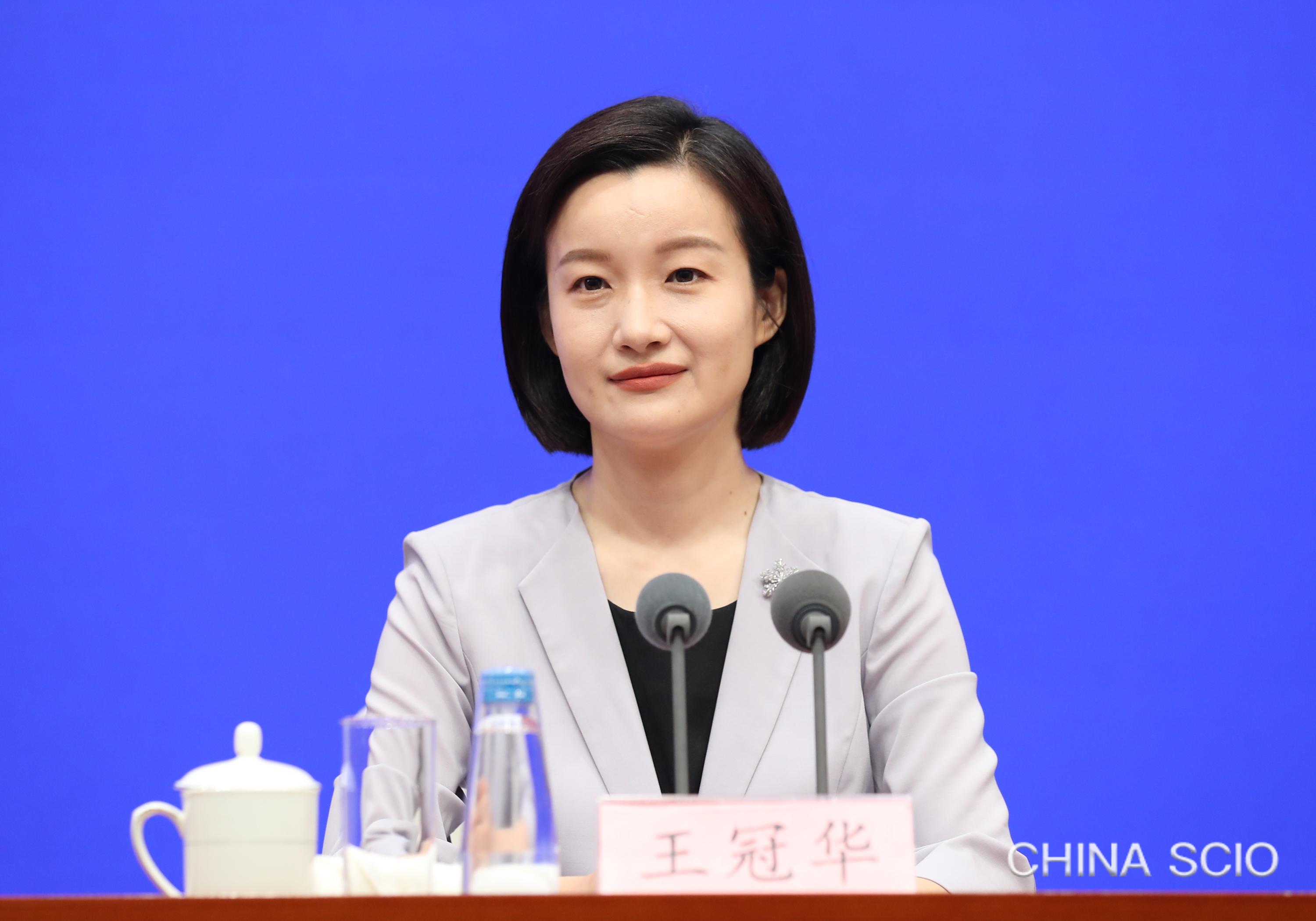
/4 Wang Guanhua
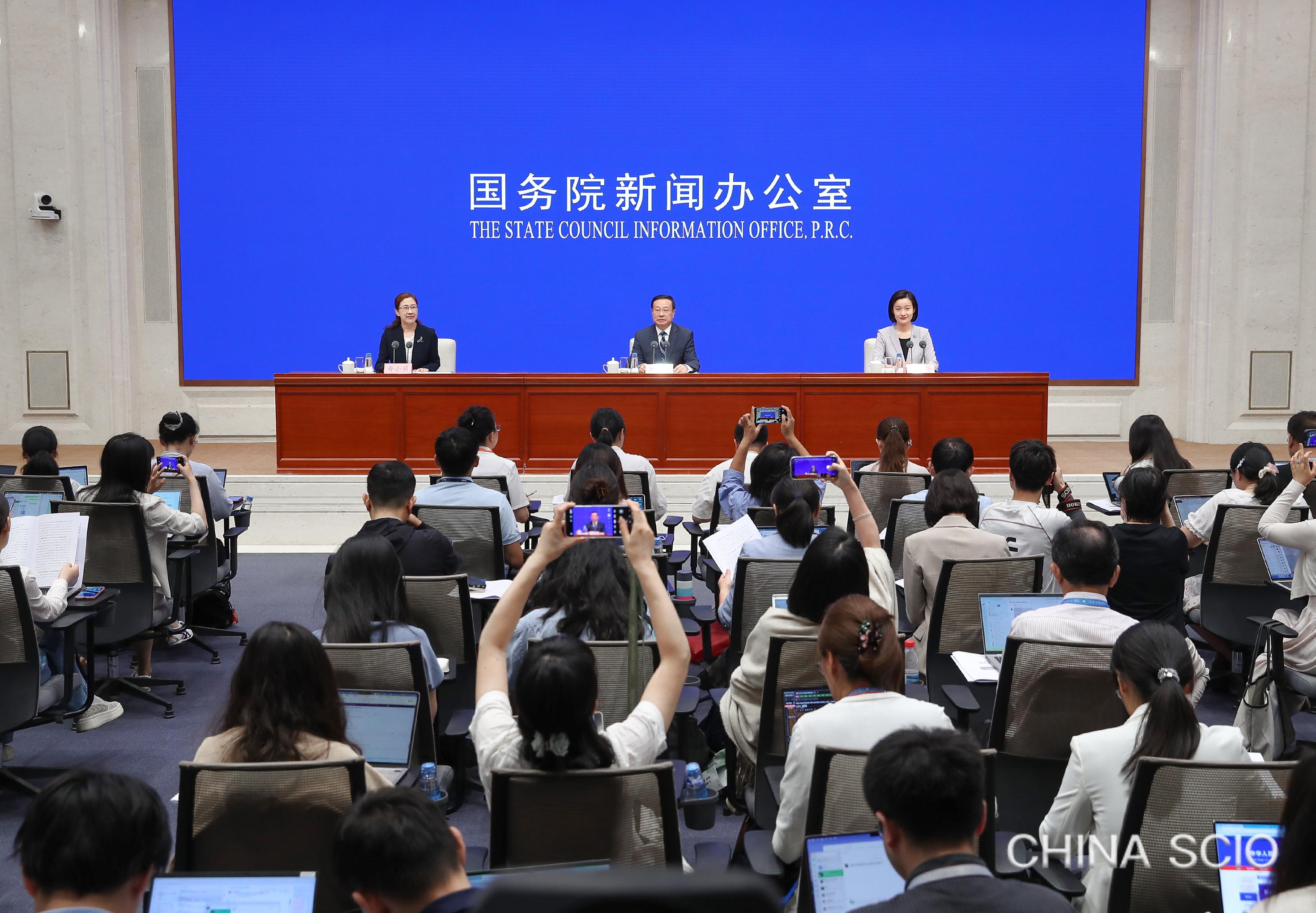
/4 Group photo
SCIO briefing on improving the institutional system of natural resource asset management
July 14, 2026SCIO briefing on China's import and export in H1 2026
SCIO briefing on advancing high-quality development of water transport
June 30, 2026