
SCIO briefing on China's foreign-exchange receipts and payments data for H1 2026
Beijing | 10 a.m. July 17, 2026
Speakers

Li Bin, spokesperson and deputy administrator of the State Administration of Foreign Exchange (SAFE)
Zhao Yuchao, spokesperson of the SAFE and deputy director general of the Balance of Payments Department of the SAFE
Xiao Sheng, director general of the Capital Account Management Department of the SAFE
Chairperson
Speakers:
Mr. Li Bin, spokesperson and deputy administrator of the State Administration of Foreign Exchange (SAFE)
Mr. Zhao Yuchao, spokesperson of SAFE and deputy director general of the Balance of Payments Department of SAFE
Mr. Xiao Sheng, director general of the Capital Account Management Department of SAFE
Chairperson:
Ms. Shou Xiaoli, director general of the Press Bureau of the State Council Information Office (SCIO) and spokesperson of the SCIO
Date:
July 17, 2026
Shou Xiaoli:
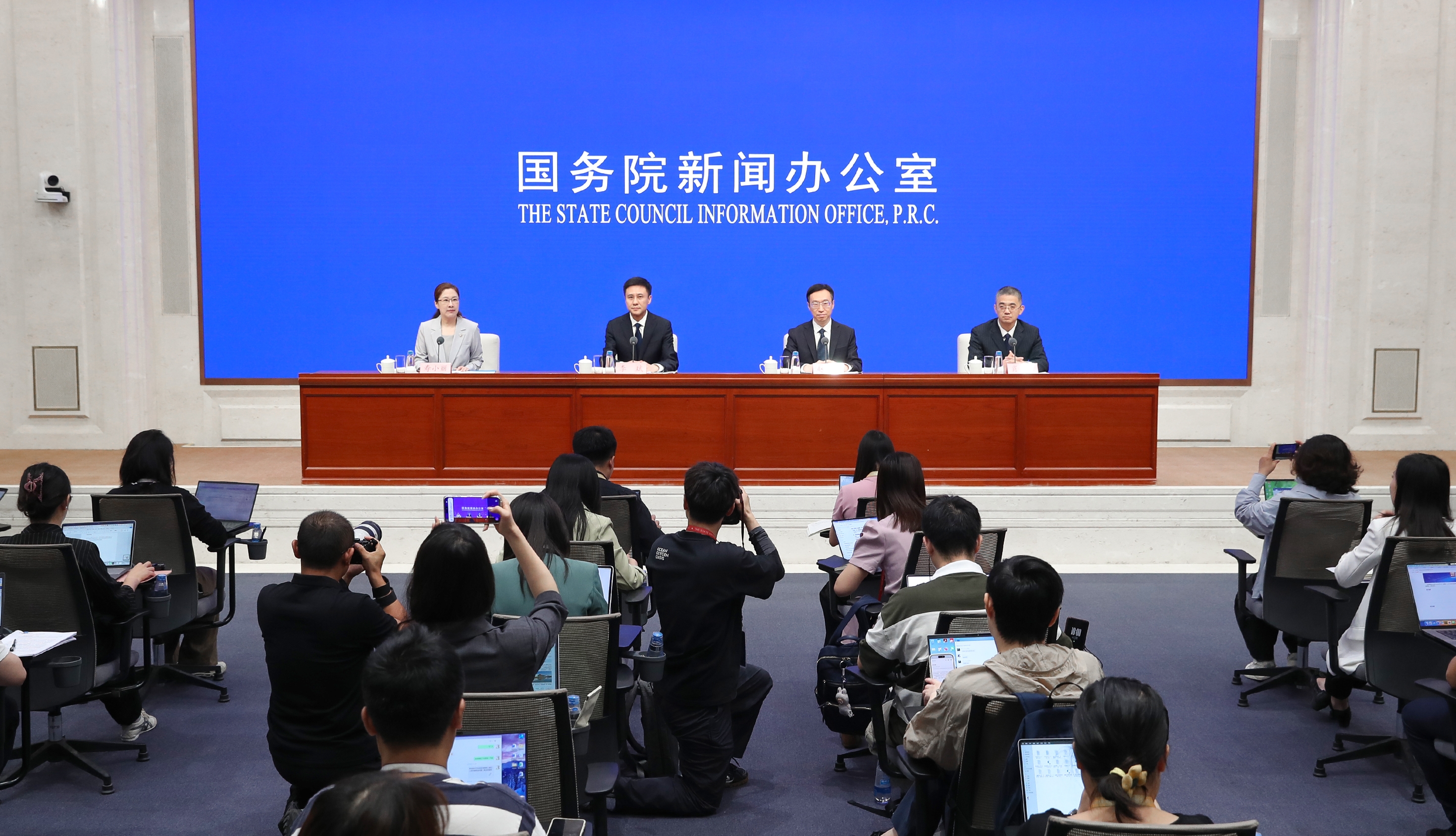
Ladies and gentlemen, good morning. Welcome to this press conference held by the State Council Information Office (SCIO). Today, we will continue with our regular release of economic data. We are pleased to have with us Mr. Li Bin, spokesperson and deputy administrator of the State Administration of Foreign Exchange (SAFE), who will introduce China's foreign exchange receipts and payments data for the first half of 2026 and answer your questions. Also attending today's briefing are Mr. Zhao Yuchao, spokesperson of SAFE and deputy director general of the Balance of Payments Department of SAFE, and Mr. Xiao Sheng, director general of the Capital Account Management Department of SAFE.
Now, I will give the floor to Mr. Li for his introduction.
Li Bin:
Good morning. Thank you for your continued interest in, support for and coverage of the administration of foreign exchange. I would like to take this opportunity today to first introduce the relevant situation of China's foreign exchange receipts and payments data in the first half of 2026, and will then answer your questions together with my colleagues.
Since the beginning of 2026, the external environment has become increasingly complex and volatile, with intensified and deepened geopolitical conflicts, and greater fluctuations in international financial markets. China has remained committed to pursuing high-quality development, accelerating efforts to foster a new development paradigm, and promoting economic growth toward greater innovation and quality. SAFE has continued to deepen reform and opening up in the foreign exchange sector, increase policy support to facilitate cross-border trade and investment, strengthen foreign exchange market supervision, effectively respond to external shocks and challenges, and support the sound development of foreign-related economic activities. Overall, China's foreign exchange market remained stable in the first half of the year, with active transactions and stronger resilience. Specifically, it demonstrated the following characteristics:
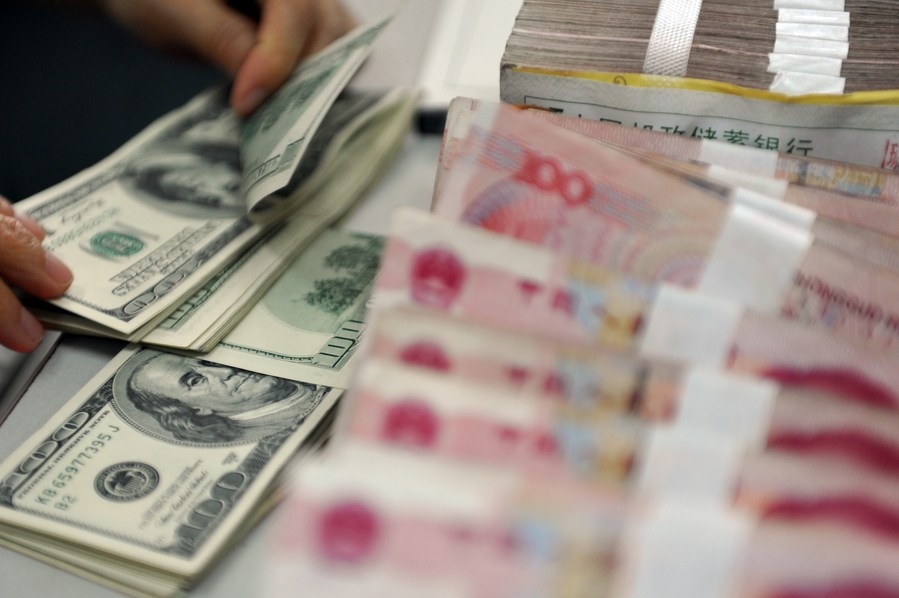
First, foreign-related receipts and payments reached a record high. In the first half of the year, banks' foreign-related receipts and payments on behalf of clients totaled $9.2 trillion, up 21% year on year, reaching a record high for the period. Among them, the proportion of the RMB in cross-border receipts and payments stood at 52.9%, up 1.3 percentage points from the full year of 2025. During the first half of the year, banks' foreign exchange settlement and sales totaled $2.9 trillion, up 24% year on year, also hitting a record high for the same period. These figures demonstrate that China's foreign-related economy has maintained sound momentum, with cross-border trade and investment becoming increasingly active.
Second, foreign exchange market trading volume continued to grow steadily. In the first half of the year, trading volume in China's domestic RMB foreign exchange market totaled $22.1 trillion, up 5% year on year, with growth accelerating by 1.5 percentage points compared with the full year of 2025. Among this total, spot transactions and derivatives transactions amounted to $8.3 trillion and $13.8 trillion, which accounted for 38% and 62% of total foreign exchange market transactions, respectively.
Third, cross-border capital flows recorded a net inflow. In the first half of the year, cross-border capital flows of non-bank sectors, including enterprises and individuals, recorded a net inflow of $247.2 billion. From a monthly perspective, enterprises concentrated their receipts before the Spring Festival during January and February, resulting in relatively large net inflows of cross-border funds. In March, geopolitical conflicts escalated and volatility in international financial markets increased, leading to a small net outflow of cross-border funds from China. The flows subsequently returned to net inflows, while the scale of inflows moderated since June. By category, in the first half of the year, net inflows under goods trade continued to increase year on year; foreign investment in China generally recovered; service trade revenue growth accelerated, while the service trade deficit narrowed; and domestic entities' outbound investment maintained overall growth.
Fourth, foreign exchange market expectations remained stable. In the first half of the year, banks recorded a surplus of $271.2 billion in foreign exchange settlement and sales. Recently, the U.S. dollar index rebounded in June, while the RMB weakened slightly against the U.S. dollar. Some enterprises increased foreign exchange settlements when exchange rates were favorable, driving a month-on-month increase in the surplus of foreign exchange settlement and sales. Since July, foreign exchange settlement and sales have remained broadly balanced. In the first half of the year, the foreign exchange settlement ratio, which measures the willingness of entities to settle foreign exchange earnings, stood at 65%, while the foreign exchange sales ratio, which measures the willingness to purchase foreign exchange, stood at 61%. Both figures showed little change compared with 2025. These figures indicate that the foreign exchange settlement and sales activities of enterprises, individuals and other market entities remained rational and orderly.
Finally, China's foreign exchange reserves increased steadily. At the end of June, China's foreign exchange reserves stood at $3.42 trillion, an increase of $58.4 billion from the end of 2025.
Overall, faced with a volatile and challenging external environment, China's foreign exchange market has withstood external pressures and maintained stable operations since the beginning of this year, demonstrating strong vitality and resilience. Looking ahead, SAFE will resolutely implement the decisions and plans of the Central Committee of the Communist Party of China (CPC) and the State Council, deepen reform and opening up in the foreign exchange sector with stronger efforts and more practical measures, prudently prevent and defuse risks arising from external shocks, and continue to build a foreign exchange administration system that is more convenient, more open, safer and smarter. These efforts will provide strong support for high-quality economic development and lay a solid foundation for making a good start to the 15th Five-Year Plan period (2026-30). That concludes my introduction. Next, my colleagues and I are happy to answer your questions. Thank you.
Shou Xiaoli:
The floor is now open for questions.
_ueditor_page_break_tag_Seashell Finance:
The speaker just outlined the foreign exchange market's steady performance in the first half of the year. Given that the external environment is likely to remain complex and volatile for some time, how do you view the market's prospects for the second half of the year? Thank you.
Li Bin:
Thank you for your question and for your interest in foreign exchange developments. As I just noted, since the beginning of this year, China's foreign exchange market has operated steadily despite external shocks, demonstrating that domestic factors play a decisive role in shaping market trends. China's accelerated pursuit of high-quality development, steady expansion of high-standard opening up, vibrant foreign trade, and increasingly resilient foreign exchange market will continue to support its stable operation.
First, the rapid development of new quality productive forces, together with the Chinese economy's strong resilience and ample room for growth, will further bolster market confidence. Emerging industries are expanding rapidly, the integration of technological and industrial innovation is gathering pace, and innovation capacity is rising quickly, providing strong support for high-quality economic development. In the first half of the year, the value added of high-tech manufacturing enterprises above designated size rose 13.3% year on year, nearly 4 percentage points faster than in 2025. More Chinese companies are emerging in global fields such as large AI models, quantum technology and new energy. As a major economy, China also has greater resilience and more room for growth. Despite external shocks such as geopolitical conflicts in the Middle East, China's economy has demonstrated strong resilience and an ability to withstand shocks, supported by a diversified energy supply and the rapid development of the new energy sector.
Second, notable progress in maintaining the scale and improving the structure of China's foreign trade will help maintain activity in foreign exchange market transactions. Mutually beneficial cooperation based on comparative advantages is inherent in a market economy and is an internal driver of economic and trade growth. In the first half of the year, China's total imports and exports of goods exceeded 25 trillion yuan, up 16.9% year on year, providing an important impetus to the growth of cross-border receipts and payments. The foreign trade structure also continued to improve, with exports of integrated circuits and the "new trio" (NEVs, lithium-ion batteries, and PV products) contributing nearly half of total export growth and supplying the world with higher-quality products. China's imports reached a record high for the period and grew faster than exports, creating room and opportunities for global trade growth. Looking ahead, technological advances are injecting fresh momentum into global trade. The global manufacturing PMI has remained above the 50-point threshold for 11 consecutive months, while China's manufacturing PMI also rose month on month in June, supporting more balanced growth in both exports and imports.
Third, China's orderly opening up will help promote more balanced cross-border capital flows. In the first half of the year, foreign investment in China recorded a net inflow, while China's outbound investment continued to grow steadily. As of the end of March, China's external assets and liabilities stood at about $12 trillion and $8 trillion, respectively, both at high levels by global standards. Going forward, China will remain committed to expanding opening up, further facilitate foreign investment in China, and steadily broaden channels for domestic entities to invest overseas, making two-way cross-border investment more active and balanced.
Finally, the foreign exchange market itself is becoming more resilient, providing strong safeguards against external shocks. In recent years, the market-based mechanism for forming the RMB exchange rate has continued to improve, the range of foreign exchange market participants has broadened and become more diverse, and the market's capacity for self-adjustment has strengthened. Companies are increasingly using the RMB and foreign exchange derivatives to manage exchange rate risks in cross-border transactions. In recent years, the overall share of goods trade priced and settled in RMB has risen steadily. In the first half of this year, the share of corporate foreign exchange transactions hedged with derivatives reached 35.3%, up 5.3 percentage points from 2025. Meanwhile, the macroprudential policy toolbox for making countercyclical adjustments to foreign exchange market supply and demand when necessary has become richer and more mature. All these developments will help strengthen the market's resilience and promote its stable operation.
That being said, the external environment remains complex, and developments in global geopolitics, economic growth, inflation and the monetary policies of major economies require continued monitoring. We will strengthen the monitoring of cross-border capital flows, continue to enhance the resilience and vitality of the foreign exchange market, and further improve macroprudential management and expectation guidance to maintain the stable operation of the market. Thank you.
_ueditor_page_break_tag_Elephant News:
At the Lujiazui Forum, the State Administration of Foreign Exchange mentioned a package of incremental measures covering areas such as cross-border direct investment. Could you briefly explain them? And when are they expected to be introduced? Thank you.
Li Bin:
I'd like to invite Mr. Xiao to answer this question.
Xiao Sheng:
Thank you for your questions. Since 2023, SAFE has introduced a package of measures to facilitate cross-border investment and financing for three consecutive years, with nearly 20 measures rolled out in total. These include facilitating the payment and use of funds by foreign-invested enterprises, supporting cross-border financing for science and technology innovation enterprises, shortening the negative list governing the use of capital account receipts, and expanding the areas where banks can process foreign exchange registration. The measures have significantly improved processing efficiency. Some procedures that previously took three working days can now be completed the same day, while some companies only need to submit half as many documents for review. The measures have also strengthened support for the real economy. In particular, policies facilitating cross-border financing have helped enterprises that use special and sophisticated technologies to produce novel and unique products and technology-based small- and medium-sized enterprises (SMEs) broaden financing channels and reduce financing costs.
Since the beginning of 2026, in response to new circumstances and developments, SAFE has acted on the decisions and arrangements of the CPC Central Committee and the State Council. After extensive consultations with banks, businesses and other stakeholders, and in line with progress in high-standard opening up of the capital account, it plans to introduce another package of measures to further facilitate cross-border investment and financing. These measures fall into three main categories:
First, we will further facilitate direct investment. To help foreign-invested enterprises improve investment efficiency, we will further streamline procedures for foreign exchange settlement and payments under the capital account, supporting efforts to attract, stabilize, and improve foreign investment for better performance. For Chinese companies investing abroad, we will simplify, in an orderly manner, the review process for outward remittances to ensure efficient and convenient access to funds needed for normal business operations.
Second, we will further expand high-standard opening up in cross-border financing. To broaden the reach of financial services for science and technology innovation and green development, we will further extend the range of entities eligible for cross-border financing facilitation policies and roll out green external debt pilot programs nationwide. Meanwhile, we will further improve macro-prudential management policies and measures for corporate cross-border financing, helping foreign-funded enterprises hedge risks and facilitating enterprises to allocate funds across borders more flexibly.
Third, we will optimize registration procedures for capital-account transactions. Given enterprises' practical need for more convenient cross-border investment and financing, we plan to shift more registration work directly to banks and expand the range of capital-account services available online, further advancing the digitalization of foreign exchange administration and reducing the legwork of enterprises.
These reform measures will be released and implemented in accordance with regulations once the relevant procedures are completed. Thank you.
_ueditor_page_break_tag_Hong Kong Bauhinia Magazine:
Global innovation capital has flowed into China with growing momentum this year. Based on the latest data, how has foreign investment in China performed overall? How do you view its prospects? Thank you.
Li Bin:
The questions will be answered by Mr. Zhao.
Zhao Yuchao:
Thank you for your questions. In recent years, China has steadily expanded high-standard opening up, using the certainty of its own development to counter the uncertainty of the external environment and offering a broad and promising market for global capital.
Foreign investment in China has generally performed well this year. Balance of payments data shows that net inflows of foreign investment of all kinds reached about $160 billion in the first five months, well above the same period last year. That figure covers direct investment and portfolio investment as well as deposits and loans from abroad. Foreign equity investment in China posted a net increase of more than $50 billion over the same five months. New capital contributions held steady, while reinvested earnings of foreign-funded enterprises in China rose 35% year on year. As of the end of the first quarter, the stock of foreign direct investment in China exceeded $4 trillion. Excluding countries and regions that function primarily as offshore centers, China still ranked second among all economies by stock of inward investment. The mix of foreign investment China attracts also continues to shift toward newer and higher-quality sectors. SAFE cross-border receipts and payments data shows that foreign capital inflows into high-tech services and high-tech manufacturing rose 61% year on year in the first half, accounting for 36% of total capital contributions, 11 percentage points more than a year earlier. The data shows that in recent years, foreign investment in China has gradually shifted from seeking the cost and scale advantages of "Made in China" toward taking part in "Created in China."
Foreign investment growth in China is expected to maintain its positive momentum, supported by several factors. First, China's industrial upgrading and technological innovation will keep creating investment opportunities and provide a more stable and attractive environment for foreign investors. Second, China's steady expansion of institutional opening up, a stronger service and support system for foreign investment and improved financial connectivity mechanisms will create a more convenient policy environment for foreign investment in China. Third, against the complex and volatile international backdrop of recent years, China's stronger economic resilience and a stable yuan will give global capital more options for diversifying its allocations.
Going forward, SAFE will work with relevant departments to systematically advance reform in foreign investment and steadily make cross-border investment and financing easier. We will also build an institutional framework suited to high-standard opening up and high-quality development, featuring sound management, concise rules, convenient procedures and clear direction. These efforts will further facilitate global capital investment in China and encourage more foreign investors to make long-term, value-oriented investments. Thank you.
_ueditor_page_break_tag_CCTV:
In recent years, China's external assets have repeatedly hit record highs and the balance of payments has shown strong inherent stability. What has characterized China's international balance of payments pattern in recent years? What new changes have occurred this year? Thank you.
Li Bin:
Thank you for your questions and for your interest in the balance of payments. The balance of payments records all an economy's external transactions over a given period, including trade in goods, trade in services and various forms of outward investment and use of foreign capital. Foreign trade is recorded in the current account, while investment activities are recorded in the capital and financial account. Because countries differ in economic structure, stage of development and the maturity of their manufacturing and service industries, they produce different balance of payments patterns. There are two common types. In the first, a country's imports exceed its exports and it runs a current account deficit. It must then raise financing abroad to fill the gap, producing a surplus in the capital and financial account that brings the books into balance. In the second, exports exceed imports and the country runs a current account surplus. The resulting net inflow of funds is deployed overseas by domestic entities, showing up as a capital and financial account deficit, while the external assets those entities hold rise accordingly. Seen from the perspective of the overall balance of payments, then, a current account surplus corresponds to a capital and financial account deficit, and the two move in tandem. A wider current account surplus brings a correspondingly wider capital and financial account deficit. That does not mean pressure from cross-border capital outflows is building.
In China, a self-balancing pattern has gradually taken shape, with a current account surplus offset by a capital and financial account deficit. Since 2022, China's current account surplus and its capital and financial account deficit have widened in step. The capital inflows generated by the current account surplus have been allocated to different regions, industries and financial markets around the world through outbound investment by banks and enterprises. That has met the needs of domestic entities for international operations and diversified asset allocation, and it has also supported the development of industries and financial markets in trade and investment partner countries. China's balance of payments has continued this trend this year, with the current account still in surplus. Domestic entities have meanwhile stepped up their overseas investment, adding more than $300 billion in the first five months and further building up external assets. As of the end of March 2026, China's external assets stood at a record high of approximately $12 trillion, and its net external assets exceeded $4 trillion, ranking second worldwide.
China's international balance of payments is expected to remain broadly balanced. China will keep expanding domestic demand, work hard to boost consumption, increase effective investment and promote balanced trade growth, which will keep the current account surplus at a reasonable and balanced level over the medium and long term. At the same time, China is steadily expanding its institutional opening up and creating more room for outbound investment and cooperation. Domestic enterprises will continue to diversify their global operations and asset allocation, and China's external assets will grow steadily.
That is all from me. Thank you.
_ueditor_page_break_tag_Tide News under Zhejiang Daily:
What changes have there been this year in the way enterprises manage foreign exchange risk? How is SAFE supporting enterprises in strengthening that management, and what policy measures and services does it provide? Thank you.
Li Bin:
Thank you for your questions. Let me take them. The external environment has been complex and volatile this year, but China's foreign exchange market has run smoothly overall, and the RMB exchange rate has shown greater two-way movement. We have observed that enterprises are more conscious of the need to proactively manage exchange risks, and that they are using a range of methods to do so. Some, for example, have both foreign exchange income and expenditure. By netting inflows against outflows, or foreign currency assets against liabilities, they achieve a degree of hedging that softens the impact of exchange rate swings. Some price and settle in RMB to avoid the exposure created by currency mismatches. Some use foreign exchange derivatives to lock in rates ahead of time, thereby reducing the effect of exchange rate movements on their operations.
SAFE has consistently treated exchange rate hedging services for enterprises as a priority, helping them adapt to two-way exchange rate movement. This year, we have continued to improve the policies and services on offer.
First, we have kept promoting the concept of exchange rate risk neutrality. Exchange rates are set by market supply and demand. As a result, they're very hard to predict. With the RMB exchange rate moving more in both directions in recent years, enterprises need to keep this concept in mind, focus on their core business, take the initiative in managing exchange rate risk, and limit as far as possible the effect of exchange rate swings on their operations and finances. Working with relevant departments and financial institutions, SAFE has promoted awareness through guidelines, specialist training sessions, research seminars, and on-site advice. The emphasis is on getting enterprises to watch changes in market conditions, think harder about hedging and improve independent decision-making.
Second, we have built a bridge between banks and enterprises. Some 130 major Chinese and foreign-funded banks can now handle foreign exchange derivatives services for enterprises. Companies, of course, need time to get to know what banks offer in hedging, and banks also need to get to know each company's foreign exchange business situation and hedging needs. To open up the flow of information between the two, SAFE has built and steadily improved a database of enterprises with foreign-related business. It now covers 290,000 foreign trade enterprises and is shared with banks, helping them provide targeted and efficient services.
Third, we have encouraged banks to raise their standard of service. Exchange rate hedging is a fairly specialized field, and enterprises have long looked to banks for better hedging services. SAFE has therefore simplified the documentation banks must check when handling foreign exchange derivatives transactions for enterprises, making those transactions quicker and easier. We have pushed banks to keep working on new derivatives products, wider online trading channels and stronger service capacity at the branch level, so that enterprises find hedging more convenient. Foreign exchange trading platforms and clearing institutions have also cut costs and improved efficiency, and have continued to reduce or waive the fees banks pay when providing hedging services to micro-, small- and medium-sized enterprises. We have guided banks to refine credit approval and margin management mechanisms for foreign exchange derivatives, making it easier for smaller firms to hedge.
In the first half of this year, enterprises signed close to $1.4 trillion in foreign exchange derivatives contracts to manage exchange rate risk, up 40% year on year. The corporate hedging ratio reached 35.3%, 5.3 percentage points higher than for 2025 as a whole. Looking ahead, SAFE will press ahead with its work on exchange rate risk management services, promote awareness through multiple channels, improve its product range and service mechanisms, and support banks in matching the varied risk management needs of enterprises. Thank you.
_ueditor_page_break_tag_Economic Daily:
We have noticed that this year's balance of payments statement includes more detailed data, and that the balance of payments report also describes several improvements in statistical methods. Could you brief us on the latest developments in China's balance of payments statistics? Thank you.
Li Bin:
Our Balance of Payments Department handles these statistics. Mr. Zhao will take this question.
Zhao Yuchao:
Thank you for your interest in the balance of payments statistics. They give a comprehensive picture of China's various cross-border transactions and its external assets and liabilities, and are the main indicator of how the country's foreign-related economy is developing. In recent years, SAFE has kept refining its methodology to improve statistical accuracy and transparency, mainly in the following ways:
First, we have improved the data sources for balance of payments statistics on trade in goods, making the figures more accurate. Balance of payments data on trade in goods previously came mainly from customs statistics. By comparison, balance of payments statistics mainly record the transfer of ownership of goods, which is not quite the same as customs statistics, which record the movement of goods across borders. For example, some overseas companies entrust domestic factories to produce goods that are then sold directly within China. The goods never cross a border, but ownership passes from the overseas company to a domestic entity. Customs does not record this, while the balance of payments has to record it as an import of goods. So from 2022, we changed the data source for trade in goods, relying mainly on figures that enterprises report on the basis of ownership transfer. This is more consistent with balance of payment principles and has been endorsed by the relevant international organizations.
Second, we have optimized the methodology for statistics on trade in services to better reflect the picture in China. This mainly involves two aspects. First, we have improved the methodology for compiling statistics on international transport services. China trades goods on a large scale, and the international transport that goes with it is an important services trade item. In recent years, we have steadily increased the number of companies reporting this data to SAFE, which now exceeds 10,000 and includes the major transport operators. On that basis, in 2025, we changed the data source for transport services statistics to enterprise reporting and industry surveys, which gives a more objective and accurate picture of China's international transport services.
At the same time, statistics on trade in services related to cross-border e-commerce platforms have been improved. In recent years, cross-border e-commerce has developed rapidly, and Chinese companies have made extensive use of services provided by overseas e-commerce platforms while meeting the needs of global consumers. After thorough research, we have calculated the service trade data related to Chinese enterprises and overseas e-commerce platforms since 2019, and incorporated it into the international balance of payments data released and updated this year.
That covers content related to the optimization of statistical data. In addition, we have been optimizing the release of data, continuously improving the transparency of international balance of payments statistics, and releasing higher-quality statistical products. At the end of March this year, we added investment income data broken down by investment type to the international balance of payments statement, such as the direct investment income data. New financial account data has been added, categorized by sector and maturity, such as short-term and long-term bond investments and cross-border deposit and loan data for sectors like banking. The International Investment Position statement, which reflects the stock positions, has also provided additional data on external assets and liabilities by sector and by maturity. The release of such granular data can provide a more comprehensive and detailed view of the structure of China's cross-border investment and financing and its external assets and liabilities.
Going forward, SAFE will continue to strengthen innovation in its statistical methods, continuously improve data quality, enrich the supply of statistical products, gradually promote the implementation of the seventh edition of the Integrated Balance of Payments and Investment Position Manual newly released by the IMF, and continuously build a high-level balance of payments statistics system with Chinese characteristics that is in line with international standards. By providing multi-dimensional and high-quality balance of payments data, SAFE will serve China's opening up agenda and better meet the needs of data from all sectors of society. Thank you.
_ueditor_page_break_tag_Shandian News:
China's total external debt increased in the first quarter of this year. What are the main reasons behind this? And how do you view the future trajectory of external debt? Thank you.
Li Bin:
I would like to invite Mr. Xiao to answer this question.
Xiao Sheng:
Thank you for your questions. The external debt mainly refers to liabilities owed by domestic institutions to non-residents for which they have repayment obligations. External debt is generated when domestic institutions issue bonds or borrow money overseas, or when overseas institutions hold domestic bonds or deposit funds in domestic banks. Appropriate use of external debt is beneficial for a country's enterprises, banks and other entities to make full use of both international and domestic markets and resources to enrich and expand their financing channels. While improving financing efficiency, the external repayment risks posed by excessive external debt also require continued attention.
In terms of total external debt, China's foreign debt has remained generally stable over the past period. Over the past three years, China's external debt has remained relatively stable at around $2.3 trillion to $2.5 trillion. It is normal for external debt to fluctuate within a certain time period due to factors such as changes in the external environment and adjustments in the financing needs of domestic entities. At the end of the first quarter of 2026, the total outstanding external debt was $2.41 trillion, up 3.6% from the previous quarter. This increase was mainly due to three factors: first, the increase in deposits of foreign institutions in China; second, the increase in loans borrowed from abroad because of growing financial needs of domestic entities; and third, the increase in trade credit financing resulting from rapid growth of foreign trade.
In terms of the structure of external debt, China's external debt structure has been continuously optimized in recent years. By the end of the first quarter of 2026, RMB-denominated external debt accounted for 55% of China's total external debt, up 10 percentage points from 2022; and the proportion of medium- and long-term external debt remained stable at over 40%, suggesting a notable reduction in the risks of maturity mismatch and currency mismatch in China's external debt.
In terms of risks, China's current external debt is relatively safe. Generally speaking, four indicators are used internationally to measure whether an economy's external debt is safe. First, the liability ratio, which is the ratio of outstanding external debt to GDP, measures the overall debt burden. In 2025, China's liability ratio was 11.9%, below the internationally recognized threshold of 20%. Second, the debt ratio, which is the ratio of outstanding external debt to export revenue, measures the ability of export revenue to repay external debt. China's debt ratio is 56.3%, while the international recognized threshold is 100%. Third, the debt servicing ratio, which is the ratio of the total amount of external debt repayment and interest payment in a given year to export revenue, measures short-term debt repayment pressure. China's ratio is only 6.2%, far below the threshold of 20%. Fourth, the ratio of short-term external debt to foreign exchange reserves is used to measure emergency repayment capacity. China's ratio is 39.2%, which is also significantly lower than the internationally recognized threshold of 100%.
Finally, in terms of development trends, China's external debt is expected to maintain stable growth in the future. Currently, China's economic performance is generally stable, and foreign trade is maintaining rapid growth. Enterprises and other sectors will borrow external debt according to their actual needs. Meanwhile, the opening up of the financial market is progressing steadily and the value of RMB assets for portfolio allocation continues to emerge. As a result, foreign investment in RMB bonds is expected to rise steadily.
Going forward, we will continue to increase policy support for facilitating cross-border financing, encourage enterprises to make better use of both domestic and international markets for financing, and effectively serve the healthy development of the real economy. Thank you.
_ueditor_page_break_tag_21st Century Business Herald:
SAFE recently announced that it will issue a new batch of QDII investment quotas and push for better coordination between policies for forex management and cross-border RMB business. What progress has been made on the issuance of QDII quotas? And what are the considerations regarding the coverage of institutional types and the allocation of quotas this time? Thank you.
Li Bin:
I would like to invite Mr. Xiao to answer this question.
Xiao Sheng:
Thank you for your questions. QDII quota is a key focus for the public. The QDII scheme is an important institutional arrangement for the opening up of China's financial market, with clear regulations and rules regarding eligibility and quota allocation. For a long time, the State Administration of Foreign Exchange (SAFE) has always adhered to the principle of coordinating development and security, taking into account factors such as the macroeconomic situation, sustained market demand, and the compliance of institutions. In accordance with the principles of fairness and impartiality and following standardized and procedural norms, the SAFE has issued quotas on a regular basis in a prudent and orderly manner. The scale of issuance remains commensurate with the volume of cross-border receipts and payments.
Going forward, the SAFE will better coordinate development and security, advance the two-way opening up of the financial market in a prudent and orderly manner, and ensure a regular issue of QDII quotas to support market institutions with strong investment management capabilities, well-recognized products, high compliance awareness, and advanced management standards to play a better role in QDII business. At the same time, we will further tilt toward public offering products to improve the inclusiveness of QDII business.
Regarding the new round of QDII quota issuance you mentioned, we are currently working diligently on relevant preparations to expedite the issuance of the new QDII quota as soon as possible, so that we can better meet and serve the legitimate, compliant demand for overseas securities investment among domestic residents. Thank you.
Shou Xiaoli:
Let's continue. The last two questions.
_ueditor_page_break_tag_ThePaper.cn:
With the ongoing restructuring of China's economy, trade in services has attracted much attention. What new changes have taken place in China's cross-border trade in services, and what are the new prospects for future trends? Thank you.
Li Bin:
Thanks for your questions. Let me introduce the relevant situation.
In recent years, China's trade in services has maintained a sound development momentum, and has played an important role in supporting industrial upgrading, meeting the needs of people's livelihoods, driving employment expansion, and promoting the development of the global service industry.
Economic structure adjustment has driven the steady expansion of China's cross-border services. International balance of payments data shows that in the past five years, China's imports and exports of services have continued to grow rapidly at an average annual rate of 12%, and the total value exceeded $1 trillion in 2025. In the first five months of 2026, imports and exports of services continued to grow by 10% year on year. The share of trade in services in the combined total trade of goods and services can measure changes in a country's trade and economic structure. In 2025, this share stood at 13.5% in China, showing a steady upward trend. China's trade structure is gradually shifting towards the coordinated development of goods and services, with the service sector playing an increasingly important role in the economy.
In terms of imports, China's imports of services have grown steadily, better meeting the diverse needs of residents and effectively promoting the development of global trade in services. In 2025, China's imports of services reached more than $620 billion, making it the world's second-largest import market for services. China's deficit in trade in services is close to $240 billion, the largest among all countries in the world. It is fair to say that China provides a large market for the development of the global service industry. China's demand for service imports covers areas such as travel, intellectual property, transportation, and business services, providing residents with more choices and high-quality products for service consumption. China's imports of services are sourced from many developed and developing economies, effectively driving their employment and economic growth.
In terms of exports, China's trade in services have seen accelerated growth, with significant improvements in quality and efficiency. China's exports of services have grown at an average annual growth rate of 14% over the past five years, and by 2025 the volume had almost doubled that of 2020. In the first five months of 2026, China's exports of services grew by 21% year on year, mainly driven by two factors. First, China has continued to promote the expansion of visa-free entry for foreigners and optimize policies such as payment services and tax refunds for foreign nationals coming to China. In the first five months of this year, revenue from cross-border travel increased by 37% year on year, contributing 24% to the growth of service exports. Second, China has vigorously developed science and technology services and digital and intelligent services, promoted the integrated development of manufacturing and service industries, and continuously enhanced the competitive advantages of trade in emerging producer services. In the first five months of this year, combined revenue from computer information services, business services, and intellectual property services increased by 17%, contributing 45% to the growth of service exports.
China has attached great importance to the comprehensive development of the service industry and carried out the actions to enhance the service sector in both capacity and quality. In the future, the scale of trade in services is expected to continue to expand, and the level of digitalization, standardization, integration and internationalization of services will be further improved. The SAFE will comprehensively deepen the reform of foreign exchange management for trade in services, expand the pilot program for high-standard opening up of cross-border trade, and contribute to promoting the high-quality development of trade in services. Thank you.
Shou Xiaoli:
Last question, please.
_ueditor_page_break_tag_National Business Daily:
In recent years, the SAFE has introduced many measures to facilitate cross-border trade and investment. Could you please elaborate on these measures and the basic considerations and achievements of the reform of foreign exchange management? Thank you.
Li Bin:
Thank you for your question. I'll answer that. In recent years, the SAFE has continued to deepen reform and opening up in the foreign exchange sector and facilitate cross-border trade and investment, with the aim of helping market entities streamline foreign exchange business processes, improve efficiency, and further benefit businesses and people. A review of these facilitation measures shows that the changes in the basic approaches and management methods can be summarized in the following areas:
First, greater emphasis has been placed on facilitating market entities. In the past, facilitation policies were often designed and implemented based on different projects and businesses. In recent years, adhering to the principle of providing more convenience and priority to the honest and compliant entities, we have shifted focus from business management to market entity management, offering more comprehensive facilitation based on enterprises' overall credit profiles, so that honest and compliant entities can enjoy faster and more efficient business processing. For example, in recent years, we have steadily advanced the reform of banks' foreign exchange business operations. For enterprises with good credit, banks can process foreign exchange transactions based on their instructions, instead of reviewing supporting documents on a transaction-by-transaction basis as was previously required, greatly shortening processing time. As of the end of June, the number of banks participating in the foreign exchange business operation reform has increased to 33, basically covering the major banks handling cross-border business. These banks have identified a total of 53,000 high-quality clients, an increase of 27% from the end of 2025. In the first half of this year, the value of transactions processed for these enterprises under the facilitation arrangements exceeded $580 billion, doubling year on year.
Second, greater emphasis has been placed on in-process and ex post management. The handling of foreign exchange transactions is gradually shifting from a focus on ex ante review to ex ante facilitation, ongoing monitoring and ex post verification. In recent years, the SAFE has continued to reduce administrative approval items and streamline approval procedures. At the same time, it has conducted more targeted and more concrete follow-up management measures. This includes monitoring and verification as well as law enforcement inspections, further improving the efficiency of business processing. For example, we replaced SAFE approval with direct processing by banks for the registration of enterprises for trade-related foreign exchange receipts and payments. We also relaxed the requirements for various capital account administrative approvals, such as Qualified Foreign Institutional Investors/RMB Qualified Foreign Institutional Investors (QFII/RQFII) approvals and overseas listing registrations. During the 14th Five-Year Plan period, the number of administrative approval cases processed in the foreign exchange sector fell by 70%. At the same time, we have vigorously promoted the online handling of foreign exchange businesses. Those frequently handled matters can be processed through the digital foreign exchange platform ASOne, which has significantly improved the processing efficiency.
Third, greater emphasis has been placed on coordination between domestic and foreign currency business. With the increasing cross-border use of RMB, the People's Bank of China and the SAFE have followed the principle of "same business, same management," applying an integrated approach to domestic and foreign currency business in policymaking and business processing. For example, we have established an integrated domestic and foreign currency cash pools for multinational companies, enabling corporate groups to coordinate domestic and foreign funds as well as their local and foreign currency funds, thereby reducing financing costs. We have unified the management of domestic enterprises' overseas lending in both local and foreign currencies, making it easier for enterprises to conduct overseas lending based on their financing needs for production and business operation. We have also unified the policies governing local and foreign funds related to overseas listings of domestic enterprises, clarifying that funds raised from overseas listings and proceeds from the reduction or transfer of shares can be repatriated in foreign currencies or RMB. We have promoted the development of a unified bank settlement account system for local and foreign currencies, which has effectively reduced the account management costs for enterprises. Currently, various types of cross-border investment and financing businesses are largely governed by a unified set of rules for local and foreign currency, and can be handled on a one-stop basis at the SAFE or banks.
Fourth, greater emphasis has been placed on leveraging technology. Explore the use of digital technologies and artificial intelligence to make foreign exchange transactions more convenient, risk identification more accurate, and management services more user-friendly. For example, the SAFE has used blockchain technology to build a cross-border financial service platform that can connect and share relevant data on taxation, insurance, enterprises and logistics, making it easier for banks to handle trade financing, exchange rate hedging and other businesses, which has achieved good results.
Fifth, greater emphasis has been placed on policy evaluation. After foreign exchange policies are introduced, the most important thing is to see how they are implemented and whether banks and enterprises truly benefit from the convenience. The SAFE has established two evaluation mechanisms for the effectiveness of foreign exchange policies and regional foreign exchange ecosystem. We have conducted closed-loop management and impact assessment from the policy issuance to its implementation for the benefit of enterprises and residents. Based on the evaluation results, we have then optimized and adjusted relevant policies on a continuing basis to truly benefit enterprises and the people.
Finally, we have stayed focused on both facilitation and risk prevention, firmly safeguarding the bottom line of security as we continue to open up. We have constantly improved the two-pronged framework of macro-prudential management and micro regulation. On the one hand, we have strengthened counter-cyclical adjustments and expectations guidance when necessary, maintaining the stable operation of the foreign exchange market and firmly preventing systemic risks. On the other hand, we have enhanced the supervision of the foreign exchange market and cracked down hard on illegal and irregular foreign exchange activities such as underground banks. In the first half of this year, we investigated and handled more than 300 related cases, with fines and confiscated funds exceeding 400 million yuan, effectively maintaining orderly operation of the foreign exchange market.
Going forward, the SAFE will further expand the availability of facilitation policies and strive to build a foreign exchange management system and mechanism that is more convenient, open, secure and intelligent, so as to better serve high-quality development and high-standard opening up. Thank you.
Shou Xiaoli:
Thanks to Mr. Li and all the speakers. Thanks to our friends from the media for participating. Today's briefing is hereby concluded. Goodbye.
Translated and edited by Liu Caiyi, Cui Can, Dong Qingpei, You Jiaxin, Xu Kailin, Li Xiao, Wang Qian, Zhang Rui, Liu Sitong, Zhang Junmian, Ma Yujia, Huang Shan, Mi Xingang, David Ball, Jay Birbeck, and Tudor Finneran. In case of any discrepancy between the English and Chinese texts, the Chinese version is deemed to prevail.

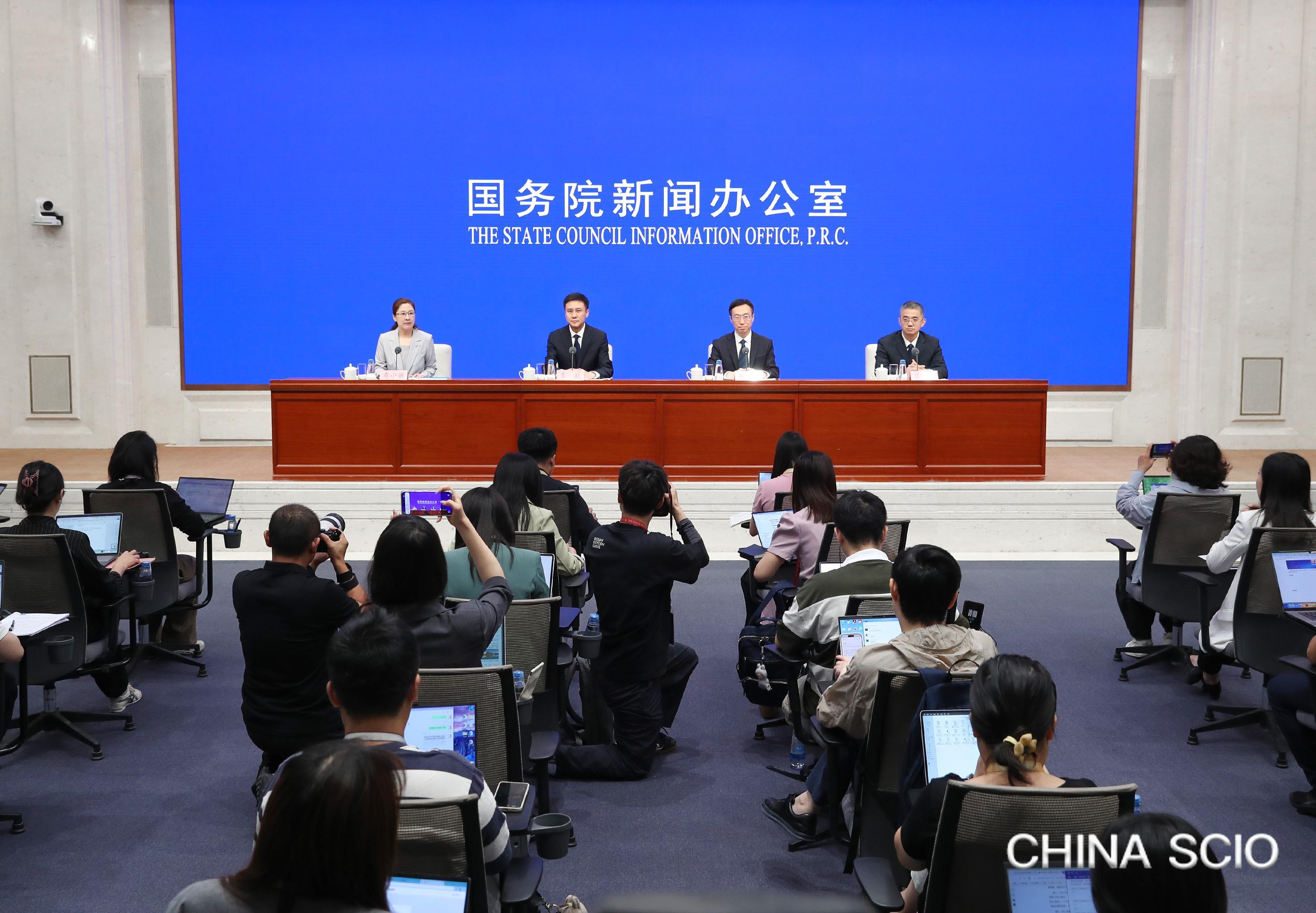
/5 Group photo
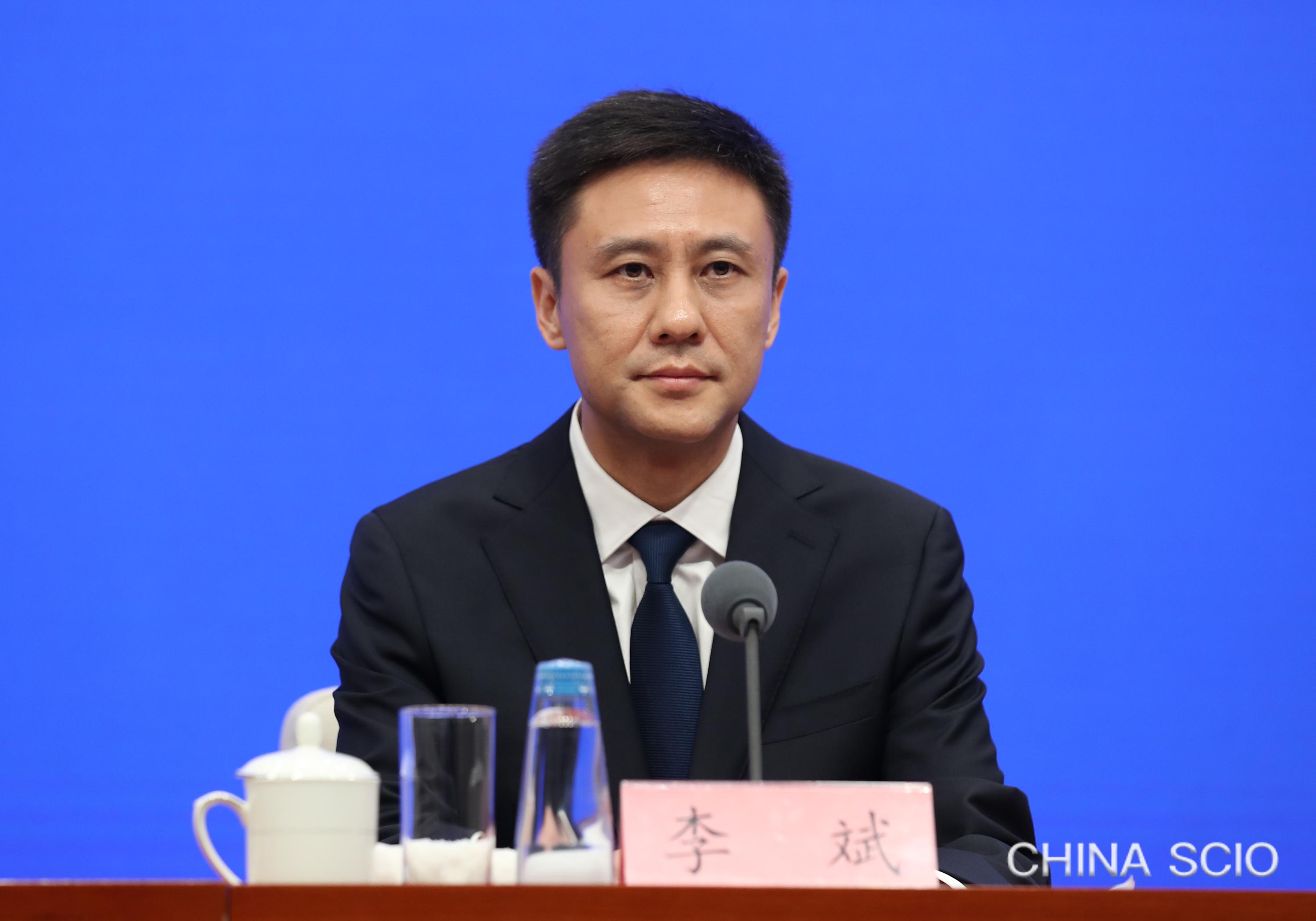
/5 Li Bin
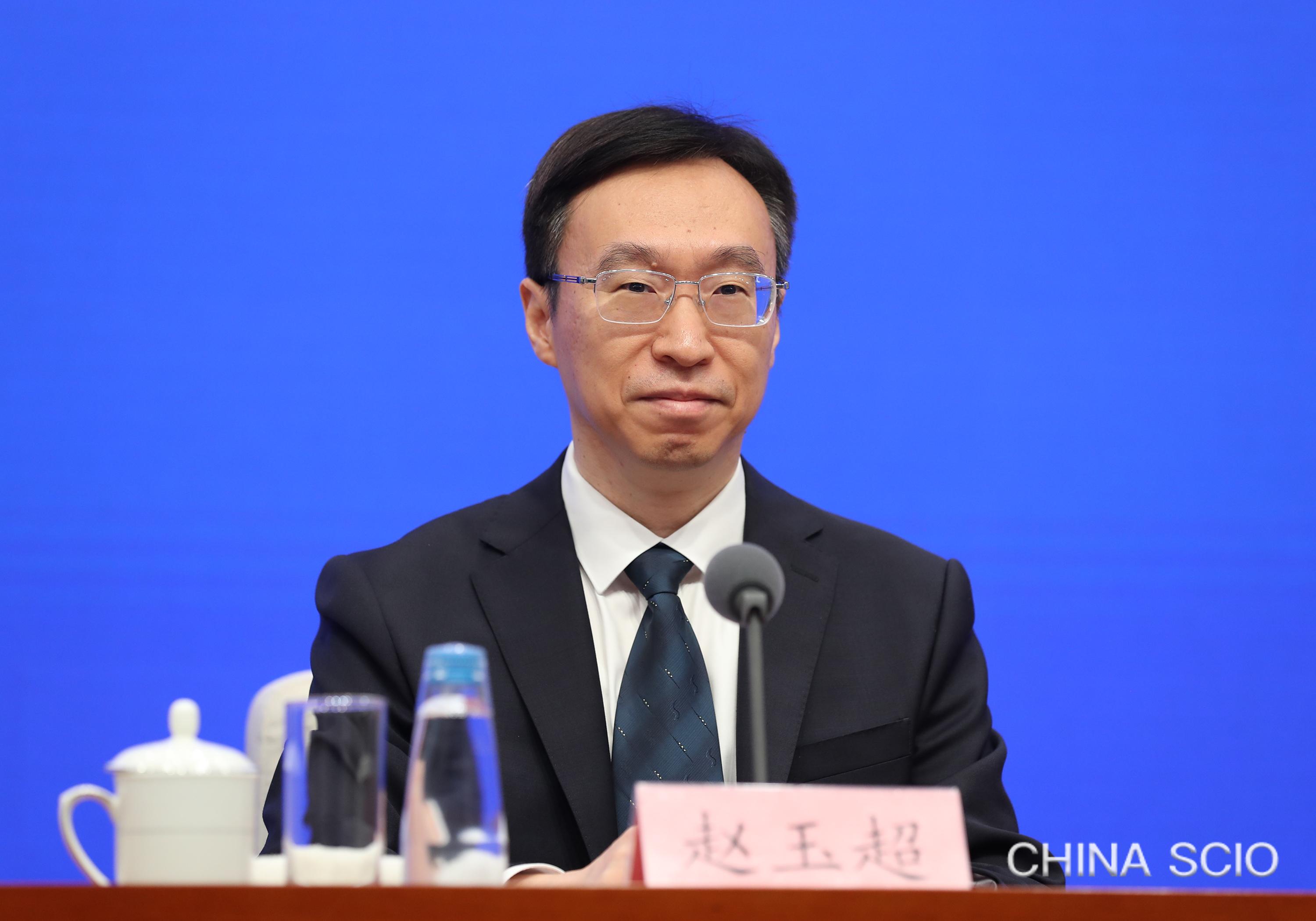
/5 Zhao Yuchao
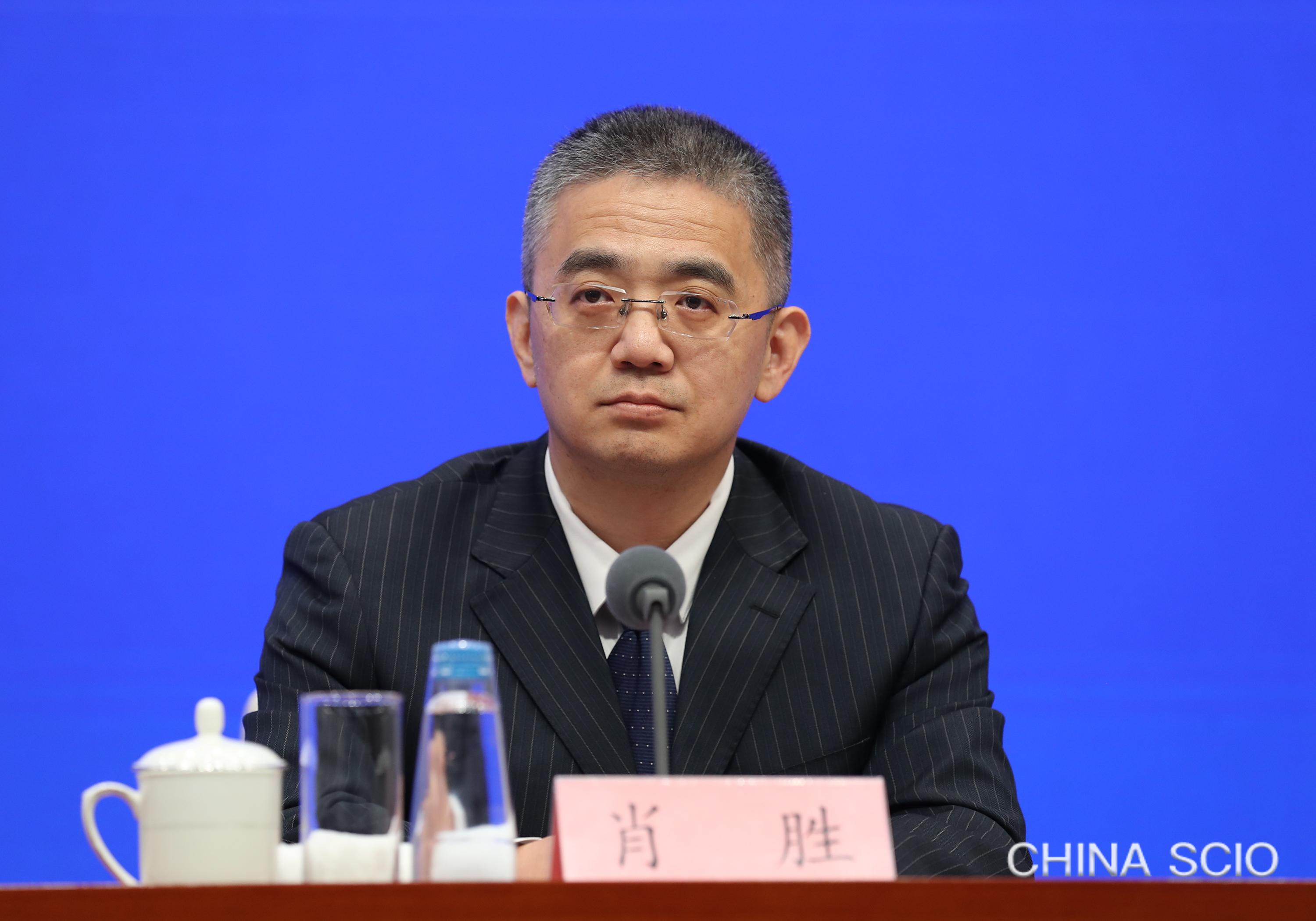
/5 Xiao Sheng
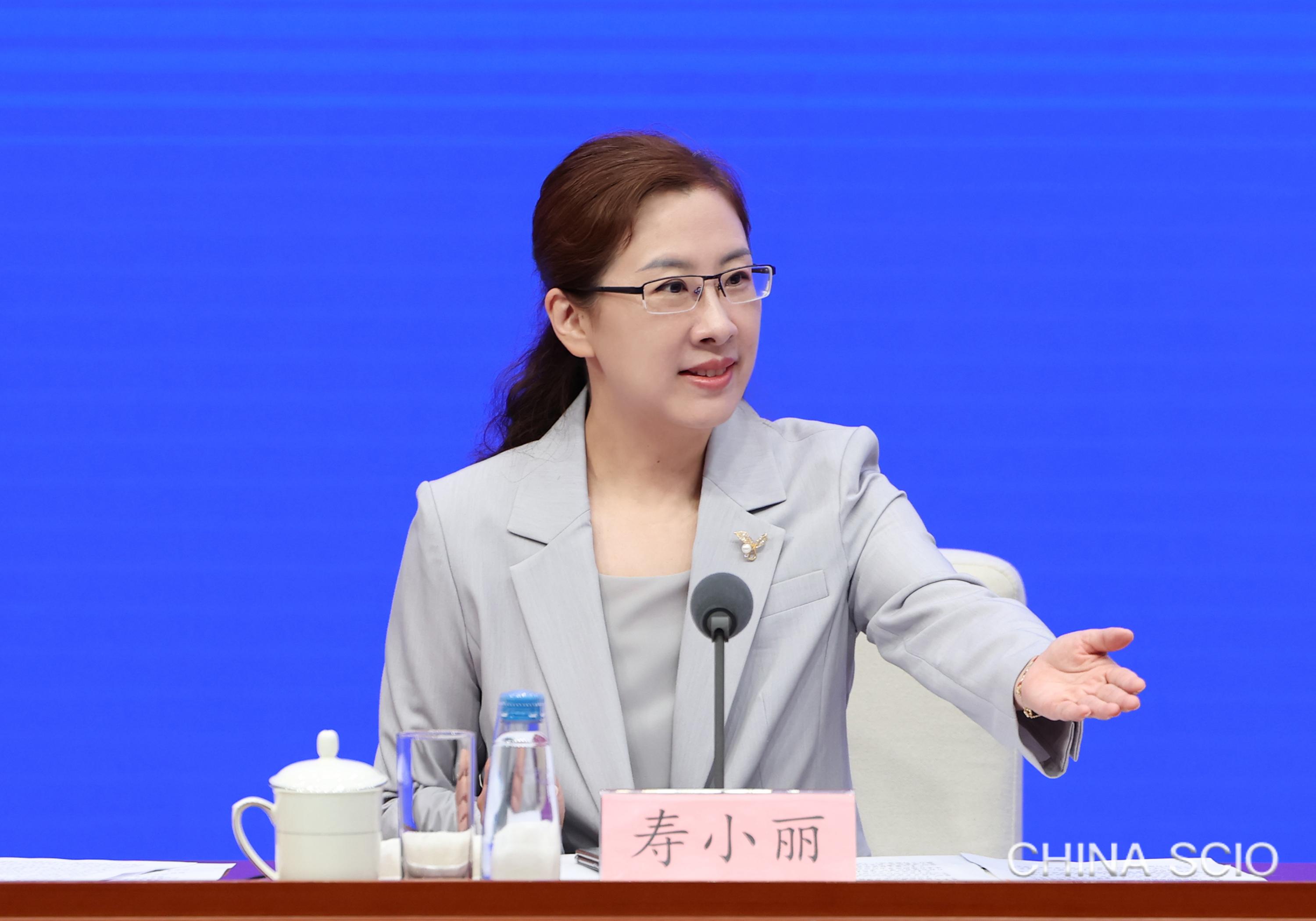
/5 Shou Xiaoli
SCIO briefing on China's foreign-exchange receipts and payments data for H1 2026
July 17, 2026SCIO briefing on implementation of monetary policy, financial statistics in H1 2026
SCIO briefing on China's economic performance in H1 2026
July 15, 2026SCIO briefing on improving the institutional system of natural resource asset management
July 14, 2026