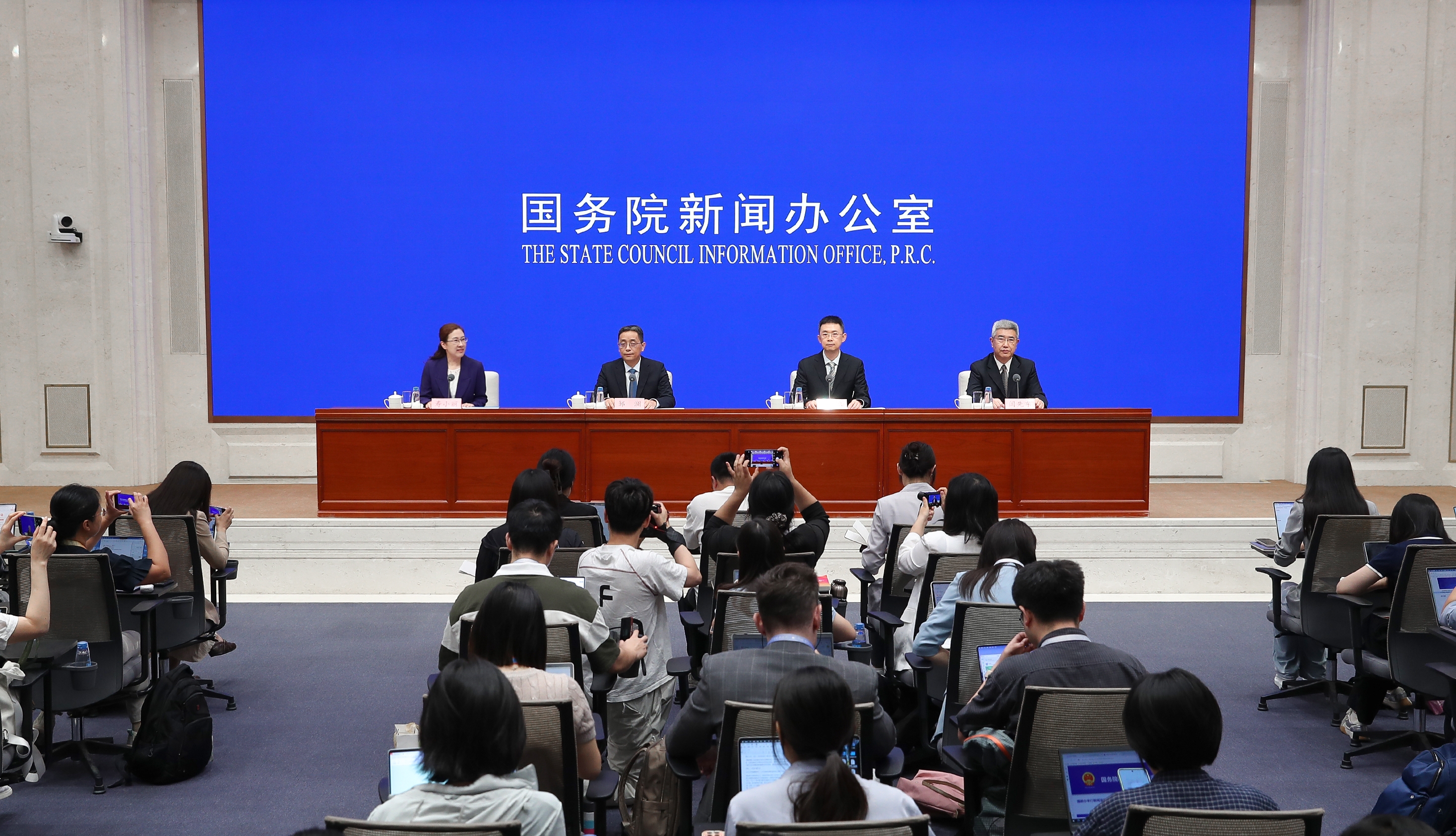

SCIO briefing on implementation of monetary policy, financial statistics in H1 2026
Beijing | 3 p.m. July 15, 2026
Speakers

Zou Lan, spokesperson and deputy governor of the People's Bank of China (PBC)
Xie Guangqi, director general of the Monetary Policy Department of the PBC
Yan Xiandong, spokesperson of the PBC and director general of the Statistics and Analysis Department of the PBC
Chairperson
Speakers:
Mr. Zou Lan, spokesperson and deputy governor of the People's Bank of China (PBC)
Mr. Xie Guangqi, director general of the Monetary Policy Department of the PBC
Mr. Yan Xiandong, spokesperson of the PBC and director general of the Statistics and Analysis Department of the PBC
Chairperson:
Ms. Shou Xiaoli, director general of the Press Bureau of the State Council Information Office (SCIO) and spokesperson of the SCIO
Date:
July 15, 2026
Shou Xiaoli:
Ladies and gentlemen, good afternoon. Welcome to this press conference held by the State Council Information Office (SCIO). Today, we are continuing our regular series of briefing on economic data. We are very pleased to have with us Mr. Zou Lan, spokesperson and deputy governor of the People's Bank of China (PBC), who will introduce the implementation of monetary policy and financial statistics in the first half of 2026, and answer your questions. Also present at today's press conference are Mr. Xie Guangqi, director general of the Monetary Policy Department of the PBC; and Mr. Yan Xiandong, spokesperson of the PBC and director general of the Statistics and Analysis Department of the PBC. Now, I'll give the floor to Mr. Zou for his introduction.
Zou Lan:
Friends from the media, good afternoon. Thank you all for your long-standing interest in and coverage of the work of the PBC. I will give you a brief overview of the implementation of the PBC's monetary policy and financial statistics for the first half of 2026.
Since 2026, the PBC has thoroughly implemented the decisions and plans of the Central Committee of the Communist Party of China (CPC) and the State Council, continued to implement a moderately loose monetary policy, and introduced a series of structural monetary policy measures at the beginning of the year on the basis of the existing policies. Recently, Pan Gongsheng, governor of the PBC, announced additional measures to reform and improve the monetary policy framework at the Lujiazui Forum. These initiatives are being implemented at an accelerated pace and are delivering tangible results, creating a favorable monetary and financial environment for steady economic growth, high-quality development and the stable operation of the financial market.
First, we have maintained ample liquidity in the banking system. By comprehensively utilizing various monetary policy tools, such as reverse repos, medium-term lending facilities and bond purchases, we have maintained ample liquidity. In the first half of the year, the central bank's various tools effectively offset the 1 trillion yuan liquidity gap caused by factors such as reserve requirement payments and cash injections. The average overnight interbank repo rate (DR001) was 1.31% in the first six months, and the overall operation was stable. To better meet short-term liquidity management needs of the banks and enhance the precision and effectiveness of money market interest rate adjustments, we introduced overnight reverse repurchase operations to our open market operations at the end of June, further diversifying our policy toolkit. We also narrowed the range of interest rates for temporary repos and reverse repos from 70 basis points to 50 basis points. In addition, we launched a repurchase facility for overseas central banks to facilitate their RMB liquidity management and RMB bond asset allocation. The first transaction has been completed recently.
Second, we have kept the overall financing cost across society at a low level. At the beginning of the year, we lowered interest rates on structural monetary policy tools by 0.25 percentage point. We continued driving transparency in corporate borrowing costs and reducing intermediary financing fees. We also strengthened the enforcement and supervision of interest rate policies to better leverage the role of the market interest rate pricing self-regulatory mechanism, maintain fair market competition and enhance banks' capacity for independent and rational pricing.
Third, we have increased financial support for key sectors. We introduced and implemented a series of structural monetary policy measures, expanded the scale and scope of existing tools, and improved policy elements to further facilitate the transformation and optimization of the economic structure. We increased the quota for relending on sci-tech innovation and technological upgrading, as well as quota for relending for supporting agriculture, and micro and small businesses. We also set up a separate 1-trillion-yuan relending facility for private enterprises to guide financial institutions toward increasing credit allocation to these areas. We actively implemented a one-time credit repair policy to support eligible individuals with overdue records to restore their credit status efficiently and conveniently.
Fourth, we have maintained steady operation of the financial market. We upheld the decisive role of market supply and demand in exchange rate formation and maintained the basic stability of the RMB exchange rate at a reasonable and balanced level. We encouraged financial institutions to enhance their foreign exchange risk management services. Recently, we launched an offshore RMB trading pilot in the Shanghai Free Trade Zone, enabling the head offices of six banks to conduct RMB foreign exchange transactions directly with overseas entities, thereby promoting the integration of onshore and offshore RMB markets. We also continued deploying two tools designed to support the stable development of capital market and consistently maintained the market's stable operation. We established a high-quality "tech board" for the bond market, unified risk-sharing tool for tech innovation and private enterprise bonds, and officially launched the interbank market data reporting database to promote the stable operation of the bond market.
Financial data for the first half of the year demonstrates that monetary policies has been highly effective in supporting the real economy. First, aggregate credit and money supply grew at a reasonable pace. At the end of June, broad money supply (M2) grew by 8.0% year on year, while outstanding aggregate financing to the real economy (AFRE) grew by 7.4% year on year, with both indicators outpacing nominal GDP growth. In the first half of the year, new RMB loans amounted to 10.72 trillion yuan, and new bond financing reached 8.51 trillion yuan. The increased share of bond financing underscores robust financial backing for the real economy. Second, overall social financing costs remained at a historically low level. In June, the weighted average interest rate for new corporate loans was approximately 3.0%, about 20 basis points lower than the same period last year; and the interest rate for newly issued personal housing loans was approximately 3.1%, basically the same as the same period last year. Third, the credit structure continued to improve. At the end of June, the outstanding balance of inclusive loans to micro and small businesses increased by 8.3% year on year; the outstanding balance of medium and long-term loans to industry increased by 5.9% year on year; and the outstanding balance of medium and long-term loans to the service sector (excluding the real estate industry) increased by 9.2% year on year, all outstripping overall loan growth. Fourth, financial market operated smoothly. The capital market remained active. The bond market operated smoothly, with the yield on 10-year government bonds currently around 1.73%. The RMB exchange rate remained stable with an upward trend. At the end of June, the RMB appreciated by 4.7% against a basket of currencies and by 3% against the U.S. dollar compared to the end of last year.
Going forward, the PBC will continue to implement an appropriately accommodative monetary policy. Taking into account worldwide economic and financial developments and financial market conditions, the PBC will calibrate the intensity, pace and timing of monetary policy implementation, and strengthen counter- and cross-cyclical adjustments. It will strive to expand domestic demand and optimize supply, enhance the endogenous drivers of economic growth, continue to consolidate and expand the sound momentum of economic stability and growth, and effectively help ensure a good start to the 15th Five-Year Plan period.
That concludes my introduction. My colleagues and I are now ready to take your questions.
Shou Xiaoli:
Thank you, Mr. Zou. Now, the floor is open for questions. Please identify the media organization you represent before asking questions.
_ueditor_page_break_tag_Xinhua Finance:
At the Lujiazui Forum this year, PBC Governor Pan Gongsheng proposed improving the short-term interest rate regulation mechanism and moving toward a price-based monetary policy framework. Could you elaborate on the PBC's considerations in exploring and improving the interest rate regulation mechanism? Thank you.
Zou Lan:
Thank you for your question. At this year's Lujiazui Forum, Governor Pan announced two specific measures to improve the short-term interest rate regulation mechanism. As there has been considerable interest in this issue recently, here I would like to take this opportunity to offer a brief explanation.
The first measure is to improve the use for ad hoc repo/reverse repo facility. The ad hoc repo/reverse repo facility establishes an interest rate corridor. When short-term market interest rates remain outside this corridor for a sustained period, the PBC will promptly conduct necessary liquidity operations, which can effectively reduce fluctuations in market interest rates. This round of improvements mainly involves three aspects. First, the operation interest rates have been adjusted. Previously, the rate for the ad hoc repo was set at 20 basis points below the policy rate, while the rate for the ad hoc reverse repo was set at 50 basis points above the policy rate, forming a rate corridor with a width of 70 basis points. The corridor has been further optimized into a symmetric range of 25 basis points above and below the policy rate, narrowing its width to 50 basis points. The adjustment reflects both the more stable operation of short-term interest rates in the money market and the PBC's more precise control of short-term interest rates. Second, the triggering conditions have been made clearer. When DR001 (the interest rate on overnight repos between depository banking institutions with rate securities as pledge) continues to deviate from the rate of ad hoc repo operation, the PBC will initiate corresponding operations to ensure that DR001 operates within the rate corridor. Third, the operation time has been moved earlier. The operation time for ad hoc repo/reverse repo has been adjusted to 3:00 p.m. to 3:30 p.m., one hour earlier than before. This adjustment mainly responds to the needs of primary dealers, offering financial institutions more time to respond, and better aligning with the market practice of conducting most repo transactions before 3:30 p.m.
The second measure is to add more types of overnight reverse repo operations to the regular open market toolkit. In recent years, such overnight operations have accounted for nearly 90% of repo transactions in the money market. Overnight financing has become an important tool for financial institutions to manage liquidity and the market demand has been strong, especially at the end of the month when short-term demand fluctuates greatly. To further improve the interest rate regulation mechanism and enrich the variety of instruments and maturities, the PBC has introduced overnight reverse repo operations to better match the short-term liquidity needs of financial institutions. The first operations were conducted at the end of June, with transactions worth 300 billion yuan and 600 billion yuan operated on June 29 and 30, respectively. Overnight reverse repo operations can smooth out fluctuations at certain special times. Some institutions may have short-term liquidity needs lasting only two or three days. If the PBC only conducts seven-day reverse repo operations, liquidity may accumulate to some extent. In such cases, conducting overnight reverse repo operations can improve the efficiency of liquidity management and reduce costs of financial institutions. Currently, the focus of overnight reverse repo operations is not on the interest rate, but the ability to adjust ultra-short-term liquidity. At this stage, the interest rate of seven-day reverse repo operation remains the primary policy rate, and in practice, it has served well as an anchor for market pricing.
The above two measures are conducive to enhancing the accuracy and effectiveness of the PBC's liquidity management and short-term interest rate regulation. Following the implementation of these measures, short-term interest rates remained stable. At the end of June, DR001 stood at 1.36%, and the fluctuations were relatively small compared with previous quarter-end periods in recent years.
I would also like to make a further clarification here. The volume of open market operations varies considerably, and there are also various maturity types of operations. This is mainly because the factors affecting banks' liquidity supply and demand are quite complex. Fiscal revenue and expenditure, banks' deposits of required reserves, and cash input can all pose a significant impact. The PBC will take these factors into overall consideration and make reasonable arrangements for the types and scale of open market operations. Sometimes liquidity will be withdrawn and sometimes it will be injected. The ultimate goal is to maintain aggregate liquidity at an appropriate level, thereby facilitating the stable operation of short-term interest rates around the policy rate. The volume of any single operation is determined by the needs of aggregate liquidity management, and it is inappropriate to judge the PBC's policy stance based on the size of an individual operation alone. Compared to the PBC's operation volume, short-term market interest rates are a more suitable indicator to observe.
Moving forward, the PBC will continue to advance the reform and improvement of the monetary policy operating framework, steadily and orderly, and better guide the overnight interest rates on the market to operate stably around the policy rate. With regards to the needs of primary dealers, the PBC will explore measures that gradually increase the frequency of overnight reverse repo operations and maintain effective communication with market players. Thank you.
_ueditor_page_break_tag_CCTV:
I would like to know about the use of structural monetary policy tools in the first half of this year. How have relending programs for private enterprises and technological innovation been implemented? In addition, will the PBC continue to develop new tools for targeting key areas? Thank you.
Zou Lan:
Thank you. Mr. Xie will take your questions.
Xie Guangqi:
I will answer these questions. Structural monetary policy tools are the PBC's market-based incentive mechanism for financial institutions, with the aim of guiding the optimization of the credit structure. They work like this. After financial institutions issue loans to key areas and weak links that require policy support, they can obtain relending from the PBC at more favorable interest rates. Currently, structural monetary policy tools have covered five important areas of finance, namely technology finance, green finance, inclusive finance, pension finance and digital finance.
In January, the PBOC launched a series of structural monetary policy measures, including lowering interest rates, increasing credit quotas and expanding the scope of applications to step up support for key areas and weak links in the economy. For example, a re-lending facility for private enterprises with a quota of 1 trillion yuan was established, and medium-sized private enterprises were included within the scope of the re-lending policy support. The quota for re-lending facility for sci-tech innovation and technological transformation has been increased, a risk-sharing tool for sci-tech innovation and private enterprise bonds has been established by merging them, and the support scope of tools such as carbon emission reduction support tools and re-lending facility for service consumption and elderly care has been expanded. At the same time, the interest rate on structural instruments was lowered by 0.25 percentage point. All of these moves are aimed at increasing incentives.
The reporter asked just now about the implementation of the re-lending facility for private enterprises and re-lending facility for sci-tech innovation and technological transformation. I would like to provide some supplementary information.
Concerning the re-lending facility for private enterprises: Since the policy was introduced at the beginning of the year, the PBOC has actively organized policy briefings, conducted its first operation in February, and launched online operations in June, which has greatly improved the efficiency of re-lending services for private enterprises. Currently, outstanding loans to private enterprises have exceeded 760 billion yuan, and the loans have been channeled to locally incorporated financial institutions. In terms of the incentive effect, at the end of the first quarter of this year, loans extended by locally incorporated financial institutions to micro, small and medium-sized private enterprises increased by 4.2% compared with the beginning of the year, which was about 1 percentage point higher than the growth rate of total loans of financial institutions over the same period. In terms of interest rates, the weighted average interest rate of loans to micro, small and medium-sized private enterprises issued by locally incorporated financial institutions in the first quarter decreased by 45 basis points compared with the same period last year, which was 24 basis points higher than the decrease in the interest rates of all loans from financial institutions.
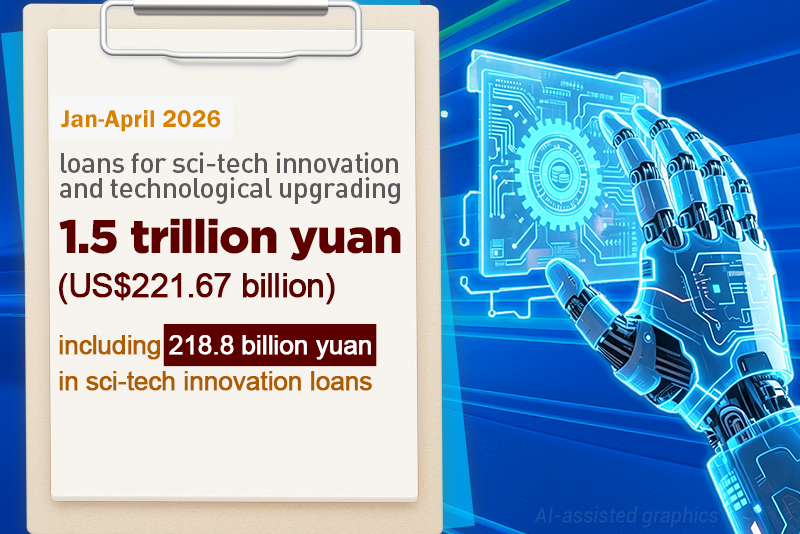
Concerning the re-lending facility for sci-tech innovation and technological transformation:. Currently, this facility has a total quota of 1.2 trillion yuan, and its main purpose is to encourage financial institutions to strengthen financial services for technology-based SMEs and large-scale equipment renewal, which has achieved good results. As of the end of this April, loans extended by banks for sci-tech innovation and technological transformation had totaled 1.5 trillion yuan, of which 218.8 billion yuan were loans for sci-tech innovation. A total of 21,000 technology-based SMEs that had never received loans before have obtained loans for the first time. These enterprises are often in the start-up or growth stages. With their first loan recorded, subsequent financing will be much easier. Outstanding loans extended for technological upgrading and equipment renewal reached 1.3 trillion yuan, providing financial support for 8,250 equipment renewal projects in key areas. The weighted average interest rate for loans is about 2.7%, which is relatively low and has effectively stimulated investment and financing demand. This tool has been well received on both the financial and industrial sides. This year, loans to technology-based SMEs have maintained a relatively high growth rate of around 20%. Statistics show that in the first five months, investment in equipment, tools and instruments increased by 9.3% year on year, 2.2 percentage points higher than that of the same period last year.
Going forward, the PBOC will continue to leverage the incentive and guiding role of structural monetary policy tools, and guide financial institutions to optimize their credit structure in a market-oriented manner. At the same time, we will strengthen the coordination between monetary and fiscal policies, ensure smooth transmission of monetary policy, and continue to evaluate, improve and optimize structural monetary policy tools so that they play their role effectively. Thank you.
_ueditor_page_break_tag_Bloomberg News:
How does the central bank view the global inflation trends and the monetary policy trajectory of major economies in the second half of the year? What impact will this have on China and the RMB exchange rate? Thank you.
Zou Lan:
Thank you for your questions. Since the beginning of this year, geopolitical conflicts have pushed up international energy prices, contributing to higher global inflation, and central banks in some foreign economies have adjusted their monetary policies. In June, the U.S. Federal Reserve kept its interest rate policy unchanged but released hawkish signals; the European Central Bank raised interest rates by 25 basis points as a precaution; and the Bank of Japan raised interest rates again after last December. Currently, international crude oil prices have fallen significantly compared to the previous period. Even if economies such as the U.S. and Europe shift their monetary policy stances, any adjustments are expected to be relatively modest. Of course, the geopolitical situation in the Middle East has been complex and volatile recently, and there is some uncertainty regarding the global inflation situation and the monetary policy trajectory of major economies.
Despite the complex and ever-changing international situation, the RMB exchange rate has remained generally stable, with two-way fluctuations. As of the end of June, the RMB exchange rate against the U.S. dollar appreciated by 3% compared to the end of last year, while the China Foreign Exchange Trading System (CFETS) RMB exchange rate index, which reflects the RMB exchange rate against a basket of currencies, appreciated by 4.7% during the same period. This stems from the supply-demand dynamics in the foreign exchange market, and it also reflects the growing market confidence in China's macroeconomy. Currently, the RMB exchange rate against the U.S. dollar is hovering around 6.8 yuan, roughly at the median level of recent years.
Looking ahead, there are multiple factors influencing the RMB exchange rate, and these factors may drive the RMB's appreciation and depreciation. Therefore, the RMB exchange rate is expected to continue its two-way fluctuations. Internationally, geopolitical risks are prominent, and the monetary policies of major economies are subject to uncertainties. Domestically, China's economic fundamentals have continued to grow steadily, with sustained progress being made in high-quality development. The foreign exchange market has grown increasingly resilient, and market participants have become better equipped to adapt to exchange rate fluctuations. In the first five months of this year, the corporate foreign exchange hedging ratio rose to 34.4%, increasing by 4.5 percentage points compared with 2025, and the proportion of cross-border trade settlement in RMB was around 30%.
Going forward, the PBOC will pay close attention to changes in the international economic and financial situations, implement a moderately loose monetary policy, and create a favorable monetary and financial environment for sustained and high-quality economic growth. At the same time, we will uphold the decisive role of the market in determining the exchange rate, give full play to the role of the exchange rate as an automatic stabilizer in adjusting the macroeconomy and balance of payments, and keep the RMB exchange rate generally stable at an adaptive and balanced level. Thank you.
_ueditor_page_break_tag_Yicai:
What are the highlights of aggregate social financing and money supply in the first half of this year? And what are the characteristics of credit supply in terms of both total amount and structure? Thank you.
Zou Lan:
Thank you for your questions. I would like to invite Mr. Yan to answer these questions.
Yan Xiandong:
Thank you for your questions. Since the beginning of this year, in accordance with the decisions and plans of the CPC Central Committee and the State Council, the PBOC has earnestly implemented the guiding principles of the Central Economic Work Conference and the requirements of the Government Work Report. The PBOC has continued to implement a moderately loose monetary policy, maintained adequate liquidity at a proper level, and ensured that aggregate financing and money supply stay in step with the projected economic growth and CPI increase.
Looking at data from the first half of the year, the financial aggregates have witnessed steady growth, with stronger support for the real economy. By the end of June, China's outstanding social financing was 462.06 trillion yuan, up 7.4% year on year; the balance of the M2 money supply reached 356.71 trillion yuan, up 8% year on year; and outstanding RMB loans extended by financial institutions was 282.63 trillion yuan, up 5.2% year on year.
With reasonable growth in aggregate financing to the real economy (AFRE), the financial systems have adequately met the funding needs of the real economy. In the first half of this year, the increment of aggregate social financing reached 20.84 trillion yuan. In terms of the structure, first, financial institutions' credit support for the real economy has remained stable. In the first half of the year, RMB loans issued by financial institutions to the real economy after deducting repayments saw a net increase of 10.76 trillion yuan. Second, direct financing for enterprises increased significantly year on year, with its proportion climbing noticeably. In the first half of the year, net financing of non-financial corporate bonds reached 2.07 trillion yuan, an increase of 916.7 billion yuan year on year; and equity financing by non-financial enterprises reached 293.3 billion yuan, up 122.4 billion yuan year on year. Together, they accounted for 11.3% of the AFRE, which was 5.6 percentage points higher than the same period last year. Third, the financial system has actively cooperated with fiscal policies, with net financing of government bonds remaining at a relatively high level. In the first half of the year, net financing of government bonds stood at 6.44 trillion yuan. Net financing of treasury bonds amounted to 2.69 trillion yuan; and net financing of local government special bonds amounted to 3.44 trillion yuan. Fourth, off-balance-sheet financing has declined. In the first half of the year, trust loans, entrusted loans and undiscounted bankers' acceptances decreased by a total of 249 billion yuan, down by 286.2 billion yuan compared to the same period last year.
The financial system has maintained a high level of credit support for the real economy, and its structure has continued to improve. In terms of borrowers, loans extended to enterprises and public institutions constitute the main driver of credit growth. In the first half of the year, loans extended to enterprises and public institutions increased by 11.13 trillion yuan, with medium and long-term loans increasing by 5.55 trillion yuan, indicating that the financial sector continued to provide sustained and stable funding support for the real economy. Operating loans for households increased by 689 billion yuan, showing that financial institutions continued to increase financial support for the production and operation activities of self-employed individuals and small- and micro-business owners. In terms of the loan allocation structure, loans have flowed into key areas and weak links. At the end of June, outstanding inclusive loans to micro and small businesses increased by 8.3% year on year; outstanding MLT industrial sector loans increased by 5.9% year on year; and outstanding MLT service sector loans, excluding property sector loans, increased by 9.2% year on year. The growth rates of all three categories outpaced that of the total loans over the same period.
In the next stage, the PBOC will continue to implement the decisions and plans of the CPC Central Committee and the State Council, adopt more proactive and effective macro policies, make policies more forward-looking, flexible and targeted, make comprehensive use of various policy tools, smooth the monetary policy transmission mechanism, and guide financial institutions to increase support for key areas, thereby providing sound financial support for the real economy. Thank you.
_ueditor_page_break_tag_Market News International:
Is the slowdown in credit growth and the increase in bond financing likely to become a long-term trend? If so, what implications will this have for the formulation and transmission of monetary policy? The next question is, what are the main reasons that the growth rate of M0 has remained relatively high recently? And finally, household loans declined year on year in May. What considerations does the People's Bank of China have regarding the repair and strengthening of household balance sheets? Thank you.
Zou Lan:
Thank you for your questions. I would like to invite Mr. Xie to answer your questions.
Xie Guangqi:
I will answer these questions. The growth rate of RMB loans slowed in the first half of this year, while bond financing, especially corporate bond financing, increased significantly. Net financing of corporate bonds reached 2.07 trillion yuan in the first half of the year, an increase of 916.7 billion yuan compared to the same period last year. We believe that the aforementioned changes in the financing structure are likely to be a long-term trend, reflecting both the profound adjustment of China's economic structure and the shift from old to new growth drivers, as well as the dynamic adaptation of the financial system and the continued deepening of financial supply-side structural reforms. In the future, money and credit supply will continue to shift from quantitative expansion to qualitative improvement, and slower credit growth with better quality may become one of the new norms in macroeconomic performance. This can be viewed from the following perspectives:
First, from the perspective of the economic development stage, as China's economy shifts from high-speed growth to high-quality development, the role of finance in serving the real economy is not only reflected in the continuous expansion of macro financial volume, but also in the improvement of its quality and efficiency. Currently, in sectors of technology finance, green finance, inclusive finance, pension finance, and digital finance, the proportion of new loans increased by more than 70%, and the interest rate for corporate loans dropped to around 3% -- a historically low level, which showed that the financial support for the real economy remains relatively solid.
Second, from the perspective of structural changes, it can be elaborated in two aspects: industrial structure and financing structure. In terms of industrial structure, the booming new quality productive forces have a lower reliance on bank loans. Traditional asset-heavy industries such as real estate and infrastructure are credit-intensive, but their growth is slowing. Loans in emerging sectors have to first fill the gap left by the decline in traditional fields before showing a net increase in total loans. In terms of financing structure, in earlier years, China's financing structure was dominated by bank loans, and the scale of the financial market was relatively small. But in recent years, as the financial market continues to flourish, financing channels have become more abundant and diversified. Financing methods such as bonds and stocks have correspondingly replaced and diverted bank loans in a positive way. In the total increment of social financing in 2025, the combined proportion of bond and stock financing reached 47%, surpassing that of loans for the first time, which accounted for 45%. This structural shift is reflected in the financial aggregate data, where the growth rate of total social financing and broad money supply outpace the growth rate of loans.
In addition, several other factors can also affect loan data. For example, in recent years, some of the loans have been replaced during the process of resolving local governments' hidden debts. Small and medium-sized financial institutions have written off a certain amount of loans to mitigate risks, which would affect the increase in loans. Banks have placed greater emphasis on the actual effect of granting loans to meet the financing needs of the real economy. Their proactive recall of loans, such as those involving "instant disbursement and instant repayment" or "deposit first, then loan," will also affect the year-on-year growth rate of loans at specific times.
In response to changes in economic and financing structures, the PBC is continuously improving the monetary policy framework, gradually shifting away from quantity-based intermediate targets, and transitioning the framework from being predominantly quantity-based to price-based, in a bid to create a favorable monetary and financial environment. A single loan indicator cannot fully mirror the financing situation of the real economy. We should combine loans and bonds for observation, and pay more attention to indicators that comprehensively reflect social financing conditions, including interest rates and financing structure.
Regarding M0 and household loans, M0 refers to the cash in circulation. Its growth rate is related to the payment habits of enterprises and residents, the transaction environment, as well as the demand for cash. A large proportion of household loans are mortgage loans. As residents actively and moderately deleverage, the interest payments and debts have decreased, resulting in dynamic changes of the household balance sheet. Thank you.
_ueditor_page_break_tag_21st Century Business Herald:
Many residents and enterprises invest through asset management products such as wealth management products and funds. My question is how did asset management products perform in the first half of this year? Thank you.
Zou Lan:
Thank you for your question. I would like to invite Mr. Yan to answer it.
Yan Xiandong:
Thank you. Asset management products have maintained a relatively high growth rate since the beginning of this year. By the end of June, the total assets of asset management products reached 124.8 trillion yuan, a year-on-year increase of 12.7%, with the balance increasing by 4.6 trillion yuan compared to the beginning of the year. This included 34.8 trillion yuan in bank wealth management products, 42.9 trillion yuan in public offering funds, 25.3 trillion yuan in asset management trusts, and 21.8 trillion yuan in asset management products from insurance companies, securities and funds firms, futures companies, and financial asset investment enterprises.
In terms of funding sources, the fundraising of non-financial enterprises has grown rapidly, while the household sector remains the main source of incremental funds for asset management products. As of the end of June, the funds raised by asset management products from non-financial enterprises increased by 24.7% year on year, marking the fourth consecutive month with a year-on-year growth rate exceeding 20%. The balance increased by 331.9 billion yuan from the beginning of the year, 353.8 billion yuan more than the same period last year. The funds raised from the household sector increased by 7.7% year on year, with the balance increasing by 1.1 trillion yuan from the beginning of the year.
In terms of fund utilization, the growth of various underlying assets has diverged, with bonds showing a significant year-on-year increase. Until the end of June, asset management products held a total of 28.5 trillion yuan in interbank deposits and certificates of deposit, up 10% year on year; 38.2 trillion yuan in bonds, up 8.4% year on year, with the growth rate rising continuously and the balance increasing by 2.2 trillion yuan from the beginning of the year; 9.5 trillion yuan in stocks, up 26.2% year on year.
The data shows that the growth rates of asset management products, capital raised from non-financial enterprises, and funds flowing back into banking system through interbank deposits and certificates of deposit are all significantly higher than the growth rates of total social financing, broad money supply, and financial institution deposits and loans. The PBC will further strengthen monitoring and analysis, enhance the implementation and supervision of interest rate policies, and intensify regulation of unreasonable market behaviors that undermine the transmission effect of monetary policies. Thank you.
_ueditor_page_break_tag_Hong Kong Ta Kung Wen Wei Media Group:
Since the beginning of this year, monetary policy has effectively supported high-quality economic development and the stable operation of financial markets. I would like to ask how the People's Bank of China will enhance its forward-looking flexibility and the targeted approach in the second half of the year, and continue to implement a moderately loose monetary policy? Thank you.
Zou Lan:
Thank you for your questions. Let me address these. Since the beginning of this year, the People's Bank of China has implemented a moderately loose monetary policy in accordance with the decisions and plans of the CPC Central Committee and the State Council, maintained ample liquidity, and supported the economy toward new and better development and a good start to the "15th Five-Year Plan." Overall, key macro-financial indicators reflecting financial performance have fully demonstrated a moderately loose monetary policy. Social financing conditions have remained relatively loose, and the quality and efficiency of financial services supporting the real economy continue to improve. The before mentioned financial data for June is a good example of this.
In the second half of the year, the People's Bank of China will implement the central government's plans, enhance the forward-looking, flexible, and targeted nature of monetary policy, and strengthen counter-cyclical and cross-cyclical adjustments based on the domestic and international economic and financial situation and the operation of financial markets. This will create a suitable monetary and financial environment allowing for stable economic growth, high-quality development, and smooth operations of the financial markets.
In terms of quantity, the People's Bank of China has a very rich toolbox, including reserve requirements, reverse repos, medium-term lending facilities, and government bond trading, etc. Among these, the reduction to the reserve requirement ratio mainly focuses on injecting long-term liquidity, while reverse repos and medium-term lending facilities mainly provide short- and medium-term liquidity. In practice, we will select and combine these tools appropriately and according to the needs of liquidity management. This will maintain ample liquidity and guide the growth of social financing and money supply, in turn matching the expected targets of economic growth and general price levels.
Regarding interest rates, since the beginning of this year, China's economy has maintained a generally stable and positive development trend. This demonstrates strong resilience and vitality. However, the foundation for continued steady and positive economic growth still needs to be further consolidated. In terms of prices, the PPI rebounded relatively significantly due to external factors, but the CPI increase was relatively moderate. Going forward, we will guide and adjust interest rates appropriately based on the macroeconomic conditions, price trends, and the needs of macroeconomic regulation. This is in line with the aim of keeping the overall cost of financing in society at a low level.
At the same time, the People's Bank of China will continue to leverage the role of other monetary and financial policies, such as structural monetary policy tools. Just now, Mr. Xie has also made a detailed introduction in this regard. We must take supply-side structural reform in the financial sector as the main focus. We must also improve the quality and efficiency of financial services to the real economy, and optimize the credit structure continuously. On the one hand, we will implement a series of structural monetary policy measures. This was introduced at the beginning of the year and enables the improved design and management of tools, and, when necessary, increase the amount of tools and optimize policy elements in response to market demand. This strengthens support for key areas such as expanding domestic demand, technological innovation, and small- and medium-sized enterprises. On the other hand, we should guide financial institutions to conduct scientific risk assessments, implement differentiated policies, provide support while maintaining control, and improve the efficiency of fund utilization. Thank you.
_ueditor_page_break_tag_The Poster News APP:
The market is paying close attention to changes in financing costs. What are the structural characteristics of the interest rates on new loans issued to enterprises and households in the first half of 2026? Thank you.
Zou Lan:
Thank you for your questions. I would like to invite Mr. Yan to answer these questions.
Yan Xiandong:
In recent years, the People's Bank of China has continued to regulate market conduct, reduce intermediary financing costs, and help keep the overall cost of financing in society at a historically low level. Since 2026, the interest rate on newly issued loans has continued its downward trend:
Firstly, corporate loan interest rates are declining. In June, the weighted average interest rate for newly issued corporate loans was approximately 3%, a decrease of about 0.2 percentage point compared to the same period last year; the interest rate for newly issued inclusive micro- and small-sized enterprise loans was 3.57%, a decrease of 0.16 percentage point compared to the same period last year. In terms of sectors, the interest rates on newly issued loans in major sectors are all declining. Specifically, the interest rates on newly issued loans to manufacturing enterprises, infrastructure enterprises, and wholesale and retail enterprises are 2.74%, 2.95%, and 3.24%, down 0.22, 0.18, and 0.14 percentage points from the same period last year respectively.
Second, household loan interest rates have remained low and stable. Currently, the interest rate for newly issued personal housing loans remains at a low level, which is driving down the interest rate for existing personal housing loans. In June, the interest rate for newly issued personal housing loans was approximately 3.1%, remaining essentially unchanged from the same period last year. At the end of June, the interest rate on existing personal housing loans decreased by 0.13 percentage point compared with the same period last year. Thank you.
_ueditor_page_break_tag_Economic Herald:
We have noticed that Mr. Pan mentioned the development of the offshore RMB market at both the Lujiazui Forum and the Hong Kong Currency and Fixed Income Summit. In what ways will the People's Bank of China take efforts to promote the development of the offshore RMB market? Thank you.
Zou Lan:
Thank you for your questions. I would like to invite Mr. Xie to answer this question.
Xie Guangqi:
I will answer this question. The Third Plenary Session of the 20th CPC Central Committee clearly proposed "developing the offshore RMB market" and building an offshore RMB market with asset allocation and risk management functions. This will help fully meet the global demand for RMB use by various entities and is an important part of promoting the internationalization of the RMB. The People's Bank of China will promote the development of the offshore RMB market from the following aspects.
First, the PBC will maintain ample and stable offshore RMB liquidity. There are currently four main channels to ensure the supply of offshore RMB liquidity. The first is currency swaps at the central bank level, including RMB business funding arrangements launched by the Hong Kong Monetary Authority based on the standing swap arrangement, which have recently increased to 500 billion yuan. Second, at the market level, offshore RMB liquidity is supplied through onshore bond issuance and repo transactions by offshore entities, investment by onshore entities in offshore bonds and equities, and foreign exchange swaps. Third, at the banking level, RMB clearing banks provide liquidity, while overseas banks provide funding to overseas enterprises and banks through cross-border lending and interbank financing. Fourth, at the corporate and individual level, offshore RMB liquidity is supplied through cross-border trade, direct investment, outbound lending by companies and cash-pooling arrangements. The PBC will continue to optimize relevant mechanisms and arrangements to cover short, medium and long-term maturities and ensure stable and multi-tiered RMB liquidity support for the offshore market.
Second, the PBC will enrich the pool of offshore RMB assets. The PBC will continue to issue central bank bills on a regular basis and support the Ministry of Finance in further increasing the scale of offshore RMB government bond issuance, diversifying issuance maturities and increasing the supply of high-quality assets. By further developing and improving the market, the PBC will encourage sovereign entities, financial institutions, multinational corporations and other issuers to issue RMB-denominated bonds, thereby broadening the range of RMB assets available to investors.
Third, the PBC will boost trading activity of offshore RMB financial products. We will develop offshore repo transactions, boost secondary market trading in offshore RMB government bonds and central bank bills, and encourage financial institutions to make markets. We will strengthen the connection between onshore and offshore markets through cross-border repo transactions, Bond Connect and infrastructure connectivity, and promote the pricing of offshore RMB financial assets to converge with that of the onshore market. We will support the launch of offshore RMB treasury futures and develop the interest rate swap market to better meet the needs of market entities to hedge against interest rate risk.
Fourth, the PBC will enrich offshore financial infrastructure services. We will guide the China Foreign Exchange Trading System (CFETS) to cooperate with the Hong Kong Monetary Authority and the Hong Kong Securities and Futures Commission to build a comprehensive financial trading platform that provides infrastructure services for trading in financial markets such as bonds, currencies and foreign exchange.
In addition, as Mr. Zou just mentioned, in June this year, the PBC launched a pilot program for offshore RMB foreign exchange trading in the China (Shanghai) Pilot Free Trade Zone. The head offices of six banks can use the platform of the CFETS to directly conduct RMB foreign exchange transactions with overseas entities. This will help promote greater connectivity and integration between the onshore and offshore markets and drive high-level opening up. Since its introduction, the pilot policy has been well received by the market, with transaction volumes rising significantly and solid progress being made. Thank you.
Shou Xiaoli:
We will take one final question.
_ueditor_page_break_tag_Financial Times:
We have noticed that the panda bonds market is expanding rapidly, and overseas issuers are showing increasing willingness to participate. What considerations does the central bank have in supporting the issuance of panda bonds?
Zou Lan:
Thank you for your question. I'll take this last question. Panda bonds are RMB bonds issued in China by foreign governments, international development institutions, large multinational corporations and other overseas institutions. In recent years, the RMB has been used more widely in cross-border trade, investment and financing and other fields, and overseas entities' demand for RMB financing has increased.
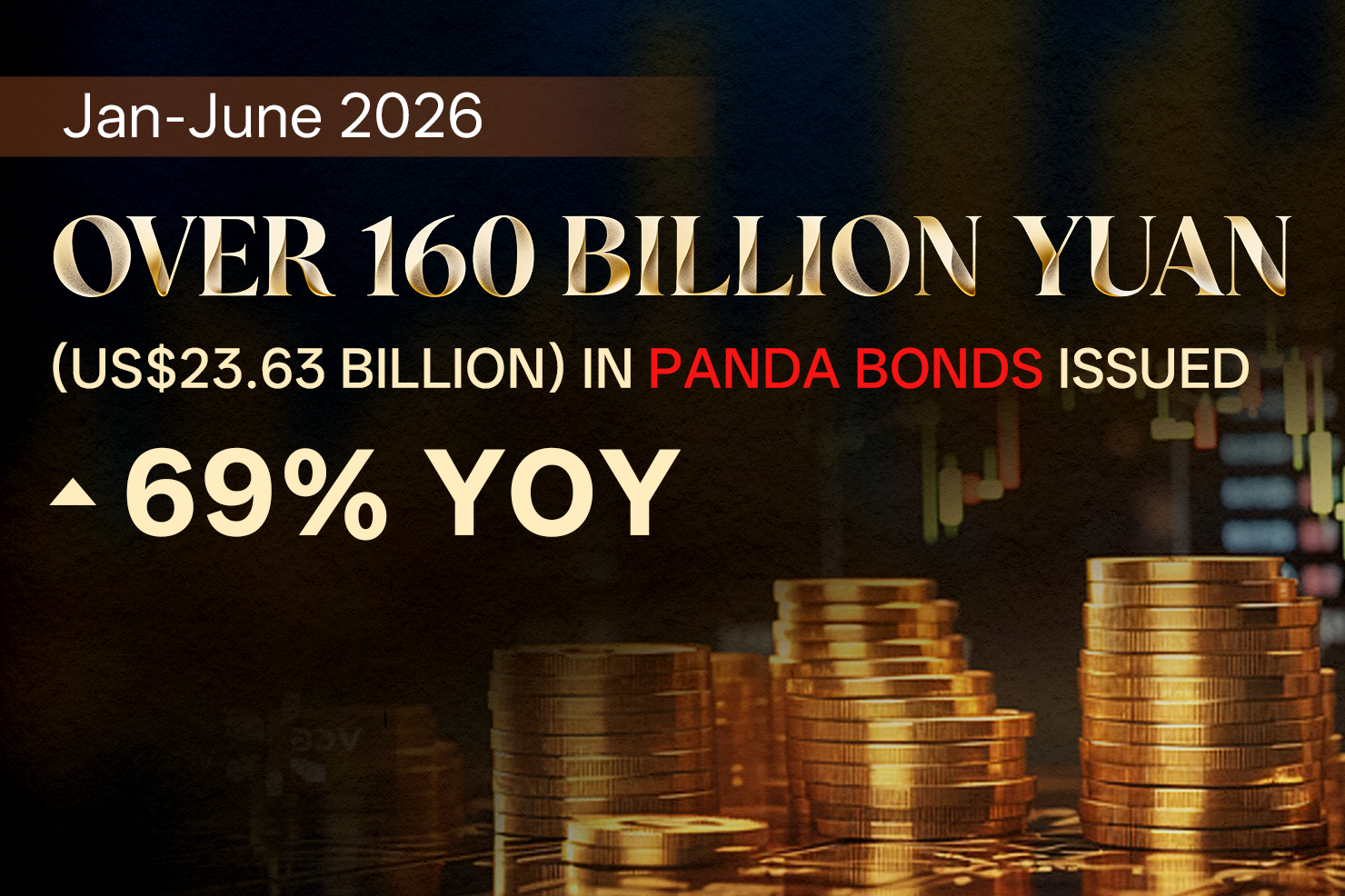
Against this backdrop, the PBC has, in line with market-oriented, law-based and internationally aligned principles, improved arrangements for registration and issuance, information disclosure and the use of proceeds. These efforts have provided a stable institutional environment for overseas issuers to participate in the panda bonds market and facilitated fundraising for overseas institutions. In the first half of 2026, over 160 billion yuan in panda bonds were issued, up by 69% year on year. As of the end of June 2026, over 1.3 trillion yuan in panda bonds were issued by more than 110 issuers from 24 countries and regions across five continents: Asia, Europe, Africa, South America and North America.
In terms of issuers, more and more internationally renowned institutions are participating in the panda bonds market. International development institutions such as the Asian Infrastructure Investment Bank (AIIB) and the Asian Development Bank (ADB), as well as large multinational institutions such as Deutsche Bank, Credit Agricole and Bayer, have become regular foreign issuers in the panda bonds market. In recent years, foreign government agencies such as those from Hungary and Kazakhstan, as well as large multinational institutions such as Morgan Stanley, UBS and Brazil's Suzano, have successively participated in China's panda bonds market. Governments of countries such as Brazil and Indonesia are also preparing to issue panda bonds.
From the perspective of investors, panda bonds have gained widespread recognition among domestic investors such as commercial banks, funds and wealth management companies in China. Overseas institutional investors, who are more familiar with the issuers of panda bonds, also regard them as a major investment and trading instrument. Activity in the panda bonds market has gradually increased. In the first half of 2026, the cumulative transaction volume of panda bonds reached 342.6 billion yuan, up 49% year on year, with 2,493 institutions participating in panda bonds trading, an increase of 599 year on year.
International institutions have issued RMB-denominated panda bonds, and the proceeds have been directed to real economy sectors, such as cross-border trade settlement, physical projects investment and supply chain working capital turnover. This reflects their strong confidence in China's institutional environment, development prospects and the RMB. It also broadens the range of RMB-denominated assets available to global investors and helps foster a sustainable ecosystem for the use of the RMB. Going forward, the PBC will continue to steadily promote the high-quality development of the panda bonds market and facilitate overseas institutions' participation in the issuance and trading of panda bonds in China's onshore market. Thank you.
Shou Xiaoli:
Thank you to all the speakers and friends from the media. Today's briefing is hereby concluded. Goodbye.
Translated and edited by Yang Xi, Zhu Bochen, Xu Kailin, Lin Liyao, Li Congrong, Liu Jianing, Li Huiru, Liu Sitong, Zhang Rui, Liu Qiang, Zhou Jing, Wang Qian, Zhang Junmian, David Ball, and Tudor Finneran. In case of any discrepancy between the English and Chinese texts, the Chinese version is deemed to prevail.

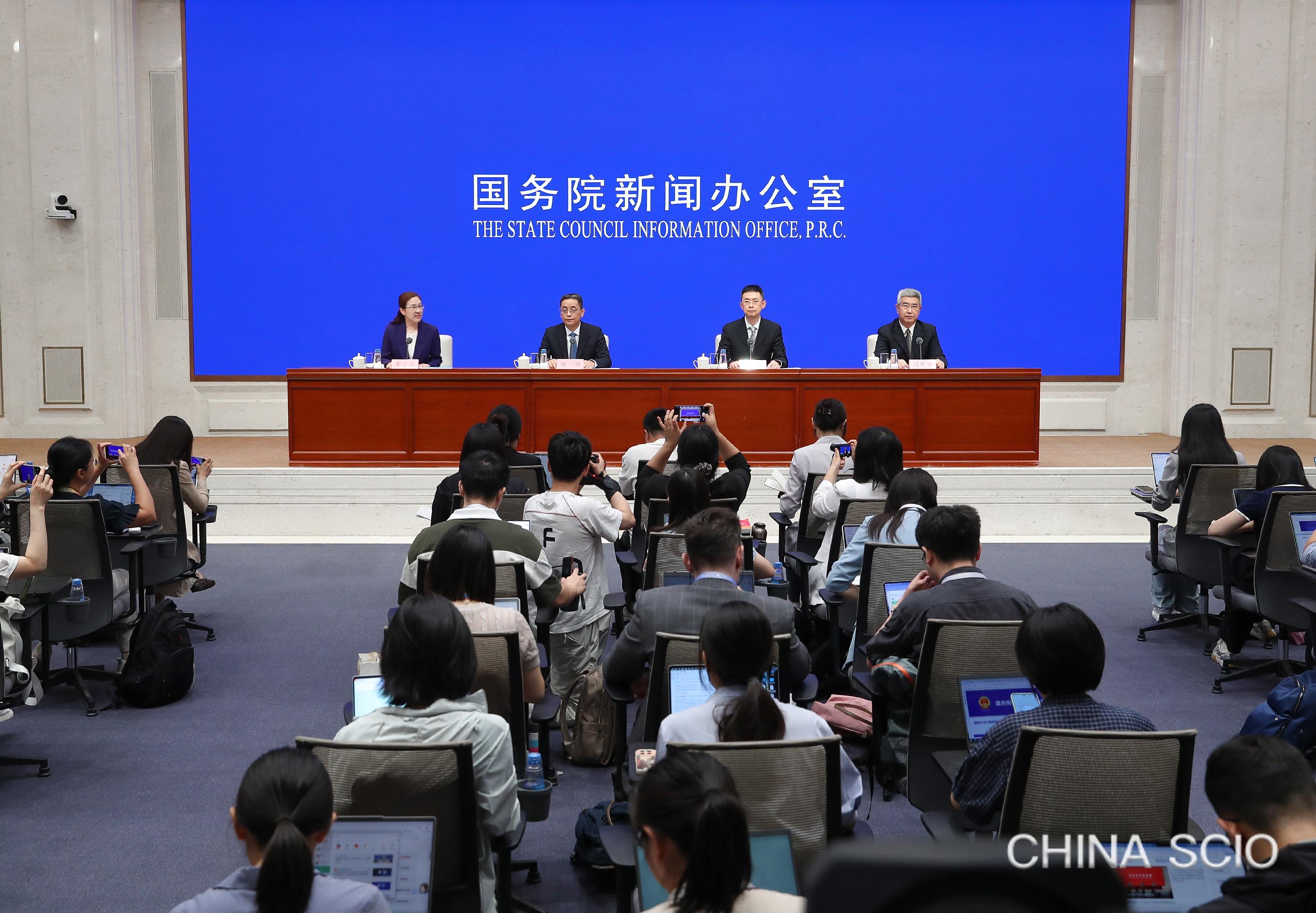
/5 Group photo
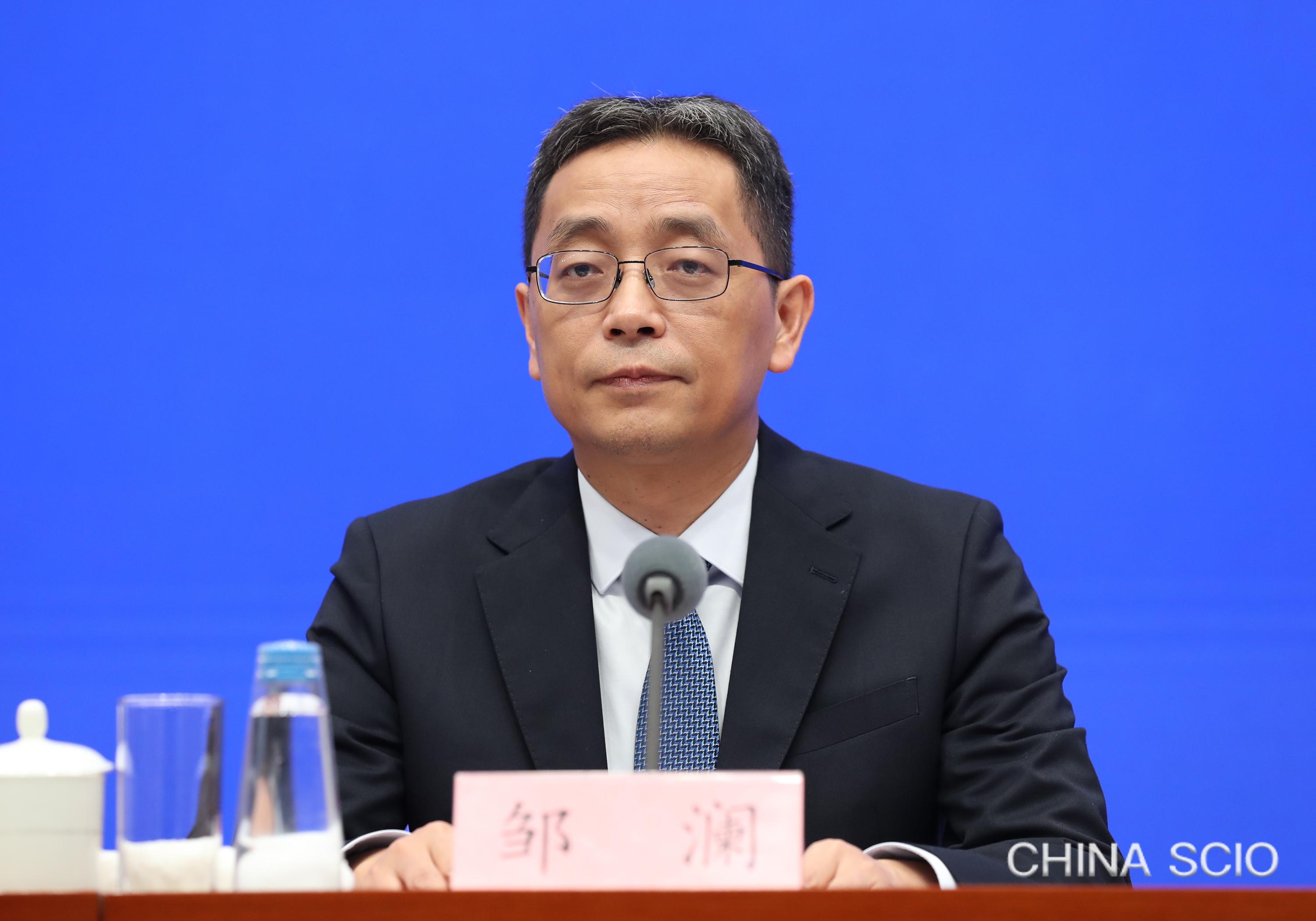
/5 Zou Lan
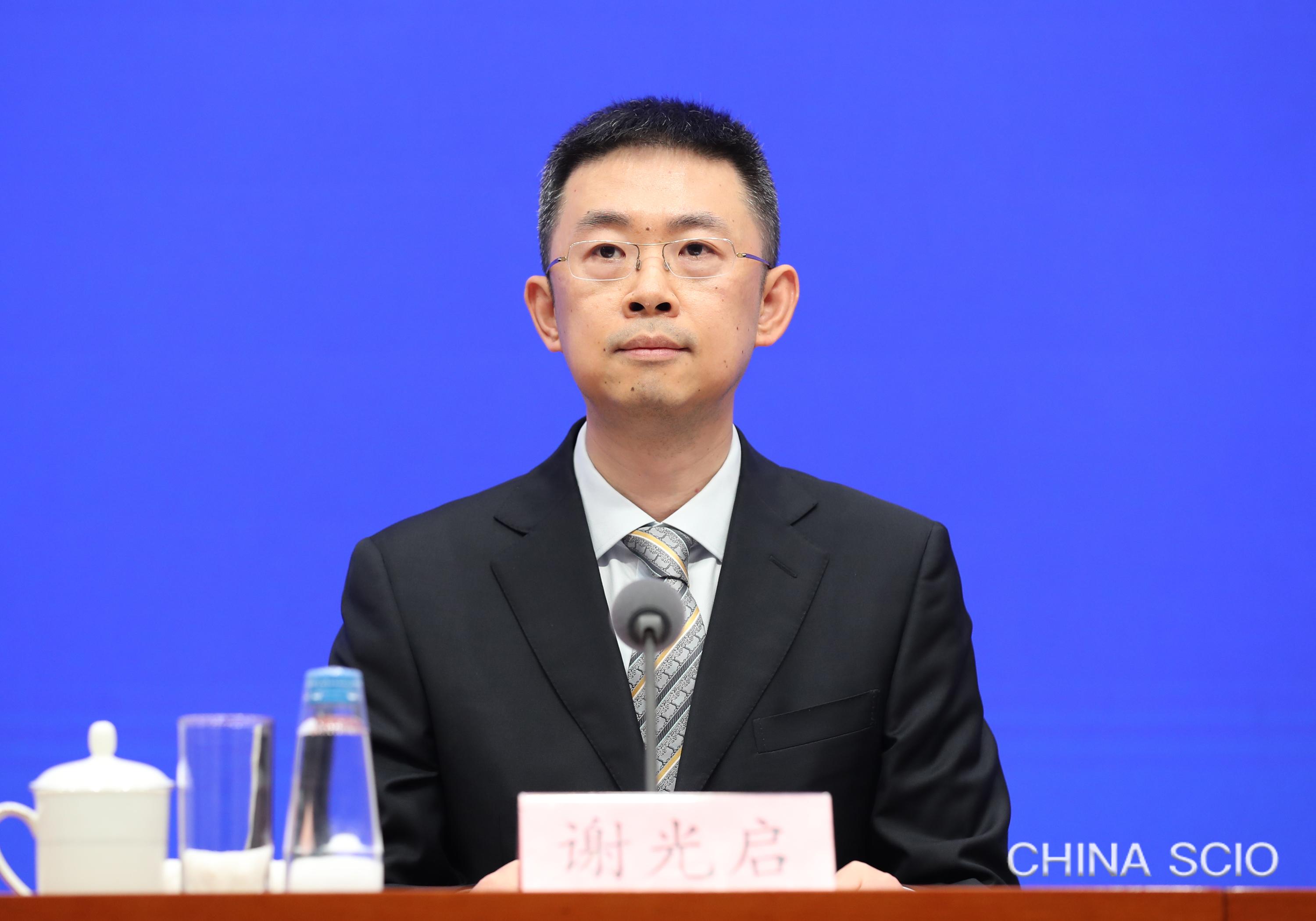
/5 Xie Guangqi
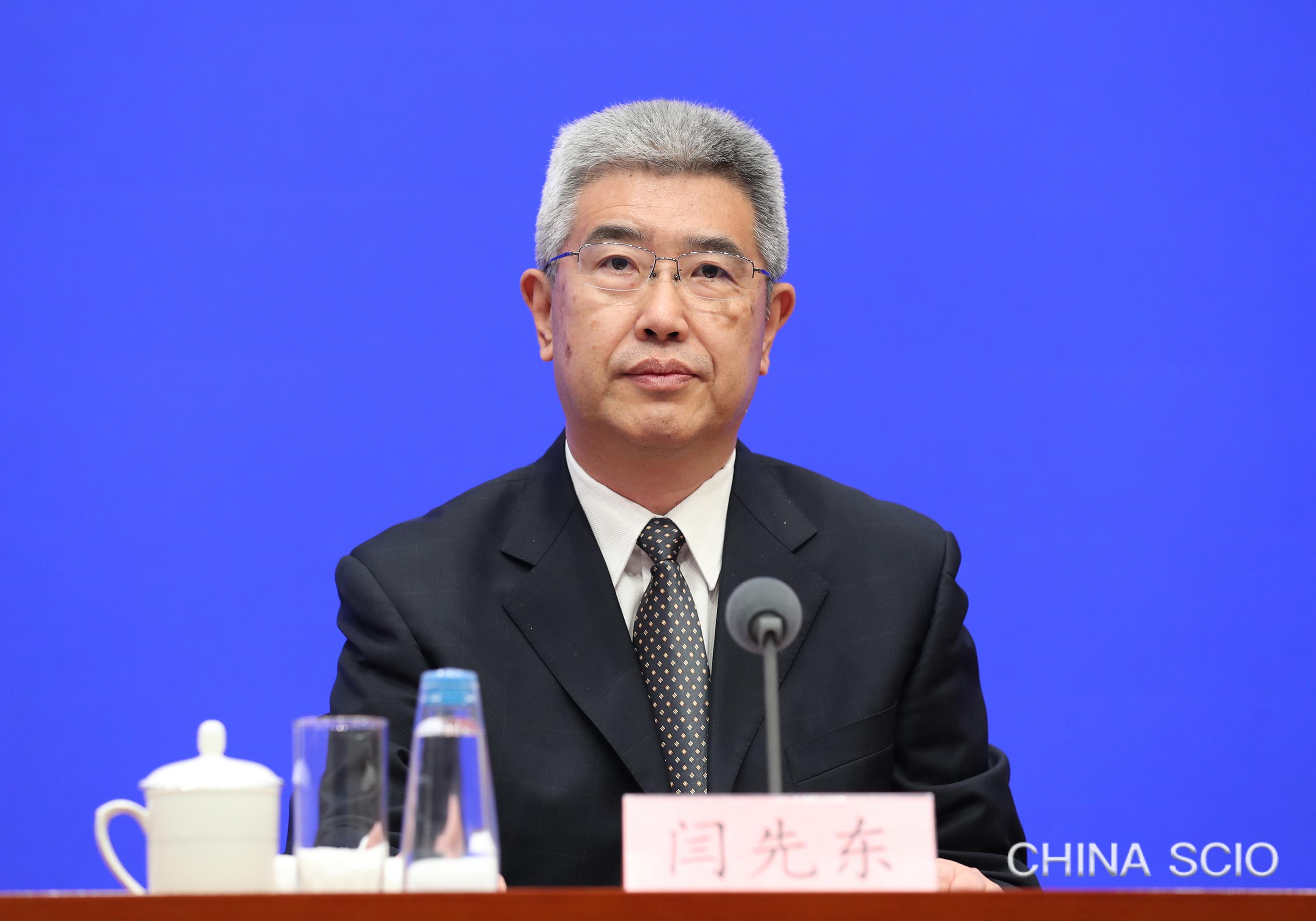
/5 Yan Xiandong
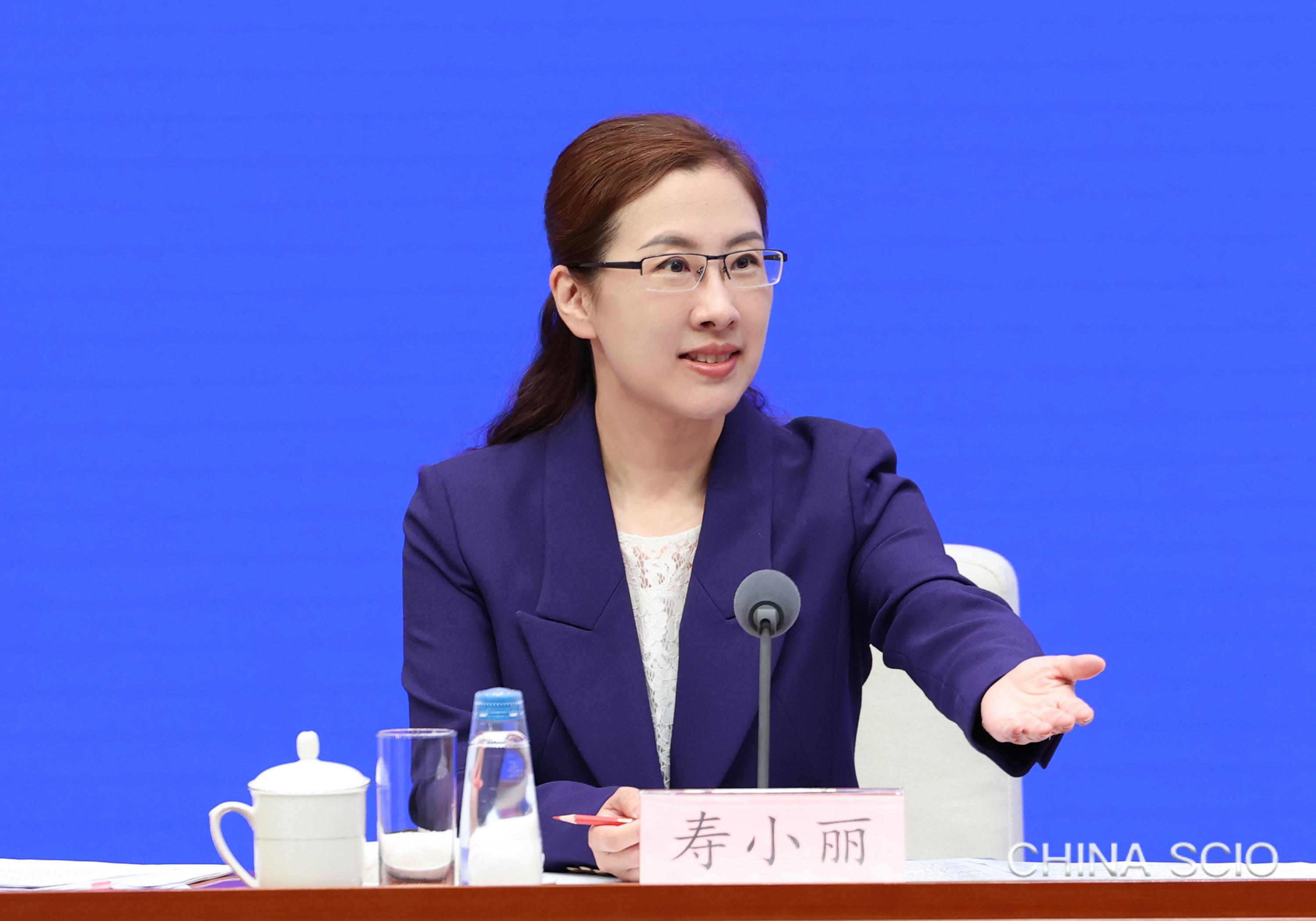
/5 Shou Xiaoli
SCIO briefing on China's economic performance in H1 2026
July 15, 2026SCIO briefing on improving the institutional system of natural resource asset management
July 14, 2026SCIO briefing on China's import and export in H1 2026
SCIO briefing on advancing high-quality development of water transport
June 30, 2026