China.org.cn | March 27, 2026


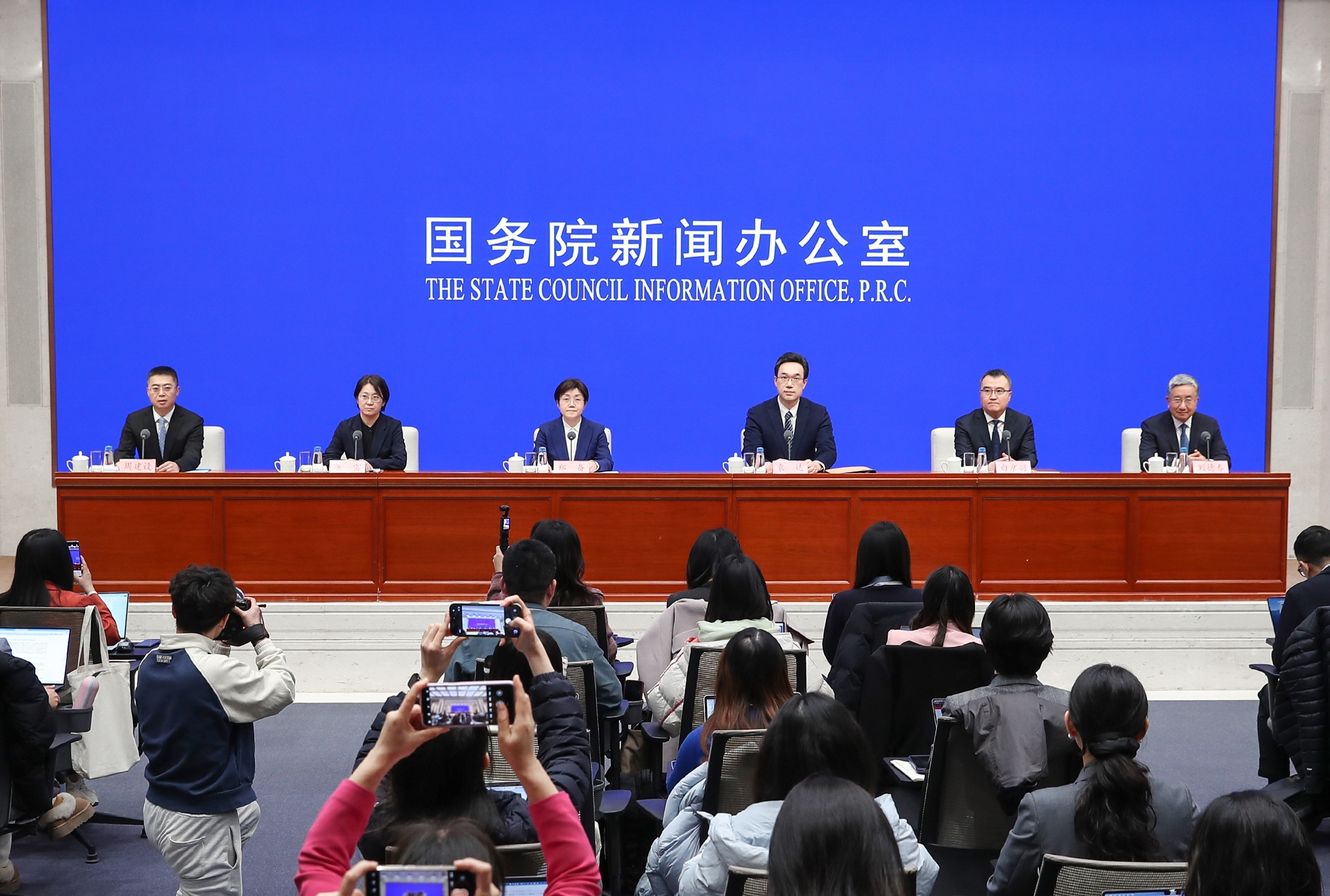
Shangyou News:
My question is regarding the content related to developing a modern infrastructure system. The draft plan proposes 23 projects targeting a national comprehensive and multidimensional transportation network, a new type of energy system, and new types of infrastructure. How can we understand the direction of modern infrastructure development over the next five years? What are the key tasks in the fields of transportation, energy, water conservancy and new infrastructure? Thank you.
Zheng Bei:
Building a modern infrastructure system is an important strategic task in the plan. I would like to invite Ms. Chen to answer this question.
Chen Lei:
Thank you for your questions. Infrastructure is an important support for economic and social development. In order to implement the requirements of the Proposals from the CPC Central Committee, the draft 15th Five-Year Plan includes a chapter dedicated to building a modern infrastructure system, covering not only transportation, water conservancy and energy infrastructure, but also major science and technology infrastructure, information and communication networks, and computing power networks as new types of infrastructure. The general direction is to better coordinate the plan to improve its layout and structure, drive integrated development, and ensure that infrastructure is safe, resilient and sustainable. Looking at it by field:
In terms of transportation, during the 15th Five-Year Plan period, we will improve the modern comprehensive transportation system, basically complete the "eight vertical and eight horizontal" corridors for high-speed railway and the national expressway network, advance the quality and upgrading of high-grade inland waterways, basically complete world-class port clusters and airport clusters, and implement a number of major projects such as opening high-standard high-speed railway corridors along the Yangtze River, building a new Three Gorges shipping channel, and improving highway safety resilience. At the same time, we will strengthen coverage and access guarantees in weak areas, and promote the renewal, renovation and maintenance of transportation infrastructure.
In terms of energy, we will focus on building a new energy system that is clean, low-carbon, safe and efficient; pursue the simultaneous development of wind, solar, hydro and nuclear energy; and implement a decade-long campaign to double the share of non-fossil energy, promoting the safe, reliable and orderly replacement of fossil fuels. During the 15th Five-Year Plan period, major projects will be implemented, including a hydropower project on the lower reaches of the Yarlung Zangbo River, new energy bases in desert areas, the Gobi, and other arid areas, and new electricity transmission channels. Together, these will push west-to-east power transmission capacity to more than 420 million kilowatts. By 2030, non-fossil energy will account for 25% of total energy consumption.
In terms of water conservancy, the primary framework and key arteries of the national water network have been gradually taking shape in recent years. During the 15th Five-Year Plan period, efforts will focus on building a modern water infrastructure network. Major projects will be assessed and rolled out across river management, flood control reservoirs, large-scale water diversion schemes, and the construction and upgrading of large and medium-sized irrigation areas. These efforts will strengthen China's capacity to defend against flood disasters, coordinate water resource allocation, and ensure a reliable water supply for both urban and rural areas.
In terms of new infrastructure, we will strengthen coordinated efforts to advance construction and ensure more intensive and efficient use. We will systematically plan and deploy major sci-tech infrastructure that is strategically oriented, application-supported and forward-looking. We will promote the deployment and application of 10-gigabit optical networks and the large-scale commercial use of 5G-A mobile communication networks. We will build a national integrated computing network and coordinate the construction of satellite communication, navigation and remote sensing systems. We will also develop low-altitude infrastructure guided by expanding real-world use cases, thereby providing solid support for industrial upgrading, and digital and intelligent development during the 15th Five-Year Plan period and beyond. Thank you.