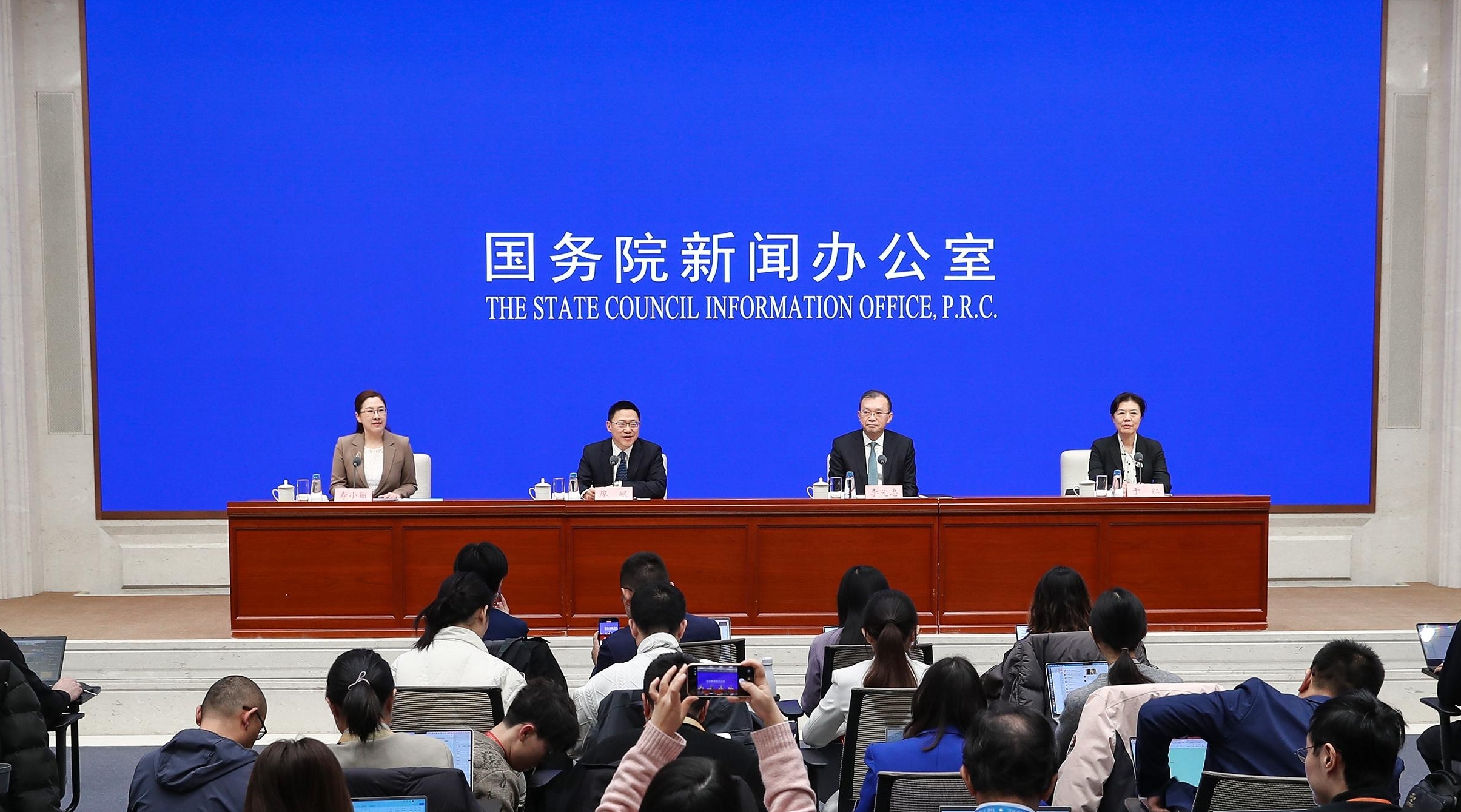

SCIO briefing on implementing proactive fiscal policy for high-quality economic and social development
Beijing | 3 p.m. Jan. 20, 2026
Speakers

Liao Min, vice minister of finance
Li Xianzhong, director general of the Comprehensive Department of the Ministry of Finance (MOF)
Yu Hong, director general of the Department of Finance of the MOF
Chairperson
Speakers:
Mr. Liao Min, vice minister of finance
Mr. Li Xianzhong, director general of the Comprehensive Department of the Ministry of Finance (MOF)
Ms. Yu Hong, director general of the Department of Finance of the MOF
Chairperson:
Ms. Shou Xiaoli, director general of the Press Bureau of the State Council Information Office (SCIO) and spokesperson of the SCIO
Date:
Jan. 20, 2026
Shou Xiaoli:
Ladies and gentlemen, good afternoon. Welcome to this press conference held by the State Council Information Office (SCIO). Today we are very pleased to be joined by Mr. Liao Min, vice minister of finance, who will brief you on implementing a proactive fiscal policy for high-quality economic and social development, and also take your questions. Also attending today's press conference are Mr. Li Xianzhong, director general of the Comprehensive Department of the Ministry of Finance (MOF); and Ms. Yu Hong, director general of the Department of Finance of the MOF.
Now, I'll give the floor to Mr. Liao for his introduction.
Liao Min:
Thank you. Friends from the media, ladies and gentlemen, good afternoon. Thank you for attending today's press conference. Over the past few days, the temperature has dropped in Beijing, yet we still see so many members of the press here today. On behalf of the MOF, I would like to first express our appreciation for your long-term support for and attention to fiscal work. I would like to take this opportunity to brief you on the outcomes of fiscal policies in 2025 and outline the overall considerations for the fiscal work in 2026.
As we know, the year 2025 was extraordinary. The Central Committee of the Communist Party of China (CPC) with Comrade Xi Jinping at its core balanced domestic and international imperatives and implemented more proactive and effective macro policies. As a result, China's economy has moved toward higher-quality and more innovative development, demonstrating strong resilience and vitality. Earnestly carrying out the decisions and deployments made by the CPC Central Committee and the State Council, the MOF implemented more proactive fiscal policies with sustained and strengthened efforts, and played a crucial role in helping achieve the annual economic and social development goals and tasks. In a nutshell, the more proactive fiscal policies adopted in 2025 struck a balance between immediate needs and long-term objectives. They provided strong support for current economic growth and delivered concrete improvements to people's living standards, while also effectively promoting the structural transformation of the Chinese economy and laying a solid foundation for medium- and long-term sustainable economic and social development. Specifically, our efforts in this regard lie in the following four aspects:
First, we intensified countercyclical adjustments. To begin with, the deficit-to-GDP ratio for 2025 was set at around 4%, which was 1 percentage point higher than the previous year. New government debt totaled 11.86 trillion yuan (about $1.71 trillion), an increase of 2.9 trillion yuan over the previous year. These figures both exceeded the average levels of recent years. In addition, 500 billion yuan of special treasury bonds were issued in 2025 to support large state-owned commercial banks in replenishing their core tier-1 capital, which effectively enhanced the capacity of the banking sector and the financial industry as a whole to support the real economy. Furthermore, 500 billion yuan was allocated within the local government debt ceiling to strengthen the overall fiscal capacity of local governments and expand effective investment. Although the deficit and the scale of government bonds increased, the government debt ratio still remained relatively low by international comparison, especially much lower than the average of G20 countries.
Second, we focused on boosting consumption. This involved several measures. For starters, 1.3 trillion yuan of ultra-long special treasury bonds were issued to continue supporting major national projects and programs, enhance security capacity in key areas, promote large-scale equipment renewals and boost trade-ins of old consumer goods. Of this amount, a total of 300 billion yuan was allocated to boost trade-ins of old consumer goods, providing real financial subsidies for consumption of every household. This also drove sales of related products to over 2.6 trillion yuan. As a result, a large number of green, low-carbon and smart products entered households at an accelerated pace, continuously improving people's quality of life while also facilitating economic transformation. Additionally, consumption potential was boosted through both the supply and demand sides. Subsidized interest payments were introduced to personal consumption loans as well as loans issued to business entities in the service sector. Support was also provided for pilot programs concerning new consumption modes, models and scenarios, as well as for the development of an internationalized consumption environment. Moreover, policies were adjusted and optimized concerning duty-free shops and departure tax refund, and more duty-free shops were established to encourage and expand related consumption.
Third, we made continuous efforts to ensure people's well-being. Our work was mainly carried out in the following five aspects. To begin with, we upheld the employment-first policy. The central government allocated 66.74 billion yuan in employment subsidies to reinforce policy tools for stabilizing employment. Policies were introduced to expand the coverage of social insurance subsidies and intensify efforts to refund unemployment insurance premiums for enterprises to keep jobs afloat. Reductions to premiums for unemployment insurance and workers' compensation were also extended. Next, the annual per capita government subsidies for medical insurance and basic public health services were increased to 700 yuan and 99 yuan, respectively. In 2025, the central government allocated a total of about 490 billion yuan in related subsidies. Furthermore, basic pensions for retirees were increased at a rate of 2% in general, and the minimum basic old-age benefits for rural and non-working urban residents were raised by 20 yuan per person per month. In 2025, the central government allocated approximately 1.2 trillion yuan in basic pension subsidies. Moreover, free pre-school education was gradually rolled out. The country waived care and education fees for children in the final year of kindergarten, benefitting approximately 14 million people. The standards of national scholarships and grants were raised, and their coverages were expanded. In addition, the nationwide child care subsidy program was introduced. A total of 100 billion yuan was allocated nationwide to provide child care subsidies for children under the age of 3, and the subsidies were exempt from individual income tax. As the aforementioned figures show, national fiscal spending in ensuring people's livelihood continued to increase and deliver tangible results. These inclusive policies, which directly benefited the public, helped enhance households' consumption capacity and stimulated their willingness to consume.
Fourth, we placed equal emphasis on risk prevention and development promotion. Fiscal sustainability is an inherent requirement for a major economy and remains a global challenge. With this in mind, we have been committed to building a stable and sustainable fiscal system. In 2025, we adhered to the principle of reducing debt through development while promoting development through debt reduction. To begin with, an amount of 2 trillion yuan was again allocated to replace outstanding hidden local government debt. In addition, 800 billion yuan of new special treasury bonds were issued to supplement fiscal capacity of local government funds and support debt reduction. Moreover, the full-process management of outstanding hidden debt replacement was strengthened, with guidance and supervision provided to local governments to ensure well-conceived classification and precise debt replacement. Following the debt replacement, the average interest cost of debt decreased by more than 2.5 percentage points, which significantly reduced the burden on local governments and enhanced their development momentum. As these measures were carried out on schedule and continued to take effect, local government debt risks gradually receded, and the positive interaction between economic growth and debt management was further strengthened. Last but not least, concrete efforts were made to see that, at the primary level, basic living needs were met, salaries were paid and governments functioned smoothly. The overall operation of local finances remained stable.
Overall, in 2025, the fiscal policy firmly served national priorities, took proactive and responsible actions, and fully reflected a more proactive policy orientation, providing important support for the macroeconomy to withstand pressures and maintain stable progress. This has been widely recognized by industry insiders both at home and abroad.
That concludes my briefing on the major outcomes of fiscal policy in 2025.
Considerations for fiscal policy in 2026.
In 2026, as outlined at the Central Economic Work Conference, finance departments will continue to implement a more proactive fiscal policy, which can be summarized as "increased volume, optimized structure, improved efficiency and stronger momentum."
"Increased volume" means expanding the scale of fiscal expenditure to ensure adequate spending intensity. In 2026, the fiscal deficit, total debt and total expenditure will be maintained at necessary levels, ensuring that overall spending keeps increasing and that support for key areas continues to strengthen. It should be emphasized that continuing to expand fiscal expenditure, building on the already more proactive stance in 2025, is itself a testament to just how proactive this policy is. At the same time, we have fully considered medium-to-long-term fiscal sustainability, with a focus on building momentum for future development.
"Optimized structure" primarily involves continuously optimizing spending allocations to ensure funds are directed where they're most needed. We will break away from the rigid "base figure plus growth" spending pattern, adopt zero-based budgeting principles, and substantially cut inefficient expenditures. More fiscal funds will be directed toward boosting consumption, investing in human capital, and safeguarding livelihoods, thereby raising household incomes through multiple channels. Through well-calibrated and considerate spending arrangements, we will steadily enhance people's sense of gain.
"Improved efficiency" means maximizing the impact of spending to ensure every penny delivers its due returns. In 2026, we will continue issuing ultra-long-term special treasury bonds to fund major national projects and initiatives, advance large-scale equipment upgrades and consumer goods trade-ins, and refine policy implementation. We will improve negative list management for special bond projects, deepen the local "self-review and self-issuance" pilot program, and maximize the impact of bond funds. At the same time, we will strengthen fiscal-financial coordination, develop innovative policy instruments, and amplify the multiplier effect of public funds and the spillover effects of public policies. I believe the journalists here have all seen the official circular on these policies, which was released across all platforms today.
"Stronger momentum" means deepening fiscal and tax reforms in key areas to further unleash the economy's internal dynamism. We will optimize the transfer payment structure, strengthen local governments' fiscal autonomy and coordination capacity, and improve the effectiveness of transfer payment funds. Through reform measures such as strengthening the coordination of fiscal resources and budgets, enhancing performance-based budgeting, optimizing export tax rebates, and standardizing tax incentives and subsidies, we will further invigorate local fiscal development and support the building of a unified national market.
In short, financial departments will provide solid and robust support in 2026 for stabilizing employment, businesses, markets and expectations, ensuring a solid start to the 15th Five-Year Plan period (2026-2030).
That concludes my opening remarks. My two colleagues and I will now be happy to take your questions. Thank you.
Shou Xiaoli:
Thank you, Mr. Liao. The floor is now open for questions. Please identify your news organization before asking. Please go ahead with your questions.
_ueditor_page_break_tag_Shanghai Securities News:
Among the package of measures, four are focused on stimulating private investment. What tangible benefits will these policies bring to enterprises?
Liao Min:
Thanks for your question. I will answer it. Stimulating private investment is the centerpiece of this policy package. These four policies designed to support private investment cover a wide range of sectors and provide substantial backing. They deploy a diverse toolkit, including credit support, interest subsidies, guarantees, and compensation mechanisms. These measures will work together to deliver two main direct benefits to enterprises:
On one hand, they reduce financing costs, addressing the issue of expensive financing for private enterprises. Both the newly introduced interest subsidy for micro-, small- and medium-sized enterprise loans and the optimized equipment upgrade loan subsidy can provide 1.5 percentage points off loan amounts. We have also significantly expanded the scope of eligible sectors and loan purposes to facilitate business financing. Let me give you an example. Say an agricultural machinery manufacturer wanting to build an intelligent production line to meet demand from new orders. Suppose the project loan is 50 million yuan. With the 1.5 percentage point interest subsidy over two years, this manufacturer could reduce its interest costs by 1.5 million yuan in total. This significantly helps enterprises lower costs and increase profit margins, making them more willing and able to pursue such investments.
On the other hand, they lower the financing threshold, addressing the difficulty of obtaining financing for private enterprises. This is mainly achieved through special guarantees and bond issuance risk-sharing, helping enterprises secure funding. For indirect financing, we've established a special guarantee program for private investment. This new policy raises the guaranteed line of credit, increases the risk-sharing ratio and lifts compensation caps, giving banks the confidence and willingness to lend more. Let me give another example. Suppose a company wants to apply for a medium-to-long-term loan of 20 million yuan, but its own creditworthiness may be insufficient, requiring guarantee support. Under the traditional guarantee model, the maximum quota for a single enterprise is typically capped at 10 million yuan. With the new program raising this to 20 million yuan, the company's guarantee needs are easily met. Meanwhile, the national financing guaranty fund's risk-sharing ratio will increase from the current cap of 20% to 40%. This means national-level risk-sharing for the loan just mentioned will rise from 4 million yuan to a maximum of 8 million yuan. In other words, for a 20 million yuan loan, the national-level guarantee could reach up to 8 million yuan, which is a substantial level of backing. For direct financing, we recognize that private enterprises still face difficulties issuing bonds. The central government has therefore allocated risk-sharing funds that, combined with relevant central bank policy tools, can absorb most of the related bond issuance risks. This will help more private enterprises access diverse financing channels.
In summary, we expect that through this combination of measures, we can substantially reduce financing costs for enterprises, boost their profitability, and ultimately inject new dynamism into private investment. Thank you.
Bloomberg News:
The ministry announced this month the cancellation or reduction of export tax rebates for more than 200 categories of goods. This policy has been interpreted by some as intended to counter involution and address trade imbalances. Will there be additional fiscal policy measures on these fronts this year? And do you have any information to elaborate on them? Thanks.
Liao Min:
Thank you for your questions. I would like to invite Mr. Li to answer these questions.
Li Xianzhong:
Thank you for your questions. Export tax rebates are an important component of the tax system. For a long time, China has implemented export tax rebate policies for most products, with timely adjustments in accordance with the needs of economic and social development. As you mentioned, the MOF and the State Taxation Administration recently issued a joint announcement clarifying that starting from April 1, 2026, export tax rebates for products such as photovoltaics and phosphorus chemicals will be canceled, and export tax rebates for battery products will be canceled over two years. This is a further policy adjustment based on China's actual situation, following the reduction of export tax rebate rates for photovoltaics, batteries and other products in December 2024. Currently, China's economy and society have entered a stage of accelerated, green and low-carbon oriented, high-quality development. This adjustment to the export tax rebate policy will facilitate efficient resource utilization, reduce environmental pollution and carbon emissions, and promote a comprehensive green transformation of economic and social development. At the same time, it will also help guide rational adjustment of the industrial structure, promote industrial transformation and upgrading, comprehensively address involution-style competition, and drive high-quality economic development. Next, the MOF will work with relevant departments to ensure the effective implementation of the policies. That's all from me for the questions. Thank you.
_ueditor_page_break_tag_Yicai:
The first executive meeting of the State Council this year studied and introduced a package of fiscal and financial policies to boost domestic demand, drawing widespread public attention. Could you introduce in detail the contents and key points of the policy package? Thank you.
Liao Min:
Thank you for your question. After the executive meeting of the State Council on Jan. 9, the relevant policies have already been made public through news reports. These policies have been released since noon today, and I believe people have seen the main contents of the policies. Last week, the MOF and relevant departments convened a nationwide video conference to instruct local governments and implementing agencies to promptly carry out the measures. The first quarter is typically a period of relatively high credit volume. At this time, greater effort should be made to better coordinate relevant policies with bank credit activities, so that policies can take effect at an earlier stage. The specific details have already been explained and made public in the policy documents. Today, I will focus on outlining the key points of the policy package.
The policies can be summarized as "one goal," "two priorities," "three principles" and "six policies."
The "one goal" mainly refers to expanding domestic demand, which aligns with the requirement set forth at the central economic work conference regarding domestic demand expansion. This is fully reflected in the policy's name.
The "two priorities" mainly refer to stimulating private investment and boosting household consumption with greater intensity. Both investment and consumption are important components of domestic demand.
The "three principles" mainly refer to the work principles that should be followed during the implementation process. First is upholding the principle of convenience and efficiency. When designing policies, we strive to streamline procedures wherever possible. Policy benefits are granted without the need for application, and fiscal interest subsidies are provided directly on a zero application basis, achieving a model in which interest subsidies are granted throughout the loan term once a loan is signed. Second is upholding the principle of precision and effectiveness, by focusing on supporting key areas and priority groups, reducing financing costs and thresholds for enterprises, and enhancing residents' consumption capacity. Third is upholding the principle of standardization and improved efficiency, mainly balancing the relationship between efficiency and norms. We need to fully deliver policy benefits while preventing fraudulent attempts to obtain fiscal funds.
Among the "six policies," four are designed to support private investment, and the other two are designed to promote consumption. The refinement of this policy package builds on the previously introduced supportive policies. Following extensive consultations with industry institutions as well as experts and scholars, a total of six policies have been introduced.
Next, I will introduce the policies to you one by one.
The first policy is an interest subsidy policy for loans to micro, small and medium-sized enterprises. This is a new policy to support the development of micro, small and medium-sized private enterprises. The policy mainly provides interest subsidies for loans to enterprises in relevant fields, focusing on 14 key industrial chains and related upstream and downstream industries, including new energy vehicles, industrial robots, medical equipment, and mobile communication equipment, as well as productive service fields such as technology, logistics, information and software, and also sectors such as agriculture, forestry, animal husbandry, sideline production and fishery. The interest subsidy is 1.5 percentage points of the total loan amount, with a maximum subsidy period of two years, while the upper limit for a single loan eligible for the subsidy policy is 50 million yuan.
The second policy is a special guarantee program for private investment. As I introduced earlier, this is also a new policy, mainly to provide guarantees for loans to micro, small and medium-sized private enterprises. Eligible enterprises can receive support for medium- and long-term loans needed for production-related activities such as the expansion, renovation and upgrading of production facilities, as well as for the expansion and refurbishment of factory buildings and storefront decorations. The guaranteed loan amount per enterprise is up to 20 million yuan. Let me elaborate on this. The traditional business of the government financing guarantee system mainly supports small businesses and agriculture. This newly established special guarantee program for private investment extends the support to include medium-sized enterprises. The single credit limit for supported micro, small and medium-sized enterprises has been significantly increased to 20 million yuan. Higher guarantor payment limits and risk-sharing ratios have also been set. As I illustrated earlier with an example, this represents a significant breakthrough from traditional business, and is meant to support more micro, small and medium-sized enterprises.
The third measure is to support the risk-sharing mechanism for private enterprise bonds. This is also a new policy. The central government has allocated special risk-sharing funds that will coordinate with existing policies of the central bank. These will provide credit enhancement support for bond issuances by private enterprises and private equity investment institutions and compensate investors for partial losses. This functions in a similar manner to the guarantee policy tools introduced earlier. By sharing part of the credit risk in the market, it helps enterprises lower their financing threshold.
The fourth measure concerns the interest subsidy policy for equipment renewal loans. This policy optimization expands the interest subsidy coverage, extending it from original equipment procurement projects to include fixed asset loans for equipment upgrades and sci-tech innovation loans. Relevant enterprises are eligible for an interest subsidy support of 1.5 percentage points on the total loan amount with a maximum term of 2 years. At the same time, we have expanded the beneficiary sectors, and the range of participating banks has also expanded.
Fifth, the interest subsidy policy for loans to service sector business entities. This is an optimization of the policy introduced last year. The loan cap per entity is hereby raised from the current 1 million yuan to 10 million yuan, with a 1-percentage-point interest subsidy for one year. A single enterprise can receive a maximum subsidy of 100,000 yuan. The scope of eligible consumption sectors has been expanded to 11 categories. The list of participating institutions now includes all city commercial banks, provincial rural commercial banks, capital-city rural commercial banks, and foreign banks with a regulatory rating of 3A or higher—totaling over 90 institutions. By broadening the institutional framework beyond existing policies, this initiative is instrumental in leveraging the 'capillary' function of financial services to effectively support a wide range of service sector business entities.
The sixth is the interest subsidy policy for personal consumption loans. This is also an optimization policy. Residents who use personal consumption loans for legitimate consumption purposes are entitled to a 1-percentage-point interest subsidy. The policy now extends interest subsidy support to credit card bill installment services. In earlier discussions, there was widespread support for extending consumption loan interest subsidies to credit card services, and therefore we have revised the policy to address the demand. To benefit consumers of all types in both urban and rural areas, over 500 new authorized handling institutions have been added this time. These include city commercial banks, rural commercial banks, foreign-funded banks, consumer finance companies and auto finance companies that hold a regulatory rating of 3A or above.
The fiscal expenditure required for these pro-business and people-centered policies has been fully earmarked in the 2026 budget. Local authorities and handling institutions can boost business initiatives with the rule of more work, more gains; Enterprises and residents may also access more loans and corresponding benefits based on their production and consumption demands. We will further enhance coordination with relevant departments, boost the vitality of micro market players via innovative macro-control, and spare no effort to deliver the above policies effectively. Thank you.
_ueditor_page_break_tag_21st Century Business Herald:
Fiscal and tax policies are a vital tool to support sci-tech innovation. The Ministry of Finance rolled out a series of initiatives in 2025 to bolster self-reliance and strength in science and technology. What are the outcomes? What are the key priorities for the next step to speed up fostering new growth drivers? Thank you.
Liao Min:
Thank you for your question. I'd like to invite Ms. Yu to answer.
Yu Hong:
Thank you for your question. You have raised a very good question. To advance high-quality development, the top priority is to accelerate high-level self-reliance and strength in science and technology, while actively developing new quality productive forces. In 2025, in accordance with the decisions and arrangements of the Party Central Committee and the State Council, the Ministry of Finance leveraged a full range of policy tools. These included funding support, tax incentives, fiscal finance and government procurement to bolster the integrated development of scientific and technological innovation and industrial innovation. This will accelerate efforts to achieve greater self-reliance and strength in science and technology.
First, we boosted the volume of funding input. Central government spending on science and technology rose by 10%, a rate well above that of its general public budget. At the same time, the mechanisms for allocating, managing and utilizing central government sci-tech funds was refined, with funding prioritized for basic research, applied basic research and national strategic science and technology tasks. Fiscal expenditures have driven rapid growth in R&D investment across society, with total investment reaching 3.63 trillion yuan in 2024, steadily ranking second in the world.
Second, we reduced innovation costs. Tax incentives covering multiple tax types and various innovation stages were effectively implemented to alleviate the tax burden on enterprises engaged in scientific and technological innovation. At the same time, we activated the government financing guarantee system, guided localities to roll out special sci-tech innovation guarantee programs, and lower financing thresholds and costs for tech-based SMEs. As Mr. Liao noted earlier, these measures helped 34,400 enterprises secure over 140 billion yuan in bank loans for the year, with overall financing costs falling below 5%.
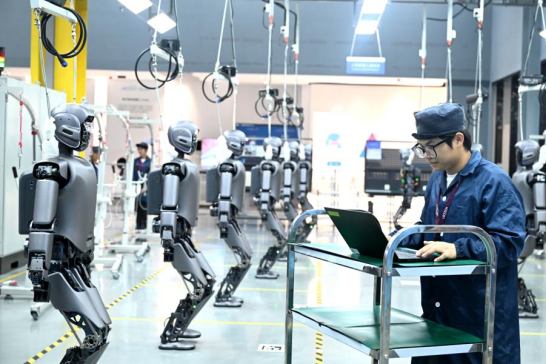
Third, we amplified the impact of technological application. We boosted demand-driven innovation, promoted a purchaser-supplier collaborative innovation model in government procurement, and rolled out insurance compensation policies for first-set equipment and first-batch products. These measures have brought more innovative achievements from the labs to production lines, creating a value multiplication effect. Supported by relevant policies, major landmark tech products including AI and robotics have entered the global stage, while sectors such as integrated circuits have achieved innovation breakthroughs across the entire industry chain. China has emerged as one of the economies with the most rapid growth in innovation capacity. In 2025, China entered the world's top 10 of the Global Innovation Index (GII) for the first time.
Next, we will continue to vigorously promote high-level technological self-reliance and self-strengthening, accelerate the cultivation of new drivers of growth, and promote the optimization and upgrading of the economic structure, with a focus on the following four aspects.
First, we will make good use of government investment funds. We will support the national venture capital guidance fund in "investing early, investing small, investing long-term, and investing in hard technology". We will also support enterprises in focusing on cutting-edge fields to carry out original and disruptive technological research.
Second, we will support the advancement of quality improvement and upgrading of key industries. We will strengthen fiscal and financial coordination to support technological innovation by providing fiscal interest subsidies for loans related to technological innovation. The central bank will also provide relending support. We will continue to promote new technological transformation in manufacturing and the digital transformation of small and medium-sized enterprises, thereby accelerating intelligent, green, and integrated development. This will consolidate and strengthen the foundation of the real economy.
Third, we will ensure the principal position of enterprises in sci-tech innovation. We should fully implement structural tax and fee reduction policies, with priority given to supporting sci-tech innovation and the development of the manufacturing sector. We will continue to leverage the reward and subsidy policy to promote the development of specialized, refined, distinctive, and innovative "little giant" enterprises, as well as policies such as the National Fund for SME Development. This aims to improve the innovation capacity and professionalism of SMEs, and help cultivate more specialized, refined, distinctive, and innovative enterprises, enterprises leading an individual field of the manufacturing industry, and gazelle and unicorn enterprises.
Fourth, we will accelerate the efficient transformation and application of major scientific and technological achievements. We will implement the insurance compensation policy for newly-developed equipment and materials, and continuously support the iteration, updating, application and promotion of eligible sci- tech innovation products.
Thank you for your questions.
_ueditor_page_break_tag_Cover News:
I'd like to ask how you view the performance of fiscal revenue and expenditure in 2025, and whether the budget targets set at the beginning of the year have been achieved. Thank you.
Liao Min:
Thank you for the questions. Let's invite Mr. Li to answer them.
Li Xianzhong:
Thank you for your questions. At present, the fiscal revenue and expenditure data for 2025 are still being compiled and are expected to be officially released to the public at the end of January or early February. Based on the preliminary information currently available, the operation of fiscal revenue and expenditure in 2025 can be summarized into the following three points.
First, fiscal revenue was low at the beginning, high in the middle period, and stable at the later period of the year. By quarter, national general public budget revenue fell by 1.1% in the first quarter; in the second quarter, it shifted from decline to growth, increasing by 0.6%; and in the third quarter, the growth reached 2.5%, significantly higher than previous quarters. During the fourth quarter, growth was 3.2% in October, and in November it was basically the same year on year. Among these, tax revenue maintained year-on-year growth since April, becoming the main engine driving fiscal revenue growth, which also reflects the continued steady and positive development trend of China's economic performance.
Second, the goal of balancing revenue and expenditure could be achieved. On the revenue side, as mentioned earlier, national general public budget revenue maintained a recovery growth trend and remained generally stable. On the expenditure side, national general public budget expenditure made proactive efforts and maintained intensity, providing the necessary financial support for economic and social development. Overall, a balance between revenue and expenditure could be achieved for the year.
Third, funding for key areas was effectively ensured. In 2025, the fiscal authorities continued optimizing the expenditure structure, with key areas such as social security and employment, science and technology, education, and healthcare receiving strong support. In the first 11 months, the combined spending on the above four sectors exceeded 10 trillion yuan, accounting for more than 40% of the general public budget expenditure. At the same time, we accelerated the use of bond funds. In the first 11 months, ultra-long-term special treasury bonds, local government special bonds, and special treasury bonds for capital injection into central financial institutions totaled 5.15 trillion yuan in expenditure, an increase of 1.61 trillion yuan over the same period last year, up 45.5%. This strengthened economic growth momentum and supported a sustained recovery and improvement of the economy.
The three aspects are a brief introduction to the overall fiscal operation for the year 2025. Detailed data will be released to the public in a timely manner in accordance with procedures. Thank you.
_ueditor_page_break_tag_CCTV:
The Central Economic Work Conference has made arrangements to boost smooth domestic economic circulation and build a unified national market. How will the Ministry of Finance promote effective implementation of work in some key areas in the future? Thank you.
Liao Min:
Thank you for your question. This is a very important issue. The Fourth Plenary Session of the 20th CPC Central Committee clearly proposed to "eliminate bottlenecks and obstacles hindering the development of a unified national market." The recent Central Economic Work Conference also set out specific arrangements in this regard. The Ministry of Finance will resolutely implement the decisions and arrangements of the CPC Central Committee and the State Council. Centering closely on establishing a unified, open, competitive, and orderly market system, the ministry will actively deliver its fiscal functions, and support the construction of the unified national market in three aspects.
First, we will continue to deepen the reform of the fiscal and taxation systems. The first is to further clarify the fiscal powers and expenditure responsibilities of the central and local governments in areas including basic public services, education, and healthcare, improve a central-local fiscal relationship with clearly defined powers and responsibilities, coordinated financial resources, and regional balance, and strive to build an institutional framework in line with national conditions. The Ministry of Finance is vigorously advancing efforts in this aspect. The second is to deepen tax system reform, standardize tax incentive policies, improve the local tax system, fully implement the principle of law-based taxation, and lay a solid institutional foundation for building a unified national market. The third is to study new conditions and problems in the taxation field arising from the emergence and development of new business forms, new industries, and new business models, which is also a global issue. I attended relevant G20 meetings, and various countries had quite a lot of discussions on how the development of these new problems and new business forms affects the tax system. For example, in order to address the tax challenges brought by economic digitalization, the international community is advancing reform of international tax rules through the two-pillar plan, and China is actively participating in the negotiations. Domestically, we need to continue researching and exploring, in practice, solutions to issues such as how to foster a fair and unified tax environment for both online and offline businesses, as well as for new and traditional business models. This morning, I met with personnel from an international organization, and we had an in-depth discussion on this issue. It truly is a new challenge faced by all countries.
Second, we have continuously regulated fiscal subsidies. Indeed, people are very concerned about this issue. Since joining the World Trade Organization (WTO) in 2001, China has always firmly adhered to the WTO rules and earnestly fulfilled all accession commitments. As of now, China has submitted eight submissions on subsidy policies at the central level and six at the local level. These figures were meticulously compiled based on actual data from China. The scale of China's fiscal subsidies notified to the WTO is far below the estimates from some international institutions. I want to emphasize that the technological progress and competitive advantages of Chinese enterprises stem not from subsidies, but from their own sustained R&D investment and the hard work of countless entrepreneurs.
The central government takes any potential subsidy violations in specific localities very seriously and is resolute in correcting them. In 2025, the Ministry of Finance joined forces with relevant departments to form an inter-agency task force to tackle local fiscal subsidy violations through a special initiative. Moving forward, we will continue to improve the working mechanism of task force, strengthen information sharing and regulatory coordination, and improve the system for regulating fiscal subsidies to deepen our efforts in cleanup and rectification. At the same time, we will also enforce the primary responsibilities of local authorities, strengthen supervision and regulation, and address every violation as soon as it is identified, while resolutely curbing cutthroat, disorderly competition.
Third, we have continuously optimized the government procurement environment. This is also an issue that people are very concerned about. First, we have cooperated to promote the amendment of the Government Procurement Law. We have actively worked with the National People's Congress Financial and Economic Affairs Committee to advance the amendment of the Government Procurement Law and the coordination and unification of the Government Procurement Law and the Tendering and Bidding Law. By aligning with high-standard international economic and trade rules, we have strengthened the policy functions of government procurement, optimized transaction rules, and reduced institutional transaction costs in an effort to build a complete, unified, and standardized legal system for government procurement. Second, we have implemented the domestic product policy in the field of government procurement. In September 2025, the Chinese government formulated and issued the domestic product policy in government procurement. This policy took effect on January 1, 2026. This is not only an important measure to improve the government procurement system, but also a concrete action to ensure national treatment for foreign-funded enterprises in the field of government procurement. In addition to clarifying domestic product standards, support policies, and categorized implementation arrangements, the policy particularly emphasizes equal treatment for all types of business entities. It prohibits any differential or discriminatory treatment of suppliers based on ownership structure, organizational form, equity structure, investor nationality, or other unreasonable criteria. Should any violations of the above provisions be identified during implementation, reports or complaints can be filed with the financial departments, and such cases will be strictly investigated and dealt with. Here, I would like to share a story. Some time ago, I received leads from friends in Europe and the United States flagging two specific cases. They expressed concerns that their products had been excluded from the scope of Chinese government procurement, citing potential discrimination. They wrote me a letter and attached information about the relevant products. My colleagues and I conducted verification and found that both products in question are imported goods manufactured abroad, rather than domestic products produced within China. Therefore, these products are not within the scope of Chinese government procurement, and there is no discriminatory treatment involved. I clarified the situation with my friends in Europe and the United States. We encourage anyone who identifies a violation of these provisions to file a report or complaint with the financial authorities. Third, we have continuously regulated the order of the government procurement market. To address obstacles to a unified national market and fair competition within the government procurement sector, the Ministry of Finance, together with the Ministry of Public Security and the State Administration for Market Regulation, has carried out targeted campaigns since 2024 to tackle prominent problems in government procurement. We conducted targeted inspections of over 80,000 government procurement projects managed by more than 19,000 agencies nationwide. While the findings indicate that the overall situation remains good, we have publicized several typical cases of non-compliance to maintain market competition order. Joint efforts are required to create and maintain a sound market environment. Moving forward, we will conduct a full review of the achievements from our special campaigns, improve a unified and standardized supervision and inspection mechanism, and resolutely penalize violations of laws and regulations to ensure the continuous optimization of the business environment for government procurement. Thank you for your questions.
Shou Xiaoli:
Let's continue with the questions. I see two more reporters with their hands up. We will take these as our final two questions.
_ueditor_page_break_tag_Dazhong Daily:
As China accelerates its drive to build a strong agricultural sector, insurance is playing an increasingly important role. Could you give an update on the current development of agricultural insurance? What policy plans are there for the next step? Thank you.
Liao Min:
I would like to invite Ms. Yu to answer these questions.
Yu Hong:
Thank you for your questions. Since 2007, the central government has supported the development of agricultural insurance through premium subsidies, representing one of the earliest instances of fiscal-financial policy coordination. To illustrate how this works at a micro level: Suppose a farmer buys full-cost insurance for rice. On average, the premium per mu is about 50 yuan. The farmer pays only about 10 yuan, while the government covers the remaining 40 yuan. If a disaster occurs, the farmer can receive payouts ranging from several hundred to over a thousand yuan. This reflects the policy's mechanism: the government shoulders the bulk of the cost while the farmers pay a nominal share, together leveraging risk protection dozens of times greater than the initial investment. From a macro perspective, the scale of agricultural insurance premiums in China has remained the largest in the world, playing a positive role in stabilizing farmers' incomes and safeguarding national food security. It has underpinned our ability to maintain a steady grain output of above 700 million tons, serving as a crucial guarantee for China to feed nearly 20% of the world's population with only 9% of its arable land.
Next, I will outline the achievements of our agricultural insurance program. In short, it has seen both expanded scale and improved quality, embarking on a development path with Chinese characteristics. Specifically, it is reflected in "four continuations."
First, fiscal support has been continuously strengthened. Nearly 80% of China's agricultural insurance premiums are funded by fiscal subsidies. With premium subsidies from all levels of government growing at double-digit rates annually, we're providing substantial, tangible financial support to drive the development of the agricultural insurance sector. In 2025, China's agricultural insurance premiums exceeded 155 billion yuan, providing more than 5.2 trillion yuan worth of risk protection for 125 million farming household-times.
Second, the institutional system has been continuously improved. The departments of finance, agriculture and rural affairs, insurance supervision, forestry and grassland have worked in synergy to issue a series of policy documents on expanding coverage, raising standards, and enhancing standardized management. Together, these have established the "basic framework" of an agricultural insurance system suited to our national conditions.
Third, safeguarding capacity has continued to strengthen. We have adhered to the principles of high-level protection, broad coverage, and diversified approaches. For major agricultural commodities such as grain, edible oil, sugar, and natural rubber, high-coverage insurance schemes have basically been put in place, providing coverage for either full production costs or planting income. For regionally distinctive agricultural products, the central government, in order to achieve holistic agricultural development and build a diversified food supply system, has implemented incentives and subsidy policies nationwide.
Fourth, benefits to farmers have continued to increase. In response to various natural disasters, including prolonged rainfall during the wheat harvest season in Henan, floods in Northeast and North China, Super Typhoon Yagi and Super Typhoon Ragasa impacting Hainan, we have actively supported affected farmers in resuming agricultural production. During the 14th Five-Year Plan period, farmers have received cumulative insurance payouts exceeding 520 billion yuan.
Next, the Ministry of Finance will continue, together with relevant departments to advance efforts and improve the quality and efficiency of agricultural insurance and deepen reforms. In 2026, we will also issue a guiding document on accelerating the high-quality development of agricultural insurance. This document will focus on refined management and diversified collaboration in agricultural insurance, making greater contributions to stabilizing farmers' incomes, supporting comprehensive rural vitalization, and safeguarding national food security. Thank you.
Shou Xiaoli:
The last question, please.
_ueditor_page_break_tag_Shandian News:
Vice Minister Liao Min, at a SCIO press conference in August last year, you introduced policies on interest subsidies for personal consumption loans and loans to service-sector business entities. This year, in what ways will these interest subsidy policies be further optimized to better respond to public expectations? Thank you.
Liao Min:
Thank you for your questions. I would like to add one more point to the issue just addressed by Director Yu Hong. As we all know, due to climate change, countries around the world are facing an increasing number of natural disasters. How to better leverage financial instruments, including insurance tools, to support disaster prevention and mitigation has drawn widespread international attention. When participating in various multilateral meetings, we have also shared our experiences in this regard. Mutual learning and reference among countries are very important for advancing development in this area.
As you just mentioned, in August last year I introduced the interest subsidy policies for personal consumption loans and loans to service-sector business entities, and I am very pleased to conclude today's press conference by addressing this important issue. Boosting consumption is an important measure to improve people's livelihoods and a sustained driver of economic growth. In August last year, we piloted the interest subsidy policy for loans to service-sector business entities and the interest subsidy policy for personal consumption loans. As I explained at the time, these policies target both the supply and demand, with residents and enterprises being able to enjoy interest subsidies equivalent to 1 percentage point of the total loan amount, and many restaurants, small shops, and households have received tangible support. During policy implementation, we closely monitored feedback from all parties. To better respond to public expectations, we have optimized these consumption-related interest subsidy policies in four key aspects, with a focus on making the policies more effective, more convenient, and more sustainable.
First, the intensity of interest subsidies has been increased. For individual consumers, the maximum interest subsidy per single transaction has been raised. A consumer can now receive up to 3000 yuan in interest subsidies from one bank compared with 500 yuan previously. This better meets the public's demand for large-value consumption and helps enhance purchasing power. For enterprises in the consumption and service sectors the maximum loan amount eligible for interest subsidies per entity has been significantly increased from 1 million yuan to 10 million yuan, with the corresponding maximum subsidy rising from 10,000 yuan to 100,000 yuan. This provides stronger support for enterprises with genuine financing needs.
Second, the scope of the consumption covered has been expanded. On the personal consumption side, taking full account of consumer habits, credit card installment services which cover a large number of people and are widely used have been included in the scope of interest subsidies, and restrictions on consumption categories under the previous policy have been removed. In other words, under the current policy, all types of consumption are eligible for interest subsidies. On the service consumption side, in addition to the existing eight sectors of catering and accommodation, healthcare, elderly care, childcare, domestic services, cultural and entertainment, tourism and sports, we have added three new key sectors, digital, green, and retail. For example, consumption activities in digitally transformed physical stores, environmentally friendly and energy-saving service providers, as well as retail outlets are all eligible for interest subsidies, as long as payment is made using loans or credit card installment services.
Third, the implementation period has been extended. The implementation period for both interest subsidy policies has been extended to the end of 2026. After the policies expires, we will review the implementation results and consider extending the period as appropriate. In practice, the extension of window period provides enterprises and individuals with sufficient time to make investment and consumption decisions and to apply for loans.
Fourth, more institutions have been covered. From the original more than 20 national level institutions, the program has now been extended to more than 500 participating institutions. The focus has shifted from supporting traditional consumption to serving new scenarios and new business models, achieving broad coverage across urban and rural areas and integrating online and offline channels, allowing the policies to benefit a wider range of business entities and the general public. We also hope that these participating institutions will actively publicize and clearly explain the policies to their clients and provide quality services to meet relevant credit needs.
We hope that through policy optimization and upgrading, by adopting more facilitative measures, we can further reduce the cost of consumer credit and, together with the continued implementation of the trade-in program, jointly foster a favorable environment for promoting consumption. During implementation, we will continue to refine the policies to ensure that they deliver real results and provide tangible support to more enterprises and residents.
Finally, the media representatives present are invited to offer opinions and suggestions on further improving the policies, particularly from the perspective of consumers. If any areas requiring improvement are identified, they may be raised for consideration. The objective is that once consumers take out loans, interest subsidies can be automatically credited to their accounts when interest payments are made. This will require the continuous accumulation of data and experience, and fiscal and financial coordination in supporting domestic demand will be steadily advanced.
Here, I would like to once again thank the media representatives for attending today's press conference. Thank you.
Shou Xiaoli:
Thank you, Vice Minister Liao Min. Thank you to all the speakers and all the journalists for your participation. This concludes today's press conference. Goodbye.
Translated and edited by Zhu Bochen, Yang Chuanli, You Jiaxin, Zhang Tingting, Liu Jianing, Xu Kailin, Liu Caiyi, Wang Wei, Li Huiru, Liu Sitong, Wang Qian, Li Xiao, Liu Qiang, Fan Junmei, David Ball, Jay Birbeck, and Tudor Finneran. In case of any discrepancy between the English and Chinese texts, the Chinese version is deemed to prevail.

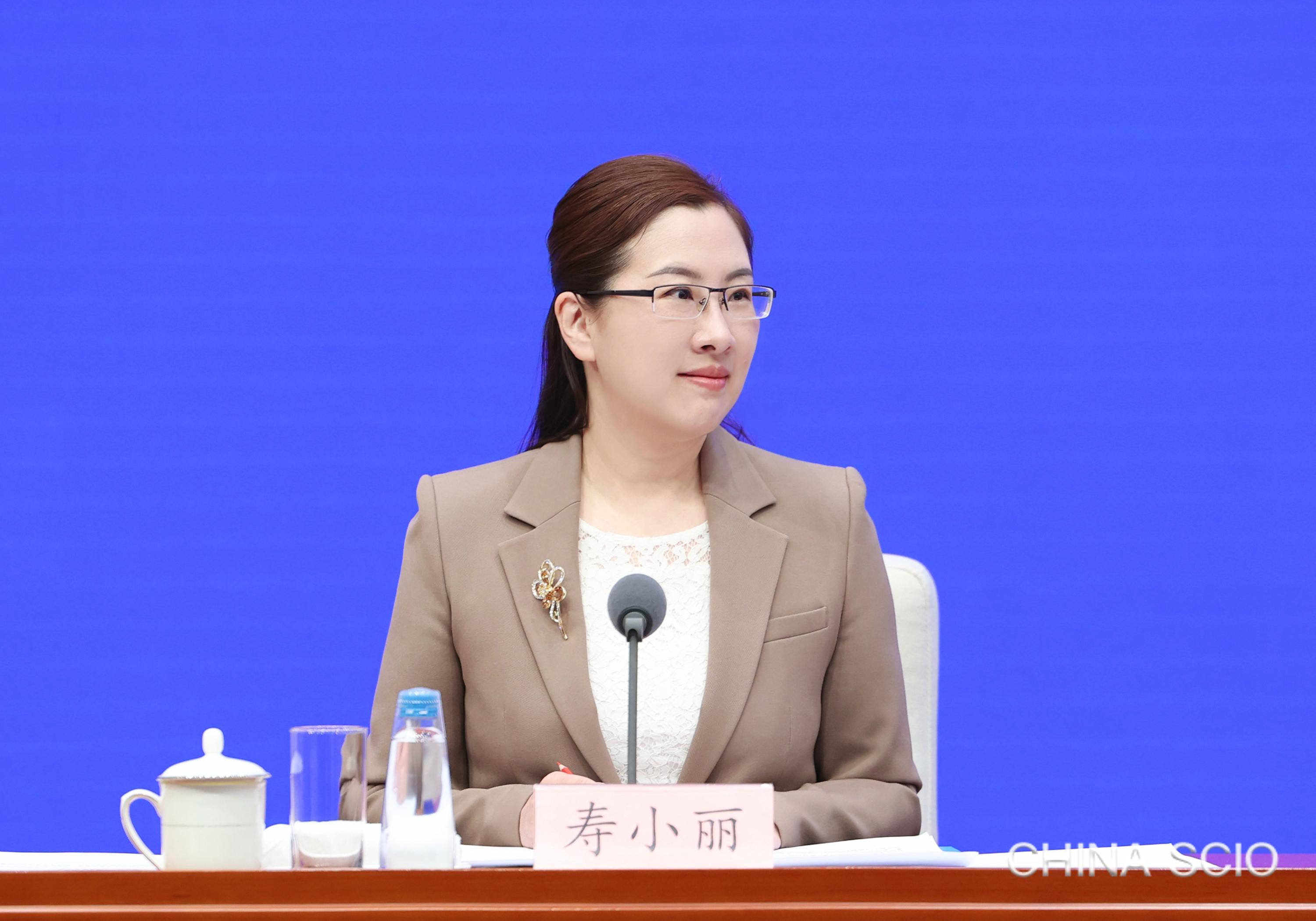
/5 Shou Xiaoli
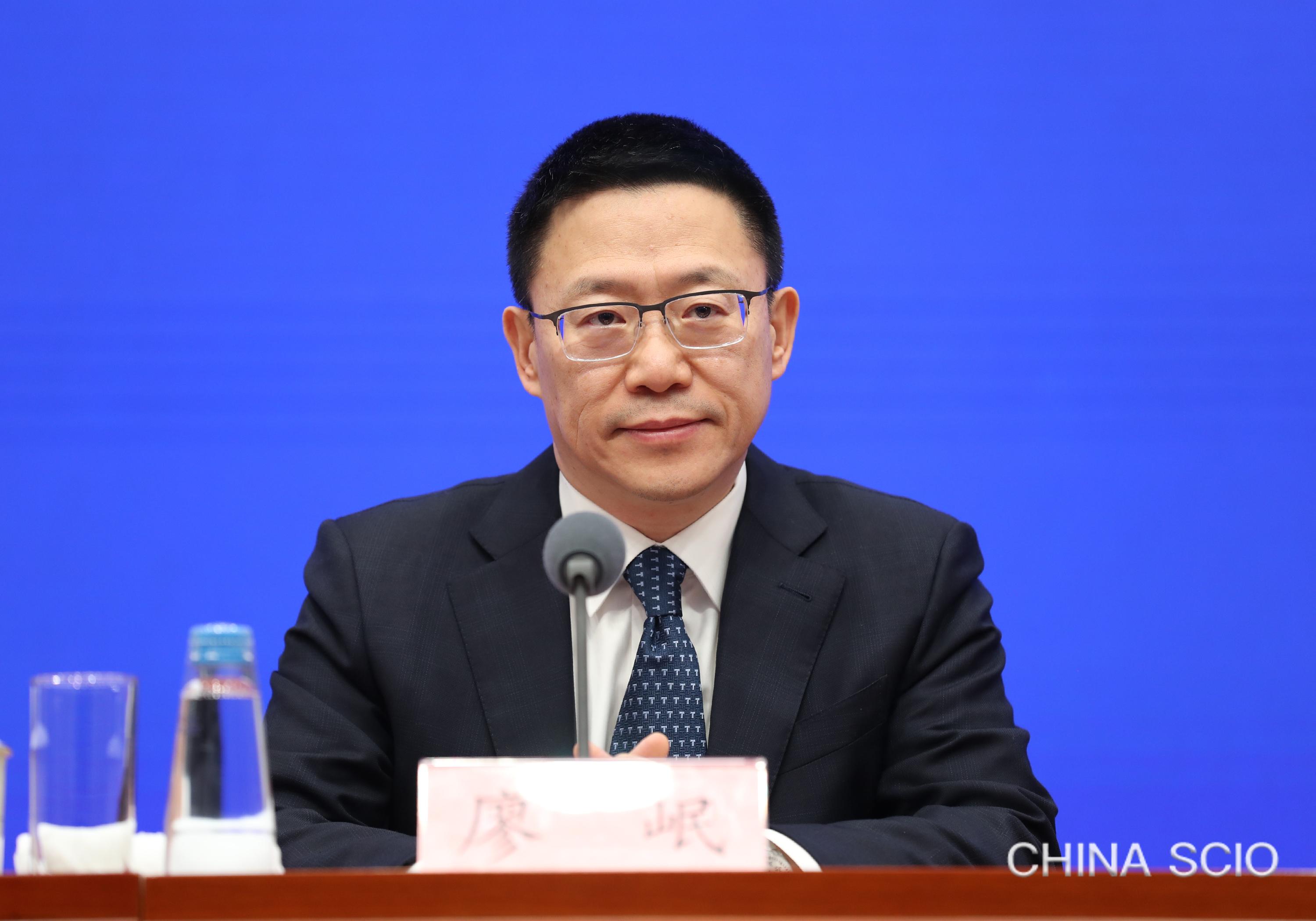
/5 Liao Min
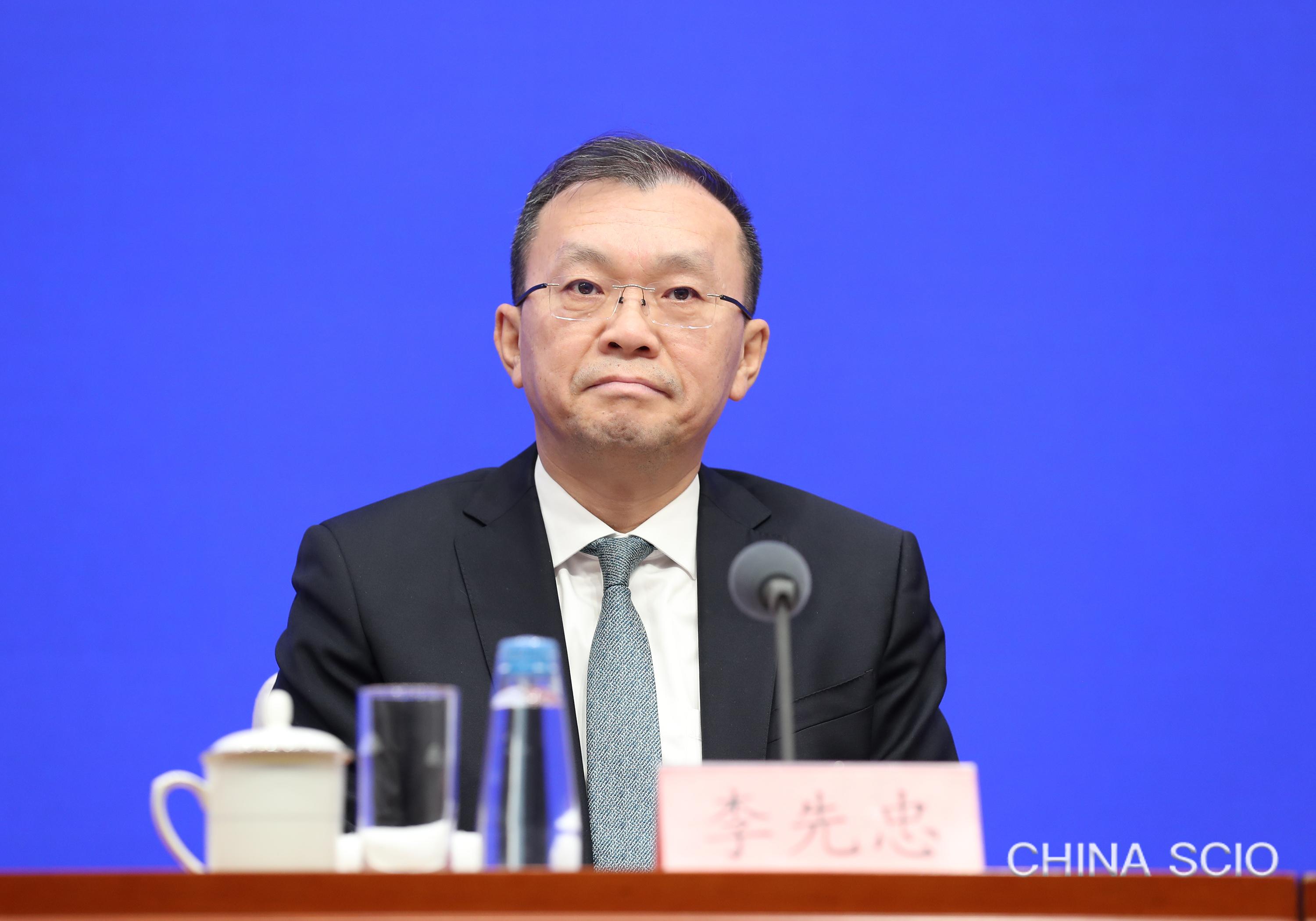
/5 Li Xianzhong
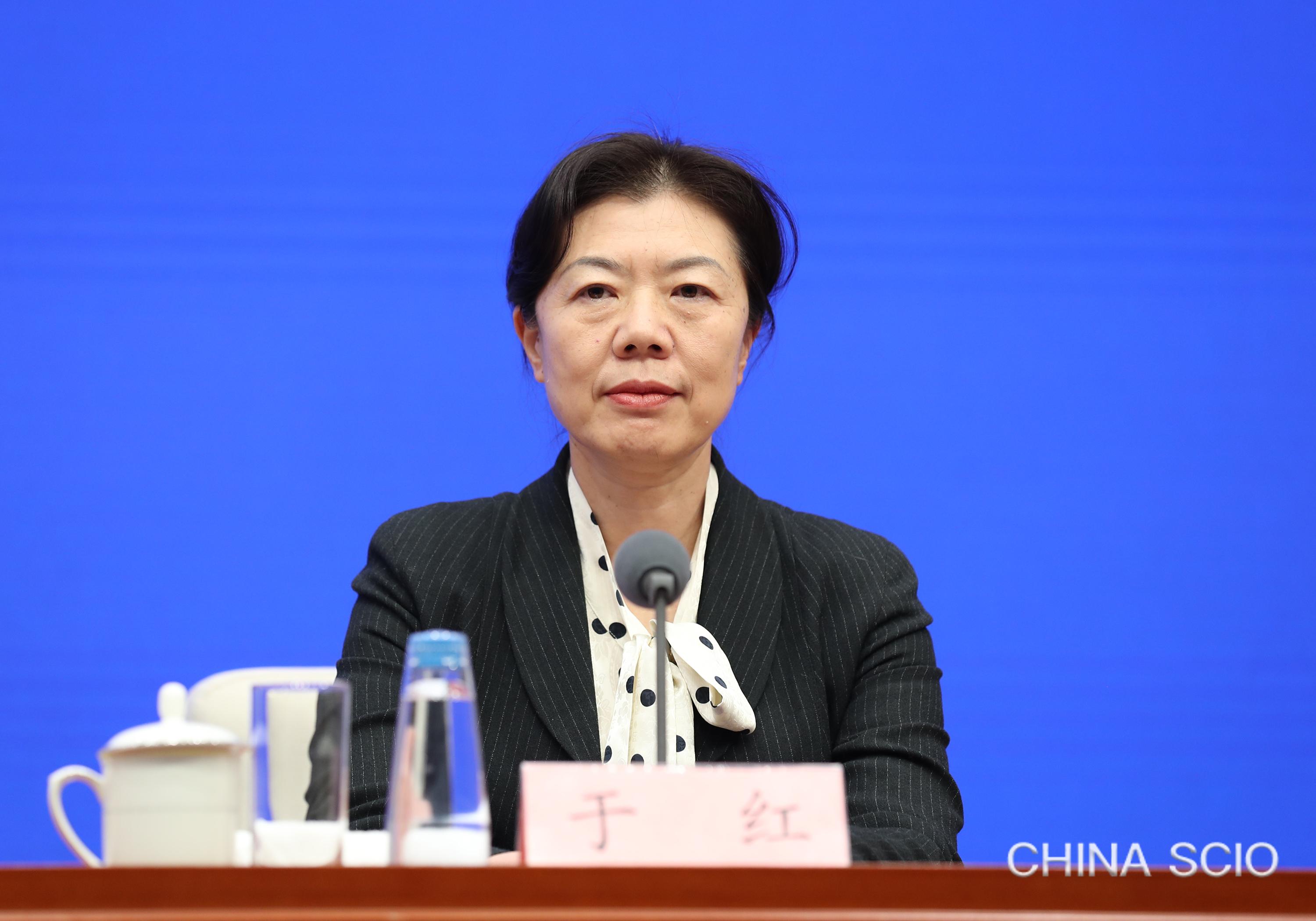
/5 Yu Hong
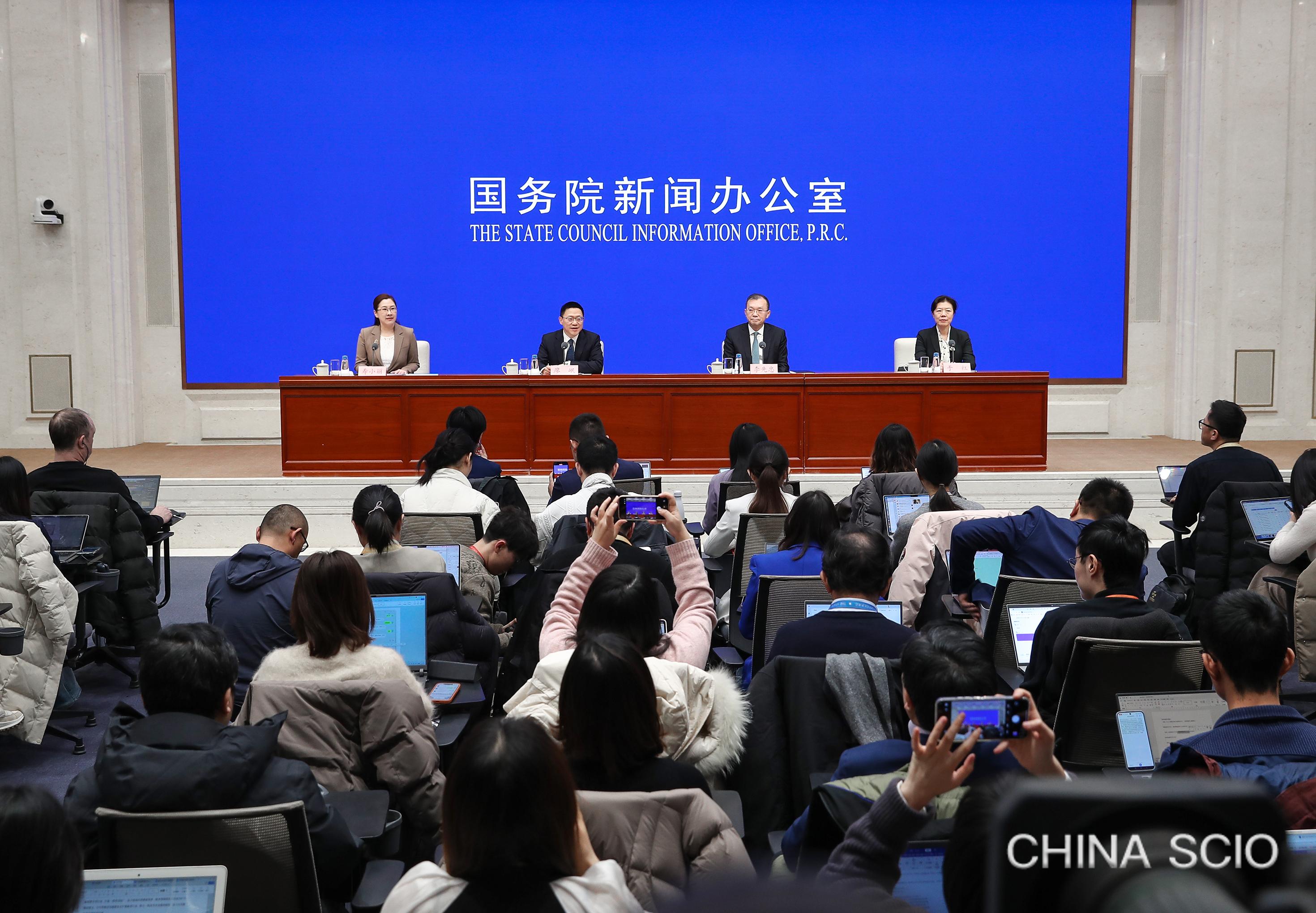
/5 Group photo
SCIO briefing on China's economic performance in 2025
January 19, 2026SCIO briefing on China's import and export in 2025