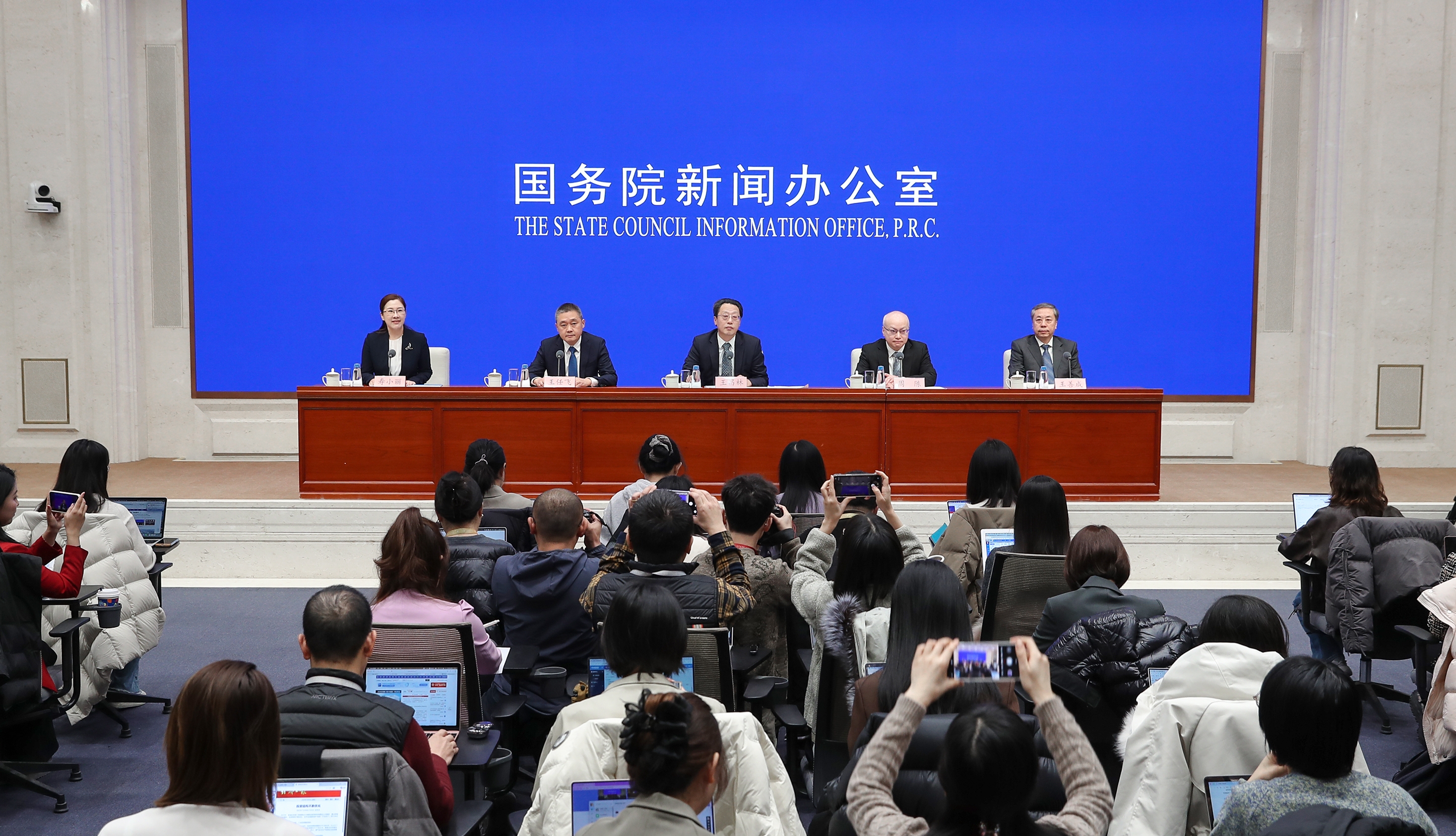

SCIO briefing on implementing the guiding principles of the Central Economic Work Conference, ensuring a good start for the 15th Five-Year Plan period
Beijing | 10 a.m. Jan. 20, 2026
Speakers

Wang Changlin, vice chairman of the National Development and Reform Commission (NDRC)
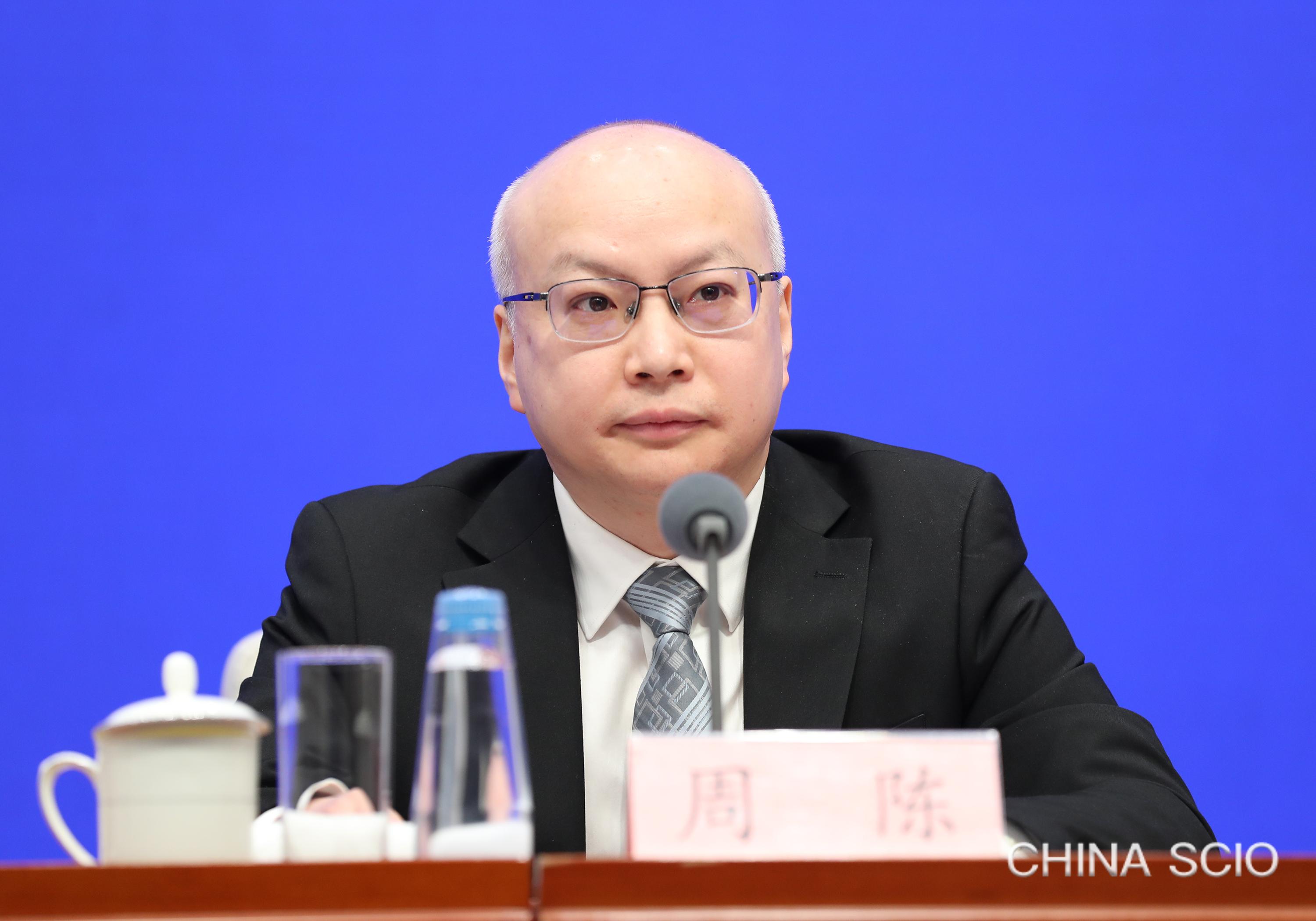
Zhou Chen, director general of the Department of National Economy of the NDRC
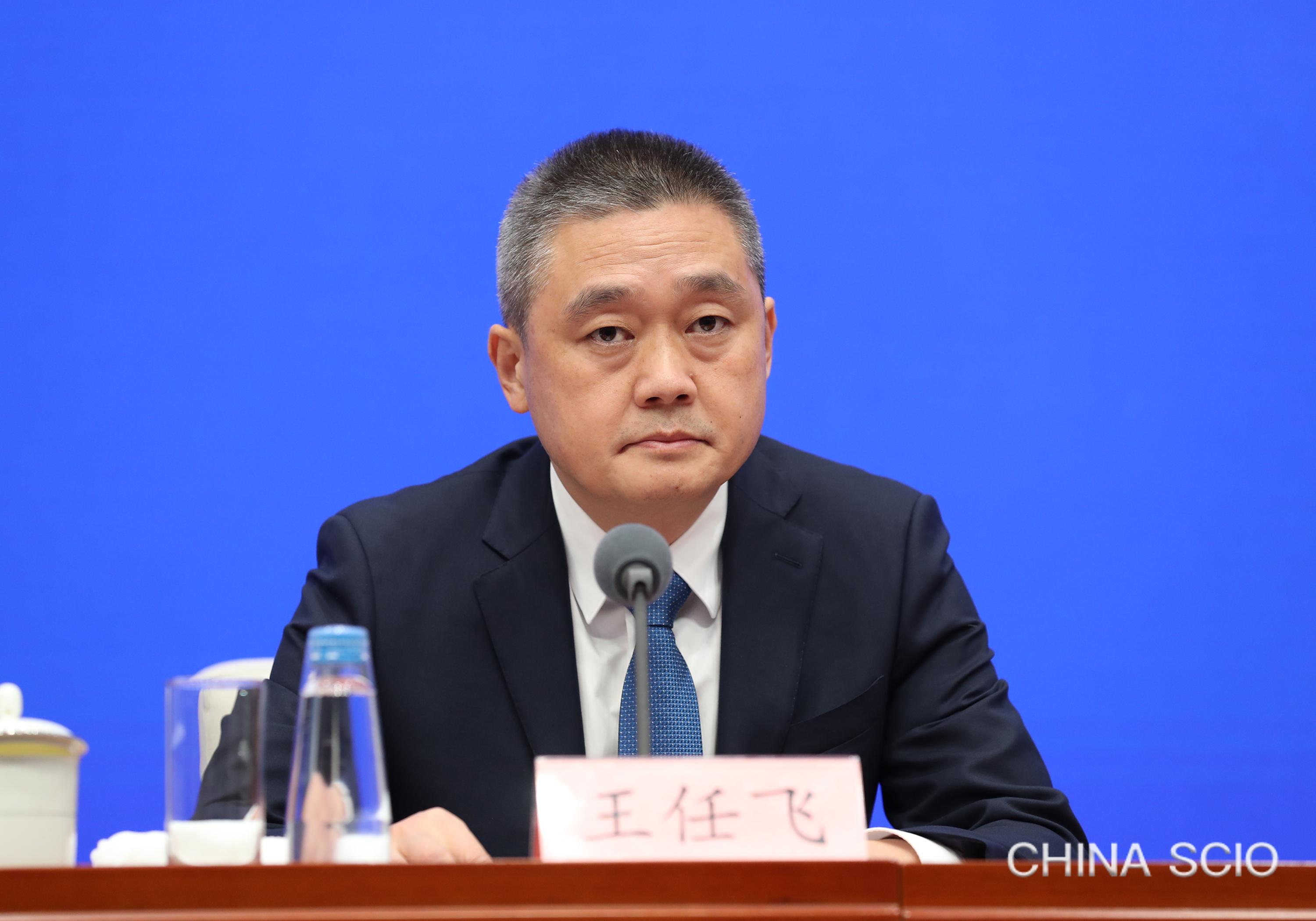
Wang Renfei, director general of the Department of Comprehensive System Reform of the NDRC
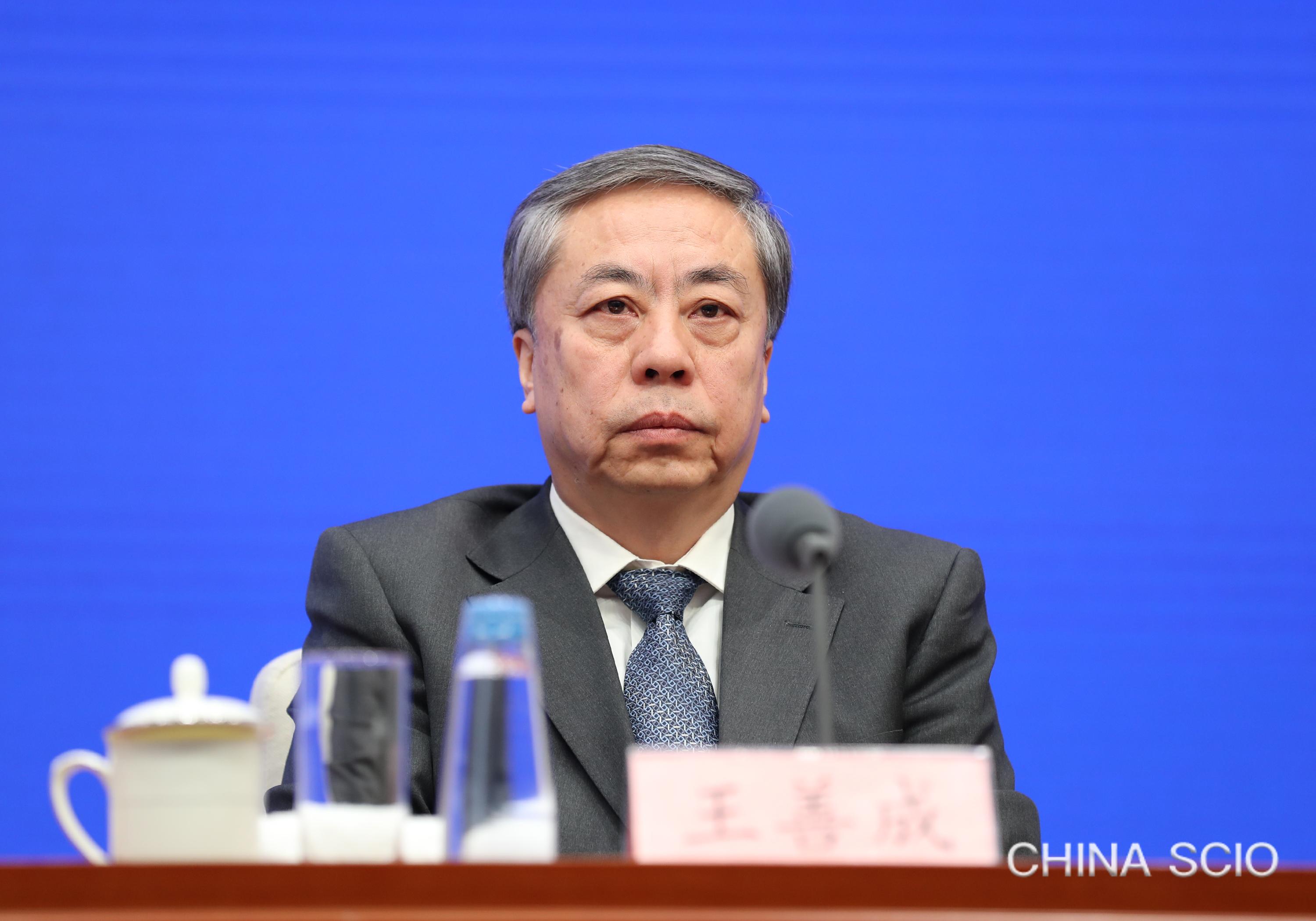
Wang Shancheng, director general of the Department of Resource Conservation and Environmental Protection of the NDRC
Chairperson
Speakers:
Mr. Wang Changlin, vice chairman of the National Development and Reform Commission (NDRC)
Mr. Zhou Chen, director general of the Department of National Economy, NDRC
Mr. Wang Renfei, director general of the Department of Comprehensive System Reform, NDRC
Wang Shancheng, director general of the Department of Resource Conservation and Environmental Protection, NDRC
Chairperson:
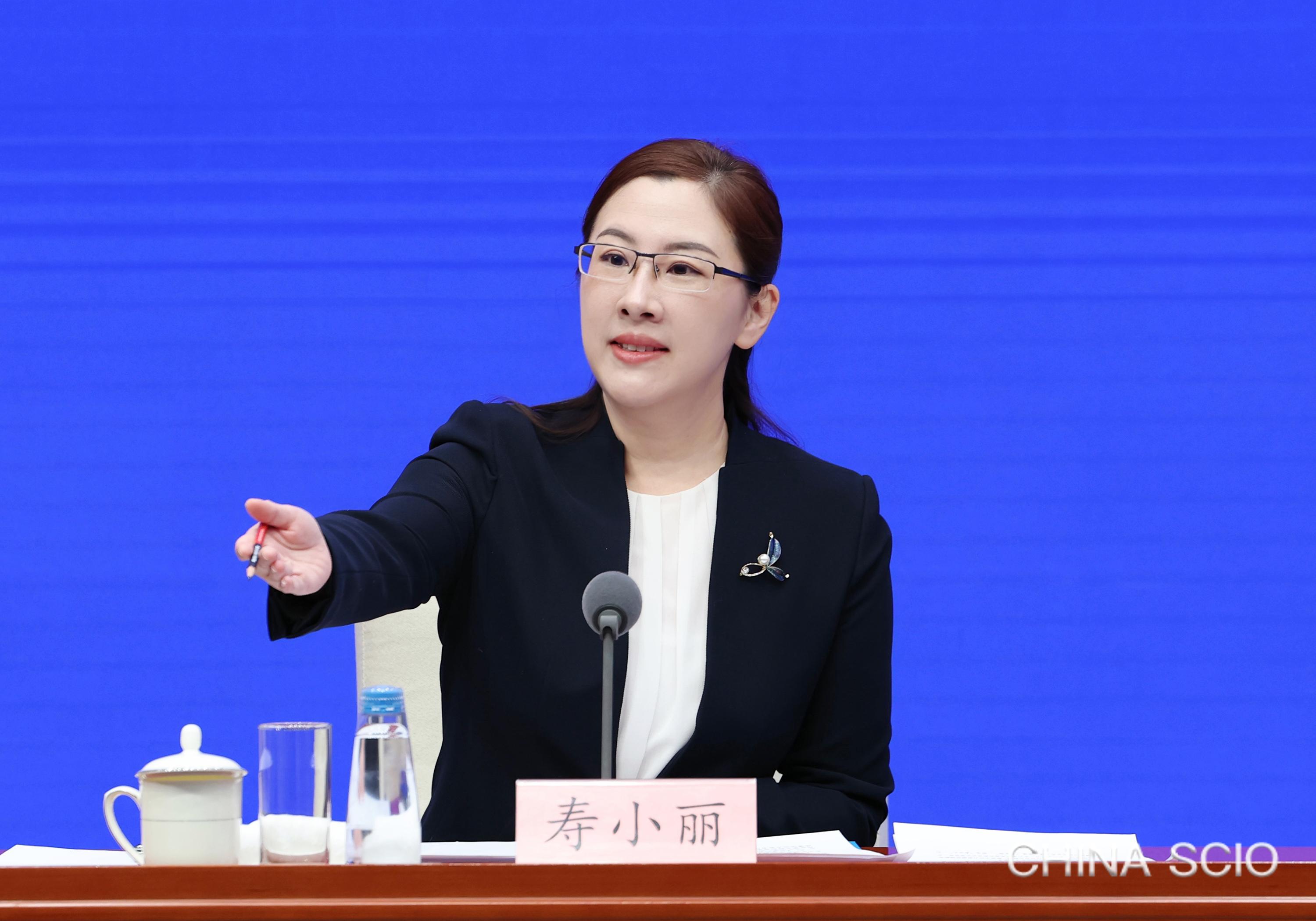
Ms. Shou Xiaoli, director general of the Press Bureau of the State Council Information Office (SCIO) and spokesperson of the SCIO
Date:
Jan. 20, 2026
Shou Xiaoli:
Ladies and gentlemen, good morning. Welcome to this press conference held by the State Council Information Office (SCIO). Today we are very pleased to have Mr. Wang Changlin, vice chairman of the National Development and Reform Commission (NDRC), with us. He will introduce the implementation of the guiding principles of the Central Economic Work Conference and advancing a good start to the 15th Five-Year Plan period, and answer your questions. Also present at today's press conference were: Mr. Zhou Chen, director general of the Department of National Economy of the NDRC; Mr. Wang Renfei, director general of the Department of Comprehensive System Reform of the NDRC; and Mr. Wang Shancheng, director general of the Department of Resource Conservation and Environmental Protection of the NDRC.
Now, I'll give the floor to Mr. Wang for his introduction.
Wang Changlin:
Friends from the media, ladies and gentlemen, good morning. In 2025, facing complex and profound changes in the domestic and international landscape, under the strong leadership of the CPC Central Committee with Comrade Xi Jinping at its core, the whole nation rose to the challenge and pressed ahead with determination, successfully achieving the main goals of economic and social development, maintaining steady economic growth, further demonstrating the resilience of development, and making people's livelihood policies more people-centered, thus delivering high-quality results. My understanding mainly covers the following aspects.
First, greater efforts were made to implement more proactive and effective macroeconomic policies, enabling overall economic strength to reach a new level. Faced with a turbulent external environment, we have always maintained strategic resolve, concentrated on managing our own affairs well, strengthened counter-cyclical adjustments beyond conventional measures. Building on the package of incremental policies deployed at a meeting of the Political Bureau of the CPC Central Committee on Sept. 26, 2024, we continued to roll out measures to stabilize employment and the economy, and promote high-quality development. Solid steps to implement major national strategies and enhance security capacity in key areas were undertaken, and increased support for a new round of large-scale equipment upgrades and consumer goods trade-in programs took place. These efforts promoted the effective improvement in the quality and reasonable growth of the economy, with the total economic output reaching a new level of 140 trillion yuan for the year. The 5% growth rate continued to rank among the top among major economies in the world, with the increase equivalent to the total output of a medium-sized economy. The 14th Five-Year Plan has come to a successful conclusion, writing a new chapter in the story of China's miracle.
Second, greater efforts were made to accelerate high-level scientific and technological self-reliance, and new breakthroughs were achieved in the development of new quality productive forces. Faced with the pressure of transition from old to new growth drivers, we have firmly implemented the innovation-driven development strategy, intensified our efforts to tackle core technologies in key fields, honed our skills and forged solid expertise, and achieved a surge of innovative results. Our research and application in artificial intelligence, biomedicine, robotics, and other fields are at the forefront of the world. We have made progress in building a modern industrial system, revitalized and upgraded traditional industries, and accelerated the creation of new growth drivers in emerging and future industries. The added value of the manufacturing industry has ranked first in the world for 16 consecutive years. Practice has shown that attempts to hold China back through technological bottlenecks will not succeed. China possesses a strong culture of innovation and enormous innovative potential.
Third, we have made greater efforts to address blockages and bottlenecks in economic circulation, and made new strides in reform and opening up. Faced with institutional and systemic obstacles and deep-seated contradictions, we have deepened reforms in key areas and links, and made in-depth progress in building a unified national market. The advantages of China's enormous market have been further consolidated and expanded, and the competitive landscape in key industries has continued to improve. We promulgated and implemented the Private Sector Promotion Law, and maintained regular communication with private entrepreneurs. Last year, our commission held more than 120 symposiums with private enterprises to provide targeted and practical assistance in solving their development challenges. China has steadily promoted and expanded independent and unilateral opening-up, and island-wide special customs operations were launched in the Hainan Free Trade Port. Despite the challenges, China's goods exports grew by 6.1% year on year, with exports to non-U.S. markets accounting for 88.9% of the total. The total value of China's imported goods reached 18.48 trillion yuan, maintaining a share of around 10% of global imports. China has become a major export destination for 79 countries and regions, fully demonstrating the strong resilience and positive momentum of its foreign trade.
Fourth, we focused on promoting coordinated development and integration, ushering a new phase of regional and urban-rural development. Faced with the problem of unbalanced development, we have coordinated the deep implementation of regional strategies and promoted integrated regional development. We have continuously advanced regional coordinated development strategies and major regional initiatives, consolidated and enhanced the leading role of the three major power source regions. Meanwhile, the construction of the Yangtze River and Yellow River green development belts has been further deepened, and the balanced development across the four key regions has been steadily enhanced. We have made further progress in people-centered new urbanization, with the share of permanent urban residents in the total population reaching 67.89% by the end of the year, up 0.89 percentage points from the previous year. In other words, more than 10 million people have now embraced a modern urban lifestyle.
Fifth, we focused on addressing the public's most pressing concerns and difficulties, achieving new improvements in public well-being. In response to the public's new expectations, we further strengthened the development of inclusive, foundational and essential livelihood projects, and worked to promote high-quality, full employment. The average surveyed urban unemployment rate for the year stood at 5.2%. We implemented the child care subsidy system in an orderly manner, gradually rolled out free preschool education and optimized holiday arrangements, giving every household a tangible sense of gain. By prioritizing improvements to public welfare, we opened up new space for development.
The Central Economic Work Conference has laid out comprehensive arrangements for this year's economic development. We will resolutely implement the decisions and arrangements of the CPC Central Committee and the State Council, and steadily advance high-quality economic development. We will fully tap into our economic potential, focus on promoting reform and innovation, and continue to strengthen our internal foundations. By doing so, we are fully confident and capable, with favorable conditions, to ensure a good start to the 15th Five-Year Plan.
That concludes my introduction.
Shou Xiaoli:
Thank you, Mr. Wang, for your introduction. We'll now open the floor to questions. Please identify your media organization before asking your questions. You may now raise your hands.
_ueditor_page_break_tag_CCTV:
The year 2026 marks the beginning of the 15th Five-Year Plan period, and high expectations are being placed on China's economy. What are the main aspects of this core potential? And how can we fully tap into China's economic potential? Thank you.
Wang Changlin:
These questions concern China's economic potential. I'll invite Mr. Zhou from the Department of National Economy to answer them.
Zhou Chen:
Thank you for your questions. Yesterday, the National Bureau of Statistics released statistical data on China's 2025 economic and social development. These hard-won achievements fully demonstrate the key features of China’s economy: a solid foundation, multiple advantages, strong resilience and vast potential. The market itself is a scarce resource, and China’s ultra-large market represents enormous potential and powerful momentum. Looking ahead to 2026, China's economic structure will continue to improve, development momentum will increasingly be driven by innovation, and the overall development trend will remain positive. As new quality productive forces develop steadily, we believe that consumption and investment, technology and industry, as well as urban-rural and regional development, will all unleash substantial development potential. Specifically, the analysis can be approached from three perspectives: points, lines and areas.
First, looking at points, new technologies, products and application scenarios are gaining momentum. Emerging growth drivers such as new energy, new materials, aerospace, quantum technology, bio-manufacturing and embodied AI are poised for rapid growth. The installed capacity of new-type energy storage has exceeded 100 million kilowatts. What does this scale represent? It accounts for more than 40% of the global total. The "AI Plus" initiative, launched last year, is empowering and enhancing efficiency across China’s vast array of application scenarios. AI is rapidly moving from the digital world to the physical world, transitioning from "talking" to "doing." This will drive explosive growth in high-end manufacturing, emerging consumption and new business formats and models. Looking at the 2025 data, high-tech manufacturing value added now accounts for more than 17% of total industrial output from enterprises above designated size. Looking ahead, we are currently planning and advancing a series of landmark high-tech industrial projects for the 15th Five-Year Plan period.
Second, looking at lines, innovation chains, industrial chains and talent chains are integrating at a faster pace. As we all know, China has a complete industrial system, an ultra-large market of more than 1.4 billion people, and the world's largest and most comprehensive talent pool. The number of graduates in science, technology, engineering and mathematics exceeds 5 million annually, providing full-chain, full-scenario advantages for taking innovation "from the lab to the market." What people experience most directly is probably the digital economy, such as digital consumption, digital trade, and especially the recently popular micro-dramas. These are vivid examples of how innovation, industry and talent converge to achieve cluster-based growth. In 2025, the value added of China’s digital economy is expected to reach 49 trillion yuan, accounting for 35% of GDP, and will create even greater market space in the future.
Third, looking at areas, the innovation-leading role of growth poles continues to strengthen. China is now home to 24 of the world's top 100 innovation clusters, the most of any country for three consecutive years. Among them, the Shenzhen-Hong Kong-Guangzhou cluster has jumped to the top spot globally. Among the top 15 innovation clusters, China accounts for five, or one-third. The Central Economic Work Conference has made arrangements to build three international sci-tech innovation centers in Beijing (Beijing-Tianjin-Hebei region), Shanghai (Yangtze River Delta region), and the Guangdong-Hong Kong-Macao Greater Bay Area. The recently established national venture capital guidance fund has set up three dedicated regional funds. These funds progressively amplify their impact through investments in sub-funds and direct projects, accelerating the development of global sci-tech innovation hubs and major incubators of emerging industries.
The Chinese economy is like a vast ocean. We will continue to combine policy support with reform and innovation to fully unleash the enormous potential within this ocean. By transforming development potential into new momentum and converting technological advancement into new economic growth, we will ensure the 15th Five-Year Plan gets off to a good start.
_ueditor_page_break_tag_Yicai:
The Central Economic Work Conference pointed that there is an imbalance where supply outpaces demand in the domestic economy. What macroeconomic policies will be implemented in 2026? And how can we fundamentally and specifically resolve this issue? Thank you.
Wang Changlin:
Thank you for your questions. China's economy does indeed face the issue of strong supply and weak demand. As we all know, economic development is a process in which supply and demand interact and drive each other. Supply meets existing demand, while new demand drives supply and generates new offerings, creating a virtuous economic cycle. Currently, insufficient demand is a prominent issue in China's economic development, while inadequate supply also exists. As we all know, our supply has shifted from "whether we have it" to "how good it is." For certain products, demand is strong, but supply cannot keep up. In response to these issues, we should resolutely implement the spirit of the Central Economic Work Conference. This includes expanding domestic demand and optimizing supply, while promoting a dynamic balance and virtuous cycle between supply and demand at a higher level. We must foster an economic growth model driven by domestic demand, consumption and endogenous growth. We will make efforts in three key areas.
First, we must focus macroeconomic policies on strengthening the domestic economic cycle and comprehensively expanding domestic demand. The priority is to develop and implement a plan for the domestic demand expansion strategy during the 2026-2030 period that aligns with consumption upgrading trends and the needs of the new round of technological revolution and industrial transformation. This plan will deliver innovative measures and resource support so that new demand can lead to new supply and new supply can create new demand, achieving mutual reinforcement between supply and demand and facilitating cyclical upgrading.
Second, we need to strengthen our efforts in developing the real economy and accelerate the construction of a modern industrial system. The real economy is the foundation of China's economic development. To meet the demands of industrial transformation and upgrading, we must continuously generate new supply and new jobs through innovation. We must pursue intelligent, green and integrated development to upgrade key industries, cultivate and expand emerging and future sectors, and thoroughly implement the "AI+" initiative. We should leverage the exemplary role of the national venture capital fund and explore establishing a national-level M&A fund. We must strengthen strategic planning and investment guidance for government investment funds, promote innovation, entrepreneurship and creativity, and accelerate the cultivation and development of new quality productive forces.
Third, we should focus market regulation on advancing the unified national market and fully stimulating market vitality. The key is to comprehensively address "involution-style" competition by shifting from competing on price to competing on value. We should improve mechanisms for market access, fair competition and eliminating excess capacity, strengthen capacity oversight, and proactively address temporary supply-demand imbalances. We must further clarify the boundaries of encouraged and prohibited items in local investment attraction, while standardizing local economic promotion activities. We should strengthen price regulation in key industries, address enterprises' disorderly low-price competition in accordance with laws and regulations, and create a high-quality market order characterized by appropriate prices and healthy competition. We will vigorously implement a quality branding strategy to help resolve "involution-style" competition.
That's all from me.
_ueditor_page_break_tag_21st Century Business Herald:
How can we assess the effectiveness of the "two new" policies (large-scale equipment renewal and consumer goods trade-ins) in 2025? How effective have the policies been in stimulating consumption and investment? The 2026 "two new" policies have clarified the scope of support and subsidy standards. Building on nearly two years of implementation, how can we improve implementation mechanisms to better benefit the public? Thank you.
Wang Changlin:
The "two new" policies, particularly the trade-in program, have significantly stimulated consumption over the past year and will continue to do so this year. Now, I would like to invite Mr. Wang Shancheng to address these questions.
Wang Shancheng:
Thank you for your questions. Promoting large-scale equipment renewals and consumer goods trade-ins is a major decision made by the CPC Central Committee and the State Council, aimed at advancing the overall vision of high-quality development. It also represents an important measure to expand domestic demand and strengthen macroeconomic countercyclical adjustments. The "two new" policies have been highly effective and delivered remarkable results since their implementation in 2024. According to relevant data, the "two new" policies have played a major role in stabilizing investment, expanding consumption, promoting transformation and improving people's livelihoods since 2024. First, they have boosted investment. In 2025, the allocation of ultra-long-term special treasury bonds supported approximately 8,400 equipment renewal projects, driving a total investment of over 1 trillion yuan. This contributed to an 11.8% year-on-year increase in investment in equipment and tools, and boosted overall investment growth by 1.8 percentage points. Second, they have stimulated consumption. In 2025, over 360 million people applied for subsidies to trade in old goods for new ones, driving sales of related products to more than 2.6 trillion yuan and directly boosting total retail sales of consumer goods by 0.6 percentage point. Third, they have accelerated the green transformation. Since the implementation of the "two new" policies, the recycling system has been rapidly improved, with more than 29,000 new intelligent community recycling facilities added nationwide. Energy conservation and carbon reduction standards have been steadily advanced, with all 294 national standards related to energy consumption and emissions under the "two new" policies being released. Additionally, the promotion of green and low-carbon products has been accelerated, with nearly 60% of vehicles purchased by consumers being new energy vehicles and more than 90% of home appliances achieving top-level energy and water efficiency ratings. The "two new" policies have led to annual energy savings of more than 69 million tons of standard coal and a reduction in carbon emissions exceeding 170 million tons.
As everyone knows, before the New Year's Day, China announced policies to implement large-scale equipment renewal and consumer goods trade-in programs in 2026. These policies further optimized the scope of support, subsidy standards and implementation mechanisms. China also promptly allocated the first batch of 62.5 billion yuan in ultra-long special treasury bond funds to support consumer goods trade-ins. Local governments successively implemented the consumer goods trade-in program on Jan. 1, achieving a smooth policy transition and seamless continuity. Regarding how to further improve fund utilization efficiency and enhance the effects of policy stimulus, the main arrangements are as follows:
Regarding equipment renewal, we will first lower the investment threshold. We will further lower the investment threshold for declared programs, increase support for small- and medium-sized enterprises, and expand policy coverage. Second, we will enforce strict requirements. We will clarify project approval criteria and strengthen review standards across sectors to improve the quality of project assessments. We will standardize equipment depreciation and disposal procedures to avoid resource waste. Third, we will strengthen supervision. We will improve the closed-loop management system for equipment renewal projects and hold all parties accountable for their management responsibilities. We will strengthen daily coordination and supervisory inspections, accelerate project construction and implementation, and improve fund utilization efficiency.
Regarding the consumer goods trade-in program, we will first optimize fund allocation. We will determine funding levels for each region based on factors such as consumption potential and the effectiveness of policy implementation. Second, we will standardize subsidy criteria. In accordance with the requirements for building a unified national market, we will implement a unified subsidy standard nationwide for the scrapping and replacement of vehicles, trade-in programs of six categories of home appliances, and purchases of four categories of digital and smart products. Third, we will ensure that funds are used in a balanced manner. We will rationally manage the work pace and allocate central government funds in batches every quarter. We will guide local governments to spend subsidy funds in a balanced and orderly manner, ensuring a smooth transition across weeks, months and quarters. We will urge local governments to establish systems for advance subsidy payments to resolve delayed payment issues and ease the financial burden on enterprises. Fourth, we will crack down on illegal activities. We will strictly audit funding and accurately identify all types of illegal and irregular activities. We will implement strict price controls. Any fraudulent practices, such as obtaining subsidies through deception or raising prices before receiving subsidies, will be investigated, punished, exposed and cracked down on.
In summary, in 2026, we will optimize the scope of support and subsidy standards for the "two new" policies. We will improve implementation mechanisms at every stage and strengthen the whole-chain management of projects and funds. This will enhance the accuracy, convenience and effectiveness of the "two new" policies to ensure greater outcomes. Thank you.
_ueditor_page_break_tag_ThePaper.cn:
The CPC Central Committee has proposed promoting a "reasonable recovery in prices," and there are differing views in society on price issues. How should we view price issues? How can we promote a reasonable recovery in prices? Thank you.
Wang Changlin:
The question you raised is one that many people are currently concerned about. Price issues affect both economic operations and are closely connected to people's lives. We should view this issue from a dialectical perspective. As we all know, a rapid increase in prices will drive up the cost of living for residents, while lower prices will indeed help residents save money in the short term. However, if the prices remain low for an extended period, this will be detrimental to enterprises' revenue, leading to declining employment and reduced income growth for residents. It will also have an adverse impact on the overall economic cycle. Therefore, promoting a reasonable recovery in prices is an important objective of our macroeconomic management.
In accordance with the decisions and arrangements of the CPC Central Committee and the State Council, we, together with relevant departments, have implemented a series of regulatory, reform and supervisory measures to promote a moderate recovery in prices. Since the fourth quarter of 2025, price trends have shown signs of improvement. The consumer price index (CPI) has rebounded for four consecutive months. The CPI rose by 0.8% year on year in December, reaching its highest level in nearly 34 months. The core CPI has held steady at a 1.2% year-on-year increase for three consecutive months, the highest rate in nearly 50 months. The producer price index (PPI) decline has also narrowed. In December, the PPI decreased by 1.9% year on year, a rebound of 1.7 percentage points from the low point of the year. Throughout this process, we have pursued targeted structural policies, prioritizing stable supply and pricing of goods essential to livelihoods while working to keep prices of basic necessities stable. As you can see, while the overall CPI has rebounded, the prices of essential consumer goods have remained stable. Food prices in the CPI dropped by 1.5% throughout the year. Overall, both the CPI and PPI have shown an upward trend, suggesting a recovery.
Next, we will earnestly implement the guiding principles of the Central Economic Work Conference by strengthening structural regulation, adhering to a two-way approach that simultaneously addresses supply and demand, with regulation and reform working in coordination. We will also work together with relevant departments to implement a comprehensive set of policies to continuously promote a reasonable recovery in prices. In terms of aggregate policies, we will implement a more proactive fiscal policy and a moderately accommodative monetary policy, take promoting a reasonable rebound in prices as an important consideration in monetary policy, give full play to the integrated effect of existing and incremental policies, and foster a virtuous interaction between economic growth and price rebound. In terms of structural policies, we will further implement special initiatives to boost consumption, formulate and carry out a plan to increase the incomes of urban and rural residents, optimize the implementation of the "two new" policies (upgrades and trade-ins), and steadily advance the "two priorities" initiative—the implementation of major national strategies and security capability building in key areas—to better align supply with demand. We must intensify efforts to address "involution-style" competition, formulate regulations for the development of a unified national market, regulate the behavior of local governments and enterprises, reinforce the market's survival-of-the-fittest mechanism, and facilitate the exit of outdated and inefficient production capacity. The main focus is on both ends: on the one hand, expanding demand, and on the other hand, curbing involution-style competition. As everyone has seen, these two aspects have played a significant role in price rebound. In terms of policy reform, we need to further rationalize pricing mechanisms, promote efficient resource allocation, and ensure a safe and stable supply. At the same time, we must continue to ensure the supply of essential consumer goods and the stability of their prices, maintain tight regulation across the entire chain of production, supply, storage, and sales, and ensure sufficient supply and stable prices, thereby consolidating the foundation of people's livelihoods. Thank you.
_ueditor_page_break_tag_N Video at Southern Metropolis Daily:
You just mentioned the need to further promote the development of a unified national market, which is a key support for smooth domestic circulation and has attracted a lot of interest from all sectors of society. How is this work progressing? And what are the next steps for further advancing this? Thank you.
Wang Changlin:
I would like to invite Mr. Wang to answer your questions.
Wang Renfei:
Thank you for your questions. Building a unified national market is a major decision made by the CPC Central Committee. Over the years, all relevant parties have earnestly implemented the plans of the CPC Central Committee and the State Council, and positive results have been achieved in the development of a unified national market. To summarize, I believe the work can be examined from three aspects. First, social consensus has been markedly strengthened. The concept of a unified national market has taken root among the people, and the initiative and enthusiasm of all parties to integrate into and contribute to the development of a unified national market have been significantly enhanced. Second, the basic framework of the market has basically taken shape, the foundational market institutions have been continuously strengthened, market infrastructure has been steadily improved, and the flow of factors of production has become smoother. Third, the effects of the development are becoming increasingly visible. The market, as the scarcest resource, is being fully leveraged. And the unified national market is playing a growing role in pooling resources, driving growth, stimulating innovation, expanding domestic demand and promoting competition. I will give you three sets of figures: First, from January to November last year, the sales revenue of interprovincial trade accounted for 41.1% of national sales revenue, an increase of 0.8 percentage point year on year. Second, the electricity volume of interprovincial transactions accounted for 24% of the national market-based electricity volume, an increase of 1 percentage point year on year. Third, in the first three quarters of last year, the ratio of China's total social logistics costs to GDP was 14%, a decrease of 0.1 percentage point year on year. These "two increases and one decrease" reflect, from some perspectives, that our factor resources are being optimized on a larger scale and that market transaction costs are continuously decreasing.
The Central Economic Work Conference incorporated the in-depth advancement of a unified national market into the overall requirements of this year's economic work, further highlighting the extreme importance of this work. We understand that next, the key is to make all-out efforts in deepening progress.
First, we will push forward the deepening of institutional development. In summary, it can be described as "one regulation, two lists and three systems." One regulation refers to studying and formulating the regulation for the development of a unified national market to strengthen legal safeguards. Two lists refer to formulating and issuing a list of items that hinder the development of a unified national market and a list of items that are encouraged and prohibited in attracting investment, thereby clarifying what local governments can and cannot do in promoting economic development. The three systems refer to improving the statistical, fiscal and taxation, and assessment systems that are conducive to developing a unified national market, and to improving the incentive and restraint mechanisms. By improving the rules and regulations, we can further guide all regions and departments to firmly ensure that local concerns yield to the overall situation, minor principles yield to major ones, and smaller markets yield to the service of the unified national market.
Second, we will make further progress in empowering high-quality development. To implement the basic requirements of "five unifications and one openness," we will promote breakthroughs in the unified market across the four major areas of electricity, transportation, technology and data, and introduce a series of high-value policies and measures to make the development of a unified market more tangible and perceptible to enterprises and the public, better leverage the advantages of a super-large-scale market, and strongly support the building of a robust domestic market and high-quality economic development.
Third, we will make further progress in eradicating deep-rooted problems. Adhering to a problem-oriented approach, we will focus on key issues such as disorderly low-price competition among enterprises, local government procurement and bidding, and investment promotion and business attraction. We will improve the four working mechanisms of problem identification, clue verification, supervision and rectification, and interviews and notifications. We will resolutely remove obstacles and bottlenecks that hinder the development of a unified national market, dismantle local protectionism and market fragmentation, and thereby ensure that the unified national market becomes a fair stage for all types of business entities to compete. Thank you.
_ueditor_page_break_tag_Jimu News:
The 15th Five-Year Plan period is a critical stage for achieving China's dual carbon goals.2026 marks the beginning of this period. How strong is China's resolve and commitment in advancing its green transition and realizing the dual carbon targets? What are the specific work arrangements? Thank you.
Wang Changlin:
This is a very important question involving dual carbon goals. Mr. Wang Shancheng will take this one.
Wang Shancheng:
Thank you for your questions. China's dual carbon goals, peaking carbon emissions by 2030 and achieving carbon neutrality by 2060, is China's solemn commitment to the international community and an inherent requirement for achieving its high-quality development. Since the 18th CPC National Congress, especially in the five years since the dual carbon goals were proposed, we have strengthened our measures and further intensified our efforts, which have led to remarkable results. China's green transition has entered a fast lane, with its achievements attracting worldwide attention. We have built the world's largest renewable energy system, established the world's most complete new energy industrial chain, and achieved the world's fastest popularization of new energy vehicles. China is one of the countries with the largest reduction in energy consumption intensity and carbon intensity. Currently, as international cooperation on climate change encountering setbacks, China's firm commitment and effective implementation have injected stable expectations and long-term confidence into the global green development process, which demonstrates our determination and strength.
The 15th Five-Year Plan period is the decisive stage for peaking carbon emissions. Facing multiple difficulties and challenges ahead, we must coordinate green transition, economic development and energy security. 2026 marks the start of the 15th Five-Year Plan period. We will further strengthen our work measures and focus on the following four aspects:
First, we will accelerate energy transition. We will develop non-fossil energy with greater efforts, accelerate the construction of new power systems, and enhance the grid regulation capacity. We will develop green electricity direct supply and other models, expand the scale of green electricity consumption, and increase the proportion of non-fossil energy consumption, promoting the gradual coverage of new clean energy power generation to meet the new electricity demand of the entire society. We will also accelerate the transition of coal-fired power from a basic and guaranteed power supply to a supporting and regulating source, and continuously improve the clean and efficient utilization of fossil energy.
Second, we will promote industrial upgrading. On one hand, we will vigorously develop green and low-carbon industries, promote energy-saving and carbon-reducing transformation and clean replacement of coal in key industries, build zero-carbon industrial parks and factories, and encourage new industries and new business models. On the other hand, we will strengthen standard constraints, accelerate the elimination of backward and inefficient production capacity, and leverage the role of energy conservation review and carbon emission assessment to resolutely curb the blind development of high energy consumption and high pollution projects.
Third, we will strengthen comprehensive conservation. We will consistently adhere to the principle of prioritizing conservation, thoroughly implement the comprehensive conservation strategy, and strengthen the full-chain management and whole-process conservation of various resources. We will also vigorously develop circular economy, advocate conservation of food, water, electricity and sorting of household waste, popularize green and low-carbon products, and promote green and low-carbon production and lifestyle practices.
Fourth, we will conduct assessments scientifically. We will fully implement dual control over total carbon emissions and intensity, and establish and improve comprehensive evaluation and assessment systems for carbon peaking and carbon neutrality, industry carbon management and control, as well as product carbon footprints. We will also improve incentive and constraint policies, give full play to the role of market mechanisms, and foster a concerted effort across society in implementing these measures. Thank you.
_ueditor_page_break_tag_Top News:
The Central Economic Work Conference stressed the need to continuously pursue both policy support and reform and innovation. What considerations do you have this year for enhancing the synergy between reforms and policy supports? Thank you.
Wang Changlin:
This is an important issue regarding reform and innovation, and also a vital principle we have to understand. Mr. Wang Renfei will answer your question.
Wang Renfei:
Thanks for your question. Adhering to both policy support and reform and innovation is an important experience in macroeconomic governance in the new era. At present, China's economic development is facing a complex interplay of cyclical, structural, and institutional problems. Solving these problems requires a comprehensive approach, combining strong policy support with proactive reforms. Macroeconomic policies focus on counter-cyclical adjustments to stabilize the overall economy, while reform measures aim to streamline systems and mechanisms to enhance internal driving forces. The effectiveness of macroeconomic policies needs to be supported and released by reform measures, while breakthroughs in reform need to be buffered and underpinned by macroeconomic policies. Advancing in tandem and complementing each other, the two can generate complementary, additive, and multiplicative effects, producing a combined amplification effect to better achieve a combination of short- and long-term solutions, and address both symptoms and root causes. The main considerations are specifically as follows:
First, we will enhance the coordination between reform and fiscal and financial policies. This year, we will continue to implement a more proactive fiscal policy and a moderately loose monetary policy. On the one hand, we will make more use of reform methods to smooth the policy transmission mechanism, improve the efficiency of policy implementation, give full play to the integrated effect of existing and incremental policies, and enhance the comprehensive effectiveness of counter-cyclical and cross-cyclical adjustments. On the other hand, efforts will be made to combine fiscal and financial policies. As many have noted, at a State Council executive meeting on Jan. 9, arrangements were made to implement a package of policies to promote domestic demand by leveraging coordinated fiscal and financial measures. This is to use reform and innovation to strengthen the coordination between fiscal and financial policies, thereby creating multiplier effects.
Second, we will enhance the coordination between reform and consumption and investment policies. In terms of consumption, we will relax market access restrictions and optimize supervision to further eliminate the unreasonable restrictions in the consumption field. We will establish and improve management measures that adapt to new consumption forms, models and scenarios, and accelerate the cultivation of new growth drivers in consumption. In terms of investment, we will closely integrate investment in both physical assets and human capital, and enhance market-driven momentum for effective investment. We will leverage the role of new policy-based financial instruments, implement measures to further promote the development of private investment, improve the long-term mechanism for private enterprises to participate in the construction of major projects such as nuclear power, and at the same time, give full play to the role of government investment to better stimulate social investment.
Third, we will enhance the coordination between reform and industrial policies. It should be mentioned that after the previous stage of curbing the "rat race" competition, the market ecology and competitive order of related industries have steadily improved. However, sustained efforts are still needed. On the one hand, we will further promote the upgrading of related industries through industrial policies, standards guidance, and quality supervision. On the other hand, as I just mentioned, it is necessary to implement the arrangement of further advancing the building of a unified national market. We will regulate the economic promotion activities of local governments, local investment attraction activities, and fiscal subsidy policies to create a healthy market ecosystem. This will enable the market mechanism of "survival of the fittest" to truly meet their potential. It will also invigorate all business entities, enabling sustained improvements in industrial performance and market expectations.
Fourth, we will enhance the coordination between reform and innovation policies. The development of new quality productive forces requires the supply of corresponding new production relations and institutions. The key focus in this regard is to coordinate and promote reforms in market access, factors of production, and application scenarios. We will refine the market access system to ensure greater accessibility for new forms of business and new sectors. We will deepen the reform to promote market-based allocation for factors of production and actively explore ways of allocating new factors of production, such as aerospace, marine resources, underground space, and spectrum. In particular, we will fully leverage the role of application scenarios as both the scarce resource and new policy tools. Following the State Council's launch of relevant measures for cultivating and opening application scenarios at the end of last year, application scenarios have recently become a buzzword in society. We understand that an application scenario is a systematic pilot-scale testing, which includes both "hard verification" of technological products and supporting infrastructure, and "soft verification" of business models, market space, and supporting systems. It can be summarized as a common systematic verification in "two hard and two soft" dimensions. In the next step, we will support qualified regions to conduct pilot programs, while guiding governments and central and state-owned enterprises to take the lead in opening application scenarios and developing a number of high-value and comprehensive landmark application scenario projects. These are tailored to local conditions, thereby boosting industrial innovation and development. Thank you.
Shou Xiaoli:
Let's continue with the questions. There are two more reporters raising their hands. We will have our last two questions.
_ueditor_page_break_tag_CNBC:
What measures, as part of efforts to boost domestic demand, will be taken this year to increase consumer income? Thank you.
Wang Changlin:
I would like to invite Mr. Zhou Chen to answer this question.
Zhou Chen:
This is a very good question, because people are quite concerned about boosting domestic demand. Improving consumer income is a very important aspect of this, and I think it can be viewed from multiple perspectives and in a comprehensive manner.
The CPC Central Committee and the State Council have attached great importance to expanding domestic demand. We have adhered to expanding domestic demand as a strategic focus and continuously enhanced the endogenous driving force and reliability of the domestic economic cycle. In recent years, we have achieved remarkable results. For example, domestic demand has become a stable anchor for driving economic growth. In 2025, the per capita disposable income of residents increased by 5% in real terms, keeping pace with economic growth, and has become an important supporting factor for the growth of domestic demand. Domestic demand contributed more than 67%, that is, two-thirds, to economic growth throughout the year, with consumption accounting for 52% of that. New demand leads to new supply, and new supply creates new demand, forming a virtuous cycle. Domestic demand has become the primary driver for transformation and upgrading. We are seeing consumption moving toward new trends, with the market size of new energy vehicles and online sales remaining the largest in the world. Investment is focusing on high-quality development, with investment in high-tech services growing by 3.5% last year. In particular, investment in green energy sustained rapid growth. Domestic demand has also led to the creation of a large market with global influence. China has a population of over 1.4 billion, including a large middle-income group. Its consumption of physical goods such as clothing, food, housing, and transportation ranks first globally. In 2025, China's goods imports reached 18.5 trillion yuan, making it the world's most promising and fastest-growing super-large market. Of course, while acknowledging these achievements, we are also keenly aware that, as a reporter just mentioned, the contradiction of supply exceeding demand remains quite prominent in the domestic market. In accordance with the arrangements of the Central Economic Work Conference, our next step is to focus on "three close integrations."
First, we will closely integrate improving people's livelihoods with promoting consumption. Consumption is fundamentally determined by employment and income. Relevant authorities are currently formulating action plans to stabilize jobs, expand employment and improve job quality, as well as programs to increase the incomes of urban and rural residents. The goal is to enhance consumers' purchasing power while improving the supply of consumer goods. This year, we will continue to implement the consumer goods trade-in program. The first batch of funds, totaling more than 60 billion yuan, has already been allocated. We will further implement targeted initiatives to boost consumption and create new consumption experiences with broad appeal and high visibility. I would like to highlight in particular that the service sector has become a key focus of efforts to expand domestic demand. This year, we will promote the implementation of an action plan to expand capacity and improve quality in the services industry, introduce a package of substantive policies, and step up support for the sector's high-quality, efficient development.
Second, we will closely integrate "investing in things" and "investing in people." Investment drives both current demand and future supply. A portion of this investment directly converts into workers' incomes. We will focus on improving investment efficiency and fostering mutually reinforcing synergies between physical and human capital. Just now, Mr. Wang Changlin introduced the progress of the initiatives for implementing major national strategies and strengthening security capacity in key areas, many of which invest directly in people. We will adhere to a top-down approach that combines physical investment and institutional support, make good use of various government investment funds, optimize the structure of government investment, increase the share of government investment in livelihood-related projects, and thereby stimulate demand. At the same time, we will continue to issue and use new policy-based financial instruments to attract more private investment and social capital.
Third, we will closely integrate policy support with reform and innovation. Expanding domestic demand is not a stopgap measure but a strategic choice. It requires both strong policy support and deepened reform efforts. The State Council recently deployed a coordinated package of fiscal and financial policies to boost domestic demand. These policies mainly work through interest subsidies on loans and guarantee compensation to generate a "1+1>2" policy effect. This represents an important innovation in macroeconomic regulation and counter- and cross-cyclical adjustments, and also functions as a form of transfer payment. We will also actively use reform and innovation to address bottlenecks and blockages in the virtuous cycle between supply and demand. This includes removing unreasonable restrictions on consumption, advancing pilot programs for new consumption forms, models and scenarios, improving investment and financing mechanisms, and refining long-term mechanisms for private enterprises to participate in major national projects. We will work to arrest the decline in investment and restore stability, accelerate the building of a unified national market, and further smooth domestic economic flows.
That's all for my answer. Thank you.
Shou Xiaoli:
The last question, please.
_ueditor_page_break_tag_Red Star News:
My question concerns coordinated regional development, which is a matter of overall and long-term significance. As this process moves forward, how should the central and western regions accurately define their own roles and further leverage their strengths? Thank you.
Wang Changlin:
Thank you for your question. I will answer it. Your question concerns coordinated regional development. China's central and western regions cover 18 provincial-level divisions, accounting for 82% of the country's land area and 53% of its population, playing a pivotal role in the country’s overall landscape of reform, development and stability. Regarding the role that central and western provinces should play in the overall national strategy, I believe it can be viewed from four perspectives.
First, they can stabilize the country's overall economic performance and provide strong support for national economic growth. In recent years, the economic output of the central and western regions has consistently accounted for more than 40% of the national total. Consider these figures: they represent 82% of China's land area, 53% of the population and 40% of GDP. While economic growth in these regions has outpaced the national average in recent years, their overall levels of industrialization and urbanization still lag behind the national level, indicating substantial development potential. At present and for some time to come, the central and western regions will remain a key force underpinning China's stable and positive economic performance.
Second, the central and western regions can shoulder their responsibilities in safeguarding and consolidating national strategic security. These regions play a uniquely important role in ensuring national security in food, ecology, energy and resources, as well as in industrial and supply chains. For example, the grain output of these regions reached nearly 800 billion jin (400 million metric tons) in 2025, accounting for 56% of the national total of 1.4 trillion jin. The Yangtze and Yellow Rivers, China's two "mother rivers," flow primarily through and nourish the vast lands of the central and western regions, giving them a prominent role as ecological barriers. Coal output in the central region stands at about 1.5 billion metric tons, while the western regions support the east through major projects such as the west-to-east power transmission program and west-to-east gas pipelines. This provides powerful momentum for economic and social development in eastern China. It can be said that the central and western regions have provided a solid guarantee for security in key areas, thereby effectively safeguarding overall national development and stability.
Third, the central and western regions can promote opening up and demonstrate new dynamism in building a new development paradigm. As the Belt and Road Initiative continues to advance, the central and western regions, especially the western region, are moving from the periphery of opening up to the forefront, displaying strong vitality. In 2025, the number of China-Europe freight train trips continued to grow, the freight volume of the China-Laos Railway increased 25% year on year, and the New International Land-Sea Trade Corridor connected with 127 countries and regions. In the first 11 months of 2025, the total import and export volume of goods in the central and western regions reached nearly 8 trillion yuan, up 9.4% year on year and 5.8 percentage points higher than the national growth rate. As openness continues to deepen, the central and western regions are becoming new engines for driving China's exports.
Fourth, they can play a role in promoting coordinated development and make greater efforts to enhance regional balance. In recent years, the central and western regions have accelerated efforts to address shortcomings in public services and infrastructure, steadily improving people's living standards. During the 14th Five-Year Plan period, the growth rate of per capita disposable income of residents in the central and western regions exceeded the national average, gradually narrowing the relative gap with the eastern region. However, we must also clearly recognize that the absolute gap still exists. For example, in 2024, the urbanization rates in the central and western regions were still 10.6 percentage points and 12.5 percentage points lower than that in the eastern region, respectively. As I just mentioned, these gaps represent our potential for future development. The central and western regions have a broad market and abundant factor resources, and have enormous potential in undertaking industrial relocation, boosting consumption and domestic demand, and advancing new urbanization and rural revitalization.
Going forward, the NDRC will continue to fulfill the responsibilities of the Office of the Central Leading Group for Coordinated Regional Development. Together with relevant departments and central and western provinces, we will continue to consistently advance regional strategies for the large-scale development of the western region and the rise of the central region, further transforming our potential advantages and spatial resources into economic advantages and tangible development results, enabling the central and western regions to contribute more to Chinese modernization. Thank you.
Shou Xiaoli:
Thank you, Mr. Wang, and thank you to all the speakers and friends from the media for your participation. Today's briefing is hereby concluded. Goodbye.
Translated and edited by Mi Xingang, Liao Jiaxin, Chen Xinyan, Dong Qingpei, Wang Xingguang, Lin Liyao, Xu Kailin, Xu Xiaoxuan, Zhou Jing, Li Huiru, Gong Yingchun, Fan Junmei, Liu Qiang, Wang Wei, Zhang Rui, Li Xiao, David Ball, Jay Birbeck, and Tudor Finneran. In case of any discrepancy between the English and Chinese texts, the Chinese version is deemed to prevail.

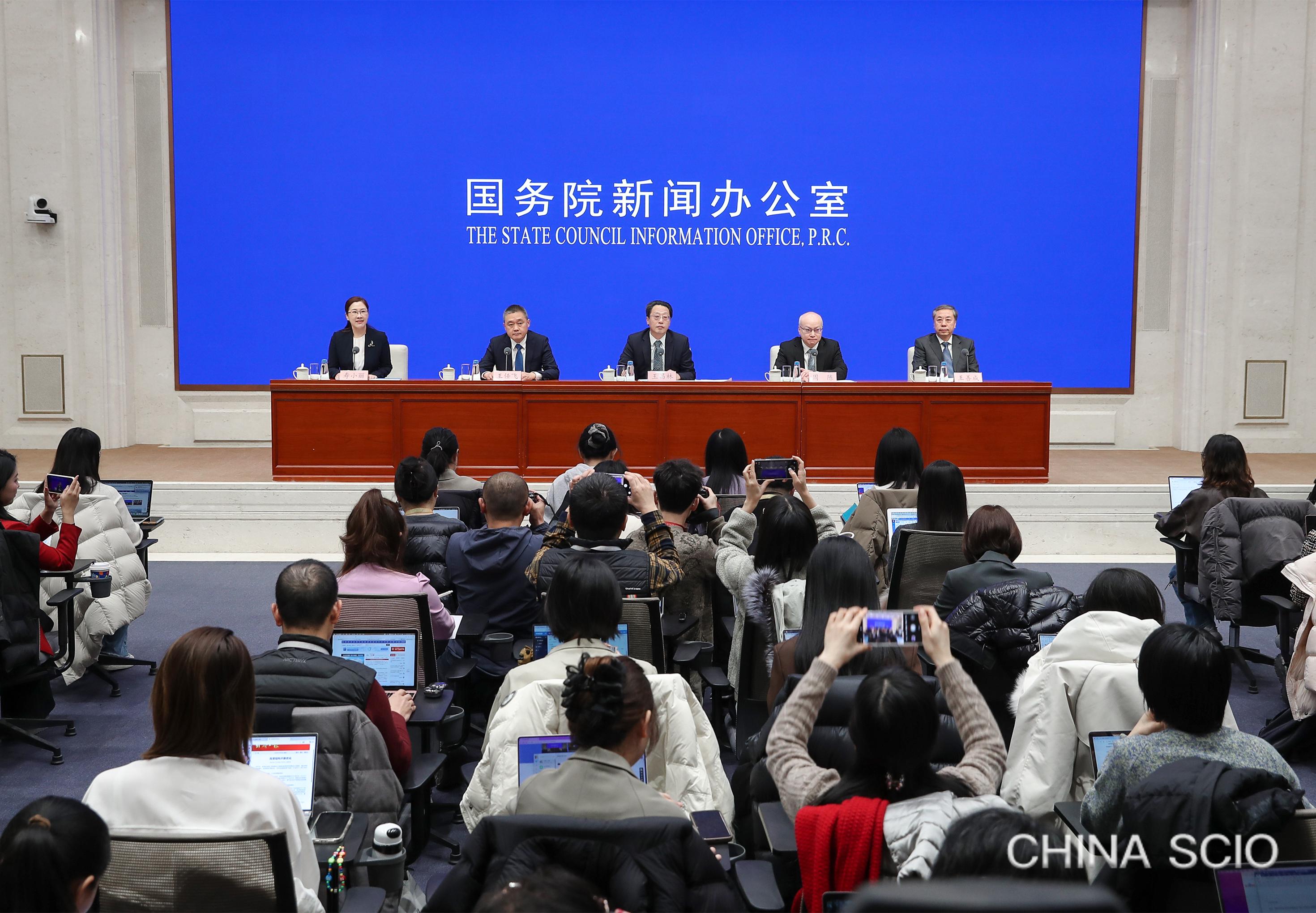
/6 Group photo
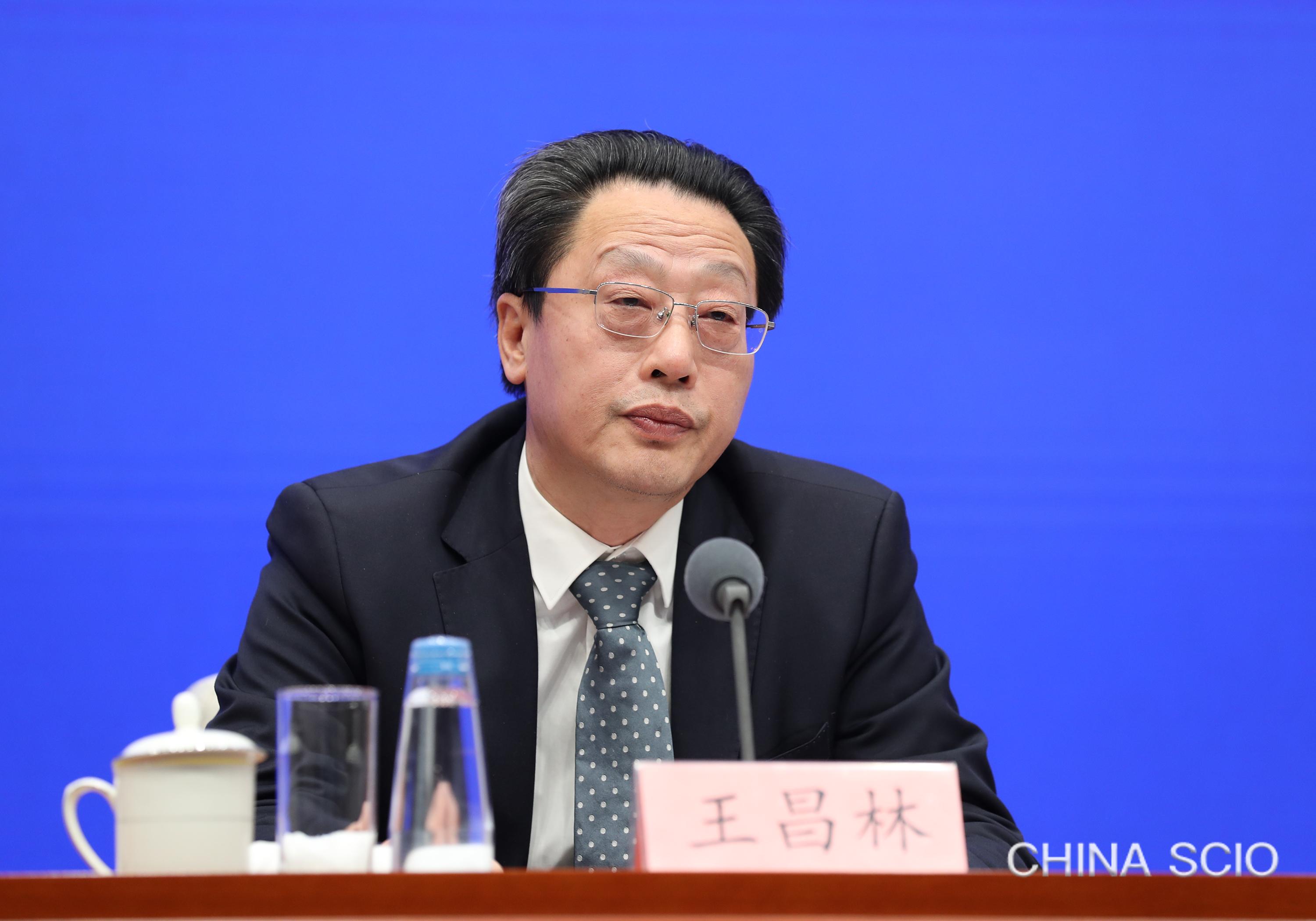
/6 Wang Changlin
/6 Zhou Chen
/6 Wang Renfei
/6 Wang Shancheng
/6 Shou Xiaoli
SCIO briefing on China's economic performance in 2025
January 19, 2026SCIO briefing on China's import and export in 2025
SCIO briefing on preparations for the 6th Asian Beach Games Sanya 2026
January 12, 2026