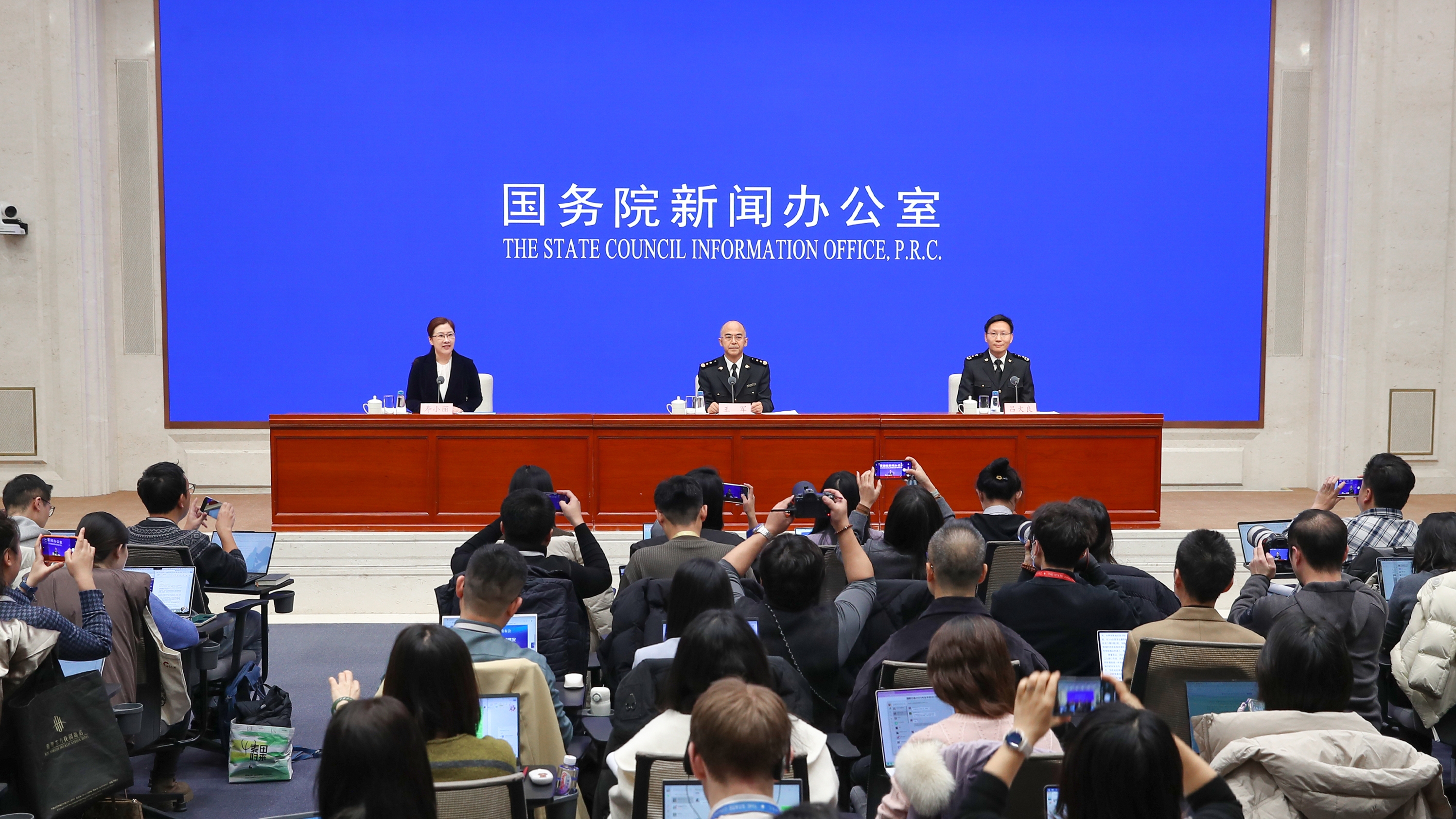

SCIO briefing on China's import and export in 2025
Beijing | 10 a.m. Jan. 14, 2026
Speakers

Wang Jun, vice minister of the General Administration of Customs of China (GACC)
Lyu Daliang, spokesperson of the GACC and director general of the Department of Statistics and Analysis of the GACC
Chairperson
Speakers:
Mr. Wang Jun, vice minister of the General Administration of Customs of China (GACC)
Mr. Lyu Daliang, spokesperson of the GACC and director general of the Department of Statistics and Analysis of the GACC
Chairperson:
Ms. Shou Xiaoli, director general of the Press Bureau of the State Council Information Office (SCIO) and spokesperson of the SCIO
Date:
Jan. 14, 2026
Shou Xiaoli:
Ladies and gentlemen, good morning. Welcome to this press conference held by the State Council Information Office (SCIO). Today, we will conduct a routine release of economic data. We are very pleased to be joined by Mr. Wang Jun, vice minister of the General Administration of Customs of China (GACC), and Mr. Lyu Daliang, spokesperson of the GACC and director general of the Department of Statistics and Analysis of the GACC, who will brief you on China's import and export performance in 2025 and also take your questions.
Now, I'll give the floor to Mr. Wang for his introduction.
Wang Jun:
Thank you, Ms. Shou. Good morning, everyone. It is nice to meet you here again in this new year. I will start by briefing you on the imports and exports of goods in 2025, and then my colleague and I will answer your questions.
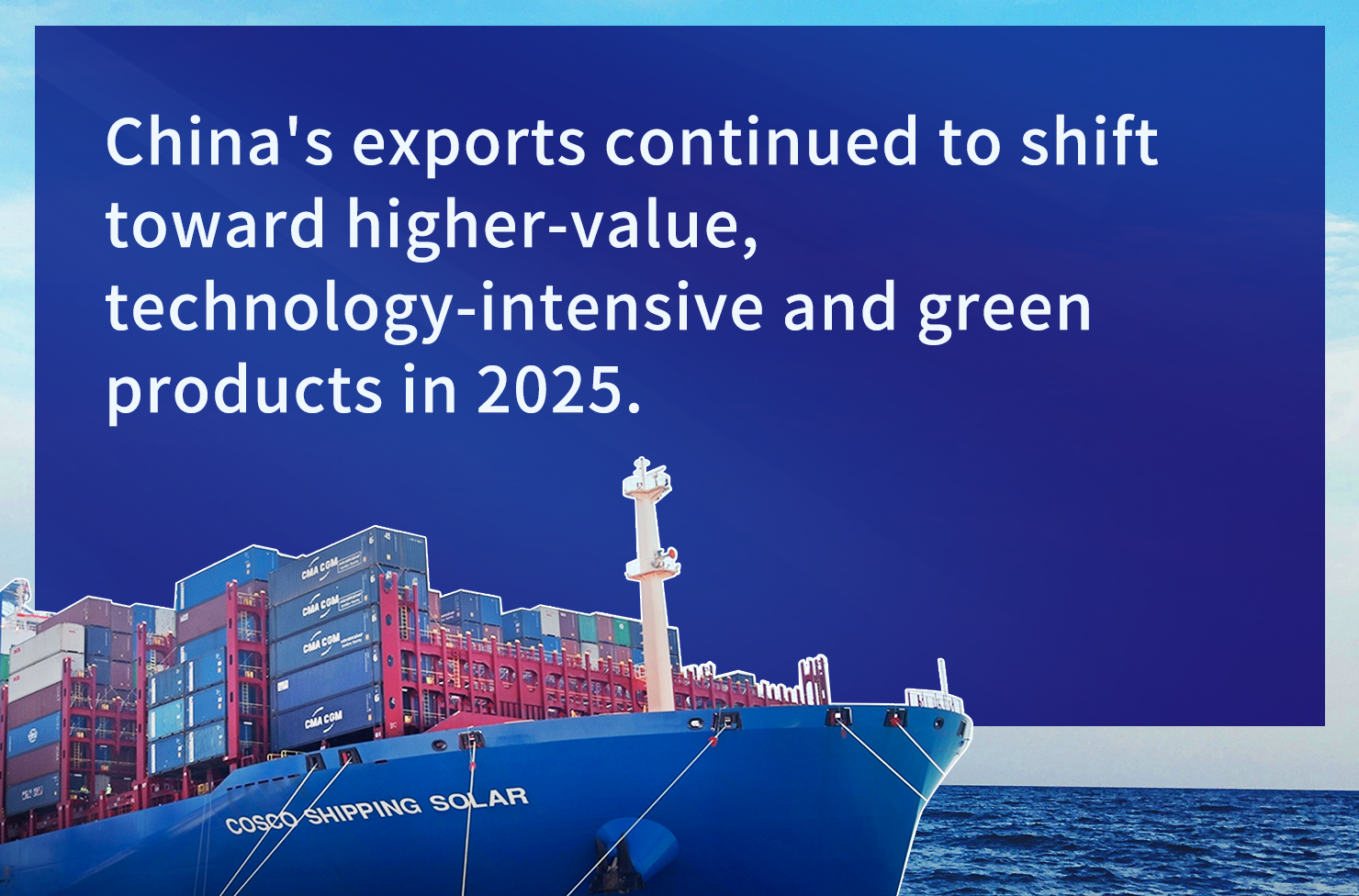
In 2025, facing a complex and severe external environment, under the strong leadership of the Central Committee of the Communist Party of China (CPC) with Comrade Xi Jinping at its core, China's economy advanced against pressures and continued high-quality development through innovative approaches. New progress was made in reform and opening up, and goods trade achieved rapid growth, demonstrating strong resilience and vitality. According to customs statistics, China's total import and export value for the year was 45.47 trillion yuan, an increase of 3.8%. Of this total, exports amounted to 26.99 trillion yuan, up 6.1%, while imports reached 18.48 trillion yuan, increasing by 0.5%. Specifically, it shows the following five features:
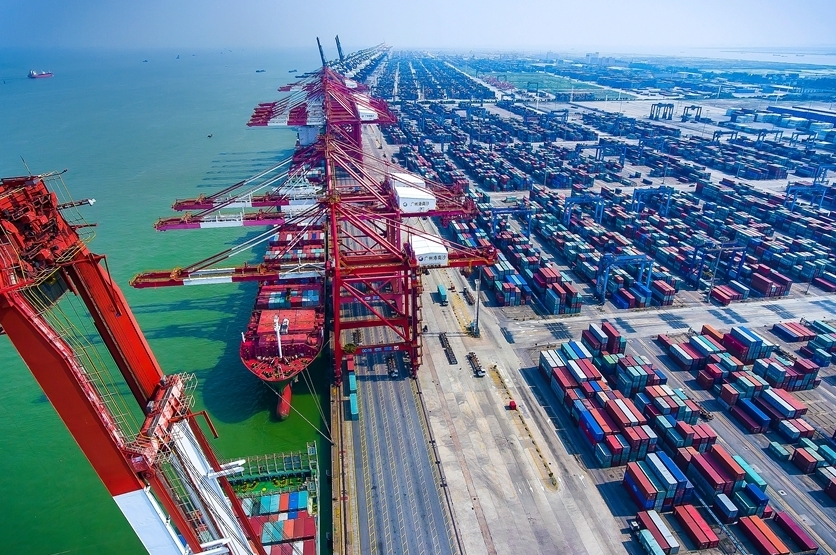
First, the scale reached a new high. The total value of imports and exports throughout the year exceeded 45 trillion yuan, setting a new record. China will continue to maintain its position as the world's largest trading nation in goods.
Second, the market became more diverse. Our country had trade relations with more than 240 countries and regions, and achieved growth in imports and exports with over 190 countries and regions. Specifically, imports and exports with Belt and Road partner countries amounted to 23.6 trillion yuan, an increase of 6.3%, accounting for 51.9% of total import and export value. Imports and exports with ASEAN, Latin America and Africa amounted to 7.55 trillion yuan, 3.93 trillion yuan and 2.49 trillion yuan, respectively, representing increases of 8%, 6.5% and 18.4%.
Third, exports showed innovative and high-quality features. Exports of high-tech products amounted to 5.25 trillion yuan, an increase of 13.2%. Exports of green products increased, with electric vehicles, lithium batteries and solar panels increasing by 27.1% and wind turbines increasing by 48.7%. Exports of private label products grew by 12.9%, with their share of total export value increasing by 1.4 percentage points.
Fourth, imports continued to grow. Against the backdrop of falling prices in international markets, China's imports continued to grow for three consecutive quarters starting from the second quarter. Imports of mechanical and electrical products for the whole year amounted to 7.41 trillion yuan, an increase of 5.7%, among which the import value of electronic components and computer parts increased by 9.7% and 20%, respectively. In terms of bulk commodities, the import volume of crude oil and metal ores increased by 4.4% and 5.2%, respectively. In terms of consumer goods, the import value of dried and fresh fruits and edible vegetable oil increased by 5.6% and 16.6%, respectively.
Fifth, enterprises exhibited greater vitality. China recorded more than 780,000 business entities engaging in imports and exports. Among them, private enterprises remained the main engine for foreign trade, with their imports and exports reaching 26.04 trillion yuan, an increase of 7.1%, and amounting to 57.3% of the total import and export value.
Against the complex backdrop of profound changes in the international environment and significant challenges to the global economic and trade order, achieving these foreign trade results for the year is truly remarkable and hard-won. The centralized and unified leadership of the CPC Central Committee is the source of our greatest confidence and strength in overcoming all difficulties. Enterprises across the country rose to challenges and worked hard, delivering a remarkable performance with numerous highlights to successfully achieve the 14th Five-Year Plan's foreign trade objectives. Customs authorities across the country, fulfilling their responsibilities to safeguard the nation's borders and promote development, have consistently launched special initiatives to facilitate cross-border trade. These efforts have helped create a market-oriented, law-based and internationalized business environment that supports two-way trade. Moreover, they have vigorously advanced reform and innovation in regulatory systems, strengthened technological empowerment, and improved regulatory efficiency and service quality. This has provided robust support for stabilizing foreign trade and upgrading its quality.
In 2026, external uncertainties will increase, and the pressure to stabilize foreign trade will remain considerable. At the same time, China's economy possesses a solid foundation, multiple advantages, strong resilience and vast potential. The supporting conditions and fundamental trend of long-term positive development remain unchanged, and the pace of trade innovation and development will grow even more robust. Customs authorities across the country will thoroughly implement the guiding principles of the 20th CPC National Congress and its subsequent plenary sessions of the 20th CPC Central Committee. In accordance with the directives of the Central Economic Work Conference, we will promote reform through openness, foster win-win outcomes through cooperation, and expand markets through facilitation. This will provide strong support for improving the quality and efficiency of foreign trade and ensure a strong start to the 15th Five-Year Plan. Thank you.
Shou Xiaoli:
Thanks, Mr. Wang, for your introduction. The floor is now open for questions. Please identify the media outlet you represent before asking your question. We will now take questions.
_ueditor_page_break_tag_China Media Group:
In 2025, the global economic and trade situation was unstable and full of uncertainties. What do you think are the reasons behind the stable growth of China's foreign trade? In addition, what is your outlook for China's foreign trade in 2026? Thank you.
Wang Jun:
Thank you for your questions. Over the past year, global economic growth has slowed, unilateralism and protectionism have risen, and the international economic and trade order has been severely disrupted. Faced with a complex and changing international environment, China's imports and exports still grew at a relatively rapid 3.8%. This marked nine consecutive years of growth, and the longest continuous growth period since China's accession to the World Trade Organization. In December alone, import and export volumes reached 4.26 trillion yuan, marking a 4.9% year-on-year increase, setting a new record for the highest monthly volume. Last year's rapid growth in foreign trade was mainly due to the following factors:
First, policies to stabilize foreign trade played a strong driving role. Last year, the CPC Central Committee and the State Council assessed the situation in a timely manner and made a series of decisions and plans to stabilize foreign trade. Local governments and relevant departments introduced detailed policy measures to help enterprises secure orders, expand markets, and foster new momentum for foreign trade. Customs, together with relevant departments, has carried out special initiatives to facilitate cross-border trade and taken the lead in introducing 29 policy measures for trial implementation. These measures have been welcomed by local governments and enterprises and are now being replicated and rolled out nationwide. We will hold a special press conference tomorrow to provide more details. These practical and effective policies and measures have helped offset the impact of external shocks, boosted business confidence, and stabilized market expectations.
Second, China's vast domestic market continues to unleash its import potential. China has a population of more than 1.4 billion and a middle-income group of over 400 million, making it a vast, diverse and highly promising market. The domestic economy continues to recover and improve, with production and consumption demands being effectively released, offering countries broad market opportunities and room for cooperation. The latest international data shows that in the first three quarters of last year, China became the top export destination for 79 countries and regions worldwide, an increase of three compared to the whole of 2024. Last year, China imported a total of 18.48 trillion yuan in goods, maintaining its share of global imports at around 10%.
Third, China's complete industrial system continues to align with overseas demand. China has the world's most complete industrial system, with the widest range of industries and the most complete industrial chains. Scientific and technological innovation is deeply integrated with industrial innovation, enabling the country to keep pace with shifting international market demand and continuously provide high-quality goods. China's manufacturing product exports have maintained growth for nine consecutive years. Last year, exports of equipment manufacturing products reached 16.03 trillion yuan, an increase of 9.2%. This accounted for 59.4% of China's total export value, contributing 5.3 percentage points to overall export growth.
As for this year's foreign trade outlook, global trade lacks overall growth momentum, and the external environment for China's foreign trade development remains challenging and complex. Global trade growth is expected to weaken further in 2026, according to a United Nations Conference on Trade and Development report. Contributing factors include slowing global economic growth, geopolitical divisions, ongoing policy uncertainties, increased vulnerabilities and rising trade costs. The World Trade Organization's latest Global Trade Outlook and Statistics report has sharply lowered the 2026 global merchandise trade growth forecast to 0.5%.
At the same time, we should also recognize that China's advantages in institutions, market, industrial system and talent resources have become even more prominent. With a more diversified set of trading partners and significantly enhanced resilience against risks, the fundamentals of China's foreign trade remain solid. The fourth plenary session of the 20th CPC Central Committee has made important arrangements to promote trade innovation and development. This provides a stable outlook for the continued improvement of China's foreign trade and injects more certainty into global economic and trade development. Thank you.
_ueditor_page_break_tag_Yicai:
We observed that in 2025, exports withstood external pressures and achieved stable growth. What do you consider to be the main growth drivers? Are there any particular features worth noting? Thank you.
Wang Jun:
Last year, despite headwinds and countercurrents, China's exports reached a scale of 26.99 trillion yuan, representing year-on-year growth of 6.1%. Reasonable growth in quantity stems from effective improvements in quality, prominently reflected in three aspects:
First, innovation has adapted to international market demand. High-tech product exports grew 13.2% year on year in 2025, contributing 2.4 percentage points to China's export growth. Among them, exports of special-purpose equipment increased 20.6%, high-end machine tools 21.5%, and industrial robots 48.7%. In particular, industrial robot exports exceeded imports last year, making China a net exporter of industrial robots. At the same time, traditional industries have been upgrading and transforming, continuously gaining new vitality. For example, ceramic companies have combined China's traditional craftsmanship with overseas culture, and their novelty ceramic trees have become a popular new choice for holiday decorations abroad. Home appliance companies have developed a "desert air conditioner" that can operate normally even when the outdoor temperature exceeds 60 degrees Celsius, with its export market continuing to expand.
Second, China's green initiatives have been boosting the global low-carbon transition. In green energy, lithium battery exports increased 26.2% and wind turbine exports 48.7% in 2025. In green transportation, electric motorcycle and bicycle exports rose 18.1%, while electric railway locomotive exports grew 27.1%. In green production, industrial gas purification equipment exports increased 17.3%, and electric forklift exports climbed 5.2%. High-quality green products offer a Chinese solution for the global green transition.
Third, China has promoted common development through cooperation. In 2025, China's intermediate goods trade grew rapidly, becoming the main driving force for exports and providing strong support for global industrial cooperation. China's export markets have become more diversified, with exports to Belt and Road partner countries growing 11.2%, contributing 5.4 percentage points to overall export growth. ASEAN has remained China's largest export market for three consecutive years. Exports to emerging markets such as Latin America, the Middle East, Central Asia and Africa have all outpaced the overall growth rate. China has continued to provide the world with high-quality, affordable, stable and reliable products, becoming a critical link in global industrial and supply chains.
Overall, China's export innovation has become more robust, its green development more prominent, and its cooperative development more vibrant. High-quality Chinese products are popular around the globe, playing an important role in ensuring the stability of global industrial and supply chains. They inject certainty and bring new opportunities to global economic and trade development. Thank you.
_ueditor_page_break_tag_Lianhe Zaobao:
The U.S. government launched a trade war last year. What was the state of China-U.S. economic and trade relations in 2025, and how significantly were they affected? With the current tariff war on pause, how should we assess this year's trade trends? Thank you.
Wang Jun:
Thank you. I would like to invite my colleague, Mr. Lyu, to answer your questions.
Lyu Daliang:
Thank you for your questions. According to China's customs statistics, China's import and export volume with the United States totaled 4.01 trillion yuan in 2025, accounting for 8.8% of China's total foreign trade value. According to U.S. statistics, in the first 10 months of 2025, U.S. imports and exports with China totaled $373.64 billion, accounting for 7.8% of total U.S. foreign trade.
Last year, the heads of state of China and the United States had multiple phone calls and held a successful meeting in Busan, South Korea, reaching a series of important consensus. Positive outcomes have been achieved after several rounds of economic and trade consultations, leading to a phased easing of tensions in China-U.S. economic and trade relations. According to the bilateral merchandise trade statistics, China is the third-largest export destination and the third-largest import source for the United States, while the United States is China's largest destination for merchandise exports and the third-largest import source.
What I want to say is that the essence of China-US economic and trade relations is mutual benefit and win-win outcomes. Maintaining stable, healthy, and sustainable development of China-US economic and trade relations is beneficial to both countries and to the world. The two sides should work together to implement the consensus reached by their heads of state, and continuously shorten the list of disagreements and lengthen the list of cooperation through dialogue and consultation, so that China-U.S. economic and trade relations can become the "ballast" and "catalyst" for the overall China-U.S. relationship. Thank you.
_ueditor_page_break_tag_Red Star News:
We have noticed that in recent years, there has been a growing number of trading partners for China. What changes and highlights have there been in this regard compared to last year? Thank you.
Wang Jun:
Thank you for your question. Last year, faced with an increasing number of external challenges, China's foreign trade enterprises proactively responded to, and steered changes, by consolidating traditional markets and exploring emerging ones. At the same time, the vast potential of China's enormous market continued to be unleashed, providing more opportunities for countries around the world. The diversification of China's foreign trade has become even more evident. Let me give you some details.
First, China's trading partners are all over the world. Last year, there were 249 countries and regions globally that engaged in trade with China. Among them, 14 had trade volumes exceeding one trillion, 62 exceeded 100 billion, and 137 exceeded 10 billion. Compared to 2024, these figures increased by 2, 6, and 10 respectively. In terms of the five continents, China has achieved growth in imports and exports with at least 60% of the countries and regions on each continent. In terms of single economies, last year, China's top ten trading partners accounted for 47.7% of the total foreign trade value, a decrease of two percentage points compared to 2024, indicating a reduced concentration and a more balanced distribution.
Second, trade achievements have promoted mutual benefits and win-win outcomes in multiple areas.
The Version 3.0 China-ASEAN Free Trade Area has been implemented, advancing regional economic integration into broader fields and deeper levels. Last year, China's imports and exports with ASEAN exceeded one trillion U.S. dollars. Meanwhile, trade with Central Asian countries surpassed 100 billion U.S. dollars, with more high-quality agricultural products from Central Asia entering the Chinese market.
China has thoroughly implemented the "Ten Partnership Actions" with African countries. Last year, the trade volume with Africa approached 2.5 trillion yuan, among which the export of goods from overseas contracted engineering projects to Africa rose by more than 40% due to close cooperation in overseas engineering projects.
Mutual complementary advantages have been transformed into shared interests. Over 50% of cosmetics and nearly 60% of automobiles in China are imported from Europe, while pharmaceutical products and industrial robots exported to Europe have maintained growth rates of more than 20%.
China and Latin American countries have forged close links in areas such as manufacturing and agricultural cooperation. Exports of agricultural machinery and construction machinery have maintained double-digit growth, setting a practical example for further South-South cooperation.
China has strengthened cooperation with countries such as Australia and New Zealand under frameworks like the Regional Comprehensive Economic Partnership (RCEP), which led to a 37.2% increase in imports of edible aquatic products and an 18.6% increase in imports of dairy products from the Oceanic region.
Overall, China has continued to expand global partnerships based on equality, openness, and cooperation, while deepening its integration into the global trade and development landscape. Trade with various continents presents a vivid picture of "each thrives in its own strength, and all flourish together in mutual prosperity". Thank you.
_ueditor_page_break_tag_Rudaw Media Network:
A relevant research report from the World Trade Organization indicates that AI has become a force for growth of global trade. What's the current situation of China's artificial intelligence going globally? Thank you.
Wang Jun:
Thank you for your questions. We have also noted the relevant report from the World Trade Organization. According to the report, global trade in AI-related products increased by about 20% in the first half of last year, accounting for one-sixth of the total trade and contributing to over 40% of global trade growth. Preliminary estimates based on the product scope of the report indicate that China's trade in AI-related products in 2025 was largely in line with the global trend, demonstrating a vigorous and dynamic development momentum.
First, in the field of intermediate products, the diverse application scenarios have provided a broad space for the implementation of China's artificial intelligence technology, driving the import of related products. For example, China's autonomous driving technology is developing rapidly, with laser radar imports increasing by more than 20%. The demand for AI computing power is strong, with computer component imports increasing by 20%. At the same time, Chinese enterprises have actively participated in global cooperation and division of labor in the artificial intelligence industry, with exports of optical transceiver modules used in high-end graphics card applications increasing by nearly 60%. We have effectively met the strong power demand of global data centers, with exports of electrical equipment such as large transformers and energy storage batteries increasing by 18.8%.
Second, in the field of end-user products, China's intelligent robots are not only capable of dancing, running marathons, and practicing taichi, but they have also become a synonym for highly efficient production. Transport robots equipped with vision systems and algorithms can intelligently avoid obstacles, while welding robots are able to automatically scan, build models and calculate optimal welding solutions. These two types of robots have performed strongly in major overseas infrastructure and transportation projects, with export growth exceeding 60% in 2025. In daily life, our smart wearable devices are connected to large AI models, providing real-time health advice, while smart toys feature diversified functions such as touch sensing and scenario-based dialogue, delivering novel, friendly, and emotionally engaging consumer experiences. In 2025, China's smartwatches and smart toys were sold in more than 170 countries and regions.
At present, a new wave of scientific and technological innovation is entering a period of rapid and concentrated growth. The Central Economic Work Conference has made arrangements to further expand the "AI+" initiative, and China's artificial intelligence sector is gaining strong momentum. Accordingly, the AI intensity of China's foreign trade will continue to rise steadily. The GACC will actively embrace the development of artificial intelligence, taking the development of smart customs as a key driver to optimize clearance procedures, enhance precise risk prevention and control, and further improve the business environment, to ensure effective regulation, greater facilitation and faster clearance. Modernization of customs will better serve and support Chinese modernization. Thank you.
_ueditor_page_break_tag_Phoenix TV:
We would like to ask about the specific performance of trade between China and the European Union (EU) over the past year. We have also noted recent progress made by China and the EU regarding electric vehicle trade. What expectations and outlook does the GACC have for China-EU trade this year? Thank you.
Wang Jun:
I would like to invite Mr. Lyu Daliang to respond to the questions.
Lyu Daliang:
Thank you for your questions. China and the EU are each other's second-largest trading partners. According to China's customs statistics, in 2025 China's total imports and exports with the EU reached 5.93 trillion yuan, up 6%, accounting for 13% of China's total foreign trade and contributing 0.8 percentage point to its overall foreign trade growth. According to data from the EU, in the first 10 months of 2025, trade between the EU and China exceeded 700 billion U.S. dollars, accounting for 14.5% of the EU's total external trade and contributing more than 0.8 percentage point to its overall foreign trade growth. The economies of China and the EU are highly complementary, with deeply intertwined interests. This is reflected in three main aspects based on trade data:
First, the two sides were deeply connected in the field of consumer goods. The EU was China's largest source of consumer-good imports and its largest export market for such products, accounting for 26.8% of China's total imports and 16.2% of total exports in this category, respectively. Import from the EU of luggage, healthcare products, passenger vehicles, and cosmetics each accounted for more than 40% of China's imports of these respective products. Meanwhile, China's exports to the EU of electrical and electronic products, garments, and kitchenware grew by 3.4%, 3.7% and 3.6%, respectively, further enriching consumer choices on both sides.
Second, the two sides maintained close links in the high-technology sector. The EU was China's second-largest source of high-tech imports and its third-largest export market. More than one quarter of China-EU merchandise trade was concentrated in high-tech products. In 2025, China's exports of high-tech products to the EU grew by 7.5%, while such imports from the EU increased by 11.1%.
Third, the potential for cooperation in green development continued to be unleashed. Both China and the EU actively support low-carbon transition and green development, making green cooperation a defining feature of bilateral trade. In 2025, China's exports to the EU of wind power equipment surged by 65.9%, while exports of electrical equipment such as DC charging stations and energy-storage batteries rose by 25.4%. Imports from the EU of recyclable products increased by 18.9%. As China's green and low-carbon transition continues to accelerate, there remains broad space for cooperation between the two sides in this field.
At present, unilateralism and protectionism are on the rise, and the rules-based multilateral trading system faces severe challenges. China and the EU are both constructive forces that uphold multilateralism and advocate openness and cooperation. The two sides should move in the same direction, stay committed to dialogue and cooperation, properly manage differences, jointly uphold free trade and practice multilateralism, and promote the sound and stable development of China-EU economic and trade relations. Thank you.
_ueditor_page_break_tag_ThePaper.cn:
Could you brief us on China's foreign trade with Belt and Road partner countries in 2025, and the new measures and progress made by the GACC in supporting high-quality Belt and Road cooperation? Thank you.
Wang Jun:
Mr. Lyu will answer your questions.
Lyu Daliang:
Thank you for your questions. High-quality joint development of the Belt and Road Initiative (BRI) has created new opportunities for mutually beneficial and win-win cooperation worldwide. In 2025, China's imports and exports with BRI partner countries reached 23.6 trillion yuan, an increase of 6.3%, which is 2.5 percentage points higher than the overall growth rate of China's foreign trade. In terms of share, trade with BRI partners accounted for 51.9% of China's total foreign trade in 2025, further rising after surpassing the 50% mark in 2024. Here, I would like to share two ways in which we have boosted the trade.
First, "hard connectivity" has facilitated smooth trade. With deeper coordination among the Silk Road maritime routes, cross-border highways and railways, and the Silk Road air routes, China's imports and exports with BRI partner countries through water, land, and air transport grew by 6.2%, 12.4%, and 8.2%, respectively in 2025. Tightly interconnected logistics networks have supported the smooth implementation of major landmark projects. China's exports to BRI partner countries through contracted projects reached 126.49 billion yuan, representing a year-on-year growth of 45.7%. Notable progress was also seen in green infrastructure construction, with exports of wind turbines rising by 73.9%.
Second, the trade that benefits people has further strengthened people-to-people bonds. In the medical sector, China's exports of medical devices to BRI partner countries increased by 10.4% in 2025, providing more high-quality options for their medical industries. At the same time, BRI partner countries are also China's main sources of imported traditional Chinese medicinal materials accounting for over 70% of China's total imported goods in this category. As the saying goes, food is the top priority for the people. In 2025, China's General Administration of Customs (GAC) and its counterparts in BRI countries signed more than 100 cooperation documents on market access for agricultural and food products. Trade in agricultural products between China and BRI partners reached a record high of 1.43 trillion yuan. The BRI customs cooperation information platform on food safety was officially launched, ensuring that consumers on both sides can enjoy a rich and safe diet.
Positioned at the hub of international and domestic circulation, customs serves as an important link in promoting connectivity. We have continued to deepen institutional cooperation with BRI partner countries in customs inspection and quarantine. Cooperation on smart customs with BRI partner countries has been steadily expanded. To date, customs authorities from 146 countries and regions have registered on the global smart customs cooperation platform, and a total of 82 best-practice cases in the field have been released. In 2025, we officially implemented mutual recognition of Authorized Economic Operator (AEO) with four BRI partner countries, and signed cooperation documents on "single window" clearance with customs authorities in five BRI partner countries, continuously facilitating customs clearance. We are advancing the expansion and renovation of border ports, promoting the pilot projects for smart port checkpoints, improving the "green channel" for fast-track customs clearance of agricultural products, and improving the flow of cross-border movements with BRI partner countries.
Moving forward, the customs authorities will work under the guidance of the eight major steps for high-quality Belt and Road cooperation, deepen collaboration with the customs authorities of BRI partner countries, enhance customs clearance efficiency, in order to achieve steady and long-term progress of high-quality Belt and Road cooperation.
_ueditor_page_break_tag_National Business Daily:
According to the data released by the customs authorities, we have noted a continuous increase in the monthly imports since the second half of the year. How do you assess China's import performance throughout the year? What are your expectations for future imports? Thank you.
Wang Jun:
China's imports in 2025 reached a record high of 18.48 trillion yuan, making the country the world's second-largest import market for the 17th consecutive year. Last year, prices of some major commodities in international markets declined, with import prices of crude oil and iron ore dropping by about 10%, which dragged down the overall import growth rate by 1.4 percentage points. Against this backdrop, the growth of imports did not come easily. Throughout last year, China's import exhibited the following features:
First, the momentum of imports continues to strengthen. With the sustained economic recovery, stable production growth, and increasingly steady improvement of imports due to expanded consumer demand, starting from June, China's imports maintained year-on-year growth for seven consecutive months. The growth rate further accelerated to 4.4% in December.
Second, efforts to expand imports has delivered notable progress. China has proactively expanded imports and carried out a series of "Big Market for All: Export to China" activities. The eighth China International Import Expo (CIIE) was successfully held. With a record number of participating companies and intended deals exceeding $80 billion in last year's event, the CIIE has become a gateway for enterprises from around the world to access China's vast economy. China's customs authorities granted market access to an additional 190 categories of agricultural and food products from 65 countries and regions. Over the year, China imported nearly 1.5 trillion yuan worth of agricultural products. The number of overseas agricultural and food enterprises registered with Chinese customs authorities increased by 83,000, bringing the total to over half a million. Last year, China imported nearly 30 tonnes of bulk commodities, up 1.1% year-on-year. The value of imported mechanical and electrical products exceeded 7.4 trillion yuan, representing a year-on-year increase of 5.7%.
Third, imports recorded growth from a broader range of trading partners. Last year, China's imports increased from more than 130 countries and regions worldwide, seven more than in 2024. Imports from Asia, Latin America, and Africa rose by 3.9%, 4.9%, and 6%, respectively. China granted zero-tariff treatment on 100% of tariff lines for products from the least developed countries with which it has diplomatic relations, and imports from these countries increased by 9%.
It should be noted that some countries have politicized economic and trade issues, restricting high-tech product exports to China under various pretexts. Without these restrictions, China's imports in 2025 would have been even higher.
Looking ahead, China will open its doors wider to the world, offering ample room for import growth. China's huge market will continue to present a major opportunity for the global community. Customs authorities will, in accordance with the decisions and plans of the CPC Central Committee and the State Council, further innovate regulatory systems to provide enhanced customs clearance supervision and services, thereby facilitating import growth. Thank you.
_ueditor_page_break_tag_Nanfang Daily, Nanfang Plus:
The year 2025 marked the final year for implementing the 14th Five-Year Plan (2021-2025). Given that China's foreign trade saw fairly rapid growth in 2025, could you give us an overview of China's foreign trade performance during the 14th Five-Year Plan period? Thank you.
Wang Jun:
Thank you. China's import and export performance in 2025 delivered a series of highlights, bringing the 14th Five-Year Plan to a successful conclusion. The 14th Five-Year Plan period was a truly remarkable five years. Under the strong leadership of the CPC Central Committee, China's foreign trade has withstood the test of a turbulent external environment. Cumulative imports and exports exceeded 200 trillion yuan, a 40% surge from the 13th Five-Year Plan period. Bolstered by its massive trade volume, continuous improvement in product quality, and strong resilience against economic and trade headwinds, China made solid progress in its development as a trader of quality.
First, in terms of volume, China has maintained its position as the world's largest goods trading nation. Over the past five years, China's total import and export value successively crossed the 40 trillion yuan and 45 trillion yuan thresholds, reaching 45.47 trillion yuan in 2025. This represented an increase of 41.1% compared to 2020, with an average annual growth rate of 7.1%. China's share of the global import market has remained at around 10%, with cumulative imports exceeding 90 trillion yuan over the past five years. Its share of the global export market has held steady at above 14%. China is expected to maintain its status as the world's largest goods trading nation in 2025.
Second, the quality of China's goods trade has been continuously optimized and upgraded. Foreign trade has become increasingly innovation-driven and environmentally sustainable. Over the past five years, imports and exports of high-tech products have grown at an average annual rate of 7.9%. In 2025, year-on-year growth reached 11.4%, accounting for nearly 60% of overall foreign trade growth. In 2025, the export value of the "new trio" products, namely electric vehicles, lithium-ion batteries and photovoltaic products, approached 1.3 trillion yuan, a 3.5-fold increase from 2020. New business forms and models are thriving. According to preliminary customs statistics, China's cross-border e-commerce imports and exports totaled 2.75 trillion yuan in 2025, up 69.7% from 2020.
Finally, in terms of resilience, China's capacity to withstand risks and shocks has significantly strengthened. China has firmly upheld the multilateral trading system, opposed unilateralism, and upheld international equity and justice. Over the past five years, China's foreign trade 'circle of partners' has kept expanding, while the path toward trade diversification has kept broadening. The latest international data shows that China has become a major trading partner of more than 160 countries and regions worldwide, an increase of over 20 from 2020. A vast number of foreign trade enterprises have adapted and responded proactively to changes, grown stronger through challenges, and fully demonstrated their indomitable spirit of perseverance and determination. Private enterprises have continued to play a leading role in stabilizing foreign trade, accounting for about 80% of the increase in foreign trade during the 14th Five-Year Plan period. Foreign-funded enterprises remain committed to deepening their presence in China with unwavering confidence. In 2025, the number of such enterprises engaged in imports and exports increased by more than 1,700 compared with 2020. The import and export volume of state-owned enterprises has maintained steady growth.
The fourth plenary session of the 20th CPC Central Committee has charted a grand blueprint for socioeconomic development over the next five years, laying out important plans for expanding high-level opening-up and creating a new landscape of win-win cooperation. A stable and highly open China will surely inject more stability and positive energy into global economic development. Thank you.
_ueditor_page_break_tag_Beijing Youth Daily:
You just gave an overview of China's overall import and export situation. Could you tell us more specifically about the characteristics and highlights of foreign trade across different regions in 2025? Thank you.
Wang Jun:
I'd like to invite Mr. Lyu to answer your question.
Lyu Daliang:
Thank you for your question. In 2025, regions across China leveraged their unique geographical advantages and resource endowments to actively contribute to the steady growth of the nation's imports and exports. The following three points were particularly notable:
First, major foreign trade provinces played a leading role. In 2025, the combined import and export volume of seven provinces and municipalities — Guangdong, Jiangsu, Zhejiang, Shanghai, Shandong, Beijing and Fujian — reached 34.11 trillion yuan, up 2.7% year on year. These regions contributed more than half of the country's trade growth, effectively stabilizing the fundamentals of the foreign trade sector. Of this total, imports and exports of high-tech products rose 11.4%, driving the overall trade growth of these seven regions by 2.2 percentage points. Both imports and exports of electronic information goods and high-end equipment saw relatively fast growth.
Second, border regions reached new levels of development. With the continuous expansion of China's opening-up, border provinces and autonomous regions are gradually transforming into new frontiers of openness. In 2025, imports and exports in the nine border provinces and autonomous regions totaled 3.14 trillion yuan, an increase of 5.6%. This growth rate has outpaced the national average for four consecutive years. These border regions also serve as a window for China to deepen cooperation with neighboring countries and regions. Driven by open channels such as the China-Europe Railway Express, the new western land-sea corridor and the China-Laos Railway, imports and exports between border provinces and autonomous regions with neighboring countries reached 1.86 trillion yuan last year, up 6.3% year on year.
Third, key regions fueled further momentum. The high-quality development of the Xiongan New Area has achieved remarkable results, with imports and exports rising rapidly last year and exceeding 70 billion yuan. The Yangtze River Delta region's import and export volume increased 6.3%, raising the region's share of China's total foreign trade to 37.4%. Exports of ships and offshore engineering equipment from the region rose 11.4%, while biopharmaceutical exports increased 6.9%. Both categories accounted for more than half of the nation's total exports of such products. The foreign trade volume of the nine mainland cities of the Guangdong-Hong Kong-Macao Greater Bay Area expanded steadily in 2025, surpassing the 9 trillion yuan milestone to reach 9.15 trillion yuan, a 4.7% increase. These cities were responsible for exporting nearly half of China's tablet computers and over 80% of its 3D printers. The Hong Kong-Zhuhai-Macao Bridge has fully leveraged its role as a major regional logistics artery. Imports and exports via the bridge's port reached 325.84 billion yuan last year, up 40.1%. Thank you.
_ueditor_page_break_tag_21st Century Business Herald:
You just mentioned that the number of business entities with import and export records in China reached 780,000 in 2025. Could you please share the specific characteristics and highlights regarding the trade performance of these various types of entities? Thank you.
Wang Jun:
Thank you for your question. In 2025, foreign trade entities rose to the challenge and forged ahead with determination. With their growing internal driving momentum and innovation potential, they jointly supported steady growth and higher quality in China's foreign trade.
Regarding private enterprises, the CPC Central Committee convened a symposium on private enterprises last year, and the Private Sector Promotion Law was officially implemented. These moves accelerated the release of various policy dividends, effectively stimulating the vitality of private enterprises. In 2025, private enterprises showed stronger innovative momentum and growing strength. Their share of China's total foreign trade rose 1.8 percentage points to 57.3%. Their exports of high-tech products increased 14.8%, with high-end equipment surging 26.9%, to account for nearly 60% of the national total. From offshore equipment to low-altitude aircraft, private enterprises are acting as pioneers across the board. They now account for more than 70% of the total trade value generated by China's "little giant" firms — companies recognized for their specialized and sophisticated technologies. In emerging business models, exports by private enterprises under the market procurement trade model rose 9.2%.
As for foreign enterprises, China remains an attractive and competitive destination for global businesses, offering an ideal, secure and promising environment for investment. A recent survey of multinational corporations conducted by relevant institutions shows that more than 90% of respondents plan to continue investing in China, indicating that foreign investor confidence in the Chinese market remains solid. In 2025, imports and exports by foreign-invested enterprises reached 13.27 trillion yuan, marking a 3.7% increase and maintaining growth for seven consecutive quarters. Foreign-invested enterprises saw their imports and exports grow 9.6% in computer, communication and other electronic equipment manufacturing; 6.1% in pharmaceutical manufacturing; and 9.5% in food manufacturing.
As for state-owned enterprises (SOEs), they have remained focused on their core responsibilities and overall development priorities, playing a key role in ensuring energy and resource supplies and strengthening industrial chain resilience. In 2025, SOEs posted a combined import-export value of 6.06 trillion yuan, accounting for 13.3% of China's total foreign trade. Among SOEs engaged in foreign trade, the average import-export volume per enterprise reached 940 million yuan, the highest of any enterprise type. SOEs play a particularly prominent role in imports, with import volume 2.1 times that of exports. They accounted for over 60% of China's energy imports and nearly 40% of metal ore imports.
Going forward, customs authorities will continue implementing policies and measures to stabilize foreign trade. They will leverage mechanisms such as the "customs heads delivering policies directly to companies" initiative, continue building the "zero-distance between customs and enterprises" service brand, strengthen corporate credit cultivation, and provide targeted support to help market entities of all types stabilize markets and secure orders. Thank you.
Shou Xiaoli:
Due to time constraints, we'll take one last question.
_ueditor_page_break_tag_TASS:
How has the Hainan Free Trade Port (FTP) performed in areas such as trade facilitation and duty-free shopping since it officially launched island-wide special customs operations? Thank you.
Wang Jun:
As you know, in a few days, it will be one month since the Hainan FTP officially launched island-wide special customs operations. Since the launch, related policies have been steadily implemented. Movements across the "first line" and "second line" have been smooth and efficient, and overall operations have remained stable and orderly. The results are mainly reflected in three aspects:
First, policy benefits have begun to deliver tangible results. From Dec. 18, 2025, to Jan. 10, 2026, customs authorities processed 18,000 metric tons of cargo at the "first line" in accordance with direct release measures. Zero-tariff imports reached 460 million yuan, with tariff exemptions totaling 62.128 million yuan. Local enterprises, hospitals and research institutions have gained access to zero-tariff materials and equipment. Meanwhile, enterprises in sectors such as tourism and transportation can benefit from zero-tariff aircraft, vessels, and vehicles for commercial use. During the same period, customs authorities processed 56.816 million yuan in goods sold to the mainland under the tax exemption policy for the processing value-added at the "second line," exempting 2.301 million yuan in import duties. This has encouraged Hainan enterprises to extend their industrial chains and boost value-added production.
Second, the appeal of opening-up policies has grown significantly. Attracted by the benefits of island-wide special customs operations in the Hainan FTP, a growing number of enterprises are choosing to do business in the province. From Dec. 18, 2025, to Jan. 10, 2026, 4,709 foreign trade enterprises filed for registration in Hainan. This 24-day figure matches the total for an entire quarter in 2024. The total number of registered foreign trade companies in Hainan now exceeds 100,000. The launch of island-wide special customs operations has driven rapid growth in Hainan's foreign trade. During the same period, the total value of goods imports and exports across the island reached 21.42 billion yuan, up 19.6% year on year. Among these, imports rose 13.3% and exports jumped 31.6%.
Third, offshore duty-free shopping continues to gain momentum. Following a round of policy adjustments, the number of duty-free product categories available to outbound shoppers in Hainan has expanded from 45 to 47, with new additions including digital photography equipment, micro drones and other electronic products. At the same time, eligibility has been expanded to include all travelers departing from Hainan Island. From Dec. 18, 2025, to Jan. 10, 2026, a total of 585,000 people made outbound duty-free purchases in Hainan, up 32.4% year on year. Total sales reached 3.89 billion yuan, a 49.6% increase. On average, about 24,000 people made duty-free purchases in Hainan every day, with daily sales averaging 160 million yuan, both higher than levels recorded before the launch of island-wide special customs operations.
The launch of island-wide special customs operations marks a major milestone in the development of the Hainan FTP. Customs authorities will continue to monitor and evaluate the implementations of these operations, further optimize regulatory services, and strike a proper balance between facilitation and effective oversight. These efforts aim to build the Hainan FTP into a special customs regulatory area that is internationally competitive and globally influential. Thank you.
Shou Xiaoli:
Thank you to our two speakers and to all our media friends for participating. That concludes today's briefing. Goodbye, everyone!
Translated and edited by Liu Sitong, Li Congrong, Wang Xingguang, Xu Kailin, Liu Caiyi, Zhu Bochen, Zhang Tingting, Xiang Bin, Cui Can, Li Huiru, Huang Shan, Li Xiao, Fan Junmei, Zhang Rui, Ma Yujia, Zhang Junmian, Zhou Jing, David Ball, Jay Birbeck, and Tudor Finneran. In case of any discrepancy between the English and Chinese texts, the Chinese version is deemed to prevail.

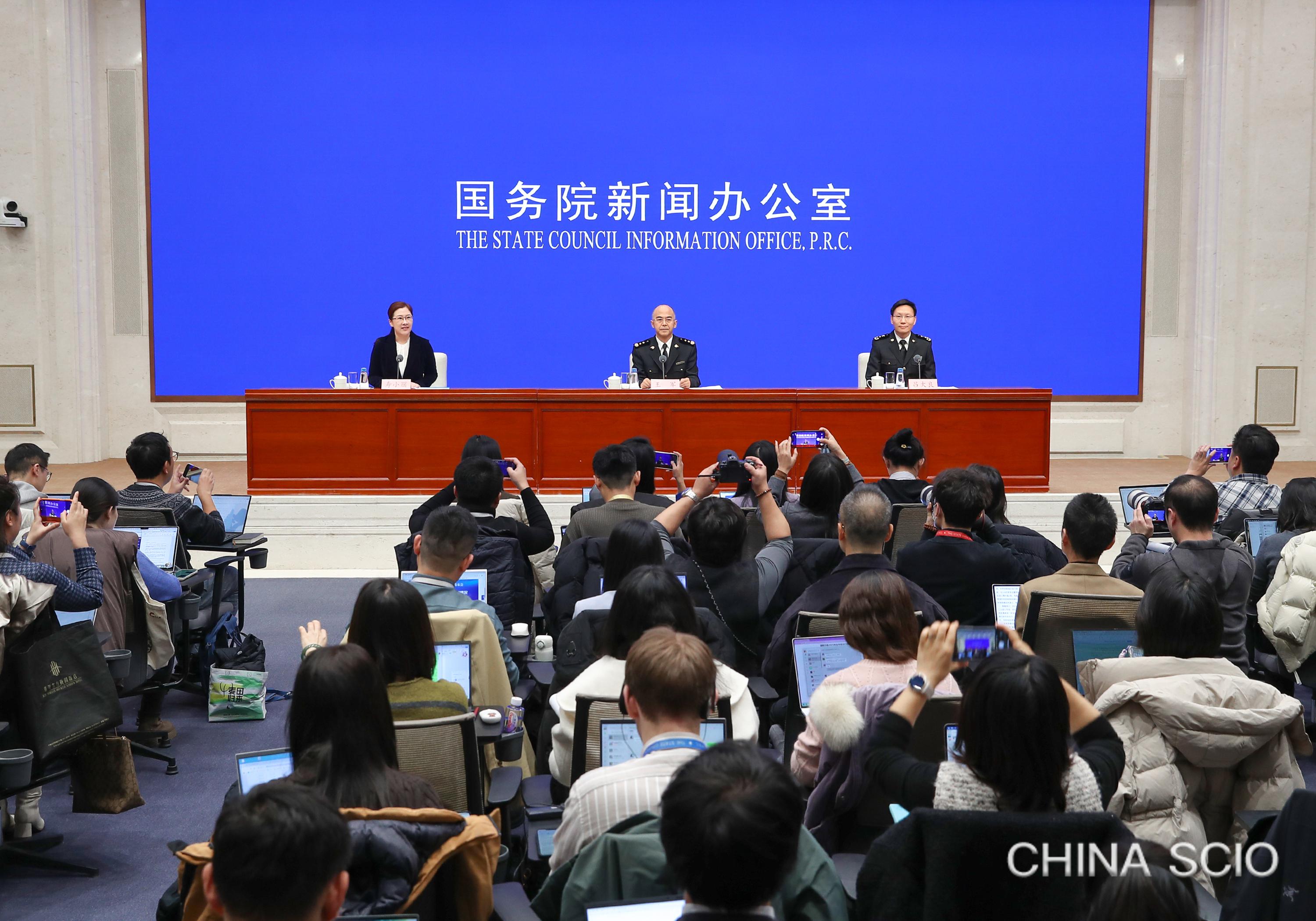
/4 Group photo
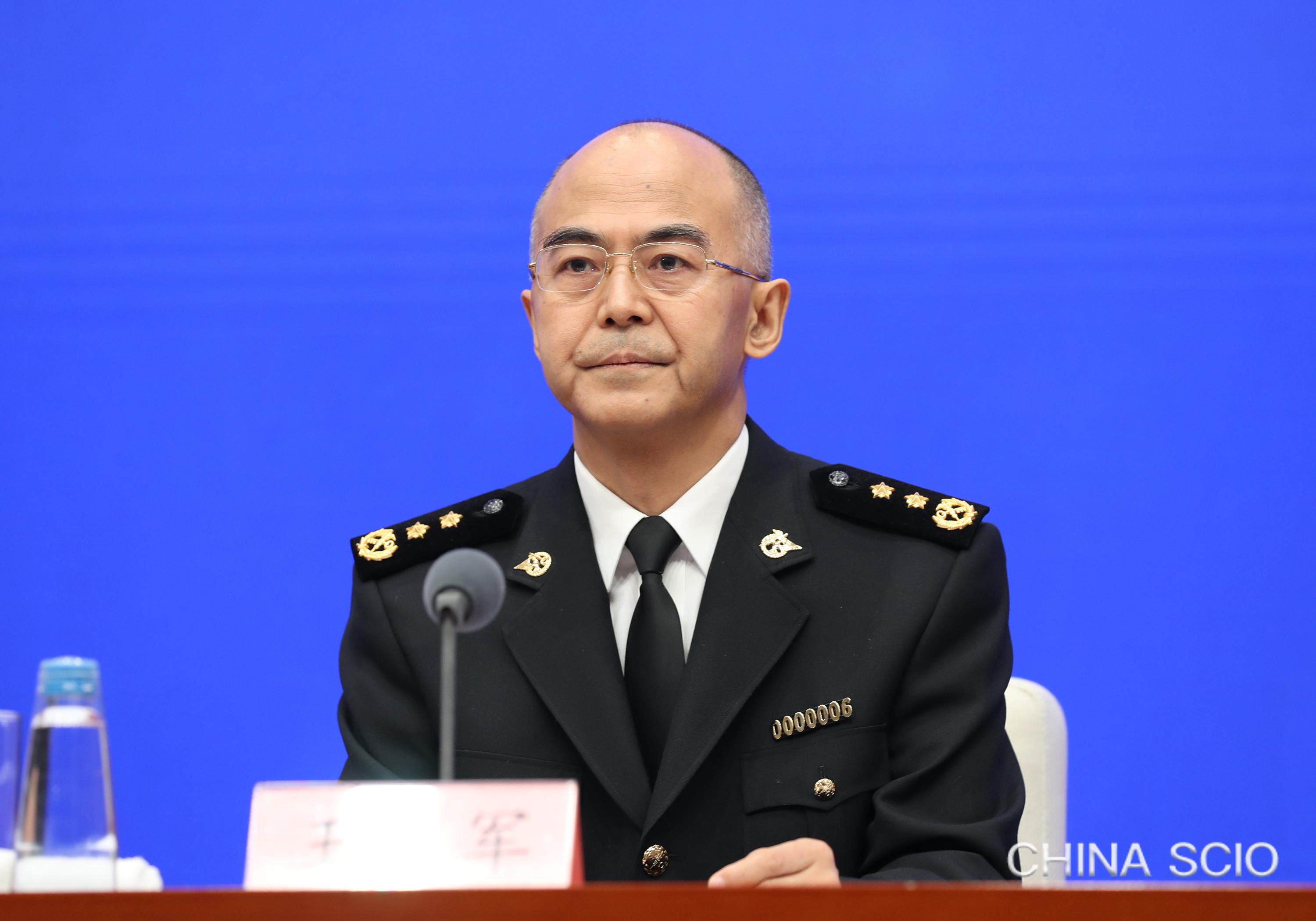
/4 Wang Jun
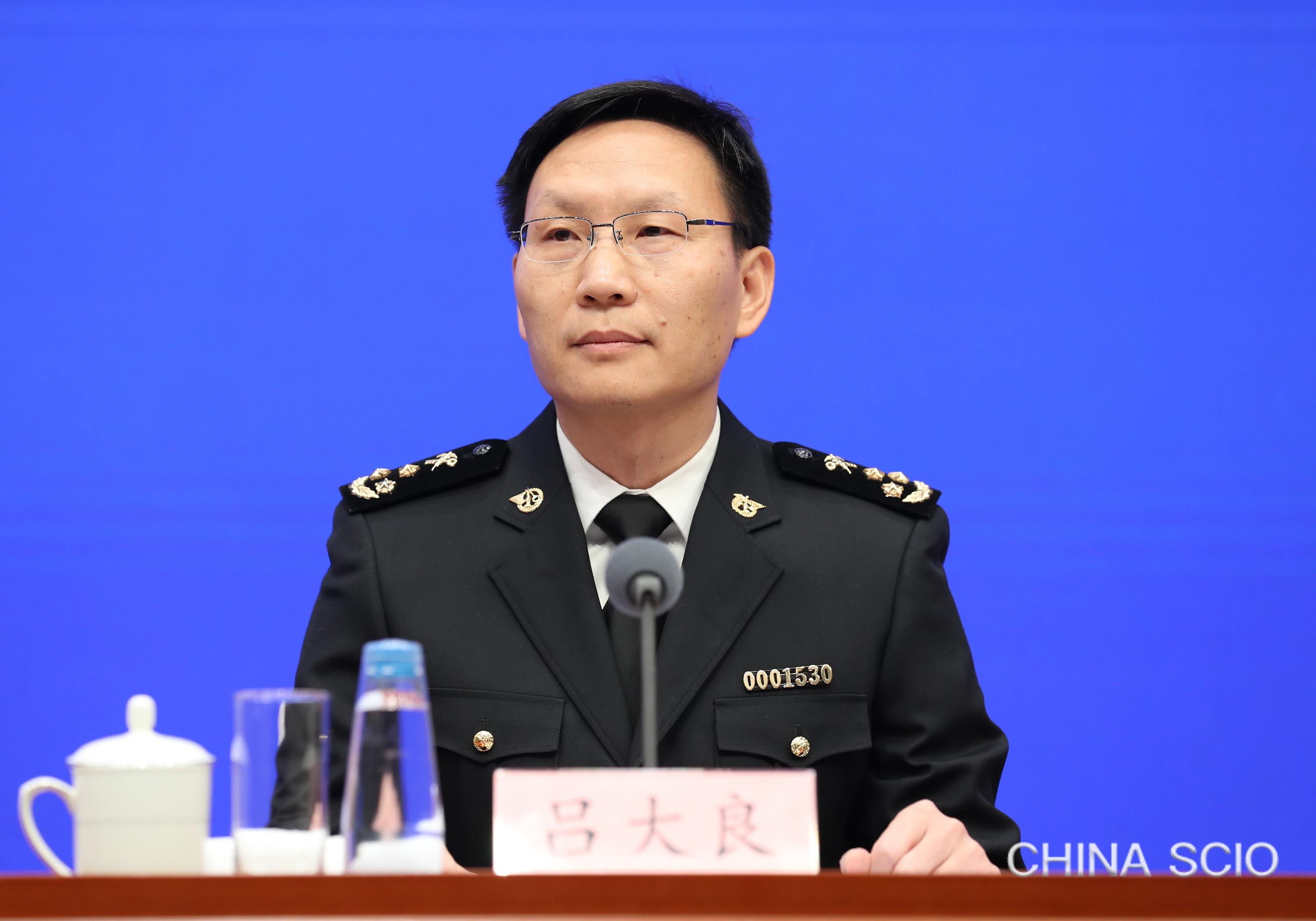
/4 Lyu Daliang
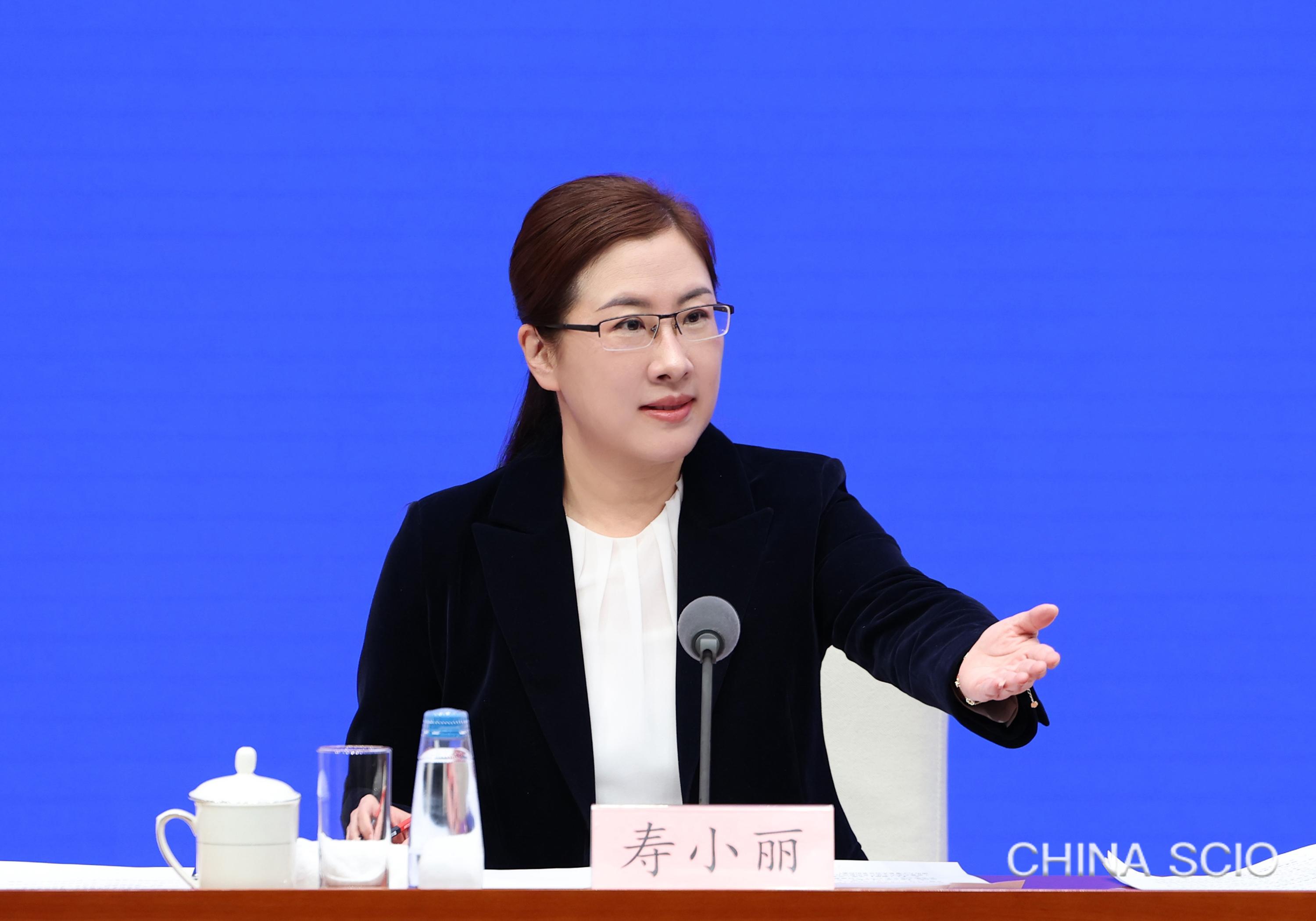
/4 Shou Xiaoli
SCIO briefing on preparations for the 6th Asian Beach Games Sanya 2026
January 12, 2026SCIO briefing on progress in accelerating the construction of the national water network
January 9, 2026SCIO briefing on promoting green consumption
January 6, 2026