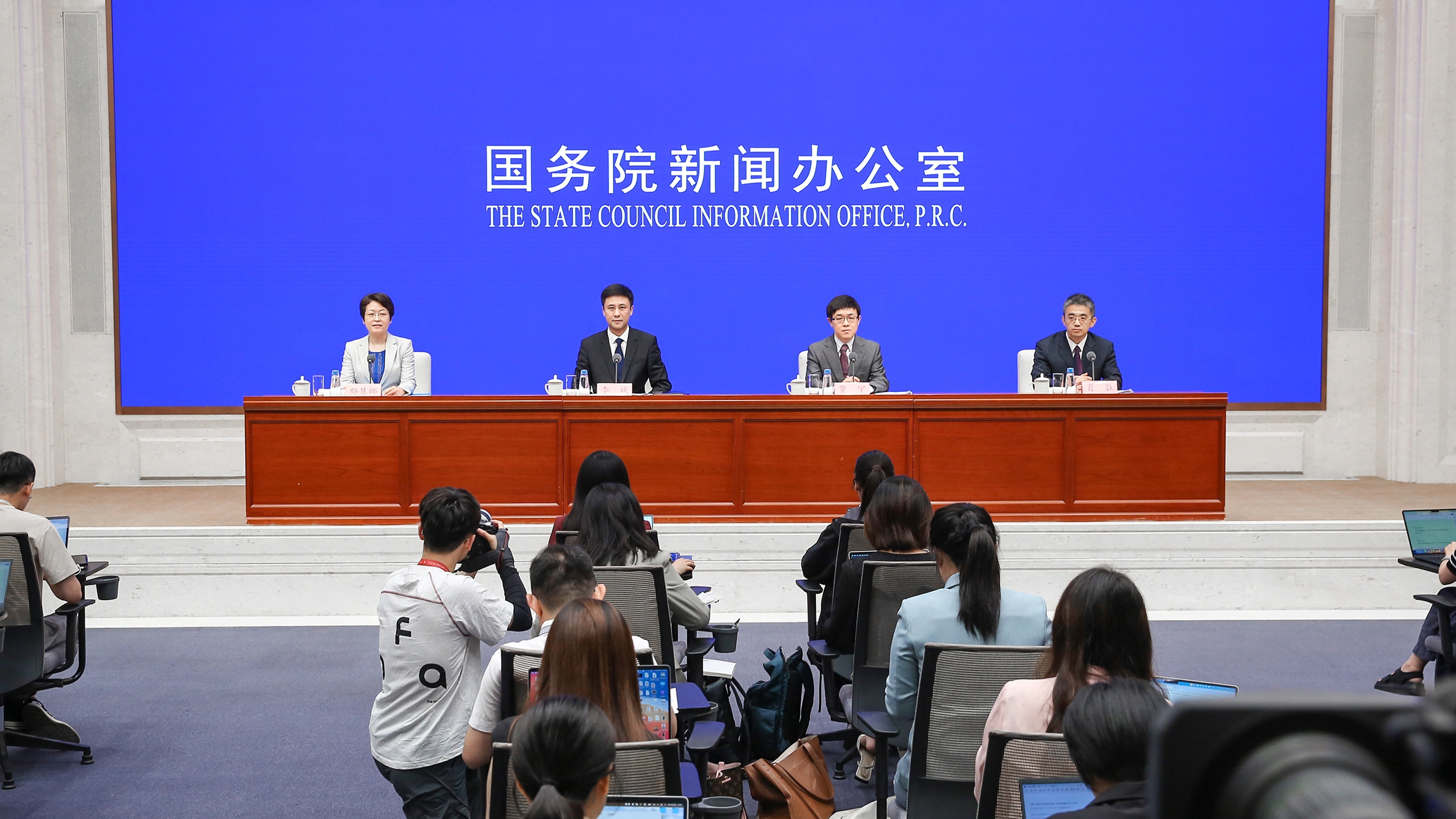

SCIO briefing on China's foreign-exchange receipts and payments data for H1 2025
Beijing | 3 p.m. July 22, 2025
Speakers

Li Bin, deputy administrator and spokesperson of the State Administration of Foreign Exchange (SAFE)
Jia Ning, director general of the Balance of Payments Department of the SAFE
Xiao Sheng, director general of the Capital Account Management Department of the SAFE
Chairperson
Speakers:
Mr. Li Bin, deputy administrator and spokesperson of the State Administration of Foreign Exchange (SAFE)
Mr. Jia Ning, director general of the Balance of Payments Department of SAFE
Mr. Xiao Sheng, director general of the Capital Account Management Department of SAFE
Chairperson:
Ms. Xing Huina, deputy director general of the Press Bureau of the State Council Information Office (SCIO) and spokesperson of the SCIO
Date:
July 22, 2025
Xing Huina:
Ladies and gentlemen, good afternoon. Welcome to this press conference held by the State Council Information Office (SCIO). This is a regular briefing on China's economic data. Today, we are joined by Mr. Li Bin, deputy administrator and spokesperson of the State Administration of Foreign Exchange (SAFE), who will brief you on China's foreign exchange receipts and payments data in the first half of 2025 and take your questions. Also attending today's briefing are Mr. Jia Ning, director general of the Balance of Payments Department of SAFE, and Mr. Xiao Sheng, director general of the Capital Account Management Department of SAFE.
Now, I will give the floor to Mr. Li for his introduction.
Li Bin:
Good afternoon, everyone. First of all, I would like to express my heartfelt gratitude for your ongoing interest in and support for the administration of foreign exchange. I would like to take this opportunity today to first introduce the relevant situation of China's foreign exchange receipts and payments in the first half of 2025, and then answer your questions together with my colleagues.
Since the beginning of 2025, the external environment has become more complex and volatile, unilateralism and protectionism have risen, the momentum of global economic and cross-border trade growth has weakened, and international financial market volatility has increased. China has accelerated the implementation of more proactive and effective macro policies, focused on expanding domestic demand, and effectively responded to external challenges, while the overall economic operation has been stable and improving, with high-quality development continuously consolidated. The foreign exchange market has operated smoothly, showing strong resilience and vitality and outperforming market expectations. There are five characteristics:
First, the scale of foreign-related receipts and payments has steadily increased, when viewed from the perspective of total volume. In the first half of the year, the cross-border revenue and expenditure of non-banking sectors, including enterprises and individuals, totaled $7.6 trillion, a year-on-year increase of 10.4%, setting a new historical high for the same period, among which the proportion of RMB in cross-border receipts and payments reached 53%. In the first half of the year, foreign exchange settlement and sales by banks totaled $2.3 trillion, a year-on-year increase of 3%, the second highest in history for the same period. This data indicates that the cross-border trade and investment activities of the country continued to remain active.
Second, cross-border capital continued to show a net inflow, when seen from the gap between revenue and expenditure. In the first half of the year, China's non-banking sectors, including enterprises and individuals, recorded a net cross-border capital inflow of $127.3 billion, continuing the net inflow trend since the second half of the previous year, with a quarter-on-quarter increase of 46% in the second quarter. In terms of categories, the net inflow under goods trade remained high in the first half of the year, foreign capital increased holdings of domestic stocks and bonds, and the situation with service trade and the repatriation of profits by foreign-funded enterprises was stable and orderly.
Third, the supply and demand of the Chinese foreign exchange market has maintained a basic equilibrium. In the first half of the year, the bank foreign exchange settlement deficit was $25.3 billion, but there were significant changes between months. Specifically, the foreign exchange settlement and sales were in deficit in January, tended to be basically balanced from February to April, and turned into a surplus in May and June, with the trading behavior of enterprises and individuals being generally rational and orderly. In the first half of the year, the forex settlement rate, which measures the willingness to settle foreign exchange, was 60%, remaining stable year on year; and the forex sales rate, which measures the willingness to purchase foreign exchange, was 65%, down 3 percentage points year on year.
Fourth, forex transactions remained active. In the first half of the year, total transaction amount in the domestic yuan forex market reached $21 trillion, up 10.2% year on year. Specifically, the volumes of spot and derivative transactions were $7.4 trillion and $13.6 trillion, respectively, accounting for 35% and 65% of the total, respectively.
Fifth, the scale of China's foreign exchange reserves remained stable. At the end of June, the balance of foreign exchange reserves stood at $3.3174 trillion, an increase of $115.1 billion from the end of 2024. In the first half of the year, non-U.S. currencies appreciated against the U.S. dollar, and global financial asset prices generally rose. Under the combined effect of factors including exchange rate translation and asset valuation changes, the scale of China's foreign exchange reserves remained stable while increasing.
Overall, in the first half of the year, China's foreign exchange market effectively mitigated risks from external shock and demonstrated generally stable performance. Next, SAFE will firmly implement the decisions and arrangements of the CPC Central Committee and the State Council, adhere to the general principle of seeking progress while maintaining stability, balance development and security, and continuously improve the "more convenient, more open, more secure, and smarter" foreign exchange management system to promote high-quality economic development and high-standard opening up. That concludes my brief introduction on the foreign exchange receipts and payments in the first half of the year. Next, my colleagues and I are happy to answer your questions. Thank you.
Xing Huina:
The floor is now open for questions. Please identify the news outlet you represent before raising your questions.
_ueditor_page_break_tag_China Securities Journal:
Mr. Li just mentioned that the performance of China's foreign exchange market in the first half of the year was better than expected. Could you please provide more details on this, and what measures has SAFE taken to prevent cross-border capital flow risks? Thank you.
Li Bin:
Thank you for your interest in the foreign exchange situation. I will answer this question. Since the beginning of this year, the foreign exchange situation has been complex and volatile, with a significant increase in risks and challenges. Facing external shocks, China's foreign exchange market withstood the pressure and maintained stable operation, demonstrating strong resilience. Just now, I introduced five characteristics of foreign exchange receipts and payments. Next, I will add three more aspects.
First, the RMB exchange rate has remained basically stable. In the first half of the year, the renminbi appreciated by 1.9% against the U.S. dollar. The exchange rate fluctuated between 7.15 and 7.35, remaining stable at a reasonable and balanced level, while also playing a role in adjusting the macroeconomy and acting as an automatic stabilizer for the international balance of payments.
Second, the foreign exchange market expectations have remained stable. From the perspective of foreign exchange market indicators such as forwards and options, there is no significant unilateral expectation of RMB appreciation or depreciation in the current market. Market transactions are rational and orderly. When the RMB weakens, corporate entities increase their foreign exchange settlements; and when the RMB strengthens, companies increase their foreign exchange purchases. Overall, there has been no irrational trading behavior, such as chasing highs and selling lows.
Third, the international balance of payments has remained balanced. Since the beginning of this year, China's current account surplus has increased steadily and is generally at a reasonable and balanced level. Corresponding to the current account surplus, the non-reserve financial account has shown a deficit, roughly equivalent to the size of the surplus. The overall balance of payments is characterized by self-balancing. All types of investments in China are generally improving. From January to May, direct equity investment into China increased by 16% year on year, with net inflows of $31.1 billion. Securities investment into China also saw net inflows of about $33 billion, reversing the net outflow trend observed in the second half of last year. Overseas investment is progressing in an orderly manner. From January to May, direct equity investment abroad remained stable at $51.9 billion, while outward securities investment has remained active.
The foreign exchange management department has taken proactive measures to prevent and mitigate external risks, with a consistent focus on maintaining the stable and healthy operation of the foreign exchange market. We adhere to a managed floating exchange rate system based on market supply and demand, maintain the flexibility of the RMB exchange rate, and promote market supply and demand balance through price mechanisms. We continue to optimize the supply of foreign exchange policies, deepen reforms and opening up in the foreign exchange field, and enhance the level of facilitation of cross-border trade and investment and financing. At the same time, we have also strengthened the monitoring and early warning systems for cross-border capital flows, taken firm measures to prevent the market from unilateral divergence of expectations and cracked down severely on illegal and irregular activities in foreign exchange markets. In the first half of this year, over 400 foreign exchange violations were investigated and handled, and we cooperated with public security organs to punish more than 180 underground bank counterparties, effectively maintaining orderly foreign exchange market conditions. Overall, policies to stabilize the market and expectations have achieved positive results. Thank you.
_ueditor_page_break_tag_CCTV:
As a major open economy, China's balance of payments situation has received widespread attention. Could you introduce the characteristics of China's international balance of payments in recent years? Thank you.
Li Bin:
I would like to invite Mr. Jia to answer this question.
Jia Ning:
Thank you for your interest in the balance of payments situation. The balance of international payments is a summary and record of various economic transactions between residents and non-residents. It includes the current account, which records cross-border goods trade, service trade and investment income, and the capital and financial accounts, which record cross-border investment and financing. Through the balance of international payments and international investment position statement, a country's external economic development and internal and external economic balance can be comprehensively reflected. I will share two aspects with you regarding the changes in China's current account, capital account and financial account in recent years:
First, in recent years, China's current account has been operating steadily. China's current-account surplus mainly comes from surplus in goods trade. Since 2020, China's trade surplus in goods has increased, which is attributed to changes in internal and external factors. In recent years, global demand for goods has increased, with an average annual growth rate of 5.8% in global goods imports from 2020-2024, higher than the average annual growth rate of 0.7% from 2015-2019. Driven by this, China's exports have grown rapidly, and imports have also increased. According to preliminary statistics, in the first half of this year, the trade in goods under the balance of payments framework increased by 2.4% year-on-year. In addition, the trade in services has become more active, and the overall deficit has narrowed. China's international competitiveness in producer service trade such as computer information services and commercial services has improved. At the same time, China continues to optimize services for foreigners coming to China and expand visa facilitation, which has increased the popularity of China as a tourist destination for foreign visitors. Supported by this, in recent years, China's trade in services receipts have steadily expanded, and payments have maintained steady growth, leading to an overall narrowing of the deficit. In the first half of this year, trade in services receipts increased by 13% year-on-year, with cross-border travel receipts surging by 42%. Meanwhile, trade in services payments grew by 2%, leading to a decrease of 14% in the service trade deficit. Furthermore, China's investment income deficit has gradually declined from the high level in 2022, which has also contributed to promoting stability of the current account. From January to May this year, investment income continued to improve, with foreign investors' returns in China increasing by 17% year-on-year, and China's overseas investment income increasing by 12%, keeping the investment income deficit basically stable.
Over the past three years, the ratio of China's current account surplus to gross domestic product (GDP) has been around 2%. In the first quarter of this year, the current account surplus reached $165.4 billion. Preliminary estimates suggest that the surplus narrowed in the second quarter. These suggest that the surplus-to-GDP ratio generally remains within a reasonable and balanced range.
Second, the deficit in China's capital and financial accounts has contributed to the accumulation of external assets, with China's balance of payments maintaining a stage of equilibrium. A current account surplus signifies that China obtains capital inflows from abroad through exports of goods. Capital inflows are also generated by foreign direct investment(FDI) from overseas entities, as well as their purchases of domestic stocks and bonds. At the same time, various domestic entities such as enterprises and financial institutions also generate external assets through capital deployment such as outward investments. From the perspective of the macroeconomy and balance of payments, the growth in the current account surplus will inevitably entail a corresponding expansion in the capital and financial account deficit. Therefore, expansion of the capital and financial account deficit cannot be simply interpreted as an increase in capital outflow pressure. Based on China's conditions, the widening deficit in the capital and financial accounts in recent years has mainly been due to the increase in outward investment by domestic entities, while foreign investment in China has generally maintained net inflows.
Investment in China by overseas institutions has given rise to China's external financial liabilities, while investments by domestic entities abroad have formed China's external financial assets. As of the end of March this year, China's external financial liabilities were $7.1 trillion, reflecting the effectiveness of our efforts in utilizing foreign capital and attracting foreign holdings of RMB-denominated assets. During the same period, China's external financial assets amounted to $10.7 trillion, with diverse asset types and holding entities. After offsetting assets against liabilities, net assets stood at $3.6 trillion, which also reflects the results of our active participation in international economic circulation.
Looking ahead, China's economic structure will continue to improve; internal and external equilibrium will be strengthened; and the two-way financial market opening will be advanced steadily. These will support a basic equilibrium of balance of payments. That's all for my introduction. At the end of March and September each year, we release the "China Balance of Payments Report" on SAFE's official website, which is available for your reference. Thank you.
_ueditor_page_break_tag_Dazhong Daily:
We are aware that SAFE has been continuously advancing the facilitation of cross-border trade, investment and financing. What progress has been made in the first half of the year? And in what aspects has it brought convenience to enterprises? Thank you.
Li Bin:
Thank you for your questions. I'll take these. Your question involves many foreign-funded and foreign trade enterprises. We have been working hard to facilitate cross-border trade, investment and financing. In recent years, SAFE has adhered to the fundamental purpose of the financial sector serving the real economy, continuously deepened reform and opening up in the foreign exchange sector, and strengthened the supply of high-quality foreign exchange policies to promote the steady development of foreign trade and foreign investment. Concerning your questions, I would like to introduce the work in the first half of the year from three aspects:
First, we have expanded the coverage of trade facilitation policies. We have advanced high-level opening pilot programs for cross-border trade, and implemented facilitation policies for foreign exchange receipts and payments for high-quality enterprises. These policies now cover more small and medium-sized enterprises (SMEs) including specialized and sophisticated enterprises that produce new and unique products. In the first half of the year, transactions totaling over $700 billion were facilitated, with a year-on-year increase of 11%. We have actively supported the development of new business forms, such as cross-border e-commerce and comprehensive foreign trade services. We have encouraged more banks and payment institutions to shift from traditional trade verification methods toward technology-enabled, batch automated verification of electronic orders, providing efficient, convenient and safe foreign exchange settlement services for small, micro, and medium-sized cross-border e-commerce business entities. In the first half of the year, 510 million such transactions were processed nationwide.
Second, we have promoted the facilitation of cross-border investment and financing. There are several aspects to this. First, we have enhanced the convenience for foreign investment in China. By the end of 2024, we have piloted the cancellation of registration requirements for domestic reinvestment by foreign-invested enterprises in 19 locations, benefiting more than 600 enterprises and effectively improving their capital utilization efficiency. The registration of preliminary expenses for foreign investment in China has been cancelled. Foreign investors can directly open accounts in banks to receive preliminary expense funds when establishing foreign-invested enterprises in China, significantly shortening the fund turnover time and accelerating project implementation. Relevant policies have already been publicly solicited for opinions. Additionally, we have facilitated the allocation and management of funds between domestic and foreign member enterprises of multinational companies. In March this year, pilot programs for the integrated domestic and foreign currency fund pool business of multinational companies were further expanded to include 16 provinces and cities, including Tianjin, Hubei, Xinjiang, and Xiamen. Multinational companies were allowed to directly conduct partial capital account change transactions at banks. According to feedback, this can shorten business processing time by about 50%. In June, we also allocated $3.08 billion in investment quotas under the Qualified Domestic Institutional Investor (QDII) program to better meet the public's demand for investing in overseas financial products.
Third, the effectiveness of reforms in foreign exchange business operations continued to expand steadily. Through reforms in foreign exchange business operations, banks were able to streamline business processes, such as customer identification, document verification and risk monitoring. These reforms enable banks to allow high-quality customers to carry out foreign exchange transactions directly based on enterprise instructions, replacing the previous practice of reviewing documents individually. As a result, the average processing time has been reduced by more than 50%, bringing real convenience to enterprises and reducing banks' burden of verifying transactions as they are processed. Six new banks initiated reforms related to foreign exchange business operations during the first half of this year. To date, 22 banks have participated in such reforms, including large state-owned commercial banks, national joint-stock commercial banks, city commercial banks and foreign-funded banks, with business reach expanding nationwide. To date, participating banks have assessed over 20,000 first-class customers, a 23% increase compared with the end of 2024. Since the beginning of this year, the volume of cross-border revenue and expenditure transactions processed directly on customers' instructions has exceeded $200 billion.
Next, SAFE will strengthen reforms and innovation in foreign exchange management, provide greater convenience to trustworthy and compliant entities, and continuously increase the benefits felt by enterprises and the public.
That is all from me. Thank you.
_ueditor_page_break_tag_Economic Daily:
We understand that the Notice of the State Administration of Foreign Exchange on Matters Related to Deepening the Reform of Cross-border Investment and Financing Foreign Exchange Management (Draft for Public Comments) has concluded its public consultation period. Could you please provide a brief update on the key developments and outline the next steps? Thank you.
Li Bin:
I'd like to invite Mr. Xiao to answer this question.
Xiao Sheng:
Thank you for your question. Recently, Administrator Zhu Hexin announced several supportive reform policies. The notice you inquired about is also one of the initiatives to implement these policies. It includes nine measures covering three areas: investment, financing and payments. Some measures have already been piloted in some regions with positive results, and will be promoted nationwide. Here, I will focus on introducing three key policies.
The first policy is to facilitate scientific research institutions in receiving overseas funds, commonly referred to as "Kehuitong" (Research Remittance Connect) for short. The policy allows eligible research institutions to receive and use funds remitted from overseas once they have registered their basic information with the bank. In its early stage, the Kehuitong pilot program was rolled out in 16 cities, including Beijing, Hefei, Wuhan and Shenzhen, and has achieved positive results. This time, the pilot program will be expanded nationwide, further streamlining channels for overseas fund inflows, and providing effective policy support to advance international scientific research cooperation.
The second policy aims to facilitate cross-border financing for tech innovation enterprises. Earlier, we launched a pilot program across the country to facilitate cross-border financing for tech innovation enterprises. Eligible tech innovation companies in 17 provinces and cities, including Guangdong and Sichuan, are allowed to borrow up to $10 million in external debt independently. Meanwhile, the quota for other provinces and cities is set at $5 million. This reform standardized the borrowing quota for tech innovation enterprises at $10 million for independent external debt, while increasing the limit to $20 million for select top-performing enterprises under an innovation points system. This will further help tech innovation enterprises expand their financing channels, effectively support them in making better use of both domestic and international markets, reduce financing costs, and improve financing efficiency.
The third policy is to make domestic reinvestment by foreign-invested enterprises more convenient. Building on an earlier pilot program, we plan to fully abolish the registration requirement for domestic reinvestment of foreign direct investment nationwide. This will enable enterprises to transfer reinvestment funds directly to relevant accounts, reducing operational costs and capital flow time, thereby improving investment efficiency.
The public consultation phase for this notice has now been completed. We're now intensifying efforts to review and analyze these collected opinions and suggestions. Moving forward, we will formally issue the notice as soon as possible based on the full incorporation of opinions from all parties. Thank you.
_ueditor_page_break_tag_CNR:
In recent years, foreign exchange management authorities have introduced policies like the integrated domestic and foreign currency capital pool. We recognize that integrated management of domestic and foreign currencies is becoming a key approach to managing cross-border capital flows. Could you please share considerations for promoting integrated domestic and foreign currency management? Thank you.
Li Bin:
Thank you for your interest in and attention to foreign exchange administration. I will answer your question. In recent years, cross-border trade and investment activities have become more dynamic, and the cross-border use of the RMB has gradually increased. This has increased the requirements for the coordinated management of domestic and foreign currency transactions. For enterprises and other market entities, cross-border payments and receipts in both domestic and foreign currencies serve as tools for pricing and settlement, with the only difference being the choice of currency. They are essentially both means of international payment. Clarifying the requirement to apply “uniform management standards to businesses of the same type” has allowed banks and enterprises to better understand and implement policies, and also enhanced the efficiency and convenience of cross-border capital operation and management. To this end, SAFE has worked closely with the People’s Bank of China and other departments to actively explore the integrated management of domestic and foreign currencies and the streamlining of business processes in both policy formulation and implementation.
First, we have incorporated the concept of integrated domestic and foreign currency management into policy formulation. Let me give you a few examples. For multinational corporations, we have gradually developed a unified policy framework for domestic and foreign currency cash pools, enabling the integration of both types of funds to better meet their cross-border capital management needs. For domestic enterprises listed overseas, the relevant fund management policies allow them to freely choose whether to repatriate proceeds from fundraising, equity reduction and share transfers in RMB or a foreign currency, thereby supporting efficient financing and flexible use of funds. Another example is the fund management policies for Qualified Foreign Institutional Investor (QFII) and RMB Qualified Foreign Institutional Investor (RQFII), direct access to the interbank bond market and panda bond issuance have achieved consistency and uniformity in the management rules for both domestic and foreign currencies.
Second, we have promoted the integrated management of domestic and foreign currencies in cross-border business processes. Through business integration, process reengineering and data sharing, we have achieved a unified set of rules and one-stop processing. A unified set of rules means establishing consistent standards for cross-border transactions in both domestic and foreign currencies, aligning data standards and cross-border regulations, and thereby reducing the complexity of tasks such as opening accounts and settling payments. One-stop processing means that regardless of whether domestic or foreign currency is used, the registration of direct investment, securities investment and debt-related transactions can all be handled by either SAFE or banks, significantly improving the efficiency of business processing.
Next, we will work with the People's Bank of China to further advance the integrated management of domestic and foreign currencies on a broader scale, promote greater facilitation of cross-border trade and investment and financing, and help foster a more favorable business environment for foreign-related enterprises. Thank you.
_ueditor_page_break_tag_National Business Daily:
In the first half of the year, foreign investors increased their purchases of RMB-denominated bonds and stocks. Could you please share more information on this? In addition, what is your outlook on the future trend of foreign investment in RMB assets? Thank you.
Jia Ning:
Thank you for your questions. Let me first give a brief overview of recent developments regarding foreign investment in RMB-denominated stocks and bonds. Since the beginning of 2025, foreign investors' overall allocation to RMB-denominated assets has remained relatively stable. The scale of foreign investment in RMB bonds has increased, with foreign investors now holding more than $600 billion worth of onshore RMB bonds, which is close to a historical high. Meanwhile, foreign investment in the domestic stock market has overall been improving. In the first half of this year, foreign investors purchased a net total of $10.1 billion in domestic stocks and funds, reversing the net selling trend seen over the past two years. In May and June in particular, the scale of net purchases increased to $18.8 billion, indicating a strengthened global willingness to allocate capital to the domestic stock market.
According to our assessment, there remains stable and sustainable growth potential for foreign investment in RMB assets in the future. Currently, foreign investors hold approximately 3% to 4% of the market value of onshore bonds and stocks. Supported by multiple positive factors, foreign investment in RMB assets is expected to continue increasing gradually.
First, China's sound economic fundamentals have created a stable macro environment for foreign investment. As the effects of policies to expand domestic demand continue to emerge, the steady and positive momentum of the economy is expected to be further consolidated. Recently, several major international investment banks have expressed optimism about China's development prospects and have upgraded their ratings on Chinese assets from neutral to overweight.
Second, the high-quality development of China's financial markets has created a favorable policy environment for foreign investment. China remains committed to high-standard opening up, continuously improving the mechanisms for financial market connectivity, expanding investment channels, and optimizing the investment environment. These efforts have made it significantly more convenient for foreign investors to participate in China's financial markets. Meanwhile, China has built a relatively complete and deep financial market system. The market capitalization of both its bond and stock markets ranks second in the world. With a wide variety of financial products and strong liquidity, China offers foreign investors diversified options for RMB asset allocation.
Third, the growing global demand for diversified asset allocation has created new development opportunities for foreign investment in China. In recent years, international financial markets have experienced increased volatility, and investors generally believe that more diversified and dispersed asset allocation is needed on a global scale. The value of the RMB has remained stable, and RMB assets have demonstrated relatively independent performance in terms of returns. They have become an important choice for global investors seeking to diversify risk and enhance returns. A recent survey conducted by the Official Monetary and Financial Institutions Forum (OMFIF) of 75 central banks worldwide found that 30% plan to increase their allocation in RMB assets.
Overall, as China continues to advance financial reform and opening up, its domestic financial markets will become more integrated into the global financial system, and RMB assets will become increasingly attractive. Thank you.
_ueditor_page_break_tag_Phoenix TV:
Recently, the State Council made arrangements to replicate and expand pilot measures adopted in the pilot free trade zones. What further steps will SAFE take in this regard? Thank you.
Li Bin:
I would like to invite Mr. Xiao to answer this question.
Xiao Sheng:
Thank you for your attention to the reform work of pilot free trade zones. SAFE has always attached great importance to the development of pilot free trade zones. We have introduced a series of policies and measures to advance high-standard opening up and high-quality development in these zones. In 2022, SAFE launched high-standard opening-up pilot programs for cross-border trade and investment in certain areas of the pilot free trade zones in Shanghai, Guangdong, Hainan and Ningbo. Some of these pilot policies were later expanded to Beijing, Jiangsu and other provinces and cities.
Recently, to further implement the strategy of upgrading pilot free trade zones and to release the benefits of institutional innovation on a larger scale, SAFE plans to extend its series of innovative policies to more pilot free trade zones nationwide. They mainly include the following two aspects:
On the one hand, we will further expand the pilot policies for cross-border trade facilitation. These policies mainly include five measures: supporting banks in optimizing settlement for new forms of international trade, expanding the scope of netting settlement for trade receipts and payments, and facilitating foreign exchange receipts and payments under the current account, among others. The focus is on optimizing business review procedures, reducing documentary requirements, streamlining processing procedures, and helping companies conduct cross-border trade more conveniently.
On the other hand, we will further promote high-standard opening up in cross-border investment and financing. These policies include five measures, such as the pilot program for foreign exchange management for Qualified Foreign Limited Partners (QFLP), allowing banks to directly handle external debt registration, and permitting parent and subsidiary companies in financing and leasing to share external debt quotas. These policies will help further broaden cross-border investment and financing channels, improve efficiency, support stable foreign investment, and promote high-standard opening up. For example, the pilot policy on foreign exchange management for QFLPs is mainly aimed at further supporting and facilitating long-term overseas funds to conduct industrial and real-economy investments in China through private equity, thereby better supporting the development of Chinese enterprises, especially technology-based firms.
Next, SAFE will continue piloting innovative foreign exchange policies in pilot free trade zones, spearheading deeper reforms and high-standard opening up in the foreign exchange sector. We will keep improving financial and foreign exchange services while strengthening cross-border regulatory capacity as China opens wider to the world, supporting the high-quality development of the real economy. Thank you.
Xing Huina:
Please raise your hand if you still have a question. One last question, please.
_ueditor_page_break_tag_Securities Times:
Given that the global economic situation remains complex and volatile, with many uncertainties in the external environment, how should we view the outlook for China's foreign exchange market in the second half of the year? Thank you.
Li Bin:
Thank you for your question. Under open conditions, a country's foreign exchange market is influenced by a range of internal and external factors. Overall, high-quality economic development, steady progress in opening up, and the growing resilience of the foreign exchange market are three favorable factors that will help China's foreign exchange market continue to operate smoothly. These conditions also mean the yuan's exchange rate can remain basically stable at a reasonable and balanced level.
First, the fundamentals of the Chinese economy are solid, providing a firm foundation for the stable operation of the foreign exchange market. In the first half of this year, China's GDP grew 5.3% year on year, with further improvements in the economic structure. In the second quarter, domestic demand, including final consumption and gross capital formation, contributed 77% to China's economic growth, up 17 percentage points from the previous quarter. China regards expanding domestic demand as a long-term strategy and continues to promote the integrated development of technological and industrial innovation. The domestic economy has maintained steady improvement, which will provide solid support for the stable operation of the foreign exchange market.
Second, China is continuing to expand high-standard opening up, and a stable balance of payments will be maintained. China remains committed to upholding free trade and multilateralism, with economic and trading partners in more than 150 countries and regions worldwide. At the same time, high-standard institutional opening up will advance steadily, and two-way investment and financing channels in the financial market will continue to expand. This will help promote the coordinated development of foreign trade and cross-border investment and facilitate balanced cross-border capital flows.
Third, China's foreign exchange market has become more resilient, with a stronger capacity to withstand external shocks. At the macro level, the market-based mechanism for the yuan's exchange rate has been further improved, with greater flexibility that allows external pressures to be released in a timely manner and helps maintain supply-demand balance. At the micro level, companies are increasingly aware of maintaining exchange rate risk neutrality, and cross-border transactions in yuan have grown steadily. In the first half of the year, the ratio of corporate foreign exchange hedging and the share of cross-border yuan receipts and payments under trade in goods both reached about 30%, marking record highs. Lower foreign exchange risk exposure helps the market maintain rational trading. At the policy level, the foreign exchange market has accumulated considerable experience in counter-cyclical adjustment and has a wide range of policy tools in reserve. Regulatory effectiveness in the foreign exchange sector has steadily improved, and the ability to prevent and mitigate external shocks has continued to strengthen. We have the confidence and capability to maintain the stable operation of the foreign exchange market.
That's all from me for this question. Thank you.
Xing Huina:
Today's briefing is hereby concluded. Thank you to Mr. Li, Mr. Jia and Mr. Xiao, and thank you to all the media for participating. Goodbye, everyone.
Translated and edited by Liu Sitong, Xiang Bin, Xu Kailin, Zhang Tingting, Liu Caiyi, Wang Yanfang, Zhang Junmian, Gong Yingchun, Ma Yujia, Yuan Fang, Fan Junmei, David Ball, and Jay Birbeck. In case of any discrepancy between the English and Chinese texts, the Chinese version is deemed to prevail.

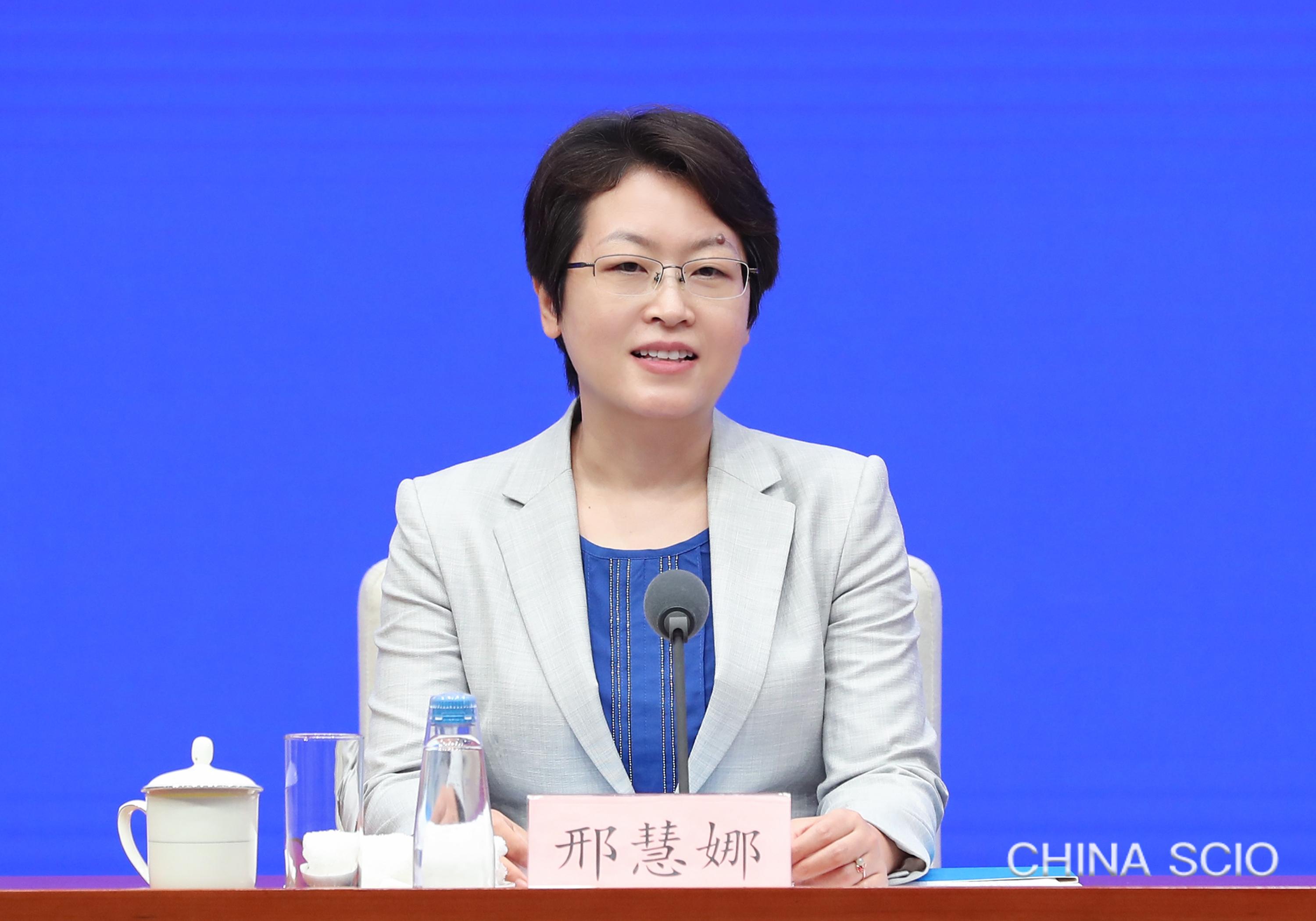
/5 Xing Huina
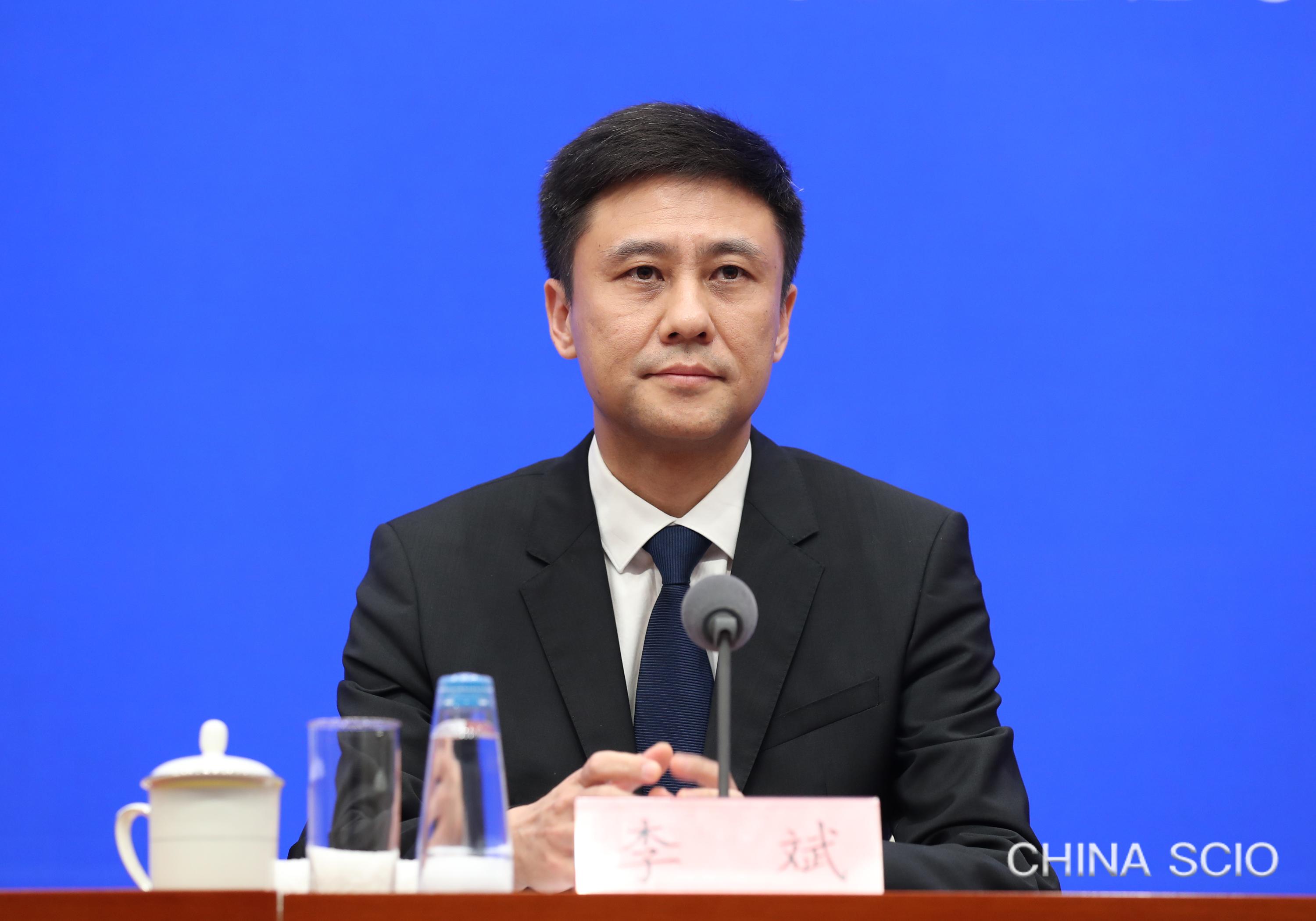
/5 Li Bin
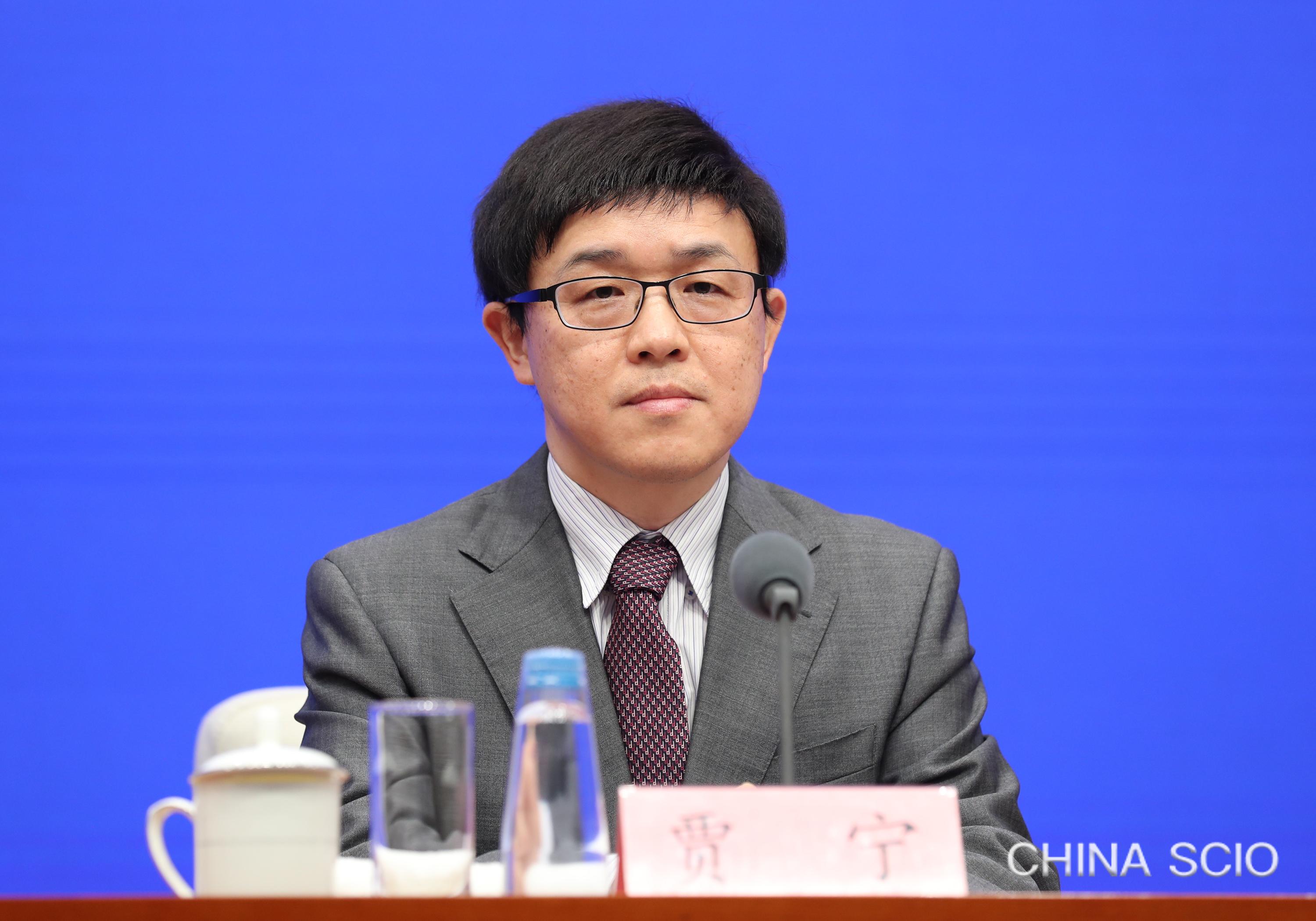
/5 Jia Ning
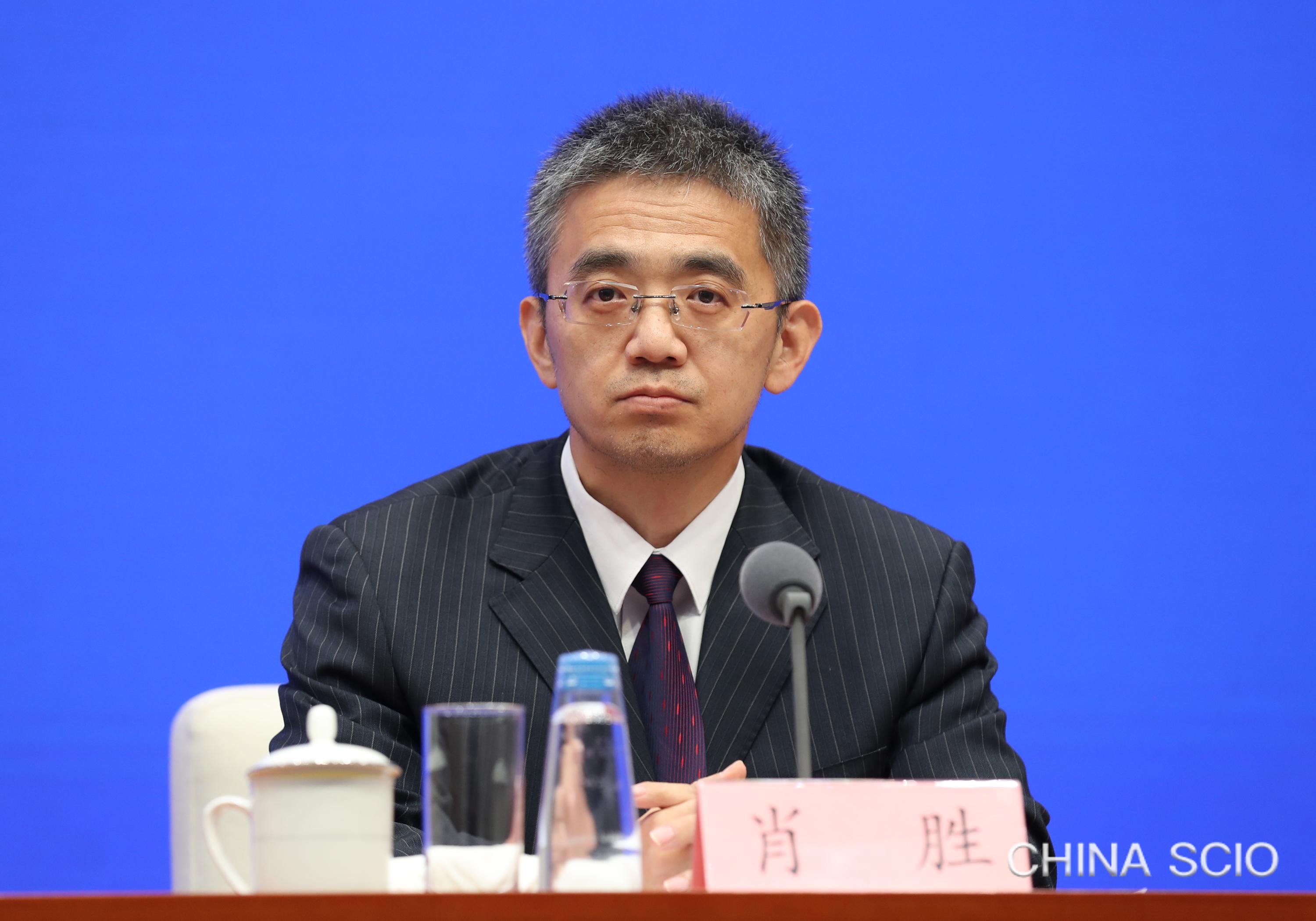
/5 Xiao Sheng
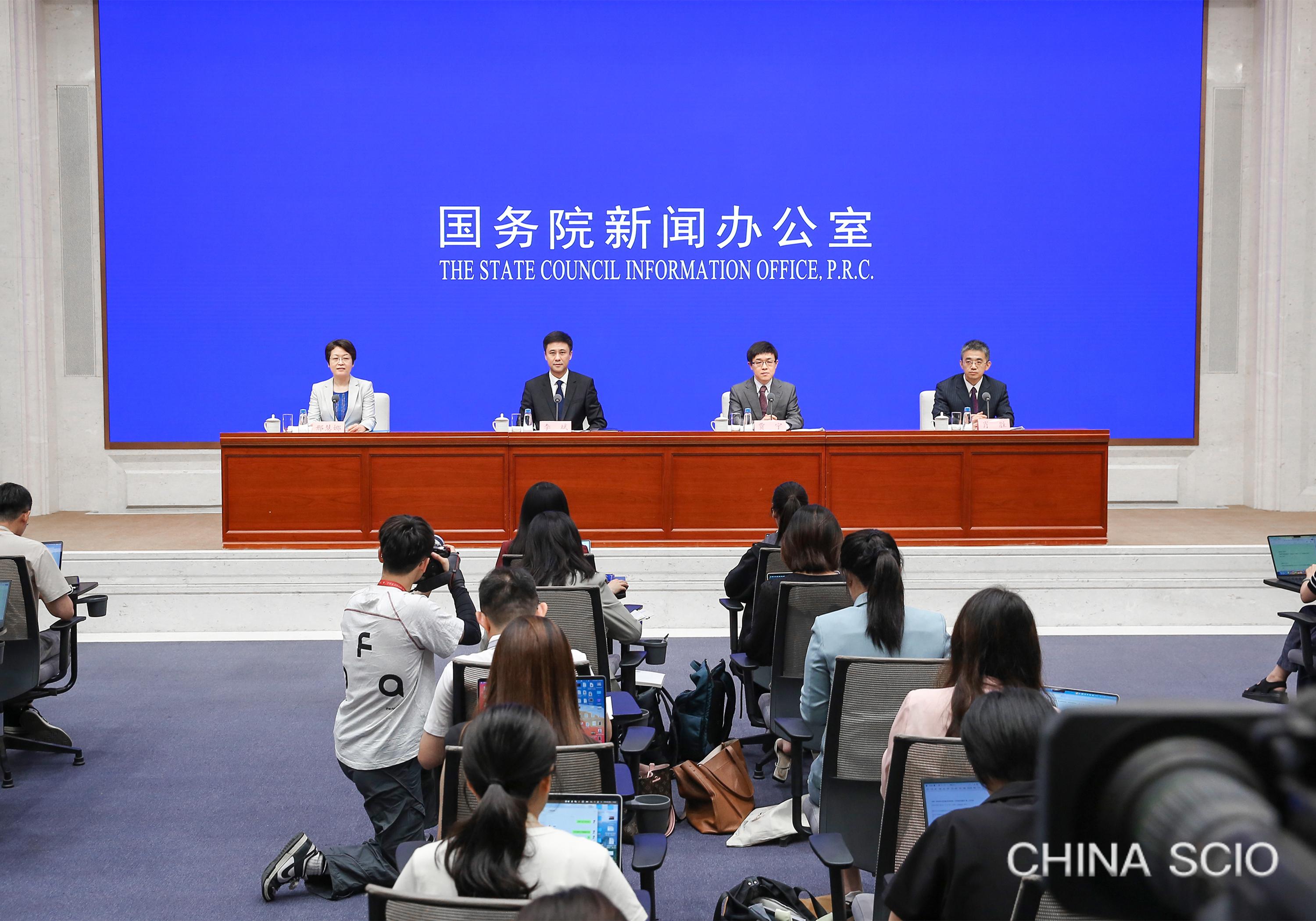
/5 Group photo