
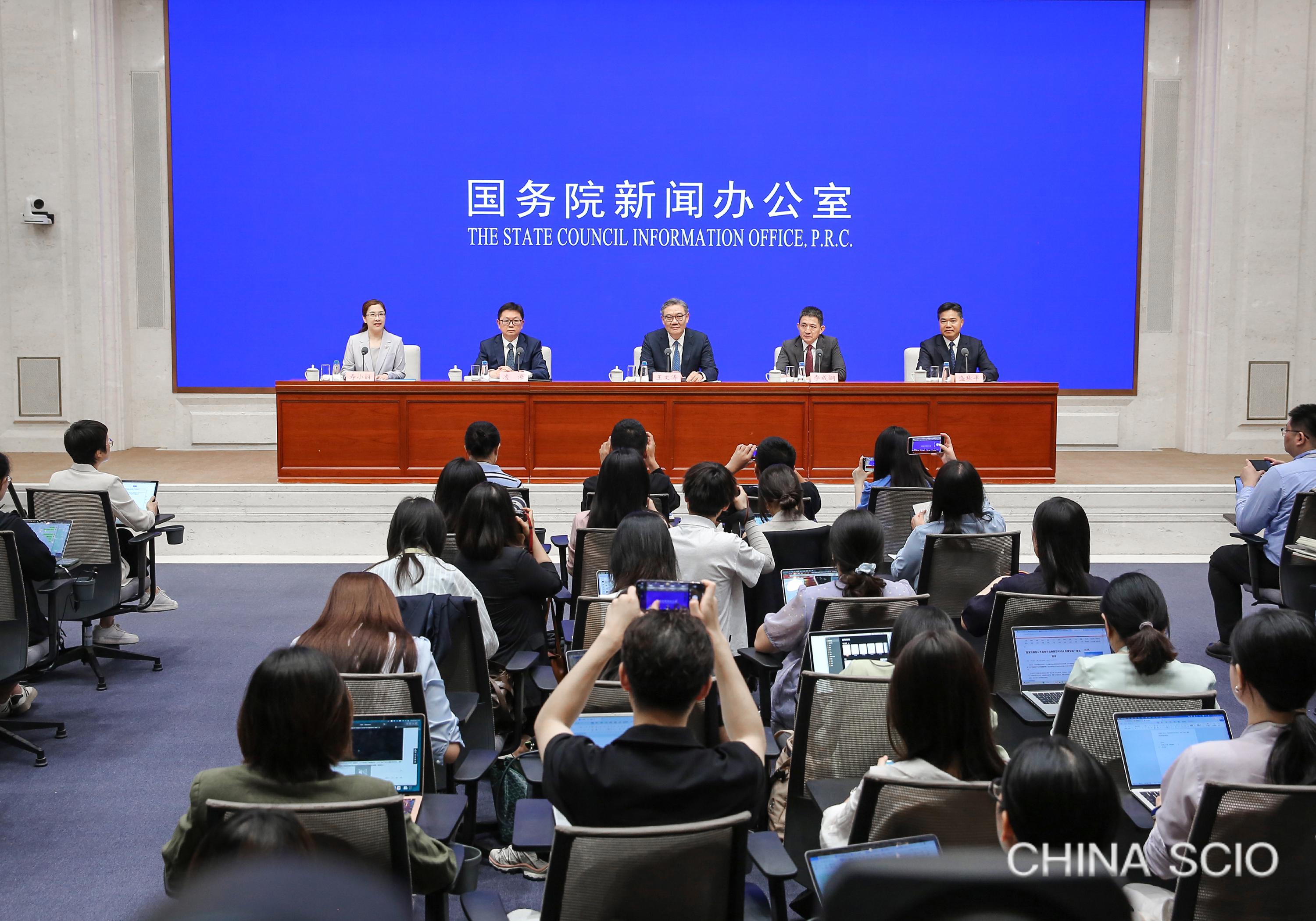
SCIO briefing on China's achievements in high-quality commerce development during the 14th Five-Year Plan period
Beijing | 10 a.m. July 18, 2025
Speakers

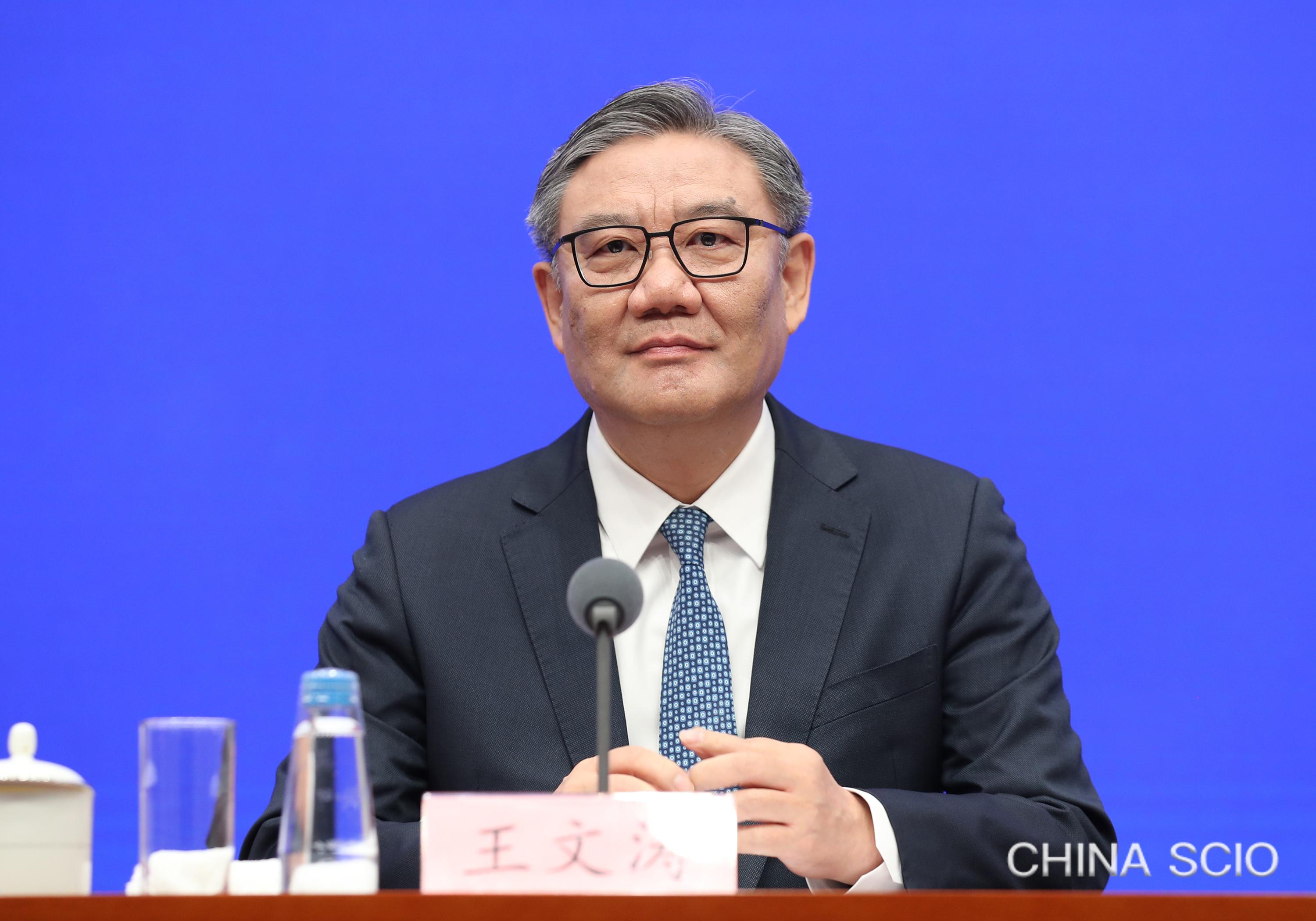
Wang Wentao, minister of commerce
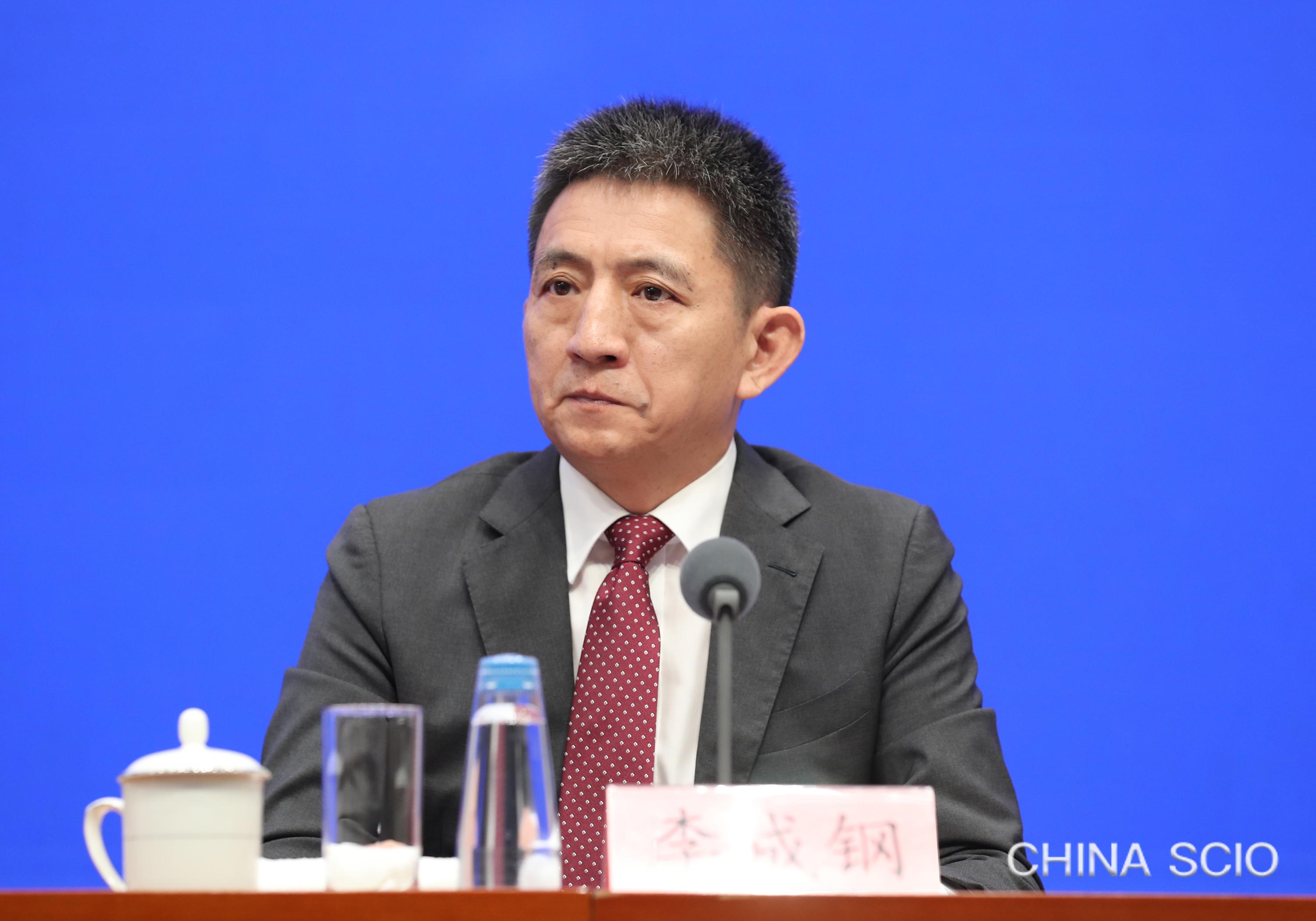
Li Chenggang, China international trade representative and vice minister of commerce
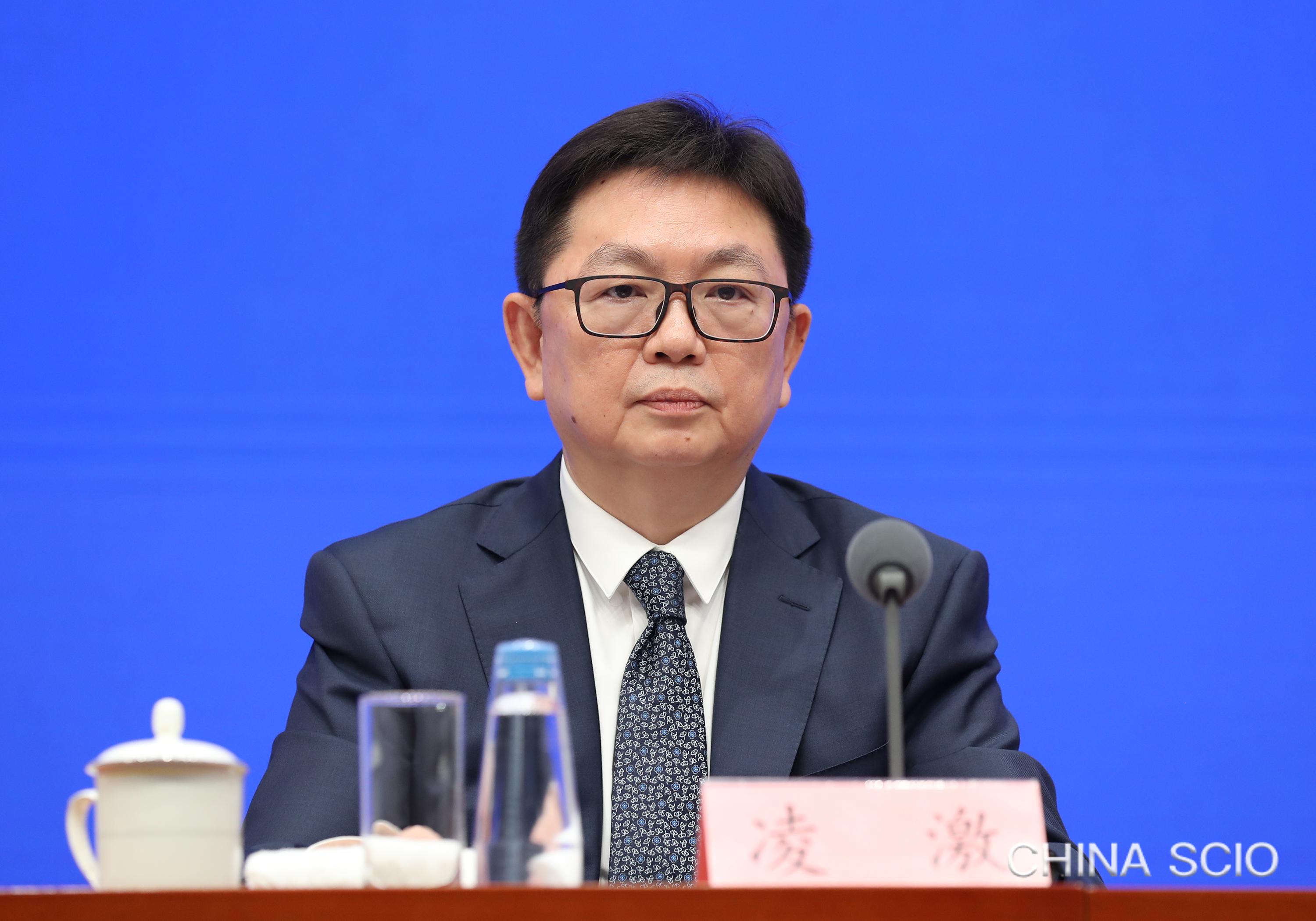
Ling Ji, vice minister of commerce and deputy China international trade representative
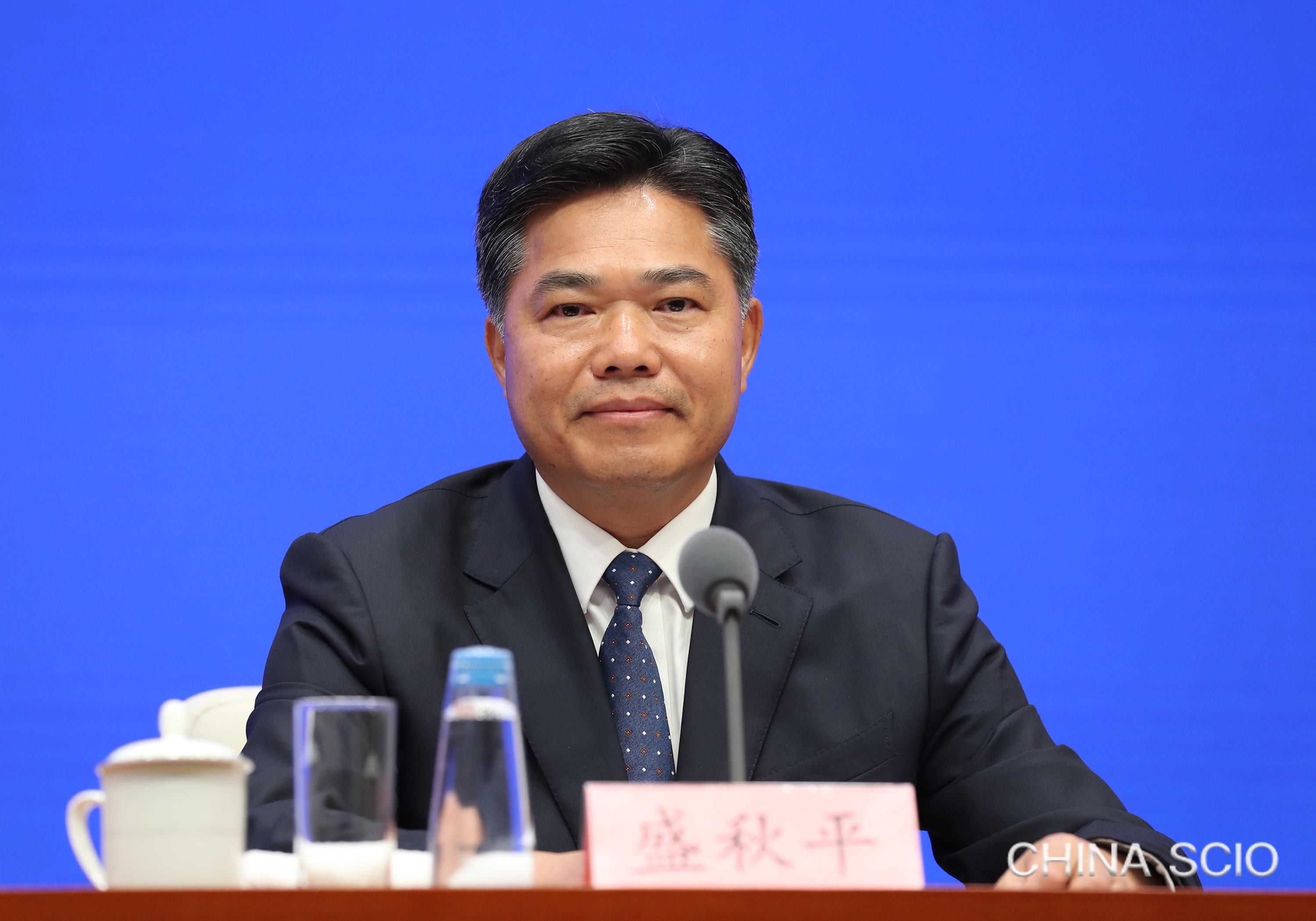
Sheng Qiuping, vice minister of commerce
Chairperson
Commerce minister: Cooperation is only right path for China-US economic, trade relations
Commerce minister: Any attempt at forced China-US 'decoupling' bound to fail
Minister: China imports 7.4 trln yuan of consumer goods in 2021-2024
China reports robust trade, investment with Belt and Road countries
Speakers:
Mr. Wang Wentao, minister of commerce
Mr. Li Chenggang, China international trade representative and vice minister of commerce
Mr. Ling Ji, vice minister of commerce and deputy China international trade representative
Mr. Sheng Qiuping, vice minister of commerce
Chairperson:
Ms. Shou Xiaoli, director general of the Press Bureau of the State Council Information Office (SCIO) and spokesperson of the SCIO
Date:
July 18, 2025
Shou Xiaoli:
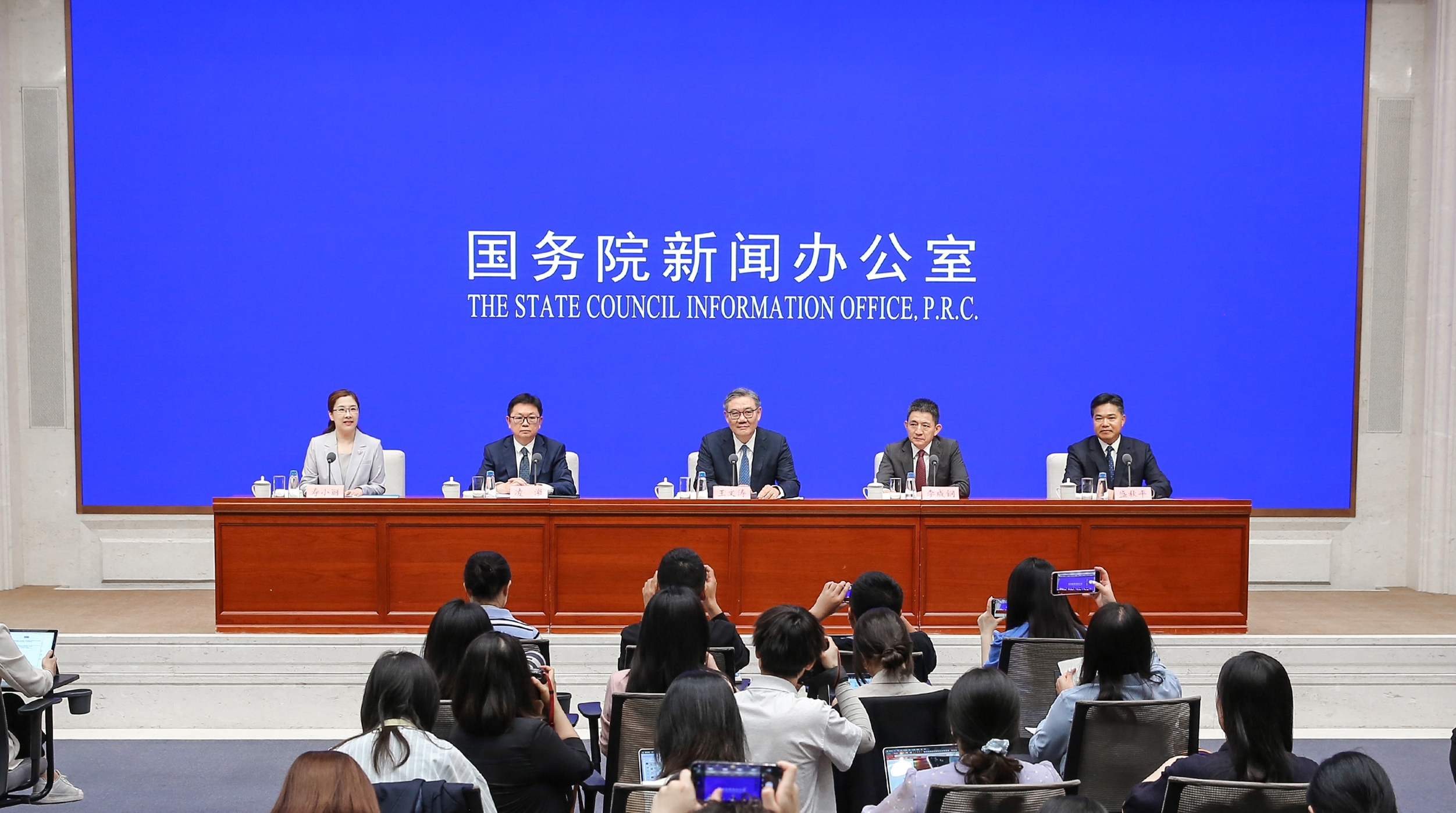
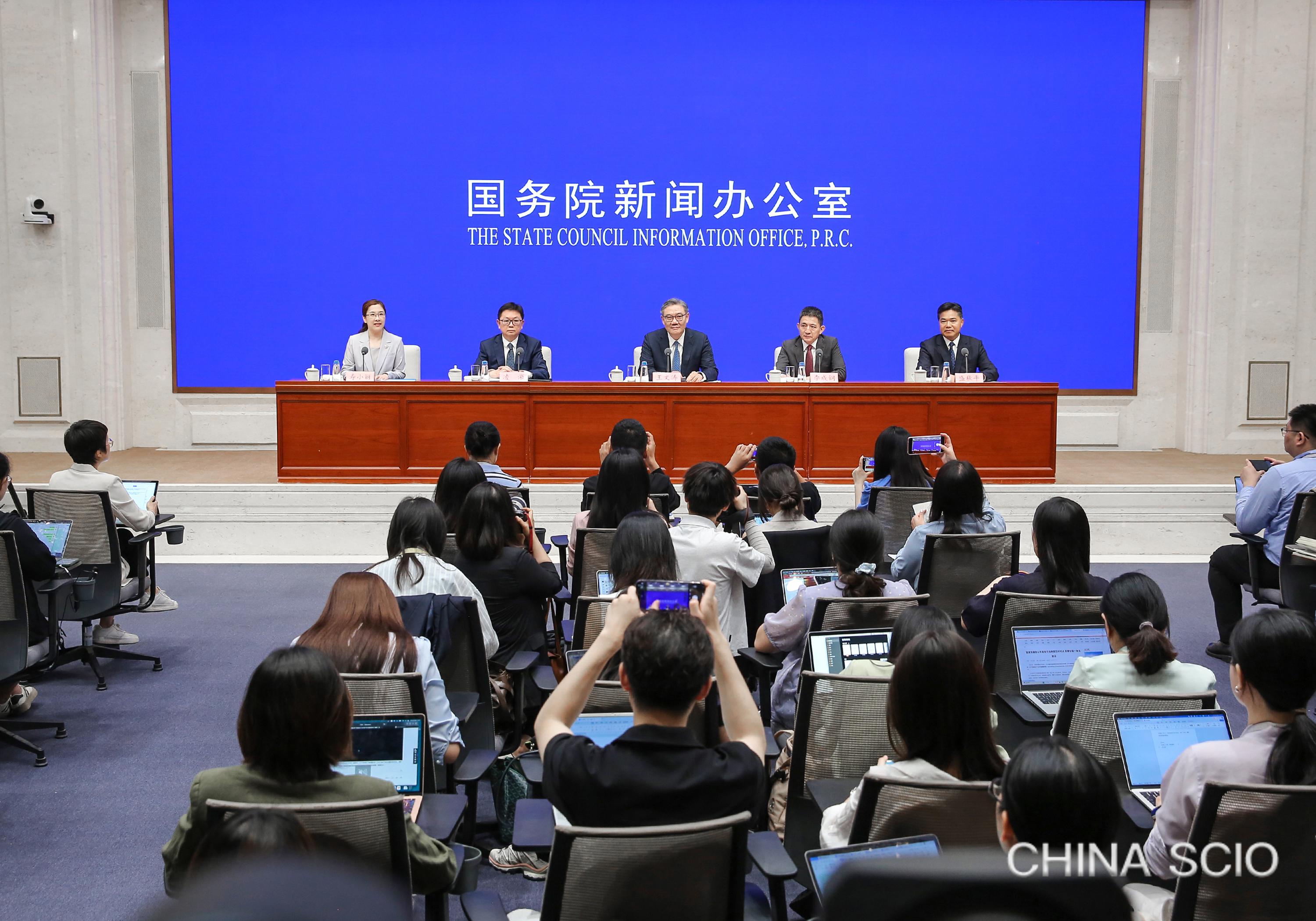
Ladies and gentlemen, good morning. Welcome to this press conference held by the State Council Information Office (SCIO). Today, we are continuing to hold the series of briefings titled "high-quality achievements during the 14th Five-Year Plan period." We are very pleased to have invited Mr. Wang Wentao, minister of commerce, to brief you on China's achievements in high-quality commerce development during the 14th Five-Year Plan period, and to answer your questions. Also present today are Mr. Li Chenggang, China international trade representative and vice minister of commerce; Mr. Ling Ji, vice minister of commerce and deputy China international trade representative; and Mr. Sheng Qiuping, vice minister of commerce.
Now, I'll give the floor to Mr. Wang for his introduction.
Wang Wentao:
Thank you, Ms. Shou. Hello, everyone. First of all, I would like to extend my gratitude to you for your interest in and support for China's commerce-related work. Today, I am very pleased to share with you the development of commerce during the 14th Five-Year Plan period.
These five years have been truly extraordinary and remarkable. Under the strong leadership of the Central Committee of the Communist Party of China (CPC) with Comrade Xi Jinping at its core, we have earnestly implemented the various tasks set out in the 14th Five-Year Plan. Guided by the three important roles of commerce-related work (as an important part of the domestic economic flow, an important link connecting domestic and international economic flows, and an important factor for the new development paradigm), we have overcome difficulties, dared to struggle and excelled in doing so, embraced innovation, and solidly advanced the delivery of all targets and tasks. Overall, commerce development has withstood wave after wave of shocks, and endured historical tests. Major targets and indicators in areas such as consumption, foreign trade, foreign investment, and outbound investment and cooperation have been on track. Key tasks have been advanced smoothly, and significant progress has been made in high-quality commerce development, contributing to the successful conclusion of the 14th Five-Year Plan. Next, I will briefly review the main achievements in commerce during the 14th Five-Year Plan period from four aspects:
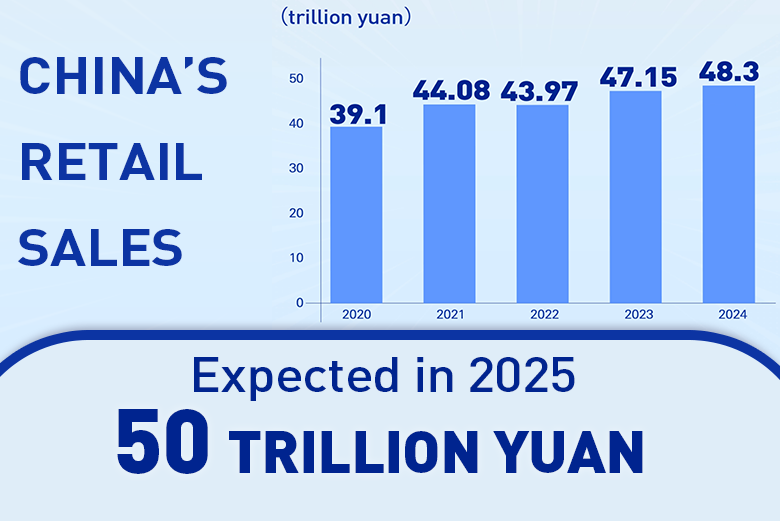
First, consumption has taken on a greater role as a key driver and stabilizer, highlighting the advantages of a robust domestic market. China's consumer market remains the second largest in the world. Over the past four years, total retail sales of consumer goods grew at an average annual rate of 5.5% and are expected to exceed 50 trillion yuan (about $6.98 trillion) this year. Service consumption has maintained rapid growth, with household spending on services increasing by 3.5 percentage points to 46.1%. New types of consumption have flourished, with a wide variety of new business forms and scenarios, making people's pursuit of a better life more tangible and vivid. Consumption has contributed around 60% annually to economic growth, further highlighting its role as a primary engine. The strength and vitality of China's robust domestic market have been significantly enhanced.
Second, China's status as a major economic and trading nation has been further consolidated, securing marked outcomes in high-quality development. Foreign trade has remained resilient under pressures. China has maintained its top position globally in trade in goods, with its share of global exports and imports remaining steady at over 14% and 10%, respectively. Trade in services has remained the second largest in the world and surpassed $1 trillion for the first time last year. The quality of foreign investment has improved. Total foreign investment attracted during the 14th Five-Year Plan exceeded the expected target of $700 billion. The "Invest in China" brand has continued to shine, and the structure of foreign investment has been continuously optimized. International cooperation in industrial and supply chains has progressed in an orderly manner. Outbound investment grew at an average annual rate of over 5%, ranking among the top three globally. Overseas contracted projects have generally maintained stable growth. China has signed multiple memorandums on industrial and supply chain cooperation with Belt and Road partner countries.
Third, the pace of high-standard opening up has accelerated, and win-win cooperation has continued to expand. The negative list of foreign investment has been continuously shortened. All access restrictions in manufacturing have been lifted. Pilot programs for opening up service sectors such as value-added telecommunications and biotechnology have been carried out in an orderly way. The 22 pilot free trade zones have effectively served as comprehensive experimental platforms for reform and opening up, actively aligning with high-standard international economic and trade rules and conducting pioneering trials. China has steadily expanded autonomous and unilateral opening up, granting zero-tariff treatment for 100% tariff lines for the least developed countries and African countries that have diplomatic relations with China. We have implemented the Regional Comprehensive Economic Partnership (RCEP) to a high quality, and are actively advancing the process of joining the Comprehensive and Progressive Agreement for Trans-Pacific Partnership (CPTPP) and Digital Economy Partnership Agreement (DEPA). In 2024, trade in goods between China and its free trade partners (including Hong Kong, Macao and Taiwan) accounted for 43% of the country's total goods trade volume.
Fourth, the institutional framework for safeguarding economic security has continued to improve, with significantly enhanced risk prevention and shock response capabilities. The legal framework for foreign-related economic and trade matters has been developed at a faster pace, introducing regulations on export control of dual-use items and improving the export control system. Trade remedy tools have been used appropriately to handle trade frictions. Foreign investment security reviews have been conducted in accordance with regulations to safeguard high-standard opening up. China has negotiated, signed and upgraded investment agreements with relevant countries, properly handled major emergencies abroad, and safeguarded its overseas interests.
Looking back over the past five years, we have deeply realized that the greater the difficulties and challenges, the more our institutional strengths, vast market and complete industrial system stand out; the more the vast potential, strong resilience and robust dynamism of China's economy shine through; and the more China's role as a major responsible country is fully demonstrated. Next, the Ministry of Commerce (MOFCOM) will follow the unified deployments of the central government, proactively adapt to evolving circumstances, focus on strategic priorities and targets, and actively plan and promote the high-quality development of commerce in the 15th Five-Year Plan period.
That concludes my introduction. My colleagues and I are now ready to answer your questions. Thank you.
Shou Xiaoli:
Thank you, Mr. Wang. We now move to the Q&A session. Please identify the media organization you represent before raising your questions.
_ueditor_page_break_tag_Reuters:
Minister, what can the commerce ministry do to address vulnerabilities that have emerged towards the end of this Five-Year Plan owing to China's relative reliance on exports as policymakers consider priorities for 2026 to 2030? What more can the ministry do to stimulate domestic consumption for example?
Wang Wentao:
I'll take these questions. Thank you for your questions. Let's first review the 14th Five-Year Plan period before looking ahead to the 15th. When examining the 14th Five-Year Plan period in a broader context, we can see that China's per capita GDP falls within the range of $10,000 to $20,000. During this stage, consumer demand diversified at a faster pace and consumption patterns underwent faster transformation. This range characterizes the entire 14th Five-Year Plan period, and will persist into the 15th, at least in its early phase. In that stage, consumption will undergo some new changes and also show some new highlights, which is in line with the stage of development and underlying patterns. Over the past five years, MOFCOM has conscientiously implemented the decisions and arrangements of the CPC Central Committee, proactively adapted to new situation, and taken multipronged measures to boost consumption. We have boosted the consumer market, achieving steady expansion in scale, continuous optimization in structure, and progressive release of potential while strengthening domestic circulation. By reviewing the 14th Five-Year Plan period, we can better plan for the 15th. Four changes and highlights have emerged during the 14th Five-Year Plan period:
The first is "market expansion." Our super large market has become even larger. China's position as the world's second-largest consumer market has been consolidated. Our total retail sales of consumer goods increased from 39.1 trillion yuan in 2020 to 48.3 trillion yuan in 2024, representing an average annual growth of 5.5%. We have made a comparison with the United States. In nominal terms, China's total retail sales of consumer goods are about 80% of America's, but when measured by actual purchasing power using World Bank data and methodology, China's retail sales have already surpassed the U.S., and are 1.6 times the size. Looking at this year's performance, with the first half of the year having already passed, retail sales for the entire year will definitely exceed 50 trillion yuan. Several sectors have maintained their leading positions. Speaking of the "large size," our online retail sales, for example, have ranked first globally for 12 consecutive years, and our automobile sales are also number one in the world. Our air conditioners, washing machines and other home appliances are the bestselling in the world. What I want to say is that with a population of 1.4 billion, any product's potential market becomes enormous when scaled across the population.
The second is "quality upgrade." Quality products and services have entered ordinary households. People have gone from just "getting by" to "living a good life." In terms of goods consumption, we have introduced a series of support policies, such as the trade-in program for consumer goods. This is not just a policy to stimulate consumption, more importantly, it promotes a switch to smart and green products, enhancing everyone's quality of life. Since launching last September, the retail sales of home appliances by companies above designated size have maintained double-digit growth. New energy vehicle ownership in 2024 increased by 5.4 times compared to 2020, and in the first half of this year, the penetration rate of new energy vehicles has exceeded 50%, reaching 50.2%. As of the middle of this year, the trade-in program has generated 2.9 trillion yuan in sales, with about 400 million subsidies granted. I saw online comments calling this the most popular and beneficial consumer policy. In terms of service consumption, China entered a stage of rapid growth during the 14th Five-Year Plan period. From 2020 to 2024, residents' spending on services grew at an average annual rate of 9.6%. As I have mentioned in a previous press conference, our service consumption has outpaced goods consumption, a trend you may have noticed in your own spending. In fact, for many households, spending on services, such as domestic services, fitness, travel, beauty, education and health care, has greatly exceeded your household expenditure on goods. The main contradiction in this stage of service consumption lies primarily in the supply side, which more precisely is a shortage of high-quality services. Together with relevant departments, we have implemented targeted measures, including opening up further and lifting restrictions, to address the shortage. In terms of opening up further, we have expanded pilot programs in fields such as health care to attract more high-quality services. In terms of lifting restrictions, we have introduced a series of "1+N" policies to support the high-quality development of service consumption, carried out a campaign to upgrade service quality and expand consumer benefits, and reduced some restrictive measures in sectors like health care, eldercare and domestic services to increase and diversify supply. As noted in the Reuters reporter's questions, the measures implemented during the 14th Five-Year Plan period will continue through the 15th Five-Year Plan period.
The third is "innovations." New trends of spending are flourishing. We have implemented an initiative to innovate and upgrade the retail industry, helping traditional forms of business find new life. For example, some malls now incorporate museums or aquariums, merging shopping, exhibitions and family entertainment under one roof. Others are offering cross-sector "one-stop" services combining commerce, tourism and culture, while continuously introducing new concepts. We have supported the innovative development of time-honored brands. For instance, the now popular Hanfu, including horse-faced skirts, as well as other new Chinese-style clothing have become trendy. "China-chic" products including high-quality cultural and creative products and local specialty products are selling well at home and abroad. These products excel in both quality and creativity, winning over young consumers. We have also promoted the integrated innovation in new consumption models and vigorously developed digital consumption and quality e-commerce, while cultivating new growth drivers such as the "debut economy," "AI + consumption" and "IP + consumption." We see various types of robots in shopping malls or other service spaces, and as I just mentioned, some smart home appliances have entered households. Our trade-in program has greatly boosted smart home appliance consumption. There are also new trends and fashions like the "guzi economy" and blind boxes of trendy toys. Media reports often talk about the global craze for Labubu.
The fourth is "openness." Domestic and international markets are reinforcing each other. On the one hand, more high-quality goods and services have entered China. We have cultivated international consumption center cities, and established demonstration zones to promote innovation in import trade. In particular, we have held the China International Import Expo (CIIE) and the China International Consumer Products Expo (CICPE). From 2021 to 2024, China imported consumer goods totaling 7.4 trillion yuan, making a substantial contribution to global development as a major consumer market. On the other hand, China has expanded its list of countries covered by unilateral visa-free exemptions, attracting more international visitors to travel here and shop, and experiencing the appeal of shopping in China. We have launched the "Shopping in China" campaign and notably optimized our departure tax refund policy. In 2024, inbound tourists spent a total of $94.2 billion — a striking 77.8% increase. This surge in travel has effectively boosted consumption.
Looking ahead to the 15th Five-Year Plan period (2026-30), the fundamentals of China's long-term economic growth remain unchanged, along with the strong potential, resilience and vitality of its consumer market. As for your question about new stimulus policies in the upcoming plan, we will build on the experiences and practices during the 14th Five-Year Plan period. Policies that have proven effective in the Chinese market and have been well-received by the public will be institutionalized and made long-term. At the same time, during the 15th Five-Year Plan period, we still face a complex and challenging global landscape. Given the uncertainties in the international environment, we will introduce targeted policies in response to evolving circumstances. As mentioned previously, we have a well-stocked policy toolbox and we are fully prepared. More importantly, we will adopt timely and situation-specific measures to further drive the growth of commodity consumption, unlock the potential of service consumption, boost the impact of new forms of consumption, and comprehensively expand domestic demand, thereby strengthening domestic circulation. Thank you.
_ueditor_page_break_tag_International Business Daily:
During the 14th Five-Year Plan period, the global environment for foreign investment has tightened, and China's use of foreign investment has fluctuated. Can the targets set for foreign investment in the 14th Five-Year Plan be achieved on schedule? Have there been any structural changes in foreign investment? Thank you.
Wang Wentao:
I would like to invite Mr. Ling to answer your questions.
Ling Ji:
Thank you for your questions. First, regarding whether the foreign investment targets for the 14th Five-Year Plan can be met — the answer is yes. In fact, we have already achieved them ahead of schedule. Let me summarize the key developments in attracting foreign investment during this period.
First, the targets have been successfully met. As of the end of June this year, the actual use of foreign investment in China during the 14th Five-Year Plan period reached $708.73 billion, reaching the $700 billion target six months ahead of schedule. Meanwhile, 229,000 new foreign-invested enterprises were established, which was 25,000 more than during the 13th Five-Year Plan period. Foreign-invested enterprises now contribute about one-third of China's total imports and exports, one-quarter of industrial value-added, and one-seventh of tax revenue, creating over 30 million jobs and making significant contributions to China's economic and social development.
Second, the quality of foreign investment has improved markedly. In 2024, investment in high-tech industries accounted for 34.6% of total foreign investment, up 6 percentage points from 2020. Many multinational companies have established regional headquarters and global R&D centers in China.
Third, the environment for foreign investors continues to improve. We have been guided by the principle of "three improvements and an enhanced support system." The first improvement concerns the environment for opening up. We have fully implemented the pre-establishment national treatment and negative list system for foreign investment, and have lifted restrictions on foreign investment access in manufacturing nationwide. In addition, we have conducted pilot programs in areas such as cloud computing, biotechnology and wholly foreign-owned hospitals in certain regions. Over 1,100 pilot projects have been carried out in 20 provinces and cities designated as comprehensive pilot demonstration zones for the expansion of the service industry, and we have issued policy documents for the high-quality development of national-level economic development zones. The second improvement concerns the market environment. We have issued and implemented 24 measures for attracting foreign investment and an action plan for stabilizing foreign investment. The implementation has progressed as expected. Of the 59 specific tasks outlined in the 24 measures, 42 have already been fully implemented, while steady progress has been made on the remaining ones. Significant improvements have been made in areas such as government procurement, intellectual property (IP) protection, cross-border data flows, and fiscal and tax incentives, where relevant policies and conditions continue to be improved and optimized. The third improvement concerns the legal and policy environment. More than 500 laws and regulations have been formulated, revised or repealed to support foreign investment. A more robust service and support system has been strengthened. Dedicated working groups for promoting foreign investment have been set up at all levels across the country, and we have strengthened routine communication with foreign enterprises and chambers of commerce. A foreign enterprise roundtable mechanism has been established, and since 2023, MOFCOM has held over 30 roundtable meetings, helping to address more than 1,500 issues raised by foreign companies.
Fourth, "Invest in China" has become a signature brand. More than 60 major "Invest in China" events have been held domestically and abroad. The China International Fair for Investment and Trade (CIFIT), held annually on Sept. 8, has become a flagship platform for promoting investment in China. Many multinational companies describe China as an "ideal, safe, and promising" destination for global investment — "an oasis of certainty and a hot spot for investment and entrepreneurship."
In March this year, President Xi Jinping met with representatives of the global business community and delivered a keynote speech, sending a strong message about China's unwavering commitment to reform and opening up, and significantly boosting the confidence of foreign investors. Partnering with China means embracing opportunity. Investing in China means investing in the future. We sincerely hope that foreign enterprises can achieve even greater growth as they participate in the journey of advancing Chinese modernization. Thank you.
_ueditor_page_break_tag_CCTV:
My question is about foreign trade. In recent years, China's foreign trade has performed impressively. Despite a complex and volatile external environment and mounting pressure, China's foreign trade has shown strong resilience and new growth momentum. How does MOFCOM evaluate the development and future prospects of China's foreign trade? Thank you.
Wang Wentao:
I'll answer this one. First, thanks for your question. Your question actually answers itself in the latter part of what you said. We do have strong resilience and momentum. Of course, I'll add some supplementary points about these factors.
As you just mentioned, we have faced considerable pressure during the 14th Five-Year Plan period. Foreign trade has undoubtedly encountered major challenges and intense pressure. These are conditions we can at least describe as "high winds and choppy waters." However, under the strong leadership of the CPC Central Committee and the State Council, we have decisively introduced policies to stabilize foreign trade on multiple occasions. With concerted efforts from all parties, foreign trade has bucked the trend and grown even in these "high winds and choppy waters," and progress has been made in building China into a trader of strength. This can be summarized in three keywords.
The first keyword is "large." China's status as a major trading nation has been strengthened. In what way is it large? The scale of China's trade in goods surpassed two key milestones of $5 trillion and $6 trillion. In 2024, it hit $6.16 trillion, up 32.4% from 2020 at the end of the 13th Five-Year Plan period. China has ranked first globally for eight consecutive years. In terms of trade in services, the scale exceeded $1 trillion for the first time, ranking second worldwide. Behind this large scale in foreign trade lies the advantages of scale and a comprehensive industrial ecosystem. So in a sense, being large means being strong. We can look at this from three angles. First, trade cooperation has benefited the world. We are a major trading partner for more than 150 countries and regions. We have not only provided high-quality products and services to the world, but also ensured the resilience and stability of global industrial and supply chains. At the same time, we have supported the multilateral trading system through concrete actions and promoted trade liberalization and facilitation. Second, the opportunities of China's large market have been shared globally. Looking at imports, the Chinese mainland and Hong Kong together imported about 13.3% of the world's total goods in 2024, according to WTO data. What was the U.S. share? It was 13.6%. In other words, imports by the Chinese mainland and Hong Kong together were only 0.3 percentage point behind the U.S. Therefore, we are the second-largest import market in the world, nearly on par with the U.S. At the same time, we are a major export destination for nearly 80 countries and regions. Where do these countries send their exports? Their main export destination is China. Of course, we've long run a services trade deficit. Although China's trade in services exceeded $1 trillion last year, we've maintained a long-term deficit, with the U.S. being the largest source of that deficit. China is the largest source of the U.S. goods trade deficit, while the U.S. is China's biggest deficit generator in services. This reflects our complementary advantages. However, we have proactively expanded imports and successfully held the China International Import Expo for seven consecutive years, with this year marking the eighth. We have also established 43 import trade promotion and innovation demonstration zones and unilaterally granted zero-tariff treatment to relevant countries. This is completely unprecedented. Earlier in my opening remarks, I mentioned that China has expanded zero-tariff treatment for the least developed countries to all 53 African countries with which we have diplomatic ties through mutually signed agreements. China's large market has already become a shared global market, and it will surely continue to be a source of growth and vitality for the world economy. Our opening-up policy not only attracts foreign investment but also expands imports. Third, trading entities have become more diversified and expanded. In 2024, the number of enterprises engaged in actual imports and exports reached nearly 700,000. This includes many globally recognized companies, along with specialized and sophisticated "little giant" enterprises that produce novel and unique products. Private enterprises' share of exports rose from 56% at the end of the 13th Five-Year Plan period to 64.8% last year, registering rapid growth.
The second keyword is "strong." China's transformation into a trader of strength has been accelerated. The 20th CPC National Congress proposed accelerating efforts to build a trader of strength supported by three major pillars: trade in goods, trade in services and digital trade. These three major pillars have been continuously strengthened. The first pillar, trade in goods, has been upgraded. In particular, the share of high-value-added and technologically advanced products has been growing. High-tech products accounted for 18.2% of goods exports in 2024, with high-tech items now comprising a large portion of our exports. The potential of new forms of foreign trade has continued to be unleashed, with cross-border e-commerce imports and exports reaching 2.7 trillion yuan in 2024, up 67% from 2020. The second pillar, trade in services, has achieved innovative upgrades. We rolled out negative list management for trade in cross-border services for the first time, with the trade value of knowledge-intensive services up 38% in 2024 compared with 2020. The third pillar, digital trade, has made innovative progress. We have improved policies to support digital trade and built a number of high-standard national digital service export bases. China's trade in digitally deliverable services was up nearly 40% in 2024 versus 2020. We have continued to host national-level exhibitions. For example, the China International Import Expo primarily serves imports, while the Canton Fair focuses on exports. The China International Fair for Trade in Services handles the services trade. The Global Digital Trade Expo covers digital trade. These important exhibition platforms play a key role in supporting the "three major pillars" of building China into a trader of strength and better serving high-quality trade development.
The third keyword is "resilience." China's foreign trade has become significantly more resilient and shock-resistant. You never know how difficult something is until you've lived through it. In recent years, the external environment has been complex and volatile, but China's foreign trade has weathered the storms and forged ahead resolutely. We have actively optimized our international market presence, diversifying our trade partners. ASEAN has remained our largest trading partner for five consecutive years, with trade volume up 9.6% year on year in the first half of this year. In 2024, trade with Belt and Road partner countries accounted for over 50% of China's total trade. Our exports to the U.S. accounted for 14.7% of total exports in 2024, down from 17.4% in 2020. In the first half of this year, exports to the U.S. fell 9.9%, while our overall exports grew by 7.2%, showing divergent trends. During the "two sessions", I mentioned here that "when one door closes, a window opens." We have achieved trade diversification. We have also effectively managed trade frictions by leveraging WTO rules to defend our legitimate rights and interests, thereby maintaining trade security. In particular, we found that foreign trade enterprises have demonstrated remarkable resilience. They have actively adapted to changes, proactively pursued transformation, and accelerated product upgrading by increasing the application of new technologies in their products. Meanwhile, they have worked to open up new markets and channels and created many innovative business models. Our foreign trade production and supply chains have become more complete, flexible and efficient, with a stronger ability to cope with risks and challenges. As a result, we have greater confidence.
Looking ahead to the 15th Five-Year Plan period, we will make greater efforts to promote high-quality trade development, strengthen innovation momentum, and expand both exports and imports. We will also promote international cooperation, enhance trade resilience, and strive to build an international trade landscape characterized by openness, cooperation, mutual benefits and win-win outcomes. Thank you.
_ueditor_page_break_tag_Dazhong Daily:
In recent years, the restructuring of the global economic governance system has accelerated, and China has been playing an increasingly important role in this process. During the 14th Five-Year Plan period, what did China accomplish by participating in WTO reform and expanding the country's free trade agreement network? What progress has been made so far?
Wang Wentao:
I would like to invite Mr. Li to answer these questions.
Li Chenggang:
Thank you for your questions. As you mentioned, during the 14th Five-Year Plan period, global governance has indeed undergone profound restructuring. Economic globalization has faced headwinds, with unilateralism and protectionism on the rise. These factors have dealt a severe blow to the international economic order and governance system. Despite these challenges, China has firmly supported the multilateral trading system and expanded a globally oriented network of high-standard free trade zones, advancing both multilateral cooperation and regional cooperation in parallel.
At the multilateral level, we have firmly supported the multilateral trading system and actively participated in WTO reform to defend the organization's authority. We actively promoted multiple practical outcomes at the 12th and 13th WTO Ministerial Conferences to improve the organization's operations. To enhance the WTO's effectiveness, we led efforts to facilitate the conclusion of several high-level economic and trade agreements, including the Investment Facilitation for Development Agreement and the Agreement on Electronic Commerce. We also engaged extensively in discussions on issues including trading environments, development agendas and supply chain stability, working to ensure international economic and trade rules remain current. In addition, we have honored our commitments by demonstrating the responsibility of a major country, earnestly fulfilling WTO obligations, strengthening trade policy compliance with WTO rules and contributing to the creation of a world-class business environment. We completed bilateral negotiations with Uzbekistan, Azerbaijan and Ethiopia regarding their accessions to the WTO, supporting the integration of developing countries into the multilateral trading system. Meanwhile, we have participated constructively in multilateral mechanisms, including the G20, BRICS and APEC, and have consistently placed development at the center of the international economic and trade agenda. We promoted the official establishment of the China Center for Cooperation on Development of Special Economic Zones in BRICS Countries in March, which is also a concrete measure to implement the guiding principles of General Secretary Xi Jinping's speech.
At the regional level, we have expanded a globally oriented network of high-standard free trade zones. First, our network of partners has continued to expand. We promoted the signing and implementation of the Regional Comprehensive Economic Partnership (RCEP), making it the world's largest free trade zone in terms of trade volume and population coverage. This year, we completed negotiations on Version 3.0 of the China-ASEAN Free Trade Area. We also signed the framework agreement for the China-Africa Economic Partnership for Shared Development with 31 African countries, as well as eight bilateral free trade agreements and upgrade protocols. Second, we have become increasingly open to the outside world. China formally applied to join high-standard agreements such as the Comprehensive and Progressive Agreement for Trans-Pacific Partnership (CPTPP) and the Digital Economy Partnership Agreement (DEPA). The country has also exempted tariffs on most commodities with its free trade partners and introduced the negative-list approach for service trade and investment negotiations. Rules in new fields such as the digital economy and green economy have become a focus in each of our negotiations. Third, free trade dividends have been further expanded. Last year, our exports to free trade partners reached 10.06 trillion yuan, an increase of 7.6% from the previous year. Our imports from free trade partners reached 9.01 trillion yuan, up 4.1% year on year. Both figures exceeded our overall import and export growth rate for the same period. Overall, high-level free trade arrangements have delivered win-win cooperation and common development. Currently, whether at the multilateral or regional level, the appeal of China's initiatives has increased significantly, the influence of China's positions has expanded considerably, and the cohesive power of China's solutions has risen greatly. Thank you.
_ueditor_page_break_tag_Yicai:
We have observed that during the 14th Five-Year Plan period, whether in cities or rural areas, online or offline, shopping has become more convenient and faster. The entire urban and rural commercial circulation system has undergone significant changes. What measures has the MOC taken to promote the development of a modern circulation system during this period? What results have been achieved? Thank you.
Wang Wentao:
I would like to invite Mr. Sheng to answer these questions.
Sheng Qiuping:
Thank you for your questions. The circulation system serves as the "arteries and veins" of the economy, connecting production and consumption, domestic and foreign trade, and online and offline commerce. The system is especially important for a super-large economy like China. General Secretary Xi Jinping emphasized that developing a modern circulation system is a strategic task in building a new development paradigm. During the 14th Five-Year Plan period, we prioritized the modern supply chain as our spearhead and the high-quality development of the wholesale and retail industry as our main task. Through these efforts, we promoted the construction of a modern commercial circulation system and achieved positive results.
Over the past five years, we have witnessed both sector growth and declining costs. On the one hand, circulation entities in the wholesale and retail industries have achieved robust growth in terms of both scale and strength. In 2024, the value added of the wholesale and retail industries reached 13.8 trillion yuan, second only to manufacturing. The figure represents an increase of 40% compared to the end of the 13th Five-Year Plan period and accounts for a record high of more than 10% of GDP. The sector has also created 135 million new jobs. In the first half of this year, the value added of the wholesale and retail industries increased 5.9% year on year, maintaining rapid growth momentum. On the other hand, social logistics costs have declined. The ratio of social logistics costs to GDP dropped from 14.7% five years ago to 14.1%, while comprehensive logistics costs for key enterprises decreased 10%. As a result, the commercial circulation sector has become an important pillar for China's economic and social development, providing strong support for building a new development paradigm.
Specifically, we have made progress in four areas:
First, circulation facilities have become more convenient and people-friendly. In rural areas, we have strengthened county-level commercial systems by renovating and upgrading market and store facilities. As a result, 155,000 commercial outlets have been renovated in counties, townships and villages. In more than 95% of administrative villages, farmers can enjoy direct express delivery services. In cities, we have built 35 national demonstration pedestrian streets and commercial districts, as well as 5,510 15-minute community life circles, serving over 125 million residents. The convenience and happiness found in Chinese cities have increasingly amazed overseas tourists.
Second, the circulation network has become more complete and comprehensive. On the one hand, we have conducted pilot projects to build modern commercial circulation systems in 40 cities, strengthening the "arteries" of the economy by expanding the "capillaries." On the other hand, we have strengthened weak links by vigorously developing cold chain logistics. Currently, total cold storage volume has reached 253 million cubic meters nationwide, an increase of 42.9% compared to the end of the 13th Five-Year Plan period. The number of refrigerated trucks has reached 495,000, an increase of 80% during the same period. This expansion has further facilitated commodity circulation from farm to fork.
Third, circulation entities have become more diverse and robust. A framework has taken shape in which small enterprises flourish in large numbers while large enterprises serve as pillars of the economy. One aspect is greater numbers. The wholesale and retail industries include more than 10 million legal entities and nearly 45 million individually-owned businesses, accounting for more than 45% of all businesses. Another aspect is greater vitality. Traditional business forms such as shopping malls and department stores are rapidly transforming. Meanwhile, new business forms and models like membership supermarkets and buyer's stores continue to emerge. This has made commercial distribution one of the most innovative sectors of the Chinese economy. A third aspect is growing strength. Seventeen Chinese circulation companies made the Fortune Global 500 list in 2024, with average revenue exceeding $90 billion.
Fourth, the operation of the circulation system has become more intelligent and efficient. We are focusing on three main areas of transformation. The first is digitalization. We're applying big data, artificial intelligence, the Internet of Things and other technologies to upgrade the entire system of commercial circulation through intelligent digitalization, improving how well we match supply with demand. The second focus is standardization. Standard pallet sharing rates have risen from 32.4% to 37.8%, helping companies improve cargo turnover efficiency and reduce logistics costs. The third area is green transformation. We've established 32 pilot cities for renewable resource recovery systems and 10 pilot cities for secondhand goods circulation initiatives, with green, low-carbon lifestyles gaining widespread acceptance.
Looking ahead to the 15th Five-Year Plan period, we will continue our strategic efforts with sustained momentum, building on each phase of progress. We aim to accelerate the development of a larger, higher-quality modern commercial circulation system, advance high-quality development in the wholesale and retail industries, further reduce logistics costs throughout the economy, and make greater contributions to ensuring smooth national economic flow and establishing a new development pattern. Thank you.
_ueditor_page_break_tag_Market News International:
How do you assess the development trajectory of China-U.S. economic and trade relations during the 14th Five-Year Plan period? With the 15th Five-Year Plan period approaching, what is your outlook on the prospects for future China-U.S. economic and trade cooperation?
Wang Wentao:
I'll take this. Thank you for the question. Let me address the first part of it. When discussing the outlook of China-U.S. economic and trade relations during the 14th Five-Year Plan period, I think we need to look back to 2018 for a clearer perspective. Since 2018, U.S.-initiated economic and trade frictions have led to significant fluctuations in bilateral economic and trade relations, with several landmark developments. I can summarize the China-U.S. economic and trade situation in four points.
The first point is that, despite many ups and downs, China and the U.S. remain important economic and trade partners for each other. Since 2018, U.S. unilateralism and protectionism have continuously sparked economic and trade tensions. The U.S. has imposed various tariffs on China and coined various terms and concepts. The tariffs alone are numerous. They include Section 301 tariffs, Section 232 tariffs, reciprocal tariffs, and now many sector-specific tariffs as well. The list is extensive, and so is the terminology, including phrases like "outcompeting China," the "small yard, high fence," and "decoupling and severing supply chains." This series of actions has severely impacted and disrupted normal economic and trade cooperation between China and the U.S. However, while the share of bilateral trade in each country's total trade has declined, bilateral trade volumes have generally remained stable. In 2024, bilateral goods trade between China and the U.S. totaled $688.3 billion, up 18% from 2017, and services trade reached $155.8 billion, a 34.7% increase from 2017. The two countries are also important investment partners, with close ties between their business communities. Every March, numerous American companies come to China, and numerous delegations visit MOFCOM. It has been proven that forced decoupling and severing supply chains is not feasible. China-U.S. economic and trade cooperation is driven by economic realities and serves the interests of people in both nations.
The second point is that China-U.S. economic and trade relations are fundamentally about mutual benefit and win-win outcomes. Cooperation is the only correct path. Trade between China and the U.S. serves both countries' needs. Some of it is irreplaceable, or at least difficult to replace in the short term, demonstrating the fundamentally mutually beneficial nature of the relationship. Moreover, trade in services between our two countries continues to grow rapidly. In 2024, 1.6 million Chinese tourists visited the U.S., generating $20 billion to $30 billion in direct revenue for the U.S. China-U.S. trade and bilateral investment have created many jobs in both countries and generated substantial returns and profits for businesses on both sides.
The third point is that differences and frictions are inevitable in China-U.S. economic and trade cooperation. This is normal. We must confront these issues head-on, with dialogue and consultation offering the best path to resolution. President Xi Jinping has repeatedly emphasized to the U.S. side that China and the U.S., as two major countries with different development stages and economic systems, are fundamentally different. These differences existed in the past, persist today and will continue in the future. We must accept this basic reality. Differences and frictions in China-U.S. economic and trade cooperation are inevitable. This is normal. The key is to respect each other's core interests and major concerns while properly resolving differences through equal dialogue. Since the beginning of this year, President Xi Jinping has held two phone conversations with President Trump, providing direction for the China-U.S. relationship at critical historical moments. Since May, China-U.S. economic and trade teams have held dialogues and consultations in Geneva and London. Guided by principles of mutual respect, equal consultation and mutual benefit, these talks produced the Geneva Consensus and the London Framework, helping to stabilize bilateral relations and reduce tensions. Practice has shown that guided by the consensus reached during the heads of state phone conversations, China and the U.S. can properly manage disputes through equal dialogue and consultation. This approach enables both countries to work toward resolving differences and achieving mutually beneficial outcomes.
The fourth point is that China maintains a consistent position of firmly defending its national interests while upholding international fairness and justice. China and the U.S. benefit from cooperation and suffer from confrontation. There are no winners in a trade war. China does not want to fight, but is not afraid to do so. China has taken strong measures to firmly safeguard its legitimate rights and development interests. Moreover, China's commitment to international fairness, justice, and the established economic and trade order has garnered widespread respect and support internationally. In the first half of this year, the Chinese economy withstood pressure and continued to improve. Foreign trade maintained growth despite disruptions from high tariffs. Exports grew 7.2% in the first half of the year. The long-term positive fundamentals of the Chinese economy will not change. The historical process of Chinese modernization is unstoppable, and we possess both the firm resolve and confidence to protect our interests.
As the world's two largest economies, China and the U.S. should act like major powers, with all the responsibility and commitment that entails. China-U.S. economic and trade relations affect not only the two nations but also global economic prosperity and development. The relationship should provide stability and predictability for the world. We are willing to work with the U.S. side, based on the principles of mutual respect, peaceful coexistence and win-win cooperation, to take concrete actions that maintain and implement the important consensus reached during the phone conversations between the two heads of state and carry out the Geneva Consensus and the London Framework. We will make full use of the China-U.S. economic and trade consultation mechanism established in Geneva to continue strengthening dialogue and communication, constantly building consensus, reducing misunderstandings, and deepening cooperation. Together, we will work to return China-U.S. economic and trade relations to the right track and achieve healthy, stable and sustainable development. Thank you.
_ueditor_page_break_tag_21st Century Business Herald:
The BRI has transformed from an idea into concrete action, from a proposal into a widely embraced global platform for connectivity and cooperation. What economic and trade achievements has Belt and Road cooperation delivered during the 14th Five-Year Plan period? What are the key highlights? Thank you.
Li Chenggang:
Thank you for your questions. During the 14th Five-Year Plan period, MOFCOM thoroughly implemented the important guidance of General Secretary Xi Jinping on Belt and Road cooperation. We worked with relevant countries, adhered to the principle of extensive consultation, joint contribution, and shared benefits, and promoted pragmatic cooperation in economy and trade. This has achieved fruitful results, mutual benefits and win-win outcomes, contributing positively to an open global economy and building a community with a shared future for humanity. The achievements and highlights can be viewed from four angles:
First, trade and investment have continued to deepen, and production and supply chain links have grown closer. From a trade perspective, trade in goods between China and Belt and Road partner countries has increased from $2.7 trillion in 2021 to $3.1 trillion in 2024, with an average annual growth rate of 4.7%. The share of this trade in China's overall trade rose from 45.3% in 2021 to 50.7% in 2024, and further increased to 51.8% in the first half of this year, accounting for more than half of our total trade. More high-quality products such as durians, dragon fruits, and coffee from Belt and Road partner countries have entered the Chinese market. Meanwhile, China's machinery equipment, electronic components and related products have also contributed to industrial development in partner countries. From an investment perspective, two-way investment between China and Belt and Road partner countries exceeded $240 billion from 2021 through the first half of 2025. China's investment in partner countries exceeded $160 billion, while partner countries invested more than $80 billion in China. The "Two Countries, Twin Parks" projects between China and Malaysia and between China and Indonesia have become flagship examples of industrial cooperation among Belt and Road partners.
Second, infrastructure projects have progressed steadily, with their overall impact becoming increasingly evident. We have coordinated the development of both landmark infrastructure projects and "small but beautiful" public welfare projects. From 2021 through the first half of 2025, the cumulative value of contracted projects in Belt and Road partner countries reached nearly $600 billion. A number of key infrastructure projects, including the China-Laos Railway, have been completed and put into operation. Construction of the China-Europe Railway Express and the New International Land-Sea Trade Corridor has accelerated, enhancing regional connectivity. We have implemented more livelihood projects in agriculture, education, health, poverty reduction and other areas. For example, we have demonstrated and promoted Juncao technology and hybrid rice, training large numbers of technical personnel for local communities.
Third, emerging fields have expanded steadily, broadening the scope for cooperation. We have signed investment cooperation memorandums with over 50 Belt and Road partner countries in the digital, green, and blue economies, as well as other sectors. China has established Silk Road E-commerce partnerships with 36 countries, developing a range of cooperation programs such as Silk Road E-commerce Day, Silk Road Cloud Products and the Cloud Lecture Hall. More than 120 online and offline national pavilions have helped products from partner countries enter the Chinese market. We have advanced practical cooperation in green infrastructure and clean energy, and actively promoted international cooperation on green minerals.
Fourth, institutional mechanisms and platforms have been continuously improved, facilitating smoother communication and coordination. We have effectively utilized mechanisms such as bilateral economic and trade joint commissions, trade facilitation working groups, and investment cooperation working groups, while leveraging platforms like the China-ASEAN Expo and China-Africa Economic and Trade Expo to strengthen economic and trade exchanges and communication with Belt and Road partner countries. We have signed free trade agreements with countries including Ecuador and Serbia, as well as investment agreements with countries such as Angola and Tajikistan, advancing trade and investment liberalization and facilitation.
In the future, we will continue to advance and deepen cooperation based on what we have already achieved. Thank you.
Shou Xiaoli:
Due to time constraints, this will be the last question.
_ueditor_page_break_tag_Hong Kong Bauhinia Magazine:
During the 14th Five-Year Plan period, China has accelerated its high-level opening up. Can you tell us about the results achieved in utilizing free trade pilot zones as testing grounds and gradually expanding institutional opening up? What are your plans going forward? Thank you.
Wang Wentao:
Thank you for your questions. During the 14th Five-Year Plan period, we have used free trade zones as testing grounds for institutional opening up, introducing landmark and pioneering measures that have achieved significant breakthroughs and exemplary results. Let me explain this from several aspects:
First, led by free trade zones, the institutional framework for opening up has been continuously strengthened. During the 14th Five-Year Plan period, the total number of China's free trade zones reached 22, covering the eastern, western, southern, northern and central regions of the country and forming a comprehensive national network. There have also been significant institutional innovations. For instance, the negative list management model has been extended to areas such as cross-border trade in services and cross-border data flows. We have also conducted differentiated explorations tailored to each free trade zone's unique characteristics. In 2024, free trade zones accounted for 19.6% of national foreign trade and 24.3% of foreign investment, demonstrating stronger vitality and momentum in open economy development.
Second, we have proactively aligned with high-standard international economic and trade rules, achieving new breakthroughs in key areas of reform and opening up. In qualified free trade zones such as the Shanghai Free Trade Zone and the Hainan Free Trade Port, we have proactively aligned with high-standard international trade agreements like the CPTPP and DEPA. We have launched over 110 pilot measures in two batches, covering key areas including trade, investment, IP rights, government procurement and environmental protection. These efforts have generated advanced experiences and best practices that have been replicated and scaled up nationwide, accelerating the spillover effects and driving force of institutional opening up.
Third, we have pursued pioneering and integrated approaches, generating substantial institutional reform outcomes. During the 14th Five-Year Plan period, the CPC Central Committee and the State Council issued guidelines for improving the country's pilot free trade zones. The guidelines serve as the overall policy framework for upgrading pilot free trade zones, providing systematic arrangements for trade, investment, capital flows, transportation, personnel exchanges, data flows and other aspects within the zones. As I mentioned earlier, various regions have conducted integrated innovation across entire industrial chains based on local conditions. For instance, Zhejiang has focused its integrated innovation on bulk commodities, Jiangsu on biomedicine and Shandong on the marine economy. Over the past five years, the free trade zones have produced nearly 200 institutional innovation achievements. The resulting policy benefits have become more tangible, understandable and accessible to enterprises and the public.
Going forward, MOFCOM will be guided by the strategy of upgrading free trade zones and work with relevant departments and localities to encourage each free trade zones to embrace bold experimentation and take decisive action. We will support them in conducting more beneficial explorations, generating more substantial reform and opening up results, and realizing improvements in three key areas: institutional openness standards, systematic reform effectiveness, and open economy quality. Thank you.
Shou Xiaoli:
Thank you, Mr. Wang. Thank you to all our speakers, and thank you to all the journalists for participating. That concludes today's press conference. Goodbye everyone.
Translated and edited by Xu Xiaoxuan, Zhang Jiaqi, Cui Can, Xu Kailin, Li Xiao, You Jiaxin, Yang Xi, Wang Qian, Li Huiru, Ma Yujia, Fan Junmei, David Ball, and Jay Birbeck. In case of any discrepancy between the English and Chinese texts, the Chinese version is deemed to prevail.

/6 Group photo
/6 Wang Wentao
/6 Li Chenggang
/6 Ling Ji
/6 Sheng Qiuping
/6 Shou Xiaoli
SCIO briefing on performance of agriculture and rural economy in H1 2025
July 17, 2025SCIO briefing on China's economic performance in H1 2025
July 15, 2025SCIO briefing on China's financial statistics in H1 2025
July 14, 2025