China.org.cn | March 17, 2026


Yicai:
The Central Economic Work Conference pointed that there is an imbalance where supply outpaces demand in the domestic economy. What macroeconomic policies will be implemented in 2026? And how can we fundamentally and specifically resolve this issue? Thank you.
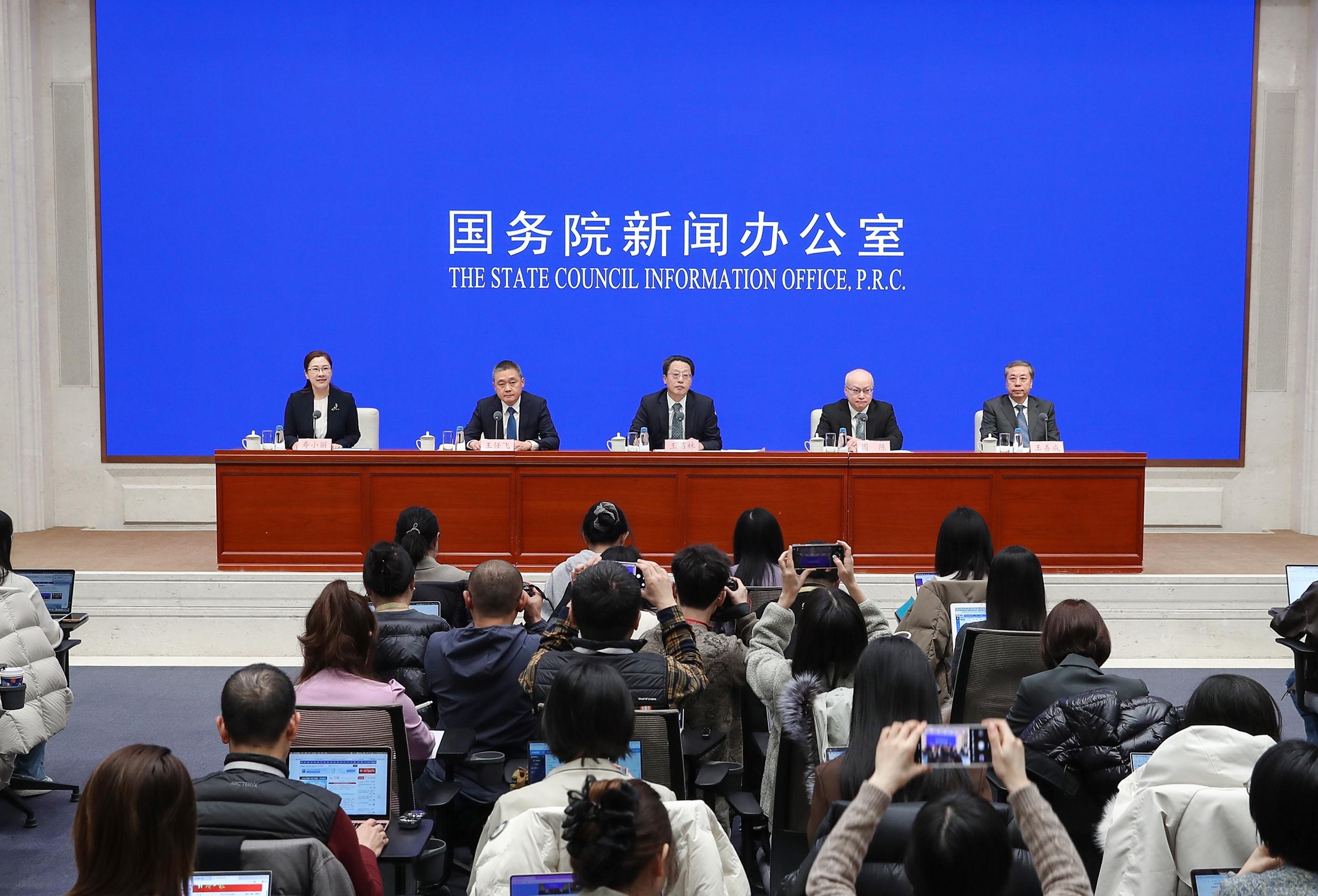
Wang Changlin:
Thank you for your questions. China's economy does indeed face the issue of strong supply and weak demand. As we all know, economic development is a process in which supply and demand interact and drive each other. Supply meets existing demand, while new demand drives supply and generates new offerings, creating a virtuous economic cycle. Currently, insufficient demand is a prominent issue in China's economic development, while inadequate supply also exists. As we all know, our supply has shifted from "whether we have it" to "how good it is." For certain products, demand is strong, but supply cannot keep up. In response to these issues, we should resolutely implement the spirit of the Central Economic Work Conference. This includes expanding domestic demand and optimizing supply, while promoting a dynamic balance and virtuous cycle between supply and demand at a higher level. We must foster an economic growth model driven by domestic demand, consumption and endogenous growth. We will make efforts in three key areas.
First, we must focus macroeconomic policies on strengthening the domestic economic cycle and comprehensively expanding domestic demand. The priority is to develop and implement a plan for the domestic demand expansion strategy during the 2026-2030 period that aligns with consumption upgrading trends and the needs of the new round of technological revolution and industrial transformation. This plan will deliver innovative measures and resource support so that new demand can lead to new supply and new supply can create new demand, achieving mutual reinforcement between supply and demand and facilitating cyclical upgrading.
Second, we need to strengthen our efforts in developing the real economy and accelerate the construction of a modern industrial system. The real economy is the foundation of China's economic development. To meet the demands of industrial transformation and upgrading, we must continuously generate new supply and new jobs through innovation. We must pursue intelligent, green and integrated development to upgrade key industries, cultivate and expand emerging and future sectors, and thoroughly implement the "AI+" initiative. We should leverage the exemplary role of the national venture capital fund and explore establishing a national-level M&A fund. We must strengthen strategic planning and investment guidance for government investment funds, promote innovation, entrepreneurship and creativity, and accelerate the cultivation and development of new quality productive forces.
Third, we should focus market regulation on advancing the unified national market and fully stimulating market vitality. The key is to comprehensively address "involution-style" competition by shifting from competing on price to competing on value. We should improve mechanisms for market access, fair competition and eliminating excess capacity, strengthen capacity oversight, and proactively address temporary supply-demand imbalances. We must further clarify the boundaries of encouraged and prohibited items in local investment attraction, while standardizing local economic promotion activities. We should strengthen price regulation in key industries, address enterprises' disorderly low-price competition in accordance with laws and regulations, and create a high-quality market order characterized by appropriate prices and healthy competition. We will vigorously implement a quality branding strategy to help resolve "involution-style" competition.
That's all from me.