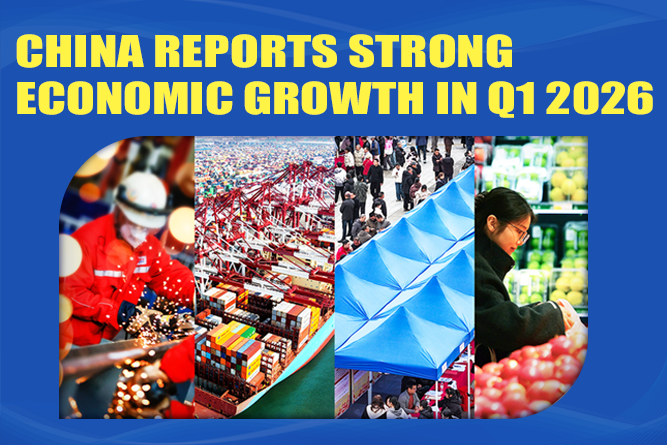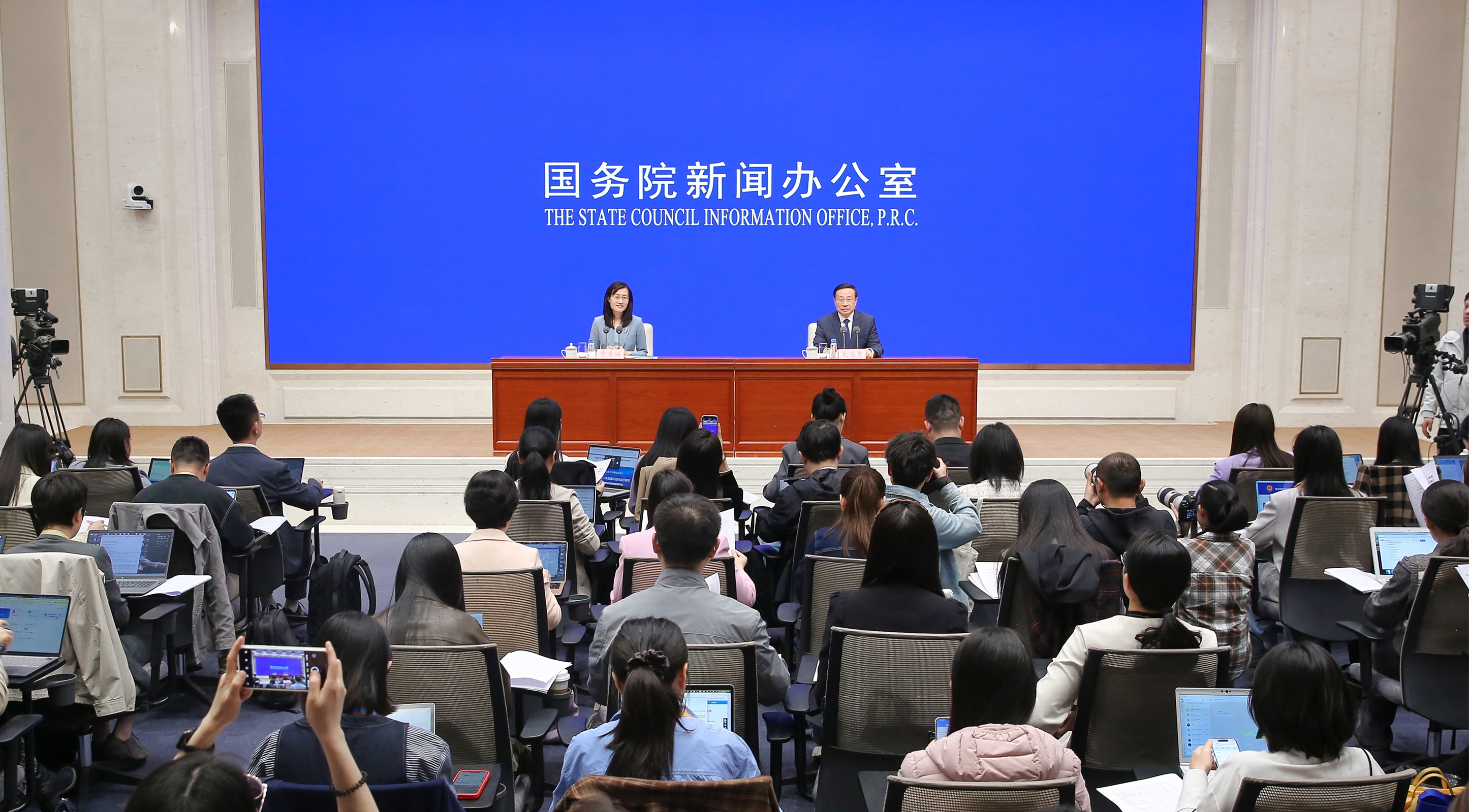

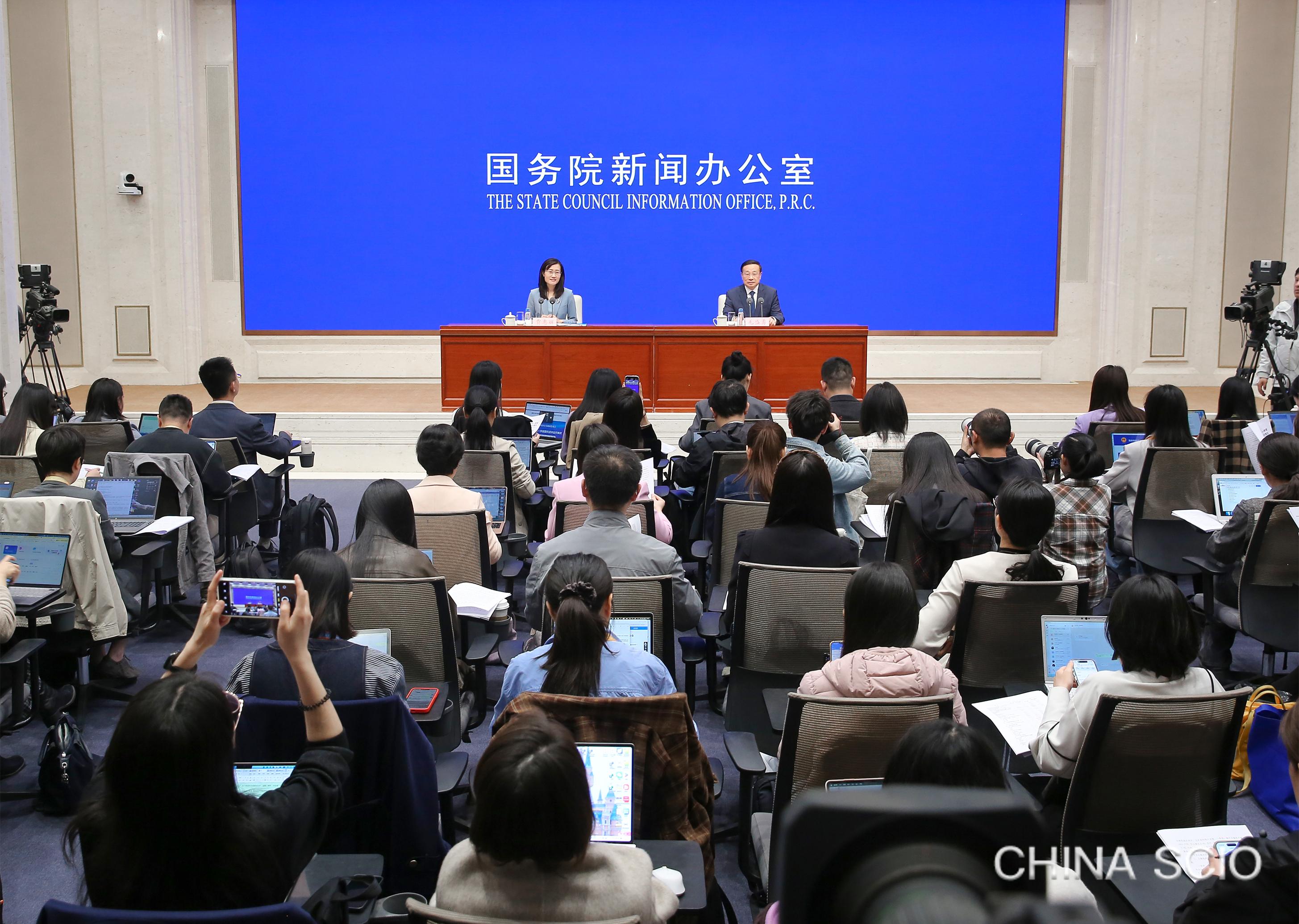
SCIO briefing on China's economic performance in the first quarter of 2026
Beijing | 10 a.m. April 16, 2026
Speaker

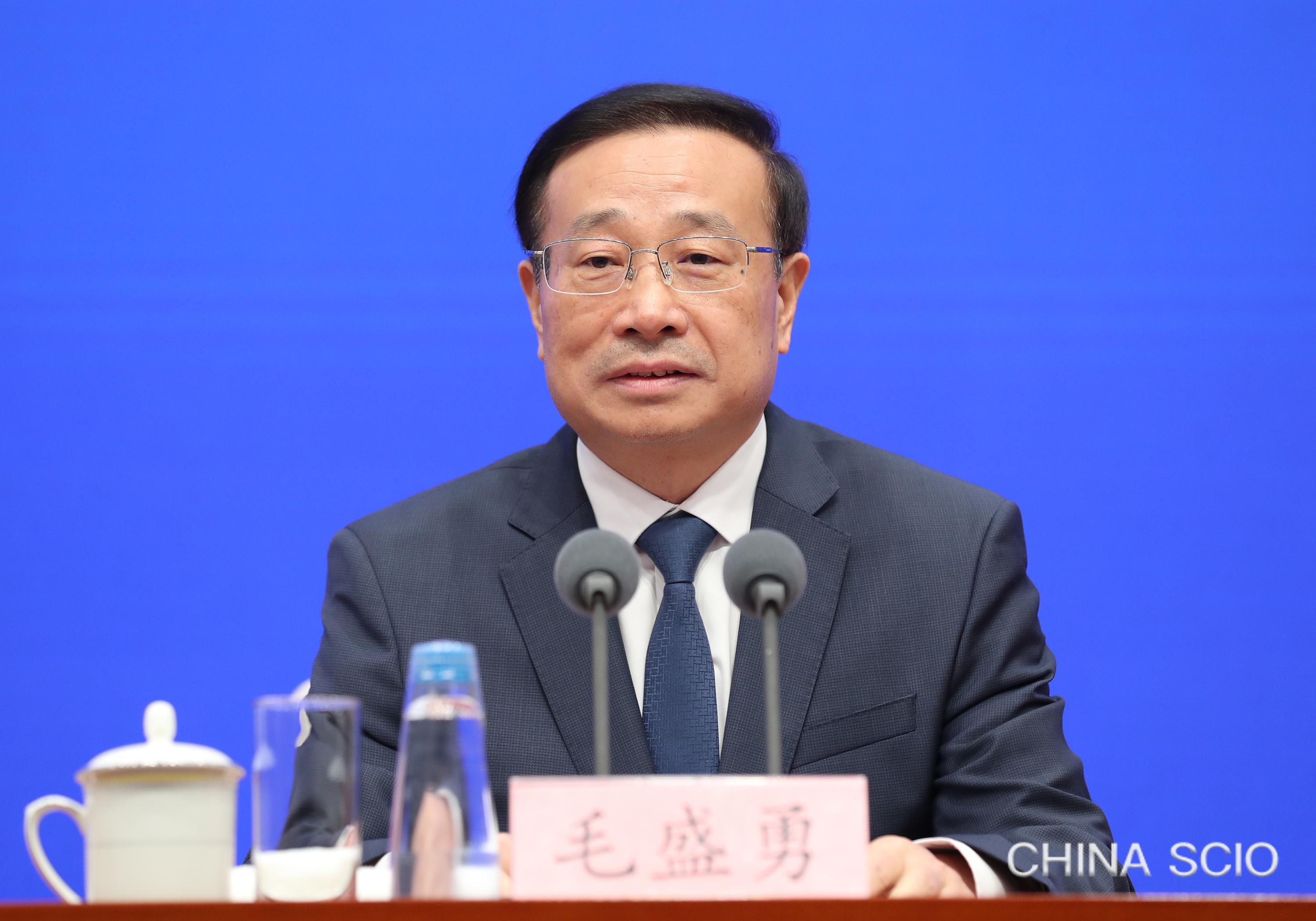
Mao Shengyong, deputy commissioner of the National Bureau of Statistics
Chairperson
Speaker:
Mr. Mao Shengyong, deputy commissioner of the National Bureau of Statistics (NBS)
Chairperson:
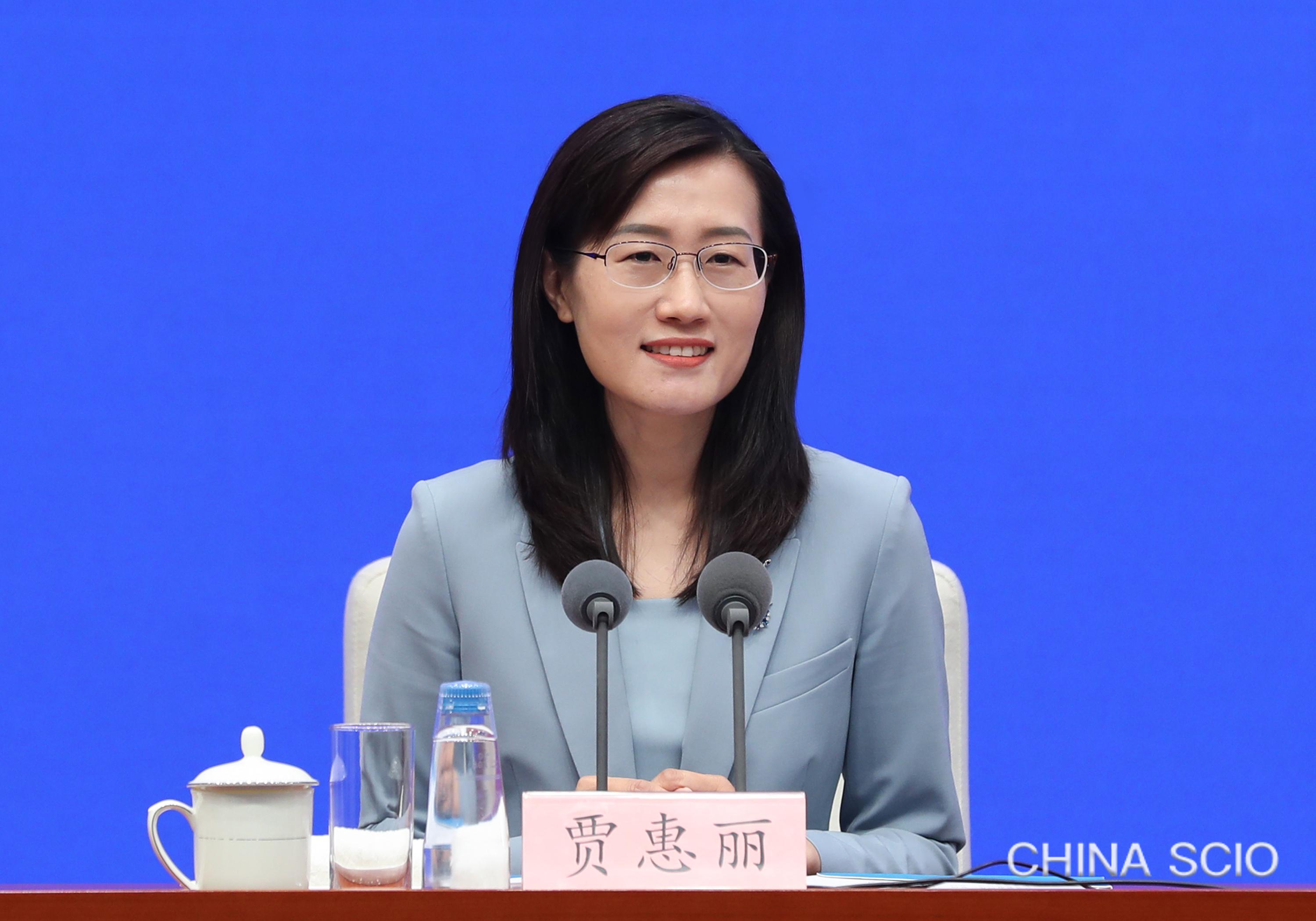
Ms. Jia Huili, deputy director general of the Press Bureau of the State Council Information Office (SCIO)
Date:
April 16, 2026
Jia Huili:
Ladies and gentlemen, good morning. Welcome to this press conference held by the State Council Information Office (SCIO). This is a regular briefing on China's economic data. Today, we are pleased to have with us Mr. Mao Shengyong, deputy commissioner of the National Bureau of Statistics (NBS), who will brief you on China's economic performance in the first quarter of 2026 and take your questions.
Now, I'll give the floor to Mr. Mao.
Mao Shengyong:
Thank you, Ms. Jia. Friends from the media, good morning. I will begin by briefing you on China's economic performance in the first quarter, and then take your questions.
The national economy got off to a good start in the first quarter.
In the first quarter, under the strong leadership of the Communist Party of China (CPC) Central Committee with Comrade Xi Jinping at its core, all regions and departments fully implemented the decisions and arrangements made by the CPC Central Committee and the State Council, accelerated carrying out more proactive and effective macro policies, focused on keeping employment, enterprises operations, markets and expectations stable, and expedited the cultivation of new quality productive forces. As a result, the growth of production and supply accelerated, market demand continued to improve, employment was generally stable, market prices picked up moderately, and high-quality development advanced with new and positive momentum. The national economy got off to a good start with development showing greater resilience and vitality.
According to preliminary estimates, gross domestic product (GDP) in the first quarter reached 33,419.3 billion yuan (about $4.87 trillion), up by 5.0% year on year at constant prices, 0.5 percentage point faster than that of the fourth quarter of 2025. By industry, the value added of the primary industry was 1,194.1 billion yuan, up by 3.8% year on year; that of the secondary industry was 11,613.5 billion yuan, up by 4.9%; and that of the tertiary industry was 20,611.7 billion yuan, up by 5.2%. GDP in the first quarter grew by 1.3% quarter on quarter.
First, agricultural production showed good momentum and animal husbandry was generally stable.
In the first quarter, the value added of agriculture (crop farming) increased by 3.7% year on year. The winter wheat maintained a stable sown area with seedlings continuing to grow in good conditions, and the spring farming and preparation work progressed smoothly. According to the national planting intention survey, the intended sown area for grains was generally stable. Specifically, the area for rice was basically the same and the area for corn remained stable with a slight increase. In the first quarter, the output of pork, beef, mutton and poultry was 26.62 million metric tons, up by 4.8% year on year. Of this total, the output of pork and poultry grew by 4.2% and 9.3%, respectively, while that of beef and mutton dropped by 1.4% and 2.0%, respectively. The output of milk grew by 3.4%, and that of eggs dropped by 3.1%. In the first quarter, the number of pigs slaughtered was 200.26 million, up by 2.8% year on year. By the end of the first quarter, the number of pigs registered in stock was 423.58 million, up by 1.5%.
Second, industrial production accelerated, and equipment manufacturing and high-tech manufacturing grew quickly.
The total value added of industrial enterprises above designated size grew by 6.1% year on year in the first quarter, 1.1 percentage points faster than that of the fourth quarter of 2025. In terms of sectors, the value added of mining increased by 6.0% year on year, that of manufacturing increased by 6.4%, and that of production and supply of electricity, heat power, gas and water increased by 4.3%. The value added of equipment manufacturing and high-tech manufacturing went up by 8.9% and 12.5% year on year, respectively, 2.8 percentage points and 6.4 percentage points faster than that of industrial enterprises above designated size, respectively. In terms of ownership, the value added of state holding enterprises went up by 4.8% year on year; that of share-holding enterprises went up by 6.6%; that of enterprises funded by foreign investors or investors from Hong Kong, Macao and Taiwan went up by 3.9%; and that of private enterprises went up by 6.1%. In terms of products, the production of 3D printing devices, lithium-ion batteries and industrial robots grew by 54.0%, 40.8% and 33.2% year on year, respectively. In March, the value added of industrial enterprises above designated size went up by 5.7% year on year, or up by 0.28% month on month. In March, the Manufacturing Purchasing Managers' Index (PMI) stood at 50.4%, 1.4 percentage points higher than that of the previous month. The Production and Operation Expectation Index was 53.4%. In the first two months, the total profits made by industrial enterprises above designated size were 1,024.6 billion yuan, up by 15.2% year on year.
Third, the service sector grew quickly and modern services maintained good growth momentum.
In the first quarter, the value added of services went up by 5.2% year on year. Specifically, the value added of leasing and business services, information transmission, software and information technology services, finance, transport, storage and postal services, and accommodation and catering grew by 12.2%, 10.6%, 6.5%, 4.3% and 4.3%, respectively. In March, the Index of Services Production increased by 5.0% year on year. Specifically, the Index of Services Production of information transmission, software and information technology services, leasing and business services and finance went up by 11.8%, 10.1% and 6.7% respectively. In the first two months, the business revenue of service enterprises above designated size grew by 7.4% year on year. In March, the Business Activity Index for Services stood at 50.2%, 0.5 percentage point higher than that of the previous month; and the Business Activity Expectation Index for Services was 54.8%. Specifically, the Business Activity Index for industries including railway transportation, telecommunication, broadcast, television and satellite transmission services, monetary and financial services, and insurance stayed within the high expansion range of 55.0% and above.
Fourth, market sales accelerated and retail sales of services grew quickly.
In the first quarter, total retail sales of consumer goods reached 12.7695 trillion yuan, up 2.4% year on year, 0.7 percentage point faster than in the fourth quarter of the previous year. By location, retail sales of consumer goods in urban areas reached 11.0574 trillion yuan, up 2.3% year on year, while those in rural areas reached 1.7121 trillion yuan, up 3.1%. Grouped by consumption patterns, retail sales of goods hit 11.3072 trillion yuan, up 2.2%, while catering income reached 1.4623 trillion yuan, up 4.2%. Sales of basic living goods and certain upgraded goods grew quickly. Among enterprises above designated size, retail sales rose 10% year on year for grain, oil and food, 9.3% for clothes, shoes, hats and textiles, 20.8% for communication equipment, and 12.6% for gold, silver and jewelry. In March, total retail sales of consumer goods rose 1.7% year on year and 0.14% month on month. In the first quarter, retail sales of services increased 5.5% year on year, unchanged from last year's full-year growth rate. Specifically, retail sales of communication information services, tourism consultation and rental services, and cultural, sports and leisure services all grew quickly. In the first quarter, online retail sales of goods and services reached 4.9774 trillion yuan, up by 8% year on year. Specifically, online retail sales of goods reached 3.1614 trillion yuan, up 7.5%, accounting for 24.8% of total retail sales of consumer goods, while online retail sales of services totaled 1.8160 trillion yuan, up 8.8%.
Fifth, fixed-asset investment maintained steady growth and infrastructure investment grew quickly.
In the first quarter, national fixed-asset investment (excluding rural households) reached 10.2708 trillion yuan, up 1.7% year on year, while for the full year of last year, it had declined by 3.8%. Excluding investment in real estate development, national fixed-asset investment rose 4.8%. By sector, infrastructure investment grew 8.9% year on year, investment in manufacturing rose 4.1%, and investment in real estate development fell 11.2%. The floor space of new commercial buildings sold totaled 195.25 million square meters, down 10.4% year on year, while sales of new commercial buildings totaled 1.7262 trillion yuan, down 16.7%. By industry, investment in the primary industry climbed 15.9% year on year, investment in the secondary industry was up 5.8%, and investment in the tertiary industry fell 1%. Private investment fell 2.2% year on year, with the decline narrowing 4.2 percentage points from a year earlier. Excluding real estate development, private investment rose 1.3%. Investment in high-tech industries rose 7.4% year on year. Within that, investment in computer and office equipment manufacturing rose 28.3%, investment in aircraft, spacecraft and equipment manufacturing climbed 19%, and investment in information services grew 20.9%. In March, fixed-asset investment (excluding rural households) rose 0.52% month on month.
Sixth, imports and exports of goods grew quickly and the trade structure continued to improve.
In the first quarter, the total value of goods imports and exports reached 11.8380 trillion yuan, up 15% year on year. The total value of exports reached 6.8467 trillion yuan, up 11.9%, while the total value of imports hit 4.9913 trillion yuan, up 19.6%. General trade imports and exports increased 9% year on year. Imports and exports with Belt and Road partner countries rose 14.2%. Imports and exports by private enterprises rose 16.2%, accounting for 57.3% of the total value of imports and exports. Exports of mechanical and electrical products increased 18.3%. In March, the total value of imports and exports reached 4.1046 trillion yuan, up 9.2% year on year.
Seventh, consumer prices rose faster while producer prices for industrial products continued to recover.
In the first quarter, the consumer price index (CPI) rose 0.9% year on year, 0.4 percentage point higher than in the fourth quarter of 2025. By category, prices for food, tobacco, alcohol and dining out rose 0.5% year on year; clothing climbed 1.8%; housing declined 0.2%; articles and services for daily use increased 2.3%; transportation and communication fell 1.1%; education, culture and recreation grew 1%; medical services and health care rose 1.8%; and other articles and services jumped 14.1%. Within the category of food, tobacco, alcohol and dining out, pork prices fell 11.3%, grain prices declined 0.3%, fresh fruit prices climbed 4.3% and fresh vegetable prices jumped 7.6%. Core CPI, excluding food and energy prices, grew 1.2% year on year. In March, the CPI rose 1% year on year and fell 0.7% month on month.
In the first quarter, producer prices for industrial products fell 0.6% year on year, with the decline narrowing by 1.5 percentage points from the fourth quarter of last year. Within that, the PPI rose 0.5% year on year in March, compared with a decline of 0.9% in the previous month, and rose 1% month on month. In the first quarter, purchasing prices for industrial products nationwide fell 0.5% year on year. In March, prices rose 0.8% year on year, compared with a decline of 0.7% the previous month, and rose 1.2% month on month.
Eighth, employment remained generally stable and the surveyed urban unemployment rate was unchanged year on year.
In the first quarter, the average surveyed urban unemployment rate nationwide was 5.3%, unchanged from the same period last year. In March, the surveyed urban unemployment rate was 5.4%. The surveyed unemployment rate of the population with local household registration was 5.4%, while that for the population with non-local household registration was 5.3%. Among non-local workers, those with agricultural household registration had a surveyed unemployment rate of 5.7%. The surveyed urban unemployment rate in 31 major cities was 5.3%. Employees of enterprises worked an average of 48.1 hours per week. By the end of the first quarter, the number of rural migrant workers totaled 188.38 million, up 0.2% year on year.
Ninth, resident income continued to grow, with rural residents' income growing faster than that of urban residents.
In the first quarter, nationwide per capita disposable income was 12,782 yuan, up 4.9% in nominal terms year on year, or 4% in real terms after adjusting for price factors. By place of residence, per capita disposable income of urban residents was 16,549 yuan, posting nominal growth of 4.2% year on year and real growth of 3.2%. Per capita disposable income of rural residents was 7,433 yuan, registering nominal growth of 6.1% year on year and real growth of 5.4%. By income source, nationwide per capita salary income rose 4.9%, net business income increased 6.6%, net property income climbed 1.6% and net income from transfers jumped 5.1% in nominal terms. Median nationwide per capita disposable income was 10,433 yuan with nominal growth of 5% year on year.
Overall, China's national economy got off to a solid start in the first quarter, with major macroeconomic indicators rebounding and new growth drivers emerging rapidly. However, the external environment is becoming more complex and volatile, the imbalance between strong supply and weak demand remains prominent, and the foundation for economic improvement still needs strengthening. Going forward, we must follow the guidance of Xi Jinping Thought on Socialism with Chinese Characteristics for a New Era, fully implement the decisions and plans of the CPC Central Committee and the State Council, and fully and faithfully apply the new development philosophy on all fronts. We will move faster to foster a new development pattern, work to promote high-quality development, and adhere to the general principle of pursuing progress while ensuring stability. We will implement more proactive and effective macroeconomic policies, continuously expand domestic demand, improve supply and optimize the allocation of new resources while making the best use of existing ones. We will also focus on keeping employment, enterprise operations, markets and expectations stable, and continuously consolidate and expand the momentum of steady economic growth.
That's all from me. Thank you.
Jia Huili:
Thank you for your introduction, Mr. Mao. The floor is now open for questions. Please identify the media outlet you represent before asking questions.
_ueditor_page_break_tag_National Business Daily:
Despite the volatile international environment, China's main economic indicators still performed well in the first quarter. How do you assess the overall economic performance in the first quarter, and what are the main reasons for this? Thank you.
Mao Shengyong:
Thank you for your questions. Based on the data just presented, China's economy got off to a good start in the first quarter of this year. China's GDP rose 5% year on year, 0.5 percentage point faster than in the fourth quarter of last year. Meanwhile, employment remained generally stable, prices showed positive changes, and imports and exports of goods grew rapidly. Overall, the first quarter's performance was commendable. This performance had several key characteristics.
First, it fully demonstrated the strong resilience of the national economy. Since the start of this year, external instability and uncertainty have increased significantly, and the spillover effects of geopolitical conflicts have spread. Faced with a complex situation, the CPC Central Committee promptly stepped up macroeconomic regulation and proactively implemented more effective macroeconomic policies. We fully leveraged China's significant advantages in stable industrial and supply chains and strong supporting capabilities to effectively respond to changes in the external environment, defuse external risks, and drive a steady economic recovery. The figures point to an improvement in both supply and demand. On the supply side, agricultural production remained favorable. In industry, the year-on-year growth rate of industrial value added in the first quarter was 1.1 percentage points faster than in the fourth quarter of last year. The service sector also maintained rapid growth, with value added rising 5.2% year on year. On the demand side, the year-on-year growth rate of total retail sales of consumer goods in the first quarter was 0.7 percentage point faster than in the fourth quarter of last year. Fixed-asset investment swung back to growth, rising 1.7% in the first quarter. Foreign trade in goods registered its fastest quarterly growth rate in five years. Both the supply and demand sides showed strong performance. Given the high comparison base from the first quarter of last year and this year's more complex and severe external environment, China's economy got off to a genuinely strong start, fully demonstrating its resilience.
Second, it fully demonstrated the robust vitality of China's economy. We have seen firsthand how the continuously growing new economy and new growth drivers are boosting economic vitality. Over the years, and especially during the 14th Five-Year Plan period (2021-2025), China has fully implemented its innovation-driven development strategy, increasing investment and coordinating breakthroughs in technological and industrial innovation. This concerted effort across all areas has achieved strong results, driving the upgrading of the domestic industrial structure. These "new" industries and "new" economic sectors are increasingly becoming the backbone of economic growth. The new energy vehicle industry, which is familiar to everyone, has achieved global leadership in production, sales scale and quality after more than a decade of sustained effort, becoming a benchmark for leading industrial development. Let me give you two more examples. The equipment manufacturing industry has attracted widespread attention. In the first quarter of this year, the value added of the equipment manufacturing industry increased 8.9% year on year, significantly faster than the overall growth of industrial enterprises above designated size. It accounted for 35.1% of the value added of all industrial enterprises above designated size, a proportion that continued to increase, contributing nearly 50% of the growth in the value added of industrial enterprises above designated size. In January and February, the equipment manufacturing industry contributed 43.7% to the profit growth of all industrial enterprises above designated size. Another example is the high-tech manufacturing industry, which is of great concern to everyone and saw even more impressive growth in the first quarter of this year, rising 12.5% year on year. Although high-tech manufacturing accounts for less than 20% of the total value added of enterprises above designated size, it contributes 32.6% to the growth of those enterprises. According to the profit data of industrial enterprises above designated size in January and February, high-tech manufacturing accounted for 51.8% of the total profits of industrial enterprises. Through years of continuous effort, high-tech manufacturing has become more technologically advanced. Some sub-sectors have progressed remarkably from catching up to keeping pace, and even to leading the way. Data from industry and other sectors show that new growth drivers are increasingly taking the lead in driving economic development.
Third, it fully embodies the substantial gains of China’s high-quality development. When we talk about high-quality development, it embodies the new development philosophy which is innovative, coordinated, green, open and inclusive. As mentioned earlier, innovation has yielded abundant, tangible results. From the perspective of coordinated development, the data from the first quarter of this year also reflects new progress in coordination among industries, regions, and urban and rural areas. In the first quarter, the proportion of equipment manufacturing and high-tech manufacturing in the value-added of industrial enterprises above designated size rose further, up 1.4 and 1.2 percentage points year on year, respectively; the ratio of per capita disposable income of urban to rural residents was 2.23, narrowing by 0.04 year on year; and the income growth of residents in the central and western regions continued to outpace that in the eastern region. Moreover, the overall employment situation is stable, prices have shown positive changes, the supply of essential commodities for people's livelihood is sufficient, the results of the in-depth rectification of "involution-style" competition are becoming increasingly apparent, the comprehensive pilot program for opening up the service industry has been expanded, the Hainan Free Trade Port (FTP) is operating smoothly and orderly, and the number of pilot free trade zones has been further expanded to 23. All these indicators demonstrate the remarkable achievements China has made in high-quality development.
Fourth, it fully demonstrates China's institutional advantages and effective policy delivery. The socialist system with Chinese characteristics has the advantage of pooling resources to accomplish major tasks, and the more complex and volatile the external environment, the more obvious our institutional advantages become. Affected by the current geopolitical conflicts, international energy prices have risen sharply, with some countries experiencing soaring oil prices and supply shortages, severely impacting production and daily life. In contrast, the supply of our domestic energy resources is stable and orderly, and timely temporary price controls have been implemented. Residents' lives and enterprise production have not been affected. The energy supply for production and daily life is sufficient and well-guaranteed. This is thanks to our forward-looking layout and development of the new energy industry over several years, which has created a diversified energy supply system and greatly enhanced the autonomy and stability of China's economy. Currently, oil accounts for less than 20% of China's total energy consumption, while coal plays a stronger role in providing a safety net, accounting for more than 50%. In recent years, new energy sources such as wind and solar power have developed rapidly, leading to an increase in the proportion of non-fossil energy consumption. Overall, fluctuations in the international crude oil market have had a relatively small impact on the domestic market.
At the same time, we must recognize that there are many uncertainties in the external environment, geopolitical risks are rising, and there are still some problems in domestic economic performance. The contradiction between strong supply and weak demand still exists, and the foundation for economic recovery and improvement needs to be consolidated. In the next stage, we need to fully act on the guiding principles from the Central Conference on Economic Work and implement the plans adopted at the sessions of the National People's Congress (NPC) and the Chinese People's Political Consultative Conference (CPPCC) National Committee, adhere to the principle of pursuing progress while ensuring stability and boosting quality and efficiency, focus on doing our own things well, and unswervingly promote reform and innovation to achieve effective qualitative improvement and reasonable quantitative growth in the economy.
Thank you.
_ueditor_page_break_tag_ThePaper.cn:
How do you evaluate the consumption data in the first quarter? What contribution has consumption made to economic growth? And what role have policies including the consumer goods trade-in programs had in stimulating consumption? Thank you.
Mao Shengyong:
Thank you. Consumption is a top public concern, and authorities have rolled out a raft of policies to promote consumption. Consumption is essentially final demand and a fundamental force for economic growth. Since the beginning of this year, all regions and government departments have implemented special initiatives to boost consumption, carried out the trade-in policy for consumer goods with a focus on improving quality and efficiency, accelerated the cultivation of new growth points in service consumption, and fostered sound momentum in the consumer market. In the first quarter, the total retail sales of consumer goods reached nearly 13 trillion yuan, rising 2.4% year on year, an acceleration of 0.7 percentage point from the fourth quarter of last year. Specifically, it shows the following three features.
First, goods consumption has remained stable and risen slightly. In the first quarter, retail sales of goods grew 2.2% year on year, an increase of 0.7 percentage point from the fourth quarter of last year. Sales of basic living goods and some upgraded goods maintained sound growth momentum. In the first quarter, sales of grain, oil and food products from enterprises above designated size grew rapidly, while sales of upgraded goods such as communication equipment and cultural and office supplies also delivered healthy growth. Broadened and intensified trade-in programs continue to fuel consumption growth. In the first quarter, sales of consumer goods under the trade-in program exceeded 430 billion yuan, benefiting more than 60 million people. Green consumption is showing strong growth. In March, the penetration rate of new energy electric vehicles (NEVs) in the domestic retail market reached 51.5%, with sales of green energy-saving products growing rapidly.
Second, service consumption has grown relatively quickly. With the implementation of the work plan to accelerate the fostering of new growth drivers in service consumption, service consumption has maintained relatively robust growth. In the first quarter, retail sales of services grew 5.5% year on year, 3.3 percentage points higher than that of commodities. Holiday consumption has continued to heat up. The number of residents taking trips has risen substantially, and consumption potential in cultural tourism, sports events and other sectors has kept being unleashed. In the first quarter, retail sales of cultural, recreational and sports-related services, as well as travel consulting and rental services, saw double-digit growth.
Third, the potential of new types of consumption has been unleashed. New business formats, new models and new scenarios keep emerging, and online and digital consumption has maintained solid growth momentum. In the first quarter, online retail sales of goods and services rose by 8% year on year, notably outpacing total retail sales of consumer goods. Specifically, online retail sales of goods increased by 7.5%, accounting for 24.8% of total retail sales of consumer goods. Retail sales of new retail models such as unmanned stores and members-only warehouse stores maintained double-digit growth. Digital applications such as AI fueled relatively robust growth in digital and information service consumption. In the first quarter, retail sales of communication and information services grew by more than 10%.
At the same time, we must recognize that consumer spending capacity and willingness should be further enhanced, while the supply of high-quality goods and services has yet to fully meet diversified consumer demands. In the next stage, we need to fully act on the guiding principles from the Central Conference on Economic Work and implement the plans adopted at the sessions of the NPC and the CPPCC National Committee, focus on developing a robust domestic market, further stabilize employment and increase incomes, vigorously optimize the consumption environment, collaboratively innovate consumption models, and continuously unleash consumption potential to promote sustained, stable and healthy economic development. Thank you.
_ueditor_page_break_tag_Reuters:
March saw the first positive growth in producer prices for industrial products in over three years. The market generally believes this was driven by rising costs from higher oil prices rather than an increase in demand. Given this context, do you think this will affect corporate profits? Additionally, regarding the situation in the Middle East and its effect on the Chinese economy, we already observed some effects on exports in March. Do you expect this to exert downward pressure on the economy going forward? Thank you.
Mao Shengyong:
Thank you for your questions. Your questions touch upon three aspects: first, how to view the changes in Producer Price Index (PPI) and its return to positive territory; second, how these PPI changes might affect corporate profits; and third, how changes in PPI alongside external changes could impact China's future exports. I will address them in my briefing.
In March, the PPI for industrial products rose by 0.5% year-on-year. This is an important positive signal, ending 41 consecutive months of year-on-year declines following a 0.9% drop last month. It rose by 1% month-on-month, marking six consecutive months of growth. What exactly drove the PPI to turn positive? I think we can approach it from two perspectives.
First, the supply and demand dynamics in the domestic market has further improved, which is the primary reason. In particular, the upgrading of industries towards intelligent and green development has expanded demand and pushed up prices for related products. In recent years, the accelerated application of "Artificial Intelligence Plus" has led to surging demand for computing power, driving up both demand and prices for related products. In March, prices in industries such as the manufacturing of optical fiber, external storage devices and components, and electronic special materials rose by 76.1%, 21.1%, and 18.7% year-on-year, respectively. Meanwhile, the steady progress of green transition as well as the steady expansion of demand for green products have driven and allowed for the rebound in prices of some products and sectors. In March, prices for biomass fuel processing and waste resource utilization rose by 6.1% and 0.9%, respectively, which actually reflects changes in the supply and demand. Since prices are the result and manifestation of market supply and demand, this rebound indicates a further positive change in the supply and demand for industrial products.
Second, the market competition landscape has been gradually optimized. The production capacity management in key industries has been carried out in a solid and orderly manner, and the efforts to thoroughly address rat race competition has achieved positive results, which has helped balance supply and demand in several sectors and driven the price recoveries. In March, prices of photovoltaic equipment and components manufacturing, as well as lithium-ion battery manufacturing, increased by 5.2% and 2.5% year-on-year, respectively.
Third, the influence of international factors has become apparent. Driven by rising global prices for energy and non-ferrous metals, March saw year-on-year price increases of 5.2% in the oil and gas extraction industry and 36.4% in the non-ferrous metal mining and dressing industry. Meanwhile, price declines narrowed in two sectors compared with the previous month: the petroleum, coal, and other fuel processing industry (by 7.5 percentage points) and the chemical raw materials and chemical products manufacturing industry (by 3.4 percentage points). The PPI is influenced by three factors. Changes in domestic market supply and demand, along with the optimization of domestic market order, play a more dominant role, while international factors, especially international energy prices, also exert certain impact. For China, the price increases in relevant domestic industries are significantly lower than those in international market. China enjoys a complete industrial system, robust supply capacity, strong economic resilience, and a relatively stable energy supply. Overall, this positive change in PPI will help smooth the economic circulation, further improve corporate performance and consolidate the microeconomic foundation for economic recovery.
Regarding your second question concerns corporate profits: judging from the performance of industrial enterprises above designated size in January and February, profits increased by 15.2% in the first two months. This was due to both the accelerated growth of industrial output and the price recoveries. The rebound in the PPI has had a positive effect on corporate profits. In the next stage, there are still many uncertainties in the external environment and the trend of international energy prices. The impact on domestic prices and corporate profits will require further observation.
Regarding the changing situation in the Middle East and its impact on China's foreign trade and broader economy: overall, the diversification of China's foreign trade continues to yield tangible results, and international economic and trade cooperation based on mutual benefit remains robust. Given its stable foundation, numerous strengths, strong resilience, and vast potential, the Chinese economy is fully capable of coping with external risks and challenges. Therefore, regarding the impact on exports, while external uncertainties may increase, there are also many certainties, such as strong competitiveness of Chinese enterprises, cost-effective products, and substantial policy support. These certainties can effectively offset external uncertainties and help open up new avenues for China's foreign trade. Thank you.
_ueditor_page_break_tag_Yicai:
How do you evaluate the performance of fixed asset investment in the first quarter? What are the main factors supporting the rebound in investment growth? How do you see the trend in the next stage? Thank you.
Mao Shengyong:
Thank you. Fixed asset investment grew by 1.7% in the first quarter of this year, which is a pretty good performance. Since the beginning of this year, all regions and departments have continued to expand domestic demand, optimize supply, and tap into the potential of effective investment. They have issued the lists of both early and first batch of key construction projects aimed at implementing major national strategies and building up security capacity in key areas, along with the central budget investment plan. They have stepped up efforts to make better use of ultra-long-term special treasury bonds, local government special bonds, and other funds. Furthermore, they have improved long-term mechanisms for private enterprises to participate in the construction of major projects. Through multiple measures, investment growth has rebounded from a 3.8% decline a year earlier to a 1.7% year-on-year increase in the first quarter, effectively underscoring the critical role of investment in optimizing supply. The main characteristics are as follows.
First, investment in key sectors has witnessed rapid growth. This year marks the start of the 15th Five-Year Plan period. All sectors are seizing opportunities to break ground on major projects and scale up new infrastructure, giving a strong push to infrastructure investment. In the first quarter, infrastructure investment increased by 8.9% year-on-year, 8.3 percentage points higher than the growth rate for the whole of 2025. In the first quarter, investment in projects with planned total investment of 100 million yuan or more rose 4.5% year-on-year, indicating that large-scale construction is accelerating. With the upgrading and transformation of traditional industries and the accelerated development of emerging industries, manufacturing investment has continued its steady rebound. In the first quarter, manufacturing investment grew by 4.1%, 3.5 percentage points higher than the growth rate of 2025.
Second, investment in emerging areas has maintained sound growth and strong momentum. Steady progress has been made in industrial upgrading, with the technological innovation playing a greater leading role and the development of new quality productive forces continuing to yield tangible results. Emerging industries represented by the low-altitude economy and future industries represented by embodied intelligence and 6G are rapidly developing and gradually becoming new drivers of further investment growth. In the first quarter, investment in high-tech manufacturing increased by 5.2% year-on-year, with investment in aerospace vehicles and equipment manufacturing and electronic and communication equipment manufacturing increasing by 19% and 6.6% respectively. Producer services are moving up the value chain towards higher specialization, effectively unlocking new momentum for investment. In the first quarter, investment in high-tech services registered a 12.3% year-on-year increase, with investment in professional technical services and information services increasing by 29.5% and 20.9% respectively. Investment in emerging fields continued to grow at a relatively fast pace.
Third, investment in shoring up weak links in urban and rural development has increased. The development of new urbanization has continued to advance, with increasing investment in urban renewal and renovation. In the first quarter, investment in public facilities management increased by 5.7%. The all-round rural revitalization has steadily advanced, with both growing investment in agricultural development and rural infrastructure. In the first quarter, investment in the primary industry increased by 15.9% year-on-year. Regional development coordination has steadily enhanced, and the economic layout has been continuously optimized. The advantage of the central region as a latecomer has continued to emerge, with its growth rate in the first quarter exceeding that of the national average.
Fourth, investment in areas related to people's livelihood has increased. We have continued to improve people's wellbeing as we pursue development, with investment in areas related to people's livelihoods growing. In the first quarter, investment in livelihood-related infrastructure has continued to grow. Investment in the production and supply of electricity, heat, gas and water increased by 9% year-on-year; investment in ecological protection and environmental governance increased by 9%; investment in people's livelihood-related industries increased, with the agricultural and sideline food processing industry posting a 5.5% increase.
Fifth, investment in intellectual property products has grown rapidly. In recent years, the National Bureau of Statistics, drawing on international practices and adapting them to China's actual conditions, has established a statistical system for investment in intellectual property products. The fixed asset investment data released monthly by the National Bureau of Statistics includes investment in intellectual property products. Investment in intellectual property products mainly includes four aspects: these being, the investment in computer software and databases, the investment in research and development, the investment in mineral exploration and evaluation, and the investment in original literary and artistic works. In particular, the first two categories account for a relatively high proportion, exceeding 90%. In recent years, we have increased our investment, which is an important measure to promote innovation-driven development, and it has achieved very good results. Specifically, investment in intellectual property products has maintained a relatively rapid growth rate in recent years, with an average growth rate of over 9% from 2023 to 2025. By 2025, the total investment in intellectual property products surpassed 6.9 trillion yuan. In the first quarter of this year, the growth rate of investment in intellectual property products reached 7.9%. In the first quarter, investment in intellectual property products accounted for more than 12% of total investment. The growth in investment in intellectual property products represents an important measure taken in recent years to vigorously implement the innovation-driven development strategy and develop new productive forces in accordance with local conditions. Significant efforts have been made in this regard, and tangible results have been achieved.
Regarding investment in the next stage, on the one hand, from the perspective of development stage, imbalances and inadequacies in development remain prominent, while the per capita capital stock is still far behind that of developed countries. From this perspective, there is still considerable room and potential for development in fixed asset investment. On the other hand, after so many years of high growth in fixed asset investment, the scale of fixed asset investment has become quite large. In 2025, total fixed asset investment of the whole society exceeded 49 trillion yuan. Therefore, for all sectors of society, including reporters, who are concerned about fixed asset investment, they should pay attention not only to the scale and growth rate of investment, but more importantly to its structure, efficiency, quality and sustainability. We hope that more effective investment will promote the improvement of people's lives, foster the growth of new quality productive forces, and drive high-quality economic and social development. Thank you.
_ueditor_page_break_tag_CNBC:
I have two questions. One is whether the impact of rising oil prices has any impact on China's economy? And the second is how are the situation in the Middle East affecting China's exports and their ability to drive China's domestic growth?
Mao Shengyong:
Thank you for your questions. First, the effects of rising oil prices in March on the economy. One impact was on prices. As mentioned earlier, the PPI turning from negative to positive can be attributed to three factors. First, the balance between supply and demand in the industrial products market has been constantly improving; second, the market order has continued to be optimized; and third, the international environment has also had an impact. Of these three aspects, the domestic impact has played a more significant role. Judging from the CPI trend in the first quarter and recently, the overall price situation was generally stable, with consumer prices rising moderately. Looking at the quarterly data, the CPI rose by 0.9% year on year in the first quarter, an increase of 0.4 percentage point compared to the fourth quarter of last year and 0.9 percentage point compared to the whole of last year. The growth has been accelerating for two consecutive quarters, and the quarterly increase is the highest in nearly three years. The core CPI, excluding the prices of food and energy, went up by 1.2% year on year. Looking at the monthly data, the CPI rose by 1% year on year in March, while the core CPI rose by 1.1%. The year-on-year increase has remained stable above 1% in recent months, so the CPI continues its moderate upward trend.
Has the increase in oil prices had any impact? Let me explain in detail. Among the major components of CPI, food constitutes a significant proportion. In the first quarter of this year, food prices rose by 0.4%, compared to a 1.5% decrease over the whole of last year. The second component is industrial consumer goods. Prices of industrial consumer goods excluding energy rose 2.5% in the first quarter, 1.4 percentage points higher than the whole of last year. In the first quarter of this year, energy prices (including gasoline) fell by 2.5% year on year, but compared with the whole of last year, the decline narrowed by 0.8 percentage point. In the first quarter, service prices rose by 0.8%, 0.3 percentage point faster than the whole of last year. These four components all share a common characteristic. That is, compared with the whole of last year, either the increase has rebounded or the decrease has narrowed, by modest margins, indicating that CPI is rising moderately. Moreover, as you can see, changes in gasoline and crude oil prices have had a relatively small impact on CPI, which is the question the reporter just raised. They have had some impact on PPI, but they have not been the main influencing factor. They have had some impact on CPI, but the impact has been relatively small. Based on the economic growth in the first quarter, the period got off to a good start, with economic growth and various indicators showing relatively stable performance. The changes in crude oil prices, for now, have had a relatively small impact.
What impact will the changes in the Middle East situation have on us? First, from the perspective of the basic conditions for economic development, we are well-positioned to maintain steady growth. Based on the information currently available to us, the factors and core drivers that underpinned economic growth in the first quarter will remain in place and provide support for a relatively rapid growth rate in the coming period. Second, traditional industries have still maintained steady growth. Regarding the impact on exports, on the one hand, there may be some impact. As a major country deeply integrated into the global economy, China is bound to be affected to some extent. On the other hand, we still have advantages: a complete industrial chain, better energy mix and more abundant supporting conditions, making our exports more resilient. Therefore, although there may be some impact, overall, it will be limited and controllable. Of course, we still hope that the situation will stabilize as soon as possible, which will be conducive to the better recovery and development of the global economy. Thank you.
_ueditor_page_break_tag_21st Century Business Herald:
How did industrial enterprises above designated size perform in the first quarter? What were the main characteristics? How can we assess the future development trend of China's industrial production? Thank you.
Mao Shengyong:
Thank you for your questions. The industrial sector performed exceptionally well in the first quarter, achieving a good start to the year. The growth of industrial production accelerated, industrial upgrading continued to deepen, the transformation from old to new growth drivers sped up, enterprise profits improved and development resilience continued to be demonstrated, laying the foundation for high-quality industrial development throughout the year. There have been several notable characteristics.
First, production growth accelerated steadily. In the first quarter, the total value added of industrial enterprises above designated size grew by 6.1% year on year, 1.1 percentage points faster than that in the fourth quarter of 2025. By sector, 34 out of 41 major industrial categories maintained growth, accounting for 82.9% of all categories. Among them, key sectors such as electrical machinery and electronics grew 7.3% and 13.6%, respectively, contributing 7.5% and 21.4% to the overall growth of industrial enterprises above designated size.
Second, industries improved in quality and upgraded. The industrial structure continued to improve, with high-end manufacturing leading industrial growth. In the first quarter, the value added of equipment manufacturing industries above designated size increased by 8.9% year on year, accounting for 35.1% of the total value added of all industrial enterprises above designated size, marking the 37th consecutive month that its share has exceeded 30% and further underscoring its role as a stabilizer of the industrial economy. By product, output of mid-to-high-end equipment grew rapidly, with power generator sets rising 15.1% and railway locomotives climbing 63.8%. The value added of high-tech manufacturing industries above designated size increased 12.5%, significantly faster than the overall growth rate of industrial enterprises above designated size. By sector, the value added of industries such as integrated circuit manufacturing and biopharmaceutical manufacturing increased 49.4% and 14.8%, respectively, indicating that the production and supply structures are accelerating their shift toward the mid-to-high end of the value chain.
Third, the transformation of growth drivers accelerated. Traditional industries accelerated their technological transformation and green transition, and the enabling effects of new quality productive forces gradually became more apparent. In the first quarter, the value-added output of bio-based materials manufacturing and biomass fuel processing grew 26.3% and 39.6%, contributing 34.4 percentage points and 2.1 percentage points to the growth of traditional industries such as chemical fibers and petroleum processing, respectively. Intelligent manufacturing has been advanced in greater depth, and digital and smart transformation has become more deeply integrated. In the first quarter, the value added of the digital product manufacturing industry rose 11.2%, 5.1 percentage points higher than the overall growth rate of industrial enterprises above designated size. By sector, the value added of intelligent equipment manufacturing, as well as electronic components and equipment manufacturing industries rose 16.9% and 16.1%, respectively.
Fourth, expectations for business performance improved. In the first two months, profits of industrial enterprises above designated size grew 15.2% year on year, 14.6 percentage points faster than the full-year growth rate of the previous year. Among them, the profits of equipment manufacturing and high-tech manufacturing enterprises increased 23.5% and 58.7%, respectively, driving a broad improvement in corporate earnings. Improved business performance has boosted expectations and confidence. On the leading indicators front, the manufacturing PMI returned to expansion zone in March, reaching 50.4%, up 1.4 percentage points from the previous month. Among them, the index of expectations for manufacturing production and business activities was 53.4%, increasing month by month since the beginning of the year.
Fifth, development resilience became evident. Despite multiple pressures such as escalating international geopolitical conflicts, global energy market volatility and rising factor costs, China's industrial economy forged ahead against headwinds and accelerated steadily. Leveraging its vast domestic market, complete industrial system and strong supporting capabilities, China kept its industrial and supply chains secure and stable, effectively cushioning external risks and shocks. This demonstrated the strong resilience and risk-resistance capacity of China's industrial economy, providing a solid foundation for stabilizing the overall macroeconomic situation. In the first quarter, the value added of China's manufacturing sector increased 6.3% year on year, contributing 32% to overall economic growth.
In summary, the industrial economy maintained steady progress in the first quarter, with continued improvements in quality and efficiency. The integration of high-end, green and intelligent technologies accelerated. At the same time, external uncertainties remain, and some enterprises still face difficulties, such as profitability pressures. Therefore, we need to fully act on the guiding principles from the Central Conference on Economic Work and implement the plans adopted at the sessions of the NPC and the CPPCC National Committee, develop new quality productive forces in light of local conditions, strengthen support for enterprises, and strive to solve practical difficulties, in a bid to achieve better business performance and drive the steady, high-quality development of the industrial economy. Thank you.
Jia Huili:
Due to time constraints, we will have two more questions.
_ueditor_page_break_tag_Zhinews of Shenzhen Satellite TV:
This year's government work report emphasized the need to develop new quality productive forces in accordance with local conditions. Various regions and departments have since introduced supportive measures. Could you elaborate on the progress of new quality productive forces since the start of this year? What progress and highlights have been made in promoting high-quality development through new quality productive forces? Thank you.
Mao Shengyong:
Thank you for your questions. Developing new quality productive forces in accordance with local conditions is essential to promoting high-quality development. Since the 18th CPC National Congress, we have leveraged the advantages of the new system for mobilizing resources nationwide, continuously increased investment in research and development, and strengthened and intensified efforts to accelerate breakthroughs in core technologies in key fields. We have made steady progress in overcoming technological bottlenecks, driven industrial innovation through scientific and technological innovation, and steadily developed new quality productive forces, with new growth drivers continuing to strengthen. We have continued to increase R&D investment. In 2025, China's R&D intensity reached 2.8%, exceeding the average level of Organization for Economic Cooperation and Development (OECD) countries for the first time. New quality productive forces have developed steadily, and new growth drivers have continued to grow, providing solid support for the stable operation of the national economy in a complex environment and its transition toward more innovative and higher-quality development.
In the first quarter, progress was made in cultivating new quality productive forces, mainly reflected across four areas. First, high-end development accelerated, with high-end manufacturing and modern services expanding rapidly. Second, intelligent development gained momentum, further strengthening its role as a driver of growth. Third, green transition gave rise to new growth drivers. Fourth, industrial transformation advanced, as traditional industries were revitalized and upgraded. I will address each in turn.
First, high-end manufacturing and modern service industries expanded rapidly. China is pushing for breakthroughs in key and core technologies while expanding into frontier fields across the full industry chain. Innovations in aerospace, quantum technology, biomedicine and other sectors are being deployed at an accelerating pace, driving industrial upgrading. In the first quarter, the value added of high-tech manufacturing enterprises above designated size grew 12.5% year on year, accounting for 16.9% of the total value added among enterprises above designated size and contributing 2 percentage points to their overall growth. For example, the high-tech spacecraft and equipment manufacturing sector grew 17.7%, while aircraft manufacturing rose 27.3%. In the first quarter, the value added of information transmission, software and information technology services grew 10.6% year on year, while leasing and business services climbed 12.2%. Together, the two sectors accounted for nearly 25% of economic growth.
Second, intelligent development further strengthened its role as an economic driver. China has made phased breakthroughs in the commercial and large-scale application of AI. By March this year, average daily token calls had exceeded 140 trillion, up more than 40% from the end of last year. AI development is empowering a wide range of industries and driving rapid growth across related sectors. In the first quarter, the value added of industrial enterprises above designated size in the digital product manufacturing sector increased 11.2% year on year. The value added of specialized electronic materials manufacturing and integrated circuit manufacturing — both directly related to the production and application of AI — grew 32.5% and 49.4% year on year, respectively. AI's driving role has further extended upstream to chemical and power industries that supply raw materials and energy, with its spillover effects across related sectors becoming increasingly evident.
Third, green transition gave rise to new growth drivers. In recent years, we have made notable progress in green development. In the first quarter, the share of non-fossil energy consumption in total energy consumption increased 0.4 percentage point year on year, further optimizing the energy mix and creating more room for green energy-related industries. Green productive forces gained momentum, with green trade expanding rapidly. In the first quarter, the output of lithium-ion batteries and wind turbine generators grew rapidly, up 40.8% and 30.1% year on year, respectively. Exports of the "new three" products, namely electric vehicles, lithium-ion batteries and solar cells, continued to grow rapidly, with electric vehicle exports surging 77.5%. China's new energy industry not only supports its own economic development but also contributes to the global green and low-carbon transition.
Fourth, traditional industries were revitalized. The transformation and upgrading of traditional industries is a key source of new quality productive forces. Through new technologies and products, China is accelerating the transformation and upgrading of traditional industries, with equipment renewal and technological upgrading picking up pace. In the first quarter, investment in equipment and tools grew 13.9% year on year. The petrochemical and chemical industries, as key areas for pollution and carbon reduction, have achieved notable results in transformation. Among chemical fiber enterprises above designated size, the share of bio-based materials manufacturing in value-added growth rose 14.4 percentage points year on year. Among petroleum processing enterprises above designated size, the share of biomass fuel processing in value-added growth increased 1.4 percentage points.
That is all from me for this question. Thank you.
Jia Huili:
The last question, please.
_ueditor_page_break_tag_CCTV:
The external environment remains highly complex, and domestic economic growth faces many challenges. How do you view the economic trajectory for the next stage? Will the expected growth target be achieved? Thank you.
Mao Shengyong:
Thank you for your questions. This year marks the start of the 15th Five-Year Plan period. The first quarter of this year and the full-year trend are both being closely watched. The first quarter often serves as a bellwether for the full year. As noted earlier, the economy got off to a good start in the first quarter. This shows that China's economy has a solid foundation, diverse strengths, strong resilience and great potential, boosting confidence across the board in the country's economic development. At the same time, we must also recognize that the international environment remains complex and volatile, uncertainties and unpredictable factors may increase, and the domestic economy faces certain difficulties and challenges in its operation. That said, we remain fully confident. Overall, opportunities outweigh challenges, and solutions outnumber difficulties. China has strong institutional advantages, as well as long-standing industrial, market and talent strengths. Therefore, we are well-positioned to maintain stable economic performance and achieve high-quality development throughout the year. This can be understood from several perspectives.
First, the economy's strong start in the first quarter has laid a solid foundation for stable performance and for achieving this year's targets. China's GDP grew 5% in the first quarter. Other major economies have yet to release their first-quarter figures, but the preliminary estimates of related indicators suggest China will likely remain among the top performers worldwide. This growth rate was achieved despite a more complex external environment and a relatively high base from last year. This year's economic expansion is predominantly driven by the cultivation of new quality productive forces, innovation-driven development, and the accelerated growth of new growth drivers. Meanwhile, other indicators remained relatively stable, with positive changes in prices and gradual improvements in corporate profits. This solid start has set a firm foundation for the rest of the year.
Second, the shift toward innovation-driven, high-quality industrial development continues to inject new impetus into economic growth. The industrial foundation that supported the strong first-quarter start still has room to sustain relatively good growth in the second quarter and for the full year. New growth drivers continue to play a leading role. Their rapid expansion, driven by technological progress and industrial upgrading, is sustainable and resilient enough to meet both domestic and overseas demands. Market surveys showed that orders remain plentiful in some industries and for some products, with certain companies unable to keep up with demand. Journalists may already be aware of conditions at some companies and in some sectors. Various emerging industries are indeed growing very fast, suggesting there's still room for relatively quick growth next quarter and over the full year.
Third, domestic demand has generally improved, creating favorable conditions for sustained economic growth. In the first quarter, domestic demand improved overall, driven by policies supporting equipment upgrades and consumer goods trade-ins as well as policies for implementing major national strategies and building security capacity in key areas. First-quarter data showed domestic demand contributed 84.7% of GDP growth, up nearly 30 percentage points year on year. As mentioned earlier, market sales are gradually recovering, and investment growth has turned positive compared with last year. In particular, imports of consumer goods increased 5.4% in the first quarter, indicating a gradual recovery in domestic demand and creating conditions for sustained economic growth. In addition, the potential of service consumption has been gradually released. Relevant departments have introduced a series of favorable policies to continuously support and encourage the development of related industries. Not long ago, the national conference on the service sector was held in Beijing, proposing high-caliber policies and suggestions to promote the sector. Relevant departments are thoroughly studying how to implement them.
Fourth, high-standard opening-up continues to deepen, opening new space for economic development. China has a very strong foundation for trade. Over the years, experience has repeatedly shown that regardless of shifts in the external environment or the severity of the challenges it faces, the country's foreign trade has consistently demonstrated strong resilience. This can be attributed to enterprises working hard to build their core strengths, raising the technological sophistication of their products and overall competitiveness, alongside supportive foreign trade policies. Looking ahead, despite some uncertainties on the horizon, trade still has the potential to maintain relatively strong growth.
Fifth, policies have been implemented forcefully and effectively, safeguarding the stable operation of the economy. This year marks the start of the 15th Five-Year Plan period. A large number of policies have been introduced in the early stages, some of which have already taken effect, with further impacts expected to follow. A series of major strategic tasks, reform measures and projects will be rolled out one after another. At the same time, there is ample policy space and an abundant reserve of policy tools, with policy effectiveness continuing to improve. All departments are currently focusing on implementing the key tasks outlined in the government work report. Fiscal policy continues to exert force, while structural monetary policy tools provide additional support for key areas such as expanding domestic demand, scientific and technological innovation, and micro, small and medium-sized businesses. Special actions to boost consumption are further advanced, with greater efforts to promote employment and income growth for urban and rural residents and to expand the "AI Plus" initiative. Together, these measures will provide a strong guarantee for stable economic operation going forward.
Facing such a complex external environment, China has the strength and confidence to meet any risks and challenges. This confidence comes from years of accumulated experience and underpins our firm optimism about future development. Thank you.
Jia Huili:
That concludes today's press conference. Thanks to the speaker and all the participating journalists. Goodbye, everyone.
Translated and edited by Zhu Bochen, You Jiaxin, Dong Qingpei, Yang Chuanli, Xu Kailin, Liao Jiaxin, Liu Jianing, Lin Liyao, Gong Yingchun, Mi Xingang, Zhou Jing, Huang Shan, Li Huiru, Ma Yujia, Liu Qiang, Liu Sitong, David Ball, Jay Birbeck, and Tudor Finneran. In case of any discrepancy between the English and Chinese texts, the Chinese version is deemed to prevail.

/3 Jia Huili
/3 Mao Shengyong
/3 Group photo
SCIO briefing on China's import and export in the first quarter of 2026
April 14, 2026SCIO briefing on 6th China International Consumer Products Expo
March 30, 2026SCIO briefing on accelerating the establishment of long-term care insurance system
March 26, 2026SCIO briefing on the 9th Digital China Summit
March 24, 2026