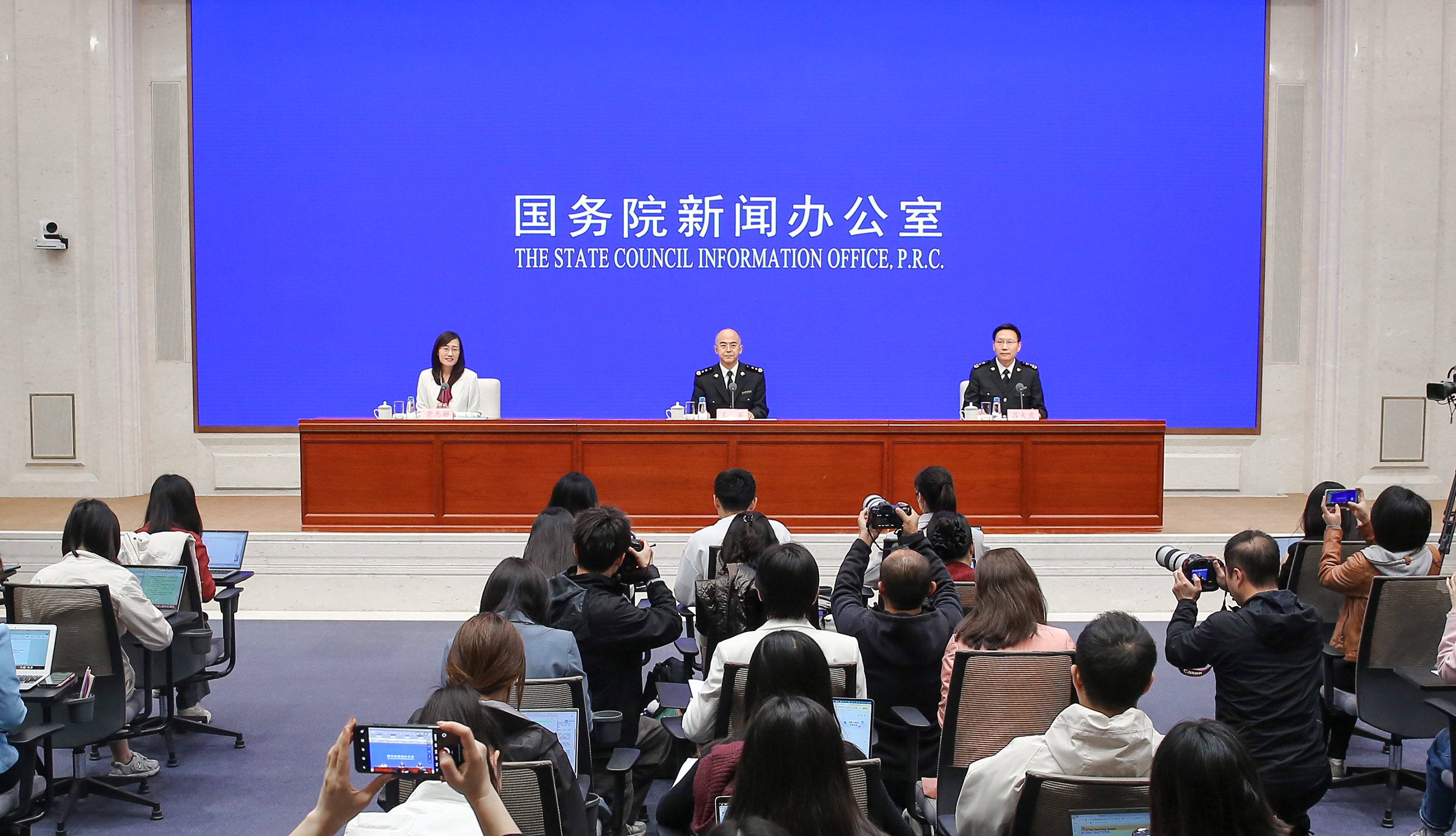

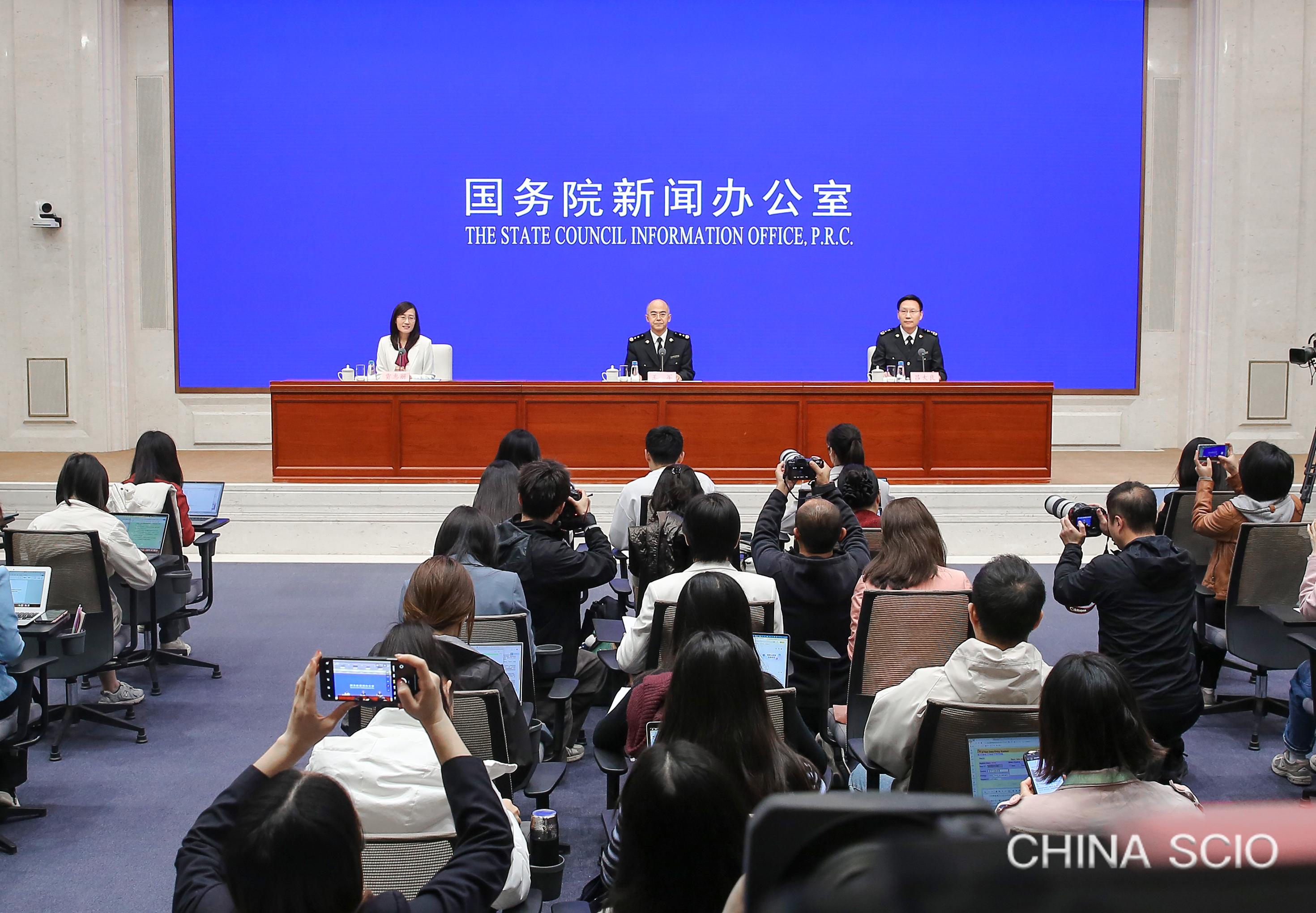
SCIO briefing on China's import and export in the first quarter of 2026
Beijing | 10 a.m. April 14, 2026
Speakers

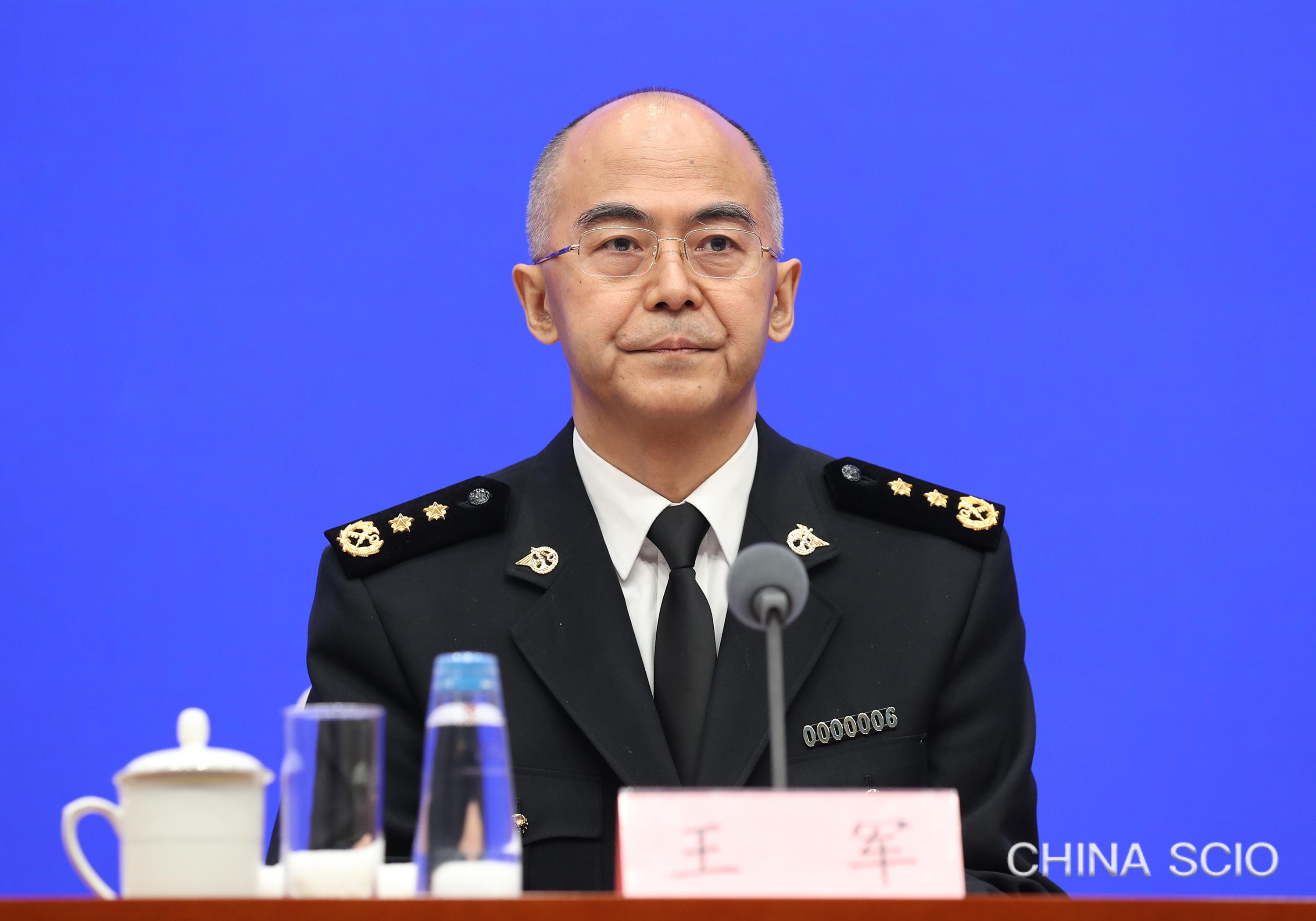
Wang Jun, vice minister of the General Administration of Customs of China (GACC)
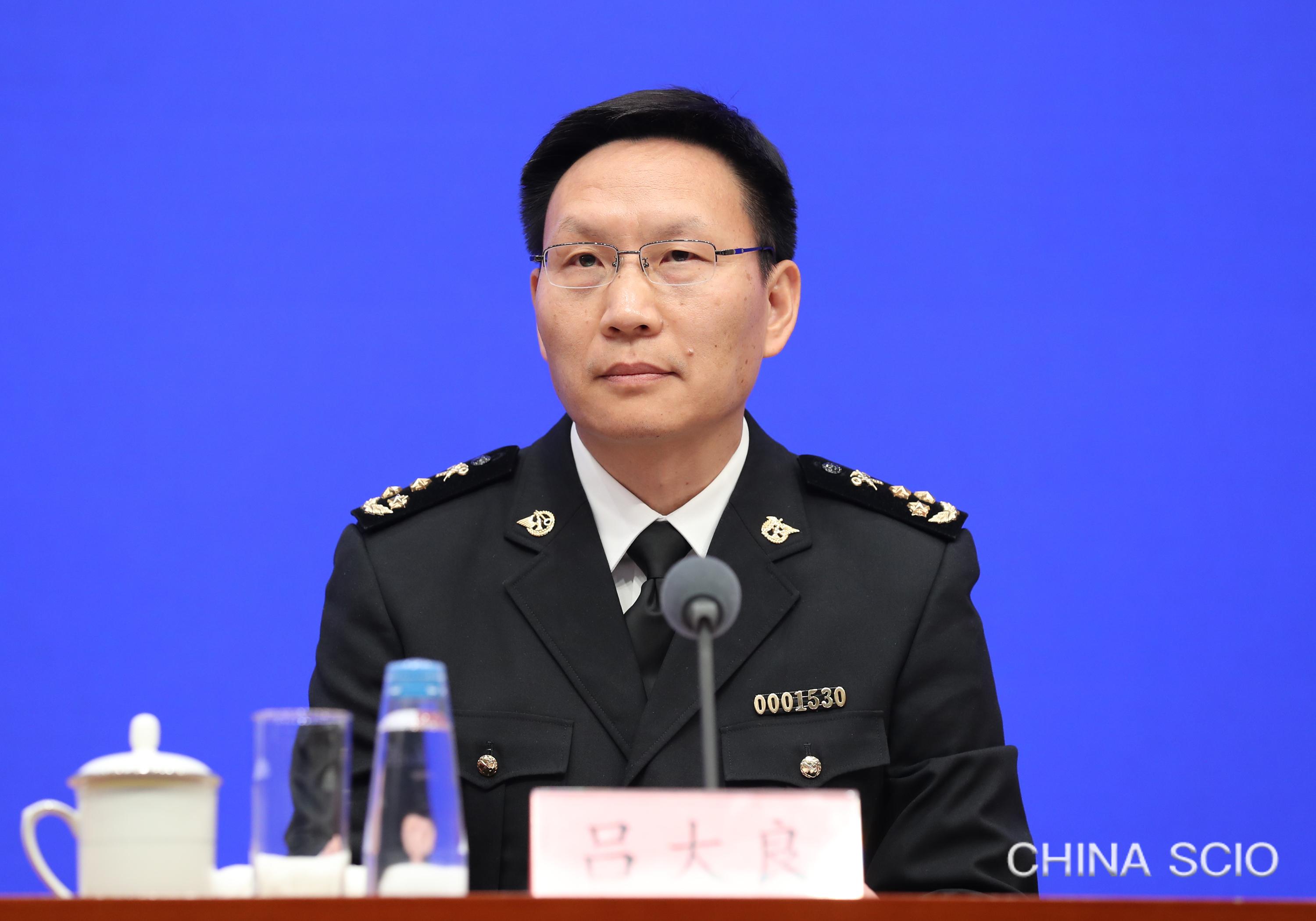
Lyu Daliang, spokesperson of the GACC and director general of the Department of Statistics and Analysis of the GACC
Chairperson
Speakers:
Mr. Wang Jun, vice minister of the General Administration of Customs of China (GACC)
Mr. Lyu Daliang, spokesperson of the GACC and director general of the Department of Statistics and Analysis of the GACC
Chairperson:
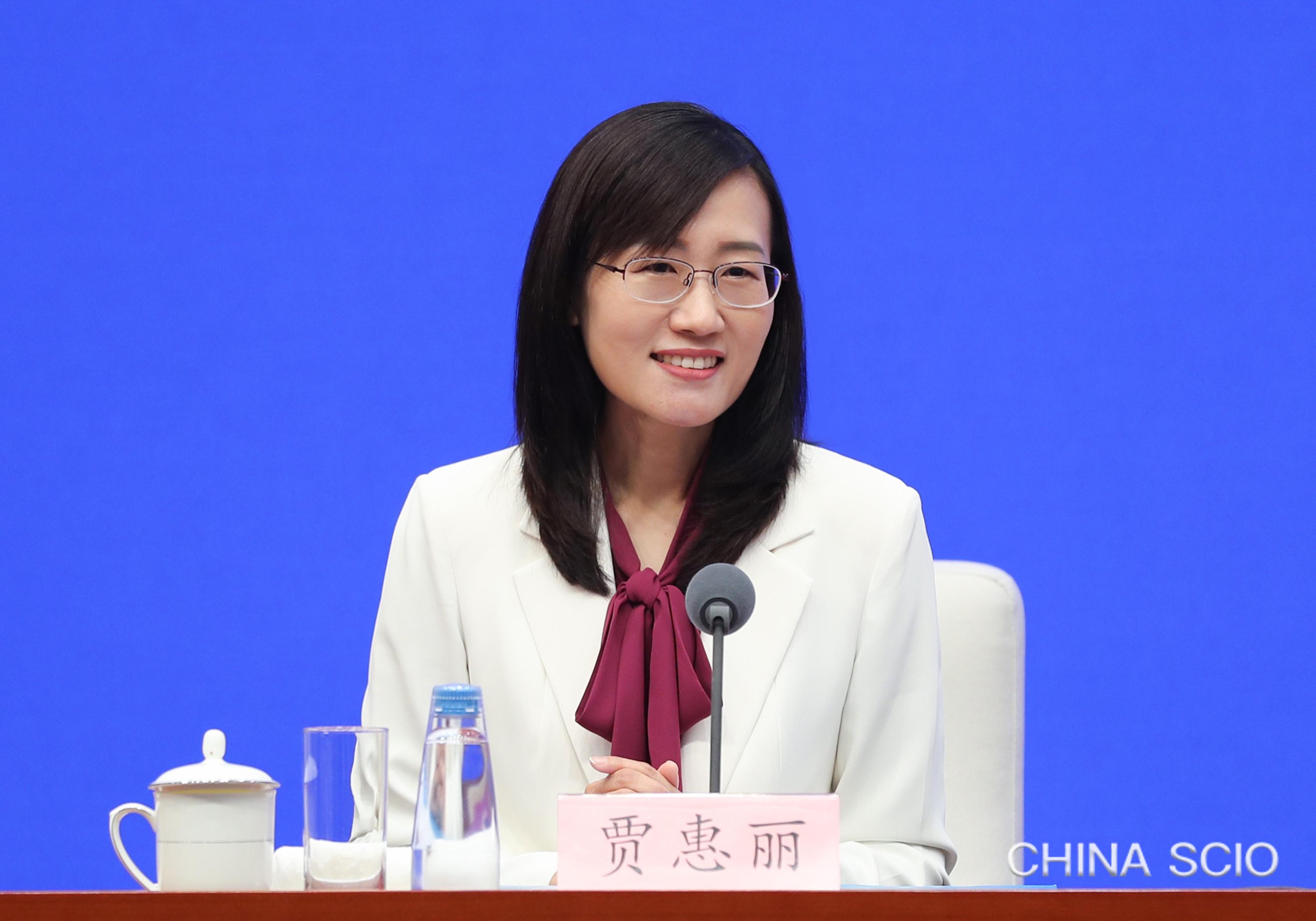
Ms. Jia Huili, deputy director general of the Press Bureau of the State Council Information Office (SCIO) and spokesperson of the SCIO
Date:
April 14, 2026
Jia Huili:
Ladies and gentlemen, good morning. Welcome to this press conference held by the State Council Information Office (SCIO). This is a regular briefing on China's economic data. Today, we have invited Mr. Wang Jun, vice minister of the General Administration of Customs of China (GACC), to brief you on China's import and export data for the first quarter of 2026 and to take your questions. Also attending today's press conference is Mr. Lyu Daliang, spokesperson of the GACC and director general of the Department of Statistics and Analysis of the GACC.
Now, I'll give the floor to Mr. Wang for his introduction.
Wang Jun:
Thank you, Ms. Jia. Good morning, friends from the media. I'm delighted to meet you all. I will start by briefing you on the imports and exports of goods in the first quarter of this year, and then my colleague and I will answer your questions.
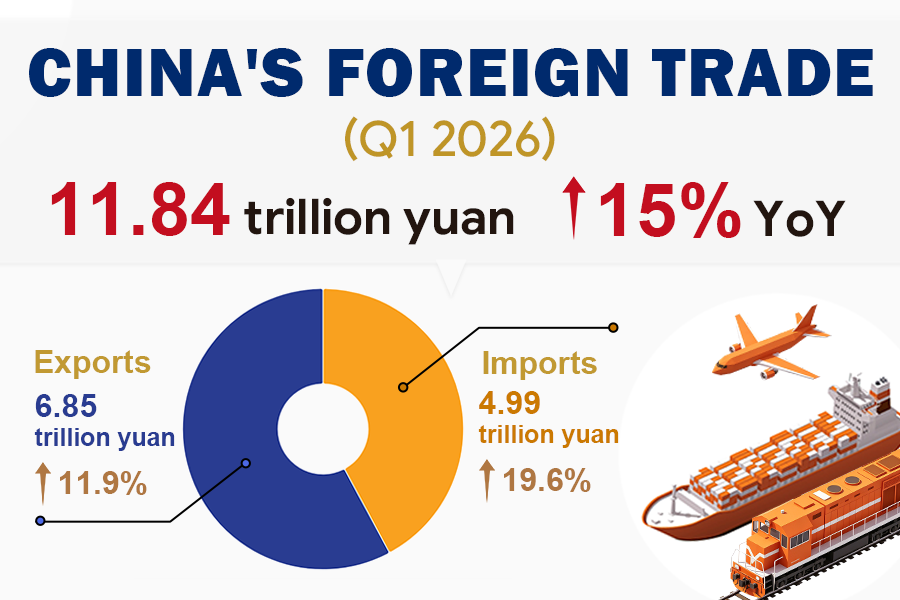
Since the beginning of this year, amid increasingly complex and volatile external conditions, all regions an departments have earnestly implemented more proactive and effective macro policies under the strong leadership of the Central Committee of the Communist Party of China (CPC) with Comrade Xi Jinping at its core, leading to strong momentum and a good start for foreign trade. According to customs statistics, China's goods trade rose 15% year on year to 11.84 trillion yuan. Of this total, exports amounted to 6.85 trillion yuan, up 11.9%, while imports reached 4.99 trillion yuan, up 19.6%. Specifically, there are five main features:
First, the scale has reached a record high for the period. In the first quarter, imports and exports exceeded 11 trillion yuan for the first time on record for the same period, and the quarterly growth rate was also the highest in the past five years.
Second, trade has grown across all types of business entities. In the first quarter, imports and exports by China's private enterprises reached 6.78 trillion yuan, an increase of 16.2%, with their share of total imports and exports rising further to 57.3%. During the same period, foreign-invested enterprises recorded 3.47 trillion yuan and state-owned enterprises (SOEs) 1.56 trillion yuan in trade, up 16.1% and 8%, respectively.
Third, market diversification has continued to deepen and broaden. In the first quarter, China's trade with Belt and Road partner countries totaled 6.06 trillion yuan, up 14.2%, accounting for 51.2% of total trade. Trade with ASEAN and Latin America both rose 15.4%, trade with Africa grew 23.7%, trade with the EU and the UK increased 14.6% and 13.1%, respectively, and trade with other APEC economies increased 13.4%.
Fourth, new drivers for exports have continued to gain momentum. In the first quarter, China exported machinery and electronic products worth 4.34 trillion yuan, up 18.3%, accounting for 63.4% of total exports, 3.5 percentage points higher than the same period last year. Among them, exports of green products such as electric vehicles, lithium-ion batteries and wind power generators and parts grew 77.5%, 50.4% and 45.2%, respectively.
Fifth, expanding domestic demand has driven import growth. In the first quarter, China imported 291 million metric tons of energy products and 405 million metric tons of metal ores, up 4.4% and 13.2%, respectively. During the same period, imports of machinery and electronic products totaled 1.97 trillion yuan, up 21.7%, while imports of consumer goods reached 418.92 billion yuan, up 5.4%.
This year marks the start of the 15th Five-Year Plan period (2026-2030). All regions and departments have taken multiple measures to stabilize the scale of trade and optimize its structure, while enterprises have proactively identified and adapted to changes, stabilized orders and expanded markets, driving rapid growth in China's imports and exports in the first quarter. However, at the same time, we must also note that the current international situation remains turbulent, with intensifying geopolitical conflicts, sharp fluctuations in global oil prices, contracting global demand and production, and disrupted logistics and supply chains. China's foreign trade still faces a complex and challenging external environment. Customs nationwide will thoroughly implement the decisions and arrangements of the CPC Central Committee and the State Council, faithfully fulfill the duties of safeguarding the country's gateways while promoting development, focus on strategic tasks including expanding high-level opening up and better coordinating development and security, work to improve regulatory efficiency and service levels, organize a special campaign for cross-border trade facilitation in 2026, strengthen the country's gateway security, create a first-class business environment at ports, and promote smoother domestic and international economic flows, contributing customs strength to a good start for the 15th Five-Year Plan.
Thank you.
_ueditor_page_break_tag_Jia Huili:
Thank you, Mr. Wang, for your introduction. The floor is now open for questions. Please identify the media outlet you represent before raising your questions.
China Media Group:
The start sets the tone for the whole picture, and the initial steps chart the course for the trajectory. In the first quarter, China's foreign trade maintained strong growth and achieved a good start. What are the main supporting factors behind this performance? Can this growth momentum be sustained into the second quarter? Thank you.
Wang Jun:
Thank you for your questions. In the first quarter, China's imports and exports grew rapidly. The key factor is that the country's foreign trade rests on a stable foundation, with strong vitality and momentum.
That stability is reflected in the steady foreign trade growth and diversified and stable foreign trade markets. By the first quarter of this year, China's total trade value had remained above 10 trillion yuan for 12 consecutive quarters, with growth back in double digits since the fourth quarter of 2022. In the first quarter, China's trade with developed economies such as the EU maintained overall growth, while trade with ASEAN, Latin America and Africa all grew at double-digit rates. A diversified market structure has put China's foreign trade on a solid footing.
That vitality is evident in the dynamism of businesses nationwide and regions leveraging their strengths. In the first quarter, 618,000 enterprises in China recorded import and export activity, of which more than 540,000 were private firms, further solidifying their role as the main force in foreign trade. Foreign-funded enterprises remain well established in China and continue to serve global markets. In the first quarter, their exports and imports grew 10.8% and 23%, respectively. State-owned enterprises continued to stabilize industrial and supply chains, with imports rising 7.5% and accounting for 20.9% of the national total. During the same period, trade grew 14.3% in China's eastern regions, 20.2% in central-western regions and 4% in the northeast, as each region capitalized on its geographic and industrial strengths. Major foreign trade powerhouses carried the bulk of the load, with Guangdong, Jiangsu, Zhejiang, Shanghai and Shandong together contributing more than 60% of total trade growth. The reach and dynamism of China's foreign trade continue to grow.
That momentum is reflected in the export structure undergoing innovation-driven upgrading, while import growth strengthening significantly. In the first quarter, exports of storage components and central processing components grew a combined 39.1%. Exports of power-related products, including power generation equipment, transmission and transformation equipment, and energy storage devices, also posted double-digit growth. Domestic demand is steadily expanding, driving import growth while the import mix continues to improve. In the first quarter, imports of high-tech products rose 25.1%, while imports of bulk commodities and consumer goods also grew at a healthy pace. Efforts to stabilize exports while expanding imports have sustained foreign trade momentum.
Rapid trade growth in the first quarter has laid a solid foundation for stable foreign trade growth throughout the year. At the same time, it should be noted that the external environment remains marked by uncertainty and instability, and the impact of international geopolitical conflicts on global industrial and supply chains continues to evolve. The World Trade Organization recently predicted that global goods trade growth will slow by 2.7 percentage points to 1.9% in 2026. The Organization for Economic Cooperation and Development said in a report that the evolving conflict in the Middle East is testing the resilience of the global economy.
Despite the complex and severe external environment, our confidence remains firm. The conditions for and underlying trend of China's long-term economic growth remain unchanged, and the advantages and potential of its foreign trade continue to show. In March, China's manufacturing Purchasing Managers' Index (PMI) returned to expansionary territory, with indicators including new export orders and imports rebounding sharply. A customs trade confidence survey also showed a significant increase in the number of enterprises reporting a rise in new export and import orders. We have the confidence and ability to keep the volume of foreign trade stable and optimize its structure.
Thank you.
_ueditor_page_break_tag_Shangyou News:
We've noticed that first-quarter import data was particularly strong, with growth significantly outpacing 2025. What are the highlights of this import growth? What are your expectations for future import trends? Thank you.
Wang Jun:
Thank you. China has consistently taken the initiative to open its enormous market, expand imports and strengthen industrial cooperation for mutual benefit, allowing more countries to share in the opportunities China offers. This year's government work report called for actively expanding imports to promote balanced trade. According to customs statistics, in the first quarter of 2026, China's imports grew nearly 20%, outpacing export growth by 7.7 percentage points and hitting a record high for the period.
By source, China's first-quarter imports grew from more than 150 countries and regions. A total of 51 countries and regions each exceeded 10 billion yuan in China's import value, three more than the same period last year. ASEAN and the EU, the top sources of imports, accounted for 14.8% and 9.1% of the total value, respectively. Imports from Central Asia and Latin America both outpaced the overall growth rate, while imports from Africa rose 14.6%.
By product, industrial production continued to accelerate, driving up raw material imports. In the first quarter, imports of energy products and metal ores rose a combined 9.4%, while imports of textile raw materials, computer parts and electronic components grew 39.3%, 45.3% and 37.9%, respectively. Policies to promote consumption continue to take effect. The extended Spring Festival holiday provided a significant boost, and imports of consumer goods rebounded. In the first quarter, imports of consumer goods grew 5.4%, enriching market supply. Imports of clothing, shoes and hats rose 8.7%; food, tobacco and alcohol grew 8%; and cosmetics increased 4.9%.
China is not only willing to serve as the "world's factory," but also aspires to be the "world's market." We continue to open China wider. Starting Dec. 1, 2024, China has given zero-tariff treatment on 100 percent tariff lines from the least developed countries having diplomatic relations with China. Starting May 1, China will implement comprehensive zero-tariff measures for the 53 African countries with which it holds diplomatic relations, opening the Chinese market to their high-quality products. China's customs will continue to provide better clearance supervision and services to facilitate the expansion of imports, helping turn China's vast market into a shared global opportunity.
Thank you.
_ueditor_page_break_tag_21st Century Business Herald:
This year's government work report proposed "facilitating the expansion, upgrading, and well-regulated, well-planned growth of the 'cross-border e-commerce plus overseas warehouses' model." Could you brief us on the performance of China's cross-border e-commerce imports and exports in the first quarter of this year, and what measures the customs will take to promote the well-regulated, well-planned growth of cross-border e-commerce? Thank you.
Wang Jun:
Thank you. I would like to invite my colleague, Mr. Lyu, to answer your questions.
Lyu Daliang:
OK. China's cross-border e-commerce statistical survey is conducted on a semi-annual basis, with official data released in May and October. Here, I would like to provide some preliminary estimates for the first quarter. In the first quarter of this year, China's cross-border e-commerce imports and exports reached 618.46 billion yuan, with exports amounting to 473.55 billion yuan and imports totaling 144.91 billion yuan.
This year's government work report has outlined arrangements to promote the orderly and standardized development of cross-border e-commerce. The customs authorities have earnestly implemented these arrangements, focusing on three areas.
First, based on previous pilot projects, starting April 1 of this year, the cross-customs-district return model for cross-border e-commerce retail exports has been fully rolled out across all customs districts nationwide. Under this business model, when cross-border e-commerce retail export goods are returned from overseas, enterprises can flexibly choose any port nationwide to handle the procedures for returning the goods into the country, effectively solving the industry's pain point of difficult returns.
Second, efforts have been made to innovate and support the "TIR + cross-border e-commerce" logistics model. TIR is short for Transports Internationaux Routiers, or International Road Transports. Goods transported under the TIR system are exempt from repeated inspections and transshipment throughout the contracting parties. This significantly reduces transportation time and logistics costs, enabling quality e-commerce products to reach households at home and abroad more efficiently.
Third, we have strengthened the collaborative governance between customs authorities and cross-border e-commerce enterprises. In collaboration with e-commerce platforms, we have jointly established "pre-positioned supervision warehouses." This involves moving customs supervision forward into the production and operation stages of enterprises. This approach not only ensures effective oversight but also greatly reduces customs clearance time and logistics costs, achieving dual improvements in supervision effectiveness and logistics efficiency.
Thank you.
_ueditor_page_break_tag_Beijing Radio and Television Station:
In the first quarter, China's exports maintained growth. Could you outline the main reasons for this? Thank you.
Wang Jun:
Thank you. In the first quarter, China's exports maintained double-digit growth. The main reasons can be summed up in two points: external demand remained robust, and we provided a high-quality, reasonably priced, stable, and reliable supply.
On one hand, external demand has picked up. According to S&P Global data, the global manufacturing PMI reached a 44-month high in February, and as of March, it had stayed above the boom-bust threshold for eight consecutive months. Among them, from January to March, the ASEAN index stayed above 51, France and the U.K. remained in the expansion zone, and Germany returned to the expansion zone in February. In the first quarter, China's exports to ASEAN grew by 17.5%, and exports to the EU and the U.K. grew by 18% and 15.3%, respectively. In addition, the rapid development of global artificial intelligence and green, low-carbon industries has driven a significant increase in demand for smart and green products.
On the other hand, China's supply has remained consistently stable and reliable. With a complete industrial support system, China continues to provide a stable and reliable supply for industrial development across countries, offering rich and diverse consumption choices for local residents. In the first quarter, China's exports of equipment manufacturing products reached 4.25 trillion yuan, an increase of 19.2%, accounting for more than 60% of the total export value. Among them, exports of computer and communication products, as well as railway and ship transport equipment, both increased by more than 20%. During the same period, exports of manufactured consumer goods and manufactured raw materials were 1.21 trillion yuan and 837.85 billion yuan respectively, accounting for 17.7% and 12.2% of the total export value. Meanwhile, through the deep integration of technological and industrial innovation, an increasing number of innovative products have been introduced to the market, stimulating new demand. For example, 3D printers and digital cameras are highly favored by overseas consumers. In the first quarter, China's exports of these products increased by 119% and 32.7% respectively. In another example, Chinese enterprises have built distributed power and microgrid projects in sub-Saharan Africa, providing a stable power supply for the local area. In the first quarter, China's exports of photovoltaic products to these regions increased 2.5 times, and exports of inverters, wires and cables, and other electrical equipment increased by 56.1%.
Overall, China's export growth reflects a combination of factors, including a recovery of external demand, a well-developed domestic industrial support system and rising enterprise innovation momentum. As "Made in China" continues to improve in quality, efficiency and service, it will better meet production and consumption needs across various fields and market segments worldwide.
Thank you.
_ueditor_page_break_tag_South China Morning Post:
What impact did the war in Iran have on China's imports and exports in March? To what extent did imported cost pressures affect exports? Thank you.
Wang Jun:
Thank you. Mr. Lyu will answer these questions.
Lyu Daliang:
Thank you for your questions. The Strait of Hormuz is an important channel for global trade in goods and energy. According to a report by the United Nations Conference on Trade and Development (UNCTAD), the strait handles 25% of global maritime oil trade, 19% of liquefied natural gas trade, 29% of liquefied petroleum gas trade and 13% of chemical trade, making it one of the world's most critical maritime chokepoints. In addition, the UNCTAD analysis notes that since the outbreak of the war in Iran, fuel prices have risen sharply and remained high, while oil transportation costs have climbed significantly. These factors are driving up global commodity production and transportation costs through supply chains, and the growth rate of global trade in goods is expected to decline significantly. The World Trade Organization has already significantly lowered its growth forecast for global trade in goods in its latest Global Trade Outlook and Statistics report. Our statistical data also shows that China's imports and exports with the Middle East shifted from year-on-year growth in the first two months to a decline in March.
China has consistently advocated resolving disputes through political and diplomatic means and has been actively committed to promoting peace and stopping wars. We hope all parties can work together to promote the rapid de-escalation of the situation and restore peace and stability in the strait and the Middle East.
Thank you.
_ueditor_page_break_tag_Jiupai News:
Private enterprises have been China's largest foreign trade segment for several consecutive years. My question is: How did private enterprises perform in terms of imports and exports in the first quarter of this year? What were the main features and highlights? What will China Customs do next to help private enterprises explore international markets? Thank you.
Wang Jun:
Thank you for your questions. As just reported, in the first quarter, private enterprises in China saw imports and exports grow 16.2%, with exports up 12.7% and imports up 23.5% — both outpacing the national average, further cementing their position as China's largest foreign trade segment. Since the start of this year, private enterprise trade has shown three characteristics:
First, private enterprises have led the way in market expansion. Private enterprises, drawing on their flexible mechanisms, sharp market awareness and innovative spirit, have steadily expanded into emerging markets while consolidating their foothold in traditional ones. In the first quarter, imports and exports by private enterprises to traditional markets grew 12.3%. Meanwhile, their trade with ASEAN, Africa and Central Asia grew 17.8%, 30.2% and 31.2%, respectively.
Second, exports and imports of high-tech products have advanced in tandem. Private enterprises are moving up the value chain in processing and manufacturing, with exports of high-tech, high-value-added products growing rapidly. In the first quarter, private enterprise exports of ships and offshore engineering equipment rose 41.3%, aerospace equipment grew 25.6% and medical instruments climbed 19.1%. At the same time, private enterprises have been aligning with industrial development trends to expand imports of advanced technical equipment and key components. In the first quarter, imports of petrochemical machinery rose 25.8%, heavy machinery grew 126.7% and electronic information products climbed 46.6%.
Third, they have been quick to respond to market demand. Private enterprises have shown strong adaptability, accurately gauging and quickly responding to market demand, developing products that meet market needs and driving competitiveness upgrades. For example, motor scooters exported to South America are built for strong power and long range, capable of handling the complex hilly and mountainous terrain. Another example is land-based intelligent wind turbines exported to the Caucasus region, custom-built for local high wind speed conditions to meet project requirements for environmental adaptability and power generation performance. In the first quarter, private enterprises' exports of motor scooters and bicycles rose 30%, while wind power generator sets and their parts and other green and low-carbon products grew 53.1%.
Not long ago, the GACC held a dialogue with enterprises, gathering face-to-face feedback and suggestions from various types of businesses, including private enterprises. We will adhere to enterprise demands as our guiding principle, relying on the established customs-enterprise dialogue mechanism to continuously deepen reforms and vigorously promote cross-border trade facilitation. We will also work to create a first-class port business environment and help enterprises expand markets, stabilize orders and increase efficiency.
Thank you.
_ueditor_page_break_tag_The Poster News APP:
The data mentioned just now shows the relatively good growth of trade between China and Africa. Could you please introduce the situation? In addition, starting in May, China will implement a zero-tariff policy on imported goods from 53 African countries that have established diplomatic relations with China. What positive changes do you think this will bring to China-Africa trade cooperation? Thank you.
Wang Jun:
Thank you for your questions. I would like to invite Mr. Lyu to answer.
Lyu Daliang:
No problem. This year marks the 70th anniversary of the establishment of diplomatic relations between China and African nations. Over the past 70 years, the scale of China-Africa economic and trade cooperation has steadily expanded, and the areas of cooperation have continuously broadened. In 2000, the Forum on China-Africa Cooperation (FOCAC) was established, providing an important platform for friendly cooperation between China and Africa, and promoting rapid growth in trade between the two sides. China's imports and exports with Africa increased from 87.38 billion yuan in 2000 to 2.49 trillion yuan in 2025, rising from the tens of billions to the trillions, an increase of 27.5 times, with an average annual growth rate of 14.3%.
In the first quarter of this year, China's imports and exports with Africa totaled 646.56 billion yuan, an increase of 23.7%, with China-Africa trade remaining active. In terms of exports, African countries are currently in a phase of rapid development, with strong demand across production and consumption sectors. China's exported goods match Africa's needs, forming precise and effective supply-demand connections. In the first quarter, China's exports of intermediate goods, capital goods and consumer goods to Africa grew by 23.3%, 43.5% and 25%, respectively. In terms of imports, China fully leverages the advantages of its super-sized market, actively expands its imports of African products and has granted zero-tariff treatment on 100% of tariff lines for 33 of Africa's least developed countries that have diplomatic relations with China, thereby providing a vast market for African countries. In the first quarter, China's imports from Africa increased by 14.6%.
As you just mentioned, starting May 1 this year, China will fully implement zero-tariff measures for 53 African countries that have established diplomatic relations with China, and will further expand the access of African products to China through measures such as upgrading the green channel. This is a new move by China to expand high-level opening up, and also makes China the world's first major economy to implement full coverage zero tariffs for African countries with diplomatic relations. It will promote the industrialization and agricultural modernization of Africa, provide new opportunities for African development, and inject new momentum into the high-quality development of China-Africa economic and trade cooperation.
Thank you.
_ueditor_page_break_tag_Yicai:
This year's government work report emphasizes that foreign-funded enterprises will be encouraged to reinvest in China and expand production locally. Could you please introduce the import and export situation of foreign-invested enterprises in the first quarter of this year? Thank you.
Wang Jun:
Foreign-invested enterprises are an important force in China's foreign trade. According to customs statistics, in the first quarter of this year, imports and exports of foreign-invested enterprises totaled 3.47 trillion yuan, an increase of 16.1% year on year, marking eight consecutive quarters of growth. Specifically, export and import growth rates both reached double digits. Import and export vitality continued to be released, which can be summarized in several aspects:
First, the number of foreign-invested enterprises participating in importing and exporting has continued to increase. China continues to fully leverage the strengths of its super-sized market and provide fertile soil for foreign-invested enterprises to invest and do business. Recently, many global executives of multinational companies have visited China and expressed their long-term confidence in the Chinese market. In the first quarter, China saw over 6,200 newly filed foreign-invested enterprises with customs, and the number of foreign-invested enterprises with import and export records increased by more than 1,000 compared with the same period last year, reaching 69,000.
Second, foreign-invested enterprises have played an important role in developing new quality productive forces. China has a complete industrial system and abundant innovation scenarios, and the integration between foreign-invested enterprises and China's manufacturing industry is also deepening. In fields such as automobile manufacturing, instrument and meter manufacturing, and pharmaceutical manufacturing, the import and export share of foreign-invested enterprises accounts for more than 30% of the industry's foreign trade. In the first quarter, imports and exports of foreign-invested enterprises grew by 44.7%, 11.1% and 9.8%, respectively, in the high-tech fields of electronic information, new materials and high-end equipment. At the same time, foreign-funded enterprises are also moving toward smarter export products. In the first quarter, the exports of industrial robots and 3D printers by foreign-funded enterprises accounted for more than 30% and 60% of China's exports of similar products, respectively, and their growth rates also exceeded those of similar products nationwide.
Third, the trade prospects of foreign-funded enterprises are promising. China's stable policy expectations and superior open environment help promote the diversification of trade partners for foreign-funded enterprises, benefiting more companies. In the first quarter, counting by individual countries and regions, foreign-funded enterprises achieved import and export growth with nearly 170 countries and regions, among which more than 130 had double-digit increases. During the same period, nearly 60% of foreign-funded enterprises achieved import and export growth.
China has always been the cornerstone of certainty and a harbor of stability for global development, and is inevitably an ideal, safe and promising investment destination for foreign investors. It is believed that as China continues to advance high-level opening up, foreign-funded enterprises will achieve better development in China.
Thank you.
_ueditor_page_break_tag_Jinan Times APP:
How is the performance of China's imports and exports with Belt and Road partner countries in the first quarter? What new measures have been adopted to advance the BRI cooperation? Thank you.
Wang Jun:
Mr. Lyu will answer your questions.
Lyu Daliang:
Thank you for your questions. At present, China enjoys smooth trade exchanges and close industrial cooperation with Belt and Road partner countries. The scale of imports and exports account for more than half of total foreign trade. In the first quarter of this year, China's imports and exports with Belt and Road partner countries exceeded 6 trillion yuan, growing by 14.2%, with exports and imports increasing by 15.1% and 13.2%, respectively.
Our data shows that multidimensional connectivity effectively facilitates the smooth flow of goods. In the first quarter, China's imports and exports with partner countries by water transportation reached 4.08 trillion yuan, growing by 9.8%, accounting for nearly 70% of China's foreign trade with partner countries. The import and export via highway, air, and railway transportation increased by 26.7%, 33.4%, and 23.8% respectively. The new land-sea corridor between Asia and Latin America is operating efficiently, significantly improving regional logistics efficiency. In the first quarter, China's imports and exports with countries such as Peru and Colombia increased by more than 20%, and the Zhengzhou–Luxembourg dual-hub model of air logistics has built the "Air Silk Road" linking China and Europe. In the first quarter, China's imports and exports via air transportation with European Belt and Road partner countries increased by 11.5%.
Our data also shows that project cooperation across multiple sectors has strongly promoted mutual benefit and win-win results. China has actively promoted cooperation in the field of infrastructure with Belt and Road partner countries. In the first quarter, China's exports to Belt and Road partner countries through overseas contracted projects reached 30.51 billion yuan, an increase of 17.5%. Among them, the growth rate of exports of electrical control devices, transformers, wind power generator units, and their parts all exceeded 50%. China has deepened cooperation with Belt and Road partner countries in the agricultural field. In the first quarter, agricultural product imports and exports with Belt and Road partner countries reached 336.73 billion yuan, an increase of 21.4%. Chinese enterprises have promoted the model of "contract farming + guaranteed purchasing" in some Belt and Road partner countries, not only facilitating trade exchanges but also helping increase the income of local farmers. Driven by related projects, in the first quarter China's imports of flaxseeds from Kazakhstan and rubber from Laos increased by 86.9% and 23.6% respectively.
Next, guided by the high-quality Belt and Road cooperation, the customs will further improve port connectivity, the facilitation of customs clearance and security, and promote the import of high-quality agricultural and food products from Belt and Road partner countries. Since this year, we have actively advanced interconnection of "single window" systems and online verification of trade documents with Russia and Thailand. We have signed a mutual recognition arrangement for the "Authorized Economic Operator" (AEO) system with Cuba, held the third working group meeting on China–Zambia AEO mutual recognition cooperation, and signed four customs inspection and quarantine cooperation documents with South Korea. We have conscientiously implemented the outcomes of the Conference on Import & Export Food Safety Cooperation of the Belt and Road (2025), processed registrations of overseas production enterprises, and promoted the import of relevant products as soon as possible, thereby driving common development of partner countries.
Thank you.
_ueditor_page_break_tag_Elephant News:
We have noticed that in recent years, the import and export performance of the central and western regions has been remarkable. I would like to ask, in the first quarter, what are the driving forces supporting imports in these regions? What role did they play in the growth in the nation's overall imports and exports? Thank you.
Wang Jun:
Thank you for your questions. The central and western regions are an important force in stabilizing foreign trade and expanding the opening up of China. In the first quarter of this year, the central and western regions' imports and exports totaled 2.21 trillion yuan, up more than 20% year-on-year, contributing 24% to the overall growth of national foreign trade. The continued leading performance of the central and western regions' foreign trade is mainly due to the following aspects.
The first is the strong growth in imports. In the first quarter, imports in the central and western regions grew by 30.9%, 11.3 percentage points higher than the national overall import growth rate. The industrial transformation in the central and western regions has accelerated. Driven by modern equipment manufacturing and high-tech industries, demand for industrial raw materials and components has been strong, with imports of metal ores, electronic components, and basic mechanical parts all growing by more than 30%. At the same time, imports of consumer goods in the central and western regions also grew by over 20%, with the growth rate 18.4 percentage points higher than the national overall level.
The second is the robust support of industries. Leveraging their advantages in wind, solar, and hydropower, as well as lithium salt resources, and based on a solid foundation in the new energy vehicle industry, the central and western regions have opened up a "new track" in the green industry. In the first quarter, the export growth rate of the "new trio," namely, new energy vehicles, lithium-ion batteries and photovoltaic products, from the central and western regions was 24.7 percentage points higher than that of these products nationwide, among which electric vehicles and photovoltaic products accounted for more than 40% and 30% of the national total, respectively. In terms of traditional electrical and mechanical products, the industrial advantages of the central and western regions are also relatively prominent. For example, 4 out of every 10 internal combustion engine motorcycles exported by China come from the central and western regions. Recently, as everyone knows, the domestically produced "Zhang Xue Motorcycle," which is well known for winning a championship in the international competition, comes from here. In the first quarter, the central and western regions exported 1.754 million internal combustion engine motorcycles, an increase of 7% year-on-year. In addition, high-quality agricultural products with regional characteristics from the central and western regions are gaining popularity overseas. For example, the farmed trout from the western region, known for tender and tasty meat, saw an increase of 10.1% in the first quarter, while the sweet and delicious citrus from the central region recorded a 12.8% export growth.
Third, connectivity development has provided strong impetus. As construction on the New International Land-Sea Trade Corridor picks up speed, China-Europe freight trains operate steadily, and the "Air Silk Road" continues to expand, China's central and western regions are accelerating the pace of foreign trade growth. In the first quarter, imports and exports via the New International Land-Sea Trade Corridor in these regions grew by 22.5%. Foreign trade transported by rail and air increased by 21.5% and 23.9%, respectively. Meanwhile, China has continued to upgrade and expand capacity at border ports and accelerate the development of smart ports. The central and western regions have become key gateways to emerging markets. In the first quarter, their trade with neighboring countries exceeded 900 billion yuan, with double-digit growth recorded in trade with countries such as Laos and Turkmenistan.
Last month, the GACC, together with 24 other government departments, launched the 2026 Special Action on Facilitating Cross-border Trade. Focusing on five areas, namely deepening innovation in customs clearance supervision models, improving regulatory services for new forms and models of foreign trade, enhancing cross-border logistics efficiency, strengthening the development and connectivity of smart ports, and improving comprehensive services for enterprises, a new round of 29 facilitation measures was introduced to boost the quality and efficiency of foreign trade. The number of pilot cities increased from 25 last year to 45, including 16 in the central and western regions, accounting for more than one third of the total. This will provide stronger momentum for further opening up in the central and western regions.
Thank you.
_ueditor_page_break_tag_China News Service:
Could you elaborate on the highlights of China-ASEAN trade since the beginning of this year? The China-ASEAN Free Trade Area (CAFTA) 3.0 Upgrade Protocol has been officially signed, and this year marks the fifth anniversary of the China-ASEAN comprehensive strategic partnership. What new growth drivers will these bring to bilateral trade? Thank you.
Wang Jun:
Thank you. I will invite Mr. Lyu to take these questions.
Lyu Daliang:
Thank you for your questions. As you mentioned, this year marks the fifth anniversary of the China-ASEAN comprehensive strategic partnership. Over the past five years, the combined benefits of the China-ASEAN Free Trade Area and the Regional Comprehensive Economic Partnership agreement have been steadily released, driving leapfrog growth in China-ASEAN bilateral trade. Total trade has successively surpassed 6 trillion yuan and 7 trillion yuan, reaching 7.55 trillion yuan in 2025, up 34.4% from 2021, with an average annual growth rate of 7.7%. ASEAN has been China's largest export market for three consecutive years, its largest source of imports for seven consecutive years, and its largest agricultural trading partner for nine consecutive years. In the first quarter of this year, China's trade with ASEAN reached 1.97 trillion yuan, up 15.4% year on year, accounting for 16.6% of China's total foreign trade.
Over the past five years, cross-border logistics efficiency between China and ASEAN has continued to improve. The total value of cross-border cargo trade via the China-Laos Railway has exceeded 80 billion yuan. Pilot projects for smart ports along the China-Vietnam border have expanded, and construction of the New International Land-Sea Trade Corridor has progressed steadily. Dedicated air cargo routes for fresh products have also been launched. In the first quarter of this year, China's trade with ASEAN transported by water, land, and air grew by 11.6%, 23.6%, and 25.6% respectively.
Over the past five years, industrial ties between China and ASEAN have become closer, with intermediate goods accounting for more than 60% of total bilateral trade. In 2025, bilateral trade in intermediate goods reached 4.75 trillion yuan, up 28.9% from 2021. Cooperation in areas such as electronic equipment and automobile manufacturing has continued to deepen. In the first quarter, China's imports from ASEAN of flat panel display modules and storage components, as well as its exports to ASEAN of electronic components and auto parts, all registered double-digit growth.
Over the past five years, agricultural cooperation between China and ASEAN has yielded fruitful results. Chinese customs authorities and their ASEAN counterparts have signed more than 60 agreements on market access for agricultural and food products. In 2025, China and ASEAN agricultural trade reached 447.84 billion yuan, up 30.7% from 2021. Tropical fruits and edible aquatic products from ASEAN have enriched Chinese dining tables, while temperate fruits and vegetables from China are increasingly popular among consumers in ASEAN countries. In the first quarter, China's imports of pineapples and lobsters from ASEAN increased by 20.2% and 34.1% respectively, while its exports of fresh pears and lettuce to ASEAN rose by 37.3% and 6.3% respectively.
On Oct. 28 last year, the CAFTA 3.0 Upgrade Protocol was officially signed. At present, China and ASEAN member states are working in parallel to accelerate their respective domestic ratification procedures. It is believed that with the joint efforts of both sides, China-ASEAN economic and trade cooperation will reach a new high from a new starting point.
Thank you.
_ueditor_page_break_tag_Jia Huili:
Thank you. Due to time constraints, we will take the last two questions.
Nanfang Daily, Nanfang Plus:
My question is about the Hainan Free Trade Port (FTP). It has been more than 100 days since the special customs operations were launched in the Hainan FTP. How would you assess its current performance? How has Hainan's overall foreign trade performed? Offshore duty-free shopping has remained strong. What facilitation measures has customs adopted in terms of duty-free supervision and customs clearance? Thank you.
Wang Jun:
I'd like to invite Mr. Lyu to answer these questions.
Lyu Daliang:
Thank you for your questions. On Dec. 18 last year, the Hainan FTP officially launched island-wide special customs operations, marking over 100 days of implementation to date. Over the past 100 days, the Hainan FTP has maintained steady and orderly overall operation, securing a sound start for the special customs operations.
In terms of core policies, dividends have been unleashed more quickly. Following the start of special customs operations, the zero-tariff policy has shifted from positive list-based management to a negative list model. The number of tariff items covered has expanded from 1,900 to over 6,600, accounting for more than 70% of all commodity tariff items, delivering greater trade liberalization. In the first quarter, imports of zero-tariff goods into the FTP reached 1.6 billion yuan. The import tariff exemption policy for processed products with added value has also advanced in tandem. All operational scenarios, including the calculation of value-added portions for Hainan-made goods and cumulative processing value addition, have been fully implemented. In the first quarter, customs supervised goods eligible for processing value-added tax exemption sold to the mainland totaled 290 million yuan.
From the perspective of high-level opening up, the overall capacity has been enhanced. Special customs operations have effectively galvanized the FTP's opening-up vitality, with steady increases in the entry and exit of goods, means of transport and personnel. In the first quarter, Hainan added 4,119 newly registered foreign trade enterprises, bringing the total number to 104,000. The island's goods trade imports and exports reached 84.53 billion yuan, an increase of 38.5%, with the growth rate remaining above 20% for four consecutive months. Customs supervised 6,801 inbound and outbound transport vehicles, an increase of 26%. Hainan's offshore duty-free shopping sector has also remained active. Customs-supervised shopping amounts reached 14.21 billion yuan, up 25.7%, with 1.816 million shopper visits, up 18%.
Since the launch of special customs operations of the Hainan FTP, customs authorities have prioritized institutional integration and innovation, introducing a host of initiatives to accelerate the release of policy dividends and drive high-quality development of the Hainan FTP. For example, we have established a "smart+credit" supervision model and launched the Hainan FTP Smart Customs Supervision Platform. We have continued to improve smart supervision scenarios such as zero tariff treatment, processing value-added duty exemption and offshore duty exemption to facilitate efficient and convenient port customs clearance. We have also optimized the supervision model for offshore duty-free goods by setting up dedicated channels and providing appointment clearance services, achieving "arrival, inspection and release" for duty-free goods. We have greatly simplified the declaration items for cargo leaving Hainan through second-line checkpoints, adopted a new clearance model of "batch departure and centralized declaration," and facilitated goods moving from Hainan to the mainland through the "second line.".
Next, customs authorities will continue to optimize regulatory services, further improve clearance efficiency at ports and strive to build the Hainan FTP into a special customs supervision area with international influence and competitiveness.
Thank you.
_ueditor_page_break_tag_Jia Huili:
The last question, please.
Phoenix TV:
Recently, short videos featuring Chinese-style living have gone viral on overseas social media platforms, and "becoming Chinese" has become a popular topic on major social media platforms worldwide. Has this online boom created a rise in exports of related products? What is the GACC's evaluation of this? Thank you.
Wang Jun:
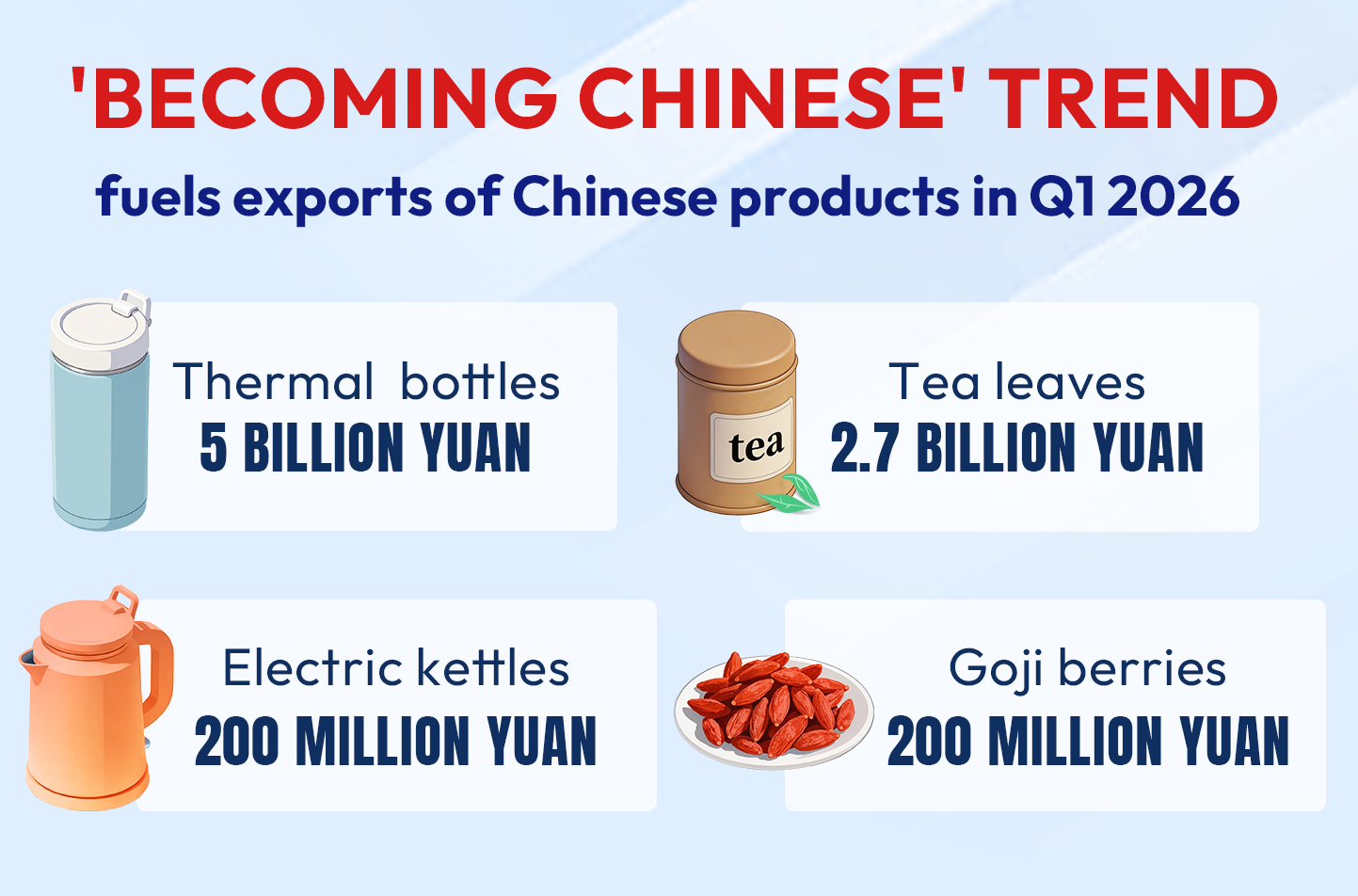
Thank you. "Becoming Chinese" has recently been trending on overseas social media. Many foreign netizens have expressed strong interest and affection for Chinese culture by experiencing traditional Chinese daily habits, such as drinking hot water, wearing slippers at home and practicing Baduanjin. This online cultural boom has also translated into consumption demand for Chinese products. For example, Chinese people enjoy drinking tea, with exports of popular items like thermos flasks and tea leaves in the first quarter achieving 5 billion yuan and 2.7 billion yuan, respectively; while exports of related items such as electric kettles and goji berries each reached around 200 million yuan, all showing year on year growth. These daily necessities, infused with the vibrancy of everyday Chinese life, are now sold in over 200 countries and regions worldwide, serving as a vivid testimony to the high quality and practicality of Chinese goods and the global reach of Chinese culture.
Beyond the online trend of "becoming Chinese," a growing number of foreign tourists are traveling to China to experience the country firsthand and in depth. Many international visitors immerse themselves in the Chinese way of life, including traveling by high-speed rail, wearing Hanfu and eating hot pot. Their shopping lists have expanded from electronic products such as smartphones and VR headsets to cultural and creative goods as well as trendy toys. The China travel boom has driven a rapid burst of vitality in the inbound consumption market. In the first quarter, customs across the country processed more than 230,000 departure tax refund verification cases, surging more than five times year on year.
The 6th China International Consumer Products Expo (CICPE) is currently underway in Hainan. As a global platform for displaying and trading premium consumer products, the CICPE has built a bridge between China and the world, helping high-quality Chinese consumer goods reach other countries, and also opening a fast channel for premium global consumer goods to enter the Chinese market. Mutually reinforcing trade connectivity and people-to-people exchanges, as well as the integration of tangible goods and intangible culture, help enhance understanding and jointly promote development through exchange and mutual learning.
Thank you.
Jia Huili:
Today's press conference is hereby concluded. Thank you to all the speakers and friends from the media. Goodbye.
Translated and edited by Yuan Fang, Li Xiao, Zhou Jing, Wang Wei, Gong Yingchun, Li Huiru, Zhang Jiaqi, Yan Xiaoqing, You Jiaxin, Xiang Bin, Wang Yanfang, Xu Kailin, Liu Caiyi, Yang Chuanli, David Ball, Jay Birbeck, and Tudor Finneran. In case of any discrepancy between the English and Chinese texts, the Chinese version is deemed to prevail.

/4 Jia Huili
/4 Wang Jun
/4 Lyu Daliang
/4 Group photo
SCIO briefing on 6th China International Consumer Products Expo
March 30, 2026SCIO briefing on accelerating the establishment of long-term care insurance system
March 26, 2026SCIO briefing on the 9th Digital China Summit
March 24, 2026