China.org.cn | October 22, 2025


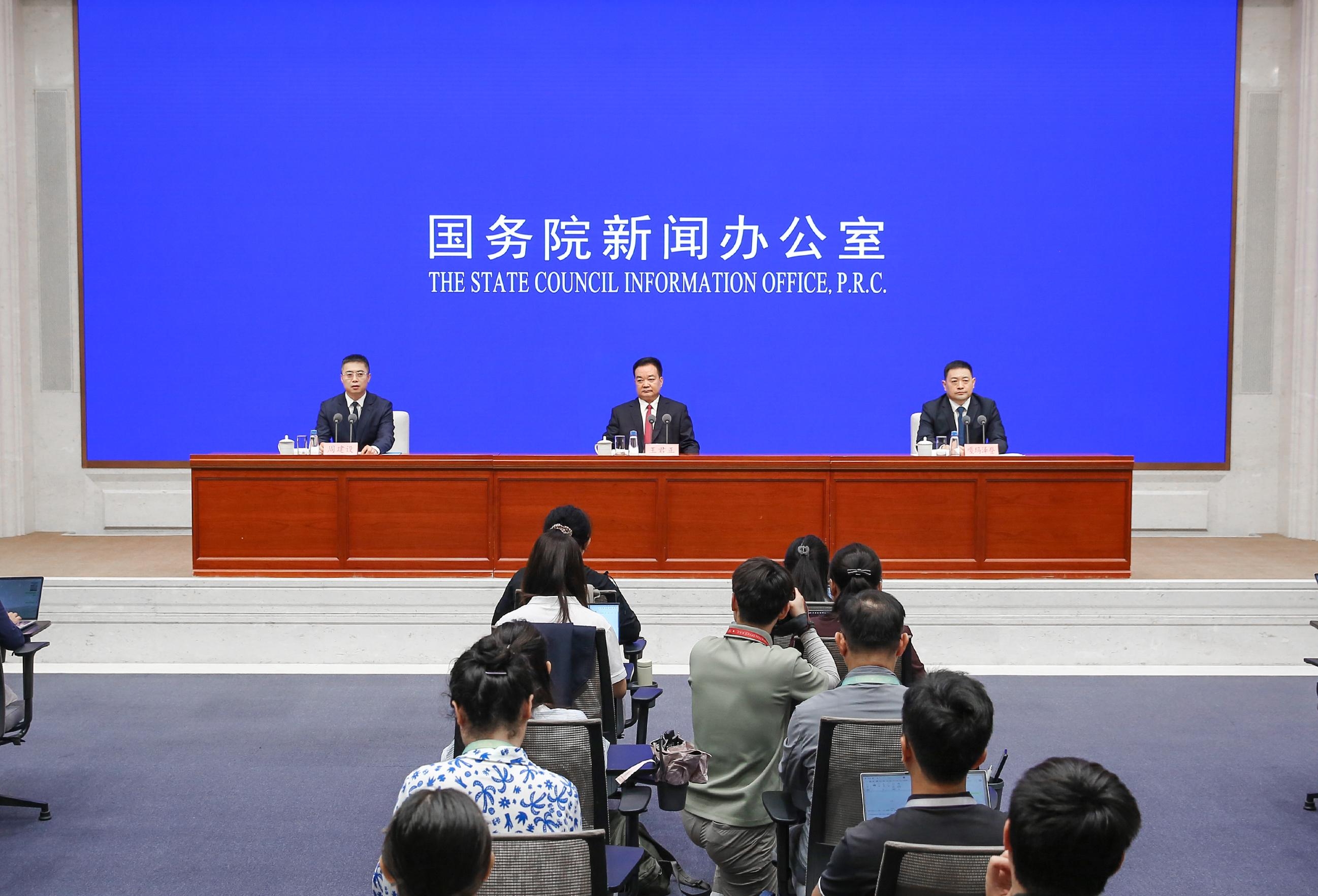

Macau Monthly:
It has been reported that in Xizang, the Tibetan language has been removed from the list of subjects for the college entrance examination (gaokao), and that schools no longer regard the Tibetan language as a main subject. Could you provide some more details in this respect? Thank you.
Wang Junzheng:
I'd like to invite Mr. Gama Cedain to answer your question.
Gama Cedain:
Thank you for your question. Since 2014, China's education authorities have implemented a comprehensive reform of the national college entrance examination across the country. To date, 29 provinces, autonomous regions and municipalities have carried out this comprehensive reform. Xizang initiated this reform in 2024, with the primary goal of addressing the flawed societal emphasis on test scores and admission rates and to genuinely promote students' holistic development and social equity.
The primary Tibetan language programs offered at colleges and universities include Tibetan language and literature, Tibetan medicine, and Tibetan pharmacy. However, several challenges persist, such as relatively limited enrollment quotas, relatively narrow channels for further education, a narrow selection of disciplines and majors, and constrained employment opportunities for graduates. After relevant policy adjustments, candidates from Xizang and those from other provinces and autonomous regions now take the same test paper for the college entrance examination. The unified subjects of the examination include Chinese, mathematics and a foreign language, with options such as English, Russian, Japanese, French, German and Spanish. The selective subjects comprise politics, history, geography, physics, chemistry and biology. Candidates from Xizang can still apply for Tibetan language teaching majors in universities. The Tibetan language subject examination will be organized by Xizang Autonomous Region, and those who pass the examination can apply. This helps students of all ethnic groups enjoy more equitable high-quality education, helps ethnic minorities improve their ability to learn knowledge and comprehensively enhance their scientific and cultural quality, and provides more opportunities for students to develop their talents, and more options for students to enter higher education institutions.
The adjustments to the college entrance examination subjects in Xizang does not mean the cancellation of Tibetan language courses. The Tibetan language remains a compulsory subject in primary and secondary schools in Xizang as well as prefectures and counties with large Tibetan populations in other provinces. The Tibetan language curriculum in the basic education stage remains unchanged and the number of classes has not been reduced. Tibetan language is as strictly required as other subjects in terms of implementing the curriculum plan, standardizing teaching implementation, and optimizing teaching methods, and is included in the academic proficiency tests and evaluations for junior high school and senior high school students. There are sufficient Tibetan language teachers in schools of all levels and types in Xizang Autonomous Region as well as prefectures and counties with large Tibetan populations in other provinces. Currently, there are more than 30,000 bilingual teachers across the entire Xizang region, and the number of full-time Tibetan language teachers has increased from 5,800 in 2018 to nearly 8,300. Normal universities such as Qinghai Normal University, as well as non-normal universities like Minzu University of China and Xizang University, all offer Tibetan language programs. Every year, a certain number of graduates majoring in Tibetan language join the teaching staff. Thank you.

