China.org.cn | October 22, 2025


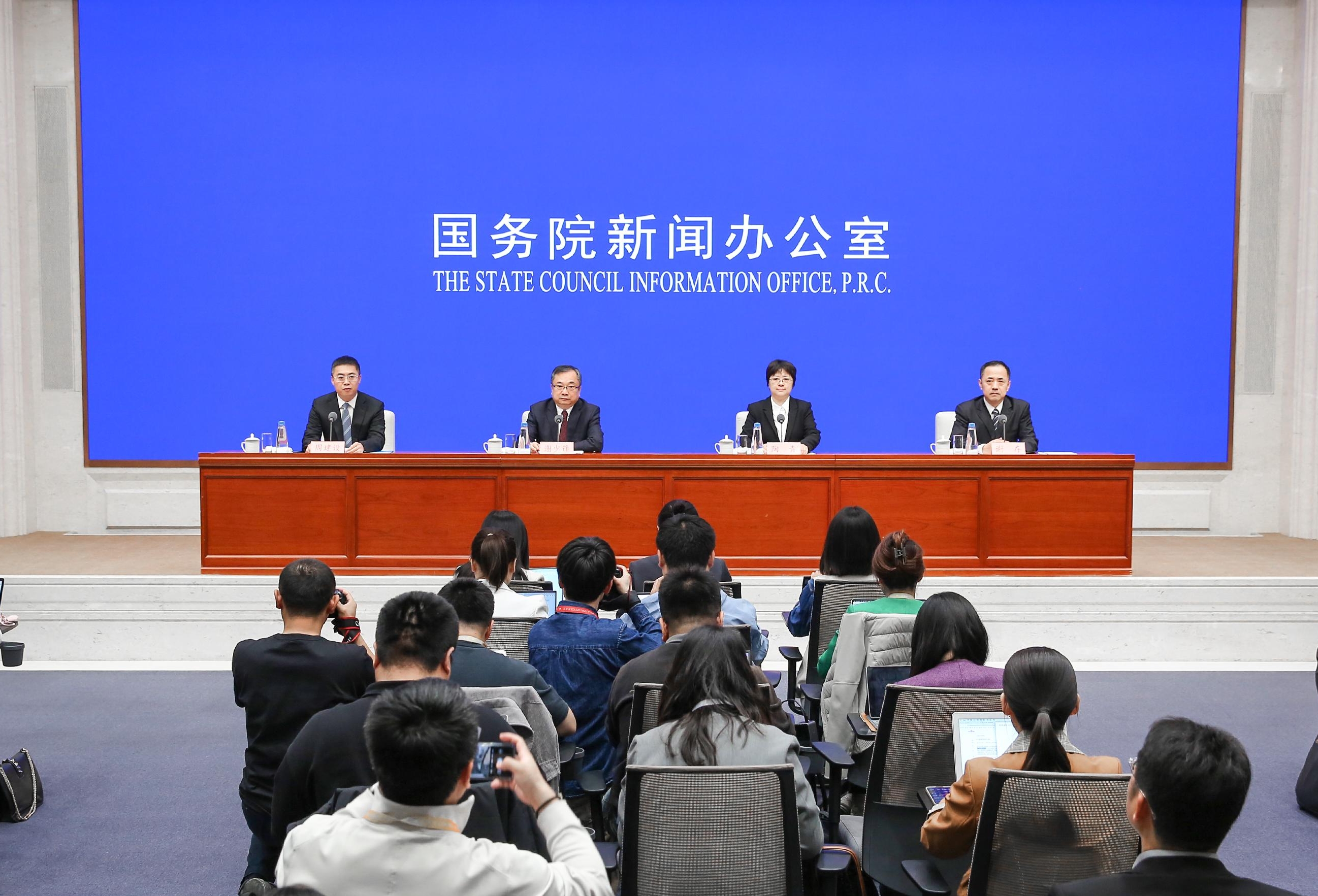

Zhonghongwang.com:
In May last year, the State Council adopted an action plan aimed at advancing the digital transformation of manufacturing during an executive meeting. What key tasks has the MIIT implemented in the past year since the adoption of the plan? What progress has been made? And what are the next steps? Thank you.
Xie Shaofeng:
Thank you for your questions. I will answer these questions. The MIIT has always fully implemented the decisions and deployments of the CPC Central Committee and the State Council. It has consistently regarded the integration of informatization and industrialization as the essential feature of and the path to new industrialization, thoroughly implemented digital transformation of manufacturing, strengthened overall planning and efforts, and focused on laying foundations, promoting integration and improving services. It has promoted the large-scale popularization and application of digital technologies in the manufacturing sector and accelerated the pace of digital transformation in the manufacturing industry.
On the one hand, we have accelerated the comprehensive, full-chain application of next-generation information technology, promoting coordinated digital transformation across all dimensions. We have supported the first batch of 20 cities in conducting pilot programs for new technology transformations in the manufacturing sector. First, we have cultivated exemplary enterprises, cumulatively building more than 30,000 basic-level smart factories and over 230 excellence-level smart factories. We have nurtured a total of 14,600 specialized, refined, distinctive, and innovative "little giant" enterprises, with more than 140,000 provincial-level SMEs that use specialized and sophisticated technologies to produce novel and unique products, and over 600,000 high-tech and innovative SMEs. Second, we have adopted an industrial chain-based approach to promote the digital transformation of key industries. We have issued digital transformation implementation plans for critical sectors, including power equipment, light industry, petrochemicals, steel, non-ferrous metals and building materials. We have identified typical digitalization scenarios within each industry and are advancing targeted transformation through comprehensive mapping and scenario-based approaches. Third, we have strived to improve the digital level of industrial parks and clusters. We have built high-standard digital industrial clusters, and continuously carried out programs that support industrial parks to embrace integrated industrial internet initiatives and smart manufacturing. As of the end of March, the penetration rate of digital R&D and design tools among industrial enterprises reached 83.5%, while the digitalization rate of key production processes stood at 66.2%.
On the other hand, we have developed and expanded the information technology industry while advancing digital infrastructure construction. New technological breakthroughs have been made in large AI models, with rapid advancement in capacity building and specific scenario applications. The total number of standard racks in use at data centers nationwide has exceeded 9 million, with a total computing power of 280 EFLOPS. This means the system can complete 280 quintillion floating-point operations per second. The value of data as a production factor is accelerating, with China's overall data transaction market size last year exceeding 160 billion yuan. In the first two months of this year, combined revenue from cloud computing and big data services surged 8.8% year on year, exceeding 237.5 billion yuan. We have launched 10-gigabit optical network pilot projects, built the world's largest optical fiber and mobile broadband network, and achieved large-scale deployment of the industrial internet. The identifier resolution system has been comprehensively established. There are now over 340 industrial internet platforms with a certain level of influence, and the number of connected industrial devices on key platforms has exceeded 100 million units, serving 4 million enterprises and covering all 41 major industrial categories.
Looking ahead, we will anchor ourselves to the goal of new industrialization, unswervingly follow the path of integrated development of informatization and industrialization, and strengthen cross-departmental coordination and ministry-province coordination. We will ensure enterprises serve as the main players, adhere to industry-specific strategies, focus on supply-demand alignment, and promote integrated digital transformation in all dimensions. We will systematically advance smart-technology upgrades, digital transformation and enterprise network connectivity, promote the comprehensive integration and empowerment of digital technology across the entire value chain, and use digital transformation to boost high-end, intelligent and green development in the manufacturing sector. These efforts will provide strong support for high-quality economic development. Thank you.
Zhou Jianshe:
That concludes today's press conference. Thank you to our three speakers, thank you to all our journalist friends, and goodbye everyone.
Translated and edited by Liu Jianing, Mi Xingang, You Jiaxin, Wang Yanfang, Guo Yiming, Xu Kailin, Yang Xi, Li Xiao, Wang Qian, Ma Yujia, Li Huiru, Fan Junmei, Zhang Junmian, David Ball, Tudor Finneran, and Jay Birbeck. In case of any discrepancy between the English and Chinese texts, the Chinese version is deemed to prevail.

