71f86190-0ab2-4ed9-ad76-6b474f6078ea.jpeg)
Foreign companies eye opportunities in western China's green industries
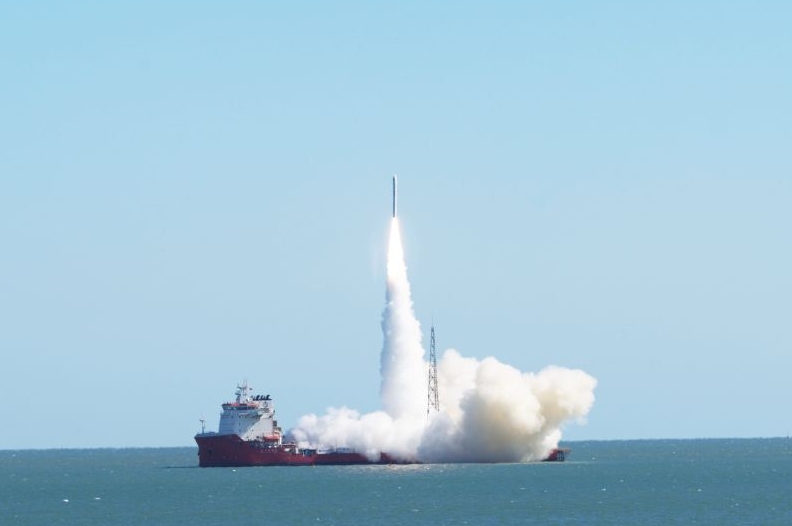
China launched a rocket from the ocean waters near the city of Rizhao in east China's Shandong Province on Wednesday, placing a new satellite into designated orbit.
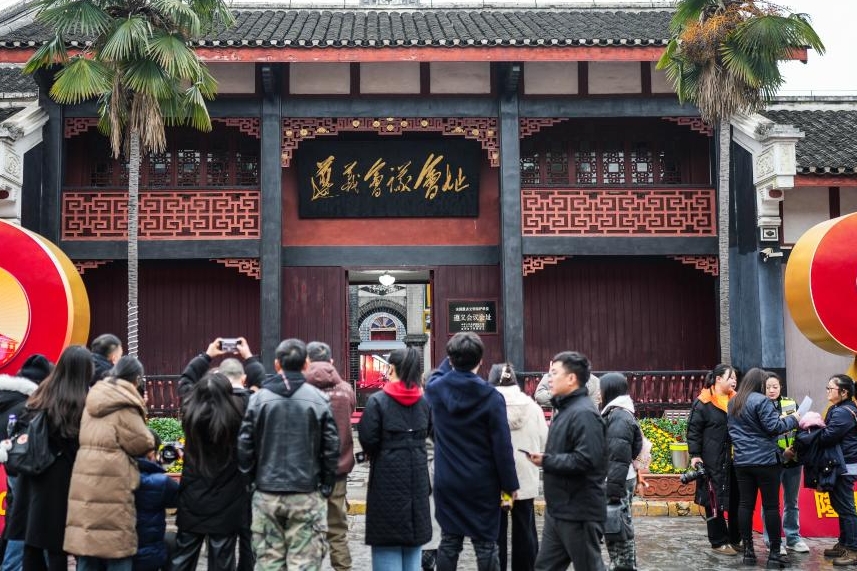
Inside the Zunyi Meeting memorial museum's exhibition hall, visitors are instantly plunged into a Long March battlefield scene after putting on lightweight virtual reality (VR) headsets, feeling as if they are surging across the Xiangjiang River under enemy fire.
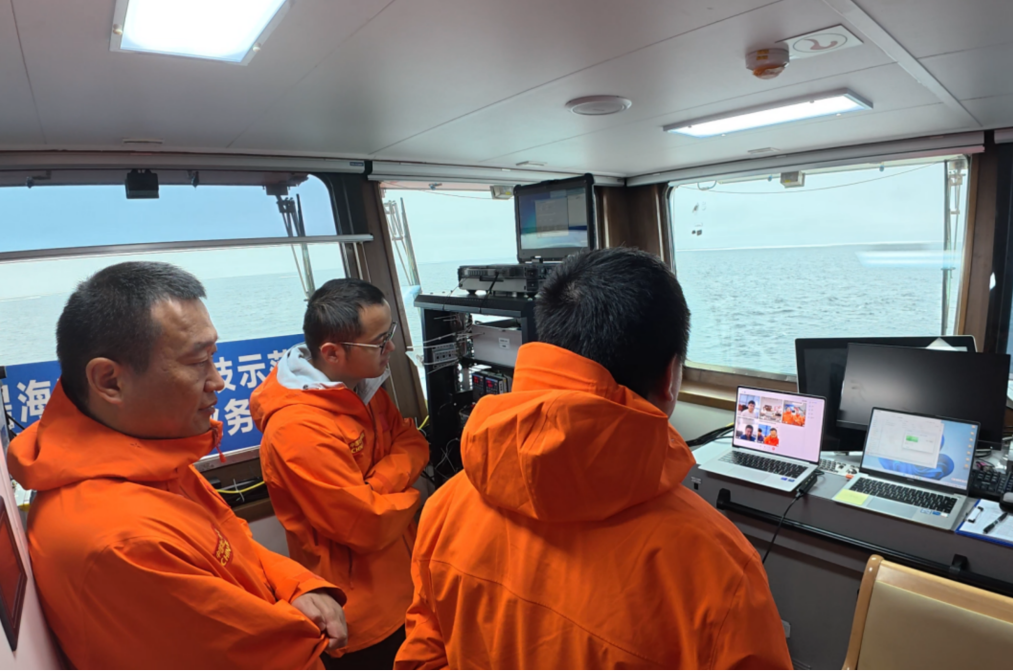
China's 16th Arctic Ocean expedition team said Monday that its polar icebreaker Jidi had completed a pre-operational application test of domestically developed satellite internet along Arctic shipping routes.
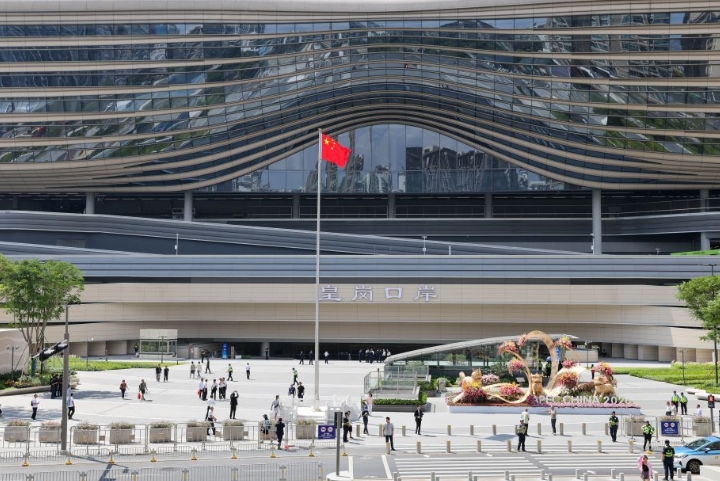
More than 130,000 cross-border passenger trips were recorded at the redeveloped Huanggang Port on Saturday, the first weekend following its opening, according to the Immigration Department of the Hong Kong Special Administrative Region (HKSAR) government.
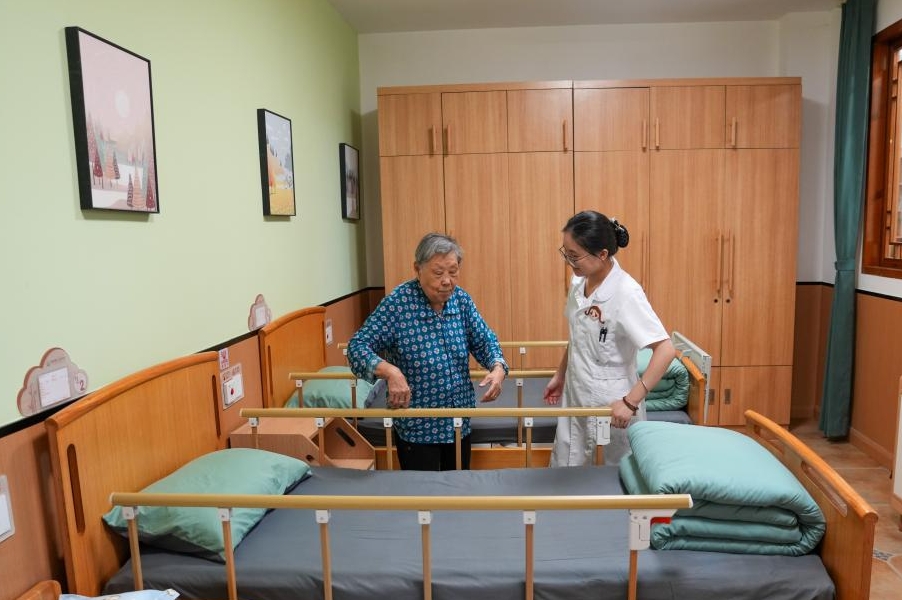
A mobile phone alert warns a community worker that no door activity has been detected at an elderly resident's home for more than 24 hours. Another alert reports that a smoke detector has been triggered.
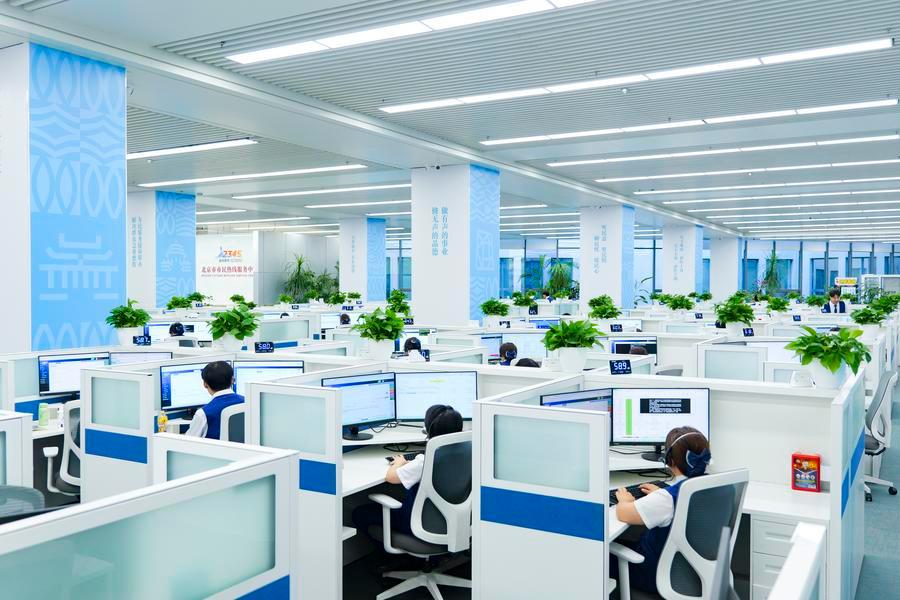
After "China Travel" draws global travelers to its capital, China is offering the world another way in: the "China Hotline," a 12345 service that lets foreign nationals make their voices heard and help improve the city they reside in.

Since opening in August this year, a 22.77-kilometer avenue in northwest China's Ningxia Hui Autonomous Region has been drawing a steady stream of visitors from both home and abroad.
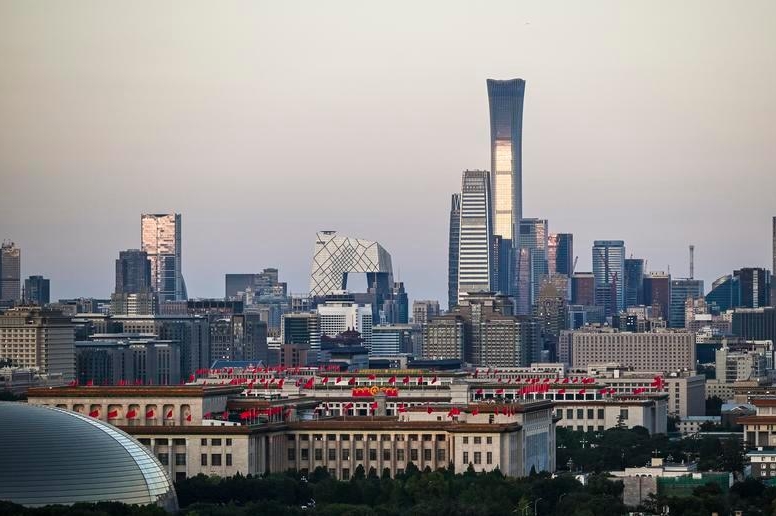
While surging government bond yields in several major economies raise risks to financial stability, China's market is becoming increasingly attractive to investors seeking to diversify amid heightened uncertainty.
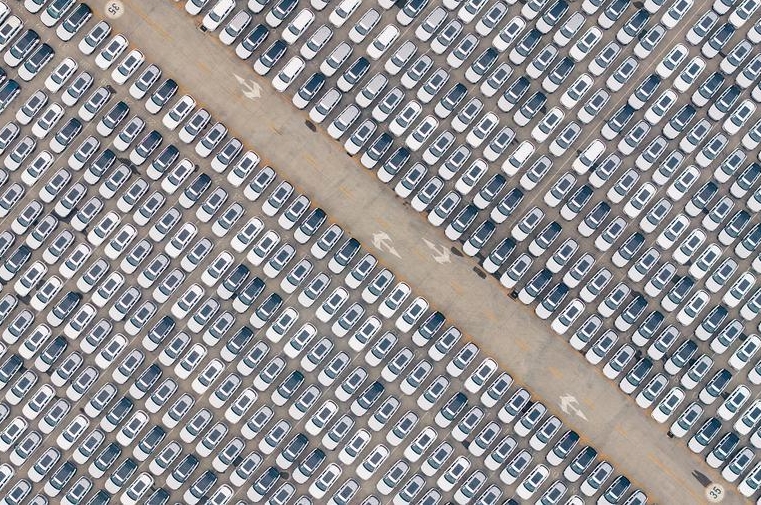
China announced on Monday that it will cut the value-added tax (VAT) export rebate rate for new energy vehicles (NEVs) to 9 percent from 13 percent starting April 1, 2027.
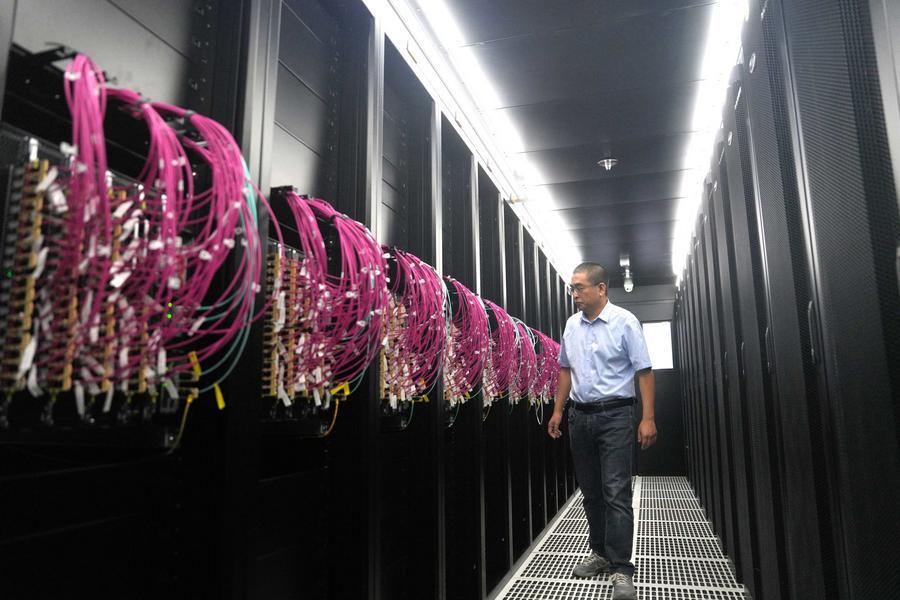
As AI applications gain momentum, China is accelerating the rollout of "token factories" in a bid to build an economic order suited to the AI era.
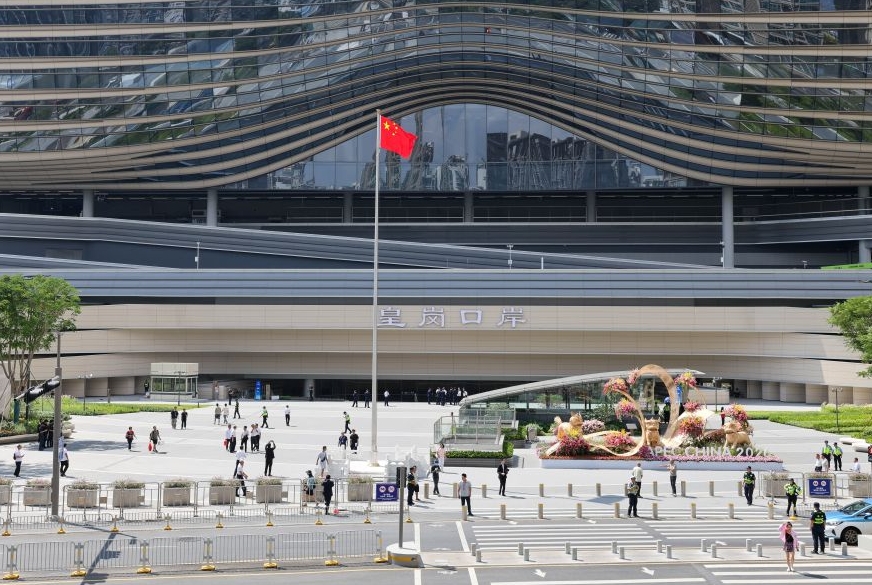
The redeveloped Huanggang Port opened at 6:30 a.m. (local time) on Monday, streamlining cross-border passenger travel between China's Shenzhen and Hong Kong Special Administrative Region.
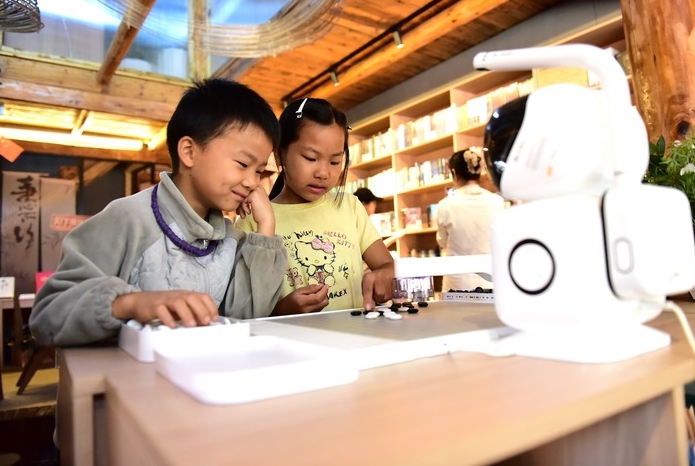
Shoppers crowded into stores across China to try the latest artificial intelligence (AI) gadgets during the week-long National Day holiday, as smart devices continue to transition from the showroom to the mass market.
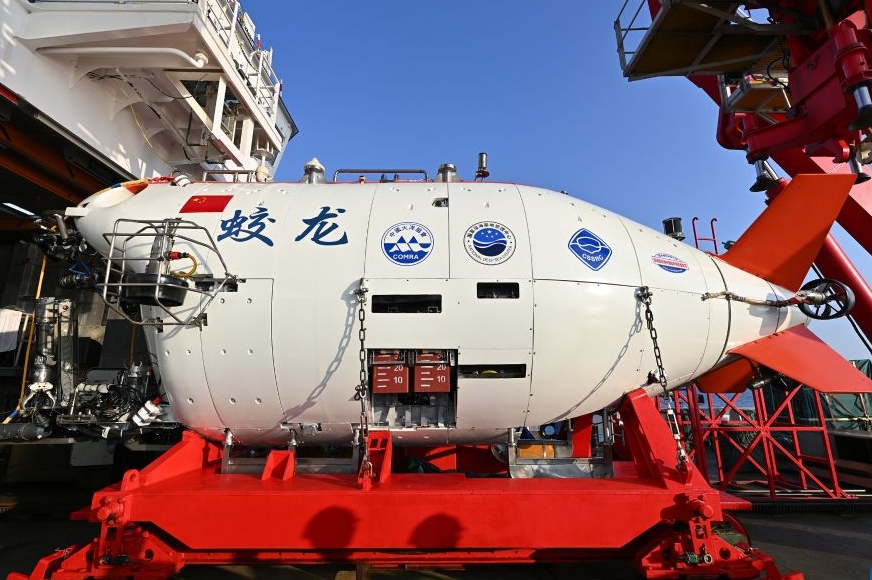
China's research vessel Deep Sea No. 1, carrying manned deep-sea submersible Jiaolong, arrived at East Caroline Basin in the western Pacific Ocean on Saturday for deep-sea scientific research.

Liu Zengyuan, a railway engineer, watched familiar fields slip past the train window. This time, he was not heading to a construction site, but going home for the National Day holiday on the high-speed line he had helped build, just days after it opened.
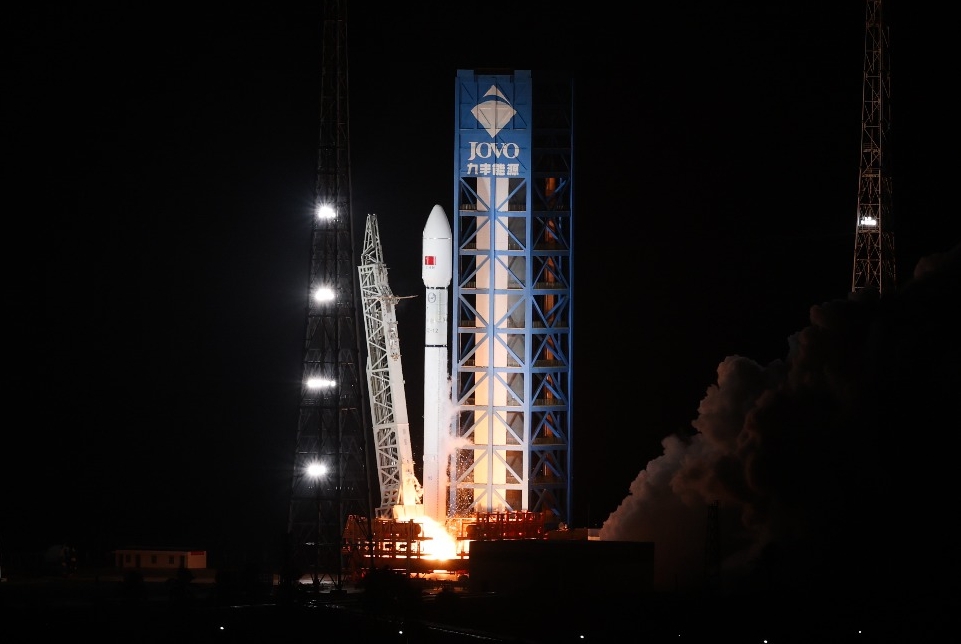
China launched a Long March-12 carrier rocket on Saturday from a commercial spacecraft launch site in the southern island province of Hainan, sending an internet satellite group into space.

According to the Ministry of Agriculture and Rural Affairs, China is on track for a bumper grain harvest in 2026, thanks to steady progress in agricultural and rural modernization.
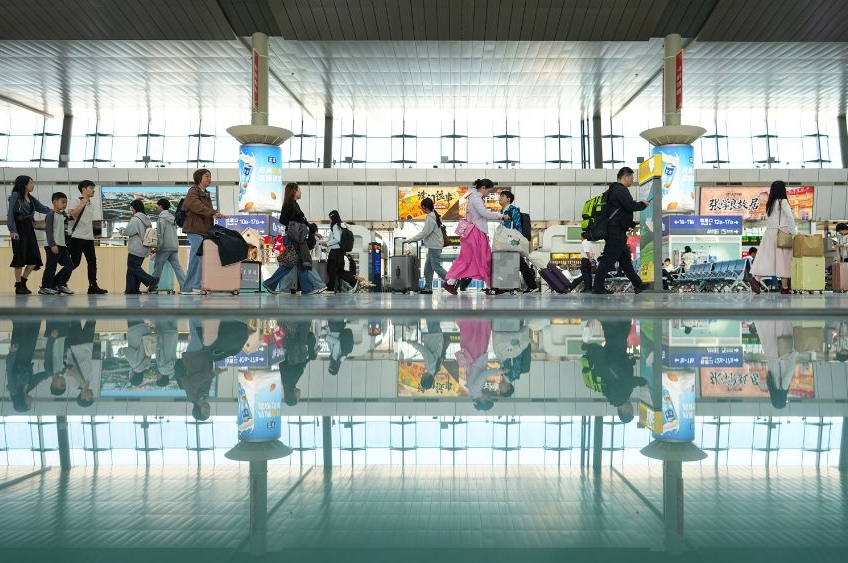
China's railways saw the peak of the holiday return rush on Wednesday, with 24.15 million passenger trips expected on the final day of the National Day holiday, amid strong travel demand and vibrant tourism activity across the country.

Medals, the torch, uniforms and equipment for the Changchun 2027 Winter Universiade were unveiled Wednesday at a 100-day countdown event at Changchun International Aviation Expo City.

China's National Day travel market kicked off on a strong note, as many travelers linked the Mid-Autumn Festival and National Day breaks with their annual leave. This trend has led to longer trips and a surge in bookings for long-haul journeys, multi-city itineraries and experience-based travel products.

Driverless harvesters, drone patrols, and data flickering on LED screens. This harvest season, Chinese farms impressed international journalists with their technological sophistication.
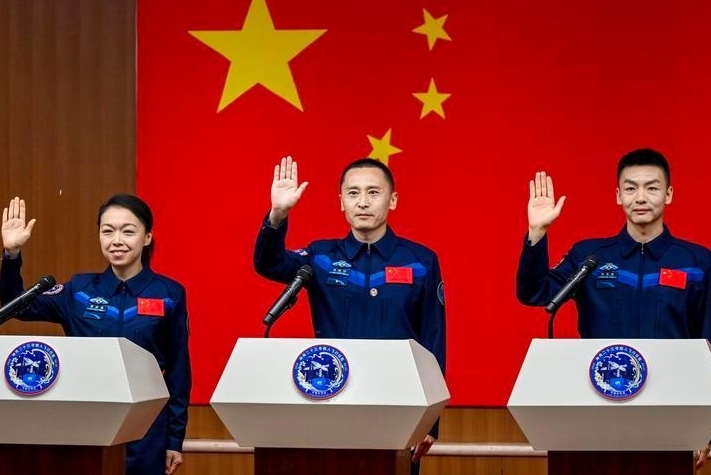
The Shenzhou-23 astronauts aboard China's Tiangong space station sent video greetings to their motherland on Thursday, which is China's National Day and the 77th anniversary of the founding of the People's Republic of China.
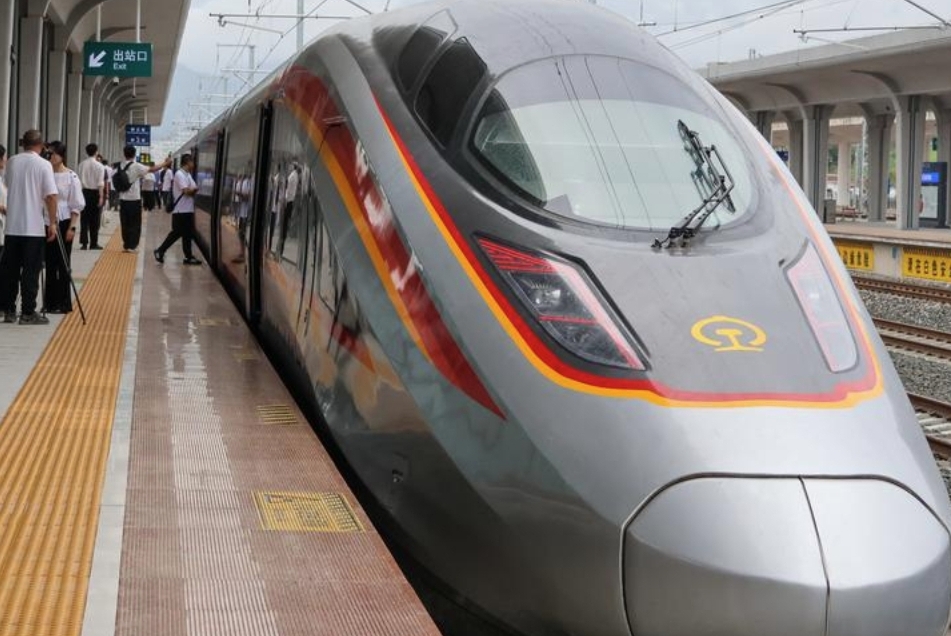
China's railway network handled 25.204 million passenger trips on Oct. 1, the first day of the week-long National Day holiday, setting a new single-day record, China State Railway Group Co., Ltd. said Friday.
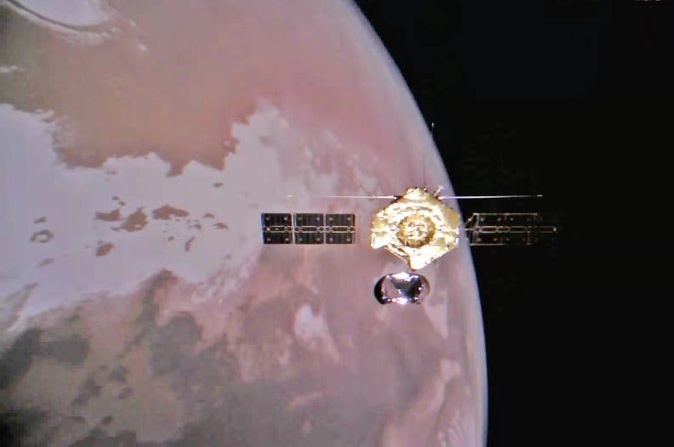
China plans to complete a new-generation geologic map of Mars by the end of 2028, aiming to reconstruct the red planet's watery past and introduce a Chinese system for dividing Martian geologic time.
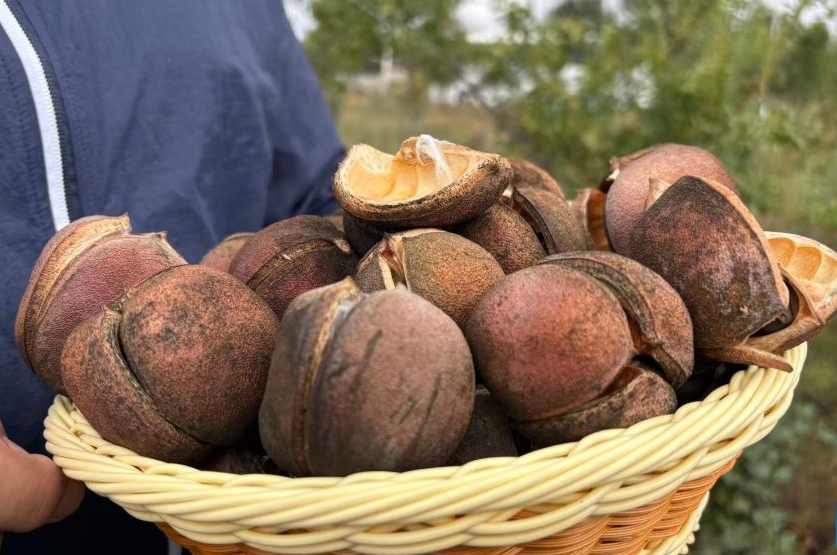
From 2021 to 2025, China treated a total of 152 million mu of desertified land, as desertification continued to recede and ecological conditions in affected areas improved, according to the National Forestry and Grassland Administration.
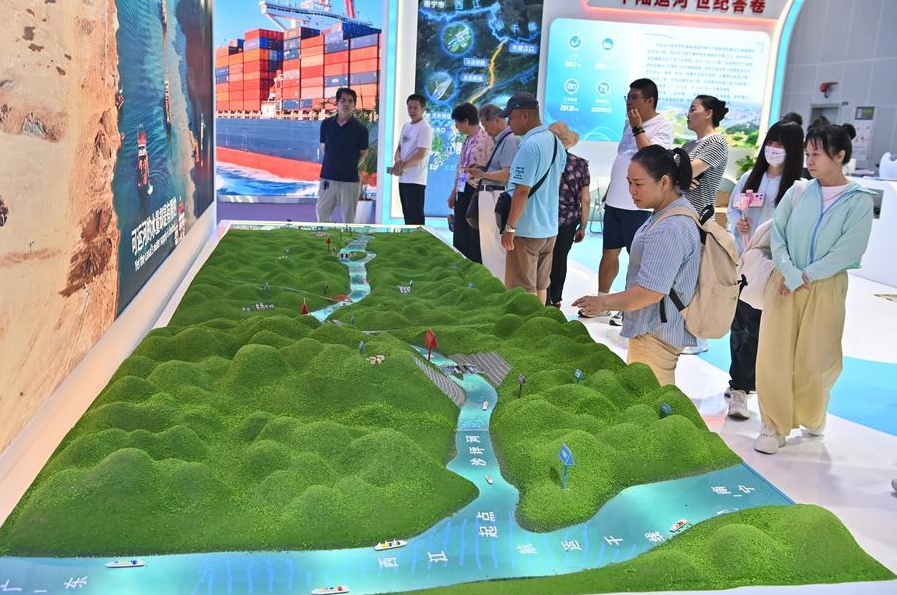
The 134.2-kilometer Pinglu Canal, stretching from Hengzhou in Guangxi to the Beibu Gulf, opened on Sept. 16. It is the closest maritime outlet for much of southwest China.

As artificial intelligence (AI) and large-scale data processing reshape the global tech landscape, China is accelerating the construction of a nationwide computing power network as a cornerstone of the country's future infrastructure.
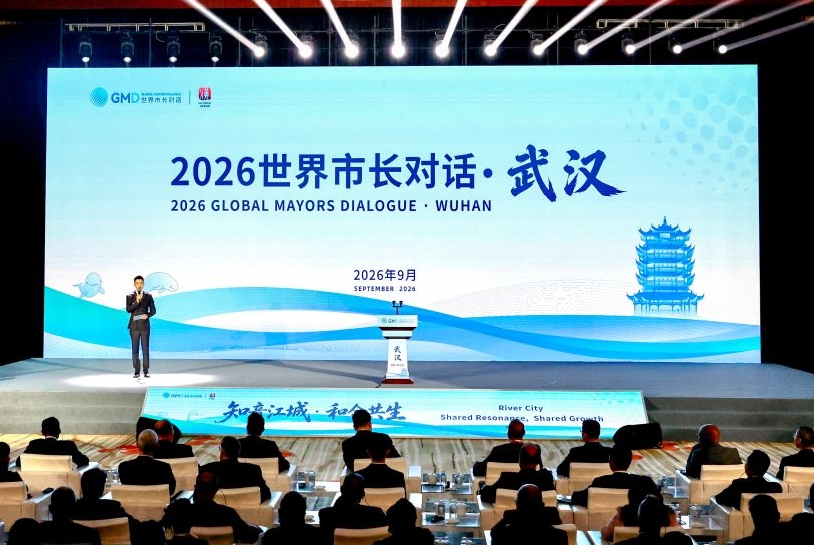
More than 80 city leaders and representatives from over 20 countries, along with heads of international organizations, have gathered in Wuhan, Hubei Province, central China, to discuss shared urban challenges and explore pathways to sustainable development at the 2026 World Mayors Dialogue.
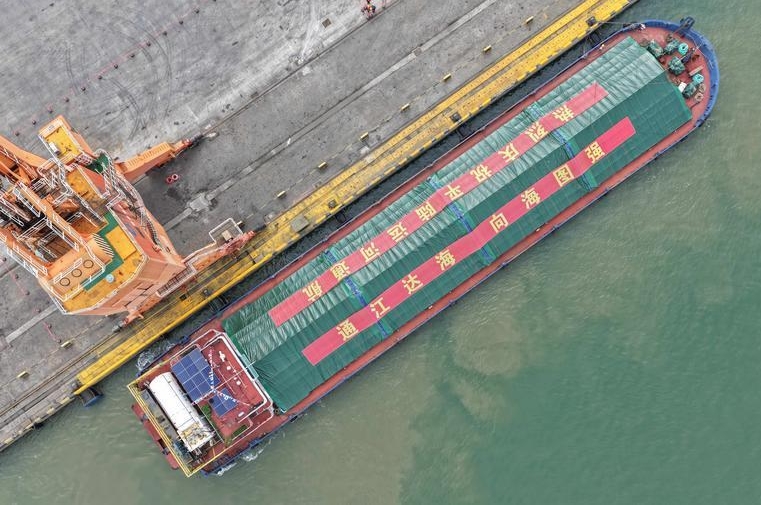
At the ongoing 23rd China-ASEAN Expo, a QR code has become an unexpected star attraction. Visitors scan it to access a virtual reality tour of the newly opened Pinglu Canal, a new trade corridor that is expected to boost economic ties between China and ASEAN.
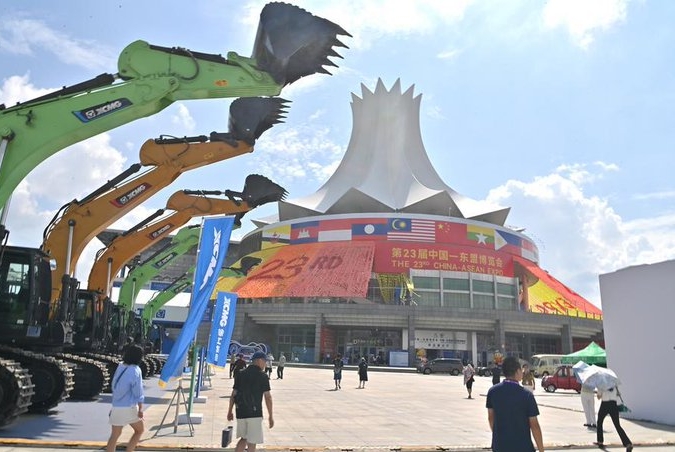
The China-ASEAN Expo (CAEXPO) serves as a bridge for ASEAN and China to boost trade flows and strengthen supply chain cooperation, helping both sides reap shared development dividends, a Filipino expert said.
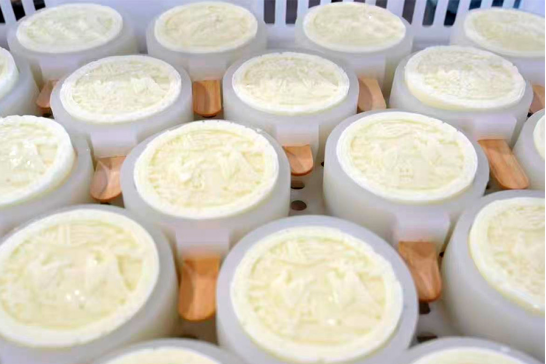
Carrots, eggplant and even fried chicken. At first glance, these items on display looked like fresh food. A closer look revealed they were actually ice cream.