1978-2018: China's import history through the lens
A selection of Xinhua photos captures the unique moments in China's long history of opening to the world.
When put under the lens of history, the China International Import Expo (CIIE) that concluded in Shanghai on Saturday might be a milestone amid China's transition from an export powerhouse to an import nation.
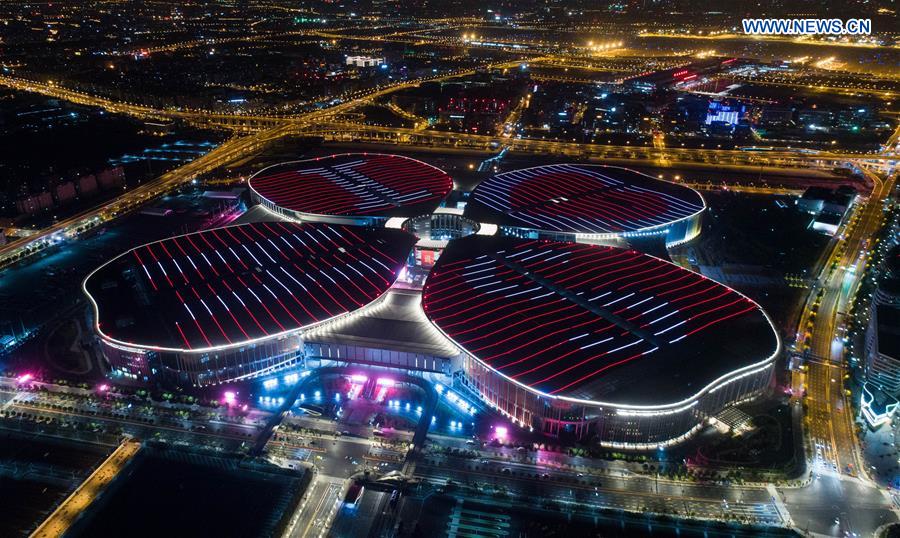
Photo taken on Oct. 21, 2018 shows the National Exhibition and Convention Center (Shanghai), the main venue of the First China International Import Expo (CIIE) in Shanghai, east China. [Photo/Xinhua]
What the country imported during the past 40 years has changed the lifestyles of many Chinese. What the Chinese consumed, in turn, has reinvented what the world competes to offer.
A selection of Xinhua photos captures the unique moments in China's long history of opening to the world.
1978-1988: New look
A 1978 Japanese documentary, China's New Look, featured a scene that said everything about what the Chinese craved back then. In front of an old-fashioned television set, dozens Shanghainese gathered around to watch a TV show.
In 1981, only one out of every 170 urban households in China had a color television. Having a TV set at home was something worth boasting about, especially when a man would propose.
As China started to open its doors to foreign manufacturers, a TV, a refrigerator and a washing machine became a "must-have" home appliances set for a typical middle-class family.
"With more electronics products available, color televisions, cassette recorders, stereo components, record players and electronic games and toys, which were only a dream just a decade ago, can now be found in millions of Chinese homes," read a Xinhua story in 1987.
1988-1998: West meets east
In October 1990, the first outlet of McDonald's on the Chinese mainland opened for business in Shenzhen, a southern city at the forefront of China's opening-up.
The western fast-food chain quickly became the hottest tourist spot in town. Curious Chinese consumers lined up in front of the 20 cashiers of the three-story building, shouting to the staff "I want 10 big macs," recalled a trainee with McDonald's at that time.
A meal at McDonald's was never so fast. China's new rich would line up at the fancy western restaurant for two hours to chat with friends, discuss businesses or even have a date.
While McDonald's stood for fashion, a Volkswagen's Santana car was a symbol for status. As many Chinese once said, somewhat jokingly: "As long as you have a Santana, you have nothing to fear driving all around the world."
The German automaker set up its first joint venture (JV) with SAIC Motor in Shanghai in 1985. By the end of 1991, the JV produced more than 100,000 Santana cars in total.
Following the success, Volkswagen has been expanding its footprint in China, with the establishment of a second venture, FAW Volkswagen, in northeastern city of Changchun in 1991, and a third in Hefei, eastern Anhui Province, in 2017.
1998-2008: Here comes WTO
For many Chinese, the year 2001 was pretty unforgettable. The year marked the start of a new millennium and led to a whole new era as China joined the World Trade Organization (WTO).
From 2001 to 2017, China's average growth of imports in commodities and services was more than twice the world's average.
Looking back, joining the WTO was one of the hardest decisions this country had made over the years. Back then, many feared it would destroy China's domestic market, saying that "the wolf was coming" because other countries might manufacture better.
But China never paused to open its market wider in fear of competition. In the spring of 2007, the 101st session of Canton Fair, China's oldest trade fair, set up a new section for imports -- a signal that imports are no longer a "side dish" at China's trade events.
Ten years after China joined the WTO, people began to realize that China is a wolf, said Alibaba chairman Jack Ma.
"When you take the challenge and change yourself, that is the opportunity," Ma said.
2008-2018: New beginning
Shanghai, a city of long-time commercial culture, is always a step ahead in China's foreign trade.
In 2013, China established its first pilot Free Trade Zone (FTZ) in Shanghai's Pudong New Area and expanded to a larger area in Pudong in 2015. It was announced on Nov. 5, the day the CIIE opened, that the Shanghai FTZ would expand further.
Preferential policies in the FTZ, including the negative list for foreign investment and the cross-border renminbi capital pool policy, effectively boosted the development of many multinational companies.
The Shanghai FTZ published the country's first negative list with items that were off-limits for foreign investment, which has been rolled out across the country.
In 2010, the city hosted the 2010 World Expo, a milestone that showcased China's sincere wish to open to the world.
The Shanghai World Expo, the first held in a developing country in the event's 159-year history, set a record in terms of the number of participating countries or regions, the size of the Expo park and the number of visitors.
With the successful hosting of China's first import expo, the city continued to drive China's import agenda. As China pledged further opening-up, this gathering will be remembered as a new beginning for China's import history.

Customers select refrigerators imported from Japan at the Xidan Shopping Mall in Beijing, capital of China, in the summer of 1980. [Photo/Xinhua]
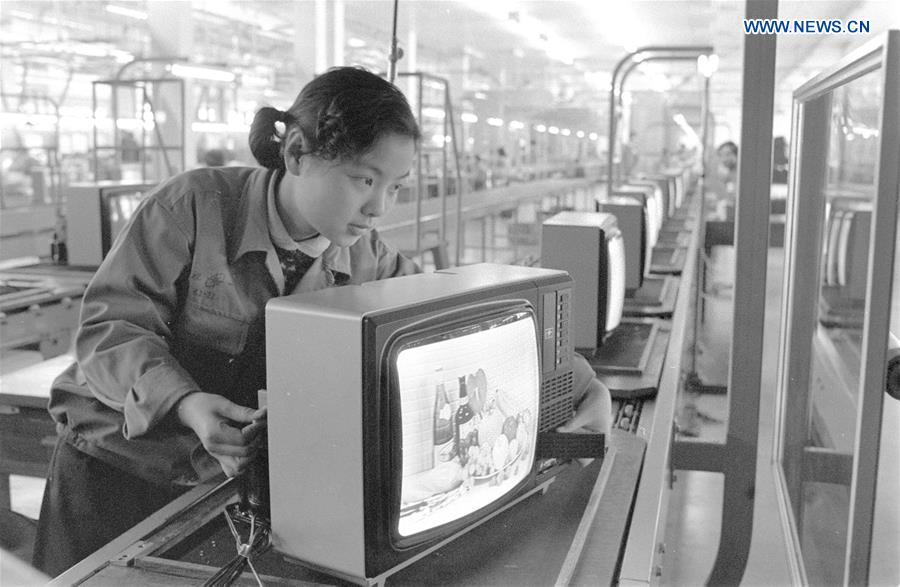
Undated photo shows a worker checking a television set in Shanghai, east China. Shanghai No. 1 television factory in February 1982 put into pilot production of color TV with the assembling equipment imported from Japan. [Photo/Xinhua]
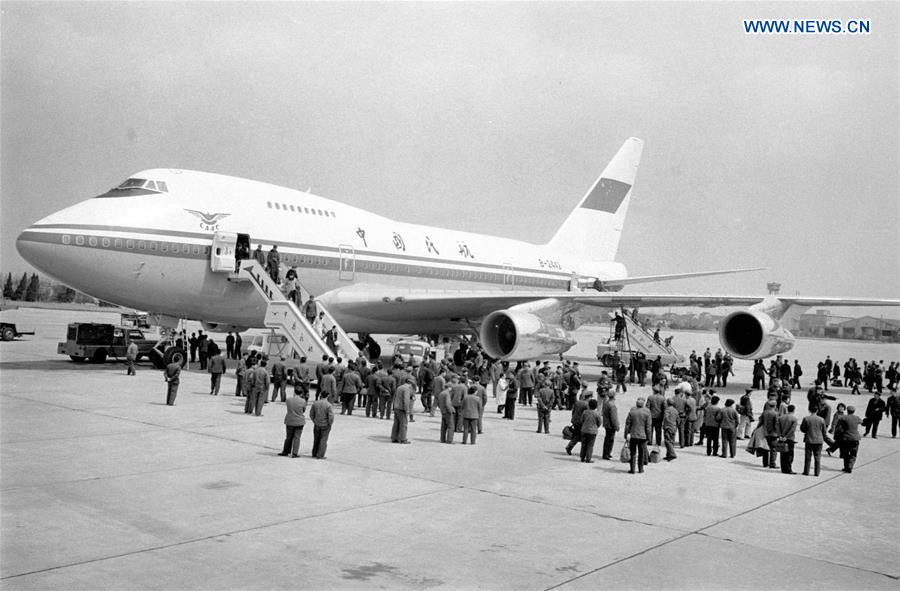
Undated photo shows passengers disembarking from a Boeing airliner. The Civil Aviation Administration of China (CAAC) in 1980 put into use a Boeing 747SP airliner, the first of such a move. [Photo/Xinhua]

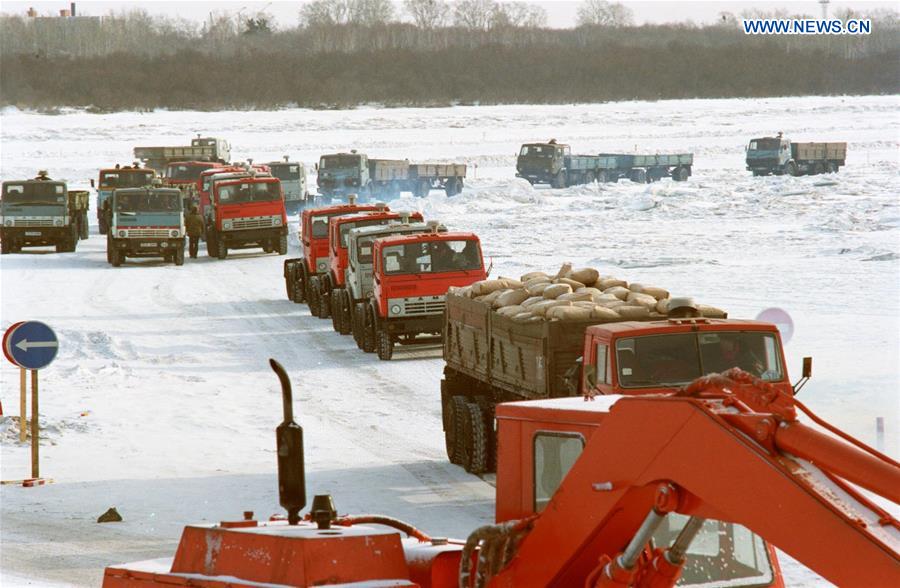
File photo shows machines and materials being carried to China from Russia across the frozen Songhua River in northeast China. [Photo/Xinhua]
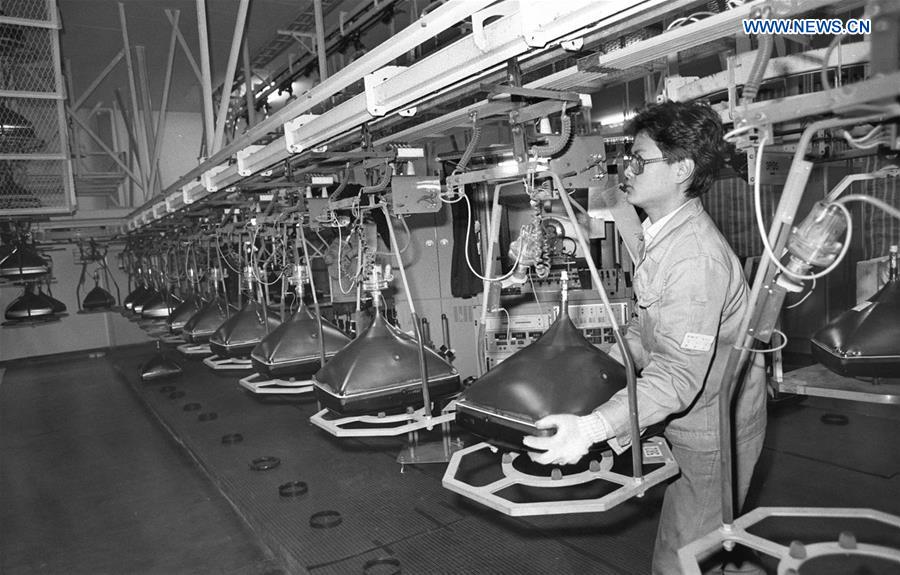
A man works at a factory of Panasonic color television picture tube company jointly run by China and Japan, in this file photo taken in February 1990 in Beijing, capital of China. [Photo/Xinhua]

Undated photo shows a citizen transporting a Japanese-made Aiwa acoustic equipment in Shanghai, east China. [Photo/Xinhua]
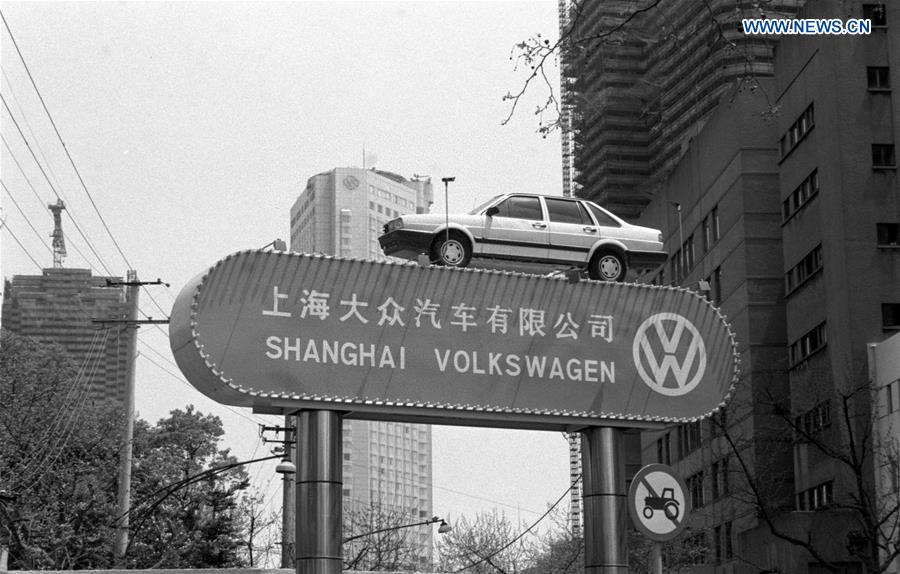
A Santana car made by Volkswagen is placed on a sign of Shanghai Volkswagen, a China-Germany joint venture, in this file photo taken in May 1990 in Shanghai, east China. [Photo/Xinhua]

File photo taken in October 1990 shows the outside look of the McDonald's in Shenzhen, south China's Guangdong Province. It was the first McDonald's opened in the Chinese mainland. [Photo/Xinhua]

People show lobsters imported from Canada after they were flown in by a 20-hour journey to Shanghai, east China, Oct. 8, 1992. [Photo/Xinhua]
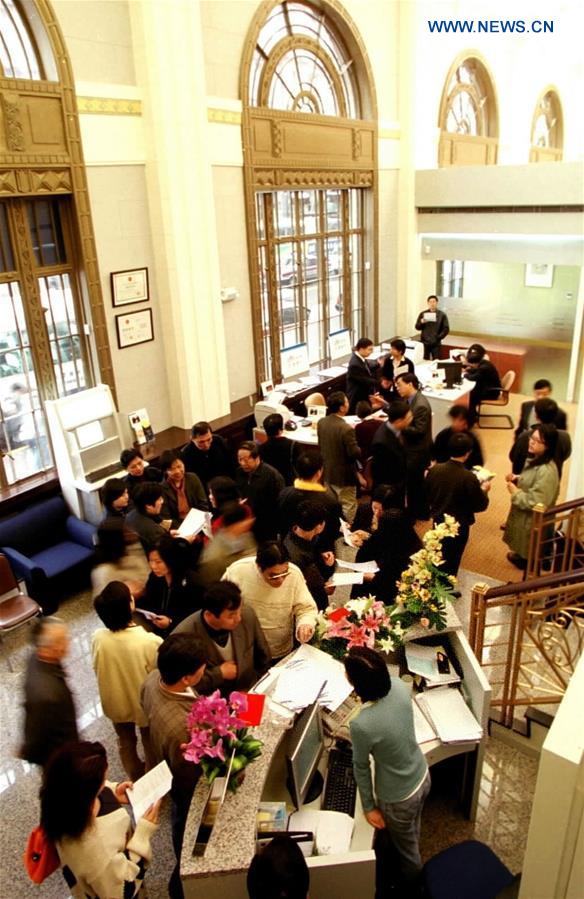
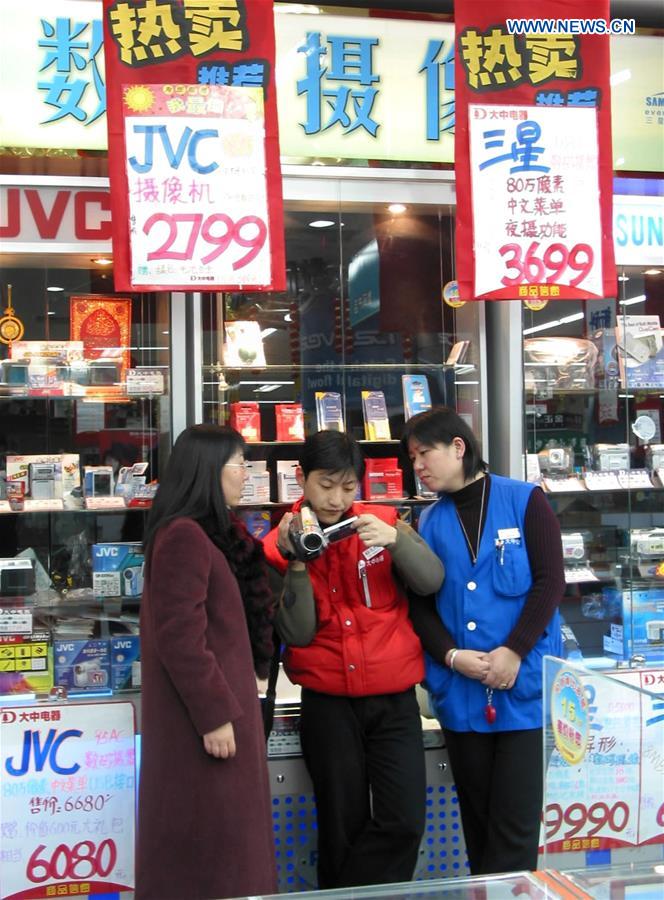
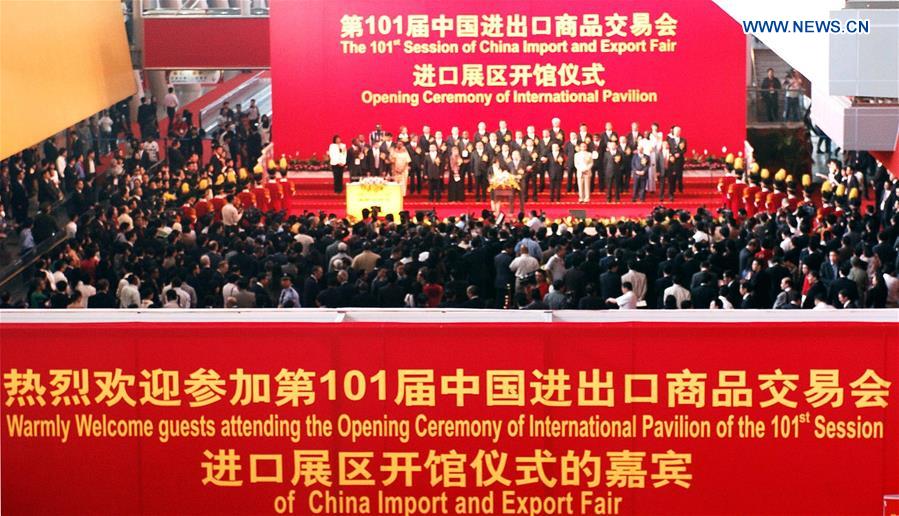
The 101st Session of China Import and Export Fair is opened in Guangzhou, capital of south China's Guangdong Province, April 15, 2007. [Photo/Xinhua]
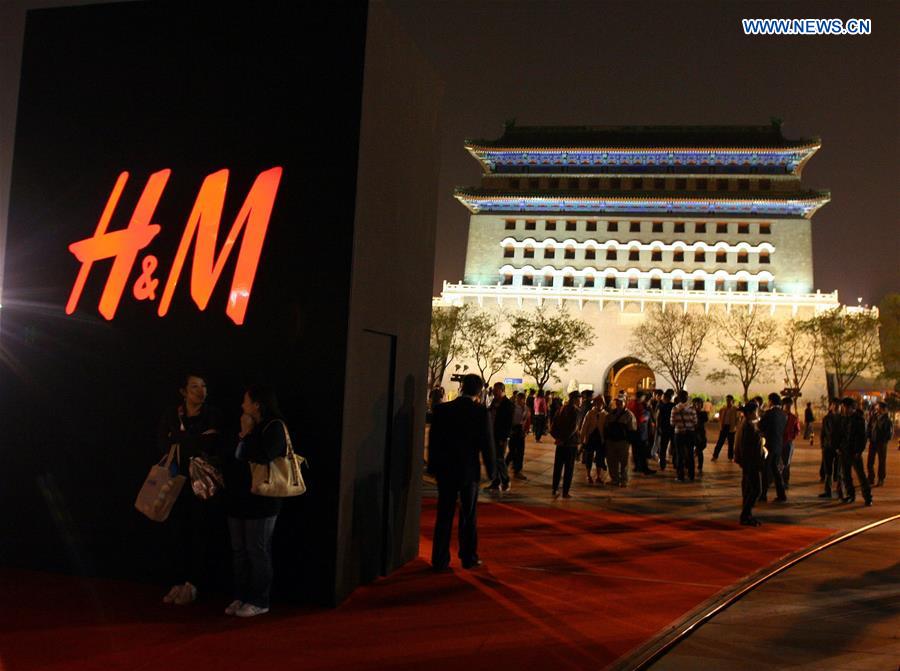
File photo taken on April 22, 2009 shows the giant signboard of Sweden's chic fashion chain store H&M on Qianmen Street in Beijing, capital of China. [Photo/Xinhua]
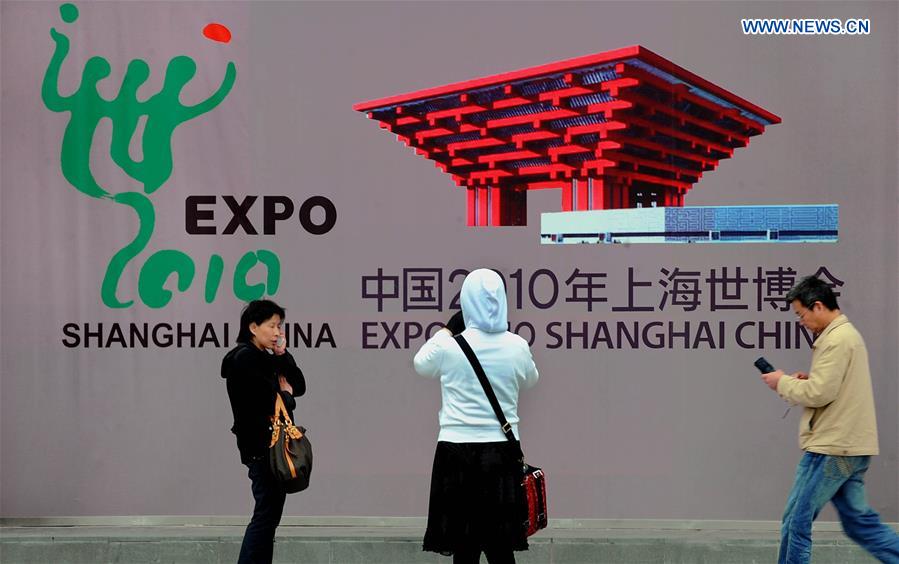
People are seen in front of a billboard of the Shanghai 2010 World Expo in Shanghai, east China, April 22, 2010. [Photo/Xinhua]
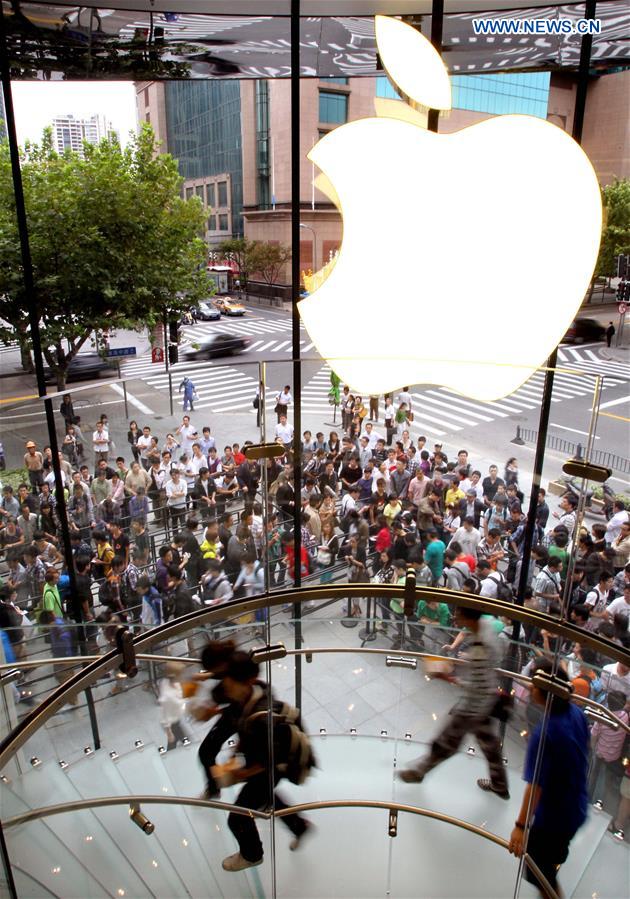

A woman looks at red wine imported from France at the first Chongqing international red wine cultural festival in Chongqing, southwest China, Sept. 2, 2012. [Photo/Xinhua]
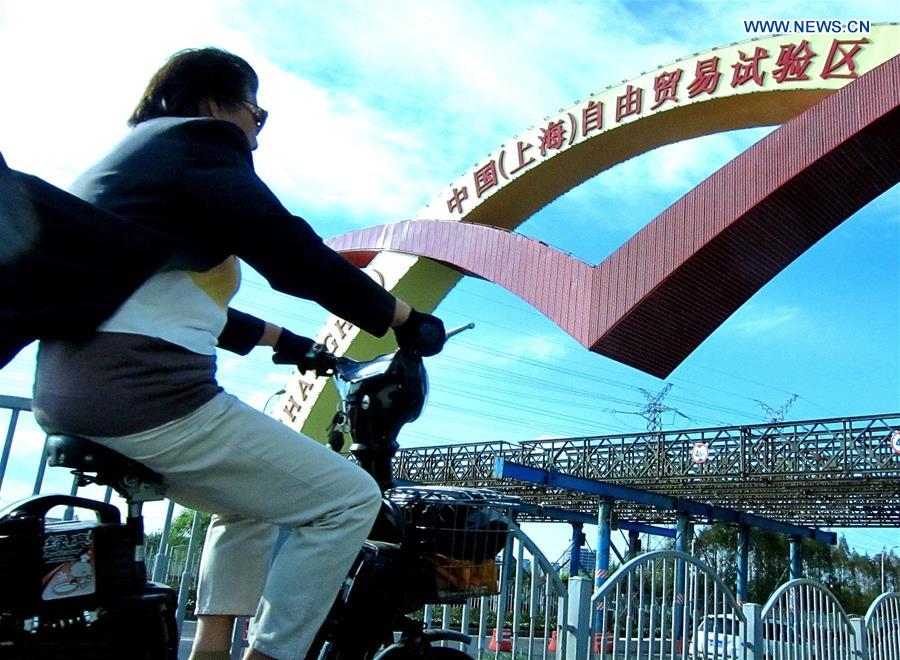
A cyclist drives at the entrance to the China (Shanghai) Pilot Free Trade Zone in Shanghai, east China, Sept. 26, 2013. [Photo/Xinhua]
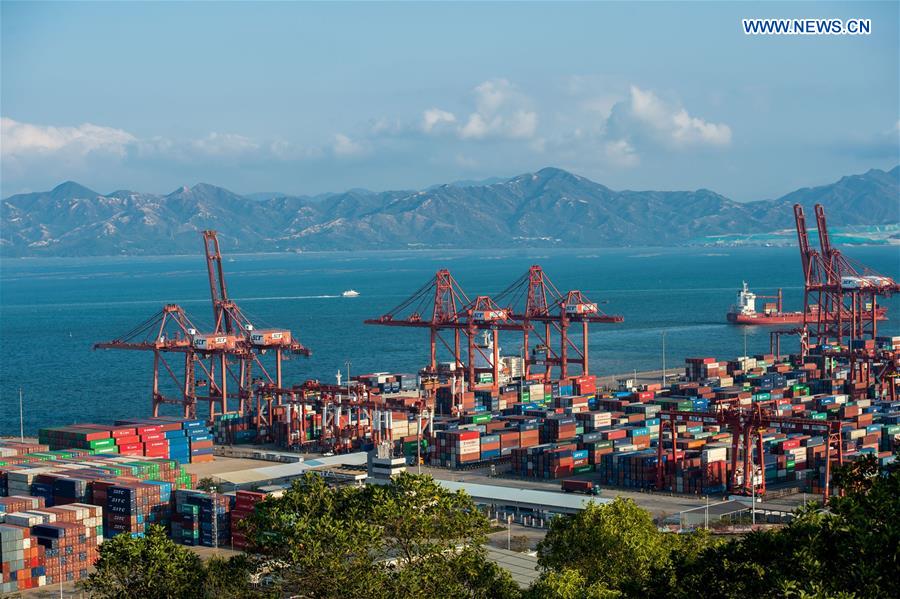
A view of the Shekou Harbor is seen in the Qianhai and Shekou Area of the China (Guangdong) Pilot Free Trade Zone in Shenzhen City, south China's Guangdong Province, Feb. 26, 2015. [Photo/Xinhua]
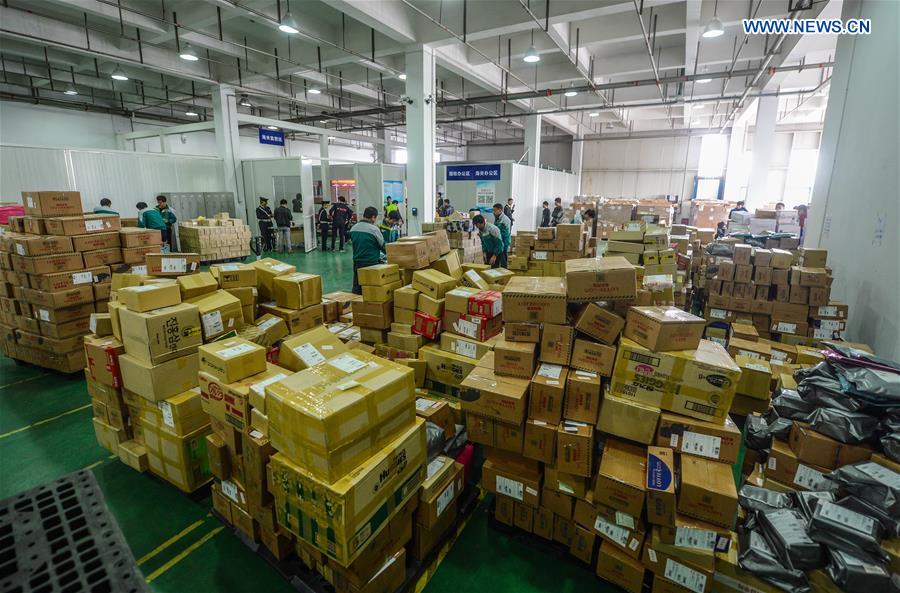
File photo taken on Nov. 10, 2015 shows workers sorting out imported goods at the Hangzhou Cross-Border E-Commerce Industrial Park in Hangzhou, capital of east China's Zhejiang Province. [Photo/Xinhua]

An imported fire engine drives out of the ship at the seaport of Qingdao, east China's Shandong Province, Nov. 22, 2015. [Photo/Xinhua]
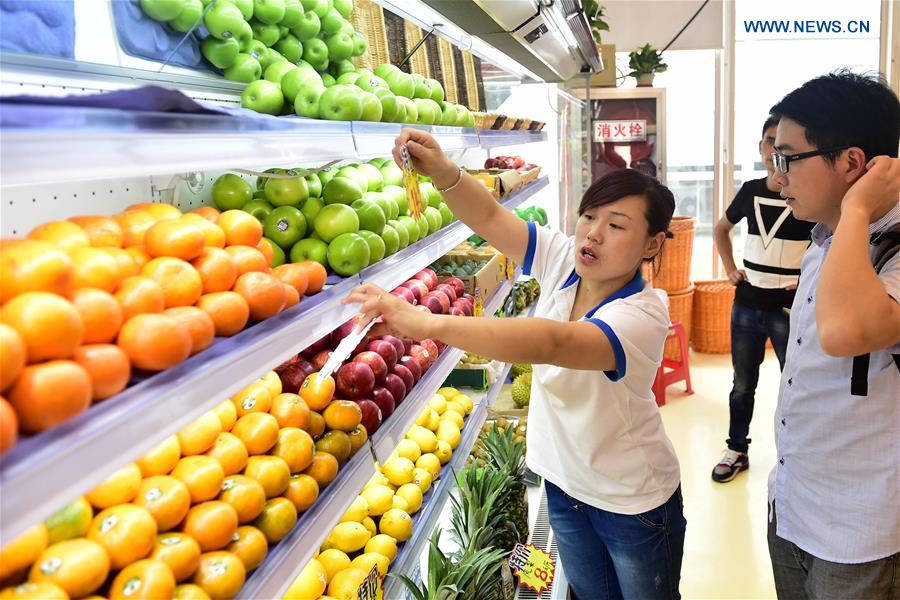
A staff member introduces imported fruits to a customer at the Anhui provincial imported goods direct selling center in Hefei, capital of east China's Anhui Province, July 31, 2016. [Photo/Xinhua]
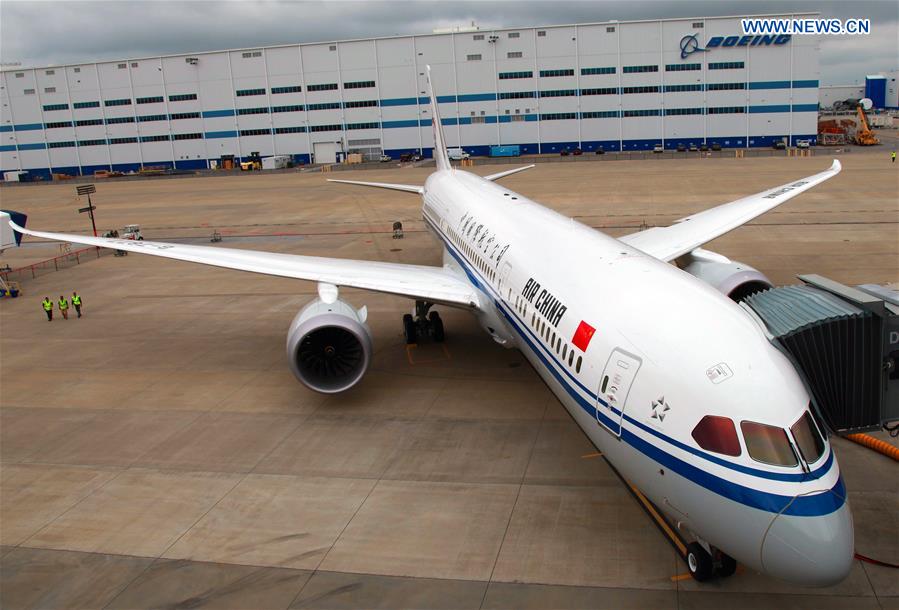
A Boeing 787-9 Dreamliner is seen at the Boeing Charleston factory in South Carolina, the United States, May 18, 2016. Air China received the first Boeing 787-9 Dreamliner May 18, 2016. [Photo/Xinhua]
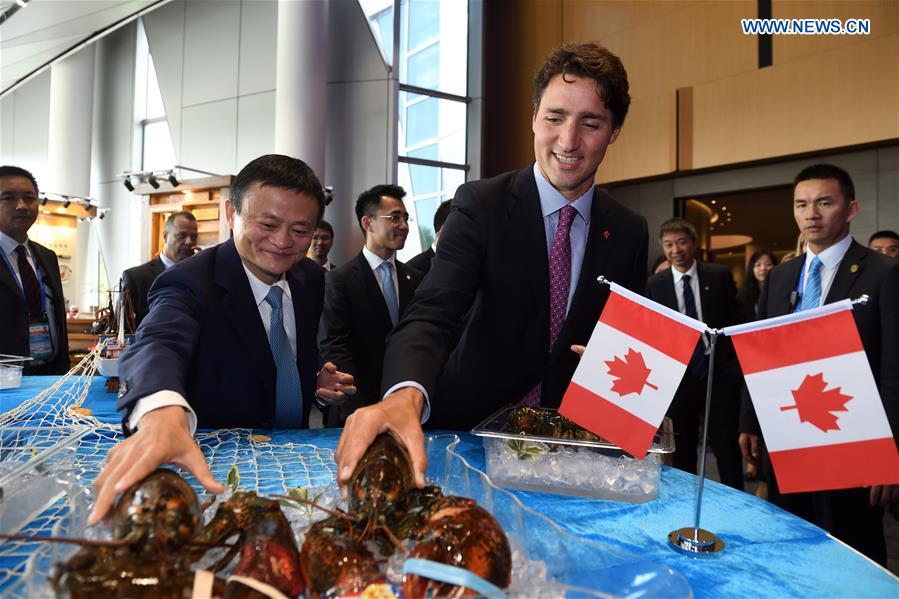
File photo taken on Sept. 3, 2016 shows Canadian Prime Minister Justin Trudeau and Alibaba Chairman Jack Ma grabbing lobsters imported from Canada at the headquarters of Alibaba in Hangzhou, capital of east China's Zhejiang Province. [Photo/Xinhua]
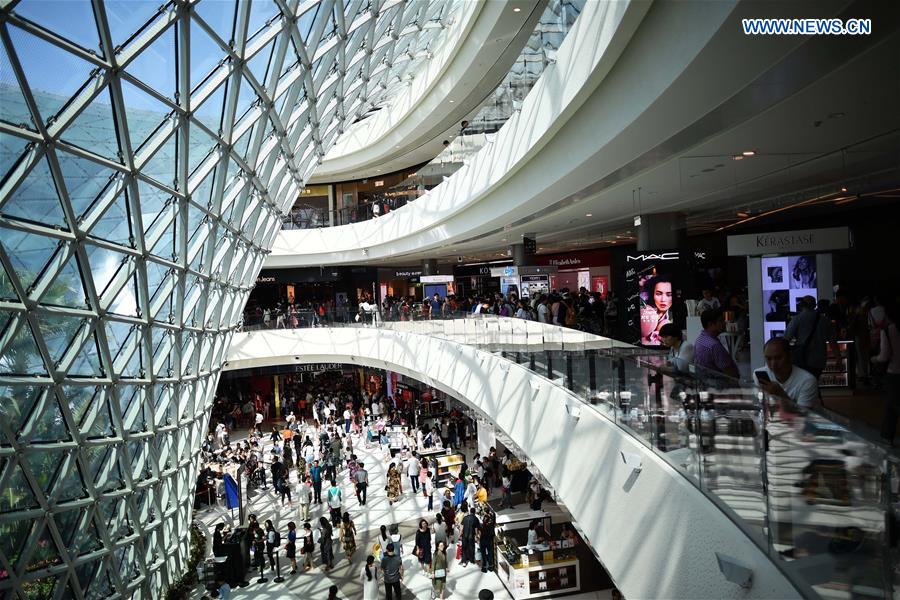
People visit the Haitang Bay duty-free shop in Sanya, south China's Hainan Province, Feb. 18, 2018. [Photo/Xinhua]
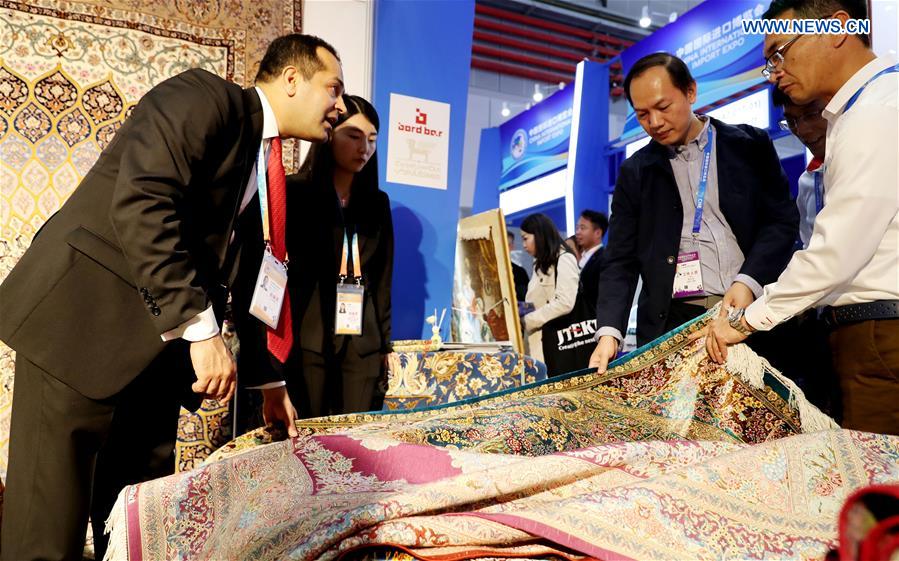
An Iranian exhibitor (L) introduces carpets at the First China International Import Expo in Shanghai, east China, Nov. 5, 2018. [Photo/Xinhua]
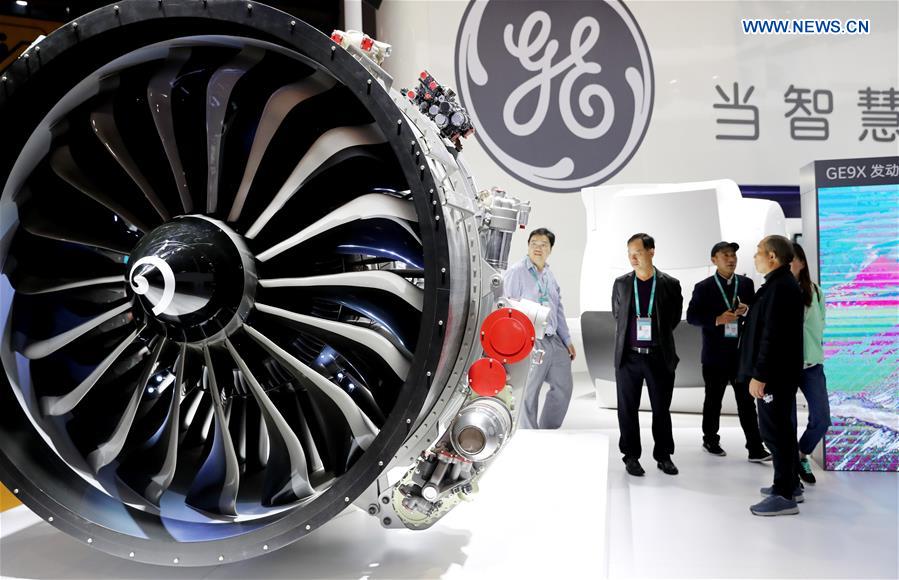
Visitors view the model of a GE aircraft engine at the First China International Import Expo in Shanghai, east China, Nov. 5, 2018. [Photo/Xinhua]
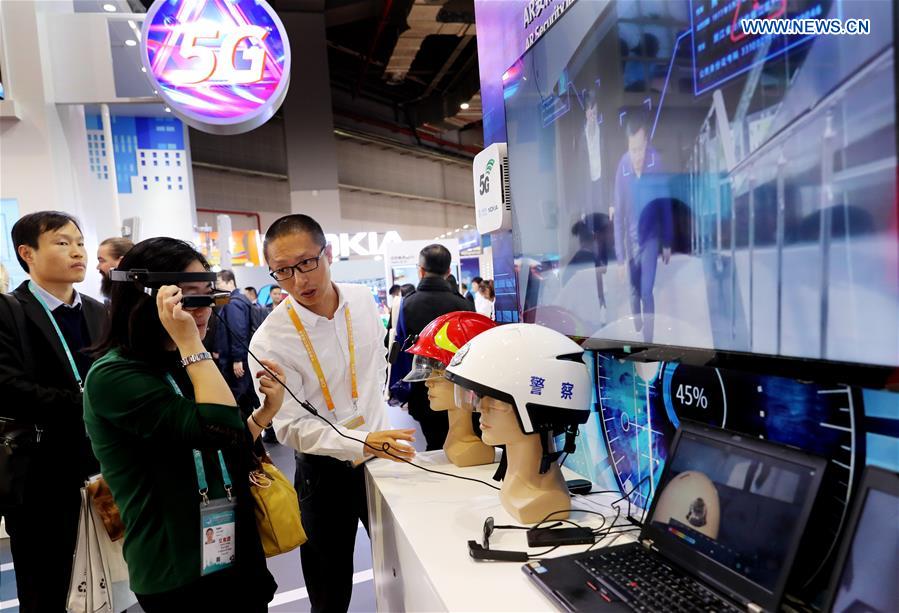
A visitor experiences an AR security device based on Nokia's 5G technology at the First China International Import Expo in Shanghai, east China, Nov. 5, 2018. [Photo/Xinhua]

