
SCIO briefing on China's commerce work and performance in H1 2026
Beijing | 3 p.m. July 23, 2026
Speakers

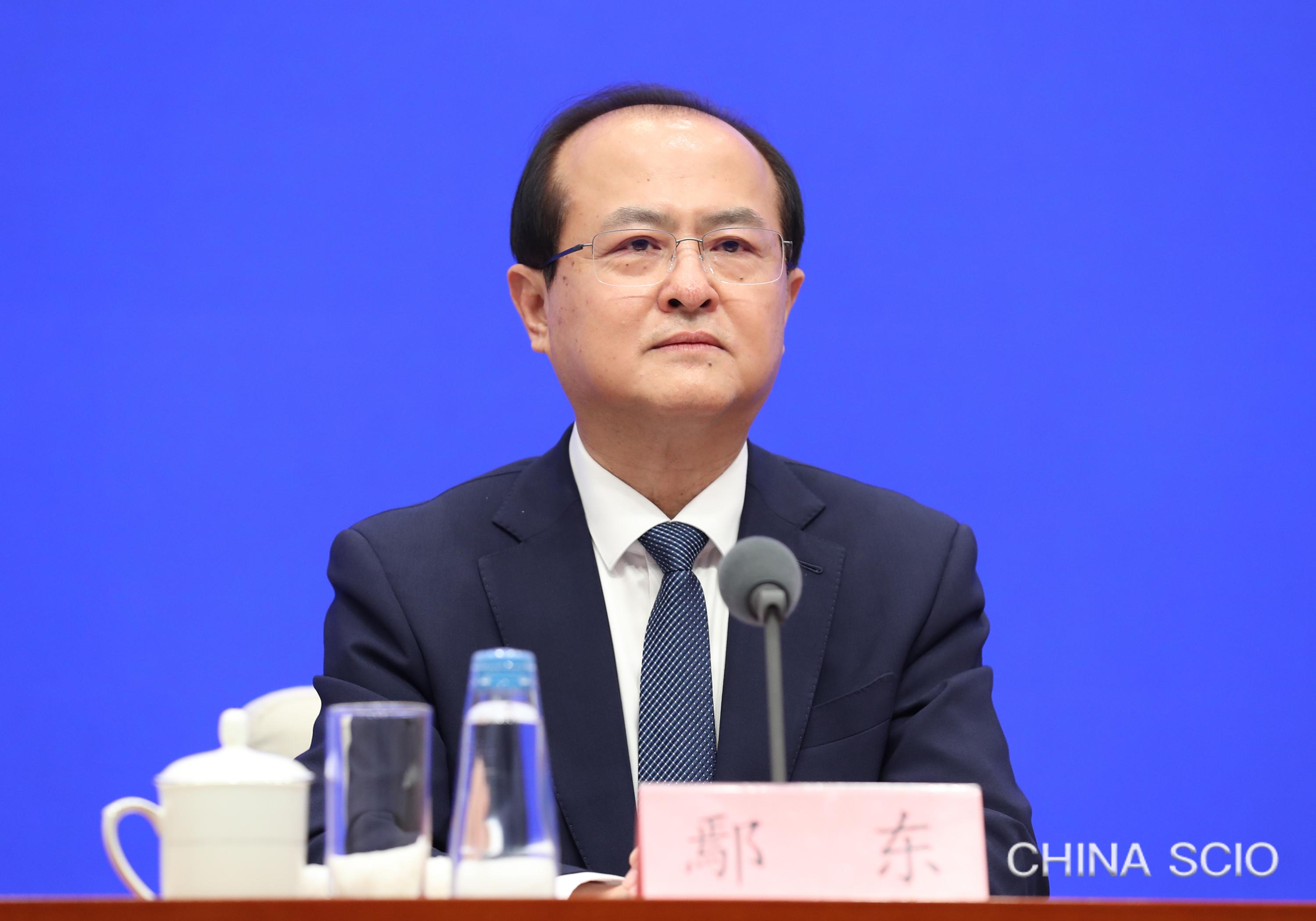
Yan Dong, vice minister of commerce
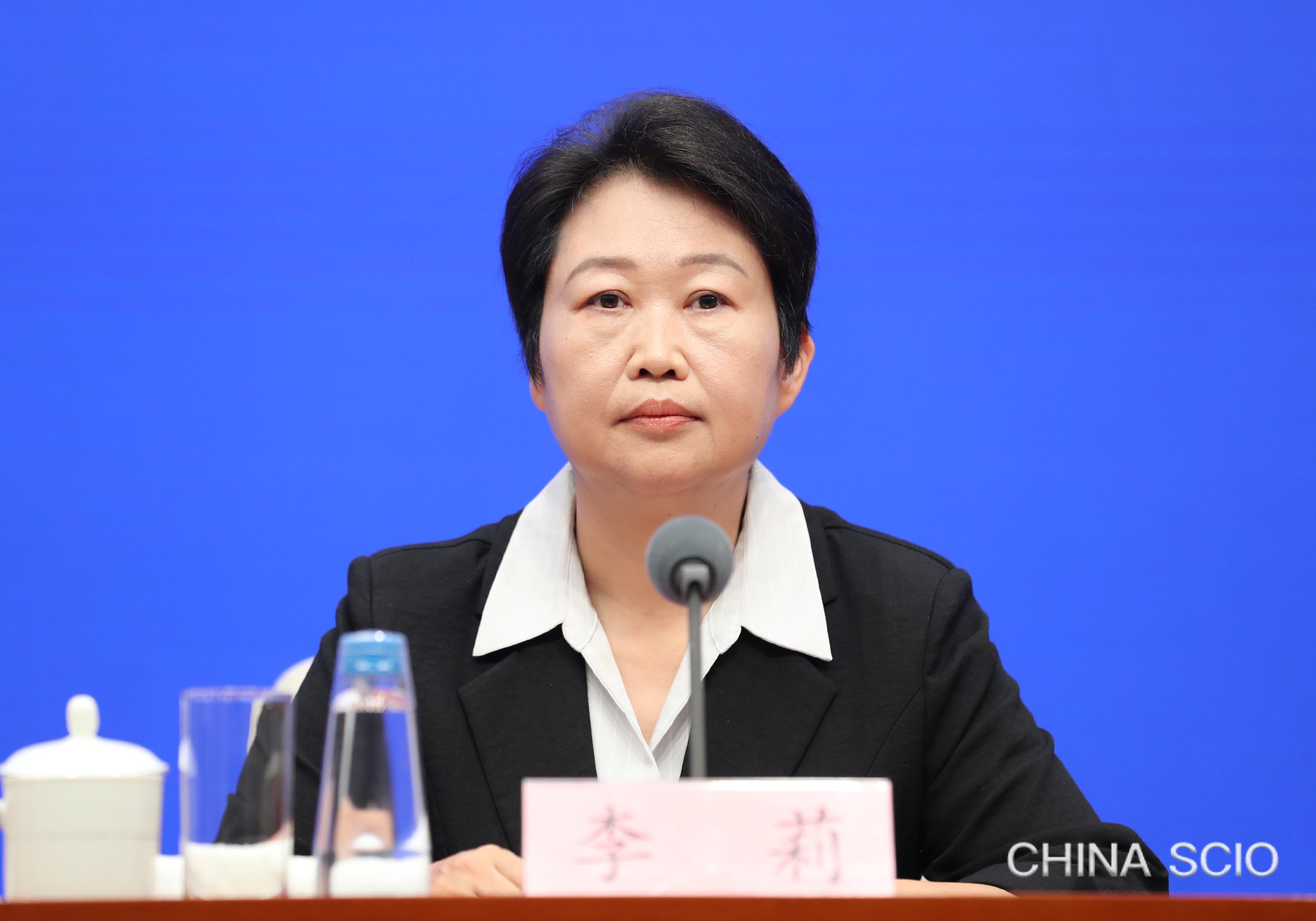
Li Li, director general of the Comprehensive Department of the Ministry of Commerce
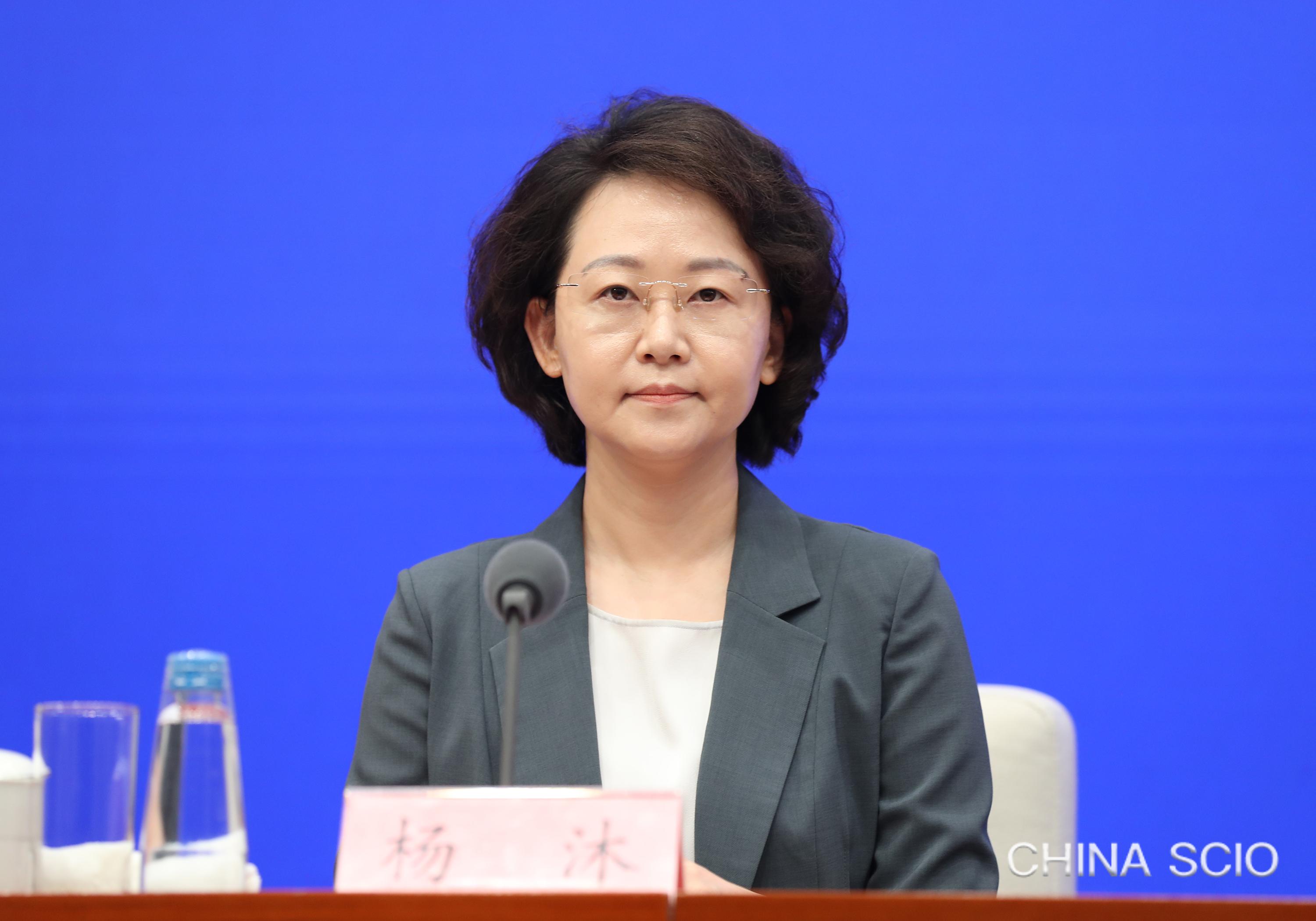
Yang Mu, director general of the Department of Market Operation and Consumption Promotion of the Ministry of Commerce
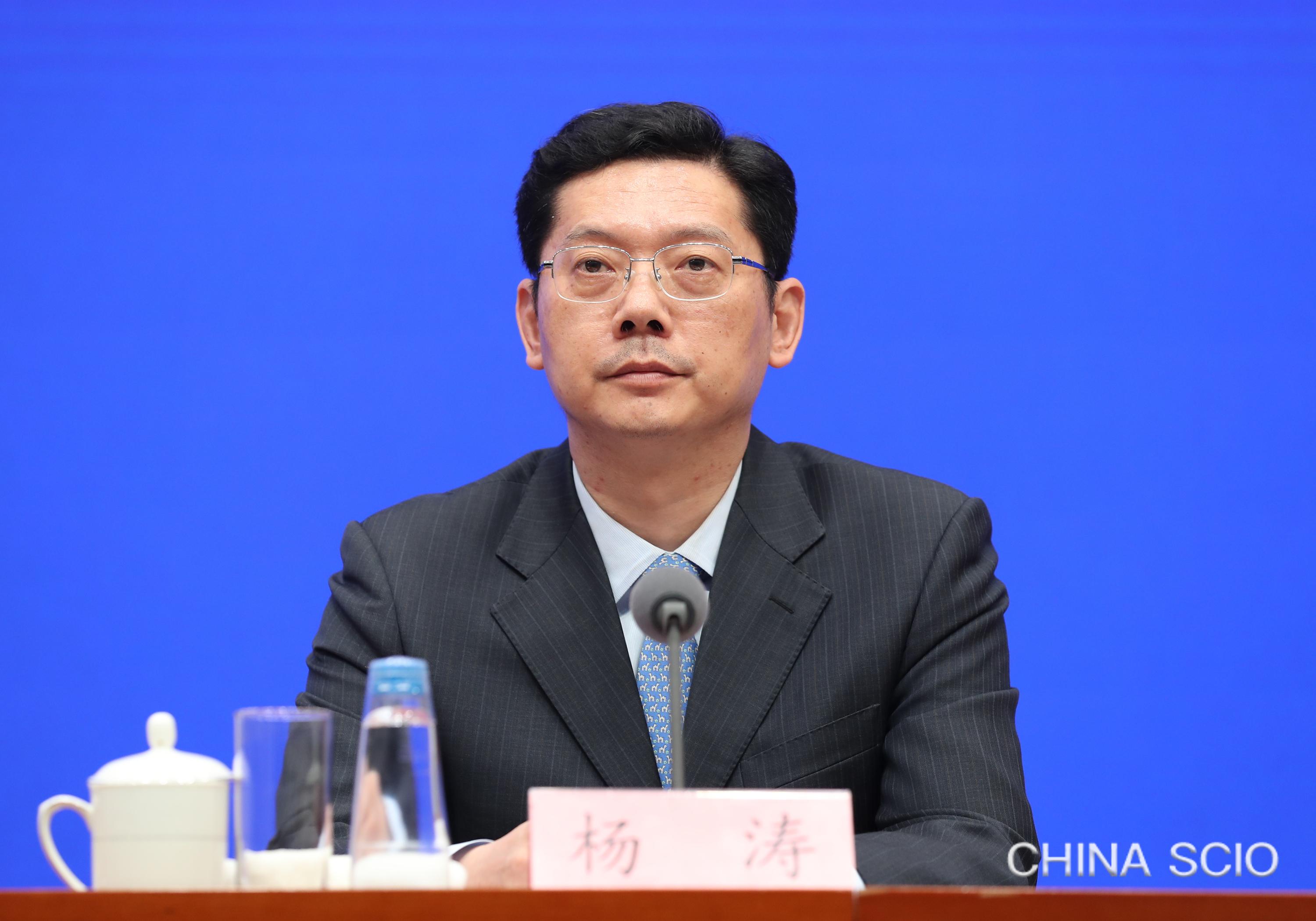
Yang Tao, director general of the Department of Foreign Trade of the Ministry of Commerce
Meng Huating, director general of the Department of Foreign Investment Administration of the Ministry of Commerce
Chairperson
Speakers:
Mr. Yan Dong, vice minister of commerce
Ms. Li Li, director general of the Comprehensive Department of the Ministry of Commerce (MOFCOM)
Ms. Yang Mu, director general of the Department of Market Operation and Consumption Promotion of MOFCOM
Mr. Yang Tao, director general of the Department of Foreign Trade of MOFCOM
Ms. Meng Huating, director general of the Department of Foreign Investment Administration of MOFCOM
Chairperson:
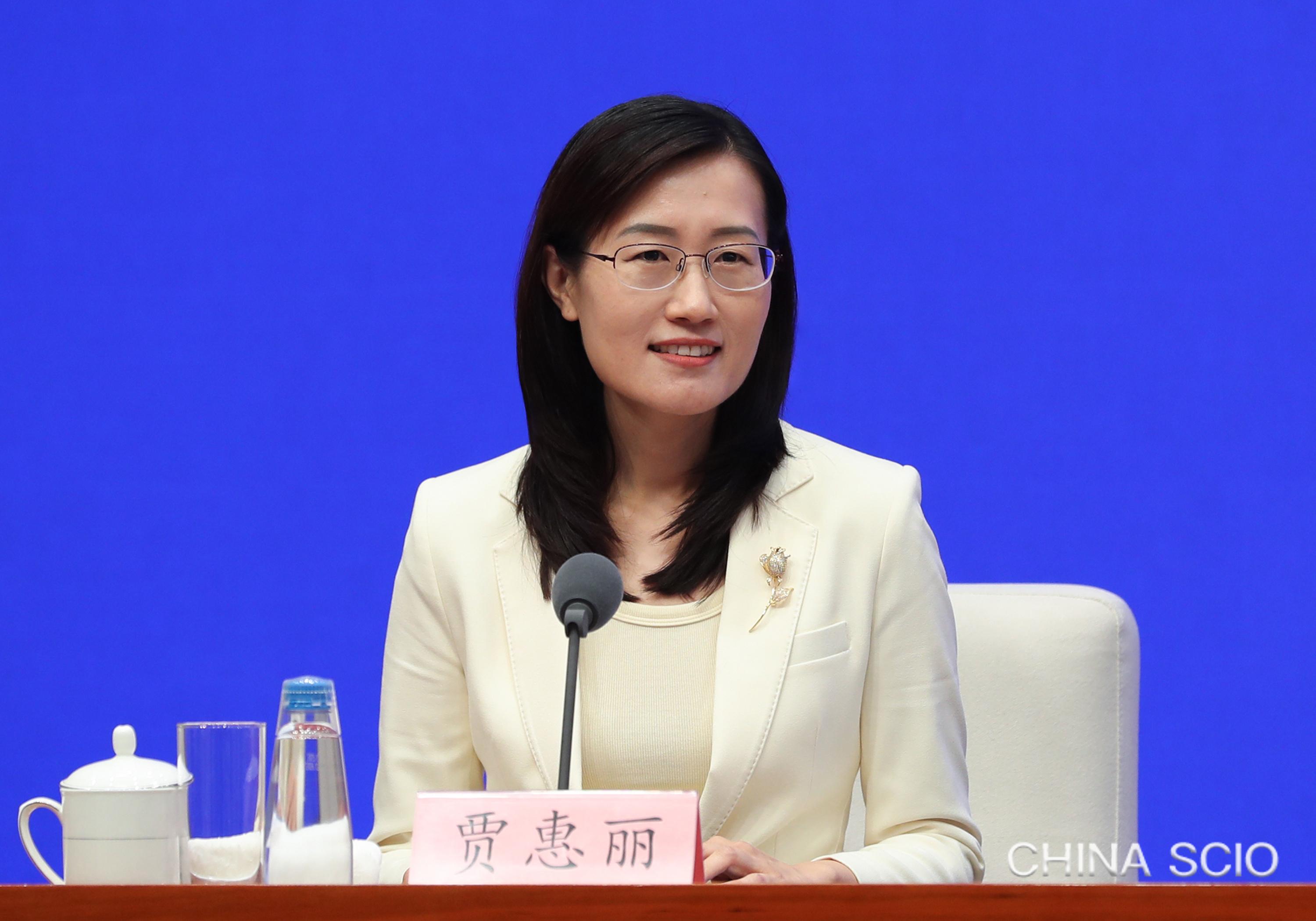
Ms. Jia Huili, deputy director general of the Press Bureau of the State Council Information Office (SCIO) and spokesperson of the SCIO
Date:
July 23, 2026
Jia Huili:
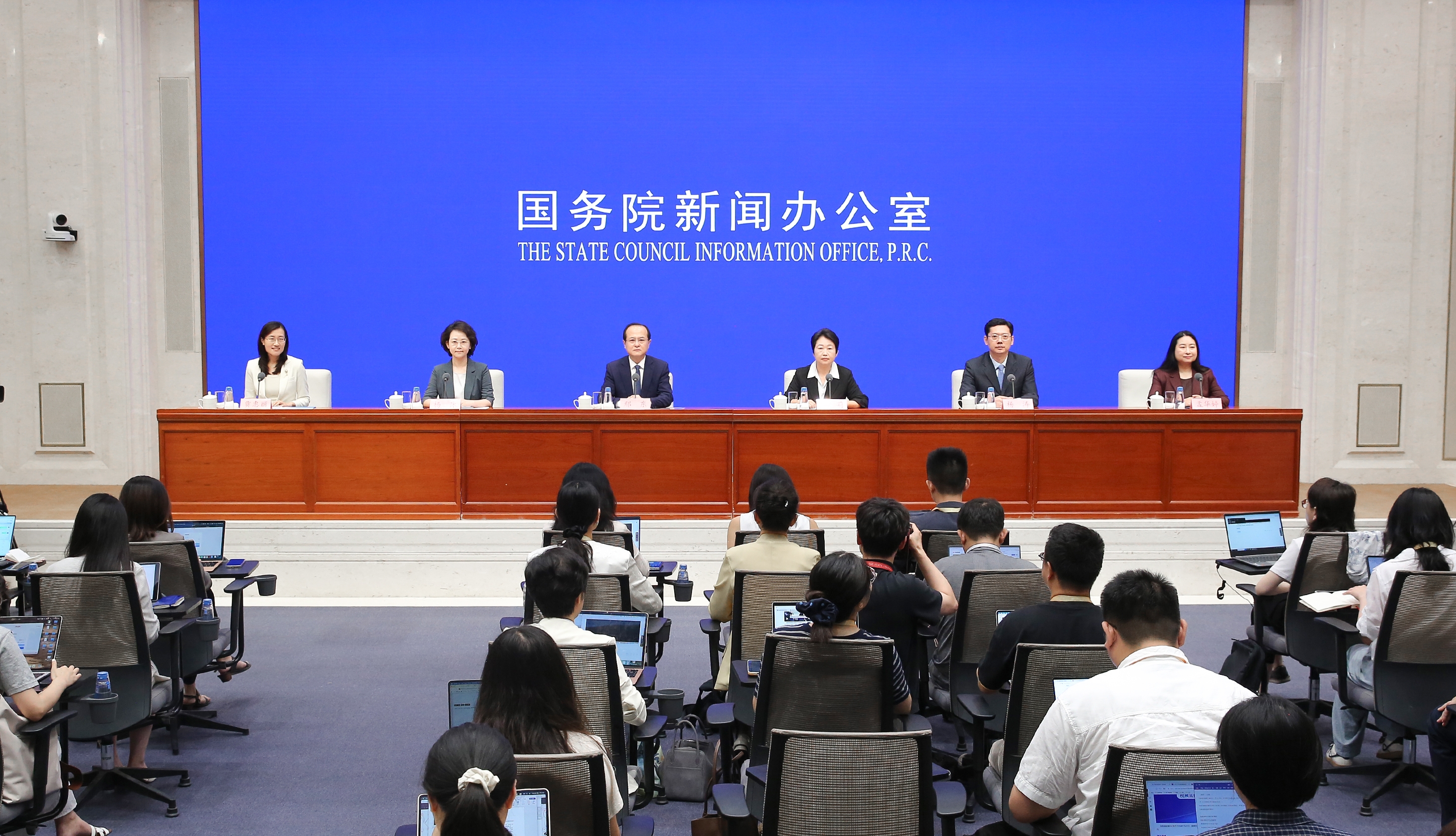
Ladies and gentlemen, good afternoon. Welcome to this press conference held by the State Council Information Office (SCIO). This is a regular briefing on China's economic data. We are delighted to be joined by Mr. Yan Dong, vice minister of commerce, to brief you on China's commerce work and performance in the first half of 2026, and then answer your questions.
Also present at today's press conference are Ms. Li Li, director general of the Comprehensive Department of the Ministry of Commerce (MOFCOM); Ms. Yang Mu, director general of the Department of Market Operation and Consumption Promotion of MOFCOM; Mr. Yang Tao, director general of the Department of Foreign Trade of MOFCOM; and Ms. Meng Huating, director general of the Department of Foreign Investment Administration of MOFCOM.
Now, I'll give the floor to Mr. Yan for his introduction.
Yan Dong:
Friends from the media, good afternoon. First of all, I would like to express my sincere gratitude for your continued interest in and support for commerce work. I am very pleased to have this opportunity to speak with you. Let me begin by introducing the overall performance of China's commerce development in the first half of the year.
Since the beginning of this year, under the strong leadership of the Central Committee of the Communist Party of China (CPC) with Comrade Xi Jinping at its core, we have resolutely implemented the decisions and arrangements of the CPC Central Committee and the State Council, thoroughly carried out the requirements to stabilize employment, enterprises, markets and expectations, effectively responded to external risks and challenges, and actively made efforts to boost consumption and stabilize foreign trade and foreign investment. As a result, commerce development has made steady progress, providing strong support for making a good start to the 15th Five-Year Plan period (2026-2030). This progress is reflected in the following four aspects:
First, the consumer market has expanded in both scale and quality. Focusing on the people's growing needs for a better life and following the trend of consumption upgrading, we have promoted both services and goods consumption and continued to unleash the vitality of the "Shopping in China" initiative. In the first half of the year, total retail sales of consumer goods and services increased by 2.7%. The service sector maintained strong momentum, with new growth drivers such as housekeeping and cultural and tourism services developing rapidly. Consumers showed a growing preference for spending on experiences and services, driving service retail sales up 5.3%. The quality of goods consumption also continued to improve, with greener and smarter products gaining popularity. In the second quarter, the retail penetration rate of new energy passenger vehicles reached a record high of 62.4%, while the consumer goods trade-in program boosted sales of digital and smart products by 13.4% in the first half of the year. Consumption scenarios became more diverse, with inbound and holiday consumption standing out as highlights. The number of inbound foreign visitors increased by 20.4% in the first half of the year. Consumption potential in lower-tier markets was further unleashed, with county and township-level markets accounting for 39.2% of total retail sales of consumer goods.
Second, innovation-driven development in foreign trade has accelerated. We have continued to foster new drivers of foreign trade growth, actively diversified international markets, and promoted more balanced trade development, making foreign trade more resilient and improving its structure. In the first half of the year, the total value of imports and exports of goods reached 25.5 trillion yuan, up by 16.9%, continuing to make a strong contribution to the national economy. Trade became more balanced, with the "Big Market for All: Export to China" series of events delivering positive results. Import growth outpaced export growth by 8.7 percentage points. New growth drivers gathered pace, with exports of high-tech products rising 39%. Trade in services also saw innovation-driven development, with service exports increasing 15.9% in the first five months of the year. Business vitality continued to strengthen. Private enterprises contributed nearly 60% of the increase in foreign trade during the first half of the year, while both foreign-invested enterprises and state-owned enterprises registered double-digit growth in imports and exports.
Third, the quality of foreign investment has continued to improve. Focusing on expanding new investment, stabilizing existing investment and improving investment quality, we have carried out the action plan to stabilize foreign investment for better performance and continued to make China a favored destination for foreign investment. In the first half of the year, the number of newly established foreign-invested enterprises increased by 5.3%, while actual foreign investment reached 402.14 billion yuan. The structure of foreign investment continued to improve, with investment in high-tech industries increasing 33.2% and accounting for 42.4% of the total. Foreign investors have remained confident in the Chinese market, with nearly 4,800 foreign-invested enterprises increasing investment in China during the first half of the year.
Fourth, new progress has been achieved in international economic and trade cooperation. We have remained committed to mutual benefits and win-win cooperation, actively participated in global economic governance, and promoted the building of an open global economy. In terms of outbound investment, we have steadily advanced international cooperation on industrial and supply chains. In the first half of the year, China's outbound non-financial direct investment reached 453.1 billion yuan, while the turnover of overseas contracted projects totaled 606.3 billion yuan, up by 8% year on year. In terms of multilateral and regional cooperation, we have upheld the multilateral trading system, promoted practical outcomes at the 14th Ministerial Meeting of the WTO, and hosted the APEC Ministers Responsible for Trade Meeting and issued the Suzhou Statement, contributing more Chinese solutions to global economic governance. In bilateral cooperation, under the strategic guidance of head-of-state diplomacy, China and the United States reached a series of new understandings through economic and trade consultations, injecting greater certainty and stability into the economies of both countries and the world. We have granted zero-tariff treatment on 100% of tariff lines to all 53 African countries that have established diplomatic relations with China, signed the framework agreement of China-Africa Economic Partnership for Shared Development with 38 African countries, and accelerated negotiations on upgrading free trade agreements with the Republic of Korea, Switzerland and other partners, sharing development opportunities and pursuing common development with countries around the world.
Since the beginning of this year, in accordance with the decisions and arrangements of the CPC Central Committee and the State Council, we have also been working diligently to advance the formulation and implementation of special plans related to the business field outlined in the 15th Five-Year Plan. Going forward, we will remain focused on high-quality development as our top priority, continue to enhance policy effectiveness, further strengthen the domestic economy, optimize domestic and international economic flows, and make new positive contributions to national economic development.
Next, my colleagues and I are ready to take your questions. Thank you.
Jia Huili:
Thank you, Mr. Yan. Now the floor is open for questions. Please identify the media outlet you represent before asking your question.
_ueditor_page_break_tag_Dahe Fortune Cube:
We have noted the robust growth momentum in service consumption in the first half of the year, which has emerged as a new highlight in expanding domestic demand and a new engine for driving consumption growth. What are the key characteristics of current service consumption? And what steps will be taken next to further expand service consumption? Thank you.
Yan Dong:
Thank you for your questions. I'll take these. Driven by the sustained impact of various policies to expand domestic demand and promote consumption, China's service consumption has maintained steady growth, demonstrating strong resilience and vitality. In the first half of the year, service retail sales increased by 5.3% year on year. We have identified three prominent new features of service consumption:
First, quality upgrading is fostering new forms of innovation, fueling stronger consumption vitality. Consumer demand is shifting from a focus on availability to quality. MOFCOM, together with relevant departments, has been working to implement initiatives to upgrade services for public benefit, optimize service supply in the fields of culture, tourism, sports and leisure, and promote the sustained release of demand for personalized and high-quality services. In the first half of the year, retail sales of tourism consulting and leasing services and cultural and sports leisure services increased by 11.3% and 10.4%, respectively, while sales revenue from tourism and entertainment services rose by 12.3% year on year.
Second, new growth drivers are gaining momentum, providing stronger impetus for the growth of service consumption. New business forms such as digital entertainment, online fitness and "internet + healthcare" services are developing rapidly. Online service retail sales grew by 6% in the first half of the year, while communication and information services maintained rapid growth. Inbound consumer spending stayed robust, with the number of visa-free entries by foreign nationals increasing by 30.6% year on year in the first half of the year, making it more convenient for overseas visitors to travel and live in China.
Third, business forms are being revitalized, creating more dynamic consumption scenarios. MOFCOM and the Ministry of Finance have deepened pilot programs for new forms, models and scenarios of consumption, promoting the integrated development of commerce, tourism, culture, sports and health. A number of immersive and interactive consumption scenarios are being implemented at an accelerated pace. In the first half of the year, sales revenue from immersive experience categories such as cultural performances and museum visits increased by 28.3% and 24.6%, respectively. The national railway operated 1,797 tourist trains, along with 445 customized concert-goers and sports fans special trains, offering consumers richer and more engaging experiences.
Service consumption is currently serving as the ballast for boosting consumption and is emerging as the main driver for future growth. Going forward, we will ensure the implementation of the plan for expanding consumption during the 15th Five-Year Plan period, leverage our leading role in the service consumption inter-departmental working mechanism, and promote improvements in service consumption to benefit consumers in the following four aspects:
First, unlocking growth potential and broadening scope of service consumption to accelerate the cultivation of new growth drivers. Recently, together with relevant departments, we issued a series of policy documents aimed at fostering new growth areas in service consumption, such as the integration of rail and tourism, high-quality development of domestic services, and the cultivation and expansion of the automotive aftermarket. We will ensure the effective implementation of these policies, continue to introduce innovative support measures in niche sectors such as transportation, performances and sports events, and encourage local governments to actively explore effective ways to cultivate new growth points in service consumption.
Second, reinvigorating consumption scenarios to innovate more diverse service experiences. We will expand pilot programs featuring emerging consumption forms, business models and scenarios, promote the integration of service consumption formats, scenario innovation and industrial clustering, and create a new range of high-profile and high-impact consumption scenarios, so as to create new demand with new supply and activate new consumption with new scenarios.
Third, cultivating new growth drivers to further unleash consumption potential. We will continue to host flagship events such as the "Service Consumption Season" and "Chinese Food Festival," and organize featured activities, including Household Service Consumption Season, Food Carnival and Outdoor Sports Season. Catering to summer demand for parent-child activities, leisure, travel and housekeeping services, we will guide lifestyle platform enterprises to organize the "August 8th Services Consumption Festival" on a market-oriented basis, so as to use event-driven promotion to attract consumers and channel foot traffic into business opportunities. We will cultivate the coordinated development of online and offline consumption, and leverage digital technologies to empower service consumption to deliver greater benefits to the people.
Fourth, dismantling barriers to fully unleash market vitality. We will eliminate restrictive measures in the service consumption sector, attract more foreign and private capital to the service consumption sector, improve the system of standards for service consumption, and promote the formulation and revision of standards in key areas, thereby enhancing service quality through standardization. Thank you.
_ueditor_page_break_tag_The Poster News APP:
Recently, MOFCOM and other departments issued an action plan to stabilize and optimize foreign investment utilization. How does MOFCOM assess the current situation regarding attracting foreign investment? What measures will be taken in the second half of the year to foster new strengths in attracting foreign investment? Thank you.
Yan Dong:
I would like to invite Ms. Meng to answer your questions.
Meng Huating:
Thank you for your interest in our work on foreign investment. Since the beginning of this year, in the face of a complex and volatile international environment and sluggish global cross-border investment, the Ministry of Commerce has worked with local authorities and the relevant departments to make solid progress in stabilizing foreign investment. In the first half of the year, actual utilization of foreign capital totaled 402.14 billion yuan, with the decline narrowing by 10.2 percentage points year on year. Both May and June saw positive year-on-year growth, pointing to a steady recovery in foreign investment inflows. I would like to elaborate further on this from two perspectives, namely scale and structure.
In terms of scale, the stock of foreign investment remains stable while new inflows grow. By the end of 2025, the stock of foreign investment in China totaled nearly $4 trillion, a sizeable scale. From January to June this year, the number of newly established foreign-invested enterprises increased by 5.3% year-on-year, with more than 530,000 foreign-invested firms generating approximately 2.5 trillion yuan in tax revenue annually. The World Investment Report released by the UN Trade and Development (UNCTAD) in July suggests that, in spite of a challenging global investment environment, China's foreign investment inflows have shown a sign of stabilization. In general, the underlying trend of stability in China's foreign investment remains unchanged.
In terms of structure, foreign investment is shifting toward high-tech and high-quality growth, undergoing continuous optimization and upgrades. As China's industrial and supply chains become increasingly well-developed and its industrial capabilities continue to rise, multinational corporations are steadily expanding their investments in advanced technologies and cutting-edge sectors. Let me share some figures on foreign investment by sector. In the first half of the year, foreign investment in high-tech industries increased by 33.2%, accounting for 42.4% of the total and reaching a record high; the share of foreign investment in modern service industries reached 57%. Foreign investment in electronic and communication equipment manufacturing grew by 52%, that in technology commercialization services rose by 57.1%, and that in R&D and design services soared by 82%. All these factors provide strong support for industrial upgrading toward smarter, greener, and more integrated development, serving as a vital force in driving high-quality growth. The high-quality nature of foreign investment has become even more evident.
In the second half of the year, we will remain focused on stabilizing and optimizing the utilization of foreign investment, cultivate new competitive edges in attracting foreign investment, and work across the board to expand new inflows, stabilize existing investments, and enhance overall quality.
To expand new inflows, we will advance high-level opening up by steadily and methodically expanding pilot programs in sectors such as value-added telecommunications, biotechnology, wholly foreign-owned hospitals and vocational training institutions. We will support Beijing in upgrading the national comprehensive demonstration zone for greater openness in the service sector, and accelerate the revision and release of regulations on foreign mergers and acquisitions of domestic enterprises. We will continue to build the "Invest in China" brand and launch a series of well-designed investment promotion initiatives. The China International Fair for Investment and Trade (CIFIT), a flagship event under our "Invest in China" brand, will hold its 26th edition this year. We warmly invite multinational corporations to actively participate in the event.
To stabilize existing foreign investment, we will fully implement tax incentives for foreign investors who reinvest profits earned in China. We will also introduce measures to support foreign-invested enterprises in expanding localized production, helping existing foreign businesses to grow and thrive. We will also enhance service delivery by leveraging the role of dedicated task forces for key foreign investment projects across commerce authorities at all levels. This will ensure genuine national treatment for foreign-invested enterprises by dismantling hidden barriers, guaranteeing that foreign firms enjoy seamless access — from initial market entry to full business operations. The Ministry of Commerce holds a roundtable meeting with foreign-invested enterprises every month. Moving forward, we will expand both the scope of topics and the range of participating firms to hear a broader array of feedback and suggestions from foreign businesses.
To improve the quality of foreign investment, we will effectively implement the Catalogue of Industries for Encouraging Foreign Investment. This will guide foreign capital into advanced manufacturing industries -- such as organic polymer materials and high-efficiency energy-saving maglev power equipment -- and modern service industries, including humanoid robotics R&D and high-end maritime services. We will encourage more foreign investment in China's central, western and northeastern regions. We will introduce measures to encourage foreign investment in the service sector, driving its transformation toward integrated, digital and intelligent development. We will promote the specialization and high-end extension of producer services, while boosting the quality and upgrading of consumer services. We will also refine support policies for foreign-invested R&D centers, facilitate the recruitment of more high-caliber foreign talent, and step up support for the commercialization of innovation, thereby injecting new momentum into high-quality economic development. Thank you.
_ueditor_page_break_tag_Nanfang Daily, Nanfang Plus:
From January to June, China's total imports and exports of goods reached 25.47 trillion yuan, up 16.9% year-on-year. How does the Ministry of Commerce assess China's foreign trade performance in H1? How do you see the foreign trade situation going forward? Thank you.
Yan Dong:
Mr. Yang will take these questions.
Yang Tao:
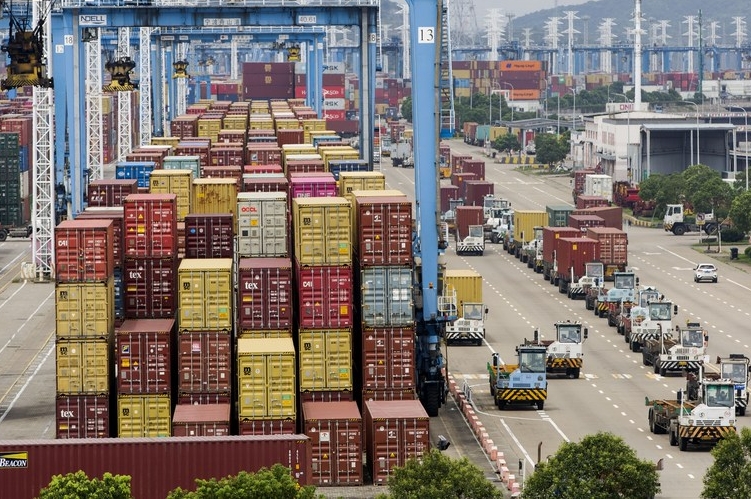
Thank you for your questions. Foreign trade performance and the broader trade outlook are top of mind for many, so let me share a brief overview. In the first half of this year, despite a complex external environment, China's foreign trade demonstrated stable volume, high quality, and strong resilience, providing strong support for economic growth. First, overall volume remains stable. China's foreign trade has crossed a new threshold, underpinned by an increasingly solid foundation. As you mentioned, China's imports and exports of goods reached 25.5 trillion yuan in H1, setting a new record for the period with a year-on-year increase of 16.9%. In terms of monthly figures, monthly trade volume consistently exceeded 4 trillion yuan from March through June. Foreign trade maintained a steady pace and strong momentum, and its foundation remained solid.
Second, the quality of foreign trade has improved, with its structure continuously optimizing and imports and exports becoming increasingly balanced. The development of foreign trade should be judged not only by volume growth, but also by quality enhancement. In terms of product structure, imports and exports in the first half of the year leaned heavily into innovation, smart technologies and green transformation. Products such as integrated circuits, industrial robots, and green products all posted strong growth. Balanced development also showed new progress. Imports grew by 22.1% in H1, significantly outpacing exports, and the monthly import growth remained above 20% for four consecutive months. These concrete actions reflect China's firm commitment to expanding opening up and fulfilling its responsibilities as a major country.
Third, the sector has demonstrated strong resilience. Market diversification has advanced in depth, and the momentum for foreign trade development has continued to build. In particular, in the face of global supply chain disruptions caused by changes in the Middle East situation in the first half of the year, China's foreign trade has injected stability and certainty into global development. For example, the 139th Canton Fair has drawn merchants from across the globe. The number of participating enterprises and overseas purchasers in attendance surpassed that of all previous editions. Global companies have grown more confident in China's market and in expanding their footprint here, and China's circle of foreign trade friends has kept expanding.
Looking ahead, the global economic and trade environment will be complex and volatile. The International Monetary Fund (IMF) recently projected that global trade growth will ease to 3.5% in 2026, down from 5% in 2025, and foreign trade will continue to face a host of uncertain and unforeseeable factors. Going forward, we will unswervingly expand high-level opening up, stabilize exports and expand imports with more pragmatic policies and measures, and more convenient service guarantees, and in particular, promote innovative and balanced development of trade, so as to continue making positive contributions to global economic and trade development. Thank you.
_ueditor_page_break_tag_Daxiang News:
For more than a decade, the Belt and Road Initiative (BRI) has become an important platform for China and partner countries to share development opportunities. What new achievements and highlights have emerged in economic and trade cooperation under the BRI during the first half of 2026? Thank you.
Yan Dong:
I would like to invite Ms. Li to answer this question.
Li Li:
Thank you for your interest in the business sector's work under the BRI. Since the beginning of this year, MOFCOM has earnestly implemented the guiding principles of General Secretary Xi Jinping's important speeches on Belt and Road cooperation, continued to deepen economic and trade cooperation with partner countries, and delivered positive progress alongside numerous other highlights.
First, trade in goods with BRI partner countries has grown rapidly. From January to June, China's goods imports and exports with BRI partner countries amounted to 13 trillion yuan, a year-on-year increase of 14.8%. China's goods imports and exports with BRI partner countries across Asia, Africa, Europe, Latin America and Oceania increased by 12.3%, 19.7%, 17.5%, 20.5% and 6.9%, respectively. In terms of goods categories, China's imports of integrated circuits, cellphones and aquatic products from BRI partner countries rose by 46.7%, 40.3% and 25.7%, respectively, enabling these countries to access the opportunities offered by China's huge market.
Second, two-way investment with BRI partner countries has continued to deepen. From January to June, China's non-financial direct investment in BRI partner countries reached 120.77 billion yuan. Its share of the total outbound investment in the same period rose by 0.5 percentage point to 26.7%. A host of photovoltaic power and other new energy projects, as well as AI cooperation projects including data centers, have successively launched. Meanwhile, between January and June, BRI partner countries set up more than 10,000 new enterprises in China, representing a year-on-year rise of 21.6%. China and BRI partner countries have leveraged their respective comparative advantages to expand new spaces for win-win cooperation in emerging fields such as green development and the digital economy.
Third, cooperation mechanisms with BRI partner countries have been further improved. China continues to expand its network of high-standard free trade zones. From January to June, China's imports and exports with its free trade partners among BRI countries reached 6.9 trillion yuan, a year-on-year increase of 22.7%, accounting for 52.8% of its total trade with these countries. We have held a host of high-quality major exhibitions. The 9th China-Eurasia Expo is a case in point, which drew wide participation from BRI partner countries, with over 20 of them launching standalone national exhibition pavilions. The three national-level brand activities, namely "Shop in China," "Export to China" and "Invest in China," provided important platforms for BRI partner countries to share in the opportunities in the Chinese market.
Next, MOFCOM will work with relevant authorities to thoroughly study and implement the guiding principles of General Secretary Xi Jinping's important speeches, deliver on key arrangements outlined in the 15th Five-Year Plan, and jointly advance high-quality Belt and Road cooperation in greater depth and with solid outcomes. Thank you.
_ueditor_page_break_tag_Economic Daily:
Last week, the National Bureau of Statistics (NBS) released economic data for the first half of the year. What is your opinion on the performance of the consumer market in the first half of the year? Thank you.
Yan Dong:
I would like to invite Ms. Yang to answer this question.
Yang Mu:
Thank you for your question. This is a good question. Since the release of the economic data for the first half of the year, the consumer market figures have drawn widespread public attention. So I would like to take this opportunity to share some of our views from three perspectives, taking into account the current trends and characteristics of the consumer market.
First, structurally speaking, the consumer market has entered a development stage where goods and services are equally important. In recent years, rising living standards in China have expanded consumer demand beyond physical goods. Services like cultural tourism, education and domestic help have seen steady growth. Accordingly, the consumer market has shifted from being driven primarily by goods consumption to a stage featuring balanced growth in both goods and services consumption. Last month, the NBS started releasing an indicator for the total retail sales of consumer goods and services, offering a more complete and accurate read on the consumer market than the previous measure. In the first half of the year, total retail sales of consumer goods and services increased by 2.7% year on year. Service retail sales grew by 5.3%, 4.2 percentage points higher than the growth rate of goods. Service consumption grew faster than goods consumption, indicating stronger demand for services. This is consistent with China's current socioeconomic development and reflects the optimization of residents' consumption structure and rising consumer demand.
Second, in terms of goods consumption, the consumer market has kept expanding and upgrading, demonstrating remarkable resilience. Goods make up nearly 90% of total retail sales. Despite a high base in the same period last year, total retail sales in the first half increased by 1.3% year on year, fully demonstrating the resilience of continued growth in goods consumption. The slowdown in the growth rate of total retail sales was mainly due to automobiles and petroleum products. Retail sales of these two product categories at enterprises above designated size account for nearly one-eighth of the total, making their drag on the overall figure quite significant.
However, at the same time, we believe it is more important to see that among the 16 major categories of goods in retail sales, 10 categories achieved growth, with 7 of them growing at a rate of over 5%. The consumption of green, smart, and health-related goods maintained strong growth. According to commercial big data monitoring, in the first half of the year, sales of smart glasses, home appliances with high energy efficiency, action cameras, and electrocardiogram monitors all achieved double-digit growth. Therefore, we believe that the fundamental trend of generally stable growth in goods consumption has not changed and has shown positive changes.
Third, from the perspective of development prospects, consumption will continue to play a primary role in economic development. In the first half of the year, final consumption expenditure contributed 2.1 percentage points to GDP growth, remaining the primary driver of GDP growth. Growth in service consumption was strong, while although the growth rate of goods consumption has slowed down relatively at present, there is still considerable room for growth and potential for further increases. Why do we say that? Because it takes time for new products to go from research and development to production and market acceptance by consumers. We can think back to 20 or 30 years ago, when mobile phones, computers, and cars were rare items for many families, but now they have become commonplace in ordinary households. More than a decade ago, when new energy vehicles first entered the market, people felt that their driving range was short and charging was inconvenient. But now they have become the mainstream choice for family car purchases. In recent months, the market penetration rate of new energy vehicles has exceeded 60% for several consecutive months, which means that more than 6 out of every 10 new cars sold are new energy vehicles. In the past two years, new products such as smart homes and smart robots have begun to enter the market. It is believed that with technological iteration and upgrading, and better balancing supply and demand, they will enter thousands of households in the near future, just like mobile phones, computers and cars. While meeting people's needs for a better life, they will also bring new consumption growth. In addition to new products, China's county-level markets and consumer groups such as the elderly, youth, infants and children are huge, with obvious trends in upgrading consumption demands, and all have broad prospects for consumption growth.
Overall, we believe that as a series of policies to expand domestic demand and promote consumption continue to take effect, the supply of goods and services continues to be optimized, and new growth points and new scenarios for consumption are emerging at an accelerated pace, China's strengths as an enormous market will be further highlighted, the consumer market will continue to grow and expand, and its role as the "main engine" of economic growth will become stronger and stronger. Thank you.
_ueditor_page_break_tag_CCTV:
The Fourth Plenary Session of the 20th CPC Central Committee proposed to guide the rational, and orderly distribution of industrial and supply chains overseas. What measures has MOFCOM taken in the first half of this year to facilitate international cooperation in industrial and supply chains? Thank you.
Yan Dong:
Thanks for your question. I will take this question. MOFCOM has resolutely implemented the guiding principles from the Fourth Plenary Session of the 20th CPC Central Committee and achieved positive results in facilitating international cooperation in industrial and supply chains through integrated development of trade and investment.
Since the beginning of this year, outbound investment and cooperation have developed in a healthier and more orderly manner, and enterprises have taken a more rational and steady approach to open businesses overseas. From January to June this year, China's non-financial outward direct investment reached 453.1 billion yuan, and the turnover of contracted overseas projects reached 606.3 billion yuan. Among them, the proportion of investment, as well as the turnover of overseas contracted projects in BRI partner countries increased to 26.7% and 85.9% respectively. Overseas economic and trade cooperation zones have developed rapidly. The cumulative investment in cooperation zones included in the statistics of MOFCOM has reached nearly 56 billion yuan, making positive contributions to the economic and social development of China and host countries and the stability of the global industrial and supply chains. Referring to guiding the rational and orderly distribution of industrial and supply chains overseas, we have mainly carried out the following work:
First, we effectively managed outbound investment. China accelerated legislation on outbound investment. The State Council issued the regulations on outbound investment, which for the first time clarified the systems for supervision, service, and protection of outbound investment in the form of State Council regulation, providing strong legal protection for the healthy and orderly development of outbound investment. We continued to promote the facilitation of outbound investment. As of the first half of this year, commerce authorities across the country had issued 72,000 electronic licenses for outbound investment and will accelerate their promotion and application.
Second, we improved comprehensive overseas service. We implemented the guiding opinions on further improving the overseas comprehensive service system, and accelerated the construction of "one port, one station, and one platform." In February of this year, a national comprehensive overseas service platform was launched, linking more than 1,000 websites and forming a "single window" or "one-stop" overseas service platform. We guided local commerce authorities to develop comprehensive overseas service ports as conditions allowed, and promoted the establishment of comprehensive overseas service stations in key countries and regions, creating an overseas service ecosystem that links central and local governments, coordinates regions, whilst gathering resources, and connecting both domestic and international markets.
Third, we promoted the development of bilateral investment cooperation mechanisms. We deepened bilateral cooperation in areas such as green development, digital economy, green mining, new infrastructure, and new energy, established cooperation mechanisms of industrial and supply chains with relevant countries, signed cooperation documents of industrial and supply chains in relevant fields, and promoted the establishment of equal, reciprocal, inclusive, and constructive partnerships for global industrial and supply chains, cultivating a global market for shared and win-win development.
Fourth, we strengthened overseas risk prevention and control and the protection of overseas interests. We implemented the regulations of the State Council on the security of industrial and supply chains and issued and implemented the measures for the security investigation of industrial and supply chains, enhancing the capacity for ensuring industrial and supply chains security. We implemented the two guidelines for corporate integrity and compliance and fulfillment of social responsibility overseas, guiding enterprises to operate in accordance with laws and regulations and actively fulfill their social responsibilities. We promptly sent security information and early warnings to Chinese-funded enterprises and business associations overseas to protect their security, rights and interests.
Going forward, MOFCOM will thoroughly implement the decisions and plans of the CPC Central Committee and the State Council, take high-quality Belt and Road cooperation as its guide, continue to improve the management and service system for outbound investment and cooperation, and advance international industrial chain cooperation by integrating trade and investment. Thank you.
_ueditor_page_break_tag_South China Morning Post:
In May, after U.S. President Donald Trump's visit to China, the two sides announced they would establish a trade council to discuss reciprocal tariff reductions and other cooperation, as well as an investment council. Could MOFCOM please update us on the latest progress of these two mechanisms? Thank you.
Yan Dong:
I will invite Ms. Meng to answer this question.
Meng Huating:
Thank you for your question. During U.S. President Trump's visit to China, the two heads of state established "constructive strategic stability" as the new positioning of China-U.S. relations and affirmed the generally balanced and positive results achieved by the two sides' economic and trade teams. Among these results, the two sides agreed to establish a trade council and an investment council.
Currently, the economic and trade teams of China and the United States are in close communication on specific arrangements for the trade council's structure, functions and operating model. They are also exploring a reciprocal tariff reduction framework of $30 billion on each side. China is widely soliciting opinions from domestic enterprises, business associations, local governments and business associations of U.S.-funded enterprises on the relevant arrangements. The U.S. side is also seeking public comment on the trade council and the reciprocal tariff reductions. Both sides will maintain close communication, agree on tariff reductions for specific products as soon as possible and promote their implementation to further expand bilateral trade.
We believe the two councils will provide a platform for the two sides to hold pragmatic discussions on each other's concerns in trade and investment. They will help both sides exchange views on policy, expand cooperation, manage differences and shift China-U.S. economic and trade consultations from "crisis response" to "institutionalized management." That shift will help keep China-U.S. economic and trade relations stable. Thank you.
_ueditor_page_break_tag_Yangcheng Evening News:
We have learned that the "Big Market for All: Export to China" series of events has attracted many Chinese and foreign enterprises and built a platform connecting global sellers and Chinese buyers. Could you brief us on the outcomes of these events in the first half of the year? What key arrangements can we expect next? Thank you.
Yan Dong:
Mr. Yang will take these questions.
Yang Tao:
Thank you for your questions and for your interest in the "Big Market for All: Export to China" series of events.
The "Export to China" series of events is a pragmatic initiative by China, taking the perspective of its trading partners, to expand imports and promote the balanced development of imports and exports. Its goal is to share the development opportunities of the Chinese market with all parties around the world, help countries broaden their export channels to China, enrich the supply of goods on the domestic market, and better meet people's needs for a better life. In the first half of this year, we held nearly 40 events, which received very positive responses from all parties. The events were full of highlights and can be summed up in four key terms: high-level participation, practical measures, varied features and wide coverage.
First, participation was high-level. National leaders, senior government officials and diplomatic envoys from China and other countries attended, helping foreign exporters and domestic buyers make precise matches and negotiate efficiently. Many domestic buyers have told us that through a series of high-level "Export to China" events, they have met new foreign suppliers and further broadened their import sources for high-quality foreign products.
Second, the measures were practical. Overseas, we focused on key countries, inviting the U.K., Spain, Kazakhstan, Kenya, and Thailand to serve as theme countries for the 2026 "Export to China" events, with dedicated events held for each. Domestically, we encouraged local governments and financial institutions to roll out matching support measures. For example, Hangzhou introduced 10 innovative measures to expand imports, and the Industrial and Commercial Bank of China, Bank of China, and China Export & Credit Insurance Corporation launched exclusive financial service packages.
Third, the events were varied. We took local strengths into account and guided regions to hold events with local characteristics. For example, we drew on import promotion demonstration zones to build bridges between supply and demand. We also linked up with investment roadshows for the China International Import Expo to expand imports and unlock import potential. In addition, we coordinated with the "Shopping in China" campaign to create international consumption settings and ensure that high-quality overseas goods not only "come in" but also "sell well." Recently, Ningbo rolled out a 1 million yuan voucher program for residents that can only be used on Central and Eastern European products. The scheme deepened economic and trade cooperation with Central and Eastern European countries and delivered tangible benefits to local consumers.
Fourth, the coverage was wide. Many of the events drew wide attention at home and abroad and generated an enthusiastic response in the business community. Some overseas business leaders said, "The Chinese market is big enough to accommodate all participants," while some overseas netizens commented, "The whole world can benefit from China's economic growth." All of this vividly demonstrates the vitality of openness and cooperation.
China's proactive expansion of imports is a strategic move rooted in the new development philosophy and in step with the historical trend. It is aimed at achieving mutual benefit and win-win results with all countries and at working together for a better future. Going forward, we will continue to enhance the "Export to China" brand, stick to the twin drivers of "policy plus events," work with all parties to steadily advance events, respond actively to countries' requests and enterprises' suggestions, keep improving import promotion measures, and continue to release the policy dividends of expanding imports.
Finally, we sincerely welcome all parties to take part in the "Export to China" series and share the broad opportunities of China's vast market. Thank you.
Jia Huili:
Due to time constraints, we will take the last two questions.
_ueditor_page_break_tag_Jinan Times:
We have noted that since the beginning of this year, MOFCOM has introduced a series of policies and measures to expand consumption and improve people's livelihoods, unlocking the potential of the consumer market. What will be the key priorities for boosting consumption going forward? Thank you.
Yan Dong:
I will invite Ms. Yang to answer this question.
Yang Mu:
Thank you for your question. Since the beginning of this year, MOFCOM has implemented the decisions and plans of the CPC Central Committee and the State Council, pursued a dual-track approach combining policies and initiatives, deepened the special campaign to boost consumption, built the "Shopping in China" brand, and worked to invigorate spending. A series of policies and measures to promote consumption have continued to take effect. The consumer goods trade-in program has kept the consumer market on a firm footing, lifting the leverage ratio of funds invested from 1:7.8 last year to 1:10.3 now, driving more than 1.25 trillion yuan in sales and benefiting consumers 169 million times. It has supported steady consumption growth, promoted industrial upgrading and encouraged resource recycling. The invoice lottery pilot program has lifted consumers' willingness to spend. So far, 50 pilot cities have paid out 9.05 billion yuan, drawing more than 860 million entries and awarding 380 million prizes, a win rate of 44.5%. Invoices generated through the program have exceeded 360 billion yuan. The 2.0 version of China's departure tax refund policy has stimulated inbound consumption, and the number of departure tax refund stores now exceeds 15,000. In the first half of the year, the number of overseas visitors claiming refunds was up about 400% year on year. Policies such as cultivating and expanding the automotive aftermarket are also playing a positive role.
Last week, the State Council approved and issued a plan to expand consumption during the 15th Five-Year Plan period, which has drawn wide attention. It is the first five-year plan devoted to consumption and sets out the goals, tasks, and specific measures for expanding consumption during the 15th Five-Year Plan period. We will work with relevant departments to earnestly implement it. Mr. Yan has just covered service consumption, so let me introduce our plans for goods consumption and offline consumption.
On the one hand, we will promote the expansion and upgrading of goods consumption. Goods consumption is an important area for boosting spending and improving people's livelihoods. We will introduce relevant policies and measures to expand the scale of goods consumption and upgrade its structure, better meeting people's diverse and multi-tiered needs. The focus will be on four categories of goods. First, we will promote the consumption of big-ticket durable goods. We will promote car consumption across the entire chain and press ahead with pilot reforms in automobile distribution and consumption. We will also boost home furnishing purchases and expand package offers and customized services. Second, we will steadily improve the consumption of everyday necessities. We will work to elevate the quality of food, beverages, textiles, clothing and other daily consumer goods. Third, we will support the consumption of specialty products. Focusing on the needs of the elderly and the young, we will support consumption of products for seniors, infants and children and promote trendy domestic brands, high-quality export goods sold at home, and premium international products. Fourth, we will cultivate and expand the consumption of upgraded goods. To meet demand for consumption upgrading, we will promote the consumption of green, smart and health-related products.
On the other hand, we will take multiple measures to stimulate offline consumption. Boosting offline consumption is a key lever for smoothing the supply and demand cycle and revitalizing the market. We will focus on three key areas: First, we will enhance offline experiential activities for new products. We will support eligible regions in setting up offline sales venues that combine display and hands-on experience for emerging products such as smart home devices and smart robots, making cutting-edge technology more tangible and accessible. Second, we will focus on creating offline scenarios. We will organize pilot projects for new consumption formats, models and scenarios, and cultivate consumption scenarios that integrate commerce, tourism, culture, sports and health. We will draw on the leading role of international consumption center cities, deepen pilot projects to build an internationalized consumption environment, and create consumption scenarios with Chinese characteristics and cultural appeal. Third, we will focus on the development of traditional commerce. We will promote high-quality development in the retail sector and launch a batch of integrated, innovative business models. We will support the expansion and upgrading of "15-minute community life circles" to encourage offline spending close to home.
That's all from me. Thank you.
Jia Huili:
The last question, please.
_ueditor_page_break_tag_Dazhong Daily:
In May, China extended zero-tariff treatment to all 53 African countries that have diplomatic relations with China. What are the results so far? What new opportunities will this bring to China-Africa economic and trade cooperation? Thank you.
Yan Dong:
I would like to invite Ms. Li to answer these questions.
Li Li:
Thank you for your questions. Let me address these. Unilateralism and protectionism are on the rise, and against that backdrop, African countries face mounting risks and challenges. On May 1, 2026, China extended zero-tariff treatment to all 53 African countries that have diplomatic relations with China, while continuing to advance negotiations to sign agreements on economic partnership for shared development. This is an innovative step in China's steady expansion of high-standard opening up and timely support for African countries seeking faster development. It will inject strong momentum into Africa's development and China-Africa economic and trade cooperation.
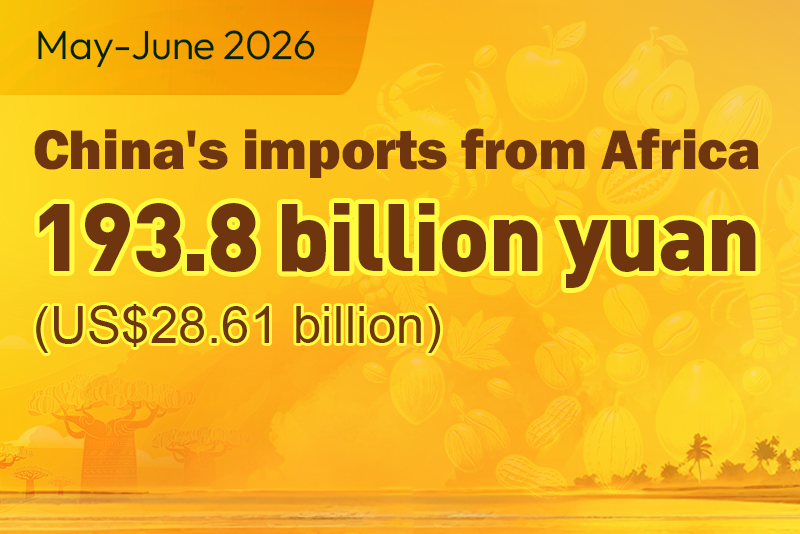
First, it significantly lowers costs, providing a "fast track" for African products entering China. Customs data shows that China's imports from Africa reached 193.8 billion yuan in May and June this year, up 23.5% year on year. Within that total, imports of aquatic products and textile raw materials from Africa both posted double-digit growth. Imports of specialty fruits also rose, with avocados up 130%, apples 89.6%, oranges 27.9% and grapefruit 11.9%. With the implementation of more supporting measures such as the "Green Channel 2.0," we believe that the zero-tariff policy dividend will help more African products enter China's huge market.
Second, it stimulates investment in Africa, acting as an "accelerator" for Africa's industrialization. Zero-tariff measures will, to some extent, encourage investors from all countries, including companies from China, to increase their investment in Africa. This will improve Africa's infrastructure in terms of capital, technology, and equipment, create an integrated trade and investment mechanism, promote the upgrading of Africa's industrial chain, and better facilitate African countries' integration into the global industrial chain.
Third, it deepens institutional cooperation to provide a ballast for building an all-weather China-Africa community with a shared future in the new era. China and African countries continue to advance the negotiation and signing of agreements on economic partnership for shared development. Currently, 38 African countries have signed framework agreements with China, and some countries have completed negotiations on early harvest arrangements under the agreements. The zero tariffs that took effect on May 1 are an institutional innovation within that process, letting African countries benefit as early as possible while keeping the relevant arrangements consistent with WTO rules.
The year 2026 marks the 70th anniversary of the establishment of diplomatic relations between China and Africa. MOFCOM will work with relevant departments to make the zero-tariff measures more effective, guided by the principles of equal consultation and mutual benefit. We will advance the negotiation and signing of agreements on economic partnership for shared development with African countries that have diplomatic relations with China. We will also deepen institutional cooperation on trade and economic matters, sharing opportunities with Africa and pursuing common development. Thank you.
Jia Huili:
That concludes today's press conference. Thank you to our speakers and to all the journalists for your participation. Goodbye.
Translated and edited by Liu Caiyi, Yan Bin, Zhu Bochen, Yang Chuanli, Wang Yanfang, You Jiaxin, Wang Xingguang, Mi Xingang, Li Huiru, Liu Qiang, Gong Yingchun, Ma Yujia, Liu Sitong, Yuan Fang, David Ball, Jay Birbeck, and Tudor Finneran. In case of any discrepancy between the English and Chinese texts, the Chinese version is deemed to prevail.

/7 Jia Huili
/7 Yan Dong
/7 Li Li
/7 Yang Mu
/7 Yang Tao
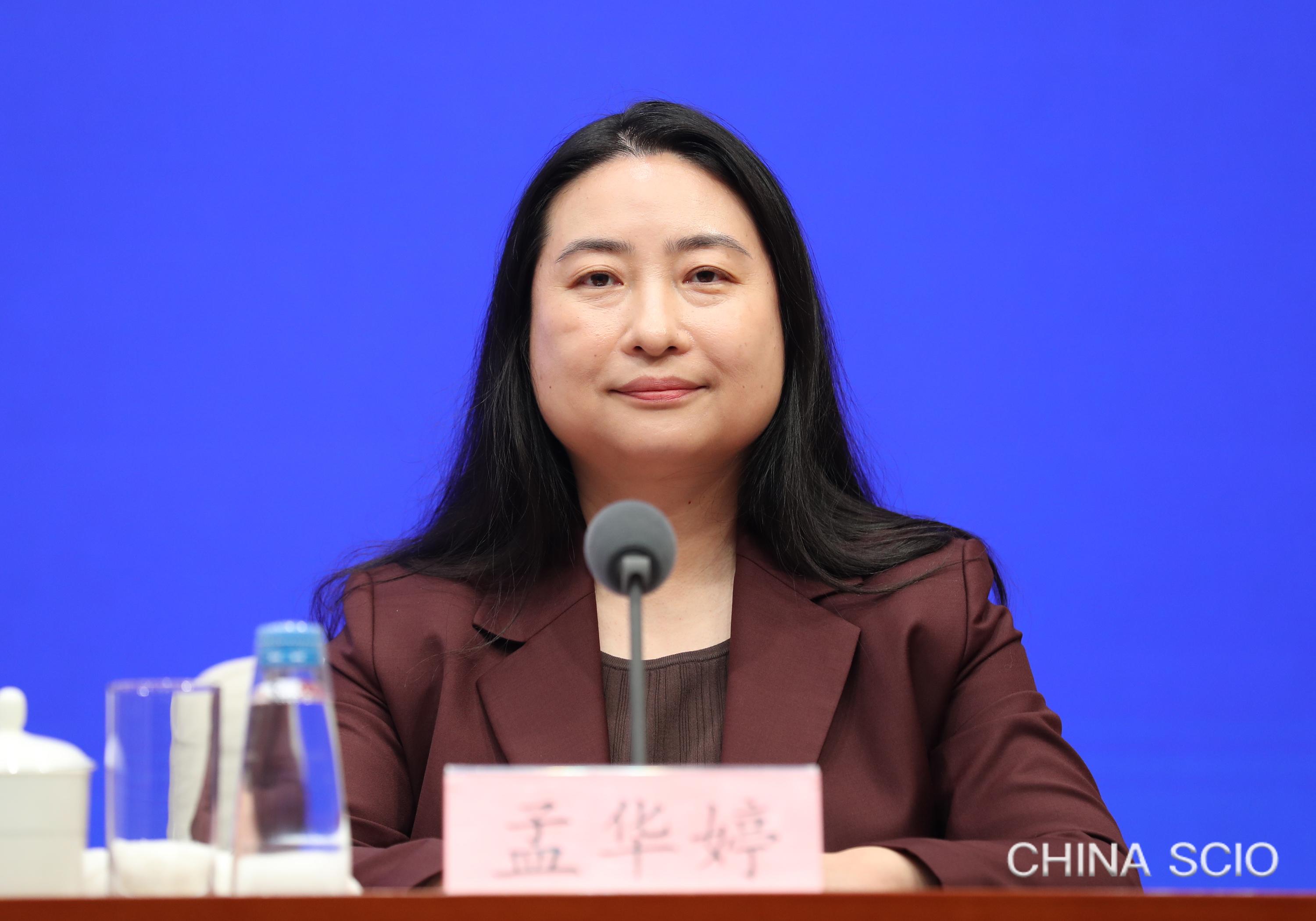
/7 Meng Huating
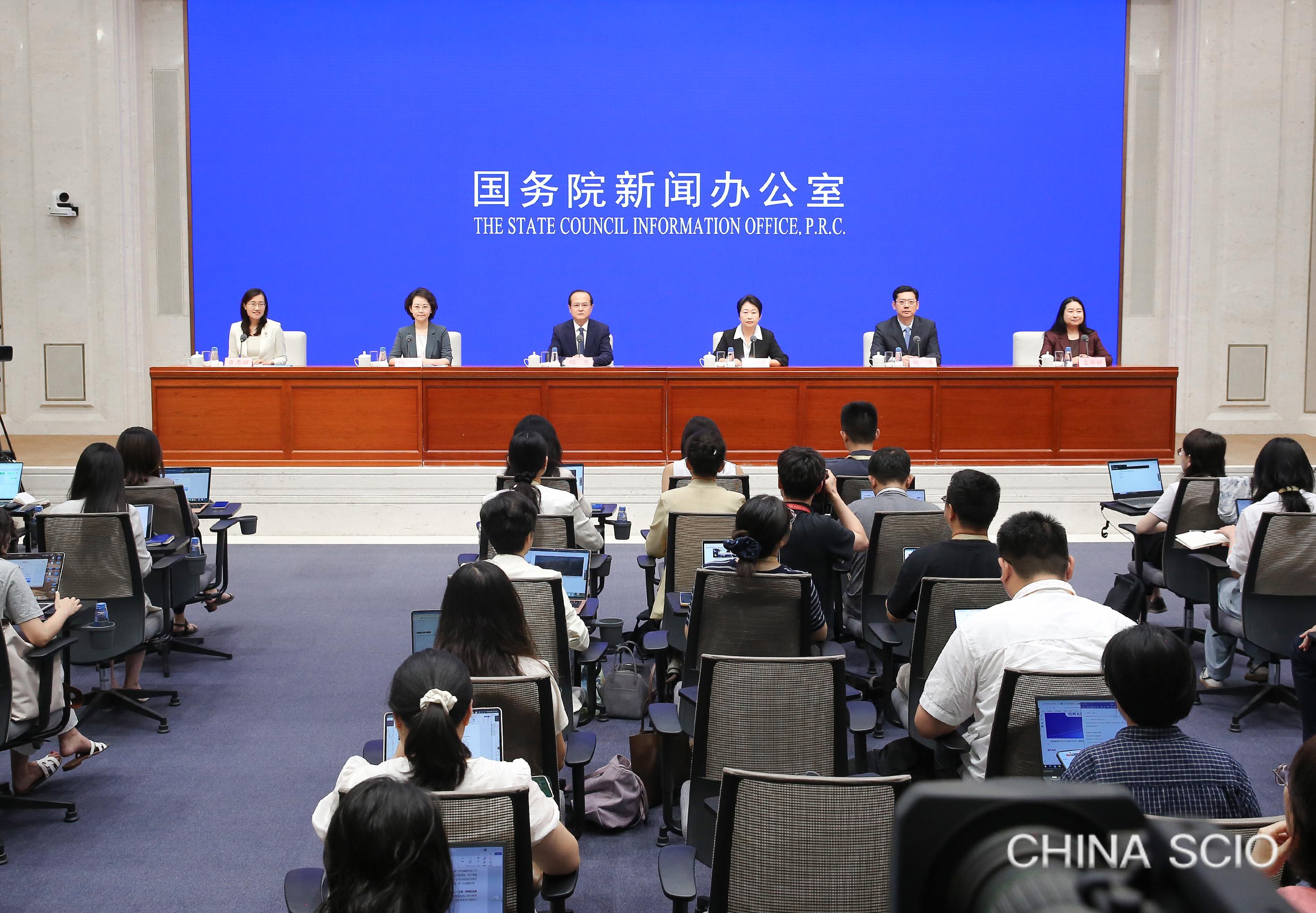
/7 Group photo
SCIO briefing on development of industry and information technology in H1 2026
SCIO briefing on China's foreign-exchange receipts and payments data for H1 2026
July 17, 2026