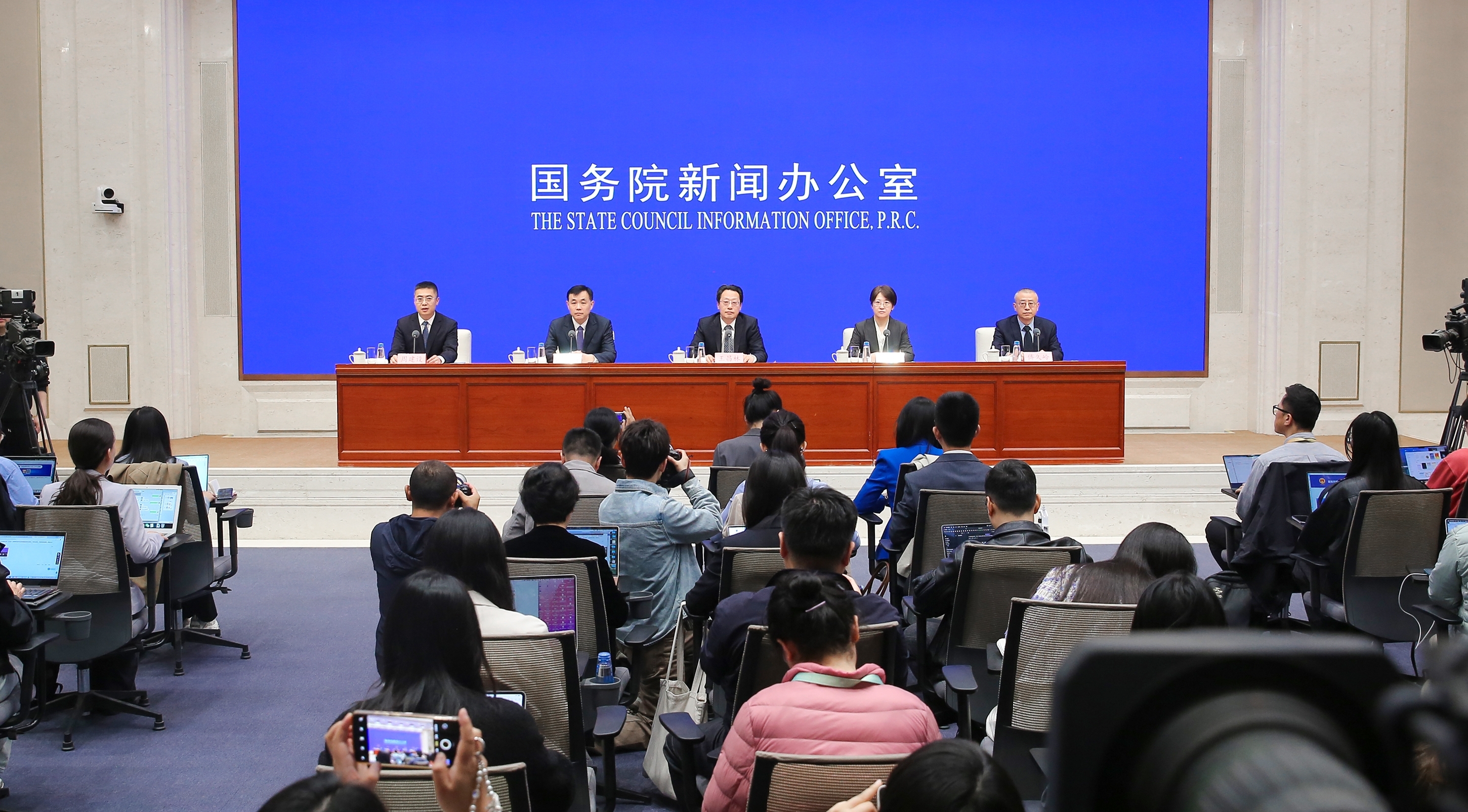

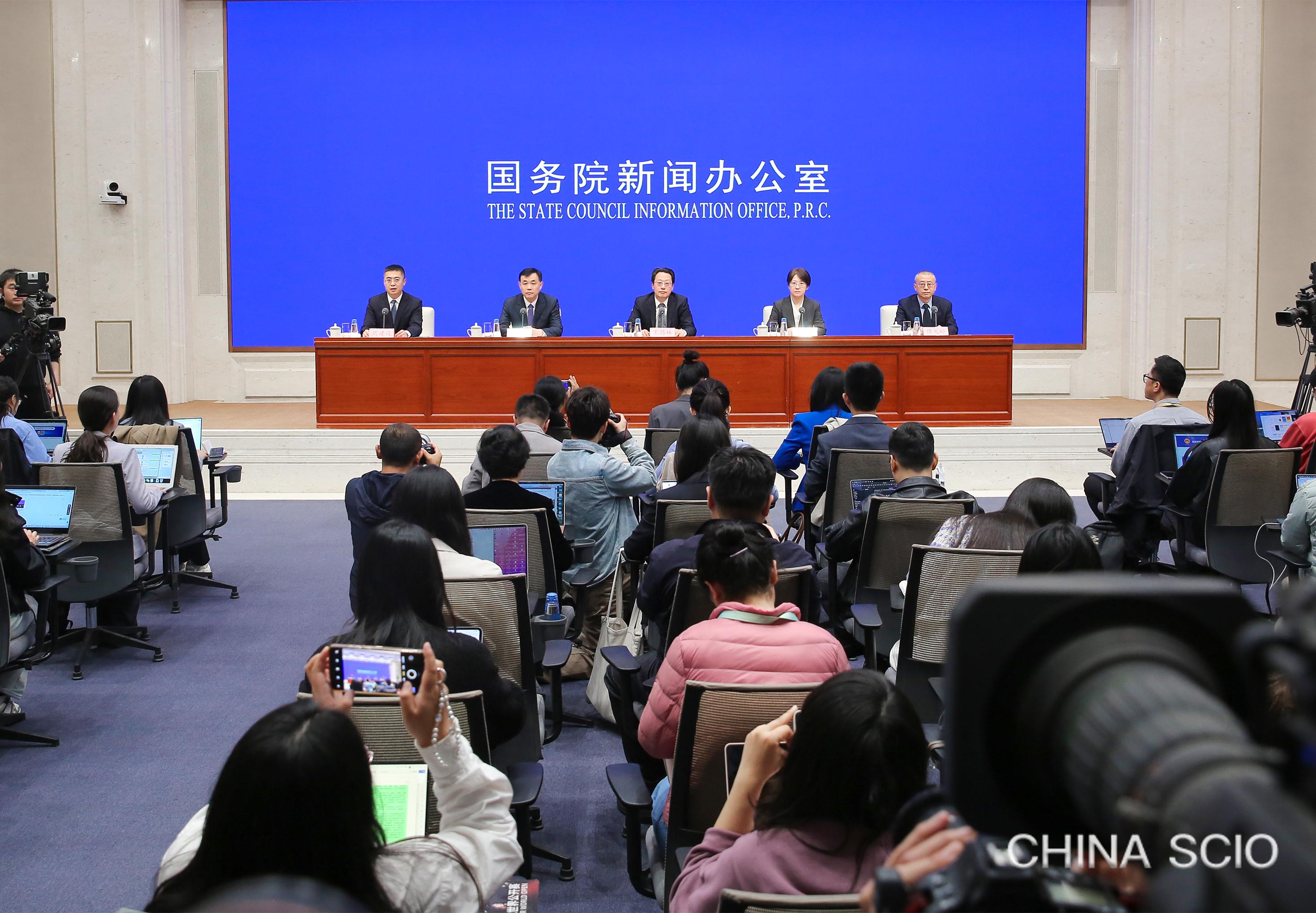
SCIO briefing on promoting high-quality development during 15th Five-Year Plan period
Beijing | 10 a.m. April 17, 2026
Speakers

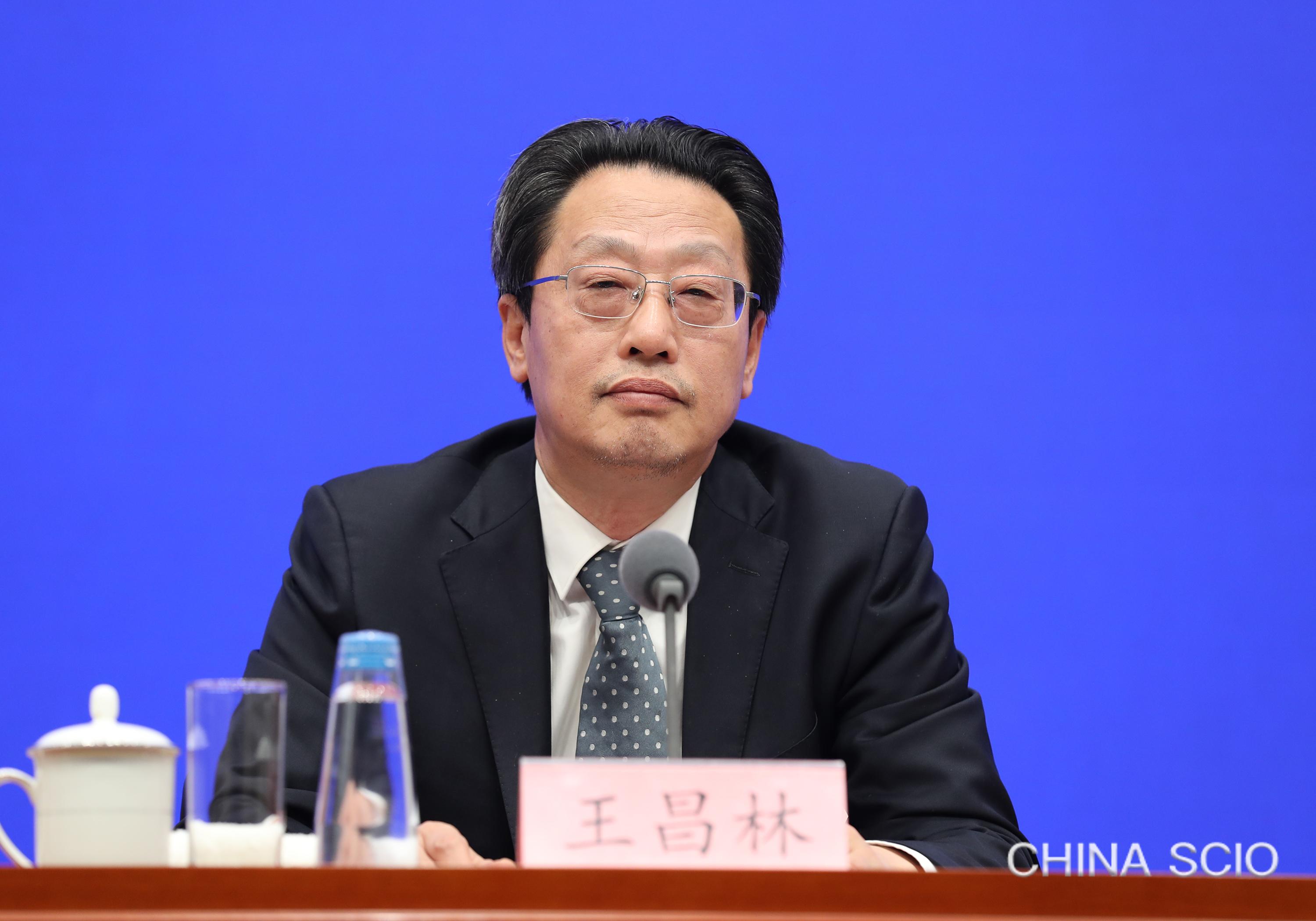
Wang Changlin, vice chairman of the National Development and Reform Commission (NDRC)
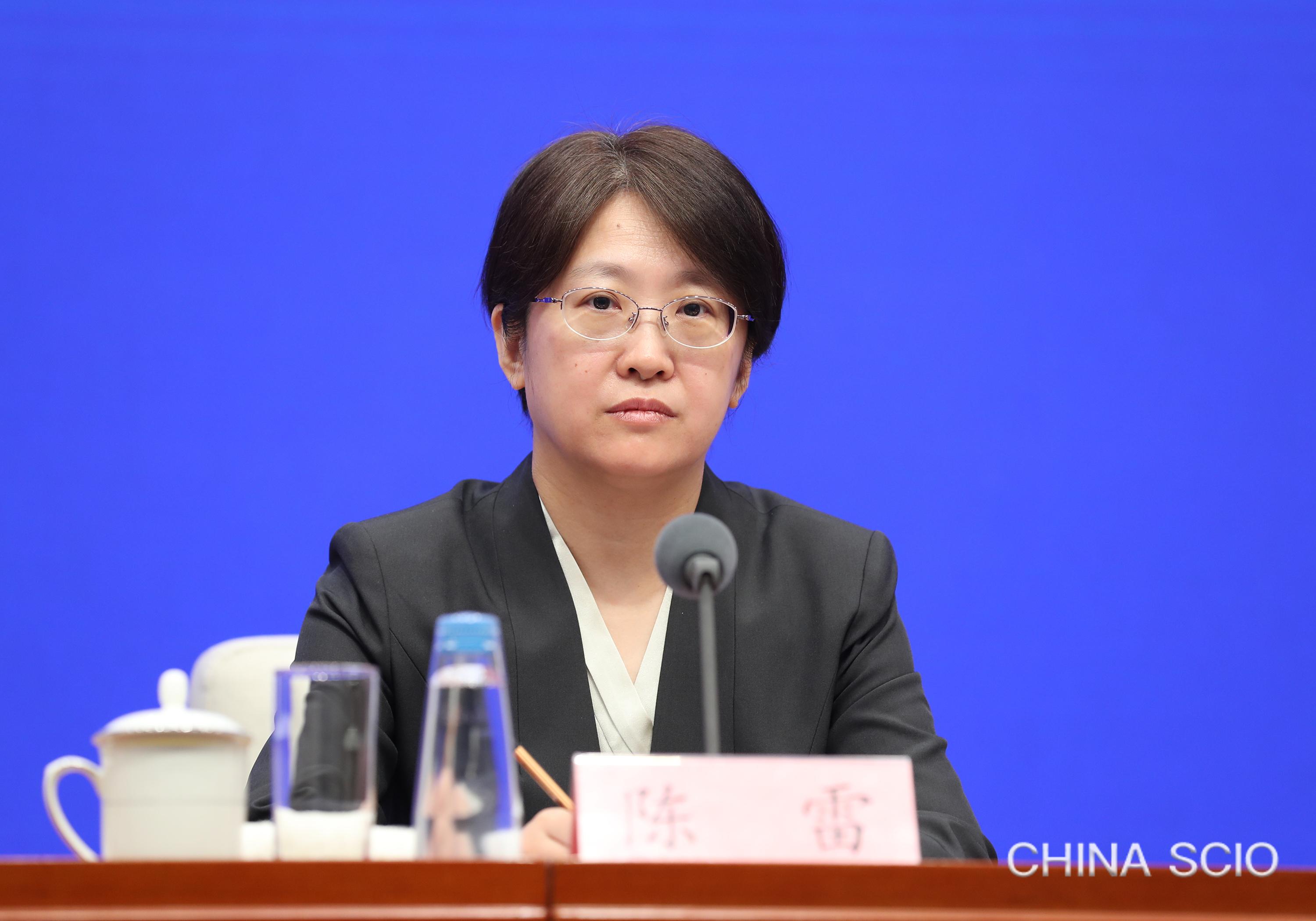
Chen Lei, director general of the Department of Development Planning of the NDRC
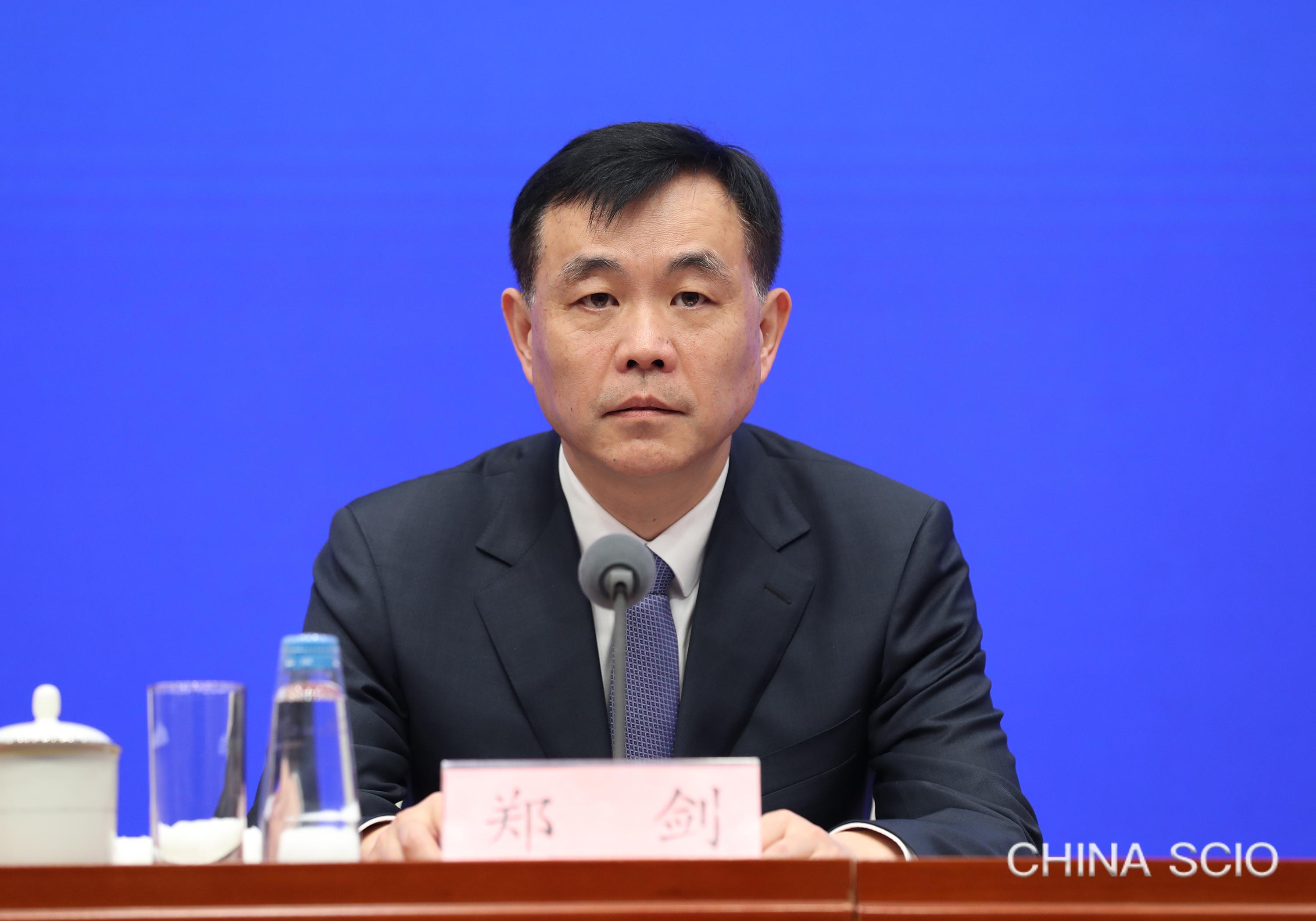
Zheng Jian, director general of the Department of Emerging Air Economy of the NDRC
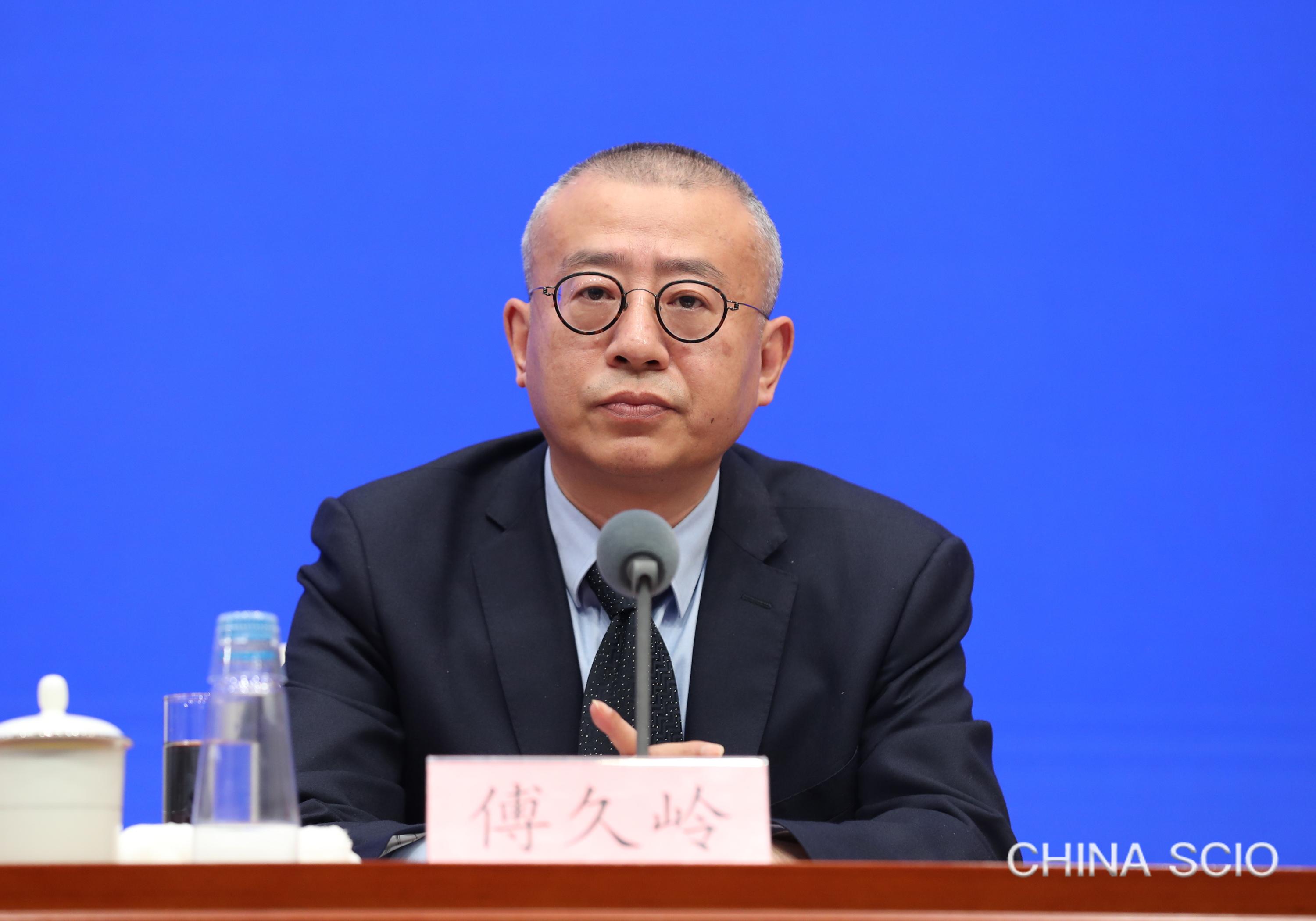
Fu Jiuling, director general of the Department of Industry of the NDRC
Chairperson
Speakers:
Mr. Wang Changlin, vice chairman of the National Development and Reform Commission (NDRC)
Ms. Chen Lei, director general of the Department of Development Planning of the NDRC
Mr. Zheng Jian, director general of the Department of Emerging Air Economy of the NDRC
Mr. Fu Jiuling, director general of the Department of Industry of the NDRC
Chairperson:
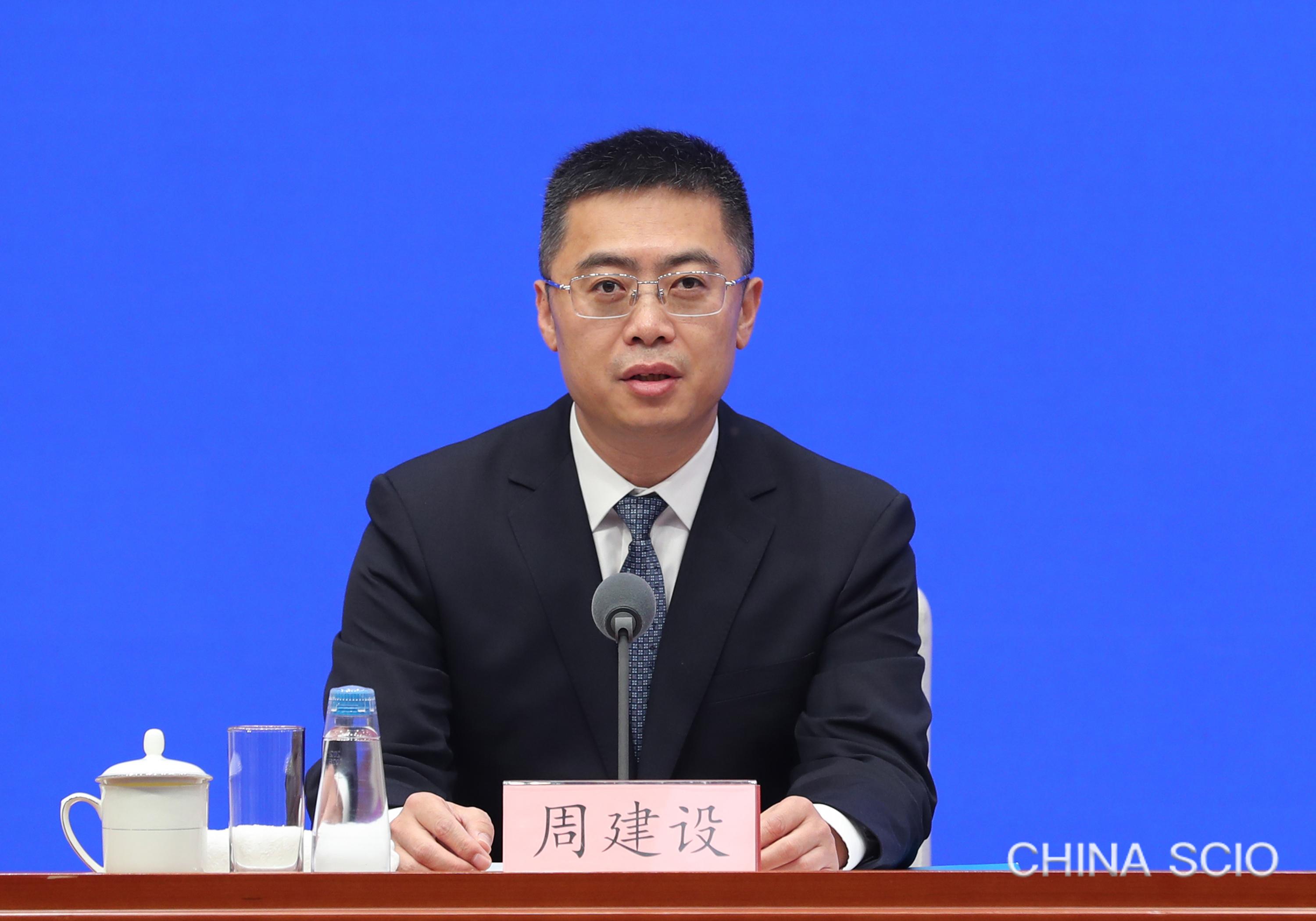
Mr. Zhou Jianshe, deputy director general of the Press Bureau of the State Council Information Office (SCIO) and spokesperson of the SCIO
Date:
April 17, 2026
Zhou Jianshe:
Ladies and gentlemen, good morning. Welcome to this press conference held by the State Council Information Office (SCIO). This year marks the start of the 15th Five-Year Plan period (2026-2030). The SCIO will hold a series of briefings on the theme of "Embarking on the 15th Five-Year Plan," focusing on providing an overview of the strategic arrangements for socio-economic development during the period. This is the first press conference in the series. Today, we are joined by Mr. Wang Changlin, vice chairman of the National Development and Reform Commission (NDRC), who will brief you on promoting high-quality development during the 15th Five-Year Plan period, and take your questions.
Also present at today's press conference are Ms. Chen Lei, director general of the Department of Development Planning of the NDRC; Mr. Zheng Jian, director general of the Department of Emerging Air Economy of the NDRC; and Mr. Fu Jiuling, director general of the Department of Industry of the NDRC.
Now, I'll give the floor to Mr. Wang for his introduction.
Wang Changlin:
Friends from the media, ladies and gentlemen, good morning. The outline of the 15th Five-Year Plan (2026-30) for national economic and social development was officially released last month. As a task-oriented document that builds broad consensus on development, it translates the grand blueprint set out in the recommendations by the Central Committee of the Communist Party of China (CPC) into implementation plans and a roadmap, drawing widespread attention both at home and abroad. From the first to the 14th Five-Year Plan, each plan has marked a step toward national strength, taking China from poverty and backwardness more than 70 years ago to flourishing prosperity. With less than a decade remaining before basically achieving socialist modernization, the 15th Five-Year Plan period will serve as a key stage to consolidate the foundation and press ahead on all fronts. The outline puts forward a number of groundbreaking and pioneering innovation measures. In the next phase of our work, we will focus on four key areas.
First, greater emphasis will be placed on consolidating the foundation of the real economy and fostering new quality productive forces. Over the years, China's economy has weathered challenges and maintained robust resilience and vitality. This is underpinned by its complete industrial system. The outline identifies two strategic priorities, namely building a modernized industrial system and achieving greater self-reliance and strength in science and technology. It stresses the need to steer industrial upgrading through sci-tech innovation, make breakthroughs in advancing the digital, intelligent and green transformation, and develop new quality productive forces in line with local conditions. In one respect, we must consolidate and enhance the competitiveness of industries such as mining, metallurgy, chemical industry, light industries, textiles, machinery, vessels and construction, ensuring that the country's industrial chains become self-supporting and risk-resilient, and keeping the fundamentals of the real economy stable. We must seize the strategic opportunities presented by the new round of technological revolution and industrial transformation, fostering emerging industries and future industries. To adapt to the upgrading of the demand structure, we need to carry out the campaign to enhance the capacity and quality of the service sector, promoting its high-quality and efficient development. At the same time, we need to focus on the real economy, promoting advances in original innovation and breakthroughs in core technologies in key fields. We need to improve systematic innovation capabilities, reinforce the principal role of enterprises in sci-tech innovation, and pursue integrated development of education, science and technology, and talent, in a bid to provide strong impetus for high-quality development.
Second, greater emphasis will be placed on building a robust domestic market and moving faster to foster a new pattern of development. Focusing on enhancing the dynamism and reliability of the domestic economy and promoting unimpeded domestic and international economic flow, the outline made systemic plans for fostering a new pattern of development. For example, in response to sluggish effective demand and the acute imbalance between strong supply and weak demand, the outline proposes proactively expanding effective investment and facilitating a virtuous cycle in investment and consumption. It also highlights the coordinated efforts to boost employment, increase incomes and expand consumption, continuously unleashing the potential of the country's enormous market. Moreover, regarding grave challenges facing the international economic and trade order, the outline proposes proactively opening China wider to the outside world and promoting the innovative development of trade. It also stresses the needs to guide the overseas distribution of industrial and supply chains in a rational and orderly manner, and to develop new institutions for a higher-standard open economy.
Third, greater emphasis will be placed on resolving the pressing difficulties and problems that concern the people most, and ensuring and improving public well-being. In planning for the prosperity and development of the "big family" of China, our ultimate goal is to ensure that every household enjoys a better life. A people-centered approach runs throughout the outline. In terms of setting indicators, those related to public well-being represent the largest share, accounting for over one-third of the total. Specifically, with a focus on key groups such as the elderly and children, targeted measures will be taken to improve care for seniors who are functionally impaired, make child care services more accessible, and shore up weak links in care services, so as to promote an improvement in public services from availability to high quality. In terms of planning tasks, with a focus on high-quality population development, a full life-cycle service system will be introduced covering childbirth, education, health care and elderly care, in a bid to better respond to demographic changes. In terms of project planning, we will focus on the close integration between investment in physical assets and investment in people. A number of tangible and accessible projects concerning public well-being will be rolled out in areas such as urban renewal, upgrading basic education, expanding and improving higher education, and strengthening the foundation in the health care sector, with the aim of delivering concrete benefits to the public.
Fourth, we will place greater emphasis on coordinating development and security, and enhance economic and social resilience. Security is a prerequisite for development. The uncertainty and instability of the current external environment have increased significantly, making the task of coordinating development and security more arduous. The outline integrates the requirements for secure development into various fields such as industry, sci-tech and opening up, and makes systematic plans for advancing the construction of China's national security system and capacity. For example, focusing on strategic resources such as food and energy, we will enhance the coordinated guarantee capacity of food production, procurement, storage, processing and sales, ensure self-sufficiency in core demand for oil and gas, and ensure that China's food and energy supply remains firmly in its own hands. For another example, in emerging fields such as networks, data, artificial intelligence (AI), biology, ecology, nuclear, space, deep sea, polar regions and low altitude, we should enhance our risk prevention and control capabilities in weak links.
This year marks the start of the 15th Five-Year Plan period. Faced with a more complex and volatile external environment, under the strong leadership of the CPC Central Committee with Comrade Xi Jinping at its core, macroeconomic policies have been proactive and effective, and all regions and departments have taken initiative and cooperated closely. As a result, China's economy got off to a good start in the first quarter of the 15th Five-Year Plan period, with steady progress and a positive beginning. Next, we will follow the decisions and plans of the CPC Central Committee and the State Council, thoroughly implement the outline of the 15th Five-Year Plan, promote the introduction of national-level special plans, accelerate the implementation of 109 major projects, continuously consolidate and expand the steady and positive economic momentum, and ensure the smooth completion of the main objectives and tasks for economic and social development.
That's all from me. Next, my colleagues and I are happy to answer any of your questions. Thank you.
Zhou Jianshe:
Thank you, Mr. Wang, for your introduction. The floor is now open for questions. Please identify the media outlet you represent before asking questions.
_ueditor_page_break_tag_CCTV:
Recently, the National Bureau of Statistics released the economic data for the first quarter. How do you view the current economic situation? What macroeconomic policies will be implemented next to ensure a good start for the 15th Five-Year Plan?
Wang Changlin:
Thank you for your questions. I will take them. Since the beginning of this year, under the strong leadership of the CPC Central Committee with Comrade Xi Jinping at its core, the Chinese economy has demonstrated strong resilience and strength. Overall, the economic performance has shown positive changes, with significant improvements on both the supply and demand sides. It has played a better role as a global economic stabilizer, exceeding the expectations of many institutions and experts at home and abroad. There were three major characteristics.
First, the economy achieved a stable and good start in the first quarter of the 15th Five-Year Plan period. China's GDP grew by 5% year on year in the first quarter of this year, reversing the downward trend that began in the second quarter of last year and ranking among the top major economies. Three indicators showed significant improvements: fixed asset investment turned from decline to growth, service consumption grew rapidly, and the overall price level rose moderately. In March, the producer price index for industrial products rose by 0.5%, ending its downward trend. Second, the resilience and stability of the economy have been further demonstrated. The resilience is mainly reflected in three aspects. Foreign trade resilience has continued to manifest, with China's exports growing by 11.9% in the first quarter, especially with new drivers of export growth gaining sustained momentum. Industry resilience has continued to strengthen, with the added value of industrial enterprises above designated size growing by 6.1% in the first quarter, maintaining rapid growth for many consecutive years. Security resilience has constantly been enhanced, with the security of energy, food, and industrial and supply chains further consolidated. Third, new drivers of growth have been constantly accumulating and strengthening. The integrated circuit industry has seen rapid growth, and emerging industries have accelerated their expansion. The added value of high-tech manufacturing increased by 12.5% year on year in the first quarter, and the profits of industrial enterprises above designated size increased by 15.2% year on year in the first two months.
Such achievements have not come easily. They were made possible under a complex situation where increased external shocks and challenges were intertwined with domestic difficulties and tough policy choices. In recent years, the CPC Central Committee has made forward-looking plans and focused on strengthening the construction of the systems for energy and resource production and reserves, vigorously promoting the green transition in all areas of economic and social development, and continuously enhancing the security and resilience of industrial and supply chains. These efforts have laid a solid foundation for withstanding global energy supply shocks. Since the beginning of this year, the CPC Central Committee has sized up the situation and formulated targeted policies, proactively responding to changes in the external environment in light of the evolving situation. We have made every effort to ensure the supply of oil and gas. Through measures such as stabilizing production, diversifying imports and temporarily adjusting prices, we have ensured a stable and orderly supply of oil and gas, effectively safeguarding the stable operation of the economy and meeting people's livelihood needs. In response to the downward pressure on the economy since the second half of last year, we have made arrangements and proactively promoted the implementation of various policies as early as possible. We have issued the project list for implementing major national strategies and building up security capacity in key areas as well as the investment plan within the central budget ahead of schedule, released funds from new types of policy-backed financial instruments, accelerated the issuance and use of treasury and local government bonds, and promoted the implementation of a number of major projects at the earliest possible opportunity. We have implemented special actions to boost consumption, optimized the consumer goods trade-in policies, and focused on addressing rat race competition in key industries. We have taken solid steps to advance the high-end, intelligent and green transformation of the manufacturing industry, and accelerated the development of emerging and future-oriented industries. Objectively speaking, China has a very complete industrial system, a vast market, and its economy has strong resilience and ability to withstand shocks, providing a solid foundation for promoting economic recovery and improvement. These achievements are fundamentally attributed to the leadership and guidance of the CPC Central Committee with Comrade Xi Jinping at its core, fully demonstrating the advantages of socialism with Chinese characteristics.
Next, we must fully implement the decisions and plans of the CPC Central Committee and the State Council, with a focus on the following five aspects of work. First, we will implement a well-coordinated set of macro policies, prepare a batch of comprehensive policy measures in advance, and introduce them in a timely manner as needed. Second, we will vigorously boost effective domestic demand. We will formulate an implementation plan for the strategy of expanding domestic demand from 2026 to 2030, and promote the early commencement of construction of eligible major projects. We will continue to promote the construction of projects to implement major national strategies and enhance security capacity in key areas, better leverage the driving and amplifying role of government investment, and stimulate the vitality of private investment. We will steadily implement the consumer goods trade-in programs and accelerate the elimination of unreasonable restrictions in the field of consumption. Third, we will strengthen scientific and technological innovation, accelerate the development of emerging industries, further advance the "AI Plus" initiative, and create new forms of smart economy. We will thoroughly implement the guiding principles of the national conference on the service sector and expand capacity and upgrade the quality of the service sector. Fourth, we will intensify our efforts to stabilize employment and increase incomes. We will implement actions to stabilize and expand employment while improving job quality, formulate and implement a plan to increase the incomes of urban and rural residents, strengthen the development of public services that are inclusive and provide a safety net for the most vulnerable, and strengthen social security for groups in difficulty. Fifth, we will consolidate the foundation for secure development, make every effort to ensure the supply and stable prices of energy, resources, food, and other commodities that are important for people's livelihoods, accelerate the construction of a new energy system, and focus on stabilizing the real estate market. Thank you.
_ueditor_page_break_tag_Lianhe Zaobao:
Facing the wave of high technology, how should China's traditional industries handle their transformation while continuing to create jobs? Thank you.
Wang Changlin:
I would like to invite Mr. Fu Jiuling, director general of the Department of Industry of the NDRC, to answer this question.
Fu Jiuling:
Thank you for your question. The 15th Five-Year Plan outlines a blueprint for industrial development over the next five years, which has garnered significant attention. When talking about technological revolution and industrial transformation, it is easy to focus on emerging industries and future industries while neglecting traditional ones. Some people even believe that cultivating new growth drivers means that traditional industries are no longer important. At the same time, the impact of industrial upgrading on employment is also a major concern. I'd like to share three points.
First, the innovation-driven and high-quality development of traditional industries has been ongoing and has never stopped. As we often say, each generation brings new technology, new materials, and new equipment, which reflects the process of technological iteration and industrial upgrading. Practice has shown that only products become outdated, not industries. Although traditional industries have existed for a long time, they should not be equated with low-end or backward ones. Take people's clothing, food, housing, and transportation as an example: today's clothing fabrics are incomparable to those of the past; bicycles are also getting lighter, and some are even made with carbon fiber. It's fair to say that the so-called traditional industries we see today are vastly different from those of decades ago, or even just a few years ago. The renewed vigor of revitalized traditional industries can be seen everywhere in our daily lives.
Second, traditional industries are the foundation of the real economy, and "the new three," namely, new energy vehicles, lithium-ion batteries, and photovoltaic products, all originated from traditional industries. For example, although the "three-electric system" (batteries, motors, and electronic controls) of new energy vehicles has replaced the traditional internal combustion engine powertrain, the overall vehicle manufacturing process is consistent with that of traditional fuel vehicles. The photovoltaic industry is rooted in the production of polysilicon, which belongs to the non-ferrous metals industry, and the subsequent production of silicon wafers, cells, and modules all rely on mature technologies from the electronics industry. Similarly, the production of lithium batteries originated from the traditional electrochemical and materials manufacturing industry. These industries did not come out of nowhere. They are built on the strong foundation of traditional industries and sustained innovation.
Third, we must take the initiative to understand and actively respond to the impact of new technology on employment. From the perspective of the manufacturing industry, the number of employees in various industries fluctuated during the 14th Five-Year Plan period, yet remained stable at around 110 million. Throughout human history, the impact of new technologies on employment has been an ongoing process. The trend of mechanical equipment replacing physical labor and information technology substituting part of mental labor has been ongoing all along. We can feel it in our daily lives. Some jobs are decreasing, while new professions and business models are emerging. It is both the substitution effect and the impact of job creation are at play. We need to respond proactively to achieve high-quality employment while promoting industrial upgrading.
General Secretary Xi Jinping emphasized that developing new quality productive forces does not mean neglecting or abandoning traditional industries. Traditional industries can also become new drivers of growth through optimization and upgrading. We must study and fully grasp the profound implications of his important remarks. Only then can we accurately understand the underlying logic of industrial development. In addition to "the new three" we have mentioned earlier, there are still many areas worth paying attention to during the 15th Five-Year Plan period. For example, new materials. Industries like steel, non-ferrous metals, and chemicals are traditional raw material industries. Driven by technological progress and demand, a large number of new and functional materials, what we now call new materials, are emerging from these raw material industries, with a very broad prospect. Another example is innovative drugs. Originating from chemical synthesis and biotechnology, they can better meet people's health needs and also offer huge market potential.
During the 15th Five-Year Plan period, we will fully implement the decisions and plans of the CPC Central Committee and the State Council, and intensify our efforts in optimizing and upgrading traditional industries and cultivating new growth drivers. First, we will stay committed to achieving revolutionary technological breakthroughs. We will promote the deep integration of technological and industrial innovation, strengthen the principal role of enterprises in technological innovation, accelerate the efficient translation and application of major scientific and technological advances, and inject fresh vitality into the optimization and upgrading of traditional industries. Second, we will adhere to the innovative allocation of production factors. We will further advance the construction of a unified national market, deepen market-oriented reform of factor allocation, take comprehensive measures to tackle rat race competition, and regulate market structures. This will foster a sound ecosystem for the development of traditional industries. Third, we will continue to pursue deep transformation and upgrading of industries. We will support enterprises in upgrading and transforming through digital, intelligent and green technologies, and promote quality improvement, cost reduction, and carbon reduction in key industries. This will help ensure the quality, pattern, and profile of traditional industries are continuously renewed and upgraded.
This concludes my introduction.
_ueditor_page_break_tag_National Business Daily:
The National Development Planning Law was released after this year's NPC and CPPCC sessions, along with the outline of the 15th Five-Year Plan. I would like to ask what impact the implementation of this law will have on the implementation of the plan? Thank you.
Wang Changlin:
I would like to invite Ms. Chen to answer your question.
Chen Lei:
Thank you for your question. General Secretary Xi Jinping pointed out that adhering to the principle that planning should be legally-based is an important experience of our Party in formulating and implementing five-year plans. Over the years, we have formulated and implemented five-year plans in accordance with the Constitution and relevant laws, and have formed a mature practice in which the CPC Central Committee formulates the recommendations, the State Council compiles the outline, and the National People's Congress reviews and approves them before they are announced to the public for implementation. The national development planning system has also been continuously improved through practice. The National Development Planning Law, reviewed and adopted at the Fourth Session of the 14th National People's Congress, further codifies the aforementioned mature systems into legal norms. This is of great significance for consolidating and expanding the advantages of formulating and implementing five-year plans under the centralized and unified leadership of the CPC Central Committee. I would like to elaborate on this from three aspects.
First, it further ensures that the role of national development plans as a strategic guide will be fully leveraged. The rule of law plays the role in establishing a solid fundamental, stabilizing expectations and ensuring long-term benefits. The National Development Planning Law stipulates that national development planning is a phased deployment and arrangement of the socialist modernization strategy within the planning period. The Outline of the 15th Five-Year Plan aims to basically realize socialist modernization by 2035, and sets forth the goals and directions for promoting new industrialization, agricultural and rural modernization, urbanization, and digital and intelligent development during the 15th Five-Year Plan period. It clarifies the goal of maintaining GDP growth within a reasonable range on the basis of structural optimization and quality improvement, laying a solid foundation for doubling per capita GDP from the 2020 level and reaching the level of moderately developed countries by 2035. At the same time, it outlines a series of goals and tasks focusing on improving people's livelihoods and promoting green and low-carbon transformation. This fully demonstrates our firm strategic direction of adhering to high-quality development and consistently advancing Chinese modernization, providing long-term stable expectations for the development of China and even the world.
Second, it further highlights the unique advantages of formulating and implementing five-year plans under the socialist market economy. The National Development Planning Law emphasizes the need to comprehensively deepen reforms and build a high-standard socialist market economy. The Outline of the 15th Five-Year Plan takes the synergy between an efficient market and a well-functioning government as a principle that must be followed. It launches a number of reform and opening up measures and policy arrangements in a coordinated manner, focusing on advancing reforms for the market-based allocation of production factors, advancing the construction of a unified national market, and creating a first-rate business environment that is market-oriented, law-based and internationalized, with the goal of creating an economic order defined by both market vitality and effective regulation. This fully demonstrates that national development planning can give full play to the decisive role of the market in allocating resources, while also better leveraging the role of the government, thus injecting strong momentum and vitality into the long-term sustainable development of the economy and society.
Third, it further consolidates the efforts of all parties to participate in the implementation of national development planning. The National Development Planning Law clearly states that the state will construct a planning system comprising both national and local plans, with the national development plan as the guide, territorial spatial planning as the foundation, and special plans and regional plans as support. It will strengthen macro-policy coordination and work synergy to provide systematic support for the implementation of the plan. During the implementation of the 15th Five-Year Plan, the tasks laid out in the outline in key areas and regions will be advanced through special plans and regional planning implementation schemes, ensuring the rolling implementation of annual plans and the coordinated support of policy resources. This will help to fully mobilize the enthusiasm, initiative and creativity of all parties, and form a working pattern for plan implementation that features coordinated collaboration and broad participation.
We will promptly release information about the progress of the plan's implementation to the public in an appropriate manner and accept supervision from all sectors of society. I hope to work with all of you to better promote the effective implementation of the 15th Five-Year Plan within the framework of the rule of law. Thank you.
_ueditor_page_break_tag_Bloomberg:
In the 15th Five-Year Plan, there was a mention of a 10-year action plan for doubling non-fossil energy. I was wondering if you could elaborate on that? Does the doubling refer to capacity or consumption? What is the base and target year for the 10 years? Is it 2025 to 2035?
Wang Changlin:
Thank you for your questions. Let me briefly respond to them. The 10-year action plan for doubling non-fossil energy that you mentioned is an important means for us to build a new energy system. In response to your questions, I would like to provide a systematic overview of the relevant situation. Compared to the traditional energy system, the new energy system is a clean, low-carbon, safe and efficient energy system with non-fossil energy as the main source of supply, fossil energy as a safety net, new power systems as key support, and green, intelligent and conservation-oriented energy use as the guiding principle. It is the only way for us to achieve a green and low-carbon energy transformation, and also a strategic choice to ensure energy security and gain the upper hand in major-country competition. By the end of the 14th Five-Year Plan period, we have initially established the basic framework of a new energy system, with total energy production exceeding 5 billion metric tons of standard coal and annual electricity consumption exceeding 10 trillion kilowatt-hours. We have built the world's largest clean and low-carbon energy system, with non-fossil energy consumption accounting for 21.7%, providing energy support characterized by "sufficient quantity, high quality and stable price" for socialist modernization. As we have recently seen, in response to the impact of changes in the international situation on China's oil and gas imports, China has taken comprehensive measures to effectively ensure sufficient domestic oil supply and stable market operation, fully demonstrating China's achievements in building a new energy system.
During the 15th Five-Year Plan period, we will follow the decisions and plans of the CPC Central Committee and the State Council, coordinate development and security, coordinate supporting economic and social development and achieving carbon peaking goals, and accelerate the construction of a new type of energy system.
First, we will accelerate the high-quality development of non-fossil energy. We will coordinate the development of centralized and distributed clean energy, and promote with high quality the construction of major projects such as the hydropower project in the lower reaches of the Yarlung Zangbo River and new energy bases in desert, Gobi and barren areas. We will coordinate the development and absorption of new energy, optimize and adjust resource allocation, enhance the grid's capacity to accommodate, allocate and regulate new energy, strive to increase the production and consumption of non-fossil energy power, and actively promote the non-electrical utilization of non-fossil energy. Through these efforts, it is projected that by 2030, the supply of non-fossil energy will increase significantly compared to 2025, and by 2035 it will have doubled compared to 2025. Second, we will promote the safe, reliable and orderly replacement of fossil fuels. We will expand domestic energy production, improve energy reserve capacity for oil, natural gas and other energy sources, and continuously strengthen the fundamental role of traditional energy in ensuring supply security. We will continue to promote the substitution of electricity in key sectors such as transportation, industry and construction, accelerate the promotion and application of new energy heavy-duty trucks, and push for the peaking of oil and coal consumption. Third, we will vigorously promote innovation in energy technology. We will promote the iterative upgrading of new energy power generation technologies, accelerate the research and application of technologies such as next-generation coal power and flexible DC power transmission, carry out major technological R&D breakthroughs in areas such as long-duration energy storage, green electricity to produce hydrogen, ammonia and alcohol, and controlled nuclear fusion, and promote the deep integration of energy technology innovation and industrial innovation. Fourth, we will continue to deepen the reform of the energy system and mechanism. We will improve the mechanism for promoting green energy consumption. We will optimize the investment mechanism for energy projects and guide enterprises under all forms of ownership, especially private enterprises, to participate in the construction of major projects. We will effectively utilize policies including the integration of new energy into the market and direct green power connection. Fifth, we will steadily expand high-level international cooperation in energy. We will actively participate in global climate governance, promote international mutual recognition of standards for green certificates and green electricity, and encourage enterprises to engage in international energy cooperation. Energy imports will be further diversified.
Meanwhile, we will prepare for worst-case and extreme scenarios, step up efforts to boost domestic production and supply capacity, increase energy reserves and enhance our ability to respond to emergencies, better safeguarding national energy security. Thank you.
_ueditor_page_break_tag_Dazhong Daily:
The outline of the 15th Five-Year Plan was officially released last month. What measures will be taken to ensure the implementation of the goals and tasks set out in the plan? Thank you.
Wang Changlin:
I'd like to invite Ms. Chen to answer this question.
Chen Lei:
Thank you for your question. General Secretary Xi Jinping has repeatedly emphasized that a plan's effectiveness depends on its implementation. To better promote the implementation of the 15th Five-Year Plan, we are accelerating efforts to strengthen implementation mechanisms in line with the arrangements of the CPC Central Committee and the State Council. We will pursue overall progress while making key breakthroughs, ensuring all goals and tasks are carried out effectively. Let me highlight three priorities we are advancing.
First, we will strengthen the planning framework and accelerate the formulation and implementation of a number of sector-specific plans. As Mr. Wang just noted, work is underway to formulate several national-level sector-specific plans focused on key areas identified in the 15th Five-Year Plan outline. Specifically, plans focused on the goal of basically realizing socialist modernization by 2035 will cover areas such as new industrialization, Digital China, agricultural and rural modernization, and a Beautiful China. Plans tailored to the stage-specific characteristics of the 15th Five-Year Plan period will address future industries, consumption expansion, population development and a new energy system. Plans with a focus on people-centered development will cover employment-first policies, education, public health, the equalization of basic public services and social security. Additional plans will also be developed for key groups such as people with disabilities. A number of national-level sector-specific plans are expected to be released in the first half of this year. The drafting process will emphasize coordination, quality improvement and a streamlined number of plans, building toward a unified and effective planning framework.
Second, we will use key tasks as a driving force, advancing major targets and key projects in a coordinated and categorized manner. This approach serves as an important driver and lever for implementing the outline. On key targets, we will differentiate between obligatory and projected targets and take tailored approaches to each. Obligatory targets include reducing carbon intensity, increasing the share of non-fossil energy consumption, lowering PM2.5 concentration and enhancing overall grain and energy production capacity. For these, we will strengthen accountability and ensure targets are broken down in a scientific and reasonable manner. Projected targets include GDP growth, the digital economy's share of output and the urbanization rate. For these, we will foster a sound policy, institutional and legal environment and promote their achievement through broad participation across society. People's well-being indicators include the number of health care professionals per 1,000 people, the share of nursing-care beds and the nursery enrollment rate. For these, we will implement more equitable, inclusive, targeted and effective social policies and increase government spending on livelihood security, reflecting a clear commitment to putting people first. Regarding major projects, we will build on the 109 major projects outlined in the plan, further refine the project lists and advance them in an orderly manner under five categories: completed, ongoing, newly launched, under preparation and under study. As you may have noticed, a number of projects have recently broken ground, including the new Guangzhou airport and the Anhui-Hubei power transmission project. Going forward, we will strengthen the supply of resource factors, improve coordination and facilitate the early launch of projects that are ready to proceed.
Third, we will track implementation progress by strengthening dynamic monitoring and conducting regular evaluations. This will be carried out in three main areas. First, we will conduct routine dynamic monitoring, closely track changes in the situation and ensure timely analysis and response. Second, we will carry out a midterm evaluation of the outline's implementation, assess progress toward goals and tasks, and propose effective measures to strengthen implementation in the latter half of the plan period. Third, as the plan period draws to a close, we will conduct a comprehensive review, take full stock of implementation, and lay a solid foundation for the formulation of the next five-year plan. The results of both the midterm evaluation and final review will be submitted to the National People's Congress and made public in a timely manner.
In short, we will pool the efforts of all parties and apply a steadfast, persistent approach to implementation, turning the CPC Central Committee and State Council's strategic plans for the next five years into tangible results. Thank you.
_ueditor_page_break_tag_Yicai:
In the first quarter, nationwide fixed-asset investment shifted from decline to growth, with infrastructure investment in particular posting relatively strong gains. What major measures will be introduced in the investment sector going forward? Thank you.
Wang Changlin:
Thank you. The recovery in investment figures is a bright spot in this year's economic performance. As you may know, expanding effective investment is a key measure for stabilizing growth, strengthening growth momentum, improving people's livelihoods and ensuring security. Investment declined last year due to a range of factors. Since the start of this year, regions and departments across the country have worked to implement the decisions and arrangements of the CPC Central Committee and the State Council, halting the investment decline and restoring stability. In the first quarter, fixed-asset investment grew 1.7%, reversing the downward trend. Overall, three key factors have provided strong support.
First, policies to stabilize investment are delivering results. Large-scale equipment upgrades have continued to gain momentum, driving a 13.9% increase in investment in equipment and tool purchases. Policies to encourage private investment have been implemented at a faster pace, supporting private enterprises in participating in key sectors such as transportation, energy and water conservancy. Excluding real estate development, private investment grew 1.3%.
Second, new quality productive forces are unlocking new growth drivers. Regions across the country have developed new quality productive forces based on local conditions, driving rapid growth in investment related to new growth drivers. In the first quarter, investment in high-tech industries grew 7.4%, with high-tech services particularly strong at 12.3%. Investment in professional and technical services rose 29.5%, while information services grew 20.9%.
Third, major projects are being prioritized and front-loaded. The accelerated launch of major projects has been a key factor in halting the investment decline and restoring stability. In the first quarter, investment in projects with a planned total investment of 100 million yuan or more grew 4.5%, with railways, energy and other sectors accelerating, driving infrastructure investment up 8.9%. Investment in air transport and water transport rose 43.3% and 34.1%, respectively.
Going forward, we will work with regions and relevant departments to accelerate the implementation of a package of investment-stabilizing policies, focusing on intensifying efforts and improving efficiency while continuing to leverage the key role of effective investment in optimizing the supply structure.
On the one hand, we will maximize the driving role of government investment and further stimulate private investment. In terms of government investment, efforts will be made to ensure that this year's 755 billion yuan in central budget investment and 1 trillion yuan in ultra-long-term special treasury bonds are basically disbursed by the end of June. The share of local government special bonds allocated to project construction will be further increased, and the release of 800 billion yuan in new policy-based financial instruments will be accelerated in an orderly manner. Central SOEs will be supported in organizing major engineering projects that span regions and river basins with long industrial and supply chains, and central-local cooperation will be actively expanded. Regarding private investment, we will further improve the long-term mechanism for private enterprises to participate in major projects, focusing on high-growth areas such as the digital economy, AI and commercial aerospace. We will introduce a series of policies and reform measures to boost private investment, encourage central SOEs and private enterprises to collaborate on key projects including core technology breakthroughs and accelerate the growth and efficiency of the infrastructure REITs market to continuously stimulate private investment.
On the other hand, we will improve investment efficiency through targeted measures and innovative mechanisms. In terms of investment focus, this year we will launch a series of initiatives to expand effective investment in areas such as AI Plus infrastructure, urban renewal, the national water network and new energy systems, optimizing the supply structure and expanding market demand. In terms of institutional and mechanism innovation, we will roll out "soft construction" work across central government investment projects to establish a long-term mechanism covering project construction, implementation, operation and maintenance. We will also leverage the National Venture Capital Guide Fund for Emerging Industries to channel private capital toward technological innovation and the development of emerging industries. Thank you.
_ueditor_page_break_tag_Cover News:
Building a modern industrial system is the top priority of the 15th Five-Year Plan and is crucial to overall economic and social development. What are the key considerations for advancing the construction of a modern industrial system during the 15th Five-Year Plan period? Thank you.
Wang Changlin:
Mr. Fu Jiuling will answer this question.
Fu Jiuling:
Thank you for your question. A modern industrial system is a vital material foundation and a reflection of a country's overall strength. By 2025, China's manufacturing sector had remained the world's largest for 16 consecutive years, grain production had achieved 22 consecutive years of bumper harvests, service sector value added had exceeded 80 trillion yuan, the comprehensive transport network had surpassed 6 million kilometers, and total electricity consumption had for the first time exceeded 10 trillion kilowatt-hours. These are remarkable achievements.
The 15th Five-Year Plan period is a crucial stage for consolidating these foundations and stepping up efforts. As you noted, building a modern industrial system bears on the country's overall economic and social development and has been placed at the top of the priority list. The priority now is turning plans into action. Going forward, we will focus on the following areas.
First, we will take a holistic approach. The main components of a modern industrial system include modern industry, agriculture, services and infrastructure. These can be seen as the core pillars of a modern industrial system, forming an integrated whole. Of these, modern industry is the most critical foundation and core, and the overall modernization of the industrial system depends largely on the modernization of its industrial sector.
Second, we will strengthen coordination. A modern industrial system is not a simple patchwork of industries but a complete system with internal organic connections and complementary functions. It requires properly managing relationships between industries, regions, enterprises of all sizes, and upstream and downstream sectors, while applying coordinated efforts across supply and demand, entity development and factor support to achieve a high level of alignment and balance. A crucial point is deepening the integration of advanced manufacturing and modern services. Without specialized, high-end producer services, manufacturing cannot advance to the next level. Much attention is paid to shifts in the size of the primary, secondary and tertiary sectors, but quality improvement matters just as much.
Third, we will accelerate the development of advanced manufacturing. Building a modern industrial system with advanced manufacturing as its backbone is a top priority. The next step will focus on promoting high-end, intelligent and green development in manufacturing. On high-end development, China is the world's largest manufacturing nation but still faces structural challenges, including insufficient brand influence and low total factor productivity. In terms of intelligent development, we must seize the opportunities presented by AI to drive industrial advancement. At the same time, the goal of intelligent development is to improve efficiency, not simply to replace workers. The right policy balance must be struck. In terms of green development, reaching peak carbon emissions and achieving carbon neutrality are solemn commitments of the Chinese government and represent a proactive choice for industrial upgrading. Of course, achieving these goals will require considerable effort.
Fourth, we will work to expand capacity and improve quality in the service sector. In early April, at a critical moment in the early stages of the 15th Five-Year Plan, the CPC Central Committee convened the national conference on the service sector, where General Secretary Xi Jinping issued important instructions outlining the great significance, guiding principles and key tasks of developing the service sector. We must fully grasp the intentions of the CPC Central Committee, view the service sector from a strategic and big-picture perspective, maintain a problem-oriented approach and drive capacity expansion and quality improvement across the service sector in a tiered and categorized manner. Going forward, the NDRC will work with relevant parties to study, publicize and implement the general secretary's important instructions and the spirit of the national conference on the service sector through a series of measures. Thank you.
_ueditor_page_break_tag_CNR:
Since last year, China has vigorously rolled out special initiatives to boost consumption. How did consumption perform in the first quarter? What are the priorities for boosting consumption in the near and longer term? And how will these efforts be carried out? Thank you.
Wang Changlin:
Thank you. Boosting consumption is a strategic move to sustain growth, adjust the economic structure, and improve people's livelihoods. Since last year, a series of consumption-boosting policies have taken effect, creating new areas, growth drivers and space for household consumption. In the first quarter of this year, the consumer market was stable and improving, with service consumption demand accelerating. Three characteristics stood out.
First, China's policy-backed consumer goods trade-in program continued to deliver results. The consumer goods trade-in program has been continuously refined and has had a significant effect on driving demand for smart and green products. Sales of communication equipment by enterprises above designated size rose 20.8% year on year. Sales under the consumer goods trade-in program exceeded 430 billion yuan, benefiting more than 60 million people.
Second, service consumption was buoyant. The extended Spring Festival holiday and other factors drove rapid growth in tourism and leisure-related consumption. In the first quarter, retail sales of services grew 5.5%, outpacing goods retail sales by 3.3 percentage points. Holiday spending continued to grow, and the number of domestic trips rose sharply.
Third, new forms and models of consumption showed strong vitality. Consumers are increasingly seeking experiences, not just goods. For example, Sichuan launched 120 new consumer experiences, including immersive light shows and interactive intangible cultural heritage activities, attracting more than 56 million visitors during the Spring Festival holiday. In Heilongjiang, Jilin, Liaoning, Xinjiang and other regions, revenue from ice and snow economy services rose 62.4% year on year during the Spring Festival.
The 15th Five-Year Plan calls for a notable increase in household consumption as a share of GDP. China's vast market potential has yet to be fully tapped, leaving significant room to expand consumption, particularly in services. Going forward, we will deepen the special initiative to boost consumption and formulate a consumption expansion plan within the 15th Five-Year Plan framework. The aim is to ensure residents have stable incomes and feel able to spend, have no financial worries and feel confident spending, and enjoy a quality consumption environment that gives them a strong sense of gain and a willingness to consume. This will better enable consumption to play its fundamental role in driving economic development.
First, we will focus on strengthening consumers' spending power. We will develop mechanisms to promote employment, support enterprises in preventing layoffs and expanding hiring, and help individuals start businesses and find work. We will cultivate new jobs and occupations, strengthen vocational skills training, and promote skills-based employment and income growth while steadily raising the minimum wage. We will also improve how income is distributed according to factors of production, refine mechanisms that reward knowledge and value creation, build a skills-based pay system, and expand property income for both urban and rural residents through multiple channels. All these efforts will continuously enhance residents' spending power.
Second, we will focus on improving the quality of consumption. We will make effective use of the consumer goods trade-in program, linking consumption stimulus with improvements to people's livelihoods and encouraging spending through high-quality supply. We will launch capacity-expanding and quality-improvement initiatives in the service sector, focusing on public health, smart elderly care and cultural tourism to increase the supply of high-quality, diverse, and accessible consumer services. Working with relevant departments, we will refine policies on brand building and online-offline product standardization to better align supply with demand.
Third, we will focus on cultivating new consumption scenarios. We will fully leverage China's vast market and diverse application scenarios to meet diversified and personalized consumption needs, creating more interactive and intelligent consumption experiences. We will promote the integrated development and innovative upgrading of consumption scenarios, and where conditions are met, include them in the national-level list of landmark application scenario projects to strengthen their guiding and leading role.
Fourth, we will continue to improve the consumption environment. In terms of hard investment, we will coordinate various funding channels to accelerate the construction of consumer infrastructure. This includes central government budgetary investment to support the construction of facilities for elderly care, child care, cultural tourism and sports, the issuance of consumer infrastructure REITs, and the use of ultra-long-term special treasury bonds to support the upgrading of offline consumer commercial facilities and equipment. On the institutional side, we will actively encourage local governments to refine policies and measures on traffic restrictions, purchase restrictions, new forms of consumption, and market access based on local conditions. We will also accelerate the removal of unreasonable restrictive measures in the consumption sector and work together to create an environment where people are willing, confident and happy to spend.
Additionally, spring and autumn breaks for primary and secondary school students have drawn wide public interest. We will encourage more localities with the necessary conditions to explore this actively. At the same time, we will ensure better coordination between student holidays and parents' paid annual leave and increase the supply of services such as family travel, study tours and holiday child care, giving parents more time to travel with their children. Thank you.
_ueditor_page_break_tag_Zhou Jianshe:
Please continue with your questions. There are two more reporters with questions.
Elephant News:
Currently, China is accelerating the development of the National 1-2-3 Travel Circle, which has generated strong public interest. What are the next steps in developing the modern integrated transportation system? What can we expect? Thank you.
Wang Changlin:
Thank you. I would like to invite Ms. Chen to take this question.
Chen Lei:
Thank you for your questions. General Secretary Xi Jinping attaches great importance to the development of the transportation sector and has emphasized that transportation serves as a pioneer in advancing Chinese modernization. During the 14th Five-Year Plan period, under the strong leadership of the CPC Central Committee, China's transportation sector has achieved historic progress, with breakthroughs in building a comprehensive transport system. The period saw the largest investment and fastest network expansion on record, providing strong support for high-quality development and high-level security.
First, the infrastructure network has steadily improved. More than 90% of the national comprehensive three-dimensional transport network is now complete. Expressways in operation have reached nearly 200,000 kilometers and high-speed rail mileage has surpassed 50,000 kilometers. Second, transport services have become more convenient. The National 1-2-3 Travel Circle is taking shape, enabling one-hour commuting within metropolitan areas, two-hour connectivity among city clusters and three-hour access between major cities nationwide. The Global 1-2-3 Logistics Circle is also advancing, targeting one-day delivery within China, two-day delivery to neighboring countries and three-day delivery to major cities worldwide. Efforts to reduce costs and improve quality and efficiency have also progressed steadily. Third, technical equipment has become more advanced. The CR450 EMU prototype has entered operational testing, the C919 large passenger aircraft is now in regular commercial service and unmanned transport vehicles have seen innovative applications. Fourth, the green transition has delivered notable results. Rail-water intermodal container volume at ports has grown by an average of 15% annually. Charging facilities now cover more than 98% of expressway service areas, and carbon dioxide emission intensity in the transport sector has fallen 5%. Overall, after more than three decades of rapid development, China's transportation sector is shifting toward coordinated cross-regional planning, integrated multimodal connectivity and deeper cross-sector integration. Growth drivers are moving toward structural optimization, digital and intelligent applications, and coordinated green transformation. Meanwhile, the growth model is moving toward quality-driven development that balances expanding capacity with upgrading existing infrastructure.
During the 15th Five-Year Plan period, efforts to modernize the comprehensive transport system will focus on the following areas.
First, we will strengthen weak links, reinforce key segments and improve quality. We will advance the construction of major cross-regional and cross-basin corridors and develop high-quality strategic backbone corridors along coastal, border and river regions, as well as corridors linking Xinjiang, Xizang and the New International Land-Sea Trade Corridor in the western region. We will also improve the layout of cross-river, cross-sea and cross-bay passages, develop international and national comprehensive transport hub cities, and enhance network coverage, accessibility and international connectivity.
Second, we will optimize the transport structure. We will make better use of existing infrastructure including transport lines and stations, improve the overall efficiency of new infrastructure investment and fully implement modern maintenance programs. We will address shortcomings in urban and rural transport and enhance regional connectivity. We will improve the supply of convenient passenger transport services and strengthen the development of barrier-free facilities. We will also promote cost reduction, quality improvement and efficiency gains in transport and logistics.
Third, we will enhance safety and resilience. We will strengthen safety capacity in key areas and improve the intrinsic safety levels of facilities and equipment. We will also enhance early warning, monitoring and emergency response capabilities, ensure the safety of major projects and develop a diversified and resilient international transport corridor system.
Fourth, we will deepen integrated and coordinated development. We will improve passenger and freight distribution systems and promote the integration of transport with sectors including energy, water resources, information and low-altitude aviation. We will also foster new models that link transport with tourism and develop corridor-based economies, hub economies and modern shipping services.
The NDRC and the Ministry of Transport are currently leading the formulation of the Development Plan for a Modern Comprehensive Transportation System for the 15th Five-Year Plan Period. The plan will outline the goals, key tasks and major projects for the period. We welcome continued attention from our media friends. Thank you.
Zhou Jianshe:
Last question, please.
_ueditor_page_break_tag_Dingduan News:
At a press conference during the "two sessions," Mr. Zheng Shanjie mentioned the use of drones to deliver food to cargo ships on the Yangtze River, which left a strong impression. What are the key considerations for promoting the high-quality development of the low-altitude economy during the 15th Five-Year Plan period? What new application scenarios will emerge? Thank you.
Wang Changlin:
This is a popular topic. I'd like to invite Mr. Zheng Jian to respond.
Zheng Jian:
Thank you for your questions, and thanks to all of you in the media for your continued attention to the low-altitude economy. Over recent years, the low-altitude economy has gained significant momentum, with strong enthusiasm across various sectors. Thanks to joint efforts, it is off to a very good start. We believe that there are high expectations for its development during the 15th Five-Year Plan period. The CPC Central Committee and the State Council have laid out plans for the high-quality development of the low-altitude economy during the 15th Five-Year Plan period. As Mr. Wang just mentioned, the low-altitude economy will be developed as an emerging pillar industry. We will pursue sound and orderly development, with reform and innovation as the guiding principle, to ensure the low-altitude economy is well regulated, operates safely and is put to flexible use. Going forward, we will focus on five areas.
First, safety will be the prerequisite. Without safety, there can be no low-altitude economy. We will prioritize the safety of the low-altitude economy, especially flight safety, and strengthen the foundation for safe development. We will enhance the full life-cycle management of aircraft, innovate and improve safety supervision mechanisms, and strictly implement regulatory measures. Local authorities are also introducing relevant regulations in light of their specific conditions and needs, further refining and clarifying the requirements for low-altitude safety management.
Second, industry serves as the "support." We will take consolidating and enhancing our industrial development advantages as our development guideline, increase the research and development of new aircraft such as high payload fixed-wing UAVs and long-endurance vertical take-off and landing aircraft, form a system of key low-altitude equipment, drive upstream and downstream supporting industries, and create comprehensive regional clusters according to local conditions.
Third, scenarios as a "guide." On the one hand, we adhere to the "three priorities and three follow-ups" principle, which means prioritizing cargo transportation over passenger transportation, prioritizing isolation over integration, and prioritizing remote suburbs over urban areas. Under strict risk control and safety assurance, we support qualified regions to prioritize the promotion of mature scenarios and cultivate and expand new scenarios with potential. We should also strengthen the system support for key elements to meet the needs of application scenarios. Among the initiatives there will be a focus on improving the level of refined airspace management, planning and scientifically laying out the low-altitude air route network. This will be in conjunction to promoting the construction of a low-altitude intelligent network system. The reason for doing so is to safely and efficiently create more scenarios that benefit thousands of households and empower various industries.
Fourth, innovation as the "driving force." Being self-supporting, risk-resilient, safe, and reliable are the key points of technological innovation in the low-altitude economy. We will deepen basic theoretical research and promote enterprise-led collaborative research among enterprises, universities, and research institutes. This will support capable private enterprises to take the lead in major scientific and technological tasks. With these efforts, we aim for breakthrough in key technologies like intelligent flight and hybrid power systems. This will comprehensively deepen integration of technological innovation and industrial innovation.
Fifth, cooperation as the "path." We will actively participate in global low-altitude economy governance, improve international cooperation mechanisms, support relevant overseas enterprises with advantages to carry out strategic investments and establish supporting industries in China. We will support domestic enterprises to further expand overseas markets, promote low-altitude products and services, and provide solution for the low-altitude economy in other countries.
As this journalist mentioned, Mr. Zheng Shanjie mentioned at a recent economic-themed press conference that drones deliver food to cargo ships on the Yangtze River quickly, stably, and conveniently, leaving a deep impression on everyone. We have compiled typical application scenarios of low-altitude economy in various regions in recent years, such as logistics and transportation, medical rescue, urban governance, agricultural and forestry operations, and surveying and inspection, forming many vivid and lively scenario cases. The low-altitude economy is becoming a part of everyday life and protecting households. It has not only effectively promoted economic and social development, but also enhanced the people's sense of fulfillment, providing "aerial answers" to people's livelihood needs.
For example, in some border towns such as Honghe and Pu'er of southwest China's Yunnan province, drones have become "air messengers," reducing the delivery time of postmen from nearly 3 hours to about 40 minutes; In Shenzhen, drones have become "air ambulances," delivering automated external defibrillators (AEDs) to the scene of emergencies in about four minutes, significantly improving the survival rate of patients within the golden rescue time; In Shanghai, drones function as "air traffic controllers," arriving at the scene of traffic accidents within two minutes to quickly take photos and collect evidence, expedite insurance claims, and reduce traffic congestion.
Recently, we have taken note of public concerns regarding difficulties in drone flight approvals. We are working with relevant departments to study and promote successful experiences and practices in some areas, such as "scan-to-fly" to improve the efficiency of flight plan approvals. We believe that flying will be safer and more convenient for everyone in the future.
Moving forward, we will work with relevant departments to help businesses solve problems and help the public enjoy convenience, ensuring that the low-altitude economy develops in a steadier and better way. Thank you.
Zhou Jianshe:
That concludes today's press conference. Thank you to all our speakers and to all our journalist friends. Goodbye!
Translated and edited by Zhu Bochen, Xu Kailin, Dong Qingpei, Cui Can, Li Congrong, Yan Bin, Liu Caiyi, Zhang Yuxin, Zhang Junmian, Li Xiao, Li Huiru, Zhou Jing, Fan Junmei, Huang Shan, David Ball, Jay Birbeck, and Tudor Finneran. In case of any discrepancy between the English and Chinese texts, the Chinese version is deemed to prevail.

/6 Zhou Jianshe
/6 Wang Changlin
/6 Chen Lei
/6 Zheng Jian
/6 Fu Jiuling
/6 Group photo
SCIO briefing on China's economic performance in the first quarter of 2026
SCIO briefing on China's import and export in the first quarter of 2026
April 14, 2026SCIO briefing on 6th China International Consumer Products Expo
March 30, 2026SCIO briefing on accelerating the establishment of long-term care insurance system
March 26, 2026