
SCIO briefing about effects of monetary and financial policies on high-quality development of the real economy
Beijing | 3 p.m. Jan. 15, 2026
Speakers

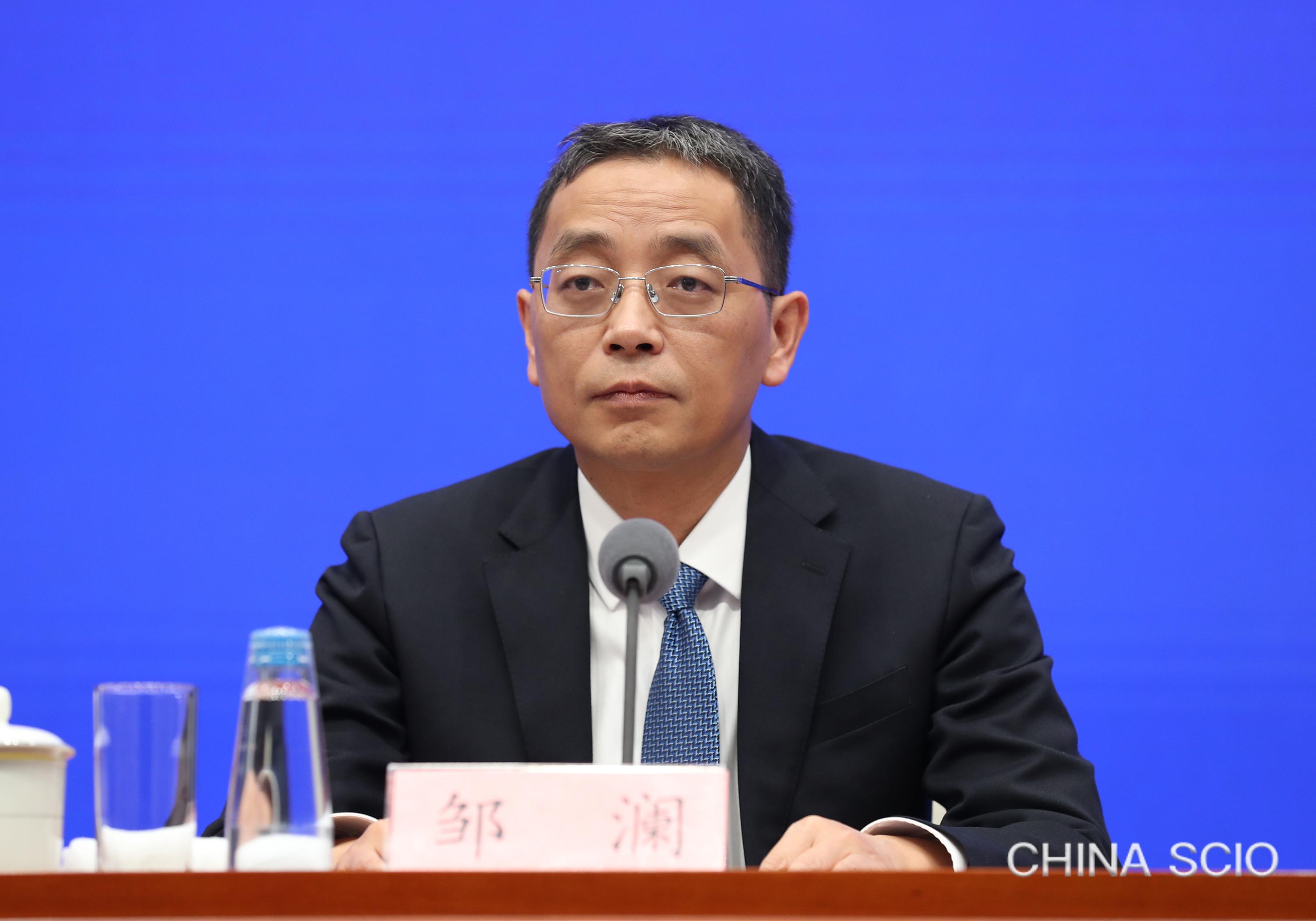
Zou Lan, spokesperson and deputy governor of the People's Bank of China (PBC)
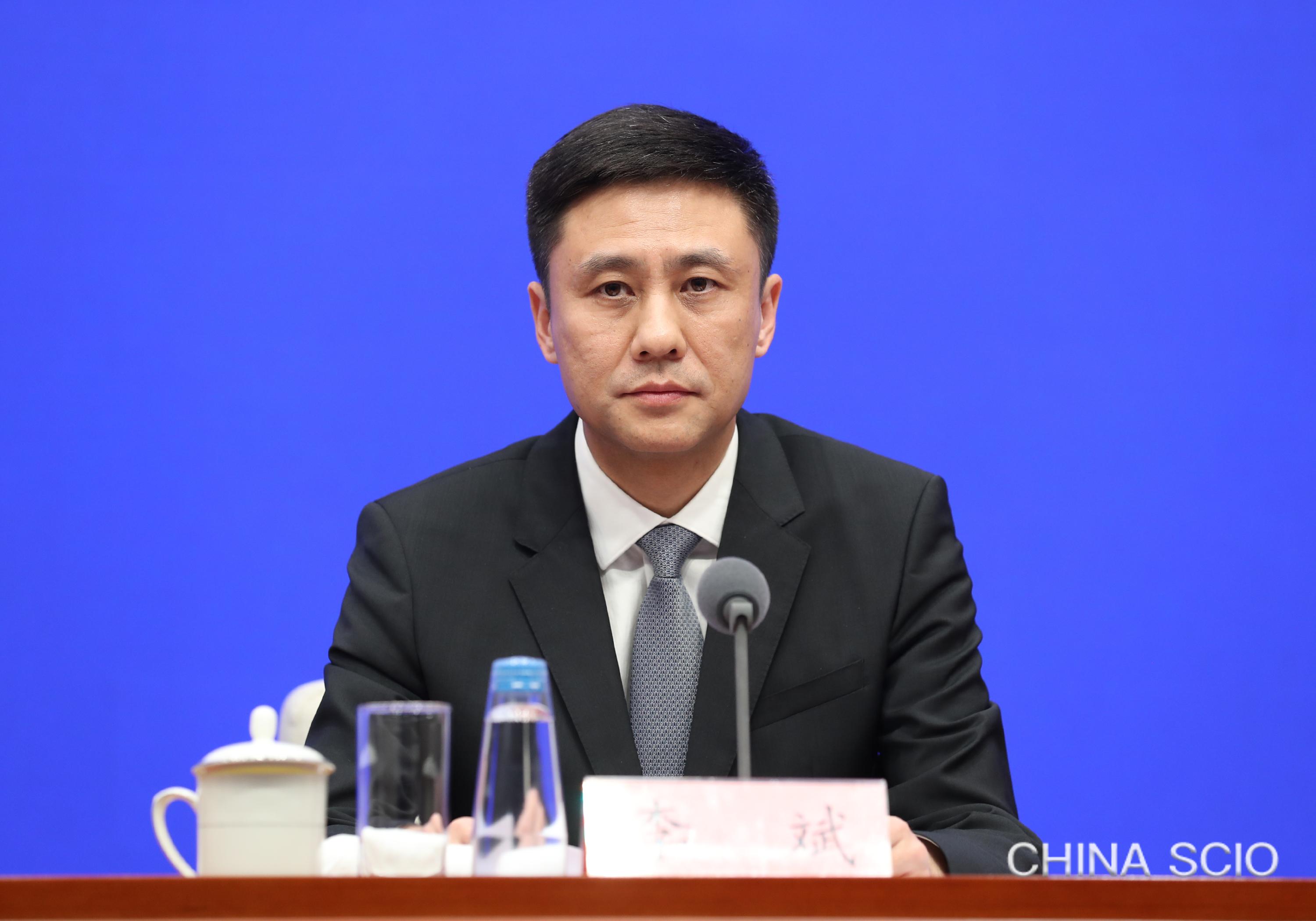
Li Bin, spokesperson and deputy administrator of the State Administration of Foreign Exchange (SAFE)
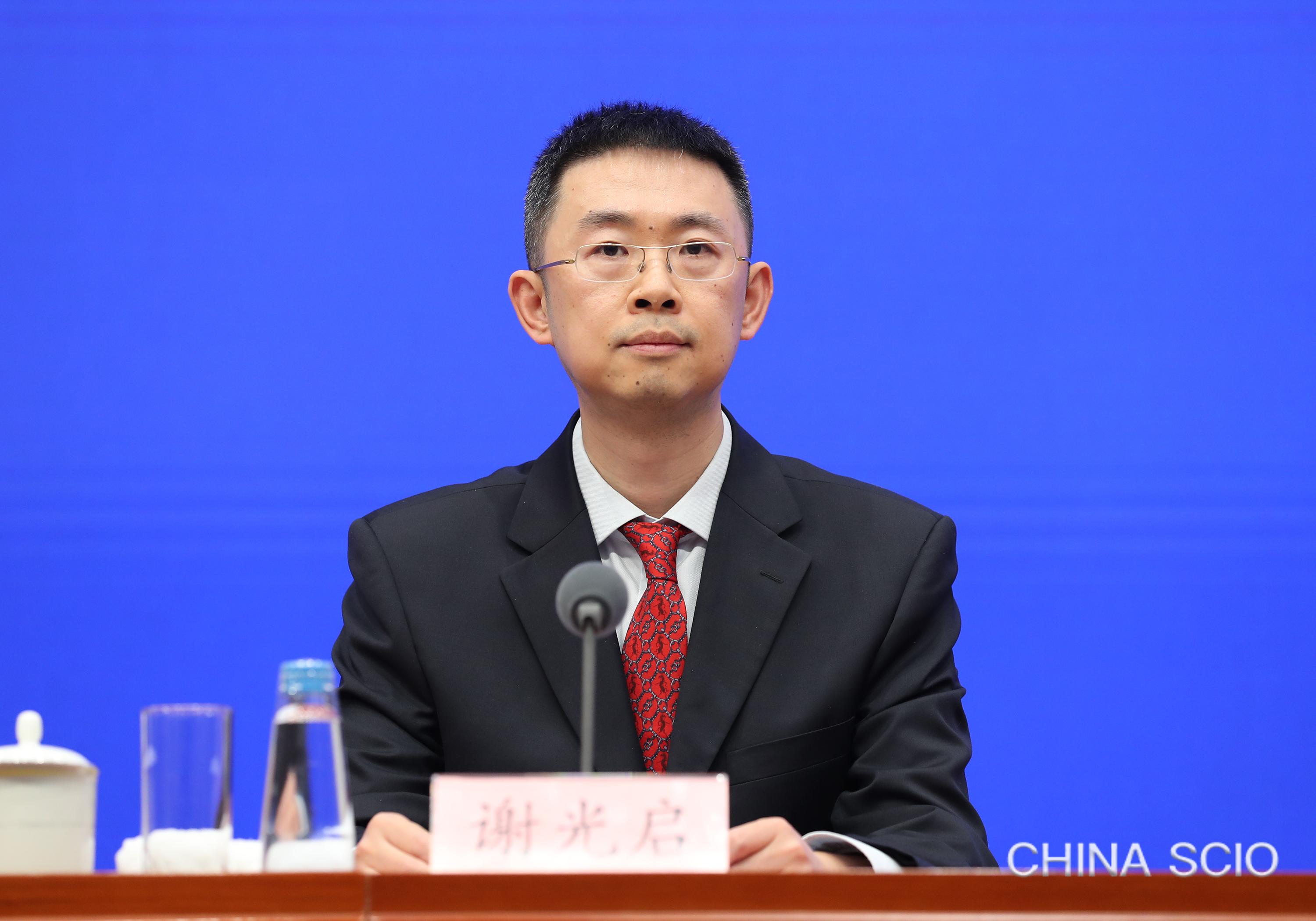
Xie Guangqi, director general of the Monetary Policy Department of the PBC
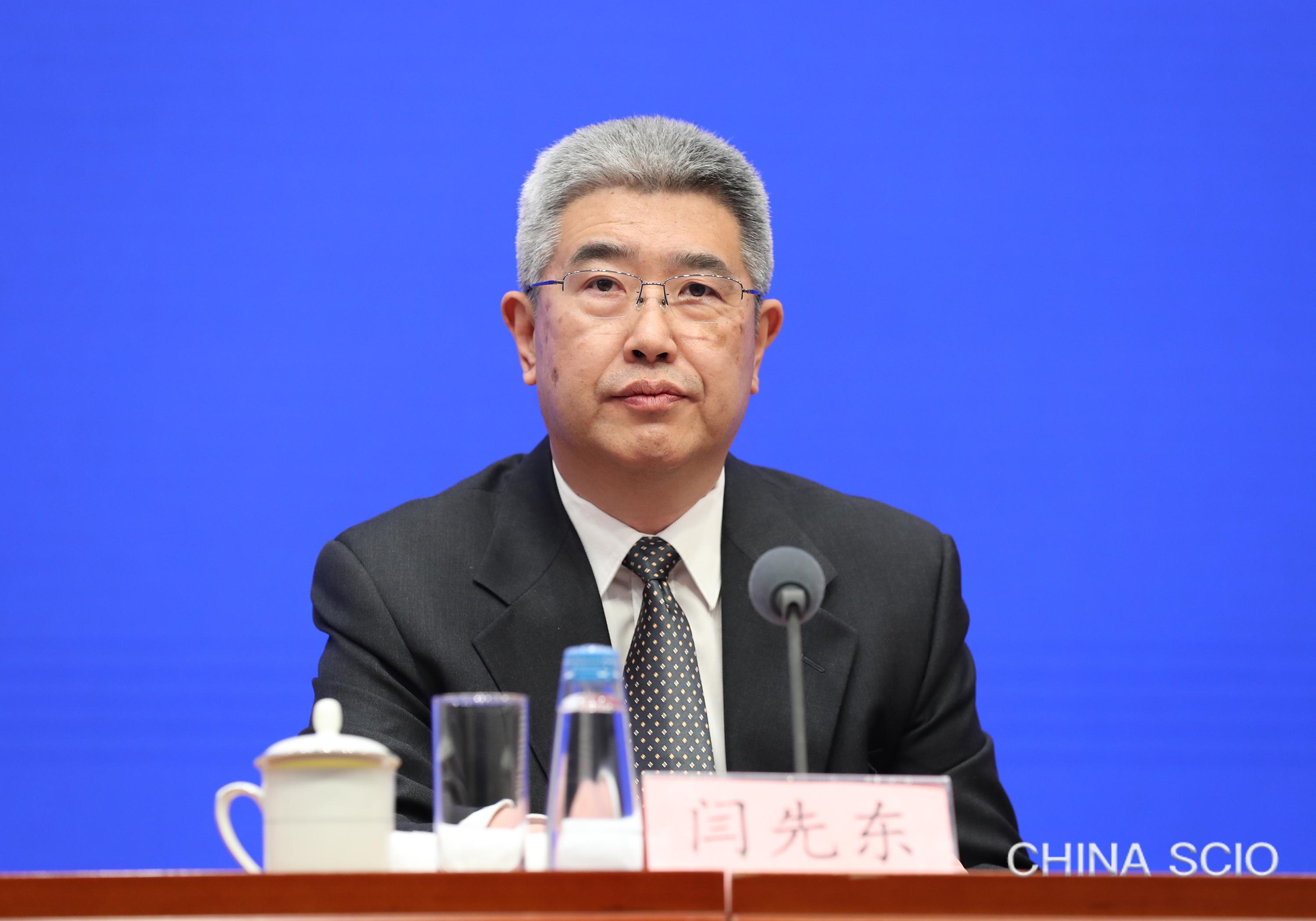
Yan Xiandong, spokesperson of the PBC and director general of the Statistics and Analysis Department of the PBC
Xiao Sheng, director general of the Capital Account Management Department of the SAFE
Chairperson
Speakers:
Mr. Zou Lan, spokesperson and deputy governor of the People's Bank of China (PBC)
Mr. Li Bin, spokesperson and deputy administrator of the State Administration of Foreign Exchange (SAFE)
Mr. Xie Guangqi, director general of the Monetary Policy Department of the PBC
Mr. Yan Xiandong, spokesperson of the PBC and director general of the Statistics and Analysis Department of the PBC
Mr. Xiao Sheng, director general of the Capital Account Management Department of the SAFE
Chairperson:
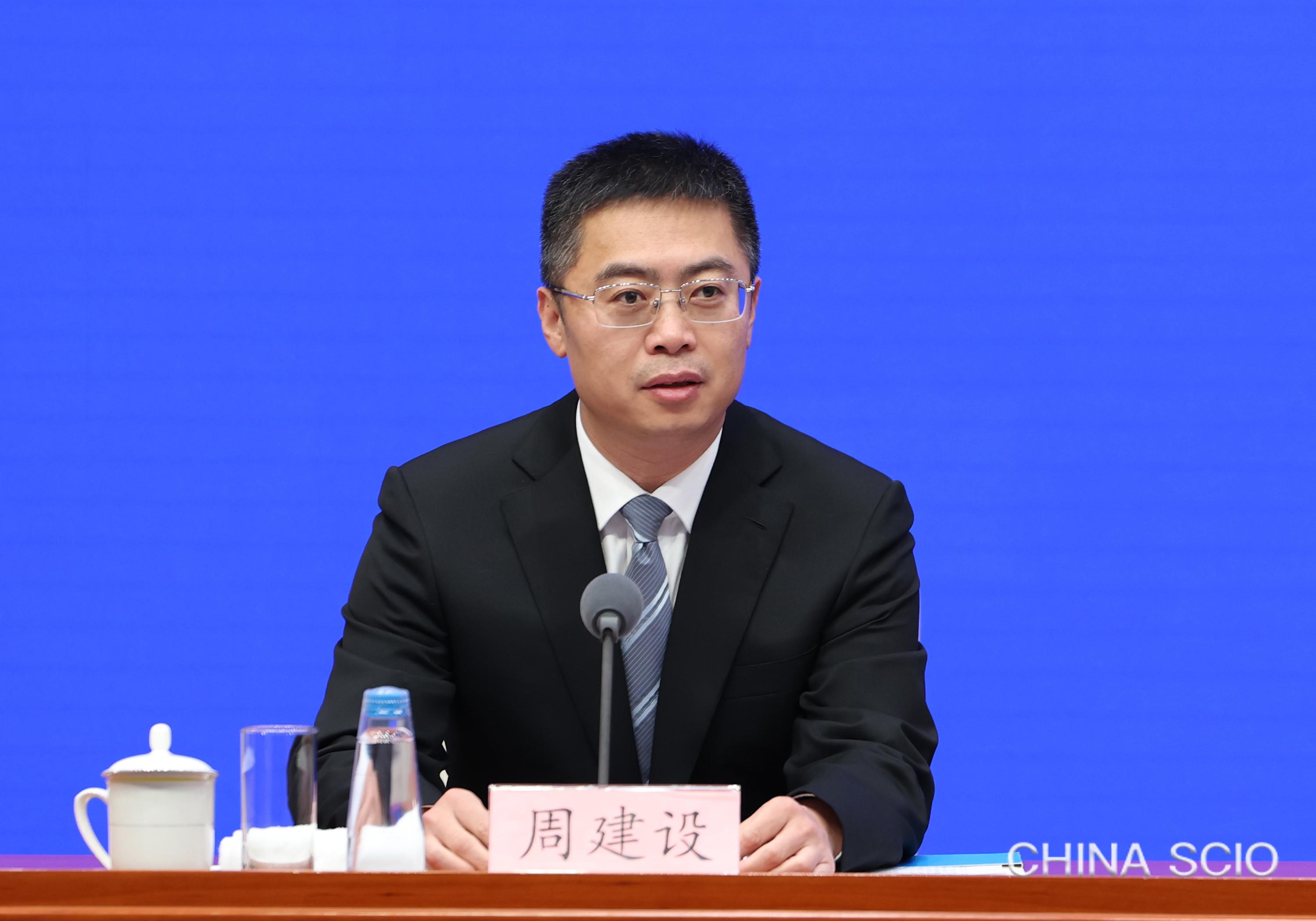
Mr. Zhou Jianshe, deputy director general of the Press Bureau of the State Council Information Office (SCIO) and spokesperson of the SCIO
Date:
Jan. 15, 2026
Zhou Jianshe:
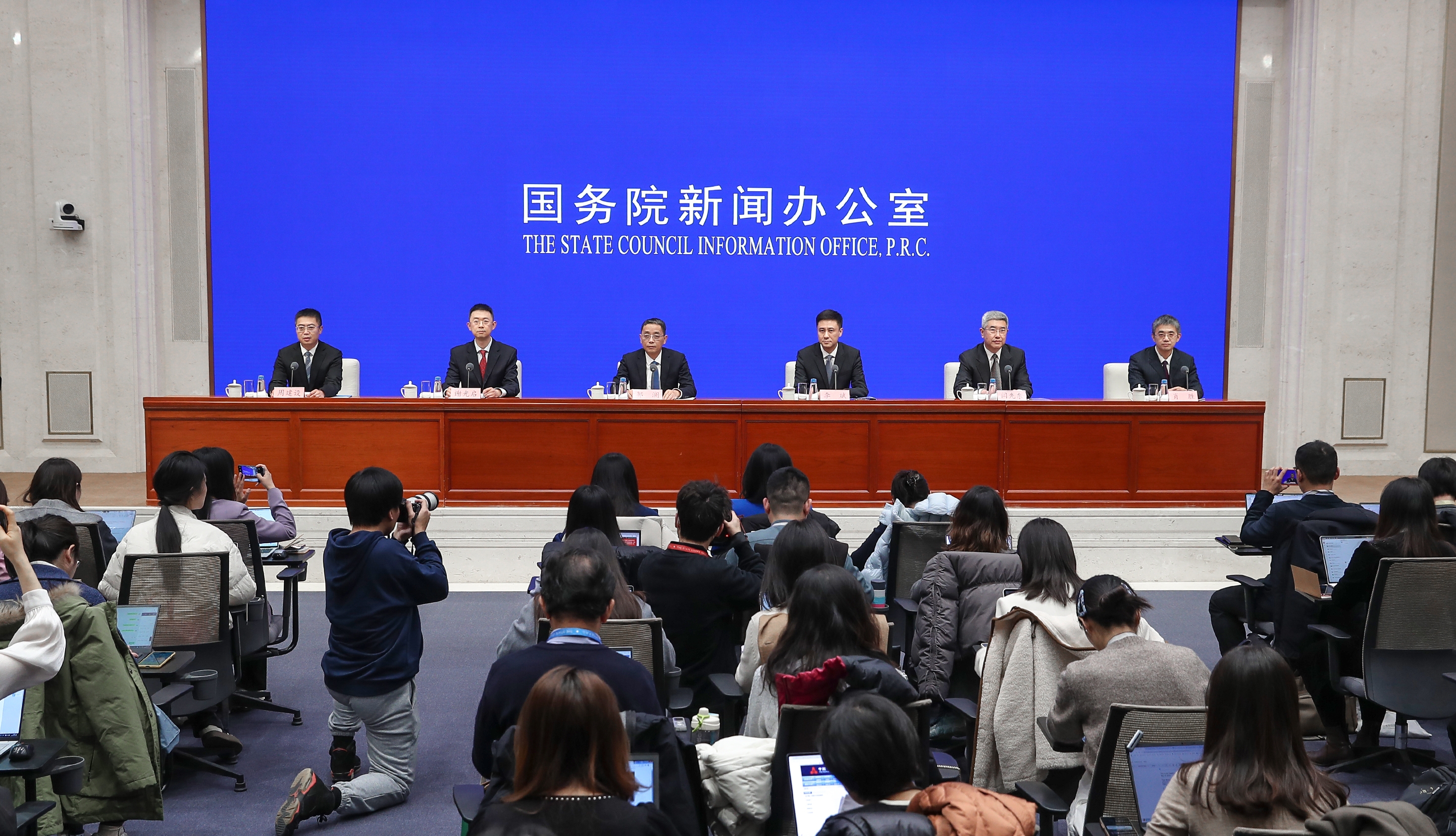
Ladies and gentlemen, good afternoon. Welcome to this press conference held by the State Council Information Office (SCIO). Today, we have invited Mr. Zou Lan, spokesperson and deputy governor of the People's Bank of China (PBC), and Mr. Li Bin, spokesperson and deputy administrator of the State Administration of Foreign Exchange (SAFE), to introduce the effects of monetary and financial policies on high-quality development of the real economy and to answer your questions. Also present at today's press conference are: Mr. Xie Guangqi, director general of the Monetary Policy Department of the PBC; Mr. Yan Xiandong, spokesperson of the PBC and director general of the Statistics and Analysis Department of the PBC; and Mr. Xiao Sheng, director general of the Capital Account Management Department of the SAFE.
Now, I'll give the floor to Mr. Zou for his introduction.
Zou Lan:
Good afternoon, friends from the media. Thank you all for your continued interest in and support for the work of the PBC. We just released the 2025 financial statistics on the website of the PBC. Today's press conference will focus on two main points: First, we will interpret the 2025 data; and second, we will announce a batch of monetary and financial policies that were reviewed and introduced earlier this year.
In 2025, the PBC implemented a moderately loose monetary policy. Against the backdrop of an already relatively loose monetary and financial environment and with existing policies continuing to take effect, the central bank announced a package of financial support measures in May to consolidate the positive momentum of economic recovery. Looking at the financial data for the whole year, the effect of monetary and financial policies in supporting the real economy is evident.
First, the total financial volume maintained relatively rapid growth. The PBC maintained ample liquidity by comprehensively utilizing a variety of monetary policy tools, guiding financial institutions to fully satisfy the effective financing needs of the real economy. As of the end of December 2025, the outstanding stock of social financing increased by 8.3% year on year. The broad money supply (M2) rose by 8.5% year on year, significantly outpacing the growth rate of nominal GDP. The outstanding balance of RMB loans was 272 trillion yuan ($39.11 trillion), registering a year-on-year increase of 6.4%. Excluding the impact of local government debt resolution, the growth rate was around 7%, indicating that the intensity of credit support remained robust.
Second, the overall cost of social financing was further reduced. Since the second half of 2018, the PBC has lowered policy interest rates 10 times. It has also strengthened the implementation and supervision of interest rate policies to better leverage existing policies and promote a steady decline in the overall cost of social financing. In December 2025, the weighted average interest rates for newly issued corporate loans and for newly issued personal housing loans both stood at around 3.1%, down by 2.5 percentage points and 2.6 percentage points, respectively, since the second half of 2018.
Third, the financial structure continued to improve. Adhering to the principle of "focusing on key priorities, keeping a reasonable and moderate scale, and advancing in some areas while withdrawing from others," the PBC has continuously refined the design and management of policy tools, increased support for key sectors to expand domestic demand, such as technological innovation and consumption promotion, and achieved full coverage in five major areas: technology finance, green finance, inclusive finance, pension finance and digital finance. Loans to key sectors such as technology, green development, inclusive finance, elderly care and the digital economy all maintained double-digit growths, significantly outpacing the overall loan growth rate and indicating a continuous optimization of the credit structure. At the same time, we have continued to deepen the development of the financial market and promoted an increase in the proportion of direct financing. In 2025, the share of financing methods other than loans, such as bonds, in the increment of social financing exceeded 50%, with the supply-side structural reform of the financial sector yielding remarkable results.
Fourth, the financial market operated in a stable manner. Comprehensive measures have been taken to maintain the stability of the foreign exchange market, strengthen expectation management, and ensure a basic balance between supply and demand in the foreign exchange market. In 2025, the RMB remained basically stable against a basket of currencies and appreciated by 4.4% against the U.S. dollar. The bond market has maintained steady and sound development, with the yield on the representative 10-year treasury bond remaining stable recently at around 1.8%-1.9%. Confidence in the capital market has been effectively boosted, with trading activity remaining robust.
The Central Economic Work Conference clearly stated that a moderately loose monetary policy will continue to be implemented in 2026. In accordance with the decisions and arrangements of the Central Committee of the Communist Party of China (CPC) and the State Council, the PBC will strengthen counter-cyclical and cross-cyclical adjustments to effectively support the successful launch and steady progress of the 15th Five-Year Plan (2026-2030).
In light of the needs arising from the current economic and financial situation, the PBC will take the lead in introducing policy measures in two areas. On the one hand, interest rates for various structural monetary policy tools will be lowered to boost banks' willingness to extend credit to key sectors. On the other hand, we will refine structural tools and expand support to further facilitate the transformation and optimization of the economic structure. Specifically, this includes the following measures:
First, interest rates on various structural monetary policy instruments will be lowered by 0.25 percentage point. The one-year interest rate for all types of relending facilities will be lowered from the current 1.5% to 1.25%, with interest rates for other maturities adjusted accordingly.
Second, the relending for agriculture and small businesses will be integrated with rediscounting, the quota will be increased, and a dedicated relending facility program for private enterprises will be established. The quotas for relending and rediscounting for agriculture and small businesses will be merged, increasing the quota for relending for agriculture and small businesses by 500 billion yuan. A separate relending facility quota of 1 trillion yuan will be set aside within the total quota for private enterprises, with a focus on supporting small and medium-sized private enterprises.
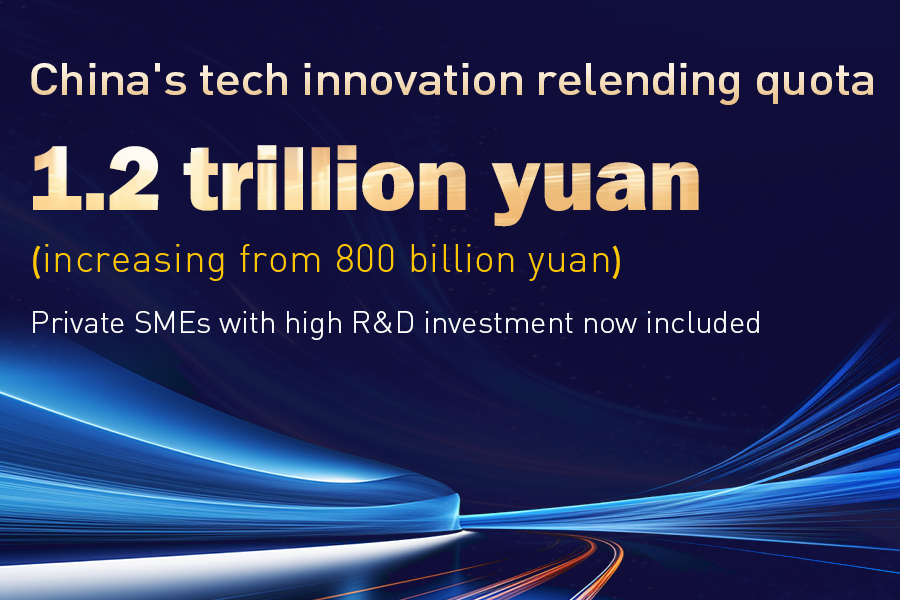
Third, the quota for relending in support of scientific and technological innovation and technological upgrading will be increased and its scope expanded. The quota will be increased by 400 billion yuan to 1.2 trillion yuan from 800 billion yuan, and support will be extended to include private small and medium-sized enterprises with relatively high R&D investment intensity.
Fourth, a risk-sharing instrument for science and technology innovation and private enterprise bonds will be established. The previously launched bond financing support tool for private enterprises and the bond risk-sharing tool for technological innovation will be consolidated under unified management, providing a combined relending quota of 200 billion yuan.
Fifth, the scope of the carbon emission reduction support facility will be expanded. More projects with carbon reduction effects, such as energy efficiency retrofits, green upgrading, and the transition to green and low-carbon energy, will be included, guiding banks to support a comprehensive green transition.
Sixth, the areas of support for service consumption and elderly care relending facilities will be expanded. In accordance with the standards for recognizing the health industry, the health industry should be included in the support areas of service consumption and elderly care relending facilities at an appropriate time.
Seventh, together with the State Financial Regulatory Commission (SFRC), the minimum down payment ratio for commercial property purchase loans will be lowered to 30% to promote the reduction of inventory in the commercial real estate market.
Eighth, financial institutions will be encouraged to enhance their foreign exchange risk-hedging services. A wider range of hedging products will be offered to provide enterprises with cost-effective, flexible and efficient tools for managing exchange rate risks.
The policy documents related to the above measures will be released soon. In accordance with the arrangements of the State Council executive meeting, implementation will be coordinated with fiscal policies such as interest subsidies, guarantees and risk cost-sharing mechanisms, in order to further amplify policy effects and jointly promote effective domestic demand. We will also continue to increase liquidity injection, flexibly combine various open market operation tools, maintain ample liquidity, and guide the overnight interest rate to operate around the policy interest rate. That's all for my introduction. Next, my colleagues and I are ready to take your questions.
Zhou Jianshe:
Thank you, Mr. Zou, for your introduction. Now, let's welcome Mr. Li to speak.
Li Bin:
At the beginning of the new year, I am very pleased to meet with friends from the media. Thank you for your interest in and support for foreign exchange administration. Just now, Mr. Zou gave a comprehensive overview of how monetary and financial policies are supporting high-quality economic development. Next, I will give a brief introduction to the relevant situation in the foreign exchange sector.
The year 2025, which just concluded, was very extraordinary. Facing a more severe and complex external environment, SAFE earnestly implemented the decisions and arrangements of the CPC Central Committee, coordinated domestic and international matters, balanced development and security, and mainly carried out work in three aspects. First, we took strong and effective measures to maintain the stable operation of the foreign exchange market. Second, we steadfastly advanced high-standard opening up in the foreign exchange field, focusing on better achieving the integration of promoting convenience and preventing risks through mechanism reform and technological empowerment, and better benefiting enterprises and the public. Third, we focused on enhancing our regulatory capabilities in an open environment, continuously cracking down on illegal and irregular foreign exchange activities, and maintaining a sound market order and healthy development.
Over the past year, the quality and efficiency of foreign exchange administration services to the real economy have significantly improved. We have successively introduced three package policies with a total of 28 measures, focusing on three key tasks: supporting the stable development of foreign trade, deepening cross-border investment and financing reforms, and supporting the construction of free trade zones. Since these policies began to be implemented in the fourth quarter of last year, the total value of facilitation services handled nationwide has exceeded $220 billion. We support entities engaged in new trade formats such as cross-border e-commerce to handle foreign exchange business online. In total, more than 1 billion transactions were processed, serving over 1.8 million small, medium, and micro businesses. We steadily advanced the reform of banks' foreign exchange business operations, better balancing efficiency and controlling risks. The number of banks participating in the reform has increased from 16 at the end of 2024 to 30 at present, which has basically covered the main banks handling cross-border business. Including business conducted under the operational reform framework, in 2025 a total of $2.3 trillion in cross-border receipts and payments were processed based on corporate instructions under the streamlined cross-border payments, representing a 33% increase from 2024. We extended the integrated RMB and foreign currency cash pooling policy for multinational corporations nationwide, improved the management of funds related to overseas listings by domestic enterprises, and supported enterprises in making better use of both domestic and international markets. We continued to strengthen the development and regulation of the foreign exchange market. In 2025, the trading volume in the foreign exchange market reached $42.6 trillion, and the corporate foreign exchange hedging ratio rose to 30%, both setting record highs. Throughout the year, more than 1,100 cases involving foreign exchange violations - such as underground banking and illicit cross-border capital transfers through fictitious transactions - were investigated and penalized, effectively safeguarding order in the foreign exchange market.
Over the past year, the supply and demand in the foreign exchange market were essentially balanced, expectations remained generally stable, and strong resilience and vitality were maintained. In 2025, the total cross-border income and expenditure of enterprises and individuals reached $15.6 trillion, an increase of nearly 10% compared with 2024. Cross-border funds shifted from a net outflow at the beginning of the year to a net inflow, with a total net inflow of $302.1 billion for the year, with a bank foreign exchange settlement and sales surplus of $196.6 billion. In December, the net inflow of cross-border funds and the bank foreign exchange settlement and sales surplus expanded, which was related to seasonal factors. From what we saw this January, it has already narrowed. In 2025, direct investment into China showed a net inflow, and domestic entities' outbound investment grew rapidly. At the end of September 2025, China's external assets and liabilities reached $11.5 trillion and $7.5 trillion respectively, both hitting record highs. Foreign exchange reserves remained stable, with a year-end balance of $3.3579 trillion. The yuan exchange rate has been generally stable at an adaptive and balanced level.
Next, the SAFE will thoroughly study and implement the guiding principles of the fourth plenary session of the 20th CPC Central Committee and the central economic work conference, deepen and expand reform and opening up in the foreign exchange sector, strive to create a foreign exchange policy environment that is both flexible and well-regulated, and contribute to a good start to the 15th Five-Year Plan period. That's all for my introduction. Thank you.
Zhou Jianshe:
Thank you for your introduction, Mr. Li. Now the floor is open for questions. Please identify the media outlet you represent before asking questions.
_ueditor_page_break_tag_National Business Daily:
In October 2025, the PBC announced that it would resume open-market treasury bond trading operations. Will there be an increase in treasury bond trading in 2026? Under what circumstances will the scale of such operations be increased? Thank you.
Zou Lan:
Thank you for your questions. Let me answer these questions. The central financial work conference called for enriching the monetary policy toolbox and gradually increasing treasury bond trading in the central bank's open-market operations. Open-market operations are an important means for the central bank to implement monetary policy regulation and liquidity management, including repos of various maturities, medium-term lending facilities, treasury bond trading, and other tools. Among these, outright repos are mainly carried out through buying and selling treasury bonds. To ensure ample market liquidity and stable short-term interest rates, in 2025, various open-market operations cumulatively injected a net 6 trillion yuan, including a net injection of 3.8 trillion yuan made through outright repos as well as a net purchase in treasury bonds of 120 billion yuan. At the same time, the PBC is also advancing reform measures. With the continuous enrichment of the monetary policy toolbox, it can better use various tools according to needs and market conditions, improve the mechanism for base money injection and pricing of operation tools, and strengthen information disclosure of monetary policy operations to enhance policy transparency.
Treasury bond trading operations also helps strengthen the coordination between monetary policy and fiscal policy. In recent years, China has implemented a proactive fiscal policy, with an increase in government bond issuance. In 2025, 16 trillion yuan of treasury bonds were issued, with a net increase of 6.6 trillion yuan for the year, and a year-end balance of about 40 trillion yuan. Of this, banks, non-bank financial institutions, and overseas institutions held 27 trillion yuan, 5 trillion yuan, and 2 trillion yuan respectively. Banks and other institutions in the market are the main holders of treasury bonds in order to improve asset allocation and strengthen liquidity management. On the premise of meeting the needs of these institutions for the allocation of treasury bond assets, the PBC can better ensure the smooth issuance of treasury bonds at a reasonable cost through buying and selling these bonds. In addition, in 2025, the balance of treasury bonds and local government bonds purchased by the PBC through outright repo operations was close to 7 trillion yuan, which has also played an important role in improving the market liquidity of government bonds.
Buying and selling of treasury bonds is also conducive to giving full play to the role of the treasury bond yield curve as a pricing benchmark, enriching macro-prudential management tools, and preventing the risk of sharp market fluctuations. At the beginning of 2025, the supply shortage in the bond market was relatively prominent and market risks had amounted to some extent, so we suspended bond purchases to avoid competing with the market for bonds; in the second half of the year, as market supply and demand reached balance, we resumed operations in the fourth quarter to ensure the smooth operation of the bond market.
Next, the PBC will consider factors such as the need for base money injection, the supply and demand in the bond market, and changes in the yield curve. It will also carry out treasury bond buying and selling operations, together with other liquidity tools, to maintain ample liquidity and create a conducive monetary and financial environment for the smooth issuance of government bonds. Thank you.
_ueditor_page_break_tag_Cover News:
Supporting enterprises in managing exchange rate risks has been a key task of the SAFE in recent years. May I ask about the current situation of enterprises' exchange rate risk management? What policy approaches are there for further helping enterprises manage exchange rate risks? Thank you.
Li Bin:
Thank you for your questions. I'll take these. In recent years, with increased volatility in the international financial market, enterprises' demand for proactively identifying and managing exchange rate risks in cross-border trade and investment has risen. The SAFE has continuously improved its services for enterprises' exchange rate risk management, and has made efforts in the following aspects. First, it has promoted the risk neutral concept regarding exchange rates through various means. We have compiled and issued the guidelines for corporate exchange rate risk management and the case collection on exchange rate risk scenarios and foreign exchange derivatives, and opened a special column on corporate exchange rate risk management services on the SAFE website, actively promoting good experiences and practices in exchange rate risk management. Second, we have promoted the establishment and improvement of a long-term mechanism for exchange rate risk management services by financial institutions. Currently, more than 120 banks of various types have launched foreign exchange derivatives businesses, the online trading mechanism is constantly being improved, and the business development capabilities at the grassroots level have been continuously strengthened. Third, we have improved the service capabilities of foreign exchange market infrastructure, reduced the transaction and settlement costs of foreign exchange derivatives for micro, small and medium-sized enterprises, expanded the transaction and settlement periods of foreign exchange derivatives, and guided financial institutions to continuously optimize exchange rate hedging products and provide more convenient services.
We have observed that an increasing number of enterprises are incorporating exchange rate fluctuations into their day-to-day financial decision-making and managing exchange rate risks through various means, including foreign exchange derivatives, local-currency settlement, and operational natural hedging. Enterprises' awareness of and capacity for exchange rate risk management continue to improve. Looking at the data over the past five years, in 2025, the volume of foreign exchange derivatives used by companies to manage exchange rate risk exceeded $1.9 trillion, nearly doubling from 2020. As I mentioned earlier, the corporate foreign exchange hedging ratio stood at 30%, up 8 percentage points from 2020.
Going forward, we will work with relevant parties to further enhance exchange rate risk hedging services for enterprises, enabling them to better focus on their core business and guard against risks. First, we will continue to strengthen the promotion of the concept of exchange rate risk neutrality, so that enterprises with hedging needs are more willing to conduct hedging operations. Second, foreign exchange authorities, the foreign exchange market self-regulatory mechanism, and banks will continue to publish case studies. This gives enterprises useful references in identifying exchange rate risk exposures and formulating hedging strategies, helping them hedge more effectively. Third, we will guide financial institutions to establish and improve long-term mechanisms for providing exchange rate risk hedging services to enterprises. This includes expanding the range of hedging products to cover more currencies, developing simple and user-friendly exchange rate hedging instruments, and improving foreign exchange risk management services. These efforts will enhance enterprises' capacity to hedge. Just now, Mr. Zou also announced a number of measures to further support enterprise exchange rate hedging. Fourth, we will support compliant and trustworthy enterprises in conducting foreign exchange derivatives transactions more conveniently. We will streamline business procedures and enable enterprises to hedge more effectively. That is all for my response. Thank you.
_ueditor_page_break_tag_Reuters:
What new measures will the central bank take next to support consumption, especially service consumption? In addition, I would also like to ask about monetary policy. What considerations will guide the next steps, and how much room remains for further interest rate cuts and reserve requirement ratio reductions? Thank you.
Zou Lan:
Thank you for your questions. You have, in fact, raised two issues. I will first address the question about monetary policy.
As I mentioned earlier, in 2026, the PBC will implement the decisions and arrangements of the Central Economic Work Conference and continue to pursue an appropriately accommodative monetary policy. We will leverage the combined effects of existing and new policy measures and step up counter- and cross-cyclical adjustments, creating an appropriate monetary and financial environment for stable economic growth and high-quality development. Specifically:
First, in light of domestic and international economic and financial conditions as well as developments in financial markets, we will take promoting stable economic growth and a reasonable rebound in prices as key considerations of monetary policy. We will flexibly and efficiently employ a range of policy tools, including reductions in the reserve requirement ratio and interest rate cuts, to maintain ample liquidity and relatively accommodative financing conditions. We will guide the reasonable growth of financial aggregates and the balanced extension of credit, ensuring that aggregate financing and money supply stay in step with the projected economic growth and CPI increase.
Second, we will fully leverage the role of monetary policies in adjusting both the monetary aggregate and structure, and accelerate the implementation of recently introduced structural monetary policy tools. We will guide financial institutions to step up support for key areas such as expanding domestic demand, sci-tech innovation, and micro, small- and medium-sized enterprises. We will encourage them to make solid progress in the five key areas of financial work. At the same time, we will strengthen coordination with fiscal policy to amplify policy incentives and effectiveness.
Third, we will better leverage the guiding role of policy interest rates and strengthen implementation and oversight of interest rate policies. We will give full play to the self-regulatory mechanism for market interest rate pricing, enhance banks' capacity for rational pricing, maintain an orderly competitive environment, and promote the overall financing costs to remain at a low level. At the same time, we will maintain exchange rate flexibility, keep the RMB exchange rate basically stable at a reasonable and balanced level, and guard against the risk of excessive exchange rate fluctuations.
Fourth, we will strengthen expectations management and continue to improve credible, regularized and institutionalized policy communication mechanisms. We will diversify channels for policy interpretation and information disclosure, and steadily enhance the transparency of monetary policy.
Regarding your question on further reductions in the reserve requirement ratio and interest rates, there remains some room this year. From the perspective of the statutory reserve requirement ratio, the current average ratio for financial institutions stands at 6.3%, indicating that there is still room for further reductions. From the perspective of policy interest rates, on the external front, the RMB exchange rate is relatively stable, and the U.S. dollar is on an interest rate easing path, meaning that exchange rate considerations do not pose a strong constraint overall. On the domestic front, banks' net interest margins have shown signs of stabilization since 2025, remaining at 1.42% for two consecutive quarters. In 2026, a relatively large volume of long-term deposits, including three-year and five-year deposits, will mature and be repriced. In addition, the PBC has lowered various relending rates. All these factors will help reduce banks' interest expenses, stabilize net interest margins, and create some room for interest rate cuts.
We will also continue to take comprehensive measures to keep the overall financing costs at a low level. For example, we will clearly disclose the overall financing costs of loans, organizing banks and enterprises to fill in a detailed form of expenses in interest and non-interest costs for enterprises to obtain loans. By doing so, we will lower appraisal and guarantee fees and other financing fees, reducing enterprise expenses and optimizing the financing environment. We will also strengthen the implementation and supervision of interest rate policies, leverage the interest rate self-regulatory mechanism, and improve the interest rate policy transmission. All of these help keep the overall financing costs at a low level.
As for your question about consumption, I'd like to invite Mr. Xie to answer it.
Xie Guangqi:
I'll answer the reporter's question about boosting consumption. In recent years, the PBC has implemented systematic measures to support for enhancing consumption capacity, increasing financial supply, and unleashing consumption potential, thereby meeting the diverse financing needs in the consumption sector. These measures include establishing a 500-billion-yuan relending facility for service consumption and elderly care, guiding financial institutions to innovate consumer financial products, and continuously facilitating payment services. Regarding service consumption and elderly care relending, as of the end of 2025, the PBC had received two batches of applications from financial institutions and provided relending funds of 118.4 billion yuan. In terms of bank loans, as of the end of November 2025, the outstanding balance of consumer loans (excluding individual housing loans) had reached 21.2 trillion yuan.
In the next stage, the PBC will continue to implement an appropriately accommodative monetary policy to create a favorable monetary and financial environment for boosting consumption and expanding domestic demand. On this basis, the central bank will further leverage the guiding role of structural monetary and credit policies and continuously improve the suitability and effectiveness of financial support for consumption.
First, we will enhance the efficacy of financial support for key areas of service consumption. As Mr. Zou mentioned in his opening remarks, the PBC will further expand the scope of support for service consumption and elderly care relending. After the criteria for accrediting the health care services are clearly defined by competent authorities, they will be included in the support scope for service consumption and elderly care relending in due course. By offering appropriately preferential interest rates for relending, financial institutions can be incentivized and guided to increase credit supply in the consumer sector in accordance with market-oriented and law-based principles. We will continue to guide financial institutions to innovate products and services in conjunction with consumption scenarios, with a focus on supporting industries that are highly relevant to people's livelihoods, such as accommodation and catering, culture, tourism, sports and entertainment, elderly care and child care, and housekeeping services.
Second, we will help increase people's spending power and support genuine financing needs for consumption. We will continue to implement the guarantee loan policy for business startups to support employment and entrepreneurship for key groups and to help eligible micro and small enterprises create jobs. We will support the healthy and stable development of China's capital market and expand investment channels for residents. We will regulate the development of consumer finance to meet people's diverse and personalized consumption needs. We will also strengthen the coordination of financial and fiscal policies to implement consumer loan interest subsidy programs and other policies, reducing financing costs in the consumer sector.
Third, we will optimize basic consumer finance services. We will continue to improve the diversified payment service system, enhance the payment experience in key consumption scenarios, effectively implement the one-time credit repair policy, and improve the consumer financial environment.
That's all for my answer. Thank you.
_ueditor_page_break_tag_21st Century Business Herald:
Mr. Li just mentioned that the foreign exchange market maintained strong resilience and vitality in 2025. How do you expect the foreign exchange market to perform in 2026? Thank you.
Li Bin:
Thank you for your interest in the foreign exchange market. I will answer this question. China is a large open economy. Its foreign exchange market is usually affected by multiple internal and external factors. Taking this into account, China's foreign exchange market is expected to perform steadily in 2026, with cross-border capital flow remaining stable and orderly. The resilience of the foreign exchange market is increasingly robust. Let me give you some details.
First, China continues to improve the quality and efficiency of economic development, laying a more solid economic foundation. In recent years, China's economic output has crossed thresholds one after another. Meanwhile, new quality productive forces have continued to grow. In the first 11 months of 2025, the value added of high-tech enterprises above the designated size increased by 9.2% year on year, becoming an important new driver of economic growth. During the 15th Five-Year Plan period, China will move faster to foster a new pattern of development, promote full integration between technological and industrial innovation, vigorously boost consumption and expand effective investment, thereby maintaining steady and sound economic performance.
Second, China will expand high-standard opening up, with cross-border trade and two-way investment constantly expanding. In recent years, China's foreign-related economic output has continued to increase. In 2025, the total value of imported and exported goods exceeded $6.3 trillion. China has become the main trading partner of more than 150 countries and regions. At the end of September 2025, China's outward direct investment and the foreign direct investment stock in China reached $3.4 trillion and $3.7 trillion respectively, both ranking among the top in the world. In the future, China will continue to take the initiative to open wider, promote balanced development of imports and exports, create new advantages in attracting foreign investment, and effectively manage foreign investment. By doing so, China's foreign-related economy will continue to grow with a larger scale and a more balanced structure. Its cross-border capital flow will remain both stable and orderly.
Third, China continues to deepen the development of its foreign exchange market, with greater confidence in withstanding external risks. China's foreign exchange trading volume continues to reach record highs. Market participants now include major domestic financial institutions as well as overseas institutions. The diversity of trading entities and the expansion of market depth enable effective absorption of impacts from changes in the external environment. At the same time, the foreign exchange risk exposure of domestic entities has also been decreasing. In 2025, the corporate hedging ratio increased by 3 percentage points compared with the previous year, and the proportion of goods trade settled in yuan rose to nearly 30%. Enterprises, banks and other entities are now better equipped to respond to market changes. In addition, the market-based yuan exchange rate regime has continuously improved in recent years, playing a stabilizing role in balancing supply and demand. The macro-prudential toolkit for managing cross-border capital flows remains well-equipped, and experience in addressing external shocks continues to accumulate.
From an external perspective, the global economy is expected to grow moderately this year, and major developed economies may continue cutting interest rates, which should support the stable operation of China's foreign exchange market. Of course, many uncertainties and unpredictable factors remain in international financial markets and geopolitics. We will continue to strengthen monitoring of cross-border capital flows and enhance the resilience of the foreign exchange market. We will also improve macro-prudential and expectation management to maintain the sound operation of the foreign exchange market and keep the yuan exchange rate basically stable at a reasonable and balanced level. That is all from me. Thank you.
_ueditor_page_break_tag_Market News International:
Firstly, China's CPI has remained below the target level, with current price levels still low. How does the PBC view the outlook for prices this year, and what measures will be taken to promote a moderate recovery in prices? And the second question is: how does the PBC view the outlook and possible performance of the yuan-U.S. dollar exchange rate this year? And what are the potential sources of volatility or disruption? Thank you.
Zou Lan:
Thank you. You asked two questions, and I'll answer them separately.
Regarding prices, China's price levels have shown positive changes recently. In December 2025, the CPI rose 0.8% year on year, reaching its highest level since March 2023. Core CPI, excluding food and energy, rose 1.2% year on year, remaining above 1% for four consecutive months. The PPI year-on-year decline also narrowed by 1.7 percentage points from its low point in July, and rose for three consecutive months on a month-on-month basis.
The structural breakdown of prices is also informative. Among the eight major categories of CPI indicators, food and transportation saw the largest declines. Since 2023, pork prices have fallen 30% cumulatively, while transportation prices have dropped 11.7%, mainly due to cyclical factors and supply-demand dynamics. At the same time, prices for education, culture and entertainment rose 3.6%, with tourism alone up 14.4%. This indicates that Chinese residents' consumption patterns are continuously being optimized and upgraded, and there remains considerable room for improvement in supply in these areas.
The synergistic effect of China's macroeconomic policies continues to strengthen. The unified national market is being advanced in depth, new growth drivers are developing and expanding, and targeted actions to boost consumption are being implemented. These efforts will continue to promote better alignment between supply and demand, facilitate the circulation of the real economy, further boost market confidence, and have a positive impact on prices.
The PBC has been closely monitoring price trends. In recent years, a supportive monetary policy stance has been maintained, ensuring ample liquidity. Growth in the overall financial sector has been significantly higher than nominal GDP growth over the same period, persisting for a relatively long time and resulting in a large cumulative increase. Moving forward, the PBC will earnestly implement the guiding principles of the Central Economic Work Conference, with promoting stable economic growth and a reasonable rebound in prices as important considerations of monetary policy. It will continue to implement a moderately loose monetary policy, leverage the combined effects of new and existing policies, and create a favorable monetary and financial environment to promote a reasonable recovery in prices.
Regarding exchange rates, China's exchange rate policy is clear and consistent: the market plays a decisive role in exchange rate formation, and the yuan exchange rate is kept basically stable at a reasonable and balanced level. China is a responsible major country and has neither the need nor the intention to gain a competitive advantage in international trade through currency devaluation.
Globally, developed economies have sharply raised interest rates in recent years before rapidly cutting them again. International trade barriers and frictions have also increased, leading to significantly greater volatility in global financial markets. The yuan exchange rate faced depreciation pressure, and the PBC and the SAFE strengthened expectation management to prevent the risk of exchange rate overshooting. Since 2020, the U.S. dollar index has risen about 1.9%, while over the same period, the CFETS yuan index, which measures the yuan exchange rate against a basket of currencies, has risen 7.2%. Overall, the yuan exchange rate has been stable.
The factors affecting exchange rates are diverse, including economic growth, monetary policy, financial markets, geopolitics and unforeseen shocks. At the end of 2025, driven by market forces, the yuan rose above 7 to the dollar. This was mainly because, since May 2025, China-U.S. economic and trade tensions have eased, the dollar has weakened, and the yuan has appreciated against the dollar. Looking ahead, China has a mega-sized market and a complete industrial chain. Technological innovation and industrial innovation are increasingly integrated, new growth drivers are thriving, domestic demand potential is continuously being released, the domestic-international dual circulation is becoming smoother. These improving long-term macroeconomic fundamentals support the basic stability of the yuan exchange rate.
It should also be noted that the external situation remains complex and challenging. The magnitude and pace of interest rate adjustments in major economies remain uncertain, and geopolitical shocks may persist, leading to volatility in exchange rates. The RMB exchange rate is expected to continue fluctuating in both directions while remaining flexible. Against this backdrop, the PBC has continued to improve policy arrangements for cross-border RMB use and supported financial institutions in enriching exchange rate risk hedging products. We have enhanced the capacity of foreign trade enterprises to manage exchange rate fluctuations and strengthened the resilience of the foreign exchange market. Foreign trade enterprises using RMB for cross-border trade settlement are largely unaffected by exchange rate fluctuations. This proportion currently stands at about 30%. For those settling in foreign currencies, the foreign exchange hedging ratio has also risen to around 30%. Enterprises can lock in exchange costs in advance, avoiding the impact of exchange rate fluctuations on production and operations. Overall, approximately 60% of import and export trade is relatively unaffected by exchange rate fluctuations. Moreover, as high-level institutional opening-up continues to deepen and financial services continue to improve, this proportion is expected to keep rising.
Regarding the resilience of the foreign exchange market and the availability of financial hedging tools, Mr. Li has already provided a detailed introduction in his earlier response, so I will not repeat it here. Regarding exchange rate policy, the PBC will continue to uphold the market's decisive role in exchange rate formation and maintain the flexibility of the RMB exchange rate. We will leverage the exchange rate's role as an automatic stabilizer for macroeconomic and balance of payments adjustment. We will strengthen expectation guidance, prevent the risk of exchange rate overshooting, and maintain the basic stability of the RMB exchange rate at a reasonable and balanced level.
Thank you for your questions.
_ueditor_page_break_tag_CCTV:
My question is about the PBC policies Mr. Zou just introduced for supporting private enterprises. What are the primary considerations behind these policies? How will these policies be implemented moving forward? Thank you.
Zou Lan:
Thank you. We'll have Mr. Xie answer your questions.
Xie Guangqi:
Thank you for your questions. Let me address them. Supporting the development of the private sector is a consistent policy of the CPC Central Committee. The recommendations for the 15th Five-Year Plan also call for developing and expanding the private sector. The private sector is an important driver of innovation, employment and improved livelihoods. We must remain committed to consolidating and developing the public sector while unswervingly encouraging, supporting and guiding the development of the non-public sector. We will fully implement the CPC Central Committee's policies for promoting the development of the private sector.
In recent years, the PBC has continuously strengthened financial support for private enterprises. The financing scale of private enterprises has steadily expanded, with a notable increase in financing efficiency and a steady decrease in financing costs. First, we have actively created a favorable policy environment. We have worked to implement the 25 measures for financial support to the private sector and to lower re-lending rates for agriculture and small business support while increasing the quota. Second, we have continuously improved the capability to provide financial services to private enterprises. We have guided financial institutions in implementing differentiated loan arrangements for small- and micro-sized private enterprises, including in areas such as internal fund transfer pricing, due diligence accountability exemptions and performance evaluation. Third, we have enhanced the financing experience for private enterprises through multiple channels. We have established a fast track for the registration and issuance of debt financing instruments by private enterprises and have supported private enterprises in conducting supply chain financing.
It should also be noted that large private enterprises currently have relatively strong financing capabilities, and there are also relatively abundant financing support policies for small- and micro-sized private enterprises. In comparison, medium-sized private enterprises face weaker access to financing. To this end, the PBC has decided to set up a 1 trillion yuan re-lending facility for private enterprises to further increase financial support for private micro-, small- and medium-sized enterprises. Given that the re-lending policy for the agriculture sector and small businesses already covers private enterprises and has played a positive incentive role, the new re-lending facility for private enterprises will be established under the re-lending facility for the agriculture sector and small businesses. While continuing to support small- and micro-sized private enterprises, the private enterprise re-lending facility will extend its coverage to include medium-sized private enterprises, encouraging and guiding locally incorporated financial institutions to issue loans to small- and micro-sized private enterprises. We have allocated 500 billion yuan from existing re-lending quotas for the agriculture sector and small businesses, plus an additional 500 billion yuan in new quotas. Together, these amount to 1 trillion yuan for the private enterprise re-lending facility. The interest rate, term and other aspects of the private enterprise re-lending facility are consistent with those of the re-lending facility for the agriculture sector and small businesses, while its quota will be managed separately.
Moving forward, the PBC will continue to leverage the incentive and guidance role of monetary and credit policies to constantly enhance financial service capacity and effectiveness for private enterprises. We will accelerate the implementation of measures such as the private enterprise re-lending facility to support private enterprise financing. We will urge financial institutions to further optimize internal policy arrangements and establish long-term mechanisms that encourage them to dare to lend, be willing to lend, be able to lend, and be skilled in lending. We will also improve the credit enhancement system for small- and medium-sized private enterprises. At the same time, we will strengthen policy coordination with fiscal, industrial and other related departments to jointly create a more favorable development environment for private enterprises.
That's all from me. Thank you.
_ueditor_page_break_tag_Dazhong Daily:
The recommendations for the 15th Five-Year Plan have made important arrangements for financial and foreign exchange work over the next five years. This year marks the beginning of the 15th Five-Year Plan period. May I ask what the key areas of advancement in foreign exchange management work are? Thank you.
Li Bin:
Thank you for your question. I'll answer that. The CPC Central Committee's recommendations for the 15th Five-Year Plan have made important arrangements for advancing financial and foreign exchange work over the next five years. The year 2026 marks the beginning of the 15th Five-Year Plan period. The SAFE will better balance both development and security, while continuing to build a foreign exchange management system that is more convenient, open, secure and smart. Specifically, this can be summarized as focusing on three key areas of work and continuously improving two types of capabilities.
First, we will uphold the fundamental purpose of financial services supporting the real economy, continue to deepen foreign exchange facilitation reforms, and enhance the vitality and momentum of high-quality development. We will continue to optimize foreign exchange management for trade and expand pilot programs for high-level opening-up in cross-border trade and investment in an orderly manner. We will strengthen support for new forms of trade, such as cross-border e-commerce and market procurement trade, and support payment institutions and banks in automatically processing electronic transaction information in batches to facilitate related fund settlements. With a focus on supporting technological innovation and green development, we will continue to advance the five major areas of finance. We will advance the development of cross-border financial service platforms, expand new application scenarios, and provide enterprises with more intelligent, efficient, safe and convenient foreign exchange services. We will enhance foreign exchange services for individuals and further improve the convenience of foreign exchange use for foreign nationals coming to China and internationally-engaged employees of enterprises.
Second, we will continue to promote high-standard opening up, steadily expand opening up in the foreign exchange sector, and promote win-win cooperation. We will coordinate efforts to promote the internationalization of the RMB and the high-quality opening up of the capital account, and deepen forex management reforms in areas such as foreign direct investment, securities investment, and cross-border financing. Next, we will introduce policies on overseas lending and the management of domestic foreign exchange loan funds to better support enterprises in "going global" and the development of foreign trade. We will implement the policy of centralized cross-border operation and management of domestic and foreign currency funds for multinational companies nationwide, further improving capital turnover efficiency and reducing corporate financial costs. We will support the development of Shanghai and Hong Kong as international financial centers, and upgrade forex management policies for high-level opening platforms such as pilot free trade zones and the Hainan Free Trade Port. At the same time, we will continuously enhance the foreign exchange business capabilities of financial institutions, continue to deepen the reform of banks' foreign exchange business, steadily expand the coverage of reforms, ensure integration with facilitation policies under the current account and capital account and better integration of policies to provide more convenience for enterprises and banks. We will continue to improve the operation and management of foreign exchange reserves, and make every effort to ensure the safety, liquidity, and value preservation and appreciation of foreign exchange reserve assets.
Third, we will adhere to the principles of both "dynamic deregulation" and "effective regulation" to promote the development of the foreign exchange market, enhance open regulatory capabilities, and ensure sound operation of the foreign exchange market. We need to further improve exchange rate risk management, guide financial institutions to develop simple and easy-to-use exchange rate hedging products, reduce exchange rate hedging costs for micro, small, and medium enterprises, and continuously improve the services of foreign exchange market infrastructure. We will strengthen balanced macroeconomic governance and expectations when necessary, based on new development, support the financial safety net for the foreign exchange market, and effectively ensure sound operation of the foreign exchange market. At the same time, we will further improve foreign exchange regulation, deepen the development of off-site regulating capabilities, strengthen the analysis of abnormal channels and clues, and continuously crack down on illegal cross-border financial activities.
While carrying out the above work, we will continuously enhance two aspects of our capabilities. First, we will focus on ensuring the mechanism for transmission and implementation of foreign exchange policies, place greater emphasis on improving policy implementation, enhance dynamic evaluation of "foreign exchange policy performance" and "regional foreign exchange ecology," and strive to achieve a closed cycle of management from policy formulation to the "last mile" of policy delivery. This will make them accessible and tangible for enterprises and residents and truly benefit businesses and the public. Second, we will strengthen technological empowerment, steadily explore the development of "smart foreign exchange administration," continuously improve the digitalization and intelligence of forex administration and services, and enhance the effectiveness, as well as the experience and friendliness of foreign exchange services. That's all for your question. Thank you.
_ueditor_page_break_tag_Financial Times:
Over the past year, the structure of monetary credit has been continuously optimized around the key areas of the five financial sectors. What are the characteristics of the total credit volume and structure in 2025? What is the financing situation in the areas of the five financial sectors? What are the expectations for credit growth in 2026? Thank you.
Zou Lan:
Thank you. I would like to invite Mr. Yan Xiandong to answer these questions.
Yan Xiandong:
Thank you for your questions. Since 2025, the PBC has implemented a moderately loose monetary policy, strengthened counter-cyclical adjustments, employed a mix of monetary policy tools, and supported the high-quality development of the real economy. In terms of results, monetary and credit performance in 2025 was characterized by "aggregate growth and structural optimization."
And the credit aggregate maintained steady growth. At the end of 2025, the outstanding balance of RMB loans from financial institutions was 271.91 trillion yuan, a year-on-year increase of 6.4%; if the impact of local government special bond swaps on loans is taken into account, the growth rate would be around 7%. New RMB loans totaled 16.27 trillion yuan for the year, indicating that the financial system maintained a high level of credit support for the real economy. Structurally, we can observe the following characteristics.
In terms of borrowers, loans to enterprises and public institutions constitutes the main driver of credit growth. In 2025, loans to enterprises and institutions increased by 15.47 trillion yuan, of which medium- and long-term loans increased by 8.82 trillion yuan, forming the principal component of the increase in loans to enterprises and institutions. This demonstrates that the financial system continues to provide stable funding sources for the real economy. Household loans increased by 441.7 billion yuan, and business loans increased by 938 billion yuan, reflecting the continued efforts of financial institutions to strengthen support for the production and operational activities of self-employed individuals and owners of small and micro enterprises.
In terms of sectors, the loan industry structure continues to be optimized. By the end of 2025, the outstanding balance of medium- and long-term loans to the manufacturing sector increased by 6.6% year-on-year, that to the infrastructure sector increased by 6.9% year-on-year, and the outstanding balance of medium- and long-term loans to the service sector (excluding real estate) increased by 9.4% year-on-year.
In the five major areas of finance, the "1+5" policy framework has been refined, incentives and constraints have been strengthened, and the system of structural monetary policy tools has been optimized, achieving full coverage across all areas of the five key areas of finance.
First, the total amount has grown rapidly. At the end of November 2025, the loan balance for the five major areas of the finance was 107.7 trillion yuan, an increase of 12.8% year-on-year. There is overlap among the subcategories of the five major areas of finance, for instance, an overlap of 16.5 trillion yuan between technology loans and green loans, and an overlap of 7.5 trillion yuan between technology loans and digital economy industry loans. The loan balance of the five major areas of the finance I am reporting here is an aggregated balance that excludes overlaps among subcategories, thereby accurately reflecting the effectiveness of the work on the five major areas of the finance. Among them, the technology loan balance, which is a focus of public attention, stood at 44.8 trillion yuan, an increase of 11.5% year-on-year. The green loan balance amounted to 44.2 trillion yuan, an increase of 23% year-on-year. The inclusive loan balance reached 39.8 trillion yuan, an increase of 10.3% year-on-year. The elderly care industry loan balance totaled 216.2 billion yuan, and the digital economy industry loan balance was 8.5 trillion yuan, with year-on-year growth rates of 60.2% and 14.6% respectively, both exceeding the growth rate of all loans.
Second, financing costs have declined noticeably. In November 2025, the interest rate for newly issued loans under the five major areas of the finance was 0.42 percentage point lower than the same period last year, among which the interest rate for newly issued technology loans was 2.81%, 0.32 percentage point lower than the same period last year, and the interest rate for newly issued digital economy industry loans was 2.7%, 0.51 percentage point lower than the same period last year.
Third, financing availability has further increased. By the end of November 2025, a total of 82.55 million enterprises and individuals had been served, an increase of 5.47 million from the same period last year.
In addition, bond and bill financing in the five major areas of finance has grown steadily. This is calculated quarterly. By the end of the third quarter of 2025, the balance of bonds under the five major areas was 6.7 trillion yuan, up 20.4% from the end of the previous year. The balance of bills under the five major areas, including acceptance bills and discounted bills, was 10.9 trillion yuan, up 7.2% from the end of the previous year.
In 2026, the PBC will continue to thoroughly implement the decisions and arrangements of the CPC Central Committee and the State Council, focusing on advancing the goal of building a nation with a strong financial sector. We will deploy various monetary policy tools, enhance the financial market system and mechanisms, and channel financial resources more precisely and efficiently to key areas and weaker links in the economy.
That is all from me. Thank you.
Zhou Jianshe:
Due to time constraints, we'll take two final questions.
_ueditor_page_break_tag_Elephant News:
In 2025, the two-way opening-up of China's financial market continued to advance. May I ask what new measures the SAFE will take to enhance capital account opening up and further expand investment and financing facilitation? Thank you.
Li Bin:
This question involves capital account opening up. I'd like to invite Mr. Xiao to answer.
Xiao Sheng:
I'll take your question. The recommendations for the 15th Five-Year Plan call for pursuing greater openness of RMB capital accounts. We will work toward this goal and advance high-standard institutional opening up regarding capital accounts in areas such as direct investment, securities investment and cross-border financing in an orderly manner. The main measures include the following four aspects.
First, we will advance the two-way opening up of the financial market in an orderly manner. Recently, the PBC and the SAFE jointly issued a policy on fund management for domestic enterprises listing overseas, unifying domestic and foreign currency fund management for overseas listings, and supporting enterprises in raising funds efficiently in overseas financial markets. Next, we will further study and optimize the cross-border capital policy for qualified foreign institutional investors (QFII), and continue to allocate qualified domestic institutional investors (QDII) investment quotas in an orderly manner. We will work with relevant departments to advance financial market interconnection mechanisms such as the Shanghai-Hong Kong Stock Connect, the Shenzhen-Hong Kong Stock Connect, and Bond Connect, continuously enhancing the level of two-way opening-up of the financial market.
Second, we will continue to deepen foreign exchange management reform for cross-border investment and financing. We will further intensify efforts to advance foreign exchange management reform for foreign direct investment, simplify relevant foreign exchange registration procedures, facilitate the payment and use of foreign investment funds, and better support foreign investors in developing their businesses in China. We will revise and introduce measures for the integrated management of domestic and foreign currency for overseas loans granted by domestic enterprises. This will support and facilitate financing for enterprises going global, helping reduce costs and improve efficiency. We will also improve and introduce foreign exchange administration policies for domestic foreign exchange loans to better support enterprises' cross-border trade activities. At the same time, we will prepare a new package of policies and measures to facilitate cross-border investment and financing, further optimize foreign exchange management, and enhance digital services capabilities to better support the real economy's high-quality development.
Third, we will actively enhance our ability to effectively advance the five major areas of finance. In 2025, we upgraded and introduced more convenient cross-border financing policies for high-tech, specialized and innovative, and technology-based SMEs. We also launched a pilot program for green foreign debt financing to support green development and low-carbon transition projects. To date, these policies have helped companies secure nearly $10 billion in financing. Looking ahead, we will continue to focus on technology finance and green finance, further strengthen policy implementation, upgrade and expand pilot programs so that more enterprises can benefit from our policies, and support technological innovation and green, low-carbon development.
Fourth, we will promote and upgrade the policy on multinational corporations' RMB and foreign currency cash pools. In recent years, we have continuously upgraded multinational corporation cash pool policies and strengthened the integration of various types of cash pools. We have formed a multinational corporation cash pool policy framework with unified domestic and foreign currency management and nuanced versions of cash pools. To date, it has benefited more than 1,100 multinational corporations and 19,000 member companies, involving cross-border receipts and payments of $2.1 trillion. Recently, we have extended the integrated RMB and foreign currency cash pool policy for large and super-large multinational corporations nationwide. In 2026, we will extend the centralized cross-border fund operation and management policy to more medium-sized multinational companies nationwide. This will enable more multinationals to conduct cross-border fund operations agilely and efficiently, and support the development of the headquarters economy. Thank you.
Zhou Jianshe:
One last question, please.
_ueditor_page_break_tag_Dingduan News:
According to recent data, M2 and total social financing have maintained steady growth. What were the key characteristics of social financing scale and M2 growth in 2025? Thank you.
Zou Lan:
Thank you. For this final question, I would like to invite Mr. Yan to respond.
Yan Xiandong:
Thank you for your question. Since the start of 2025, the PBC has implemented a moderately loose monetary policy, maintaining ample liquidity. Growth in aggregate financing to the real economy (AFRE) and in M2 have both remained relatively high. By the end of 2025, China's AFRE and M2 increased 8.3% and 8.5% year on year, respectively, with growth rates approximately 1.3 and 1.5 percentage points higher than the projected targets for economic growth and the CPI.
AFRE maintained reasonable growth, adequately meeting the funding needs of the real economy. In 2025, AFRE increased by 35.6 trillion yuan. First, in terms of composition, direct financing within the AFRE increment reached 16.7 trillion yuan, accounting for 46.9%. This was 7.8 percentage points higher than in 2020, the final year of the 13th Five-Year Plan period. Specifically, net government bond financing totaled 13.84 trillion yuan, up 2.54 trillion yuan from the previous year. Net non-financial corporate bond financing reached 2.39 trillion yuan, up 482.5 billion yuan from the previous year. This was achieved by leveraging financing support tools for private enterprise bonds and launching the "sci-tech board" in the bond market, an innovative initiative to enhance support for technological innovation and private enterprises. Additionally, through policies and measures to support the capital market and stabilize market expectations, non-financial corporate equity financing reached 476.3 billion yuan, up 186.3 billion yuan from the previous year. Second, yuan loans issued by financial institutions to the real economy maintained reasonable growth, increasing by 15.91 trillion yuan for the year. In addition, off-balance-sheet financing improved, with trust loans, entrusted loans, and undiscounted bankers' acceptance bills increasing by a total of 499.7 billion yuan for the year, up 489.1 billion yuan year on year.
M2 growth accelerated, continuing to create a favorable monetary and financial environment for economic recovery and improvement. At the end of 2025, M2 stood at 340.29 trillion yuan, up 8.5% year on year, 0.5 percentage point higher than the previous month and 1.2 percentage points higher than the same period last year.
Deposits are a major component of M2. Therefore, let me provide an overview of deposit growth at financial institutions. In 2025, yuan deposits increased by 26.4 trillion yuan. Structurally, deposits exhibited the following characteristics: First, household deposits maintained steady growth, increasing 14.6 trillion yuan throughout the year, up 381.2 billion yuan year on year. Second, non-financial corporate deposits grew rapidly, increasing 2.3 trillion yuan for the year, 2.6 trillion yuan more than the previous year. Of this, demand deposits rose 5.3 trillion yuan year on year. Third, non-bank financial institution deposits increased significantly, rising 6.4 trillion yuan for the year, 3.8 trillion yuan more than the previous year.
Additionally, asset management products also had a certain impact on deposit composition. By the end of 2025, total assets of asset management products reached 119.9 trillion yuan, up 13.1% year on year. This included 34.5 trillion yuan in bank wealth management products, 40.8 trillion yuan in public funds, 22.8 trillion yuan in asset management trusts, and 21.6 trillion yuan in asset management products from insurance companies, securities firms, funds, futures companies, and financial asset investment companies combined. On the one hand, in 2025, funds raised by asset management products from households and non-financial enterprises increased by 4 trillion yuan and 1 trillion yuan, respectively, up 337.9 billion yuan and 200 billion yuan from 2024. On the other hand, among the underlying assets of asset management products in 2025, deposits and certificates of deposit increased by 4.6 trillion yuan, accounting for 50% of total new underlying assets. This also contributed to the increase in deposits of non-bank financial institutions.
Next, in accordance with the arrangements of the Central Economic Work Conference, the PBC will continue to implement a moderately loose monetary policy, keeping growth in AFRE and M2 in line with projected economic growth and CPI levels, providing strong financial support for a solid start to the 15th Five-Year Plan period.
That's all I have to say. Thank you!
Zhou Jianshe:
That concludes today's press conference. Thank you to all our speakers and to all our journalist friends. Goodbye!
Translated and edited by Zhang Rui, Liu Jianing, Wang Yanfang, Liu Caiyi, Li Xiao, Li Congrong, Xu Kailin, Yan Bin, Zhang Yuxin, Liao Jiaxin, Wang Wei, Fan Junmei, Liu Sitong, Huang Shan, Zhang Junmian, Ma Yujia, Li Huiru, David Ball, Jay Birbeck, and Tudor Finneran. In case of any discrepancy between the English and Chinese texts, the Chinese version is deemed to prevail.

/7 Zhou Jianshe
/7 Zou Lan
/7 Li Bin
/7 Xie Guangqi
/7 Yan Xiandong
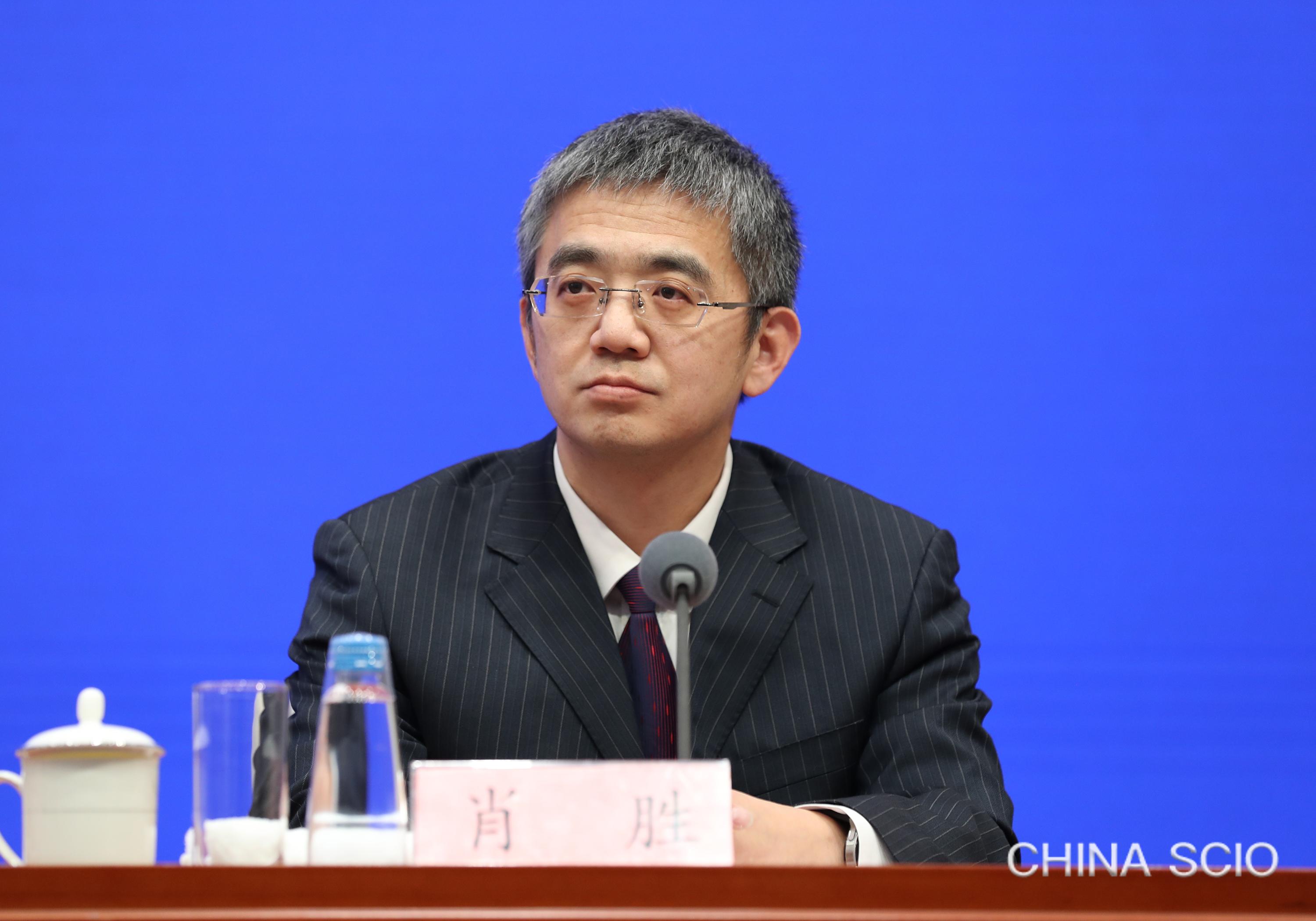
/7 Xiao Sheng
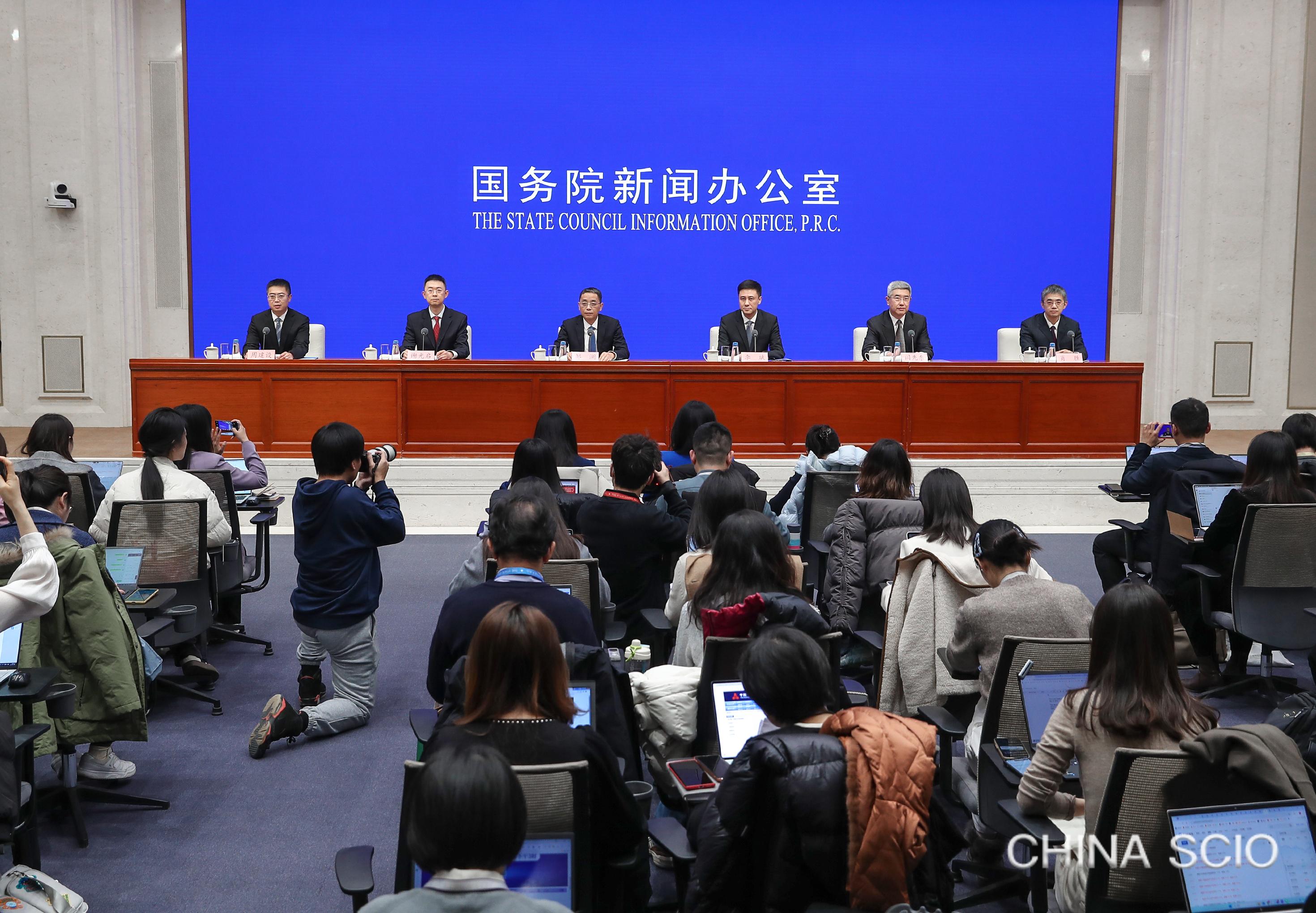
/ Group photo
SCIO briefing on China's import and export in 2025
SCIO briefing on preparations for the 6th Asian Beach Games Sanya 2026
January 12, 2026SCIO briefing on progress in accelerating the construction of the national water network
January 9, 2026SCIO briefing on promoting green consumption
January 6, 2026