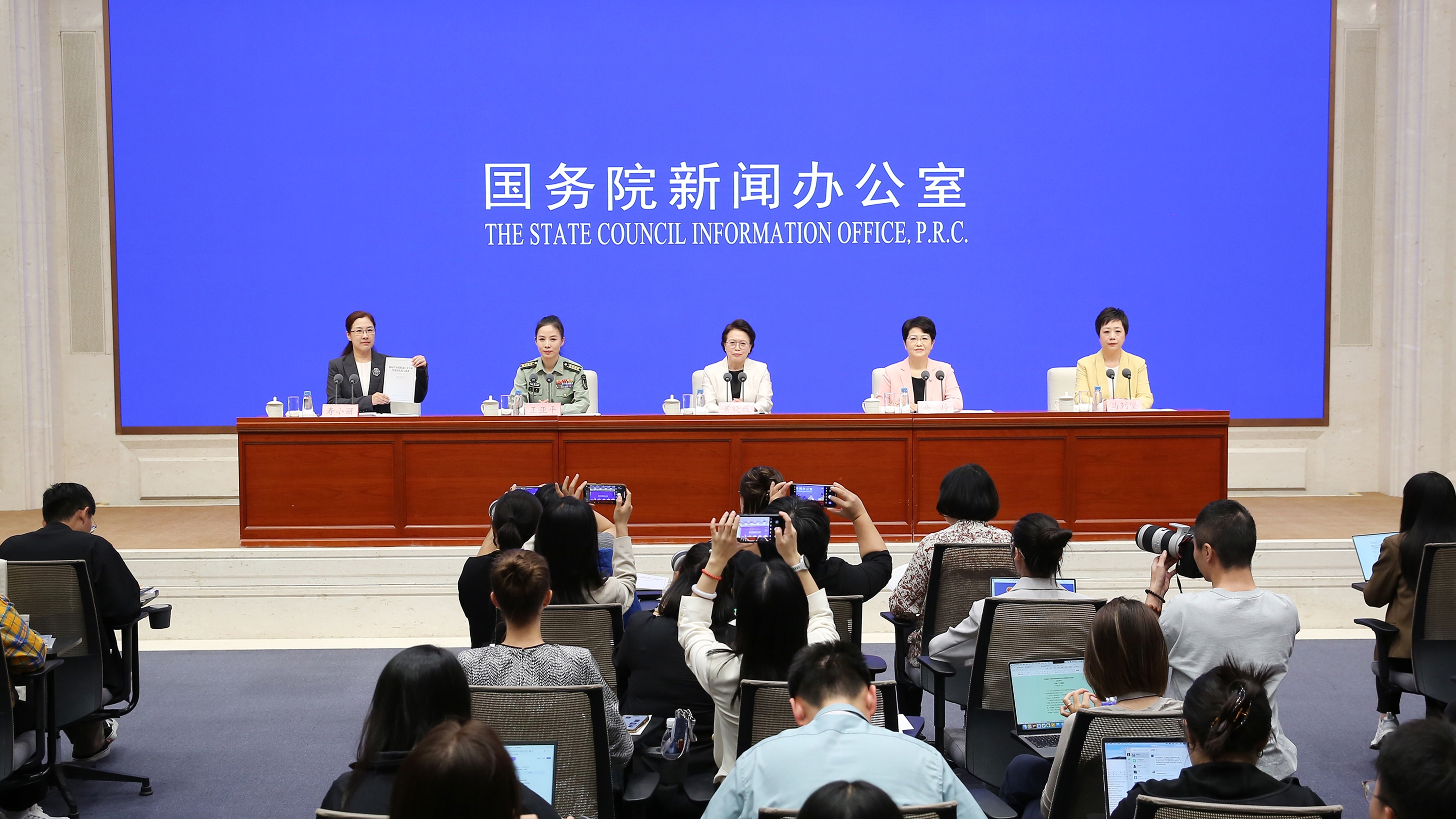

SCIO briefing on white paper 'China's Achievements in Women's Well-Rounded Development in the New Era'
Beijing | 4 p.m. Sept. 19, 2025
Speakers

Huang Xiaowei, deputy head of the National Working Committee on Children and Women under the State Council, vice president of the All-China Women's Federation (ACWF), and first member of the Secretariat of the ACWF
Feng Ling, vice president of the ACWF and a member of the Secretariat of the ACWF
Wang Yaping, vice president of the ACWF (part-time) and a member of the Taikonaut Corps of the People's Liberation Army of China
Ma Liejian, a member of the Secretariat of the ACWF
Chairperson
Speakers:
Ms. Huang Xiaowei, deputy head of the National Working Committee on Children and Women under the State Council, vice president of the All-China Women's Federation (ACWF), and first member of the Secretariat of the ACWF
Ms. Feng Ling, vice president of the ACWF and a member of the Secretariat of the ACWF
Ms. Wang Yaping, vice president of the ACWF (part-time) and a member of the Taikonaut Corps of the People's Liberation Army of China
Ms. Ma Liejian, a member of the Secretariat of the ACWF
Chairperson:
Ms. Shou Xiaoli, director general of the Press Bureau of the State Council Information Office (SCIO) and spokesperson of the SCIO
Date:
Sept. 19, 2025
Shou Xiaoli:
Ladies and gentlemen, good afternoon. Welcome to this press conference held by the State Council Information Office (SCIO).
Today, the SCIO has organized this press conference to release the white paper titled "China's Achievements in Women's Well-Rounded Development in the New Era" and to present and interpret its main content.
The white paper presents a systematic account of China's philosophy on advancing women's development. It highlights the remarkable progress made in promoting gender equality and women's development since the 18th National Congress of the Communist Party of China (CPC), particularly over the past five years, and outlines China's active contributions to the global advancement of women.
The white paper consists of preface, main body and conclusion, totaling around 27,000 Chinese characters. The main body comprises five chapters: Development of China's Endeavors Concerning Women, Boosting the Well-Rounded Development of Women as a National Campaign, Sharing in the Fruits of Modernization, Advancing Women's Development to the Forefront of the Times, and Contributing to the Global Advancement of Women.
The white paper is published in eight languages: Chinese, English, French, Russian, German, Spanish, Arabic and Japanese. It is published by the People's Publishing House and Foreign Languages Press, and is available at Xinhua Bookstores nationwide.
To help you better understand the contents of the white paper, we are honored to have with us Ms. Huang Xiaowei, deputy head of the National Working Committee on Children and Women under the State Council, vice president of the All-China Women's Federation (ACWF), and first member of the Secretariat of the ACWF. She will brief you on the paper and take your questions.
Also attending today's press conference are Ms. Feng Ling, vice president of the ACWF and a member of the Secretariat of the ACWF; Ms. Wang Yaping, vice president of the ACWF (part-time) and a member of the Taikonaut Corps of the People's Liberation Army of China; and Ms. Ma Liejian, a member of the Secretariat of the ACWF.
Now, I'll give the floor to Ms. Huang for her introduction.
Huang Xiaowei:
Thank you. Ladies and gentlemen, friends from the media, good afternoon. I am delighted to join you in witnessing the release of the white paper "China's Achievements in Women's Well-Rounded Development in the New Era." First, I would like to take this opportunity to express my heartfelt thanks to all friends for your long-term concern about the issue of women's development and the work of the ACWF.
In line with the initiative of General Secretary Xi Jinping, a Global Leaders' Meeting on Gender Equality and Women's Empowerment will soon be held again in Beijing. To mark the 30th anniversary of the Fourth World Conference on Women, the United Nations convened a high-level meeting in Geneva on Sept. 8 and will convene another meeting in New York on Sept. 22. We are releasing this white paper today to offer a full account of China's results in implementing the Beijing Declaration and Platform for Action, and to present China's philosophy, practices and achievements in promoting gender equality and women's well-rounded development in the new era.
Since the 18th CPC National Congress, the CPC Central Committee with Comrade Xi Jinping at its core has incorporated the advancement of women's cause into the overall framework of Chinese modernization. General Secretary Xi Jinping has presented important ideas and proposals on work related to women, children and women's federations, as well as on fostering strong family ties, values and traditions. These constitute an integral part of Xi Jinping Thought on Socialism with Chinese Characteristics for a New Era. A series of major initiatives of pioneering vision, overarching significance and long-term impact have been implemented, which have led to historic achievements in women's cause in China. Women's development in China has been comprehensively advanced, and the Chinese socialist path for women's development has demonstrated great vitality and distinctive strengths. This has contributed a vivid example of China's governance to the world, injecting new elements into human civilization and opening up new pathways. Here, I would like to summarize the situation through "four unprecedented advances."
First, the attention and support from the Party and the state for women's cause are unprecedented. In the new era, China has closely integrated the course of national development and progress with the promotion of gender equality. The Party's leadership has been comprehensively strengthened. The reports to the 18th, 19th and 20th CPC National Congresses all emphasized "upholding the basic national policy of gender equality and protecting the lawful rights and interests of women and children." General Secretary Xi Jinping has given a series of important instructions, and Party committees at all levels hold special meetings every year to deliberate on women's work, providing strong political guarantees for the development of women's cause. The will of the state has been fully demonstrated. The Civil Code, including a Marriage and Family section, has been promulgated; the Anti-Domestic Violence Law has been enacted; the Law on the Protection of Women's Rights and Interests has been comprehensively revised; and the Criminal Law and the Law on Land Contract in Rural Areas, among others, have been amended. A gender equality review mechanism has been established at the national level and across provinces, autonomous regions, and municipalities directly under the central government. Planning has played an increasingly guiding role. A planning system has been formed, led by national development plans, with the outlines for women's development as the mainstay, supported by special plans in related fields and at local levels. This system ensures horizontal coordination and vertical integration, with quantifiable objectives, operable measures, concrete tasks and measurable outcomes. The working mechanisms have become more robust and effective. A structure has taken shape in which Party committees exercise leadership, governments assume primary responsibility, working committees on women and children play a coordinating role, women's federations work in collaboration, relevant departments provide support, and the whole of society participates. These efforts have translated institutional strengths into effective drivers for the development of women's cause.
Second, women's sense of fulfillment, happiness and security has reached unprecedented levels. In the new era, China has adhered to safeguarding women's rights and interests through development and improving women's well-being via concrete progress. More than 690 million women have simultaneously become part of our moderately prosperous society in all respects. Women from previously impoverished areas now have access to safe housing, clean water and broadband internet, radiating confidence from within. Women's health has improved dramatically. Average life expectancy has reached 80.9 years, an increase of 3.5 years since 2010. The systematic maternal management rate has risen to 94.9%, up 7.3 percentage points since 2012. The maternal mortality rate has dropped 41.6% compared to 2012. China has been recognized by the WHO as one of the 10 countries with high performance in maternal and child health. Women enjoy balanced and high-quality education. Gender gaps in basic education have essentially been eliminated, and female students now account for 50.76% of students in higher education enrollment. Education in science, technology, engineering and mathematics has empowered girls to reach new heights, making education empowerment the primary driving force of women's success in life. Social security for women is comprehensive and practical. Medical and pension insurance systems have achieved universal coverage in China, with women representing over 48% of total participants in insurance programs. Female participation in unemployment and work-injury insurance has increased 1.7-fold and 1.6-fold, respectively, since 2012. The safety net for women in difficult circumstances is solid and comprehensive. Women equally across the country share in the achievements of modernization, developing with greater confidence.
Third, women's role in "holding up half the sky" has been more comprehensively demonstrated across all fields than ever before. In the new era, China regards women as an important force in advancing Chinese modernization, guiding them to become builders of great undertakings, advocates of civilized practices, and courageous pursuers of their dreams. In terms of high-quality development, women account for 43% of employed personnel and 45.8% of scientific and technological workers. Among participants in emerging sectors such as digital trade, e-commerce and livestreaming, women make up one-third of practitioners. In frontier areas such as domestically produced large passenger aircraft, biomedicine, deep-sea exploration and artificial intelligence, women have made outstanding contributions. The currently popular movie "Shenzhou 13" was co-produced by female astronaut Wang Yaping, who is sitting here on stage with us, and her colleagues. In terms of political participation, the proportion of women among deputies to the 14th National People's Congress, members of the National Committee of the Chinese People's Political Consultative Conference, and delegates to the 20th CPC National Congress has reached historic highs. Women account for 54.3% and 26.1% of neighborhood and village committee members, respectively, up 5.5 and 4 percentage points from 2012. This vividly reflects the most extensive, genuine and effective democratic practice. In terms of cultural development, women account for 45.2% of successful candidates in the cultural talent program and one-quarter of national-level intangible cultural heritage inheritors. Female cultural talents and their outstanding works continue to emerge in great numbers. Yu Lei, who was the chief director of this year's V-Day commemorations on Sept. 3, is also a woman. In primary-level social governance, there are more than 431,000 women's deliberative councils, over 7 million ACWF executive committee members, and more than 24 million registered female volunteers active in urban and rural communities. They resolve conflicts "at the doorstep," deliver services "to the heart," and integrate family, family education and family values into daily life. In ecological and environmental protection, women guide their families and inspire children to actively participate in afforestation activities, the "Clear Your Plate" campaign, waste sorting, and environmental improvement. To date, more than 12 million households have been awarded the title of "Beautiful Courtyard," contributing to a greener, more beautiful China.
Fourth, China's deep participation in global governance on women's affairs has reached unprecedented levels. In the new era, China upholds the concept of building a community with a shared future for humanity, and has translated the four major global initiatives proposed by General Secretary Xi Jinping into concrete actions to promote the comprehensive development of women. We have firmly fulfilled international conventions, supported the United Nations in prioritizing women's work, jointly established the Prize for Girls' and Women's Education with the U.N., and held the Global Leaders' Meeting on Gender Equality and Women's Empowerment. We are expanding our circle of friends for women's cooperation, maintaining friendly exchanges with over 140 countries, more than 420 women's organizations and institutions, and various U.N. agencies. We have implemented empowerment projects worth over $40 million in more than 20 countries, trained more than 200,000 female talents from more than 180 countries and regions, supported women's employment in over 100 countries, established the Global Exchange and Cooperation Center for Digital Empowerment of Women, and held training courses for Chinese and foreign female entrepreneurs. These actions demonstrate our practical efforts to bridge the digital gender gap. In the face of global challenges, China has sent more than 1,200 female military personnel to participate in U.N. peacekeeping operations, continuously conducted specialized training on climate change, and provided humanitarian assistance to women and children affected by conflicts and disasters, reflecting the responsibilities of a major country.
Ladies and gentlemen, friends:
Modernization is the shared pursuit of all peoples, and it requires harnessing the broadest possible strength of women and promoting gender equality and women's comprehensive development at a higher level. China is willing to join hands with countries around the world to accelerate action and create a bright future for women's development, writing a new chapter in the global advancement of women!
That concludes my briefing. Thank you.
Shou Xiaoli:
Thank you, Mrs. Huang, for your opening remarks. We will now move to the Q&A session. Please identify the media outlet you represent before asking your questions. Please raise your hand to ask questions.
_ueditor_page_break_tag_China Media Group (CMG):
Mrs. Huang has just systematically introduced the historic achievements of women's development in China since the 18th CPC National Congress, and each of us has personally experienced these changes. What valuable experiences have been gained in this process to promote women's development? Thank you.
Huang Xiaowei:
Thank you. The question you raised is very important, and I will answer it. In the new era, the CPC has united and led the people in writing a new chapter of the twin miracles of rapid economic growth and long-term social stability, successfully advancing and expanding Chinese modernization. Women's development has also entered a golden period, marked by comprehensive leaps in progress, greater prominence of women's roles, wider benefits for women, and a more favorable development environment. In practice, we have accumulated valuable experience.
First, we must uphold the comprehensive leadership of the Party. This is the fundamental guarantee for ensuring that the women's cause always moves in the right direction. Every year on International Women's Day, General Secretary Xi Jinping extends greetings and best wishes to women across the country. He has attended the National Women's Congress three consecutive times, held collective talks with the new leadership of the ACWF three times, and delivered a series of important speeches and remarks. Every step and achievement in women's development in the new era fundamentally relies on having General Secretary Xi Jinping as the core navigator and helmsman of the CPC Central Committee and the whole Party, and on the sound guidance of Xi Jinping Thought on Socialism with Chinese Characteristics for a New Era. We firmly uphold establishing Comrade Xi Jinping's core position on the CPC Central Committee and in the Party as a whole, and establishing the guiding role of Xi Jinping Thought on Socialism with Chinese Characteristics for a New Era. We resolutely uphold Comrade Xi Jinping's core position on the CPC Central Committee and in the Party as a whole and uphold the Central Committee's authority and its centralized, unified leadership. We always maintain a high degree of consistency with the CPC Central Committee with Comrade Xi Jinping at its core in terms of ideology, politics, and actions.
Second, we must firmly grasp the theme of the times. Women's cause has always been closely connected with the central tasks of the CPC. We should firmly embrace the realization of the great rejuvenation of the Chinese nation as the theme of our times, instilling in women a profound sense of historical responsibility and pride as masters of the country. We encourage them to consciously align their personal and family aspirations with the grand mission of national prosperity, rejuvenation, and the well-being of the people. Women are called to be builders of great endeavors, champions of cultural progress, and diligent dreamers who boldly pursue their goals.
Third, we must adhere to the fundamental national policy of gender equality. Promoting gender equality and the comprehensive development of women are all important aspects of Chinese modernization. In formulating laws and policies and making plans and arrangements, China has taken into full consideration the differences between women and men and the distinctive interests of women. The country has been committed to creating an enabling environment, removing barriers, and establishing necessary conditions for the comprehensive development of women, while coordinating the balanced development between urban and rural areas, regions, and groups, and promoting the synchronized and coordinated development of women's causes and economic and social development.
Fourth, we must adhere to respecting the agency of women. Women constitute a powerful force driving the progress of human civilization, while at the same time shaping and determining their own futures. China has combined empowering women with stimulating women's innovation and creativity, and integrated protecting women's legitimate rights and interests with promoting women's comprehensive development, which seeks to stimulate the spirit of self-esteem, confidence, independence, and self-reliance among Chinese women. It fully plays to their distinctive role in society and family, whilst vigorously promoting women's equal rights to participation, benefits, and development.
That's all from me, thank you!
_ueditor_page_break_tag_Jinan Times APP:
Maternal and child health is the cornerstone of national health. We can see that the level of maternal and child health in our country improve steadily. In terms of core maternal and child health indicators, China ranks among the top in global upper-middle-income countries. What specific measures has China taken to protect women's health? Thank you.
Huang Xiaowei:
I'd like to invite Ms.Ma Liejian to answer the question.
Ma Liejian:
Thank you for your question. Maternal and child health is a prerequisite for sustainable development. China prioritizes people's health in its development strategy, making an all-out effort to build a healthy China, whilst providing women with full life-circle health services.
First, we have continuously improved the maternal and child healthcare service system. China has integrated its maternal and child healthcare service network into its national medical and healthcare framework that covers its 1.4 billion people. A service system for maternal and child healthcare has been built with maternal and child healthcare institutions at its core, community-level medical and healthcare institutions as its foundation, and large and medium-sized hospitals and research institutes as its pillars. At present, China has 3,081 maternal and child healthcare institutions, 3,491 treatment centers for high-risk and critically ill pregnant and postpartum women, and 3,221 treatment centers for critically ill neonates. More than 2,600 traditional Chinese medicine hospitals at Grade II and above have gynecological departments. The "internet plus maternal and child healthcare" service model has been developed, significantly enhancing the level of service equalization.
At the same time, we have concentrated on breakthroughs in solving key issue. For example, in order to reduce the mortality rate of pregnant women and newborns, we have implemented the five mechanisms for maternal and neonatal safety. Based on the severity of pregnancy risk, pregnant and postpartum women are classified into five categories, each assigned a specific color label. Their medical treatment is then managed according to this classification. The system closely monitors key high-risk groups and strengthens the emergency treatment of critical and severe cases, thereby effectively ensuring the safety of mothers and newborns. For example, as cervical cancer and breast cancer have become malignant tumors that seriously threaten women's health, China has adopted comprehensive prevention and control strategies. China strives to achieve "early prevention" through health education and HPV vaccination. Recently, relevant departments have announced that this year China will launch HPV vaccination services for eligible girls and include the HPV vaccine in the national immunization program. At the same time, China makes efforts to achieve "early detection" through the implementation of "two cancers" screening. Since 2009, 342 million free screenings for cervical cancer and 245 million free screenings for breast cancer were carried out nationwide. By increasing efforts in early diagnosis and treatment and improving service capacity to achieve "early recovery", China allocated 3.01 billion yuan for treatment and support for women with these forms of cancer.
We have also implemented "the Healthy China Mother's Action", and vigorously carried out health knowledge publicity and education, improving maternal and child health levels by multiple measures. In terms of core maternal and child health indicators, China ranks among the top in global upper-middle-income countries. It has met the relevant targets of the United Nations 2030 Agenda for Sustainable Development ahead of schedule. Thank you.
_ueditor_page_break_tag_CETV:
My question is for Ms. Wang Yaping. Hello Ms. Wang, Chinese female astronauts have not only realized the dream of women walking in space, but also inspired children's dreams of scientific exploration through space lectures. In your opinion, how should China unleash the potential of female scientific talents and fulfill the role of "half the sky" in the process of building China into a sci-tech powerhouse and achieve greater self-reliance and strength in science and technology? Thank you.
Wang Yaping:
Thank you for your question, and thank you all for your continued care and attention to me. As an astronaut, I am also surrounded by many outstanding female scientific workers who are an important force in the national science and technology cause. As far as I know, China has also implemented a series of measures to support and encourage women to play a greater role in scientific and technological innovation. I would like to share three specific measures with you:
First is the support of systems and policies. Thirteen state-level departments have jointly issued special measures to provide institutional guarantees from 16 aspects. For example, the National Natural Science Foundation has relaxed the age limit for women to apply for various scientific research funding projects. Research institutions are exploring the establishment of child care subsidies and flexible working systems to reduce the pressure on female researchers during pregnancy, breastfeeding and family care, thereby allowing them to devote themselves to scientific research without distractions. In my opinion, it is precisely these kinds of positive policies that have allowed the outstanding female sci-tech researchers around me to balance their family and career, showcasing the independence, confidence and wisdom of women in the new era.
Second is the atmosphere and opportunities that come from creating gender equality. Take the profession of astronaut for example. The training content and standards for male and female astronauts are the same — space does not lower its requirements for women. As such, during ground training, female astronauts must complete the same exercises as male astronauts, such as centrifuge tests, multi-axis trainer trials, spacewalk simulations and survival training. In space, female astronauts also need to complete tasks such as extravehicular repairs and experiments, relying on their professionalism. It is the concept of gender equality that allowed me the opportunity to undertake two spaceflight missions, and to realize my personal dreams while also contributing to society.
Third is that role models spark dreams. The power of role models is infinite. As I grew from an ordinary girl into an astronaut, I was continuously inspired and encouraged along the way by my predecessors. Now, when I participate in space lectures and space education popularization activities, it brings me immense joy to see the longing for space and the desire for the unknown in children's eyes. There was one girl named Wang Nan, who attended my space lectures during the Shenzhou-10 mission when she was in high school. The 40-minute class ignited a scientific dream in her, which she pursued for over a decade. Now, she has fulfilled her aspiration and works alongside me as a fellow aerospace professional. There are many more such examples. Space science education is like a spark, igniting dreams and making girls believe that as long as they work hard, their dreams are within reach.
I have also witnessed more and more women taking on the heavy responsibility of development and shining with unique brilliance in the field of science and technology. For example, platforms such as the Zhongguancun Forum, Pujiang Innovation Forum and World Artificial Intelligence Conference have set up summits or forums for women working in science and technology over the past several years. On the road of technological innovation, the power of women is irreplaceable. I also hope to pursue my dreams and move forward hand in hand with outstanding female peers from all walks of life, dedicating my utmost to building a leading nation in science and technology. Thank you.
_ueditor_page_break_tag_Changjiang Daily:
Women's federations serve as bridges linking the Party and government with women. As a woman myself, it is reassuring to have women's federations, which are like a family, by my side. What work have women's federations done to guide and serve women? Thank you.
Huang Xiaowei:
Thank you. Your use of the term "family" makes me feel the warmth of your question. Promoting gender equality and women's well-rounded development requires the joint efforts of the whole of society. As bridges linking the Party and government with women, women's federations play an indispensable role. Here, I will focus on introducing the work in four aspects:
First, we have focused on fostering unity and bolstering morale and carried out actions providing women with political guidance. Women's federations have carried out large-scale educational and publicity activities for women, publishing books such as "Xi Jinping Visits Ordinary People's Homes," and two explanatory readings on compilation of excerpts from discourses by General Secretary Xi Jinping concerning women, children and the work of women's federations, as well as family education, family services, and the cultivation of family virtues, allowing the Party's new theories to reach ordinary people. Under the theme of "Familial and National Sentiments," we have successively launched a series of integrated media products such as "Sharing Chinese New Year Traditions" during the Spring Festival, "Voicing Dreams" on International Women's Day, and "Passing on Family Traditions" on the International Day of Families. Since last year alone, these products have received over 20.8 billion views in total. We have also regularly honored role models such as the March 8th Red-Banner Pacesetters to inspire others and amplify the positive influence of women.
Second, we have focused on building platforms and carried out a series of actions to encourage women to excel in the workplace. We have implemented the "Women's Action for Rural Revitalization," training over 8 million rural women and supporting the development of more than 290,000 women's cooperatives and family farms. We have implemented the "Women's Action for Scientific and Technological Innovation," which Ms. Wang just mentioned, and introduced 16 concrete measures in collaboration with 12 units including the Ministry of Science and Technology and the National Natural Science Foundation. Female scientists have said that these measures are highly valuable and support the development of female scientific talent. We have implemented the "Action for Women's Employment and Entrepreneurship," establishing connections with over 3,000 female entrepreneurship and innovation platforms, helping to create over 2 million jobs annually.
Third, we have focused on care services and carried out actions offering support for women's rights protection. We have strengthened rights protection at the source, participating in the formulation and revision of nearly 300 laws, regulations and policy documents from 2018 to 2023. We have enhanced coordinated efforts by establishing rights protection working mechanisms with over 20 units and departments including the Supreme Court, Supreme Procuratorate and Ministry of Public Security. We have also provided targeted assistance by launching a three-year action on pairing female volunteers with children in need, recruiting over 2.75 million female volunteers to provide "one-on-one" or "many-to-one" care for left-behind children. The China Children and Teenagers' Fund and the China Women's Development Foundation, affiliated with the ACWF, have raised social funds to continuously implement public welfare projects such as the Spring Bud Project, Happy Homes for Children Project, Hello Kids Charity Programs, Health Express for Mothers Project, Postal Parcel for Mothers Project, and Genius Mom Project, providing services to women, children and families in need.
Fourth, we have focused on providing guidance and support in family education, family services, and the cultivation of family virtues. We have fostered family virtues and carried out activities such as the selection of the "Most Beautiful Families" and lectures on family traditions, promoting the new socialist family morality and values. We have improved the family education service system, built more than 400,000 community parent schools offline, and launched family education service platforms online. We have taken innovative steps to provide dating and marriage services, organized public welfare events such as "Happiness Connection" matchmaking activities, and group weddings, cultivated a new culture of marriage and childbearing, and resisted high-priced betrothal gifts. The quality of the domestic service sector has been improved and its scale has been expanded, with more than 1 million practitioners trained annually, helping more than 900,000 women find employment in the domestic service sector, and achieving the goal of "one person in employment, two families benefit."
It can be said that the work of women's federations is extensive and colorful. Thank you.
_ueditor_page_break_tag_China Women's News:
I noticed that the white paper introduced women's equal participation in whole-process people's democracy. What unique role do women play in grassroots social governance? Thank you.
Huang Xiaowei:
That is a very good question. I would like to invite Ms. Feng, who is more familiar with the situation, to answer this question.
Feng Ling:
Thank you for your very good question. The nature of our work means that my colleagues and I often visit the grassroots level, and we have come into contact with many excellent female heads of village committees and neighborhood committees. They are leaders in local industrial development, rural civilization and the improvement of living environments. For example, there is a very young 28-year-old girl who was elected as a village committee head in Shilin town, Shancheng district of Hebi city in Henan province in 2021. In just five years, she has transformed an ordinary village into an internet-famous village. By painting vibrant murals across the village, she boosted rural tourism, and through live-streaming, she successfully promoted local agricultural products like millet and pumpkins. As a result, villagers' incomes have increased significantly. Local residents often say, "She might be young, but she's really amazing!"
In the 10 years from 2012 to 2022, female representation nationwide increased by 4 percentage points in village committees, and by 5.5 percentage points in neighborhood committees. It can be said that from revising and improving the laws and regulations such as the Organic Law of the Villagers Committees, the Organic Law of the Urban Residents Committees, and the election procedures for village committee members, to promoting the revision and improvement of village regulations and folk conventions, as well as a series of institutional arrangements from the national to the local level, women's equal participation in the most authentic, broadest and most effective democratic practices has been provided with a solid guarantee.
Ms. Huang just gave a detailed introduction of relevant aspects.
Women leverage their advantages of being "familiar with the local people, area and situations," and actively participate in grassroots governance as "jacks of all trades," playing an irreplaceable role. They are mediators who resolve neighborhood and family disputes; they are livelihood service providers active on the front lines — promoting policies, assisting the elderly and children, and improving the environment; they are civilization promoters, championing positive family values and wholesome local customs to inspire social change; they are participants in governance, working through women's councils to propose suggestions for community development and livelihood improvement. With female wisdom and power, they bring both warm and strong momentum to grassroots governance. Thank you.
_ueditor_page_break_tag_Xinhua Finance:
Since 1995, China has formulated and implemented four outlines for women's development. How does China guide and promote women's development through planning? Thank you.
Huang Xiaowei:
Thank you. This is quite a technical question. I would like to invite Ms. Ma to answer this question.
Ma Lijian:
Thank you for your question. Planning and guiding women's development is an important institutional arrangement for implementing the basic national policy of gender equality. In the new era, we have intensified our efforts to promote women's development, focusing on comprehensive and systematic planning, and actively responding to the needs and expectations of women. This work is mainly conducted through three approaches. First, the national development plans clarify the strategic tasks for women's development. For example, the 12th Five-year Plan (2011-2015) included a section for the first time dedicated specifically to advancing women's all-round development, setting requirements for developing human resources with a focus on women and strengthening labor protection for women. The 13th Five-year Plan (2016-2020) further strengthened the protection of women's rights and interests, and for the first time devoted a separate chapter to ensuring women's rights and equal access to education, employment and participation in social affairs, and setting targets for poverty alleviation and reduction among women. The 14th Five-year Plan (2021-2025) outlined further measures to safeguard women's rights and interests, containing a section for the first time specifically dedicated to the strengthening of family development which focuses on improving support policies and services for this goal. Second, special plans in related fields have been made to address women's practical development needs. For example, plans for improving people's well-being — including the Outline of Healthy China 2030, the Outline of the Development Plan for Education (2024-2035). The National Medium- and Long-term Talent Development Plan (2010-2020), have outlined arrangements to strengthen the training and selection of female talent. Third, the outlines of women's development in China have comprehensively laid out phased targets. Since 1995, China has successively formulated and implemented four outlines for women's development, scientifically planning the goals and tasks of women's development in its corresponding phase. For example, the Outline of Women's Development in China (2021-2030) contains 75 primary objectives and 93 strategic measures across eight fields, including health, education, economy, participation in decision-making and administration. The document also outlines the 41 Party and government departments and institutions responsible for implementing these strategic measures. Nationwide, 31 provinces, autonomous regions, municipalities directly under the central government, and the Xinjiang Production and Construction Corps, along with over 300 prefectures and cities and more than 2,000 counties and districts, have formulated plans for local women's development based on their actual conditions.
The outlines for women's development in China cover a wide range of people, span many fields and involve many aspects. China ensures the implementation of goals and tasks by solidifying the main responsibility of the government, conducting dynamic monitoring and evaluation, and focusing on key and difficult issues. Overall, the outlines are currently progressing smoothly, with more than 75% of the quantitative indicators achieving better-than-expected progress. We are now preparing to conduct a mid-stage review, focusing on addressing weaknesses and strengthening weak links, in a bid to provide a more solid foundation and stronger guarantees for women's comprehensive development. Thank you.
Shou Xiaoli:
Let's continue. There are two reporters with their hands raised. We'll take the last two questions, please.
_ueditor_page_break_tag_China Arab TV:
I have learned that Chinese women have been very active in the e-commerce industry, with nearly 70% of live streamers being women. How does China promote women's participation in, and enable them to benefit from the digital economy? Thank you.
Huang Xiaowei:
This is a hot topic, I would like to invite Ms. Feng to answer.
Feng Ling:
Thank you very much to this foreign journalist for attending this afternoon's press conference. You just mentioned a trending topic. As you said, in the wave of the digital economy, "her power" is becoming an impressive highlight. Women now account for more than half of our internet entrepreneurs, with female representation reaching one-third in the digital trade and live-streaming industries. In 2024, more than 14,000 women obtained artificial intelligence trainer certificates. China uses a combination of "policy guidance, training empowerment, and supportive measures" to help women improve their digital skills, master digital tools, and broaden their career development pathways. Next, I will explain these three aspects in detail.
The first is policy guidance. The China National Program for Women's Development (2021-2030) sets goals to comprehensively improve women's ability to use information technology to participate in the high-quality development of the economy and society in the new era. The Action Plan for Improving National Digital Literacy and Skills calls for enhancing women's digital awareness and capabilities in safe internet use, scientific internet use, and online entrepreneurship. The Digital Countryside Plan and the Digital Skills Improvement Program for Female Workers, and so on, all aim to improve women's digital literacy through various forms and channels.
Second is training empowerment. Since 2015, the All-China Women's Federation, in conjunction with the Ministry of Commerce and the Ministry of Agriculture and Rural Affairs, has been organizing e-commerce training and live commerce courses. Rural women put down their hoes and picked up their mobile phones, learning how to shoot videos and sell local specialties. The mobile phone has become a new farming tool. Moms can learn digital skills by accessing online public courses, all while taking care of children at home. More and more "women e-commerce experts" are emerging, selling good products from their hometowns to the whole country and even across the world.
Third is entrepreneurial support. The combination of digital technology and the real economy, through inclusive finance, helps women entrepreneurs overcome funding shortages, provides IP support for entrepreneurial women by creating the "Women's E-commerce" brand, sets up e-commerce service stations in rural areas, and creates cloud customer service jobs in cities. From "knowing how to use a mobile phone" to "mastering digital tools" to "embracing AI+," these examples show that women are not only realizing their self-worth in the digital economy, but are also becoming a vital force in driving robust growth. Thank you.
Shou Xiaoli:
The last question, please.
_ueditor_page_break_tag_China Daily:
I have noticed that on the eve of the Global Summit of Women, the English editions of two compilations of General Secretary Xi Jinping's discourses on women, children, and family have been published. What is the significance of this for the international community to further understand China's stance on promoting gender equality and the comprehensive development of women, and for advancing the global women's cause? Thank you.
Huang Xiaowei:
I'll take this question. Women, children, and families are universal issues that transcend countries, ethnicities, and cultures, and they have wide social resonance. When communicating with foreign counterparts, we have found that the international community is very interested in the "success code" of the CPC's governance, including concepts, policies, and practical paths in areas such as women's empowerment, gender equality, and family building. Therefore, the publication of the two English compilations first serves to help the international community better understand the profound connotations of Xi Jinping Thought on Socialism with Chinese Characteristics for a New Era, deeply understand why the CPC succeeds, why Marxism works, and why socialism with Chinese characteristics is effective. It also enhances understanding of our Party's governance philosophy and practices by offering valuable perspectives on women and family. These works will become an important text for the international community to decode the path of women's development under socialism with Chinese characteristics.
Second, globally, women's development is currently facing severe challenges. Nearly 10% of women are trapped in extreme poverty, and more than 600 million women live amid conflicts and wars. Digital technologies and climate change have had a profound impact on women, while violence, discrimination, and economic inequality against women still persist in the world. General Secretary Xi Jinping's successful practice and experience in leading our Party's efforts in women's work fully demonstrate the global vision, broad-mindedness, and international responsibility of the Chinese Communists, contributing Chinese ideas, wisdom, and solutions to addressing new challenges worldwide.
Third, China is both an advocate and an active participant in promoting gender equality and the comprehensive development of women. General Secretary Xi Jinping advocates strengthening international cooperation, leveraging the important coordinating role of the United Nations, enriching the toolbox for gender equality, and improving the global roadmap for women's development. He has also advanced a series of specific actions to support the development of global women's cause, which have been widely recognized and highly praised by various countries. The dissemination of the English version of the compilations will further promote the international community to enhance the diversity and inclusiveness of women's causes, incorporate women's issues into the overall framework of building a community with a shared future for humanity, and strengthen the consensus on cooperation for global women's cause.
In the future, we also look forward to more such achievements going global, providing cultural references and injecting sustained momentum for the advancement of global women's causes. Thank you.
Shou Xiaoli:
Thank you, Ms. Huang, and thanks to all the speakers and friends from the media. Today's briefing is hereby concluded. Goodbye.
Translated and edited by Liu Caiyi, Zhu Bochen, Dong Qingpei, Xu Kailin, Yan Bin, Li Congrong, Huang Shan, Zhou Jing, Zhang Rui, Ma Yujia, Gong Yingchun, Li Huiru, David Ball, Tudor Finneran, and Jay Birbeck. In case of any discrepancy between the English and Chinese texts, the Chinese version is deemed to prevail.

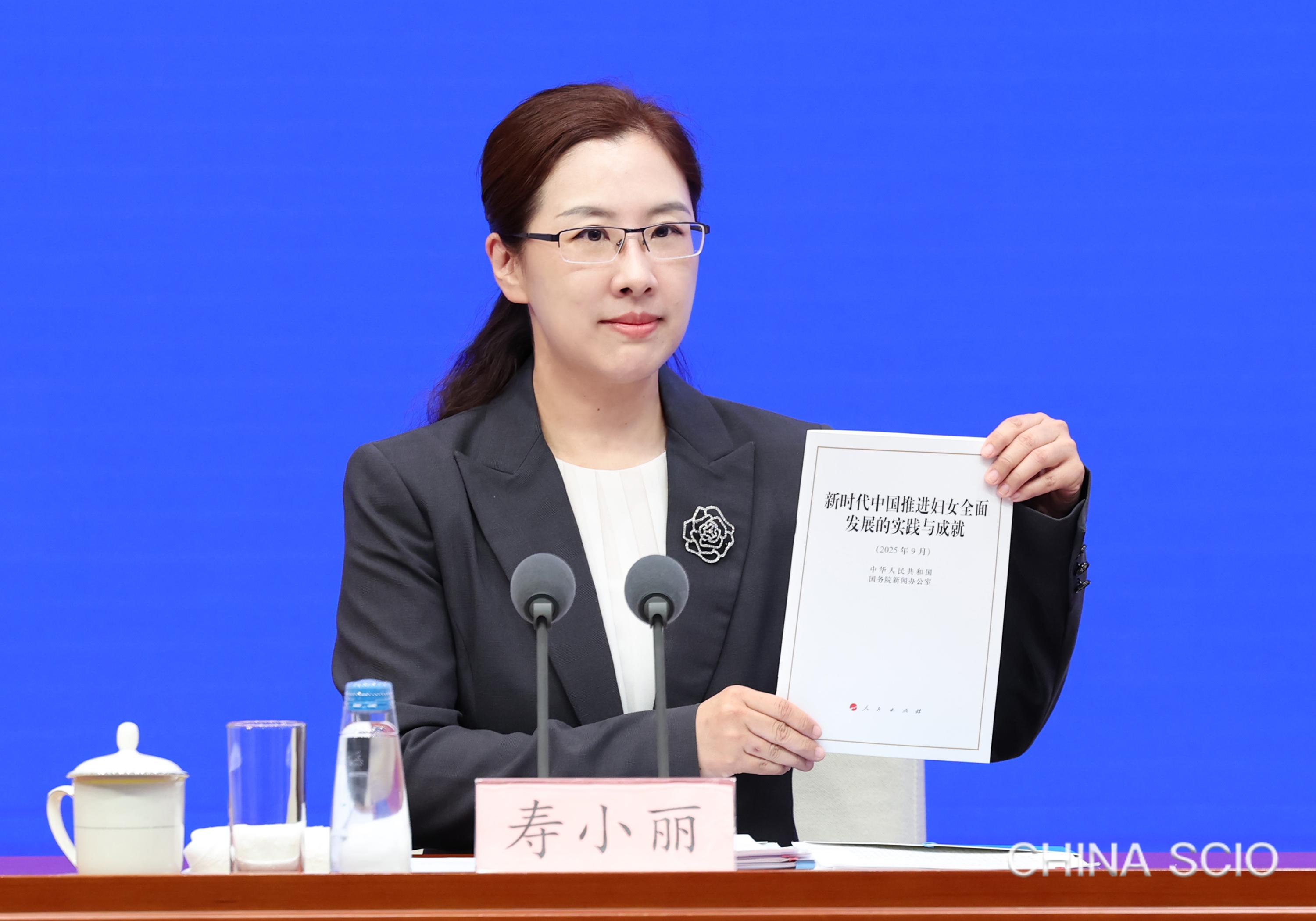
/6 Shou Xiaoli
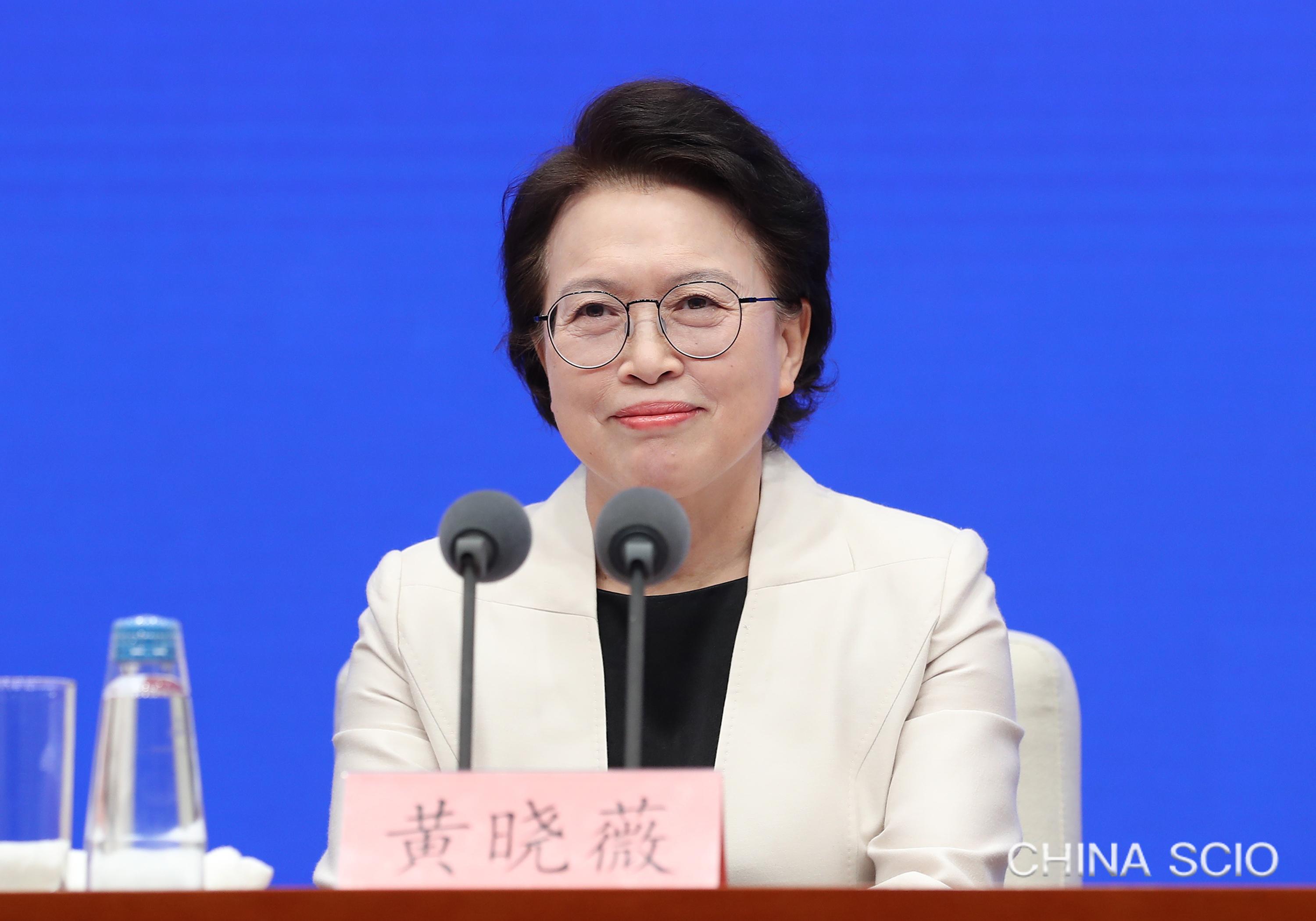
/6 Huang Xiaowei
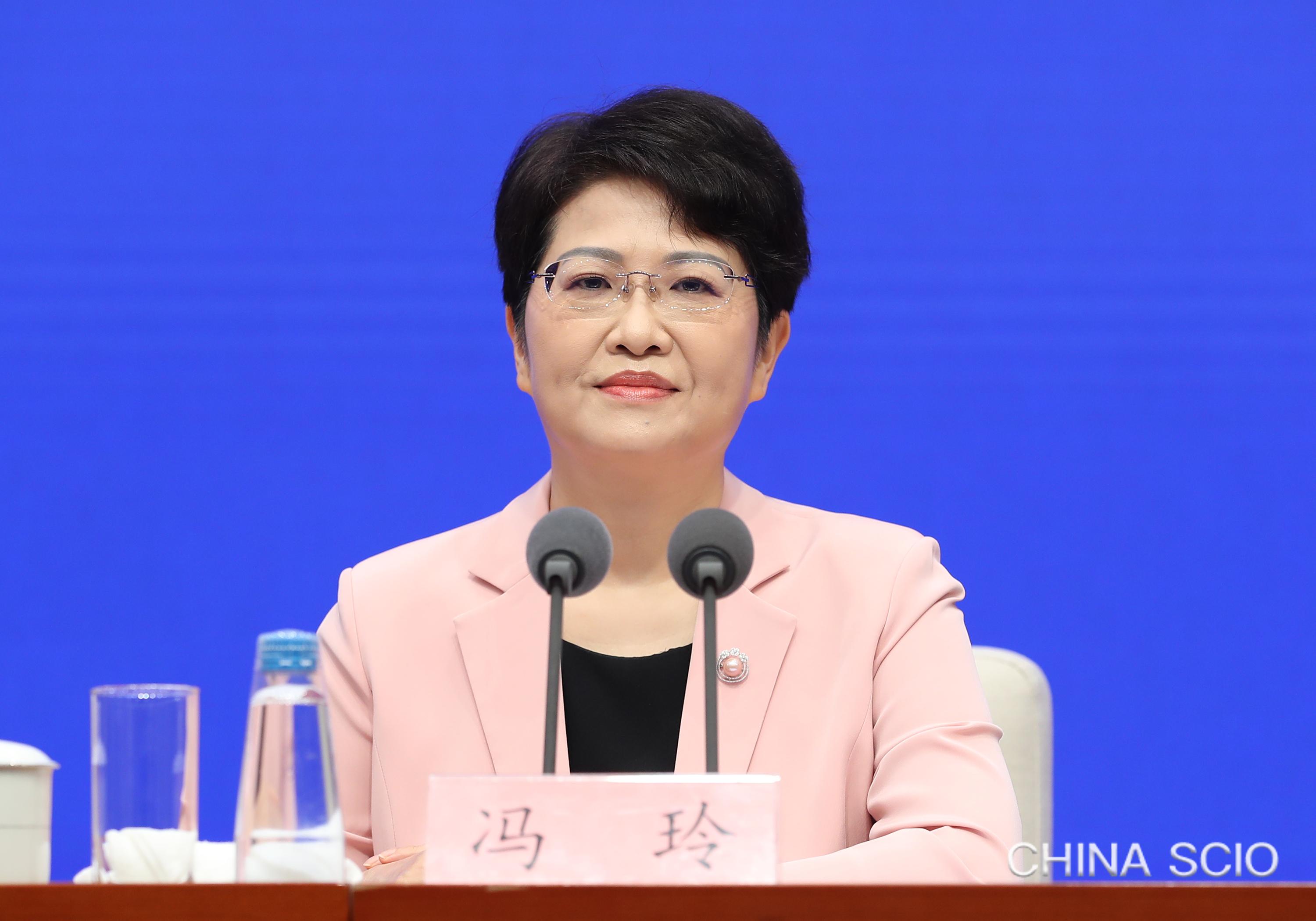
/6 Feng Ling
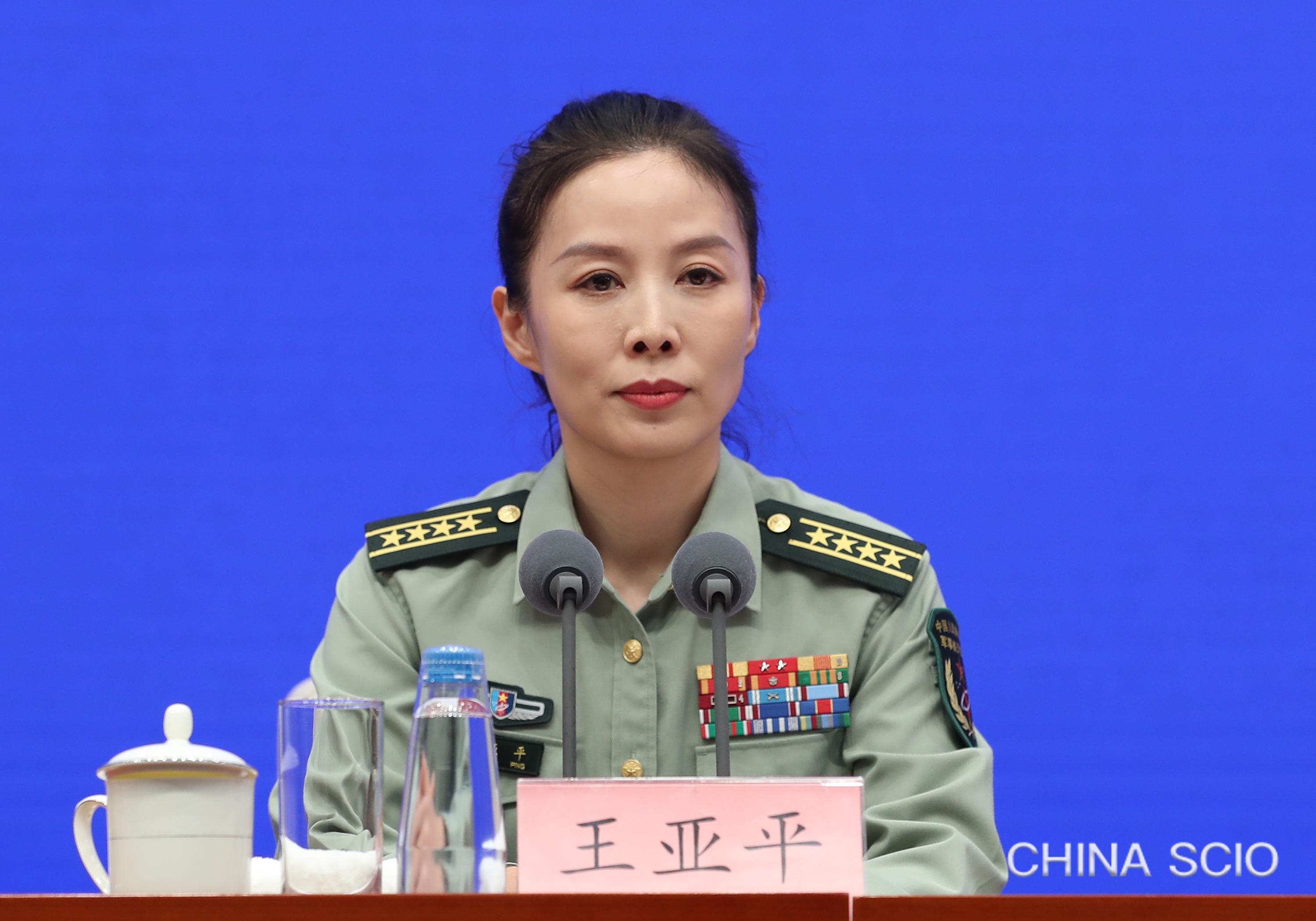
/6 Wang Yaping
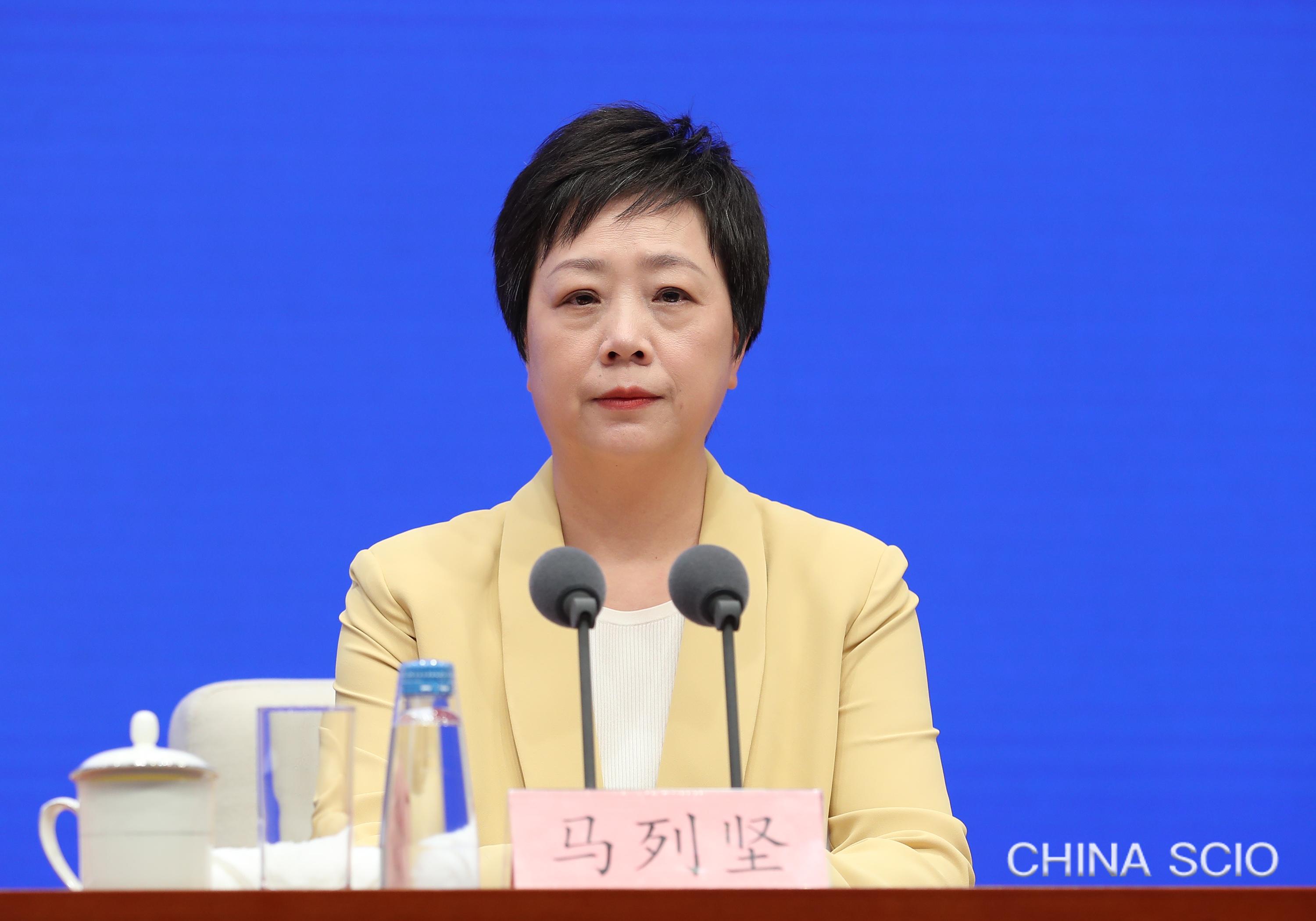
/6 Ma Liejian
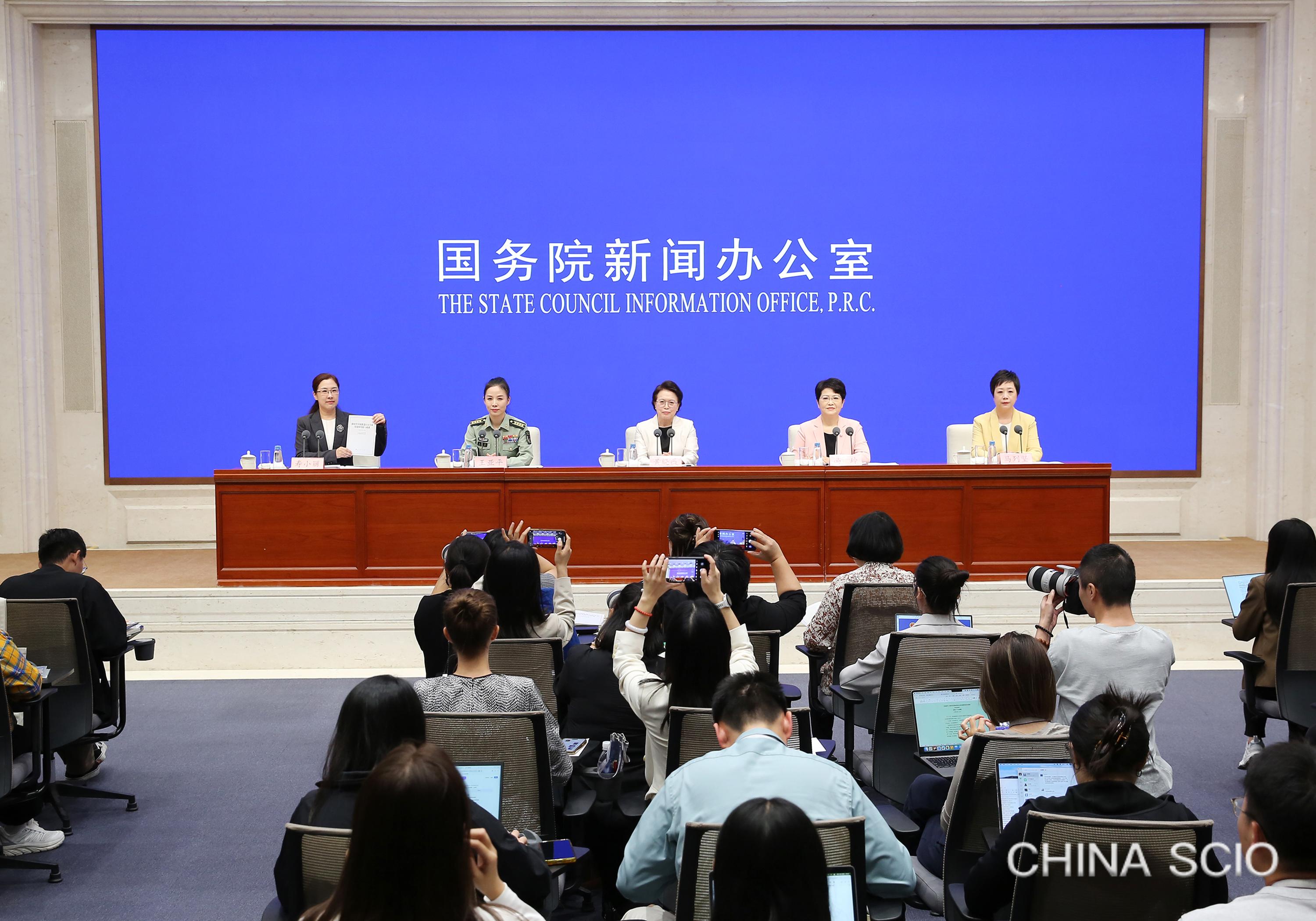
/6 Group photo
SCIO briefing on science, technology and innovation achievements in the 14th Five-Year Plan period
September 18, 2025SCIO briefing on measures to expand service consumption
September 17, 2025