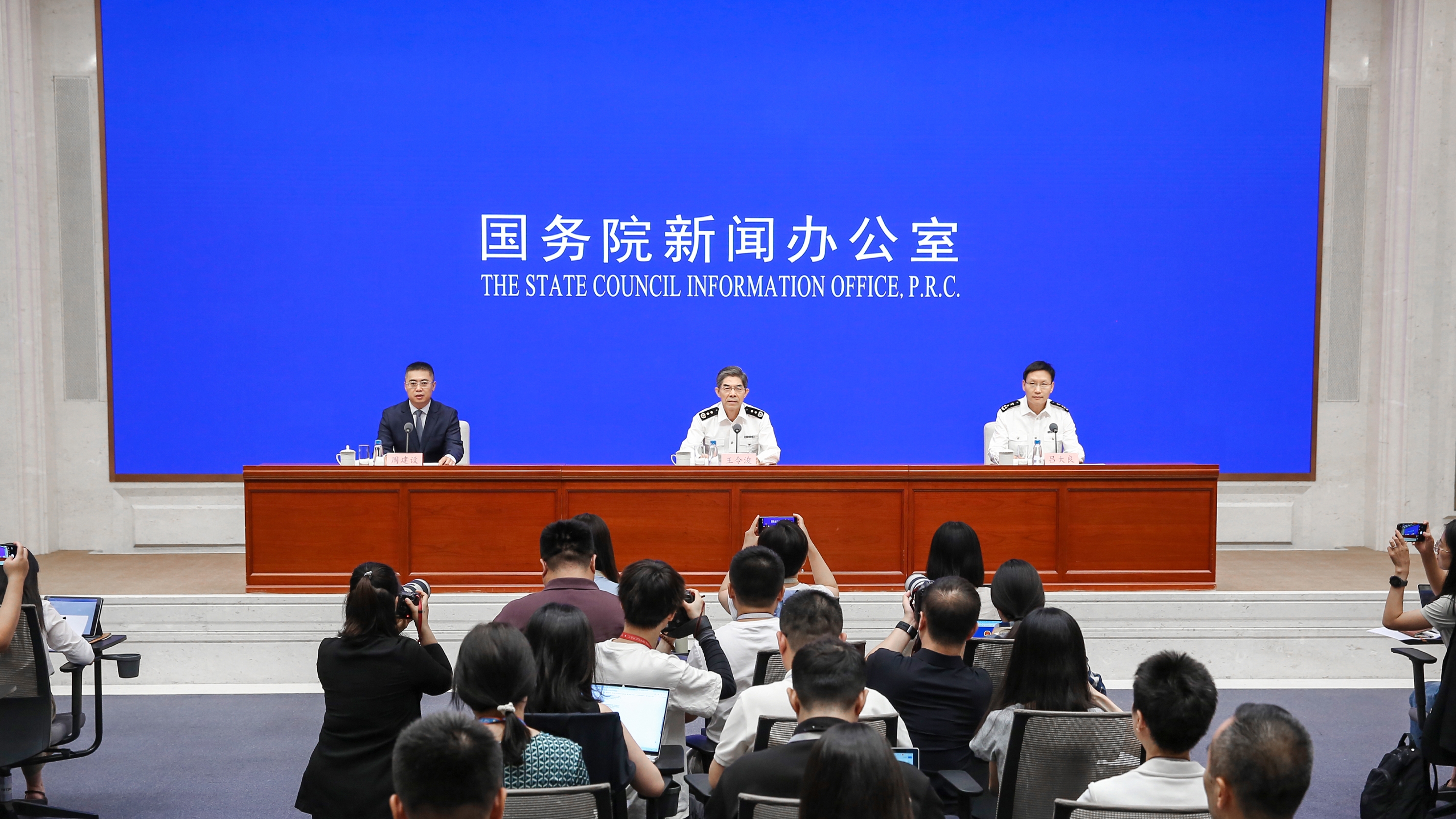

SCIO briefing on China's import and export in H1 2025
Beijing | 10 a.m. July 14, 2025
Speakers

Wang Lingjun, vice minister of the General Administration of Customs of China (GACC)
Lyu Daliang, spokesperson of the GACC and director general of the Department of Statistics and Analysis of the GACC
Chairperson
Speakers:
Mr. Wang Lingjun, vice minister of the General Administration of Customs of China (GACC)
Mr. Lyu Daliang, spokesperson of the GACC and director general of the Department of Statistics and Analysis of the GACC
Chairperson:
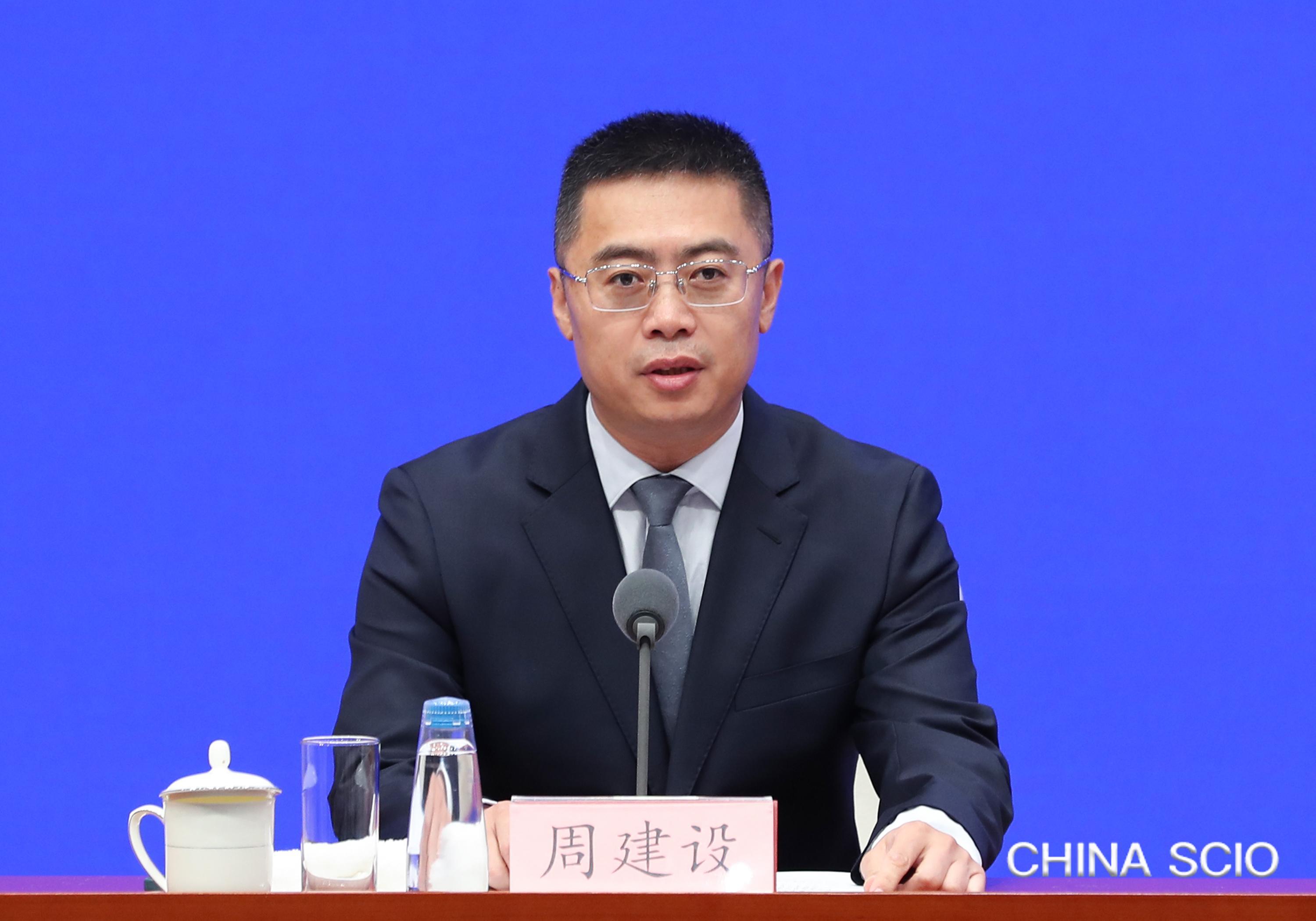
Mr. Zhou Jianshe, deputy director general of the Press Bureau of the State Council Information Office (SCIO) and spokesperson of the SCIO
Date:
July 14, 2025
Zhou Jianshe:
Ladies and gentlemen, good morning. Welcome to this press conference held by the State Council Information Office (SCIO). This is a regular briefing on China's economic data. Today, we have invited Mr. Wang Lingjun, vice minister of the General Administration of Customs of China (GACC), to brief you on China's import and export data for the first half of 2025 and to take your questions. Also attending today's press conference is Mr. Lyu Daliang, spokesperson of the GACC and director general of the Department of Statistics and Analysis of the GACC.
Now, I'll give the floor to Mr. Wang for his introduction.
Wang Lingjun:
Thank you. Good morning. I will start by briefing you on the import and export performance in the first half of this year, and then my colleague and I will answer your questions.
Since the beginning of this year, under the strong leadership of the Central Committee of the Communist Party of China (CPC) with Comrade Xi Jinping at its core, China has adhered to the general principle of pursuing progress while ensuring stability, unwaveringly managed its own affairs well, unwaveringly expanded high-standard opening up, focused on stabilizing employment, enterprises, markets and expectations, effectively responded to external shocks, and ensured overall stable performance and steady growth of the economy. Our foreign trade has withstood pressure, maintained momentum, and demonstrated vitality in a complex environment. According to statistics from the GACC, China's foreign trade volume in goods in the first half of 2025 jumped 2.9% year on year to 21.79 trillion yuan. Exports grew 7.2% year on year to 13 trillion yuan, while imports fell by 2.7% to 8.79 trillion yuan. Specifically, there were five main features:
First, the scale of foreign trade has grown steadily. In the first half of the year, China's total imports and exports reached 20 trillion yuan, marking a record high for the same period. According to quarterly trends, imports and exports in the second quarter increased by 4.5% year on year, accelerating by 3.2 percentage points compared to the first quarter, and continuing a streak of seven consecutive quarters of growth.
Second, our circle of foreign trade partners has become more diverse. In the first half of the year, China's trade with Belt and Road (BRI) partner countries reached 11.29 trillion yuan, up 4.7% year on year, and accounting for 51.8% of total foreign trade, 0.9 percentage point higher than the same period last year. Notably, trade with member states of the Association of Southeast Asian Nations (ASEAN) rose 9.6% year on year to 3.67 trillion yuan. During the same period, imports and exports to the European Union, South Korea, Japan and other countries all registered growth.
Thirdly, export momentum has shifted toward higher quality and greater innovation. In the first half of the year, China's exports of mechanical and electrical products reached 7.8 trillion yuan, up 9.5% year on year, and accounting for 60% of total exports, 1.2 percentage points higher than the same period last year. Specifically, high-end equipment closely related to new quality productive forces grew by more than 20%, and the "new trio" (namely, electric vehicles, lithium-ion batteries and photovoltaic products) representing green and low-carbon development grew by 12.7%.
Fourth, the expansion of domestic demand has helped stabilize imports. With the continuous efforts to implement major national strategies and enhance security capacity in key areas, and increase support for a new round of large-scale equipment upgrades and consumer goods trade-in programs, imports turned to positive growth in the second quarter. In the first half of the year, imports of machinery and equipment in petrochemical, textile and other industries grew at double-digit rates. Imports of key components such as electronic parts grew rapidly, while import volumes of major raw materials such as crude oil and metal ores saw notable growth.
Fifth, the vitality of foreign trade business entities continued to grow. In the first half of the year, China had 628,000 foreign trade enterprises with actual import and export activity, surpassing 600,000 for the first time in the same period, an increase of 43,000 compared to the same period last year. Among these, 547,000 were private enterprises, whose imports and exports grew by 7.3%, accounting for nearly 60% of the total trade value.
Overall, China's foreign trade forged ahead despite headwinds in the first half of the year. The country maintained steady growth in foreign trade volume and achieved improvements in trade quality, which was truly a hard-won result. The achievement was fundamentally due to the centralized and unified leadership of the CPC Central Committee. It was also made possible by the concerted efforts of local governments and departments, as well as the adaptability and innovation of foreign trade enterprises and professionals nationwide. However, it is also important to recognize that rising global unilateralism and protectionism, along with increasing complexity, severity and uncertainty in the external environment, present significant challenges. Maintaining stable growth in China's foreign trade in the second half of the year will still require considerable effort.
The GACC will fully implement the decisions and plans of the CPC Central Committee and faithfully fulfill its responsibilities to guard the country's borders and promote development. We will deepen the development and cooperation of the Smart Customs project, vigorously advance special initiatives to facilitate cross-border trade, and actively leverage our role as a hub connecting domestic and international circulation. Through more effective regulation, enhanced security, greater convenience and stricter crackdowns on smuggling, we will work to stabilize trade volume and improve the quality of foreign trade, contributing to high-standard opening up and high-quality development. Thank you.
Zhou Jianshe:
Thank you, Mr. Wang, for your introduction. The floor is now open for questions. Please state your news organization before asking your question.
_ueditor_page_break_tag_Nanfang Daily, Nanfang Plus:
You just introduced an overview of China's imports and exports in the first half of the year. How would you evaluate this performance? What specific highlights and positive developments can you share? What are your expectations for the trajectory of foreign trade in the second half of the year? Thank you.
Wang Lingjun:
Thank you. Since the beginning of this year, in the face of a complex and challenging international environment, China's foreign trade has demonstrated strong resilience, achieving growth in total volume, improvement in quality, and control of key variables.
First, there has been growth in total volume. China's imports and exports have remained above 10 trillion yuan for nine consecutive quarters. In the first half of this year, the total value of imports and exports rose by more than 600 billion yuan compared with the same period last year. In June, imports, exports and total trade all registered year-on-year growth, with growth rates rebounding. Specifically, the total value of imports and exports in June reached 3.85 trillion yuan, up 5.2% from a year earlier. This was the second-highest monthly trade volume on record. Exports reached 2.34 trillion yuan, up 7.2%, with relatively fast growth in products such as electronic components and ships. Meanwhile, imports reached 1.51 trillion yuan, up 2.3%, with notable increases in parts for automatic data processing equipment and fresh and dried fruit.
Second, there has been an improvement in quality. Chinese foreign trade enterprises have seized the opportunity presented by the global energy transition, steadily increasing the supply of high-quality green products while accelerating the development of new sectors and growth drivers. In the first half of the year, exports of lithium batteries and wind turbines each grew by more than 20%. Recently, robot football matches, known in China as "Jichao," have attracted wide attention. From dancing and marathon running to playing football, robots are growing increasingly versatile, demonstrating the innovative strength of China's robotics industry. Last year, China became the world's second-largest exporter of industrial robots. In the first half of this year, exports grew 61.5%. Robots used for cooking, cleaning, food delivery and entertainment are becoming increasingly intelligent, bringing greater convenience to consumers worldwide.
Lastly, key variables have remained under control. In the face of unilateralism and protectionism, we have continued expanding our network of partners, strengthened economic and trade cooperation, and worked to boost business confidence, joining together to address rapid changes in the global environment. In the first half of the year, China's imports and exports with more than 190 countries and regions registered growth. The number of trading partners with a trade volume exceeding 50 billion yuan reached 61, an increase of five from the same period last year. While traditional markets such as the EU, Japan and the United Kingdom saw growth, emerging markets contributed more significantly to the overall increase. In the first half of the year, China's imports and exports with Africa reached 1.18 trillion yuan, rising 14.4%, while trade with Central Asia hit 357.2 billion yuan, up 13.8%. Overcoming challenges depends crucially on boosting confidence. The latest China Customs Trade Climate Survey shows that confidence among both export and import enterprises has risen for two consecutive months.
At present, certain countries are arbitrarily imposing tariffs in violation of international trade rules, creating serious challenges for global economic development. Recently, several international organizations have lowered their forecasts for global trade growth this year. Despite external uncertainties, China possesses key strengths in its foreign trade sector: a diversified and stable market, innovative high-quality products, and adaptive, forward-looking business entities. These advantages give us the confidence, resilience and ability to manage various risks and challenges.
Thank you.
_ueditor_page_break_tag_Shandian News:
Based on the data just released, China's trade with Belt and Road partner countries performed well in the first half of the year. Could you provide more details? Thank you.
Wang Lingjun:
Okay, thank you. Mr. Lyu will answer your question.
Lyu Daliang:
Thank you for your question. Since China proposed the eight major measures to support high-quality Belt and Road cooperation, joint efforts with participating countries have produced substantial cooperation outcomes. In the first half of this year, China's imports and exports with BRI partner countries reached 11.29 trillion yuan, up 4.7% year on year, accounting for 51.8% of total foreign trade. There were positive results in three key areas:
First, trade ties have grown closer. China has deepened cooperation with partner countries to build an open world economy. The latest international data shows that in the first four months of this year, trade among BRI partner countries accounted for half of their total trade value, a significant increase from 2013, the year the initiative was first proposed. In the first half of this year, China's exports of electronic components and electric engineering equipment with these countries grew rapidly, as did imports of parts, accessories and storage devices for automatic data processing equipment.
Second, development cooperation has deepened. China's implementation of a series of landmark projects and "small but beautiful" livelihood projects has strongly supported the economic and social development of partner countries. During the first half of the year, China's exports to partner countries of engineering machinery for infrastructure development, wind turbines promoting green development, and instruments that support technological innovation all maintained double-digit growth. In addition, China actively expanded imports from BRI partner countries. In the first half of the year, a total of 32 market access agreements were signed for agricultural and food products from partner countries. High-quality products such as Zambian macadamia nuts and fresh bananas from Colombia were approved for import to China.
Third, connectivity has become more comprehensive. In recent years, the Silk Road Maritime network, Air Silk Road and cross-border highways have developed more rapidly. In the first half of the year, China's imports and exports with partner countries via waterways, aviation and highways increased 4.3%, 9% and 16.4%, respectively. Cross-border rail transport, including the China-Europe Railway Express and the China-Laos Railway, has also continued to gain momentum. Customs authorities have optimized supervision of rail shipments, further improving cross-border clearance efficiency. In ancient times, caravans departing from Chang'an took years to transport Chinese tea and silk to Europe. Now, the Chang'an China-Europe freight trains departing from Xi'an can connect Eurasia across mountains and seas in about 10 days, enabling quality goods from various countries to flow in both directions. In the first half of the year, fresh and dried fruits, edible oil, cosmetics and other goods shipped by rail between China and BRI partner countries showed rapid growth.
Moving forward, customs will continue to leverage its functions, implement the eight major measures for supporting high-quality Belt and Road cooperation, and deepen collaboration with partner countries in areas such as port management, supply chain connectivity, and agricultural and food product market access. These efforts will promote trade development and ensure safe, smooth trade flows. This will contribute customs expertise to advancing high-quality Belt and Road cooperation.
Thank you.
_ueditor_page_break_tag_21st Century Business Herald:
In the first half of the year, policy support helped China's foreign trade maintain stable growth despite a complex environment. Could you share what specific measures the GACC has taken to improve trade facilitation and optimize the business environment? In what specific ways do the measures provide practical help to enterprises? Thank you.
Wang Lingjun:
Mr. Lyu will answer your questions.
Lyu Daliang:
Thank you for your interest in customs' work on cross-border trade facilitation. In order to implement the decisions and plans of the CPC Central Committee and the State Council, the GACC led an initiative with 20 departments and 25 pilot cities, launching a special action on cross-border trade facilitation in April this year. We have made every effort to implement 29 measures, striving to create a port business environment that is faster, more efficient, and more coordinated and transparent. We have also worked to energize companies and stabilize foreign trade growth. So far, these efforts have produced positive results in the following areas:
Policy support has been strengthened. We have responded to enterprise demands in a targeted way and promoted the development of new business forms. We optimized and adjusted the product catalog for bonded maintenance in comprehensive bonded zones. We also piloted support for qualified bonded maintenance projects outside the zones. In the first half of the year, the total import and export value of bonded maintenance services nationwide reached 256.99 billion yuan, up 7.5%. We also expanded the pilot program for inspecting lithium batteries with recyclable packaging and introduced pilot differentiated supervision for dual-use items that serve as both food and traditional medicine.
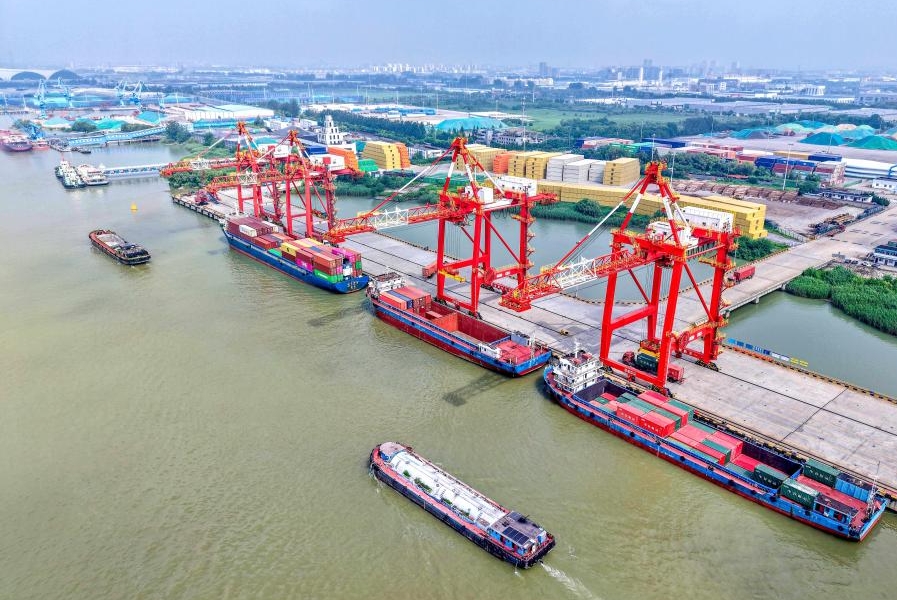
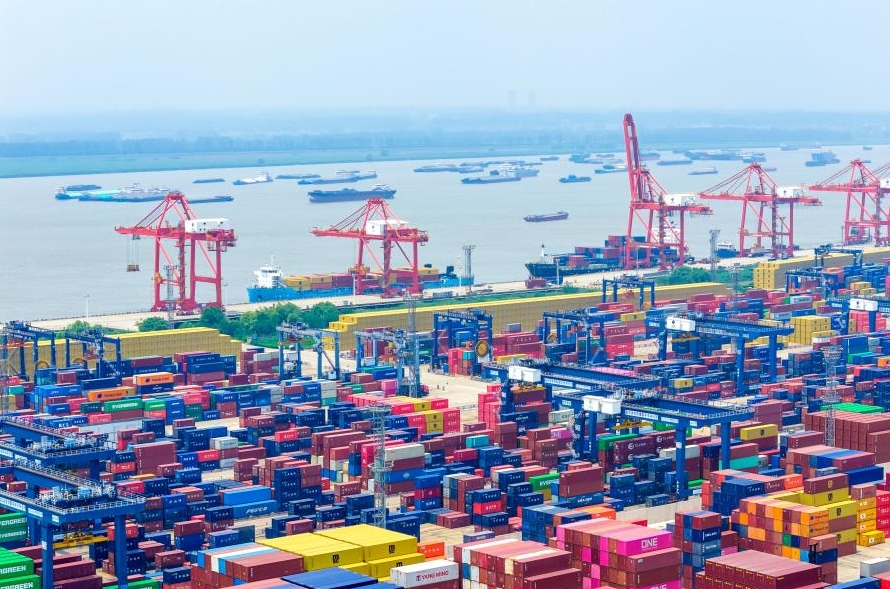
Cross-border logistics have become faster. We have optimized regulatory models, simplified customs clearance procedures, vigorously promoted expedited rail clearance operations, and continuously improved efficiency at air ports. We have also strengthened monitoring and management of container volume fluctuations at key ports and deepened regulatory model innovations such as "dockside direct collection," "direct loading upon arrival" and "vessel departure confirmation." We have actively promoted a "single-document, single-container" model for the rail-sea intermodal transport service. In the first half of the year, the volume of import and export containers via waterways nationwide reached 67.41 million twenty-foot equivalent units, up 11.3%.
The trade environment has improved significantly. We have stepped up efforts to promote international cooperation in cross-border trade facilitation. For example, we have jointly established a global Smart Customs online cooperation platform with the World Customs Organization. Currently, customs authorities from 141 countries and regions have registered to join the platform. Using the China International Trade Single Window platform, we launched a two-way "one submission for two declarations" system for imports and exports. This enables online exchange and verification of electronic certificates while promoting real-time information updates and sharing. The initiative has significantly expanded cross-border connectivity through the Single Window system.
Customs clearance costs have been reduced. We have enhanced joint incentives for Authorized Economic Operator (AEO) enterprises, providing preferential and facilitative measures, including financing credit, financing guarantees, and export credit insurance to AEO companies 3,776 times. We have also expanded co-loading services that enable vessels to simultaneously transport foreign trade cargo and domestic freight, and launched a campaign to reduce logistics costs across industries. I would also like to introduce a measure closely related to people's daily lives: The GACC has launched a one-stop processing platform for inbound and outbound mail, offering integrated government services to users. The platform allows users to track the customs clearance status of inbound and outbound mail through three channels: our website, mobile app and WeChat mini-program. Users can also complete various customs procedures in one place, including declarations, tax payments and tax refund applications. This streamlined approach significantly reduces processing times and eliminates the additional costs previously required for agency services. We welcome everyone to use these services and share valuable feedback.
Going forward, we will remain committed to advancing the special campaign to facilitate cross-border trade. We will focus on the following key areas: ensuring precise policy implementation, conducting thorough impact assessments and promoting successful practices, and continuously improving the business environment. This will ensure the campaign produces measurable results while increasing company satisfaction through real benefits.
Thank you.
_ueditor_page_break_tag_Market News International:
What are the reasons behind China's negative year-on-year growth in imports so far this year? What is the outlook for imports in the second half? Thank you.
Lyu Daliang:
Thank you for your questions. Mr. Wang just briefed on the first half of the year's trade figures, including exports and imports, covering both scale and growth rates. The import growth rate in the first half of this year resulted from multiple factors, including uncertainties in global trade policies and declining commodity prices. As a major commodity importer, commodities account for about 30% of China's total import value, and international price fluctuations significantly affect the country's import growth rate. In the first half of the year, average import prices of crude oil, iron ore and soybeans all fell more than 10% year on year, pulling down overall import growth by 2.7 percentage points.
For imports, we need to look at both the growth rate and the overall trend, as well as both the monetary value and the actual quantity. As China's economy continues to recover and improve, expanding domestic demand has helped stabilize imports. In the second quarter, imports returned to growth, driven primarily by increased volume, reflecting substantial improvement.
On the one hand, stable growth in industrial production has driven a recovery in imports of equipment and components. China's manufacturing PMI has risen for two consecutive months. In the second quarter, the import growth rate for high-end machine tools accelerated by 13.9 percentage points compared with the first quarter, while the import growth rate for electronic components accelerated by 7.7 percentage points.
On the other hand, rebounding market sales have boosted imports of certain consumer goods. Driven by policies such as trade-in programs for consumer goods, the year-on-year growth rate of China's total retail sales of consumer goods was faster in the first five months than in the first quarter. In the second quarter, imports of food, tobacco and alcohol grew at a relatively fast pace of 8.8% while imports of cultural and recreational products increased 10.8%. Additionally, daily chemical products rose 3.1%.
Here, I would also like to introduce another development. Since Dec. 1 last year, China has granted zero-tariff treatment to all the least-developed countries it has diplomatic ties with. In the first half of this year, China's imports from these countries achieved double-digit growth. Going forward, we will extend zero-tariff treatment to 53 African countries with diplomatic relations with China, leveraging China's large market to drive shared development among all nations.
With its massive population, China is intensifying efforts to implement its domestic demand expansion strategy and launching special campaigns to boost consumption, making it one of the world's most promising large-scale markets. As China's market continues to expand and the country opens its doors wider, its imports will bring even greater benefits to the world.
Thank you.
_ueditor_page_break_tag_Jinan Times APP:
Since private enterprises are the driving force behind China's foreign trade, what are the highlights of their import and export performance? What measures has the GACC taken to support private businesses? Thank you.
Wang Lingjun:
Thank you for your questions. General Secretary Xi Jinping encouraged private enterprises to unswervingly follow the path of high-quality development at the symposium on private enterprises. Since the beginning of this year, a series of key policy measures to support private enterprise development have significantly boosted business confidence. In foreign trade, private enterprises have achieved noteworthy high-quality development. In the first half of the year, private enterprises recorded imports and exports of 12.48 trillion yuan, up 7.3% year on year, accounting for 57.3% of China's total foreign trade, an increase of 2.3 percentage points from the same period last year. Both exports and imports posted growth. Here are the specifics.
First, private enterprises continued to lead foreign trade growth. By the second quarter of this year, China's private enterprises had posted year-on-year import and export growth for 21 consecutive quarters, consistently maintaining leading growth rates. Especially since the beginning of this year, private enterprises have overcome adverse external economic conditions, with their import and export volume in the first six months exceeding 12 trillion yuan for the first time in history for this period, posting a growth rate 4.4 percentage points higher than the national average.
Second, private enterprises' innovation momentum continued to strengthen. Private enterprises are adhering to the path of high-quality development, strengthening independent innovation, and accelerating industrial upgrading. In the first half of the year, private enterprises accounted for more than 80% of specialized and innovative "little giant" enterprises with import and export activities. Private enterprises' exports of high-tech products increased 12.5%. At the same time, private enterprises actively promoted equipment renewal and upgrading, and imports of high-end petrochemical and electronics equipment also maintained strong growth rates.
Third, private enterprises strengthened their development foundations. Private enterprises remained focused on their core businesses and strengthened their industrial operations, continuously optimized industrial structures and significantly enhanced corporate strength. In the first half of the year, equipment manufacturing products accounted for half of private enterprises' exports, with high-value manufactured products such as ships, automobiles and special equipment all achieving double-digit export growth. Having weathered the storm in international markets, private enterprises have become more resilient and dynamic. In the first half of the year, private enterprises occupied 218 positions among China's top 500 import and export companies.
Customs will continue to steadily implement various policies to promote private economic development. We will continuously strengthen services in areas such as customs clearance facilitation, inspection and quarantine, fair law enforcement, and rights protection. We will focus on resolving urgent and difficult problems that private enterprises face in import and export clearance. These efforts will promote the healthy and high-quality development of the private economy.
Thank you.
_ueditor_page_break_tag_Phoenix TV:
The international economic and trade situation has been complex and volatile since the beginning of this year, as mentioned multiple times earlier. There have been reports suggesting that foreign-invested enterprises lack confidence in China this year. How did foreign-funded enterprises perform in terms of imports and exports in the first half of this year? Have they been affected by changes in the international economic and trade situation? Thank you.
Wang Lingjun:
Thank you for your questions. Foreign-funded enterprises have made positive contributions to China's economic growth and are important participants in the country's foreign trade. In the first half of this year, imports and exports by foreign-funded enterprises in China reached 6.32 trillion yuan, an increase of 2.4% year on year, maintaining growth for five consecutive quarters. Despite the complex and volatile global trade situation, foreign-funded enterprises in China remain committed to deepening their presence in the country, with confidence undiminished.
This commitment to the Chinese market is reflected in foreign-funded enterprises combining their technological advantages with China's industrial support capabilities, with major industries maintaining upward export trends. Among the key manufacturing export sectors for foreign-funded enterprises, industries such as special equipment, electrical machinery and electronic equipment have all achieved relatively rapid growth. In recent years, guided by policies to stabilize foreign investment, foreign-funded enterprises have expanded from concentrated locations to broader geographic distribution, creating a more balanced presence across regions. In the first half of the year, foreign-funded enterprises accounted for 30% of imports and exports in the eastern region, 25.1% in the central and western regions, and 26.4% in the northeastern region.
Their undiminished confidence is reflected in the fact that more and more foreign-funded enterprises regard China as an ideal, safe and promising investment destination amid declining global cross-border investment flows. In the first half of the year, a record 75,000 foreign-invested enterprises in China engaged in actual import and export activities, the highest number for this period since 2021. Foreign-invested enterprises accelerated investment in production capacity, with imports of high-end equipment increasing 3.2% in the first half of the year. At the same time, foreign-invested enterprises have also focused on long-term development and stepped up innovation and research and development. In the first half of the year, imports of bonded R&D goods increased 52.1%, accounting for more than 70% of the national total.
At present, with increasing uncertainty in the global situation, China's policy stability and long-term planning have become even more valuable. I'm confident that more foreign-funded enterprises will achieve even greater success and stronger growth in China.
Thank you.
_ueditor_page_break_tag_CMG:
We are all aware that the first half of this year saw a complex and challenging international situation, placing significant pressure on economic and trade cooperation. Despite these circumstances, China's exports still maintained growth. Could you please provide more details? Thank you.
Lyu Daliang:
Thank you for your question. Since the beginning of this year, despite increasing external pressure and challenges, China's exports have maintained a steady growth momentum. In the first half of the year, China's exports exceeded 13 trillion yuan for the first time in the same period historically, up 7.2% year on year.
In terms of foreign trade entities, all three types of enterprise recorded export growth in the first six months. Specifically, private enterprises exported 8.52 trillion yuan, up 8.3%; foreign-funded enterprises exported 3.49 trillion yuan, up 5.4%; and state-owned enterprises exported 968.73 billion yuan, up 3.8%. The number of exporting enterprises in China has grown steadily in recent years, reaching over 300,000 in 2015, 400,000 in 2019, and 500,000 in 2023 — an average increase of 100,000 every four years. The upward trend continued with 8.5% growth in the first half of this year.
In terms of export markets, both traditional and emerging markets registered growth. In the first half of the year, China's exports to traditional markets such as the EU, Japan, and the U.K. grew steadily, while exports to emerging markets such as ASEAN, Central Asia and Africa achieved double-digit growth. China has supplied production equipment and technology to emerging markets, improving local production and employment. Exports of machine tools to ASEAN, agricultural machinery to Central Asia, and textile machinery to Africa all increased significantly.
In terms of main export products, innovation has become a more prominent defining feature. In the first half of the year, China's exports of high-tech products rose 9.2%, maintaining growth for nine consecutive months. Among them, exports of high-end machine tools, ships and marine engineering equipment all grew by more than 20%, while exports of instruments and meters rose 14.7%. We have also promoted greater self-reliance and strength in science and technology to develop more Chinese brands. As a result, Chinese brands accounted for 32.4% of total high-tech product exports, up 1.2 percentage points from the same period last year. Additionally, a growing number of enterprises are providing tailored, differentiated and customized products in response to changes in international market demand. For example, they have developed solar-powered mobiles for areas with limited power supply and launched sand-proof, high-temperature-resistant engines for areas with extensive desert terrain. All these efforts have received praise and positive feedback from overseas customers.
Overall, China's exports achieved steady growth in the first half of the year. Backed by a complete industrial system and powered by the deep integration of technological and industrial innovation, we have essentially continued to meet international market demand with high-quality supply. I believe that in the next stage, China's exports will continue to forge ahead despite any challenges. As we always say, after the storm comes the rainbow.
Thank you.
_ueditor_page_break_tag_Beijing Youth Daily:
I'd like to ask about China-EU relations. This year marks the 50th anniversary of China-EU diplomatic relations, and all parties are paying close attention to China-EU economic and trade relations. The data you mentioned earlier showed that China-EU trade achieved growth in the first half of the year. Can you provide a more detailed breakdown? Thank you.
Wang Lingjun:
Thank you. This year marks the 50th anniversary of the establishment of diplomatic relations between China and the European Union. Over the past half-century, the two sides have leveraged their economic complementarity in trade cooperation, with bilateral trade volume growing more than 300 folds. In the first half of this year, China-EU trade totaled 2.82 trillion yuan, up 3.5% year on year, with daily trade averaging more than 15 billion yuan, equal to the full-year trade volume at the time diplomatic relations were established. In the first half of the year, the EU accounted for 12.9% of China's total foreign trade value, remaining China's second-largest trading partner.
Specific trade data shows that economic and trade cooperation between China and the EU continues to deepen. On the one hand, production and supply chains are accelerating integration. For example, China and the EU complement each other in automotive technology, jointly promoting new and improved development in the industry. In the first half of the year, China's exports of auto parts to the EU rose 9.7%, while imports of large bus gearboxes and vehicle diesel engines from the EU increased 40.8% and 65.2%, respectively. On the other hand, both sides' consumer markets are deeply connected. China and the EU are both important global consumer markets and are each other's top source of imported consumer products. In the first half of the year, China's imports of medical and health products, bags, cases and jewelry from the EU accounted for more than 60% of China's total imports of these products. Meanwhile, China's exports of textiles, clothing, household appliances and laptops to the EU all achieved rapid growth.
At the same time, China and the EU have significant potential for cooperation in many fields. In terms of connectivity, as of June this year, the cumulative number of China-Europe Railway Express trains had exceeded 110,000, connecting 128 cities in China and 229 cities in Europe, thereby building a bridge for China-Europe economic and trade exchanges. In green development, cooperation between the two sides has deepened, with China's exports of wind turbines and high-voltage transformers to the EU maintaining strong growth momentum.
China has always adhered to high-quality development and high-level opening up. It is willing to work with the EU to expand mutual openness, jointly oppose unilateralism and protectionism, safeguard multilateralism and free trade, bring tangible benefits to enterprises and consumers on both sides, and inject greater stability and certainty into the global economy and trade.
Thank you.
_ueditor_page_break_tag_South China Morning Post:
How did cross-border e-commerce exports perform in the first half of the year? What has been the impact since the United States imposed additional tariffs on small parcels imported from China? What is the export situation for cross-border e-commerce goods to markets outside the U.S.? Thank you.
Lyu Daliang:
Thank you for your questions. According to China's statistical survey system for cross-border e-commerce, statistical surveys are conducted on a semi-annual and annual basis. The official statistics for cross-border e-commerce in the first half of the year will be released in October. Therefore, I will provide a preliminary estimate for now. In the first half of the year, China's cross-border e-commerce imports and exports totaled about 1.32 trillion yuan, up 5.7% year on year. Exports accounted for about 1.03 trillion yuan, up 4.7%, while imports totaled approximately 291.1 billion yuan, an increase of 9.3%. For detailed breakdowns by major markets, commodities and other key aspects, please refer to the official data that will be released in October.
I would also like to clarify that cross-border e-commerce statistics are essentially grouped statistics, meaning they separate cross-border e-commerce imports and exports from the total import and export figures. The monthly, quarterly and annual import and export data we release all include cross-border e-commerce imports and exports.
Cross-border e-commerce serves as a digital bridge that rapidly connects producers and consumers across countries. It is also an important trend in the development of international trade and is increasingly becoming an indispensable part of people's daily lives. You mentioned that some countries impose artificial restrictions on cross-border e-commerce. We believe these measures cannot undermine the inherent strengths of cross-border e-commerce, nor can they halt the ongoing digital transformation of international trade. We are willing to work with countries around the world to strengthen cooperation and exchanges and promote the healthy, sustainable development of cross-border e-commerce. Thank you.
_ueditor_page_break_tag_Red Star News:
We have observed that as the domestic toy Labubu has surged in popularity both at home and abroad, customs authorities recently seized counterfeit versions of Labubu at multiple ports. Could you please share what key measures customs has taken to protect intellectual property rights? Thank you.
Wang Lingjun:
Thank you for your question. In recent years, China's trendy toys have gained popularity in global markets. In the first four months of this year, China's exports of dolls and animal toys exceeded 13.31 billion yuan, marking a 9.6% increase. Recently, Labubu has become a global sensation. The GACC official WeChat account has regularly shared the "Customs' Battle Against Fake Labubu" series, which has also gained popularity on social media. From this, many netizens have become aware of one of customs' key responsibilities: protecting IP rights. This duty is carried out in accordance with Articles 44 and 91 of the Customs Law, which empower customs to proactively inspect or detain suspected infringing goods at entry and exit points, stop IP violations, and support and protect innovation.
Since 1994, we have enforced customs protection of IP rights and actively participated in global IP governance. In the first half of this year, customs authorities nationwide seized 11,000 batches of suspected infringing goods, totaling 38.675 million items. Among these seized items were the counterfeit Labubu dolls, which have attracted significant attention from netizens. The key to identifying authenticity is to examine the teeth. The genuine product has nine sharp teeth, while counterfeits often have one or two fewer due to mold defects. That's a tip you can use.
I really enjoy reading everyone's comments under our articles. Netizens are very witty. Somebody said, "One small step for Guanguan (a nickname for customs), one giant leap for IP protection." Another said, "There's only one Labubu, and that's the one released by customs." This shows that people highly value IP rights and consciously support genuine products. Kudos to everyone!
Thank you.
_ueditor_page_break_tag_National Business Daily:
China-U.S. trade has been a major focus since the beginning of this year. Could you provide an overview of China-U.S. trade performance in the first half of this year? What are the prospects for bilateral trade between the two countries moving forward? Thank you.
Wang Lingjun:
Thank you. Let me first provide you with an overview of the China-U.S. trade situation. In the first half of the year, bilateral trade between China and the U.S. totaled 2.08 trillion yuan, down 9.3% from the same period last year. Of this total, exports accounted for 1.55 trillion yuan, down 9.9%, while imports were 530.35 billion yuan, down 7.7%. Due to the so-called "reciprocal tariffs" announced by the U.S., China-U.S. trade shifted from year-on-year growth in the first quarter to a year-on-year decline in the second quarter, falling 20.8%.
Following positive progress in economic and trade talks in Geneva and London, China-U.S. trade has rebounded recently. The bilateral trade value rebounded in June to over 350 billion yuan from less than 300 billion yuan in May, while the year-on-year decline narrowed significantly.
The core of China-U.S. economic and trade cooperation is mutual benefit and a win-win outcome. This is not only an irreversible historical trend in the age of globalization and an objective requirement for the deep integration of industrial chains, but also a practical need for collaborative business innovation and improved quality of life in both countries.
The teams from both China and the U.S. are accelerating efforts to implement outcomes from the framework reached during the economic and trade talks in London. China wishes to emphasize once again that the Geneva consensus and London framework were hard-won achievements, that coercion and threats lead nowhere, and that dialogue and cooperation are the right path forward. We hope that the U.S. will continue to work with China to make cooperation the main theme of our economic and trade relations. This will help get the global trade system back on a path of fairness and openness and contribute to global economic recovery and growth.
Thank you.
_ueditor_page_break_tag_The Poster News APP:
The 17th BRICS Summit was recently held. Could you provide an overview of China's trade with other BRICS member states and partner countries in the first half of this year? What specific work has the customs authority taken to facilitate BRICS cooperation? Thank you.
Lyu Daliang:
Thank you for your questions. This year, the BRICS cooperation mechanism has expanded again, establishing itself as the premier platform for the Global South. In the first half of the year, China's imports and exports with other BRICS members and partner countries totaled 6.11 trillion yuan, up 3.9% from the same period last year. This accounted for 28.1% of China's total imports and exports. By combining trade with investment and R&D, we have supported these countries in improving infrastructure and promoting industrial transformation and upgrading, which has in turn boosted trade growth.
In the industrial sector, BRICS countries have each leveraged their comparative advantages, and their cooperation in the production and supply chains of chemicals, metals and electronics has deepened. In the first half of the year, China's imports from other BRICS countries increased significantly in printed circuits and parts and accessories for automatic data processing equipment, while rubber and plastics maintained growth. China's exports of petrochemical machinery, metal processing machine tools, and other equipment also grew rapidly.
In the agricultural sector, BRICS countries now span Asia, Europe, Africa and Latin America, with their diverse agricultural products can meet each member's varied needs. In the first half of the year, China's imports from other BRICS countries rose 13.7% for edible vegetable oils such as palm oil and rapeseed oil, and 10.6% for edible aquatic products such as shrimp and crab. Meanwhile, China's exports of citrus, grapes, and other products to BRICS countries also grew rapidly. Additionally, China's exports of agricultural machinery such as combine harvesters and cotton pickers to other BRICS countries increased by 34.7%, contributing to agricultural modernization in those countries.
In the infrastructure sector, exports of road rollers and concrete mixer trucks from China to other BRICS countries increased 42.7% and 37.9%, respectively, during the first six months. At the same time, we have continued to promote the development of a green BRICS and have cooperated with Egypt, Saudi Arabia and other countries to build solar power plants in desert areas, contributing to the energy transition in those countries. In the first half of the year, China's exports of renewable energy generator sets to other BRICS countries surged more than 70%, while components for wind turbine generators rose 11.8%.
Last October, President Xi Jinping announced that China would build the BRICS Customs Center of Excellence. The GACC is committed to implementing these initiatives by focusing on three major tasks: developing the BRICS Smart Customs Center of Excellence website, enhancing capacity building and cooperative exchanges, and creating Smart Customs development and cooperation demonstration sites. These efforts are aimed at creating new hubs for BRICS customs cooperation. On June 30, the BRICS Smart Customs Center of Excellence was officially launched, both sharing China's Smart Customs development experience with other BRICS customs authorities and helping enterprises better understand the trade policies of BRICS countries. Next, we will accelerate BRICS customs capacity building and cooperative exchanges, establish Smart Customs development and cooperation demonstration sites, and implement the outcomes of the 17th BRICS Summit. This will provide strong support for economic and trade exchanges among BRICS countries. Thank you.
Zhou Jianshe:
Due to time constraints, we'll take one final question.
_ueditor_page_break_tag_Dazhong Daily:
Could you please provide an update on the foreign trade performance of China's major trading provinces, as well as the central and western regions, during the first half of this year? What were the main features and highlights? Thank you.
Wang Lingjun:
Thank you for your questions. In recent years, China's approach to opening up has expanded step by step — from individual points to connecting lines, from lines to broader areas, extending from coastal to border regions, and from the eastern to the western parts of the country — with the regional layout being continuously optimized. Since the beginning of this year, all regions have earnestly implemented the central government's directives, working together in coordination to create a joint force for the development of foreign trade.
First, major foreign trade provinces shouldered the bulk of the responsibility. These provinces represent a significant share of the national total and play a key role in stabilizing the overall foreign trade landscape. In the first half of the year, Guangdong, Jiangsu, Zhejiang, Shanghai and Shandong made up 64.1% of China's total imports and exports, growing 4.8% year on year — 1.9 percentage points higher than the national average — and contributed 3 percentage points to overall growth. These major provinces are also the main drivers of export growth, contributing close to 60% of the growth in national exports.
Second, border provinces and regions began to unlock their potential. Leveraging their unique geographical advantages, the nine border provinces have continued to serve as vital bridges for trade with neighboring countries. In the first half of the year, their imports and exports with these countries exceeded 900 billion yuan, marking a 6.3% increase. These regions accounted for more than half of China's total trade with countries such as Kyrgyzstan, Mongolia and Tajikistan. With improved interconnectivity and the development of smart customs and smart ports, border regions have facilitated the faster entry of quality products from neighboring countries into the Chinese market. For example, imports of Laotian rubber and Kazakh flaxseed both experienced rapid growth.
Third, the central and western regions demonstrated strong growth momentum. In the first half of the year, 18 provinces in central and western China achieved a total trade volume of 3.95 trillion yuan, growing 11.2% — 8.3 percentage points higher than the national average. Their share of national foreign trade rose 1.3 percentage points to 18.1%. The central and western regions actively promoted the coordinated development of international logistics channels and industries. In the first half of the year, imports and exports through the New International Land-Sea Trade Corridor increased 20%.
If the major foreign trade provinces represent the points, the border regions the lines, and the central and western regions the areas, then together these points, lines and areas create a vivid picture of China's foreign trade performance in the first half of the year. This clearly demonstrates that the pace of China's comprehensive opening up, characterized by coordinated land-sea development and mutual support between the east and west, is accelerating. The scope for high-level opening up is broader than ever.
Thank you.
Zhou Jianshe:
That concludes today's press conference. Thank you to our two presenters and to all the journalists for joining us. Goodbye, everyone!
Translated and edited by Mi Xingang, Liu Caiyi, Cui Can, Gong Yingchun, Wang Mengru, Li Xiao, Yang Chuanli, Xu Kailin, Xiang Bin, Wang Qian, Liu Sitong, Huang Shan, Fan Junmei, Li Huiru, David Ball and Jay Birbeck. In case of any discrepancy between the English and Chinese texts, the Chinese version is deemed to prevail.

/4 Zhou Jianshe
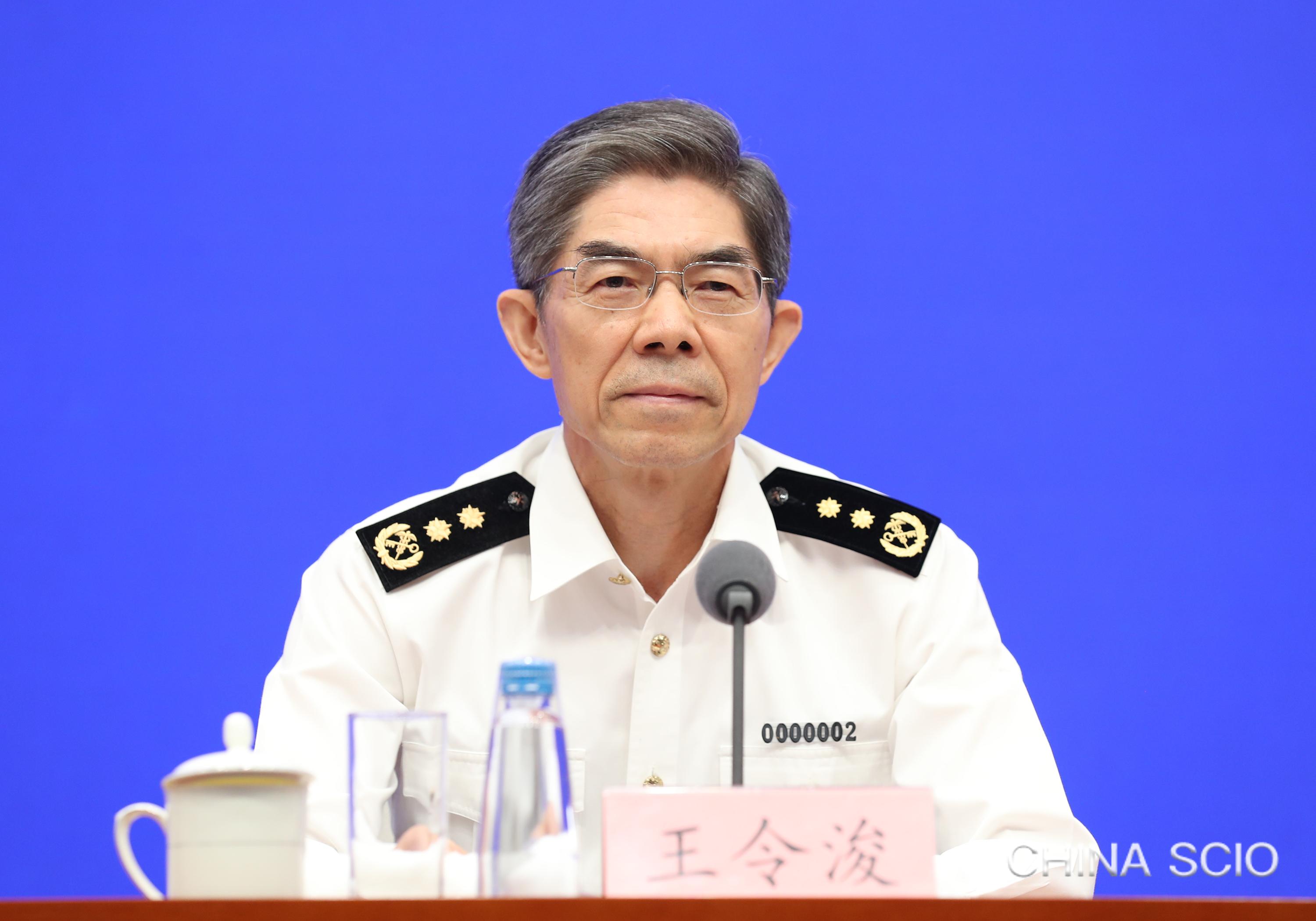
/4 Wang Lingjun
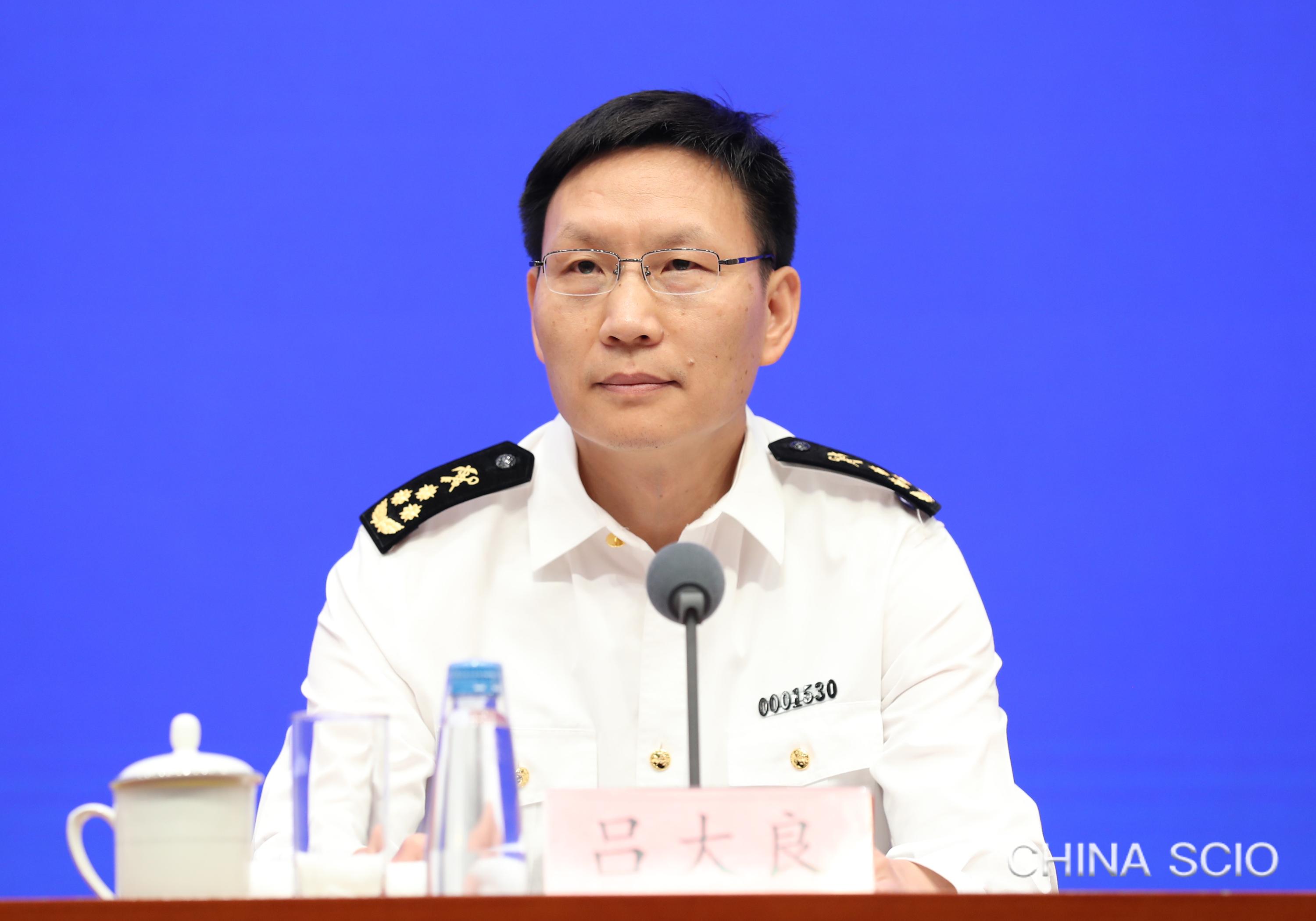
/4 Lyu Daliang
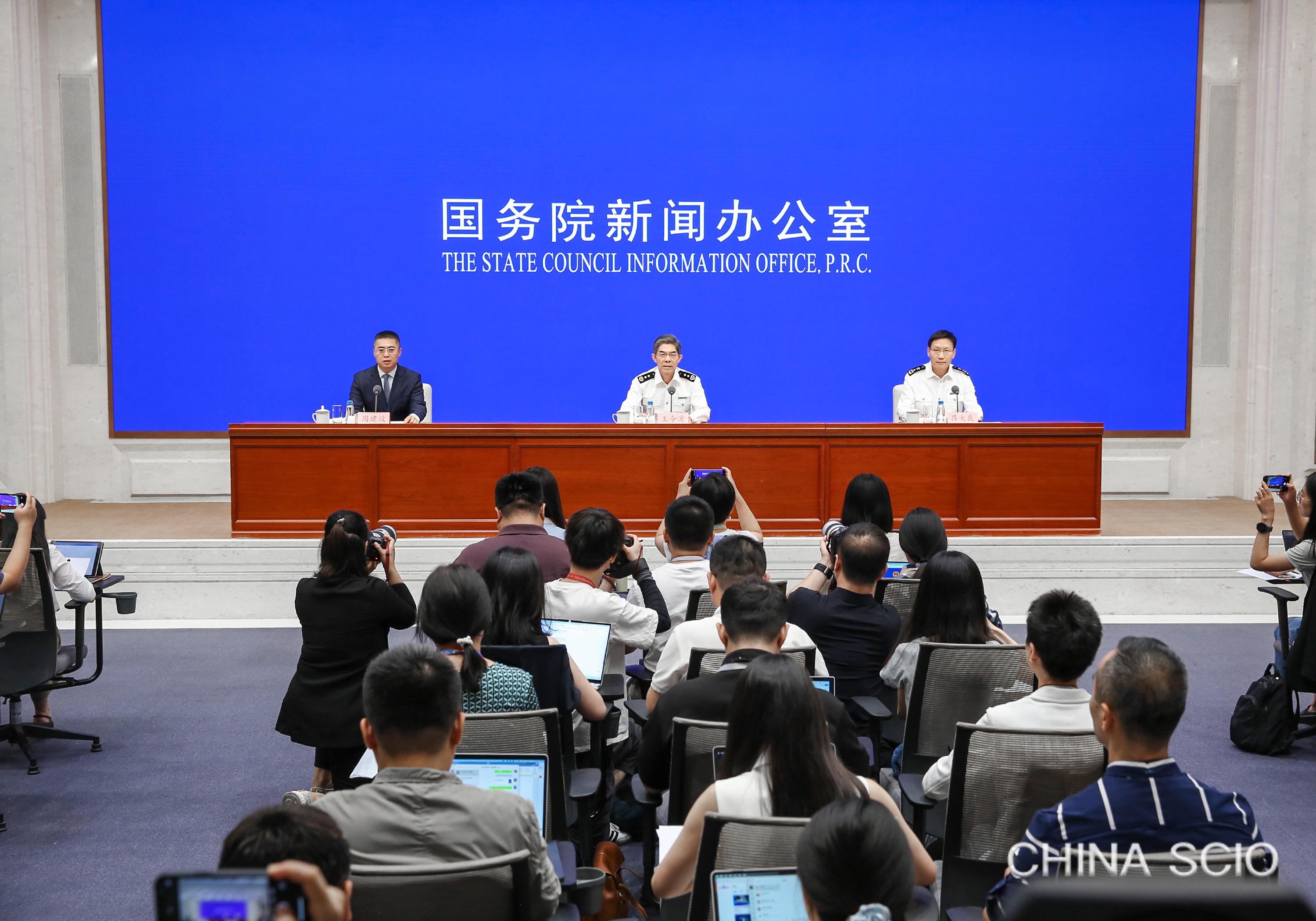
/4 Group photo
SCIO briefing on China's economic and social achievements during the 14th Five-Year Plan period
July 9, 2025SCIO briefing on promoting comprehensive river protection and management
July 4, 2025