
SCIO briefing on China's economic and social achievements during the 14th Five-Year Plan period
Beijing | 10 a.m. July 9, 2025
Speakers

Zheng Shanjie, chairman of the National Development and Reform Commission (NDRC)
Li Chunlin, vice chairman of the NDRC
Zhou Haibing, vice chairman of the NDRC
Yuan Da, secretary-general of the NDRC
Chairperson
Economy, ecology, and beyond: China's 14th Five-Year Plan achievements in review
China accelerates breakthroughs in core technologies in 14th Five-Year Plan period
China's landmark innovations during 14th Five-Year Plan period
China shoulders responsibilities as major nation during 14th Five-Year Plan period
Speakers:
Mr. Zheng Shanjie, chairman of the National Development and Reform Commission (NDRC)
Mr. Li Chunlin, vice chairman of the NDRC
Mr. Zhou Haibing, vice chairman of the NDRC
Mr. Yuan Da, secretary-general of the NDRC
Chairperson:
Ms. Shou Xiaoli, director general of the Press Bureau of the State Council Information Office (SCIO) and spokesperson of the SCIO
Date:
July 9, 2025
Shou Xiaoli:
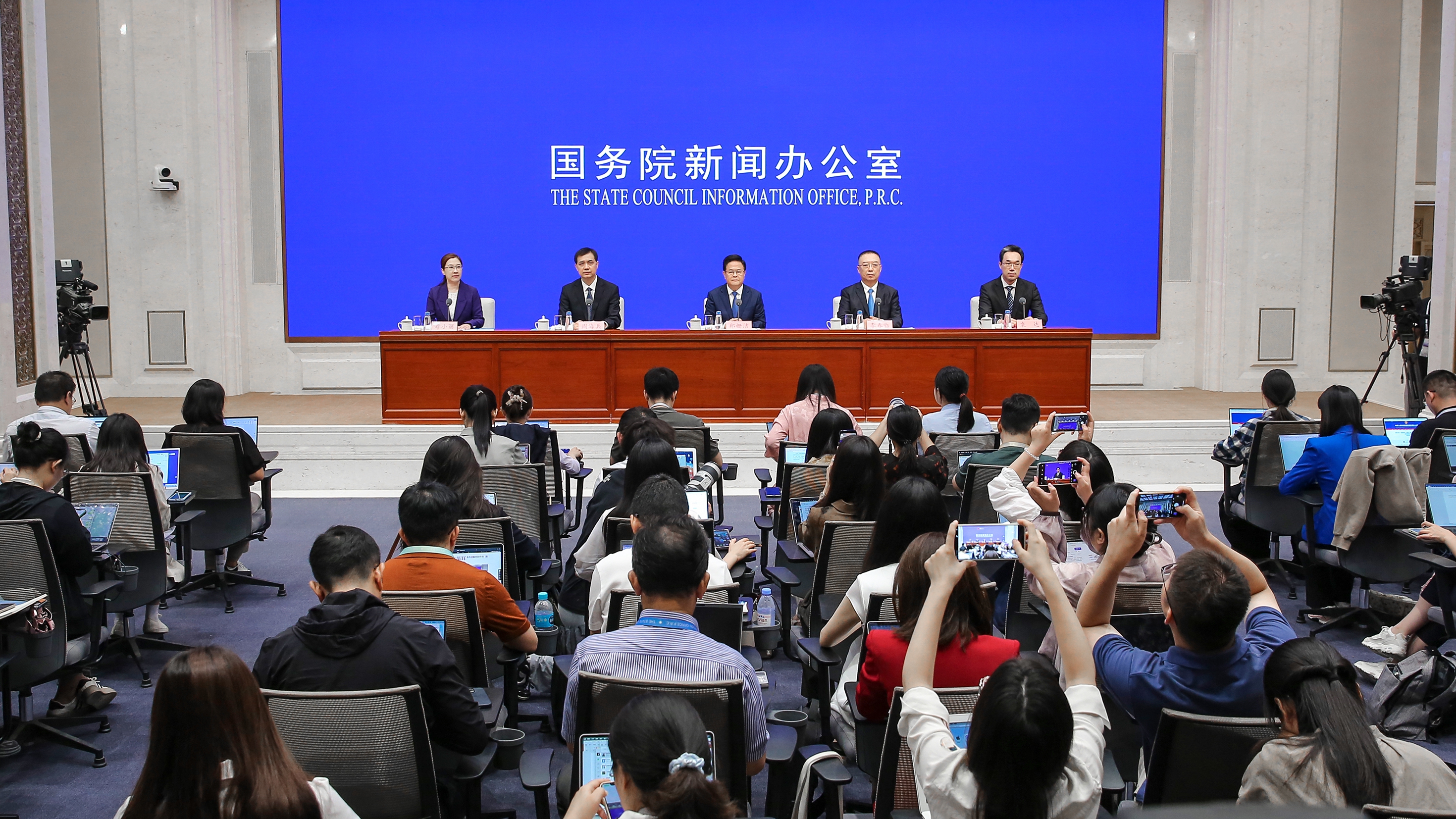
Ladies and gentlemen, good morning. Welcome to this press conference held by the State Council Information Office (SCIO).
This year marks the final year of the 14th Five-Year Plan period (2021-2025). The SCIO will hold a series of press conferences on China's "high-quality achievements during the 14th Five-Year Plan period." The briefings will highlight the vivid practices and notable achievements made by various departments in pursuing high-quality development and in accomplishing the goals and tasks of the plan, under the strong leadership of the Communist Party of China (CPC) Central Committee with Comrade Xi Jinping at its core.
Today we are holding the first in the series of press conferences. We have invited Mr. Zheng Shanjie, chairman of the National Development and Reform Commission (NDRC), to introduce China's economic and social achievements during the 14th Five-Year Plan period and answer your questions. Also attending today's press conference are Mr. Li Chunlin and Mr. Zhou Haibing, vice chairmen of the NDRC; and Mr. Yuan Da, secretary-general of the NDRC.
Now, I will give the floor to Mr. Zheng for his introduction.
Zheng Shanjie:
Good morning, everyone. First, on behalf of the NDRC, I would like to thank you all for your interest, understanding and support regarding our development and reform work.
Today's press conference is on the achievements in economic and social development during the 14th Five-Year Plan period. I would like to begin by reviewing the past five years we have gone through together. Over the past five years, the world has witnessed accelerating changes unseen in a century, while the tasks of reform, development and maintaining stability in China have been more challenging than ever. The CPC Central Committee with Comrade Xi Jinping at its core has exercised overall leadership and provided strong guidance, while the entire nation has united in purpose and worked in solidarity to focus on managing its own affairs. Not only has China withstood immense pressure and overcome severe tests, but it has also achieved significant progress in economic and social development. It truly has been a journey where "after the storm, comes the rainbow."
In fewer than 180 days, the 14th Five-Year Plan will come to an end. Looking back, among the main indicators in the outline of the plan formulated five years ago, the progress of indicators such as economic growth, total labor productivity and total social R&D investment were in line with expectations; eight indicators such as the urbanization rate of permanent residents, average life expectancy and comprehensive food and energy production capacity exceeded expectations; the strategic tasks set forth in the plan were fully implemented; and the 102 major projects listed have progressed smoothly. Overall, these five years have seen new groundbreaking progress, breakthrough changes and historic achievements. China has become the most stable, reliable and positive force for global development. I would like to introduce the work from the following seven aspects:
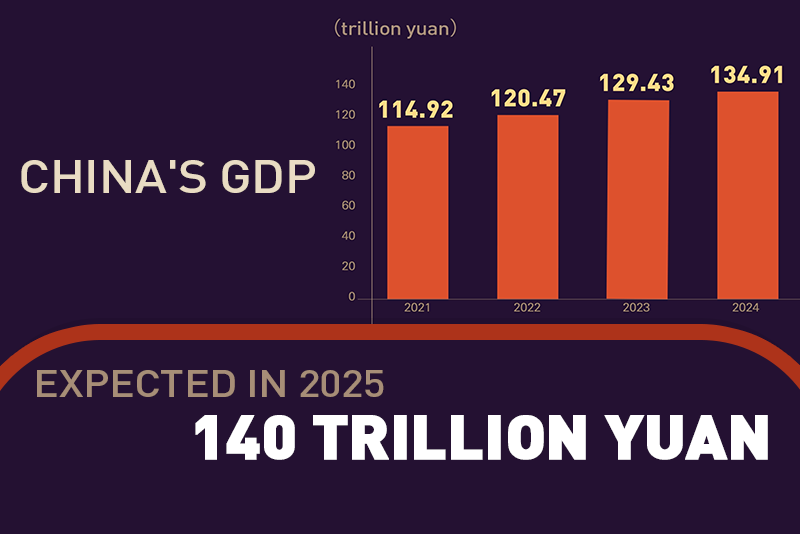
First, economic development. This is mainly reflected in the significant enhancement of our economic strength. We are a major contributor to global economic growth. China's total economic output has successively crossed the thresholds of 110 trillion yuan, 120 trillion yuan and 130 trillion yuan, and is expected to reach around 140 trillion yuan this year. The incremental growth is expected to exceed 35 trillion yuan. What does this mean? During the National People's Congress (NPC) and the Chinese People's Political Consultative Conference (CPPCC) this year, I explained that this is equivalent to creating another Yangtze River Delta economic region from scratch. Another way to understand it is that this amount equals the combined economic output of our country's three largest provinces — Guangdong, Jiangsu and Shandong — which together surpass the GDP of the world's third-largest economy. Our contribution to world economic growth has remained at around 30%. In the first four years, our economy grew at an average rate of 5.5%. Considering the large scale and incremental growth of our country, maintaining this rate amid various risks and challenges is unprecedented in the history of economic development.
Second, innovation-driven development. The 14th Five-Year Plan elevated innovation to an unprecedented level of importance. We didn't just talk the talk; we walked the walk. Let's now review the investment and outcomes over the past five years. China's R&D investment has reached a new high. Last year, spending on R&D increased by nearly 50% compared with the end of the 13th Five-Year Plan period (2016-2020), with an increase of 1.2 trillion yuan; and the intensity of R&D investment increased to 2.68%, close to the average level of OECD countries. We have reached new heights of innovation with one major achievement after another in the field of cutting-edge technologies for a major country. Let's take a look from the perspectives of sea, land and air. At sea, China's first domestically-made aircraft carrier with electromagnetic catapult systems, the Fujian, has been launched. The country's first domestically built large cruise ship, the Adora Magic City, has entered into service. Together with our globally leading large LNG carriers, we now possess the "three pearls" in the crown of the shipbuilding industry. On land, the world's first fourth-generation nuclear power plant, Shidaowan, was put into commercial operation. In the air, the first Chinese space station, Tiangong, was fully completed and put into operation; the Chang'e 6 spacecraft completed the world's first unmanned sample-return mission from the far side of the moon; and the C919, China's first domestically developed large passenger aircraft built to international airworthiness standards, has begun commercial flights. These "firsts" — first ship, first plant, first breakthrough — demonstrate the significant breakthroughs in Chinese innovation. Scientific and technological innovation is driving industries to move up the value chain, shifting from quantity to quality, from low- and mid- to high-end, and from follower to leader across many fields. Facts have proven that attempts at "decoupling" and containment only strengthen our resolve and ability to stand on our own, and only accelerate the pace and breakthroughs of our independent innovation.
Third, people's well-being. The achievements of economic development and technological progress are being concretely translated into a greater sense of prosperity and well-being for our citizens. From a macroeconomic perspective, our country has built the world's largest education, social security, and health care systems. Compulsory education retention rates exceed 95%, as do coverage rates for basic pension insurance and basic medical insurance. Looking at specific sectors, in education, we have worked to make education more equitable and widespread. We have ensured that 97% of children of migrant workers in cities attend public schools or benefit from government-funded school places. This represents an increase of 11.2 percentage points from the end of the 13th Five-Year Plan period. In health care, we have worked to ensure people can access better medical services closer to home. We have established 114 national regional medical centers during the 14th Five-Year Plan period, bringing the total to 125. The nationwide direct settlement system for cross-provincial medical treatment has been built from the ground up and now benefits over 400 million people. We have made significant progress in areas of broad public concern, like elderly and child care. Long-term care insurance now covers over 180 million people. Childcare capacity has reached 5.74 million slots, an increase of 125% from the end of the 13th Five-Year Plan period. Average life expectancy has reached 79 years, with consistent gains of one year every five years from the 12th Five-Year Plan through the 14th Five-Year Plan. In transportation that affects millions of households, China has been accelerating the development of its national comprehensive transportation network, featuring "six axes, seven corridors and eight channels." During the 14th Five-Year Plan period, more than 10,000 kilometers of new high-speed rail have been put into operation. As of now, China's high-speed rail operating mileage is twice that of all other countries combined. Fresh products can reach residents' tables with same-day delivery or next-day arrival from farms, while transportation and express services have become significantly more efficient. Behind every data point and every change is the continuous improvement and enhancement of people's quality of life. There are no minor matters when it comes to people's well-being. We remain sharply focused on addressing the everyday concerns of our people, tackling each issue with concrete, meticulous and effective solutions.
Fourth, governance efficiency. The results of comprehensively deepening reform are being transformed into modern governance systems and capabilities at a faster pace. Here, I will discuss two examples. First, China's business environment continues to improve. The basic framework of the national unified market with multiple pillars has been established. The Private Sector Promotion Law has been released and implemented. The restrictions on foreign investment access in manufacturing have been eliminated. The national negative list of foreign investment access restrictions has been reduced to 29 items. Moreover, number of private enterprises has increased to more than 58 million, an increase of more than 40% compared to the end of the 13th Five-Year Plan period. Second, China's organizational mobilization and action capabilities continue to strengthen. For example, in January this year, a 6.8-magnitude earthquake occurred in Dingri, Xizang autonomous region. Thirty minutes after the disaster, the epicenter area began organizing and implementing emergency rescue operations. Within a few hours, rescue planes carrying disaster relief equipment and personnel had arrived. That night, the affected people moved into emergency shelters and had hot meals. This is the power, speed and spirit of China. There are many more examples. The steady improvement of governance efficiency is mainly due to the comprehensive and strict governance of the Party, which has had a profound and all-encompassing impact. It has curbed many unhealthy practices that were previously thought impossible to stop, eliminated various long-standing problems, and resolved many prominent issues that were of major public concern. The Party's leadership, organizational and implementation capabilities are continuously improving, providing strong political assurance for high-quality development.
Fifth, green development. The concept that "lucid waters and lush mountains are invaluable assets" has become deeply rooted in people's hearts. Green development has become a distinctive feature of contemporary China. The achievements of the past five years are concentrated in four aspects: expanding green coverage, controlling pollution, energy consumption and recycling. China leads the world in expanding green coverage, with forest coverage rising to over 25%. The new forest area is equivalent to the size of Shaanxi province, contributing one-quarter of the world's new green coverage. Pollution control has achieved remarkable results, with air quality reaching good or excellent levels on about 87% of days, an increase of 3 percentage points from the 13th Five-Year Plan period. The main channels of the Yangtze and Yellow Rivers, China's two "mother rivers," have both reached Class II water quality standards. This is a truly outstanding achievement. Energy consumption has become much cleaner, with new energy generation capacity reaching a historic milestone by surpassing that of coal power. China has built the world's largest clean power generation system, with 1 in every 3 kilowatt-hours of electricity now coming from green energy sources. This proportion will continue to increase. Recycling has developed rapidly, with more than 20% of steel production now using recycled scrap steel as raw material, achieving significant energy savings and carbon reduction. I believe everyone can feel this firsthand. Whether in urban or rural areas, whether in the east, west, north or south, we have more blue skies, more beautiful scenery, and more environmentally friendly living.
Sixth, security assurance. Since the 14th Five-Year Plan began, the foundation of our country's food, energy, industrial and national defense security has been further strengthened. In terms of food, the 14th Five-Year Plan supported the construction and upgrading of 460 million mu of high-standard farmland. Currently, more than 1 billion mu of high-standard farmland has been built, equivalent to the combined area of Heilongjiang and Henan, the top two grain-producing provinces. China's food supply remains firmly in its own hands. In terms of energy, China has built the world's largest power infrastructure system, with installed power generation capacity accounting for one-third of the global total. Even during peak energy consumption periods in summer and winter, the energy needs of the public are reliably met. In terms of industrial foundation, China has the world's largest, most complete, and most comprehensive manufacturing system. The resilience and security of industrial and supply chains continue to improve, giving us greater confidence to face various risks and challenges. At the same time, national defense strength and economic strength are improving simultaneously. The strategic capability to safeguard national sovereignty, security and development interests continues to be enhanced.
Seventh, the responsibility of a major country. Instead of talking the talk, we must walk the walk. China leads global green development, promotes shared common prosperity among nations, and upholds global fairness and justice through concrete actions. We've been firmly fulfilling our dual carbon goals, reducing energy consumption per unit of GDP by 11.6% over the past four years. This is equivalent to cutting carbon dioxide emissions by 1.1 billion tons, and fully demonstrates the responsibility of a major country. China has achieved new results and progress in Belt and Road cooperation with countries in Asia, Africa, Latin America and beyond. The initiative has expanded to include more than 150 countries and 30 international organizations, benefiting partner countries with significant progress and achievements in industry, transportation, employment, people's livelihoods and other key areas. For example, the construction of the Jakarta-Bandung high-speed railway in Indonesia has cumulatively created 51,000 local jobs. Since beginning operations more than a year ago, it has transported over 10 million passengers. Locals widely view the railway as both high-tech and a catalyst for Indonesia's economic development. China has firmly stood up to counter trade bullying, resolutely defending its legitimate interests and international fairness and justice. With its super-large market and strong manufacturing capacity, China has demonstrated its responsibility to maintain global supply chain stability.
Looking back over the past five years, we have faced more difficulties than expected, but we have also achieved greater results than anticipated. Like everyone else, we are all participants, contributors and witnesses. Our strongest conviction is that there will always be difficulties and challenges ahead, but they cannot defeat or stop us from moving forward. During the 14th Five-Year Plan period, under the strong leadership of the CPC Central Committee and the State Council, China has gained more consolidated institutional advantages, stronger innovation vitality, a more robust material foundation and a more solid base for development. The 14th Five-Year Plan period will leave a significant mark on the history of China's development. Looking ahead, we are confident that our development prospects will be even brighter during the 15th Five-Year Plan period.
That concludes my briefing. Thank you.
Shou Xiaoli:
Thank you for your introduction, Mr. Zheng. The floor is now open for questions. Please state your news organization before asking your question.
_ueditor_page_break_tag_Tide News under Zhejiang Daily Press Group:
Over the years of conducting interviews, I have observed that connections among various areas in the Yangtze River Delta have become increasingly close. Many entrepreneurs from Zhejiang and Jiangsu are now investing in and building factories in Anhui. For many people, business trips have become as convenient as a daily commute. They can meet clients in Shanghai in the morning, attend meetings in Nanjing, Jiangsu, in the afternoon, and return to Hangzhou, Zhejiang, for dinner in the evening. How do you view this change? Thank you.
Zheng Shanjie:
Thank you for your question. Your description is very vivid. Having worked in two provinces in the Yangtze River Delta, I have many thoughts on this topic and often hear public discussion about it. These changes are a result of the integrated development of the Yangtze River Delta. To answer your question, I would like to highlight the remarkable achievements of regional coordinated development during the 14th Five-Year Plan period.
China has a vast territory and a wide range of conditions across its eastern, western, southern, northern and central regions. General Secretary Xi Jinping attaches great importance to this work. Since the 20th CPC National Congress, the general secretary has presided over nine symposiums on regional coordinated development, representing an unprecedented frequency and level of engagement. The top-level design has been continuously refined, setting major policies and guidelines for advancing regional coordinated development. We have fully implemented the decisions and plans of the CPC Central Committee and the State Council. We have taken the whole country into account, adopted measures suited to local conditions, and tailored region- and category-specific policies, steadily advancing regional coordinated development and building momentum. There are four distinct features.
First, regional functions and roles have become clearer. Different regions have identified their positioning within the overall national development, highlighting their main functions and distinctive features to fully unleash their comparative advantages. For example, the three major economic engines — the Beijing-Tianjin-Hebei region, the Yangtze River Delta and the Guangdong-Hong Kong-Macao Greater Bay Area — have gained stronger momentum, and continue to attract more industries and people. In 2024, the combined economic volume of these three regions accounted for more than 40% of the national total.
Another example is that the northeast region has become an even stronger strategic support. In 2024, the region's grain output accounted for 25.3% of the national total, and its crude oil output made up 21%. Major technical equipment, such as million-kilowatt hydropower units, has been domestically developed and produced, effectively safeguarding national food, energy and industrial security. Similarly, the Hainan Free Trade Port serves as a key testing ground for China's high-standard opening-up. In the first four years of the 14th Five-Year Plan period, the annual average growth rates for goods and services imports and exports were 31.3% and 32.3%, respectively. In the past five years, the actual use of foreign capital surpassed the total amount invested during the first 32 years after the province was founded.
Second, complementary advantages have become more effective. We understand the development gaps among regions in an objective manner, and have boosted momentum by tapping into potential, allowing all regions and all people to share in the benefits of development. For example, the industrial, technological, managerial and financial strengths of the eastern region have been closely integrated with the resource endowment advantages of the western region, making their complementary effects even more pronounced. The transmission capacity of the west-to-east power transmission program has exceeded 300 million kilowatts. The computing power of the eight major hubs of the East Data, West Computing initiative accounts for about 70% of the country's total. The once-barren Gobi Desert has been transformed into a source of green energy, achieving sand control while increasing people's income. The western region has operated a total of 37,000 China-Europe Railway Express trains, accounting for nearly half of the national total, transforming inland areas into new frontiers. The central region has capitalized on its advantages as a key link between the eastern and western regions, as well as the northern and southern regions. More than 60% of the country's main expressways and high-speed railway lines pass through the central region. The region has developed 18 strategic emerging industry clusters and 13 advanced manufacturing clusters, with quantum technology, memory chips and heavy machinery industries demonstrating robust growth, establishing the central region as a critical pillar of national development.
Third, coordinated governance has been greatly strengthened. Regional coordinated development is a vivid example of our institutional strength in pooling resources to accomplish major tasks. For instance, I'd like to share how different regions have worked together to advance the protection of the Yangtze and Yellow rivers.
First, let's look at the Yangtze River. The Yangtze River Economic Belt has reached a consensus on promoting well-coordinated conservation and avoiding excessive development. The issue of chemical plants surrounding the river has been fundamentally resolved, and the 10-year fishing ban on the Yangtze River continues. Today, people can see Yangtze finless porpoises surfacing in the waves, leaping fish and flying birds, creating a scene of "clear water flowing eastward." Next, let's look at the Yellow River. The nine provinces along the Yellow River have planted forests on 200 million mu of land and restored 231 million mu of degraded grassland. The Loess Plateau has transformed from yellow to green, and the Yellow River water has changed from turbid to clear. It can be said that "the winding Yellow River has taken on a new appearance."
Fourth, there has been more vitality. We have established new systems while abolishing outdated ones, driven all regions to unlock potential and stimulate vitality, and developed regional powerhouses with enhanced international competitiveness. For example, we have been advancing integrated development in the Yangtze River Delta area, moving from infrastructure connectivity to institutional coordination that includes joint innovation, industrial collaboration, and shared livelihood benefits, with many quality-of-life improvements resulting from these comprehensive efforts. The region's integrated circuits, biomedicine and artificial intelligence industries account for three-fifths, one-third and one-third of national output, respectively, making them strong growth poles for development. As another example, we have been advancing closer alignment of rules and mechanisms in the Guangdong-Hong Kong-Macao Greater Bay Area, enabling the efficient flow of funds, talent and other factors among Guangdong, Hong Kong and Macao. More than 27,000 Macao residents now live and work in Hengqin, while the Shenzhen Park of the Hetao Shenzhen-Hong Kong Science and Technology Innovation Cooperation Zone has attracted over 440 tech companies and 200 high-end research projects. Additionally, solid progress has been made in building China into a strong maritime country. In 2024, China's gross ocean product exceeded 10 trillion yuan for the first time, while maritime cargo volume and container throughput represented about one-third of the global total. China dominates global port rankings, with six of the world's top 10 ports in container throughput and eight of the top 10 ports in cargo throughput, and with Shanghai and Ningbo-Zhoushan ports setting world records. China's shipbuilding and offshore engineering equipment industry holds over 50% of the global market share, leading new orders in 14 of 18 mainstream ship types. China has been the world's largest producer of marine products for multiple consecutive years, making our ocean a veritable "blue granary." As a result, we have charted a distinctive path toward maritime strength with Chinese characteristics.
These examples demonstrate the progress and results of regional coordinated development. Thank you.
_ueditor_page_break_tag_Bloomberg News:
How does the NDRC view the evolution of China's potential GDP growth rate and growth drivers from the past five years to the next five years? In terms of boosting domestic demand, will there be a set target for consumption growth to guide related work over the next five years? Thank you.
Zheng Shanjie:
We'll have Mr. Yuan answer these questions.
Yuan Da:
Thank you for your questions. You are primarily concerned about China's economic growth drivers and expansion of domestic demand, so let me provide a brief introduction. There are two key points. China has a enormous domestic market with great growth potential, and domestic demand has always been a major driver and anchor for steady economic growth. The practice of economic and social development during the 14th Five-Year Plan period has once again fully demonstrated this point.
From the perspective of domestic demand, China has experienced multiple difficulties and shocks over the past four years, including dramatic changes in the international environment, but the national economy has maintained an annual growth rate of 5.5%, with domestic demand's contribution to economic growth reaching 86.4% on average. It can be said that without a strong domestic market, the Chinese economy would not have seen steady growth.
In terms of the composition of domestic demand, three characteristics are particularly prominent.
First, consumption has moved toward new trends. In the past four years, on average, the contribution of final consumption to China's economic growth reached 56.2%, 8.6 percentage points higher than that of the 13th Five-Year Plan period. New products, new business forms, and new models in the consumption field continue to emerge. For example, in commodity consumption, the integration of AI into daily production and life has accelerated. Smartphones, smart home appliances and smart cars are highly popular among consumers. New products such as 360-degree panoramic sports cameras and AI smart glasses are gaining popularity online. Traditional Chinese style and China-chic products have performed well, with sales of Hanfu (a type of traditional Chinese clothing) and cultural and creative products growing exponentially. Similarly, service consumption in culture, sports, tourism and health care shows increasingly diverse supply and demand patterns. Popular products and experiences based on intangible cultural heritage and museum intellectual property frequently emerge, while city walks and Chinese tea drinks have become fashionable trends.
Second, investment has been directed toward high-quality development priorities. Over the past four years, capital formation from investment contributed an average of 30.2% to China's economic growth. Investment has fully utilized its key role in optimizing the supply structure by focusing more on addressing weaknesses and ensuring long-term benefits. For example, we have concentrated on major and difficult tasks in building a strong country and advancing national rejuvenation, working to solve prominent problems affecting the construction of Chinese modernization. We have coordinated "hard investments" and "soft construction" from top to bottom to advance high-quality projects that implement major national strategies and build security capacity in key areas. We have also emphasized enhancing sustained growth. For example, high-tech industry investment growth has surpassed overall investment growth for many years, and a batch of major national scientific research infrastructure projects have been completed. We have also prioritized people's well-being. For example, we have started and secured construction of about 7.8 million units of various types of affordable housing over the past four years, effectively solving housing problems for more than 20 million people. Investment in areas related to people's well-being has maintained rapid growth, and basic public services has been continuously improved. We have also paid more attention to mobilizing private capital. For example, we have launched major projects in nuclear power and railways to attract private capital investment, with private capital holding a 20% shareholding ratio in some nuclear power projects.
Third, investment and consumption have reinforced each other. On the one hand, growing consumer demand has driven investment in product production and supporting infrastructure. For example, strong consumer demand for 5G and smartphones has driven significant investment growth over the past four years: 21.9% annually in the internet and related services industry, and 11.2% annually in communication equipment manufacturing. On the other hand, effective investment has boosted employment and income growth through production chains, which enhances residents' purchasing power. It has also improved consumption conditions by upgrading facilities and optimizing environments, directly stimulating consumer spending. For example, by the end of 2024, the nationwide charging infrastructure had grown to 12.818 million units, effectively supporting the large-scale adoption of new energy vehicles.
Next, we will accelerate the construction of a new development pattern by prioritizing domestic economy, steadfastly implementing the strategy to expand domestic demand, cultivating a complete domestic demand system, and continuously stimulating domestic demand potential. Thank you.
_ueditor_page_break_tag_Dazhong Daily:
In recent years, China's infrastructure development has seen rapid growth. How does the NDRC view the role of infrastructure in economic and social development? Thank you.
Zheng Shanjie:
I would like to invite Mr. Li to answer this question.
Li Chunlin:
Thank you for your question. I'm very glad to answer it. We all know that infrastructure is an important support for economic and social development. During the 14th Five-Year Plan period, China's infrastructure consistently demonstrated innovative strength and rapid acceleration, delivering "China speed" and "China Quality," fulfilling people's growing expectations for a better and happier life. We have all witnessed this. I would like to quote four comments from netizens in answer to your question.
The first comment, "The road network, woven like fine embroidery, paints a panorama of rivers and mountains," describes how China's infrastructure network is now more systematic and well-developed. For example, the "arteries" are more unimpeded. The main framework of the national integrated multidimensional transportation network featuring "six axes, seven corridors and eight channels" is now over 90% complete. The network covers more than 80% of counties, serving around 90% of the national economy and population, forming a national economic artery that connects east to west, north to south, and links border regions and seas. Another example, the "capillaries" are more developed. By the end of 2024, the total mileage of rural roads reached 4.64 million kilometers. Poverty alleviation efforts have ensured that virtually every village is connected by paved roads, facilitating the movement of industrial goods to rural areas and agricultural products into cities. More villagers enjoy conveniences such as local bus services and parcel deliveries to their doors.
The second comment, "Same-day delivery ensures freshness, and village roads turn remote areas into neighbors," illustrates how the infrastructure system has become more efficient and practical. On one hand, smooth logistics have helped reduce overall social costs and improve efficiency. In 2024, logistics costs nationwide were cut by over 400 billion yuan, and this year we expect to reduce them again by about 300 billion yuan. The cold chain logistics system is now much more robust and efficient. This ensures that fresh lychees can be enjoyed not only in places like Chang'an (present-day Xi'an in Shaanxi province), but also quite readily in far more distant cities such as Lhasa and Urumqi. On the other hand, people can enjoy a modern lifestyle whereby easy transportation is more possible. Passengers can transfer smoothly between different modes of transport and tourism is easier than ever. People can set out for a trip at the drop of a hat, and arrive in no time. They can enjoy dim sum in Guangzhou in the morning, and marvel at ice sculptures in Harbin by evening.
The third comment, "Technology adds vitality, and green energy fuels momentum," captures how our infrastructure system has become smarter and greener. New technologies have breathed fresh life into traditional infrastructure. In 2024, China's ports handled an average of 38,000 TEUs per hour, 26% higher than in 2020 — and among the fastest globally. Green energy is now lighting up millions of homes. In 2024, renewable energy power generation reached 3.46 trillion kilowatt-hours, 1.6 times the level at the end of the 13th Five-Year Plan period (2016-2020). The number of highway charging stations has more than quadrupled over four years, now covering 98.4% of highway service areas, greatly reducing range anxiety for electric vehicle drivers.
The fourth comment, "Critical national infrastructure can withstand any upheaval and brave a century of challenges," highlights how our infrastructure system has become safer and more reliable. Recently completed projects like the Baihetan Hydropower Station, and the Shenzhen-Zhongshan Link are designed to last over a century. China's Hualong One nuclear power unit, with all of its core components produced domestically, adopts the highest international safety standards and is capable of withstanding magnitude-9 earthquakes and category-17 typhoons. In 2024, national reservoirs, by impounding floodwaters, reduced the inundation of over 16 million mu of arable land and averted the displacement of more than 11 million people. At the same time, China has completed 44 ultra-high voltage transmission channels, with another four under construction. The power grid is not only large in scale and wide in coverage but also strong and reliable. Since the start of the 14th Five-Year Plan, there have been no major power safety incidents. Last Friday, which was July 4, the national electricity load reached a historic high of 1.465 billion kilowatts, and electricity generation also reached an all-time high of 32.9 billion kilowatt-hours. That record was broken again this Monday, reaching 1.467 billion kilowatts. In September 2024, after Super Typhoon Yagi made landfall, it took only 80 hours to restore power to the cross-sea cable between Hainan and Guangdong.
China's infrastructure has made such remarkable progress because we have always stayed true to our original aspiration: serving development and improving people's lives. This reflects the determination to overcome difficulties and the perseverance of moving mountains. Going forward, we will adhere to the principle of building moderately ahead of demand, but not excessively ahead, and continue to consolidate our strengths, address weak links and raise our infrastructure system to new heights. Thank you.
_ueditor_page_break_tag_Daxiang News:
We've noted that in recent years, many foreign vloggers have shared their experiences in China on social media. They've highlighted Chinese tech products and trendy designs, which have sparked a "China craze." Some foreign netizens have commented that China is really spending its money on infrastructure and that China has become cool. What's your view on this? Thank you.
Zheng Shanjie:
Thanks for your question. I'll take this one. This is a very good question. In fact, I think this reflects China's growing comprehensive national strength. Looking back at the 14th Five-Year Plan period, I would say that China's comprehensive national strength has advanced by leaps and bounds. Where is this rapid progress evident? I think there are four main aspects:
First, let's look at economic strength. In addition to the economic aggregate I mentioned earlier, China is also the world's largest manufacturing country, largest goods trading country, largest foreign exchange reserve holder, largest energy producer, and largest country in terms of human resources. It has the world's largest middle-income group and social security system, and has built the most 5G base stations globally, which is something everyone can feel in their daily lives. There are many more such distinctions. Now, the foundation of China's real economy is getting stronger. Since the 14th Five-Year Plan, the annual value added of the manufacturing sector has exceeded 30 trillion yuan. China has held the top position in global manufacturing for 15 consecutive years, with over 200 major industrial products ranking first in the world in terms of output. There are fewer and fewer things China cannot make, and what it does make keeps getting better. In addition, China's infrastructure for economic and social development is getting stronger, as Mr. Li just outlined. We have the world's largest networks of highways, high-speed trains, ports, urban rail transit, power transmission and distribution, and broadband. We also have the most wind power installations, photovoltaic installations, charging piles and courier service outlets globally. This modern infrastructure system has supported the rapid development of the economy and society and improved people's lives.
Second, let's look at innovation ability. China has the world's largest pool of R&D personnel and 26 of the world's top 100 science and technology innovation clusters, ranking first globally. There are more than 460,000 high-tech enterprises. As everyone has seen, innovative results are constantly emerging, and technological sophistication continues to grow stronger. We are developing new quality productive forces tailored to local conditions, driving deep integration between technological and industrial innovation. Innovation is accelerating from isolated breakthroughs toward systematic integration, with cutting-edge products emerging constantly. In recent years, we have developed independently-researched high-performance chips and operating systems, large AI models that empower various industries, and robots that significantly boost production efficiency. The potential of innovation is continuously transforming into economic momentum. New industries, new business formats, and new business models, dubbed the "three new" economy, represented by "AI+", are accelerating their implementation. In 2024, the value added of the "three new" economy exceeded 24 trillion yuan, equivalent to the combined GDP of Beijing, Shanghai and Guangdong.
Third, let's look at soft power. China's development has attracted global attention, and more and more countries are engaging with us in governance exchanges, learning from China's solutions and experience. China has completed the industrialization process in a few decades, a journey that took Western developed countries several centuries, creating the twin miracles of rapid economic development and long-term social stability. This has provided a new model of modernization for the world. Concepts such as "a community with a shared future for mankind" and "lucid waters and lush mountains are invaluable assets" have gained widespread international recognition. The country's cultural soft power and the influence of Chinese culture have significantly increased. National institutions like the National Archives of Publications and Culture, national archives, and national cultural parks preserve and continue the heritage of Chinese history and culture. New cultural forms such as online dramas, online literature and online games have gained significant traction overseas.
China's international influence and appeal have markedly increased. The Belt and Road Initiative has emerged as a pathway for global shared prosperity. Meanwhile, we are vigorously promoting voluntary and unilateral opening up policies, expanding our unilateral visa-free arrangements to 47 countries. Tourism and shopping in China continue to gain momentum, with foreign visitor arrivals registering a 96% increase in 2024.
Fourth, let's consider shock resistance. We have firmly kept our food supply in our own hands, with grain production achieving 21 consecutive years of bumper harvests. Last year, we reached a new milestone of 700 million metric tons. Adopting an all-encompassing approach to food, China ranks first globally in the production of grains, meat, peanuts, vegetables, tea and fruits. The nation's energy self-sufficiency rate remains above 80%. In 2024, total oil and gas production exceeded 400 million tons of oil equivalent for the first time, and power generation reached 10 trillion kilowatt-hours. A diversified energy supply system, including coal, oil, gas, nuclear and renewable energy, now robustly secures the energy needs of over 1.4 billion people. Meanwhile, we are working faster to establish a national reserve system with more adequate material stockpiles and stronger shock resilience.
Finally, I would like to say that under the strong leadership of the CPC Central Committee and the State Council, China's comprehensive national strength has been systematically enhanced during the 14th Five-Year Plan period, laying a solid foundation for achieving the Second Centenary Goal. Enhancing the country's comprehensive national strength serves the Chinese people in tangible ways and will continue to create new opportunities for global development. No matter how the international situation changes in the future, we will unswervingly manage our own affairs well, solidly enhance the country's comprehensive national strength, and advance Chinese modernization. Thank you.
_ueditor_page_break_tag_China News Service:
During the 14th Five-Year Plan period, people's livelihood needs have undergone many new changes. Could you please tell us how the country has addressed these new needs and expectations regarding people's livelihoods? Thank you.
Zheng Shanjie:
I'd like Mr. Zhou to answer this question.
Zhou Haibing:
Thank you for your question. Adhering to a people-centered approach and enhancing people's well-being is the starting point and ultimate goal of formulating and implementing each Five-Year Plan. The 14th Five-Year Plan outline proposed seven livelihood indicators, accounting for more than one-third of the plan's 20 main indicators, more than in any other previous plan. Guided by the implementation of the plan, we have continued to deepen institutional reforms in the social sector, successively rolling out impactful and heartwarming livelihood policies, and continuously enhancing people's sense of gain, happiness and security.
First, we consolidated the foundation of people's livelihoods by continuing to intensify efforts to stabilize employment and promote income growth. Since the start of the 14th Five-Year Plan period, more than 12 million new urban jobs have been created annually, providing a solid foundation for improving people's livelihoods. In 2024, the employment distribution across the primary, secondary and tertiary industries was 22.2%, 29% and 48.8%, respectively, with the service sector playing an increasingly significant role in job creation. The growth of residents' incomes has kept pace with economic growth, and the relative income gap between urban and rural areas has continued to narrow.
Second, we focused on people's livelihood needs and worked to ensure that public services and social security benefit everyone. China has established and continuously strengthened the world's largest education, health care and social security systems. The completion rate of nine-year compulsory education, as well as the coverage rates of basic pension and basic medical insurance, has remained steadily above 95%. In 2024, overall education attainment across all levels in China reached or exceeded the average level of middle- and high-income countries, and the average years of schooling for new entrants to the labor force market exceeded 14 years. The number of practicing physicians per thousand people has increased from 2.9 to 3.6. During the 14th Five-Year Plan period, we formulated, implemented and continuously updated national standards for basic public services, working to ensure that people have equitable access to 81 essential public service items.
Third, we responded to public expectations by stepping up efforts to resolve the most pressing issues and concerns that trouble people's daily lives. First-Class universities and disciplines of the world and high-quality regular high schools have continued to expand enrollment, providing greater access to quality education resources. Quality medical resources are being rapidly expanded and brought to local communities, creating a more balanced regional distribution. National regional medical centers are being built faster and having a greater impact, allowing more people in central and western regions to receive high-quality medical care close to home. A total of 402 new drugs have been added to the national medical insurance drug list, and cross-provincial settlement of medical insurance expenses has become more convenient. High-quality service systems for the elderly and children are being rapidly developed. The proportion of nursing care beds in elderly care institutions nationwide has risen to 64.6%. We have established comprehensive childcare service centers in more than 300 prefecture-level cities and populous counties to make childcare services more affordable and trustworthy for families.
Going forward, we will continue to put people's well-being at the heart of our efforts to ensure and improve people's livelihoods through development. We will focus on addressing people's most pressing needs and concerns. We will work to deliver practical, effective livelihood projects so that all share the benefits of development more fully and equitably. Thank you.
_ueditor_page_break_tag_Market News International:
What was the status of foreign direct investment in China during the 14th Five-Year Plan period? What are the plans for attracting foreign investment over the next five years? How will China further facilitate foreign investment?
Zheng Shanjie:
I'd like to invite Mr. Zhou to answer your questions.
Zhou Haibing:
Thank you for your questions. Opening up to the outside world is a fundamental national policy of China, and attracting and utilizing foreign investment is an important part of this policy. From 2021 to May this year, foreign direct investment in China totaled 4.7 trillion yuan, exceeding the total amount during the 13th Five-Year Plan period. Foreign-funded enterprises contribute one-third of China's imports and exports, one-fourth of its industrial added value, and one-seventh of its tax revenue while creating more than 30 million jobs. The strong growth of foreign-funded enterprises clearly demonstrates China's market-oriented, law-based and international business environment and strongly validates China's foreign investment policies. This is evident in several ways:
First, companies moving forward with the Chinese market are finding broader opportunities as the negative list continues to shrink. China reduced the negative list for foreign investment access twice, in 2021 and 2024. The current national and pilot free trade zone lists have been reduced to 29 and 27 items, respectively. Restrictions on foreign investment access in the manufacturing sector have been fully eliminated, and the restrictions on foreign investment access in agriculture, services and other sectors have been further eased. Since last year, China has also launched pilot programs to open up the medical care and value-added telecommunications sectors, with multiple foreign-funded enterprises already beginning to invest and operate in these sectors.
Second, China's investment promotion initiatives have generated strong appeal, with ongoing policy incentives continuing to support development. China has revised the Catalogue of Encouraged Foreign Investment Industries multiple times. The current version contains 1,474 items, directing foreign investment toward advanced manufacturing, modern services, high technology, energy conservation and environmental protection. It also encourages investment in the central, western and northeastern regions. Foreign-invested enterprises with projects listed in the encouraged investment catalog can enjoy preferential policies on taxation, land use and other areas in accordance with the law. China provides comprehensive, end-to-end support for major foreign investment projects, coordinating and resolving issues related to land use, marine resources, energy use and other areas. China continues to expand its unilateral, mutual and transit visa exemption policies, making it easier for foreign businesspeople to visit China for inspections and negotiations.
Third, China's business environment is transparent and fair, allowing enterprises of all kinds to fully leverage their strengths. China fully ensures national treatment for foreign-funded enterprises, creating a policy environment with transparent rules and equal opportunities. For example, the new round of large-scale equipment upgrades and consumer goods trade-in programs we are promoting treats domestic and foreign-funded enterprises equally. Another example is China's strengthening of intellectual property protection through amendments to the implementation rules of the Patent Law, the introduction of regulations on fair competition review, and provisions for handling foreign-related intellectual property disputes. The country has continuously stepped up law enforcement efforts against infringements involving foreign-funded enterprises.
Looking ahead, China's policy orientation for attracting and utilizing foreign investment will remain consistent. We will further ease market access requirements and promote the orderly expansion of opening up in relevant fields. We will deliver national treatment at a high standard, ensuring that foreign-funded enterprises have fair access to standard-setting, government procurement, bidding and other activities. We will strengthen service support by continuously implementing targeted initiatives to assist foreign-funded enterprises, actively addressing practical challenges and enhancing enterprise satisfaction and fulfillment.
China has been, is, and will continue to be an ideal, safe and promising investment destination for foreign businesses. We welcome international companies to continue expanding in the Chinese market, share in China's development dividends and achieve greater mutual success. Thank you.
_ueditor_page_break_tag_Zhonghongwang.com:
We have noticed that the NDRC and other departments are currently taking action to identify and address market access barriers, and the Supreme People's Court has also issued its first ruling based on the Private Sector Promotion Law. There have been several major reform developments as well. What progress has the NDRC achieved in economic system reform over the past five years? Thank you.
Zheng Shanjie:
I would like to invite Mr. Li to answer your question.
Li Chunlin:
Thank you for your question. Regarding the reforms you mentioned, this has indeed been a central task and a key focus during the 14th Five-Year Plan period. The 14th Five-Year Plan period has been an important historical juncture for advancing reform and tackling challenges. The reform goals and tasks set at the third plenary session of the 18th CPC Central Committee have been completed on schedule. We have focused on key areas and critical links, continuing to advance the reform tasks outlined at the third plenary session of the 20th CPC Central Committee. The results are mainly reflected in four aspects: smoothing circulation, boosting vitality, improving efficiency and enhancing effectiveness.
First, we have focused on smoothing economic circulation and accelerating the development of a unified national market. We have issued five versions of the negative list for market access, reducing the number of listed items from 151 to 106, and have eliminated 4,218 regulations and practices that were impeding the development of a unified national market and fair competition. We have assessed the consistency of newly issued policies with macroeconomic policy directions to ensure effective policy coordination. We have taken a comprehensive approach to addressing wasteful competition by improving core competitiveness, optimizing industrial distribution, strengthening local oversight, and regulating competitive practices. In addition, measures such as cross-provincial direct settlement of medical insurance and cross-platform payment for online shopping have brought tangible benefits to the public.
Second, we have focused on stimulating the vitality of business entities and continuously optimizing the development environment. We have continuously advanced the three-year action plan for state-owned enterprise (SOE) reform and the reform deepening and enhancement initiative, with SOEs' core functions and competitiveness steadily strengthening. We have also established the Bureau of Private Economy, promoted the implementation of the Private Sector Promotion Law, and improved our regular communication and problem-solving mechanisms with private enterprises. The Hangzhou-Shaoxing-Taizhou and Hangzhou-Wenzhou high-speed railways, controlled by private capital, have been completed and put into operation. Major infrastructure projects, including those in nuclear power, have opened to private investment. Private capital participation in nuclear power projects has reached as high as 20%. In industrial equipment renewal and similar sectors, more than 80% of projects welcome private capital, boosting investment confidence among private enterprises.
Third, we have focused on improving resource allocation efficiency and made efforts to break through reform bottlenecks in key industries. For example, in the area of factor resource, we have established a fundamental data system and formed the National Data Administration to ensure data can be properly supplied, transmitted and used. We have also begun building a unified national electricity market system. The southern regional electricity market has started continuous operation, and the five provinces covered by the China Southern Power Grid (CSG) have now achieved unified transactions and competitive bidding. The State Grid and CSG have achieved regular cross-operating area transactions. In 2024, market-based electricity transactions nationwide accounted for 63% of total electricity consumption. Similarly, in the area of bidding and tendering, we have comprehensively promoted full-process digitalization reform, released fair competition review rules for the field, fully implemented remote bid evaluation and mutual recognition of digital certificates, and ensured fair and proper use of public resources.
Fourth, we have focused on improving the effectiveness of comprehensive reforms and encouraged local pilot initiatives. We have combined top-level design with grassroots exploration, supporting comprehensive reform pilot programs in Shanghai's Pudong, Shenzhen, Xiamen and other places to actively explore new approaches. We have promoted 88 innovative measures in four phases, providing more replicable reform experiences for nationwide implementation. Among them, the policy document on deepening the comprehensive reform in Shenzhen was officially issued this year. A special press conference was held here recently to explain the policy. For example, we have comprehensively promoted the "one-stop service" integrated reform for employment services, which consolidates 11 items, including social security and the housing provident fund, into a unified framework.
Comprehensive reform efforts have made significant progress and will continue to advance. The 15th Five-Year Plan period will be critical for the comprehensive implementation of the reform tasks outlined at the third plenary session of the 20th CPC Central Committee. We will continue to resolutely implement the decisions and deployments of the CPC Central Committee, focus on deep-seated problems and issues, grit our teeth and make every effort to tackle tough challenges, ensuring that the various reform measures outlined at the third plenary session are implemented and produce results. Thank you.
_ueditor_page_break_tag_Xinhua Finance:
We have noticed that China has established the world's largest and fastest-growing renewable energy system. I'd like to ask:What other achievements deserve recognition for driving our economy's and society's comprehensive green transformation? Thank you.
Zheng Shanjie:
Mr. Zhou will take the question.
Zhou Haibing:
Thank you for your question. During the 14th Five-Year Plan period, regions and departments across China have firmly established and acted on the important philosophy that lucid waters and lush mountains are invaluable assets. Significant progress has been made in the comprehensive green transformation of the country's economic and social development, as evidenced by four areas of continued improvement.
First, resource utilization efficiency has continued to improve. We have pursued both resource development and conservation and implemented a comprehensive conservation strategy. We have vigorously promoted the circular economy, achieving positive outcomes in delivering economic, social and environmental benefits. In terms of energy conservation, by 2024, China's energy consumption per unit of GDP decreased by 11.6% compared to the end of the 13th Five-Year Plan period, making China one of the countries with the fastest decline in energy intensity globally. In terms of resource utilization, in 2024, the major resource productivity increased by approximately 12% compared to the end of the 13th Five-Year Plan period. Nationwide, 268 million tons of domestic garbage were processed through incineration, representing an 83.6% increase from the end of the 13th Five-Year Plan period.
Second, the quality of the ecological environment has continued to improve. We have remained committed to long-term efforts, advanced the critical battle against pollution, and strengthened ecological conservation and restoration. The main channels of the Yangtze River and the Yellow River, which are widely known as China's mother rivers, have fully met Class II water quality standards. With the continued advancement of national greening initiatives, China has become the country with the fastest and most extensive growth in vegetation worldwide.
Third, the level of greening in key sectors has continued to rise. We have worked to both optimize existing capacity and expand new capacity, accelerating the development of green and low-carbon industries. In terms of existing capacity, the share of benchmark-level energy-efficient production capacity in major energy-intensive industries has increased 6 percentage points compared to the end of the 13th Five-Year Plan period. In terms of new capacity, China has built the world's largest and fastest-growing renewable energy system. By the end of May this year, the country's installed renewable energy capacity had reached 2.09 billion kilowatts — more than double the 934 million kilowatts at the end of the 13th Five-Year Plan period.
Fourth, the transition toward green lifestyles has continued. We have promoted green living as a new social trend. By 2024, the number of new energy vehicles in China had reached 31.4 million, more than six times the 4.92 million at the end of the 13th Five-Year Plan period. Driven by policies promoting large-scale equipment upgrades and consumer goods trade-ins, appliances with top-tier energy efficiency now account for 90% of total home appliance sales, effectively integrating investment expansion, consumption promotion and energy conservation with carbon reduction.
The 15th Five-Year Plan period will be a critical stage for China to reach its carbon emissions peak before 2030. We will take stronger and more concrete actions to advance the comprehensive green transformation of economic and social development and accelerate a form of modernization based on harmony between humanity and nature. Thank you.
_ueditor_page_break_tag_People's Daily:
China's formulation and implementation of Five-Year Plans have attracted widespread attention, and many foreign observers are curious about the mechanisms that ensure the effective execution of these plans. Could you please share how China formulates and implements its Five-Year Plans? Thank you.
Zheng Shanjie:
I'll answer this question. You've raised a very important issue. At the recent Summer Davos Forum held in Tianjin, many international attendees also brought up this topic with me. As a Chinese saying goes, "Preparedness ensures success and unpreparedness spells failure." China formulates a Five-Year Plan every five years, which fully reflects the essence of the country's effective governance approach. General Secretary Xi Jinping has emphasized that using medium- and long-term plans to guide economic and social development is an important way for the Party to govern the country. While the formulation of such plans is not unique to China, our long-standing commitment and the remarkable results we have achieved are unparalleled globally.
Looking back to the early years of the People's Republic of China, from the First Five-Year Plan in the 1950s to the current 14th Five-Year Plan, we have remained true to our original aspiration and firm in our mission. One five-year period after another, a series of incremental achievements has led to tremendous progress, profoundly transforming the nation and improving people's lives. Since the 18th CPC National Congress, particularly during the 13th and 14th Five-Year Plan periods, China has achieved the historic goal of building a moderately prosperous society in all respects. Economic strength, scientific and technological capabilities, and comprehensive national power have reached new heights, ushering in a new journey toward building a modern socialist country in all respects. It is fair to say that the Five-Year Plans have documented both the hardships and the glory of the country's development. The history of China's Five-Year Plans is, in essence, a history of the country's economic and social progress.
As for how the country's Five-Year Plans are formulated and implemented, I would summarize the process in four key aspects.
First, we fully leverage institutional strengths. We use the distinctive advantage of the socialist system's ability to concentrate resources on accomplishing major undertakings. Specifically, we formulate Five-Year Plans based on long-term strategic goals, develop annual plans, introduce macroeconomic policies, and implement major projects to ensure the timely and high-quality completion of key targets and tasks. This system, which combines long-term planning with short-term arrangements, plays a crucial role in maintaining stable economic and social development. It also plays an important role in stabilizing expectations, boosting confidence, and driving momentum.
Second, we balance consistency and innovation. Staying true to principles helps us avoid losing direction and avoid catastrophic mistakes, while innovation enables us to keep pace with and lead the times. We align planning with the goal of building a modern socialist country, adapting to changing circumstances to ensure that our plans reflect the spirit of the times, follow objective laws, and show creativity. For example, the 14th Five-Year Plan was designed in response to profound global changes unseen in a century. It upholds a people-centered development philosophy and clearly outlines major strategies such as fostering a new development paradigm. The plan offers both a diagnosis of the current situation and a roadmap for moving forward.
Third, we focus on building social consensus and unity. We embrace an open-door approach to planning, integrating top-level design with broad public consultation. At every stage, we gather feedback, fully absorbing the new ideas that grassroots officials and ordinary citizens develop in practice. By identifying the most widely shared goals in people's aspirations for a better life, we ensure that everyone knows both where we are going and how to get there.
Fourth, we put emphasis on maintaining firm strategic resolve. We embrace the principle that "success isn't about claiming credit, but about getting the job done." We believe that we must keep moving forward until our goals are met. We pass the baton from one runner to the next, with each generation building on the work of those before. Through successive Five-Year Plans, we will turn the grand goal of the great rejuvenation of the Chinese nation into a magnificent reality.
Looking back on the history of formulating and implementing these plans, the most important and fundamental lesson is maintaining the leadership of the CPC. This means effectively transforming the Party's propositions into national policy and unified social action, ensuring the Party's leadership in all fields and throughout the entire process of social-economic development. This guarantees that planning objectives and tasks are successfully implemented and produce tangible results.
Since the beginning of this year, General Secretary Xi Jinping has made important instructions on multiple occasions regarding the formulation of the 15th Five-Year Plan. We will earnestly study these instructions. While stepping up efforts to implement the objectives and tasks of the 14th Five-Year Plan, we will make sound plans for economic and social development during the 15th Five-Year Plan period. We will adhere to formulating the plan in a scientific, democratic and law-based manner. We will draw up the draft outline in alignment with the CPC Central Committee's proposals for the 15th Five-Year Plan, striving to formulate a high-quality plan that can stand the test of history and earn the approval of the public. Thank you.
Shou Xiaoli:
Let's continue with the questions. We have time for two more.
_ueditor_page_break_tag_South China Morning Post:
The 14th Five-Year Plan included 102 major projects. Will the investment intensity decrease over the next five years? What are the main investment areas? Thank you.
Zheng Shanjie:
Mr. Li will take these questions.
Li Chunlin:
China's per capita GDP has just exceeded $13,000. To further promote economic development and improve people's living standards, we must maintain a certain level of investment intensity. After more than four years of solid progress, the 102 major projects you mentioned have achieved significant progress and substantial results. All planned goals are expected to be completed by the end of the year. These accomplishments can be summarized as the "five new" developments
First, infrastructure has created a "new support" for economic circulation. Major transportation infrastructure projects have been completed and put into operation, including the Guiyang-Nanning High-Speed Railway, the Hotan-Ruoqiang Railway, the China-Laos Railway, and Chengdu Tianfu International Airport. Major projects like the Sichuan-Xizang Railway and the Pinglu Canal are progressing steadily. Approximately 90% of county-level administrative centers nationwide now have 30-minute access to expressways, and high-speed rail coverage reaches 97% of cities with populations over 500,000. This provides solid support for facilitating both domestic and international economic circulation.
Second, scientific and technological breakthroughs have empowered economic development with "new vitality." Many cutting-edge scientific and technological achievements have made major breakthroughs. The Zhurong rover achieved the first successful Mars landing; The Chang'e 5 mission brought back lunar soil samples that are now being shared for research with six countries; and the Zuchongzhi 3 quantum computing prototype leads globally. Meanwhile, the EAST nuclear fusion experimental device broke the world record by maintaining plasma at 100 million degrees Celsius for 1,066 seconds in steady-state high-confinement mode.
Third, ecological conservation has created "new miracles" for a beautiful China. The most notable example is the comprehensive launch of three major symbolic campaigns in the Three-North Shelterbelt Forest Program. The Yellow River's Great Bend region has witnessed greenery advancing and sand retreating. The campaign to eliminate moving sand dunes in Horqin and Hunshandake has effectively curbed sandstorm sources affecting Beijing and Tianjin. Along the edge of the Taklimakan Desert, a sand-blocking protective belt stretching over 3,000 kilometers has been constructed, forming a "Green Great Wall." I worked for nine years in Yulin, Shaanxi province, in the heart of the desert region within the Yellow River's Great Bend. The approximately 573,620 hectares (8.6 million mu) of the Mu Us Desert have been comprehensively managed, and the area has been designated as a National Forest City. It is now the season when vegetation is lush and green. So, I welcome everyone to visit and see for yourselves.
Fourth, public welfare projects have enhanced the "new quality" of people's lives. We supported the construction of 125 regional medical centers, providing comprehensive coverage for provinces in central and western regions where high-quality medical resources are relatively limited. We have also assisted 707 county-level hospitals in reaching tertiary hospital standards and accelerated progress toward ensuring that major illnesses can be treated without leaving the province, common illnesses are addressed at the city and county levels, and routine medical care is managed at the primary level. We have also added over 500,000 student dormitory beds and supported undergraduate enrollment expansion at Double First-Class universities. Meanwhile, we have supported aging-friendly renovations for 2.08 million households in need and provided rehabilitation assistance to over 1.7 million disabled children, delivering greater warmth and care in protecting older adults and children.
Fifth, safety engineering projects have built a "new foundation" for national security. Construction of infrastructure for six emergency rescue centers covering different regions nationwide has been completed. These centers feature increasingly modern rescue equipment and enhanced emergency response capabilities. At the same time, the four major oil and gas strategic channels have been continuously improved, the total storage capacity of reservoirs nationwide has reached 1 trillion cubic meters, and China's number of dams ranks highest in the world, ensuring high-quality development with high-level security.
Next, the NDRC will continue to strengthen coordination among various departments and between the central and local governments to ensure the successful completion of 102 major projects. At the same time, we will adopt a strategic approach in planning major projects for the 15th Five-Year Plan period and provide a more solid guarantee for pursuing Chinese modernization. Thank you.
Shou Xiaoli:
One last question, please.
_ueditor_page_break_tag_21st Century Business Herald:
Not long ago, Beijing hosted a robot marathon, while Hangzhou held a robot boxing match, demonstrating a strong futuristic atmosphere on site and leaving us excited about the future. What other achievements has China made in sci-tech innovation development in recent years? Thank you.
Zheng Shanjie:
Mr. Yuan will answer your question.
Yuan Da:
Thank you for your question. I share the same feeling as everyone else. During the 14th Five-Year Plan period, China's sci-tech and industrial innovation achievements have flourished. Innovation has become the main driving force for promoting high-quality development, and new quality productive forces are comprehensively changing how we work and live. What stands out most to me are five areas that are experiencing rapid acceleration.
First, the growth of R&D investment is rapidly accelerating. Overall, in 2024, R&D spending accounted for 2.68% of the country's GDP, reaching 3.6 trillion yuan, ranking second globally. Looking at the key players, enterprises are the main drivers of R&D investment growth, with corporate R&D spending accounting for over 77% of the total. In terms of benchmarks, Shenzhen, as a leading innovation city, has raised its R&D investment level to 6.46% of its GDP. All of this demonstrates that China is taking major strides from being a global manufacturing hub toward becoming a global innovation center.
Second, breakthroughs in key core technologies are rapidly accelerating. For example, the annual output of integrated circuits in 2024 grew 72.6% compared with the end of the 13th Five-Year Plan period, an increase of about 190 billion pieces. More and more products are now equipped with Chinese chips. In addition, China has made new breakthroughs in nuclear power, high-speed rail, shipbuilding and marine engineering, and set multiple global records in AI, quantum technology, manned spaceflight, deep space exploration and other fields. Chinese innovation continues to deliver increasingly impressive breakthroughs.
Third, the growth of emerging industries is rapidly accelerating. For example, in 2024, the value added of China's high-tech manufacturing industry surged 42% compared with the end of the 13th Five-Year Plan period. The value added of core industries related to the digital economy increased 73.8%, accounting for 10.4% of GDP, an increase of 2.6 percentage points. Moreover, by 2024, China had over 4,000 innovative drugs under development, accounting for about 30% of the world's total.
Fourth, talent-driven innovation is rapidly accelerating. China ranks first globally in terms of total human resources, sci-tech personnel and R&D staff. Each year, more than 5 million graduates earn degrees in science, technology, engineering and mathematics. This talent pool provides a solid foundation for technological breakthroughs and is the primary source of innovation momentum.
Fifth, the formation of a distinctly Chinese innovation ecosystem is rapidly accelerating. Chinese companies are actively building and deeply integrating into the open-source ecosystem with unprecedented enthusiasm. This approach creates a "dual empowerment" between technological innovation and application development, establishing a globally unique pathway for technological advancement and innovation ecosystem. For example, we have thoroughly implemented the "AI Plus" initiative, introducing AI to thousands of industries and households. Industry-specific deep vertical applications have emerged as a hallmark of the Chinese approach.
Moving forward, we will thoroughly implement the decisions and arrangements of the CPC Central Committee and the State Council, remain committed to the innovation-driven development strategy, and promote integrated advancements in technological and industrial innovation. We will coordinate the integrated development of education, science and technology, and talent, vigorously foster a sound ecosystem conducive to comprehensive innovation, and expedite efforts to achieve high-level sci-tech self-reliance, enabling sci-tech innovation to shape the future and benefit the world. Thank you.
Zheng Shanjie:
I'd like to add a few more words. The past five years have not been easy. Today's time limit of just over an hour makes it difficult to present the complete situation. Afterward, we will provide you with extensive data, case studies and other materials on the development process over the past five years. We appreciate your support.
Shou Xiaoli:
Thank you, Mr. Zheng. Thank you to all the speakers and participating journalists. Today's briefing is hereby concluded. Goodbye.
Translated and edited by Wang Yiming, Wang Xingguang, Lin Liyao, Xu Kailin, Liu Jianing, Liao Jiaxin, Mi Xingang, Liu Sitong, Liu Caiyi, Zhang Tingting, Wang Qian, Zhang Rui, Zhang Junmian, Wang Yanfang, Li Huiru, Li Xiao, Ma Yujia, Fan Junmei, David Ball, and Jay Birbeck. In case of any discrepancy between the English and Chinese texts, the Chinese version is deemed to prevail.

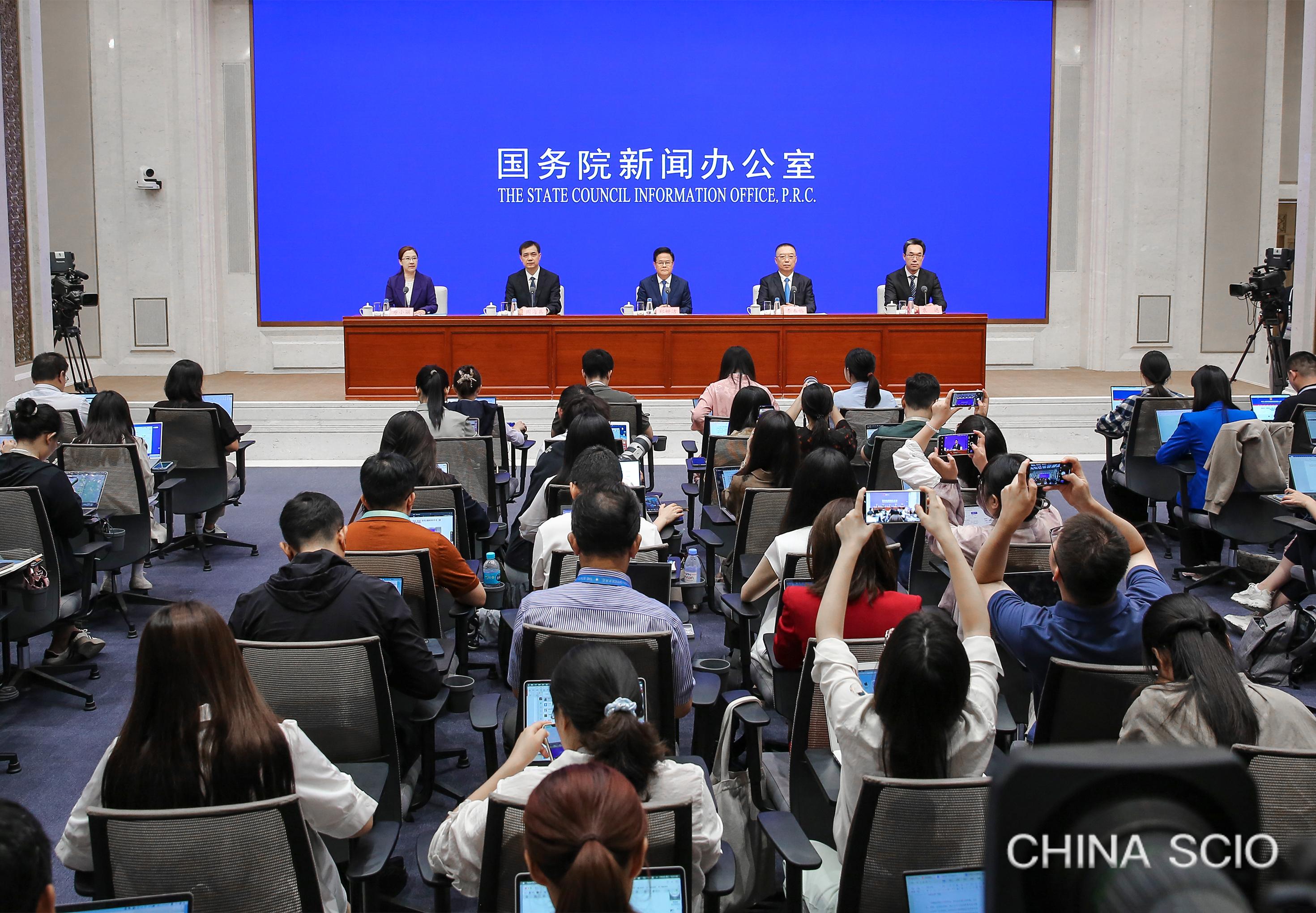
/6 Group photo
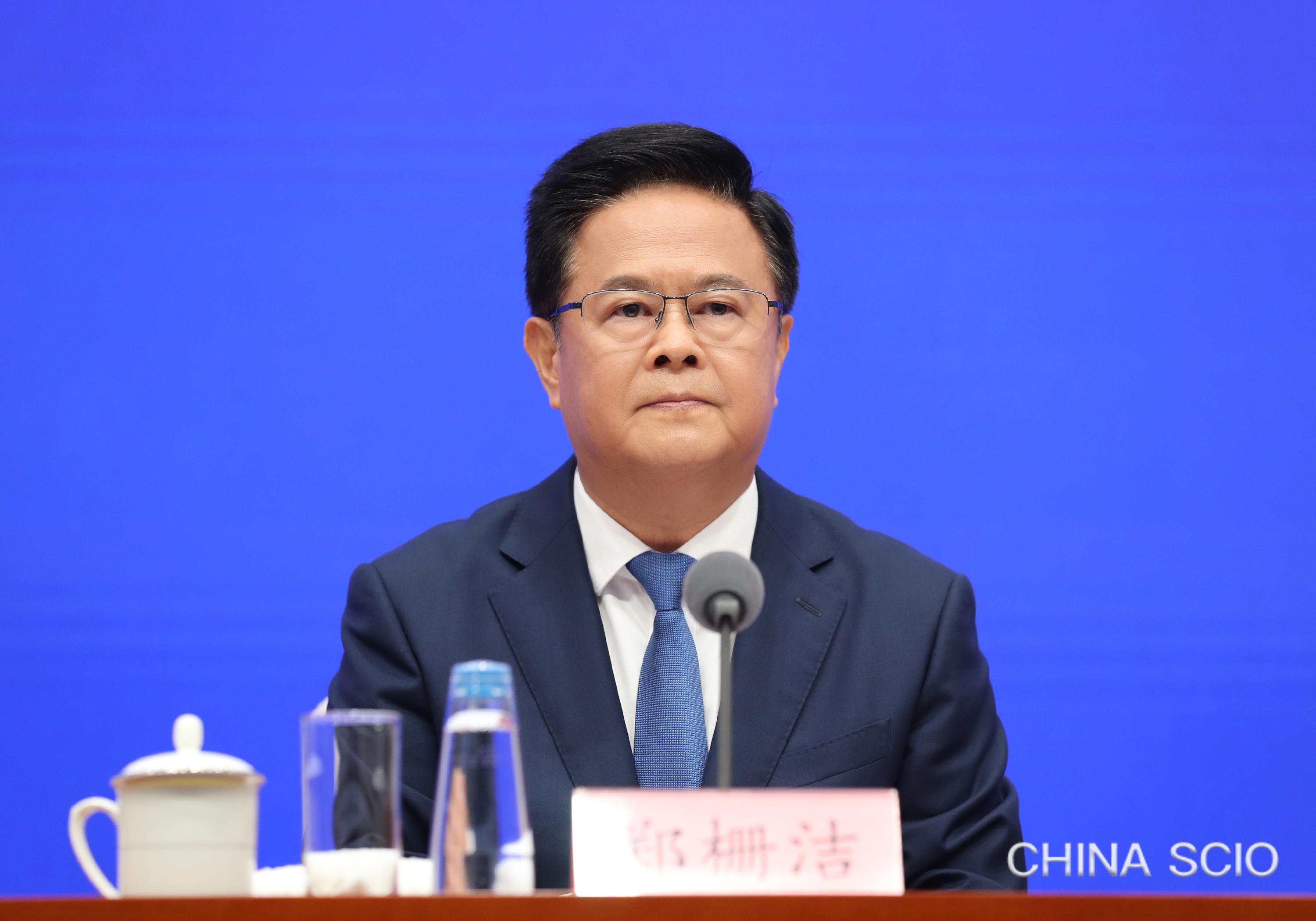
/6 Zheng Shanjie
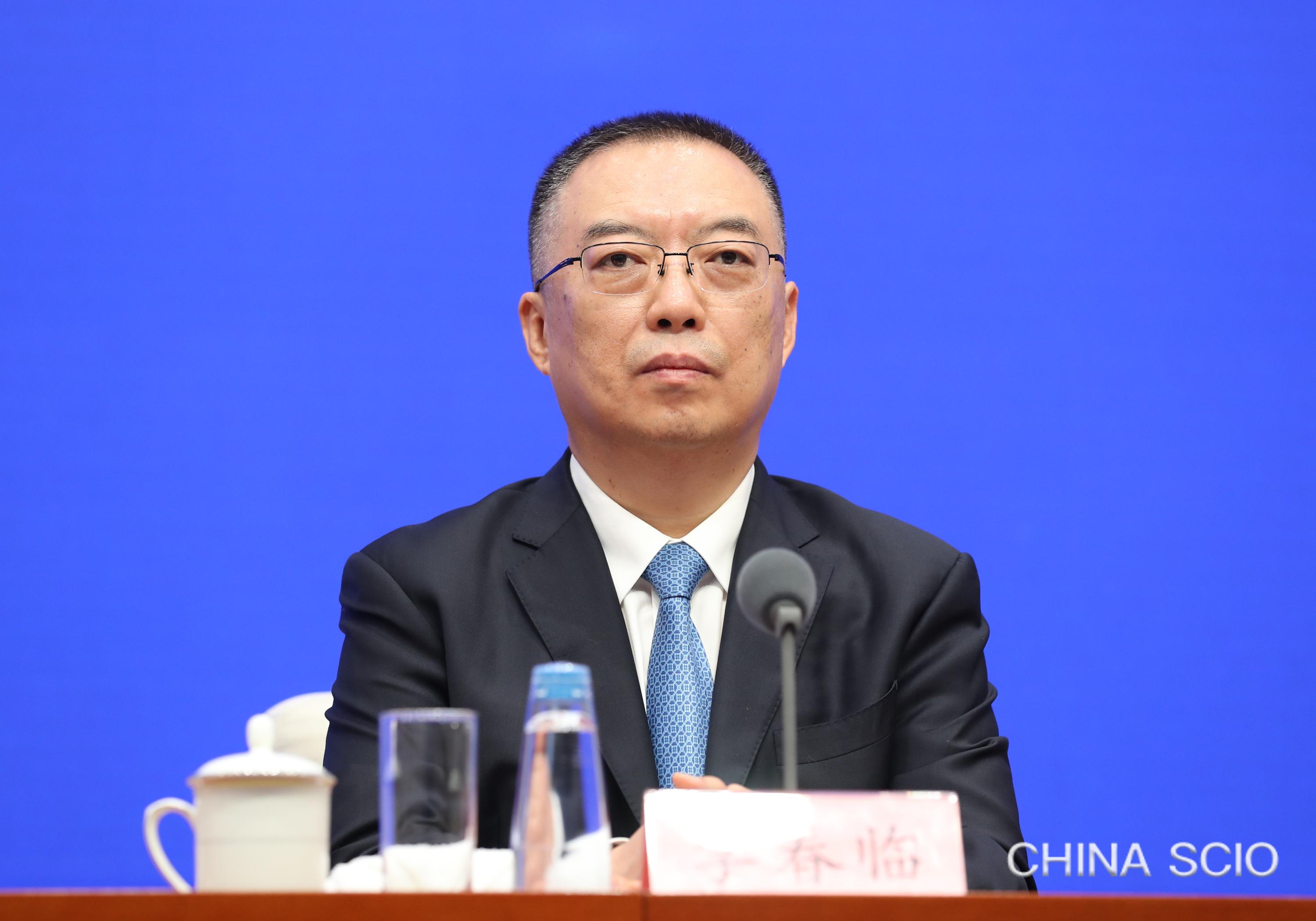
/6 Li Chunlin
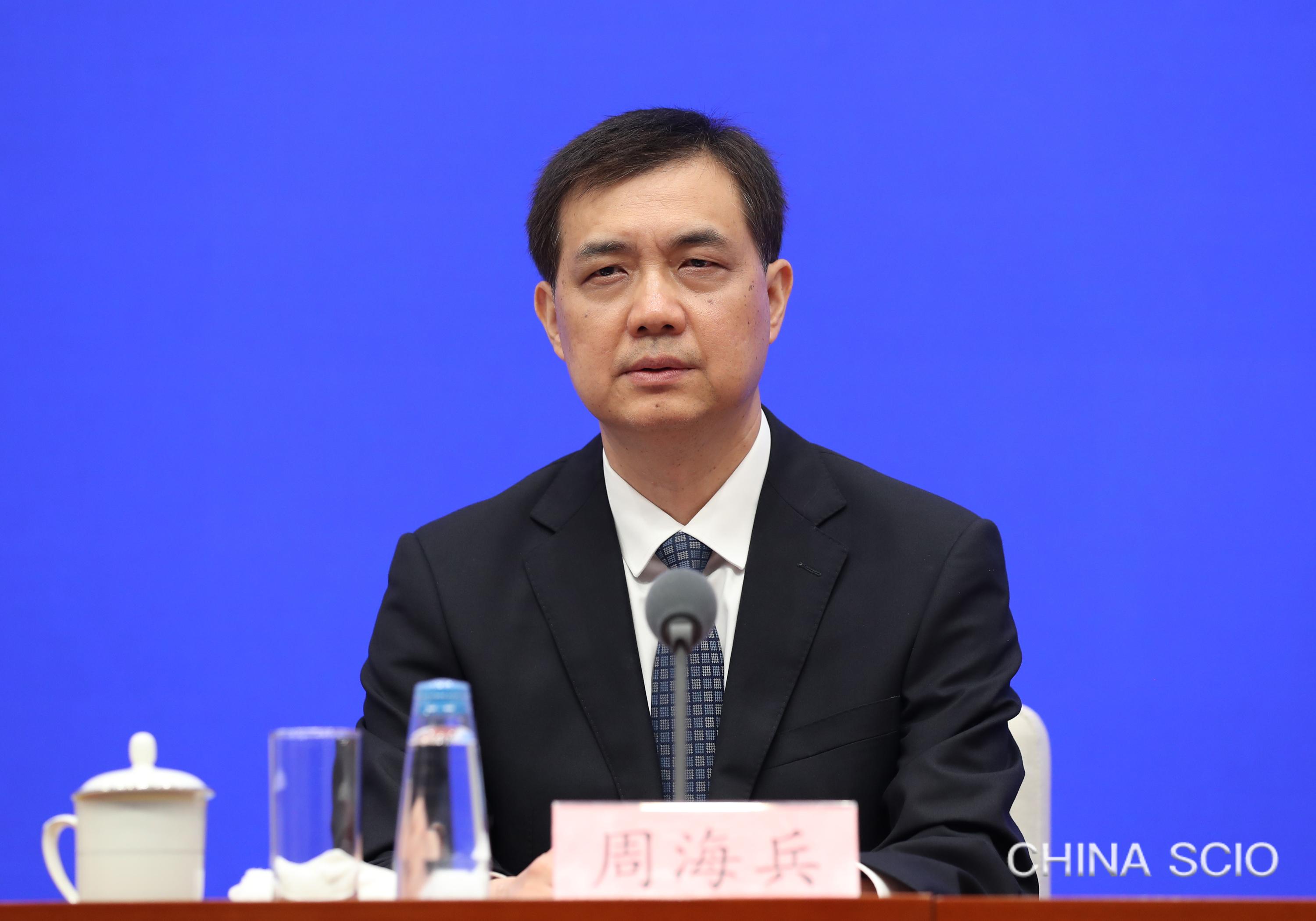
/6 Zhou Haibing
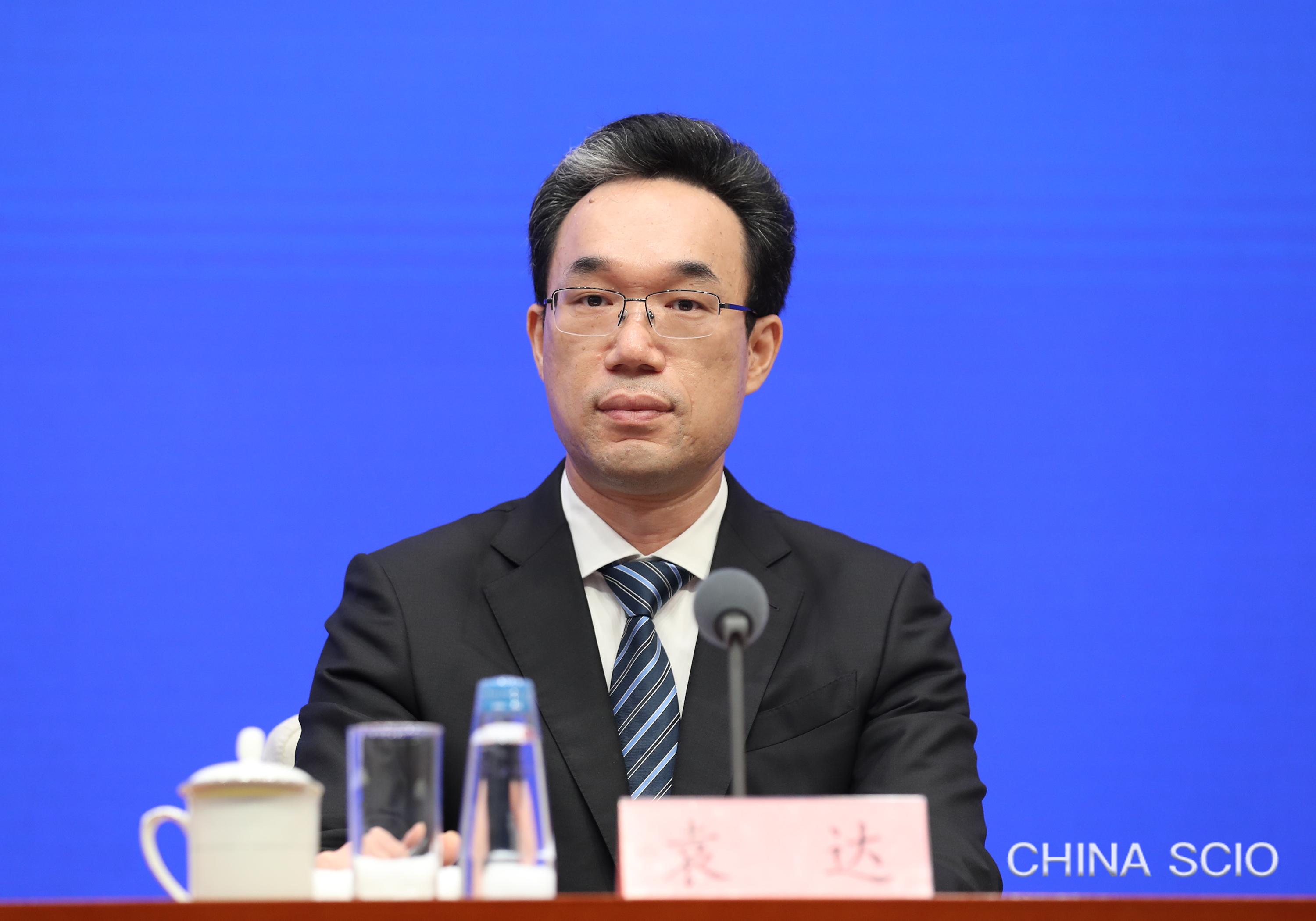
/6 Yuan Da
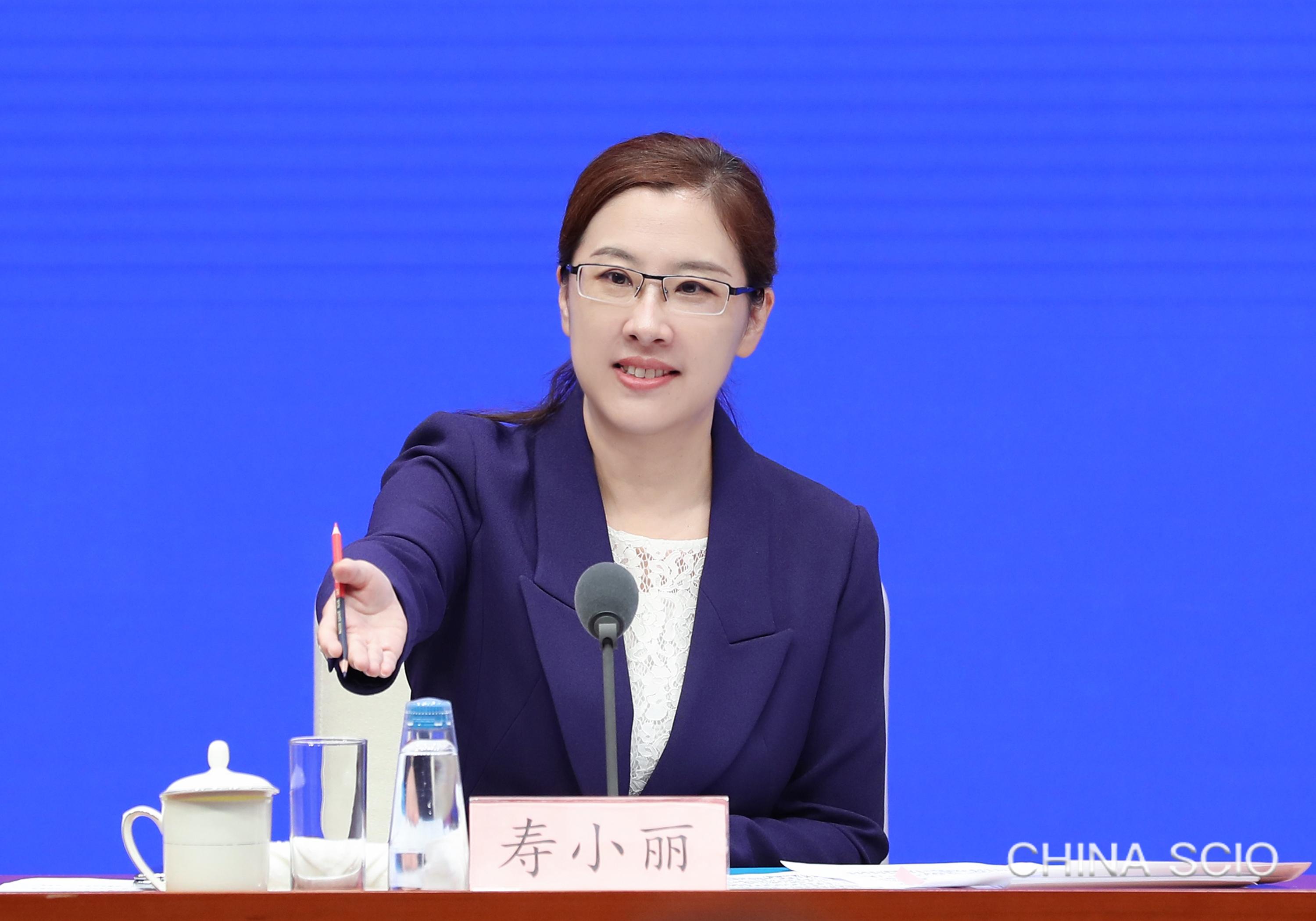
/6 Shou Xiaoli
SCIO briefing on promoting comprehensive river protection and management
July 4, 2025