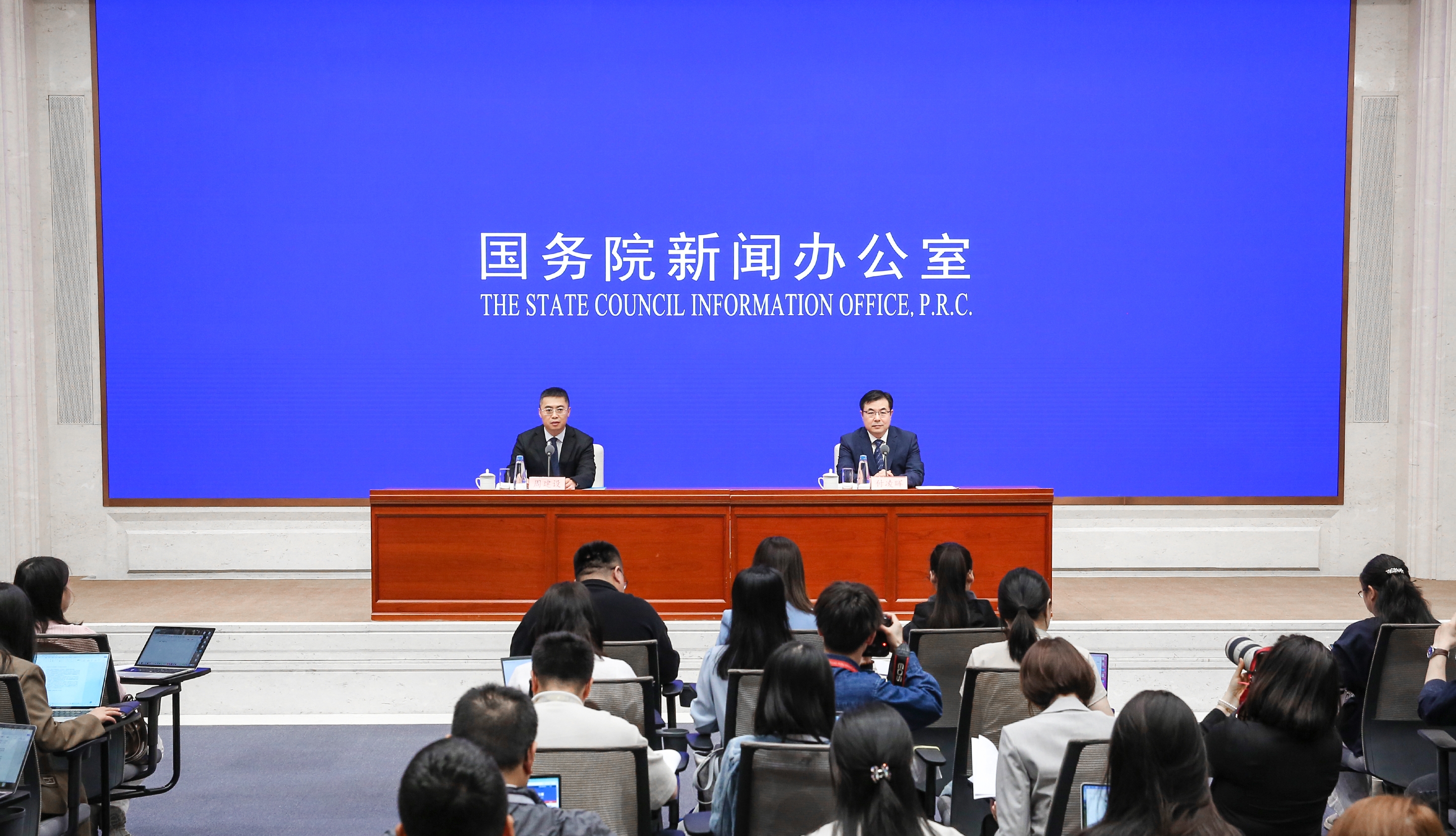

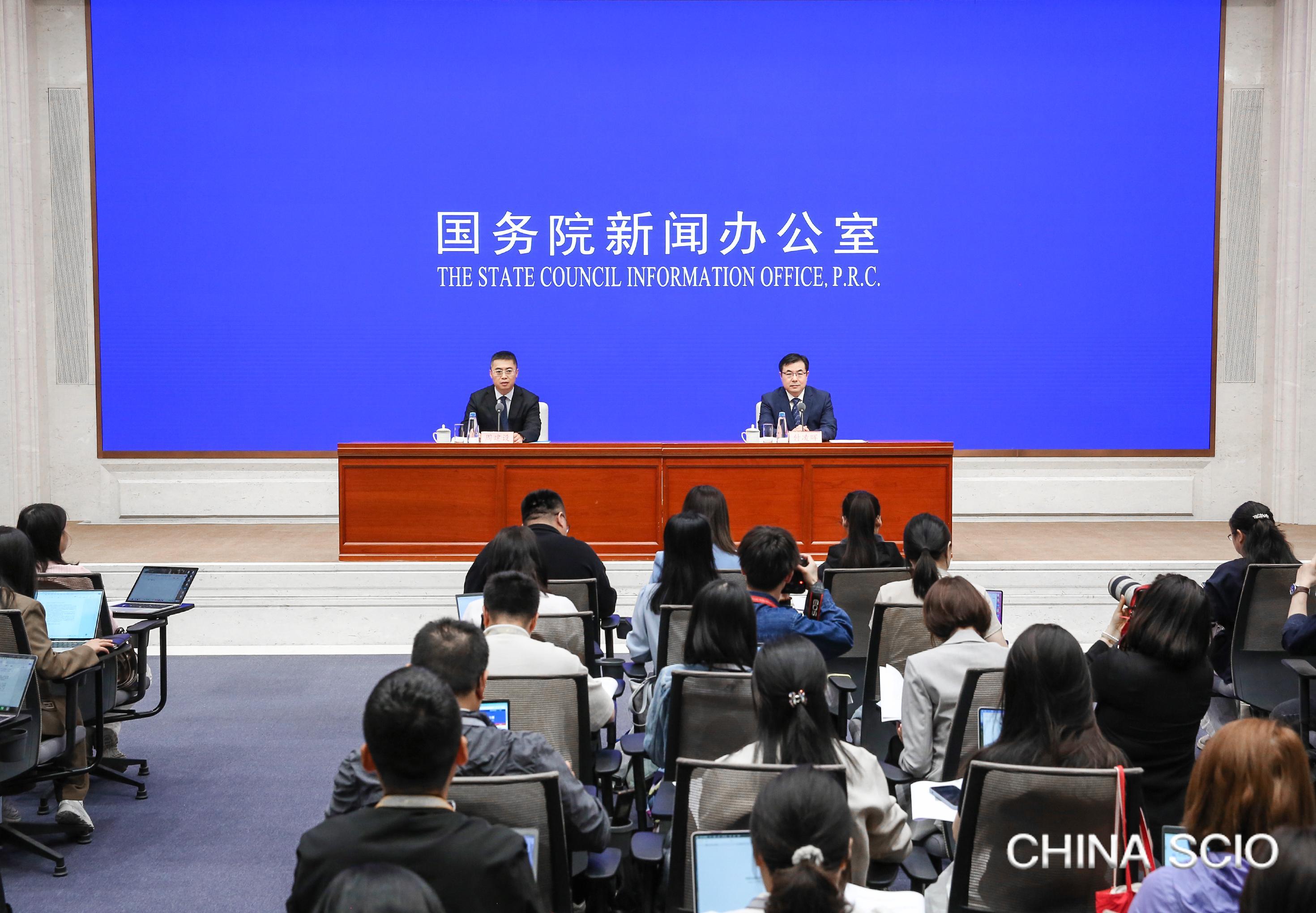
SCIO briefing on China's economic performance in April 2025
Beijing | 10 a.m. May 19, 2025
Speaker

Fu Linghui, spokesperson of the National Bureau of Statistics (NBS) and director general of the Department of Comprehensive Statistics of the NBS
Chairperson
Speaker:
Mr. Fu Linghui, spokesperson of the National Bureau of Statistics (NBS) and director general of the Department of Comprehensive Statistics of the NBS
Chairperson:
Zhou Jianshe, deputy director general of the Press Bureau of the State Council Information Office (SCIO) and spokesperson of the SCIO
Date:
May 19, 2025
Zhou Jianshe:
Ladies and gentlemen, good morning. Welcome to this press conference held by the State Council Information Office (SCIO). This is a regular briefing on China's economic data. Today, we are joined by Mr. Fu Linghui, spokesperson of the National Bureau of Statistics (NBS) and director general of the Department of Comprehensive Statistics of the NBS. Mr. Fu will brief you on China's economic performance in April 2025 and then take your questions.
First, I will give the floor to Mr. Fu for his introduction.
Fu Linghui:
Good morning, everyone. As usual, I will start by briefing you on the main economic indicators for this April and then take your questions.
In April, the national economy withstood pressure and maintained stable growth.
In April, in the face of a complicated situation marked by increasing external shocks and multiple domestic difficulties and challenges, under the strong leadership of the Communist Party of China (CPC) Central Committee with Comrade Xi Jinping at its core, all regions and departments strictly implemented the decisions and arrangements made by the CPC Central Committee and the State Council, adhered to the general principle of pursuing progress while ensuring stability, fully and faithfully applied the new development philosophy on all fronts, accelerated efforts to create a new pattern of development, took solid steps to promote high-quality development, stepped up the implementation of more proactive and effective macro policies, and responded to the external shocks effectively. As a result, production and demand grew steadily, employment was generally stable, and new growth drivers accumulated and grew. The national economy maintained stable growth despite pressure, sustaining the new and positive development momentum.
Fu Linghui:
First, industrial production grew quickly, with equipment manufacturing and high-tech manufacturing showing good growth momentum.
In April, the total value added of industrial enterprises above designated size grew by 6.1% year on year, or 0.22% month on month. In terms of sectors, the value added of mining went up by 5.7% year on year, manufacturing up by 6.6%, and the production and supply of electricity, thermal power, gas and water up by 2.1%. The value added of equipment manufacturing increased by 9.8% year on year, and that of high-tech manufacturing increased by 10.0%, which were 3.7 percentage points and 3.9 percentage points faster than that of industrial enterprises above designated size, respectively. In terms of ownership, the value added of state holding enterprises was up by 2.9% year on year; that of share-holding enterprises was up by 6.6%; that of enterprises funded by foreign investors or investors from Hong Kong, Macao and Taiwan was up by 3.9%; and that of private enterprises was up by 6.7%. In terms of products, the outputs of 3D printing devices, industrial robots and new energy vehicles (NEVs) grew by 60.7%, 51.5% and 38.9% year on year, respectively. In the first four months, the total value added of industrial enterprises above designated size went up by 6.4% year on year. In April, the Manufacturing Purchasing Managers' Index was 49.0%; and the Production and Operation Expectation Index was 52.1%. In the first three months, the total profits made by industrial enterprises above designated size were 1,509.4 billion yuan, up by 0.8% year on year.
Second, the service sector grew steadily and modern services developed well.
In April, the Index of Services Production grew by 6.0% year on year. In terms of sectors, that of information transmission, software and information technology services, leasing and business services, wholesales and retails, and finance grew by 10.4%, 8.9%, 6.8% and 6.1% year on year, respectively, which were 4.4 percentage points, 2.9 percentage points, 0.8 percentage point and 0.1 percentage point faster than that of the Index of Services Production. In the first four months, the Index of Services Production increased by 5.9% year on year. In the first three months, the business revenue of service enterprises above designated size went up by 7.0% year on year. In April, the Business Activity Index for Services was 50.1%, and the Business Activity Expectation Index for Services was 56.4%. Specifically, the Business Activity Index for industries like air transportation, telecommunication, broadcast, television and satellite transmission services, internet software and information technology services, and insurance stayed within the high expansion range of 55.0% and above.
Third, market sales maintained steady growth and trade-in goods grew quickly.
In April, the total retail sales of consumer goods reached 3,717.4 billion yuan, up by 5.1% year on year, or up by 0.24% month on month. Analyzed by different areas, the retail sales of consumer goods in urban areas reached 3,237.6 billion yuan, up by 5.2% year on year; and that in rural areas reached 479.8 billion yuan, up by 4.7%. Grouped by consumption patterns, the retail sales of goods were 3,300.7 billion yuan, up by 5.1%; and the income of catering was 416.7 billion yuan, up by 5.2%. Sales of basic living goods and certain upgraded goods showed sound growth. The retail sales of grain, oil and food and of sports and recreational articles by enterprises above designated size went up by 14.0% and 23.3%, respectively. The effect of trade-in of consumer goods continued to manifest, with the retail sales of household appliances and audiovisual equipment, cultural and office supplies, furniture, and communication equipment by enterprises above designated size growing by 38.8%, 33.5%, 26.9% and 19.9%, respectively. In the first four months, the total retail sales of consumer goods reached 16,184.5 billion yuan, up by 4.7% year on year. Online retail sales reached 4,741.9 billion yuan, up by 7.7% year on year. Specifically, the online retail sales of physical goods were 3,926.5 billion yuan, up by 5.8%, accounting for 24.3% of the total retail sales of consumer goods. In the first four months, the retail sales of services grew by 5.1% year on year.
Fourth, investment in fixed assets continued to expand and investment in manufacturing grew quickly.
In the first four months, investment in fixed assets (excluding rural households) reached 14,702.4 billion yuan, up by 4.0% year on year; and investment in fixed assets was up by 8.0% with the investment in real estate development deducted. Specifically, investment in infrastructure grew by 5.8% year on year, that in manufacturing grew by 8.8%, and that in real estate development declined by 10.3%. The floor space of newly-built commercial buildings sold was 282.62 million square meters, down by 2.8% year on year; and the total sales of newly-built commercial buildings were 2,703.5 billion yuan, down by 3.2%. By industry, investment in the primary industry increased by 13.2% year on year, that in the secondary industry up by 11.7%, and that in the tertiary industry down by 0.2%. Private investment increased by 0.2% year on year, or increased by 5.8% with the investment in real estate development deducted. In terms of high-tech industries, investment in information services, computer and office device manufacturing, aerospace vehicle and equipment manufacturing, and professional technical services grew by 40.6%, 28.9%, 23.9% and 17.6%, respectively. In April, investment in fixed assets (excluding rural households) increased by 0.10% month on month.
Fifth, imports and exports of goods kept growing and the trade structure continued to be optimized.
In April, the total value of imports and exports of goods was 3.84 trillion yuan, a year-on-year increase of 5.6%. Specifically, the total value of exports was 2.26 trillion yuan, up by 9.3%. The total value of imports was 1.57 trillion yuan, up by 0.8%. In the first four months, the total value of imports and exports of goods was 14.13 trillion yuan, a year-on-year increase of 2.4%. Specifically, the total value of exports was 8.39 trillion yuan, up by 7.5%. The total value of imports was 5.74 trillion yuan, down by 4.2%. In the first four months, the imports and exports of general trade went up by 0.6%, accounting for 64% of the total value of imports and exports. Imports and exports by private enterprises went up by 6.8%, accounting for 56.9% of the total value of imports and exports, which is 2.3 percentage points higher than that of the same period last year. The exports of mechanical and electrical products grew by 9.5%, accounting for 60.1% of the total value of exports.
Sixth, employment was generally stable and the surveyed urban unemployment rate declined.
From January to April, the average surveyed unemployment rate in urban areas remained flat year on year at 5.2%. In April, the national surveyed urban unemployment rate was 5.1%, 0.1 percentage point lower than that of the previous month. The surveyed unemployment rate of population with local household registration was 5.2% and that of population with non-local household registration was 4.8%, of which the rate of population with non-local agricultural household registration was 4.7%. The surveyed urban unemployment rate across 31 major cities was 5.1%, 0.1 percentage point lower than that of the previous month. Employees of enterprises nationwide worked an average of 48.3 hours per week.
Seventh, the consumer price index (CPI) fell slightly year on year, and the core CPI growth rate was stable.
In April, the CPI decreased by 0.1% year on year, and increased by 0.1% compared to the previous month. By category, prices for food, tobacco and alcohol went up by 0.3%; clothing up by 1.3%; housing up by 0.1%; household goods and services for daily use up by 0.2%; transportation and communication prices down by 3.9%; education, culture and recreation up by 0.7%; medical services and health care up by 0.2%; and other articles and services up by 6.6%. In terms of food, tobacco and alcohol, prices for fresh vegetables fell by 5%, grain fell by 1.4%, pork up by 5%, and fresh fruits up by 5.2%. The core CPI, excluding the prices of food and energy, grew by 0.5% year on year. In the first four months, the CPI went down by 0.1% year on year.
In April, the national producer price index (PPI) for industrial products went down by 2.7% year on year and 0.4% month on month. The purchasing price index for industrial producers went down by 2.7% year on year and 0.6% month on month. In the first four months, the national producer price and purchasing price indexes for industrial products both dropped by 2.4% compared with the same period last year.
Overall, in April, despite increased external pressures, the coordinated efforts of macro policies ensured steady and relatively rapid growth in major indicators, sustaining the upward and improving trend of the national economy. It should also be noted that external instabilities and uncertainties still remain significant, and the foundation for the continuous improvement of the national economy needs to be further consolidated. In the next stage, we must adhere to the guidance of Xi Jinping Thought on Socialism with Chinese Characteristics for a New Era, resolutely implement the decisions and deployments of the CPC Central Committee and the State Council, and adhere to the general principle of seeking progress while maintaining stability. We must fully and accurately implement the new development philosophy, accelerate the construction of a new development paradigm, coordinate domestic economic work and international economic and trade efforts, unswervingly handle our own affairs well, unswervingly expand high-level opening up, focus on stabilizing employment, enterprises, markets and expectations, solidly promote high-quality development, and promote the continuous recovery and improvement of the economy. Thank you.
Zhou Jianshe:
The floor is now open for questions. Please identify your media outlet before raising your questions.
_ueditor_page_break_tag_Jinan Times APP:
Has the macro policy package adopted in the first quarter begun to stimulate economic growth in April? How would you assess the overall economic performance in April? Thank you.
Fu Linghui:
Thank you for your questions. There has been considerable interest in April's economic performance. Overall, in April, the international environment became more complex and severe, external shocks increased, and the difficulty of sustaining a stable economic operation increased. Facing the rapidly changing and complex situation, under the strong leadership of the CPC Central Committee, all regions and departments conscientiously implemented the decisions and deployments of the CPC Central Committee and the State Council, accelerated the implementation of more proactive and effective macro policies, strengthened the domestic cycle, and effectively responded to external shocks. As a result, the economy withstood pressure and maintained stable growth, continuing the trend of improvement. When I was reporting the main indicators of economic performance for April, everyone could understand this situation, which fully demonstrates the strong resilience and resistance of our economy. Based on key economic indicators, the following features can be observed:
First, production supply grew relatively quickly. In terms of industry, the combined effect of macro policies continued to release, and industry maintained relatively fast growth. In April, the value-added of industrial enterprises above the designated size increased by 6.1% year on year, which is relatively fast in terms of monthly growth rate since last year. Driven by intensified and expanded "two new" policies and industrial upgrading, the equipment manufacturing industry continued to grow rapidly, with its value-added increasing by 9.8% year on year in April. Its contribution rate to the growth of industries above designated size reached 55.9%. In terms of the service industry, under the influence of policies to expand domestic demand, it maintained a stable growth. In April, the service industry production index increased by 6% year on year, marking the second-highest monthly growth rate so far this year. The ongoing digital transformation, coupled with increased travel and transportation activities, has contributed to steady growth in information services, business services and related sectors. In April, the production indexes of information transmission software and IT services and leasing and business services increased by 10.4% and 8.9%, respectively, both significantly faster than the growth of the entire service industry.
Second, domestic demand expanded steadily. In terms of consumption, the policy to promote trade-in of consumer goods continued to show results, and market sales maintained steady growth. In April, total retail sales of consumer goods rose by 5.1% year on year. Sales of goods under the trade-in policy grew significantly, playing a notable role in supporting overall retail growth. Fueled by holiday and spring consumption, service-related retail sales maintained steady expansion. In the first four months, the retail sales of services grew by 5.1% year on year. In terms of investment, the effects of the policies related to major national strategies and the enhancement of security capacity in key areas ("two major initiatives") and large-scale equipment renewals and trade-in of consumer goods ("two new initiatives") have continued to emerge, with the scale of investment steadily expanding. From January to April, fixed-asset investment rose by 4% year on year. Driven by large-scale equipment renewals, investment in the purchase of equipment grew by 18.2% year on year from January to April, contributing 64.5% to the overall growth in investment.
Third, foreign trade demonstrated resilience. Despite rapidly changing international conditions and mounting external shocks, China stepped up efforts to diversify its foreign trade, actively expanded trade with countries participating in the Belt and Road Initiative (BRI), and sustained steady growth in foreign trade, demonstrating strong resilience. From January to April, the total value of imports and exports of goods increased by 2.4% year on year, 1.1 percentage points higher than in the first quarter. Trade with BRI partner countries rose by 3.9%, up by 1.7 percentage points from the first quarter. Exports of electromechanical products maintained robust growth, increasing by 9.5% year on year in the first four months.
Fourth, the employment situation remained stable overall. China's stable economic growth and the expansion of new growth drivers, coupled with strengthened policies to support employment and entrepreneurship among key groups, contributed to overall employment stability. In April, the surveyed urban unemployment rate stood at 5.1%, down 0.1 percentage point from the previous month, marking the second consecutive month of decline. From January to April, the average surveyed urban unemployment rate was 5.2%, unchanged from the same period last year.
Fifth, new quality productive forces continued to grow. Support for innovation continued to increase, and high-tech industries maintained rapid growth. In April, the value added of high-tech manufacturing enterprises above designated size grew by 10% year on year. Specifically, the value added of aerospace equipment manufacturing and integrated circuit manufacturing rose by 21.4% and 21.3%, respectively. The driving role of "AI Plus" was further strengthened, and the digital industry thrived. The value added of large-scale digital product manufacturing rose by 10% in April. The green and low-carbon transition advanced steadily, and the new energy industry grew rapidly. In April, the output of new energy vehicles (NEVs) and charging piles increased by 38.9% and 43.1%, respectively.
Overall, in April, despite mounting external shocks, China's economy remained stable thanks to its solid foundation, multiple strengths, strong resilience and huge potential. With well-coordinated macro policies and proactive responses across all sectors, the national economy withstood challenges and operated steadily, while the quality of development continued to improve. This further strengthened our confidence and capacity to tackle various risks and challenges. That being said, we must also recognize that the international environment remains highly uncertain, with multiple overlapping risks, and the foundation for the domestic economic recovery still needs to be consolidated. In the next stage, we must thoroughly implement the decisions and plans of the CPC Central Committee and the State Council, adopt more proactive and effective macro policies, and focus on stabilizing employment, enterprises, markets and expectations. We will work solidly to promote high-quality development, strengthen the domestic economic circulation, and drive sustained and sound economic growth. Thank you.
_ueditor_page_break_tag_CCTV:
The consumption data for April has attracted widespread attention. Could you tell us whether the overall recovery trend in the consumer market has continued? In terms of the consumption structure, which areas have seen notable growth? And which areas have room for improvement? Thank you.
Fu Linghui:
Thank you for your questions. Since the beginning of this year, the international environment has been complex and severe, external challenges have increased, and some blockages and sticking points remain in the domestic economic cycle. Vigorously boosting consumption is conducive to effectively responding to external challenges, smoothing the domestic economic cycle, promoting economic improvement, enhancing people's livelihoods and increasing development vitality. All regions and departments have implemented the decisions and deployments of the CPC Central Committee, intensified and expanded the implementation of the "two new" policies, carried out special actions to boost consumption, driven market sales expansion, promoted service consumption growth, and strongly supported economic recovery and improvement. In terms of the situation in April, the policy effects continued to be revealed, the consumer market has grown steadily, and new consumption momentum has developed and grown. The main features are as follows:
First, market sales steadily rebounded. Overall, the total retail sales of social consumer goods mainly based on commodity sales and the retail sales of services represented by service consumption both showed a trend of recovery. From January to April, the total retail sales of consumer goods increased by 4.7% year on year, 0.1 percentage point faster than in the first quarter. Service retail sales grew by 5.1% year on year, also accelerating by 0.1 percentage point compared with the first quarter, marking two consecutive months of acceleration.
Second, sales of goods related to the trade-in of consumer products saw significant growth. As the trade-in program for consumer products was expanded and intensified, it played a notable role in boosting the sales of related goods. In April, retail sales by units above designated size of household appliances and audio-visual equipment, cultural and office supplies, furniture, and communication equipment increased by 38.8%, 33.5%, 26.9% and 19.9% year on year, respectively. These growth rates were significantly higher than the overall growth of commodity retail sales and strongly supported the expansion of market sales.
Third, retail sales of certain essential and upgraded goods grew relatively quickly. The rising demand for higher-quality consumption among residents also contributed to the increased sales of related goods. In April, retail sales by units above designated size of grain, oil and food, sports and entertainment goods, and gold, silver and jewelry rose by 14%, 23.3% and 25.3% year on year, respectively.
Fourth, the consumption of tourism and travel-related services grew rapidly. Driven by strong travel demand during holidays, residents' consumption of tourism, travel and communication services has grown rapidly. From January to April, the retail sales of transportation services, communication and information services, and travel, consulting and rental services all maintained double-digit growth.
Fifth, the new drivers of consumption demonstrated a sound growth momentum. With the rapid development of information technology and the continuous improvement of the logistics distribution system, new forms of efficient and convenient business such as online retail and instant retail have proven popular with consumers. From January to April, the online retail sales of physical goods increased by 5.8% year on year, continuing to surpass the growth rate of total retail sales of consumer goods.
Overall, since the beginning of this year, policies have continued to take effect and market sales have continued to recover, but the internal driving force of consumption still needs to be further strengthened. In the next stage, we will implement special actions to boost consumption, continue to enhance residents' consumption capacity, increase high-quality supply, improve the consumption environment and better release consumption potential to promote healthy economic development and the continuous improvement of people's livelihoods. Thank you.
_ueditor_page_break_tag_Bloomberg:
We're wondering, what is the expected impact of the China-U.S. agreement reached in Geneva on China's economic performance? And if tariffs remain at the current levels, what are your expectations for export growth, employment and domestic prices this year? Thank you.
Fu Linghui:
Thank you for your questions. Since the beginning of this year, the international environment has undergone complex changes. The United States has taken a series of unilateral measures to impose high tariffs on China, severely impacting China-U.S. economic and trade relations. In response, China has taken resolute and strong countermeasures. From May 10-11, China and the United States held a high-level meeting on economic and trade affairs in Geneva, Switzerland, where both sides agreed to significantly reduce tariffs. In this context, there is considerable public interest in the trend and prospects of the Chinese economy.
Looking forward to the next stage, the international environment remains complex and challenging, with many unstable, uncertain and unpredictable factors. Domestic cyclical and structural contradictions are intertwined. However, the fundamentals sustaining China's sound economic growth have not changed. Various macro policies are making concerted efforts. All parties are focused on tackling challenges and actively responding to changes, and the driving force for innovation continues to grow. There are many favorable conditions for the continued recovery of the economy.
First, there is a foundation for recovery. Although the impact of external shocks increased in April, the trend of economic recovery has not changed. According to the major indicators, market sales and the service industry, which are closely linked to the domestic market, continued to rise steadily. From January to April, the total retail sales of consumer goods and the index of services production increased by 4.7% and 5.9%, respectively, both 0.1 percentage point higher than in the first quarter. The exports of goods and industrial production, which are more affected by the international market, remained generally stable. From January to April, exports increased by 7.5%, 0.6 percentage point higher than that in the first quarter; and the added value of industrial enterprises above designated size increased by 6.4%, maintaining overall stability.
Second, there is policy support. Since the beginning of this year, we have implemented more proactive and effective macro policies and increased policy support for the implementation of major national strategies and the building up of security capacity in key areas as well as the promotion of large-scale equipment upgrades and trade-in programs for consumer goods, expanding market demand, driving enterprise production, supporting innovative development and boosting market confidence, with the effects continuing to show. From January to April, the growth rates of major production and demand indicators were significantly faster than the whole of last year. Driven by large-scale equipment renewals, investment in the purchase of equipment increased by 18.2% year on year from January to April, contributing 64.5% to the total investment growth. Recently, relevant departments further cut the reserve requirement ratio (RRR) and interest rates, and established new policy-based financial instruments to support technological innovation and expand consumption. As various policies of the Party Central Committee and the State Council are gradually implemented, it will be conducive to the sustained recovery and improvement of the economy.
Third, there is consumption potential. All regions and departments have conscientiously implemented the decisions and plans of the Party Central Committee, vigorously carried out special actions to boost consumption, intensified and expanded the implementation of the policies of large-scale equipment renewal and consumer goods trade-ins, created diversified consumption scenarios, and actively expanded service consumption, with the effects continuing to emerge. In April, the retail sales of household appliances and audio-visual equipment, cultural and office supplies, furniture, communication equipment, and building and decoration materials related to the trade-in of consumer goods contributed 1.4 percentage points to the growth of total retail sales of consumer goods. From January to April, the retail sales of services increased by 5.1%, rising for two consecutive months. During the May Day holiday, the number of domestic tourists increased by 6.4% year on year. As the policies continue to take effect and consumption momentum continues to grow, the role of consumption in stimulating economic growth is expected to continue to strengthen.
Fourth, there is innovation momentum. All parties have actively promoted the in-depth integration of technological innovation and industrial innovation, promoted the transformation of technological creativity into social productive forces, and continued to reinforce the leading role of innovation, continuously injecting new momentum into economic development. The high-tech industries and emerging service industries have shown sound growth momentum. In April, the value added of high-tech manufacturing enterprises above designated size rose 10% year on year, 3.9 percentage points higher than that of all industrial enterprises above designated size. From January to March, the operating revenue of strategic emerging service enterprises above designated size increased by 8.3% year on year, maintaining rapid growth. The intelligent and green transformations of industries are accelerating, with the added value of the intelligent unmanned aerial vehicle manufacturing industry increasing by 74.2% in April, and the production of new energy vehicles (NEVs) increasing by 38.9%. Breakthroughs have been made in cutting-edge technology fields such as large AI models and humanoid robots, which will further promote industrial upgrading and development.
Overall, supported by multiple favorable factors, China's economy is expected to maintain overall stable performance and steady growth. Thank you.
_ueditor_page_break_tag_ThePaper.cn:
Given that investment is an important part of expanding domestic demand, and you've just highlighted the sustained growth in fixed-asset investment, I would like to ask: what are the characteristics of fixed-asset investment currently? And how do you assess China's scope and potential for future investment? Thank you.
Fu Linghui:
Thank you for your questions. Investment is an important component of domestic demand. Since the beginning of this year, all regions and departments have thoroughly implemented the decisions and arrangements of the Party Central Committee and the State Council, actively promoted large-scale equipment renewals and the trade-in of consumer goods, and actively expanded effective investment. Overall, the effects of promoting investment continue to emerge, and have the following main characteristics:
First, investment has maintained overall stable growth. As the policies of implementing major national strategies and building up security capacity in key areas, as well as the policies of large-scale equipment upgrades and consumer goods trade-ins, continue to take effect, investment potential is continuously being stimulated, and investment in fixed assets remains stable. From January to April, investment in fixed assets grew by 4%. Driven by large-scale equipment renewal, investment in the purchase of equipment grew by 18.2% from January to April, contributing 64.5% to the growth of total investment.
Second, manufacturing investment grew rapidly. As China's industrial structure optimizes to meet mid-to-high end market demands, traditional industries are being transformed and upgraded, and emerging industries are developing rapidly, driving faster growth in manufacturing investment. In the first four months, investment in manufacturing increased by 8.8% year on year, significantly faster than the overall investment growth. Driven by industrial upgrading and development, investment in consumer goods production and equipment manufacturing showed good growth momentum. From January to April, investment in consumer goods production and equipment manufacturing increased by 13.4% and 8.2%, respectively.
Third, investment in high-tech services showed good growth momentum. The accelerated integration of technological innovation and industrial innovation has expanded demand for high-tech services, driving investment growth in related industries. From January to April, investment in high-tech services grew by 11.3% year on year, with investment in professional technical services and information services growing by 17.6% and 40.6%, respectively.
Fourth, infrastructure investment grew steadily. With the accelerated issuance and use of special local government bonds, the driving effect of government investment continued to emerge, and infrastructure investment maintained steady growth. From January to April, infrastructure investment grew by 5.8% year on year, faster than the growth of total investment. Specifically, investment in water conservancy management grew by 30.7%, and investment in water transportation grew by 26.9%.
Since the beginning of this year, the economy has been generally stable, and the policies that support major national strategies and enhance security capabilities in key areas as well as promote consumer goods trade-ins and large-scale equipment renewals have been paying dividends. Industrial upgrading and development have made positive progress, offering a solid foundation for expansion of effective investment. Looking forward, China's investment potential is still huge, and there are still many favorable factors supporting investment growth. First, there is ample space for industrial upgrading and development. The new generation of information technology industry is booming, and emerging industries represented by high-end equipment and artificial intelligence (AI) are developing well, with increasing investment in innovation. Second, major regional strategies are guiding and driving development. Since the 18th CPC National Congress, the implementation of a series of major regional strategies have been accelerated. The coordinated development of urban and rural areas and new urbanization present huge investment potential. Third, there is still significant demand for investment in social development and livelihood improvement. Investment in livelihood improvement has been increasing, but there is still a gap compared with the needs of the people. At present, China attaches great importance to ensuring and improving people's livelihoods, continuously increasing investment in the social and livelihood fields, which is also conducive to sustained growth of investment.
However, it should also be noted that the internal driving force for investment growth is clearly insufficient. Therefore, it is necessary to implement the spirit of the Central Economic Work Conference and the "two sessions," by focusing on improving investment efficiency and continuously optimizing the investment structure. Increased investment will be leveraged to help expand demand and optimize supplies and thereby boost healthy and sustained economic development. Thank you.
_ueditor_page_break_tag_Market News International:
Given the recent agreement between China and the U.S. in Geneva to reduce tariffs at a significant pace, do you expect a surge in exports to the U.S. over the next few months? And what is your outlook for trade performance for the rest of the year? Thank you.
Fu Linghui:
Thank you for your questions. China-U.S. trade and its impact on overall foreign trade are of great concern to everyone. In April, the external environment changed dramatically, increasing pressure on foreign trade. However, China's foreign trade overcame difficulties and maintained steady growth, demonstrating strong resilience and international competitiveness. From January to April, the total value of China's imports and exports of goods increased by 2.4%, accelerating by 1.1 percentage points compared to the first three months. In April, the total value of China's imports and exports of goods increased by 5.6%, with exports growing by 9.3%, maintaining rapid growth.
Specifically, foreign trade exhibited several features. First, the growth of imports and exports with ASEAN and Belt and Road partner countries accelerated. In April, despite a decline in trade with the U.S., overall foreign trade diversified, and accelerated imports and exports with ASEAN and Belt and Road partner countries strongly supported the continued growth of foreign trade. From January to April, the total value of imports and exports between China and ASEAN increased by 9.2% year on year, accelerating by 2.1 percentage points compared to the first three months; and China's imports and exports with Belt and Road partner countries increased by 3.9%, accelerating by 1.7 percentage points. Second, the growth of imports and exports by private foreign trade enterprises accelerated. In the face of external shocks, these enterprises actively responded and effectively coped through market diversification strategies, achieving clear results. From January to April, the imports and exports of private enterprises increased by 6.8% year on year, accelerating by 1 percentage point compared with the first three months, better than the overall foreign trade situation. Third, the export of mechanical and electrical products grew robustly. With the upgrading and development of China's industries, the competitiveness of technologically advanced mechanical and electrical products continuously enhanced, becoming an important growth point for exports. From January to April, the export value of China's mechanical and electrical products increased by 9.5% year on year, higher than in the first three months.
In the context of increased external shocks, China's foreign trade withstood pressure and continued to grow. First, this fact reflects the firm support provided by a solid industrial foundation. China has a complete industrial system. In particular, the manufacturing industry is being upgraded, occupying an important position in the global industrial chain, and gaining strong advantages in international competition. Second, it reflects the ability of the foreign trade industry to quickly adjust and respond. China has been steadily diversifying foreign trade, the ability of foreign trade enterprises to expand markets has been increasing, and these enterprises have shown strong ability to adapt to changes prompted by trade frictions and supply chain disruptions. Third, this resilience also reveals the supportive role of various policies to stabilize foreign trade. In the face of external shocks, various regions and departments have strengthened support for foreign trade enterprises and stepped up export tax rebates, financial support, trade facilitation and other policies, creating a policy environment for enabling the development of foreign trade.
In the next stage, the substantial reduction of tariffs between China and the U.S. will be conducive to the growth of bilateral trade and the recovery of the world economy. At present, the international environment is still complex and severe, and unilateralism and protectionism are on the rise, which has seriously impacted the international economic and trade order and restricted global economic growth. However, the trend of international cooperation for mutual benefit will not change, nor will China's firm commitment to expanding its opening up to the outside world. The diversification of foreign trade is steadily advancing, and policies to promote foreign trade are continuously taking effect, which will support the stable development of foreign trade. Thank you.
_ueditor_page_break_tag_National Business Daily:
Just now, you mentioned multiple sets of data on the value added of industrial enterprises above designated size across the country. What are the characteristics of the value added of industrial enterprises above designated size nationwide in April? How do you evaluate the future development trend of the country's industrial production? Thank you.
Fu Linghui:
Thank you for your questions. Industrial production is essential for stable economic growth. Since the beginning of this year, with the continued effectiveness of existing policies and the effective implementation of new policies, the policy mix has continued producing effects. Industrial production has maintained rapid growth, and the transformation of industrial development toward high-end, intelligent and green has provided strong support for high-quality economic development. The characteristics are as follows:
First, industrial production has maintained rapid growth. The combined effects of macro policies continue to emerge, and various regions are increasing efforts to promote industrial development, and industrial production has maintained steady and rapid growth. In April, the value added of industrial enterprises above designated size increased by 6.1% year on year. As mentioned earlier, this growth rate is relatively high among the monthly growth rates since last year. Expansion was reported in over 80% of China's major industrial sectors in April, with 36 out of 41 registering year-on-year growth.
Second, the industrial transformation and upgrading is continuing. The trend of high-end industrial development is clear, and the high-tech manufacturing industry has a good growth momentum. In April, the value added of high-tech manufacturing above designated size increased by 10% year on year, significantly faster than the growth of industrial enterprises above designated size. From the perspective of industries, the value added of integrated circuit manufacturing and optoelectronic device manufacturing increased in April by 21.3% and 19%, respectively. In terms of products, the output of 3D printing equipment and industrial control computers and systems increased in April by 60.7% and 29.5%, respectively.
Third, the new momentum of industrial growth continues to strengthen. The intelligent and green transformation of industry is accelerating, and related industries and products are growing rapidly. The development trend of the new energy industry is relatively good. In April, the output of NEVs and lithium-ion vehicle batteries increased by 38.9% and 61.8%, respectively. The production of intelligent products grew rapidly. In April, the value added of the intelligent unmanned aircraft manufacturing and intelligent vehicle equipment manufacturing increased by 74.2% and 29.3%, respectively, which was significantly faster than the growth rate of industrial enterprises above designated size. The output of industrial robots increased by 51.5%.
Fourth, the driving effect of policies for the large-scale renewal of equipment and the trade-in of consumer goods is evident. The intensification and expansion of the policies for the large-scale renewal of equipment and the trade-in of consumer goods has promoted technological upgrading in industries and the expansion of market demand, thereby facilitating the growth of industrial production. Driven by the equipment renewal policy, the output of primary processing machinery for agricultural products and special packaging equipment maintained double-digit growth in April; Driven by the trade-in policy, the output of products such as electric bicycles and LCD screens maintained rapid growth in April.
Overall, since the beginning of this year, industrial production has grown steadily and rapidly. This can be attributed to the continuous release of the effectiveness of macro policies, the boost from major national projects and programs, including those aligned with major national strategies, building up security capacity in key areas, and the large-scale renewal of equipment and the trade-in of consumer goods to stimulate the potential of domestic demand, as well as the influence of the continuous deepening of industrial transformation and upgrading and the enhanced momentum of innovative development. Looking into the future, the high-end, intelligent and green industrial development trend is clear, and new quality productive forces are constantly being cultivated and strengthened. However, it should also be noted that the prices of industrial products are still at a low level, and some enterprises in certain industries are still facing many difficulties in production and operation. In the next stage, we should continue to expand domestic demand, implement various policies to support industrial development, promote the integrated development of scientific and technological innovation and industrial innovation, optimize the industrial structure, accelerate the transformation and upgrading of traditional industries, cultivate and strengthen emerging industries, and promote the sustained and healthy development of industry. Thank you.
_ueditor_page_break_tag_CNBC:
I have two questions. In April, foreign trade enterprises faced a rapid increase in tariffs and the suspension of orders. What impact did this have on the overall economic operation? And what impact did it have on employment? Also, how is the recent real estate situation in third- and fourth-tier cities different from that in first- and second-tier cities? What is your outlook? Thank you.
Fu Linghui:
Thank you for your questions. From the relevant data released earlier, it can be seen that China's economic operation remained generally stable in April. In April, as external shocks intensified, some foreign trade companies faced increased production and operation pressures. However, from the perspective of the overall economic operation, the main production and demand indicators maintained steady and relatively fast growth in April, and the employment situation remained generally stable. New growth drivers continue to grow, the green transformation is deepening, and the new and positive trend is sustained. There are many questions regarding this situation. Why can the Chinese economy maintain such steady growth despite external shocks? In the face of external shocks, China's economy has been able to withstand pressure and grow steadily. This can not only be attributed to its solid economic foundation, multiple advantages, strong resilience and great potential, but also to the coordinated macro policies and the proactive responses from all sectors. Moreover, it is the result of China's unwavering commitment to promoting high-quality development and accelerating the formation of a new development pattern.
First, the economic foundation is stable, there is ample space for development, and the capability to resist pressure is strong. "The Chinese economy is not a pond but an ocean." China has a super-large economy, ranking second in the world in terms of economic aggregate, and has maintained the world's largest manufacturing scale for 15 consecutive years. With a solid material and technological foundation, a complete industrial system and strong supporting capabilities, the foundation for economic development is solid. At the same time, China has huge market and broad space for development. With over 1.4 billion and a consumer market scale ranking among the top in the world, China has significant potential for improvements. These facts determine China's strong capabilities to cope with various risks and challenges.
Second, steady progress has been made in pursuing high-quality development, which provides an important guarantee for responding to changes with proactive steps. Since the 18th CPC National Congress, the CPC Central Committee has taken a comprehensive view, accurately perceived the major domestic and international development trends, made significant decisions and deployments to promote high-quality development, unwaveringly promoted economic structure adjustment and renewal of driving forces, developed new quality productive forces according to local conditions, to effectively pursue higher-quality economic growth and appropriately increase economic output. At the same time, in the face of the increasingly complex and severe external environment, following the decisions and deployments of the CPC Central Committee, we accelerated the construction of a new pattern of development, enhanced the resilience and security industrial and supply chains, and firmly grasped the initiative in development. These steps have provided important guarantees for China's economy to proactively respond to severe changes to the external environment.
Third, the intensified and effective macro policies have played a pivotal role in stabilizing the economy. On Sept. 26 last year, the meeting of the Political Bureau of the CPC Central Committee decisively deployed a package of incremental policies, effectively boosted social confidence, and significantly promoted economic recovery. This year, macro policies have become more proactive and effective. Both existing and new policies continue to exert force, significantly expanding demand, promoting production, supporting innovation and stabilizing expectations, playing a crucial role in maintaining stable economic operation. From January to April, the growth rates of total retail sales of consumer goods and the service industry production index both accelerated by 0.1 percentage point compared to the first three months, and the cumulative growth rates of fixed asset investment and value added of industries above designated size remained basically stable. In April, the transaction volume of the Shanghai and Shenzhen stock exchanges increased by more than 30%. In the face of challenges from external shocks, in late April, the Political Bureau of the CPC Central Committee held a meeting to make arrangements for the economic work, effectively enhancing confidence in social development.
Fourth, we have actively responded to changes against all odd and provided strong support for the stable operation of the economy. In the face of external shocks, all regions and departments resolutely implemented the decisions and deployments of the CPC Central Committee and the State Council, made full use of fiscal and monetary policies, accelerated the issuance and use of local government special bonds and ultra-long-term special national bonds, further reduced reserve requirements and interest rates, promoted the early implementation key tasks and achieved real results, assisting the stable operation of the economy. For enterprises significantly affected by tariffs, the government has promptly increased efforts to assist and alleviate difficulties, effectively consolidating the micro-foundation of economic operations. In the face of the impact of increased tariffs by the United States, many foreign trade enterprises actively responded and took the initiative to expand diversified markets, promoting stable growth in foreign trade. From January to April, the growth rate of China's total imports and exports of goods accelerated by 1.1 percentage points compared to the first quarter.
All this demonstrates that China boasts a solid economic foundation, effective development, institutional advantages, strong policy support and a vibrant market. China is fully equipped and confident in responding to various risks and challenges. Thank you.
_ueditor_page_break_tag_Jiupai News:
As mentioned just now, the CPI edged down 0.1% year on year in April, while the core CPI rose 0.5% year on year. What are the reasons behind this? How would you assess this phenomenon? Thank you.
Fu Linghui:
Thank you for your questions. Changes in the CPI are also a major concern for the public. In April, the CPI declined slightly year on year, but shifted from a decrease to an increase on a month-to-month basis, continuing the overall trend of stability. On a year-on-year basis, the CPI dipped 0.1%, unchanged from the previous month. By category, prices rose in seven of the eight major groups, with most categories maintaining an upward trend. Only the price of transportation and communication fell, dropping 3.9%. The slight year-on-year decline in the CPI was mainly due to the impact of lower international oil prices on domestic prices. In April, energy prices fell 4.8% year on year, widening by 2.2 percentage points from the previous month. Gasoline prices dropped 10.4%, which pulled the CPI down by about 0.38 percentage point. On a month-on-month basis, the CPI rose 0.1% in April, compared to the 0.4% decrease in the previous month. The shift from a decline to a rise was mainly driven by rebounds in food and travel services. Prices for some meats, aquatic products and fresh fruits rose month on month, pushing food prices up by 0.2%. Driven by higher demand and the impact of holidays, prices for air tickets, vehicle rentals, hotel accommodations, and tourism grew between 3.1% and 13.5% month on month, contributing to the overall rise in the CPI.
Food and energy prices are more susceptible to short-term factors. To accurately track price trends, it is important to consider not only overall changes in the CPI but also changes in the core CPI. In April, the core CPI, which excludes food and energy prices, rose 0.5% year on year, about the same as the previous month. Service prices rose 0.3%, while prices for industrial consumables excluding energy increased 0.4%. Both growth rates remained essentially stable compared with the previous month. From a dynamic perspective, the core CPI increased by 0.3% year on year in January-February, 0.5% in March, and 0.5% in April, showing an overall steady upward trend. This reflects the effectiveness of macroeconomic policies and the growing impact of expanding domestic demand on prices.
However, it is important to recognize that current prices remain at a low level, which adds pressure to business operations and may affect employment and income growth for residents. Therefore, it is important to keep prices within a reasonable range. Next, we should continue to leverage the combined effects of macroeconomic policies, further expand domestic demand, deepen supply-side structural reforms, improve economic circulation and continuously regulate market order to promote a reasonable rebound in prices. Thank you.
_ueditor_page_break_tag_Zhonghongwang.com:
Although the PPI declined year on year in April, we are seeing expanding macroeconomic policies to boost consumption, faster growth in high-tech industries, increasing demand in some sectors and positive price changes in certain areas. What are your thoughts on this situation? How do you assess and analyze the future trend of industrial product prices? Thank you.
Fu Linghui:
Thank you for your questions. In April, the year-on-year decline in the PPI widened, mainly due to falling international energy prices and price declines in some domestic industries. In April, the PPI fell 2.7% year on year, widening by 0.2 percentage point from the previous month. Although the PPI continued to decline year on year, prices in some sectors have improved thanks to intensified and effective implementation of macroeconomic policies, recovering market demand, and the rapid growth of new economic drivers.
First, demand in the high-end manufacturing sector has increased. Economic restructuring is advancing steadily, demand for high-tech products is expanding, and prices in related industries have risen to some extent. In April, prices for manufacturing wearable smart devices rose 3%, while aircraft manufacturing prices increased 1.3%. Driven by advances in intelligence and digitalization, manufacturing prices for some digital products are also rising. In April, prices for integrated circuit packaging and testing climbed 2.7%, while server prices rose 1%.
Second, the impact of policies aimed at boosting domestic demand is becoming stronger. The "two new" policies, which refer to large-scale equipment upgrades and consumer goods trade-ins, are delivering positive results. Demand for some consumer goods and equipment manufacturing products is expanding, driving up prices in related industries and products. In April, the year-on-year price declines for household washing machines and NEVs narrowed by 0.3 and 0.2 percentage points, respectively, compared with the previous month. The year-on-year price declines for specialized equipment manufacturing for electrical machinery and machinery used in farming, forestry, livestock and fishing narrowed by 0.7 and 0.2 percentage points, respectively.
Third, supply and demand conditions in some traditional industries have improved. In April, year-on-year price declines in the ferrous metal smelting and rolling industry and the nonmetallic mineral products industry narrowed by 1.4 and 1 percentage points, respectively, compared to the previous month. These developments demonstrate that by fostering new quality productive forces and implementing the "two new" policies and the policies aimed at fulfilling major national strategies and enhancing security capabilities in key areas, we have improved the supply-demand dynamics of industrial products.
However, it is important to recognize that the PPI remains on a downward trend, and prices in some industries have fallen significantly, affecting industrial enterprises' efforts to increase profits. In response, it is necessary to continue expanding domestic demand, vigorously promote technological and industrial innovation, optimize and adjust production capacity and structure, and achieve a high-level dynamic balance between supply and demand. These efforts will help return industrial product prices to a reasonable range, improve business operations, boost development confidence, and promote sustained healthy economic growth. Thank you.
Zhou Jianshe:
I see that two more journalists have their hands raised.
_ueditor_page_break_tag_Dazhong Daily:
In the current economic environment, the stability of the job market is essential. What are the key highlights and issues to watch in the April employment data? In response to employment difficulties, which areas should be prioritized going forward to promote job growth? Thank you.
Fu Linghui:
Thank you for your questions. Employment stability affects every household. The CPC Central Committee and the State Council attach great importance to stabilizing employment and have introduced policy measures to promote high-quality, full employment. Support for enterprises in creating job opportunities has been strengthened, and employment for key groups, such as young people and rural migrant workers, has been prioritized. Since the beginning of this year, China's economy has maintained steady growth, industries have developed positively, and new growth drivers have continued to expand. In addition, policies supporting employment and entrepreneurship for key groups have been further intensified. Together, these factors have contributed to overall employment stability.
In terms of unemployment rate trends, the national urban surveyed unemployment rate rose in January and February due to the impact of the Spring Festival. However, as business activity and production picked up after the holiday and more migrant workers returned to work, labor market activity increased, resulting in a steady decline in the unemployment rate during March and April. Overall, the national urban surveyed unemployment rate has continued to decline steadily. In April, it stood at 5.1%, down 0.1 percentage point from the previous month and marking a decline for two consecutive months. Among key groups, the surveyed unemployment rates for both rural migrant workers and young people also declined. In April, the national urban surveyed unemployment rate for migrant workers with agricultural household registration was 4.7%, down 0.3 percentage point from the previous month. The rate for those aged 16 to 24, excluding students still in school, also declined for a second consecutive month.
Nevertheless, structural employment challenges remain significant. While young people continue to face considerable employment pressure, some sectors are still struggling to recruit workers, especially front-line skilled employees. The imbalance between labor supply and demand remains a significant challenge. Meanwhile, the complex and evolving external environment is also exerting pressure on China's labor market. Looking ahead, amid a complex and evolving external environment and growing uncertainties, we will remain focused on our own work and fully implement the decisions and plans set by the CPC Central Committee and the State Council. We will intensify efforts to stabilize and expand employment, promote full employment, enhance employment quality, and continue working to safeguard and improve people's livelihoods. Thank you.
Zhou Jianshe:
One last question, please.
_ueditor_page_break_tag_21st Century Business Herald:
Based on the data released this year, how would you assess the real estate sector's performance in April? What is the outlook for the sector's development going forward? Thank you.
Fu Linghui:
Thank you for your questions. Another reporter also raised this issue earlier, and I forgot to address it. The real estate sector remained basically stable in April. Of course, conditions vary across different regions, with cities showing distinct trends shaped by factors such as economic growth and population concentration. Overall, however, the real estate market has remained stable.
Since the fourth quarter of 2024, all localities and government departments have worked to implement the CPC Central Committee's decision to restore stability in the real estate market. A series of policies have been introduced to steady the housing market, help people meet their needs for adequate and improved housing, and reduce the cost of home buying. These measures have led to positive progress. Since the beginning of this year, these policies have continued to show results, and the real estate market has been gradually recovering and stabilizing. Based on April's data, the real estate market remained generally stable in both transactions and prices, with some first- and second-tier cities seeing increased transaction activity. The main characteristics are as follows:
First, housing market transactions remained broadly stable. As various policies aimed at stabilizing the property market continue to take effect, property sales have started to recover, with transactions in some cities showing positive trends. From January to April, the sales area of new commercial housing fell by 2.8%. The pace of decline narrowed 0.2 percentage point compared with the January-to-March period. Among 40 key cities, the sales area of new commercial housing increased by 0.1% year on year, while sales volume rose by 2%.
Second, overall housing prices remained stable. In April, across the 70 large and medium-sized cities tracked, sales prices for new commercial housing in first- and second-tier cities remained unchanged from the previous month. In contrast, sales prices in third-tier cities edged down slightly. From a year-on-year perspective, in April, the decline in commercial housing prices continued to narrow across all city tiers among the 70 large and medium-sized cities. Specifically, the year-on-year decline in sales prices for new commercial housing narrowed by 0.7 percentage point in first-tier cities, 0.5 percentage point in second-tier cities, and 0.3 percentage point in third-tier cities. Meanwhile, the year-on-year decrease in sales prices of secondhand homes narrowed by 0.9, 0.5 and 0.4 percentage point, respectively.
Third, housing inventory and new construction activity showed signs of improvement. As property sales have rebounded, real estate developers have reduced their inventories of commercial housing, and new construction activity has picked up. By the end of April, the area of commercial housing for sale had continued to decline compared with the end of March, marking the second consecutive month of decreases. From January to April, the year-on-year decline in the area of new housing construction projects narrowed by 0.6 percentage point compared with the decrease recorded from January to March.
Overall, as a result of various policies aimed at restoring and stabilizing the real estate market, the sector remained largely stable in April. Looking ahead, demand among residents for green, smart and safe housing continues to grow. There is also strong potential for upgrading old neighborhoods and improving the quality and efficiency of housing construction. Nevertheless, the overall property market is still undergoing adjustment and transformation. Demand for both first homes and improved housing has yet to be fully unleashed, and some regions continue to face significant pressure to reduce existing housing inventory. Continued efforts are needed to further stabilize the sector.
Moving forward, we need to earnestly implement the decisions and plans set by the CPC Central Committee and the State Council, and proactively adapt to the significant changes in supply-demand dynamics in the property market. We will strengthen policy coordination, continue increasing the supply of high-quality homes, and actively promote urban renewal projects and the construction of government-subsidized housing. We will also accelerate the development of new growth models for the property sector to better meet people's aspirations for improved living conditions and to promote the steady and healthy growth of the real estate sector. Thank you.
Zhou Jianshe:
Today's press conference is hereby concluded. Thank you, Mr. Fu, and thank you to all our friends from the media. Goodbye!
Translated and edited by Zhang Jiaqi, Wang Xingguang, Liu Caiyi, Xu Kailin, Liu Sitong, Yang Xi, Liu Ziying, Zhang Tingting, Zhu Bochen, Huang Shan, Fan Junmei, Li Huiru, Ma Yujia, Li Xiao, David Ball, and Jay Birbeck. In case of any discrepancy between the English and Chinese texts, the Chinese version is deemed to prevail.

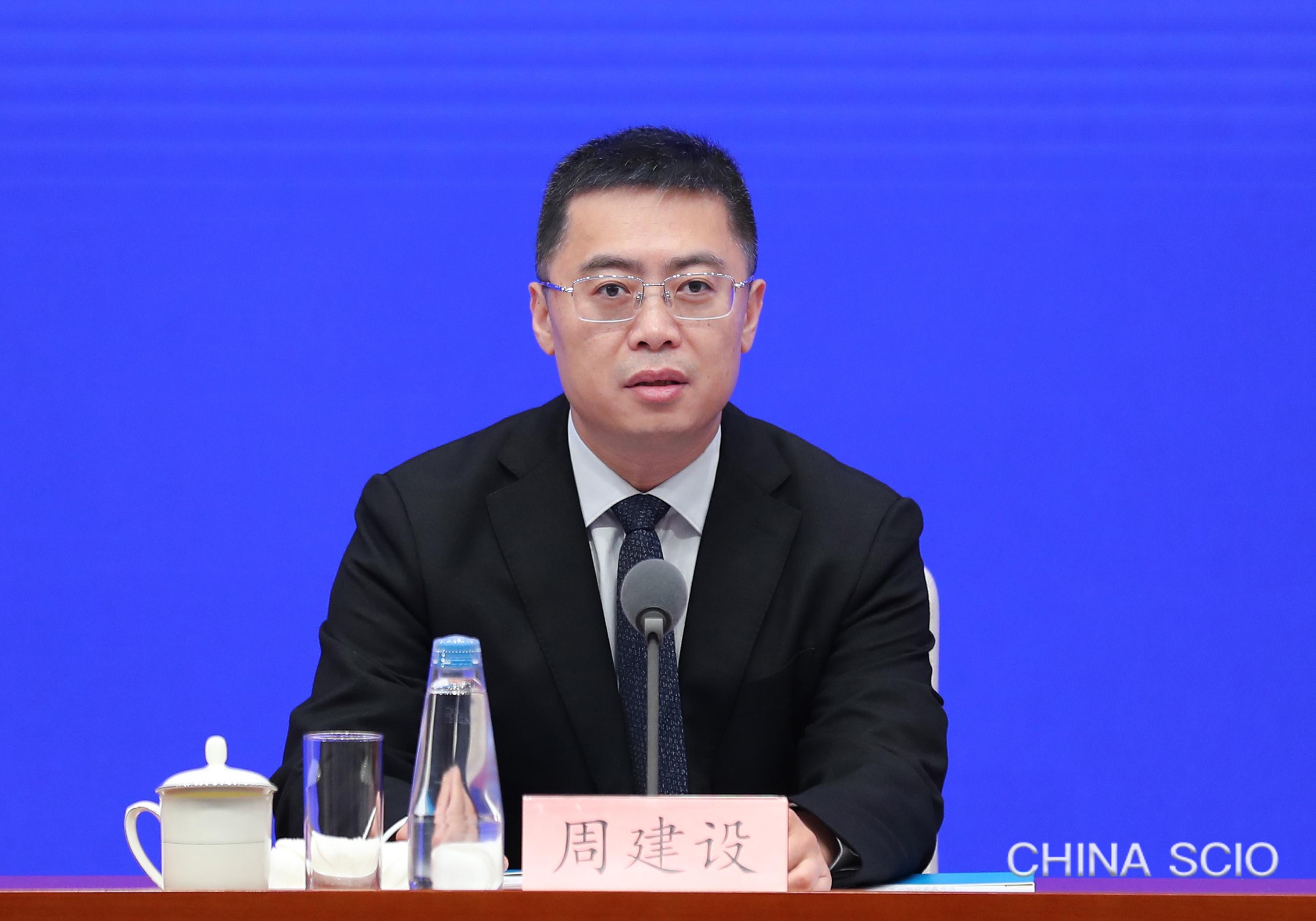
/3 Zhou Jianshe
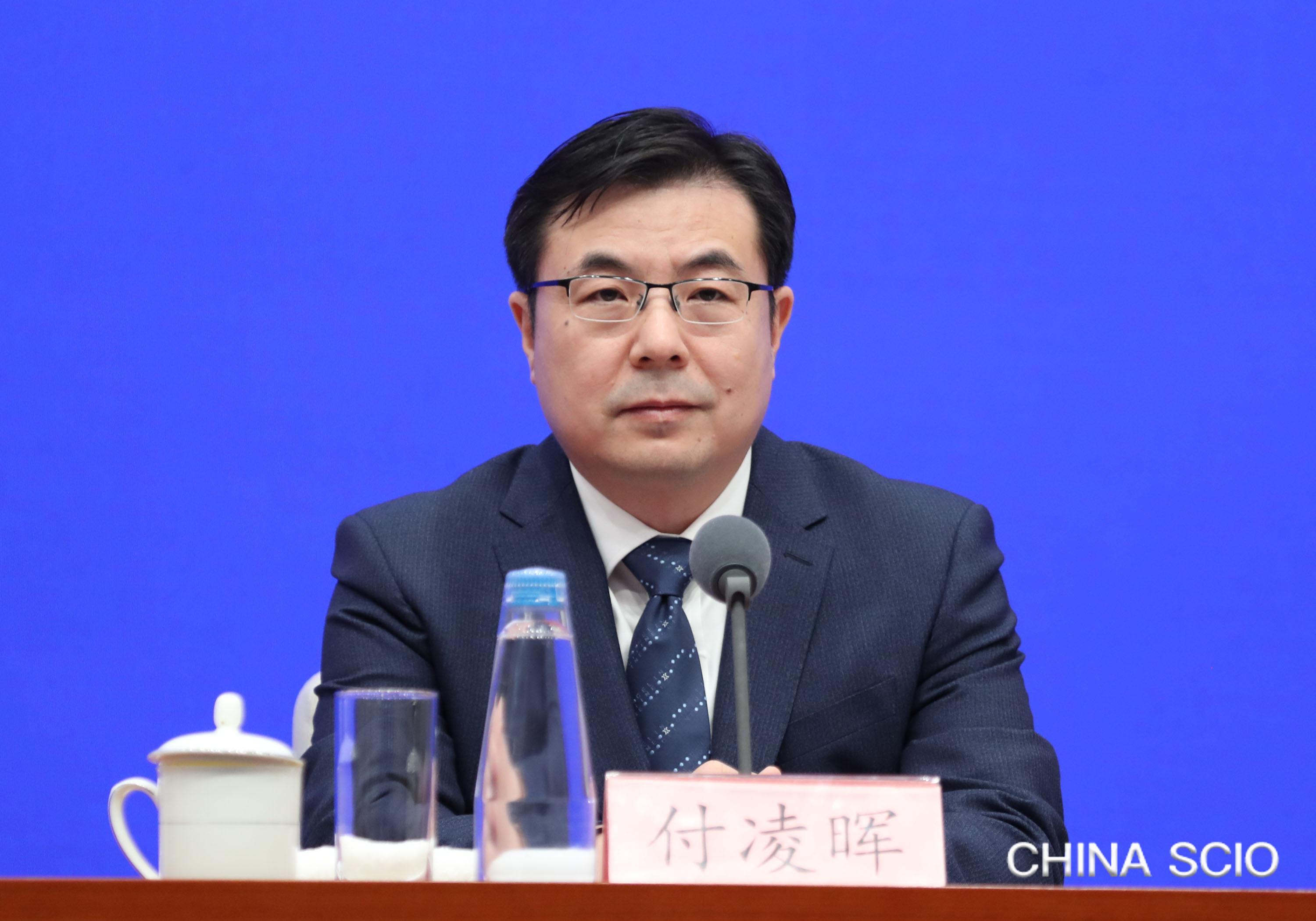
/3 Fu Linghui
/3 Group photo