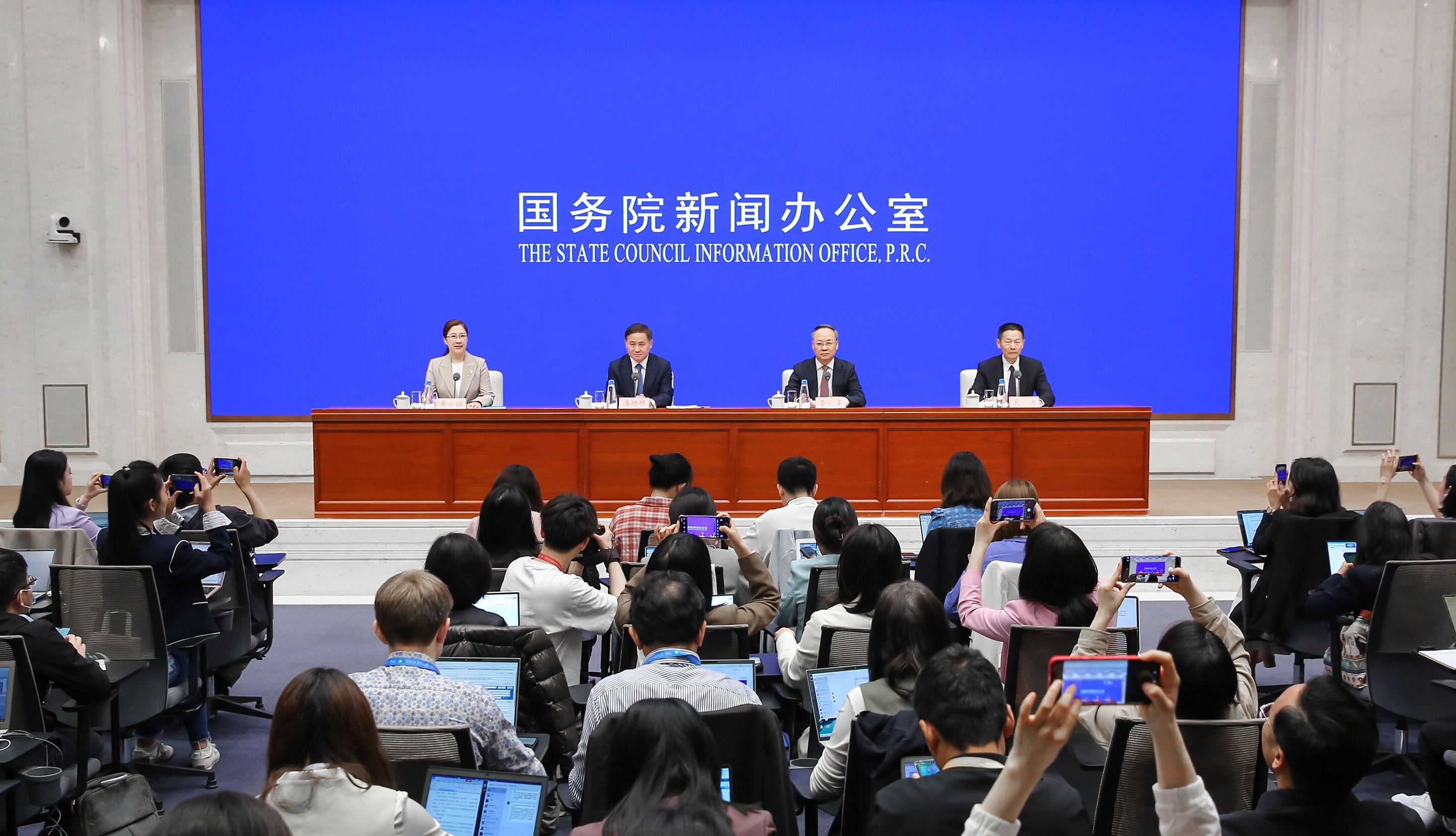

SCIO briefing on financial policy package to stabilize the market and expectations
Beijing | 9 a.m. May 7, 2025
Speakers

Pan Gongsheng, governor of the People's Bank of China
Li Yunze, minister of the National Financial Regulatory Administration
Wu Qing, chairman of the China Securities Regulatory Commission
Chairperson
Speakers:
Mr. Pan Gongsheng, governor of the People's Bank of China (PBC)
Mr. Li Yunze, minister of the National Financial Regulatory Administration (NFRA)
Mr. Wu Qing, chairman of the China Securities Regulatory Commission (CSRC)
Chairperson:
Ms. Shou Xiaoli, director general of the Press Bureau of the State Council Information Office (SCIO) and spokesperson of the SCIO
Date:
May 7, 2025
Shou Xiaoli:
Ladies and gentlemen, good morning. Welcome to this press conference held by the State Council Information Office (SCIO). Today, we are glad to have invited Mr. Pan Gongsheng, governor of the People's Bank of China (PBC); Mr. Li Yunze, minister of the National Financial Regulatory Administration (NFRA); and Mr. Wu Qing, chairman of the China Securities Regulatory Commission (CSRC). They will brief you on the financial policy package to stabilize the market and expectations, and answer your questions.
Now, let's give the floor to Mr. Pan for his introduction.
Pan Gongsheng:
Good morning. It's a pleasure to meet with you all again. I would like to sincerely thank you all for your continued interest in and support for the reforms and developments in the financial sector, as well as the work of the PBC.
Since the beginning of this year, the PBC has earnestly implemented the guiding principles of the Central Economic Work Conference and the deployments of the Government Work Report. We have implemented a moderately loose monetary policy, strengthened counter-cyclical adjustments, comprehensively used various monetary policy tools, served the high-quality development of the real economy, and created a favorable monetary and financial environment for promoting the continuous recovery and improvement of the economy.
From the perspective of effectiveness, various macro-financial data has been relatively positive since the beginning of this year, and monetary credit has shown the operational characteristics of "increased quantity, decreased price and optimized structure." At the end of the first quarter, the social financing scale increased by 8.4% year on year, and loans increased by 7.4% year on year. If adjusted to include the impact of local special-purpose bonds that replaced loans from local government financing platforms, the loan growth rate would exceed 8%. The M2, a broad measure of money supply, maintained stable growth of around 7%, significantly higher than the nominal economic growth rate. At the same time, the cost of social financing remained low, and the growth rates of inclusive loans to micro and small businesses, medium- and long-term loans to the manufacturing sector, and loans to sci-tech small and medium enterprises (SMEs) were all faster than the overall loan growth rate, further optimizing the credit structure.
From the perspective of the financial market, the performance in the first quarter was positive. The stock market operated generally smoothly, trading was relatively active, and the Shanghai Composite Index remained around 3,300 points. The bond market self-corrected, driven by improved economic confidence. The onshore and offshore RMB exchange rates against the U.S. dollar appreciated slightly by about 1% compared to the end of last year, and cross-border capital flows were relatively balanced.
Since April, despite facing relatively large external shocks, the domestic financial system has remained stable, and the financial market has shown strong resilience. After the Shanghai Composite Index fell on April 7, it quickly rebounded and stabilized. Currently, the 10-year government bond yield is hovering around 1.65%, and the RMB exchange rate against the U.S. dollar depreciated slightly before rebounding to around 7.2 yuan.
Currently, the global economy is full of uncertainties. Economic fragmentation and trade tensions are intensifying, disrupting global industrial and supply chains, causing turmoil in international financial markets, and weakening global economic growth momentum. Not long ago, I attended the Spring Meetings of the World Bank Group and the International Monetary Fund (IMF) in Washington, where central bank governors and heads of international financial organizations from various countries expressed deep concern about this. The PBC will conscientiously implement the central decisions and deployments, promote high-quality economic development, unswervingly advance high-standard opening up, actively participate in international financial governance and cooperation, and maintain a rules-based international economic and financial order. At the same time, we will coordinate financial opening and security, explore and enhance the central bank's role of macro-prudential management and financial stability regime, and firmly maintain the stable operation of China's foreign exchange, bond and stock markets.
On April 25, the Political Bureau of the Communist Party of China (CPC) Central Committee held a meeting to analyze and study the current economic situation and economic work. In order to implement the guiding principles of the meeting and further implement a moderately loose monetary policy, the PBC will intensify macro regulation and introduce a package of monetary policy measures, mainly consisting of three major categories with a total of 10 specific measures.
The first category is quantitative policies, aimed at increasing medium- and long-term liquidity supply, through measures such as lowering the reserve requirement ratio, and maintaining ample market liquidity. The second category is price-based policies, which will lower policy rate, reduce the rates of structural monetary policy tools, such as the central bank's relending rates to commercial banks, and lower interest rates on provident fund loans. The third category is structural policies, which will improve existing structural monetary policy tools and create new policy tools to support such areas as technological innovation, consumption expansion and inclusive finance.
These three major categories of measures include 10 specific policies:
First, we will lower the reserve requirement ratio (RRR) by 0.5 percentage point, which is expected to provide about 1 trillion yuan in long-term liquidity to the market.
Second, we will improve the reserve requirement system by temporarily lowering the reserve requirement ratio for auto finance companies and financial leasing companies from the current 5% to 0%.
Third, we will lower the policy rate by 0.1 percentage point, specifically reducing the seven-day reverse repo rate in the open market from the current 1.5% to 1.4%. This adjustment is expected to lead to a corresponding decrease of approximately 0.1 percentage point in the loan prime rate (LPR).
Fourth, we will reduce the interest rates of structural monetary policy tools by 0.25 percentage point. This includes various special structural tools and relending rates for supporting agriculture and small businesses, all decreasing from the current 1.75% to 1.5%. These rates represent the cost at which the central bank provides relending funds to commercial banks. The interest rates on pledged supplementary lending (PSL) will be reduced from the current 2.25% to 2%. PSL is a tool through which the central bank provides funds to policy banks.
Fifth, we will lower the interest rates on personal housing provident fund loans by 0.25 percentage point, reducing the rate for first-time homebuyers with loan terms over five years from 2.85% to 2.6%, with rates for other terms adjusted accordingly.
Sixth, we will increase the relending quota for technological innovation and technological transformation by 300 billion yuan. This will raise the total from the current 500 billion yuan to 800 billion yuan. This relending tool is already in place, and the quota has now been increased by 300 billion yuan, bringing the total to 800 billion yuan. The tool will continue to support the "two new" policies, which refer to large-scale renewal of equipment and the trading-in of consumer goods.
Seventh, we will establish a 500 billion yuan relending facility dedicated to service consumption and elderly care. This measure aims to encourage commercial banks to increase credit support for these sectors.
Eighth, we will increase the relending quota for agricultural and small businesses by 300 billion yuan. This complements our relending rate reduction, helping banks expand lending to agricultural enterprises, small and micro businesses, and private enterprises.
Ninth, we will optimize the two monetary policy tools that support the capital market. We're merging the 500 billion yuan swap facility for securities firms, funds, and insurance companies with the 300 billion yuan relending facility for stock repurchases and increased holdings, resulting in a total quota of 800 billion yuan.
Tenth, we will establish a risk-sharing tool for sci-tech innovation bonds. The central bank will provide low-cost relending funds that can be used to purchase these bonds. The central bank will collaborate with local governments and market-based credit enhancement institutions, utilizing diverse credit enhancement measures, such as joint guarantees, to share part of the default risk. This initiative aims to support the issuance of low-cost, long-term sci-tech innovation bonds for technology innovation enterprises and equity investment institutions.
These 10 specific policy measures across three major categories will be gradually disclosed on the PBC's website and implemented. Next, the PBC will continue to earnestly implement the various deployments of the CPC Central Committee and the State Council, implement a moderately loose monetary policy, and continuously adjust monetary policy based on domestic and international economic and financial conditions, as well as the operation of financial markets. We will also strengthen coordination with fiscal policy to promote high-quality economic development. Thank you.
_ueditor_page_break_tag_Shou Xiaoli:
Thank you, Mr. Pan. Now, let's give the floor to Mr. Li.
Li Yunze:
Good morning. I'm very pleased to meet with you again and answer your questions. First, on behalf of the NFRA, I would like to extend my sincere gratitude to the media for your long-standing support for and attention to our financial regulatory work.
Since the beginning of this year, the NFRA has resolutely implemented the decisions and arrangements of the CPC Central Committee and the State Council. Moreover, we've carefully followed the guidance from the April 25 meeting of the Political Bureau of the CPC Central Committee. We've strengthened our bottom-line thinking and expanded our policy measures. We've actively responded to external shocks and made solid progress in risk prevention, regulatory enforcement, and development promotion.
First, the overall performance of the financial sector remains stable. Currently, banking and insurance institutions are conducting all business activities in an orderly manner, with major regulatory indicators all within healthy ranges. Large financial institutions maintain a solid foundation, clearly serving as an anchor of stability for the financial system. Small- and medium-sized financial institutions have shown significant progress in both reform and risk reduction efforts. In the first four months, the capital adequacy ratio of banks and the solvency adequacy ratio of insurance companies maintained a steady upward trend. The non-performing loan ratio declined by approximately 0.1 percentage point year on year, while the provision coverage ratio increased by around 10 percentage points over the previous year. It can be said that the financial industry's safety buffer continues to strengthen.
Second, we're seeing the ongoing positive impact of our regulatory policies. We've strengthened the leading role of regulation and accelerated the improvement of regulatory frameworks. We've also revised and issued over 30 systems, including those related to corporate governance, regulatory ratings and consumer protection. We have formulated opinions on high-quality development in sectors such as banking, insurance and asset management, aiming to enhance specialized and professional development capabilities. We are guiding the industry to further advance cost reduction and efficiency improvement, thereby strengthening the foundation for sustainable development. We are improving the capital replenishment mechanism. Capital reinforcement for large commercial banks is accelerating, while enhancement plans for major insurance groups have been placed on the agenda. Meanwhile, local governments are also replenishing the capital of small- and medium-sized financial institutions through multiple channels in an orderly manner. These measures will further strengthen the resilience of the financial system and its capacity to support high-quality development.
Third, the quality and efficiency of services have been significantly improved. We have developed specialized implementation plans for technology finance, green finance, pension finance and inclusive finance. We've issued multiple financial policies to bolster consumption and foreign trade. In addition, we are increasing support for major national strategies, enhancing security capacity in key areas, promoting consumer goods trade-ins and encouraging large-scale equipment renewals. We have also strengthened efforts to safeguard people's livelihoods. In the first four months of this year, the banking and insurance sectors provided about 17 trillion yuan in new financing to the real economy through loans, bonds and other means. Since the expansion of the loan renewal without principal repayment policy in September last year, 4.4 trillion yuan in loans have been renewed for medium, small and micro enterprises, better meeting their ongoing financing needs. The insured amount by short-term export credit insurance rose 15.3% year on year, providing strong support for stabilizing foreign trade. From January to April this year, the insurance industry paid out about 1 trillion yuan in claims, and more than 10 million vehicles were covered by the new energy vehicle insurance. At the same time, insurance companies set aside more than 10 trillion yuan in long-term reserve funds for endowment and health insurance payments.
Next, we will follow the requirements of the CPC Central Committee and the State Council, further strengthening our sense of responsibility, urgency and initiative in ensuring implementation. We will intensify efforts to implement established policies, accelerate the preparation of incremental policies, continuously improve our response plans, and work to firmly consolidate the fundamentals of economic recovery and growth. In the near future, we will introduce the following eight incremental policies.
First, we plan to accelerate the rollout of financing systems compatible with the new model of real estate development. This will help further stabilize the real estate market.
Second, we plan to expand the scope of pilot projects for the long-term investment of insurance funds to bring more incremental funds into the market.
Third, we plan to adjust and improve regulatory rules to further lower the risk factors for insurance companies' stock investments, helping to stabilize and revitalize the capital market.
Fourth, we'll launch a package of policies to support financing for small and micro businesses and private enterprises as soon as possible. We'll deepen and solidify financing coordination mechanisms to help stabilize businesses and the broader economy.
Fifth, we will formulate and implement a series of policy measures in the banking and insurance sectors to support the development of foreign trade. We will provide targeted services to business entities most affected by tariffs and make every effort to help them maintain stable operations and expand markets.
Sixth, we plan to revise and issue regulatory measures on merger and acquisition (M&A) loans to promote the accelerated transformation and upgrading of industries.
Seventh, we plan to expand the range of eligible entities allowed to establish financial asset investment companies to include qualified commercial banks with nationwide business networks. This will help boost investment in sci-tech innovation enterprises.
Eighth, we will develop guidelines for the high-quality development of technology insurance to improve its risk sharing and compensation roles, and to provide strong support for technological innovation. Thank you.
_ueditor_page_break_tag_Shou Xiaoli:
Thank you, Mr. Li, for your introduction. Now, I will give the floor to Mr. Wu.
Wu Qing:
Ladies and gentlemen, members of the media, good morning! First, thank you all for your long-term attention to and support of the capital market and the work of the CSRC. Since the beginning of this year, the CSRC has thoroughly implemented a series of decisions and deployments by the CPC Central Committee and the State Council, continuously advancing the implementation and effectiveness of the latest Nine-Point Guideline and related policies on the sound development of the capital market. As a result, the market has generally remained stable while making steady progress and showing positive momentum. Since early April, the U.S. government's tariff policy has severely impacted the international economic and trade order, causing volatility in global financial markets and putting considerable pressure on China's capital market. To meet this sudden and severe challenge, we, guided by the strong leadership of the CPC Central Committee and the State Council and following the coordination from the Office of the Central Financial Commission, cooperated with relevant departments, took swift action and implemented a comprehensive package of market-stabilizing measures, including policy support, capital interventions, and efforts to guide market expectations. The PBC, the NFRA, the State-owned Assets Supervision and Administration Commission of the State Council, and the State Administration of Foreign Exchange all sent strong policy signals. Central Huijin Investment took decisive actions. The National Council for Social Security Fund, along with securities and fund management institutions, banks, insurers and various investors, showed confidence and made positive efforts. Many listed companies helped stabilize stock prices through measures such as share buybacks and increasing their own holdings. As the saying goes, "When everyone adds wood to the fire, flame runs high; when we face challenges together, we can weather any storm." Thanks to the collective efforts of investors and other market participants, the A-share market continuously rebounded following a day of significant volatility. The market then stabilized and showed positive signs, demonstrating strong resilience and the ability to withstand risks.
The April 25 meeting of the Political Bureau of the CPC Central Committee emphasized the need to continuously stabilize and invigorate the capital market, fully reflecting the CPC Central Committee's high regard for stabilizing market performance and expectations as well as its high hopes for future development. We will make every effort to implement this directive, and continue to carry out the measures set forth in the four documents issued by the CSRC in March 2024 concerning the regulation of listed companies, securities firms and public offering funds, the establishment of first-rate investment banks and institutions, the improvements to the CSRC system, among other things, to ensure the sound development of the capital market. We are committed to fulfilling our responsibilities by stabilizing the market, boosting market vitality and enhancing market functions.
First, we will make every effort to strengthen and sustain the momentum of market stabilization and improvement. We will strengthen market monitoring and conduct comprehensive risk assessments, adjusting contingency plans as needed to respond to various external risks and impacts. We will fully support Central Huijin Investment in playing its role as a quasi-stabilization fund, with its effective operations in the market being backed by policies issued by the PBC. This approach is among the most robust in the world. We will work with the PBC to improve the long-term mechanism of monetary policy tools that support the capital market and further enhance the stabilizing role of all market participants.
Second, we will emphasize the important focus of serving the development of new quality productive forces. We're focusing on several key initiatives: We'll soon introduce policies and measures to deepen reforms of the Science and Technology Innovation Board (STAR Market) and ChiNext board, which we'll announce at an appropriate time. These reforms will enhance the inclusiveness and adaptability of our systems in terms of market tiers, review mechanisms and investor protections. We're also working to apply best practices from exemplary cases as quickly as possible. We'll soon release the newly revised Administration Measures for Significant Asset Restructuring of Listed Companies, along with related regulatory guidelines. These updates will enhance the capital market's role as the primary channel for mergers, acquisitions and corporate restructuring. We're actively developing sci-tech innovation bonds, optimizing the issuance and registration process, and enhancing credit support mechanisms. This will provide sci-tech enterprises with comprehensive financial services throughout their development journey.
Third, we're working to attract more medium- and long-term funds into the capital market. We'll guide listed companies to improve governance, enhance performance, and continuously increase investor returns. At the same time, we're intensifying efforts to attract long-term funds and working with all parties to expand both the volume and proportion of diverse medium- and long-term funds in the market. Today, we're releasing the Action Plan for Promoting the High-Quality Development of Public Funds. This plan better aligns the interests of managers and investors, creating shared success and mutual benefits. We're aiming to create a virtuous cycle where better investment returns attract more capital, which then leads to greater market stability.
The stability of the stock market affects the broader economic and social environment, as well as the immediate interests of hundreds of millions of investors. At present, China's economy continues to recover and gain momentum. All relevant authorities have made thorough preparations to respond to external shocks. This not only adds greater certainty to a global economy fraught with uncertainty, but also creates a solid foundation and favorable conditions for the stable operation of China's capital market. Our confidence in the capital market stems from four aspects: First, the strong leadership of the CPC Central Committee and the State Council, and their firm determination and effective arrangements to maintain market stability. As everyone can see, these are concrete actions producing tangible results. Second, the implementation of the "1+N" policy framework in the capital market has driven positive and profound changes in the market's internal structure, and a balanced investment and financing ecosystem is taking shape at an accelerated pace. Third, the technology sector in the A-share market is developing a clearer narrative and stronger clustering effect. As high-quality economic development continues, the potential of new quality productive forces will become increasingly apparent. The deep integration of technological and industrial innovation will inject valuable new vitality into the capital market. Fourth, by industry standards, the A-share market's valuation remains at a relatively low level. The price-to-earnings ratio of the CSI 300Index is only 12.3. Major Chinese market indices trade at significantly lower multiples than global benchmarks like the S&P 500. In light of significantly increasing instability in the global market, Chinese assets continue to increase in allocation value and attractiveness. Simply put, we have reliable economic growth, sound macroeconomic policies and strong institutional guarantees. These factors inject greater certainty into our economy and capital market amid an uncertain global environment.
In short, encountering wind and rain on the way forward is normal. Whether we face gentle breezes or violent storms, choppy waters or massive waves, we have all the necessary conditions, confidence and capabilities needed to ensure China's stock market develops in a stable and healthy manner. Thank you.
Shou Xiaoli:
Thank you, Mr. Wu. The floor is now open for questions. Please identify your media organization before asking your question.
_ueditor_page_break_tag_CCTV:
Mr. Pan mentioned plans to lower both the reserve requirement ratio and policy rates, generating significant interest. Could you please provide more details about these measures? Thank you.
Pan Gongsheng:
Thank you for your question. Everyone is closely monitoring potential adjustments to key monetary policy instruments, particularly policy rates and reserve requirement ratios. Both the Central Economic Work Conference last December and this year's government work report called for implementing a moderately loose monetary policy, including timely cuts to both reserve ratio requirements and interest rates. A moderately loose monetary policy has several core elements. First, it maintains ample liquidity and relatively favorable financing conditions, including reasonable growth in macro financial metrics like aggregate financing and the M2 money supply, along with relatively low overall financing costs. Second, policy implementation must be flexible, with adjustments made as needed. We must comprehensively assess domestic and international economic and financial conditions, as well as financial market operations, and use various monetary policy tools to make dynamic adjustments. Third, the orientation of monetary policy refers to its overall stance. In recent years, the PBC has repeatedly lowered the reserve requirement ratio and interest rates, keeping monetary policy supportive and overall liquidity relatively ample.
Let me elaborate on the adjustments to the aggregate monetary policy measures I just announced.
First, we will lower the reserve requirement ratio (RRR). This time, we will lower the RRR by 0.5 percentage point, providing approximately 1 trillion yuan in long-term liquidity to the financial markets. By lowering the RRR, the PBC can optimize the structure of liquidity provision to the banking system, reduce banks' cost of liabilities and enhance the stability of their liabilities. At the same time, we will temporarily reduce the RRR for auto finance companies and financial leasing companies from the current 5% to 0%. These two types of institutions provide direct financial support to areas such as automobile consumption and equipment upgrade investments. Lowering their RRR will effectively enhance their ability to supply credit to specific sectors.
Second, regarding interest rate cuts, we'll implement three changes: First, we'll lower the policy rate by 0.1 percentage point. In our central bank's framework, the policy rate refers to the seven-day reverse repo rate in open market operations. It currently stands at 1.5% and will be lowered to 1.4%. Through market-based interest rate transmission, we expect this will lead to a corresponding 0.1 percentage point reduction in the LPR. At the same time, we will guide commercial banks to lower deposit interest rates accordingly through the self-regulatory mechanism for interest rates. Second, we will reduce interest rates on all structural monetary policy tools by 0.25 percentage point. Structural monetary policy tools generally refer to loans provided by the central bank to commercial banks. This move is expected to save banks approximately 15-20 billion yuan in funding costs annually, encouraging banks to strengthen their support for economic structural transformation. Third, we will reduce the interest rate on personal housing provident fund loans by 0.25 percentage point. For first-home loans with terms over five years, the rate will be cut from 2.85% to 2.6%, with rates for other loan terms adjusted accordingly. This is expected to save residents more than 20 billion yuan annually in provident fund loan interest payments, helping to support essential housing needs and stabilize the real estate market.
Meanwhile, the PBC will further improve its monetary policy framework, strengthen the implementation and supervision of interest rate policies, and enhance regulation of unreasonable market behaviors that might impede monetary policy transmission. This will help ensure smooth monetary policy transmission mechanisms and improve resource allocation efficiency.
These policy measures will provide financial institutions with a substantial amount of low-cost medium- and long-term funds, helping to reduce their debt costs and stabilize net interest margins. The policy effects will further translate to the real economy, leading to steady and potentially lower overall social financing costs, boosting market confidence, and effectively supporting stable growth in the real economy. Thank you.
_ueditor_page_break_tag_21st Century Business Herald:
Mr. Wu, what impact might the additional tariffs have on the production and operations of A-share listed companies? How will the CSRC support listed companies in responding to this situation?
Wu Qing:
Thank you for your questions. Regarding the impact of additional U.S. tariffs, many A-share listed companies have recently provided disclosures through announcements and earnings calls. Overall, the U.S.'s excessive use of tariffs has severely disrupted the global economic and trade order. Listed companies' operations will inevitably face direct or indirect impacts, some larger, some smaller. Companies with a higher proportion of exports to the U.S. will be more significantly affected. General Secretary Xi Jinping has noted that "China's economy is not a pond, but an ocean." A-share listed companies, as representatives of China's outstanding business community, possess strong resilience and adaptability. First, China's massive domestic market and untapped consumer potential are the greatest sources of confidence. Nearly 90% of A-share listed companies' revenue comes from the domestic market. The stable and improving fundamentals of the Chinese economy, with its long-term positive outlook, ensure that listed companies will continue to see steady performance growth. In 2024, three-quarters of listed companies were profitable and half showed profit growth. Notably, as artificial intelligence leads the technology industry wave, related sectors like semiconductors and consumer electronics have seen net profit increases of 13.2% and 12.9% year on year, respectively. Meanwhile, we've seen market-wide dividends and share buybacks reaching historic highs, with the CSI 300 index dividend yield reaching 3.6%. Looking at quarterly reports, listed companies' net profits increased 3.6% year on year in the first quarter of this year. Among them, listed companies in the real economy saw net profits rise 4.3% year on year. Second, significant progress has been made in building diversified export markets. Since the U.S. imposed additional tariffs on China in 2018, A-share listed companies have gradually adjusted and improved their overseas production capacity arrangements. Those with the necessary conditions have been making adjustments and further exploring new markets. Export revenue grew from 4.9 trillion yuan in 2018 to 9.4 trillion yuan in 2024, an increase of 92%, nearly doubling. Meanwhile, direct exports to the U.S. now make up a much smaller portion of total revenue, with 91% of companies reporting that U.S. exports account for less than 10% of their sales. Third, export competitiveness continues to improve. "Made in China" has become deeply integrated into global industrial and supply chains. A-share listed companies possess strong competitive advantages in consistent product quality, economies of scale in production, and technological innovation. Since April 7 — less than a month ago — nearly 350 listed companies have announced share buyback and stake increase plans, reflecting their strong confidence in their own value and development prospects.
Listed companies are an important part of China's economy and the cornerstone of the capital market. Moving forward, the CSRC will continue to promote the functions of the capital market. While strengthening supervision, we will also strive to provide supportive and considerate oversight, doing our best to help affected enterprises cope with the impact of increased U.S. tariffs. First, we will intensify outreach and assistance efforts. From last year to the end of March this year, the CSRC, together with local governments, visited 2,352 listed companies and helped resolve over 3,300 key challenges and difficulties faced by these enterprises. The commission will continue to work with relevant parties to advance this effort. Second, we will optimize regulatory arrangements. For listed companies significantly affected by tariff policies, we will adopt a more flexible regulatory approach regarding equity pledges, refinancing and the use of raised funds, in order to help address their difficulties and provide relief. We will further improve rules regarding exemptions from information disclosure and continue to guide listed companies in strengthening effective communication with investors. Third, we will support transformation and upgrading, especially by encouraging listed companies to achieve this through M&A activity. Since the release of the Opinions on Deepening the Reform of the M&A and Restructuring Market for Listed Companies last year, nearly 1,400 restructuring projects have been disclosed in the Shanghai and Shenzhen stock markets, up 40% year on year. Of these, more than 160 were major asset restructurings, marking a 2.4-fold increase from the previous year. We are currently accelerating the revision of the Administration Measures for Significant Asset Restructuring of Listed Companies and related regulatory guidelines. This includes further improving the supporting measures for the Opinions on Deepening the Reform of the M&A and Restructuring Market for Listed Companies to more strongly support mergers and acquisitions by listed companies. Following industrial logic, we aim to strengthen companies' core capabilities, stimulate vitality, enhance quality—while continuously building greater innovation capacity and risk resilience. Fourth, we will strengthen support by leveraging multi-level capital market products and services. We support listed companies in utilizing various tools such as stocks, bonds and REITs for direct financing. We also encourage eligible domestic enterprises to list overseas in accordance with laws and regulations, enhancing their ability to expand in global markets. Thank you.
_ueditor_page_break_tag_Economic Daily:
The real estate and stock markets are important indicators of economic performance, as Mr. Li just mentioned. What considerations does the NFRA have in stabilizing the real estate market and the stock market? Thank you.
Li Yunze:
Thanks for your question. Stabilizing the real estate and stock markets is of great significance for boosting social expectations and facilitating domestic demand circulation. The April 25 meeting of the Political Bureau of the CPC Central Committee once again made clear requirements for stabilizing the real estate and stock markets. The NFRA is resolutely implementing the arrangements and requirements of the CPC Central Committee and the State Council, coordinating a comprehensive set of measures and actively advancing related work.
To stabilize the real estate market, we have worked to expand and enhance the effectiveness of the urban real estate financing coordination mechanism, supporting efforts to ensure the delivery of houses. Currently, "white list" loans approved by commercial banks have reached 6.7 trillion yuan, supporting the construction and delivery of more than 16 million residential units. This has strongly protected homebuyers' legitimate rights and interests while providing important support for stabilizing the real estate market. The positive changes in the real estate market are also reflected in the credit data. In the first quarter of this year, outstanding real estate loans increased by more than 750 billion yuan. Within this total, new personal mortgage loans saw their largest quarterly increase since 2022 while housing rental loans grew 28% year-on-year. Recently, several leading international investment institutions that have visited China have expressed their belief that the investment value of the Chinese real estate market is gradually becoming apparent. Next, we will accelerate improvements to a series of financing systems that align with the new model of real estate development, including loan management methods for real estate development, personal housing and urban renewal. We will guide financial institutions to maintain stability in real estate financing, effectively meet the demand for both essential and upgraded housing, strengthen the funding supply for high-quality housing, and help continuously consolidate the stable momentum of the real estate market.
Regarding stock market stabilization, we'll continue to fully leverage the advantages of insurance funds as patient, long-term capital, intensifying efforts to encourage their entry and support market stability. Earlier, we launched pilot reforms to promote long-term insurance fund investment, injecting significant new capital into the stock market. Last month, we further increased the upper limit for equity asset investments by insurance funds, creating additional investment capacity. Next, we will introduce several specific measures to continue supporting the stabilization and invigoration of the capital market. First, we will further expand the scope of the pilot program for long-term investment by insurance funds. We plan to approve an additional 60 billion yuan in the near future, injecting more incremental funds into the market. Second, we will adjust the solvency regulation rules, further reducing the risk factor for stock investments by 10% and encouraging insurance companies to increase their market participation. Third, we will promote improvements to the long-term evaluation mechanism, motivate institutional participation, and encourage the matching of long-term capital with long-term investment opportunities. Thank you.
_ueditor_page_break_tag_Yicai:
Mr. Pan just mentioned that structural monetary policy tools will be created and vigorously implemented, which are expected to play a positive role in economic structural adjustment. Could you please elaborate further on this? Thank you.
Pan Gongsheng:
Traditionally, monetary policy is mainly a tool for aggregate management. However, in the operation of the Chinese economy, as everyone knows, many contradictions and challenges are structural, and if the structure is not adjusted properly, it is difficult for aggregate control to be effective. Structural monetary policy tools are helpful in promoting the resolution of some structural contradictions and problems. In recent years, the PBC has actively explored this area. Following the principles of "focusing on key areas, taking reasonable and appropriate steps, and knowing when to introduce and withdraw," we have launched several structural monetary tools, gradually forming a monetary policy framework with aggregate tools as the mainstay and structural tools as a supplement. As of the end of April, there were a total of nine structural policy tools, mainly focusing on key areas, major strategies and weak links of the national economy. The outstanding balance was about 5.9 trillion yuan, accounting for 13% of the PBC's balance sheet, which is at a reasonable level.
Structural monetary policy tools, commonly known as relending, are loans provided by the central bank to financial institutions. These tools are usually embedded with incentive mechanisms to guide commercial banks to independently issue loans to market entities. In recent years, guided by structural monetary policy tools, the credit allocation structure of financial institutions has undergone a qualitative change. Everyone is well aware that in previous years, commercial banks had significant risk exposures in areas such as real estate and local financing vehicles on their balance sheets. In recent years, such risk exposures have gradually converged. The intensity, suitability, and precision of financial support for the real economy have significantly improved.
This time, we are introducing and implementing a series of structural monetary policy tools, which involve both an increase in scale and preferential pricing, to better leverage their guiding effect.
First, we are lowering the interest rates on structural monetary policy tools by 25 basis points. The interest rates on structural monetary policy tools such as the agricultural and small loans, technological innovation and transformation loans, carbon emission reduction support tools, stock repurchase and increase loans, and affordable housing loans will be lowered from the current 1.75% to 1.5%. Meanwhile, the interest rate on pledged supplementary lending to policy banks will be reduced from 2.25% to 2%.
Second, we are creating a 500 billion yuan relending tool for service consumption and elderly care. At present, the focus of China's economic policy is on expanding domestic demand and vigorously boosting consumption, with service consumption being an important point for upgrading and expanding consumption. In order to enhance and improve the supply of service consumption, the PBC has established the "service consumption and pension reloan" tool to encourage and guide financial institutions to increase financial support for key areas of service consumption such as accommodation, catering, culture, entertainment, education and the pension industry. It also collaborates with fiscal and other industrial policies to better meet the needs of the public for consumption upgrading. This tool is also an innovative measure by the PBC to support boosting consumption, with a quota of 500 billion yuan.
Third, we will raise the relending quota for sci-tech innovation and technical transformation from 500 billion yuan to 800 billion yuan. This tool was launched in April 2024 by the PBC, in collaboration with the NDRC and Ministry of Science and Technology, with an initial quota of 500 billion yuan. It has effectively supported tech-focused SMEs and technical transformation and equipment renewal in key areas. This time, we will increase the relending quota by 300 billion yuan, bring it to 800 billion yuan, supporting the expansion of the "two renewal" policies.
Fourth, we will increase the relending quota for agriculture and small businesses by 300 billion yuan. With this increase, the total quota for such relending will reach 3 trillion yuan. Combined with the reduction in the relending interest rate this time, this will have a coordinated volume-price effect, further supporting commercial banks in expanding lending to agricultural, micro and small enterprises, and particularly privately owned SMEs.
In the future, based on the economic and financial conditions and the effectiveness of current tools, we may expand the scale, refine the policy features, or introduce new policy tools. Thank you.
_ueditor_page_break_tag_South China Morning Post:
Under the backdrop of the China-U.S. trade conflict, are there other relief measures for businesses with high dependence on foreign trade, apart from "no discontinuation or withdrawal of loans"? What specific support measures are there for small and micro enterprises? Thank you.
Li Yunze:
Thank you for your questions. In recent years, we have continued to deepen structural reforms on the financial supply side, guiding banking and insurance institutions to improve their service alignment and encouraging the development of differentiated, personalized products to better meet the diverse financial needs of enterprises of various sizes and types. In particular, to address the financing challenges faced by small and micro enterprises and private enterprises, we have taken the lead in establishing a dedicated financing coordination mechanism to promote the rapid and direct delivery of low-cost funds to businesses. So far, visits have been made to over 67 million business entities across the country, and 12.6 trillion yuan in loans have been issued, of which about one-third are credit loans.
Soon, the NFRA will work with relevant departments to introduce a package of policies supporting financing for micro, small and private enterprises, focusing on four key aspects:
First, we will increase supply. We'll continue to thoroughly and solidly implement the financing coordination mechanism while conducting extensive onsite surveys of enterprises. We'll increase the issuance of first-time loans, the renewal of loans and credit loans. Through these efforts, we'll drive the growth rate of inclusive small and micro enterprise loans to be higher than the average growth rate of various loans.
Second, we will reduce costs. We'll promptly pass on market interest rate benefits and internal fund transfer pricing advantages, while regulating cooperation between financial institutions and third parties. These measures will promote a steady decline in overall financing costs, further reducing the burden on enterprises.
Third, we will improve efficiency. We will drive banks to simplify internal procedures, improve loan approval efficiency, and flexibly meet various financing needs to alleviate the pressure on enterprises' capital turnover.
Fourth, we will optimize the environment. We will strengthen coordination among monetary, fiscal, tax, industrial and regulatory policies. We will accelerate improvements to relevant systems for guarantee-based credit enhancement, credit restoration and classification standards, creating a more conducive development environment.
Against the backdrop of increasing external shocks, we will formulate and implement a series of policies and measures for the banking and insurance sectors to support foreign trade development. Following market-oriented and law-based principles, we will continuously strengthen financial support.
First, we will strengthen financial relief for enterprises facing difficulties. We will expand the financing coordination mechanism to cover all foreign trade enterprises, and drive banks to accelerate the implementation of various policies to stabilize foreign trade, ensuring all eligible businesses can receive and renew loans as needed. We will provide targeted services using customized approaches for individual enterprises that are significantly affected by tariffs and facing temporary operational difficulties.
Second, we will intensify efforts to stabilize exports. We will optimize export credit insurance regulatory policies, enhance underwriting capacity, offer preferential rates, implement expedited claims processing and advance payment on claims, and stabilize enterprises' confidence in receiving orders and exporting. We will urge institutions to provide good financial services for key areas such as cross-border e-commerce and overseas warehouses. We'll support the development of specialized insurance, and guide banks to offer comprehensive, one-stop services that support the development of new foreign trade business models.
Third, we will contribute to expanding domestic sales. We will strengthen financing support for foreign trade enterprises shifting from exports to domestic sales. We'll guide the formation of domestic trade credit insurance consortiums, launch specialized products, and expand both the coverage and amounts of domestic trade credit insurance. We will take multiple measures to help boosting consumption and expanding domestic demand, open up space for foreign trade enterprises to expand sales channels, and help accelerate the integration of domestic and foreign trade. Thank you.
_ueditor_page_break_tag_Market News International:
My questions are for Mr. Wu. In today's complex and volatile international environment, market concerns are growing that trade tensions might spread to financial and other sectors. Will that affect the opening up of China's capital market? What measures is the CSRC considering in response? Thank you.
Wu Qing:
Thank you for your questions. Opening up is China's basic state policy and an essential prerequisite for the high-quality development of the capital market. In recent years, the CSRC has firmly implemented the CPC Central Committee's important directives on improving the systems and mechanisms for high-standard opening up and promoting high-standard financial opening up. We have prudently advanced the comprehensive two-way opening up of markets, products and institutions, continuously enhanced convenience for foreign investment in domestic markets, and optimized the qualified foreign investor system. Moreover, we have steadily expanded cross-border connectivity, completely removed restrictions on foreign ownership in institutions, and improved the efficiency of overseas listing registration. Currently, foreign-funded securities firms and other foreign investment have become important participants in the A-share market, with foreign investors holding approximately 3 trillion yuan in tradable A-share market value through the QFII program, Shanghai-Hong Kong Stock Connect, Shenzhen-Hong Kong Stock Connect, and other channels.
Despite the current complex and volatile external situation, the strategic direction of China's high-quality economic development remains fairly clear and firm. The stability and predictability of macroeconomic policies have further increased, especially with timely adjustments to these policies. All these factors have further strengthened foreign investors' confidence in participating in China's capital market. Recently, we've observed many foreign institutions upgrading their ratings on Chinese stocks, conducting intensive research on A-share listed companies, and showing broad interest in and positive evaluations of China's capital market and Chinese assets. As General Secretary Xi Jinping has pointed out, investing in China is investing in the future. Looking ahead, the CSRC will unwaveringly advance the high-standard opening up of the capital market, further improve the framework for opening up, and steadily introduce a series of practical measures for opening up. First, we will continue to expand the openness of institutions. We will further optimize market access services for qualified foreign investors, efficiently handling qualification approval and account opening as one integrated process, and further expand their investment scope. We will support eligible foreign-funded institutions in applying for securities and funds investment consultation qualifications. We will encourage foreign investment institutions to establish yuan-denominated funds for investment in China in accordance with regulations. Second, we will further enrich product offerings. We are moving toward opening up the futures and options market to qualified foreign investors, and support domestic and foreign futures exchanges in expanding cooperation on commodity futures settlement price authorization. We will deepen the opening up of exchange bond markets and include REITs and other products as investment choices under the Shanghai-Hong Kong and Shenzhen-Hong Kong Stock Connect programs. Third, we will continuously deepen market opening up. We will review and optimize the overseas listing registration mechanism, procedures and related elements to improve registration quality and efficiency. We will strongly support Shanghai's development as an international financial center and strengthen Hong Kong's position as an international financial center. We will steadily advance measures for cooperation between Chinese mainland and Hong Kong, such as including yuan stock trading counters in the Stock Connect program and supporting the launch of cross-border investment and risk management products in Hong Kong. Fourth, we will strengthen bilateral and multilateral cross-border regulatory cooperation. We will adhere to respecting development laws and various rules and norms, actively shape a stable, transparent and predictable regulatory environment, and further strengthen cooperation in securities and audit regulation. We will protect the legitimate interests of enterprises in overseas markets. We'll also create conditions to support high-quality Chinese companies listed overseas in returning to stock markets on the Chinese mainland and Hong Kong. At the same time, we'll ensure the protection of investors' legitimate rights and interests. Thank you.
_ueditor_page_break_tag_Financial Times:
I've noticed that the NFRA has launched several pilot measures to support scientific and technological innovation. In April, it worked with multiple ministries to issue the Implementation Plan for the High-Quality Development of Sci-Tech Finance in the Banking and Insurance Industries. How has the implementation of these policies progressed so far? What other supportive measures will be taken? Thank you.
Li Yunze:
Thanks for your questions. Developing sci-tech finance is essential for deeply integrating technological innovation with industrial innovation. We continue to urge banks and insurance companies to increase their support for technological innovation and to actively explore new approaches to tech finance. So far, the growth rate of loans to high-tech enterprises is nearly three times the average growth rate of all loans, and the guarantees provided by technology insurance have exceeded 2 trillion yuan. The various pilot policies we have introduced have all made positive progress. The pilot program for equity investments by financial asset management companies has been strengthened and expanded, with the total amount of intended agreements now exceeding 380 billion yuan. M&A loans for technology enterprises are progressing in an orderly manner, and pilot banks in 18 cities have already completed their first transactions. The comprehensive pilot program for the intellectual property financial ecosystem is steadily advancing, and service platforms have already been established in many locations to help resolve issues such as IP pledge registration, valuation and disposal. The service model of sci-tech insurance has been continuously optimized, and the insurance compensation mechanisms for the first set of major technical equipment and first batch of new materials have also been improved. At the end of March this year, we established China's first commercial aerospace insurance pool in Beijing. Forming an insurance pool is a common international practice in which multiple insurance companies share the risks for an emerging industry or sector. This approach is especially important for the growth of startup industries and sectors that face high uncertainty.
Next, we will focus on existing pilot projects, actively exploring new models, and improving the sci-tech finance system to better support technological innovation. In doing so, we aim to fully serve the development of new quality productive forces.
First, we will optimize credit services. We will promote the establishment of a dedicated credit support mechanism for technological innovation, support banks in setting up specialized technology finance institutions in an orderly manner, and encourage the development of a long-term performance evaluation system for sci-tech loans. Recently, we have been revising the regulations on M&A loans and will issue them as soon as possible to further unlock the potential of M&A loans and accelerate industrial transformation and upgrading.
Second, we will strengthen the role of insurance in risk protection. We will accelerate the development of guidelines for the high-quality growth of sci-tech insurance and make better use of its role in risk sharing and compensation. With the support of the insurance pool mechanism, we will provide stronger insurance guarantees for major scientific and technological breakthroughs and expand insurance products in emerging fields such as robots and low-altitude aircraft, ensuring the innovation-driven development of enterprises.
Third, we will expand equity investment. We will encourage insurance funds to actively participate in venture capital investment in accordance with market principles and to make major equity investments in unlisted technology companies in an orderly manner. We'll support eligible national commercial banks in establishing financial asset investment companies, with approvals to be granted gradually. Today, we will approve one such company, amid our efforts to increase investment in sci-tech innovation enterprises. Thank you.
_ueditor_page_break_tag_National Business Daily:
Mr. Pan just mentioned that the central bank launched two monetary policy tools to support the capital market in the fourth quarter of last year. Everyone is curious: what efforts has the central bank made over the past six months? What effects have been achieved by applying these tools according to your evaluation? Looking ahead, what steps will be taken to enhance them? Thank you.
Pan Gongsheng:
Last year, the PBC created two tools to support the capital market in collaboration with the CSRC and NFRA. I announced this development here in September last year. The initial quotas for these two supportive tools were 500 billion yuan and 300 billion yuan, respectively. They met market demand and were widely welcomed. These tools played an important role in boosting investor confidence, improving financial market expectations, and enhancing the inherent stability of the capital market.
These two tools are designed entirely based on market principles, providing important support for listed companies to manage market value through repurchasing shares and increasing holdings. Swap facilities enhance the access to capital of participating entities, while reloan mechanisms for repurchasing shares and increasing holdings provide low-cost funds to commercial banks for issuing related loans. The market participants using these two tools can independently decide the timing and scale of stock purchases. Currently, the swap facility tool has been used twice, with a total amount of 105 billion yuan. Over 500 listed companies and major shareholders have announced the use of loans for stock buybacks and increased holdings with a total amount of about 300 billion yuan.
These two tools have embedded counter-cyclical adjustment properties, mainly to provide support. The logical mechanism behind them is that when the capital market is significantly undervalued, securities institutions, listed companies and major shareholders will have a stronger willingness to use the low-cost funds provided by these two tools to buy stocks, thereby breaking the negative cycle of market downturns. For instance, last November, around New Year's Day this year, and in early April when the U.S. imposed excessive tariffs, the usage of swap facilities increased significantly. Listed companies were also quite active in repurchasing shares and increasing holdings. The internal stability mechanism established through these measures has effectively corrected market overshooting and stabilized expectations in the capital market.
Throughout the policy implementation process, the PBC has been working closely with the CSRC and NFRA to continuously summarize practical experiences. These two tools are also frequent topics in my discussions with Mr. Wu. Based on feedback from various stakeholders, we have continuously refined the policy elements of these tools and enhanced their implementation efficiency.
First, the total quota of 800 million yuan for the two tools has been combined for unified use. With the quotas now integrated, funds can be allocated between both tools, which enhances the convenience and flexibility, better meeting the needs of different types of market entities.
Second, in terms of swap facilities, the CSRC has expanded the pool of participating institutions from the initial 20 brokerage firms and funds to 40 institutions. The range of acceptable collaterals now covers Hong Kong-listed shares and restricted shares, among others. Additionally, the CSRC has guided financial infrastructure providers to lower their service fees.
Third, we've extended the maximum term for the stock repurchase and increased holdings relending facility from one year to three years, encouraging banks to issue credit loans. We have also reduced the required proportion of listed companies' own funds used in stock repurchases and increased holdings from 30% to 10%. Additionally, in consultation with the State-owned Assets Supervision and Administration Commission, we have included two state-owned capital operation platforms — China Chengtong Holdings and China Reform Holdings — into the support framework. These two companies have already announced plans to use a total of 180 billion yuan from these tools to increase their holdings in listed companies.
In addition, as Mr. Wu just mentioned, Central Huijin Investment plays an important strategic role in maintaining the stability of the capital market. The PBC firmly supports the company in intensifying its purchases of stock market index funds when necessary and will provide ample refinancing support to resolutely safeguard the stable operation of the capital market. Thank you.
_ueditor_page_break_tag_Xinhua Finance:
The questions go to Mr. Wu. You just mentioned the action plan to promote the high-quality development of public funds. Could you update us on the progress that's been made? What impact will this action plan have on the capital market? Thank you.
Wu Qing:
Thank you for your questions. At two press conferences in January and March this year, I talked about progress made in encouraging medium- and long-term funds to invest in the capital market and outlined the basic approach to public fund reform. Since the meeting held by the Political Bureau of the CPC Central Committee on Sept. 26 last year, the CSRC has implemented the decision and arrangement to "steadily promote public fund reform." We've conducted more than 30 special investigations, gathering feedback from all stakeholders, including investors and institutions. These efforts focused on addressing the pain points and bottlenecks commonly reported by investors. The action plan to promote the high-quality development of public funds has been finalized and will be released and implemented today. While I've previously shared the basic approach to public fund reform with you, the complete details are available on our website. This reform initiative launches just as the investment world has been reflecting on Warren Buffett's widely discussed farewell address. Buffett is a widely respected investor who will retire this year. I believe the most valuable lessons we can take from him are value investing, long-term investing, rational investing and his dedication to delivering returns to investors. These basic principles are timeless. This is precisely what our reform aims to promote. This era needs a new generation of investment leaders. We already have a group of exceptional companies and entrepreneurs. Therefore, I'm confident we'll see the rise of outstanding investors and investment institutions to match. Some critical rules are essential for cultivating this potential. The focus of this reform centers on several priorities:
First, we will strengthen the alignment of interests with investors. The focus is on reforming the fund operation model and urging the industry to return to its purpose of "managing wealth on behalf of clients who have entrusted their assets." We will optimize the fee structure for actively managed equity funds. Those with poor performance must charge lower management fees. Through a floating management fee mechanism, we will end the practice where fund companies collect the same fees regardless of whether returns are good or bad. At the same time, we will incorporate metrics that are directly related to investors' interests, such as whether performance exceeds benchmarks and how investors' profits or losses fare, into the assessment systems for both fund companies and fund managers. This will push fund companies to shift from prioritizing "scale" to emphasizing "returns." In addition, we will raise the required proportion of bonuses that fund company executives and fund managers must invest in their own products while moderately extending the lock-up period. This will ensure these key personnel have interests that are more closely aligned with those of investors.
Second, we will emphasize enhancing the stability of fund investment behavior. To address issues such as fund style drift and false advertising of investment products, we will require each fund to set clear performance comparison benchmarks that serve as objective measures of real performance. These benchmarks will help ensure that a fund's investment activities remain consistent with its stated name and positioning, allowing investors to accurately assess what they are investing in. At the same time, to strengthen the foundation for long-term investing, we will establish comprehensive incentive and restraint mechanisms involving regulators, self-regulatory organizations, rating agencies and the fund companies themselves. We will require fund companies to implement long-term performance evaluations, ensuring that performance over periods of more than three years should not be less than 80% of the assessment. This will reduce the tendency for fund managers to chase short-term gains and sell in downturns, and help improve long-term returns for investors.
Third, we will focus on enhancing the ability to serve investors. We will guide fund companies and fund sales institutions to improve how they allocate resources across investment research, product design, risk management and other areas to better serve investors. We will promptly issue regulatory provisions for public fund investment advisors, promote standardized development, and provide investors with appropriate asset allocation portfolios. At the same time, we will accelerate the launch of a direct sales service platform for institutional investors to facilitate the participation of various institutional investors in fund investments.
Fourth, we will focus on the strategic direction of developing and strengthening equity funds. Equity investment is the key area where public funds can create unique value for investors. Since September last year, the scale of equity funds has increased from 7 trillion yuan to 8.3 trillion yuan. Looking ahead, we will strengthen regulatory guidance and optimize the classification evaluation mechanisms for fund companies and fund sales institutions to promote increased issuance and sales of equity funds. We'll actively promote product innovation and continuously enrich index funds and actively managed funds that align with national development goals and are more conducive to creating long-term returns for investors. Building on the previously established five-working-day fast registration mechanism for stock ETFs, we will further significantly improve the registration efficiency for actively managed equity funds and other fund products that meet certain equity investment proportion requirements.
We believe that with the implementation of the reform plan, public funds will place greater emphasis on the best interests of investors, and investors' sense of gain will be further enhanced. Thank you.
Shou Xiaoli:
Let's continue with the questions. The press conference has been underway for nearly 85 minutes. Due to time constraints, we will take one last question.
_ueditor_page_break_tag_Phoenix TV:
Mr. Pan, at this year's "two sessions" press conference, you mentioned the innovative launch of the science and technology board in the bond market. How is that progressing? You just mentioned the creation of a risk-sharing tool for sci-tech innovation bonds. What are the considerations behind this? Thank you.
Pan Gongsheng:
Building a financial system for scientific and technological innovation is a crucial focus for the high-quality development of financial services to the real economy. It is also a vital part of deepening the structural reforms on the financial supply side. In recent years, the PBC, in collaboration with relevant departments, has comprehensively utilized tools such as credit, bonds, equity and insurance to continuously enhance financial support for technological innovation, accomplishing considerable work and accumulating experience. Just now, Mr. Li and Mr. Wu discussed many aspects related to this.
Earlier, the PBC, together with the CSRC, the NFRA, the Ministry of Science and Technology, and other departments, actively prepared to launch the science and technology board in the bond market to support three types of market entities: financial institutions, sci-tech enterprises and equity investment institutions. At the same time, considering the characteristics of sci-tech enterprises and equity investment institutions, we have improved institutional arrangements for the issuance, trading, information disclosure and credit rating of sci-tech innovation bonds, establishing a supporting rule system that is compatible with the characteristics of technology innovation financing. The relevant policies and preparatory work are basically in place. Currently, the market response has been very positive, with financial institutions, sci-tech enterprises and equity investment institutions of various types actively communicating with the PBC and CSRC, showing strong interest in issuing sci-tech innovation bonds. According to preliminary statistics, nearly 100 market institutions currently plan to issue more than 300 billion yuan in sci-tech innovation bonds, with expectations for even greater participation in the future.
In addition, in order to support equity investment institutions in issuing long-term bonds for financing on the science and technology board, the PBC, in collaboration with the CSRC, has created a sci-tech innovation bond risk-sharing tool, drawing on the experience of establishing the private enterprise bond financing support tool in 2018. As you are all aware, equity investment institutions play a key role in supporting technological innovation, and especially in promoting capital formation. Statistics show that they have supported nearly 90% of the companies listed on the Science and Technology Innovation Board and 60% of the companies listed on the Growth Enterprise Market in China. However, equity investment institutions seldom issue bonds in the bond market, and issuing bonds themselves might involve shorter terms and relatively higher costs.
Drawing from the experience of the 2018 private enterprise bond financing support tool, the PBC provides low-cost relending funds, which can be used to purchase sci-tech innovation bonds. Together with local governments and market-based credit enhancement institutions, various credit enhancement measures have been taken to jointly share the default loss risk of bond investors. This can effectively reduce the bond financing costs for equity investment institutions and support them in issuing longer-term bonds, such as eight- or 10-year bonds.
In the early stages of policy formation, we invited several experts from equity investment and well-known private equity investment institutions to provide their opinions in person. They offered many valuable policy suggestions and expressed high expectations for the introduction of this policy tool.
In short, through specific policy arrangements such as the science and technology board in the bond market and risk-sharing tools, we aim to further broaden the financing channels for sci-tech enterprises and equity investment institutions, stimulate market vitality and confidence, attract more social capital into the field of technological innovation, and promote mutual promotion and a positive cycle between the private equity financing market and the stock issuance trading market. Thank you.
Shou Xiaoli:
Thank you to all the speakers and friends from the media for your participation. Today's briefing is hereby concluded. Goodbye.
Translated and edited by Wang Yiming, Mi Xingang, Liu Sitong, Huang Shan, Wang Xingguang, Zhang Rui, Xiang Bin, Xu Kailin, Zhang Tingting, Chen Xinyan, Yuan Fang, Zhou Jing, Liu Qiang, Li Huiru, Zhang Junmian, David Ball, and Jay Birbeck. In case of any discrepancy between the English and Chinese texts, the Chinese version is deemed to prevail.

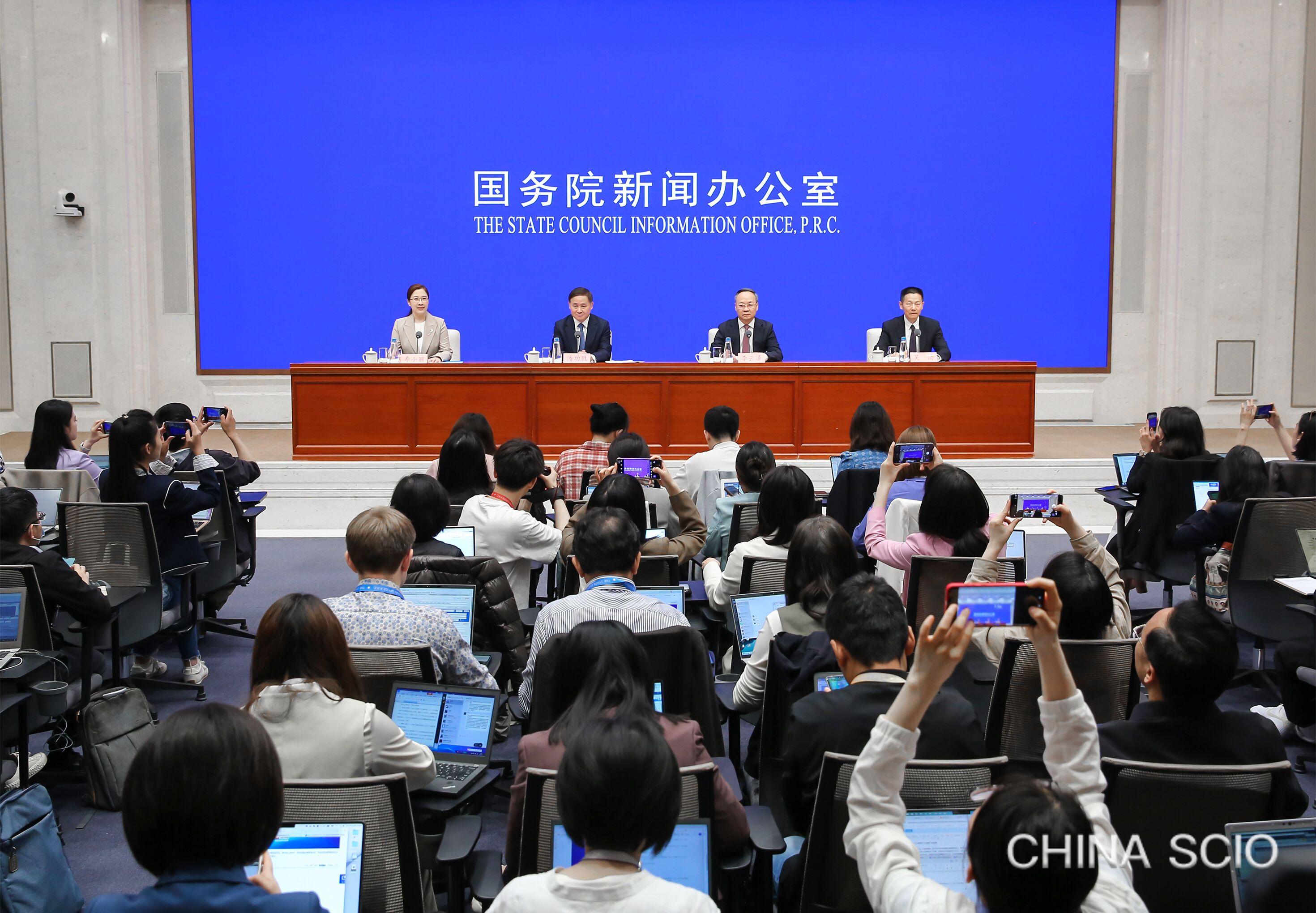
/5 Group photo
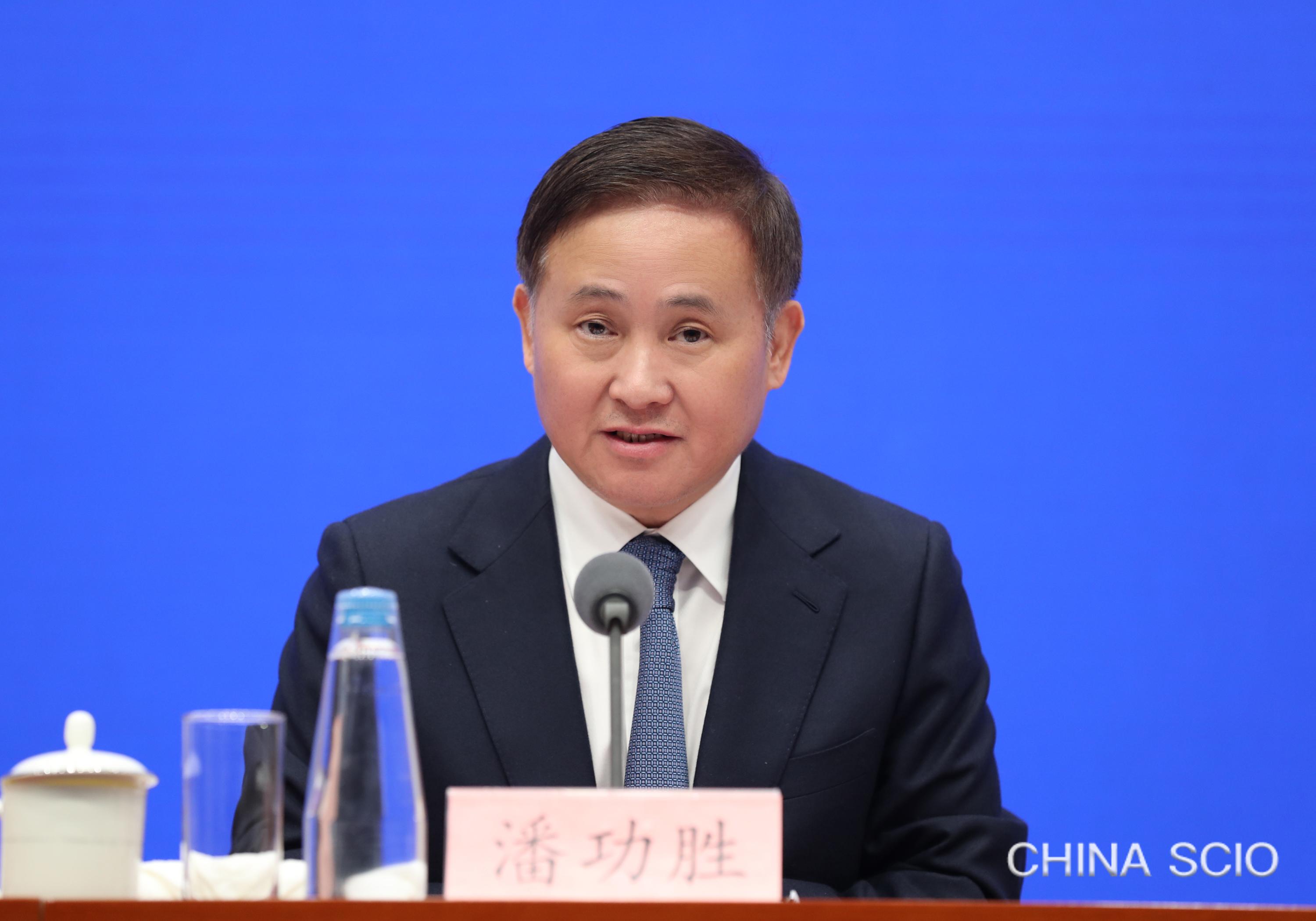
/5 Pan Gongsheng
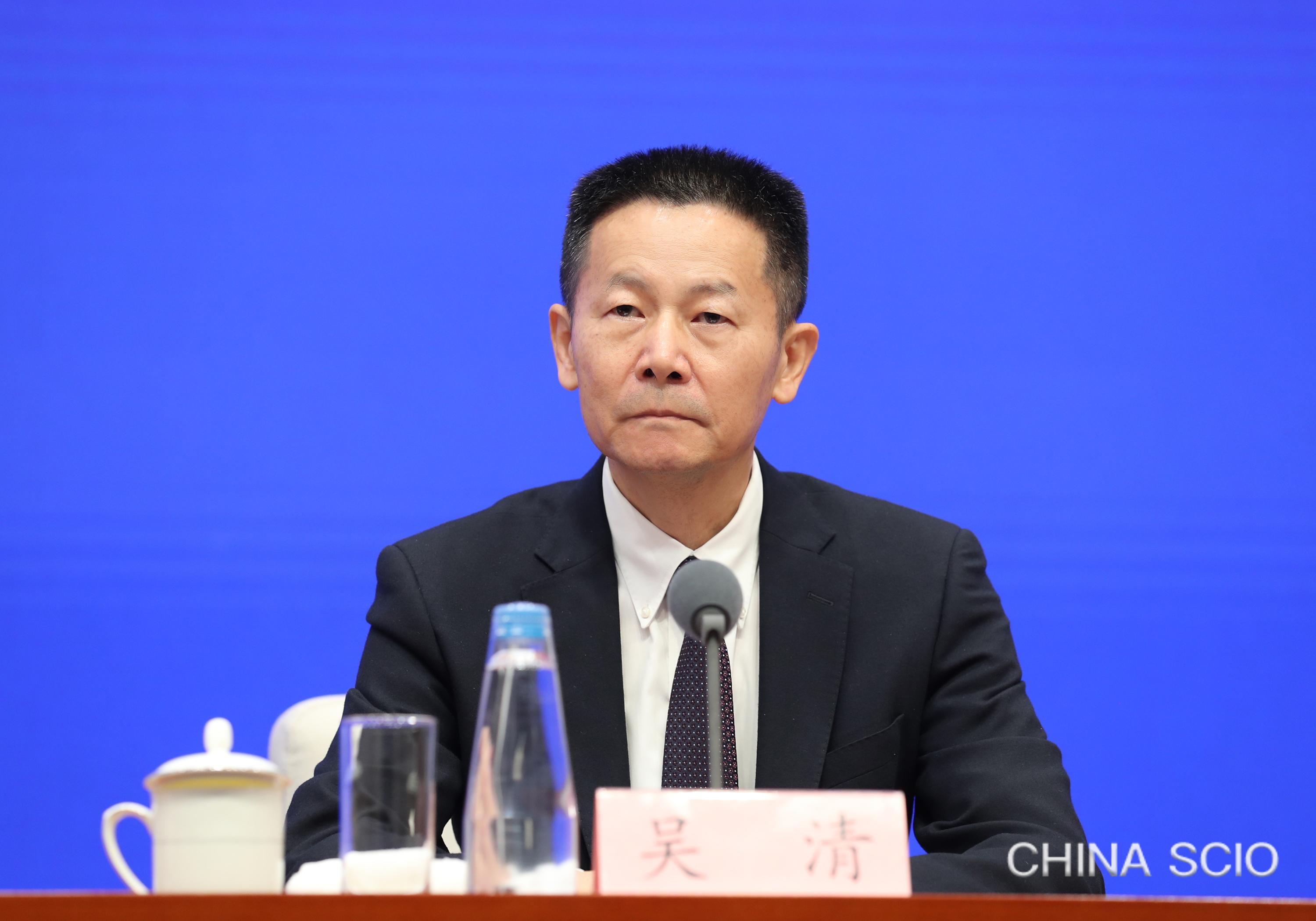
/5 Wu Qing
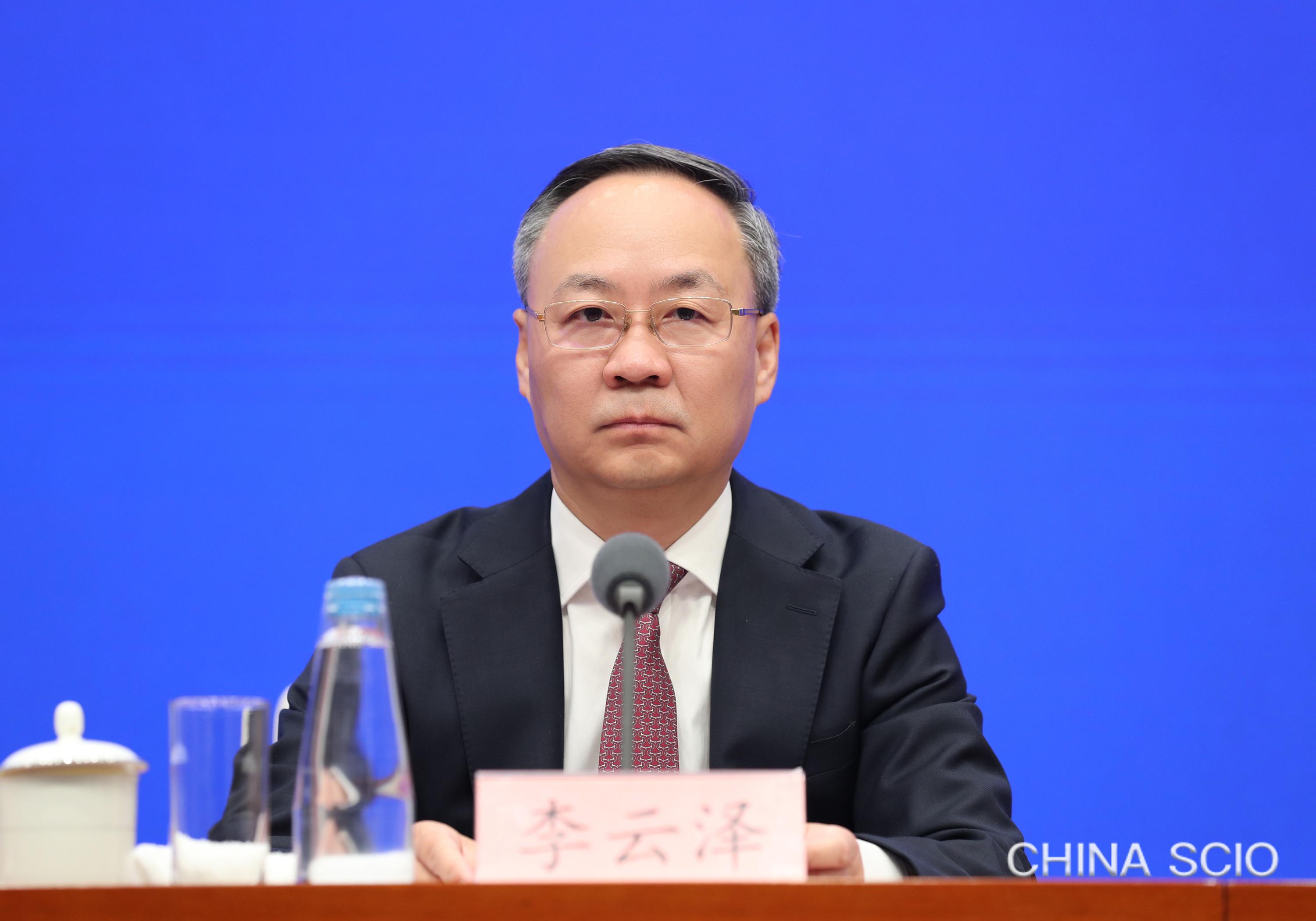
/5 Li Yunze
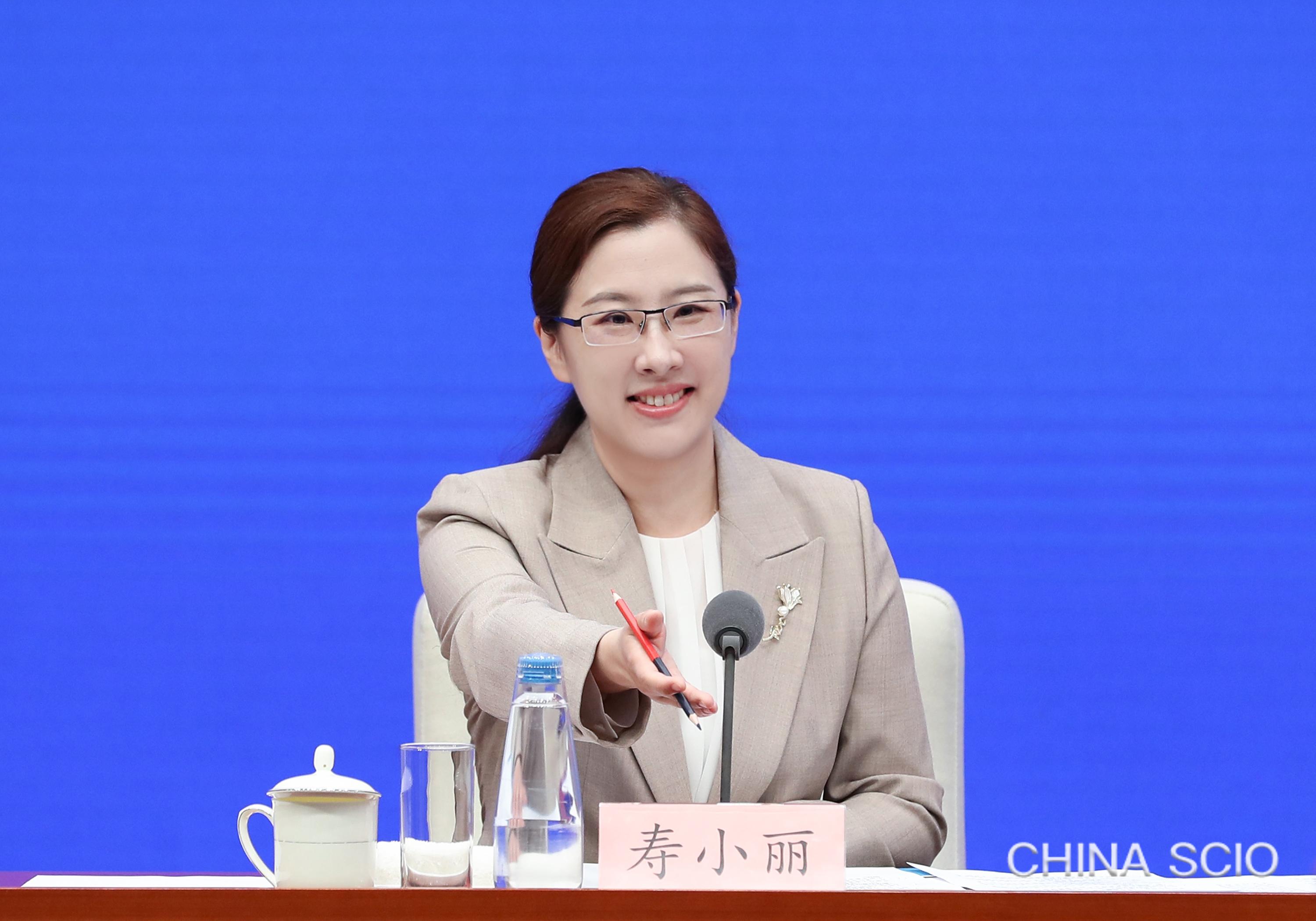
/5 Shou Xiaoli
SCIO briefing on preparations for The World Games 2025 Chengdu
April 29, 2025SCIO briefing on optimizing departure tax refund policy to boost inbound consumption
April 27, 2025SCIO briefing about Annual Report on China's Combating of IPR Infringement and Counterfeiting (2024)
April 25, 2025