
SCIO briefing on development of industry and information technology in the first quarter of 2025
Beijing | 10 a.m. April 18, 2025
Speakers

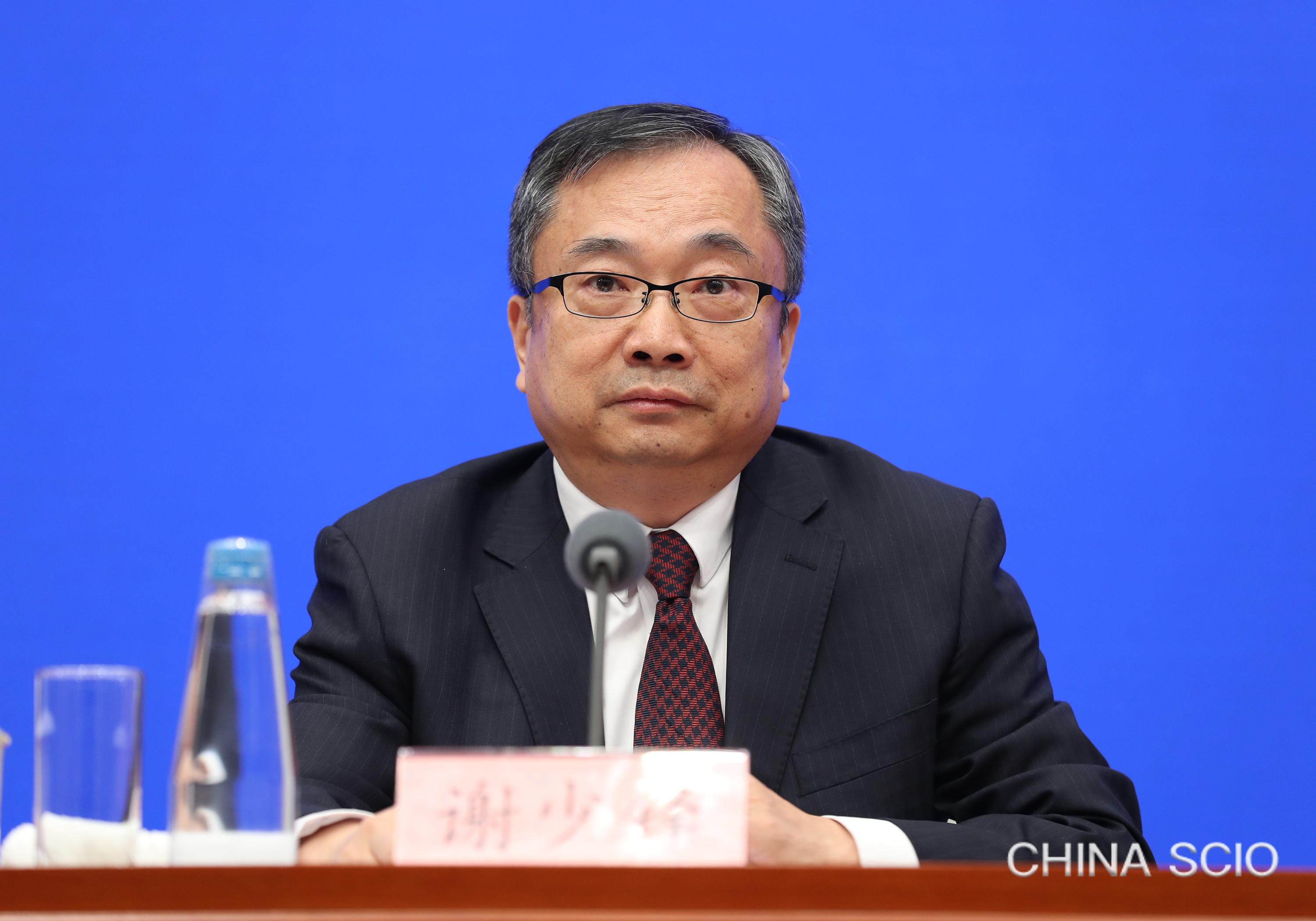
Xie Shaofeng, chief engineer of the Ministry of Industry and Information Technology (MIIT)
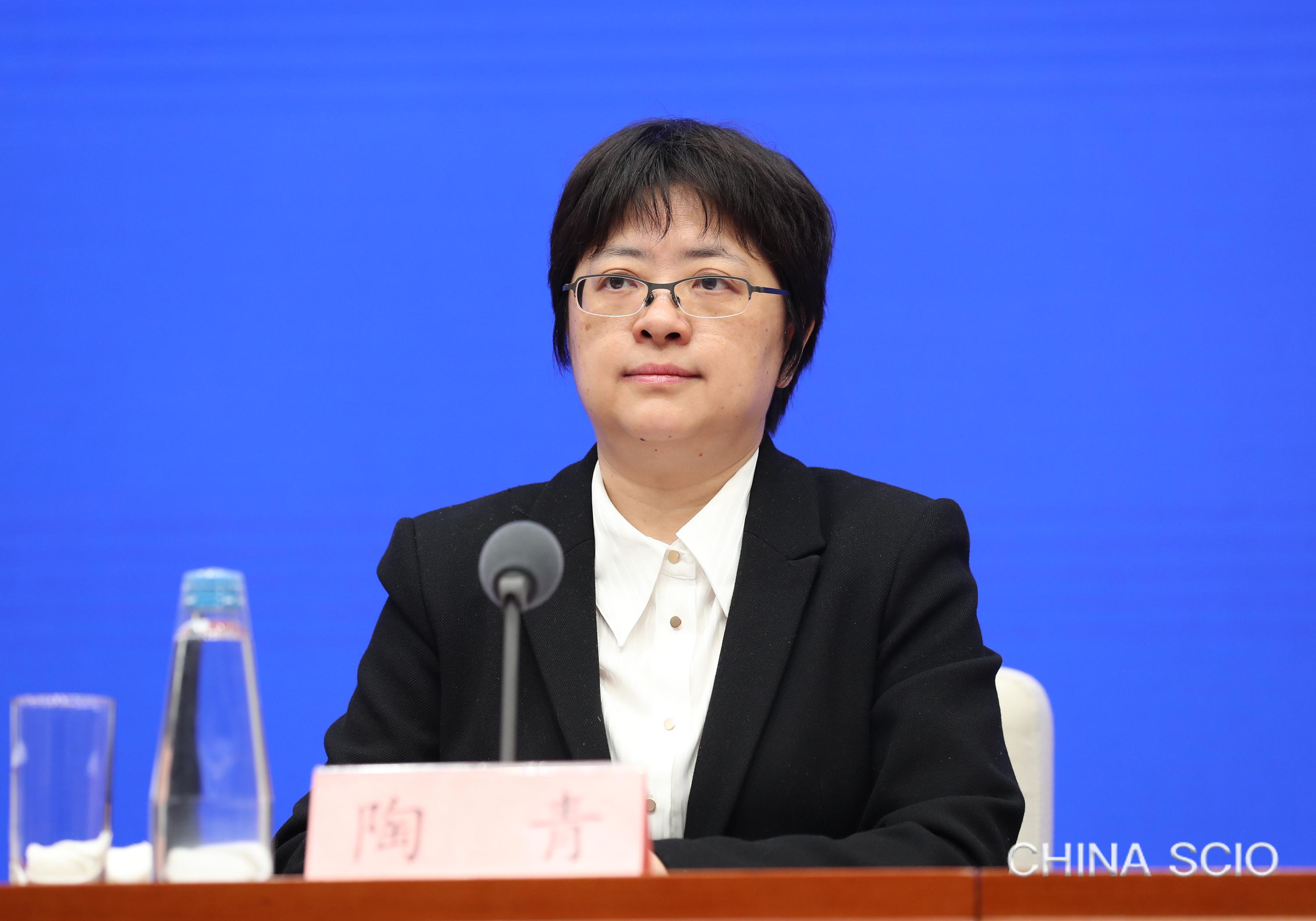
Tao Qing, spokesperson of the MIIT and director general of the Bureau of Operation Monitoring and Coordination of the MIIT
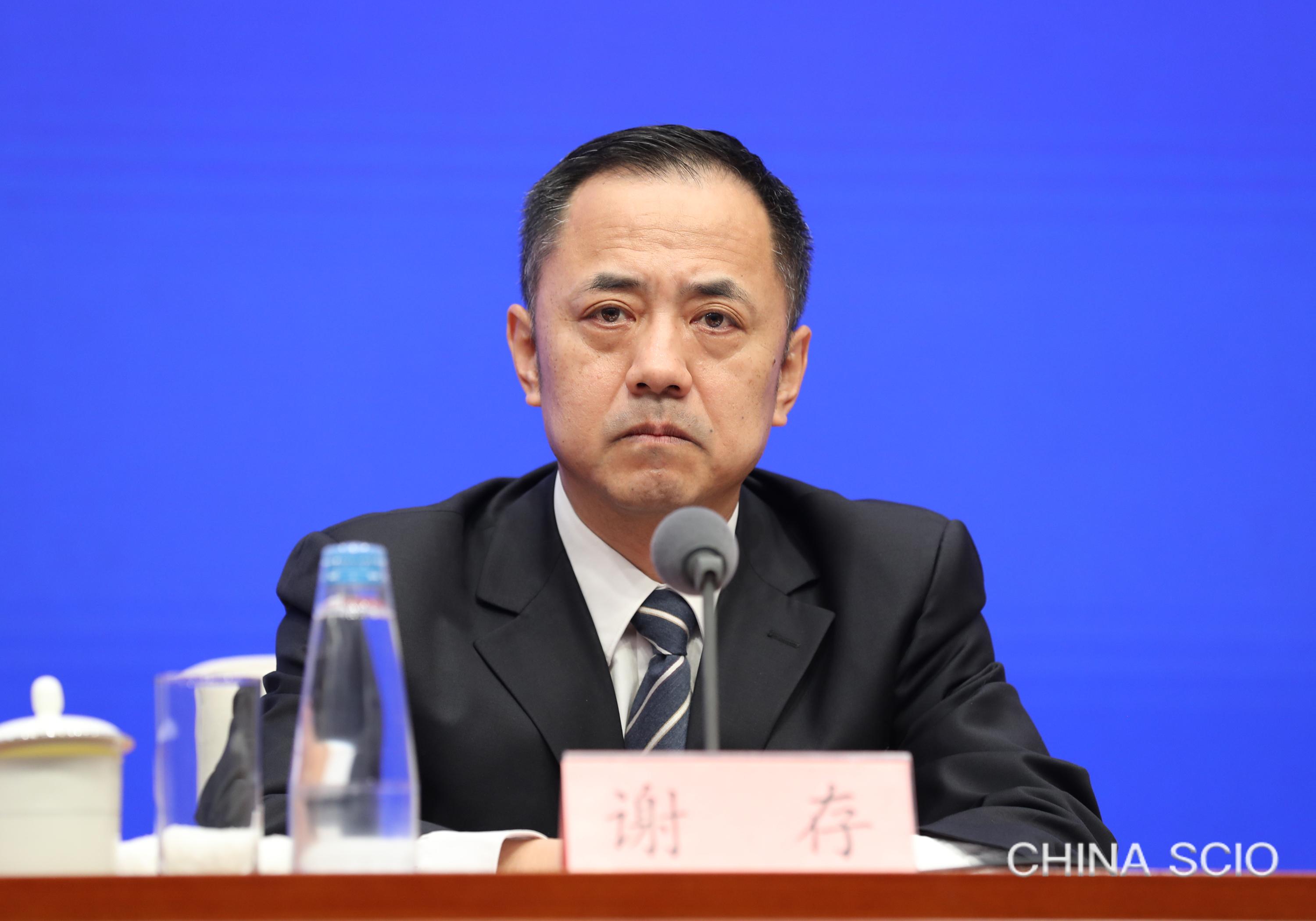
Xie Cun, director general of the Information and Communications Development Department of the MIIT
Chairperson
Speakers:
Mr. Xie Shaofeng, chief engineer of the Ministry of Industry and Information Technology (MIIT)
Mr. Xie Cun, director general of the Information and Communications Development Department of the MIIT
Ms. Tao Qing, spokesperson of the MIIT and director general of the Bureau of Operation Monitoring and Coordination of the MIIT
Chairperson:
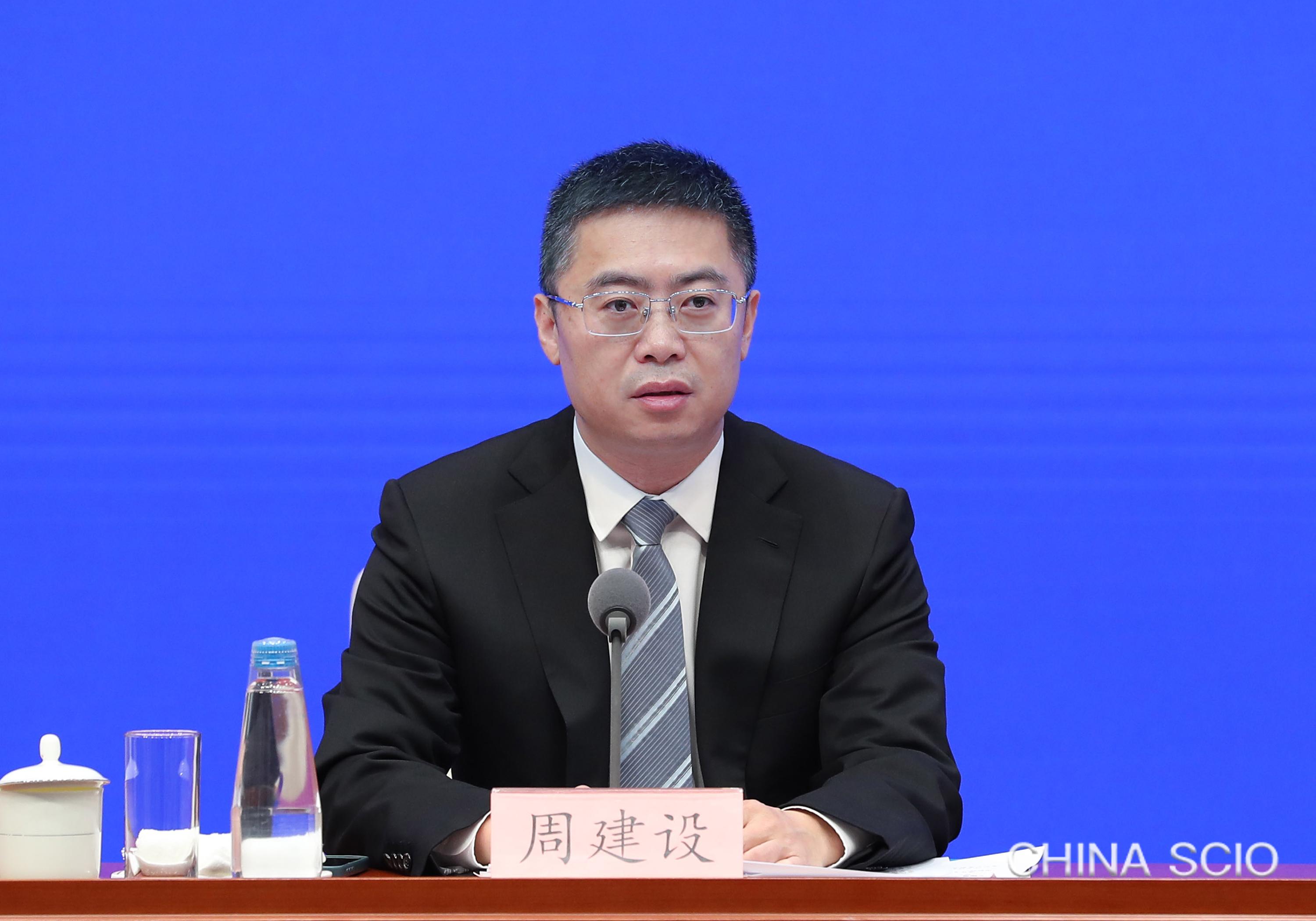
Mr. Zhou Jianshe, deputy director general of the Press Bureau of the State Council Information Office (SCIO) and spokesperson of the SCIO
Date:
April 18, 2025
Zhou Jianshe:
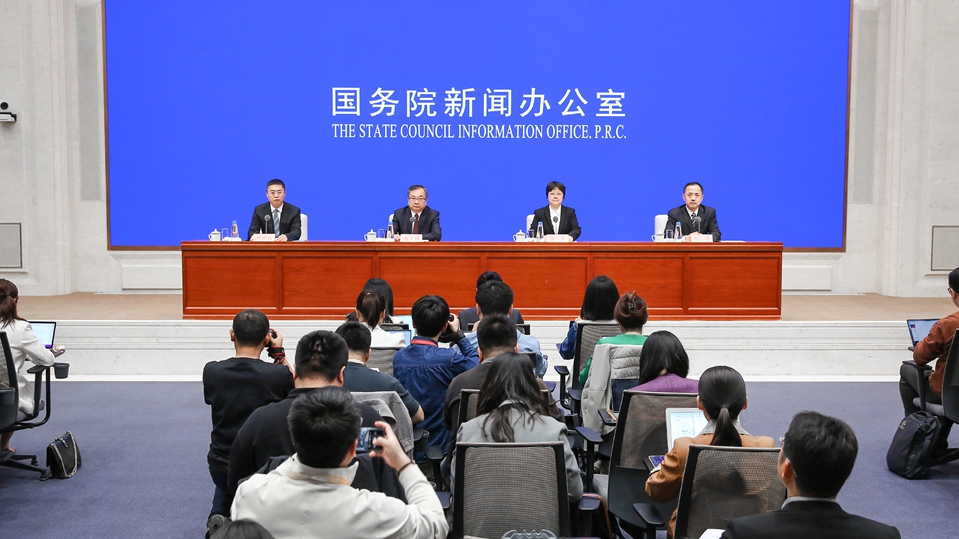
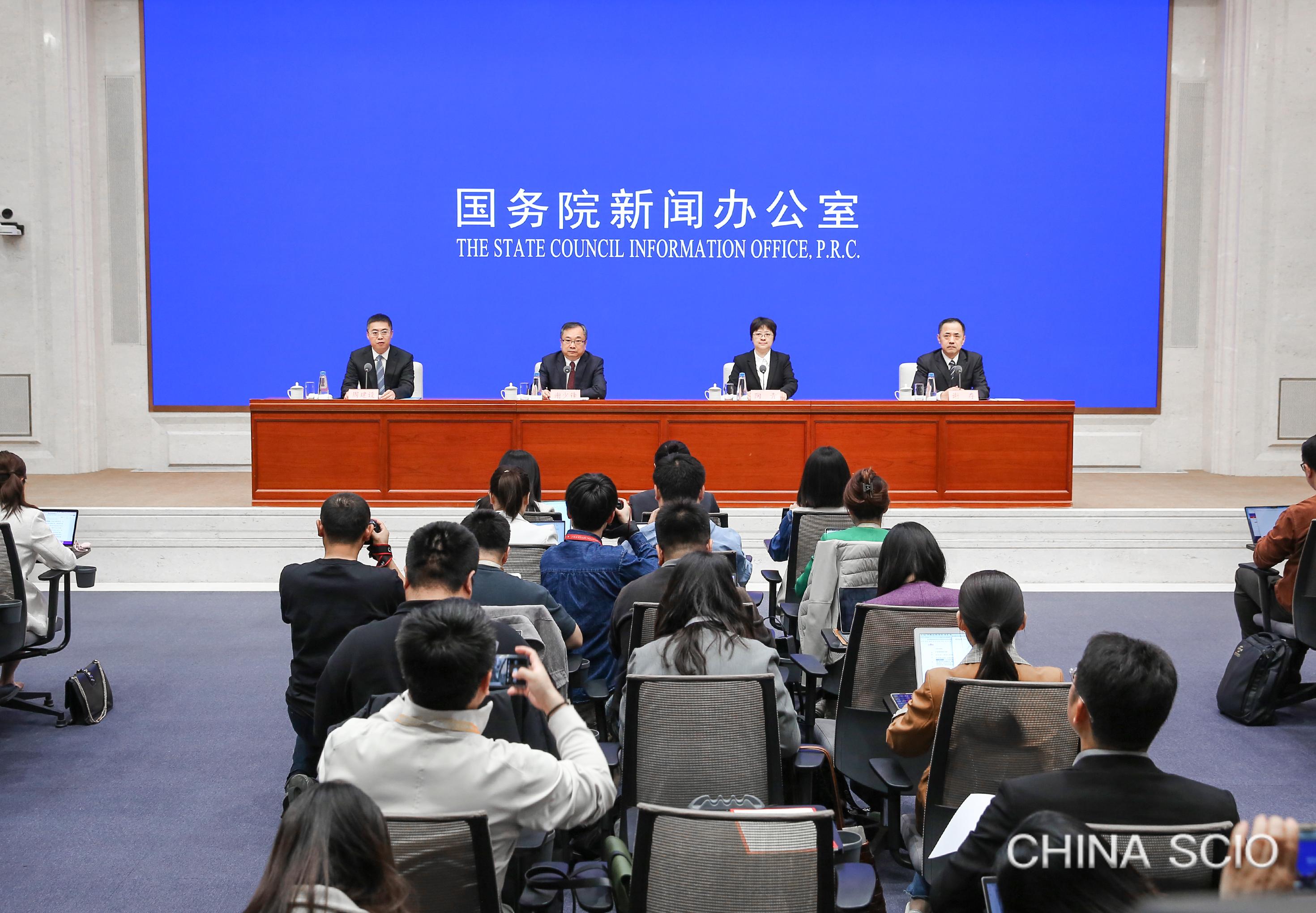
Ladies and gentlemen, good morning. Welcome to this press conference held by the State Council Information Office (SCIO). Today's conference is a routine release of economic data. We have invited Mr. Xie Shaofeng, chief engineer of the Ministry of Industry and Information Technology (MIIT), to brief you on China's development of industry and information technology in the first quarter of 2025 and take your questions. Also joining us today are Ms. Tao Qing, spokesperson of the MIIT and director general of the Bureau of Operation Monitoring and Coordination of the MIIT; and Mr. Xie Cun, director general of the Information and Communications Development Department of the MIIT.
Now, I'll give the floor to Mr. Xie for his introduction.
Xie Shaofeng:
Ladies and gentlemen, good morning. First, I would like to thank you for your continued interest in and support for the development of the industry and information technology sector.
Since the beginning of this year, faced with a more severe and complex external environment, under the strong leadership of the Central Committee of the Communist Party of China (CPC) with Comrade Xi Jinping at its core, the MIIT has thoroughly implemented the guiding principles of the Central Economic Work Conference and the deployments of the Government Work Report. Focusing on the primary task of high-quality development and the key task of new industrialization, we have adhered to the principle of seeking progress while maintaining stability, and promoting stability through progress, actively working with various regions and departments to take the initiative and make proactive efforts. The development of industry and information technology has maintained sound momentum and the economy has continued its steady improvement. The industrial structure has continued to be optimized, and new quality productive forces have been fostered at a faster pace. The first quarter got off to a good start, laying a solid foundation for achieving this year's economic goals.
First, the national economy has witnessed sound momentum. We have promoted the accelerated implementation of existing policies and incremental policies. The added value of industries above designated size increased by 6.5% year on year in the first quarter, 0.8 percentage point faster than in the fourth quarter of last year. The equipment manufacturing industry saw good development, with sectors such as electronics, automobiles and electrical machinery providing notable momentum. In the first two months, the software and information technology service industry generated nearly 1.9 trillion yuan in revenue. In the first quarter, industry contributed 36.3% to overall economic growth, continuing to play its role as a stabilizer. Industrial private investment maintained double-digit growth, while business expectations improved, corporate profitability increased, and the number of industrial enterprises above designated size continued to rise. The manufacturing purchasing managers' index (PMI) expanded for two consecutive months.
Second, development quality has continued to improve. We have accelerated the deep integration of technological innovation and industrial innovation, and fostered new quality productive forces. We have promoted the high-end, intelligent and green development of industry, and continuously enhanced the endogenous momentum of industrial transformation and upgrading. Breakthroughs have been made in landmark products such as humanoid robots, drones, X-ray fluorescence spectrometers, artificial intelligence (AI) agents, and cell and gene therapy drugs. The technology transaction market has remained vibrant. A total of 168,000 technology contracts were registered nationwide, with a transaction volume of over 1.2 trillion yuan, up 10.8% year on year. AI technology has developed rapidly, with the large-scale deployment of autonomous AI models in key industrial fields accelerating. Innovative products such as "AI+" have achieved faster breakthroughs. New intelligent terminal products such as AI-powered cellphones, computers and televisions are entering people's daily lives. We have improved quality and efficiency in fostering smart factories in tiers. More than 30,000 basic-level, 1,200 advanced-level and 230 excellence-level smart factories have been established nationwide, covering over 80% of major manufacturing sectors. The excellence-level intelligent factories have shortened the R&D cycle of products by 28.4% on average, and increased production efficiency by an average of 22.3%. Industry has achieved remarkable results in green and low-carbon transformation, with advances steadily made in energy-saving and carbon-reduction renovations in key industries. We have boosted the promotion and application of advanced green and low-carbon technologies and equipment, and continuously expanded application scenarios for new energy storage such as hydrogen energy. Energy consumption per unit of industrial added value in key industries above designated size continued to reduce.
Third, the digital industry has reached a new level. Digital technologies represented by 5G and large AI models have developed rapidly, with the digital industry achieving year-on-year business revenue growth of 8.2% in the first two months of this year. Network infrastructure capacity has continued to improve. As of the end of March, a total of 4.395 million 5G base stations had been built and put into operation, while the number of 10G passive optical network (PON) ports capable of providing gigabit network services reached 29.25 million. The 5G penetration rate reached 75.9%, and gigabit broadband users totaled 218 million.
Currently, the external environment has become increasingly complex, severe and uncertain. The global trade system and rules have been severely undermined, posing significant uncertainties for global economic and trade development and the stability of industrial and supply chains, while also impacting China's industrial development. However, we have the confidence and the strength to overcome the current difficulties. Our country has a complete industrial system, super-sized markets and well-developed information infrastructure. The industrial economy is resilient, full of potential and vibrant. The fundamentals of high-quality and stable economic development will remain unchanged, providing certainty to global industrial and supply chains.
Going forward, we will focus on managing our own affairs well, promoting reform through greater openness, and fostering win-win outcomes through cooperation. We will work to build a modern industrial system, promote the optimization and upgrading of traditional industries, nurture and expand emerging industries, and make forward-looking plans for future industries. We will promote the deep integration of technological and industrial innovation and accelerate the development of new quality productive forces. We will improve the tiered cultivation system for enterprises, raising the standards in nurturing the specialized and sophisticated "little giant" firms that produce novel and unique products, and gazelle companies, while providing quality services to support the development of small- and medium-sized enterprises (SMEs). We will ensure high-quality supply, advance the development of a unified national market, foster a world-class business environment that is market-oriented, law-based and internationalized, and maintain the momentum of stable and positive development of the industrial economy.
That concludes my introduction. Next, my colleagues and I will be happy to take your questions. Thank you.
Zhou Jianshe:
The floor is now open for questions. Please identify the news outlet you represent before asking your question.
_ueditor_page_break_tag_CMG:
The spokesperson mentioned that the industrial economy had a stable start in the first quarter. How do you assess the current performance of the industrial economy? And what other highlights deserve attention? Thank you.
Xie Shaofeng:
Thank you for your questions. I'll answer these. Just now, I mentioned that the industrial economy achieved a good start overall in the first quarter, serving as a solid ballast for stabilizing the macroeconomy. Overall, three main characteristics can be observed: steady progress in major indicators, quality improvement in key industries, and steady progress in major provinces and cities.
First, major indicators have shown steady progress. In the first quarter, the added value of industrial enterprises above designated size increased by 6.5% year-on-year. The share of equipment manufacturing industry and high-tech manufacturing industry in industrial enterprises above designated size increased by 1.9 and 0.5 percentage points year on year, respectively, and the industrial structure continued to be optimized. Exports of industrial products remained resilient, rising by 6.9% year on year, with exports of electromechanical products up 8.7%. The transformation and development of enterprises accelerated, with investment in technological upgrades in industries such as food, chemicals and non-ferrous metals achieving double-digit growth. The number of business entities continued to grow. As of the end of February, the number of industrial enterprises above designated size increased by 7,000 compared with the end of last year.
Second, key industries have maintaining stability while improving quality. The equipment manufacturing industry was a key driver, with the added value increasing by 10.9% year on year in the first quarter, contributing 3.5 percentage points to overall industrial production growth. With the implementation of major national strategies and the enhancement of security capacity in key areas and the support policies on large-scale equipment upgrades and consumer goods trade-in programs, the added value of industries such as electronics, automobiles and electrical machinery and equipment achieved growth of more than 10%. The performance of the raw materials manufacturing industry significantly improved, with profits rising 15.3% year on year in the first two months, while profits in the non-ferrous metal industry increased by more than 20%. The added value of the consumer goods manufacturing industry grew steadily. Driven by the holiday season and strong market demand, production in the agricultural and sideline products, textiles and other industries accelerated, with the growth rate of the chemical fiber weaving, dyeing and finishing industries exceeding 10%.
Third, major provinces and cities have improved steadily. Regions took early action, with many holding their "First Meeting of the New Year" and stepping up efforts to strengthen policy support, promote project implementation, facilitate supply and demand connections, and enhance enterprise services. Key regions played a prominent role, fully assuming a leading position. The industrial added value above designated size in 31 provinces recorded positive growth, with many major industrial provinces such as Zhejiang, Fujian, Jiangsu and Shandong seeing growth rates above 8%. Profits of industrial enterprises above designated size in major industrial provinces such as Hubei and Henan achieved double-digit growth. Industrial growth in major industrial cities such as Yantai and Dalian also reached double digits.
At present, China's industrial economy maintains a positive development trend, and we have the capability, confidence, and determination to address various complex situations. Moving ahead, we will thoroughly implement the guiding principles of the Central Economic Work Conference, and fully execute the tasks outlined in the government work report. We will focus on expanding demand, cultivating momentum, stabilizing expectations, preventing risks, and stimulating vitality to continuously improve the quality and efficiency of industrial economic operations and consolidate the positive recovery trend. Thank you.
_ueditor_page_break_tag_China Electronics News:
In recent years, the CPC Central Committee has attached great importance to developing new quality productive forces. As important components of new quality productive forces, how do you view the development of the electronic information manufacturing industry and the software and information technology services industry in the first quarter of this year? What were the highlights? Thank you.
Xie Shaofeng:
Thank you for your questions. I would like to invite my colleague, Mr. Xie Cun, to answer your questions.
Xie Cun:
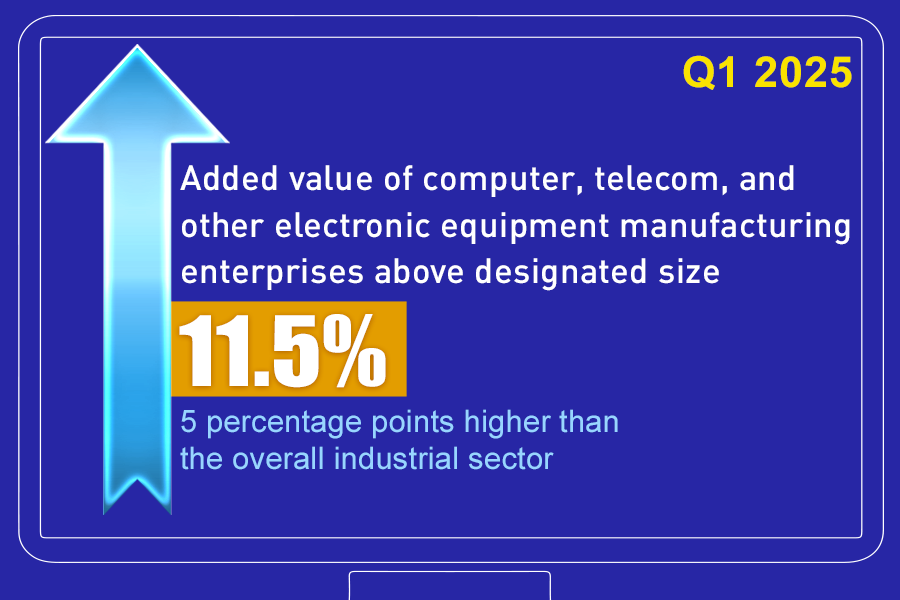
Thank you for your questions. In the first quarter of 2025, the value-added output of computer, communication, and other electronic equipment manufacturing enterprises above designated size increased 11.5% year on year, 5 percentage points higher than the overall industrial value-added growth rate for the same period. In the first two months, the software and information technology services industry achieved revenue of 1.8965 trillion yuan, up 9.9% year on year and maintaining steady growth. Total profit for the software industry reached 232.8 billion yuan, a year-on-year increase of 10.7%.
In terms of electronic product consumption, the policy benefits from expanding new purchase subsidies have continued to be realized, effectively stimulating consumer demand. Driven by subsidy policies and AI devices, Chinese consumers' enthusiasm for electronic products has risen, accelerating production and sales of electronic equipment. In the first quarter, computer production reached 85.322 million units, up 9.6% year on year. Television shipments totaled 8.84 million units, up 4.7% year on year, marking positive growth for two consecutive quarters. From January to February, 5G mobile phone shipments reached 41.619 million units, up 7.6% year on year, with domestic brand phones particularly popular among consumers, accounting for 85% of shipments. The surge in finished product sales also drove modest growth in upstream electronic component production. In the first quarter, integrated circuit and optoelectronic device output increased 6% and 3.5% year on year, respectively.
In terms of industrial project construction, coordinated policies have driven progress, and investment enthusiasm has risen remarkably. Chinese regions have taken advantage of policies supporting implementation of major national strategies and security capacity building in key areas, as well as large-scale equipment renewal and consumer goods trade-in programs, to push forward with project development. Multiple integrated circuit and new display projects in Shanghai, Guangdong, and other regions have been making steady progress. In the first quarter, fixed-asset investment in computer, communication, and other electronic equipment manufacturing enterprises above designated size grew 10.5% year on year, 6.3 percentage points higher than the national fixed-asset investment growth rate.
In terms of software ecosystem development, open source potential has continued to emerge, showing initial success in empowering a wide range of industries. More than 10 provinces and municipalities across the country have introduced innovative open source support measures, fully utilizing existing policy tools, and actively supporting open source project incubation and commercialization through technological upgrades and innovative product promotion. The OpenHarmony ecosystem has continued to expand, with over 70 community partners and specialized versions including MineHarmony OS, Power HarmonyOS, Yi Hong AOS, and Police HarmonyOS successively launched. With more than 1 billion equipped devices, it has accelerated the development of digital foundation for the Internet of Everything in various fields such as energy, finance, health care, education and industry. Cumulative installations of the openEuler system have exceeded 10 million. Chinese open source models represented by DeepSeek have gained international recognition by adopting a more open approach that fully open-sources advanced models, parameter weights, inference logic, and tool chains. This transforms developers from technical "consumers" into "co-creators," significantly advancing technological equality and opening new opportunities for AI commercialization.
Going forward, we will maintain technology-driven and application-led approaches while continuing to strengthen high-quality electronic information software and hardware supply. We will accelerate the development and release of new action plans for steady growth in the electronic information manufacturing industry and persistently advance software and hardware technology breakthroughs. We will also strengthen promotion of exemplary consumer electronics applications and successful pilot demonstrations, encourage more apps to join the HarmonyOS app store to meet people's diverse needs, and continuously improve user experience. We encourage all parties to embrace open source more fully by contributing to and utilizing these technologies to accelerate the creation of a mutually beneficial software ecosystem that is built and shared by all. Thank you.
_ueditor_page_break_tag_Dazhong Daily:
Since the beginning of this year, large AI models represented by DeepSeek have sparked widespread discussion. How do you evaluate the current development situation of China's AI industry? What progress has the MIIT made in promoting AI's role in facilitating new industrialization? Thank you.
Xie Shaofeng:
Thanks for your questions. As you mentioned, recently domestic large models like DeepSeek have become very popular, sparking enthusiasm for applications and innovation across society, which also reflects the rapid breakthroughs in AI technology. The manufacturing industry is an important field for the application of AI technology products. In recent years, the integrated development of AI and the manufacturing industry has accelerated, with outstanding results and numerous highlights, mainly characterized by the following aspects.
First, the industrial foundation is continuously being consolidated. China has formed a complete industrial system covering the basic layer, framework layer, model layer, and application layer. The scale of computing power ranks among the top in the world, high-quality industry datasets for steel, coal, and other sectors have been established, a batch of highly competitive general large models and industrial large models have been cultivated, and domestic large models have topped the download charts of major global open-source communities, creating the "China speed."
Second, product and equipment iteration is accelerating. Domestic manufacturers have developed over a hundred intelligent products such as AI phones, AI computers, and AI glasses, achieving an upgrade in intelligence. Mainstream humanoid robot products are now capable of "standing steadily, walking stably, and running fast," and are accelerating the transition from "moving on stage" to "being used in factories." They can perform acrobatics, dance, as well as carry heavy objects and tighten screws, accelerating their application in manufacturing scenarios, such as assisting in automotive production line operations and supporting intelligent sorting and handling.
Third, application empowerment is steadily advancing. Large models are accelerating their application in industries such as electronics, raw materials, and consumer goods, as well as in research and development, pilot testing, production, and operation management. During our local research on typical cases, we discovered that a flat panel display company in Beijing used large models to generate production schedules with a single click, cutting scheduling time by 75%. An electronic equipment manufacturing company in Shenyang used large models to promote the automation of industrial design, increasing production efficiency by 40%. We are continuously carrying out "deep empowerment" activities, creating online and offline platforms, promoting precise docking between supply and demand enterprises, and guiding the intelligent transformation of the industry.
Fourth, the industrial ecosystem continues to be optimized. We are promoting the construction of 11 national pilot zones for AI innovation and application through collaboration between central ministries and provincial governments. We have established manufacturing innovation centers for embodied intelligent robots and humanoid robots, with joint efforts from central and local levels, promoting the clustered development of the industry. To promote the integration of industry and finance, we jointly established a national AI fund of 60 billion yuan with the Ministry of Finance to accelerate the layout of investment projects. We provided stronger guidance on standards by issuing the "Guidelines for the Construction of a Comprehensive Standardization System for the National Artificial Intelligence Industry", and formulated more than 40 key industrial standards and more than 10 international standards. We are focused on cultivating market entities, and have cumulatively cultivated more than 400 national-level "little giant" AI enterprises which use specialized and sophisticated technologies to produce novel and unique products.
This year's government work report proposes to continue to promote the "AI Plus" initiative, better combine digital technology with manufacturing advantages and market advantages, and support large-scale and widespread application. Next, we will fully promote AI to empower new industrialization. On one hand, we will focus on supply. We will organize open competitions to select top candidates to lead AI research projects that empower new industrialization. We will optimize the research and development frameworks for both general large models and industry-specific large models, accelerate the creation of high-quality industrial datasets, strengthen the foundation, and promote intelligent industrialization. On the other hand, we will focus on application. We will drive the intelligent upgrading of manufacturing processes, key industries, and major products, while speeding up the industrialization and commercialization of the next generation of super-intelligent terminals. We will continue the "deep empowerment" activities and carry out the collection of typical cases, selecting the "top 10 industries, top 100 scenarios, and top 1,000 benchmarks", and promote industrial intelligence. At the same time, we need to build an ecosystem, guiding patient capital to increase support, and accelerate the cultivation of a number of leading enterprises and small and medium-sized enterprises (SMEs) that use specialized and sophisticated technologies to produce novel and unique products. We will build an open-source community for AI, leverage the role of the technical committee for AI standardization, accelerate the development of urgently needed key standards, and strengthen talent introduction and cultivation, ethical governance, and international cooperation, continuously fostering a good industrial ecosystem. Thank you.
_ueditor_page_break_tag_People's Daily Online:
We have noticed that recently, the MIIT released the first batch of China's top consumer brands. What positive role has this played in strengthening the supply of high-quality consumer goods and meeting consumer demands? In this regard, the government work report clearly proposed to vigorously boost consumption and comprehensively expand domestic demand. What are the next steps the MIIT is considering in terms of boosting consumption? Thank you.
Xie Shaofeng:
Thank you for your questions. I would like to invite Ms. Tao to answer them.
Tao Qing:
Thank you for your questions. The consumer goods industry accounts for more than one-quarter of total industrial output, serving as an important support for stable industrial operations. In the first quarter, value-added output of consumer goods enterprises above designated size increased 5.2% year on year, up 0.7 percentage point compared to the whole of last year. From January to February, the profit margin of consumer goods enterprises above designated size rose 0.1 percentage point compared to the whole of last year, with the industry's overall development trend remaining stable with positive momentum.
Recently, the General Office of the CPC Central Committee and the General Office of the State Council issued the Special Action Plan for Boosting Consumption, which clearly proposes building a matrix of renowned Chinese consumer brands. This represents an important measure to increase high-quality supply and enhance consumption quality. The MIIT has been actively implementing this plan and recently released its first batch of renowned Chinese consumer brands, including 93 corporate brands and 43 regional brands. The corporate brand selection focuses on technological innovation and market orientation, with value assessed from multiple dimensions, including product innovation, market competitiveness, brand influence, and cultural empowerment capabilities. The selection includes 11 century-spanning heritage brands, 75 internationally leading contemporary brands, and seven trendy new consumer brands, providing authoritative guidance for consumers in selecting quality products. The regional brand selection focuses on local specialty industries, with brands distributed across 25 provinces nationwide. For example, according to personal preference, you can add a bit of Zhenjiang vinegar to Lanzhou beef noodles, pair it with a cup of Yihong Gongfu tea or Ningxia goji berry water, and enjoy the premium experience that quality brand products deliver.
Looking ahead, the MIIT will resolutely implement the CPC Central Committee and the State Council's decisions and arrangements for boosting consumption, strengthen interdepartmental coordination, accelerate industrial transformation and upgrading, and better meet the public's multi-level and diversified consumption needs. We will also focus on upgrades across three areas. First, we will promote industrial upgrading on the supply side by releasing and implementing digital transformation plans for key industries, continuously advancing key projects for equipment renewal and technological transformation in key areas, and systematically carrying out the construction of Chinese consumer brand lineups. We will also organize consumer brand conferences to lead and create consumer demand through quality supply. Second, we will promote quality improvement on the consumption side by intensifying the expansion of consumer goods trade-in programs, continuously releasing and upgrading guides for innovative consumer goods, and recommending model cases of "AI + consumption." We will also actively create new consumption models and scenarios to effectively promote consumer market quality and expansion. Third, we will create a sound environment for boosting consumption by organizing promotional activities such as the "National Tour of Popular Consumer Brands," textile and apparel campaigns like "Better Supply, Better Upgrade," and food-themed events like "Foodie Season." In coordination with relevant departments, we will strengthen product quality supervision to create a sound consumer market environment, enhance public trust, recognition, and satisfaction, and lay a solid foundation for promoting steady economic recovery. Thank you.
_ueditor_page_break_tag_Cover News:
How did the information and communications industry perform in the first quarter? Can you detail what progress has been made? What are the key priorities for accelerating the industry's development moving forward? Thank you.
Xie Shaofeng:
Thank you for your questions. Mr. Xie Cun will answer your questions.
Xie Cun:
Thank you for your questions. Since the beginning of this year, the MIIT has adhered to the general working principle of seeking progress while maintaining stability and has promoted the steady and orderly development of the information and communications industry. In the first quarter, total telecommunications business volume increased 7.7% year on year, with cumulative business revenue reaching 446.9 billion yuan, establishing a solid foundation for the full year's work. This is mainly reflected in the following four aspects.
Network infrastructure continues to be strengthened. A total of 4.395 million 5G base stations have been built, achieving 5G coverage for every township, with 5G connectivity reaching 90% of administrative villages. Building on the achievements of gigabit optical network coverage for every county, pilot projects for 10-gigabit optical networks have been launched, with trial deployments in 168 communities, factories and parks across 86 cities nationwide. Radio frequencies from 2G, 3G, and 4G systems have been refarmed for 5G, continuously improving 5G network capacity and signal coverage. The number of standard racks in operational computing power centers has exceeded 9 million.
Applications continue to drive significant benefits. Networks built well also need to be used well. We have continued to expand the popularization and application of 5G and other networks. In terms of individual users, 5G mobile subscribers have reached 1.068 billion and gigabit broadband users now total 218 million. In the industrial field, China has launched more than 18,500 "5G plus Industrial Internet" construction projects nationwide and selected 700 high-level 5G factories. 5G applications have been integrated into 80 of the 97 major categories of the national economy, with total use cases exceeding 138,000. The technology has achieved large-scale deployment in mining, ports, and other sectors, effectively helping industrial enterprises improve quality, reduce costs and increase efficiency. In health care and education, 5G has achieved comprehensive coverage across all processes and scenarios, strongly supporting the efficient, convenient and balanced development of public services.
Industrial innovation continues to deepen. China holds more than 42% of 5G standard essential patent declarations worldwide, demonstrating world-leading technological and industrial capabilities. Given widespread interest in 6G R&D, we guided the establishment of the IMT-2030 (6G) Promotion Group to consolidate efforts in advancing 6G innovation. The group has released more than 50 research outcomes, including the "6G Overall Vision and Potential Key Technologies" white paper, and organized testing and verification of key 6G technologies, such as integrated sensing and communication and wireless AI, to accelerate technological development. At the same time, we have further strengthened international collaboration on 6G technology with the EU, South Korea, India, and other countries and regions.
We have continued to expand opening up. In the first quarter, China granted pilot licenses for value-added telecommunications services to 13 foreign-funded enterprises, encouraging foreign investment and deeper market engagement in China. As of the end of March, China had more than 2,400 foreign-invested telecoms companies, up 26.5% from the same period last year.
Going forward, the MIIT will thoroughly implement the government work report's directives, strengthen policy support and resource guarantees, and make greater efforts in terms of scope, depth and intensity to promote high-quality industry development. We will focus on expanding the scope of network construction and applications, continuously enhancing coverage of "dual gigabit" 5G and fiber networks, and systematically advancing computing infrastructure network development. We will thoroughly implement the upgraded "5G plus Industrial Internet" 512 project and the three-year industrial internet identifier integration action plan. We will conduct comprehensive assessments of key cities in the 5G "Setting Sail" action plan and continue promoting large-scale deployment across typical industries and key fields. China is actively developing innovative applications in emerging sectors such as marine industry and low-altitude equipment. We will focus on deepening the integration of scientific and technological innovation with industry by bringing together stakeholders from industry, academia, research institutes and application sectors. This includes accelerating 6G technology R&D, standards development, pilot testing and industrial deployment while strengthening breakthroughs in integrated technologies, including communications, sensing, AI and computing. We will also proactively establish and cultivate a 6G-oriented application ecosystem. We will focus on expanding the opening up of the telecoms industry by systematically advancing the first batch of value-added telecoms service pilot programs. We will study opportunities to further expand the scope of opening up at appropriate times, with the aim of attracting more qualified foreign-funded enterprises to invest and operate telecom services in China. Thank you.
_ueditor_page_break_tag_Hong Kong Bauhinia Magazine:
The changing external environment has created significant challenges for SMEs. How did SMEs in China perform in the first quarter of this year? What are the main initiatives the MIIT has undertaken to support SMEs? What measures will be taken next to better assist enterprise development? Thank you.
Xie Shaofeng:
Thank you for your questions. I will answer them. First, thank you for your interest in our work supporting SMEs. In the first quarter, SMEs maintained a generally stable economic performance with steady progress. The value added of industrial SMEs above designated size grew 8.2% year on year, with companies showing increased production enthusiasm and steady growth in operating profits. This demonstrates the resilience and vitality of SMEs, providing strong support for the industrial economy's stable start to the year. In implementing the decisions and plans of the CPC Central Committee and the State Council on SME development, we have focused on addressing the pain points and challenges facing SMEs through an approach we call "two optimizations and two promotions." These efforts strongly supported high-quality SME development.
"Two optimizations" refers to optimizing the business environment and optimizing services to support enterprises. In terms of the business environment, we addressed the issue of overdue payments to SMEs by promoting revisions to the Regulations on Ensuring Payment to Small- and Medium-Sized Enterprises. The revisions further clarify payment deadlines and strengthen penalties for violations. We have established a unified complaint platform for overdue SME payments and strengthened supervisory mechanisms, including written inquiries, official interviews and oversight notifications to effectively protect the legitimate rights and interests of SMEs. In terms of enterprise support services, we collaborated with 16 departments to launch the "Together for the Benefit of Enterprises" SME service initiative, introducing 73 specific support measures. We continued to enhance China's "one network" services for SMEs, including the newly launched "Model Search" section, to strengthen personalized and targeted services. To date, the service network has served 1.02 million enterprises and provided more than 54,000 free self-assessment services covering specialized and sophisticated enterprise classification, scale, type and other categories. We worked with 14 departments to issue the Guiding Opinions on Promoting Small- and Medium-Sized Enterprises to Enhance Compliance Awareness and Strengthen Compliance Management, enhancing SMEs' risk prevention and control capabilities. We have encouraged all regions to strengthen systematic support services for overseas expansion based on local conditions, helping SMEs explore international markets and access information channels.
Regarding the "Two Promotions," the first refers to the promotion of the development of enterprises that use specialized and sophisticated technologies to produce novel and unique products. This involves organizing specific profiling and comprehensive evaluation of more than 100,000 small- and medium-sized enterprises (SMEs) that use specialized and sophisticated technologies to produce novel and unique products to help them secure financing and increase their credit. At the same time, a quantitative evaluation has been conducted on the cultivation of SMEs that use specialized and sophisticated technologies to produce novel and unique products in 31 provinces, guiding local governments to enhance gradient cultivation and services. The second refers to the promotion of the development of industrial clusters. A total of 300 national-level characteristic industrial clusters of SMEs have been cultivated and recognized, and more than 1,100 provincial-level clusters have been cultivated nationwide. Last year, the 300 national-level clusters created an output value of 8.7 trillion yuan, with an average annual growth rate of 13% over the past three years, playing an important role in cultivating high-quality SMEs, driving county-level economic development, and accelerating the construction of a modern industrial system.
Next, we will work unswervingly both to consolidate and develop the public sector, and to encourage, support and guide development of the non-public sector. We will insist on giving equal emphasis to service and management, development and assistance, and continuously improve the legal policy system, public service system and gradient cultivation system of high-quality enterprises. We will carry out the campaign to consolidate foundations and enhance the quality of enterprises that use specialized and sophisticated technologies to produce novel and unique products, and strengthen services in areas such as digital transformation, talent introduction and cultivation, and investment and financing, to strongly support the high-quality development of SMEs. Thank you.
_ueditor_page_break_tag_China Securities Journal:
My questions are regarding the equipment manufacturing industry. Can you introduce the performance of China's equipment manufacturing industry in the first quarter? In which fields have there been new highlights and breakthroughs? Going forward, what measures will be taken to further support the high-quality development of the equipment manufacturing industry? Thank you.
Xie Shaofeng:
Thank you for your questions. I would like to invite Ms. Tao to answer your questions.
Tao Qing:
Thank you for your questions. In the first quarter of this year, driven by relevant policies such as special actions to boost consumption, and policies such as the expansion of the "two new" initiatives of equipment renewal and consumer goods trade-ins, the domestic demand potential of industries such as new energy vehicles and intelligent manufacturing equipment was further stimulated. China's equipment manufacturing industry sustained upward momentum of recovery and growth since last year, achieving a good start that can be characterized as "steady growth across industry as a whole, with highlights in various sub-sectors."
In terms of the overall industry, both production and sales are stable, with steady business expectations. On one hand, the production and sales of key products have been steadily increasing. In the first quarter, nearly 70% of key products in the equipment manufacturing industry achieved growth, with the proportion reaching 69.2%, an increase of 16.7 percentage points compared to the same period last year. The production and sales of bulk commodities such as automobiles have continued to improve, reaching 7.561 million and 7.47 million units respectively, with increases of 14.5% and 11.2% year on year. Among them, the production and sales of new energy vehicles reached 3.182 million and 3.075 million units respectively, with increases of 50.4% and 47.1% year on year. The production of industrial robots and service robots reached 149,000 sets and 2.604 million sets, up 26% and 20% year on year, respectively. In addition, investment in key industries has been steadily increasing. In the first quarter, the investment growth rate and private investment growth rate of three key industries, namely general equipment manufacturing, automobile manufacturing, and railway, ship, aerospace and other transportation equipment manufacturing, all reached about 20%, indicating that business expectations are very stable. At the same time, thanks to the expansion of the policies concerning equipment renewal and consumer goods trade-ins, the purchase investment of equipment and tools in the industrial field increased by 16.3% year on year, 7.2 percentage points higher than the growth rate for the whole of last year.
From the perspective of sub-sectors, the development of land, sea, air and electric equipment manufacturing has continued to improve, and the intelligent equipment industry has been developing rapidly. In the low-altitude equipment manufacturing industry, as of now, 716 companies have completed registration in the civil unmanned aerial vehicle product information system, with 2,327 registered products and more than 2.91 million units. The world's first four-seat electric aircraft has been awarded the type certificate by the Civil Aviation Administration of China. In the shipbuilding industry, key shipbuilding enterprises have been performing well and are basically operating at full capacity. The overall construction progress of the second domestically built large cruise ship, the Adora Flora City, has exceeded 65% and will soon undergo its first dock floating. In the power equipment manufacturing industry, from January to February, the total installed power generation capacity nationwide reached 3.4 billion kilowatts, up 14.5% year on year, of which the installed wind power capacity was 530 million kilowatts, up 17.6% year on year. The intelligently connected new energy vehicle industry has been developing rapidly, with the average driving range of vehicles approaching 500 kilometers. The fast-charging technology that charges a battery to 80% in 15 minutes has achieved mass production and deployment. The pilot program for market access and on-road operation of intelligently connected vehicles is progressing in an orderly manner. New-generation intelligent equipment such as intelligent robots has been continuously developing and growing. The application of mobile manipulator robots in manufacturing processes of sectors such as aerospace, semiconductors and pharmaceuticals has exceeded 1,000 units. Explosion-proof industrial robots have obtained domestic and international explosion-proof certifications and have achieved large-scale application in the manufacturing of rail transit equipment and automobiles.
Next, we will implement the decisions and plans of the CPC Central Committee and the State Council, and continue to promote the high-quality development of the equipment industry with the focus on stabilizing growth, addressing weaknesses and promoting transformation. In terms of stabilizing growth, we will focus on introducing new rounds of work plans for stabilizing growth in the three industries of machinery, automobiles and power equipment, promoting technological transformation and equipment renewal in key industries, and expanding effective demand in all aspects through coordinated efforts between both supply and demand sides. In terms of addressing weaknesses, we will thoroughly implement the campaigns of "Machine Tool Plus," and "Robots Plus," and further promote high-end medical equipment supply-demand matchmaking and application, continuously enhancing the resilience and security of industrial and supply chains in key areas. In terms of promoting transformation, we will focus on introducing implementation plans for the digital transformation of related industries, promoting the deep integration and application of new technologies such as AI with equipment products, continuously enhancing the supply and support capacity of high-quality equipment. Thank you.
_ueditor_page_break_tag_The Poster News APP:
The industrial internet has been included in the government work report for eight consecutive years. What is the current state of development of the industrial internet in China? What measures involving the industrial internet will be taken this year to empower the digital transformation of industries? Thank you.
Xie Shaofeng:
Thank you for your questions. I would like to invite Mr. Xie to answer your questions.
Xie Cun:
Thank you for your questions. The industrial internet is the product of the deep integration of new-generation information and communication technology with manufacturing. It is the key foundation for the deep integration of the real economy and the digital economy. The government work report has made strategic deployments on the development of the industrial internet for eight consecutive years. In recent years, we have worked with various departments, localities and industry sectors to thoroughly implement the industrial internet innovation and development project, and build an integrated system with five key functions of network, identification, platform, data and security. We have promoted the growth of the industrial internet from scratch, building its size, and the systematic development is now at the forefront globally.
Currently, the industrial internet has been applied in all 41 major industrial categories in China. Last year, the core industry scale exceeded 1.5 trillion yuan, driving economic growth by nearly 3.5 trillion yuan, providing important support for promoting new industrialization and building a modern industrial system. First, it has opened up the "information arteries." High-quality public industrial networks now cover more than 97% of China's prefecture-level regions, providing fast, ubiquitous, cloud-network-integrated, and intelligent digital channels for industrial chains, supply chains and innovation chains. Second, it has activated the "data meridians." An independently controllable identification and resolution architecture has been established. The national top-level nodes are running stably, with 383 secondary nodes now deployed. The number of registered identifiers has exceeded 650 billion, serving more than 500,000 enterprises. The National Industrial Internet Big Data Center has aggregated 1.4 billion pieces of industrial data and preliminarily built an industrial model corpus. Third, it has provided an "industrial brain." There are more than 340 industrial internet platforms with a certain amount of influence. Key platforms connect over 100 million units of industrial equipment. Nationwide, enterprises have cumulatively accessed the cloud and platforms about 4 million times. These have offered more visualized and refined tools for economic operations and government governance.
Next, we will focus on unleashing the effectiveness of large-scale applications, accelerate the deep integration of the industrial internet and AI. We will provide stronger support for promoting industrial digital transformation and accelerate the construction of a modern industrial system.
First, we will strengthen policy guidance. We will accelerate the release of guidance on promoting the high-quality development of the industrial internet, and roll out an upgraded version of "5G + Industrial Internet." We will implement the three-year action plan for identifier connectivity and the action plan for high-quality platform development, improve basic institutions and market-based mechanisms for industrial data circulation, and deepen classified and tiered security management.
Second, we will consolidate infrastructure. We will systematically promote breakthroughs in key technologies of the industrial internet and upgrades in infrastructure construction, and accelerate technological innovation and industrial application of industrial 5G chips, modules and smart devices. We will carry out orderly construction of dedicated industrial 5G private networks, build a new type of industrial network system, launch version 2.0 of the identifier resolution system, and advance the integration of the industrial internet with AI.
Third, we will expand large-scale applications. We will implement the project to integrate the blockchain and industrial internet, release integration application guidelines for key industries such as the shipbuilding, petrochemical, automotive and textile industries, and select typical application cases and high-quality solutions by category. We will promote at a high level and with high standards the construction of pilot cities for "5G + Industrial Internet" integration and 5G factories, and carry out campaigns in hundreds of cities in a bid to accelerate the expansion of the industrial internet into their industrial parks, bases and clusters. Thank you.
_ueditor_page_break_tag_Xinhua Finance:
The steel industry is a foundational industry in our country. Recently, the MIIT issued the "Specifications for the Steel Industry (2025 Edition)." What are the new changes? And what are the further considerations? Thank you.
Xie Shaofeng:
Thank you for your questions. I would like to invite Ms. Tao to answer your questions.
Tao Qing:
Thank you for your questions. In January this year, General Secretary Xi Jinping said during his inspection trip to Ansteel that the steel industry is an important foundational industry of the country, urging continued efforts to strengthen weak links, optimize industrial structures and contribute more to Chinese modernization. The important speech by General Secretary Xi Jinping clarified the positioning of the steel industry, pointed out its development direction and endowed it with a new historical mission.
Currently, the steel industry is operating steadily overall, and has entered a new stage of development with the aim of reducing quantity and improving quality. Business performance has gradually improved, with operating costs of key steel enterprises falling by 9.6% year on year and the average sales profit margin of steel products increasing by 0.67 percentage point year on year. The structure of steel products has continued to be optimized. In the first quarter, the output of steel bars for construction was 48.11 million metric tons, a decrease of 2.9%; the output of extra-thick plates, medium plates, coated plates and plated plates used in the manufacturing field increased by more than 10% year on year, with a total output of 38.84 million metric tons; and the output of crude steel has remained basically stable, reaching 259 million metric tons, a slight increase of 0.6% year on year.
In order to thoroughly implement the spirit of General Secretary Xi Jinping's important speech and promote the high-quality development of the industry, the MIIT issued the "Specifications for the Steel Industry (2025 Edition)" this February to accelerate transformation and improve quality. The new version of the specifications has three major changes:
First, the basic indicator requirements have been comprehensively improved. In combination with new requirements of relevant policies, and standards and specifications concerning market supervision, safe production, energy conservation and emission reduction, comprehensive updates and improvements have been made regarding basic indicator requirements for process equipment, environmental protection, resource consumption and safe production. For example, the pollutant emission indicators are clear, and the full-process ultra-low emission transformation will be completed and publicized from 2026. The safety production indicator has been adjusted from no occurrence of major or above production safety accidents to no occurrence of relatively large or above production safety accidents.
Second, leading indicators have been established. Indicators have been established to evaluate high-end, intelligent, green, efficient, safe and distinctive high-quality development. Taking high-end development as an example, a comprehensive evaluation of enterprises has been conducted from such dimensions as scientific research, quality, patents and standards, in order to measure the level of high-end development of enterprises, clarify development advantages and weaknesses, and provide clear guidance for further transformation and improvement of enterprises.
Third, tiered and classified evaluations have been carried out. Relying on the basic indicator and leading indicator evaluation system, we establish benchmarks for standardized enterprises and leading standardized enterprises. Through tiered and classified management of steel enterprises, we will guide enterprises to benchmark against advanced ones, undergo transformation and upgrading, and comprehensively improve the level of industry development.
Next, we will organize the implementation of the 2025 specifications for the steel industry, let the market play a decisive role, and follow policy guidance. We will accelerate the transformation and upgrading of the industry, let the "old tree" of the steel industry sprout new buds and regain vitality, bravely take the lead in promoting the new industrialization, and make greater contributions to Chinese modernization. Thank you.
Zhou Jianshe:
Due to the time limit, we will take one last question.
_ueditor_page_break_tag_Zhonghongwang.com:
In May last year, the State Council adopted an action plan aimed at advancing the digital transformation of manufacturing during an executive meeting. What key tasks has the MIIT implemented in the past year since the adoption of the plan? What progress has been made? And what are the next steps? Thank you.
Xie Shaofeng:
Thank you for your questions. I will answer these questions. The MIIT has always fully implemented the decisions and deployments of the CPC Central Committee and the State Council. It has consistently regarded the integration of informatization and industrialization as the essential feature of and the path to new industrialization, thoroughly implemented digital transformation of manufacturing, strengthened overall planning and efforts, and focused on laying foundations, promoting integration and improving services. It has promoted the large-scale popularization and application of digital technologies in the manufacturing sector and accelerated the pace of digital transformation in the manufacturing industry.
On the one hand, we have accelerated the comprehensive, full-chain application of next-generation information technology, promoting coordinated digital transformation across all dimensions. We have supported the first batch of 20 cities in conducting pilot programs for new technology transformations in the manufacturing sector. First, we have cultivated exemplary enterprises, cumulatively building more than 30,000 basic-level smart factories and over 230 excellence-level smart factories. We have nurtured a total of 14,600 specialized, refined, distinctive, and innovative "little giant" enterprises, with more than 140,000 provincial-level SMEs that use specialized and sophisticated technologies to produce novel and unique products, and over 600,000 high-tech and innovative SMEs. Second, we have adopted an industrial chain-based approach to promote the digital transformation of key industries. We have issued digital transformation implementation plans for critical sectors, including power equipment, light industry, petrochemicals, steel, non-ferrous metals and building materials. We have identified typical digitalization scenarios within each industry and are advancing targeted transformation through comprehensive mapping and scenario-based approaches. Third, we have strived to improve the digital level of industrial parks and clusters. We have built high-standard digital industrial clusters, and continuously carried out programs that support industrial parks to embrace integrated industrial internet initiatives and smart manufacturing. As of the end of March, the penetration rate of digital R&D and design tools among industrial enterprises reached 83.5%, while the digitalization rate of key production processes stood at 66.2%.
On the other hand, we have developed and expanded the information technology industry while advancing digital infrastructure construction. New technological breakthroughs have been made in large AI models, with rapid advancement in capacity building and specific scenario applications. The total number of standard racks in use at data centers nationwide has exceeded 9 million, with a total computing power of 280 EFLOPS. This means the system can complete 280 quintillion floating-point operations per second. The value of data as a production factor is accelerating, with China's overall data transaction market size last year exceeding 160 billion yuan. In the first two months of this year, combined revenue from cloud computing and big data services surged 8.8% year on year, exceeding 237.5 billion yuan. We have launched 10-gigabit optical network pilot projects, built the world's largest optical fiber and mobile broadband network, and achieved large-scale deployment of the industrial internet. The identifier resolution system has been comprehensively established. There are now over 340 industrial internet platforms with a certain level of influence, and the number of connected industrial devices on key platforms has exceeded 100 million units, serving 4 million enterprises and covering all 41 major industrial categories.
Looking ahead, we will anchor ourselves to the goal of new industrialization, unswervingly follow the path of integrated development of informatization and industrialization, and strengthen cross-departmental coordination and ministry-province coordination. We will ensure enterprises serve as the main players, adhere to industry-specific strategies, focus on supply-demand alignment, and promote integrated digital transformation in all dimensions. We will systematically advance smart-technology upgrades, digital transformation and enterprise network connectivity, promote the comprehensive integration and empowerment of digital technology across the entire value chain, and use digital transformation to boost high-end, intelligent and green development in the manufacturing sector. These efforts will provide strong support for high-quality economic development. Thank you.
Zhou Jianshe:
That concludes today's press conference. Thank you to our three speakers, thank you to all our journalist friends, and goodbye everyone.
Translated and edited by Liu Jianing, Mi Xingang, You Jiaxin, Wang Yanfang, Guo Yiming, Xu Kailin, Yang Xi, Li Xiao, Wang Qian, Ma Yujia, Li Huiru, Fan Junmei, Zhang Junmian, David Ball, Tudor Finneran, and Jay Birbeck. In case of any discrepancy between the English and Chinese texts, the Chinese version is deemed to prevail.

/5 Zhou Jianshe
/5 Xie Shaofeng
/5 Tao Qing
/5 Xie Cun
/5 Group photo
SCIO briefing on development of industry and information technology in the first quarter of 2025
April 18, 2025SCIO briefing on China's economic performance in the first quarter of 2025
April 16, 2025SCIO briefing on China's import and export in the first quarter of 2025
April 14, 2025SCIO briefing on improving the social credit system
April 2, 2025