SCIO briefing on China's imports, exports in Q1 2026
China.org.cn | May 18, 2026
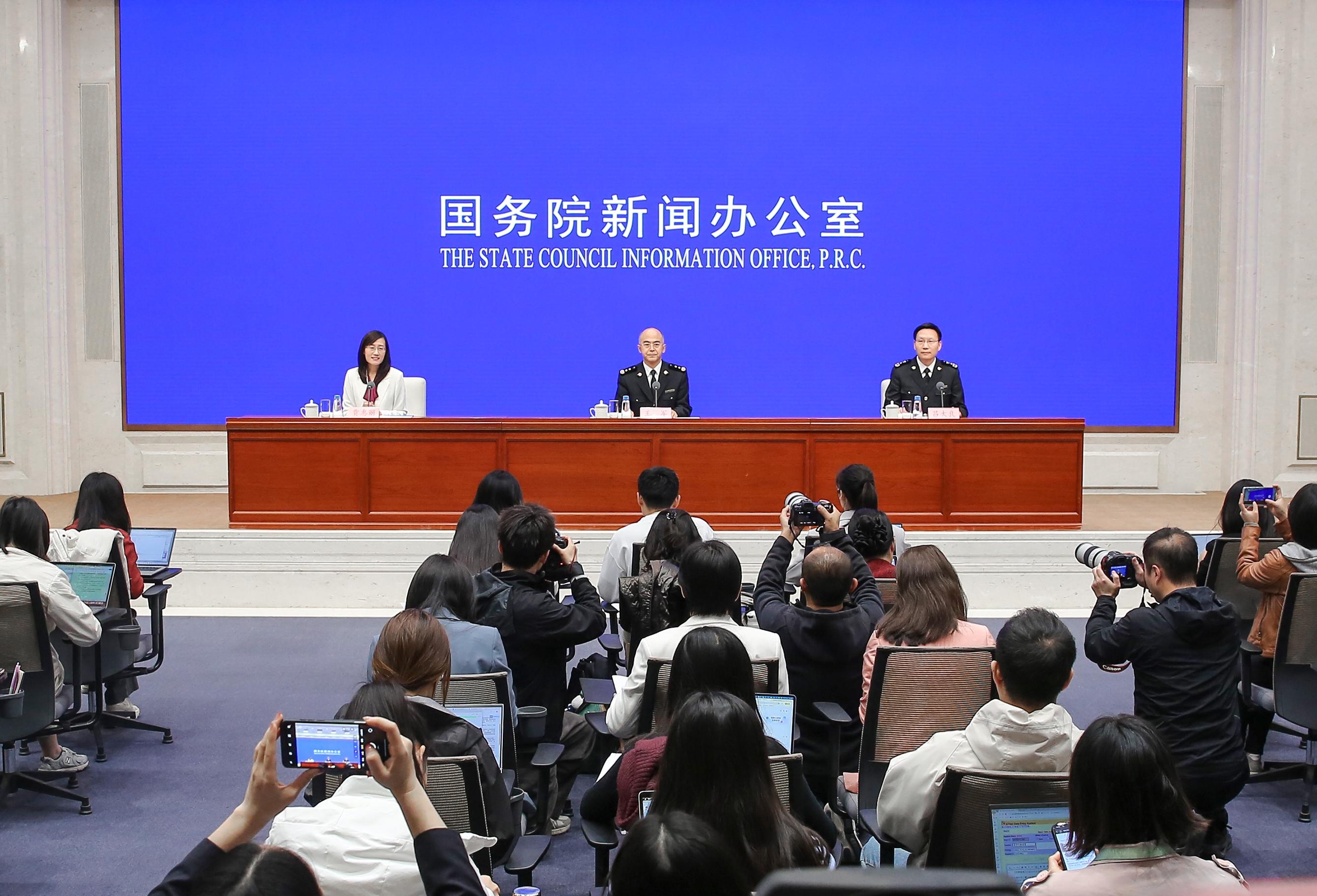

South China Morning Post:
What impact did the war in Iran have on China's imports and exports in March? To what extent did imported cost pressures affect exports? Thank you.
Wang Jun:
Thank you. Mr. Lyu will answer these questions.
Lyu Daliang:
Thank you for your questions. The Strait of Hormuz is an important channel for global trade in goods and energy. According to a report by the United Nations Conference on Trade and Development (UNCTAD), the strait handles 25% of global maritime oil trade, 19% of liquefied natural gas trade, 29% of liquefied petroleum gas trade and 13% of chemical trade, making it one of the world's most critical maritime chokepoints. In addition, the UNCTAD analysis notes that since the outbreak of the war in Iran, fuel prices have risen sharply and remained high, while oil transportation costs have climbed significantly. These factors are driving up global commodity production and transportation costs through supply chains, and the growth rate of global trade in goods is expected to decline significantly. The World Trade Organization has already significantly lowered its growth forecast for global trade in goods in its latest Global Trade Outlook and Statistics report. Our statistical data also shows that China's imports and exports with the Middle East shifted from year-on-year growth in the first two months to a decline in March.
China has consistently advocated resolving disputes through political and diplomatic means and has been actively committed to promoting peace and stopping wars. We hope all parties can work together to promote the rapid de-escalation of the situation and restore peace and stability in the strait and the Middle East.
Thank you.