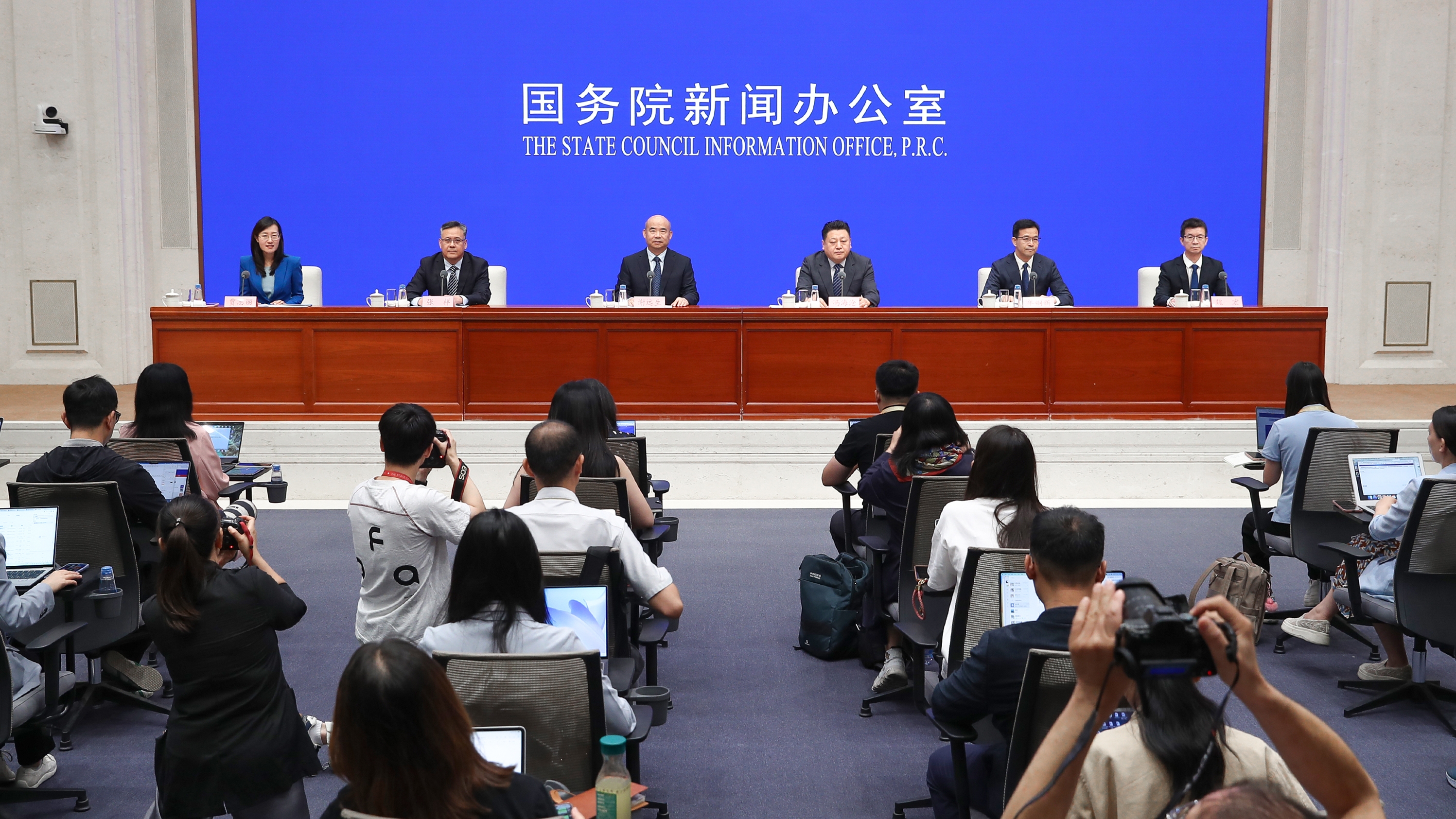

SCIO briefing on promoting high-quality development of renowned traditional industries
Beijing | 10 a.m. Sept. 7, 2026
Speakers

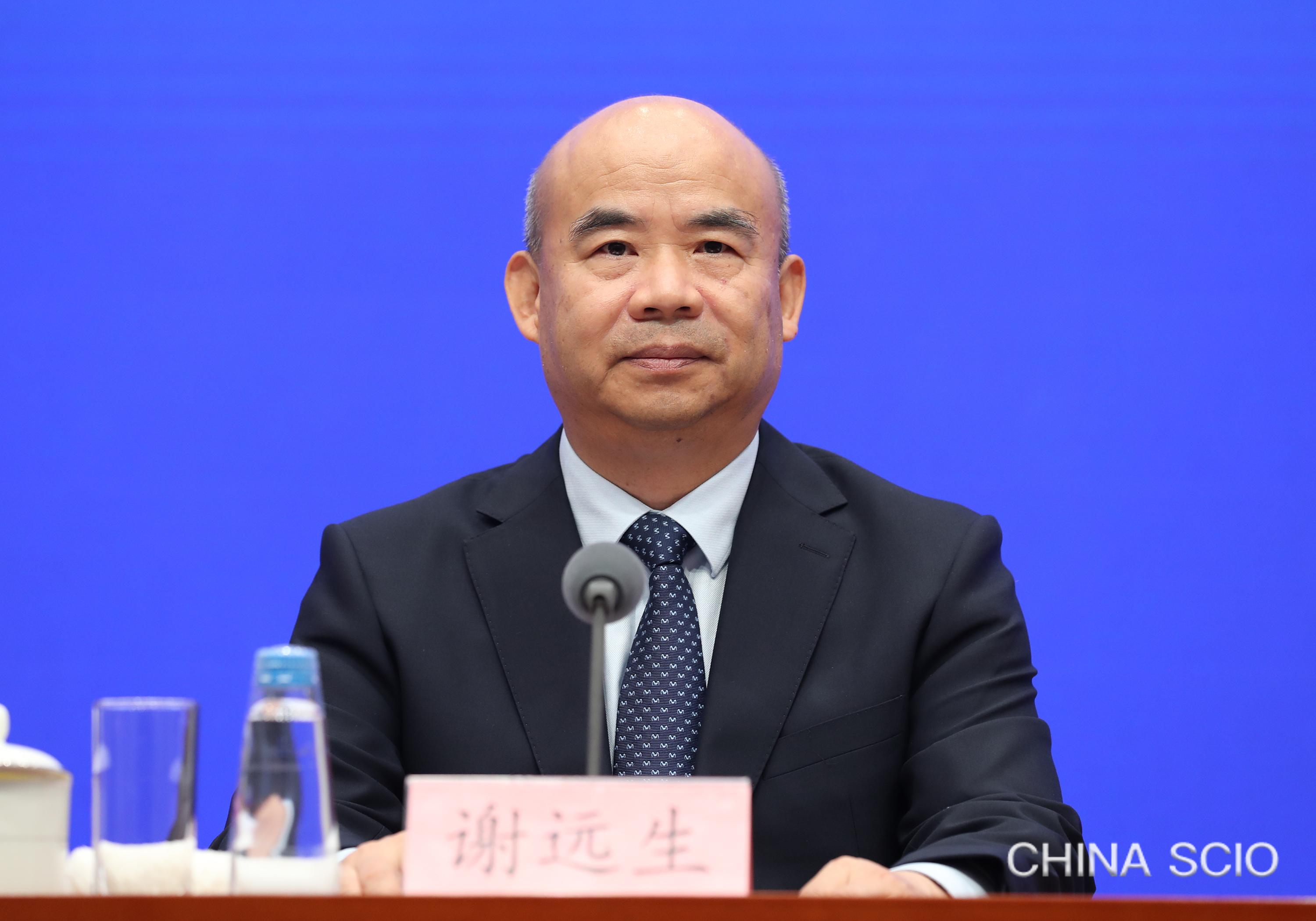
Xie Yuansheng, vice minister of industry and information technology
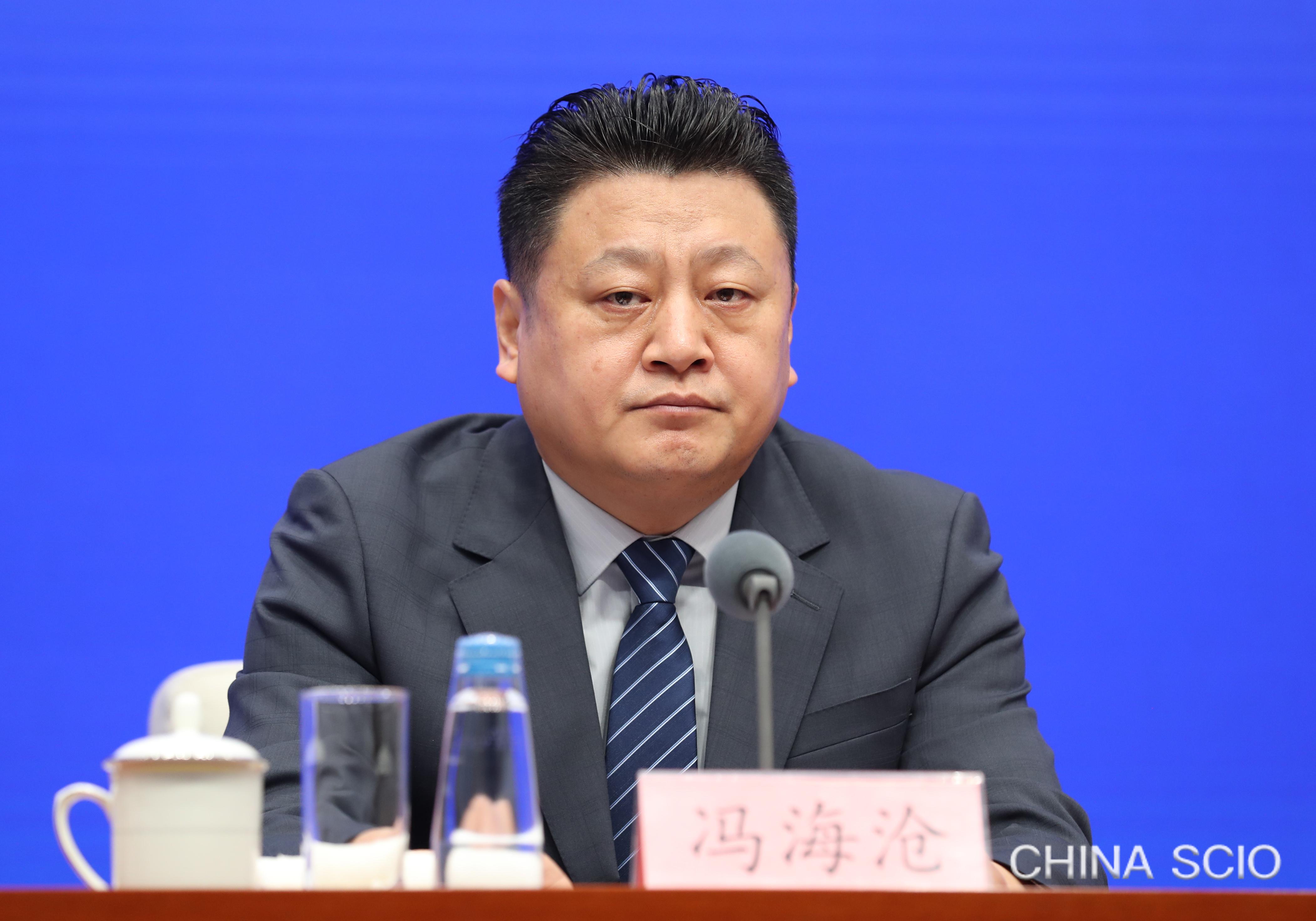
Feng Haicang, first-level inspector of the Department of Consumer Products Industry of the Ministry of Industry and Information Technology
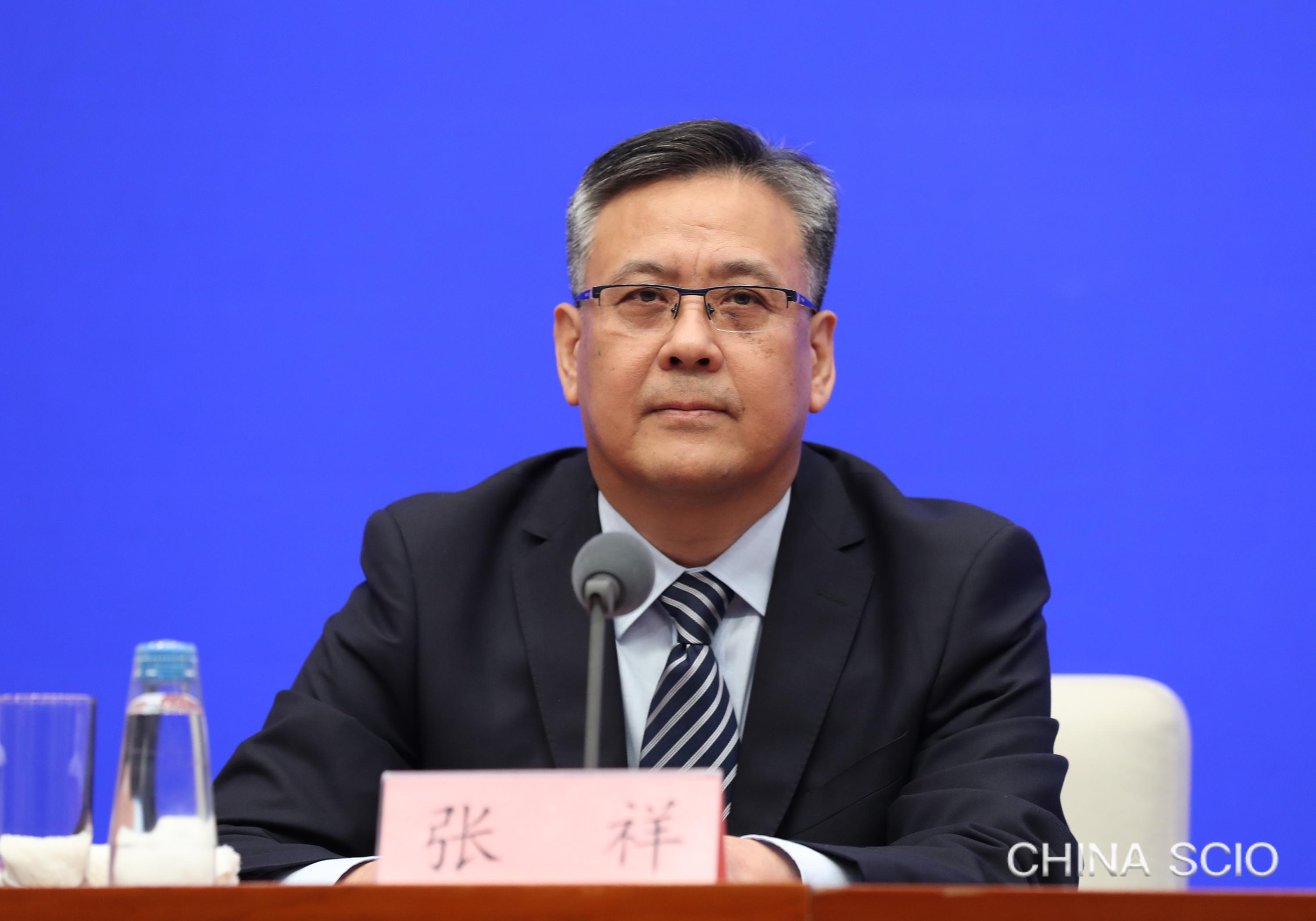
Zhang Xiang, first-level inspector of the Department of Circulation Industry Development of the Ministry of Commerce
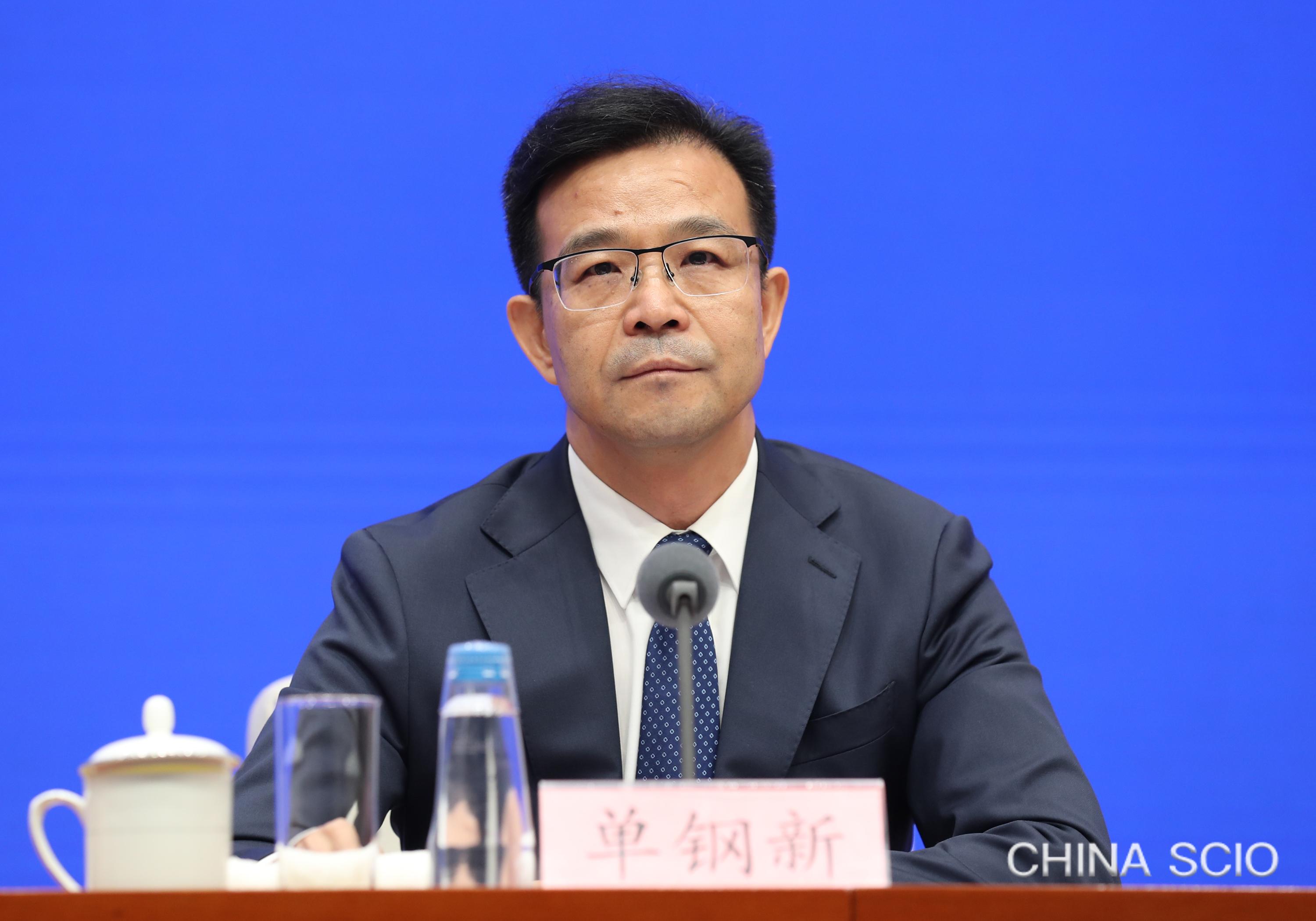
Shan Gangxin, director general of the Department of Intangible Cultural Heritage of the Ministry of Culture and Tourism
Wei Hong, director general of the Department of Standards Innovative Management of the State Administration for Market Regulation
Chairperson
Speakers:
Mr. Xie Yuansheng, vice minister of industry and information technology
Mr. Feng Haicang, first-level inspector of the Department of Consumer Products Industry of the Ministry of Industry and Information Technology (MIIT)
Mr. Zhang Xiang, first-level inspector of the Department of Circulation Industry Development of the Ministry of Commerce (MOFCOM)
Mr. Shan Gangxin, director general of the Department of Intangible Cultural Heritage of the Ministry of Culture and Tourism (MCT)
Mr. Wei Hong, director general of the Department of Standards Innovative Management of the State Administration for Market Regulation (SAMR)
Chairperson:
Ms. Jia Huili, deputy director general of the Press Bureau of the State Council Information Office (SCIO) and spokesperson of the SCIO
Date:
Sept. 7, 2026
Jia Huili:
Ladies and gentlemen, good morning. Welcome to this press conference held by the State Council Information Office (SCIO). The "Guidelines on Promoting the High-Quality Development of Renowned Traditional Industries" has now been officially released. Today, we have invited Mr. Xie Yuansheng, vice minister of industry and information technology, to introduce the relevant situation and answer your questions. Also present at today's press conference are Mr. Feng Haicang, first-level inspector of the Department of Consumer Products Industry of the Ministry of Industry and Information Technology (MIIT); Mr. Zhang Xiang, first-level inspector of the Department of Circulation Industry Development of the Ministry of Commerce (MOFCOM); Mr. Shan Gangxin, director general of the Department of Intangible Cultural Heritage of the Ministry of Culture and Tourism (MCT); and Mr. Wei Hong, director general of the Department of Standards Innovative Management of the State Administration for Market Regulation (SAMR).
Now, I'll give the floor to Mr. Xie for his introduction.
Xie Yuansheng:
Friends from the media, good morning. Thank you very much for your interest in and support for our work.
Renowned traditional industries refer to traditional Chinese industries with distinctive characteristics and profound cultural heritage, such as silk, tea, porcelain, traditional Chinese medicine (TCM), brewing, arts and crafts, and the Four Treasures of the Study (brush, ink, paper, and inkstone). They are the intellectual crystallization of Chinese civilization and our national treasures. To thoroughly implement the important decisions and plans of the Central Committee of the Communist Party of China (CPC) and the State Council on promoting the transformation and upgrading of traditional industries and accelerating the development of new quality productive forces, the MIIT, together with the Ministry of Human Resources and Social Security, the Ministry of Agriculture and Rural Affairs, MOFCOM, the MCT, and the SAMR, recently issued the "Guidelines on Promoting the High-Quality Development of Renowned Traditional Industries" with the approval of the State Council. Today, the full text of this document has been released to the public. Now, I will briefly introduce the background for its issuance and its main content.
General Secretary Xi Jinping attaches great importance to the development of renowned traditional industries, noting that fine traditional Chinese culture has survived uninterrupted since ancient times and that porcelain is both a treasure and calling card of the Chinese nation. Hailing TCM as a gem of Chinese civilization, Xi emphasized that its preservation and innovative development is a matter of great importance. According to available statistics, in representative sectors of renowned traditional industries, the number of enterprises above designated size has reached 25,000, with nearly 3.5 million employees and an annual operating income of approximately 8 trillion yuan. They have become an important vehicle for driving local economic development, expanding employment opportunities, and carrying forward Chinese civilization. Currently, major changes unseen in a century are accelerating across the globe. The global industrial landscape is being deeply restructured, and the international influence of Chinese civilization is constantly growing. Renowned traditional industries are entering a critical period of optimization and upgrading, unlocking new growth drivers, and creating new vitality. We formulated the guidelines with a focus on accelerating the protection, inheritance and innovative development of the industries. It is also the first industrial policy document formulated at the national level specifically for renowned traditional industries.
The guidelines outline two-stage development goals: The goal for 2028 is to cultivate 50 leading enterprises, each worth 10 billion yuan, create 100 famous Chinese consumer brands, and build a number of characteristic industrial clusters, each worth 100 billion yuan. The goal for 2030 is to cultivate a number of world-class enterprises and well-known brands, and to promote renowned traditional industries to the medium and high end of the global value chain.
In line with these two-stage development goals, the guidelines systematically lay out five key tasks: In terms of overall industrial planning, the document proposes tasks and measures such as consolidating the foundation for industrial development, optimizing the industrial planning and layout, building industrial clusters, and accelerating the categorized cultivation of enterprises, so as to solidify the foundation for industrial development. In terms of the sustainable development, innovation, transformation and upgrading of the industries, it proposes tasks and measures such as strengthening inheritance, protection and technological innovation and accelerating the transformation and upgrading of the industries toward high-end, intelligent and green directions so as to stimulate industrial vitality and innovation capabilities. In terms of industrial integration and development, it proposes tasks and measures such as promoting the diversified integration of renowned traditional industries with culture, tourism, healthcare, education, rural revitalization and other fields to cultivate new consumption scenarios and new growth points. In terms of fostering a sound ecosystem for high-quality industrial development, the document proposes tasks and measures such as strengthening trademark and brand development and promotion and enhancing quality improvement and standards-based guidance to continuously improve the driving force for sustainable industrial development. In terms of promoting the internationalization of the industries, it proposes accelerating the integration of these industries into global high-end consumer markets by building multi-channel globalization platforms and expanding outreach and promotion.
This year marks the start of the 15th Five-Year Plan. Working with relevant departments, the MIIT will draw up sound policies and measures for the development of renowned traditional industries, implement the guidelines and other recently released policy documents on upgrading the brewing, tea, and TCM industries, and explore innovative paths to promote high-quality development in renowned traditional industries. In late October, we will hold the first exposition of renowned traditional industries in Hangzhou, Zhejiang province, showcasing what the sector has achieved through innovation. You are welcome to follow the event and to join us in Hangzhou as visitors or exhibitors.
That concludes my introduction. My colleagues from the relevant departments and I will now take your questions. Thank you.
Jia Huili:
Thank you, Mr. Xie, for your introduction. The floor is now open for questions. Please identify the news outlet you represent before asking.
_ueditor_page_break_tag_CCTV:
Renowned traditional industries carry forward China's fine traditional culture and serve as an important vehicle for boosting consumption. What specific measures has the MIIT taken to unlock the consumption potential of these industries and to improve the quality and expand the scale of consumption? Thank you.
Xie Yuansheng:
Thank you for your question. Consumption is a hot topic drawing widespread public attention. The Central Economic Work Conference has listed "taking the expansion of domestic demand as priority and building a strong domestic market" as this year's primary task. Currently, Chinese consumers are increasingly shifting from "buying more goods" to "seeking better services and experiences." Renowned traditional industries align closely with the direction of consumption upgrading in the new era. While meeting material needs, they can also stir emotional resonance and offer cultural enrichment and aesthetic enjoyment, precisely satisfying demand for quality-oriented, cultural and experience-based consumption. Unlocking the consumption potential of these industries takes more than putting old products on shelves. It requires a coordinated push across products, settings and distribution channels to bring traditional crafts back to life, make them popular and take them into ordinary homes.
In product innovation, we aim to make the classic fashionable. Many classic products look dated and struggle to capture young people's attention. We will support time-honored enterprises in working with leading designers, well-known brands and fashion houses to combine traditional elements with modern aesthetics and practical function, creating high-value products that carry both cultural depth and contemporary appeal. Crossovers between traditional crafts such as celadon and wood carving and the animation and gaming sectors, for example, have produced many products popular with young people. Product design also needs to be updated to become more modern, stylish and international, so that traditional crafts can open up overseas markets through a visual language closer to international tastes.
In consumption settings, we aim to bring experiences to life. Consumption today is not just about buying a product; it is about buying the setting, the atmosphere and the feeling. We support the opening of creative markets and smart experience stores in commercial districts, pedestrian streets, scenic spots and cultural industrial parks. These venues put traditional crafts at center stage, from tea-making to embroidery and porcelain. Consumers can then try traditional techniques for themselves and immerse themselves in classic culture. We also encourage local authorities to develop nighttime spaces that combine exhibitions, garden tours and light shows, giving people somewhere to enjoy traditional culture and unwind after work and at weekends, thereby unlocking the consumption potential of the night-time economy.
On distribution channels, our goal is to bring good products closer to consumers. Through initiatives such as building a matrix of premium Chinese consumer brands, we are cataloging the country's renowned traditional industry resources, mapping where those industries are concentrated and encouraging local authorities to move faster in developing specialty production areas that play to their strengths. At the same time, we support opening dedicated display and sales areas for classic premium goods in key commercial districts, urban cultural venues and similar locations. The use of new channels such as e-commerce, livestreaming and short video is also encouraged to tell the story of these industries well and lift sales of their products. By bringing premium time-honored brands into port duty-free shops, downtown duty-free stores and high-end retailers, we will expand the outbound consumption and high-end gifting markets, so that consumers at home and abroad are willing to pay for China's premium time-honored brands. Thank you.
_ueditor_page_break_tag_Economic Herald:
Silk, tea, porcelain, TCM and other renowned traditional industries are closely tied to intangible cultural heritage (ICH). In recent years, the MCT has carried out a great deal of work on protecting ICH. What role has that played in promoting the development of these industries? Thank you.
Shan Gangxin:
Thank you for your interest in the protection and inheritance of ICH. As we all know, ICH is a vivid testament to the enduring continuity of Chinese civilization. Today happens to be the White Dew, one of the 24 solar terms, so I wish everyone good health and a fruitful year. As is known to all, ICH carries the production wisdom, life traditions and humanistic spirit accumulated by the Chinese nation over thousands of years. In particular, categories such as traditional fine arts, traditional crafts and traditional medicine share the same origin and are inherited from the same lineage as the renowned traditional industries you just mentioned, such as silk, tea and porcelain. The protection and inheritance of ICH provides core technical support and profound cultural heritage for industrial development, and they work together to carry forward and promote China's fine traditional culture. In recent years, acting on the important instructions of General Secretary Xi Jinping on strengthening the systematic protection of ICH, we have prioritized protection, actively promoted the integration of ICH into modern life, continuously empowered socio-economic development and met the public's expectations for a better life. We have focused our work on three key areas.
First, we have strengthened the protection of ICH items. Protection is the prerequisite for inheritance and serves as the root of industrial development. Only by safeguarding the root can the industry flourish. From the early stages of rescue safeguarding, to today's holistic, productive, digital and everyday protection efforts, a large number of highly valuable ICH items have achieved living inheritance these years. This has provided the industry's development with roots that can be followed and sources that can be traced. Currently, China has 45 ICH items inscribed on UNESCO's ICH lists and has recognized more than 100,000 ICH items at the national, provincial, municipal and county levels. "Sericulture and silk craftsmanship of China," "traditional firing techniques of Longquan celadon," "acupuncture and moxibustion of traditional Chinese medicine" and "traditional tea processing techniques and associated social practices in China" have been successively inscribed on the Representative List of the Intangible Cultural Heritage of Humanity. This July, the "Jingdezhen Handicraft Porcelain Industry Sites" project was inscribed as a World Heritage site, opening up vast opportunities for renowned traditional industries, especially the silk, ceramics, TCM and tea industries, to go global.
Second, we have cultivated a pool of ICH inheritors. People are the core of the protection and inheritance of ICH, and also the key to its industrial development. We have focused on investing in people, and have continuously strengthened the training of ICH inheritors. In recent years, we have implemented the Chinese Intangible Cultural Heritage Inheritor Training Program and the Youth Inheritor Cultivation Initiative. Over the past decade, more than 200 colleges and universities nationwide have participated in the training program, benefiting more than 200,000 inheritors. Over the years, we have been delighted to see that some second-generation inheritors, third-generation inheritors and young inheritors, who have mastered traditional skills and have innovative ways of thinking, have taken over the baton of inheritance. Among them are well-known figures such as Yang Changqin, an inheritor of Chishui bamboo weaving, and Jin Ruirui, an inheritor of Chuxiong Yi embroidery. These inheritors born in the 1980s and '90s have even become deputies to the National People's Congress (NPC). It is precisely the dedication of successive generations of craftspeople, across the older, middle-aged and younger generations, that has provided solid talent support for the passing down of renowned traditional industries.
Third, another particularly important aspect, is the integration into modern life. The scientific and rational utilization and the embodiment of contemporary value are the sources of ICH revitalization and the driving force for industrial development. Over the years, we have continued to uphold fundamental principles while breaking new ground. We have implemented the traditional craft revitalization plan, and held a series of ICH consumption promotion activities, such as the "China Intangible Cultural Heritage Expo," the "International Festival of Intangible Cultural Heritage, Chengdu, China," and the "Intangible Cultural Heritage Goods and Chinese Trends — Four Seasons Intangible Cultural Heritage Shopping Month," continuously meeting new consumer needs under the guidance of brand building. By the end of last year, there were 14,900 ICH workshops nationwide, helping more than 1.3 million people find employment and increase their incomes. The media often say that our small workshops are connected to large markets and that traditional crafts have given rise to new industries. These small workshops have gradually grown in popularity and reached thousands of households. Willow weaving in Linyi, Shandong province is a particularly typical example. It has evolved from traditional wicker baskets in the past to fashionable ICH toys and novel products such as cat trees. It has formed a product system with more than 300 patents and over 20,000 styles, with its products being sold overseas to more than 80 countries and regions through e-commerce platforms. In addition, there are many other ICH items such as batik from Danzhai in Guizhou province and purple pottery from Jianshui in Yunnan province, forming a cluster of workshops, driving distinctive local cultural industries from "fingertip skills" to a "fingertip economy" and becoming an industrial development advantage that enriches and benefits the people.
During our field research, an embroiderer at one of the workshops shared a wonderfully evocative phrase: "During the busy farming season, we work the fields; during the slack season, we embroider. This craft keeps us healthy and supports our family." This statement reflects their cultural confidence and has also become a new normal in their rural life. Today's ICH not only embodies cultural inheritance, but also reflects the warmth of people's livelihoods and market popularity. As you may have seen, Hainan Li brocade and Guangdong gambiered silk have graced the stages at international fashion weeks. Another highlight this year is that creative products from eight ICH workshops, including Ningxia hemp weaving, Zhejiang Huzhou writing brushes and Guangxi Zhuang brocade, were selected as officially licensed products for this year's FIFA World Cup. In particular, the Ningxia hemp weaving workshop produced a horse made from black hemp rope, symbolizing a "victorious dark horse," which proved very popular and has become a hot product online. People have found that the growing popularity of ICH has started to produce benefits for related industries. It has not only allowed the world to see China's craftsmanship, but also helped renowned traditional industries integrate into modern life and step onto the global stage, showing the world our boundless potential and vigorous vitality. Of course, all of this is inseparable from the publicity and promotion by our friends from the media here today. I would like to thank all of you for your continued interest, support and reporting on the protection and inheritance of ICH. Thank you.
_ueditor_page_break_tag_Guangdong Radio and Television Station:
In recent years, as China-chic consumption has continued to grow, many time-honored brands have accelerated their transformation and innovation, gaining popularity among young people. We have noted that the guidelines mention promoting the innovative development of time-honored brands while preserving tradition. What measures will MOFCOM take to promote the high-quality development of time-honored brands, especially in their coordinated development with renowned traditional industries? Thank you.
Zhang Xiang:
Thank you for your interest in and support for the development of time-honored brands. Time-honored brands are "treasured hallmarks" nurtured in the course of China's industrial and commercial development, carrying profound heritage of China's fine traditional culture. MOFCOM has successively recognized three batches of 1,450 China's time-honored brands, of which more than 40% are distributed in renowned traditional industries such as silk and tea, TCM, and arts and crafts. Next, we will focus on four aspects to promote the coordinated, interconnected and high-quality development of time-honored brands and renowned traditional industries.
First, we will focus on improving support policies. We will continue to guide local governments to implement policies and measures such as the "Guidelines on Promoting the Innovative Development of Time-Honored Brands," and introduce additional measures focused on protection, inheritance, innovation and development. We will promote closer coordination and interaction between time-honored brands and cultural heritage, historical districts and museums, develop more products and services that embody traditional culture, are rich in fashionable elements and meet contemporary needs, and create more consumption scenarios that are popular with the people. We will accelerate high-quality development through product updates, technological innovation and business model innovation.
Second, we will give full play to their exemplary role. Time-honored brands have long enjoyed great popularity among consumers and wide recognition in the market. Especially in the new era, they have ushered in brand-new development opportunities. We will actively improve the evaluation indicators for the creation of exemplary time-honored brands, continuously optimize threshold indicators such as business performance, historical inheritance and brand reputation, and give greater emphasis to leading indicators such as product quality, technological innovation and cultural value, so as to give full play to the exemplary role of China's time-honored brands and support the high-quality development of renowned traditional industries.
Third, we will improve the dynamic evaluation system. China's time-honored brands have been able to thrive over the years due to their unwavering commitment to a business philosophy that is centered on honest business practices, quality and bold innovation. We will actively support eligible brands in renowned traditional industries to apply for the title of China Time-Honored Brand. At the same time, we will conduct assessments of previously recognized time-honored brands and take relevant management measures for those that are poorly managed or underperforming. Through a dynamic management mechanism that eliminates long-underperforming brands while also planning to incorporate new ones, we will ensure the quality of these treasured hallmarks.
Finally, we will establish a monitoring and early warning mechanism. We will establish and improve a monitoring and management mechanism for the innovative development of time-honored brands. Under this mechanism, we will strengthen the tracking of their business performance, work with relevant departments to continuously strengthen the connectivity and sharing of information such as enterprise registration, administrative penalties and social credit, and rely on the strength of professional institutions to enhance the analysis of their business performance and the prediction of development trends. This will provide strong support for the sustainable and healthy development of time-honored brands. That's all from me. Thank you.
_ueditor_page_break_tag_Yicai:
Many of the entities in renowned traditional industries are small and micro enterprises and handicraft workshops. Their development cannot be achieved without the support of technical standards. How does the SAMR use standards to guide the high-level inheritance and high-quality development of renowned traditional industries? Thank you.
Wei Hong:
Thank you for your interest in market regulation. Many businesses in renowned traditional industries are small and micro enterprises and handicraft workshops. Standards should play an important role by summarizing and refining the experience of skilled craftsmen into standardized norms, thereby promoting industrial development and improving product quality. Regarding standardization work, the SAMR has carried out work in three main areas:
First, standards have been upgraded to guide the optimization and upgrading of renowned traditional industries. We have actively promoted the development of relevant national standards and released 172 national standards for tea, silk, arts and crafts, and the Four Treasures of the Study (brush, ink, paper, and inkstone), strictly regulating product quality and helping to standardize the inheritance of traditional cultural products. For example, we have improved the silk standard system, and issued national standards in areas such as silk quilts and Shu embroidery, turning safety indicators, quality requirements and advanced technologies into production regulations that can be implemented. These standards provide a basis for production for farmers, micro and small enterprises, and traditional artisans, helping industries to improve quality and efficiency. For example, the Lacquerware General Technical Requirements national standard clearly specifies the requirements for raw and auxiliary materials, lacquer films and lacquer surfaces. While preserving the essence of traditional techniques, it incorporates modern materials and scientific and technological achievements, thereby promoting the innovative development of lacquerware craftsmanship.
Second, efforts have been made to continuously enhance the level of internationalization of standards among renowned traditional industries. China has successively undertaken the secretariats of six technical bodies of international standards organization in the fields of silk, tea, porcelain and TCM, with six chairpersons serving for technical bodies, and led the formulation of 163 international standards. For example, the international standard, Green tea — Vocabulary, innovatively adopted a text-plus-visual-index model. In the past, it was a purely text-based standard. Now with the addition of visual indexes and picture illustrations, it has eliminated ambiguity in the textual expressions among different countries, promoting the export of high-quality Chinese green tea at good prices, increasing tea farmers' incomes and empowering rural revitalization. Another example is the international standard for Ganoderma lucidum, which has effectively improved the safety and efficacy of Ganoderma lucidum and its products by standardizing the quality requirements of the products. Following the release of the international standard, the average export price of Ganoderma lucidum from China increased by 107%, and the total export value increased by 285% year on year, allowing China's high-quality products to sell for good prices.
Third, we have actively promoted the internationalization of standards for renowned traditional industries. As part of Belt and Road work on standards connectivity, we have selected eight model cases of Chinese standards adopted overseas in areas such as silk and TCM. We have published 63 foreign-language versions of national standards, covering tea, silk, liquor, acupuncture and other fields. We have used the China-ASEAN International Standardization Forum as a platform to strengthen exchanges and cooperation on international standards in areas such as liquor and cultural heritage protection. For example, we worked with Laos to draw up technical specifications for the standardized production of Amomum villosum, and helped Laos turn the technical requirements for the plant's seed quality into a national standard. We have also trained more than 1,000 Lao technicians and farmers, helping Chinese traditional medicine and its standards go global and reach overseas markets.
Going forward, the SAMR will continue to strengthen quality support and standards guidance, focusing on product quality, process specifications, green production and other key areas. It will draw up and revise a set of advanced, practical national standards that these industries urgently need, take part in international standardization work, lead the drafting of more international standards and strengthen international exchanges and cooperation, using standards connectivity to support high-quality Belt and Road cooperation. Thank you.
_ueditor_page_break_tag_ThePaper.cn:
We have noticed that while renowned traditional industries have deep cultural roots and strong craftsmanship, there is still room to improve their overall brand competitiveness. The document just released proposes creating 100 famous Chinese consumer brands by 2028 and cultivating a number of world-class enterprises and well-known brands by 2030. How can that cultural depth be turned into market competitiveness? Thank you.
Feng Haicang:
Thank you for your question. This is a very important issue. As we know, renowned traditional industries carry profound historical and cultural roots, unique traditional skills, and distinctive regional characteristics, and they embody a broad sense of national cultural identity. For a long time, though, brand building has lagged, and value added has remained low. Fine craftsmanship has not commanded high prices, and good products have not become strong brands. Silk is one example. Some 90% of our silk products are exported, but most of them only involve primary processing of raw materials and contract manufacturing. Chinese brands have little say in the market, and their international competitive edge is not fully apparent. Turning cultural depth into market competitiveness, making traditional crafts both admired and commercially successful, and restoring renowned traditional products to a high-end position in international markets are the challenges we have to solve. The MIIT is focusing on two areas.
The first is brand cultivation. For enterprises, we will move faster to build a lineup of famous Chinese consumer brands to include more renowned traditional enterprises, and help build a number of world-class classic brands. At the sector level, most producers of Suzhou embroidery and Longquan celadon are highly skilled but operate at small scale, mainly small- and medium-sized enterprises. We will encourage these firms to refine and deepen their expertise. We will also support them in adopting modern management and production methods and in following a path of specialized, refined, distinctive and innovative development. At the industry level, our main focus is on optimizing the regional layout. We are determined to cultivate a number of renowned traditional industry clusters, each worth 100 billion yuan, raising the level of regional industrial agglomeration.
The second is brand promotion, where we will focus on four initiatives: a conference, namely the first national exposition of renowned traditional industries; an event, the National Tour of Famous Chinese Consumer Brands; a competition, the China Famous Consumer Brands Industry Innovation Competition; and a new organization, the International Silk Organization. We will encourage enterprises to take part in national expos and displays, widen the overseas promotion channels open to renowned traditional industries, and work to bring their products into the international high-end consumer market. In addition, we are running a "four hundreds" promotion campaign, which involves appointing 100 brand ambassadors, filming 100 micro-documentaries, producing 100 AI short dramas and developing 100 experience routes built around renowned traditional products. Through these measures, we will draw on the real material behind the growth of Chinese brands and tell the stories of renowned traditional industry brands rooted in Chinese culture and built on innovation in the new era. Thank you.
_ueditor_page_break_tag_Jimu News:
Many products in renowned traditional industries are both cultural objects and consumer goods. We have observed that integrating culture and tourism is an effective way to revitalize these industries. In what areas will the MCT work to widen the scope for their development? Thank you.
Shan Gangxin:
Thank you for your observation and question. The document issued today states clearly that the diversified and integrated development of renowned traditional industries should be promoted, which both meets the needs of industrial development and answers the demands of the times for cultural heritage preservation. Such integration merges business formats, preserves cultural heritage, strengthens industries and improves people's livelihoods. Moving forward, we will implement the guidelines in earnest and draw on both the empowering role of culture and the driving force of tourism to widen the scope for the development of renowned traditional industries in three areas:
On the protection and inheritance of ICH, we will further promote its systematic protection and implement the action plan for boosting consumption through ICH. We will integrate ICH into people's lives through the "ICH in communities" initiative. We will continue to deepen resource matching by organizing ICH food fairs, brand promotion weeks and pilot projects to improve the quality and efficiency of ICH workshops. We will also bring high-quality ICH products to airports, high-speed trains and duty-free shops, and explore new ways to express and make appropriate use of ICH in a contemporary context. At the same time, we will strengthen the digital and intelligent preservation of ICH, focusing on living inheritance, scenario adaptation and digital and intelligent empowerment, and create a number of immersive and interactive new settings for experiencing and passing on ICH. This will allow renowned traditional industries such as silk, tea, porcelain and the Four Treasures of the Study (brush, ink, paper, and inkstone) to become part of people's daily lives in a more vivid and accessible way, enriching their lives.
To promote the integration and innovation of business models, we will deepen the two-way integration of culture and tourism with other industries and encourage the creation of high-quality cultural works such as films, TV series, animation and stage performances themed on renowned traditional industries. We will support the development of cultural, creative and tourism products based on cultural relics and ICH resources, and help renowned traditional industries keep upgrading and gain fashionable appeal. At the same time, we will use cultural industry parks and nighttime cultural and tourism spaces to host performances, markets and hands-on activities, and bring renowned traditional industries into scenic spots, blocks, resorts and key rural tourism villages. We will develop campaigns that encourage people to travel in search of ICH or discover it through film, keep creating new consumption scenarios and enrich the supply of high-quality cultural and tourism products, so that tourists can touch history and appreciate craftsmanship on their travels.
To strengthen outreach and promotion, we will combine attracting visitors to China with going global. We will support the inclusion of renowned traditional products in the recommended catalogs of "city gifts," "rural specialty products," and "quality ICH products," and bring them to the "five good" ICH fairs, which feature products that are good to look at, taste, listen to, play with and use. As "China Travel" and "China Shopping" continue to gain momentum, we will launch a series of themed inbound tourism routes and products, so that renowned traditional products can be seen, bought and taken home. We will also use brand events such as "Finest Cultural Gifts from China," "Celebrating the Chinese New Year with Intangible Cultural Heritage, Discovering the Flavors of China" and "Happy Chinese New Year" to showcase China's skillful traditional crafts and a festive culture of blessings and good fortune to audiences at home and abroad, share the aesthetics of Chinese life and tell China's story to the world.
Renowned traditional industries carry forward China's millennia-old cultural heritage while connecting it with modern life. The culture and tourism sector will thoroughly study and apply Xi Jinping Thought on Culture, better integrate ICH into modern life and bring out its contemporary value. We will help renowned traditional industries play a greater role in carrying on cultural traditions, boosting consumption and improving people's livelihoods, so that they shine with new brilliance. Thank you.
_ueditor_page_break_tag_Cover News:
We noticed that the guidelines call for "deepening the green transformation of industries." Could you tell us how MOFCOM will help renowned traditional industries unlock green consumption potential in the distribution stage? Thank you.
Zhang Xiang:
Thank you for your question. Renowned traditional industries carry forward traditional culture and are an important vehicle for promoting green consumption. This year, MOFCOM and eight other departments issued the Notice on Implementing the Action Plan for Promoting Green Consumption. Focusing on three key areas, namely enriching the supply of green products, promoting green packaging and optimizing the green supply chain, we will actively promote the transformation and upgrading of industries where China has long held an edge, including renowned traditional industries, helping traditional domestic products better meet new demand for green consumption.
First, we will enrich the supply of green products and open up sales channels for green products from renowned traditional industries. We support green products from these industries in entering distribution channels such as supermarkets, shopping malls, pedestrian streets and e-commerce platforms. We will also encourage retailers to sell silk, tea, porcelain and other products that have green product and carbon footprint certification. Through the green consumption promotion initiative, we will guide businesses to make good use of certified green product labels that show a product's green, low-carbon credentials, making them easier for consumers to identify. This will get eco-friendly traditional products onto shelves where consumers can see and buy them, with better supply driving an upgrade in green consumption. We will also actively promote the principles of natural, green production and recycling inherent in traditional crafts, and bring more traditional Chinese products with cultural depth and low-carbon credentials to the market.
Second, we will vigorously promote green packaging and encourage moderate packaging for renowned traditional products. Products such as tea, porcelain and silk are often bought as gifts, so we should encourage moderate packaging and avoid waste. We will continue to implement measures to reduce the use of disposable plastic products and guide retail, e-commerce and catering companies to use simple, recyclable and biodegradable packaging for renowned traditional product categories, cutting the resources consumed by packaging. We encourage distribution companies to explore packaging recycling and reuse models and reduce the use of disposable packaging in sales and delivery, so that traditional cultural consumption goes hand in hand with cutting plastic use and carbon emissions.
Third, we will cultivate and strengthen the green supply chain and give full play to the leading role of major distribution enterprises. We will encourage large retail enterprises to leverage their strengths to promote green procurement, and build low-carbon and environmental protection indicators into how they evaluate suppliers in renowned traditional industries. This sends green demand upstream and promotes green lifestyles among downstream consumers. We will encourage coordination between upstream and downstream segments of the industrial chain, promote carbon reduction across the entire chain, build a green supply chain system that connects production, distribution and consumption, and help renowned traditional industries achieve an overall green transformation.
Moving forward, in conjunction with green consumption pilot projects and the development of a modern commercial circulation system, the MOFCOM will identify and promote successful cases and practices of green circulation in renowned traditional industries, strengthen cross-departmental collaboration, and connect the entire chain of production, circulation and consumption. These efforts will let the public practice a green, low-carbon lifestyle while choosing traditional domestic goods.
That's all from me. Thank you.
_ueditor_page_break_tag_Elephant News:
Currently, AI is being adopted at speed across a wide range of industries, profoundly reshaping consumption scenarios and industrial ecosystems. The guidelines call for promoting digital and intelligent transformation in renowned traditional industries. How can AI be used to help these industries achieve a deep integration of traditional crafts and modern technology? Thank you.
Xie Yuansheng:
Thank you for your question. AI is now bringing tangible changes to the way people work, live and study in all walks of life. The 15th Five-Year Plan clearly outlines the full implementation of the "AI Plus" initiative. Renowned traditional industries draw strength from craftsmanship passed down through generations. Embracing AI is not to abandon old crafts, but to give a pair of technological wings to these millennia-old skills, allowing them to flourish again and achieve new growth in the new era. The guidelines set out an overall approach of data-driven development, model support and real-world application. The document aims to ensure that traditional crafts retain their character, technological empowerment is grounded in practice and industrial development yields tangible results.
First, we should solidify the data foundation for renowned traditional industries. The craft knowledge and skills accumulated by renowned traditional industries are still largely locked in the experience and intuition of artisans. For example, the temperature curve of tea fermentation, the ratio of ceramic glaze ingredients and the processing standards for TCM have not yet been digitized or systematically collected. We are supporting major production areas in building "industrial brains." Through systematic data collection, standardized annotation and systematic organization, traditional craftsmanship passed down through generations can be turned into reusable and shareable data assets. This promotes the living inheritance of exquisite skills, rather than preserving them only in the memories of individual artisans.
Second, we should use large AI models to decode the principles behind traditional craftsmanship. We support close cooperation between research institutions and renowned enterprises in traditional industries, using large AI models to analyze traditional craftsmanship and map it into knowledge graphs. Step by step, this uncovers and organizes the tacit knowledge of processing tips, operating procedures and fault diagnosis passed down through generations. By doing so, we are able to unify production standards and stabilize product quality at the source. For example, in silk weaving, AI-assisted design can generate thousands of patterns in minutes, greatly shortening the product development cycle and making it possible for everyone to be a designer.
Finally, we should ensure that AI technology can take root in application scenarios. We encourage regions with the right conditions and leading enterprises to build a number of "future factories," such as smart pharmacies and intelligent kilns. These plants can track production in real time from raw materials to finished goods, trace any batch back through its production record and schedule output smartly and flexibly. For example, in tea making, AI visual recognition can accurately identify the color and shape of tea leaves and grade and sort them automatically. In porcelain making, AI algorithms can dynamically adjust kiln temperature parameters and reduce defect rates. In short, when craftsmanship meets technology, traditional crafts will flourish again, like old trees sprouting new buds.
That's all from me. Thank you.
Jia Huili:
In the interest of time, we will take only two more questions.
_ueditor_page_break_tag_Guangming Daily:
The fourth plenary session of the 20th CPC Central Committee emphasized the need to accelerate efforts to boost China's strength in product quality. The outline for boosting China's strength in product quality clearly states the importance of enhancing the quality competitiveness of industries. How will the SAMR promote the continued upgrading of renowned traditional industries? Thank you.
Wei Hong:
Thank you for your question. Quality is the foundation and prerequisite for the inheritance and development of renowned traditional industries. Without quality, these industries cannot be passed on or developed. The SAMR has thoroughly implemented the guiding principles from the fourth plenary session of the 20th CPC Central Committee and arrangements set out in the outline for boosting China's strength in product quality. Focusing on improving the product quality of enterprises, industrial chains and counties, the administration aims to foster the industrial ecosystem, shore up industrial chains, and upgrade renowned traditional industries.
First, we focus on stimulating the internal drive of enterprises. Enterprises are primarily responsible for quality. We have continuously guided enterprises to put quality first, and have promoted chief quality officer systems at 340,000 enterprises nationwide. We have helped enterprises assess their own quality governance and driven the digital upgrade of quality management. We have also launched pilot projects for integrated quality infrastructure services, covering measurement, standards, certification and accreditation, and inspection and testing. We have also held events such as the China Quality Conference and the national "quality month" initiative to build a platform for enterprises to showcase their distinctive brands, so as to support renowned traditional industries in creating premium Chinese products.
Second, we focus on improving the quality of the industrial chain. As we all know, renowned traditional industries involve industrial chains of varying lengths, ranging from planting and raw material processing to product manufacturing and creative design, and they involve many links and numerous enterprises. Over the past two years, we have rolled out a number of quality improvement projects for renowned traditional industries such as Tibetan incense, TCM in Gansu and wine in Ningxia. Starting from the source, we have brought together leading enterprises, technical institutions and research institutes to jointly tackle quality bottlenecks. We have made targeted breakthroughs in raw material quality control, parameter optimization and upgrading of traditional craftsmanship, and full-process quality traceability. We have accelerated the formulation of technical standards urgently needed by these industries and promoted their shift from "experience-based" to "standardized" production, strengthening their quality competitiveness. For example, we have promoted the standardization of processing at the place of origin, the digitalization of quality traceability and the branded development in the TCM industry chain in Gansu province. Gansu's TCM industry export value has increased 23% annually.
Third, we further promote quality innovation at the county level. Working county by county, we have set up 17 pilot innovation tasks and organized 169 counties to carry out their own quality initiatives. Renowned traditional industries cover numerous categories and differ widely in craftsmanship. We have therefore guided localities to base their efforts on local resources and industrial strengths, identifying the specific obstacles to quality improvement in categories such as silk, TCM and porcelain, then tailoring a plan to each product. We are also extending quality infrastructure into industrial clusters to serve enterprises directly. Through targeted services such as quality benchmarking, technical assistance, and certification upgrading, we are helping various traditional products break quality bottlenecks and producing a number of models that can be replicated and scaled up.
Moving forward, the SAMR will resolutely implement the decisions and plans of the CPC Central Committee on boosting China's strength in product quality, further promote efforts to strengthen enterprises, industrial chains and counties through quality improvement, achieve greater breakthroughs in raising quality, and provide stronger support for the high-quality development of renowned traditional industries. Thank you.
Jia Huili:
The last question, please.
_ueditor_page_break_tag_Jiefang Daily, Shanghai Observer:
The 15th Five-Year Plan calls for tapping distinctive resources and cultural connotations and actively promoting the integrated development of multiple business formats. Renowned traditional industries clearly cut across sectors. How will you break down industry boundaries and promote their diversified and integrated development? Thank you.
Feng Haicang:
Thank you for your question. Indeed, renowned traditional industries carry the imprint of Chinese civilization and are a concrete manifestation of the Chinese nation's way of life. Cross-sector integration is in their nature, and it is both necessary and inevitable. In practice, we have observed that in recent years, renowned traditional industries have integrated more deeply with culture and tourism, healthcare, education, rural revitalization and other fields. This has given rise to new business formats such as TCM healthcare services and new Chinese-style tea drinks, which have become increasingly popular and are widely recognized in the market. Looking ahead, we will strengthen interdepartmental collaboration in four areas to open up new possibilities for renowned traditional industries.
Regarding the integration of renowned traditional industries with culture and tourism, Mr. Shan from the MCT has already given an in-depth response, so I will not repeat it here.
In terms of the synergy between renowned traditional industries and healthcare, we will explore the value of TCM, tea and silk for health, as well as support time-honored enterprises in working with medical institutions and healthcare centers to develop innovative products such as wellness teas, TCM bath packs and silk products, helping to expand a trillion-yuan consumer market.
In terms of innovation in integrating renowned traditional industries with education, we will support study and practice activities related to these industries and encourage primary and secondary school students to visit the studios and workshops of ICH inheritors, arts and crafts masters, and famous rural craftsmen. We will regularly organize exhibitions of the work they produce, so that young people gain a sense of accomplishment and a stronger cultural identity through hands-on practice.
In terms of mutual promotion between renowned traditional industries and rural revitalization, our thinking is that these industries originated in agricultural civilization and remain rooted in the countryside. Tea is grown in the hills, silkworms are raised in the fields, medicinal herbs are planted in the mountains and forests, and traditional crafts are passed down in rural areas, but the products are used and traded mainly in urban areas. Based on these characteristics, we will work with relevant departments to explore and promote a model involving village collectives, family workshops and leading enterprises from renowned traditional industries. We will encourage leading enterprises to establish stable interest-sharing mechanisms with tea, medicinal herb and silkworm farmers through order-based procurement, guaranteed dividends and shareholding cooperation, so that farmers share in the value added along the industrial chain. Taking the TCM industry as an example, herbs such as manyprickle acanthopanax from Jixi, Heilongjiang province and notoginseng root from Wenshan, Yunnan province are now processed locally, which extends the chain into secondary and tertiary industry and lifts quality and efficiency throughout. Local people can raise their incomes close to home. Thank you.
Jia Huili:
This concludes today's press conference. Thanks to our speakers and to all participating journalists. Goodbye.
Translated and edited by Liu Sitong, Zhang Tingting, Xiang Bin, You Jiaxin, Li Xiao, Zhang Jiaqi, Xu Kailin, Jay Ian Birbeck, David Ball, Ma Yujia, Wang Yanfang, Zhou Jing, Zhang Junmian, Li Huiru, Yuan Fang, He Shan, and Guo Xiaohong. In case of any discrepancy between the English and Chinese texts, the Chinese version is deemed to prevail.

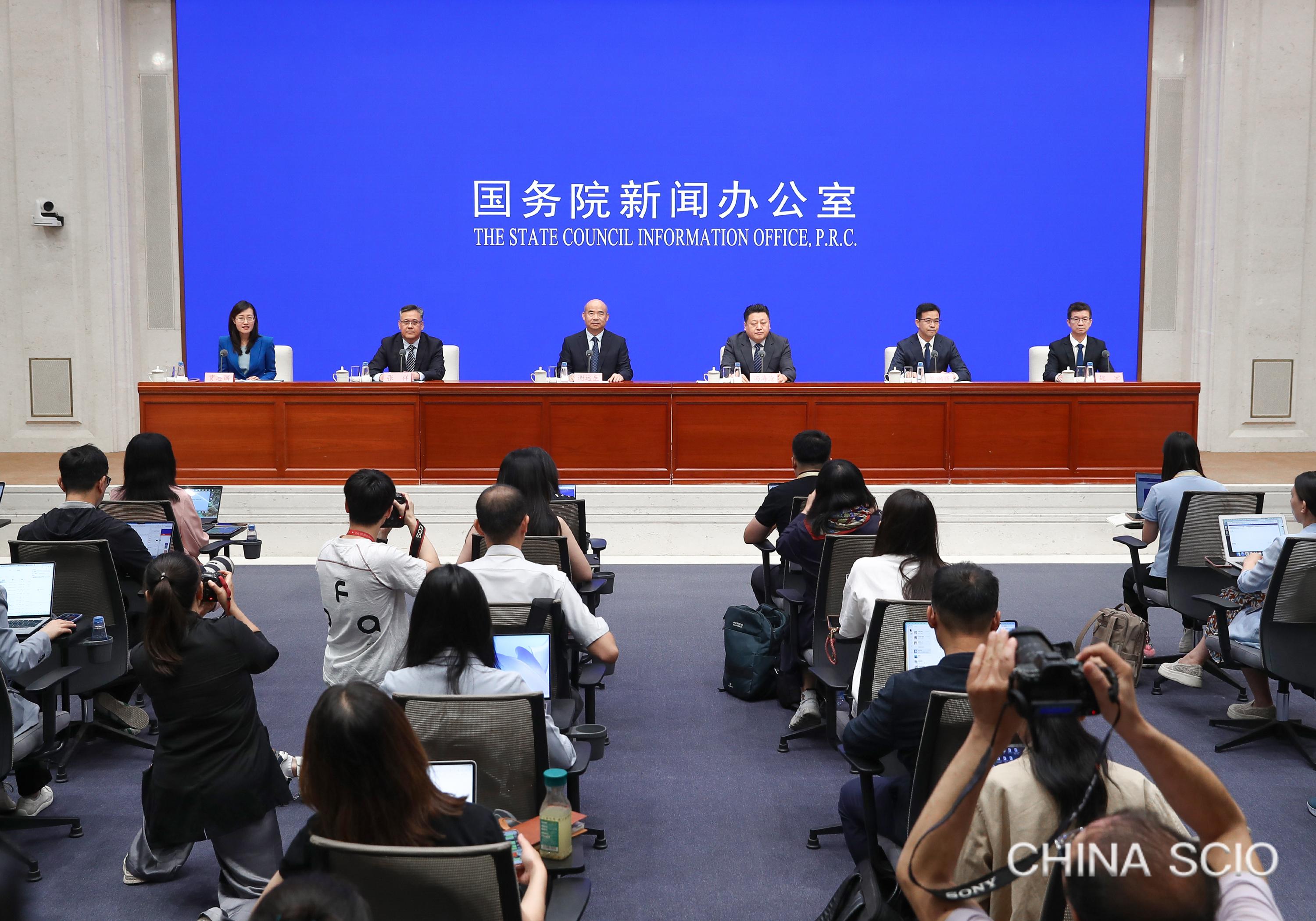
/7 Group photo
/7 Xie Yuansheng
/7 Feng Haicang
/7 Zhang Xiang
/7 Shan Gangxin
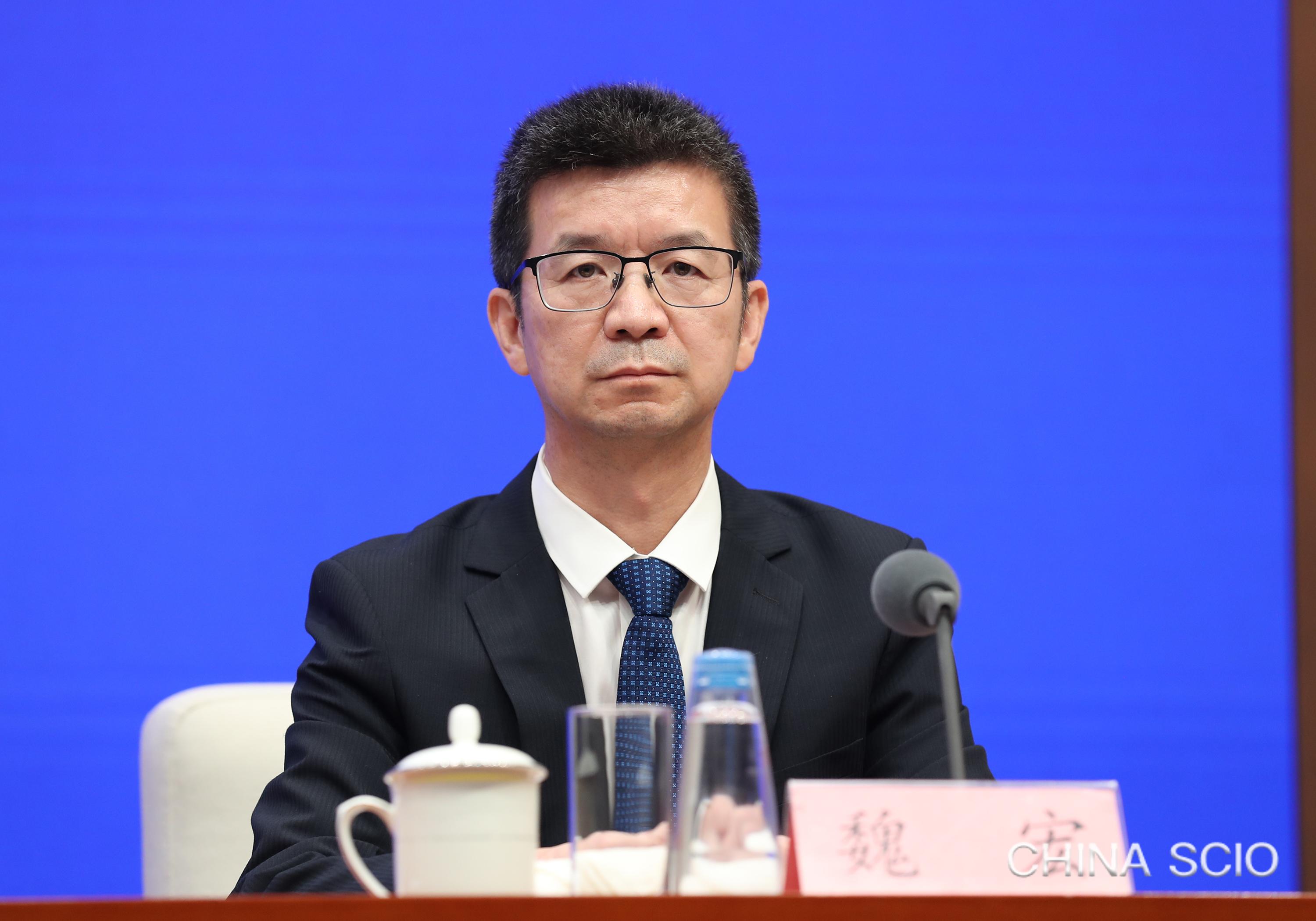
/7 Wei Hong
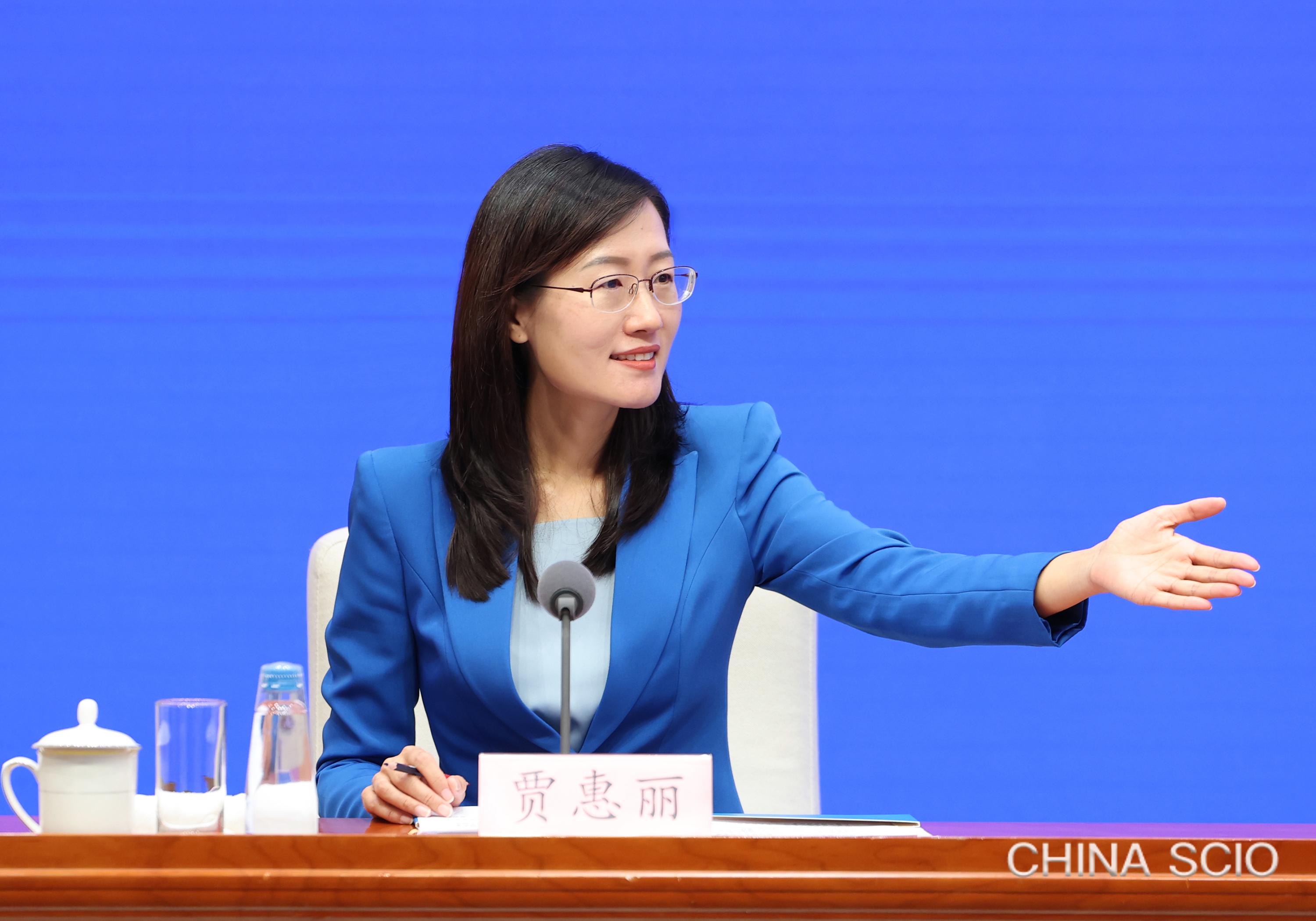
/7 Jia Huili
SCIO briefing on building a leading sports nation during the 15th Five-Year Plan period
September 3, 2026SCIO briefing on development of trade in services and progress of preparations for CIFTIS 2026
August 28, 2026