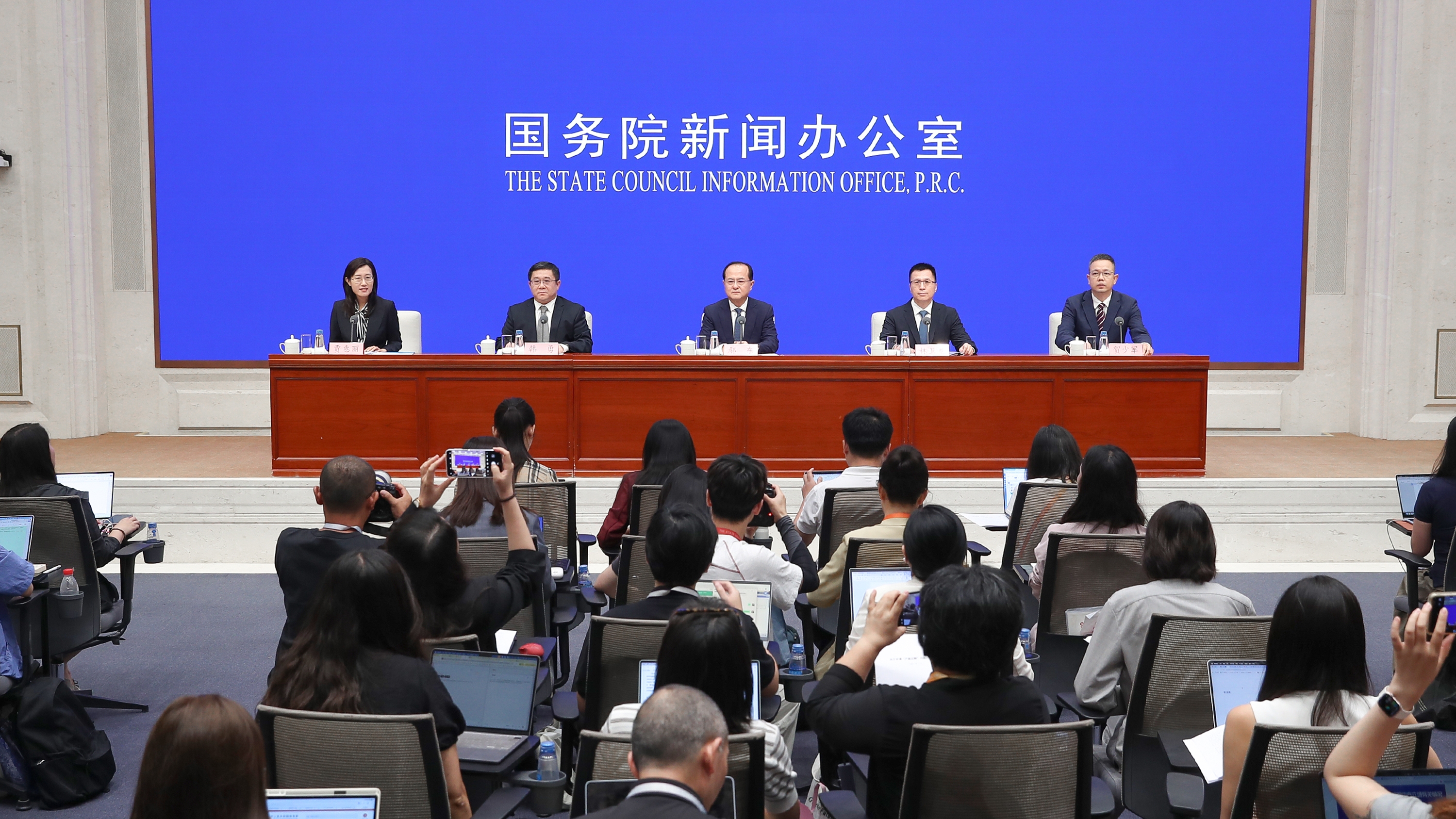

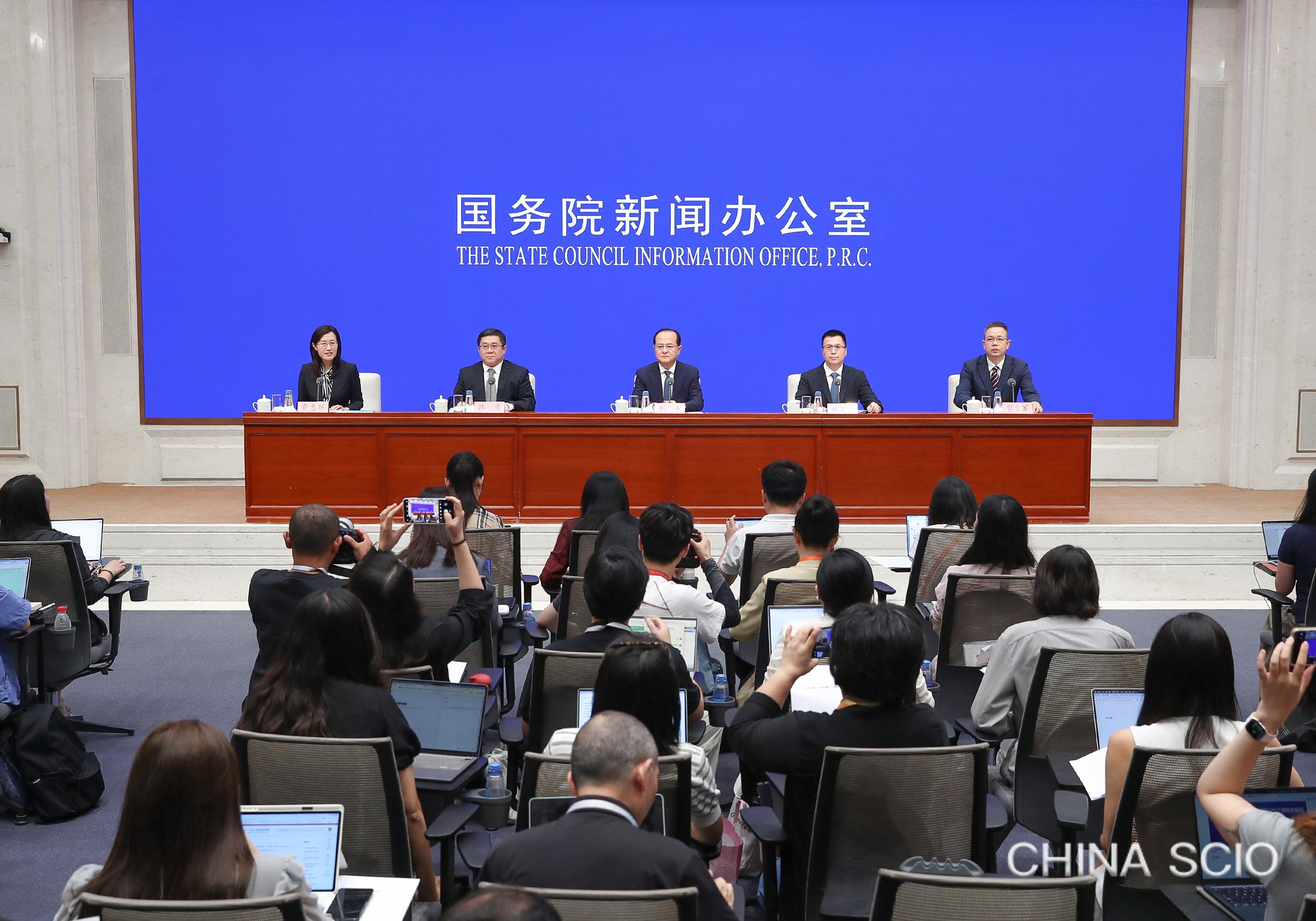
SCIO briefing about China's position on the so-called 'excess capacity' issue
Beijing | 3 p.m. July 28, 2026
Speakers

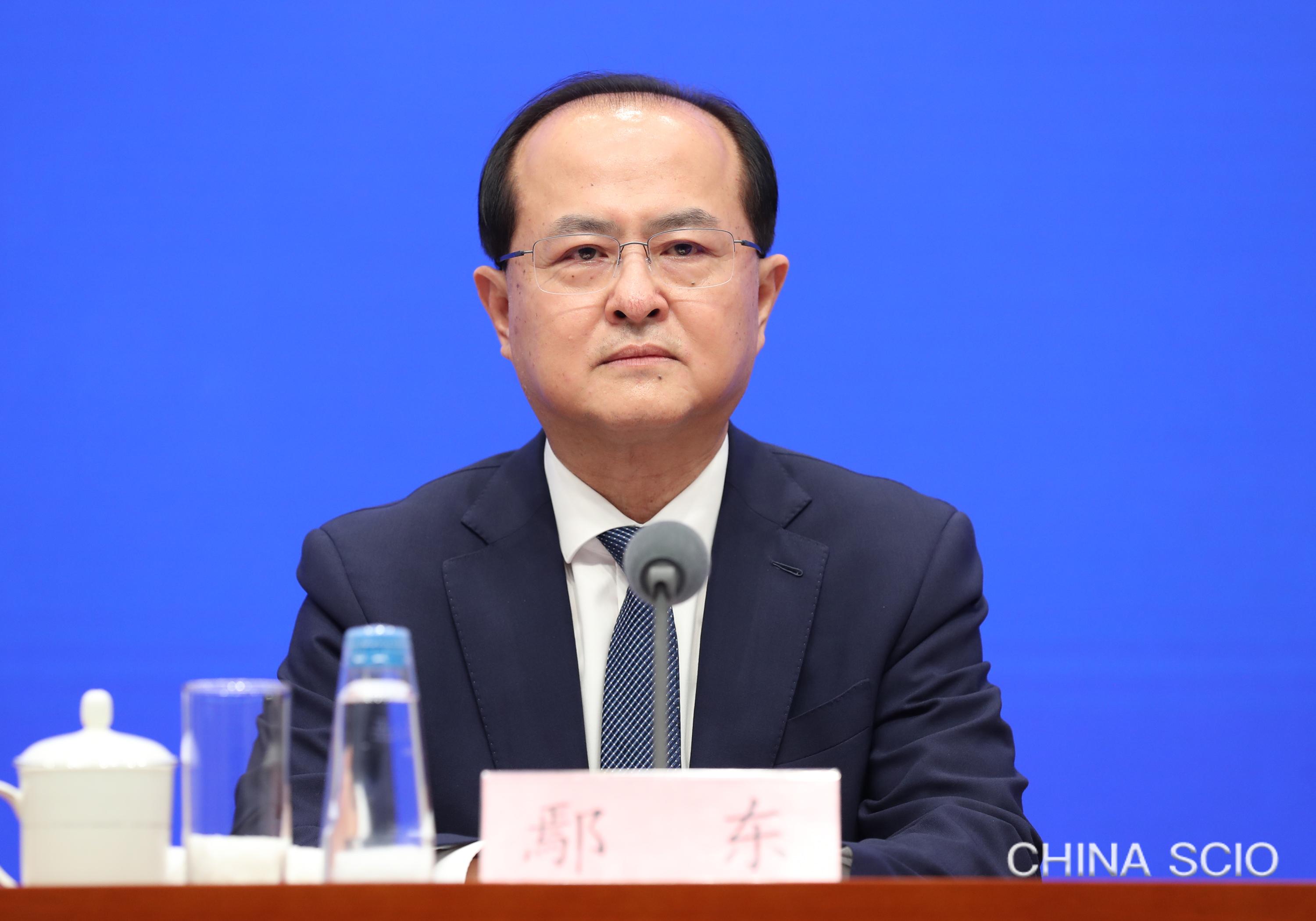
Yan Dong, vice minister of commerce
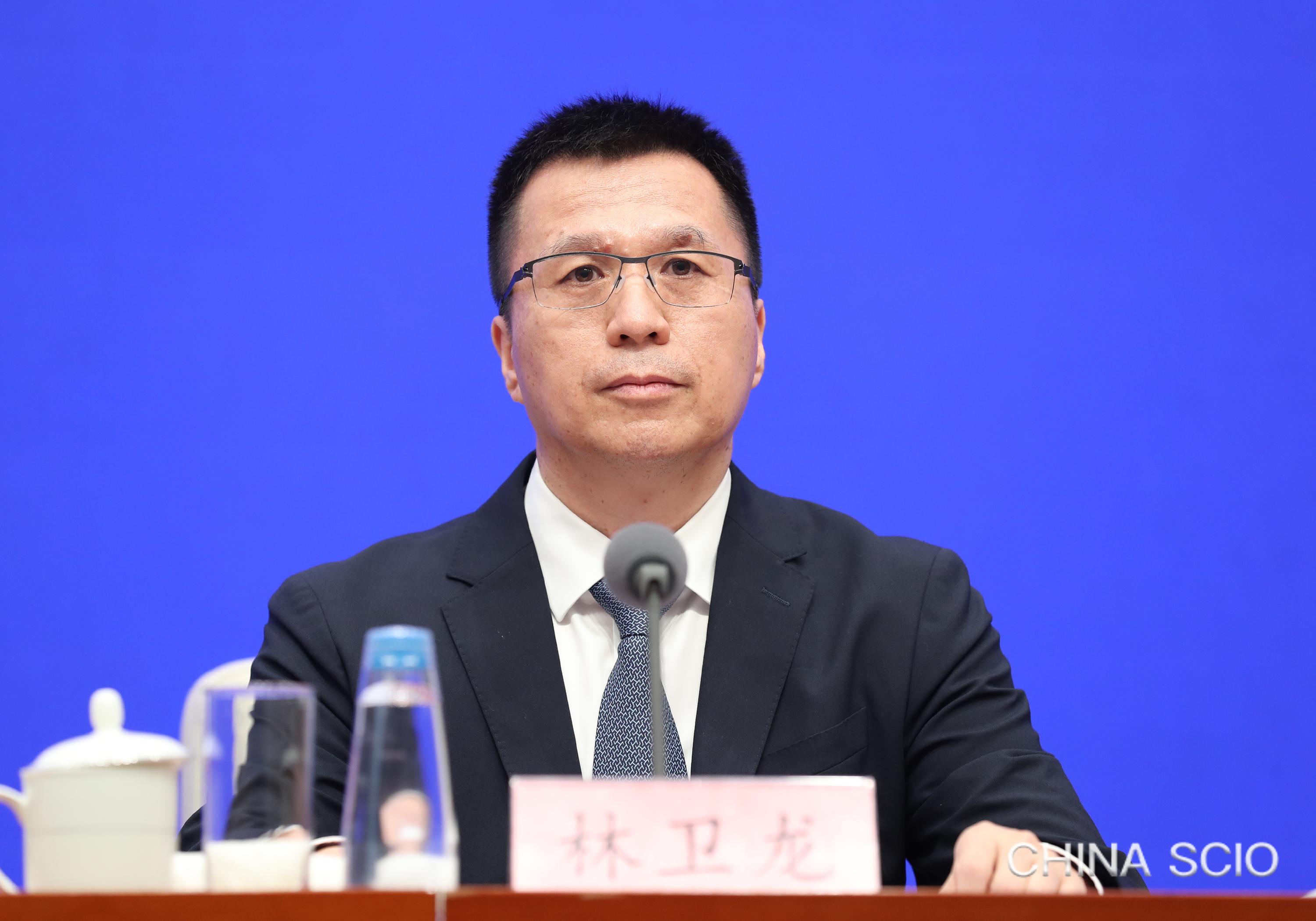
Lin Weilong, director general of the Policy Research Office of the Ministry of Commerce (MOC)
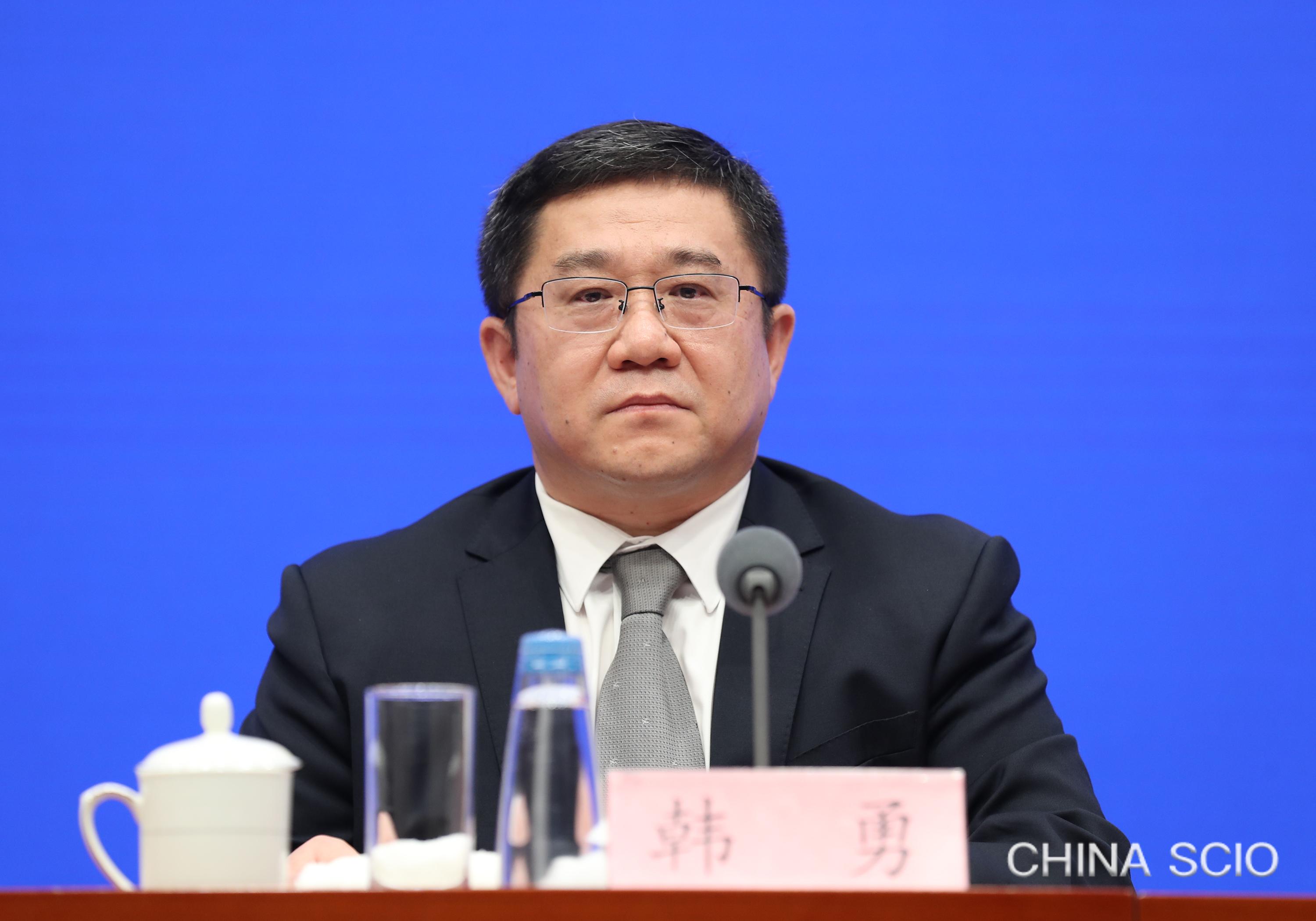
Han Yong, director general of the Department of WTO Affairs of the MOC
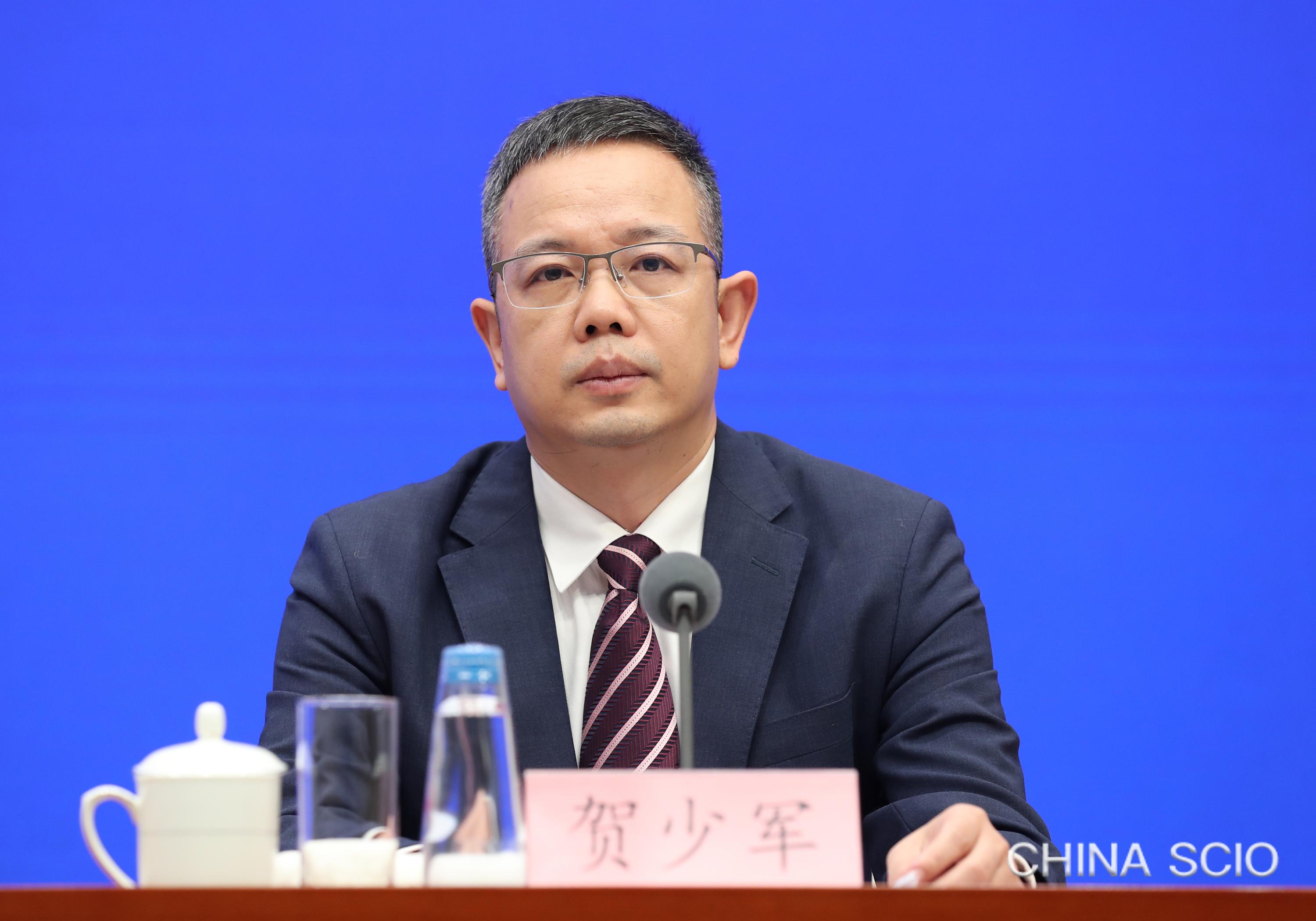
He Shaojun, deputy director general of the Department of Foreign Trade of the MOC
Chairperson
Speakers:
Mr. Yan Dong, vice minister of commerce
Mr. Lin Weilong, director general of the Policy Research Office of the Ministry of Commerce (MOFCOM)
Mr. Han Yong, director general of the Department of WTO Affairs of the MOFCOM
Mr. He Shaojun, deputy director general of the Department of Foreign Trade of the MOFCOM
Chairperson:
Ms. Jia Huili, deputy director general of the Press Bureau of the State Council Information Office (SCIO) and spokesperson of the SCIO
Date:
July 28, 2026
Jia Huili:
Ladies and gentlemen, good afternoon. Welcome to this press conference held by the State Council Information Office (SCIO). Today, the Ministry of Commerce (MOFCOM) released a document titled "China's Position on the So-called Excess Capacity Issue." We have invited Mr. Yan Dong, vice minister of commerce, to brief you on the document, and to answer your questions. Also present today are Mr. Lin Weilong, director general of the Policy Research Office of the MOFCOM; Mr. Han Yong, director general of the Department of WTO Affairs of the MOFCOM; and Mr. He Shaojun, deputy director general of the Department of Foreign Trade of the MOFCOM.
First, I'll give the floor to Mr. Yan for his introduction.
Yan Dong:
Thank you, Ms. Jia. Friends from the media, good afternoon. As Ms. Jia just said, today, the MOFCOM released a document titled "China's Position on the So-called Excess Capacity Issue." I would like to take this opportunity to brief you on the background and main content of this document.
In recent years, global economic growth has remained sluggish, drawing widespread attention and discussion across the international community regarding global supply-demand balance and production capacity. In particular, some economies, concerned about their own industrial competitiveness and market position, have politicized economic and trade issues by hyping up the so-called "excess capacity" issue against China. They have even deliberately confused concepts, linking industrial subsidies, trade surplus, economic imbalance, market competition and other issues with "excess capacity." They have put forward claims such as the so-called "China Shock 2.0" and introduced various protectionist measures under the pretext of the so-called "excess capacity" issue.
President Xi Jinping pointed out: "One will not be seen in a more favourable light after blowing out others' lamp; nor will they go farther by blocking others' paths." China believes that the issue of capacity should be viewed in a comprehensive, objective and impartial manner, and should not be used as an excuse for protectionism. Such practices will only disrupt the global economic and trade order as well as the stability of industrial and supply chains, exacerbate conflicts and differences, and pose long-term risks to global economic growth. We have compiled this position paper to clarify relevant facts and elaborate on China's views and position on the so-called "excess capacity" issue.
The Chinese version of the paper contains more than 10,000 Chinese characters, and the English version has also been published simultaneously on the MOFCOM's website. The full text consists of a preface, main body and conclusion. The main body consists of four chapters.
Chapter I: "Global capacity and the so-called excess capacity should be viewed in a rounded and objective manner." This section reviews the evolution of the global capacity landscape from a historical perspective, explaining that the gradual shift in the global industrial landscape from a single center to multiple centers is a result of international industrial labor division. Excess capacity is a dynamic phenomenon in the market economy. Given varying perspectives on this concept, its measurement in different economies and industries should take into account their respective development stages and levels.
Chapter II: "Perspectives and positions on four relationships concerning excess capacity." This section objectively analyzes the relationships between industrial subsidies, trade surplus, economic imbalance as well as market competition and excess capacity, emphasizing that there is no necessary connection between industrial subsidies and excess capacity, that large exports or trade surpluses are not synonymous with excess capacity, that global economic imbalance is a historical norm with complex root causes, and that market competition provides an important guarantee for capacity optimization and adjustment.
Chapter III: "China's commitment to building a modern industrial system through opening-up and cooperation." This section focuses on China's policy practices and future directions, clarifying that the rapid growth of China's modern industries is driven by innovation, and that the stable, healthy industrial performance relies on deepening reform. It also explains that China's industrial modernization is "China Opportunity 2.0" to the world, not "China Shock 2.0."
Chapter IV: "We should jointly pursue open and inclusive cooperation on global industrial and supply chains." This section puts forward China's principles and proposals, calling on the international community to jointly shoulder responsibilities and move toward the same direction. China advocates promoting mutually beneficial and win-win cooperation, respecting the laws of the market, strengthening coordination of industrial policies, expanding market openness and jointly creating cooperation opportunities, and upholding multilateralism and building a more just and equitable international economic order.
That concludes my introduction. Next, my colleagues and I are ready to take your questions. Thank you.
Jia Huili:
Thank you, Mr. Yan. The floor is now open for questions. Please identify the media outlet you represent before asking questions.
_ueditor_page_break_tag_Seashell Finance of The Beijing News:
Currently, countries hold different views on the "excess capacity" issue and international organizations do not have a unified definition. The evaluation criteria vary greatly with significant disagreements. What is your take on this? Thank you.
Yan Dong:
I would like to invite Mr. Lin to answer this question.
Lin Weilong:
Thank you for your question. As you mentioned, there is ongoing debate and a lack of broad consensus in the international community regarding the concept of "excess capacity" and related issues. To understand and view the concept in a more comprehensive, objective and systematic way, we can examine it through three dimensions.
The first is the theoretical dimension. "Excess capacity" is a complex concept that needs to be understood within specific economic contexts. Economists generally interpret it from both macro and micro levels. At the macro level, it refers to supply exceeding demand, where total production capacity significantly surpasses total demand. At the micro level, it means idle enterprise capacity, with factors such as monopolistic competition disrupting capacity clearing, preventing the achievement of optimal output. "Excess capacity" is a dynamic phenomenon in the market economy, related to changes in supply and demand while being affected by the industry life cycle. It operates in a continuous dynamic cycle of "balance-imbalance-rebalance," where balance is relative and imbalance is the norm.
The second is the historical dimension. The global center of production capacity has undergone several major historical shifts along with industrial relocation. Since the first industrial revolution, various factors of production have flowed more rapidly around the world. The United Kingdom and the United States successively emerged as the world's industrial centers. The U.K.'s share in global industrial output peaked at 22.9% in 1880, while the U.S.'s share in global industrial output reached as high as 44.7% in 1953. Since the end of the Second World War, the world has undergone multiple rounds of industrial transfer — from the U.S. to Europe, from Europe and the U.S. to Japan, then on to East Asia and China, and currently with some industries relocating from China to Southeast Asia and other regions — ultimately forming three major regional manufacturing centers in North America, Europe and East Asia. China's transformation into the "workshop of the world" is the result of its active integration into economic globalization and participation in the international division of labor. It has also become a key component of the global manufacturing network.
The third is the practical dimension. Capacity utilization rate needs to be assessed in light of the actual conditions of different countries and industries. Internationally, the capacity utilization rate is usually used to measure the situation of "excess capacity." It measures the ratio of actual output to potential output. However, there are no globally accepted criteria for determining the reasonable range of capacity utilization, as it differs across economies. The median capacity utilization rate for advanced and fast-growing economies mostly falls in the 75%-80% range, whereas that for less developed countries usually stands between 50% and 64%. At the same time, capacity utilization rate also varies considerably across sectors. Capacity utilization in some traditional industries is significantly below the average. In some countries, capacity utilization in beverages and furniture stands at around 65%, while in sectors like rubber, chemicals and plastics it is only 40%-50%. Emerging industries have relatively high capacity utilization rates. In some countries, the capacity utilization rate for computer and peripheral equipment reaches 83%, and for electrical equipment and components it reaches 86%. Economic practices of various countries have shown that capacity utilization rate, although a reasonably objective indicator of the use of production capacity, is not a one-size-fits-all measure for determining whether excess capacity exists in different economies or sectors.
In China's case, the overall industrial capacity utilization rate remains within a reasonable range. In 2025, the capacity utilization rate of industrial enterprises above designated size was 74.4%, and higher capacity utilization was observed in high-tech manufacturing, high-end equipment manufacturing and strategic emerging industries. The temporary low capacity utilization rates in certain traditional raw-material sectors mainly stem from adaptive adjustments brought by structural changes and green transition, which are normal during the upgrading of industries. Overall, China's industrial sector is generally balanced in terms of supply and demand and is operating smoothly. Thank you.
_ueditor_page_break_tag_China News Service:
In recent years, there has been an international narrative that "subsidies have caused excess capacity." How does China comment on such claims? In addition, what is the relationship between industrial subsidies and excess capacity? Thank you.
Yan Dong:
Thank you for your questions. I would like to invite Mr. Han to answer these.
Han Yong:
Thank you for your questions. Many countries introduce tailored industrial policies in light of their national conditions and development needs. For example, R&D subsidies for emerging industries and risk management subsidies for the agricultural sector are legitimate industrial and trade policy tools for WTO members. Multiple reports from the United Nations Conference on Trade and Development (UNCTAD) point to the rapid increase in industrial policies worldwide over the past five years. Providing R&D subsidies, tax incentives and low-interest loans for emerging industries has become a widely accepted international practice. It should be pointed out that industrial subsidies per se are not a problem, and there is no necessary connection between industrial subsidies and excess capacity. Sound industrial subsidy policies help correct market failures, advance technological innovation, protect the environment, reduce poverty and promote balanced development, rather than cause the so-called "excess capacity."
On the other hand, if protectionist measures are adopted, non-compliant industrial policies are introduced and a beggar-thy-neighbor approach is taken to restrict competition, the global economic and trade order will be disrupted. The U.S. Inflation Reduction Act, which plans to provide a total of $750 billion in various subsidies from 2022 to 2031, requires that electric vehicles eligible for these subsidies shall be produced and sold in the U.S. or North America, effectively excluding other countries and regions. In addition, according to available statistics, the European Commission is set to provide more than 1.44 trillion euros in various subsidies between 2021 and 2030. The European Union's Industrial Accelerator Act links local content to fiscal support through the E.U. origin requirement, constituting a serious investment barrier and institutional discrimination. Major countries, as leaders in global industrial development, should set an example by using subsidies reasonably in accordance with the principles of openness, fairness and compliance. They should refrain from adopting discriminatory subsidy policies and avoid artificial intervention in the global layout of industrial and supply chains.
China always strictly observes WTO rules and strives to build and improve a system of subsidies in accordance with international practice. For years, China has constantly regulated and improved relevant policies to ensure that its subsidies are compliant, science-based and transparent. It has also reviewed and standardized some unsound local practices and established a unified administration system for local government subsidies based on negative lists. China has comprehensively fulfilled its WTO commitments on transparency in a timely manner, and its notifications on subsidy policies have achieved nationwide coverage. China's subsidies are mainly used for scientific R&D, initiatives on industrial application of technology and market consumption. China uses market-based and indirect guidance more often, such as public services, technical standards and skills training, to support priority areas like technological R&D and innovation, the development of small and medium-sized enterprises (SMEs), and green and energy-efficient development. China's subsidies apply equally to all types of market entities, and domestic and foreign-invested enterprises actively participate and benefit equally.
Development is a timeless theme for humanity. It is imperative that all countries make the pie of global development bigger and introduce industrial policies in a rational and compliant manner, rather than use them as a tool to constrain the development of others. China stands ready to engage in discussions on the relevant industrial policies with all sides under the WTO framework to jointly bring relevant practices into compliance and advance multilateral rules in a manner that keeps pace with the times. Thank you.
_ueditor_page_break_tag_Bloomberg News:
Does China plan to address trading partners' worries about excess capacity and also low-cost exports that are displacing local industries? If so, how? And do you expect another record trade surplus this year? Thank you.
Yan Dong:
I would like to invite Mr. He to answer these questions.
He Shaojun:
Thank you for your questions. The topic of trade surplus has attracted wide attention, and I would like to take this opportunity to share my views from several perspectives.
First, the trade surplus reflects a profound evolution in the international division of labor. Looking back at the global history of economic development, countries have generally experienced trade surpluses during their process of industrialization. Manufacturing powerhouses such as the U.K., U.S., Japan and Germany all recorded trade surpluses for a long time. Industry- and product-wise, 80% of American chips are for export, and about two-thirds of commercial planes delivered by Boeing are sold to customers outside North America. The E.U.'s automobile, pharmaceutical and cosmetics sectors had surpluses of $92.2 billion, $214.6 billion and $11.6 billion in 2025, respectively. Large exports or trade surpluses are not synonymous with excess capacity. Given its complete and efficient industrial system, China's trade surplus is an objective result of changes in the global division of labor and trade landscape.
Second, Chinese products have met the production and living needs of countries worldwide. Consumer goods such as computers, cellphones, furniture, clothing and toys produced in China have provided global consumers with more choices, reduced consumer costs and buffered against inflation risks. China's exports of production equipment and intermediate products have strongly supported the industrial development of its trading partners. For example, we have supplied more than 80% of the world's solar photovoltaic modules and 70% of its wind power equipment, significantly supporting the green transition of our trading partners. Foreign-invested enterprises accounted for 16% of China's trade surplus and also reaped substantial investment returns. All these demonstrate that the trade surplus is registered by China, but the benefits are shared by all.
Third, in terms of the balance of payments in general, despite a relatively large surplus in trade in goods, China has deficits in both trade in services and the capital and financial account. Overall, China's current account surplus is about 3.7% of its GDP, which is within an internationally recognized reasonable range, and there is no significant imbalance in the balance of payments.
I would like to emphasize that it has never been China's intention to seek a trade surplus. China will continue to actively promote the balanced development of imports and exports, open its market wider to the world, and unswervingly expand imports. In the first half of this year, China's imports in goods grew 22.1%, significantly faster than exports. China remains the world's second-largest import market, and the demand generated by its vast market provides strong growth momentum for its trading partners. In particular, since last year, we have been building the "Export to China" brand and plan to hold more than 100 import promotion events annually, sharing China's new development opportunities with the world. At the "Export to China" events overseas, many Chinese companies signed letters of intent to purchase with local companies, broadening their import sources and creating more convenient channels for foreign companies to enter the Chinese market. This initiative has received positive responses from various countries and fostered friendship through mutually beneficial and win-win cooperation.
Going forward, we will take more pragmatic measures to expand imports and share new opportunities from China's vast market with countries around the world.
First, we will continue to enhance the influence of the "Export to China" brand. By holding a series of business matchmaking events, we will further boost imports through collaboration among trade fairs and targeted procurement.
Second, we will continue to increase policy support. We will improve trade facilitation for imports, and optimize the sources and structure of imported goods, so as to meet the needs of industrial development and the people's desire for a better life.
Third, we will fully leverage the role of trade promotion platforms. We will continue to host major trade events such as the China International Import Expo (CIIE) and the China International Consumer Products Expo (CICPE), hold the CIIE U-Fair on a regular basis, better leverage the role of national demonstration zones for innovative import promotion, and actively promote the import of high-quality goods and services from around the world. Thank you.
_ueditor_page_break_tag_Market News International:
Recently, some leaders from European Union countries and institutions have raised concern that China's currency is undervalued, which gives Chinese exporters an unfair advantage. What is the Ministry of Commerce's response to this? And looking ahead to the later half of this year, particularly in the context of ongoing trade tensions and the broader economic environment, how does the Ministry of Commerce view the prospects for trade between China and Europe? Thank you.
Yan Dong:
I would like to invite Mr. Lin to answer these questions.
Lin Weilong:
Thank you for your questions. We have noticed the situation you mentioned. In recent years, under the strategic guidance of the leaders of both sides, China-E.U. economic and trade relations have maintained sound momentum. In the first half of this year, the total value of trade in goods between China and the E.U. increased 14.2% year on year to $447.88 billion. The two sides have great potential for cooperation in areas such as trade in services, technological innovation and the green economy. This results from deep integration and complementarity of industrial and supply chains, and also represents an inevitable trend in the global digital and green transitions and the future development of China and Europe.
Meanwhile, the E.U. has recently introduced a series of trade restrictions against China and hyped up the so-called RMB exchange rate issue. These claims are unfounded and do not serve the stable development of China-E.U. economic and trade relations. China remains committed to letting the market play a decisive role in determining exchange rate while keeping the RMB basically stable at a reasonable and balanced level. As a responsible major country, China will not seek a competitive advantage through currency devaluation. Chinese manufacturing is internationally competitive, and there is no need to boost exports by undervaluing the currency.
China is not the source of the E.U.'s trade and economic problems, but rather a partner in resolving them. Protectionism leads nowhere. Win-win cooperation is the only way forward. At the end of last month, Chinese Commerce Minister Wang Wentao and European Commissioner for Trade and Economic Security Maros Sefcovic co-chaired the first meeting of the China-E.U. Trade and Investment Consultation Mechanism. The two sides agreed on a new positioning of China-E.U. relations as "stable and balanced key trading partners." China is willing to use this mechanism to strengthen dialogue and consultation with the E.U., properly handle differences and frictions, and promote practical cooperation. Through these efforts, China aims to rebalance bilateral trade at a higher level, advance the stable and healthy development of China-E.U. economic and trade relations, and inject greater certainty and positive energy into the global economy. Thank you.
_ueditor_page_break_tag_National Business Daily:
Regarding China's industrial development and technological innovation, two distinct narratives have emerged in the international community: "China Shock 2.0" and "China Opportunity 2.0." How do you view them? Is China's industrial development a shock or an opportunity for the world? Thank you.
Yan Dong:
Thank you for your question. I will take this one. This topic has attracted widespread attention and is being discussed extensively. Certain countries have floated the so-called "China Shock 2.0" narrative, groundlessly claiming that China's industrial development threatens the dominant position of Western countries and squeezes the development space of Global South countries. That claim does not square with the facts and is untenable.
For over a decade, China has remained a major engine of global economic growth, consistently contributing around 30%. By leveraging its market advantages, industrial development and technological progress, China is providing the world with increasing "market dividends," "development dividends" and "innovation dividends." As these dividends converge and compound, they bring more development opportunities and greater room for growth worldwide, which is what a growing number of rational and objective voices in the international community call "China Opportunity 2.0." This can be seen from the following four dimensions.
First, China's industrial development serves as a ballast for stable global industrial and supply chains. China has the world's largest and most complete industrial manufacturing system, continuously and efficiently supplying a wide range of manufactured goods, underpinning stable global supply and offsetting local supply gaps caused by protectionism and geopolitical conflicts. China has demonstrated remarkable resilience and a strong sense of responsibility, serving as a stabilizing anchor and a key hub in global industrial cooperation. China exports high-quality, affordable production equipment and components, lowering the barriers to entry for manufacturing in developing countries. From 2012 to 2024, China's exports of textile machinery to developing countries exceeded $30 billion, helping some Southeast Asian and South Asian countries become important textile producers and exporters.
Second, China's industrial development is a new engine for global innovation cooperation. Committed to innovation-driven development, China has forged an effective path where technological innovation leads industrial innovation, and industrial upgrading in turn drives technological advancement. Backed by China's manufacturing strength, any valuable scientific or technological achievement can be quickly turned into an actual product, providing the best testing ground for the "0 to 1" verification and "1 to N" scale-up of new products and services. China keeps its doors open to innovation, and its fast-growing innovative enterprises have brought investors from all countries returns of several times or even dozens of times their initial investment. Many of China's innovations, such as large AI models, have embraced an open-source approach and gained global popularity. Open-source large models have been downloaded more than 10 billion times globally, enabling more countries, especially developing ones, to access and afford new technologies.
Third, China's industrial development is a driving force for the global green transition. China is accelerating a comprehensive green transition and promoting green, low-carbon industrial growth. By the end of the 15th Five-Year Plan period, China's green industry is expected to be worth more than 20 trillion yuan. The country's green industry is developing rapidly, and its new energy products have enriched global supply, boosting the global green, low-carbon transition. According to a report from the International Renewable Energy Agency, over the past decade, the average cost per kilowatt-hour of global wind power projects has decreased by more than 60% and that of PV power projects by more than 80%. The reductions are largely attributable to Chinese manufacturing and production capacity. With global energy supplies tight and AI driving up electricity demand, the International Energy Agency predicts that global electricity consumption by data centers will approach 1 trillion kilowatt-hours by 2030, with 40% of new demand relying on renewable energy. China's significant scale and technological edge in solar energy, energy storage and electrification position it well to meet future global demand for green energy and industrial development.
Fourth, China's industrial development is a catalyst for improving the well-being of people in all countries. China's rapid industrial development has provided the world with a wealth of high-quality, high-efficiency and cost-effective products, offering global consumers more stable and diverse choices. Chinese manufacturing has improved the quality of life for people around the world, reduced the cost of living and eased global inflationary pressures. For example, Chinese air conditioners have recently become bestsellers across Europe, bringing relief to local households sweltering in summer heatwaves. A report released by the European Central Bank estimates that if E.U. imports from China increase by 10% in 2026, the bloc's overall import prices will fall by 1.6%. China's trade and investment are increasingly empowering industrialization across the developing world. China has established more than 50,000 enterprises overseas, with an investment stock of more than $3 trillion, nearly 90% of it in developing economies. Through local production, procurement, and employment, alongside upstream and downstream support and regional supply chain connectivity, Chinese enterprises have facilitated the implementation of numerous projects across sectors like light industry, textiles, and home appliances. At the same time, they are driving growth in emerging digital and green sectors while boosting the contribution of host-country exports to local value creation. According to calculations by the Chinese Academy of Sciences, from 2012 to 2025, the local export value added driven by Chinese enterprises in 24 developing economies rose from $24.4 billion in 2012 to $142.4 billion in 2025, a nearly fivefold net increase. The "China squeeze" narrative fabricated by certain countries is a fresh repackaging of the "China threat" rhetoric. Rather than genuinely helping developing countries, their aim is to undermine China's cooperation with the Global South and to deflect their own past and present responsibilities. Facts and data demonstrate unequivocally that China's industrial development brings the world opportunities, not shocks, and empowerment, not threats, helping pave the way for developing countries on their path to modernization. Thank you.
_ueditor_page_break_tag_CNR:
In recent years, unilateralism and protectionism have been on the rise, and some economies have adopted discriminatory measures that have undermined fair competition and disrupted the global division of labor and cooperation across industries. How do you view the role of market competition in shaping the global distribution of production capacity, and how can the WTO play a more effective role in upholding a fair international competitive environment? Thank you.
Yan Dong:
Thank you for your question. I would like to invite Mr. Han to answer it.
Han Yong:
Thank you for your question. Market competition is an important safeguard for optimizing and adjusting production capacity and for the healthy development of industries. Historically, successive industrial revolutions and technological transformations have been accompanied by higher production capacity in related industries, and, in the short term, even by oversupply. During this process, companies invest in expanding production in pursuit of profits and market share, and market competition drives them to cut costs and raise efficiency, fostering technological progress and higher productivity. Market competition is the most effective mechanism for preventing the disorderly expansion of production capacity. The role of the government lies in ensuring orderly competition, preserving a level playing field, and allowing the market to fully function, so that outdated capacity is phased out naturally through competition, and a dynamic balance between supply and demand is ultimately achieved. The WTO's principle of fair competition and its related rules have become widely accepted norms of conduct worldwide. All parties should uphold fair competition and reduce undue interference with the global division of labor and cooperation on production capacity.
China is actively fostering a first-class business environment based on fair competition. The country boasts the world's largest pool of market entities. This massive base of market participants creates a fully competitive environment, compelling companies to take on challenges, compete on strength, and keep improving their products and services in competition. McKinsey once described China as "the world's toughest gym," that trains hyper-competitive companies. China's 15th Five-Year Plan calls for advancing the development of a unified national market and removing barriers related to production factor access, bidding, qualification accreditation, public bidding and government procurement. It also calls for full national treatment for foreign-invested enterprises and for a first-class business environment that is market-oriented, law-based and internationalized.
The rules-based multilateral trading system, with the WTO at its core, has played an important role in maintaining the stability of the global economic and trade order. Principles such as free trade, non-discrimination and fair competition have gained widespread acceptance and together form the underlying logic that keeps the order stable and predictable. The multilateral trading system is currently facing severe shocks from unilateralism and protectionism, yet multilateralism remains the preferred choice for the vast majority of WTO members. According to WTO statistics, 72% of global trade is still conducted under the most-favored-nation principle. That fully demonstrates the value and resilience of fair competition and the system's other basic principles. No one wants to go back to the jungle era where the strong bully the weak. In challenging times, international fairness and justice are all the more precious. China will work with all parties to firmly support the multilateral trading system, advance WTO reform, resolutely uphold the organization's basic principles and rules, and safeguard a transparent, fair, and inclusive global trade and economic environment. Thank you.
_ueditor_page_break_tag_South China Morning Post:
The E.U. recently proposed new trade defense instruments and the U.S. launched a Section 301 investigation into production capacity. What is MOFCOM's comment on this? Given that domestic supply in the sectors concerned continues to exceed domestic demand, what measures is the ministry taking to prevent export spillover effects from triggering further trade restrictions? Thank you.
Yan Dong:
Thank you for your questions. I would like to invite Mr. Lin to answer them.
Lin Weilong:
Thank you for your questions. As I understand it, your questions involve three issues: trade measures taken by the E.U. and the United States, China's domestic demand, and global economic imbalances caused by the spillover effects of exports.
Let me first address the E.U.'s trade defense instruments and the U.S. Section 301 investigations into production capacity. China has repeatedly made its position clear on both. The E.U. has recently rolled out a series of protectionist measures against China, severely undermining the confidence of Chinese enterprises in cooperating with the E.U. Given the enormous scale of China-E.U. cooperation, disagreements and frictions are inevitable. However, such differences should not be used as grounds for fabricating baseless accusations, let alone as a pretext for imposing restrictions and pressure that hinder practical cooperation. China is willing to work with the E.U. to properly handle differences and frictions through dialogue and consultation. The U.S. launch of a Section 301 investigation targeting overcapacity is a typical act of unilateralism that severely disrupts the international economic order. The U.S. can not arbitrarily define production capacity that merely exceeds domestic demand as "overcapacity" and slap on such a label at will. The U.S. side has no authority to unilaterally determine whether its trading partners have "overcapacity" through a Section 301 probe, nor to impose unilateral restrictive measures based on such a determination. China urges the U.S. to correct its wrongdoings and return to the proper path of resolving differences through dialogue and consultation. China will closely follow the developments and reserves the right to take all necessary actions to firmly defend its legitimate rights and interests.
The second question concerns China's domestic demand. The position paper states that the argument that "China's inadequate domestic demand gives rise to excess capacity" runs counter to facts. China is not only a manufacturing powerhouse, but also a major consumer. Domestic demand has always served as a main engine of China's economy. From 2013 to 2024, domestic demand on average contributed 93% of the country's economic growth. Specifically, consumption and investment contributed 55% and 38%, respectively. Between 2013 and 2025, China's total retail sales of consumer goods doubled from 23.8 trillion yuan to 50.1 trillion yuan. Measured by the World Bank's purchasing power parity (PPP) conversion factor, China's total retail sales of consumer goods in 2025 were 1.7 times that of the U.S., making China the de facto largest consumer market in the world. For example, in terms of food consumption, China's Engel coefficient has dropped to 29.8%; and the per capita protein supply has reached more than 130 grams per day, exceeding that of many developed countries. In terms of industrial product consumption, the annual per capita consumption of some industrial products such as air conditioners, refrigerators, cellphones and automobiles, has approached the levels of OECD countries.
Currently, China faces inadequate effective demand, which aligns with the country's economic transition from high-speed growth to a phase of high-quality development. In the long term, however, China's consumption potential remains enormous and dynamic, and its role as a major engine of growth will become even more prominent. Over the coming decade, China's middle-income population will exceed 800 million, and per capita GDP is expected to reach the level of moderately developed countries. Structurally, it is accelerating the shift from commodity consumption to a balance between commodity and service consumption, with service consumption developing rapidly. It is expected that by 2030, the proportion of service consumption will exceed half. China's 15th Five-Year Plan has a dedicated section on bolstering domestic demand, underscoring the need to adhere to the strategy of expanding domestic demand, complete with measures for expanding effective investment, vigorously boosting consumption, advancing special initiatives to boost consumption, expanding and upgrading goods consumption, unleashing the potential of services consumption, cultivating and strengthening new types of consumption, so that new demand drives new supply, and new supply helps create fresh demand. This will foster positive interactions between consumption and investment and between supply and demand, so as to strive to achieve a higher-level equilibrium between supply and demand.
The third question concerns global economic imbalance. Global economic imbalance has always existed and is a historical norm. Under the global economic landscape and international economic governance system formed after the Second World War, the global economy has experienced a major wave of imbalance roughly every decade, at times even triggering international economic and financial crises. When analyzing the causes of global economic imbalance, the focus of discussion by the international community keeps shifting, ranging from market factors such as savings and investment and division of labor along industrial and supply chains, to institutional factors including the international financial system and macroeconomic policies. Economic imbalance has complex root causes.
In recent years, global economic imbalance has taken on new features. The International Monetary Fund (IMF) and other institutions believe that the macroeconomic policies of countries, fiscal policies in particular, are the dominant driver of the current global economic imbalance. The U.S. has accumulated a huge debt imbalance and needs to improve its finances; Europe has insufficient investment and needs to raise its productivity; China needs to expand its domestic demand. This viewpoint is just one opinion, but it reflects the systemic and complex nature of global economic imbalance. Some views that link global imbalance with so-called "excess capacity" are overly simplistic, deliberately misleading and malicious. On the contrary, China's high-quality production capacity not only meets domestic demand but also makes significant contributions to global development and plays an important role in promoting global economic balance. Thank you.
_ueditor_page_break_tag_Daxiang News:
Emerging industries in China, such as artificial intelligence, new energy vehicles and lithium-ion batteries, are developing rapidly, and their export momentum is strong. What are the key factors of China's industrial advantages and growth drivers? Thank you.
Yan Dong:
Thank you for your question. I would like to invite Mr. He to answer this question.
He Shaojun:
Thank you. We have also noted that in recent years, China's electric vehicle, lithium-ion battery and artificial intelligence industries have developed rapidly, with strong export growth. According to customs statistics, in the first half of this year, China's exports of electric vehicles and lithium-ion batteries increased by 68.7% and 37.6% respectively; exports of AI-related products such as industrial robots and 3D printers performed exceptionally well, growing by 18.6% and 109.3%, respectively, becoming a "new brand" for China's foreign trade. In summary, it is the result of multiple factors, including China's solid industrial foundation, market-driven iteration, enterprise innovation breakthroughs, and international openness and cooperation. These can be summarized as four major advantages.
First, the advantage of a complete industrial system. At present, China has established a complete and efficient new energy vehicle industry system covering the entire chain, including basic materials, components, complete vehicles and manufacturing equipment. Its supply chain response efficiency, cost control and delivery speed are among the best in the world. In the Yangtze River Delta region, through the coordinated development of industrial clusters, a new energy vehicle manufacturer can solve the supply of necessary supporting parts within a 4-hour driving distance.
Second, the advantage of a super-sized market. China boasts the world's largest consumer market, which serves as a testing and training ground for new technologies, products and services. China's new energy vehicle sales have ranked first globally for 11 consecutive years, with product technology level significantly improved through fierce domestic competition. Massive user demand and diverse application scenarios are accelerating the iteration of artificial intelligence (AI) technology, enabling rapid verification of the technology's feasibility and diluting R&D costs.
Third, the advantage of innovation-driven development. China remains committed to innovation-driven development, leveraging scientific and technological innovation to guide industrial development and continuously enhancing industrial competitiveness. China's national R&D intensity increased from 1.91% in 2012 to 2.8% in 2025. It has ranked first in the world in international patent applications for seven consecutive years, and accounts for 60% of the world's AI patents. Technological breakthroughs have been achieved in fields such as power batteries and general-purpose large models. By 2025, the energy density of power batteries has increased by more than 50% compared to 2018, and the production cost has decreased by more than 60%. Many domestic large models such as DeepSeek and Qwen have risen to prominence.
Fourth, the advantage of an open and cooperative environment. The global energy system is undergoing profound transformation, and AI is developing rapidly, creating enormous potential for economic and trade cooperation. According to industry estimates, the global market size for products and technologies such as electric vehicles, solar and wind power will reach $2.1 trillion by 2030, and the AI data center market size will grow at an average annual rate of 45% over the next five years, indicating a promising market prospect. China promotes international cooperation based on the principle of mutual benefit and win-win cooperation, and supports competitive new energy vehicle and lithium battery companies in carrying out cross-border production and supply chain deployments in a reasonable and orderly manner to empower the green transformation and industrial upgrading of all countries.
The development of China's modern industries and the enhancement of its foreign trade competitiveness rely on innovation-driven development and the continuous deepening of reforms. Going forward, we will continue to promote high-quality development of trade, further support enterprises in relevant industries in deeply integrating into global industrial and supply chain system, so as to inject more vitality into the global digital, intelligent, and green transformation. Thank you.
Jia Huili:
Thank you for the introduction. Now for the last question.
_ueditor_page_break_tag_CCTV:
Given the current turbulent international landscape, maintaining the stability and smooth flow of global industrial and supply chains faces many challenges, requiring joint efforts and concerted actions from all countries. What suggestions does the Ministry of Commerce have for better promoting the building of an open and inclusive global industrial and supply chain cooperation framework? Thank you.
Yan Dong:
Thank you for your question. I will take it. Currently, the international landscape is volatile and protectionism is rampant. Maintaining the stability and smooth flow of global industrial and supply chains is not only in the interest of all parties, but also an urgent aspiration of the international community. As President Xi Jinping pointed out, economies make progress through exchange and inter-connectivity and fall behind because of seclusion and closeness. China stands ready to work with all parties to safeguard the global free trade system, maintain an open and cooperative international environment, and jointly pursue open and inclusive cooperation on global industrial and supply chains.
We must adhere to the principle of mutual benefit and win-win cooperation to make the pie of global development bigger. As the pie of the global economy expands, conflicts over interest distribution diminish. All parties should jointly seize the opportunities brought by the new round of industrial revolution and technological transformation, enhance international cooperation on green and low-carbon sectors, AI and biomanufacturing, and overcome growth bottlenecks by sharing technological dividends to continuously inject new impetus into the global economy. All parties should pay greater attention to the "real imbalances" existing between developed and developing economies, strengthen cooperation in industry, trade and investment, promote the integration of more developing countries and regions into the international division of labor, accelerate the process of industrialization and modernization, and unlock a "new blue ocean" for global industrial cooperation.
We must uphold openness and integration to promote a virtuous cycle in global industrial and supply chains. The division of labor and cooperation in the global industrial and supply chains were not built overnight; arbitrary and forced intervention will only backfire. All parties should remain committed to expanding market access, promoting trade and investment liberalization and facilitation, improving the efficiency of factor resource allocation, and jointly building and safeguarding an open and innovative global ecosystem to maximize the benefits of international industrial cooperation. All parties should oppose politicizing or over-stretching security concepts over economic issues, respect market principles, lower trade barriers, reduce obstacles to investment and cooperation, promote full market competition, stimulate business vitality, and facilitate a more rational and orderly flow of factor resources and industrial division of labor.
We must uphold policy coordination to build a stable and predictable cooperation environment. The world economy is closely interconnected, and the spill-over effects of industrial policies in different countries are significant. Communication and coordination must be strengthened, with major countries playing an exemplary role. All parties should adhere to equal-footed consultation, properly manage differences, reject unilateralism and protectionism, and oppose discriminatory and exclusionary practices. All parties should strengthen multilateral and bilateral dialogues on industrial policies, adhere to openness and transparency, enhance exchanges and discussions on industrial policies within the framework of the WTO, and take more coordinated and effective measures to better pool the strength for global economic growth.
We must uphold multilateralism to build a more just and equitable international economic order. The multilateral trading system with the WTO at its core serves as the cornerstone of economic globalization and international trade. All parties should adhere to equality and mutual benefit in economic and trade exchanges, respect each other's development stage and national conditions and strive to excel through fair competition rather than tripping others up, while jointly resisting bullying and coercion. All parties should uphold genuine multilateralism, adhere to the basic principles and rules of the WTO, advance WTO reform in line with the times, safeguard the authority and effectiveness of the WTO. We should better leverage the role of multilateral and regional cooperation mechanisms such as the G20, BRICS, and APEC to jointly uphold fairness and justice, and foster a more just and equitable global economic governance system. Thank you.
Jia Huili:
This concludes today's press conference. Thanks to our speakers and to all participating journalists. Goodbye.
Translated and edited by Xu Xiaoxuan, Zhang Yuxin, Li Xiao, You Jiaxin, Yang Xi, Wang Mengru, Wang Xingguang, Yuan Fang, Zhang Junmian, Fan Junmei, Liu Qiang, Gong Yingchun, Huang Shan, Li Huiru, David Ball, Jay Birbeck, and Tudor Finneran. In case of any discrepancy between the English and Chinese texts, the Chinese version is deemed to prevail.

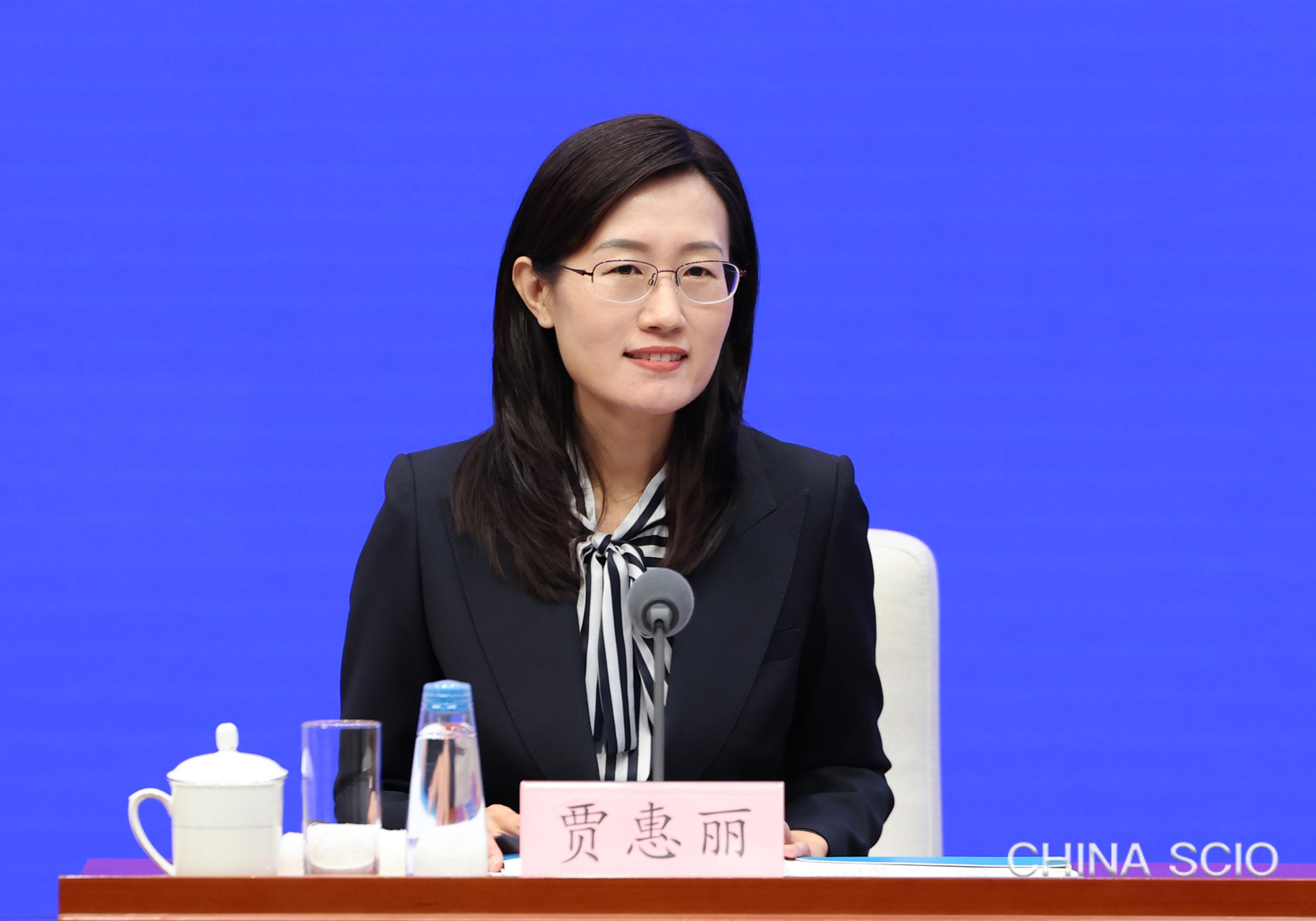
/6 Jia Huili
/6 Yan Dong
/6 Lin Weilong
/6 Han Yong
/6 He Shaojun
/6 Group photo
SCIO briefing on tax reform and development in the 15th Five-Year Plan period
July 28, 2026SCIO briefing on performance of agriculture and rural economy in H1 2026
July 24, 2026