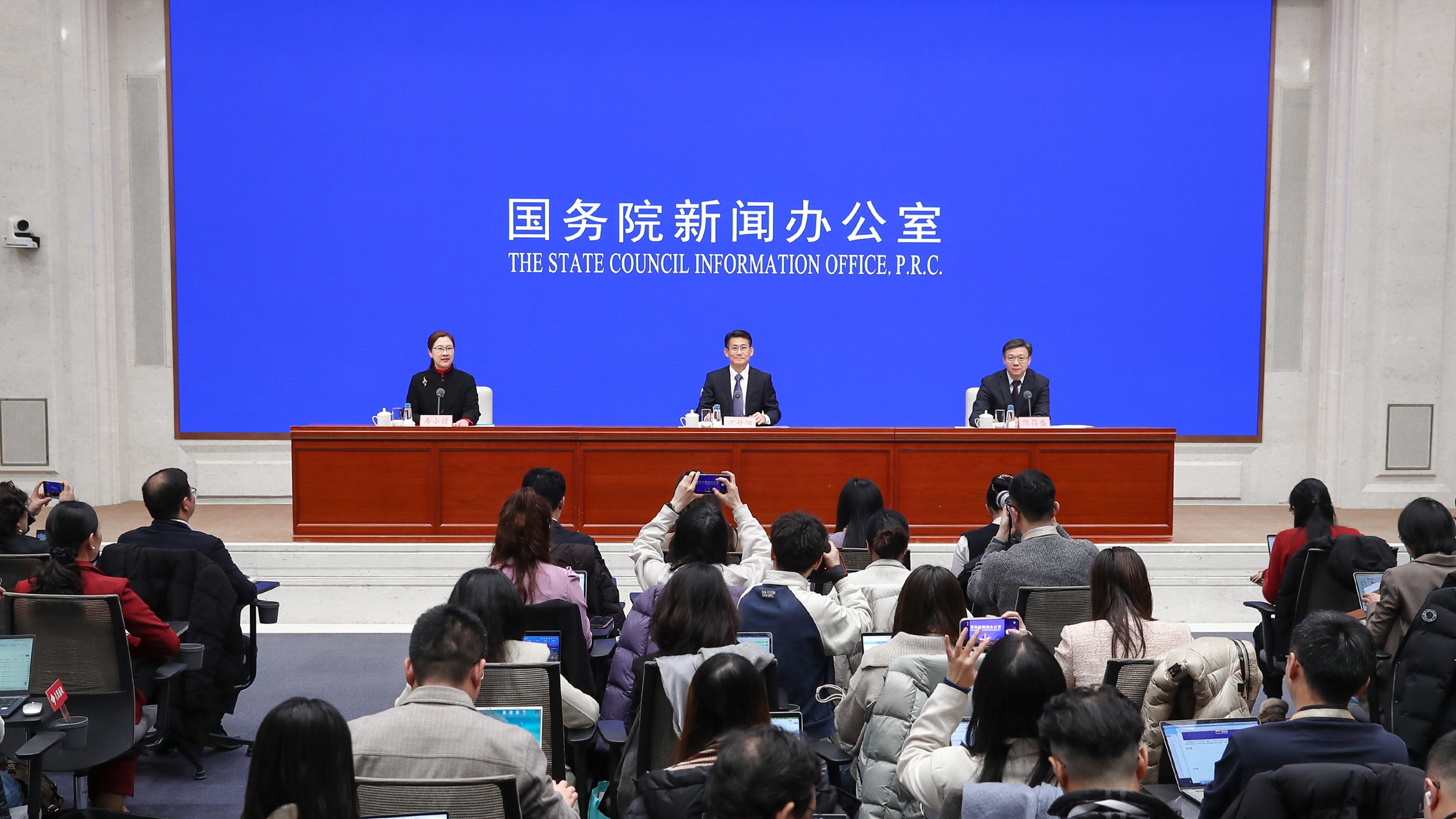

SCIO briefing about the Report on the Work of the Government
Beijing | 11:30 a.m. March 5, 2026
Speakers

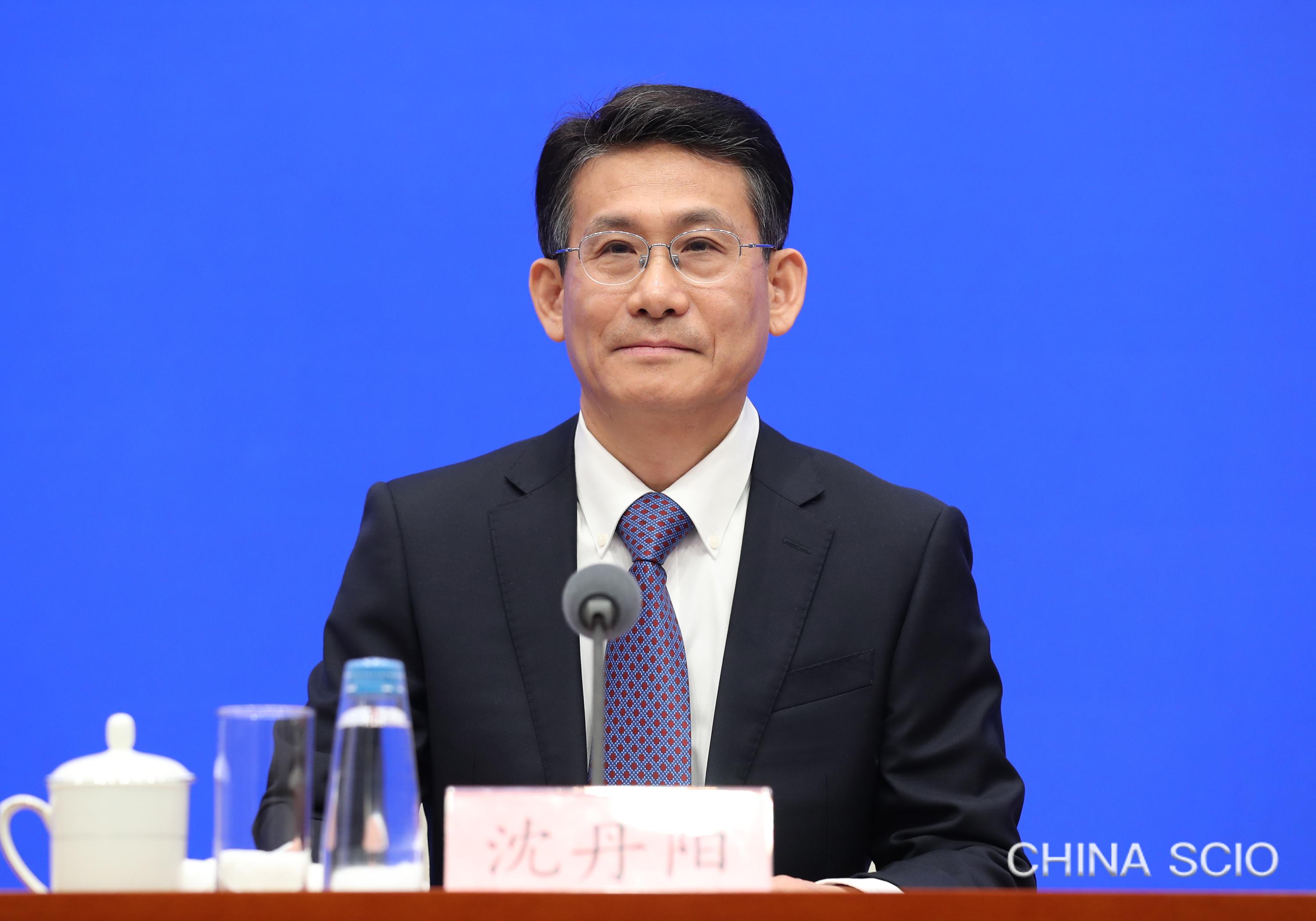
Shen Danyang, head of the government work report drafting team and director of the State Council Research Office
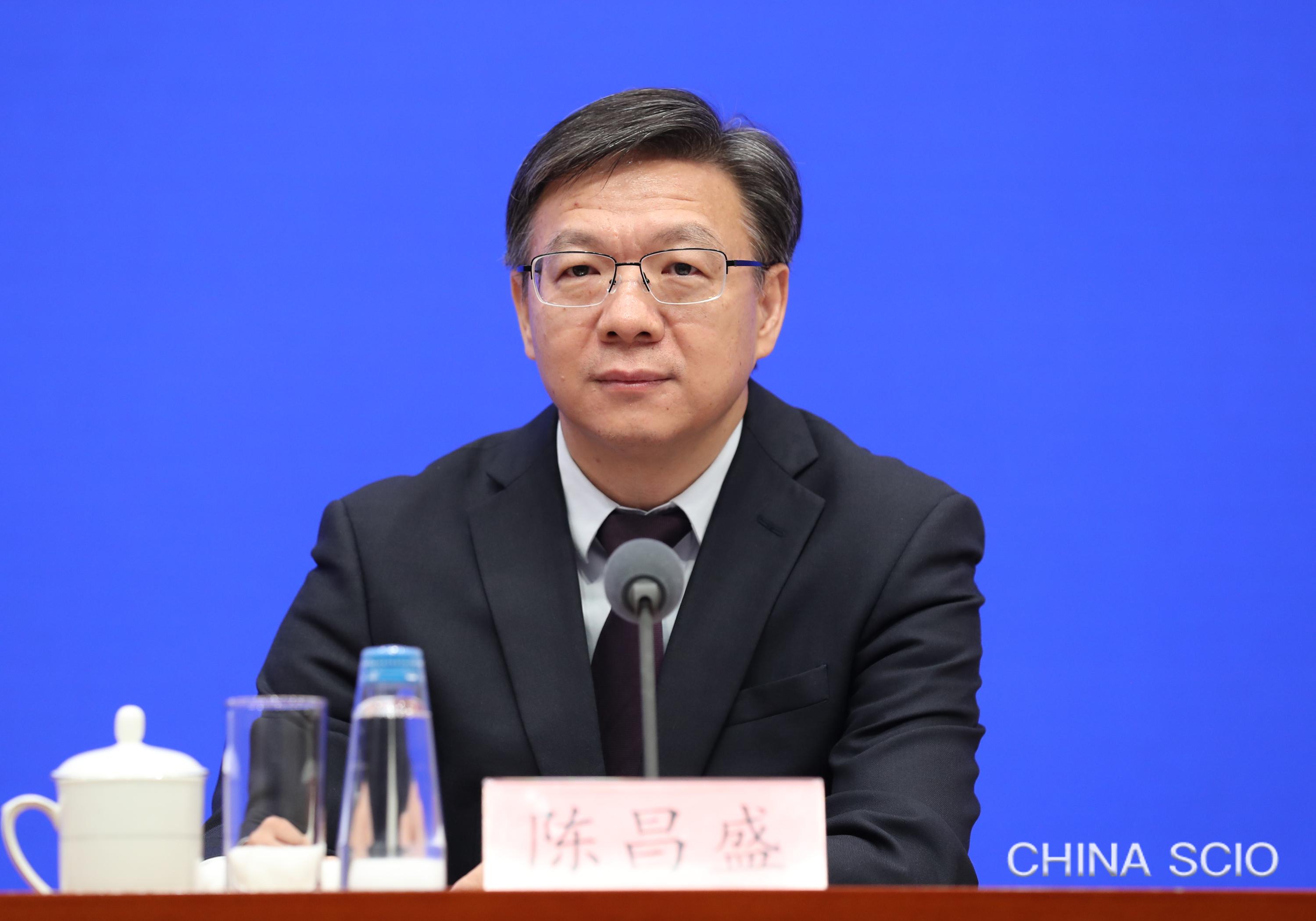
Chen Changsheng, member of the government work report drafting team and deputy director of the State Council Research Office
Chairperson
Speakers:
Mr. Shen Danyang, head of the government work report drafting team and director of the State Council Research Office
Mr. Chen Changsheng, member of the government work report drafting team and deputy director of the State Council Research Office
Chairperson:
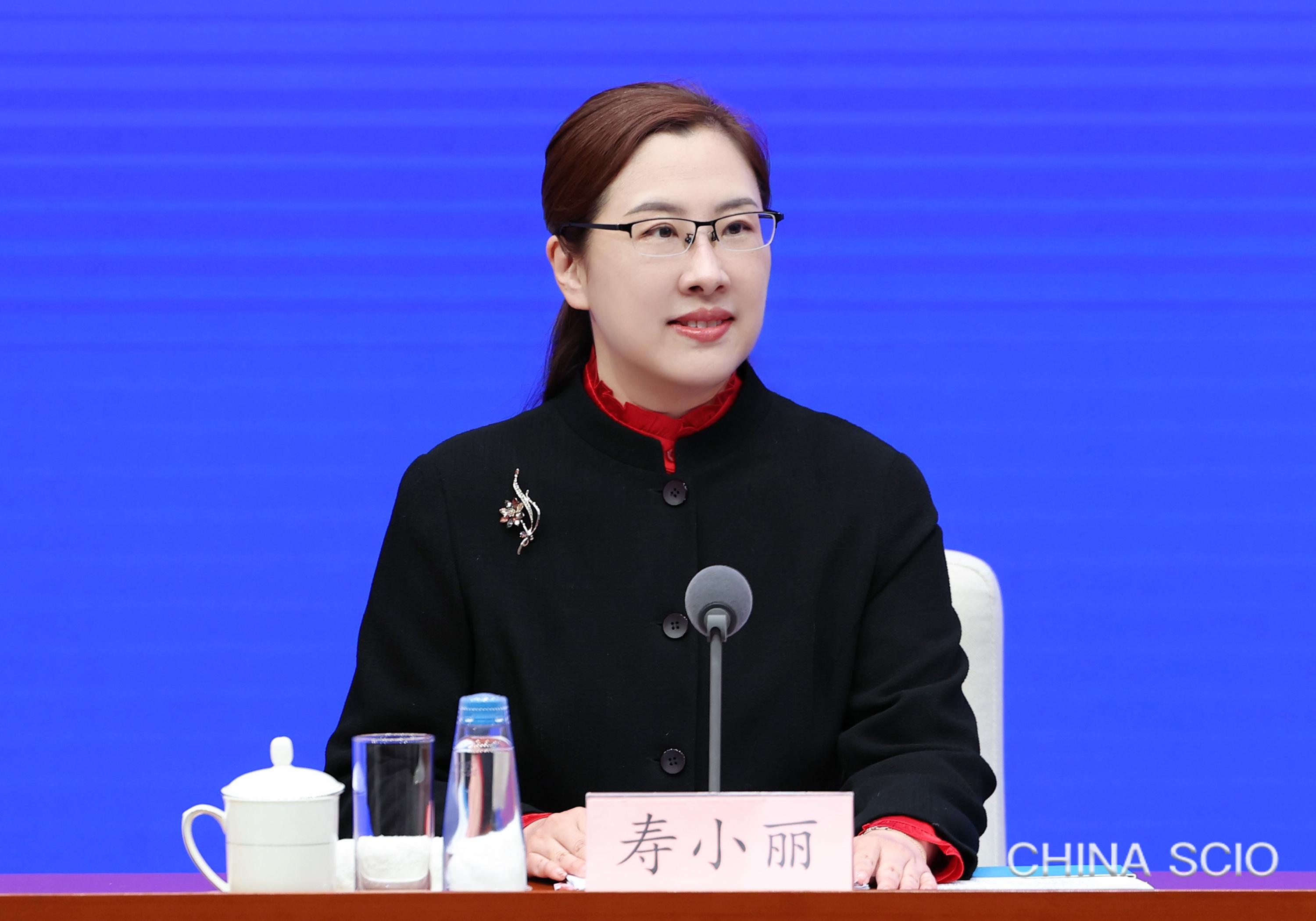
Ms. Shou Xiaoli, director general of the Press Bureau of the State Council Information Office (SCIO) and spokesperson of the SCIO
Date:
March 5, 2026
Shou Xiaoli:
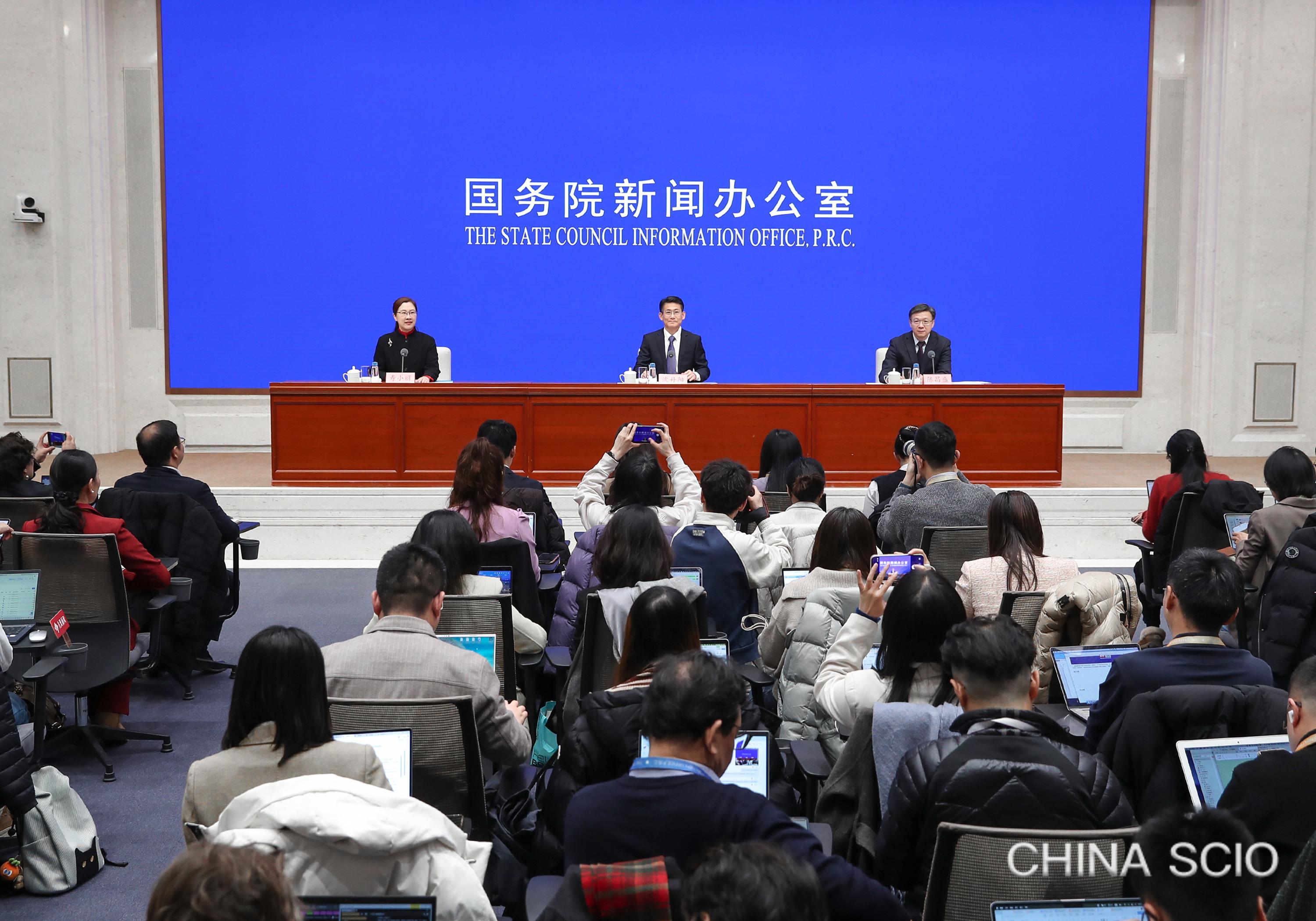
Ladies and gentlemen, good morning. Welcome to this briefing held by the State Council Information Office (SCIO). Today we have invited Mr. Shen Danyang, head of the government work report drafting team and director of the State Council Research Office, and Mr. Chen Changsheng, member of the government work report drafting team and deputy director of the State Council Research Office, to introduce the Report on the Work of the Government and answer your questions.
Now, I'll give the floor to Mr. Shen for his introduction.
Shen Danyang:
Good morning, everyone. I am very pleased to meet with you again to introduce the drafting of the Report on the Work of the Government. First of all, thank you for your interest in and coverage of the report and the government's work, as well as for your support for the work of the Research Office of the State Council.
The Central Committee of the Communist Party of China (CPC) and the State Council attached great importance to the drafting of the Report on the Work of the Government. General Secretary Xi Jinping presided over meetings of the Political Bureau of the CPC Central Committee and its standing committee to review the report, and made important instructions on multiple occasions, providing the basic principles for the drafting. Premier Li Qiang personally led the drafting of the report, convening executive meetings and plenary meetings of the State Council to study and discuss the report, requiring the comprehensive implementation of the decisions and deployments of the CPC Central Committee, and carefully refining the measures needed to put them into effect. Other leading officials of the State Council also provided instructions on the drafting and revisions of the report. The report fully implements Xi Jinping Thought on Socialism with Chinese Characteristics for a New Era, and the guiding principles of the 20th CPC National Congress and the sessions of the 20th CPC Central Committee, closely focusing on refining and implementing the deployments of the Central Economic Work Conference. It is divided into four parts, totaling about 19,000 Chinese characters. This year's report focuses on promoting high-quality development, with an emphasis on ensuring a strong start, enhancing innovation, improving people's livelihoods and ensuring practical implementation.
First, ensuring a good start to the 15th Five-Year Plan period (2026-2030). This year marks the first year for fully implementing the guiding principles of the fourth plenary session of the 20th CPC Central Committee and the launch of the 15th Five-Year Plan. It is also a crucial year for the government to bridge past and future efforts. As such, the report emphasizes coherence in structure, content and tasks. In reviewing past work, the report summarizes the previous year's work and outlines the achievements of the 14th Five-Year Plan period (2021-2025). In introducing the goals and tasks of the 15th Five-Year Plan period, it provides the public with a clearly understanding of the expected level of development in the next five years and the key measures that will be implemented. Many aspects of the 15th Five-Year Plan have already been integrated into this year's key tasks.
Second, emphasizing reform and innovation. The report thoroughly implements the reform deployments of the third plenary session of the 20th CPC Central Committee, proposing multiple reforms in key areas. These include the formulation of regulations for a unified national market, zero-based budgeting reform, and a categorized approach to promoting university reforms. The report proposes many innovative measures to accelerate the development and expansion of new drivers of growth and to accelerate high-level self-reliance and strength in science and technology. These include creating new forms of intelligent economy, enhancing the quality and capacity of the service sector, promoting advances in original innovation and breakthroughs in core technologies. The terms "reform" and "innovation" appear 75 times throughout the document, reflecting their high priority.
Third, prioritizing people's well-being. This has been a distinctive feature of the report in recent years. This year's report gives even greater prominence to safeguarding and improving public wellbeing. Proposed measures are more closely aligned with public concerns, such as emphasizing increased financial support for livelihoods, the formulation and implementation of plans for increasing incomes of urban and rural residents, and raising the proportion of government investment in public welfare projects. These efforts reflect a people-centered development philosophy and the government's commitment to delivering practical benefits, so that the public can have a stronger, tangible sense of gain.
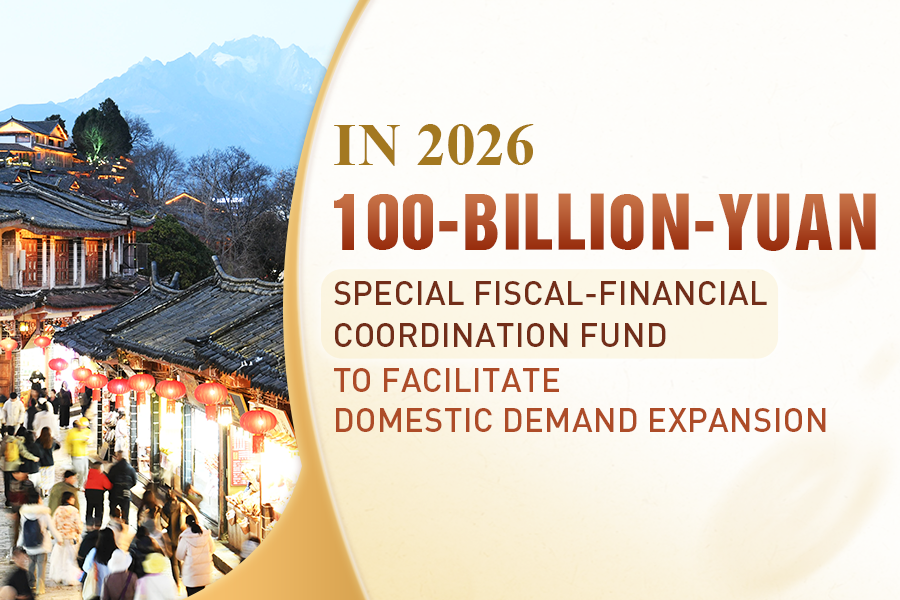
Fourth, highlighting practicality and feasibility. The main tasks and policies outlined in the report have been proposed after thorough consideration, and aim to be proactive, practical, operable and feasible. The measures include establishing special fiscal-financial collaborative funds of 100 billion yuan to stimulate domestic demand, raising standards for public welfare subsidies, and integrating regular assistance into the coordinated implementation of the rural revitalization strategy. The report underscores the importance of making sure that officials have a correct understanding of what it means to perform well and act accordingly, insisting that achievements must be measured by their benefit to the people and through practical efforts.
In the drafting process, great importance was attached to seeking and incorporating suggestions from all sides. Premier Li Qiang personally presided over three symposiums. The drafting team held multiple thematic symposiums and conducted field research in various localities. The draft report was printed and distributed to all regions and departments to solicit feedback. The State Council website, together with many other websites, collected suggestions from netizens. The drafting team carefully analyzed and studied the feedback and adopted suggestions whenever possible. For example, concerns raised by netizens, such as addressing rat race competition, protecting platform workers' rights and interests, and ensuring primary-level medication access, all received positive responses in the report. The draft report, like last year's, strives to be concise and easy to understand, with a plain and down-to-earth writing style.
This morning, after Premier Li Qiang delivered the report to the fourth session of the 14th National People's Congress (NPC), preliminary feedback shows that the response from all quarters has been enthusiastic and highly positive. My colleagues who worked on drafting the report and I are deeply encouraged and inspired by this.
My colleague Mr. Chen and I are now happy to take questions from the media on the drafting process and related topics. Thank you.
Shou Xiaoli:
Thank you, Mr. Shen, for your opening remarks. We will now move to the Q&A session. Please identify the media outlet you represent before raising your questions. Please raise your hand to ask a question.
_ueditor_page_break_tag_Economic Daily:
The year 2025 was an extraordinary year and also the concluding year of the 14th Five-Year Plan period. The report reviews the past year's work and summarizes the main achievements of the last five years. How should we view the scorecard China's economy has delivered over the 14th Five-Year Plan period? Thank you.
Shen Danyang:
Over the past year, the Chinese economy forged ahead against headwinds, pursuing dynamic, innovation-driven and high-quality development. The past five years were momentous and extraordinary.
The difficulties and challenges China faced during the 14th Five-Year Plan period were among the most severe in more than 40 years of reform and opening up. This is why people often say that over the past five years, we faced headwinds and challenges of a rarely seen magnitude. In response, the CPC Central Committee led the country to tackle these challenges with calm resolve, staying focused on running our own affairs well. This not only stabilized the broader economy but also drove new achievements in high-quality development. To be honest, for an economy of our size to steadily meet its growth targets and continue to grow stronger amid so many headwinds and challenges is something observers widely regard as no small feat — and genuinely remarkable.
Over the past five years, we have achieved major new advances in the cause of the Party and the country, with China's economic, scientific and technological capabilities, and overall national strength all reaching new heights. In the government work report delivered today, Premier Li Qiang summarized this progress with six "new" highlights. Here, I'd like to add a few more figures to illustrate China's economic performance.
In terms of economic scale and growth, over the past five years, our total economic output expanded from 103 trillion yuan at the end of the 13th Five-Year Plan period to over 140 trillion yuan, jumping by around 10 trillion yuan each year. The total increase over this period exceeded 35 trillion yuan, roughly the total output of a medium-sized economy. The average annual growth rate reached 5.4%, significantly outpacing both other major economies and the global average.
In terms of technological and industrial innovation, which is closely tied to the quality of economic development, major scientific breakthroughs have emerged at an accelerating pace over the past five years. The catalog of homegrown, independently controllable technologies has continued to grow. China's R&D spending intensity reached 2.8%, surpassing the OECD average for the first time. Its ranking in the Global Innovation Index rose from 14th in 2020 to 10th in 2025, and it became the first country in the world to hold more than 5 million valid domestic invention patents. A growing number of our technologies and industries are now running alongside or even leading their global counterparts. Take some familiar examples: in new energy vehicles, photovoltaic products, and high-tech ships, China ranks first in the world across R&D, production, and exports.
In terms of the social welfare generated by economic development, the past five years have brought the well-being of our people to a new level. For example, in early education, a free preschool policy was introduced, benefiting 14 million children. In child care, subsidies were distributed to the families of more than 30 million infants and young children. In education, the gross enrollment rate in higher education increased from 54.4% in 2020 to over 60%. The completion rate of the nine-year compulsory education exceeded 96%, and balanced compulsory education was achieved across all counties. In employment, the number of people lifted out of poverty who remained in work stayed above 30 million each year, and more than 60 million new urban jobs were created over the five years. Residents' income growth kept pace with economic growth. In health care, medical security was continuously strengthened. Nation-wide interprovincial on-the-spot settlement of medical bills, which did not exist five years ago, has now covered more than 400 million visits. Average life expectancy now exceeds 79 years, rising by 1.3 years over the five-year period. In elderly care, a unified national coordination system for basic old-age insurance funds was established. Basic old-age insurance benefits for urban and rural residents were increased annually, with a cumulative increase exceeding 53%, benefiting more than 180 million elderly people.
This solid scorecard fully demonstrates the steady progress of our country's economy, its resilience in moving forward under pressure, and its vitality in pursuing innovation-driven and high-quality development. For this reason, as we look ahead to the 15th Five-Year Plan period, we are better equipped to navigate risks and challenges, more firmly resolved to advance high-quality economic development, and more confident in the road ahead.
Thank you for your question.
_ueditor_page_break_tag_Market News International:
The 2026 GDP growth target has been lowered to a range of 4.5% to 5%. What are the main considerations behind setting this growth target? Thank you.
Shen Danyang:
Thank you for your question. The economic growth target for this year has two parts: first, achieving a growth rate of 4.5% to 5%, and second, striving for better in practice.
This takes into account domestic economic operations and changes in the external environment, balancing needs and possibilities. It is an active and pragmatic goal that aims high while maintaining steady steps. Why do we say that? On one hand, this target fully considers the need to leave room for structural adjustment, risk prevention, and reform promotion this year, while also aligning with the long-term goals for 2035. It reflects the requirements to consolidate the foundation and exert full effort during the 15th Five-Year Plan period. The Fifth Plenary Session of the 19th CPC Central Committee clearly proposed that by 2035, China's per capita GDP should reach the level of moderately developed countries. During the 14th Five-Year Plan period, China's economy achieved an average annual growth of 5.4%. According to expert research and calculations, working backwards from the long-term goal of "per capita GDP reaching over $20,000 by 2035, doubling that of 2020," an average annual growth of over 4.17% in the next decade would be enough to achieve this goal. On the other hand, this target matches China's growth potential. Many economic organizations, experts, and think tanks at home and abroad have made projections that generally align with our expectations and targets. Among major economies worldwide, China's growth rate is also roughly the highest.
I would particularly like to point out that this target is a range target, which leaves room to cope with various uncertainties, but also enables local governments to set their own growth targets according to local conditions, and this helps guide all parties to focus their efforts on high-quality development. As China's external environment for economic development grows increasingly complex and volatile this year—with uncertainties likely to exceed expectations—a range-based growth target provides the flexibility needed to respond effectively to these challenges. Regarding this year's uncertainties in the external environment, we have all seen the recent international situation.
Finally, I want to emphasize that this "twofold target" contains "striving for better in practice," which demonstrates a proactive goal orientation and policy direction. This is based on two considerations. First, China's economy has strong resilience and vitality, with its structure continuing to improve and new quality productive forces growing rapidly. Second, this year we will continue to implement more proactive and effective macro policies, while also deepening reforms in a series of key areas, which will inevitably further unleash the potential for economic growth. Under such circumstances, we believe that as long as we make full and effective use of all favorable conditions, we can absolutely strive for better results, achieving effective qualitative improvement and reasonable quantitative growth. Thank you.
_ueditor_page_break_tag_21st Century Business Herald:
The Government Work Report states that we will continue to implement more proactive and effective macro policies. The wording regarding the fiscal and monetary policies is the same as last year's. What are the specific manifestations of "more proactive and effective?" Thank you.
Shen Danyang:
I would like to invite Mr. Chen Changsheng to answer this question.
Chen Changsheng:
Thank you for your question. Last year's Central Economic Work Conference already made it clear that this year we will continue to implement more proactive and effective macro policies. This morning, Premier Li Qiang's government work report made specific arrangements for this policy orientation.
Why are we continuing with more proactive and effective policies? Mainly for the following reasons: first, the situation requires it. As we can see, this year, the uncertainties in the external environment remain high, and the domestic pattern of strong supply and weak demand continues, with a certain gap in total demand. Therefore, it is necessary to strengthen policy adjustments and use the certainty of macro policies to cope with the uncertainty of the external environment. Second, there is policy space. From an international comparative perspective, China's current government debt ratio, especially that of the central government, is still relatively low. Conditions are still in place for cuts to reserve requirement ratios and interest rates. In addition, there is still room for innovation within the policy mix. At the same time, this policy orientation is also meant to convey the continuity of macro policy regulation to the whole society. On Sep. 26, 2024, the Political Bureau of the CPC Central Committee meeting arranged a package of incremental policies. This year's policy orientation is a continuation of that regulatory approach, with greater emphasis on expectation management, sending strong and clear macro policy signals to society by stepping up counter-cyclical adjustments.
Second, in what ways is a more proactive and effective approach being taken? This is reflected in three main aspects: First, the scale and intensity are notably large. As we can see, this year's deficit ratio is set at around 4%, which is historically high, and the deficit has grown by 230 billion yuan. The total scale of newly added government debt has reached 11.89 trillion yuan, which is also a record high. This year, general public budget expenditure is projected to reach 30 trillion yuan for the first time, an increase of about 1.27 trillion yuan from the 2025 level. Taken together, these three aspects reflect a more proactive fiscal policy. We will continue to apply an appropriately accommodative monetary policy in 2026, flexibly and effectively deploying a range of policy instruments, including cuts to required reserve ratios and interest rates to maintain adequate liquidity. We will also expand the use of new policy-based financial instruments, reduce corporate financing costs and support the real economy.
Second, we will place greater emphasis on precision and effectiveness. In terms of fiscal policy, there is a particular emphasis on deepening zero-based budgeting reform, redirecting funds that have been spent inefficiently or ineffectively to more productive areas. This approach already yielded results last year, and the push will be stepped up further this year. In addition, the spending structure will be further optimized, improving the allocation of existing assets and resources, and directing more fiscal funds to boosting consumption, investing in people, and safeguarding their livelihoods. In terms of monetary policy, we will also optimize structural policy tools and strengthen support for expanding domestic demand, technological innovation, and micro-, small- and medium-sized enterprises.
Third, policy innovation will be prioritized. This includes not only innovation in policy tools, but also innovation in policy combinations. For example, we will establish a special fiscal-financial coordination fund of 100 billion yuan to boost domestic demand. This is an innovative measure designed to fully leverage the role of fiscal-financial coordination, supporting private investment and consumption expansion through mechanisms such as loan interest subsidies, financing guarantees, and risk compensation. Another example is the emphasis on leveraging intangible assets such as data and intellectual property to broaden channels for credit extension.
Overall, this year's policies are bold, well-targeted and innovative. We look forward to seeing these macroeconomic policies implemented with force and effect, sustaining the positive momentum in economic and social development and getting the 15th Five-Year Plan off to a strong start. Thank you.
_ueditor_page_break_tag_Reuters:
The 15th Five-Year Plan proposed that in the next five years, the resident consumption rate should be significantly improved. May I ask what specific measures the government will take in 2026 to boost consumption, especially resident consumption? In addition, how can the current structural problem of "strong supply, weak demand" be fundamentally solved? Thank you.
Shen Danyang:
I'll take this question. For the second consecutive year, the government work report has listed expanding domestic demand as its top priority, with particular prominence given to the "implementation of special initiatives to boost consumption." This year's report proposes to boost consumption by both stimulating residents' willingness to spend and rolling out pro-consumption policies, addressing at a fundamental level the longstanding problem of "strong supply, weak demand." In terms of specific measures, we can summarize them neatly with a four-part formula: addition, subtraction, multiplication and division.
"Addition" means boosting demand on the demand side through income growth, while expanding the supply of high-quality products and services on the supply side. This year, for the first time, an income growth plan for both urban and rural residents has been proposed. A series of policy measures will be introduced to increase the incomes of low-income earners, increase residents' property income, and improve the remuneration and social insurance systems. The goal is to fill more residents' wallets and fundamentally boost consumption capacity. The so-called "strong supply, weak demand" phenomenon is not entirely the case in the consumption sector. For example, consumption supply also has weaknesses. On the supply side, efforts are needed to cultivate new drivers of consumption growth, roll out measures to boost service consumption and deliver public benefits, and accelerate pilot programs for new consumption formats, models, and scenarios. Priority sectors include cultural tourism, the automotive aftermarket, sporting events, the performing arts economy, and emotional and experiential services — all consumption scenarios with strong potential to meet evolving demand. Meanwhile, tailored measures will target lower-tier markets to upgrade consumption channels, drive scenario innovation, fast-track the expansion of brand chain networks, and unlock their untapped consumption potential.
So, what does "subtraction" mean? It means reducing residents' worries about the future to further unleash consumption potential. For example, this year, China will step up guarantees in areas such as health care, elderly care, and childbirth and parenting, raise medical insurance subsidy standards, and develop inclusive child care services. These measures are expected to make the public more willing and ready to consume.
"Multiplication" refers to the synergistic coordination of fiscal and financial policies to generate a multiplier effect and better drive household consumption. Last year, trade-in programs for consumer goods boosted sales of related products to 2.61 trillion yuan, benefiting 366 million people. This year, we will further step up support for offline physical retail by focusing on targeted subsidy areas — specifically, supporting trade-ins of key consumer goods with broad market reach and strong spillover effects, such as cars, refrigerators, washing machines and televisions. New products, such as smart glasses, will also be added to the subsidy list, ensuring that more people can receive subsidies and upgrade their purchases. At the same time, these efforts will help foster new growth tracks, new drivers of growth and new quality productive forces. This year, we have also established a new 100 billion yuan special fund for fiscal and financial coordination to promote domestic demand — as mentioned by both of us just now — marking a new policy initiative this year. The optimized implementation of loan interest subsidies for service-sector businesses and personal consumption loans has expanded the scope of support and raised the subsidy cap, delivering more tangible benefits to consumers.
The last is "Division." "Division" means breaking down barriers, removing obstacles, eliminating various restrictive measures on consumption, and facilitating a smoother consumption cycle. For example, targeted measures will be taken to address hidden barriers in the consumption market, simplifying the approval process for promotional activities. In some cities, we will further ease vehicle purchase restrictions, issue more car purchase quotas, support eligible street-front businesses in conducting outdoor operations, and more. These measures are also being actively promoted in various places.
The strong momentum in household consumption growth this year has already begun to emerge in the first two months. During the just-concluded Spring Festival holiday in particular, the national consumer market proved exceptionally vibrant, with numerous bright spots. The average daily sales revenue of related industries during this year's Spring Festival holiday increased 13.7% compared to the same period last year, marking a notable rise. Retail sales of goods continued to grow, demand for tourism and cultural services remained strong, and household consumption stayed active. These figures suggest that China's consumer market is poised to demonstrate strong endogenous growth momentum this year.
Thank you for your questions.
_ueditor_page_break_tag_CCTV:
I have a question regarding people's well-being. We have noticed that this year's government work report has introduced many new policy measures in areas such as education, health care and social security. Could you please elaborate on this? Thank you.
Shen Danyang:
I'll answer this question. People's well-being is a subject of great public concern. As I mentioned just now, this year's report places special emphasis on it. Ensuring and improving people's well-being is a long-term endeavor. There is no finish line, only a succession of new starting points. Judging from the review and discussion of the report by NPC deputies and members of the National Committee of the Chinese People's Political Consultative Conference over the past two years, livelihood-related revision suggestions have been the most numerous. This reflects how much people expect progress on well-being issues each year. This year's report focuses on addressing people's most pressing concerns, proposing more robust and compassionate measures, while giving greater prominence to the livelihood section and further underscoring its importance. Due to time constraints, I can only list a few.
In terms of education, the report focuses on improving fairness and quality, covering education work at all levels and of all types. For example, regarding preschool education, this year we will continue to implement the policy of one year of free preschool education — commonly referred to as free enrollment in the senior class of kindergarten. How will the resulting loss of revenue for kindergartens be addressed? Subsidies will be provided by both central and local government budgets, with the central government bearing the larger share. This year, funding allocated to support preschool education development has increased significantly, rising by 37.8%, to ensure the smooth implementation of this people-oriented policy. As another example, regarding senior secondary education, this year's report clearly states that the supply of regular senior high school places will be increased. Specifically, in county towns and central urban areas with sustained net population inflow, regular senior high schools will be planned and built on a rolling annual basis. In areas facing temporary shortages of school places, priority will be given to renovating and expanding existing teaching buildings, student dormitories and cafeterias. In fact, some localities had already made arrangements for this work at the start of the year. If you have been following the local "two sessions," you may have noticed that many provinces have taken action on this front. For example, Guangdong has proposed adding more than 200,000 regular high school places, while Hunan plans to expand the number of high-quality regular high school public places by 80,000. These measures will significantly increase students' opportunities to receive high-quality senior secondary education. This is a genuine, concrete matter that directly affects people's well-being.
In terms of health care, the report has put forward a range of supportive measures. For example, strengthening medication coordination at the primary care level means improving the essential medicine list, optimizing the channels for medicine supply and coordination between primary and higher-level medical institutions, and making it more convenient for people to access medicines near their homes. Another example is that the report has, for the third consecutive year, outlined plans to support the development of innovative drugs. This year, the government will strengthen coordinated policy support across the full chain, further address difficulties such as the limited hospital access for innovative medicines and better meet people's diversified medical and medication needs.
In terms of social security, this year's report has proposed continuing to raise the minimum standard for basic pensions for urban and rural residents. This policy will benefit more than 180 million elderly people. The central government will allocate 1.25 trillion yuan in subsidy funds to ensure pensions are paid in full and on time. To address the inadequate protection of rights and interests for workers in new forms of employment, this year's report has proposed steadily and orderly expanding the pilot program for occupational injury protection. This year, the pilot will be expanded to cover all 31 provinces and the Xinjiang Production and Construction Corps, with platform enterprises in the ride-hailing, instant delivery and same-city freight sectors also brought within the pilot scope. This will help ensure the occupational safety of more workers, including food delivery couriers and ride-hailing drivers.
There are many other measures which I will not go into one by one here. Thank you.
_ueditor_page_break_tag_Beijing Youth Daily:
This year's government work report proposes promoting quality and full employment. We have also noticed that many young people feel considerable pressure in the job market. Overall, how do you assess the employment situation this year? What measures will be taken to ease employment-related anxiety, particularly among young people? Thank you.
Shen Danyang:
Thank you for your question. I'd like to invite Mr. Chen to answer it.
Chen Changsheng:
Thank you for your question. This is a very important issue. Employment is the foundation of every family's livelihood. When everyone has a job, households can thrive and society as a whole can prosper. This year's government work report once again places employment in a prominent position, prioritizing employment stabilization as the top task among the "four priorities for stability," and puts forward a series of policy measures. These measures mainly focus on targeting overall scale, structural alignment and key demographic groups.
First, in terms of overall scale, the focus is on expanding employment capacity. This year, around 20 million people are expected to enter the job market. After deducting positions vacated through retirements and other reasons, approximately 12 million new urban jobs will still need to be created. Based on the relationship between economic growth and job creation in recent years, particularly over the past two years, achieving this level of employment will require economic growth of around 4.5% to 5%. This was an important consideration in setting this year's economic growth target. Stable economic growth is the foundation for stabilizing employment. At the same time, we will implement initiatives to stabilize jobs, expand employment capacity, and improve job quality. Targeted support will be provided to labor-intensive industries and sectors that generate large numbers of jobs. Temporary policies will continue, including job retention subsidies for enterprises that avoid or minimize layoffs, as well as job stabilization and expansion loans for small- and medium-sized enterprises (SMEs).
Second, structurally, the focus is on improving job matching. As many of you know, structural issues have become more prominent in the current employment landscape. Broadly speaking, there are two main types of mismatches. One type is a skills mismatch. Many industries are developing rapidly, but the skills of some workers do not match the needs of those industries. For example, market data show strong demand for positions related to artificial intelligence, yet the supply of talent remains limited, with a demand-to-supply ratio of about 3.5 to 1. The ratio stands at about 5.1 to 1 for new energy technology engineers and 5.2 to 1 for technical professionals in the robotics industry, pointing to significant talent shortages. Addressing the skills mismatch requires a stronger focus on education and training. In the short term, the priority is to deepen cooperation between industries and enterprises, carry out targeted skills training and build a number of public training bases. This year, government-subsidized vocational training is expected to reach over 10 million participants. At the same time, we will optimize the discipline and program structure of universities to better align academic programs with practical needs. We will also implement initiatives to accelerate the development of urgently needed disciplines and majors, thereby helping address the skills mismatch. Another challenge is the mismatch in employment expectations. Many manufacturing industries, as well as services sectors such as household services and elderly care, face significant labor shortages. However, factors such as salary levels, career development prospects, and social recognition of certain occupations have limited the supply of workers. For instance, estimates from various sources suggest that the domestic service sector faces a shortage of more than 20 million workers. This year, several new measures will be introduced. The domestic service industry has long been dominated by an intermediary-based system. Going forward, efforts will be made to actively shift toward an employee-based model, allowing domestic service workers to become formal employees. This will enhance job stability and establish clear responsibility mechanisms. Policy support will also be strengthened, including expanded tax incentives and training subsidies.
Third, in terms of key groups, particular emphasis will be placed on young people. College graduates, migrant workers, and people facing employment difficulties are all key groups in employment work, with young people being the top priority. As everyone knows, employment for young people is of critical importance to families. This year, the number of college graduates is expected to reach a new record high of 12.7 million, and a series of measures will be taken to support their employment. For example, we will expand policy-supported positions, make better use of staffing resources in government agencies and public institutions, and maintain stable recruitment levels in these sectors. We will also encourage state-owned enterprises to gradually raise their campus hiring share. At the same time, support policies for employment in private enterprises will be strengthened, including tax incentives, training subsidies and loan interest subsidies. The one-off job expansion subsidy policy will also be extended. In addition, we will actively develop transitional positions, such as research assistant and teaching assistant posts, to accommodate the trend of some young people taking more time before entering full employment. We will also step up support for entrepreneurship. The rise of artificial intelligence has lowered the barriers to starting a business and created opportunities for would-be entrepreneurs. Therefore, we will strengthen support for entrepreneurship, including one-off start-up subsidies, higher ceilings on entrepreneurship guaranteed loans with greater government interest subsidies, and free or low-cost access to business incubation spaces. Employment affects every household. It takes the combined efforts of government, society and families to help young people find opportunities to apply their talents and realize their potential. Thank you.
_ueditor_page_break_tag_ThePaper.cn:
This year, what targeted measures have been taken to energize various types of business entities and support enterprises in achieving better development? For example, what measures have been taken to clear arrears owed to enterprises and support platform enterprises in achieving better growth? Thank you.
Shen Danyang:
I'll answer this question. Last year, the State Council introduced a series of targeted policy measures to energize business entities, as you mentioned. These measures focused on pressing concerns of enterprises, especially SMEs and private enterprises, addressing issues such as overdue payments and the imposition of arbitrary charges, quotas, and fines. These policies have proven highly effective. This year's government work report once again called for fully stimulating the vitality of various business entities, with a sustained focus on key issues of concern to enterprises and targeted measures to reduce burdens, improve services, and drive development. Three priority tasks have been identified to this end.
The first priority is to step up efforts to address the problem of overdue payments to enterprises. Last year, a nationwide campaign was launched to accelerate the clearance of overdue payments to enterprises, helping resolve a number of long-standing arrears cases. This year, we will continue to coordinate the allocation of local government special-purpose bond quotas to support arrears clearance, with financial policies playing a stronger role. At the same time, complementary policies will also be introduced under the Regulation on Ensuring Timely Payments to SMEs, urging central and state-owned enterprises to take the lead in meeting payment obligations, strengthening standardized management over bills and electronic accounts receivable certificates, and driving better outcomes in arrears clearance.
The second priority is to promote mutually beneficial development among platform enterprises and the operators and workers within those platforms. Online platforms have become a vital foundation for small merchants and enterprises to run businesses and launch ventures. Together with platform enterprises, in-platform operators and workers form the broader platform economy ecosystem. This relationship should be built on win-win development. This year, relevant national departments will make full use of newly introduced measures for supervising rules on online trading platforms, continue to regulate platform fee practices, and draw up measures to protect the rights and interests of workers in new forms of employment. They will urge platform enterprises to further strengthen self-discipline and optimize services to genuinely safeguard the lawful rights and interests of in-platform operators and workers and boost innovation-driven development.
The third priority is to provide targeted support for self-employed individuals, tailored to different types and categories of businesses. There are numerous self-employed individuals in our country. They not only play an important role in boosting the economy and promoting innovation and entrepreneurship, but also directly create jobs for nearly 300 million urban and rural residents. This is a very large number. Just like small neighborhood restaurants and shops, these modest businesses truly serve thousands of households and are very important for stabilizing employment and ensuring people's livelihoods. Relevant departments will this year accelerate efforts to nurture "famous, special, excellent and new" self-employed businesses. They will continue to refine the classification of individual businesses by category and provide targeted services such as startup assistance, skills training, digital transformation, and financing and credit. These efforts will help address difficulties in transformation and upgrading, access to financing, and market expansion.
Thank you for your question.
_ueditor_page_break_tag_Beijing Radio and Television Station (BRTV):
Elderly care, public-interest child care services and related work affect thousands of households. I would like to ask what support measures are outlined in this year's report to improve the elderly and child care service systems? Thank you.
Shen Danyang:
I'll take this question. Elderly and child care services are a top concern for every family and represent a key intersection of improving people's livelihoods and driving development. This year, netizens submitting suggestions for the government work report made numerous recommendations on this issue. I looked through a number of netizens' suggestions verbatim, and there were many. Since time permits, let me share some of the netizens' suggestions on elderly care and child care. One example, raised by a netizen, concerns care for elderly people with disabilities or dementia. The netizen said: "My father has Alzheimer's disease and is severely unable to care for himself. As an only child, if I stay at home to care for my father, I cannot work. If I go out to work, I'll have to send my father to a nursing home, but I cannot afford the costs. I feel extremely stressed and anxious, and I hope the country can improve elderly care for people with disabilities or dementia."
Regarding child care, a netizen named "Mr. Cheng" said, "I was born in the 1990s, and now become a parent to a 1-year-old child. My wife and I are both working full-time, and our parents are too old to care for a baby at home. Having to work, my wife and I cannot take care of the baby around the clock. Also, we hesitate about existing day-care centers, for the fear of possible negative impact on the child's growth. We hope the government will provide safer and more convenient child care services to further relieve the burden on young parents." There are actually many suggestions from netizens regarding these issues.
In this year's government work report, Premier Li Qiang gave a positive response to the concerns of Chinese netizens such as elderly and child care, proposing a series of supporting measures. Regarding elderly care, the number of Chinese people aged 60 and above has currently reached 323 million, accounting for 23% of the country's total population, nearly one quarter. As the problem of population aging becomes more serious, the demand for elderly care services is growing rapidly, especially care for functionally impaired elderly people, which is becoming a rigid need for more and more families. This year's government work report set forth plans for increasing the supply of public-interest elderly care services, improving elderly care services in rural areas, and providing elderly care service vouchers to seniors with moderate or more severe functional impairments. These will further improve the supply structure of elderly care services, strengthen the support of land, funds, talent and other factors, enhance the quality and efficiency of elderly care services, and better meet people's diverse needs. We will also regulate the development of a batch of high-quality, high-level public-interest supportive elderly care institutions, as well as a batch of chain-operated community-embedded elderly care brands, under models like "publicly built, privately operated" or "privately run, publicly sponsored." This will keep some private enterprises motivated. The State Council has made it clear that in the 15th Five-Year Plan period, China will support the construction of 2,000 county-level comprehensive elderly care service management platforms, promote the coverage rate of regional elderly care service centers to exceed 80% in townships and urban sub-districts, and put in place a three-tiered elderly care service network at the levels of county, township and village. This year's report also proposed to draw up measures to promote high-quality development of the silver economy. Next, relevant departments will launch a three-year action plan to advance the development of the silver economy, further promoting coordinated development of elderly care programs and industries.
Regarding child care, this year's report laid out requirements for lowering "three costs." What are the "three costs"? They are the costs of childbirth, child-rearing and education. How to lower the "three costs" becomes a focus in this year's report. Last year's government work report set forth a policy to distribute child care subsidies, which had benefited more than 30 million infants. This year, the central government has allocated nearly 100 billion yuan in child care subsidy funds. The application and review procedures will be further streamlined to ensure that families receive subsidies upon application, as soon as their babies are born. This year, we will also expand demonstrations and trials for subsidized child care services, and provide support for public-interest child care services and integrated nursery and child care services. The country will create 150,000 new public-interest child care slots nationwide. This year's report also made many other arrangements regarding child care, such as parental leave, maternity insurance, and housing support. The aim is to make having and raising children more secure and pleasant. Thank you.
_ueditor_page_break_tag_South China Morning Post:
In 2025, China's consumer price index (CPI) was in line with that of the previous year, and the country has set its 2026 CPI growth target at around 2%. What are the main considerations? What policies and measures will be taken to promote a moderate rebound in prices?
Shen Danyang:
Regarding prices, let's have Mr. Chen answer your questions.
Chen Changsheng:
Thank you for your questions. In fact, we have already been implementing relevant policies to address the declining prices for some time. Last year, we adopted some measures in expanding domestic demand, improving supply, and curbing involution-style competition comprehensively. These efforts have achieved some results so far. If you look at the overall price data for 2025, you will find that CPI has gradually stabilized, the decline in the producer price index (PPI) has obviously narrowed, and the more comprehensive GDP deflator has also improved, suggesting that price momentum is improving.
This year, we continue to set the CPI growth target at around 2%. I think this approach considers both the need to guide public expectations and the realistic possibilities, demonstrating emphasis given on the price issue. Apart from the CPI growth target, there are also two important statements in this year's government work report. The first sentence is "By better balancing total supply and demand, we will steer general price levels back into positive territory and produce a reasonable, modest rebound in consumer prices to facilitate a virtuous cycle in the economy." And the second is stated in the monetary policy section, saying "Promoting steady economic growth and an appropriate rebound in prices are key considerations underpinning our monetary policy." How should we interpret this target and these two important statements? I think they carry at least three layers of meaning.
First, the term "price" appears twice in the relevant statement. The first mention refers to the overall price level, a comprehensive measure usually captured by the GDP deflator, which covers consumption, investment and production. The second refers to the consumer price, commonly known as the consumer price index (CPI).
Second, the report highlights the approach to achieving this goal. On the one hand, it emphasizes improving the balance between aggregate supply and demand. On the other hand, it stresses the need to fully leverage monetary policy and strengthen aggregate management. In pursuing this goal, greater importance is placed on managing aggregate demand at the macro level rather than relying on micro-level interventions.
Third, how should this goal be understood? From a microeconomic perspective, or from the standpoint of individual consumers, lower prices are naturally welcome, as they allow people to buy more goods with the same limited income. However, if prices continue to decline for a prolonged period, problems may arise. Many businesses may find it difficult to sell their products, leading companies to cut investment and reduce hiring. In such circumstances, consumers, who are also workers, will face growing pressure on employment and income growth.
Therefore, the goal highlights the need for policy efforts at the macro level. It aims to promote an increase in the general price level, ensure that nominal GDP grows faster than real GDP and facilitate a steady rebound in the producer price index (PPI), thereby improving corporate profitability and promoting a moderate and reasonable rise in consumer prices. It seeks to support stronger employment and income growth while keeping the prices of essential consumer goods relatively stable. These measures are ultimately intended to foster a virtuous cycle in the economy. This reflects the underlying policy logic behind the goal.
Of course, the issue is complex and requires a package of policy measures. First, more proactive macroeconomic policies should be adopted to expand domestic demand, boost consumption and increase effective investment, so that aggregate demand can grow at a reasonable pace. Second, supply-side reform should continue, particularly efforts to address rat race competition. This includes measures such as controlling production capacity, strengthening standards-based guidance, and improving price governance, with a particular emphasis on standards. In many industries, technologies have advanced through several generations, yet some producers still rely on outdated technologies. Upgrading standards will help expand the supply of quality products while phasing out outdated ones. As a result, enterprises will devote more efforts to improving product quality rather than engaging in excessive price competition.
Another priority is to promote the stabilization of asset prices. This involves maintaining the healthy development of the capital market and working to stabilize the real estate market. These efforts will help further repair the balance sheets of households and enterprises, thereby creating better conditions for consumption and investment.
In addition, reforms should be advanced in several key areas, particularly price reform. In many sectors, supply is actually available. However, if the pricing mechanism does not function properly, business models cannot operate effectively. As a result, the supply of quality products may remain insufficient, which in turn suppresses consumption.
In short, through a series of policy measures, the aim is to achieve the price targets and improve what are often referred to as the "three pockets" — better employment and income for households, improved profitability for enterprises, and a stronger fiscal position for the country. Thank you.
_ueditor_page_break_tag_National Business Daily:
Currently, there is considerable downward pressure on investment, and last year's Central Economic Work Conference clearly called for "halting the decline in investment and promoting its stabilization." Could you please introduce the measures proposed in this year's government work report to stabilize investment? Thank you.
Shen Danyang:
I would like to invite Mr. Chen to answer this question.
Chen Changsheng:
Thank you for your question. Investment is generally regarded as a highly volatile variable and therefore receives close attention. The slowdown in fixed-asset investment has indeed attracted widespread attention. As one of the key priorities of macroeconomic regulation this year, the Central Economic Work Conference called for efforts to stabilize investment and halt its decline. Given China's current stage of development, investment growth has moderated as the economic structure adjusts, the real estate sector undergoes adjustment, and much of the traditional infrastructure has already largely been completed. At the same time, it is important to note that the structure of investment is improving. While real estate investment has weakened, investment in many other sectors, particularly emerging industries, has remained robust. For example, investment in the information services sector grew by 28.4% last year, while investment in aerospace and equipment manufacturing rose by 16.9%. In this process, it is also important to recognize that a new round of investment potential is emerging. Major initiatives such as the national water network, a new round of power grid upgrades, next-generation communications networks, and computing power networks will all drive substantial investment. Demand for urban renewal is also considerable. In addition, this year's campaign to expand capacity and improve quality in the service sector, along with the continued growth of emerging industries, will create new opportunities for private investment. Other areas are also worth noting. In the past two years, the government work report has repeatedly emphasized investing in people and the raising of living standards. At the same time, investment in intangible assets, such as digital assets and intellectual property, is also expanding rapidly. Experience from many developed countries shows that these types of investment have enormous growth potential.
Specifically, stabilizing investment will be advanced mainly from the following three aspects. First, we will fully leverage the guiding role of government funds and the driving force of major projects. A close review of the government work report and its announced figures shows that this year's government investment funds — including central budgetary investments, implementation of major national strategies and enhancement of security capacity in key areas, local government special bonds, and equipment upgrades — will exceed 5 trillion yuan. Combined with local matching funds, the total scale is substantial, and its driving effect is highly anticipated.
The second pillar is the driving force of major projects. As you know, this year marks the start of the 15th Five-Year Plan period (2026-30), and the draft Outline has already mapped out 109 major projects, adhering to the principle that "funds follow projects." While some funds are struggling to find suitable projects, these major projects are well-planned and mature, and will therefore exert a strong pulling effect.
Second, we will step up efforts to make scenarios more accessible to stimulate investment. You reporters often travel to localities, and we also conduct local research. We have observed some changes in recent years. In the past, during our research visits, enterprises mainly appealed for policy and financial support. In recent years, they have increasingly urged for the government to accelerate the openness of scenarios. Accelerating the openness of scenarios is a pressing demand for businesses. The Government Work Report also made arrangements in this regard. On the one hand, regarding traditional scenarios, we will improve the long-term mechanism for private enterprises to participate in the construction of major projects, such as railways, water conservancy, and energy projects, with more opportunities opening to them. Some local governments are already putting the policy into action. In their local government work reports, they have proposed opening projects such as nuclear power and offshore wind power to private capital and set minimum shareholding ratios. On the other hand, we will accelerate the openness of application scenarios in emerging fields, including biomedicine, aerospace, and the low-altitude economy as highlighted in the Government Work Report. —These are key emerging fields with the potential to become pillar industries. For example, the low-altitude economy has seen rapid growth in recent years, with mature applications already established in areas like agricultural and forestry plant protection and inspection and surveying. Therefore, the next step is to speed up the opening of airspace resources and streamline low-altitude flight approvals This will unlock more application scenarios for low-altitude logistics and urban governance. These new scenarios, along with service robots, are set to open up new opportunities for private investment.
Third, we will deepen reforms to unlock investment potential. For example, we will both optimize and relax market access in the service sector, making it clear that apart from requirements related to environmental protection and public health, no other restrictive clauses may be set in violation of regulations. In addition, we will accelerate the revision of the Bidding Law and the Government Procurement Law this year, which will benefit private investment and facilitate cross-regional investment for small and medium-sized enterprises (SMEs), unlocking new investment opportunities for businesses and ensuring fairer competition. We will also push forward price reforms to help enterprises to achieve commercial viability, while dismantling hidden barriers to ensure more equitable access to production factors down the line. All these reforms are designed to invigorate private investment. We hope that these measures will bring about positive changes in investment this year. Thank you.
_ueditor_page_break_tag_Cover News:
The Government Work Report for this year includes a dedicated section on enhancing the capacity and quality of the service sector. In light of this, could you elaborate on the considerations behind this focus? What policies will be introduced to promote the development of the service sector? Thank you.
Shen Danyang:
I'll answer this question. In recent years, China's service sector has developed rapidly. However, both from an international perspective and in light of domestic development trends, the sector's capacity, quality, and efficiency remain insufficient, leaving significant potential to be tapped. For example, with the widespread application of artificial intelligence technologies innovative models integrating culture, tourism, and sports, such as the Village Basketball Association and Jiangsu Football City League, are becoming increasingly diverse. An increasing number of emerging types of service models will become new growth drivers and a major source of employment. Another example is the software and information technology services sector. Data from relevant research institutions indicate that the value added in this sector is projected to grow at an average annual rate of around 12% over the next five years. This growth could generate an additional 5.6 trillion yuan in value, with the market for artificial intelligence application services alone expected to surpass 800 billion yuan.
While there are abundant market opportunities for the development of the service sector and promising development trends, these alone are not enough. Effective policy guidance and strong government support are essential, and the key is to enhance the capacity and quality of the service sector. These are the measures proposed in this year's Government Work Report for the service sector. So, how should we understand the goal of "enhancing the capacity and quality?" "Enhancing the capacity" refers to bolstering development capacity, with a focus on increasing the supply of high-quality services and fostering more competitive business entities. This aims to bridge the gap between supply and demand. "Enhancing the quality" is about improving development quality and efficiency. It aims to boost professionalism, standardization, and added value, avoid inefficient and homogenous competition, and ultimately promote the high-quality development of the service sector.
How to do this specifically? It is believed that we should not take a one-size-fits-all approach, but instead clarify differentiated development directions tailored to the characteristics of different types of service sectors. From the perspective of sectors, the focus is on two main areas. One is to "ensure that producer services in different sectors become more specialized and move toward the higher end of the value chain". This year's Report proposed to "press ahead with trials to promote integrated development of advanced manufacturing and modern services," which reflects this requirement. The other is "boost the quality, diversity, and accessibility of consumer services". This year, in line with the requirement of investing in people, efforts will focus on sectors where supply–demand imbalances are most acute, supporting the expansion of better-quality services geared toward consumption upgrading, so as to better meet the diverse needs of the people. Just now, Mr. Chen talked about investment. These areas of service-sector development also present abundant investment opportunities.
In terms of policy measures, there are three priorities. The first is to support technology empowerment, focusing on addressing technology and scenario application problems, and promoting the development of high-value-added, innovative service industries. For example, we'll support the application of artificial intelligence in information technology services, human resources services, and the integration of culture, tourism, sports, and commerce. Some supportive measures will be introduced in this regard. The second is to provide policy support. This mainly involves using fiscal, financial, and factor-guarantee policy tools to provide support, and further improving the standards system for the service sector. The third is to advance reform and opening up. This involves further removing institutional and mechanism barriers that constrain the development of the service sector, vigorously developing trade in services, and promoting the orderly opening up of the service market. Thank you.
_ueditor_page_break_tag_Zhinews of Shenzhen Satellite TV:
Currently, the AI Plus Initiative is accelerating its integration with production and everyday life. The Government Work Report has made arrangements for the AI Plus Initiative for three consecutive years. What considerations are behind this? This year's Report proposes to advance and expand the AI Plus Initiative. What new measures will be taken? Thank you.
Shen Danyang:
I'd like to invite Mr. Chen Changsheng to answer these questions.
Chen Changsheng:
Thank you for your questions. This is a very hot topic. It is fair to say that today's artificial intelligence is evolving by the day. Many companies talk about weekly iterations, updating on a weekly basis, and applications are rapidly expanding. All of us here, and countless internet users, have experienced this themselves — from kung fu robots to today's AI-driven shopping. During the Spring Festival, I also used AI to generate a New Year greeting video and sent it to my parents. I guess many people did the same. Over the Spring Festival holiday, the nationwide Token (word unit) call volume grew exponentially, with a wide range of applications. It can be said that AI technology is now moving from the "digital screen" to the "real world," shifting from "being able to chat" to "being able to get things done." It should be said that AI is accelerating the reshaping of business models, production organization, and the ways we produce and live. Premier Li Qiang has outlined plans in the Government Work Report for three consecutive years. This year, for the first time, he proposed creating new forms of smart economy. This is a brand-new concept, which is essentially about seizing the opportunities brought by AI development, expanding the breadth and depth of AI empowerment across all sectors, opening up new space for economic growth as quickly as possible, cultivating new models, and strengthening new drivers of growth. Specifically, this year's Report contains a dedicated section explaining this issue, and it also lays out plans for emerging industries. It can be understood from the following three aspects.
First, we will expand large-scale applications and strive to speed up the advance of the AI Plus Initiative. For example, in terms of hardware and smart terminals, it is necessary to continue implementing support policies for trade-in programs, so that AI smartphones, AI laptops, AI cockpits, intelligent connected vehicles and other such products can further enter every household. From the software perspective, we should accelerate the development of intelligent agents. Some see this year as the beginning of a new era for intelligent agents, so we should work to scale up the industry and cultivate new business forms empowered by intelligent technologies. In addition, from an industry perspective, it is crucial to accelerate vertical applications by building a batch of pilot application bases, so that AI can be deeply and rapidly integrated with vertical fields such as industry, agriculture, education, healthcare, and technology. In terms of the approach to advancement, we need to address our long-standing tendency to value hardware over software, and treat the two equally. We should also avoid the old approach of "project-based + privatized" deployment. Instead, we should support the development of the public cloud and provide enterprises with universal tools for "cloud adoption, data utilization, and AI empowerment," so that the "flywheel" of artificial intelligence applications can spin faster.
Second, we will deepen open-source development. Since last year, tremendous changes brought by open-source models such as DeepSeek have already become evident. Therefore, we should speed up the building of open-source communities, accelerate the development of open-source datasets and toolkits, and cultivate a batch of high-quality open-source projects in AI, large models and embodied intelligence. In addition, we should reduce the cost of applying large models for SMEs, and encourage local authorities to provide support in terms of computing power, models and token usage. Additionally, we should foster an open-source culture, make good use of the national AI industry investment funds, and support AI startups. This will help lower costs and accelerate the development of AI innovation and entrepreneurship.
Third, we will consolidate the foundation for AI development. First, foundational infrastructure should be reinforced. There is a saying online nowadays that the ultimate future of AI is energy. We must leverage the strength of our national power grid system and further develop new infrastructure projects on hyper-scale intelligent computing clusters and coordinated development of computing capacity and electricity supply. This is from the perspective of hardware. From a technological standpoint, we will further support the enhancement of large model capabilities and computing power, adopt multiple approaches to develop embodied intelligence, world models and other related technologies. This requires greater openness in technological development and comprehensive exploration across various dimensions. We should accelerate the cultivation of the "model-chip-cloud-application" ecosystem to enhance our forward-looking competitive capabilities, expedite the development of AI innovation hubs to create a strong force to attract AI technologies, talent and other key elements.
In summary, AI is opening up infinite possibilities for us, and yet it may also bring us challenges in the process. Therefore, the next step is to accelerate the improvement of AI governance, enhance international dialogue and cooperation, and steer AI toward a beneficial, safe and fair direction. We also anticipate that AI will unleash greater momentum for the emergence of new growth drivers. Thank you.
_ueditor_page_break_tag_N Video at Southern Metropolis Daily:
This year's government work report also proposed a number of ambitious tasks and measures. What is being done to ensure these measures are implemented and deliver tangible results? Thank you.
Shen Danyang:
This morning, after Premier Li delivered the report to the fourth session of the 14th NPC, as mentioned earlier, the document has received extremely enthusiastic responses and high acclaim from all sectors. A good report requires good implementation. Regarding the tasks and measures laid out in the report, the State Council has already established a mechanism to promote their implementation, while this year the focus will be on the following aspects to ensure their effective execution:
First, we will refine the division of labor and tighten responsibilities. As soon as the "two sessions" conclude, the State Council will promptly convene an executive meeting to assign responsibilities for the key tasks and measures set out in the report, and hold a plenary meeting for further mobilization and deployment. Specifically, many important issues will be included in the agenda of this year's State Council executive meetings and the premier's office meetings for discussion. All departments will establish task ledgers, further specifying responsible units, main measures and completion deadlines to ensure that each task is implemented and closed one by one.
Second, we will strengthen scheduling and boost supervision. The General Office of the State Council will conduct quarterly reconciliations and supervision of the key tasks outlined in the report, tracking the implementation progress. We will intensify supervision on slow-moving tasks to ensure orderly advancement, while encouraging the completion of tasks ahead of schedule whenever possible.
Third, we will strengthen research and studies and enhance effectiveness. As the lead drafting unit of the government work report, the State Council Research Office will continue to focus on the implementation of the work report in our research work. This year, we will continue to strengthen research and studies on the implementation of the government work report. In addition to concentrated research, we will also enhance follow-up research, emphasize coordination between research and inspections, form a closed-loop for promoting the implementation of the government work report, and improve actual outcomes.
To better promote the study, understanding and implementation of various policy measures in this year's government work report across society, the State Council Research Office has, as usual, organized the compilation of the guidebooks "Guided Reader," "Study Q&A" and "Policy Hot Topics Face to Face," which will be published soon by the People's Publishing House and China Yanshi Press. We would also like to take this opportunity to invite all reporters to continue following and publicizing this issue. Thank you.
_ueditor_page_break_tag_Phoenix TV:
This year's government work report proposes promoting foreign-funded enterprises in China to reinvest in China and expand local production. What specific considerations and measures are there in this regard? In addition, what policies will be introduced next to attract foreign investment? And what new opportunities are there for foreign businesses investing in China? Thank you.
Shen Danyang:
I will answer these questions. China has always paid great attention to attracting and supporting foreign investment in the country. As of the end of last year, foreign investment in China in actual use had exceeded 700 billion yuan for 16 consecutive years, remaining among the top globally. Moreover, the revenue and total profits of foreign-funded enterprises in China have generally shown a growth trend. Last year, foreign investment in China from many countries and sectors saw significant increases. For example, Switzerland grew by 66.8%, the United Kingdom grew by 15.9%, e-commerce services grew by 75%, medical devices grew by 42.1%, and aerospace grew by 22.9%. And provinces such as Guangdong, Hainan, Anhui and Shanxi all posted double-digit growth in utilizing foreign investment.
This year's report suggests promoting foreign-funded businesses to reinvest in the country and expand local production, reflecting the Chinese government's firm resolve and confidence in continuously advancing high-standard opening up and welcoming multinational companies to deeply cultivate their business in China over the long term. Last year, relevant departments issued a tax credit policy for overseas investors to directly invest their profits, among measures encouraging foreign enterprises to reinvest in China. The tax credit policy can be enjoyed in combination with the previously issued deferred tax policy for reinvestment. This policy is of high value and has proved very popular. Currently, many international investors have already used this policy.
In fact, as one of the ideal investment destinations for global capital, China has always had a strong appeal to foreign investors. According to recent surveys by some foreign institutions into multinational enterprises, more than 90% of interviewed companies said they will continue investing in China, and nearly 70% of corporate executives have confidence in China's development over the next three to five years. The Chinese government hopes to further expand business opportunities for foreign investment in China and further enhance investment attractiveness through continuously optimizing the investment environment and investment policies. Based on the current situation, foreign investors in China can benefit from four new business opportunities. What are these four business opportunities? The first business opportunity is new opportunities in China's super-sized market. Last year, our retail sales of consumer goods exceeded 50 trillion yuan for the first time, ranking among the top in the global retail market in scale. The huge consumer goods market needs more high-quality supplies, and foreign investors can definitely contribute in this area. The second business opportunity is the new opportunities in the development of the service sector. Last year, the proportion of per capita spending of Chinese residents on services reached 46.1%, and this number is still increasing. As was just mentioned, this year China will implement initiatives to increase supplies and upgrade quality within the service sector, expand market access and open new fields in the service sector, and will provide a consistent source of new opportunities for enterprises of all kinds, including foreign-funded enterprises. The third business opportunity is the new opportunities presented by the innovation ecosystem. China has complete and efficient industrial and supply chains, and is building a new industrial ecosystem focusing on areas such as the digital economy and green and low-carbon development. Recently, many foreign-funded enterprises have increased investment in areas such as AI and energy in China, and built and launched new R&D centers, indicating that China has gradually become an important innovation hub for multinational companies. The fourth new business opportunity is the new opportunities in the pacesetters for opening up. This year, China will deepen the strategy of upgrading pilot free trade zones across the board, and carry out the work plan for high-quality development of state-level economic development zones. Also, there was a topic that many of you were concerned about recently — that is Hainan, somewhere I previously worked for many years. After the implementation of island-wide special customs operations, Hainan will also provide more preferential conditions and development opportunities for foreign-funded enterprises to engage in processing and manufacturing and conduct trade and investment more unimpededly and conveniently.
There are also many other opportunities, but these are the main ones. Thank you.
Shou Xiaoli:
Thank you to all the speakers and friends from the media for your participation. Today's briefing is hereby concluded. Goodbye.
Shen Danyang:
Thank you all.

/4 Shou Xiaoli
/4 Shen Danyang
/4 Chen Changsheng
/4 Group photo
SCIO briefing on Spatial Coordination Plan for the Modern Capital Metropolitan Area (2023-2035)
February 12, 2026SCIO briefing on market regulation services for high-quality development
February 5, 2026