Read in Chinese
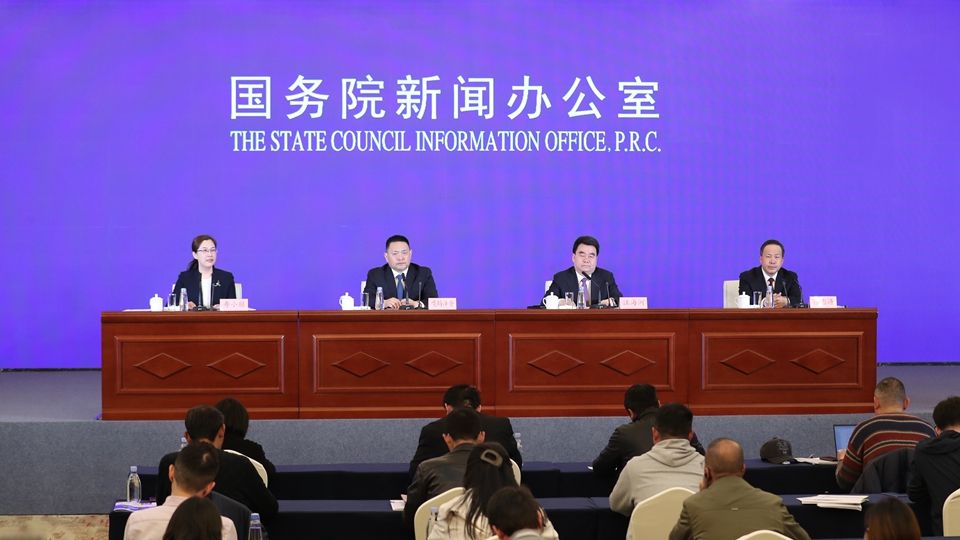
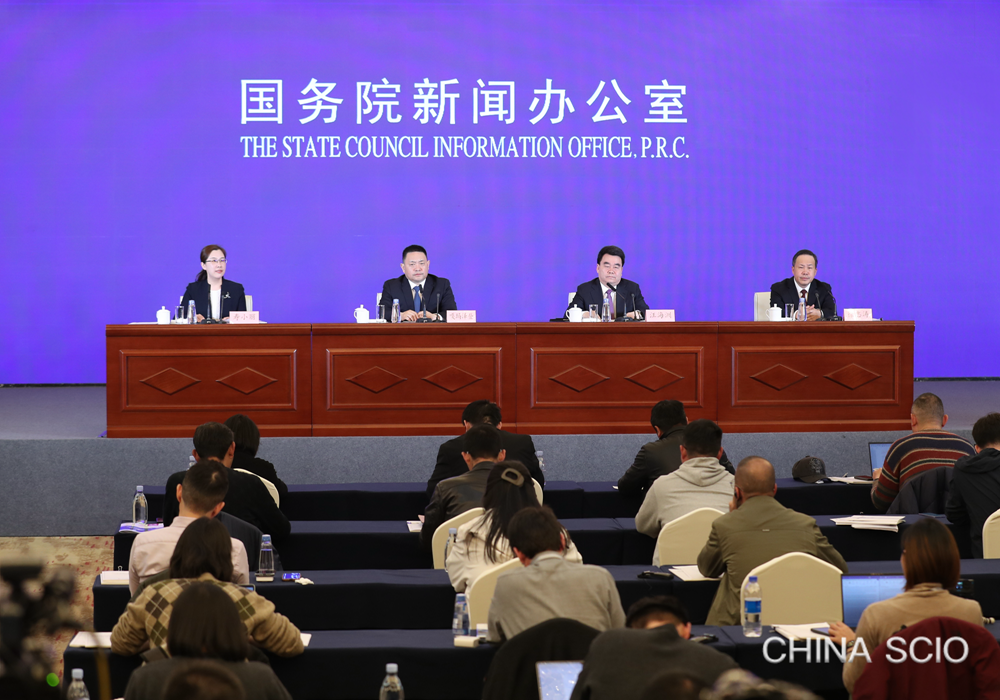
Speakers:
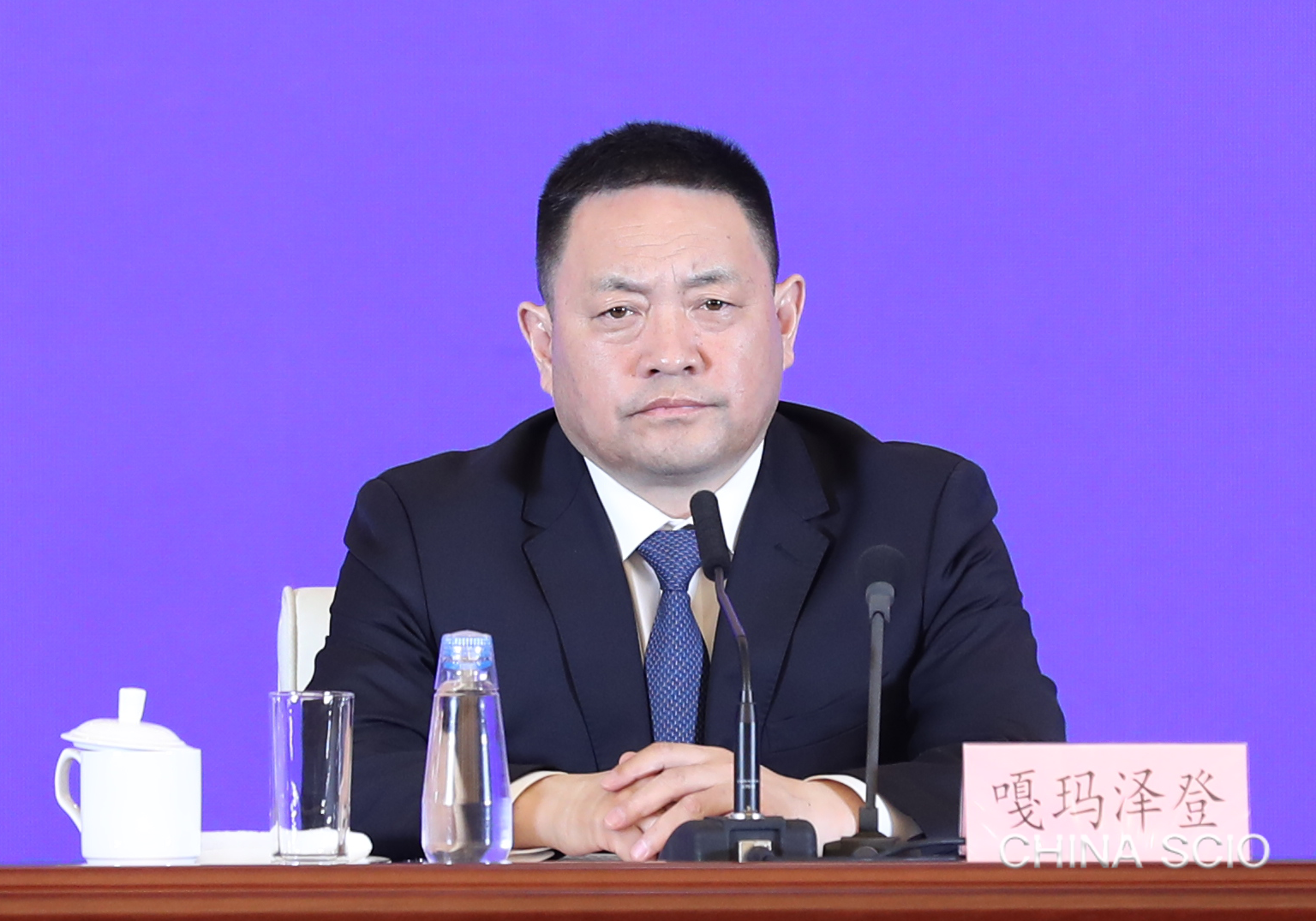
Mr. Gama Cedain, deputy secretary of the Communist Party of China (CPC) Xizang Autonomous Regional Committee and chairman of the People's Government of the Xizang Autonomous Region
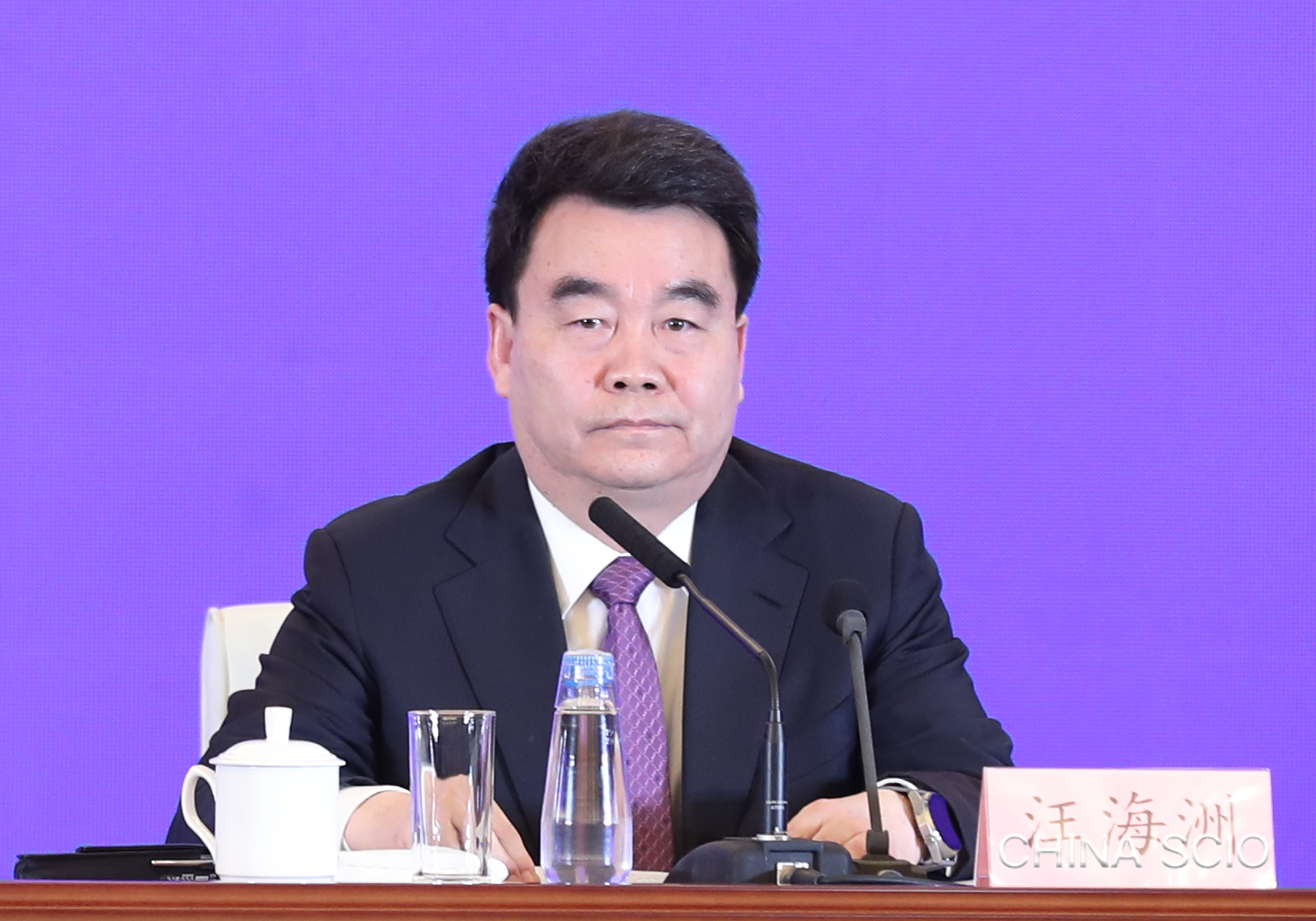
Mr. Wang Haizhou, a member of the Standing Committee of the CPC Xizang Autonomous Regional Committee and director general of the Publicity Department of the CPC Xizang Autonomous Regional Committee
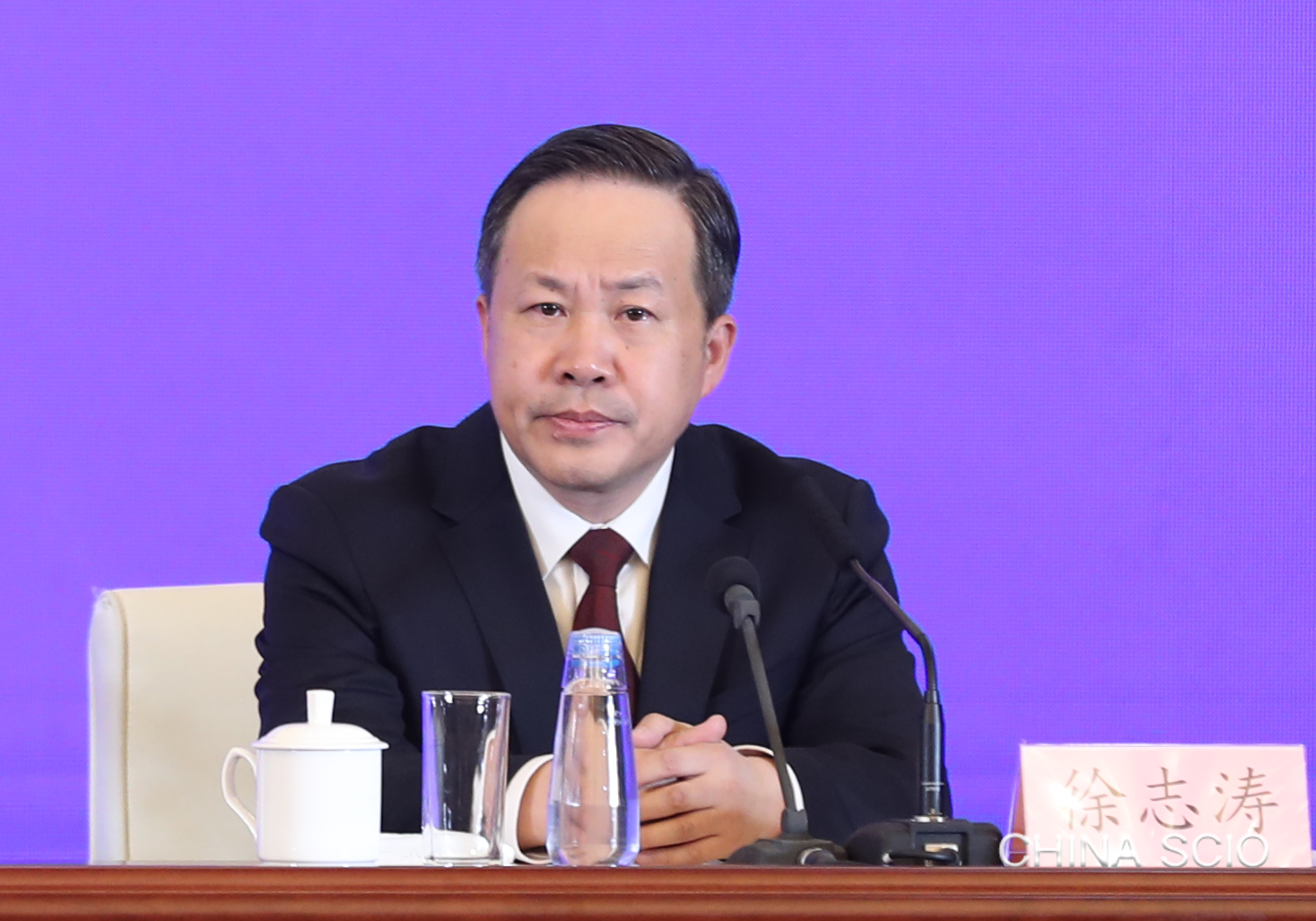
Mr. Xu Zhitao, vice chairman of the People's Government of the Xizang Autonomous Region
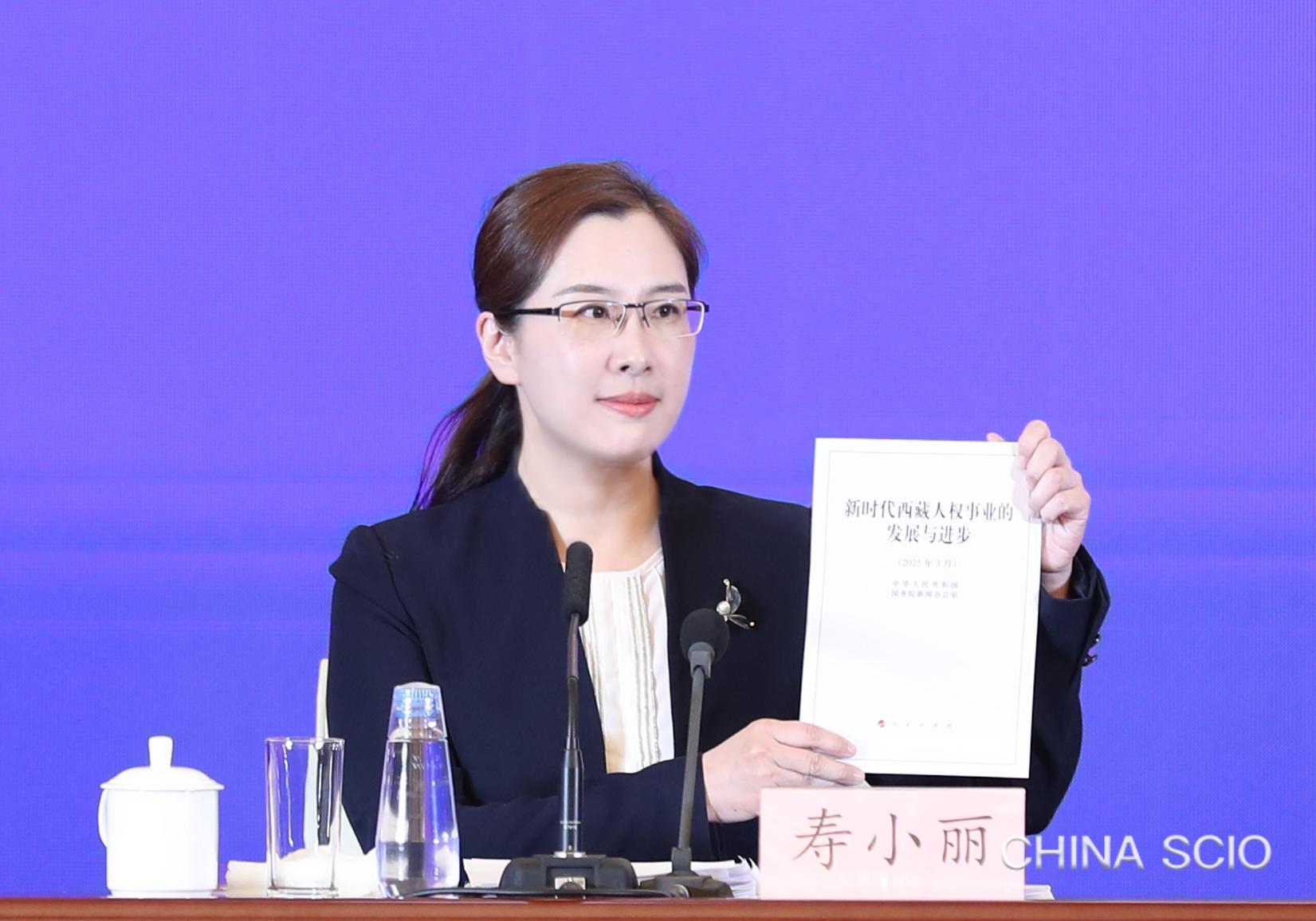
Chairperson:
Ms. Shou Xiaoli, director general of the Press Bureau of the State Council Information Office (SCIO) and spokesperson of the SCIO
Date:
March 28, 2025
Shou Xiaoli:
Ladies and gentlemen, friends from the media, good afternoon. Welcome to this press conference held by the State Council Information Office (SCIO) in Lhasa, Xizang autonomous region. Today, we are joined by Mr. Gama Cedain, deputy secretary of the Communist Party of China (CPC) Xizang Autonomous Regional Committee and chairman of the People's Government of the Xizang Autonomous Region; Mr. Wang Haizhou, a member of the Standing Committee of the CPC Xizang Autonomous Regional Committee and director general of the Publicity Department of the CPC Xizang Autonomous Regional Committee; and Mr. Xu Zhitao, vice chairman of the People's Government of the Xizang Autonomous Region. This year marks the 60th anniversary of the establishment of Xizang autonomous region. As we commemorate the emancipation of the 1 million serfs in the region today, the SCIO publishes this white paper "Human Rights in Xizang in the New Era." Through detailed statistics and objective facts, the white paper fully presents the sound development and all-round progress of human rights in Xizang since its peaceful liberation, especially in the new era, highlighting that living a life of contentment is the ultimate human right in Xizang.
Now, I will briefly introduce the main contents of the document. The white paper consists of a preface, main body and conclusion. The main body contains seven sections concerning the protection of specific rights.
First, whole-process people's democracy is extensive, genuine and effective. Xizang has fully implemented regional ethnic autonomy. Citizens' rights to vote and to stand for election, people's rights to be informed and to participate, as well as their rights to expression and oversight are protected in a strict, full and effective manner. The people's status as masters of the region has been better reflected, and is having a greater impact. The people of Xizang enjoy full, extensive, genuine, concrete and effective democratic rights in accordance with the law. Currently, Xizang has instituted 790 outreach offices for deputies to people's congresses, Chinese People's Political Consultative Conference (CPPCC) organizations have been established in all 74 county-level administrative units in the region, and the 12345 government service hotline has been launched to respond to public concerns in a timely manner.
Second, economic and social rights are better protected. Fully and faithfully following the new development philosophy in all fields, Xizang has focused on improving people's lives and strengthening unity in social and economic development. The rights of people of all ethnic groups in Xizang to housing, education, work, health and social security are better guaranteed. Xizang was once a profoundly impoverished area that had the highest incidence and penetration rates of poverty, and the cost and difficulty of eliminating poverty was therefore the biggest. Under the strong leadership of the CPC Central Committee, Xizang followed the guidelines for targeted poverty alleviation and eradication. By the end of 2019, all 628,000 registered impoverished people in the region had been lifted out of poverty. In 2024, the per capita net income of those lifted out of poverty in Xizang increased by over 12.5%.
Third, the protection of cultural rights has seen further improvement. The CPC and the Chinese government attach great importance to protecting, passing down and developing the fine traditional cultures of all ethnic groups in Xizang. They have coordinated the efforts to generalize the use of standard spoken and written Chinese language as well as the study and use of the Tibetan language. They have also improved public cultural services and ensured that the cultural rights of all ethnic groups in Xizang are protected. For example, since 2012, the central government has invested nearly 5 billion yuan ($689.5 million) in developing public cultural services across the region. It is fair to say that cultural prosperity in the region has been raised to new heights.
Fourth, the freedom of religious belief is effectively safeguarded. Xizang protects citizens' freedom of religious belief in accordance with the law, ensuring that religions in China conform to China's realities and remain compatible with socialist society. The sound situation of religious amity and social harmony is obvious to all. In Xizang, multiple religions have coexisted with each other for generations, and different religious groups have lived in harmony. Over 1,700 religious activities are held annually, and every effort is made to satisfy the religious needs of believers.
Fifth, environmental rights are fully and effectively protected. Ecological environment cannot be replaced. Xizang has always prioritized eco-environmental conservation. The region is committed to maintaining harmony between humanity and nature in modernization. It prioritizes eco-environmental conservation and green development and strives to continuously improve eco-environmental governance and protect biodiversity on the Qinghai-Tibet Plateau. Today, Xizang has become one of the regions with the healthiest eco-environment in the world. In 2024, Lhasa ranked first among the 168 key cities in China in terms of air quality.
Sixth, the rights of specific groups are equally protected. In the new era, human rights are enjoyed equally by all in China. Xizang attaches great importance to safeguarding the rights of specific groups, including women, children, the elderly and people with disabilities. It has continued to improve its mechanisms for protecting rights, so that all groups share the opportunity to live a fulfilling life and realize their dreams. For example, in terms of promoting women's development, since the beginning of the new era, Xizang has seen the emergence of outstanding female representatives such as Yudron Lhamo, the first athlete from Xizang to qualify for the Winter Olympics; Tseten Yudron, who claimed two gold medals at the 2025 Asian Winter Games in Harbin; and Kelsang Pedron, the first female pilot of the Tibetan ethnic group in the People's Liberation Army. These were completely unimaginable in old Xizang.
Seventh, the legal protection of human rights has steadily improved. Xizang has deepened the rule of law, integrating respect for and protection of human rights into all aspects of legislation, law enforcement, the judiciary and observance of the law, while resolutely safeguarding social equality and justice. Meanwhile, publicity and education of the socialist system of law with Chinese characteristics, with the Constitution at its core, has been carried out in Xizang. Respecting, learning, abiding by and using the law has become common among people of all ethnic groups.
That's all for my introduction. Next, please welcome Mr. Gama Cedain for his introduction.
_ueditor_page_break_tag_
Gama Cedain:
Ladies and gentlemen, I'm very pleased to witness the release of the white paper "Human Rights in Xizang in the New Era" with you all. I would like to take this opportunity, on behalf of the CPC Xizang Autonomous Regional Committee and the People's Government of Xizang Autonomous Region and its 3.7 million people of all ethnic groups, to extend a warm welcome to everyone, and express my utmost respect to all friends and people from all walks of life for their care, support and great contributions to the development of Xizang.
This year marks the 60th anniversary of the establishment of the Xizang Autonomous Region, and today marks the anniversary of the democratic reform that ended feudal serfdom in Xizang. Sixty-six years ago, Xizang launched the democratic reform, freeing a million serfs, writing a glorious chapter in the history of human rights. Looking back at the progress made in human rights over the past six decades, and especially since the 18th CPC National Congress in 2012, we have consistently adhered to the leadership of the CPC, which has provided a fundamental guarantee for the long-term stability and high-quality development of the region. Since the peaceful liberation of Xizang, successive central collective leaderships have attached great importance to the work related to Xizang. Since the 18th CPC National Congress, the CPC Central Committee with Comrade Xi Jinping at its core has made respecting and protecting human rights an important part of the governance of China, vigorously promoting the high-quality development of various undertakings in the region.
The CPC Xizang Autonomous Regional Committee and the People's Government of the Xizang Autonomous Region have thoroughly implemented General Secretary Xi Jinping's important instructions on the work related to Xizang and the Party's guidelines for governing Xizang in the new era. Focusing on the four major tasks of ensuring stability, facilitating development, protecting the eco-environment and strengthening the borders, we have united and led the people of all ethnic groups in the region to create a national model area for ethnic unity, a leading area for high-quality development of the plateau economy, a national eco-civilization model, and a demonstration zone for strengthening national border and enriching the people. The sense of gain, happiness and security of people of all ethnic groups have been improved.
We have always adhered to a people-centered development approach, achieving historic accomplishments in the rights to subsistence and development of all ethnic groups. Absolute poverty has been historically eradicated. All 74 impoverished counties (districts, cities) have been lifted out of poverty, and all 628,000 registered impoverished people have been lifted out of poverty. People's livelihoods have significantly improved, with the total economic output growing from 70.103 billion yuan in 2012 to 276.494 billion yuan in 2024. The per capita disposable incomes of urban and rural residents have increased from 18,028 yuan and 5,719 yuan to 55,444 yuan and 21,578 yuan, respectively, with the growth rate ranking among the top in the country for 10 consecutive years. The right to life and to health have been effectively ensured. The population has grown to 3.7 million, with average life expectancy rising significantly. The numbers of hospital beds, healthcare professionals and practicing physicians per 1,000 people have increased to 5.9, 8.05, and 3.34, respectively. The rights of specific groups have been equally protected. The maternal and infant mortality rates have dropped to 38.63 per 100,000 and 5.37 per thousand, respectively. The region has 128 elderly care institutions, benefiting 12,971 elderly people. The enrollment rate for compulsory education among school-age children with disabilities has reached 97.15%, and 21,010 registered persons with disabilities have secured employment.
We have always strived to fulfill four main tasks in the region: benefit ethnic unity and progress, safeguard national unity and oppose separatism, improve people's lives and build social consensus, and give people in Xizang a greater sense of gain, fulfillment and security. As a result, comprehensive progress has been achieved in the protection of economic, social and cultural rights in the region. Infrastructure has been constantly improved. Fuxing high-speed trains run across the snowy plateau; the Lhasa-Shigatse Expressway has entered full operation; a "supercharging green corridor" has been built on the Sichuan-Xizang section of the G318 National Highway; the number of air routes has reached 169; four power grids have been built and put into use; and safe drinking water has been made available in rural areas. Education has been made a priority. A 15-year publicly funded education system from kindergarten to high school has been established. Sports-for-all is flourishing. The per capita sports venue area has reached 1.95 square meters. In 2024, we achieved a record 55 gold, 44 silver and 66 bronze medals in domestic and international sports events. Cultural projects benefit the people and improve their well-being. A total of 5,492 performing teams have been established at the administrative village and urban community level. Excellent traditional culture has been effectively inherited, protected and utilized. The study and use of the Tibetan language has been protected by the law.
We have always regarded eco-environmental protection on the Qinghai-Xizang Plateau as a major task that benefits our future generations and the entire world. The Qinghai-Xizang Plateau has achieved overall carbon neutrality. We have taken a holistic and systematic approach to the conservation and improvement of mountains, waters, forests, farmlands, grasslands and deserts, and promulgated the Regulations on Developing National Eco-Civilization Model in the Xizang Autonomous Region. More than 50% of the region's total land area has been listed under ecological conservation redline protection, and 36% of the region's territory has been designated as nature reserves. The annual proportion of days with excellent or good air quality in key cities and towns reached over 99%. Green and low-carbon development has created new drivers and released new dividends for the region's growth. The installed power capacity reached 9.52 million kilowatts, and clean energy generation reached 19.04 billion kilowatt-hours. The people of all ethnic groups have become voluntary protectors of lucid waters and lush mountains, while directly benefiting from these invaluable assets.
We have made sustained efforts to forge a strong sense of community for the Chinese nation, with people's political rights and civil rights fully developed. The people of all ethnic groups in Xizang have become masters of their own destiny and the region and fully enjoy the rights endowed by the Constitution and the laws. Among the deputies from the Xizang autonomous region delegation to the 14th National People's Congress (NPC), 68% were from ethnic minority groups; and among the deputies to people's congresses in the region, 89.2% are from ethnic minority groups. Freedom of religious belief is safeguarded in accordance with the law. In Xizang, all religions and sects are equal, as are all believers and non-believers. Every effort is made to meet the normal religious needs of believers. All registered monks and nuns are fully covered by social security and health checks. Ethnic equality and unity are increasingly consolidated. We formulated and implemented regulations and plans for the establishment of model areas to promote ethnic unity and progress. At present, seven prefectures (prefecture-level cities), 30 counties (districts, cities), and 54 entities have been designated as national demonstration units for ethnic unity and progress.
We have resolutely safeguarded China's sovereignty, security and development interests. We have explicitly fought against separatist activities, strengthened and innovated social governance, as well as continued efforts in creating a lawful and peaceful society. The sense of security and satisfaction of the people of all ethnic groups in Xizang ranks among the top in the country. After a 6.8-magnitude earthquake in Dingri county this year, we responded promptly and provided the affected people with tents, prefabricated houses, hot meals and warm butter tea as soon as possible, effectively protecting their human rights, thanks to the strong leadership of the CPC Central Committee and the selfless assistance of the people across the country.
Human rights protection is always ongoing and will never end. Next, under the firm leadership of the CPC Central Committee with Comrade Xi Jinping at its core, we will continue to meet the new expectations of the people in Xizang for better lives, and work together to write a new chapter in human rights protection within the warm embrace of the big family of the socialist motherland.
On behalf of the Party committee and the government of the Xizang autonomous region, I would like to take the opportunity of this press conference to sincerely invite all of you to visit Xizang, to appreciate the region's beautiful nature and culture, and to experience its new progress in socialist modernization. I sincerely wish you all good health and every success. Tashi delek.
That's all for my introduction. Thank you.
Shou Xiaoli:
The floor is now open for questions. Please identify the media outlet you represent before asking your questions.
_ueditor_page_break_tag_
China Media Group:
Over the past 70-plus years since the peaceful liberation of Xizang, especially in the new era, significant progress has been made in advancing human rights. Could you please introduce the beneficial experiences formed in the process of protecting human rights in Xizang? Thank you.
Gama Cedain:
I would like to invite Mr. Wang to answer this question.
Wang Haizhou:
First, thank you for your concern about this issue. In the new era, under the firm leadership of the CPC Central Committee with Comrade Xi Jinping at its core, we have solved long-standing problems and accomplished major tasks, which could not be achieved in the past. All-round progress and historic success have been achieved in advancing human rights across the region. All these thoroughly demonstrate the practical effectiveness of General Secretary Xi's important discourse on respecting and protecting human rights. We have accumulated a series of basic experiences in this process, which can be summarized in the following six aspects:
First, upholding the leadership of the CPC. The CPC has always respected and protected human rights and attaches high importance to human rights development in Xizang. It has carried out concrete and effective measures to advance various rights, and strived to achieve well-rounded development and common prosperity for all people from all ethnic groups in Xizang. It has propelled Xizang to undergo earth-shaking transformations over just a few decades, achieving remarkable progress that would have taken millennia under ordinary circumstances. Xizang's successes provide ample evidence that without the CPC, there would be no People's Republic of China, nor the new Xizang. Only by upholding the leadership of the CPC can the people of Xizang become and remain the masters of their own affairs, and can their fundamental interests be safeguarded and advanced. The songs we are all familiar with, such as "Singing a Mountain Song for the Party," "Emancipated Serfs Sing Proudly" and "Road to Heaven," are all vivid expressions of the heartfelt gratitude and support to the CPC of the people in Xizang.
Second, respecting and ensuring the principal status of the people. "For the people" is the distinguishing feature of the Chinese path of human rights protection. By taking a people-centered approach to human rights, we have boosted local people's enthusiasm, initiative and creativity, and have enabled them to become the dominant participants in, contributors to and beneficiaries of human rights progress in the region. During this year's national "two sessions," 25 NPC deputies from the Xizang autonomous region and 29 CPPCC national committee members living in Xizang gathered public opinions and wisdom, participated in and deliberated on the administration of state affairs, and offered advice and suggestions on the development of the region.
Third, basing our work on Xizang's realities. There is no one-size-fits-all model for human rights development in the world: the one that suits you most will serve you the best. Based on the real conditions in the region, we have adopted a development model with Chinese characteristics that respects Xizang's regional features. This approach allows us to fulfill four main tasks in the region — ensuring stability, facilitating development, protecting the eco-environment, and strengthening the borders — while ensuring that all the people in Xizang have a greater sense of gain, fulfillment and security.
Fourth, focusing on basic human rights, and primarily the rights to subsistence and development. Subsistence is the foundation of all human rights, and living a life of contentment is the ultimate human right. Prioritizing the protection of the rights of people of all ethnic groups in Xizang to subsistence and realization of their rights to development, we are committed to addressing the most pressing and immediate issues that concern the local people most so as to achieve high-quality development.
Fifth, protecting human rights through maintaining security. Taking countering separatist activities and preserving national security as our essential work to safeguard people's well-being, we have ensured sustained and steady social development for Xizang and stable and secure border areas. A safe and stable environment creates favorable conditions and serves as a solid foundation for the development of human rights in the region.
Sixth, protecting human rights in accordance with the law. The rule of law is the most effective guarantee for human rights. By upholding law-based governance, we have ensured that the authority of the Constitution and the law is maintained. Predicated on the principle that everyone is equal before the law, the regional government has strengthened human rights protection throughout the process of legislation, law enforcement, judicature, and the observance of the law, as part of its efforts to provide legal protection for human rights and defend social fairness and justice in the region. Thank you.
_ueditor_page_break_tag_
China News Service:
On this trip to Xizang, I have seen the prosperity and development of Lhasa and its beautiful scenery, but I also experienced altitude sickness caused by its high altitude and low air pressure. For those who live in Xizang long-term, the unique conditions can have a certain impact on their health. What work has been done to ensure the people's health? Thank you.
Gama Cedain:
I'd like to invite Mr. Xu to answer your question.
Xu Zhitao:
Thank you for your question. As the reporter mentioned, Xizang's high altitude means that people can be prone to some chronic diseases and altitude-related illnesses. The CPC Central Committee attaches great importance to the health of the people in Xizang, and called for the establishment of plateau medical research centers and national plateau disease medical centers in relevant documents. General Secretary Xi Jinping also emphasized at an important meeting the need to develop and promote new medical devices and technologies suitable for high-altitude regions. The regional Party committee and government have implemented the requirements of the central authorities and carried out work in the following several aspects:
First, we strengthened overall planning. In response to prominent problems such as the frequent occurrence of high-altitude diseases, relatively underdeveloped diagnosis and treatment capabilities as well as people's imbalanced dietary habits, the regional Party committee made deployment on implementing eight health actions and introduced a series of specific measures to advance the Healthy Xizang Initiative.
Second, we continuously improved the layout of medical resources. Given Xizang's vast, sparsely populated terrain, we have invested heavily to establish a five-tiered health service network at the region, prefecture, county, township and village levels. Local patients can now receive effective treatment for over 400 major diseases within the region, over 2,400 moderate diseases within the prefecture-level administrative units where they live, and most minor diseases at township-level hospitals. Additionally, by using smart medical means, the "internet plus health care" initiative was advanced to ensure remote medical services reach all public hospitals at and above the township level.
Third, we enhanced the capacity for guaranteeing health services. From 2015, 203 hospitals from 17 paired-up provinces and municipalities directly under the central government selected and dispatched more than 2,000 experts to work in teams in Xizang's health system at various levels, helping to train local health care professionals and improve diagnosis and treatment capability in the region. With national support, we have actively developed new medical and health care technologies and devices suitable for the high-altitude environment. We have established the National Traditional Chinese Medicine Center (Tibetan Medicine) and a national regional medical center. In 2025, the annual health check-up subsidy for local people will increase to 164 yuan per person, basically achieving full coverage of health examination expenses for both urban and rural residents. Dietary guidelines for residents of high-altitude areas have been released. Since its peaceful liberation in 1951, the population of Xizang has increased from approximately 1 million to 3.7 million. The maternal and infant mortality rates have dropped significantly, and the average life expectancy has reached its highest level in history. Thank you.
_ueditor_page_break_tag_
Rudaw Media Network:
I have a question: What measures have been taken to preserve Tibetan cultural identity and language while promoting economic development in this beautiful region?
Gama Cedain:
I would like to invite Mr. Wang to answer your question.
Wang Haizhou:
Thank you for your attention to this issue. The culture of Xizang is part of Chinese culture. We have consistently upheld principles and policies that support the protection and development of the rich cultural traditions of areas with large ethnic minority populations. In particular, since the 18th CPC National Congress, efforts to preserve and promote Xizang's fine traditional culture have been unprecedented.
First, our efforts to protect and preserve intangible cultural heritage have yielded remarkable success. The central and regional governments have made significant investments to support the protection of Xizang's intangible cultural heritage. Notably, we now have three elements listed on the UNESCO Representative List of the Intangible Cultural Heritage of Humanity: the Gesar epic tradition, Tibetan opera and the Lum medicinal bathing practice of Sowa Rigpa. We currently have 2,800 elements listed in representative catalogs of intangible cultural heritage at all levels, with 1,668 recognized inheritors. As you may know, the total population of Xizang is 3.7 million.
Second, we have comprehensively strengthened the protection, utilization and development of intangible cultural heritage. China has invested nearly 400 million yuan in the preservation and renovation of three major cultural heritage sites: the Potala Palace, Norbulingka and Sakya Monastery. The government plans to invest 300 million yuan over the next decade in protecting and utilizing cultural treasures, including the ancient books and documents of the Potala Palace, such as palm-leaf manuscripts. Currently, in addition to the three world-class intangible cultural heritage elements mentioned earlier, we have 70 national key cultural heritage sites and 661 regional cultural heritage sites. We are currently conducting our fourth cultural heritage census as part of broader national efforts. Once completed, we will further enhance the protection of our cultural heritage. The CPC and the Chinese government have attached great importance to the inheritance and development of the Tibetan spoken and written languages in accordance with the law. As you may have observed, our public facilities, signs and advertisements are all bilingual, featuring both standard Chinese and Tibetan. Similarly, the white paper you're holding today is also presented in both languages. Additionally, today's press conference is being conducted in three languages: Chinese, Tibetan and English. Tibetan is now widely used in broadcasting services, film and television, online platforms, newspapers, textbooks and publishing. Tibetan has also become the first ethnic minority language in China to meet international standards. It is clear that the Tibetan language has never been studied and used as widely as it is now. Thank you.
_ueditor_page_break_tag_
People's Daily:
Protecting citizens' rights to be informed and to participate is an essential part of realizing whole-process people's democracy. Could you please tell us what specific steps Xizang has taken to protect the rights of people from all ethnic groups to be informed and to participate? Thank you.
Gama Cedain:
I'll answer this question. First, thank you very much for the question. I will provide you with an overview of the efforts we have made in this regard over the years.
China is a socialist country, and the people run the country. The people are the masters of the country. Xizang is no exception in this regard. For the people to truly have a say, they need to understand and participate in both major and minor affairs of their society. Therefore, Xizang has proactively promoted whole-process people's democracy, fully protecting the rights of all ethnic groups to be informed and participate. This ensures that the people's voices are heard across all aspects of decision-making, implementation and supervision by the Party and the government. I will brief you on it from three aspects.
First, the public is informed about both major and minor matters. Transparency in government affairs is an important prerequisite for protecting citizens' rights to be informed, participate, express their views and exercise oversight. With a focus on addressing public concerns, governments at all levels in Xizang have ensured full transparency by proactively disclosing legally required information through government websites, social media platforms, government gazettes and other channels. In 2019, Xizang introduced the Measures of the Xizang Autonomous Region on Transparency in Village Affairs, requiring villagers' committees to fully disclose village information through various channels. These include transparency bulletin boards, villagers' representative meetings, online platforms, broadcasting services, text messages, WeChat, transparency cards and other channels.
Second, people can participate in both major and minor public affairs. Xizang has enhanced the working methods for deputies to people's congresses, enabling them to better engage with the public. Deputies at all levels have been encouraged to maintain strong connections with voters. As a result, people are actively involved in various initiatives, ranging from legislation and planning to community matters like waste sorting and property management. We have also established systems for villagers' representative meetings, urban community residents' congresses, and employees' congresses. Additionally, we have implemented mechanisms for grassroots elections, deliberations, information disclosure, work reporting, accountability and other affairs. This helps ensure that primary-level democracy is more extensive and effective.
Third, we can address and resolve all issues, whether big or small. CPPCC organizations at all levels in Xizang have upheld the principles of Party leadership, the united front, and consultative democracy, promoting broader participation and involvement of people from all ethnic groups and backgrounds in state affairs, thereby addressing the pressing concerns of the public. Xizang is represented by 29 members on the CPPCC National Committee, with 93.1% of these members coming from ethnic minority groups. The 12th CPPCC Committee of the Xizang Autonomous Region consists of 429 members, with 59.91% being non-CPC members. Between 2013 and 2024, the CPPCC Committee of the Xizang Autonomous Region received 5,095 proposals. Of these, 4,920 were officially registered, and all of them were processed to completion, achieving a 100% resolution rate. Thank you.
_ueditor_page_break_tag_
CNN:
I believe Mr. Gama Cedain is likely aware of the following issue, which has been drawing international attention. In many Tibetan-populated areas, the closure of numerous rural Tibetan-language schools has forced many Tibetan children to attend public boarding schools, where the language of instruction appears to be exclusively Mandarin. We have seen statements from both relevant U.N. experts and the 14th Dalai Lama claiming that this is actually a measure by the Chinese government to intensify the assimilation or Sinicization of Tibetans. They argue that it could cause a significant number of Tibetan children to lose their mother tongue and potentially erode their cultural traditions and identity. My question for you is: Do you have any relevant data or facts that you can share? For example, how many school-age Tibetan children in the Xizang autonomous region have been sent to such boarding schools? What is the proportion? Do they still have opportunities to receive education in the Tibetan language at these schools? Of course, I would also like to hear your response to these concerns and criticisms. Thank you.
Gama Cedain:
Thank you very much for your questions. I believe this is an issue that many journalists are deeply interested in. I would like to invite Mr. Xu to answer these questions.
Xu Zhitao:
Thank you for your questions. This issue has attracted considerable attention from the outside world in recent years. I remember addressing it during a press conference last year. Let me break it down into a few points.
First, boarding school education is provided based on Xizang's actual conditions to meet the needs of Tibetan students. As we all know, Xizang is vast and sparsely populated, particularly in some agricultural and pastoral areas, where children face difficulties in accessing schools. The scattered nature of education in these regions makes it hard to maintain teaching quality. To address this, and in accordance with the country's Compulsory Education Law, boarding services are offered at certain schools. This approach is tailored to Xizang's unique circumstances and aligns with national laws.
Second, and this is what the outside world is most concerned about, our boarding system is actually completely voluntary. Whether students attend as day students or boarding students is entirely up to them and their parents. Even boarding students can go home on weekends and holidays, and their communication with their families remains seamless. In your question, you asked about the numbers. Because it's voluntary, the exact number of day students versus boarding students is dynamic and changes each year, depending on the preferences of students and their parents. In boarding schools, the curriculum that students learn is exactly the same for both day students and boarding students, as they all attend the same school. The only difference is that some students live too far away to commute, so they board at school. Day students live right next to the school. Therefore, the content they learn, including Tibetan language and culture, is identical. In fact, this boarding school system isn't unique to China or its Xizang autonomous region; it's a model adopted in many countries globally. It's an effective way to address the challenges of schooling posed by geographical conditions and other factors. After years of effort, the Xizang autonomous region has made significant progress. While ensuring access to education for Tibetan children, the boarding school system in Xizang has increasingly focused on providing high-quality education, aiming to cultivate students' long-term development capabilities. At school, there are various student clubs, and we also promote the inclusion of intangible cultural heritage into the curriculum. Through initiatives such as strengthening cooperation between families and schools, we support students' physical and mental well-being. These efforts effectively ensure that Tibetan children receive high-quality education, illustrating a significant manifestation of human rights development and progress in Xizang. Thank you.
_ueditor_page_break_tag_
Guangming Daily:
During my visit to Lhasa, I saw many Tibetan Buddhist monasteries, pilgrims and prayer flags. Additionally, I learned that there are Islamic mosques in Lhasa. Could you explain how the Chinese government ensures religious freedom for all ethnic groups in Xizang? Thank you.
Gama Cedain:
I would like to invite Mr. Wang to answer this question.
Wang Haizhou:
This is probably an issue that concerns many people. The Constitution of the People's Republic of China explicitly guarantees citizens' freedom of religious belief, and the state protects normal religious activities. In Xizang, we firmly adhere to these constitutional provisions and consistently respect and protect the national policy of religious freedom. As the journalist from Guangming Daily pointed out, Xizang has not only Tibetan Buddhist monasteries, but also mosques, Catholic churches, and other religious sites, all of which are protected by law. Traditional religious activities such as learning scriptures and debate, along with the system for promotion in academic degrees, are regularly practiced here in Tibetan Buddhist monasteries. The traditional system whereby Tibetan Buddhist monks learn sutras in monasteries and temples has been effectively integrated with the three-level academic title system of modern education. Currently, 130 monks in Xizang have obtained the Thorampa title, the highest academic degree in Tibetan Buddhism studies, and over 3,000 monks are learning sutras at Xizang Tibetan Buddhist Institute and its 10 branches. On the basis of meeting the legitimate needs of religious believers, freedom of religious belief is fully respected. It's common for ordinary believers to have a scripture room or a Buddhist shrine at home, and you can often see this when visiting these families. The Shoton Festival, Butter Lamp Festival, Saga Dawa Festival and other religious and folk activities, such as religious walks around lakes and mountains, are all conducted in an orderly manner every year. Currently, as everyone can see, over a million pilgrimages to Lhasa are made each year.
We have also further improved social security for monks and nuns. Since the new era, dormitories for monks and nuns in monasteries and temples have undergone unified maintenance and renovation, nursing homes have been built at these sites to provide medical services, and infrastructure has been vigorously improved. Over 98% of monasteries and temples now have access to roads, telecommunications, electricity, water, radio and television. Some may wonder why 2% remain without these services, — this is because some temples are located in extremely remote and high-altitude areas. Additionally, we provide annual subsidies to cover medical insurance, pension schemes, subsistence allowances, accident injury insurance, and health check expenses for all registered monks and nuns. We can confidently state that the learning, practice and living conditions for monks and nuns have significantly improved, with their studies, spiritual cultivation and daily lives now fully protected. Thank you.
_ueditor_page_break_tag_
Jiji Press:
The Chinese government has proposed expanding the reception of foreign tourists, but free travel is still not permitted within the Xizang Autonomous Region. What are the reasons for this? Will these restrictions be relaxed in the future? Thank you.
Gama Cedain:
I would like to invite Mr. Xu to answer your questions.
Xu Zhitao:
Thank you for your questions. Xizang is an open region. We have always welcomed foreign visitors to tour Xizang, as well as foreign journalists to conduct reporting here. However, due to Xizang's unique natural environment, geographical conditions and reception capacity, we implement certain management and safety measures when receiving foreign visitors.
The current Party committee and government of Xizang attach great importance to further expanding openness. An open society is essential for vitality. Speaking as the government official overseeing cultural and tourism affairs, we have actively worked to attract more foreign tourists and investors to Xizang. In recent years, the number of foreign visitors has steadily increased, with Xizang welcoming 320,000 foreign tourists in 2024.
Looking ahead, Xizang will accelerate its pace of opening up. We will also provide more convenient access for foreigners to visit Xizang based on improvements in Xizang's infrastructure and reception capabilities. Thank you.
_ueditor_page_break_tag_
Phoenix TV:
Regarding environmental protection, in addition to the saying "clear waters and green mountains are as valuable as gold and silver," there is also the saying "ice and snow are as valuable as gold and silver" in Xizang. I would like to ask what achievements Xizang has made in recent years in protecting environmental rights? Thank you.
Gama Cedain:
I'll take this question. This is also a very important question. As we mentioned earlier, ecological conservation is one of the four main tasks for Xizang in the new era. Xizang has always prioritized eco-environmental conservation, keeping in mind General Secretary Xi Jinping's instruction that "conserving the ecology of the Qinghai-Tibet Plateau is the greatest contribution to the survival and development of the Chinese nation." We have implemented the strictest eco-environmental protection systems and continuously enhanced environmental governance. Today, our pristine eco-environment has become a crucial contributor to the well-being of people from all ethnic groups and stands as Xizang's most distinctive feature. I believe that in the coming days, our journalist friends will personally experience Xizang's breathtaking natural beauty. Let me briefly introduce four aspects of this to you.
First, Xizang's air has become fresher, with "Bright Xizang" becoming increasingly evident. Since 2016, the annual proportion of days with excellent or good air quality in Xizang has consistently exceeded 99%. Air quality in major towns and cities has generally remained excellent or good, while the air quality in the Mount Qomolangma area continues to be rated as excellent or good, meeting China's Grade-I national standards.
Second, our glaciers are better preserved, making "Crystal Xizang" even more beautiful. The Xizang Autonomous Region promulgated the Regulations of the Xizang Autonomous Region for Glacier Protection, which provides frameworks for strengthening glacier protection, ensuring ecological security, promoting sustainable economic development and achieving harmony between humanity and nature. Additionally, Xizang has also coordinated glacier protection with surrounding ecological conservation efforts, achieving eco-environmental protection across the Qinghai-Tibet Plateau.
Third, our water quality has improved, making "Clear Xizang" increasingly attractive. Xizang's beautiful lakes and majestic rivers are unique landscapes of the Qinghai-Tibet Plateau. Through systematic protection measures focused on 33 major river sources, 100% of rivers and lakes in Xizang now meet healthy evaluation standards, with 99.96% of key rivers and lakes achieving target ecological flow rates. Nowadays, taking a scenic lake-touring trip in Xizang has become a shared aspiration for many tourists.
Fourth, living conditions have become more comfortable, and the goal of building a "Livable Xizang" is gradually being realized. All seven prefecture-level cities in Xizang are now designated as National Ecological Civilization Demonstration Zones, making it the only provincial-level region nationwide where every prefecture-level city has achieved the target. In the central urban area of Lhasa, where we are now, the first phase of the water system ecological management project and the ongoing second phase have further enhanced the urban water landscape, continuously improving the living environment. As a result, Lhasa is becoming an ever more livable and beautiful highland city.
"Green development underlines high-quality development, and the new quality productive forces in essence are green." Xizang has transformed its lucid waters, lush mountains, glaciers and snowy lands into invaluable assets, ultimately benefiting the people of Xizang. We often say that "seeing is believing." During this visit to Xizang, participants will have the opportunity to personally discover the region's remarkable high-altitude ecological conditions. Thank you.
_ueditor_page_break_tag_
RIA Novosti:
I'd like to learn more about Russian tourists in Xizang. Which Xizang travel routes are currently most popular among Russian visitors? And what new routes may attract more Russian tourists in the future?
Gama Cedain:
I'd like to invite Mr. Xu to answer your questions.
Xu Zhitao:
Thank you for your questions. I have visited Russia before. I once led a cultural delegation from Xizang to visit Russia, and I truly felt the warmth and friendship of the Russian people towards the Chinese people. Many Russian people are keenly interested in Xizang culture and have a strong desire to travel here. According to our preliminary understanding, tourists from Russia, as well as some from European and American countries, often choose a travel route starting in Lhasa, continuing to Shigatse, and then proceeding to Mount Qomolangma, the world's highest peak. From there, some travelers will continue onward to visit the sacred mountains and holy lakes in Ngari prefecture. This route encapsulates the essence of Xizang's natural beauty and cultural heritage. As I previously noted, Xizang is opening up more broadly and in more areas. From the government's perspective, we are also exploring ways to develop more tourist routes that appeal to international visitors as part of our broader opening up policies. Now, the number of direct civil aviation flights from Xizang to other destinations has increased significantly compared to previous years. Xizang is also developing high-end tourist trains with unique features to enhance access to the region. These developments are expected to draw more foreign tourists. We hope that an increasing number of foreign visitors will choose to visit Xizang. Thank you.
_ueditor_page_break_tag_
Economic Daily:
In recent years, the country has implemented multiple measures to improve housing for all citizens. People of all ethnic groups have gradually moved from merely having a place to live to enjoying a comfortable living environment. Xizang is located on a plateau with a dispersed population. We've noticed that Xizang has been implementing relocation initiatives to improve the living conditions of residents on the plateau. Could you please outline the specific strategies and successes of these relocation efforts? Thank you.
Gama Cedain:
I'd like to invite Mr. Xu to answer your question.
Xu Zhitao:
Just now, the reporter mentioned that Xizang is a vast region with a sparse population, resulting in residents being scattered across different living areas. In some remote areas, people face problems accessing transportation, receiving medical treatment, sending children to school and finding employment. The Xizang Autonomous Region attaches great emphasis on people's right to housing, considering it as part of a comprehensive approach that also includes the rights to health, education and environmental well-being. Especially since 2015, in line with the principle of voluntary mass participation and a mix of centralized and decentralized resettlement, 965 poverty alleviation relocation sites have been gradually established in areas with relatively low altitudes that are suitable for both production and living. After the country launched its critical battle against poverty, Xizang's governments at all levels have worked to address key challenges, including access to medical treatment, schooling and housing for relocated individuals. They have also carried out skills training and provided ecological subsidies. As mentioned in the white paper, by the end of 2019, all 628,000 registered impoverished people in the region had risen from poverty. Of these, 266,000 were lifted out of poverty due to relocation policies. Relocation has addressed the issue of the local environment being incapable of sustaining the resident population and has also protected the ecological environment. Both the living standards and quality of life for relocated individuals have shown substantial improvements. Here is an example. Shuanghu county in Xizang's Nagqu has an average altitude of over 5,000 meters and is the highest-altitude county in China. The natural conditions there are quite harsh. Since 2019, 14,000 herders from Shuanghu county have been gradually relocated to Senburi, which is approximately 60 kilometers from Lhasa at an altitude of only 3,600 meters, located on the banks of the Yarlung Zangbo River. We have consistently tailored our policies to local conditions, ensuring that respect for the public's wishes remains the primary consideration in our relocation efforts. Six years have passed since the relocation. Many herders in Senburi have chosen to reside there permanently. At the same time, some continue to return to Shuanghu county during the summer for grazing and then move back to the lower-altitude areas with better living conditions to spend the winter.
As for Shuanghu county, the county from which the relocation occurred, the local government has established agricultural and pastoral cooperatives. Some herders who remained and medical staff have formed cooperatives that work together to care for the livestock left behind by the relocated herders on a rotational basis. Generally speaking, the relocated individuals have expressed approval of the arrangements made by the Party and the government. They are confident about their future in their new communities. Thank you.
_ueditor_page_break_tag_
China Daily:
In 1995, the fourth World Conference on Women convened in Beijing, adopting the Beijing Declaration and the Platform for Action. This year marks the 30th anniversary of the Beijing Women's Conference, and recently, the United Nations also held the 69th session of the Commission on the Status of Women. What measures has the Xizang Autonomous Region adopted to promote the protection of women's rights? Thank you.
Gama Cedain:
I'd like to invite Mr. Wang to answer your question.
Wang Haizhou:
Thank you to this journalist for highlighting women's rights in Xizang. Women's rights are fundamental human rights, and the comprehensive development of human rights is impossible without the full development of women's rights. As such, we have formulated and promulgated the Plan for Women's Development in Xizang Autonomous Region (2021-2025) and have continuously strengthened the protection of women's rights. In terms of participation in and deliberation on the administration of state affairs, women comprise 36.6% of the region's delegates to the 20th CPC National Congress, 28% of its deputies to the 14th NPC, and 22.6% of its members on the 14th CPPCC National Committee. Among the delegates to the 10th Party Congress of the Xizang Autonomous Region, 32.4% are female. Additionally, women constitute 30.6% of the deputies to the 12th People's Congress of the region and 28.1% of the members of the 12th CPPCC Xizang Autonomous Regional Committee. In all of our administrative villages and urban communities, there are female members serving on Party branches and villagers' or residents' committees, ensuring that women fully participate in and engage in deliberation on the administration of state affairs.
Regarding the protection of women's right to health, we have implemented a preferential policy for the cost of hospitalization for childbirth, granting pregnant women from farming and pastoral areas full reimbursement of medical expenses, as well as a one-time hospital delivery subsidy of 1,000 yuan and a prenatal living allowance of 300 yuan. In the past five years, Xizang has provided more than 200 million yuan in hospital delivery subsidies, benefiting more than 267,000 pregnant women from farming and pastoral areas. Xizang's hospital delivery rate increased from 75.8% in 2012 to 99.15% in 2023.
In terms of ensuring women's right to education, we are well aware that prior to democratic reform, women in old Xizang held a low social status. This meant most women lacked the opportunity and right to receive an education. Following democratic reform, particularly over the past 60 years since the establishment of the Xizang Autonomous Region under the leadership of the CPC, the gender gap in compulsory education has largely been eliminated. Moreover, the proportion of female students in regular higher education, graduate education and adult higher education has consistently remained above 50%. Here, we can proudly say that women's right to education has been effectively protected.
If you observe closely, you will see women actively engaged in various roles across Xizang. An increasing number of women have emerged as a crucial driving force in building a modern socialist new Xizang, figuratively holding up half the sky in this beautiful region. Thank you.
Shou Xiaoli:
Let's continue. Due to time constraints, we'll take one last question, please.
_ueditor_page_break_tag_
Xinhua:
Employment is pivotal to people's wellbeing. According to data I have access to, approximately 648,000 farmers and herders in Xizang turned to other jobs in 2024, earning a total labor income of 7.155 billion yuan. Could you please outline the effective measures Xizang has taken to help farmers and herders find new jobs? Thank you.
Gama Cedain:
I'd like to invite Mr. Xu to answer your question.
Xu Zhitao:
Thank you for the question. As the chairperson just mentioned, a happy life is considered the most fundamental human right. To achieve a happy life, people need access to high-quality employment opportunities. In Xizang, where farmers and herders account for more than 60% of the population, the CPC Central Committee places great emphasis on raising the income of farmers and herders and has put forward clear requirements. The Party committee and government of Xizang Autonomous Region have consistently prioritized initiatives to help farmers and herders transition to other fields, thereby enhancing their income. Working under the principle of fully respecting the preferences of farmers and herders, we have given full play to the government's functional role and the market's principal role to provide employment transition services for farmers and herders. To be more specific, we have focused on the following aspects:
First, we have implemented a unified registration system for employment and business startups across both urban and rural areas. We have included all farmers and herders in the urban employment registration system, offering them free public services such as job recommendations, career guidance and jobseeker registration.
Second, we have actively carried out vocational skills training. Currently, urban and rural residents in Xizang aged 16 and above who are willing to work and require skills training have the opportunity to receive skills training. When formulating training and employment plans, we fully respect the preferences of jobseekers, allowing them to select their preferred training programs, methods and training institutions.
Third, we assist farmers and herders in transitioning to jobs in other fields by developing distinctive and competitive industries, establishing facilities to facilitate job placement, and implementing government-funded projects, among other strategies.
Fourth, leveraging employment service centers in various locations, we assist farmers and herders in finding employment outside their farms or pastures in an orderly manner, respecting their work preferences and individual capabilities. We also address their needs concerning food, accommodation, transportation and rights protection, ensuring their concerns are addressed. Thank you.
Shou Xiaoli:
Following the press conference, the Chinese and international journalists on site today will continue their visit to Xizang. If you still have questions, you can continue to learn more during the trip. Thank you to all the speakers, and thank you to all the journalists who participated. I would like to extend a special thank you to the journalists who traveled from afar. That concludes today's press conference. Goodbye, everyone.
Translated and edited by Zhu bochen, Chen Xinyan, Lin Liyao, Zhang Tingting, Zhang Jiaqi, Wang Xingguang, Yang Chuanli, Liao Jiaxin, Wang Wei, Wang Qian, Liu Sitong, Zhang Junmian, Li Huiru, Li Xiao, Fan Junmei, Huang Shan, David Ball, and Jay Birbeck. In case of any discrepancy between the English and Chinese texts, the Chinese version is deemed to prevail.