.
Read in Chinese
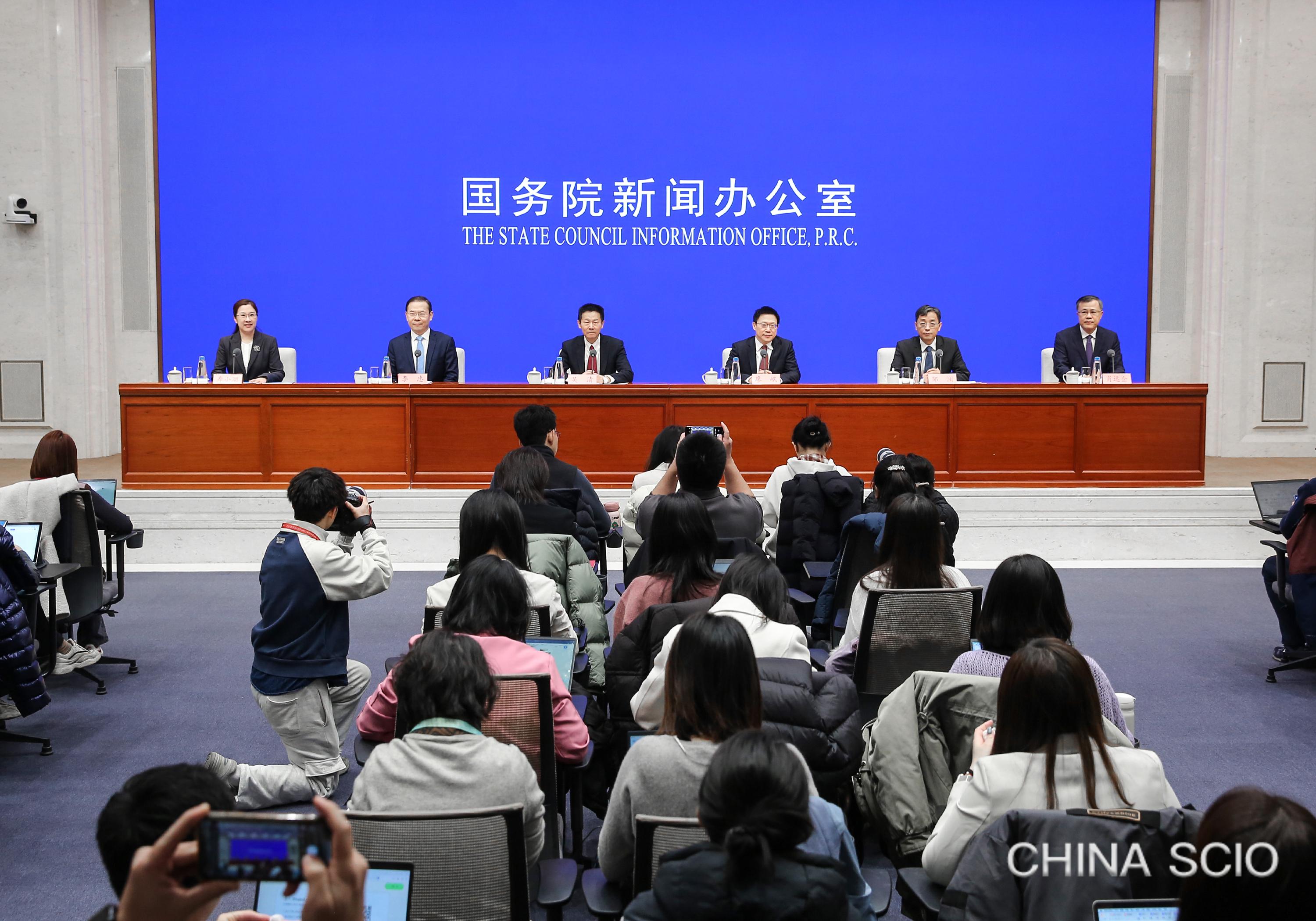
Speakers:
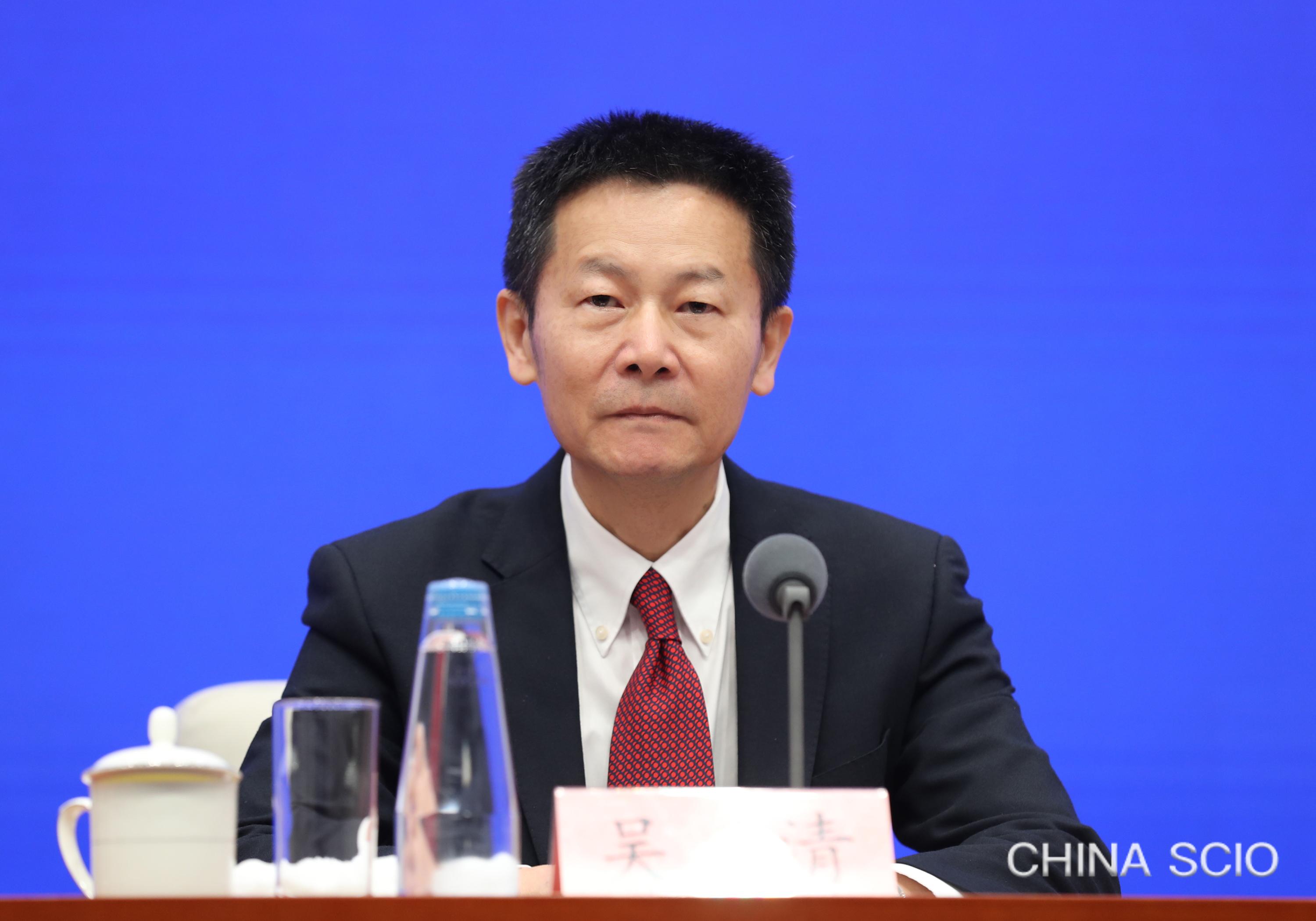
Mr. Wu Qing, chairman of the China Securities Regulatory Commission (CSRC)
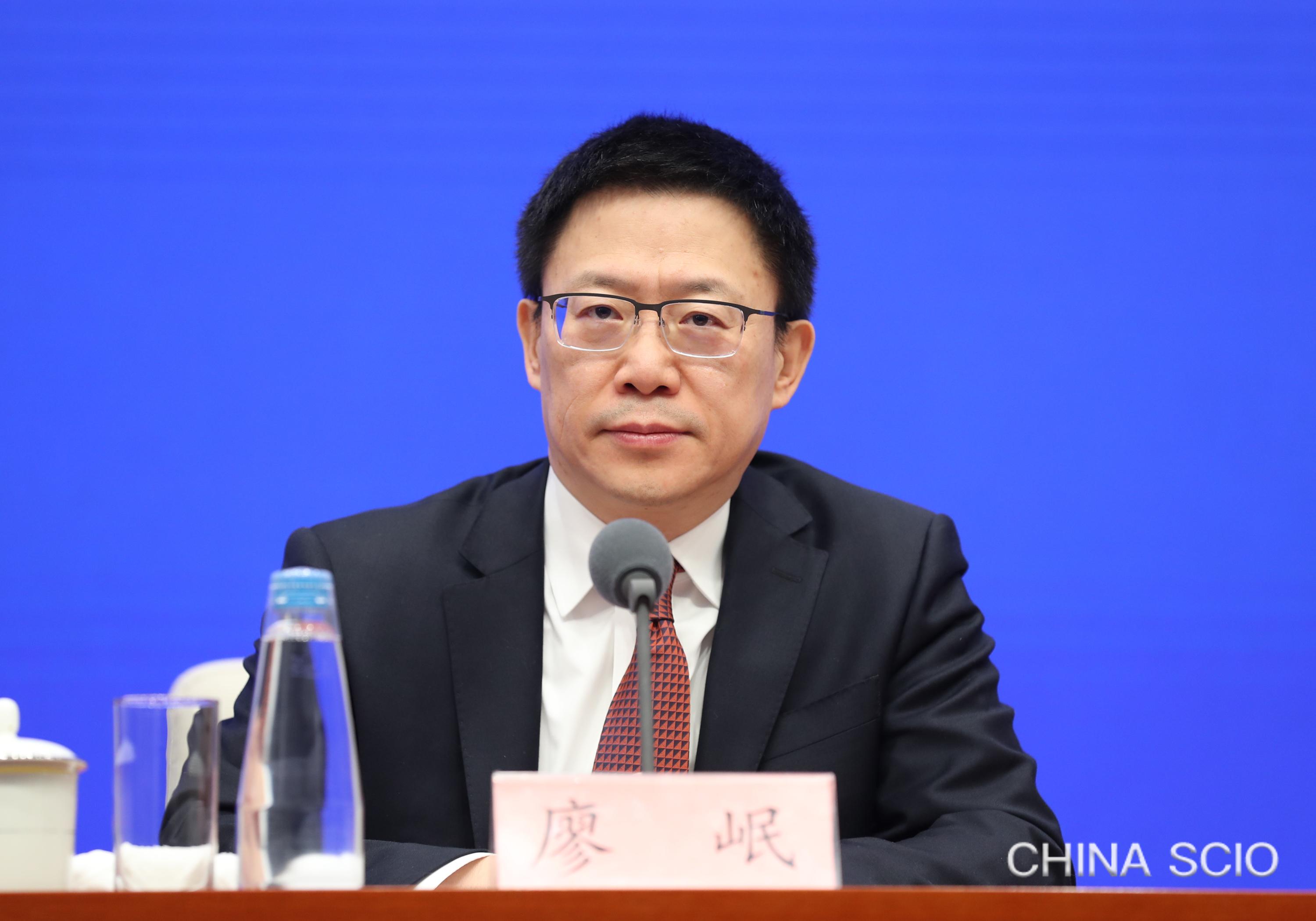
Mr. Liao Min, vice minister of finance
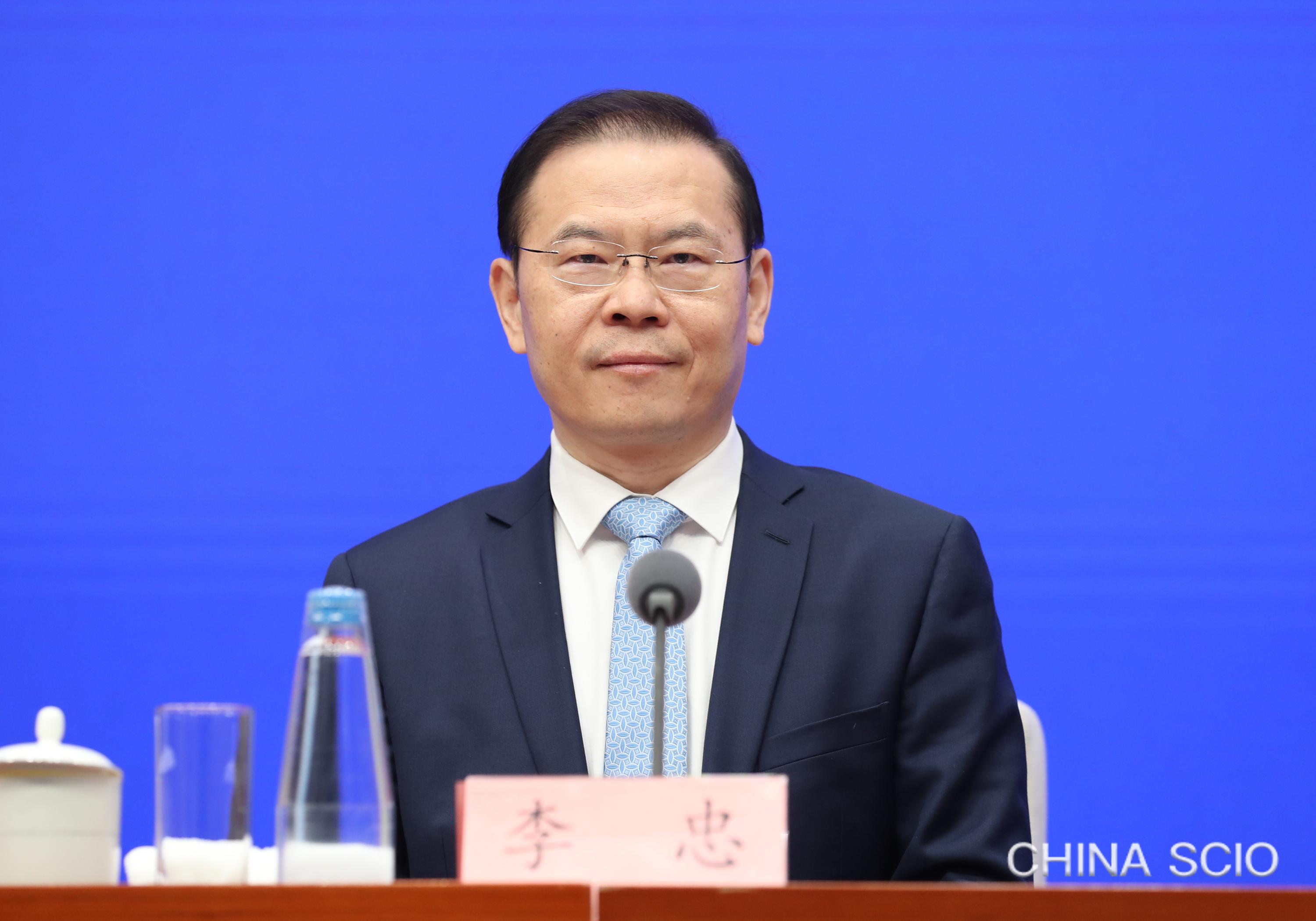
Mr. Li Zhong, vice minister of human resources and social security
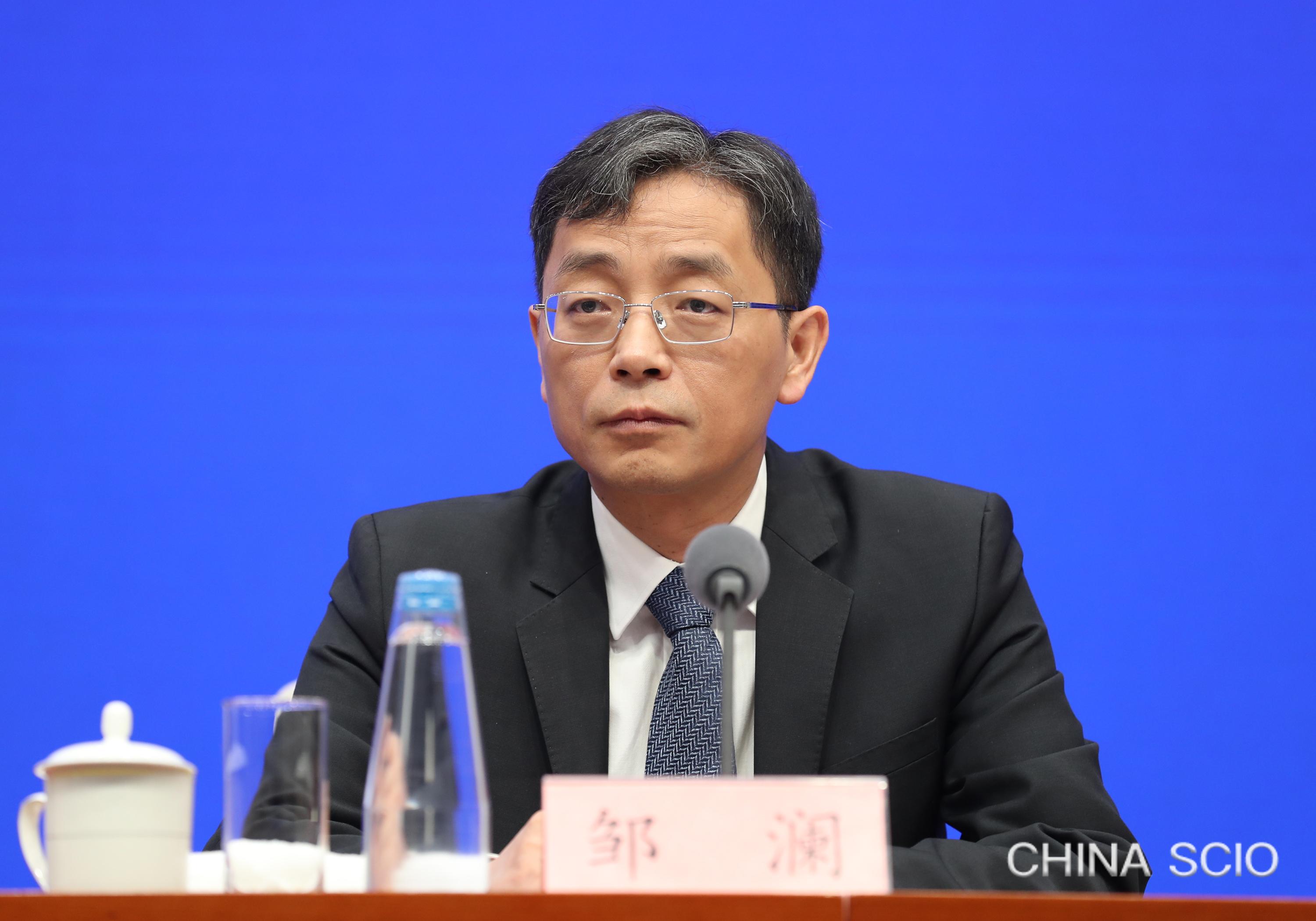
Mr. Zou Lan, member of the Party Committee of the People's Bank of China (PBC)
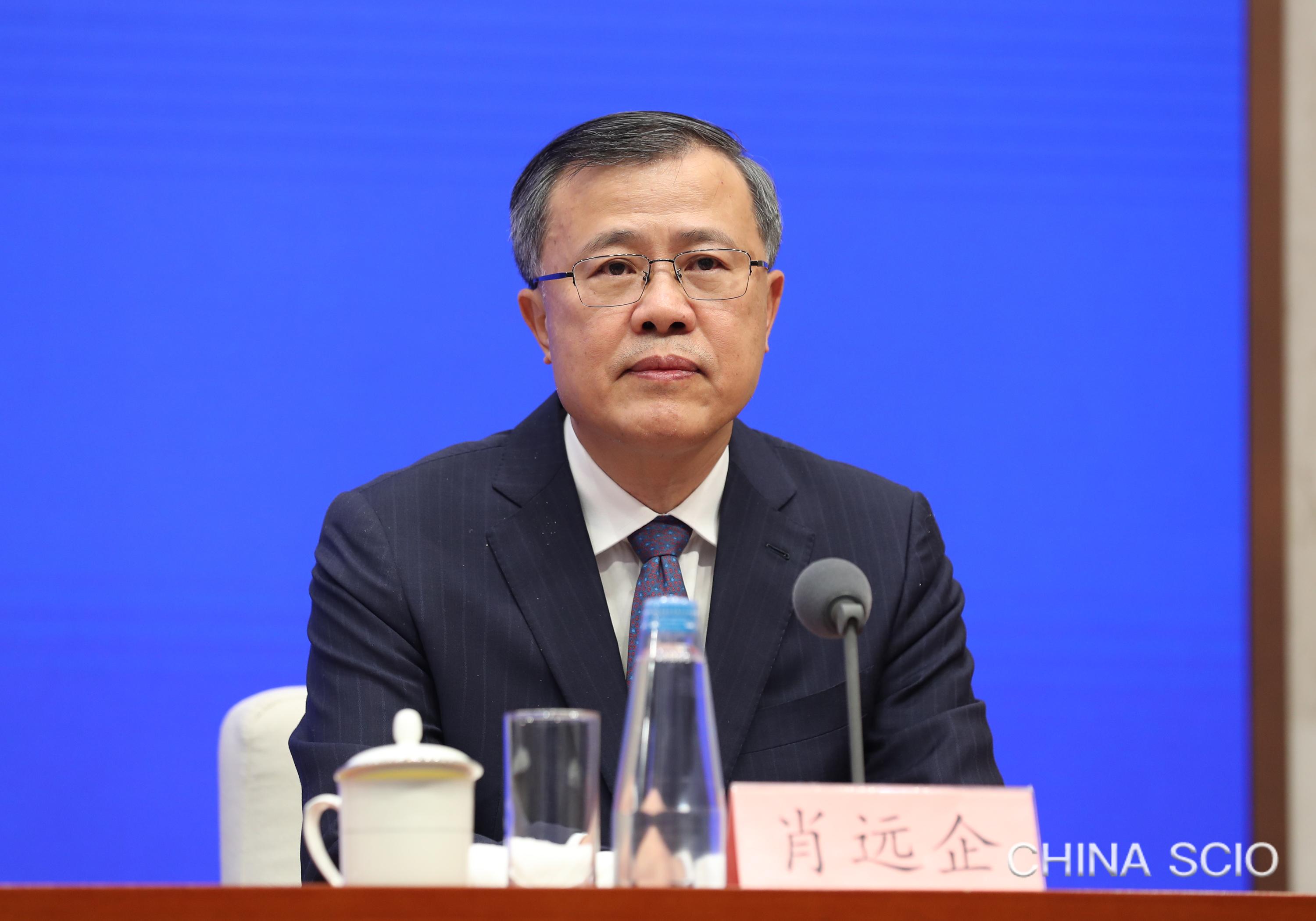
Mr. Xiao Yuanqi, vice minister of the National Financial Regulatory Administration (NFRA)
Chairperson:
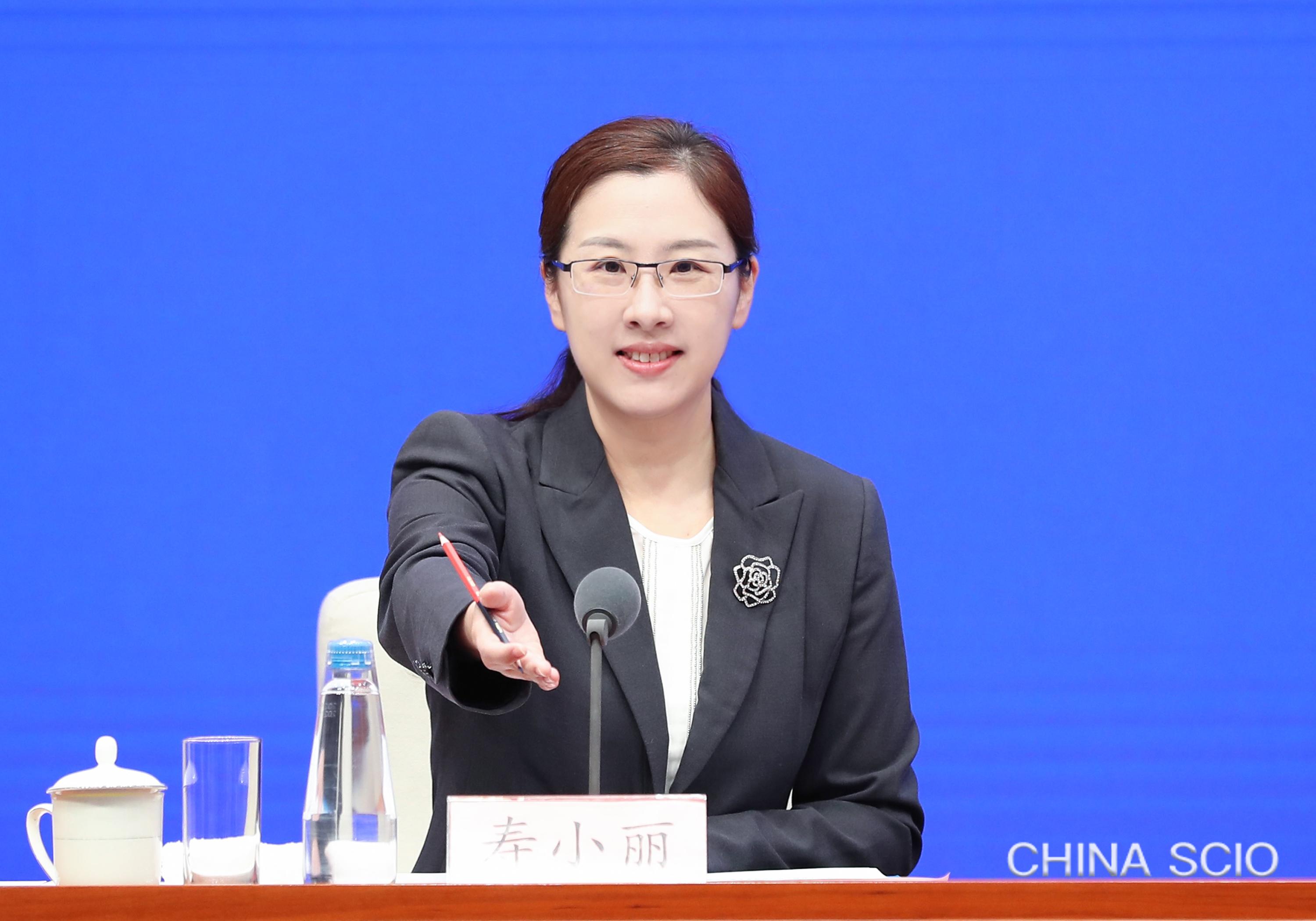
Ms. Shou Xiaoli, director general of the Press Bureau of the State Council Information Office (SCIO) and spokesperson of the SCIO
Date:
Jan. 23, 2025
Shou Xiaoli:
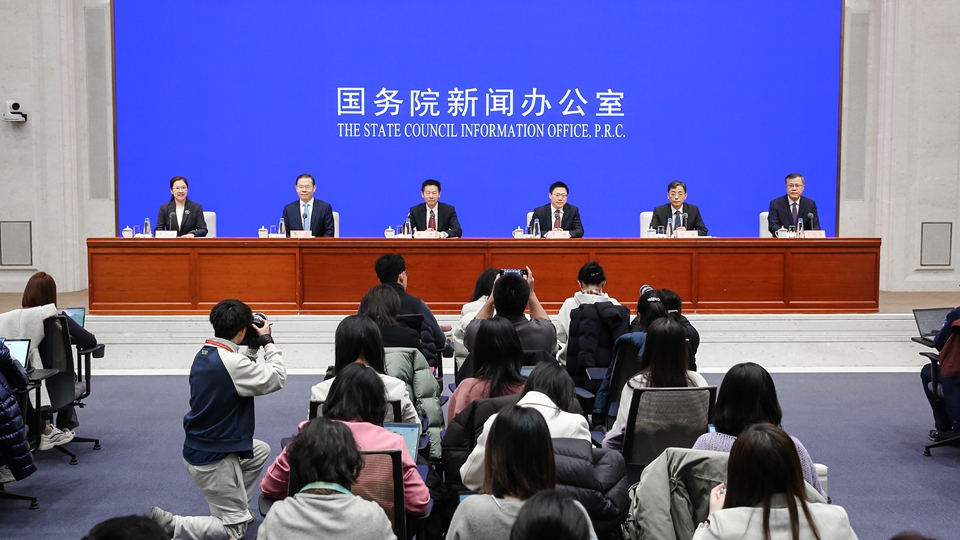
Ladies and gentlemen, good morning. Welcome to this press conference held by the State Council Information Office (SCIO). Today, we are delighted to have with us Mr. Wu Qing, chairman of the China Securities Regulatory Commission (CSRC); Mr. Liao Min, vice minister of finance; Mr. Li Zhong, vice minister of human resources and social security; Mr. Zou Lan, member of the Party Committee of the People's Bank of China (PBC); and Mr. Xiao Yuanqi, vice minister of the National Financial Regulatory Administration (NFRA). They will brief you on actively encouraging the flow of medium- and long-term funds into the capital market and promoting its high-quality development, and take your questions.
Now, I'll give the floor to Mr. Wu for his introduction.
Wu Qing:
Thank you. Ladies and gentlemen, friends from the media, good morning. As we approach Spring Festival and the Year of the Snake, it is a great pleasure to meet you again here at the SCIO. I would like to take this opportunity to extend my Chinese New Year greetings to you in advance, and also to express my sincere appreciation for your long-term interest in and support for the capital market. Today is the 24th day of the 12th lunar month, which marks the Little New Year in southern China, while yesterday was the Little New Year in the north. Major matters brook no delay, let alone being postponed until after the Chinese New Year, so we are racing against time. The main purpose of today's press conference is to brief you on the Implementation Plan for Encouraging the Flow of Medium- and Long-Term Funds into the Capital Market, which was reviewed and approved at the plenary meeting of the Central Financial Commission (CFC) and jointly issued by six ministries and commissions, with a press release issued yesterday afternoon. At today's press conference, together with my colleagues from the Ministry of Finance (MOF), the Ministry of Human Resources and Social Security (MOHRSS), the PBC and the NFRA, which are responsible for drafting the implementation plan, we will introduce the background, main content and related work in the plan, and answer your questions.
As everyone knows, medium- and long-term funds are an important professional investment force in the capital market, serving as a "ballast" and a "stabilizer" to help maintain the market's stable and healthy operation. The Central Committee of the Communist Party of China (CPC) with Comrade Xi Jinping at its core attaches great importance to the work of encouraging medium- and long-term funds to enter the market. The third plenary session of the 20th CPC Central Committee explicitly called for improving the capital market's functions to give balanced weight to investment and financing and supporting the entry of long-term funds into the market. The meeting of the Political Bureau of the CPC Central Committee on Sept. 26 last year and the subsequent Central Economic Work Conference made clear deployments, emphasizing the need to stabilize the stock market, deepen comprehensive reforms for capital market financing and investment, and remove bottlenecks and obstacles restricting medium- and long-term funds from entering the market. At the end of September last year, the Office of the Central Financial Commission and the CSRC jointly issued guidance on encouraging the flow of medium- and long-term funds into the market, which clarified the key work arrangements for promoting various types of medium- and long-term funds to enter the market and for establishing an institutional environment of "long money for long-term investment." The implementation of the guidance, together with a package of incremental policies, including monetary policy tools supporting the capital market, has played a strong role in stabilizing the market and helped guide it toward steady improvement.
This implementation plan is not only another important measure to thoroughly implement the CPC Central Committee's decisions and deployments on encouraging medium- and long-term funds to enter the market, but also a refinement, deepening and concrete implementation of the previous guidance. The implementation plan focuses on bottlenecks and obstacles for medium- and long-term funds such as public funds, commercial insurance funds, and pension funds in entering the market, and proposes a series of more concrete measures. It addresses both the present and the future. In the short term, it sets out specific and clear target requirements for the actual scale and proportion of various types of medium- and long-term funds investing in A-shares; and in the long term, it makes targeted institutional arrangements regarding assessment systems, investment policies, and market ecosystem construction that are adapted to long-term investment. In short, it is packed with substantial content. There are several key points:
First, increasing the actual investment proportion. After careful study and analysis, specific arrangements have been clarified to steadily raise the scale and proportion of medium- and long-term funds investing in A-shares. For public funds, it is stipulated that the tradable A-share market capitalization held by public funds should increase by at least 10% each year over the next three years. For commercial insurance funds, large state-owned insurance companies are expected to allocate 30% of their newly collected premiums each year from 2025 onward to invest in A-shares. This means that several hundred billion yuan of long-term funds will be added to the A-share market each year. The second batch of long-term stock investment pilots for insurance funds will be implemented in the first half of 2025, with a scale of no less than 100 billion yuan, and will be gradually expanded thereafter.
Second, the assessment cycle has been extended. A short assessment cycle has for many years been a significant constraint limiting the expansion of commercial insurance funds, annuity funds, and other medium- to long-term capital into the A-share market. Implementing a long-cycle assessment can effectively smooth out the impact of short-term market fluctuations on performance. Although the fund is designed for long-term investment, short assessment cycles make it difficult to maintain such an approach. By adjusting the assessment cycle, the stability of medium- and long-term fund investment behavior can be improved. The new implementation plan further proposes that public funds, state-owned commercial insurance companies, basic pension insurance funds, annuity funds and similar institutions fully adopt an assessment cycle of more than three years, significantly reduce the weight of current annual operating indicators for state-owned commercial insurance companies, and clearly define the five-year assessment cycle arrangement for the national social security fund. This is a very important institutional breakthrough for medium- and long-term funds entering the market, solving a problem that has remained unresolved for many years. From practical experiences both at home and abroad, this is also conducive to improving the investment returns of various medium- and long-term funds, fostering a win-win situation. For example, the national social security fund is the most active long-term fund participating in stock investment domestically. Over the past 20 years, the average annualized return on investment in A-shares has reached 11.6%, which is very high. This is mainly due to the social security fund's commitment to value investment and long-term investment, and the experience is worth carefully analyzing and referencing.
Third, we have further consolidated the joint force to implement incremental policies. Vigorously guiding medium- and long-term funds into the market is a systematic project. During the formulation of the implementation plan, the Central Financial Office strengthened overall coordination. Departments such as the MOF, MOHRSS, PBOC, NFRA and the Social Security Fund Council closely cooperated with us, innovatively carried out its work, and jointly promoted the formation of the specific and powerful measures introduced just now. This is also an important and long-term institutional reform. In the subsequent implementation process, we will continue to strengthen communication and collaboration, and enhance tracking and evaluation of the results.
We believe that, under the strong leadership of the CPC Central Committee and the State Council, and with robust support from all sectors, the rolling out of the implementation plan will further enhance the equity allocation capabilities of medium- and long-term funds, steadily expand investment scale, improve the supply and structure of capital market funds, and consolidate the good momentum of the capital market's recovery and improvement. It will also help medium- and long-term funds to enhance long-term investment returns, better practice the concepts of long-term, value-based, and rational investment, and achieve the preservation and appreciation of medium- and long-term funds, maintaining the stable and healthy operation of the capital market and fostering a virtuous cycle of the high-quality development of the real economy.
Thank you. That concludes my introduction.
Shou Xiaoli:
Thank you, Mr. Wu, for your introduction. Now, the floor is open for questions. Please identify the media outlet you represent before asking your question.
_ueditor_page_break_tag_
Yicai:
The implementation plan proposes a comprehensive implementation of a long-cycle assessment of more than three years for state-owned commercial insurance companies. What are the considerations behind this? How will this requirement be implemented in the future? Thank you.
Liao Min:
Thank you for your question. Good morning everyone. Mr. Wu provided an overview on this issue just now, and I will briefly add a short explanation.
Implementing long-cycle performance assessments for state-owned commercial insurance companies is an important measure to encourage them to leverage the capital market for medium- and long-term investments. First, considering the nature of insurance funds, they have the characteristics of stable sources, large scale and long repayment cycles, making them typical long-term investment funds and important participants in the capital market. Insurance funds investing in the capital market is also a common practice and basic model internationally. Based on the fund operations of large state-owned commercial insurance companies in China, there remains room to further increase investment in the capital market. Second, the high-quality development of the capital market also requires the participation of medium- and long-term investment funds, including more insurance funds, to reduce short-term fluctuations and enhance long-term development resilience; and the high-quality development of the capital market will also positively impact the preservation and appreciation of medium- and long-term funds, including insurance funds.
To support the greater participation of insurance funds in the market, the MOF has consistently leveraged performance evaluation as a "guiding tool." In fact, in October 2023, the ministry issued a notice on the long-cycle assessment of state-owned commercial insurance companies, adopting a mix of long-term and short-term assessment methods. Under this approach, the performance indicator "return on net assets," a key metric in the performance evaluation framework for commercial insurance companies, is divided into two separate assessments: one based on the current year and the other on the previous three years, each weighted equally at 50%. The goal is to guide state-owned commercial insurance companies to optimize asset allocation and focus on long-term investment returns.
Next, we will follow the requirements of the implementation plan to further promote the entry of insurance funds into the market and revise the long-cycle assessment system for state-owned commercial insurance companies. The main considerations are:
First, we will further increase the weight of long-cycle assessment indicators related to operational efficiency. The weight of the long-cycle assessment indicator, "return on net assets," which I just mentioned, has been adjusted to no less than 60%. This will facilitate the entry of more medium- and long-term funds into the capital market, better aligning the assessment cycle with the investment horizon of long-term funds, and further leveraging the long-term capital nature of insurance funds.
Second, we will implement long-cycle assessment for the preservation and appreciation of state-owned capital. By combining long- and short-term assessment methods, we aim to encourage state-owned commercial insurance companies to scale up their medium- and long-term investments, thereby achieving steady growth in owners' equity and the preservation and appreciation of state-owned capital.
Third, we will promote the improvement of investment management capabilities in state-owned commercial insurance companies. We will encourage and guide state-owned commercial insurance companies to strengthen their investment management and enhance their long-term capital operation capabilities.
We believe that this series of measures will help guide and promote state-owned commercial insurance companies to pay more attention to stable operation, better carry out long-term and value investment, and more effectively play the roles of insurance funds as "market stabilizer" and "economic booster," injecting more impetus into the sustained and healthy development of China's capital market. Thank you.
_ueditor_page_break_tag_
Xinhua Finance:
Since Sept. 26 last year, the meeting of Political Bureau of the CPC Central Committee has proposed steadily advancing the reform of public offering funds. What progress has been made in promoting the reform of public offering funds and increasing the scale and proportion of equity funds? Thank you.
Wu Qing:
Thank you for your question. Public offering funds are indeed important institutional investors and buyers in the capital market. Through professional investment services, they help investors share the growth dividends of listed companies and promote a positive interaction between economic development and the growth of residents' wealth. In recent years, the public offering fund industry as a whole has maintained a stable development trend. Its total scale has grown from 13 trillion yuan in 2019 to 33 trillion yuan by the end of last year. Among them, the scale of equity funds mainly invested in stocks has grown from 2.3 trillion yuan to 8.2 trillion yuan, and the value of equity ETFs has exceeded 3 trillion yuan.
In recent years, due to complex factors such as stock market fluctuations, especially in the past two years, some equity funds have suffered losses. The public offering fund industry has also exposed such problems as deviations in business philosophy, deficiencies in corporate governance and short-term investment behavior. According to deployments at the meeting of the Political Bureau of the CPC Central Committee held on Sept. 26 last year on steadily advancing the reform of public funds, the CSRC has adhered to the value orientation centered on the people, conducted in-depth inspections and analysis of prominent problems in the public offering fund industry, and proposed targeted reform measures after careful research and demonstration. A preliminary reform plan has now been formed. The overall considerations are as follows:
First, we will improve the governance and positioning of fund companies. We will strengthen the CPC's comprehensive leadership over the fund industry, further improve the governance of fund companies, ensure that shareholders' meetings, boards of directors and management teams fulfill their duties with due diligence, and firmly establish the business philosophy that prioritizes investors. We will systematically reform the industry's assessment and evaluation system, and comprehensively strengthen long-cycle performance assessments. The requirements in this regard are consistent with what Mr. Liao just mentioned, which is to extend the assessment cycle. We will enhance the incentive and restraint mechanisms as well as the compensation management system. The focus will be on aligning the interests of fund companies, their senior executives, and fund managers with those of investors. This is to prevent a preoccupation with scale at the expense of returns and to curb the tendency to prioritize asset growth over investor profits. We will further steadily lower the comprehensive fee rate of public funds. The fund sales fee rate will be further reduced starting in 2025 on the basis of reduced fund management fee rate, custody fee rate and transaction fee rate. It is estimated that this will save investors a total of approximately 45 billion yuan in fees each year, representing significant real savings for investors.
Second, we will strengthen the function of the fund industry by prioritizing the development of equity funds. As mentioned earlier, the implementation plan clarifies that the market value of A-shares held by public offering funds will increase by at least 10% annually over the next three years. The reform of public offering funds will help achieve this annual growth target of 10%. We will carry out the following four tasks in the reform of public offering funds: First, we will launch more products that meet the needs of investors, intensify innovation in medium- and low-volatility products, and transform the pilot program of floating fee rate products into a regular practice. Second, we will accelerate the development of index-based investment, formulate an action plan to promote the high-quality development of index-based investment, and implement a fast-track registration mechanism for equity ETF products, under which registrations should in principle be completed within five working days from the date of acceptance. These efforts are designed to further facilitate investments in the market by various type of medium- and long-term capital. Third, we will strengthen the guidance of regulatory classification evaluation, increase the proportion of equity funds in the scale and weight of indicators such as long-term performance in the regulatory classification evaluation, and guide fund companies to allocate a certain proportion of their annual profits to purchasing their own equity funds. Fourth, we will urge fund companies to enhance their core investment and research capabilities. This involves establishing an evaluation system for the investment and research capabilities, guiding fund companies to strengthen their construction of core investment and research capabilities, and effectively increasing abilities in asset allocation risk management.
Third, we will strengthen regulatory enforcement and effectively protect the interests of investors. We will improve laws and regulations in key areas such as shareholder equity, personnel management and market exit. We will strengthen the guidance and regulation on fund investment and trading behaviors, resolutely correct excessive speculative behaviors such as "high turnover rate" and "style drift," intensify the investigation and punishment of illegal and irregular behaviors, severely crack down on all kinds of illegal and irregular behaviors in fund investment, and enhance social supervision over the information disclosure of fund companies, to further foster a clean and upright industry culture.
At present, the CSRC is further strengthening research, listening to opinions and suggestions on the reform plans from various groups including industry institutions and investors. We will make revisions and improvements as soon as possible to ensure their early implementation. Thank you.
_ueditor_page_break_tag_
ThePaper.cn:
We know that insurance funds is characterized by its long-term nature, which make it an important source of institutional investment. Given this, could you elaborate on the NFRA's considerations for guiding insurance funds' flow into the stock market? Thank you.
Xiao Yuanqi:
Thank you very much for your concern and attention to the insurance industry. We know that in September 2024, the State Council issued the Opinions on Strengthening Supervision to Prevent Risks and Promote High-Quality Development of the Insurance Industry, and I have provided an interpretation of it here for everyone. The opinions proposed to leverage the long-term investment advantages of insurance funds and cultivate genuine patient capital. This would promote a positive cycle of funds, capital and assets. The NFRA has resolutely implemented the decisions and arrangements of the CPC Central Committee and the State Council, continuously guiding insurance funds to increase their investments in the stock market. Currently, insurance funds' investments in stocks and equity funds have exceeded 4.4 trillion yuan.
From the perspective of insurance fund utilization, the capital market and equity in unlisted companies are the main investment directions. Currently, the proportion of investment in stocks and equity funds is 12%, and the proportion of investment in unlisted company equity is 9%. Combined, these two account for 21%, reflecting the advantages and determination of insurance funds as patient capital and long-term capital in long-term investment.
Insurance companies retain considerable potential and scope for equity investments, with increased stock allocation representing a sound strategy and choice for current insurance fund asset management. We will further optimize and refine policies related to insurance fund investments, encouraging insurance funds to steadily increase their stock market investment ratios. In particular, large state-owned insurance companies should play an exemplary role, striving to allocate 30% of new premiums annually to stock market investments and working to steadily increase insurance funds' stock market investment ratios based on current levels. These are the "two strivings." This will fully leverage insurance funds' positive role as institutional investors in long-term and value investing. Thank you for your question.
_ueditor_page_break_tag_
CCTV:
The implementation plan proposes to continuously optimize the capital market investment environment. What specific work is being done in this area?
Wu Qing:
I'll answer this question. Thank you. The CSRC has been working to build a sound market ecosystem where investment and financing develop in a coordinated manner, and all market participants fulfill their responsibilities and receive their due benefits. Since last year, the CSRC has earnestly implemented Several Opinions on Strengthening Supervision, Preventing Risks, and Promoting the High-Quality Development of the Capital Market, adhering to the principles of consolidating the foundation and intensifying supervision and regulation, respecting the laws of the market and complying with regulatory rules. The CSRC has placed emphasis on the construction of the basic systems of the capital market, improved the full-chain regulatory framework, formed a "1+N" policy system, and promoted the continuous improvement of the market ecosystem. Looking ahead, we will use the implementation plan as an opportunity to practice the investor-oriented philosophy, further increase policy supply, and strive to create a market ecology more conducive to long-term investment, value investment, and rational investment.
First, on the asset side, we are working to improve the quality and investment value of listed companies. Last year, we formulated market value management guidelines for listed companies, introduced policies and rules encouraging dividends and share buybacks. Listed companies paid 2.4 trillion yuan in dividends and conducted 147.6 billion yuan in buybacks throughout the year, both setting historical records. At the turn of the year, we resolutely implemented the new "National Nine Article" requirements regarding multiple dividend payments per year and pre-Spring Festival dividends. This year, many companies have already paid multiple dividends. Many companies also paid dividends before the Spring Festival, with eligible listed companies guided and encouraged to give investors Spring Festival bonuses through special dividend payments. Beyond that, 90% of profitable listed companies paid dividends last year. In the two months before this year's Spring Festival — December last year and January this year — more than 310 companies are expected to implement pre-Spring Festival dividends, with dividend amounts reaching approximately 340 billion yuan. The number of companies and total amounts represent 9 times and 7.6 times the same period last year, respectively. Currently, the dividend yield of the CSI 300 Index has reached 3%, significantly higher than the 10-year government bond yield, further highlighting the investment value of the equity market. We will also further strengthen oversight of market access and exit mechanisms, enhance the inclusiveness and adaptability of the capital market system, further increase the supply of high-quality listed companies, and support more benchmark high-tech enterprises in listing on the A-share market. Meanwhile, we will strengthen ongoing supervision of listed companies, particularly by further improving corporate governance and continuously enhancing the quality of information disclosure by listed companies. Additionally, we will take multiple measures to boost and activate the mergers and acquisitions market. Listed companies should also further enhance their awareness of proactively rewarding investors and improve their attractiveness through measures such as cash dividends, share buybacks with cancellation, and major shareholder share purchases, providing more high-quality targets for the market. This is an important foundation for the market.
Second, on the trading side, we are continuously enriching the supply of products and tools suitable for medium- and long-term investment. That means strengthening investment. Institutional investors, including public offering funds, commercial insurance funds, basic pension funds, annuity funds, and bank wealth management, will be allowed to participate more actively as strategic investors in the private placements of listed companies. Insurance asset management, bank wealth management, and public offering funds will receive equal policy treatment for new share subscriptions, private placements of listed companies, and recognition standards for significant share acquisitions. This supports more active market investment by these funds. We will make good and full use of the central bank's swap facilities and work with the PBC to explore the establishment of regular institutional arrangements.
Third, on the institutional side, we will promote the continuous improvement of professional service capabilities. We will support securities and fund management institutions in conducting M&A and restructuring according to market-oriented principles to build first-class investment banks and institutions. A first-class capital market requires first-class investment banks and investment institutions. Building investment banks and investment institutions will further enhance the comprehensive capabilities to serve new quality productive force and residents' wealth management. Since last year, some leading institutions have made substantial progress in M&A. We will also guide industry institutions to increase resource investment in personnel, research, trading and capital, enhancing their service capabilities for various types of medium- and long-term funds such as pension funds and commercial insurance funds, as well as their service capabilities for all investors. We will accelerate the improvement of the rules and regulatory framework for fund investment advisory services to facilitate the transition from the pilot phase to regular operation, thereby providing investors with better wealth planning and asset allocation services.
Fourth, on the enforcement side, we will resolutely maintain a fair, just and open market order. We will strictly implement regulatory requirements for rigorous and in-depth regulation that is sharp-edged and powerful, adhere to the combination of punishment, prevention and governance, and conduct law-based and classified supervision. We will crack down on all kinds of illegal and non-compliant activities in a swift, precise and forceful manner. Efforts will be made to both tackle problems in their early stages and focus on major and serious cases. Chief violators and those who harm investors' legitimate rights will be held fully accountable. These measures will further enhance the precision and effectiveness of regulatory enforcement. We will strengthen the protection of investors' legitimate rights, particularly those of small- and medium-sized investors. Targeted measures will be implemented to tighten constraints on the conduct of controlling shareholders and actual controllers of listed companies. This includes cracking down on and restraining illegal activities such as malicious financial fraud and serious infringement of the legitimate rights and interests of small- and medium-sized investors. We will promote the improvement of special representative litigation, party undertakings, and other institutional mechanisms, and accelerate the enhancement of investor protection systems and mechanisms during the delisting process, particularly for delistings due to legal violations.
In summary, building a sound capital market ecosystem is the shared expectation of all market participants and encompasses many areas. The CSRC is duty-bound and will do its best. We will make persistent and sustained efforts to improve the capital market ecosystem so that all types of funds are willing to enter this market and can stay and develop well here. Thank you.
_ueditor_page_break_tag_
China Securities Journal:
The national social security fund serves as a strategic reserve fund to address population aging, which is of great significance. What specific arrangements are there for optimizing the investment assessment policies of the fund going forward? Thank you.
Liao Min:
Thank you for your question. This is a very important issue. I would like to address this question from four aspects.
The first is the positioning of the national social security fund. As you just mentioned, the national social security fund serves as a reserve fund for China's social security system. The basic principle of its investment operations is to achieve preservation and appreciation of the fund under the premise of ensuring asset safety and liquidity. The national social security fund must always adhere to this principle when conducting investments.
The second aspect is the investment allocation approach of the national social security fund. The investment structure of combining stocks and bonds is the common practice of various pension funds internationally. The moderate investment of the national social security fund in the stock market helps broaden channels for fund appreciation and enhances investment allocation flexibility. The current investment management policy sets a ceiling on the proportion of stock investments by the national social security fund, while ensuring that the scale of its stock investment is maintained at a reasonable level. Currently, the national social security fund maintains a stock-to-bond investment ratio of roughly 40:60, representing a well-balanced allocation. Since its establishment, the fund has generated stable investment returns and demonstrated strong performance. Mr. Wu has already provided a detailed overview of this matter, so I will not reiterate it here.
The third aspect is the relationship between the national social security fund and the capital market. From the perspective of the operation rules of the capital market, the capital market, including bonds and stocks, and the national social security fund can complement each other. As an important investor in the capital market, the long-term and stable investment strategy of the national social security fund helps to promote the healthy operation of the capital market, which in turn can enhance the fund's own investment returns, so a virtuous cycle can be formed between the two. Past investment results have also demonstrated this effect.
The fourth aspect is on strengthening the national social security fund with central government fiscal support. The MOF, as the supervisory department of the National Council for Social Security Fund, will continue to provide ongoing replenishment to the national social security fund. While strengthening the fund's guarantee capacity, the ministry will support the injected funds to increase their investment in the capital market. More flexible stock investment portfolios will also be adopted to provide sustained support for the sound development of the capital market, thereby achieving a win-win outcome of preserving and increasing the fund's value while promoting stable capital market operations.
Going forward, the MOF will promptly implement the plan. Additionally, regarding specific follow-up arrangements, we are expediting work in two areas.
First, we are optimizing and improving the national social security fund investment management system. We have revised the relevant management measures for domestic investment by the national social security fund and solicited comments from the public. The MOF is now actively reviewing and incorporating the feedback from various sectors of society. After completing the required procedures, it will be formally released to the public as soon as possible. The revised measures incorporate the latest developments in financial markets, optimize the proportions of different investment categories, and further enhance the intensity and flexibility of national social security fund investments.
Second, we are improving the long-cycle assessment system for national social security fund investment operations. We are working to improve the long-cycle assessment system for the national social security fund by refining and enhancing the requirements for long-cycle assessment mechanisms of five years or more. The plan is to evaluate fund investment operations from different dimensions, including risk management, value preservation and appreciation. This will balance short-term investment returns with long-term value preservation and appreciation goals. This will strengthen the long-cycle investment philosophy and provide strong, sustained support for the long-term, stable and healthy development of China's capital market. Thank you for your question.
_ueditor_page_break_tag_
Economic Daily:
Encouraging social security funds and other long-term capital to enter the market is a key component of advancing pension finance initiatives. What specific measures will the MOHRSS take in this regard? Thank you.
Li Zhong:
Thank you for your question. As you mentioned, encouraging social security funds and other long-term capital into the market is an important aspect of our broader efforts to boost pension finance. Mr. Liao just provided an update on the oversight of the national social security fund. The MOHRSS, in collaboration with relevant departments, has been actively working to improve the investment policies and regulatory frameworks for the national social security fund, basic pension insurance fund, and enterprise annuity funds. We are working to continuously expand market-based investment operations, strengthen investment management standards, and steadily enhance fund preservation and appreciation. This approach not only strengthens the pension insurance system's capacity for self-sustainability and self-balancing, but also provides important long- and medium-term capital resources for the healthy development of the capital market.
Security is always our top priority as we advance market-oriented investment operations for social security funds. Moving forward, while ensuring fund safety, we will focus more on medium- to long-term returns of the funds by adhering to principles of standardized, prudent, professional, and market-oriented operations. We will strengthen long-cycle assessment mechanisms, continuously refine investment policies for the national social security fund, basic pension insurance fund, and enterprise annuity funds, enhance investment oversight systems, and promote steady investment returns. Through scientifically sound asset allocation and prudent investment strategies, we can preserve and grow the value of social security funds. Thank you.
_ueditor_page_break_tag_
Securities Daily:
Last year, the central bank introduced two capital market support tools. The market has been closely following their implementation. The PBC and CSRC recently held a joint symposium. What is the latest progress on this work? Thank you.
Zou Lan:
Thank you for your question. Since 2024, the PBC has implemented multiple measures to create favorable liquidity conditions for financial markets. We have comprehensively utilized various monetary policy tools, including reserve requirement ratios (RRR), re-lending and re-discount facilities, and open market operations. We have also innovatively launched longer-term outright reverse repurchase operations to meet the banking system's liquidity needs. Last year, we reduced the statutory reserve requirement ratio twice by a total of 1 percentage point and cut the central bank's policy interest rates twice by a total of 0.3 percentage point. These were the largest adjustments in recent years. These policy measures have played an important role in ensuring stable financial market operations.
To support the stable development of the capital market, we have also introduced two innovative tools: the swap facility for securities, fund and insurance companies, and the stock buyback and increased holdings re-lending facility. Following market-oriented and law-based principles, these tools aim to enhance the financing and investment capabilities of listed companies and institutional investors. The goal is to better support these institutions in their roles in market value management and maintaining market stability, thus strengthening the intrinsic stability of the capital market. At the same time, these two tools represent an expansion and new exploration of the central bank's financial stability mandate. As Mr. Wu mentioned just now, we will also explore establishing normalized institutional frameworks. At present, both tools are being implemented smoothly, playing an important role in maintaining stable capital market operations and boosting market confidence.
Among them, the swap facility for securities, fund and insurance companies has conducted two operations, totaling 105 billion yuan. The 50 billion yuan from the October operation last year has been fully utilized for financing stock purchases and increasing holdings. The 55 billion yuan from the January operation this year is now available for industry institutions to use at any time for financing stock purchases and increasing holdings. With multi-faceted policy support, securities companies have significantly expanded their proprietary stock investment portfolios. After several months of fine-tuning, all operational processes for these tools have become fully streamlined. With ample policy space and the momentum generated by the implementation plan, both the volume of transactions and response speed are expected to improve significantly.
Loans for share repurchase and shareholding increase have been widely welcomed by the market as another tool. In order to further leverage the role of policy tools in stabilizing the capital market, the PBC has continuously optimized the policy arrangements for the re-lending for share repurchase and shareholding increase in response to market concerns. In particular, for core policy elements such as loan ratios and terms, the requirement for self-owned capital ratio when applying for loans has been reduced from 30% to 10% and the maximum loan term has been extended from 1 year to 3 years. Banks are encouraged to issue credit loans to facilitate their lending operations and fully meet the financing needs of listed companies for market value management. A few days ago, the PBC and the CSRC held a symposium, where financial institutions generally believed that listed companies that actively engage in market value management are high-quality enterprises with sound operational performance and management teams that have full confidence in their own business development. They believe that the loans for share repurchase and shareholding increase are expected to become a new business growth point for the banking industry. Financial institutions will take the implementation of policy tools as an opportunity to fully leverage their customer and branch network advantages, continuously improve comprehensive financial services for listed companies and major shareholders, and achieve joint development of banks and enterprises. As of now, financial institutions have reached cooperation intentions with nearly 800 listed companies and major shareholders. More than 300 listed companies have publicly disclosed their plans to apply for loans for share repurchase and shareholding increases, with an upper limit of more than 60 billion yuan. Among them, companies with a market value of over 10 billion yuan account for more than 40%. Loans are priced according to the principle of preferential interest rates, with an average interest rate of around 2%.
In the next stage, the PBC will work with relevant departments to continuously optimize related policies based on previous practical experience and business development, improve the convenience of tool use, and advance the expansion of coverage and scale of tools at an appropriate time. Relevant enterprises and institutions can obtain sufficient medium- and long-term funds to increase investment as needed at any time. Thank you.
Shou Xiaoli:
The last two questions.
_ueditor_page_break_tag_
China Banking and Insurance News:
The NFRA previously promoted a pilot reform of long-term investment of insurance funds. How is the progress? And what are the further considerations for the next step? In addition, investors are very concerned about the real estate market. How is the progress of the urban real estate financing coordination mechanism? Thank you.
Xiao Yuanqi:
Thank you very much for your questions. You actually asked two questions. The first question is about the pilot reform of long-term investment of insurance funds. In October 2023, the NFRA granted approval for China Life Insurance and New China Life Insurance to pilot the establishment of securities investment funds, by raising insurance funds with a scale of 50 billion yuan, which will be invested in the stock market and held for the long term. Since the establishment of the fund over a year ago, it has been operating relatively smoothly, achieving a comprehensive and dynamic balance of profitability, safety, and liquidity. It is understood that the fund's returns are quite substantial, and the fund continues to be optimistic about the investment value of the stock market. Currently, other insurance companies are also actively applying to participate in this pilot. We have conducted research on the first batch of pilots, which is the 50 billion yuan investment raised by China Life Insurance and New China Life Insurance mentioned earlier, and believe it is very necessary, so we will fully support it. The second batch of pilots will be more flexible in mechanism than the first batch. Funds can be initiated and established by a single insurance company or jointly initiated and established by two or more insurance companies. The scale of the second batch of pilots is now set at 100 billion yuan. We plan to approve 50 billion yuan in the coming days, before the Spring Festival, which will be in place immediately for investment in the stock market. Subsequently, the number of insurance companies participating in the pilot program and the scale of the funds will be gradually expanded according to the willingness and needs of the insurance companies. This is the answer to your first question.
Concerning the second question, you just mentioned the real estate financing coordination mechanism, which was established at the beginning of 2024, and so far has delivered remarkable results. Here is some data. At the end of last year, the loan amount for commercial bank real estate "white list" projects reached 5.03 trillion yuan, exceeding the original expected target of 4 trillion yuan. As of Jan. 22, an additional 570 billion yuan in loans has been approved, bringing the total loan amount for real estate "white list" projects to 5.6 trillion yuan. The "white list" mechanism has provided sufficient and stable funding guarantees for the construction and delivery of real estate projects. Under this mechanism, we have adopted a clear principle: all eligible projects will be included in the whitelist and approved for loans as promptly as possible. In other words, every real estate project that meets the "5+5" criteria should be added to the whitelist for management, ensuring full inclusion of all eligible projects. Once the project is included in the "white list", banks will establish a green channel to actively provide financing support, ensuring loans are granted to all those eligible. Moreover, banks are also allowed to issue full loan amount in advance to the project fund supervision account opened by the real estate project company, enabling funding to be provided as early as possible, thereby ensuring that the projects can start construction early and proceed without interruption. So far, the real estate financing coordination mechanism has supported the construction and delivery of 14 million housing units. Recently, there have been positive changes in the real estate market. The real estate financing coordination mechanism has played an important and positive role in protecting the legitimate rights and interests of home buyers, stabilizing the real estate market, and promoting sustained and healthy development of the real estate market. In the future, we will continue to leverage this mechanism, guide financial institutions to stabilize financing support for the real estate sector, utilize the unique advantages of different financing tools and create a combined effect, thereby improving precision, timeliness, and effectiveness. At the same time, we will actively explore and summarize the experiences and good practices of the "white list" mechanism, and quickly optimize the relevant real estate financing system to adapt to and promote high-quality development of the real estate sector. Thank you.
Shou Xiaoli:
The last question, please.
_ueditor_page_break_tag_
Phoenix Satellite Television:
Foreign capital is an important force of medium and long-term funds. What are the arrangements for attracting and facilitating foreign investment in the A-share market in the next stage? Thank you.
Wu Qing:
Thank you for your question. Opening to the outside world is a basic state policy that China has long adhered to, and a defining feature of Chinese modernization. In recent years, the CSRC has resolutely implemented the arrangements of the state on financial opening up, continuously improved policies for foreign investment in the capital market, and advanced two-way opening up in terms of markets, products, and institutions. We have continuously relaxed access requirements for qualified foreign institutional investors (QFIIs) and expanded their investment scope. We have optimized the filing-based system for overseas listings, improved the coordination mechanism for domestic and overseas listings, and expanded cross-border connectivity in the capital markets in an orderly manner. Our efforts have facilitated the inclusion of A-shares in major indices worldwide such as MSCI, FTSE Russell, and S&P Dow Jones. We have also supported more foreign financial institutions in operating businesses in China. To date, 26 foreign-controlled or wholly foreign-owned financial institutions, such as securities companies, fund management companies, and futures companies, have been approved and established. Overall, as foreign investment in the A-share market becomes increasingly convenient and stable, a favorable ecosystem for foreign participation in China's capital market is taking shape.
In terms of foreign participation in A-share market investments and transactions, as of the end of last year, 866 QFIIs had obtained investment qualifications, and foreign investors held approximately 3 trillion yuan worth of A-shares through QFII, Shanghai-Hong Kong Stock Connect and Shenzhen-Hong Kong Stock Connect. It is fair to say that foreign capital is currently one of the important sources of funds in the A-share market. A considerable part of foreign capital is medium- and long-term funds, including many globally renowned sovereign wealth funds, pension funds, public offering funds, and commercial insurance funds. These investors have actively participated in the A-share market for many years and contributed to the stable development of the capital market.
I would like to emphasize that the CSRC remains committed to market-oriented, law-based, and internationalized reforms, while ensuring the unity of reform and opening up. We are dedicated to creating a beneficial and facilitative investment environment for international investors whilst supporting various foreign organizations' involvement in the A-share market. China's capital market will only open wider to the rest of the world. In the next stage, we will resolutely implement the guiding principles of the third plenary session of the 20th Central Committee of the Communist Party of China and the central financial work conference, especially the arrangements on steadily expanding financial opening up. We will further enhance the stability, transparency, and predictability of our policies, further facilitate cross-border investment and financing, and enhance the attractiveness of A-share investment. We will, first, further optimize the QFII system and improve the capital market connectivity mechanisms; second, enrich cross-border investment and risk management products; third, continuously strengthen communication with international investors, promote the resolution of foreign investment institutions' concerns and reasonable demands, and further refine relevant mechanisms; fourth, enhance regulatory capacities under the condition of opening up the capital market further to maintain stable market operation.
China has bright economic prospects and immense capital market potential. We welcome more foreign investment in the A-share market to share in the opportunities presented by China's economic and capital market reform and development. Thank you.
Shou Xiaoli:
Thank you to all our speakers and to all the journalists for your participation. This concludes today's press conference. Goodbye, everyone.
Translated and edited by Liu Caiyi, Yan Xiaoqing, Yang Xi, Xu Kailin, You Jiaxin, Dong Qingpei, Zhang Jiaqi, Yuan Fang, Liu Qiang, Gong Yingchun, Ma Yujia, Huang Shan, Li Huiru, Wang Qian, Wang Yanfang, David Ball, Jay Birbeck and Tudor Bentley Finneran. In case of any discrepancy between the English and Chinese texts, the Chinese version is deemed to prevail.