Read in Chinese
Speakers:
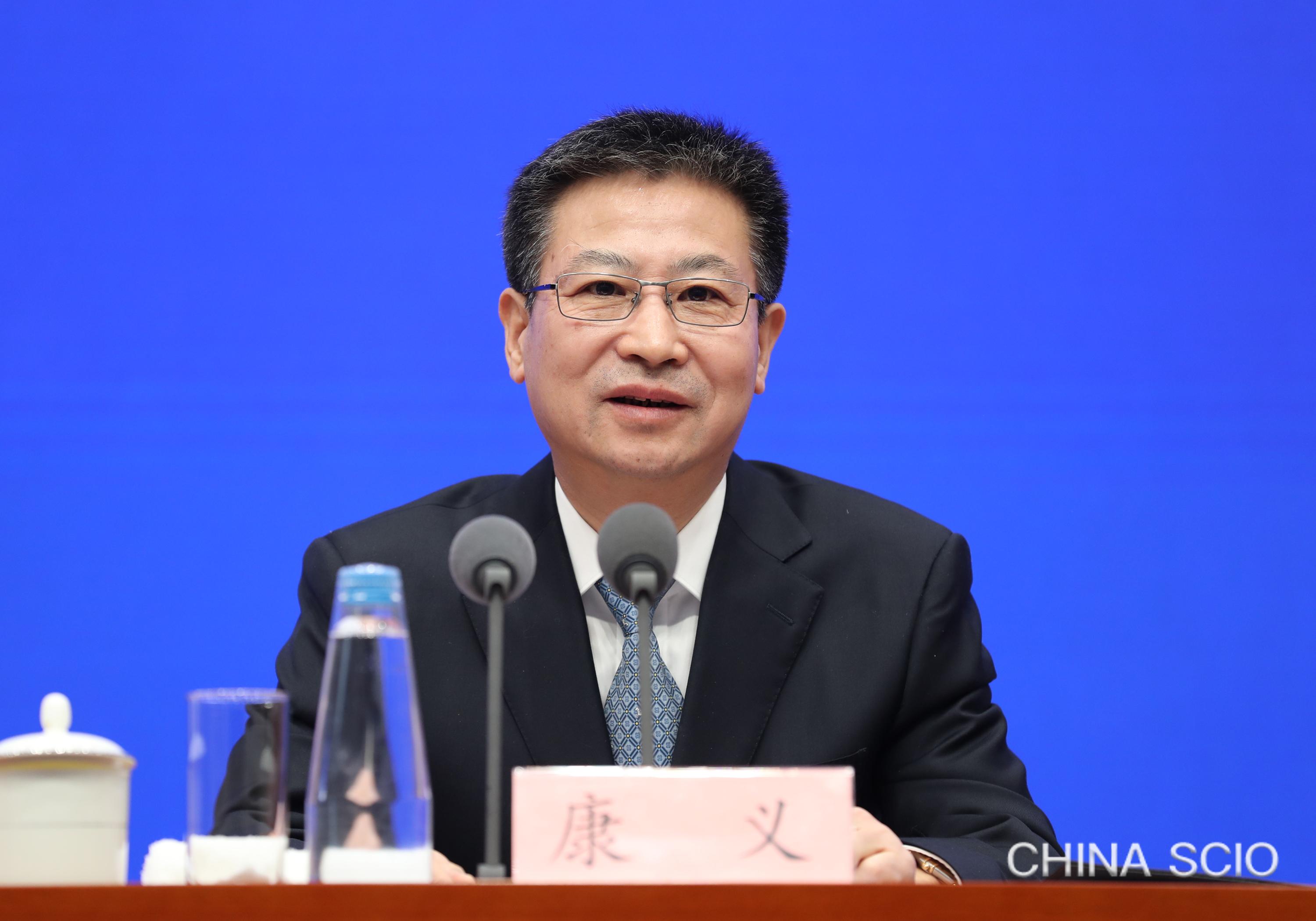
Mr. Kang Yi, commissioner of the National Bureau of Statistics (NBS)
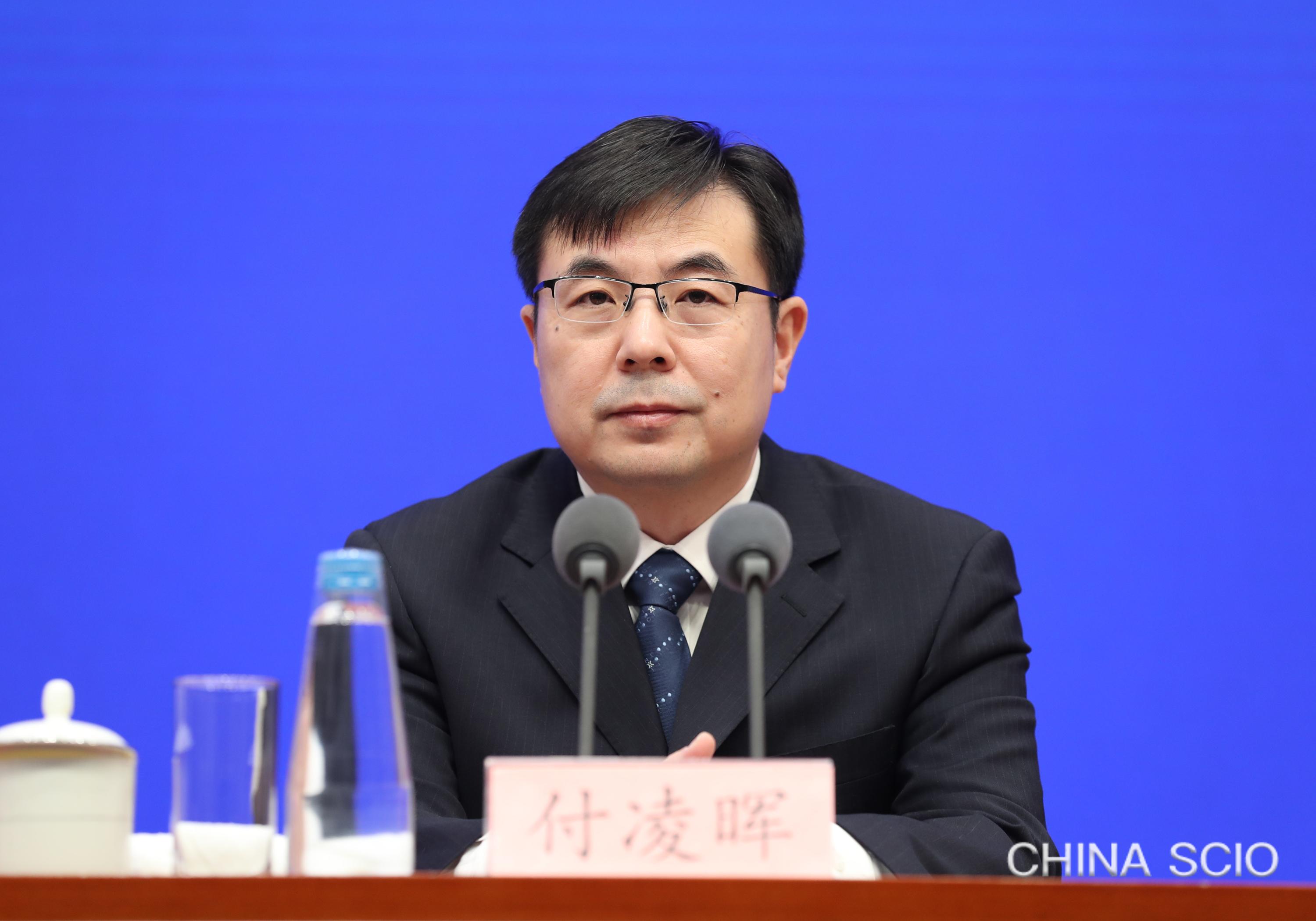
Mr. Fu Linghui, spokesperson of the NBS and director general of the Department of Comprehensive Statistics of the NBS
Chairperson:
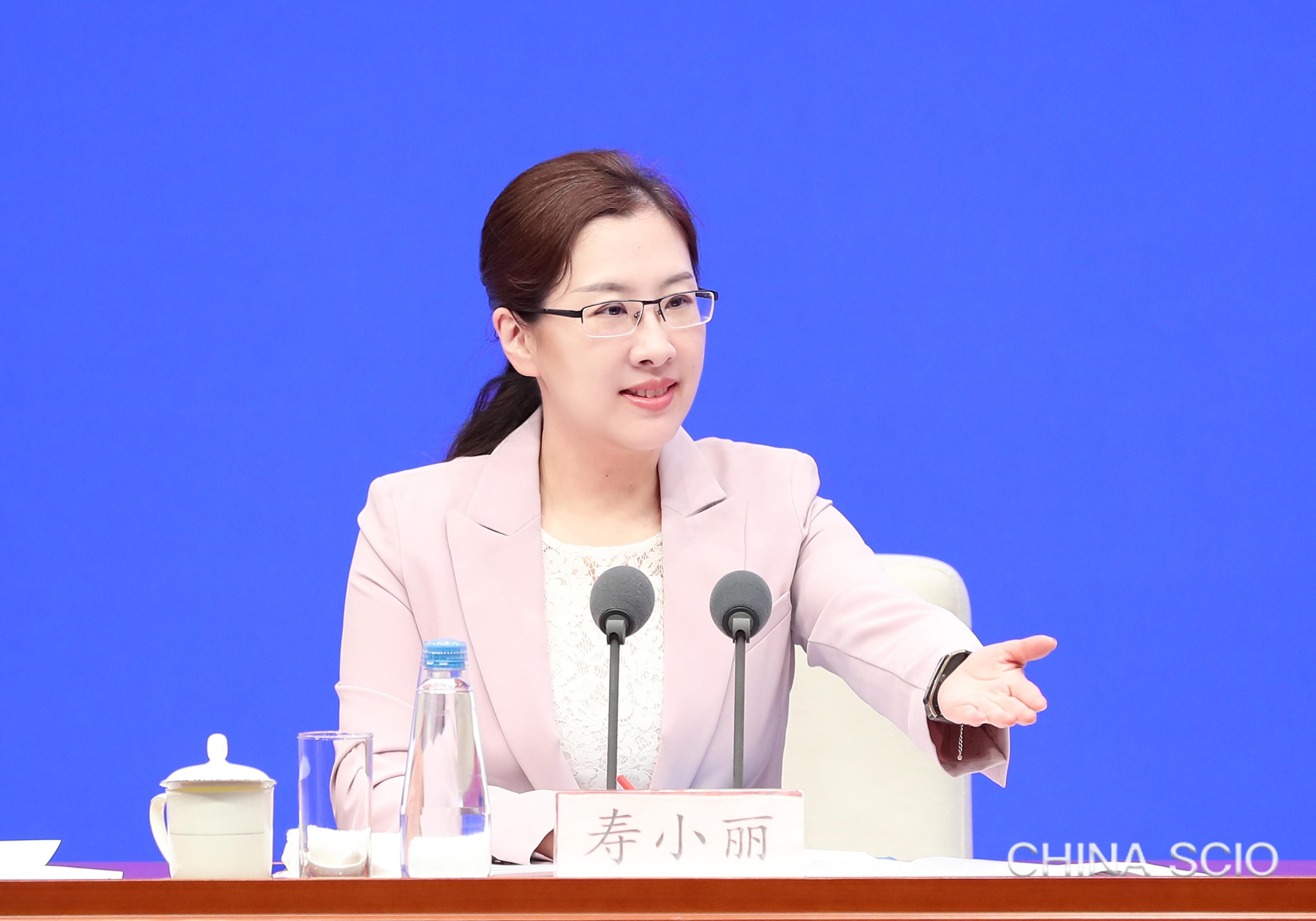
Ms. Shou Xiaoli, director general of the Press Bureau of the State Council Information Office (SCIO) and spokesperson of the SCIO
Date:
Jan. 17, 2025
Shou Xiaoli:
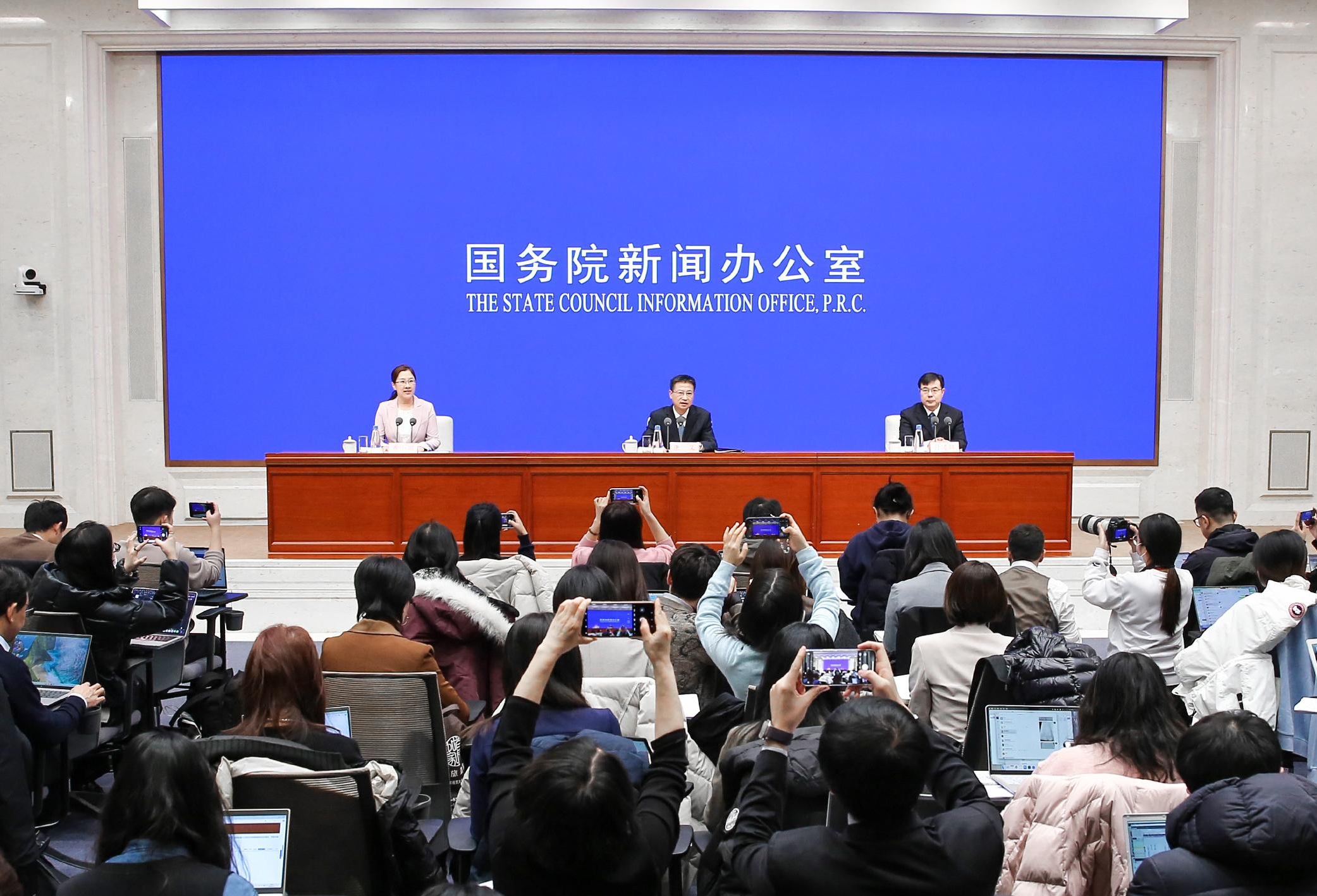
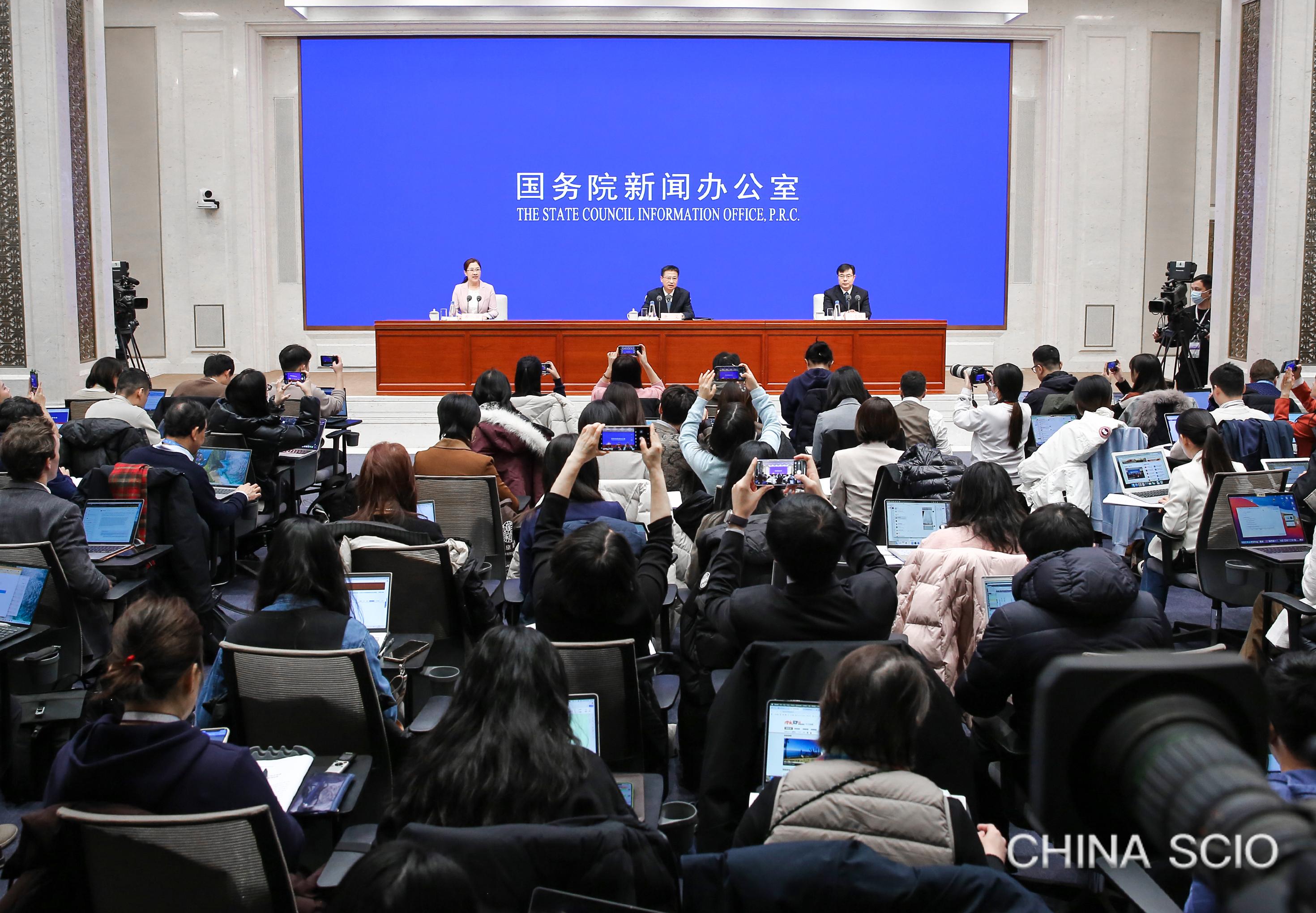
Ladies and gentlemen, good morning. Welcome to this press conference held by the State Council Information Office (SCIO). This is a regular briefing on economic data. Today, we have invited Mr. Kang Yi, commissioner of the National Bureau of Statistics (NBS), and Mr. Fu Linghui, spokesperson of the NBS and director general of the Department of Comprehensive Statistics of the NBS, to brief you on the performance of the national economy in 2024 and address your questions.
Now, I'll give the floor to Mr. Kang for his introduction.
Kang Yi:
Welcome to this press conference, and thank you for your longstanding interest in and support for statistical work. The Spring Festival is just around the corner, and I would like to start by extending my early wishes for the new year.
Next, I will provide an overview of the key indicators of China’s economic performance in 2024 followed by addressing your questions.
In 2024, the economy maintained steady progress, and the main development goals were successfully achieved.
In 2024, in face of the complex and severe environment with increasing external pressures and internal difficulties, under the strong leadership of the Central Committee of the Communist Party of China (CPC) with Comrade Xi Jinping at its core, all regions and departments strictly implemented the decisions and arrangements made by the CPC Central Committee and the State Council, adhered to the general principle of seeking progress while maintaining stability, fully and faithfully applied the new development philosophy on all fronts, accelerated efforts to foster a new pattern of development, and took solid steps in pursuit of high-quality development. As a result, the national economy was generally stable with steady progress and new achievements were made in high-quality development. Particularly, with a package of incremental policies being timely rolled out, social confidence was effectively bolstered and the economy recovered remarkably. The major targets and tasks of economic and social development were achieved.
According to preliminary estimates, the gross domestic product (GDP) was 134,908.4 billion yuan in 2024, an increase of 5.0% over the previous year at constant prices. By industries, the value added of the primary industry was 9,141.4 billion yuan, up by 3.5% over last year, that of the secondary industry was 49,208.7 billion yuan, up by 5.3%, and that of the tertiary industry was 76,558.3 billion yuan, up by 5.0%. In terms of quarters, GDP increased by 5.3% in the first quarter year on year, by 4.7% in the second quarter, 4.6% in the third quarter and 5.4% in the fourth quarter. GDP for the fourth quarter increased by 1.6% quarter on quarter.
First, grain output reached a new level and production of animal husbandry grew steadily.
The total output of grain in 2024 was 706.50 million metric tons, an increase of 11.09 million metric tons over the previous year, or up by 1.6%. Of this total, the output of summer grain was 149.89 million metric tons, up by 2.6%; that of early rice was 28.17 million metric tons, down by 0.6%; and that of autumn grain reached 528.43 million metric tons, up by 1.4%. By species, the output of wheat was 140.10 million metric tons, up by 2.6%; that of corn was 294.92 million metric tons, up by 2.1%; that of rice was 207.53 million metric tons, up by 0.5%; and that of soybeans was 20.65 million metric tons, down by 0.9%. The total output of pork, beef, mutton and poultry in 2024 was 96.63 million metric tons, up by 0.2% over the previous year. Of this, the output of pork was 57.06 million metric tons, down by 1.5%; that of beef was 7.79 million metric tons, up by 3.5%; that of mutton was 5.18 million metric tons, down by 2.5%; and that of poultry was 26.60 million metric tons, up by 3.8%. The production of milk reached 40.79 million metric tons, down by 2.8%; and that of eggs was 35.88 million metric tons, up by 0.7%. In 2024, 702.56 million pigs were slaughtered, down by 3.3%, and 427.43 million pigs were registered in stock at the end of the year, down by 1.6%.
Second, industrial production saw good growth momentum, and equipment manufacturing and high-tech manufacturing grew quickly.
In 2024, the total value added of industrial enterprises above designated size increased by 5.8% over the previous year. In terms of sectors, the value added of mining was up by 3.1%, that of manufacturing was up by 6.1%, and that of production and supply of electricity, thermal power, gas and water was up by 5.3%. The value added of equipment manufacturing went up by 7.7%, and that of high-tech manufacturing up by 8.9%, which were 1.9 percentage points and 3.1 percentage points faster than that of industrial enterprises above designated size, respectively. In terms of ownership, the value added of state holding enterprises grew by 4.2%, that of share-holding enterprises was up by 6.1%, that of enterprises funded by foreign investors and investors from Hong Kong, Macao and Taiwan increased by 4.0%, and that of private enterprises was up by 5.3%. By products, the production of new energy vehicles, integrated circuits and industrial robots grew by 38.7%, 22.2% and 14.2%, respectively. In the fourth quarter, the total value added of industrial enterprises above designated size grew by 5.7% year on year. In December, the total value added of industrial enterprises above designated size grew by 6.2% year on year, or up by 0.64% month on month. In the first 11 months, the total profits made by industrial enterprises above designated size were 6,667.5 billion yuan, down by 4.7% year on year.
Kang Yi:
Third, the service sector registered continued growth, and modern services enjoyed sound development.
The value added of the service sector went up by 5.0% over the previous year. The value added of information transmission, software and information technology services grew by 10.9%, leasing and business services grew by 10.4%, transportation, storage and postal services grew by 7.0%, accommodation and catering grew by 6.4%, finance grew by 5.6%, and wholesale and retail grew by 5.5%. In the fourth quarter, the value added of service sector went up by 5.8% year on year. In December, the Index of Services Production went up by 6.5% year on year, and specifically, that of leasing and business services grew by 9.5%, finance grew by 9.3%, information transmission, software and information technology services grew by 8.8%, and transportation, storage and postal services grew by and 8.3%. In the first 11 months, the business revenue of service enterprises above designated size grew by 8.2% year on year. Of this, the business revenue of leasing and business services grew by 11.5%, information transmission, software and information technology services, and transportation grew by 9.5%, storage and postal services grew by 8.3%.
Fourth, market sales continued growing and online sales were active.
In 2024, the total retail sales of consumer goods reached 48,789.5 billion yuan, up by 3.5% over the previous year. In terms of different areas, retail sales in urban areas reached 42,116.6 billion yuan, up by 3.4%; and retail sales in rural areas stood at 6,672.9 billion yuan, up by 4.3%. Grouped by consumption patterns, the retail sales of goods were 43,217.7 billion yuan, up by 3.2%; and the income of catering was 5,571.8 billion yuan, up by 5.3%. The sales of basic living goods and certain upgraded goods witnessed good growth momentum. The retail sales of household appliances and audio-video equipment grew by 12.3%, sports and recreational articles grew by 11.1%, communication equipment grew by 9.9%, and grain, oil and food by enterprises above designated size grew by 9.9%. National online retail sales reached 15,522.5 billion yuan, up by 7.2% over the previous year. Specifically, the online retail sales of physical goods were 13,081.6 billion yuan, up by 6.5%, accounting for 26.8% of the total retail sales of consumer goods. In the fourth quarter, the total retail sales of consumer goods went up by 3.8% year on year. In December, the total retail sales of consumer goods went up by 3.7% year on year, or up by 0.12% month on month. The retail sales of services in 2024 grew by 6.2% over the previous year.
Fifth, investment in fixed assets scaled up, and investment in high-tech industries grew rapidly.
In 2024, investment in fixed assets (excluding rural households) reached 51,437.4 billion yuan, up by 3.2% over the previous year; and with real estate development investment deducted, the investment in fixed assets was up by 7.2%. Specifically, investment in infrastructure increased by 4.4%, manufacturing went up by 9.2% and real estate development was down by 10.6%. The floor space of newly-built commercial buildings sold was 973.85 million square meters, down by 12.9%; and the total sales of newly-built commercial buildings were 9,675.0 billion yuan, down by 17.1%. By industry, investment in the primary industry went up by 2.6%; that in the secondary industry up by 12.0%; and that in the tertiary industry down by 1.1%. Private investment went down by 0.1%; and with investment in real estate development deducted, private investment grew by 6.0%. Investment in high-tech industries grew by 8.0%. Specifically, investment in high-tech manufacturing and high-tech services grew by 7.0% and 10.2%, respectively. In terms of high-tech manufacturing, the investment in manufacturing of aerospace vehicles and equipment and manufacturing of computers and office devices grew by 39.5% and 7.1%, respectively. In terms of high-tech services, investment in professional technical services and in services for the transformation of sci-tech achievements went up by 30.3% and 11.4%, respectively. In December, investment in fixed assets (excluding rural households) grew by 0.33% month on month.
Sixth, imports and exports of goods grew quickly and the trade structure continued to be optimized.
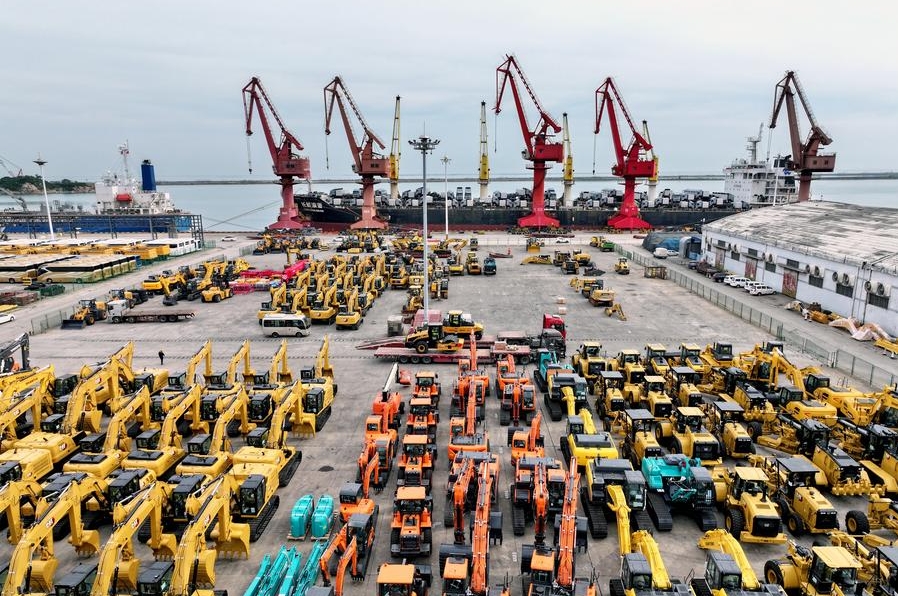
In 2024, the total value of imports and exports of goods was 43,846.8 billion yuan, an increase of 5.0% over the previous year. The total value of exports was 25,454.5 billion yuan, up by 7.1%; and the total value of imports was 18,392.3 billion yuan, up by 2.3%. Imports and exports with Belt and Road partner countries grew by 6.4%, accounting for 50.3% of total imports and exports. The exports of mechanical and electrical products grew by 8.7%, accounting for 59.4% of total exports. In December, the total value of imports and exports of goods was 4,067.0 billion yuan, up by 6.8% year on year. Specifically, the total value of exports was 2,409.9 billion yuan, up by 10.9%; and the total value of imports was 1,657.0 billion yuan, up by 1.3%.
Seventh, consumer prices were generally stable and the core consumer price index (CPI) went up slightly.
In 2024, the CPI increased by 0.2% over the previous year. Grouped by commodity categories, prices for food, tobacco and alcohol went down by 0.1%; clothing up by 1.4%; housing up by 0.1%; articles and services for daily use up by 0.5%; transportation and communication down by 1.9%; education, culture and recreation up by 1.5%; medical services and health care up by 1.3%; and other articles and services up by 3.8%. In terms of food, tobacco and alcohol prices, prices for fresh fruits went down by 3.5%, grain down by 0.1%, fresh vegetables up by 5.0%, and pork up by 7.7%. Core CPI excluding the prices of food and energy went up by 0.5%. In December, the CPI went up by 0.1% year on year, maintaining the same level month on month. In 2024, the producer prices and purchasing prices for industrial products both went down by 2.2% over the previous year; in December, the producer prices and purchasing prices for industrial products both went down by 2.3% year on year, or down by 0.1% month on month.
Eighth, employment was generally stable and the urban surveyed unemployment rate went down.
In 2024, the urban surveyed unemployment rate averaged 5.1%, 0.1 percentage point lower than that of the previous year. In December, the urban surveyed unemployment rate was 5.1%. The surveyed unemployment rate of population with local household registration was 5.3% and that of population with non-local household registration was 4.6%, of which the rate of population with non-local agricultural household registration was 4.5%. The urban surveyed unemployment rate in 31 major cities was 5.0%. Employees of enterprises worked 49.0 hours per week on average. In 2024, the number of rural migrant workers totaled 299.73 million, which was 2.20 million more than the previous year, or up by 0.7%. Specifically, local migrant workers totaled 121.02 million, up by 0.1%; and outbound migrant workers totaled 178.71 million, up by 1.2%.
Ninth, residents' incomes continued to increase and the incomes of rural residents grew faster than that of urban residents.
In 2024, the nationwide per capita disposable income of residents was 41,314 yuan, a nominal increase of 5.3% over that of the previous year, or a real growth of 5.1% after deducting price factors. In terms of permanent residence, the per capita disposable income of urban households was 54,188 yuan, a nominal growth of 4.6% over the previous year or a real growth of 4.4% after deducting price factors. The per capita disposable income of rural households was 23,119 yuan, a nominal growth of 6.6% over the previous year or a real growth of 6.3% after deducting price factors. The median of the nationwide per capita disposable income nationwide was 34,707 yuan, a nominal increase of 5.1% over the previous year. Grouped by income quintile, the per capita disposable income of the low-income group reached 9,542 yuan, the lower-middle-income group 21,608 yuan, the middle-income group 33,925 yuan, the upper-middle-income group 53,359 yuan, and the high-income group 98,809 yuan. In 2024, the nationwide per capita consumption expenditure was 28,227 yuan, a nominal growth of 5.3% over the previous year or a real growth of 5.1% after deducting price factors. Per capita consumption expenditure on food, tobacco and alcohol accounted for 29.8% of the per capita consumption expenditure (Engel’s coefficient), maintaining the same level compared with that of the previous year. Per capita consumption expenditure on services went up by 7.4%, accounting for 46.1% of the per capita consumption expenditure, which was 0.9 percentage point higher than that of the previous year.
Tenth, total population declined and the urbanization rate continued to rise.
By the end of 2024, the national population was 1,408.28 million (including the population of 31 provinces, autonomous regions and municipalities and servicemen, but excluding residents of Hong Kong, Macao and Taiwan and foreigners living in the 31 provinces, autonomous regions and municipalities), a decrease of 1.39 million over the end of 2023. In 2024, the number of births was 9.54 million with a birth rate of 6.77 per 1,000; the number of deaths was 10.93 million with a mortality rate of 7.76 per 1,000; and the natural population growth rate was minus 0.99 per 1,000. In terms of gender, the male population was 719.09 million, and the female population was 689.19 million; and the sex ratio of the total population was 104.34 males to every 100 females. In terms of age structure, the population aged 16 to 59 was 857.98 million, accounting for 60.9% of the total population; and the population aged 60 and over was 310.31 million, accounting for 22.0% of the total population. Specifically, the population aged 65 and over was 220.23 million, accounting for 15.6% of the total population. In terms of urban-rural structure, the number of permanent residents in urban areas was 943.50 million, an increase of 10.83 million over the end of the previous year; and the number of permanent residents in rural areas was 464.78 million, a decrease of 12.22 million. The share of urban population to the total population (urbanization rate) was 67.00%, 0.84 percentage point higher than that at the end of the previous year.
Generally speaking, the national economy in 2024 was stable overall with steady progress, high-quality development advanced steadily, and new solid strides were taken in building Chinese modernization. However, we must be aware that adverse effects created by the external environment are increasing, domestic demand is insufficient, some enterprises have difficulties in production and operation, and the economy is still facing difficulties and challenges. In the next stage, we must take Xi Jinping Thought on Socialism with Chinese Characteristics for a New Era as the guideline, fully implement the guiding principles of the 20th CPC National Congress, and the second and third plenary sessions of the 20th CPC Central Committee, adhere to the arrangements made by the Central Economic Work Conference and adhere to the general principle of pursuing progress while ensuring stability. We must fully and faithfully apply the new development philosophy on all fronts, accelerate efforts to foster a new pattern of development and take solid steps in pursuing high-quality development. We must further deepen reform and opening up, implement more proactive and effective macro policies, expand domestic demand, promote integrated advancements in technological and industrial innovation, stabilize market expectations and boost internal vitality, so as to ensure a continued economic recovery and development.
That's all for my introduction.
_ueditor_page_break_tag_
Shou Xiaoli:
Thank you, Mr. Kang, for your introduction. The floor is now open for questions.
National Business Daily:
We know that the global economy in 2024 remained in a phase of cyclical adjustment, with rising protectionism and persistent geopolitical risks. Faced with multiple challenges, how did China’s economy perform overall? And were the key targets and tasks for last year successfully achieved? Thank you.
Kang Yi:
Thank you for your questions. The year 2024 marked the 75th anniversary of the founding of the People’s Republic of China and was a critical year for achieving the goals and tasks set forth in the 14th Five-Year Plan (2021-2025). Over the past year, facing the complicated and challenging environment of mounting external pressures and internal difficulties, the CPC Central Committee with Comrade Xi Jinping at its core united and led the Chinese people of all ethnic groups across the country to calmly respond to changes and take a holistic approach. As a result, the national economy in 2024 was generally stable with steady progress and high-quality development was steadily advanced. The key goals and tasks for 2024 were successfully accomplished, and new solid strides were taken in building Chinese modernization. Looking back at the extraordinary journey of 2024, I would like to summarize the year's economic performance with five hard-won achievements.
First, facing mounting external pressures and internal difficulties, China's GDP reached new heights, which was a hard-won achievement. In 2024, the international environment was complex, the momentum for global economic growth was weak, geopolitical conflicts became more acute, and trade protectionism intensified. Domestically, effective demand was insufficient, the transformation from old growth drivers to new ones was accompanied by growing pains, and some industries and enterprises faced issues in their production and operation. Facing such challenges, China's economy withstood the pressure and overcame difficulties, making new breakthroughs in its GDP and new contributions to global development. In 2024, China's GDP reached 134.9 trillion yuan, passing the 130 trillion yuan mark for the first time, increasing by 5% compared to the previous year. China remained the world's second largest economy. Globally, China's economic growth rate of 5% ranked among the top in the world's major economies and continued to be an important driver of global economic growth.
Second, the timely introduction of a package of policies effectively boosted social confidence, particularly promoting a marked economic recovery, which was a hard-won achievement. Due to various factors, China's economic growth slowed in the second and third quarters of 2024, facing considerable downward economic pressure. In response, the CPC Central Committee strengthened macro regulation in light of the changing conditions. At the meeting held by the Political Bureau of the CPC Central Committee on Sept. 26, 2024, a package of incremental policies was rolled out, greatly boosting confidence and stimulating vitality, which promoted economic recovery. In the fourth quarter of 2024, China's GDP grew by 5.4% year on year, with the growth rate 0.8 percentage point higher than the third quarter. The growth rates of the total value added of industrial enterprises above designated size, the value added of service sector, and the total retail sales of consumer goods increased by 0.7, 1.0 and 1.1 percentage points, respectively. The manufacturing PMI began to return to the expansion range in October, and the non-manufacturing business activity index continued to increase steadily, reaching 52.2% in December.
Third, during the process of overcoming economic challenges, new progress has been made in high-quality development, which was a hard-won achievement. China's economy is at a critical juncture of transformation and upgrading. Faced with difficulties and challenges, all sectors remain committed to achieving the primary task of high-quality development, adjusting measures to local conditions to develop new quality productive forces, promoting new growth drivers to build momentum, renewing and upgrading traditional driving forces, optimizing the economic structure and renewing driving forces. We have optimized and upgraded the industrial structure. In 2024, the added value of high-tech manufacturing and equipment manufacturing above designated size accounted for 16.3% and 34.6%, respectively, of the added value of industries above designated size, which represented increases of 0.6 and 1.0 percentage points from the previous year. New-type urbanization is also steadily advancing, with urbanization of the permanent population reaching 67.00% at the end of the year, up by 0.84 percentage point compared to the end of the previous year. The transition to a green and low-carbon economy is also accelerating. According to preliminary estimates, the proportion of non-fossil energy consumption in the total energy consumption in 2024 increased by 1.8 percentage points compared to the previous year. The results of high-level opening up to the outside world are also very clear, with the total value of imports and exports of goods reaching 43.8 trillion yuan, setting a new record.
Fourth, employment stability and income growth have been strengthened, and people’s living standards have been steadily guaranteed and improved, which was a hard-won achievement. Enabling people to lead happy lives is the fundamental goal of our development and our top priority. In 2024, various regions and departments thoroughly implemented measures to improve people's lives, with greater efforts to stabilize employment and promote income growth. The national surveyed urban unemployment rate averaged 5.1% for the year, down 0.1 percentage point from the previous year, and the per capita disposable income of residents increased by 5.1% in real terms, in line with economic growth. The scale of employment for people lifted out of poverty has remained stable at over 30 million for four consecutive years, and new progress has been made in education, health care, elderly care and child care.
Fifth, development and security have been coordinated, food and energy security have been strengthened, and risks have been effectively defused in key areas, which was a hard-won achievement. In 2024, China's grain output reached a historic high, surpassing the new milestone of 700 million metric tons for the first time. Total primary energy production has continued to increase, and the energy supply has been guaranteed. We optimized policies related to real estate, steadily promoted the completion of housing projects, and explored the establishment of a new model for real estate development. Since September, the real estate market has shown positive changes. In the fourth quarter, the sales area and sales volume of newly built commercial housing increased by 0.5% and 1.0% year on year, respectively, reversing the previous downward trend. A series of targeted measures have been introduced and proven effective in addressing key areas of risk such as local government debt as well as small- and medium-sized financial institutions, effectively consolidating the foundation for national security and development.
Overall, in 2024, China's economy overcame various difficulties and challenges brought by the complex internal and external environment, successfully achieved the main expected goals and tasks, promoted effective qualitative improvements and reasonable quantitative economic growth, and achieved substantial high-quality development. The achievements were truly hard-won. These are the results of the Party leading the entire nation in joint efforts, reflecting the country's economic base, numerous advantages, strong resilience and significant potential, and laying a solid foundation for the high-quality completion of the goals and tasks in the 14th Five-Year Plan. Of course, we must also clearly recognize that the adverse effects brought by the external environment are deepening, domestic demand is insufficient, some enterprises are facing difficulties in production and operation, employment and income growth are under pressure, many risks and potential dangers remain, and much effort is required to promote economic recovery and improvement. In the next stage, we must follow the decisions and arrangements of the Central Economic Work Conference, face difficulties, strengthen confidence, prioritize action and transform various favorable factors into tangible development achievements, continuously promoting sustained economic improvement.
Thank you.
_ueditor_page_break_tag_
TASS:
Since last September, China has introduced a series of policies, including those promoting consumption and investment. How have these policies been reflected in the economic data? And what role did they play in achieving the annual goals and tasks? Thank you.
Kang Yi:
Thank you for your questions. In 2024, the course of China's economic development has been extraordinary. The first quarter started well, but in the second and third quarters, economic pressures increased, and some new situations and problems emerged. Faced with these new situations and problems, the CPC Central Committee with Comrade Xi Jinping at its core assessed the situation and took decisive action. On Sept. 26, the meeting held by the Political Bureau of the CPC Central Committee made significant arrangements to effectively implement existing policies and introduce new policies, greatly boosting confidence, improving expectations and stimulating development momentum. The economy showed a significant rebound in the fourth quarter. According to preliminary data, GDP in the fourth quarter grew by 5.4% year on year, accelerating by 0.8 percentage point compared to the third quarter, making a decisive contribution to achieving the expected annual economic growth target. According to the performance of key indicators such as production, demand, prices, incomes and expectations, positive changes have occurred in all aspects.
First, consumption and investment are accelerating. In terms of consumption, the total retail sales of consumer goods in the fourth quarter increased by 3.8% year on year, 1.1 percentage points faster than that in the third quarter, which recorded only 2.7% growth. Consumer goods trade-in policies have driven an increase, with retail sales of household appliances and audiovisual equipment, furniture, automobiles, and building as well as decoration materials by units above the designated size in the fourth quarter collectively having boosted the total retail sales of consumer goods by around 1 percentage point. In terms of investment, driven by the "two major" projects and large-scale equipment renewals, infrastructure investment in 2024 grew by 4.4%, accelerating by 0.3 percentage point compared to the first three quarters; and investment in equipment and tools procurement grew by 15.7%, accelerating by 9.1 percentage points compared to the previous year, driving total investment growth by 2.2 percentage points.
Second, the industrial and service sectors have rebounded significantly. The expansion of market demand has promoted increased industrial production and accelerated the growth of the service industry. In terms of the industrial sector, the value-added of industries above designated size in the fourth quarter increased by 5.7% year on year, 0.7 percentage point faster than that in the third quarter. Among them, the value added of equipment manufacturing enterprises above designated size increased by 8.1% due to equipment renewal policies, accelerating by 1.1 percentage points compared to the third quarter. Capacity utilization is also improving, with the capacity utilization rate of industrial enterprises above designated size reaching 76.2% in the fourth quarter, increasing by 1.1 percentage points from the third quarter. In terms of the service industry, the value added in the fourth quarter increased by 5.8% year on year, 1 percentage point faster than the third quarter. Among them, the value added of wholesale and retail trade increased by 5.7%, transportation, storage and postal services by 7.9%, and financial services by 6.5%, accelerating by 0.7, 1.3 and 0.3 percentage points, respectively. The value added of the real estate industry turned from a 1.2% decline in the third quarter to a 2% increase, shifting from negative to positive.
Third, the price situation has shown positive changes. Market demand recovered, driving up prices. In terms of consumer prices, CPI growth rate in the fourth quarter declined to some extent, mainly due to the decrease in food prices. The core CPI, which better reflects the supply and demand relationship, has continuously risen. Since the fourth quarter, the core CPI, excluding food and energy, has increased for three months consecutively, rising 0.4% in December. Regarding prices of industrial products, improvements in industrial production and sales have also led to price stabilization. The PPI decline narrowed for two consecutive months in November and December, by 0.4 and 0.2 percentage points, respectively, compared to the previous month.
Fourth, business, resident and government incomes have been improving. The economic recovery has improved the income situation of businesses, residents and the government. In 2024, the national per capita disposable income of residents increased by 5.1% in real terms compared to the previous year, accelerating by 0.2 percentage point compared to the first three quarters. The profitability of enterprises is also improving slightly. In October and November, the year on year decline in total profits of industrial enterprises above designated size continued to narrow, decreasing by 17.1 and 2.7 percentage points, respectively, compared to the previous month. Fiscal revenue has also gradually been improving. Since September, the growth rate of fiscal revenue has turned positive, and improved month by month in October and November.
Fifth, market activity has been increasing. The combined effects of policies continue to be released, resulting in increased activity in the stock and real-estate markets, an accelerated growth in freight volume, greater money supply, and improved momentum of economic development. In the fourth quarter, the sales area and sales value of newly built commercial housing achieved positive year-on-year growth; and the trading volume and trading value of stocks in the Shanghai and Shenzhen markets increased by 1.1 times and 1.6 times, respectively, compared to the third quarter. The annual freight volume increased by 3.9% compared to the previous year, with the growth rate accelerating by 0.6 percentage point compared to the first three quarters. At the end of December, the broad money (M2) balance increased by 7.3% year on year, accelerating by 0.5 percentage point compared to the end of September.
Sixth, market expectations have been improving. The improving economic performance has driven rising confidence across various sectors. Since the fourth quarter, the purchasing managers' index (PMI) of the manufacturing industry and the service business activity index have both remained above the 50% prosperity threshold. In December, the production and business activity expectation index of the manufacturing industry was 53.3%, and the service business activity expectation index was 57.6%, both being at relatively high levels.
Looking at the main indicators from December in particular, the economic recovery trend is more evident. In December, the value added of industrial enterprises above designated size, the index of services production, and the total retail sales of consumer goods increased year on year by 6.2%, 6.5% and 3.7%, respectively, accelerating by 0.8, 0.4 and 0.7 percentage points from the previous month. Among them, the industrial growth rate is the highest it has been in the second half of the year, the growth rate of the service industry production index is at its highest point for the year, and the production-sales ratio of industrial enterprises above designated size has also risen to a high level of 98.7%.
Overall, the package of incremental policies introduced after the meeting of the Political Bureau of the CPC Central Committee on Sept. 26 effectively stimulated development vitality, expanded market demand, boosted enterprise production, enhanced market activity and strengthened development confidence. These measures played a decisive role in the fourth quarter's economic recovery and the successful achievement of annual targets. Going forward, we will implement the guiding principles of the Central Economic Work Conference, carry out more proactive and effective macro policies, and ensure a smooth and orderly transition of relevant policies between years to provide stronger support for stable economic operations and sustained recovery.
Thank you.
_ueditor_page_break_tag_
CCTV:
In 2024, China's total economic output exceeded 130 trillion yuan for the first time. What does this mean, and how should we interpret these changes? Thank you.
Kang Yi:
Thanks for your questions. In 2024, China's total economic output exceeded 130 trillion yuan, marking a remarkable achievement. This signifies that China's economic strength, technological capabilities and comprehensive national power have reached a new level. This also means China's development now rests on a more solid foundation, with better conditions, stronger momentum and enhanced resilience to risks. Furthermore, it demonstrates China's new and significant contributions to global development. Let's look at the specifics:
First, this indicates China's economic foundation has become more robust. Since the 18th CPC National Congress, China's total economic output has surpassed each 10-trillion-yuan threshold approximately every one to two years. China's GDP exceeded 100 trillion yuan in 2020, surpassed 110 trillion yuan in 2021, reached 120 trillion yuan in 2022, and exceeded 130 trillion yuan in 2024. Over the past decade or so, China's economy achieved a historic leap from just over 50 trillion yuan to more than 130 trillion yuan, significantly enhancing its comprehensive national strength. In 2024, China's economic growth increment alone was equivalent to the annual economic output of a medium-sized country. The level of productive forces in our country has significantly improved, with the added value of the secondary and tertiary industries reaching 49.2 trillion yuan and 76.6 trillion yuan, respectively. China produces more than 13 million new energy vehicles and over 1.6 billion mobile phones annually, firmly maintaining its position as the world's largest manufacturing country.
Second, this signifies that China has further consolidated its advantages in its super-large market and complete industrial system. The world is experiencing profound changes unseen in a century, with increasing external instability and uncertainty. Our strong economic foundation, super-large market and complete industrial system remain our greatest sources of confidence in facing risks and challenges. In 2024, China's total retail sales of consumer goods reached 48.8 trillion yuan, and fixed asset investment amounted to 51.4 trillion yuan. The role of domestic demand as the main driving force has continued to be leveraged. China ranks first in the world in goods trade, foreign exchange reserves and manufacturing scale, and second in trade in services and the size of its domestic consumer market. Our food and energy security capabilities have been strengthened, and new infrastructure — such as 5G, computing power and energy storage — are being rapidly developed. Efforts to strengthen and fortify manufacturing supply chains are being steadily advanced, solidifying the foundation for secure development.
Third, it means that China has continued to contribute to global prosperity and development. In recent years, China's annual contribution to global economic growth has been about 30%, making it the world's largest growth engine. China has unwaveringly advanced high-level opening up, introduced more voluntary and unilateral opening-up policies, expanded a globally oriented network of high-standard free trade zones, and maintained its position as the world's second-largest import market for many consecutive years. The scale of China's goods imports reached $2.6 trillion in 2024, as its large market continued to offer new opportunities for international openness and cooperation.
At the same time, we must acknowledge that our country remains the world's largest developing country. A significant gap persists in per capita GDP compared with developed nations, while imbalances and inadequacies in development continue to be prominent issues. Achieving the long-range objectives through 2035 will require tremendous effort. We must fully and faithfully apply the new development philosophy in all areas and accelerate the creation of a new development pattern. We must always remember that high-quality development is an unwavering principle in the new era, work diligently and steadily advance toward the goal of Chinese modernization.
Thank you.
_ueditor_page_break_tag_
Red Star News:
In the past year, the central and local governments have introduced a series of measures to stabilize the housing market. What effects have these combined efforts had on halting and stabilizing the decline of the real estate market? How would you evaluate the outlook for the real estate market? Thank you.
Kang Yi:
Thanks for your questions. Real estate is a topic of significant public interest because it is closely linked to both economic development and improvements in people's livelihoods. In 2024, in response to the complex situation in the real estate market, the meeting of the Political Bureau of the CPC Central Committee on Sept. 26 stated that "efforts will be made to stabilize the property market and reverse its downturn." Multiple departments swiftly refined policies related to land, finance, taxation and banking. They removed restrictions on home purchases, sales and pricing, as well as the standards distinguishing ordinary from non-ordinary housing. They also lowered interest rates for housing provident fund loans, down payment requirements, existing loan rates and tax rates for home replacement purchases, collectively delivering a comprehensive policy package. Each locality has also implemented tailored policies based on its specific circumstances. The effectiveness of these policies is gradually becoming evident in several aspects.
First, market transactions have become more active. The continuous rollout of the policy package has effectively lowered the threshold for residents to purchase homes, alleviated the pressure of mortgage repayments, increased residents' willingness to buy homes, and led to an improvement in real estate sales. In the fourth quarter, both the sales area and value of newly built commercial residential properties experienced positive growth. According to sales data from 40 key monitored cities, the sales area and sales value of newly built commercial housing in December increased by 0.3% and 4.1% year on year, respectively.
Second, property prices have gradually stabilized. With the continued release of demand for first homes and improved housing supply, the supply-demand relationship has improved, leading to stabilized housing prices. In December, among 70 large- and medium-sized cities, the sales prices of newly built commercial residential properties increased month on month in 23 cities, while the prices of second-hand residential properties rose month on month in nine cities. In particular, the sales prices of newly built commercial residential properties in first-tier cities increased by 0.2% month on month, marking the first increase since June 2023. Meanwhile, the sales prices of second-hand residential properties rose by 0.3% month on month, experiencing an increase for three consecutive months. The sales prices of newly built commercial residential properties in second-tier cities shifted from a decline last month to remaining flat month on month. The month-on-month decline in the sales prices of newly built commercial residential properties in third-tier cities has continued to narrow for four consecutive months. Year-on-year declines in commercial housing prices have narrowed across cities of all tiers.
Third, market expectations have continued to improve. Thanks to the combined effects of the policies, key indicators of the real estate market are consistently improving, gradually boosting market confidence. In December, a monthly housing price survey conducted in 70 large- and medium-sized cities showed that 69.3% of surveyed industry professionals expected prices of newly built commercial housing to remain stable or increase in the next six months, up 0.8 percentage points from the previous month.
Fourth, there has also been an improvement in sectors related to real estate. The recovery of the real estate market has led to improvements in related industries. In December, the business expectation index for the construction sector increased by 1.5 percentage points compared to the previous month, marking the third consecutive month of growth. As sales of commercial housing improve, the demand for decoration and renovation is gradually increasing, leading to an uptick in the sales of furniture and building materials. In December, retail sales of furniture by enterprises above designated size rose 8.8% year on year, marking four consecutive months of growth. Building and decoration material sales increased 0.8%, posting two straight months of growth.
Overall, in recent times, the real estate market has seen an increase in positive changes due to the effects of the policy package, and market confidence is gradually being strengthened. With the effective implementation of both existing and incremental policies, the real estate market is expected to continue improving in the next phase. In the medium to long term, China's urbanization process remains incomplete, with continued potential for first-home purchases and housing improvements. Demand for safer, more comfortable, greener and smarter homes will continue to grow as new development models for the real estate market gradually take shape. This will support the real estate market's stable and healthy development.
Thank you.
_ueditor_page_break_tag_
Market News International:
China's CPI rose 0.2% in 2024, according to newly released data. We also noticed that December's core CPI rose slightly to 0.4%, the highest level in five months. How does the NBS view last year's inflation performance? What's your outlook for inflation in 2025, and what measures will be taken to ensure inflation meets official targets? Thank you.
Kang Yi:
These questions are about prices. Let's invite Mr. Fu to answer.
Fu Linghui:
Thank you for your questions. Pricing is indeed an issue that draws widespread attention. In 2024, the CPI showed a slight upward trend, rising 0.2% for the year, matching the growth rate of 2023. From a monthly perspective, the CPI showed slight year-on-year increases in all months except January, which saw a slight decline. When analyzing the CPI trend, it is important to examine overall data, structural changes and dynamic trends.
First, the overall CPI trend in 2024 showed structural characteristics. In 2024, CPI growth was significantly influenced by falling food and energy prices, while core CPI - excluding food and energy — remained generally stable. From a food price perspective, some regions experienced severe disruptions from extreme weather last year. However, the overall supply of foods — including grains, oils, meat, eggs and vegetables — remained sufficient, with prices staying stable and showing slight declines. In 2024, food prices decreased by 0.6% year on year, contributing to a 0.11 percentage point drop in the CPI. Edible oil, beef, mutton, eggs and fresh fruit saw price decreases ranging from 3.5% to 11.6%. In terms of energy prices, weak global economic growth last year drove international commodity prices lower, particularly crude oil, despite monthly fluctuations. This led to declining domestic energy prices. China's CPI energy component decreased 0.1% in 2024 year on year, as gasoline prices fell 0.7% and diesel 0.8%. Core CPI, a better indicator of the supply-demand relationship, stayed stable with a 0.5% year-on-year rise in 2024, while service prices grew 0.7%. Notably, starting in the fourth quarter, driven by the rebound in consumer demand, the year-on-year growth rate of core CPI has been rising month after month, experiencing small but continuous increases for three months.
Second, there's a growing number of factors that could lead to moderate CPI increases. With the synergistic effect of existing policies and a package of incremental policies, the momentum of economic recovery is strengthening, the recovery of consumer demand is accelerating, and favorable factors for a moderate price rebound are increasing. In the near term, food consumption demand is rising ahead of the Spring Festival holiday. Service consumption — including dining out, family visits and travel — is also increasing, contributing to an expected seasonal rise in the CPI. Based on preliminary January data, prices have risen steadily for vegetables, fresh fruit, airline tickets, tourism and other goods and services. The CPI is expected to show a larger year-on-year increase in January. At the same time, rising business and consumer confidence is providing additional support for a moderate increase in the CPI. In December, the expectation index for manufacturing production and business activities was 53.3%, and the business expectation index for the service sector was 57.6%. Both figures were above the threshold. The consumer confidence index rose 0.2 percentage point compared to the previous month.
The Central Economic Work Conference identified vigorously boosting consumption, improving investment efficiency, and comprehensively expanding domestic demand as the top priorities for economic work in 2025. It also, for the first time, established maintaining stable growth, stable employment and reasonable price rebounds as essential goals. With the intensified implementation of macro policies, it is expected to create a better policy support for economic growth and a reasonable rise in prices. Consequently, the CPI is expected to see a moderate rebound in 2025.
Thank you.
_ueditor_page_break_tag_
Dazhong Daily:
Over the past year, the central government placed great emphasis on cultivating new quality productive forces. As regions and departments have implemented various measures, what tangible results do the data show in terms of new quality productive forces driving high-quality economic development? Thank you.
Kang Yi:
Thank you for your question. Developing new quality productive forces is both an essential requirement and a key focus for promoting high-quality development. In 2024, various parties actively promoted the deep integration of technological and industrial innovation. The effort advanced industries' high-end, intelligent and green development while facilitating the transformation of technological creativity into social productivity. China's new quality productive forces have been developing steadily, injecting continuous momentum into high-quality development. Specifically, this was evident in several areas:
First, innovation capacity was further strengthened. We rapidly improved the fundamental systems and institutions supporting comprehensive innovation. We also continuously advanced the construction of major science and technology infrastructure. New progress was achieved in integrated circuits, artificial intelligence, quantum communications, aerospace and other fields. The Chang'e 6 probe achieved a historic first by collecting samples from the far side of the moon. The Meng Xiang, China's first domestically designed and built deep-ocean drilling vessel, explored the deep ocean. These achievements represent China's latest technological milestones. China's Global Innovation Index ranking for 2024 rose to 11th place, making it one of the fastest-improving economies in innovation over the past decade. Research and development investment continued to climb, with R&D intensity reaching 2.68% in 2024, an increase of 0.1 percentage point from the previous year. Basic research funding grew even faster, rising 10.5% and accounting for 6.91% of total R&D spending.
Second, emerging industries saw further expansion. Emerging industries, such as high-end equipment and AI, showed positive development trends, and new pillars of the industrial system gradually took shape. In 2024, the value added of high-tech manufacturing above designated size grew by 8.9% compared to the previous year. Notably, both aerospace equipment manufacturing and electronic and communication equipment manufacturing saw double-digit growth in value added. The continuous emergence of new market demand spurred the production of more high-quality goods. In 2024, high-end manufacturing industries saw significant growth, with the value added by smart consumer device production increasing by 10.9% year on year. Notably, the value added of smart vehicle equipment manufacturing and smart unmanned aerial vehicle manufacturing industries increased by 25.1% and 53.5%, respectively.
Third, traditional industries were further upgraded. China has been accelerating the advancement of technological transformation and equipment renewal in the industrial sector, continuously promoting the revitalization of traditional industries. In 2024, investment in technological upgrades in the manufacturing sector increased by 8% year on year, significantly faster than the growth rate of overall investment. As key areas for the optimization and upgrading of traditional industries, the raw materials industry and the level of process technology and equipment steadily improved, and the green digital transformation accelerated. In 2024, the energy consumption per unit of value added decreased year on year in major energy-consuming industries above designated size. These industries included chemicals, building materials, steel and non-ferrous metals. By the end of 2024, the numerical control rate of key processes in these raw material industries exceeded 75%, achieving the target set by the 14th Five-Year Plan ahead of schedule.
Fourth, the digital economy experienced further growth. The continuous development of digital technology, infrastructure, and resources, coupled with the digital economy's empowerment of various industries, has become a key driver and support for developing new quality productive forces. In 2024, the value added of digital product manufacturing above designated size grew significantly faster than that of industrial enterprises above designated size. The value added of the information transmission, software and information technology services industries increased by 10.9% compared to the previous year. New digital consumption models and scenarios continued to expand, driving a 6.5% increase in online retail sales of physical goods. The construction of network infrastructure, such as 5G and gigabit optical networks, steadily advanced. By the end of November 2024, China had 4.19 million 5G base stations. The first "Eastern Data and Western Computing" 400G all-optical interprovincial backbone network officially began commercial operation, creating a high-speed computing power channel.
Fifth, green development made further achievements. China continued to advance its transition to a green, low-carbon economy, achieving significant progress in new energy development. The country has established a complete, internationally competitive new energy industrial chain. The energy sector is rapidly transitioning to green energy, with clean energy sources accounting for an increasing share of power generation. In 2024, hydropower, nuclear, wind, and solar power generation in China's industrial enterprises above designated size reached 32.6% – nearly a third of the total.
In addition, China continued actively investing in future industries in 2024, with quantum technology and the low-altitude economy rapidly moving towards realization. Origin Wukong, China's independently developed third-generation superconducting quantum computer, was put into operation. The market size for humanoid robots also continued to expand, with various sectors accelerating their efforts to seize new economic development opportunities. New quality productive forces are continuously empowering high-quality development.
Thank you.
_ueditor_page_break_tag_
Reuters:
Could you share your outlook for China's economic development in 2025? With potential export headwinds this year, how can domestic demand, particularly consumption, be stimulated? Also, I'm interested in the analysis of potential growth rate — what's the current approximate level, and what are the trends going forward? Thank you.
Kang Yi:
Let me first address your question about the potential growth rate. The potential growth rate is a research concept that reflects economic growth capacity. Different scholars reach varying estimates based on their methods and assumptions. The consensus from recent studies by various organizations and scholars indicates that China's current potential economic growth rate remains at a medium-to-high level. Different institutions and scholars use varying methods and parameter settings, resulting in inconsistent estimates. Overall, the Chinese economy maintains a medium-high potential growth rate.
Now, let me address the outlook for 2025. China's 14th Five-Year Plan concludes in 2025. While adverse effects from external environment changes may intensify, the Chinese economy maintains stable foundations, multiple advantages, strong resilience and significant potential. The fundamental conditions and trends supporting long-term growth remain unchanged, as does the momentum for high-quality economic development. Favorable conditions continue to outweigh unfavorable factors, with timing and momentum remaining advantageous for development. We remain confident about China's economic development in 2025. This confidence is derived from the following factors:
First, there is a solid foundation for sustained economic improvement, with positive factors for economic development continuing to accumulate. In 2024, the journey of economic development was extraordinary. The economy showed a significant rebound in the fourth quarter, with market vitality and expectations steadily improving. Positive factors driving sustained economic improvement continued to accumulate, laying a solid foundation for economic growth in 2025. China is a super-large economy with substantial economic scale and market capacity. It possesses a complete industrial system and strong support capabilities. Both supply and demand can sustain the domestic economic cycle, providing fundamental support for steady, long-term development. For example, let's look at some production metrics. In 2024, more than 80,000 vehicles and 3.4 million smartphones were produced daily, with over 470 million packages delivered each day. Such figures clearly demonstrate the vibrant vitality of China's market.
Second, momentum exists for sustained economic improvement, as new growth drivers and advantages continue to strengthen. China is currently in a critical period of transitioning from old to new growth drivers. Some traditional drivers, such as real estate, are weakening, and their share of the national economy is declining. However, emerging growth drivers, particularly the digital economy, are showing robust growth. Their share continues to increase, creating new opportunities and expanding possibilities for China's development. In 2024, the real estate sector's value-added contribution to GDP was 6.3%, down 0.5 percentage points from 2023. Data for China's digital economy in 2024 has not yet been released. In 2023, the digital economy's value-added contribution reached 31.8% of GDP, up 1.3 percentage points from 2022. Of this, the share of core digital industries in GDP rose to 9.9%, a 0.5 percentage points gain from 2022. The digital economy's share will continue to grow in 2024, having already become a new engine driving China's economic development.
Third, sustained economic growth remains well-supported, as the effects of policy packages continue to strengthen. In particular, the Central Economic Work Conference diagnosed and prescribed solutions for current major issues, setting a clear direction for economic work in 2025. The policy orientation is explicit: to promote sustained economic recovery and growth while continuously raising people's living standards. In response to the complex changes in the external environment and insufficient effective domestic demand, the top priority for 2025's economic work is expanding domestic demand broadly, particularly consumer spending. This brings us to the reporter's question about boosting consumption. The Central Economic Work Conference clearly proposed special initiatives to boost consumption, strengthen the implementation of policies for large-scale equipment renewal and consumer goods trade-ins, and increase support for projects involving national strategic priorities and key security capabilities. The implementation of these policies will effectively unlock domestic demand potential, particularly consumer spending, providing stronger momentum for steady economic growth this year.
Fourth, the momentum for continued economic improvement remains strong, with deepening reform and opening up set to enhance development vitality. Reform and opening up is the source of vitality for China's contemporary development and progress, and a crucial key to keeping pace with the times. The third plenary session of the 20th CPC Central Committee proposed more than 300 reform measures. The Central Economic Work Conference explicitly called for resolutely advancing reform and expanding opening up to address deep-seated obstacles and external challenges that constrain development. The implementation of these reform measures will further liberate and develop productive forces, and stimulate and enhance economic vitality.
It is also important to note that 2025 is the final year for completing the 14th Five-Year Plan. As all sectors aim for their targets and focus on implementation, major strategic tasks and significant engineering projects will be fully realized, generating stronger momentum for economic development. China has rich experience in macroeconomic regulation, Chinese enterprises are daring and enterprising, and Chinese people are hardworking and intelligent. These factors enable us to respond to risks and challenges with greater confidence as we promote high-quality development. Next, through reforms and policies, we must fully unleash development potential, achieve high-quality completion of the 14th Five-Year Plan's goals, and lay a solid foundation for the 15th Five-Year Plan.
Thank you.
_ueditor_page_break_tag_
CNBC:
What changes have you observed in employment, particularly concerning young people's employment? Thank you.
Kang Yi:
Mr. Fu will address your question about employment.
Fu Linghui:
Employment remains a key public concern, serving as both a cornerstone of well-being and source of wealth. The CPC Central Committee continues to make employment stability and growth its top priority in economic and social development. Despite many economic challenges in 2024 and difficulties for some businesses, the national economy remained generally stable and made steady progress. As the economy expanded and the service industry maintained its large employment capacity, new business forms, models, and industries created more jobs, playing an important role in employment stability. Employment-first policies continued to show results, contributing to overall employment stability in 2024.
The national surveyed urban unemployment rate showed a steady decline in 2024, averaging 5.1% — down 0.1 percentage point from 2023. The national surveyed urban unemployment rate remained stable throughout 2024, registering 5.2%, 5.0%, 5.2% and 5.0% across the four quarters. The 2024 average surveyed urban unemployment rate of 5.1% was relatively low for recent years, indicating overall employment stability.
Employment among key population groups has improved. Overall employment situations have improved for migrant workers, young people, and individuals facing difficulties in securing employment. The average surveyed urban unemployment rate for rural migrant workers was 4.6% in 2024, down 0.3 percentage points from 2023. The number of migrant workers rose by 2.2 million in 2024, a 0.7% increase from 2023. As the graduation season ended in August, employment pressure on young people began to ease. The surveyed urban unemployment rate for the 16-to-24 age group, excluding students, fell 0.4 percentage points in December from November, marking the fourth consecutive monthly decline. Regarding people with employment difficulties, by the end of 2024, more than 33 million people who had been lifted out of poverty found jobs nationwide, surpassing the annual target and exceeding 30 million for the fourth consecutive year.
Over the past year, the economy indeed faced various difficulties. However, employment remained stable mainly because China's expanding GDP requires corresponding employment growth. At the same time, the service industry maintains high employment capacity and has played a crucial role in employment stability in recent years. The service industry's share of China's GDP rose to 56.7% in 2024, up 0.4 percentage points from 2023. Based on average annual employment figures, the service industry added more than 7 million workers in 2024 compared with 2023. Of this, employment rose significantly in wholesale and retail, accommodation and catering, information transmission, leasing and business services. In addition to overall economic expansion and growing service industry employment capacity, continued employment-first policies have played an important role in stabilizing employment. Last year, the CPC Central Committee and the State Council issued the Opinions on Implementing the Employment-First Strategy to Promote High-Quality and Full Employment. Various regions have implemented initiatives to promote employment through advanced manufacturing, providing important guarantees for employment stability.
It is indeed necessary to recognize that the Chinese economy is facing some challenges at present. Structural employment problems are prominent, and certain groups, such as young people, experience difficulties and pressure in finding jobs. Stabilizing employment still requires effort. The Central Economic Work Conference addressed this by highlighting the need to balance stable growth, stable employment and a reasonable recovery in prices. In the next stage, to achieve this goal, we need to place greater emphasis on promoting high-quality, full employment. We must effectively implement employment support plans for key areas, key industries, urban and rural communities, and small- and medium-sized enterprises while promoting employment for key groups to ensure overall employment stability.
Thank you.
_ueditor_page_break_tag_
Cover News:
My questions are about consumption. The Central Economic Work Conference emphasized the need to boost consumption substantially. What was China's overall consumption performance in 2024? What's your take on the current sluggishness in the consumer market? Will consumer market conditions improve in 2025? Thank you.
Kang Yi:
Thank you for your question. Consumer spending is indeed a widely shared concern. In 2024, regions and departments across China strengthened policies to expand domestic demand and boost consumption while stabilizing household spending. Since the fourth quarter, expanded trade-in programs for consumer goods have shown sustained positive results, leading to a clear rebound in market sales and supporting overall economic recovery. Specifically, there were several key characteristics:
First, the market size continued to expand. In 2024, total retail sales of consumer goods reached 48.8 trillion yuan, a 3.5% increase from the previous year, maintaining a leading global position. Specifically, the fourth quarter saw a 3.8% year-on-year increase, 1.1 percentage points higher than the third quarter. In terms of its contribution to economic growth, final consumption expenditure drove economic growth by 2.2 percentage points for the year. In the fourth quarter, it contributed 1.6 percentage points, up 0.2 percentage point from the third quarter.
Second, trade-in programs had a significant impact. In 2024, the central government allocated 150 billion yuan in special ultra-long treasury bonds to local governments to support consumer goods trade-in programs tailored to local conditions. Retail sales of household appliances and audiovisual equipment by units above designated size increased by 12.3% year on year, accelerating by 11.8 percentage points. Furniture sales grew by 3.6% annually, accelerating by 0.8 percentage point. Since the second half of last year, policies promoting trade-ins of consumer goods have been strengthened, leading to faster sales growth of appliances, automobiles and other goods in recent months, and significantly boosting overall consumption recovery.
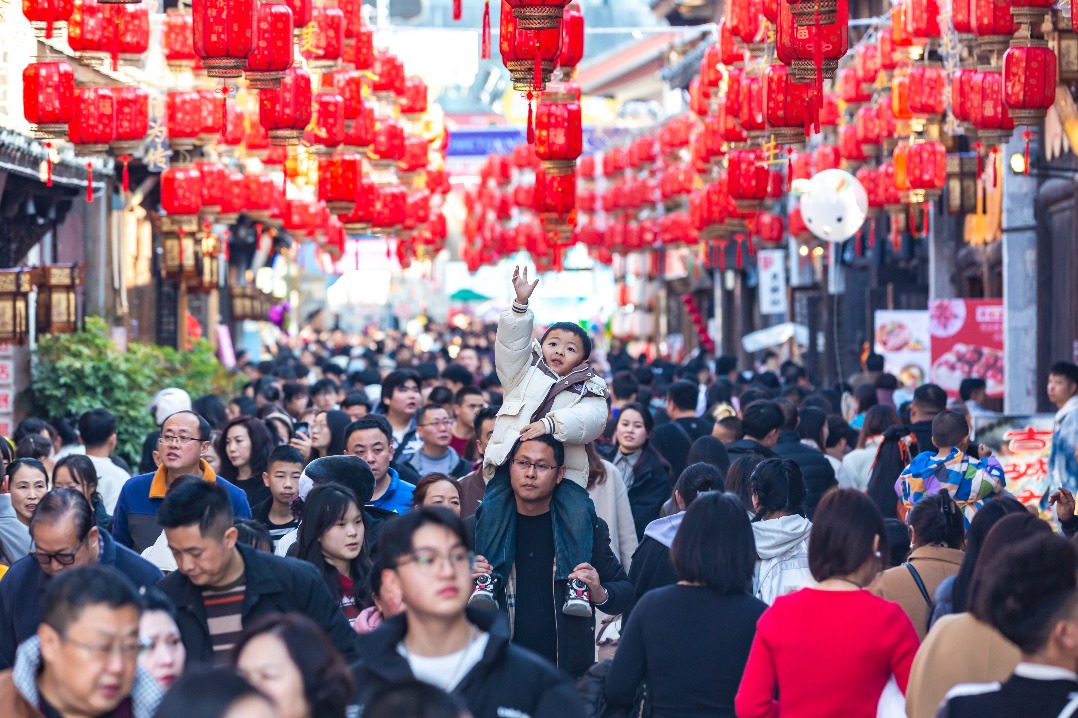
Third, service consumption played a prominent role as a new driving force. The trend toward personalized, diversified and quality-oriented consumer spending was evident, with consumption patterns shifting from primarily goods to a balance between goods and services. Service consumption is also increasingly becoming a key area for optimizing and upgrading the consumption structure. In 2024, the proportion of per capita service consumption expenditure to overall per capita consumption expenditure increased by 0.9 percentage point compared to the previous year. Service retail sales grew by 6.2%, outpacing the growth rate of commodity sales. Demand for cultural tourism remained strong, information consumption boomed, and retail sales for transportation, communication and information services all maintained double-digit growth.
Fourth, new types of consumption showed potential. Online sales, instant retail and other new consumption models continued to gain momentum. In 2024, online retail sales of physical goods rose 6.5% from the previous year, driving express delivery volume to a record high. At the same time, domestically produced goods, "China Chic" products and traditional Chinese-style items gained widespread popularity. New business models such as digital cultural tourism, livestream e-commerce and online fitness services continued to emerge. Smart homes, smart wearables and other new scenarios continued to expand, demonstrating rapid growth potential. In particular, retail sales of energy-efficient and smart home appliances sustained double-digit growth rates.
Of course, we must also recognize that consumers' purchasing power and willingness to spend remain insufficient, and consumption demand indeed needs further boosting. Looking to the future, various favorable conditions are in place to sustain consumption growth. First, policies to promote consumption will continue to be strengthened. The Central Economic Work Conference further proposed a comprehensive expansion of domestic demand, which will unleash more policy effects. Second, the overall employment situation remains stable, laying a foundation for increased household income. We will intensify efforts to boost income and reduce burdens among low- and middle-income groups, helping to strengthen household spending capacity. Third, new consumption scenarios and business formats show continued expansion. Recently, many regions have seized on the "ice and snow fever" trend to promote related spending. At the same time, new growth points, such as the debut economy and silver tourism, are gradually taking shape, which will help boost consumption development. Fourth, China continues to demonstrate the advantages of its ultra-large market. The nation's population of more than 1.4 billion and increasing urbanization rates indicate massive consumption potential, providing strong support for steady consumption growth.
Next, we need to fully implement the decisions and plans of the Central Economic Work Conference and carry out special actions to boost consumption. This includes promoting income growth and reducing burdens for low- and middle-income groups. We will also work on improving consumer spending power, willingness to spend and consumption levels, while creating diverse consumption scenarios and expanding consumption of services.
Thank you.
Shou Xiaoli:
Thank you to Mr. Kang Yi and Mr. Fu Linghui, and thanks to all our media friends. Today's press conference ends here. Goodbye.
Translated and edited by Liu Caiyi, Xu Xiaoxuan, Yang Chuanli, Zhang Jiaqi, Liu Jianing, Xu Kailin, Liu Sitong, Wang Yiming, Yuan Fang, Mi Xingang, Fan Junmei, Li Huiru, Huang Shan, David Ball, and Jay Birbeck. In case of any discrepancy between the English and Chinese texts, the Chinese version is deemed to prevail.