.
Read in Chinese
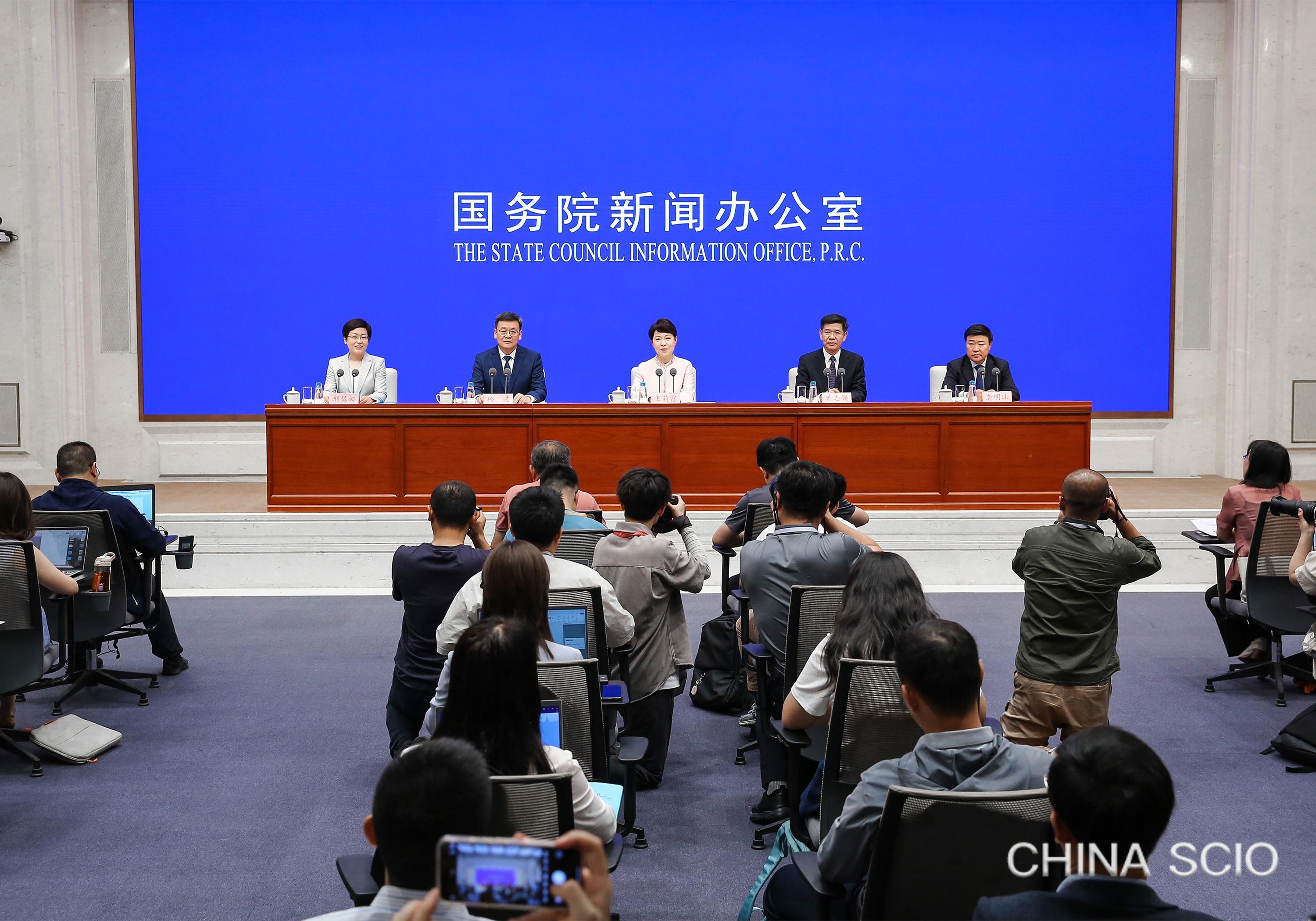
Speakers:
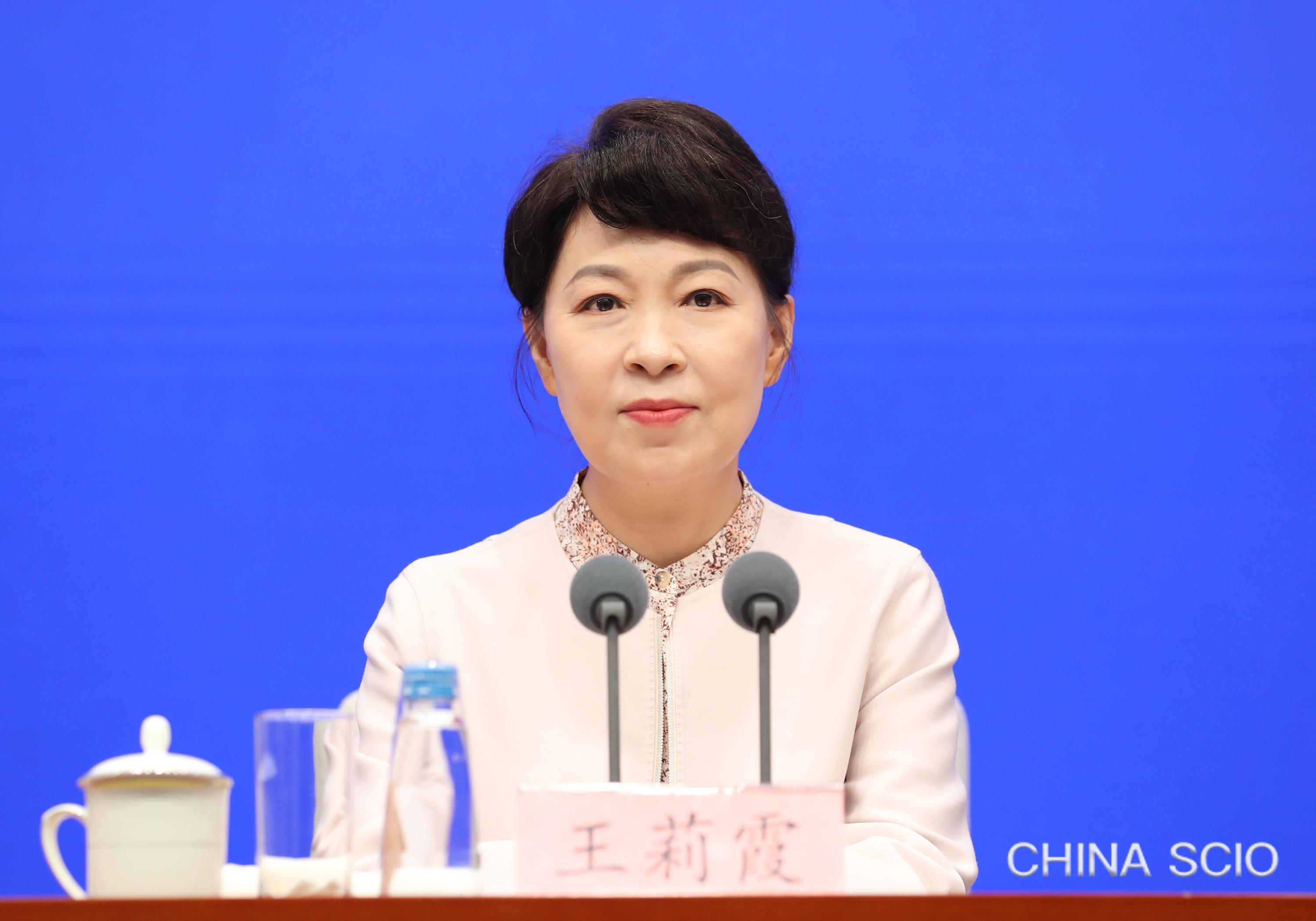
Ms. Wang Lixia, deputy secretary of the Communist Party of China (CPC) Inner Mongolia Autonomous Regional Committee and chairwoman of Inner Mongolia autonomous region
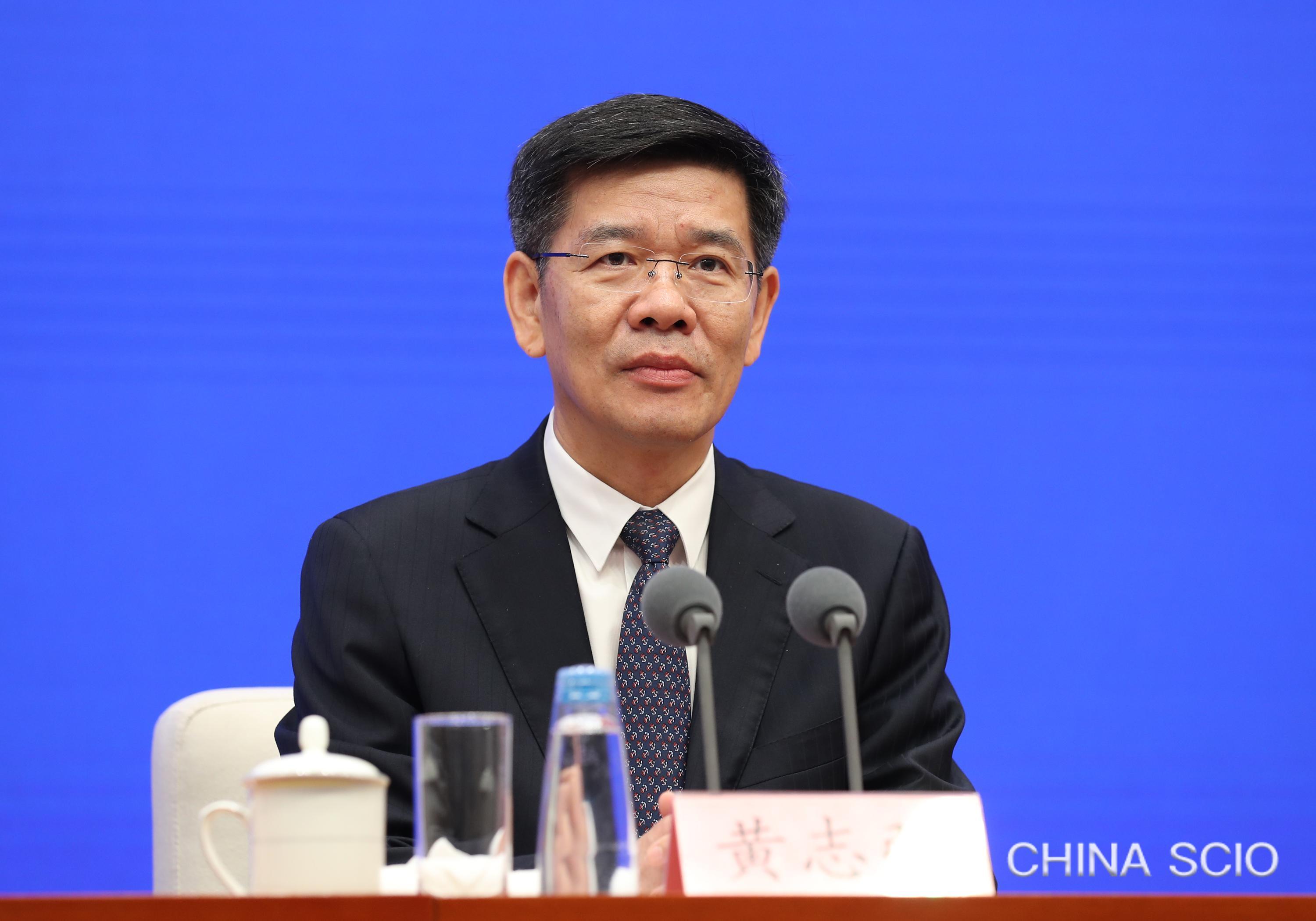
Mr. Huang Zhiqiang, a member of the Standing Committee of the CPC Inner Mongolia Autonomous Regional Committee and executive vice chairman of Inner Mongolia autonomous region
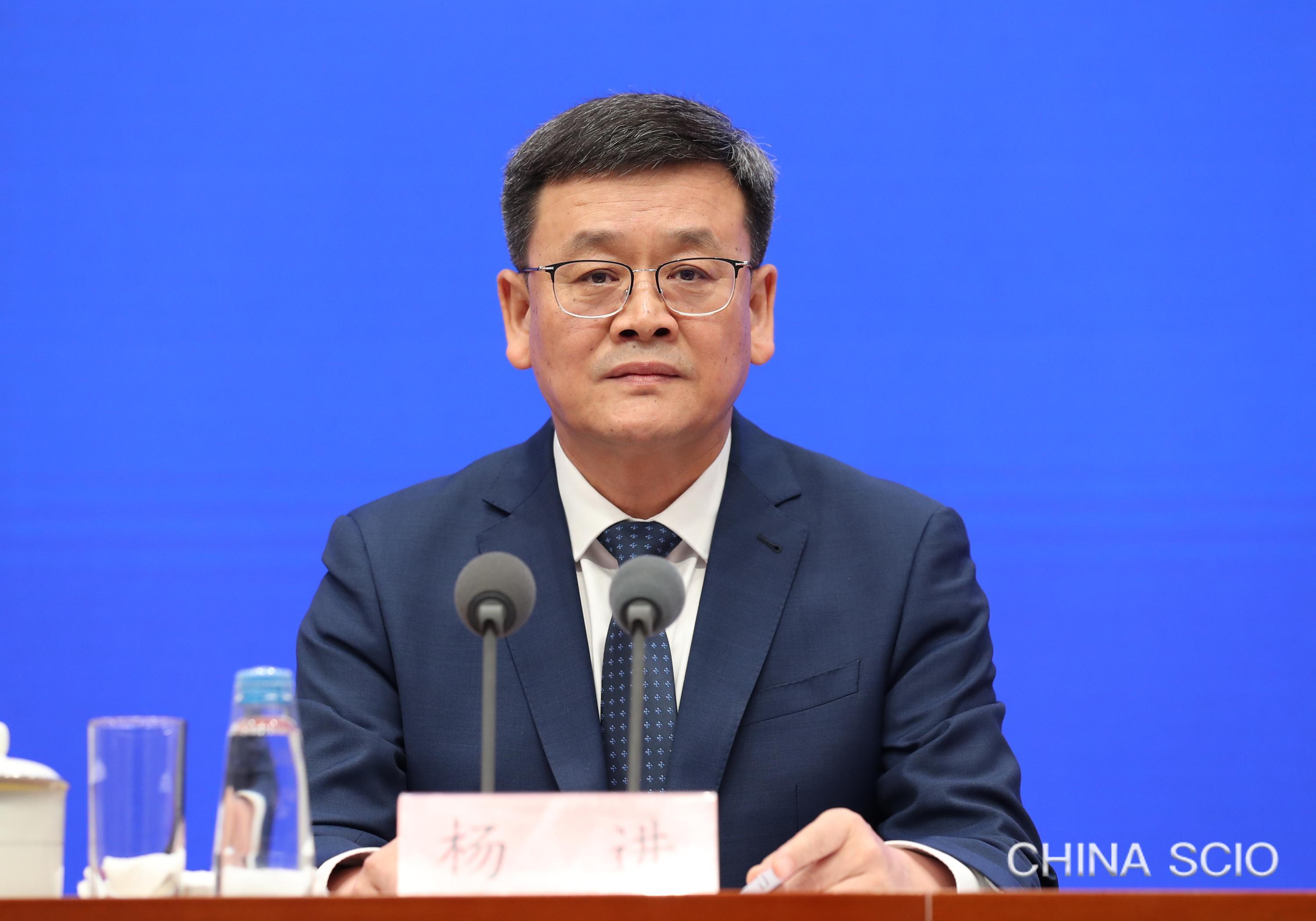
Mr. Yang Jin, vice chairman of Inner Mongolia autonomous region
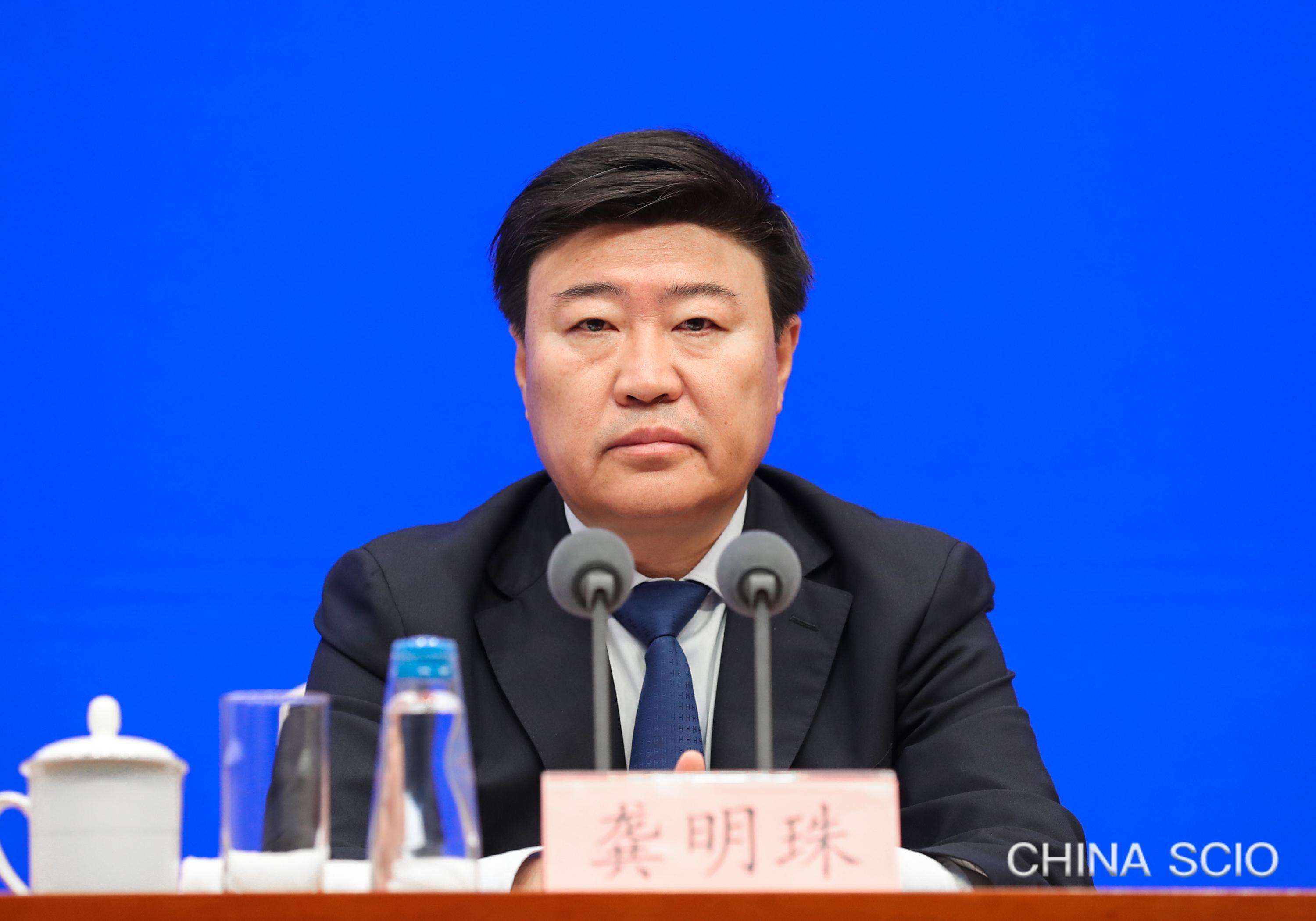
Mr. Gong Mingzhu, director of the Development and Reform Commission of Inner Mongolia Autonomous Region
Chairperson:
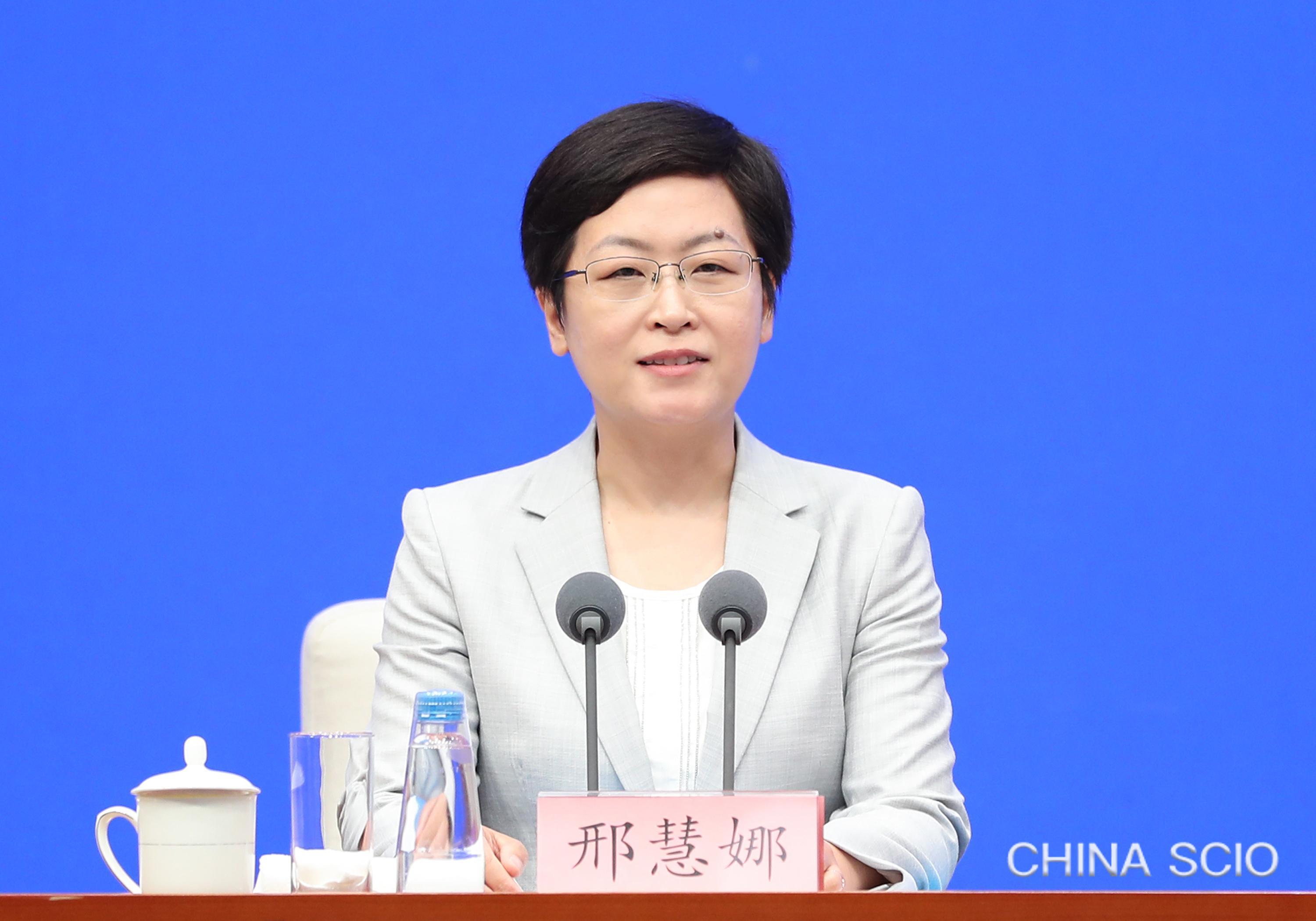
Ms. Xing Huina, deputy director general of the Press Bureau of the State Council Information Office (SCIO) and spokesperson of the SCIO
Date:
June 7, 2024
Xing Huina:
Ladies and gentlemen, good morning. Welcome to this press conference held by the State Council Information Office (SCIO). This is the 28th briefing in the series "Promoting High-Quality Development." Today, we have invited Ms. Wang Lixia, deputy secretary of the Communist Party of China (CPC) Inner Mongolia Autonomous Regional Committee and chairwoman of Inner Mongolia autonomous region, to brief you on prioritizing high-quality development in Inner Mongolia and building a model autonomous region in an all-round manner, and to take your questions. Also present today are Mr. Huang Zhiqiang, a member of the Standing Committee of the CPC Inner Mongolia Autonomous Regional Committee and executive vice chairman of Inner Mongolia autonomous region; Mr. Yang Jin, vice chairman of Inner Mongolia autonomous region; and Mr. Gong Mingzhu, director of the Development and Reform Commission of Inner Mongolia Autonomous Region.
Now, I'll give the floor to Ms. Wang for her introduction.
Wang Lixia:
Good morning, everyone. It's a great pleasure to meet you here. First of all, on behalf of the CPC Inner Mongolia Autonomous Regional Committee, the regional government and all the residents of various ethnic groups in the region, I would like to express my sincere gratitude to you for your long-term interest in as well as support and assistance for the development of Inner Mongolia.
In June last year, General Secretary Xi Jinping made his fourth visit to Inner Mongolia, encouraging us to prioritize high-quality development and forge new paths toward Chinese modernization. This has greatly inspired the officials and residents across the region. In October last year, the Opinions of the State Council on Promoting the High-Quality Development of Inner Mongolia Autonomous Region and Striving to Write a Brand-new Chapter of Chinese Path to Modernization was issued, providing significant policy and historical opportunities for the development of the autonomous region. We have encapsulated General Secretary Xi Jinping's important speeches and instructions regarding Inner Mongolia into two major initiatives. The first is to accomplish the five major tasks assigned by the general secretary, namely, building Inner Mongolia into a major ecological security shield for north China as well as a shield of safety and stability for the northern border, which we generally refer to as the "two shields;" developing the autonomous region into a major national base for energy and strategic resources as well as a major national production base for agricultural and livestock products, commonly known as the "two bases;" and building the region into an important gateway in China's northward opening up. The second initiative is to build a model autonomous region in an all-round manner. Bearing in mind General Secretary Xi Jinping's instructions with gratitude, we are currently pressing ahead with united efforts to advance the two major initiatives and vigorously promote high-quality development. The northern border of our motherland is presenting a vibrant and prosperous scene. I am very honored and pleased to have this opportunity to introduce Inner Mongolia to you all today.
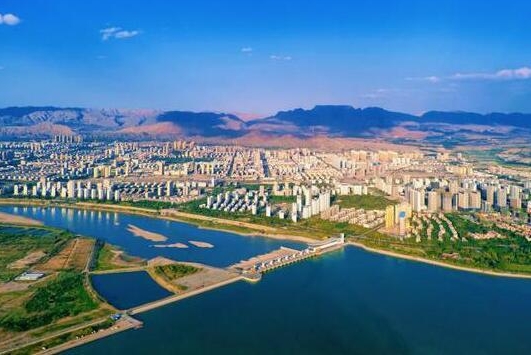
Inner Mongolia boasts majestic natural beauty. Among the provincial-level regions in China, it has the largest span from east to west, stretching approximately 2,400 kilometers. The sun rises over Hulun Buir in the east and takes two hours to reach Ejin Banner in the west. Across its vast 1.18 million square kilometers of land, you will find beautiful sprawling forests, expansive grasslands, extensive wetlands and vast deserts. There is a well-known song that vividly captures the grandeur of Inner Mongolia's scenery: "Beautiful grasslands, my home; the wind blows the green grass and flowers bloom everywhere; butterflies flit amid a chorus of birdsong; a stretch of lucid water reflects the evening glow."
Inner Mongolia is experiencing a remarkable surge in development. Over the past two years, the region's growth has accelerated significantly, with major economic indicators consistently ranking among the top in the nation. Notably, last year, the growth rates of Inner Mongolia's GDP, fixed asset investment, and total import-export volume all ranked among the top three nationwide, while the growth rate of value-added by industrial enterprises above the designated size ranked seventh. A number of major projects with long-term benefits have been implemented. This year, we initiated six major projects regarding policy implementation, desertification prevention and control as well as wind and photovoltaic power integration, heating, integrity building, and technological breakthroughs and free trade zone development. These initiatives aim to shore up weak links in the high-quality development and accelerate our progress toward the goal of breaking new ground and advancing to the middle tier.
High-quality development has transformed Inner Mongolia. As we all know, the region is richly endowed, with dense forests in the east, iron mines in the west, fertile grain-producing lands in the south, and lush grasslands in the north. Its riches can be found underground, on the surface and in the air. Underground, the reserves of more than 20 minerals rank first nationwide, earning the region the title of the country's mineral vault. On the surface, the region's farmlands, grasslands, and forests rank among the top nationwide. High above the ground, exploitable wind power and solar energy resources rank first and second in the country, respectively. These abundant resources lay a solid foundation and present an enormous advantage for the development of Inner Mongolia. Building on our resources and strategic position, we have established eight major industrial clusters and 16 important industrial chains. Several industries continue to expand with great growth potential and development resilience. Leading industries, such as new energy, new rare earth materials, and modern coal chemicals, have made significant gains in the domestic market. Famous brands like Yili and Mengniu in the dairy industry and Erdos in clothing have gained international recognition.
Various ethnic groups live harmoniously and help each other in Inner Mongolia. Since ancient times, many ethnic groups have inhabited the Inner Mongolia Plateau, with continued interactions and integration. Since the establishment of the Inner Mongolia autonomous region 77 years ago, government officials and the public have worked together to earn and uphold its title as a model autonomous region, which is a high accolade. Today, a total of 56 ethnic groups live in the autonomous region. Different ethnic groups live in the same villages and communities; they study in the same school classes, and work in the same enterprises. Living, studying, working and enjoying life together, these different ethnic groups embrace each other just like pomegranate seeds sticking together.
Inner Mongolia offers a modern, convenient lifestyle. The autonomous region is located on the northern border of China. However, this geographical situation doesn't hinder residents from enjoying modern life. High-speed trains can take passengers from the cities of Hohhot, Ulanqab, Chifeng and Tongliao to Beijing within two hours. Expressways connect all 12 leagues and cities of the autonomous region, and 103 banners and counties can be reached by first-class highways or above. Residents in small border towns and remote pastures can access schools and hospitals without traveling far. Smart home appliances, broadband networks, and express delivery and food takeaway services are available to ordinary people in the depths of the grasslands. Additionally, a new trend has emerged among herders, who now monitor their herds and shoot short videos with their smartphones.
That's all from me for now. My colleagues and I are ready to take your questions. Thank you, everyone.
Xing Huina:
The floor is now open to questions. Please identify the media outlet you represent before asking your question.
_ueditor_page_break_tag_
Xinhua News Agency:
Ms. Wang just mentioned the five major tasks to fulfill. I understand that these tasks actually represent the strategic positioning of Inner Mongolia stipulated by the central government. Could you please elaborate on the progress of these tasks? Thank you.
Wang Lixia:
Thank you. I will answer this question.
Eying the big picture of national development, General Secretary Xi Jinping defined Inner Mongolia's strategic position by assigning it five major tasks. These tasks represent our important duties and missions. By fulfilling these tasks, we aim to ensure national security in five key areas: food security, energy security, industrial security, ecological security, and border security.
As an important ecological barrier for northern China, Inner Mongolia's eco-environment is crucial for the livelihoods and prosperity of local residents and affects the ecological security of China's northern, northeastern, and northwestern regions, as well as the entire country. In recent years, we have continuously prioritized ecological conservation. We have implemented measures such as subsidizing "no-grazing" periods across the vast grasslands. We banned commercial logging in the Greater Khingan Mountains, turning former lumberjacks into forest rangers. We stabilized the boundaries of key deserts, stopping shifting sand dunes from advancing further. Over the past 10 years, Inner Mongolia has led the nation in afforestation, grass planting, and combating desertification. Grassland vegetation coverage has reached 45%, and over 60 million mu (40,000 square kilometers) of desertified and sandy land has been reclaimed. In the past, deserts encroached on human habitats, but the situation has been reversed, with former deserts now covered in greenery.
As a barrier ensuring the security and stability of China's northern border, Inner Mongolia shares over 4,200 kilometers of border with Russia and Mongolia, with border management areas covering 360,000 square kilometers. As the northern gate of the country, Inner Mongolia shoulders significant responsibilities for safeguarding national security and maintaining peace in the border regions. Over the years, we have thoroughly implemented actions to boost the economies of border areas and raise local living standards. Now, residents thrive in beautiful border areas, and borderland stability and security have been enhanced.
As a major national base for energy and strategic resources, we have consistently prioritized national energy security. We are the country's leading supplier of coal and electricity. Last year, we successfully delivered 945 million metric tons of coal to 29 provincial-level regions. We transmitted 306.5 billion kilowatt-hours of electricity to other regions across the country, tripling the annual power generation of the Three Gorges Dam. In particular, we supplied 23 billion cubic meters of natural gas to the Beijing-Tianjin-Hebei region, transmitting it over more than 700 kilometers. We also delivered 100 million kilowatt-hours of green electricity to the Hangzhou Asian Games, over a distance of more than 1,600 kilometers.
As an important production hub for agricultural and livestock products, the Inner Mongolia autonomous region is well-known for being the country's leading producer of beef, mutton, milk, and cashmere. For example, out of every 10 kilograms of beef in China, 1 kilogram is produced in Inner Mongolia; out of every 5 kilograms of mutton, 1 kilogram comes from there; and out of every 6 cups of milk, more than 1 cup is produced in Inner Mongolia. Additionally, half of the country's cashmere is sourced from Inner Mongolia. Moreover, Inner Mongolia is a major grain producer. It is one of the five provincial regions with over 100 million mu of arable land and has achieved a grain output exceeding 35 billion kilograms for five consecutive years, with more than half of this grain supplied to other parts of the country. Generally speaking, Inner Mongolia is China's leading producer of grain, meat, milk, and cashmere, and our mission is to produce more and higher-quality grain, meat, and milk for the country.
As a critical frontier for opening up to the north, Inner Mongolia has 20 ports open to other countries. Manzhouli, China's largest land port, handles 65% of China-Russia land trade, while Erenhot is the largest land port connecting to Mongolia. In recent years, we have actively participated in the Belt and Road Initiative and the construction of the China-Mongolia-Russia Economic Corridor. Last year, our total import and export volume grew by 30.4%, ranking third in the country. The total cargo volume through our ports exceeded 100 million metric tons, setting a new record for land ports along China's borders.
Thank you!
Xing Huina:
Next question, please.
_ueditor_page_break_tag_
CCTV:
Last year, the State Council published a guideline to boost the high-quality development of the Inner Mongolia Autonomous Region, invigorating Chinese modernization. How has the implementation progressed so far? How can we ensure that the public enjoy tangible benefits? Thank you.
Wang Lixia:
I'd like to invite Mr. Huang Zhiqiang to answer this question.
Huang Zhiqiang:
Thank you for your question. Last year, the State Council issued the guideline, and various ministries and commissions introduced related supportive policies, all of which are tailored to benefit Inner Mongolia by boosting sound, substantial development. The measures cover five areas: infrastructure, energy and resources, the ecological environment, industrial development, and people's livelihoods. Implementing these policies will profoundly impact Inner Mongolia's high-quality development and contribute to China's modernization.
We have seized this significant development opportunity by breaking down the guideline into 86 major projects, transforming the blueprint into a concrete action plan. To date, 59 major projects have commenced construction, with a total investment of 135 billion yuan, and all tasks are progressing smoothly.
The implementation of these policies brings tangible benefits to the public. For example, in transportation, we have accelerated the construction of the Baotou-Yinchuan high-speed railway. Once operational, travel time from Bayannur to Beijing will be reduced from 13 hours to four hours. We are also optimizing airport layouts, accelerating the construction of general airports, and developing regional routes, making border areas more accessible.
In terms of increasing employment, we have planned the construction of six large-scale wind power and photovoltaic bases in sandy, rocky, and barren areas. According to our preliminary estimates, each base will have a static investment of over 80 billion yuan and will provide more than 10,000 jobs for the local area.
Regarding rural revitalization, we have significantly supported designated counties and banners by establishing numerous national-level modern industrial parks. For example, the dairy and soybean industrial park in Morin Dawa Daur autonomous banner can boost the income of 50,000 farming households in the area.
In order to boost local economies and ensure stability in border areas, we have implemented projects to improve and upgrade infrastructure in villages and small towns at key junctures. This includes advancing the integrated construction of facilities for drinking water, electricity, roads, and telecommunications. Our goal is to ensure that all villages, guard posts, police stations, and small police stations in border areas have access to drinking water, electricity, telecommunications, as well as radio and television services.
We have stepped up our efforts to establish four regional health centers in a bid to improve medical services. We have worked with the Beijing Cancer Hospital to establish a branch hospital in the Inner Mongolia autonomous region. In the past, many people had to travel to Beijing for medical treatment. Nowadays, residents can access top-notch medical expertise from experts in Beijing without leaving their local area.
Thank you.
Xing Huina:
Thanks. Please continue with your questions.
CRNTT:
Inner Mongolia is an important hub of the China-Mongolia-Russia Economic Corridor, and also a crucial gateway for the New International Land-Sea Trade Corridor in the western region. What considerations are there for promoting higher-level opening-up and serving the overall national policy of opening-up? Thank you.
Wang Lixia:
I'd like to invite Mr. Yang to answer this question.
Yang Jin:
Thank you for your question. Situated on the northern frontier of China, Inner Mongolia serves as a vital gateway for opening up to countries and regions north of China. It boasts unique advantages to open up internally and externally. In recent years, with the further advancement of the Belt and Road Initiative and the China-Mongolia-Russia Economic Corridor, Inner Mongolia has expanded its economic cooperation with more partners in Russia and Mongolia, achieving a higher level of openness to northern countries and regions.
Inner Mongolia's Manzhouli and Erenhot serve as the exit ports for the eastern and central corridors of the China-Europe Railway Express, respectively. These two corridors make up two-thirds of the three railway corridors of the China-Europe Railway Express across the nation. In 2023, almost 50% of the China-Europe freight trains nationwide departed from or passed through Inner Mongolia. Manzhouli Port is China's largest land port, while Erenhot Port is China's largest land port to Mongolia. Given this, we have adopted a series of measures to improve and upgrade infrastructure and leverage information-based and smart technologies to ensure the smooth operation of the China-Europe Railway Express services. Moreover, we have intensified efforts to build Manzhouli and Erenhot into smart ports and adopt a new model of cross-border transportation using automated guided vehicles in Ganqmod and Ceke ports, significantly accelerating port clearance efficiency.
The China-Mongolia Erenhot- Zamyn-Uud economic cooperation zone was officially approved a couple of months ago. This marks the third cross-border economic cooperation zone established between China and its neighboring countries. We will intensify efforts to boost the development of various industries in the zone, including cross-border tourism, the modern service industry, international trade logistics, and the deep processing of imported and exported goods. By doing so, we aim to build the China-Mongolia economic cooperation zone into a high-level platform for opening up border areas.
Furthermore, we have enhanced cooperation with countries along the Belt and Road in various fields, including agriculture and animal husbandry, energy and minerals, the digital economy, biomedicine, and infrastructure. We have also promoted border trade among residents living in border areas. Stepped-up efforts have been made to accelerate the integrated development of domestic and foreign trade, enhancing our cooperation with the Beijing-Tianjin-Hebei region, the Yangtze River Delta, the Guangdong-Hong Kong-Macao Greater Bay Area, and China's northeastern provinces, and improving the coordination mechanism between Inner Mongolia and Beijing. We have also ramped up efforts to promote the construction of the demonstration zone for industrial relocation. In collaboration with partners from Shanghai, Tianjin, and other regions, we have established 25 inland ports across Inner Mongolia. These efforts have created more opportunities for businesses in Inner Mongolia to engage in international trade locally. Additionally, these inland ports have provided support for other regions to open up to northern countries and enhance cooperation with them.
We have established a series of platforms for cooperation and exchanges, such as the China-Mongolia Expo, the Economic and Trade Fair for China's Northward Opening-up, and events to help enterprises from the Inner Mongolia autonomous region seek business opportunities and cooperation abroad. Through these efforts, we have expanded our international circle of friends and trading partners, enabling us to integrate into and contribute to the dual circulation of domestic and international markets in an all-round manner to raise opening-up to a higher level with wider coverage and scope.
Thank you.
_ueditor_page_break_tag_
China Mining News:
Inner Mongolia is rich in wind and solar resources, which gives it unique advantages in developing new energy industries. Given this, what efforts will Inner Mongolia make to promote the high-quality development of new energy industries?
Wang Lixia:
I'd like to invite Mr. Huang to answer this question.
Huang Zhiqiang:
Thank you for your question. Inner Mongolia, as you mentioned, is a natural fit for the development of new energy industries thanks to its abundant wind and solar resources, its vast coal reserves, and its well-developed power grid.
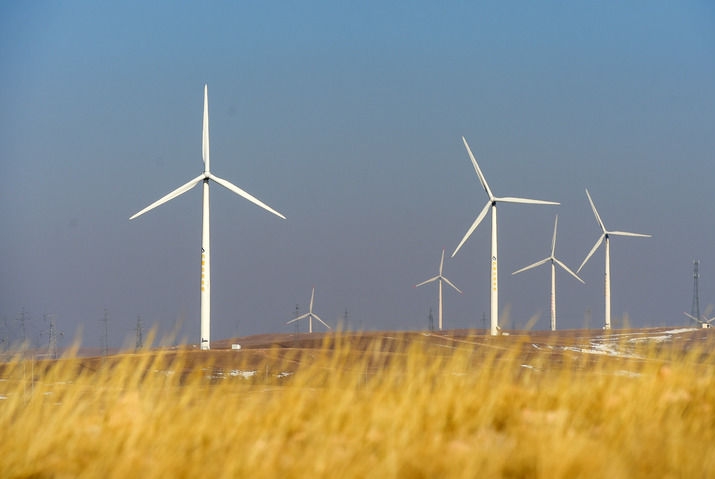
Inner Mongolia is abundant in wind and solar power resources. It holds over half of China's exploitable wind energy resources and more than 20% of its exploitable solar energy resources.
Inner Mongolia has abundant coal reserves and large-scale thermal power generating units. As a stable and reliable method for peak shaving, these can support the large-scale and high-proportion use of new energy.
Inner Mongolia has a well-developed power grid, which is the third largest in the country — the Mengxi Power Grid. We are close to the load center with low transmission costs, and can provide green, cheap and reliable electricity.
Based on our resource endowment, we are moving toward green and new energy development, and have put forward the goals of "two firsts" and "two surpasses." We aim to be the first in the country to establish an energy supply system with new energy as the mainstay, and the first to build a new power system with new energy as the main body. By 2025, the scale of new energy installed capacity will surpass thermal power capacity, and by 2030, the total amount of power generation from new energy will surpass thermal power. At present, the installed capacity of new energy in Inner Mongolia has exceeded 100 million kilowatts, and the goal of overtaking thermal power capacity will be achieved ahead of schedule by the end of this year.
In order to promote the external delivery of green electricity, we are advancing the construction of six large wind and photovoltaic power delivery bases with a total installed capacity of tens of millions of kilowatts with high standards, and concentrating on the development of wind and photovoltaic power in the three major deserts of Kubuqi, Ulan Buh and Tengger, to supply clean energy on a large scale to the Beijing-Tianjin-Hebei region and the Yangtze River Delta.
In order to promote the local consumption of green electricity, we have planned six scenarios and tailored new energy allocation policies, including source-grid-load-storage, wind-solar hydrogen production, green power supply in industrial parks, green power substitution of self-provided power plants, full self-generation and self-use, and flexible transformation of thermal energy power. In each scenario, both the power generation side and the load side seek balance to achieve the maximum degree of self-consumption.
We are committed to developing the entire industrial chain, focusing on new energy development on the one hand and equipment manufacturing on the other, and concentrating on building four 100-billion-yuan industrial clusters of wind power, photovoltaics, hydrogen energy and energy storage. We are focused on the equipment manufacturing industry in the upper-stream and have extended the development of green chemicals such as green hydrogen and green ammonia in the lower-stream. We have comprehensively attracted supercomputing and intelligent computing industries to assist China's "East Data, West Computing" project, and simultaneously developed high-end producer services such as R&D, innovation, operation and maintenance services.
In summary, Inner Mongolia is rich in wind and solar power resources, and has great potential and opportunities for new energy. We hope to share the benefits of new energy development with everyone. Thank you.
Macrochina Network:
Inner Mongolia is the main battlefield for desertification control in China and an important region for implementing the Three-North Shelterbelt Forest Program (TSFP), a large-scale afforestation project in northwest, north, and northeast China. Could you please introduce some of the progress and achievements made by the autonomous region in advancing the program? Thank you.
Wang Lixia:
I will answer this question. Thank you for your question. Desertification control under the program has attracted much attention from the media. In fact, the largest task is in Inner Mongolia. Among the three landmark projects deployed by General Secretary Xi Jinping in this regard, the Yellow River Jiziwan Project (“Jiziwan” refers to a Yellow River bend in the shape of the Chinese character “几”) and the Horqin and Hunshandake Sandy Lands Project are almost all in Inner Mongolia, and the Hexi Corridor-Taklimakan Desert Project involves Alxa League in our region. It can be said that two and a half of the three landmark projects are in Inner Mongolia. Therefore, Inner Mongolia is the main battlefield for desertification control in China, so we must shoulder the main tasks. We took swift actions. Last year, desertification controls were completed for 9.5 million mu (about 633,333 hectares), which was 1.5 times the original plan at the beginning of the year. We expect to complete 97 million mu (about 6.46 million hectares) of desertification control by 2030. We must not only put green "protective clothing" on the desert, but also create a super “carbon sink” and a pure “oxygen bar.” For example, the Maowusu Desert is larger than the island province of Hainan. Now 80% of the desert has been turned green, and the green territory has advanced 200 kilometers to the south. The familiar Kubuqi Desert covers an area of 21.15 million mu (about 1.41 million hectares), and now over 40% of the area has been turned green. It has been identified by the United Nations Environment Program (UNEP) as an ecological economy demonstration zone. Dengkou county of Bayannur city is adjacent to the Ulan Buh Desert in the west. A forest belt that is 154 kilometers long and 100 meters wide has been built on the eastern edge of the desert, and has caused the eastern edge of the desert to retreat 20 kilometers and reduced the annual sediment transported to the Yellow River by more than 90%.
This year, we have combined sand prevention and control with new energy development, implementing projects that integrate sand prevention and control with wind and solar energy, and plan to provide over 100 million kilowatts of new energy. In the city of Ordos, between the northern edge of the Kubuqi Desert and the southern bank of the Yellow River, a photovoltaic Great Wall is under construction. This project spans 400 kilometers in length and averages 5 kilometers in width. Through the project for the integrated advancement of sand prevention and control and photovoltaic energy, we aim to transform the yellow deserts into green fields and "blue seas" of photovoltaic panels.
We have also fully mobilized the enthusiasm of enterprises, farmers, herdsmen and social organizations. Dozens of state-owned enterprises (SOEs), central SOEs, and private enterprises are taking part, creating a surge in sand prevention and control efforts across the region. In particular, different localities have used various methods to encourage local people to participate in sand control. For example, in Alxa League, where the Badain Jaran, Tengger and Ulan Buh deserts are located, large-scale production bases for desert plants of traditional Chinese medicine like haloxylon, cistanche and cynomorium have been established. This has boosted the incomes of local farmers and herdsmen, and been particularly welcomed by the local people. Our goal is to complete the significant ecological project of the Three-North Shelterbelt Forest Program while boosting development and enriching the people in the process. In this way, we can control the sand, generate green electricity and increase people's incomes, achieving a "triple win" in ecological conservation, production and livelihoods. Thank you.
_ueditor_page_break_tag_
Inner Mongolia Radio and Television Station:
When speaking about Inner Mongolia, many will think of the poetic line: "When the grass is bent low by the blowing wind, the sheep and cattle come into sight." As a major agricultural and animal husbandry region, how will Inner Mongolia promote the modernization and high-quality development of the two sectors? Thank you.
Wang Lixia:
I would like to invite Mr. Gong to answer this question.
Gong Mingzhu:
Thank you for your question. As an important region for agricultural and livestock product production in China, Inner Mongolia has achieved 20 consecutive years of bumper grain harvests and 19 consecutive years of stable livestock production. We are now planning to leverage our unique advantages of a good ecological environment and rich agricultural and animal husbandry resources, so as to promote Inner Mongolia's transformation from a large producer of agricultural and livestock products to a strong competitor in agricultural and animal husbandry. In simple terms, we aim to achieve improvements in three aspects.
First, we aim to lay a more solid foundation for the development of modern agriculture and animal husbandry. Focusing on arable land, we will strengthen agricultural infrastructure construction, especially by developing high quality and high-standard farmland. We will convert small, scattered plots of land and steep slopes, which are unsuitable for cultivation, into large, contiguous fields suitable for mechanized farming and capable of stable high yields. Last year, two-thirds of our grain production came from 52.37 million mu of high-standard farmland. This year, we plan to develop an additional 8.5 million mu of high-standard farmland. At the same time, we will vigorously improve the technological level of agriculture and animal husbandry, especially in the seed industry, which is crucial for the high-quality development of the two sectors. We will implement projects to cultivate high-quality and distinctive varieties of corn, potatoes and sunflowers, and carry out joint research on dairy cattle breeding to create first-class sources for milk, seed and forage.
Second, we aim to ensure a more abundant supply of agricultural and livestock products. Last year, Inner Mongolia's total grain output reached 79.16 billion jin (39.58 billion kilograms). This year, we will carry out actions to increase per-unit yields. In particular, we will implement the national project to increase the per-unit yields of corn and soybeans, and build demonstration areas of 4.05 million mu, with the aim to boost total grain output to 80 billion jin this year. We will also vigorously develop intensive processing of agricultural and livestock products. We will not only focus on intensive processing of grains, meat and milk, but also make use of rice husks, bran, and fruit and vegetable peels and pomaces. At the same time, we will also support and encourage enterprises in Inner Mongolia to develop cold chain warehouses in major consumption areas like Beijing, Shanghai, Guangzhou, Shenzhen, the Yangtze River Delta and the Pearl River Delta, so as to provide more and better milk, meat and grain to the whole country.
Third, we aim to make ecological protection even more prominent in agriculture and animal husbandry. The water and soil in the agricultural and pastoral areas of Inner Mongolia are clean. These are our greatest assets in production and competition, and we must do everything possible to protect them. In terms of agriculture, we will advance water-saving and efficiency-increasing projects. Next year, we aim to expand the area of efficient water-saving irrigation from the current 34.03 million mu to 38 million mu, which would save over 3.5 billion cubic meters of water annually. Additionally, we will implement actions to reduce the amounts of fertilizers and pesticides and increase their efficiency, so that the use of pesticides and fertilizers steadily decreases. In terms of animal husbandry, we will mainly promote the transformation and upgrading of grassland animal husbandry, increase the proportion of modern animal husbandry, and address the issue of overgrazing on grasslands. This will achieve a win-win situation where both the development of animal husbandry and the protection of grasslands are realized. Thank you.
Chengdu.cn:
My question is: Inner Mongolia has announced plans to advance scientific and technological innovation with extraordinary efforts, breaking the mold to catch up in innovation-driven development. Which areas will be given priority to advance industrial upgrading through scientific and technological innovation? Thank you.
Wang Lixia:
Mr. Huang Zhiqiang will answer this question.
Huang Zhiqiang:
Thank you for your question. Inner Mongolia attaches great importance to scientific and technological innovation and the development of new quality productive forces. We are implementing a project to make scientific and technological breakthroughs. Our efforts are focused on areas with resources, local features, and advantages, striving to achieve "leading from the start" in specific areas and leveraging these areas to drive scientific, technological and industrial development.
We have advanced innovation with a focus on resources. For example, Inner Mongolia leads the world in terms of both reserves and the quality of rare earth resources. We have established the most complete industrial chain in China. With the goal of building the largest rare earth new material base, we have developed the resources into materials, abandoned the traditional simple mode of "mining rare earths and then selling them," and focused on five major areas — permanent magnet, hydrogen storage, catalytic materials, polishing materials, and alloys — and improved resource use efficiency and the degree of intensive processing in the industry. This promotes the transition from "world-class reserves" to a "world-class industry." Aiming to build the world's leading rare earth application base, we have worked to put materials into the application, created a national innovation center for rare earth materials, accelerated efforts to make breakthroughs in cutting-edge technology, and expanded the applications of rare earths, continuing to improve the comprehensive added value of rare earth products.
We have advanced innovation with a focus on our local features. For example, Inner Mongolia is a leading provincial region in animal husbandry, and the dairy industry is our distinctive local industry. Last year, the only national technology innovation center for the dairy industry in China was officially put into operation, gathering 10 academicians, over 100 industry experts, and an innovation team of over 5,000 people. We have structured our innovation efforts around the existing industrial chain, planning 20 research areas and 76 research directions. Our focus is on five strategic goals: Chinese cattle, Chinese breeding methods, Chinese raw materials, Chinese equipment, and Chinese standards.
We have advanced innovation with a focus on our advantages. For example, Inner Mongolia has obvious advantages in developing new energy. In terms of wind and solar power, we have continued to launch new products to achieve iterative upgrades. Onshore wind power units with the largest impeller diameter and the highest single-unit capacity in the world have been produced. The impeller diameter of these units is 214 meters, which is as tall as a 70-story building. Each unit has a maximum power output of 11 megawatts and can generate 10,000 kilowatt-hours of green electricity per hour, which is enough to meet the annual electricity needs of 12 families. To enhance the power grid's capability to accommodate a high proportion of new energy power, we have built the Daqingshan Laboratory for a demonstration of flexible and intelligent power grid integration. This project explores the path for constructing a new power system nationwide. In terms of hydrogen storage, we have made every effort to support the development of all kinds of hydrogen production and storage technologies in Inner Mongolia. By 2025, the green hydrogen production capacity will reach 850,000 tons and the installed capacity for energy storage will exceed 20 million kilowatts. Inner Mongolia, already a leading provincial region in new energy, will also become a leader in green hydrogen and energy storage.
Thank you!
_ueditor_page_break_tag_
China News Service:
Since last year, many regions in China have experienced a cultural tourism boom. Inner Mongolia, with its vast land and numerous scenic spots, offers the stunning and captivating beauty of the prairie. What measures has Inner Mongolia taken to develop its cultural and tourism resources and improve service quality to attract more tourists? Thank you.
Wang Lixia:
Mr. Yang Jin will answer this question.
Yang Jin:
Thank you for your question. As you mentioned, Inner Mongolia is a vast region with many scenic spots. When you travel here, you can experience prairies, forests, rivers and lakes, wetlands, and deserts. Inner Mongolia is the top choice for self-driving tours, one of the best places for camping trips, a must-visit for vacations, and an excellent health tourism destination.
Choosing Inner Mongolia as the top destination for self-drive trips is well-deserved because we have created 12 high-quality routes, including the picturesque G331 National Highway and the 1,000-kilometer grassland scenic avenue. Driving your own car, you can see the grasslands, walk through forests, visit wetlands, and drive across deserts. You can enjoy the magnificent scenery of the Hulun Buir Grassland, the Greater Khingan Range forests, the Ergune Wetland, and the Badain Jaran Desert. We are also enhancing the self-drive experience by improving expressway traffic capacity, building high-quality recreational vehicle parks, and increasing charging stations for new energy vehicles. This year, we collaborated with Amap to establish a self-drive tourism platform called "One-Click Service for Touring Around Inner Mongolia," providing more convenient travel planning and route design for self-drive tourists
When it comes to the best places for camping trips, Inner Mongolia offers grassland pastures, mountain forests, desert oases, rivers, lakes, and canyons. These locations are ideal camping sites and popular Instagram-worthy spots for tourists. The Ulan Hada Volcano Geopark in Ulanqab is known as a natural "volcanic museum." The complete volcano group is set within the vast grassland, and the unique landforms make visitors feel like they are on the Moon or Mars. Camping here allows people to explore the mysterious volcanoes during the day and stargaze at night.
For vacation spots, the Ulgai Prairie features a vast expanse of green grass, and the meandering stream in the beautiful Jiuquwan scenic area is enchanting. The Xiangshawan (Sounding Sand) Desert in Erdos is magnificent, with fascinating views of galloping horses. Arxan Mountain, newly included in the national register of tourist resorts, offers beautiful scenery year-round: azaleas cover the mountains in spring, green hills stretch across the landscape in summer, trees display red leaves in autumn, and snow creates a dreamy winter scene. With a vegetation coverage rate of 95% and over 98% of days with good air quality, Arxan Mountain is a well-deserved natural oxygen bar.
For health and wellness travel, Inner Mongolia is the perfect summer retreat to escape the heat. We have developed a new migratory bird-style healthcare model by combining resources such as spa services, sand therapy, green dietary therapy, and traditional Mongolian medicine and healthcare. In July, the average temperature in Hexigten Banner is only 21.3 degrees Celsius. The Arshatu "glacial stone forest" is stunning and unique, and the warm hot springs of Reshuitang town provide an excellent place to refresh the body and mind, attracting many tourists from home and abroad.
Summer has arrived, and we would like to extend a sincere invitation to friends nationwide. We have prepared beautiful views, delicious food, and fine wines for you in the most amazing season on the grassland. Come and have a "date with the prairie." Thank you!
National Business Daily:
We understand that Inner Mongolia has introduced various policies and measures to promote the development of the private economy, such as setting up service windows and a service hotline for private enterprises. What plans and specific initiatives will be taken next to support the development of private enterprises? Thank you.
Wang Lixia:
I would like to invite Mr. Gong to answer this question.
Gong Mingzhu:
Thank you for your question. Last year, non-governmental investment in Inner Mongolia increased by 14.2% year on year, ranking top in China. The private economy contributed to 54% of the region's total tax revenue and over 90% of new employment. The private sector has become a new growth driver for economic development in Inner Mongolia. Promoting development of the private sector requires systematic efforts. In order to coordinate the strengths of all parties and make every effort to provide all-round service and support for the development of the private economy, the Inner Mongolia autonomous region has established the Private Economy Development Commission, the Party Committee of Key Private Enterprises, and the Service Bureau for Private Economy Development, creating a sound environment for private enterprises.
We aim to provide more considerate services to help private enterprises solve practical problems. We have established a comprehensive service platform for private enterprises and set up service windows for key private enterprises. All departments related to services for enterprises at the levels of autonomous region, league/city and banner/county have joined this platform to process and resolve the concerns of enterprises, enabling enterprises to have easy access to getting their concerns solved. The platform has set up a window for enterprises to report their issues and receive prompt resolutions. The saying, "If enterprises encounter difficulties, they can seek help from the comprehensive service platform" has been spread widely among enterprises in Inner Mongolia.
We aim to improve efficiency in terms of handling matters so as to free enterprises from the difficulties of accessing government services, and allowing their problems to be solved in one visit. We have simplified the procedures and integrated highly relevant and frequently occurring issues during the whole process from starting a business to exiting the market, developing a full-life cycle service system for enterprises. At the same time, we have launched 13 one-stop government service packages, including enterprise information changes and credit repair.
We aim to enhance our support to ensure the implementation of preferential policies and enable enterprises to enjoy these policies directly and quickly. We will soon introduce the Opinions On Supporting High-Quality Development of the Private Sector, shifting from generalized broad-brush policies to targeted measures based on specific conditions, and focus on solving issues of greatest concern to private enterprises, including restrictions on market access and financing difficulties. At the same time, through the launch of projects to promote integrity and credibility, we have rewarded enterprises that have credibility and good faith with more benefits and introduced easy-access loans to private enterprises based on credibility assessment.
The business environment in Inner Mongolia is improving. We welcome more enterprises to invest and do business in Inner Mongolia. Thank you.
_ueditor_page_break_tag_
Guangming Daily:
Inner Mongolia is building itself as a model autonomous region in all respects. Could you please elaborate on what aspects Inner Mongolia exemplifies as a role model? What steps have been taken to promote ethnic solidarity? Thank you.
Wang Lixia:
I'll take this question. Your question is regarding in which aspects Inner Mongolia serves as a role model, I would say it "is a role model in adhering to the Party's overall leadership." As you all know, Inner Mongolia is the first ethnic minority region where our Party established Party organization. It is also the first provincial-level autonomous region set up under the direct leadership of the CPC Central Committee. From its establishment in 1947 until today, 77 years have passed. Over these 77 years, Inner Mongolia has developed under the care and support of the CPC Central Committee. As early as the first Five-Year Plan period, the state has invested in building factories and railways in Inner Mongolia. The construction of the No. 1 Machine Manufacturing Factory, the No. 2 Machine Manufacturing Factory, and the Greater Khingan Mountains forest industrial base all began during that period. Especially in the construction of Baotou Steel Industrial Base, with the support of over 80,000 experts and workers from all over the country, the No. 1 blast furnace was built in just over eight months, writing a splendid history of "concerted efforts to build the Baotou Steel Industrial Base."
For 77 years, people of all ethnic groups in Inner Mongolia have always kept in mind the good deeds of and been grateful to the Party and considered the national interest and the general situation. Let me give you an example. In the early 1960s, people in Inner Mongolia accepted over 3,000 orphans from Shanghai and Jiangsu and raised these "children of the state." An elderly woman called Duguima, known as the "Mother of the Grassland," adopted 28 orphans herself. That is the widely known and touching story of "3,000 orphans entering Inner Mongolia." Raised by people on the grasslands, these children have grown up to contribute to various sectors and industries as engineers, doctors, teachers, and so on. Nowadays, they are over 60 years old and live happy lives with their children and grandchildren.
Let me give you another example. In 1958, in order to support the construction of the Dongfeng Aerospace City, Ejin Banner was relocated three times, with the banner's government moving 140 kilometers away. Local herders contributed the best pasture to China’s space industry. That is the touching story of "contributing the best pasture to the space industry." Today, China’s manned spacecrafts are launched and land here. There is also an elderly woman called Nima, who has been awarded as the "Role Model of the Northern Frontier." Two generations of her family have overcome the harsh natural environment and guarded the border for half a century. She is known as the "living boundary monument" on the border line.
In the new era, General Secretary Xi Jinping has visited Inner Mongolia three times and attended the deliberation sessions of the Inner Mongolia delegations of the National People's Congress five times, pointing out the direction and offering guidance for the development of Inner Mongolia. It can be said that Inner Mongolia’s development achievements have been made under the care and guidance of the general secretary. On his inspection tour of Inner Mongolia last year, General Secretary Xi Jinping proposed for the first time that we should advance works in ethnic minority regions with a focus on forging a strong sense of community for the Chinese nation. Focusing on that, we issued the Decision on Building a Model Autonomous Region in All Respects as well as 28 concrete measures concerning the implementation of forging a strong sense of community for the Chinese nation. We have also introduced and implemented the promotion regulations, put forward and created the brand of "Northern Frontier Culture," and carried out regular activities along the theme of "be grateful to the Party and follow the Party and its guidance." Nowadays, a spirit of unity and harmony prevails among all ethnic groups. Whether in rural and pastoral areas or urban communities, people make close friends, cultivate harmonious neighborly relations, and have happy marriages.
As the Chinese saying goes, "Seeing is believing.” Here, I’d like to sincerely invite you to visit Inner Mongolia. The vibrant scenes and rapid development of China’s northern frontier will leave you with a new understanding of Inner Mongolia. The genuine warmth of the people on the grassland will leave you captivated and forget to leave. Thank you.
Xing Huina:
Today's briefing is hereby concluded. Thank you to the four speakers and friends from the media. Goodbye.
Translated and edited by Xu Xiaoxuan, Wang Wei, Liu Sitong, Yuan Fang, Guo Yiming, Gong Yingchun, Huang Shan, Yan Bin, Yan Xiaoqing, Xu Kailin, Zhang Junmian, Li Huiru, David Ball, and Jay Birbeck. In case of any discrepancy between the English and Chinese texts, the Chinese version is deemed to prevail.