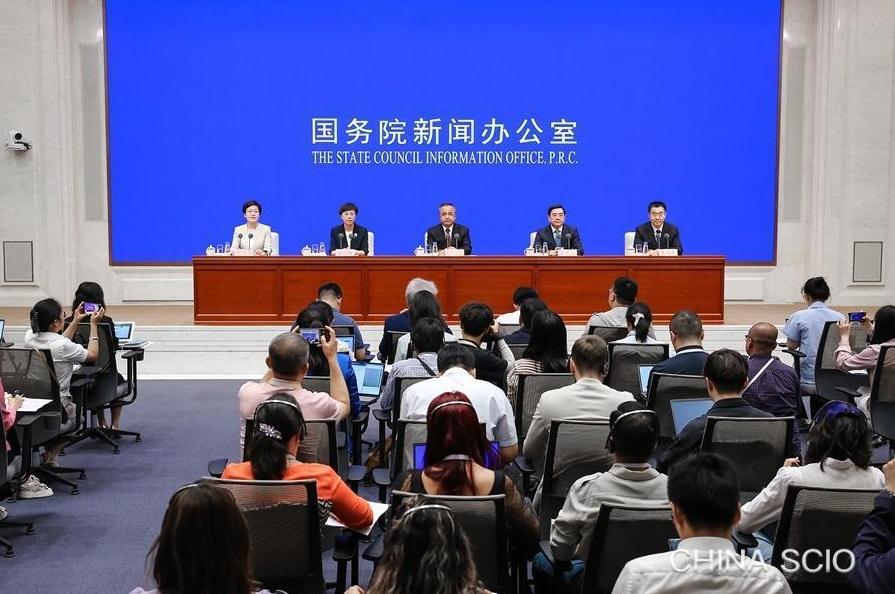
.
Read in Chinese
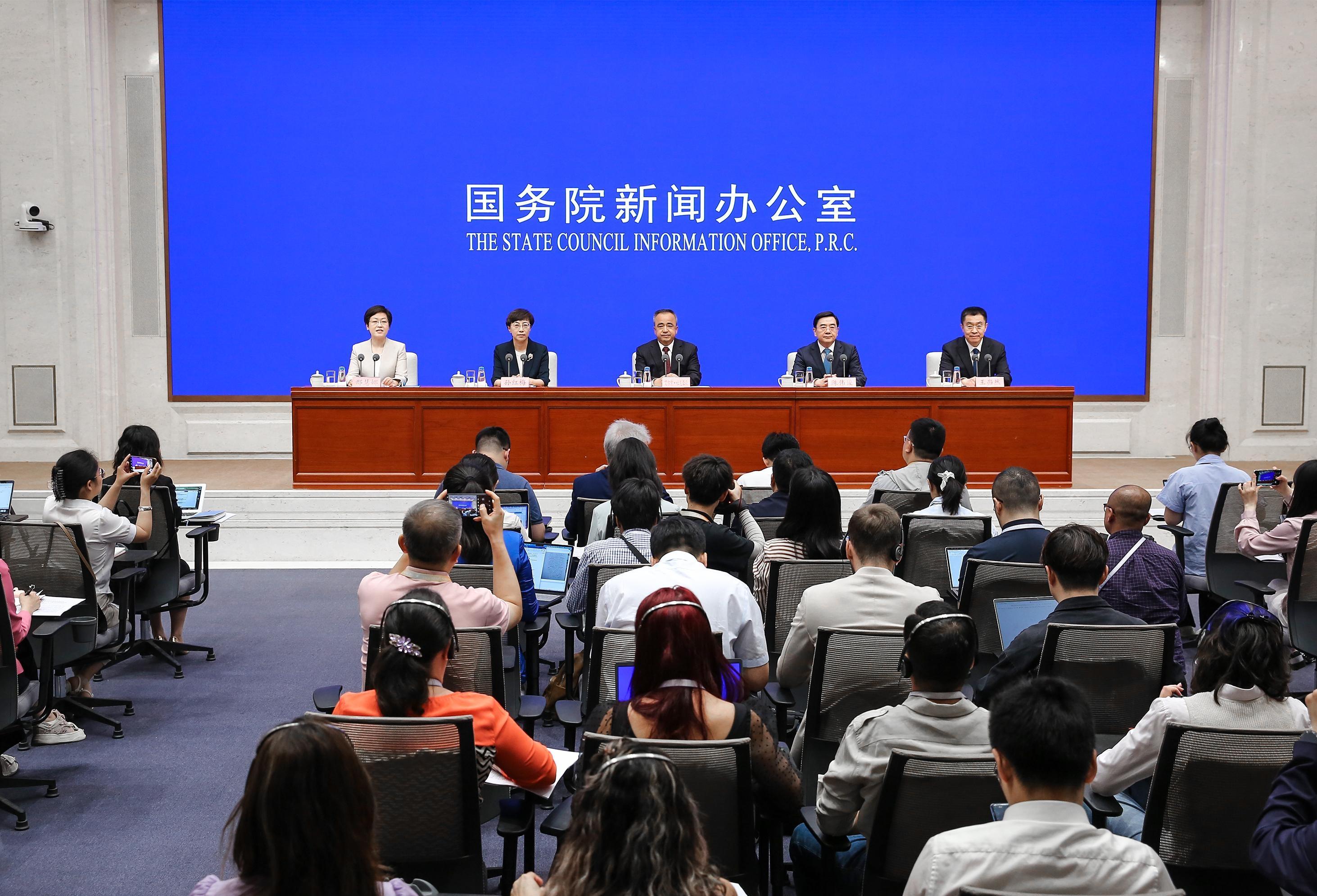
Speakers:
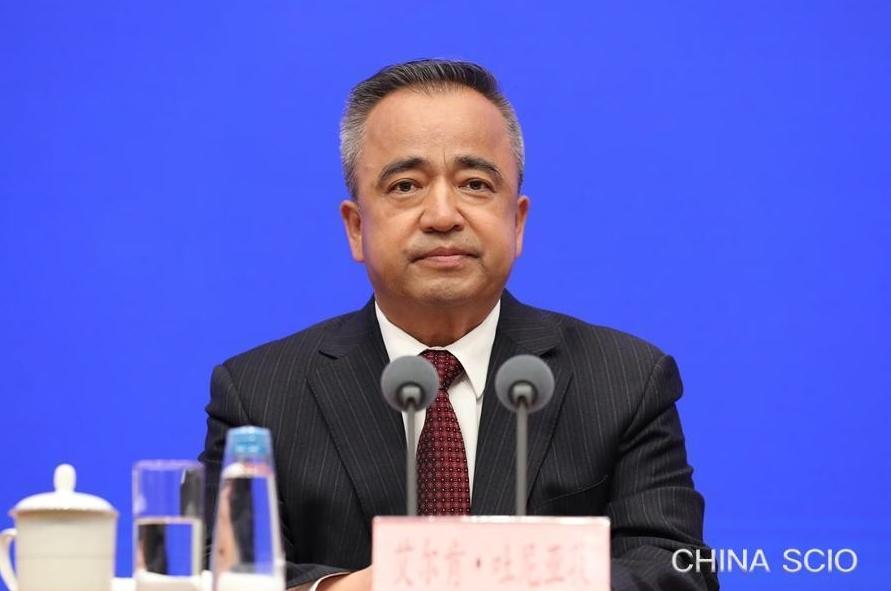
Mr. Erkin Tuniyaz, deputy secretary of the Communist Party of China (CPC) Xinjiang Uygur Autonomous Regional Committee and chairman of the People's Government of Xinjiang Uygur Autonomous Region
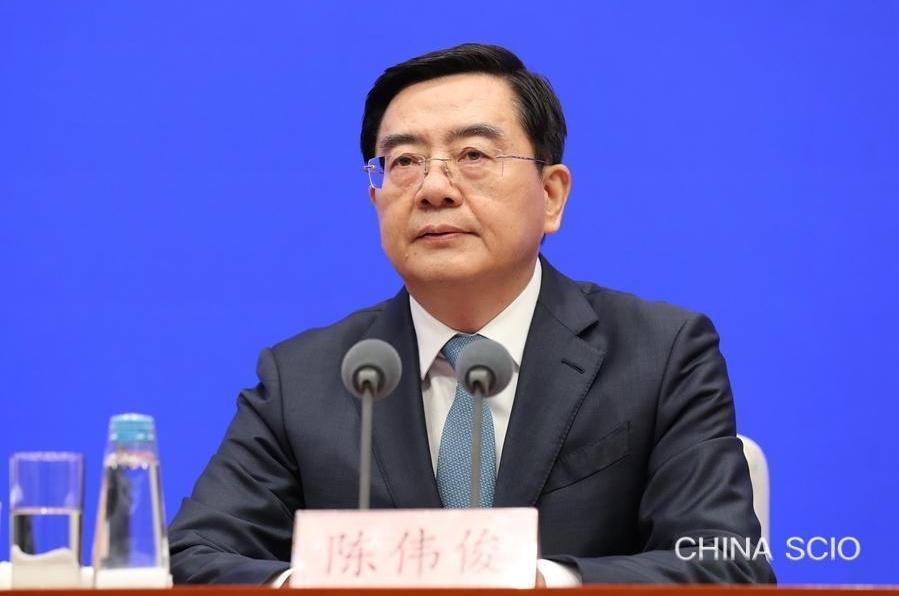
Mr. Chen Weijun, a member of the Standing Committee of the CPC Xinjiang Uygur Autonomous Regional Committee and executive vice chairman of the People's Government of Xinjiang Uygur Autonomous Region
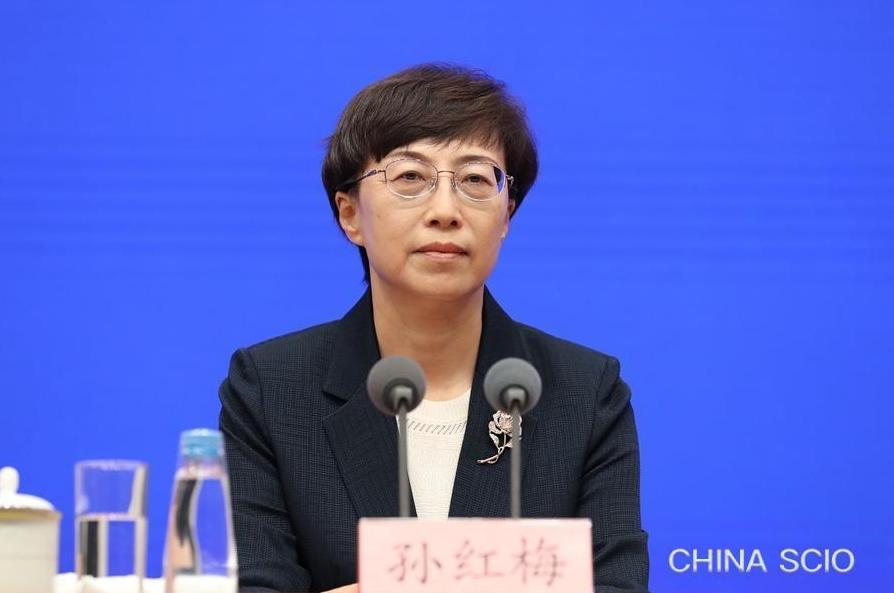
Ms. Sun Hongmei, vice chairperson of the People's Government of Xinjiang Uygur Autonomous Region
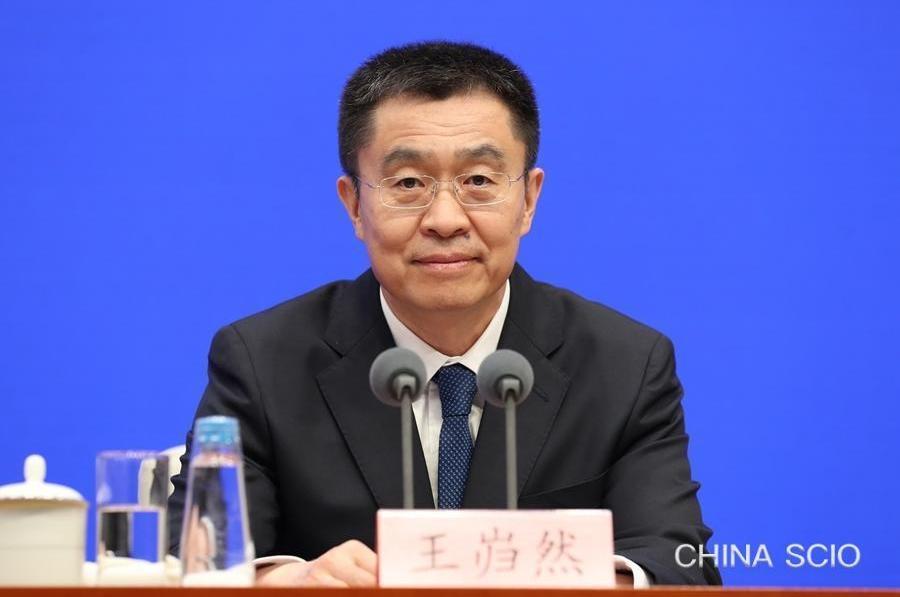
Mr. Wang Kuiran, secretary of the Leading Party Members Group of Xinjiang Uygur Autonomous Region Development and Reform Commission and deputy director of the commission
Chairperson:
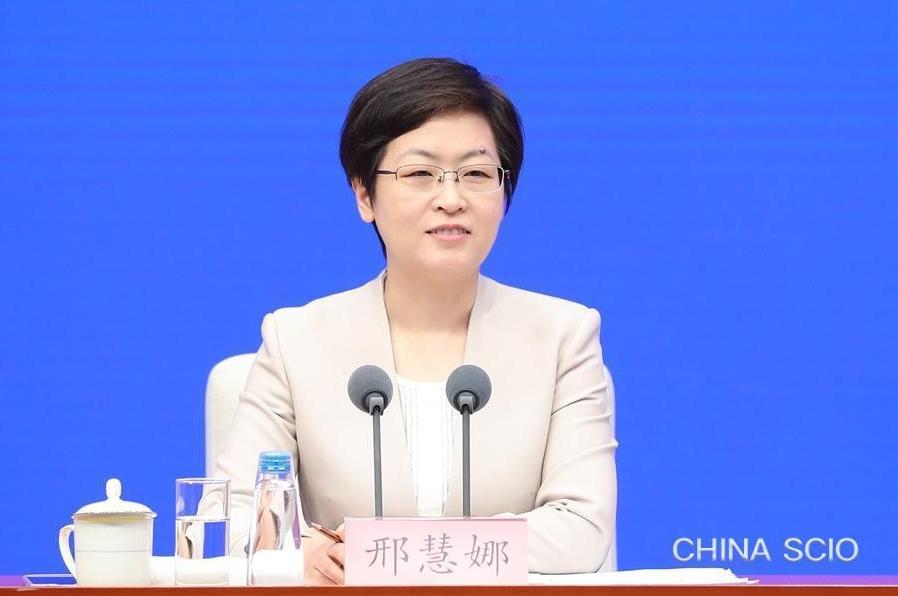
Ms. Xing Huina, deputy director general of the Press Bureau of the State Council Information Office (SCIO) and spokesperson of the SCIO
Date:
May 21, 2024
Xing Huina:
Ladies and gentlemen, good morning. Welcome to this press conference held by the State Council Information Office (SCIO). This is the 21st press conference in the series "Promoting High-Quality Development." Today, we have invited Mr. Erkin Tuniyaz, deputy secretary of the Communist Party of China (CPC) Xinjiang Uygur Autonomous Regional Committee and chairman of the People's Government of Xinjiang Uygur Autonomous Region, to brief you on Xinjiang's practices in advancing Chinese modernization with breakthroughs in high-quality development, and to take your questions. Also present today are Mr. Chen Weijun, a member of the Standing Committee of the CPC Xinjiang Uygur Autonomous Regional Committee and executive vice chairman of the People's Government of Xinjiang Uygur Autonomous Region; Ms. Sun Hongmei, vice chairperson of the People's Government of Xinjiang Uygur Autonomous Region; and Mr. Wang Kuiran, secretary of the Leading Party Members Group of Xinjiang Uygur Autonomous Region Development and Reform Commission and deputy director of the commission.
Now, I'll give the floor to Mr. Erkin Tuniyaz for his introduction.
Erkin Tuniyaz:
Ladies and gentlemen, it is a great pleasure to meet you here. First of all, on behalf of the CPC Xinjiang Uygur Autonomous Regional Committee, Xinjiang regional government, and the people of various ethnic groups in Xinjiang, I would like to express my heartfelt gratitude to you for your long-term interest in as well as support and assistance for Xinjiang.
The CPC Central Committee with Comrade Xi Jinping at its core attaches great importance to the work related to Xinjiang, and shows special care for the people of all ethnic groups in the region. General Secretary Xi Jinping once stated, with deep affection, that he has always closely followed the development and progress of Xinjiang. He made consecutive visits to Xinjiang in 2022 and 2023, where he delivered important speeches and made significant instructions, charting the course and drawing the blueprint for the region.
Over the past two years, the central government's transfer payments to Xinjiang have reached 1.05 trillion yuan, while 19 provinces and cities provided pairing assistance to Xinjiang, collectively offering over 39 billion yuan of funds. Through these efforts, the 25.98 million residents of diverse ethnic groups in Xinjiang have deeply felt the special care from General Secretary Xi Jinping and the CPC Central Committee, as well as the profound friendship of the people across the nation.
We have consistently kept in mind the instructions and pressed ahead with gratitude, firmly adhering to Xinjiang's strategic positioning in the country's overall development. We have fully and faithfully implemented the Party's strategy for governing Xinjiang on all fronts, coordinated development and security as well as opening-up and stability, and promoted high-quality development with a focus on improving people's well-being. Last year, the growth rates of the six major indicators in Xinjiang, namely GDP, investment, consumption, imports and exports, fiscal revenue, and residents' income, all ranked among the top five nationwide, making it the best year in recent times in terms of the quality and efficiency of the region's economic and social development.
First, we have promoted high-standard domestic and external opening-up, working to build Xinjiang into a crucial corridor connecting Asia and Europe and a gateway for the country's westward opening-up. We have adhered to the principle of "welcoming in and going global," and enhanced high-level visits and practical cooperation with Belt and Road Initiative (BRI) partner countries, especially the five Central Asian countries of Kazakhstan, Kyrgyzstan, Tajikistan, Turkmenistan and Uzbekistan. We have deepened exchanges and cooperation with provinces and cities providing pairing assistance to Xinjiang as well as neighboring provinces and regions. The construction of the China (Xinjiang) Pilot Free Trade Zone has been fully initiated, securing a historical breakthrough in Xinjiang's opening-up. In the past two years, Xinjiang's imports and exports have increased by 57% and 45.9%, respectively. The China-Europe and China-Asia freight trains passing through Xinjiang have made up over 60% of the national total, with the "Tianshan" freight train services operating regularly. Xinjiang is opening its door even wider.
Second, we have been actively fostering a modern industrial system to cultivate a strategic fulcrum for the new development pattern. Leveraging Xinjiang's resource endowments and industrial foundation, we have accelerated the development of eight major industrial clusters, including oil and gas, coal, coal-fired power and coal-based chemicals , green mining, and strategic emerging industries. Now, the industrial system integrating the primary, secondary and tertiary industries is becoming increasingly sound. Driven by major projects, we have advanced the implementation of 11 100-billion-yuan level projects across Xinjiang and 11 10-billion-yuan level projects in southern Xinjiang. Last year, the output of industrial silicon and polysilicon increased by 27.3% and 26.8%, respectively. The number of tourists reached a record high, with tourism revenue increasing by 2.27 times. The development of a number of high-level innovation platforms such as the Xinjiang base of the Huairou Laboratory and a laboratory of photovoltaic materials and batteries, has been expedited, empowering the transformation and upgrading of industries. We have actively absorbed industries transferred from the central and eastern regions of the country, constantly exploring effective pathways to serve and integrate into the new development pattern.
Third, we have furthered the construction of the "three bases and one corridor," with the aim of establishing a national strategic base for energy and resource security. Based on the nation's needs and Xinjiang's capacities, we have constantly advanced the construction of the national large-scale base for oil and gas production, processing and storage, the national large-scale base for coal, coal-fired power and coal-based chemicals, the national large-scale base for wind power, and the national energy and resources land corridor, representing Xinjiang's contributions to ensuring national energy and key mineral resources security. In 2023, Xinjiang's oil and gas production equivalent reached 66.06 million metric tons, ranking first nationwide for three consecutive years. The increase in raw coal production stood at 46 million metric tons, with the growth ranking second nationwide. The installed capacity of new energy such as wind and photovoltaic power has exceeded 70 million kilowatts, representing nearly one-fifth of the region's total . Xinjiang supplied 120 million metric tons of locally produced coal and 126.3 billion kilowatt-hours of electricity to other parts of the country in 2023 , illuminating and warming countless households across the country.
Fourth, we have accelerated agricultural development to invigorate the autonomous region, forging an important national supply base for quality agricultural and animal husbandry products. We have focused on ensuring national food security and the security of important agricultural product supplies, leveraging the advantages and releasing the potential of modern agriculture. In 2023, food output increased by over 6 billion jin (3 million metric tons), accounting for 34.4% of the total national increase. After achieving a balance of food supply and demand within its jurisdiction, with slight surpluses, the autonomous region now produces additional food to supply other parts of the nation. Its cotton output has reached 5.112 million metric tons, accounting for 91% of the national total, with a mechanical harvest rate of 89%. The main quality indicators were the best of the past five years. The output of aquatic products reached 183,900 metric tons, ranking first among the five provincial regions in the northwest of China. Salmon and other seafood produced in Xinjiang have become new favorites nationwide.
Fifth, we have firmly safeguarded ethnic unity and national reunification, creating a strategic shield of national geo-security. We have insisted on law-based governance, achieving stability through unity, nurturing people's souls with culture, enriching the public, bringing prosperity, and developing the region with a long-term goal. The entire society has continued to improve, with the perception of forging a strong sense of community for the Chinese nation developing deep roots. The sinicization of Islam has made solid progress in Xinjiang. Interaction, exchange, and integration among various ethnic groups have expanded. More than 75% of fiscal expenditures were used to ensure and improve the people's wellbeing, capitalizing on development achievements to continuously improve people's lives and rally their support.
In the first quarter of this year, Xinjiang's GDP grew by 5.6% year on year, with the total value added of the industrial enterprises above the designated size increasing by 8%. Fixed-asset investment rose 12.8%, general public budget revenue grew by 10.7%, and foreign trade surged by 42.7%. Key indicators outperformed expectations, marking a strong start. Going forward, we will continue to thoroughly implement the guiding principles of General Secretary Xi Jinping's important speeches and instructions, and practice the strategy for the governance of Xinjiang in the new era in a thorough, accurate, and comprehensive manner. Our aim is to improve livelihoods, strengthen social cohesion, promote high-quality socioeconomic development, and make new and greater contributions to building a great country and advancing the great rejuvenation of the Chinese nation.
Recently, the TV series "To the Wonder" has received widespread attention and sparked heated discussions. We sincerely invite everyone to visit Xinjiang, discover its beauty, and be enchanted by our hospitality.
I will end my introduction here. Thank you, everyone!
_ueditor_page_break_tag_
Xing Huina:
The floor is now open to questions. Please identify the news agency you represent before raising questions.
CCTV:
Xinjiang has demonstrated unique strengths in producing agricultural and animal husbandry products, including grain, cotton, fruit, beef and mutton. What are your considerations for developing modern agriculture in Xinjiang? Thank you.
Erkin Tuniyaz:
Thank you for the question. I will answer it myself. As the lyrics of "The Wonderful Xinjiang" depict, there are excellent pastures to the north and south of the Tianshan Mountains; rocky areas and deserts have been transformed into fertile fields; and grapes, melons, and other fruits taste exceptionally sweet. Xinjiang has unique advantages for carrying out our work on agriculture, rural areas and farmers. Thanks to its unique photo-thermal conditions and soil and water resources, Xinjiang has achieved coordinated and efficient water resource utilization. Last year, the grain planting area reached 42.372 million mu (about 2.825 million hectares), an increase of 5.863 million mu, accounting for more than 60% of the total increase nationwide. Grain output stood at 42.38 billion jin, increasing by 6.11 billion jin, accounting for more than 30% of the national increase, with a per unit area output of 1,000 jin. The increases in planting area and grain output ranked first nationwide for two consecutive years, and grain output per unit area ranked second across the country. As a national base for producing quality cotton, Xinjiang's total output and per unit area output of cotton have both ranked first nationally for 30 years in a row. Through these achievements, Xinjiang has ensured food security for locals and positively contributed to ensuring the national security of grain and other important agricultural products.
From a new starting point, we will adhere to our goals for developing strengths in agriculture, spare no effort to build an important national base to supply quality agricultural and animal husbandry products, and implement the major strategy of all-around rural revitalization through solid steps. First, we will further improve the capacity to supply grain and other important agricultural products. Utilizing favorable natural and climate conditions as well as ample farmland, we will explore the potential of water resources, striving to maintain a total cotton output of more than 5 million metric tons and increase grain output by at least 2 billion jin this year. We are creating a "granary in western China" and aim to provide more Xinjiang-produced grain to feed the country. Second, we will make special efforts to step up the clustered development of agriculture and related industries, involving grain and oil, cotton, textile and apparel, green and organic fruit and vegetables, and quality animal husbandry products. We will empower leading enterprises, complete industrial chains, foster new business formats, and cultivate famous brands, with the aim of quickly establishing a modern agricultural industrial system. You may have heard Xinjiang folk songs extolling local fruit products, such as grapes from Turpan, melons from Hami, and fragrant pears from Korla. Xinjiang will continue to build its reputation as a land of fruits, promoting more quality agricultural products to become household names, such as Kashgar pomegranates, Aksu apples, and Hotan jujubes. It is also well known that Xinjiang produces quality beef and mutton, as the cattle and sheep here drink melted snow water flowing down the Tianshan Mountains and eat natural grass. Xinjiang's lamb skewers have gained national fame. We will enhance advantageous famous brands, expand marketing channels, and provide more people with quality animal husbandry products from Xinjiang. Third, we will enhance the provision of farmland, water resources, and scientific and technological strengths, among other factors. We will firmly promote the development of high-standard cropland and high-efficiency, water-saving irrigation, carry out action to revive the seed industry, and increase efforts to develop core agricultural technologies regarding high-yield cultivation and the prevention and control of crop pests and diseases. We aim to accelerate high-quality agricultural development and enable farmers and herders to steadily increase their income and wealth while benefiting from the achievements of rural revitalization. That's all I have to say; thank you all!
_ueditor_page_break_tag_
CRNTT:
Xinjiang enjoys a good reputation across the country. The recent hit TV series "To the Wonder" has made Altay an ideal place in the minds of many people . What measures will Xinjiang take to promote the high-quality development of tourism in the future? Thank you.
Erkin Tuniyaz:
I would like to invite Ms. Sun to answer your question.
Sun Hongmei:
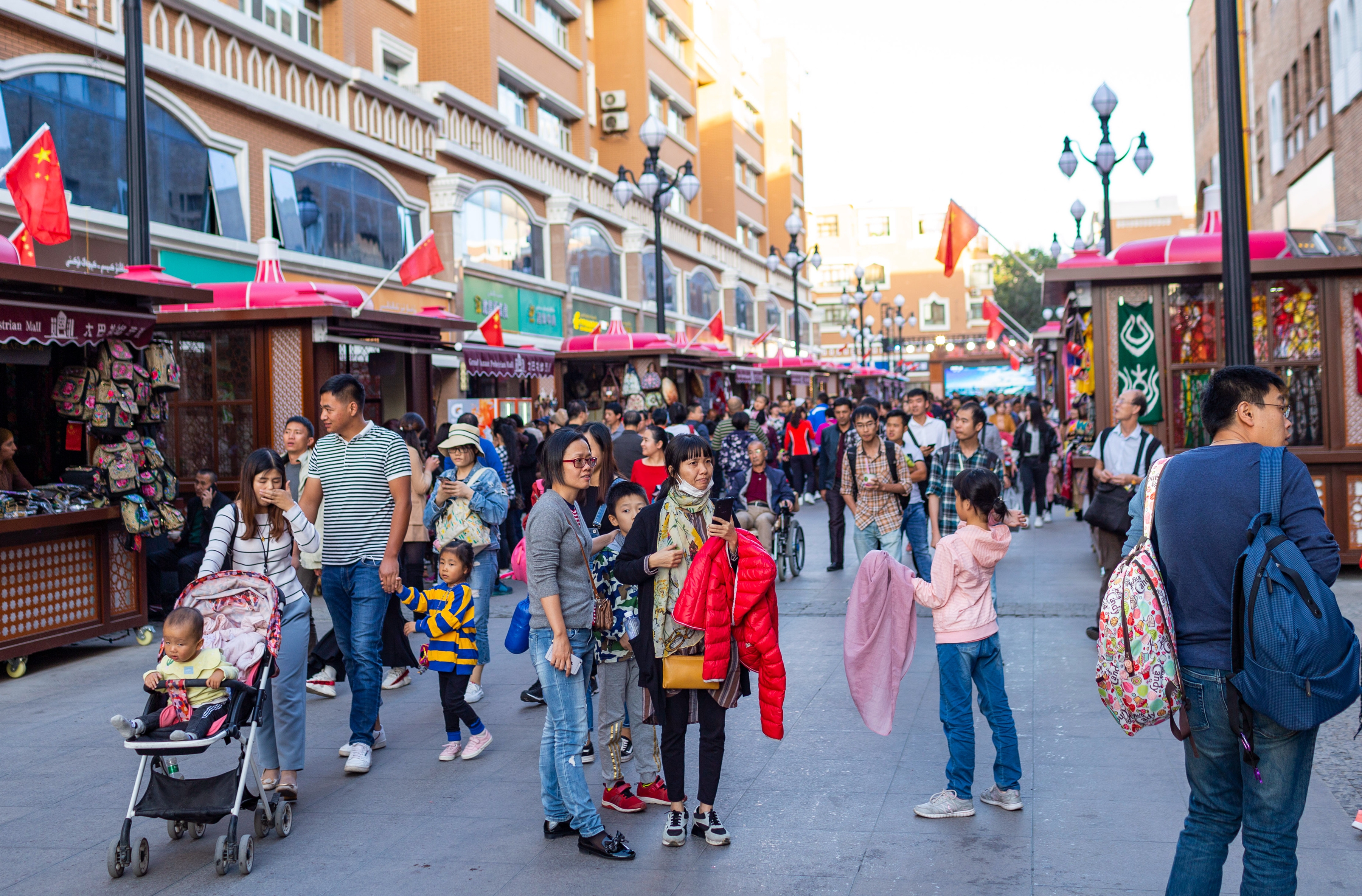
Thank you for your question. Just now, Mr. Erkin Tuniyaz also mentioned the TV series "To the Wonder." I believe that the reason this show has moved and attracted so many viewers is because of Xinjiang's splendid natural scenery, distinctive ethnic customs, as well as the exchanges and interactions among multiple ethnic groups. In this way, Altay prefecture is an epitome of Xinjiang. Xinjiang boasts world-class cultural tourism resources, including unique natural landscapes, snowy mountains, the Gobi Desert, forests, grasslands, lakes and other deserts. It also enjoys profound history and culture as the four ancient civilizations converged there. The ancient city of Loulan, Jiaohe Ancient City Ruins, Gaochang Ancient City Ruins, Kizil Grottoes and Subashi Buddhist Temple Ruins are well-recognized throughout the world. Multiple ethnic cultures blend with each other and coexist harmoniously in Xinjiang, creating a vibrant tapestry of intangible cultural heritage resources including the Uygur Muqam art, the Kirgiz epic Manas, the Kazak Aytes ballad singing, and the Mongolian epic Janger.
We will earnestly implement the important instructions issued by General Secretary Xi Jinping on tourism, uphold fundamental principles, break new ground, improve quality and efficiency, promote integrated development, and step up efforts to transform Xinjiang from a region abundant in tourism resources to a region with strong tourism performance, thus making tourism a pillar industry to bring greater prosperity to the region and its people.
First, we will deepen the integration of cultural and tourism industries. With a focus on forging a strong sense of community for the Chinese nation, we will shape tourism through culture and highlight culture through tourism, so that we can fully explore and make good use of our rich historical, cultural and revolutionary legacies to create quality tourism products with rich cultural connotations and distinctive characteristics. We will accelerate the development of archaeological site parks such as the Ruins of the Western Regions Frontier Command Headquarters, and Beiting Ancient City Site, while building high-quality tourist attractions based on world-class cultural heritage such as the Kizil Grottoes and the Subashi Buddhist Temple Ruins. Meanwhile, the Xinjiang Intangible Cultural Heritage Museum will be completed and open to public this year thanks to the deep integration between intangible cultural heritage and the tourism sector.
Second, we will build a gathering area for high-level tourism brands. We will exert greater efforts to upgrade tourist attractions, give full play to the driving role of UNESCO World Heritage sites and national 5A scenic spots, and develop world-class tourist destinations. We will improve the quality of the Dushanzi-Kuqa Highway, G219, Yining-Zhaosu Highway, Altay-Hemu Highway and other unique scenic roads, to create top self-drive tour routes in China.
Third, we will foster distinctive models of tourism. Relying on the advantages of rich snow and ice resources in the Altay and Tianshan mountains, we will encourage the development of winter economy clusters to create winter sports and tourism resorts that are known worldwide. We will also vigorously develop special tourism aimed at adventure, study, health care, desert exploration and low altitude experiences, and promote tourism related to ethnic customs while developing products for both border and cross-border tourism.
Fourth, we will optimize the quality of tourism services. We will improve comprehensive service facilities in transportation, accommodation and catering sectors, accelerate the development of smart tourism, facilitate inbound tourism, and strengthen the supervision of the tourism market, thus building a "smiling Xinjiang" service brand.
Xinjiang is now entering its best season for tourism. I would like to welcome all of you to visit. Thank you.
_ueditor_page_break_tag_
21st Century Business Herald:
We know that Xinjiang's economy is dominated by traditional industries and the region is facing challenges of industrial transformation and upgrading. How is Xinjiang promoting the development of a modern industrial system?
Erkin Tuniyaz:
Thank you for your question; I'll answer it. Xinjiang is a vast region with abundant resources, just as a saying goes: "Xinjiang's mountains all boast rich mineral resources of gold, copper and iron, while its basins have huge reserves of coal, oil and gas." Making the best use of its natural resources is crucial for fostering Xinjiang's modern industrial system and realizing its high-quality development. We are stepping up efforts in the development of a new power system, the increase of petroleum and natural gas reserves and production, the promotion of a cleaner and more efficient use of coal, as well as the exploitation and utilization of mineral resources. Through these efforts, we will create a strategic base for guaranteeing the country's energy resources and provide important support in terms of energy resources for China's modernization drive.
Next, our considerations will focus on several aspects. First, we will consolidate and enhance our competitive industries, particularly in the oil, gas, and coal sectors. Xinjiang has ranked first in oil and gas production for three consecutive years, and the first 10,000-meter-deep well in Asia was drilled in the Tarim Oilfield. Our output of synthetic natural gas converted from coal accounts for 45% of the national total, and the world's first direct liquefaction coal-to-liquid fuel project is under construction in Hami. The concept of "turning coalfields into oilfields" is gradually becoming a reality. We will step up efforts to increase oil and gas reserves and production, unleash the advanced and high-quality capacity of coal, and continuously extend the industrial chain to maximize the efficiency of every piece of coal, every drop of oil, and every cubic meter of gas. Second, we will cultivate and expand emerging industries and explore new paths for clean energy. Xinjiang has abundant wind and solar energy resources, ranking among the top in the country. In recent years, we have comprehensively developed the wind and solar energy industry chain. In 2023, our solar and wind power generation accounted for 4.6% and 7.3% of the national total, respectively; and Xinjiang ranked second nationwide in terms of newly added capacity of new energy connected to the grid. The vast Gobi Desert has transformed into a treasure land for the development of new energy and other industries. We will accelerate the construction of wind power, photovoltaic power, and other clean energy bases , promote the large-scale and intensive development of new materials such as silicon-based and aluminum-based materials, vigorously build a new type of power system, and achieve coordinated development of photovoltaics, deserts, and ecology. Third, we will transform and upgrade traditional industries to stimulate new green and low-carbon growth drivers. In recent years, Xinjiang has made great efforts in enhanced industrial foundation, efficiency improvement, and transformation and upgrading. Last year, we specifically held a conference on green industrial development and released the "100 Major Low-Carbon Technologies in the Industrial Sector." As a result, an increasing number of low-carbon and zero-carbon factories have emerged. With the continuous advancement of green production in the manufacturing industry, the traditional image of our industrial structure that is "heavy, coarse, and polluting" is gradually fading away. As you just mentioned, in spite of a greater share of traditional industries, Xinjiang has seen continuous improvements in its industrial structure. We will accelerate digitalized and intelligent transformation, strongly support enterprises in adopting new technologies and models, promote equipment renewal and process upgrading, and continuously make the manufacturing industry more intelligent and eco-friendly with higher quality. Furthermore, in the country's new round of strategic initiative for mineral exploration, 120 key mining areas have been designated in Xinjiang, ranking first nationwide. We will exert all efforts to promote the exploration, development, and utilization of important mineral resources, conduct in-depth surveys and examinations of mining sites, and strive to realize the full value of mineral deposits. We will make our own contributions to ensuring the security of China's energy resources as well as the country's important industrial and supply chains.
That's all for my introduction. Thank you.
_ueditor_page_break_tag_
The Orinoco Post:
How does Xinjiang promote youth employment? What is the employment level of young people in Xinjiang in 2023 and the expected employment in the future? What fields do they prefer to work in? Thank you.
Erkin Tuniyaz:
I'd like to ask Mr. Chen, our executive vice chairman, to answer this.
Chen Weijun:
Thank you for your questions. The youth, with their vitality and courage to innovate, are a vital force for the development of Xinjiang and represent hope. Over the years, we have always focused on promoting employment for young people, especially college graduates, and have made every effort to support their employment and entrepreneurship. In 2023, the employment rate of college graduates reached over 90% in Xinjiang. This year, the number of young people, including recent graduates from universities in Xinjiang, has further increased. While it may appear to bring pressure to the job market, we understand that fundamentally it provides solid talent power for Xinjiang's high-quality development, which is a positive thing. We will introduce targeted policies and measures, carry out a series of service activities, and support them in showcasing their talents and abilities and making achievements in various industries.
First, we will enhance efforts to expand employment channels. We will stabilize and expand recruitment in government agencies, public institutions, state-owned enterprises, and grassroots projects, and encourage graduates to seek employment in micro, small and medium-sized enterprises and grassroots organizations in urban and rural areas. We also support their self-employment and flexible employment.
Second, we will enhance efforts to promote job opportunities. We will continue to combine online and offline methods and further promote public employment services in universities and colleges. We will make job information, guidance, training, and entrepreneurial support services easier to access for graduates. Recently, we held the 2024 Spring Job Fair for college graduates, where more than 1,031 companies and public institutions offered over 25,000 job positions. The event attracted 36,000 job seekers, and the live online broadcast had over 3.3 million participants.
Third, we will enhance efforts to improve their skills. We will continue to implement the recruitment program for youth employment internships to improve their practical skills. To address the career development needs of young people, we will actively organize skill training programs and encourage them to participate. Our goal is to support their employment by helping them to acquire relevant skills.
Fourth, we will intensify support for those facing difficulties. We will promptly provide personalized services to graduates who have not found employment after leaving school. Focused support and priority services will be offered to graduates with employment challenges. Additionally, unemployed youth will be quickly included in employment and unemployment management services to help them better integrate into the job market.
Here, I would like to emphasize that Xinjiang has a vast land, significant employment potential, and great opportunities for entrepreneurship. We warmly welcome ambitious young people to actively engage in the vibrant development of Xinjiang and write a splendid chapter of their lives.
That's all from me. Thank you!
_ueditor_page_break_tag_
Guangming Daily:
General Secretary Xi Jinping highlighted that forging a strong sense of community for the Chinese nation should be the main task for the Party's ethnic work and all other initiatives in areas with large ethnic minority populations. As Xinjiang is an ethnic region, what are the considerations in this regard? Thank you.
Erkin Tuniyaz:
Thank you for your question. I will answer it. General Secretary Xi Jinping's important speeches on nurturing a strong sense of community for the Chinese nation have provided clear guidance for the Party's ethnic work and initiatives in regions with large ethnic minority populations in the new era. Recently, the regional Party committee convened a meeting focused on this central theme, clearly stating that all efforts in Xinjiang's reform, development, and stability must revolve around and serve this primary objective.
We have always been committed to improving people's livelihoods to promote high-quality development. We have not only focused on overall growth volume and speed, but also prioritized addressing the issues that concern the people most. After years of effort, the lives of people from various ethnic groups across the region have changed tremendously. They have genuinely felt the care of General Secretary Xi Jinping and the CPC Central Committee, as well as the warmth of the Chinese nation. As I mentioned earlier, several measures have been introduced to promote high-quality development. The most significant of these is ensuring that people of all ethnic groups share the benefits of development, leading to better lives and increased unity.
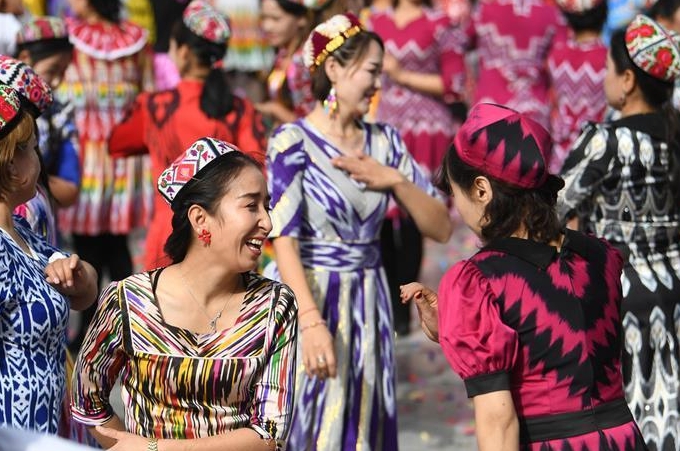
We have always aimed to enhance cultural identity by conducting cultural initiatives and promoting the vibrant integration of fine traditional Chinese culture into the work, study, and lives of people from various ethnic groups. Tourists from across China and abroad can easily witness the vibrant cultural tapestry of Xinjiang, with people from different ethnic groups performing the traditional Meshrep dance, singing Qin and Henan operas, and embodying a true sense of harmony. Moving forward, we will fully leverage historical facts, archaeological findings, and cultural relics to tell compelling Xinjiang stories that strengthen the sense of community for the Chinese nation. This will unite people of all ethnic groups and contribute to building a modern Chinese civilization.
We have always considered ethnic unity our lifeline, vigorously promoting interactions and integration among different ethnic groups. Many touching stories have emerged in Xinjiang, such as Pan Yulian, a teacher who has voluntarily cared for and tutored more than 2,000 Uyghur children over 32 years. Many of these children have gone to college and fulfill their dreams, affectionately calling Pan "Mother." Another inspiring example is Anipa Alimahong, known as the "Legendary Mother," who has adopted 10 orphans from four different ethnic groups. Her story has been adapted into the film "True Love," which I highly recommend for its incredible emotional impact. Additionally, there is the story of Abudujiapaer Mengde, affectionately known as "Uncle Party Badge." He selflessly helps tourists in need without expecting anything in return. Unable to speak standard Chinese, he shows his Party badge to refuse monetary gratitude, a gesture that has touched many hearts online. After helping a tourist, he lifted his shirt to reveal his Party badge and said, "I can't accept the money." We will continue to foster a strong atmosphere of coexistence, co-learning, co-working, and co-enjoyment among all ethnic groups, promoting unity as tightly as pomegranate seeds clinging together.
That's all from me. Thank you.
_ueditor_page_break_tag_
Beijing Radio and Television Station:
As Mr. Erkin Tuniyaz mentioned, the pairing assistance program has provided substantial help to Xinjiang. Nineteen provinces and municipalities, including Beijing, have taken on this task. How does the autonomous region leverage these supporting policies to continually improve its self-reliance? Thank you.
Erkin Tuniyaz:
Mr. Wang will answer this question.
Wang Kuiran:
There is a consensus across Xinjiang on the pairing assistance program: this initiative is efficient, and people of all ethnic groups are immensely grateful. We express our gratitude to General Secretary Xi Jinping and the CPC Central Committee for tailoring this national strategy specifically for Xinjiang, showcasing the political advantage of socialism in mobilizing resources for major initiatives. This strategy has played a pivotal role in consolidating and expanding the achievements of poverty alleviation, ensuring that no one is left behind on the path to common prosperity. We also give thanks to the 19 provinces and municipalities, central government agencies, and central enterprises for their unwavering support for Xinjiang. With over 17 billion yuan invested in Xinjiang annually, 70% of which goes to southern Xinjiang, this support has been instrumental in helping the region achieve high-quality development alongside the rest of the country. Additionally, we deeply appreciate the thousands of officials who have come to support Xinjiang. Their selfless dedication and commitment are invaluable. They have engaged in multi-level, multi-channel, and regular exchanges and interactions by forming close bonds with local officials and residents. This collaboration has significantly contributed to the remarkable progress in Xinjiang's development in the new era.
Next, we must integrate the forging of a strong sense of community for the Chinese nation into the entire process of supporting Xinjiang, adhere to the principle of putting equal emphasis on receiving aid and becoming self-sufficient, work hard on self-sufficiency and consolidate the material, social and ideological foundations for uniting people.
First, we need to consolidate the foundation for self-sufficiency. We will focus on science and technology, education, and human resource, which are fundamental and basic works key to the long-term development of Xinjiang. We will improve education and teaching activities of various types and at all levels, and firmly promote the education of standard spoken and written Chinese. We will build, renovate and expand a group of colleges and universities. Various teams will be sent here to offer support not only in education and medical care but also in culture, science and technology and industrial development, and at the same time, we will deepen the exchange and cooperation of officials and professionals to improve Xinjiang's own development capabilities.
Second, we will make good use of our strength in achieving self-sufficiency. Xinjiang is very rich in resources. We should better absorb the industrial capacity transferred from provinces and municipalities involved in pairing assistance, and extend, strengthen and supplement the industrial and supply chains of the eight major industrial clusters . Xinjiang also enjoys geographical advantages. Together with the provinces and cities involved in the pair assistance with Xinjiang , we will join hands to open up to the west, make good use of our free trade zones and ports, exert the role as a core area of the Belt and Road, and leverage opening-up platforms including the China-Europe Railway Express assembly center. We must build the tourism industry into an important pillar for opening up, exchange and communication, so that the employment of all ethnic groups can be boosted and their livelihoods can be improved through tourism. At the same time, we can enhance mutual understanding and recognition through exchange.
Third, we aim to achieve positive results through self-sufficiency. We will deepen cooperation and exchange with provinces and municipalities involved in pairing assistance to Xinjiang, especially strengthening a guarantee to energy security and systematically planning electricity and coal exports as well as gas transmission to the east, thus building a national strategic base for energy and resource supply. At the same time, we will give full play to the advantages of integrated water resource utilization efficiency, vigorously develop protected agriculture, build high-quality grain, oil, fruit and vegetable, and livestock product industrial clusters as well as contribute Xinjiang's strength to the country's food security and the supply of important agricultural products.
That is all from me for this question. Thank you.
_ueditor_page_break_tag_
People's Daily:
I noticed that Xinjiang in recent years has continued to promote many projects to benefit the people. How is the progress going? What aspects will you focus on to ensure as well as to improve people's wellbeing in the next stage? Thank you.
Erkin Tuniyaz:
Thank you for your questions. I will answer these questions. No matter is too small if it delivers benefits to the people. Over the years, we have focused on the major practical issues of greatest public concern that directly affect people's wellbeing, such as education, employment, medical care and housing, and have solved many pressing difficulties and problems.
In terms of education, we have continued to increase investment in related resources in recent years. 15-year free education from kindergarten to high school has been achieved in southern Xinjiang's urban and rural areas. On average, there is one kindergarten for every 102 children in Xinjiang and one primary school for every 783 students. The gross enrollment ratio for high school has reached 98.25%. A great number of young people from all over the country have taken root in Xinjiang and devoted themselves to the cause of education. Now in the north and south of the Tianshan Mountains in Xinjiang, the best buildings are schools, and the most beautiful sceneries are on their campuses. We will accelerate the implementation of the initiative to upgrade basic education so that more families and children can enjoy quality educational resources.
In terms of employment, we do our best to support employment, which is pivotal to people's wellbeing . Mr. Chen Weijun just gave a detailed introduction on this issue. We leave out nobody with employment difficulties, provide comprehensive assistance and implement targeted policies for everyone in need. In 2023, a total of 482,200 new urban jobs were added, and the phenomenon of urban zero-employment families has always been addressed in no time. We always recommend surplus rural labor obtain employment locally, and also fully respect personal willingness and support them to find jobs elsewhere. We will take more policy measures to promote employment, increase income and warm people's hearts, as well as improve service inputs, remove bottlenecks and solve difficulties, promote employment and entrepreneurship through multiple channels and strive to achieve fuller and higher-quality employment.
In terms of medical services, we channel more high-quality medical resources toward lower-level medical institutions, and a medical and health service network covering urban and rural areas has been established. Now every village has a standardized clinic, and county-level hospitals can provide telemedicine, achieving the goal of minor illnesses, common illnesses and serious illnesses being cured locally at village level, town and township level, and county level medical facilities, respectively. We will focus on the development of a healthy Xinjiang, make every effort to improve the quality of public medical services, continuously strengthen the supply of high-quality medical resources and even distribution among regions, as well as provide the people with more and higher-quality health services.
In terms of housing, we have built a total of 2.7 million rural earthquake-resistant houses in Xinjiang, and more than 11 million farmers and herdsmen have moved into new homes. In January this year, a 7.1-magnitude earthquake jolted Wushi county, Aksu prefecture. The houses of farmers and herdsmen in that area withstood the test of this severe earthquake, bringing not only comfort but also a sense of security to the people. We will continue to improve the housing conditions of the people, scale up the construction and supply of government-subsidized houses, and strive to create a happy home for people of all ethnic groups.
At the same time, Xinjiang will continue to address the "10 livelihood matters," ensuring the fulfillment of our commitment. Overall, our work will focus on the people's needs and ensure that development fully benefits all ethnic groups.
That's all I have to say. Thank you.
_ueditor_page_break_tag_
China Daily:
We know that Xinjiang is an important passage connecting Central Asia, West Asia and Europe. In recent years, we have observed rapid growth in Xinjiang's foreign trade. Could you explain how Xinjiang is leveraging its new advantages to promote high-level opening-up? Thank you.
Chen Weijun:
Thank you for your question. As for this question, Mr. Erkin Tuniyaz mentioned some important information earlier. In general, with the promotion of the country's westward opening-up and the building of the core areas of the BRI , Xinjiang has transformed from an isolated inland area into the forefront of opening-up, emerging as the main gateway for our country's westward opening-up. In 2007, Xinjiang's total import and export volume surpassed 100 billion yuan, and in 2022, it exceeded 200 billion yuan. It took 15 years to go from 100 billion to 200 billion yuan. However, it took only one year to go from 200 billion to 300 billion yuan. Last year, the total import and export volume reached 357.3 billion yuan; this year, it is expected to exceed 400 billion yuan.
We are now focusing on the strategic positioning assigned to Xinjiang by the nation as a "golden channel" between Asia and Europe as well as a bridgehead for China's westward opening-up . We aim to integrate Xinjiang's regional opening-up with the national overall layout of westward opening-up, accelerating its progress and efforts to promote both domestic and international openness. Our work addresses three aspects:
First, we have deepened extensive cooperation with neighboring countries across various fields. Over the past two years, we have intensified efforts under the principles of "welcoming in" and "going global," resulting in an expanding network of economic and trade partnerships in Xinjiang. Since last year, Xinjiang's top leaders, including Party Secretary Ma Xingrui and Chairman Erkin Tuniyaz, have personally led delegations to major Central Asian countries such as Kazakhstan, Uzbekistan, Kyrgyzstan, Tajikistan, and Turkmenistan. This has led to the comprehensive implementation of the consensus reached by the heads of state of China, Kazakhstan, Uzbekistan, and Kyrgyzstan, resulting in numerous cooperative initiatives in the new energy, healthcare, and agricultural product processing industries. Consequently, Xinjiang's comprehensive and pragmatic cooperation with neighboring countries has reached an unprecedented level. Xinjiang has established eight mechanisms for regular cooperation with neighboring countries and regions. Activities such as the China-Kazakhstan Entrepreneur Matchmaking Event and forums with some countries in certain fields are conducted regularly. Additionally, we are strengthening exchanges and cooperation with central enterprises, provinces and municipalities involved in the pairing-assistance to Xinjiang, and neighboring provinces and regions. Therefore, the building of the core area of the BRI relies on joint efforts and collaboration from all parties.
Second, we have been constructing a large-scale westward opening-up channel. Practice has proven that this channel is fundamental and decisive. Currently, 118 bilateral international road transport routes have been opened, accounting for approximately one-third of the national total. The cargo-handling capacity of cross-border railways through Horgos Port and Alashankou Port has significantly increased. The construction of the third cross-border railway between China and Kazakhstan, the Ayagoz -Tacheng railway, has commenced, and the China-Kyrgyzstan Biedieli Port is expected to become operational this year. We will accelerate the construction of the China-Central Asia transportation corridor through a series of measures, strengthen port infrastructure, and further enhance our customs clearance and cargo handling capabilities.
Third, we have been fully leveraging the role of opening-up platforms. These platforms are a major comparative advantage for Xinjiang. Xinjiang currently has 18 foreign opening-up ports officially approved by the State Council and 56 national-level key opening-up and industrial development platforms across 14 categories, comparable to those in other regions. We will make good use of various opening-up platforms such as the China-Kazakhstan Horgos International Border Cooperation Center , comprehensive bonded zones, cross-border e-commerce pilot zones, and specialized import and export processing zones to vigorously develop the import and export processing trade, service trade, and cross-border e-commerce. We will promote high-quality and efficient foreign trade development and contribute Xinjiang's efforts to achieve a stable volume, improved structure, and increased market share in foreign trade.
That's all I have to say. Thank you!
Erkin Tuniyaz:
I would like to add one more thing here. The 8th China-Eurasia Expo will open in Xinjiang on June 26. We extend a sincere welcome to all our friends to join us for this occasion.
_ueditor_page_break_tag_
Xing Huina:
One last question due to time constraints.
Beijing Youth Daily:
The China (Xinjiang) Pilot Free Trade Zone (FTZ) is the nation's youngest pilot FTZ. A general plan issued by the State Council for establishing the Xinjiang pilot FTZ proposed 129 pilot tasks. What specific progress has been made in regard to these tasks? What's your plan for the next step? Thank you.
Sun Hongmei:
Thank you for your questions. After the approval of the China (Xinjiang) Pilot Free Trade Zone, the Xinjiang Uyghur autonomous region upheld the principle of planning before taking actions and formulated an implementation plan for the pilot FTZ construction based on the actual conditions of the autonomous region. We initiated 129 pilot tasks across the board, 15 of which have seen implementation. Our goal this year is to complete more than half of these tasks. Next, we will focus on three areas:
First, building an open and distinctive industrial system. The autonomous region will actively embrace the transfer of export-oriented industrial chains from the eastern region, especially those labor-intensive industrial chains. It will also expand market access to and increase the import of products from Central Asian countries and other neighboring countries, create a regional processing and distribution hub for international primary products, and establish industrial clusters for industries, such as specialty agricultural and sideline products, pharmaceuticals, refining and petrochemicals, textiles and garments, equipment manufacturing, and general aviation.
Second, constructing a comprehensive logistics hub connecting Europe and Asia. The autonomous region will build a national logistics hub in Urumqi based on its land port and airport, a land border port-type national logistics hub in Khorgos, and an international trade and logistics channel in Kashgar. At present, we are accelerating the construction of projects such as China-Europe Railway Express assembly centers, the Eurasia International Road Transport Center, and the Urumqi Airport Economy Zone. We are also promoting road-rail, rail-sea transport, and land port-airport interconnection, achieving compatibility of rules and mutual recognition of standards in regard to international transport and keeping the cross-border transport corridor more unimpeded. All these efforts have produced initial results. From January to April this year, a total of 435 China-Europe and China-Asia freight trains were operated in the Urumqi International Land Port Area, up 13.5% year on year; the number of freight trucks passed through the Khorgos highway port has more than doubled to 68,600; and the international cargo and mail throughput of the Urumqi Airport and the Kashgar Airport increased by more than three times.
Third, enhancing the level of trade facilitation. The autonomous region will strive to cultivate cross-border e-commerce business entities and support the construction of border warehouses and overseas industrial parks. Seeking to innovate the supervision model related to foreign trade, we have adopted a "supplier-to-highway port" integrated customs clearance model, more than doubling the customs clearance efficiency. We will modernize the border ports at a faster pace and promote the smart port program. We will also strengthen economic and trade cooperation with the Central Asian countries and other neighboring countries and hold a successful China-Eurasia Expo. In this regard, Mr. Erkin Tuniyaz just extended his gracious invitation. Moreover, we will accelerate the construction of the Silk Road Economic Belt Legal-services District and promote more open and innovative financial services.
The Xinjiang pilot FTZ is now in its initial stage of construction. We believe that with the consistent implementation of reform and innovation measures, development momentum will be further unleashed. That concludes my introduction. Thank you.
Xing Huina:
Today's press conference concludes here. Thank you, speakers. Thank you to all friends from the media for your participation. Goodbye.
Translated and edited by Xu Xiaoxuan, Zhang Junmian, Liu Sitong, Wang Yanfang, Zhang Tingting, Liu Caiyi, Ma Yujia, Qin Qi, He Shan, Yan Bin, Wang Ziteng, Huang Shan, Li Xiao, Li Huiru, David Ball, Jay Birbeck, Tom Arnsten and Rochelle Beiersdorfer. In case of any discrepancy between the English and Chinese texts, the Chinese version is deemed to prevail.