.
Read in Chinese
Speakers:
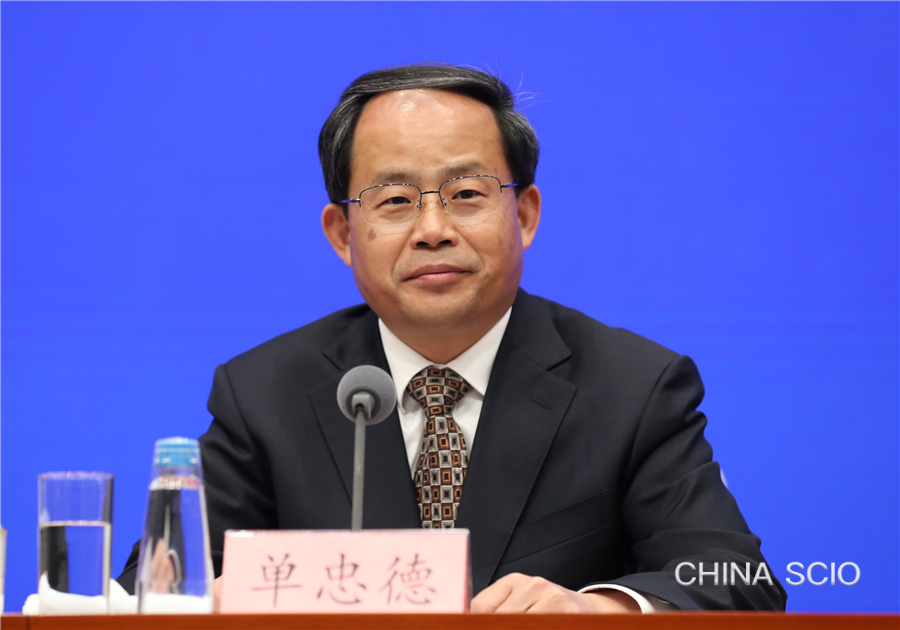
Mr. Shan Zhongde, vice minister of industry and information technology
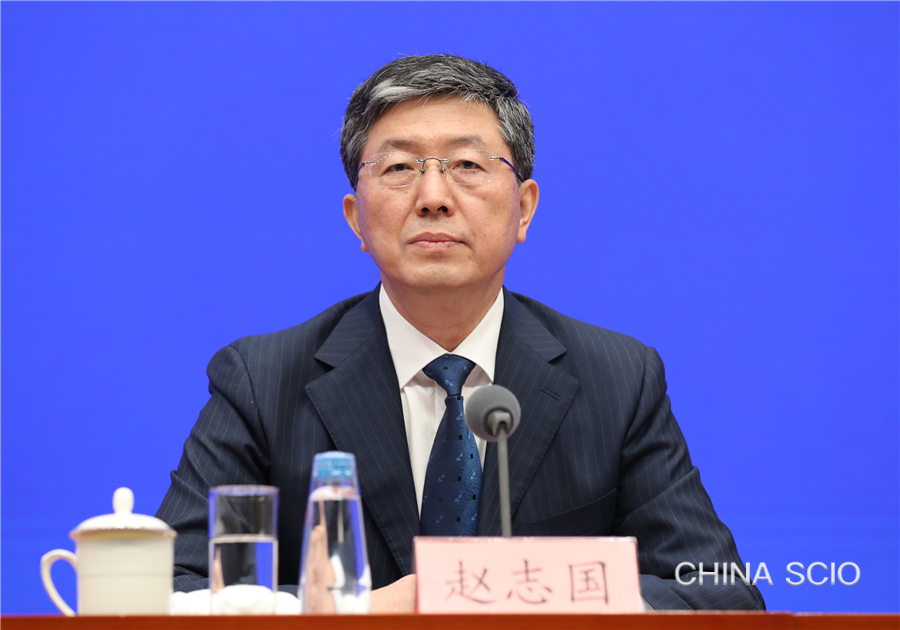
Mr. Zhao Zhiguo, spokesperson and chief engineer of the Ministry of Industry and Information Technology (MIIT)
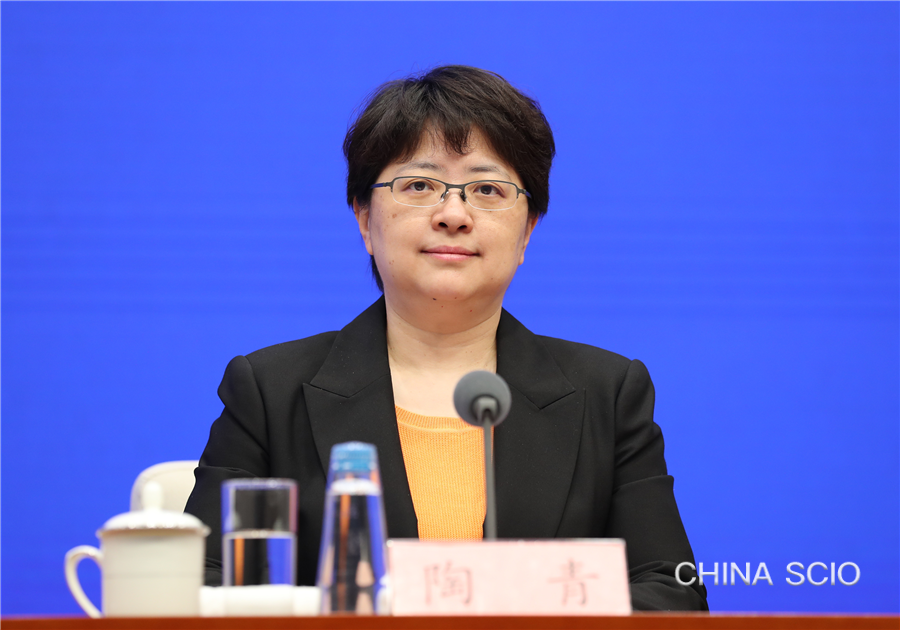
Ms. Tao Qing, spokesperson for MIIT and director general of the Operation Monitoring and Coordination Bureau of MIIT
Chairperson:
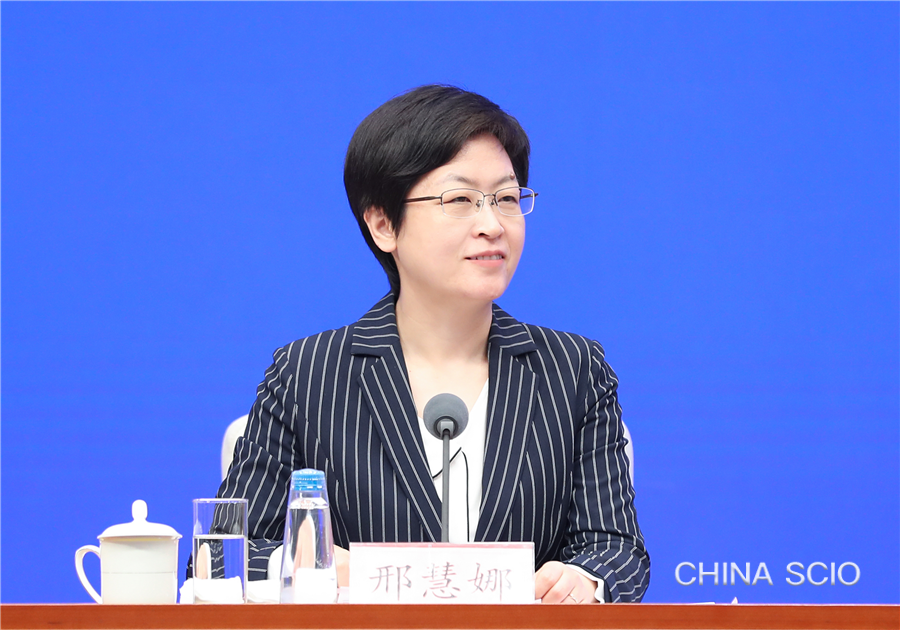
Ms. Xing Huina, deputy director general for the Press Bureau of the State Council Information Office (SCIO) and spokesperson for SCIO
Date:
April 18, 2024
Xing Huina:
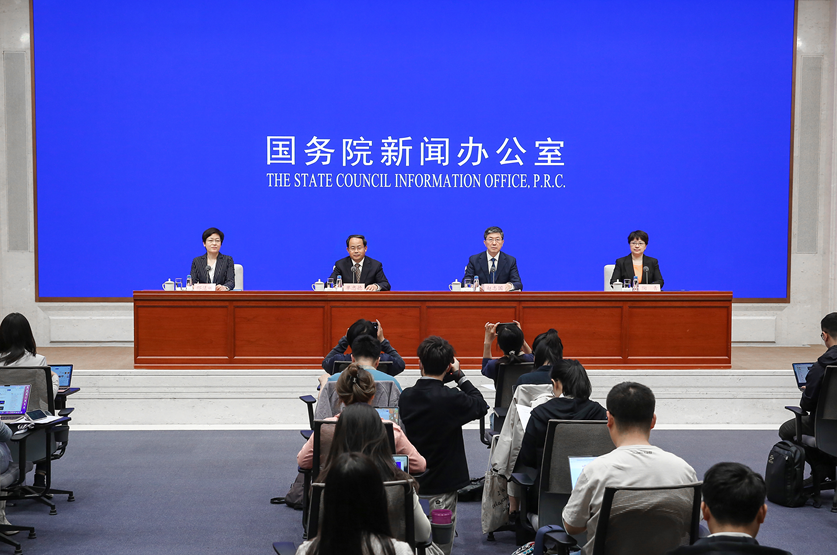
Ladies and gentlemen, good morning. Welcome to this press conference held by the State Council Information Office (SCIO). We have invited Mr. Shan Zhongde, vice minister of industry and information technology, to brief you on China's industry and information technology sector's development in the first quarter of 2024, and to take your questions. Also present today are Mr. Zhao Zhiguo, spokesperson and chief engineer of the Ministry of Industry and Information Technology (MIIT) and Ms. Tao Qing, spokesperson for MIIT and director general of the Operation Monitoring and Coordination Bureau of MIIT.
Now, I'll give the floor to Mr. Shan for his briefing.
Shan Zhongde:
Ladies and gentlemen, greetings to you all. I'd like to express my gratitude to you for your long-term interest in and support for the development of China's industry and information technology. First, I'll give you an overall introduction in this sector.
Under the strong leadership of the Communist Party of China (CPC) Central Committee with Comrade Xi Jinping at its core, the MIIT has thoroughly implemented the decisions and arrangements of the CPC Central Committee and the State Council, and adhered to the general principle of pursuing progress while ensuring stability. We have actively cooperated with local governments and various departments to front-load efforts to ensure effective implementation, vigorously promoting new industrialization. In the first quarter of 2024, a notable overall pattern emerged: the industrial economy maintained a rapid growth, yielding positive results in high-quality development and achieving a good start overall. This was specifically evidenced in four areas: stable and favorable performance in the industrial economy, accelerated progress in new industrialization, stable growth in information and communication, and ongoing improvement of the business environment.
First, stable and favorable performance in industrial economy was primarily demonstrated as follows. Industrial production secured rapid growth. In the first quarter, the value added of China's industrial enterprises above designated size grew by 6.1% year on year, an increase of 1.5 percentage points compared to 2023. Key industries such as electronics, chemicals and automobiles made notable contributions to this growth, with prominent industrial provinces and cities playing a major role. The industrial enterprises' profits continue to increase. In the first two months of this year, the profits of the industrial enterprises above designated size increased by 10.2% year on year, marking continuous growth since August of last year. Market expectations are positive. In the first quarter, industrial investment increased by 13.4%, with the number of industrial enterprises above designated size continuing to rise. In March, the manufacturing purchasing manager's index (PMI) bounced back to the expansion zone, reaching 50.8%. In the first quarter, the value added of small and medium-sized industrial enterprises above designated size grew by 7.4% year on year. It can be said that multiple factors drove a continuous improvement in the industrial economy.
Second, accelerated progress in new industrialization. Consistently taking high-quality development as a top priority, we strive to fulfill the crucial task of achieving new industrialization and vigorously promoting the initiative. We lead industrial innovation through scientific and technological innovation, actively fostering and developing new quality productive forces, constructing a modern industrial system underpinned by advanced manufacturing and fortifying efforts to make the manufacturing sector higher-end, smarter and more eco-friendly. It can be said that new breakthroughs were secured in high-end development. We have coordinated the implementation of projects launched to achieve breakthroughs in core technologies in key fields, industrial foundation reengineering projects as well as research projects focused on major technologies and equipment. Our efforts have brought about new streams of innovation. Notably, an initial prototype for a 300-megawatt F-class heavy-duty gas turbine has been assembled. We have made solid strides in delivering in the initiative of pursuing high-quality development of key manufacturing chains and to build up advanced manufacturing clusters. In the first quarter, the value added of high-tech manufacturing increased by 7.5% year on year. The intelligence level has achieved new improvements. Expedited efforts have been made to advance the four deep integrations between digital technology and manufacturing, digital economy and real economy, information technology and industrialization as well as artificial intelligence (AI) and manufacturing. Currently, 421 national demonstration factories for intelligent manufacturing have been established. The central and local governments jointly introduced a series of polices to support upgrading enterprises with digital and smart technologies. Nearly 10,000 digital workshops and smart factories have been built nationwide. Green development has also made progress. Consistent efforts have been made to drive the green and low-carbon transformation in the industrial structure, with application scenarios for hydrogen energy and new energy storage ways among others, seeing constant expansion. In the first quarter, the market share of new energy vehicles exceeded 31% and energy consumption per unit of industrial added value created by enterprises above designated size in traditional sectors, such as steel and non-ferrous metals, continued to decline.
Third, stable growth in information and communication. In the first quarter, telecommunication businesses' revenue grew by 4.5% year on year. The infrastructure played an ever-growing supporting role. Steady progress was made in the construction of the "dual-gigabit" internet, which features a 5G network and a gigabit optical network. Now, a cumulative total of 3.647 million 5G base stations have been established, 5G penetration rate has exceeded 60% and 207 cities have achieved the standards of gigabit cities, guiding the construction of a hierarchical computing power infrastructure. The empowerment effects of information technologies have continued to grow. 5G applications have been widely adopted in areas such as manufacturing quality inspection and mining production. Applications of the industrial internet have been integrated into 49 major economic categories, forming more than 200 industrial internet demonstration and application programs. Information and communication have played a big role in improving people's well-being. Continued efforts have been made in the governance of apps, strongly and effectively protecting the rights and interests of users. The promotion of demonstration cases for elderly-friendly internet applications have also been further accelerated.
Fourth, our business environment is constantly improving. We are striving to foster a world-class business environment that is market-oriented, law-based, and internationalized, with a focus on four key areas: enhancing services to enterprises, reinforcing the principal role of enterprises in innovation, facilitating closer collaboration between industry and finance, and promoting open development. In terms of enhancing services to enterprises, we have launched the "Together for the Benefit of Enterprises" initiative aimed at small and medium-sized enterprises (SMEs), and micro-businesses. We have also launched special campaign to settle overdue payments owed to enterprises and established a robust mechanism to address this problem in the long term. Furthermore, we have implemented various policies to support enterprises and listed tasks for reducing their burden this year, focusing on solving the pressing difficulties and problems that concern them most. In terms of reinforcing the principal role of enterprises in innovation, we have been nurturing and expanding high-tech companies and innovative SMEs that use special and sophisticated technologies to produce novel and unique products. We have also been supporting enterprises of all sizes in pursuing development through collaboration with each other in order to spark innovation and boost growth momentum. In terms of facilitating collaboration between industry and finance, we have leveraged the role of the national industry-finance cooperation platform that has helped companies to secure an accumulative finance of over 780 billion yuan. In terms of strengthening open development, we have thoroughly implemented policy measures to remove market access restrictions on foreign investment in manufacturing, further opened up value-added telecom services, and deepened mutually beneficial cooperation with companies worldwide.
Going forward, we will continue to be guided by Xi Jinping Thought on Socialism with Chinese Characteristics for a New Era, thoroughly implement the decisions and arrangements made by the CPC Central Committee and the State Council, and fortify our confidence for development, innovation, and opening up. We are committed to opening up the manufacturing sector and promoting open cooperation for a shared future. We will strengthen the integration of scientific and technological innovation with industrial innovation and accelerate the integration of digital technologies with the real economy. We will do our best to stabilize industrial growth, accelerate the development of new quality productive forces, and promote the development of generic technology platforms and pilot-scale testing platforms. We will leverage information technology, digital technologies, smart technologies, and green technologies to advance new industrialization, move the manufacturing sector toward higher-end, smarter, and greener production, continuously consolidate the momentum for recovery and growth of the industrial sector, foster new driving forces for development, and provide solid support for high-quality and sustainable development of the industrial sector.
That concludes my overview of the first quarter. Now, my colleagues and I are ready to answer your questions.
Xing Huina:
Thank you, Mr. Shan. We now move to the Q&A session. Please identify the media organization you represent before raising your questions.
_ueditor_page_break_tag_
China National Radio:
Since the first quarter of this year, the industrial sector has been speeding up its recovery. How do you look at the current development of the industrial sector?
Shan Zhongde:
Thanks for your question. As I just mentioned, in the first quarter, the value added of China's industrial enterprises above designated size grew 6.1% year on year, marking the highest growth in the past eight quarters and signaling a solid start with rapid industrial development. To answer your question, I would like to further elaborate on three aspects.
First, major industrial provinces and cities, as well as key industrial sectors, have maintained stable growth. Among 31 provincial-level regions in China, 28 recorded year-on-year value-added industrial growth, with nine major industrial provinces such as Jiangsu, Shandong, Zhejiang, Fujian, and Hubei outpacing the national average. Among 50 major industrial cities, Shenzhen, Suzhou, Hefei, Nantong, Taizhou, and Dongguan registered double-digit growth. Major industrial provinces and cities played a crucial role in supporting industrial growth. Key industries are operating steadily and showing signs of improvement. Out of the 41 major industrial categories, 37 sectors, including electronics and automobiles, have seen year-on-year value-added growth, with the proportion of growing sectors expanding by 22 percentage points compared to last year. The equipment manufacturing sector has sustained rapid growth, with its value added growing by 7.6% year on year in the first quarter, contributing 2.4 percentage points to the growth of industrial enterprises above designated size and playing a crucial role in providing support and driving growth. The production of consumer goods has notably improved, with its value added growing by 4.2% year on year in the first quarter, reversing the downturn seen since April 2022. The raw materials manufacturing sector has maintained stable growth, with its value added growing by 7.5% year on year in the first quarter, and with industries such as non-ferrous metals and chemicals outpacing the overall industrial level.
Second, the high-tech manufacturing and emerging industries have maintained rapid growth. Specifically, high-tech manufacturing has shown a noticeable rebound, with its value growing by 7.5% year on year in the first quarter, 2.6 percentage points higher than the fourth quarter last year. Emerging industries have also demonstrated strong growth in key products. For instance, solar batteries grew by 20.1%, while polysilicon and monocrystalline silicon, which are relevant to the photovoltaic industry, saw their growth rates soaring above 50%. Additionally, the production and sales of new energy vehicles grew by 28.2% and 31.8%, respectively, in the first quarter. Furthermore, the MIIT and six other departments jointly issued Guidelines for Promoting the Innovative Development of Future Industries and Guidance for the Innovative Development of Humanoid Robotics, which are aimed at supporting enterprises in exploring new areas and accelerating the development of new quality productive forces.
Third, there is a continuous accumulation of positive factors contributing to the recovery and growth of the industrial economy. The industrial economy has significant development potential, strong confidence, and robust momentum. The main manifestations include sustained market demand, with manufacturing investment increasing by 9.9% year on year in the first quarter, the export delivery value of industrial enterprises above designated size growing by 0.8% year on year, automobile sales increasing by 10.6% year on year, and consumers' spending on home appliances up 5.8% year on year. Particularly noteworthy is that policies promoting large-scale equipment upgrades in the industrial sector and consumer goods trade-in have accelerated release of market space. Business entities have confidence, as profits of industrial enterprises above designated size have been consistently growing, and private investment in the manufacturing sector has increased by 11.9% year on year. According to a survey conducted by our ministry in the first quarter among 36,000 key enterprises, 76% of them expect their output value to increase or remain stable in the second quarter. The driving force for development is abundant, with the number of industrial enterprises above designated size increasing by 19,000 to reach 501,000 by the end of February compared to the previous year. The efforts made by 178 national high-tech zones in leading and demonstrating high-quality development have achieved remarkable results, and 45 advanced manufacturing clusters have become important forces driving innovation and development in key industries and fields.
Next, we will focus on implementing the requirements of high-quality development throughout the entire process of new industrialization. We will strengthen the deep integration of scientific and technological innovation with industrial innovation, develop high-tech industries, achieve industrialization, cultivate and develop new quality productive forces, and accelerate the construction of a modern industrial system supported by advanced manufacturing. We will adhere to the principle of prioritizing quality and efficiency and solidly promote stable growth, transformation of growth model, increased momentum, and risk mitigation in order to consolidate and enhance the positive trend of the industrial economy's recovery.
I'll just add these details to the question. Thank you.
_ueditor_page_break_tag_
National Business Daily:
In recent years, the rapid development of the information and communication technology has significantly improved the quality of life of the general public. May I ask about the progress made by the MIIT in promoting the development of the information and communication industry in the first quarter? What are the key areas of focus for the next steps? Thank you.
Zhao Zhiguo:
Thank you for your questions. The MIIT has fully implemented the decisions and plans of the CPC Central Committee and the State Council. Adhering to the general principle of pursuing progress while ensuring stability, the MIIT has been promoting the high-quality development of the information and communication industry and has achieved positive results. In the first quarter, the revenue from the telecommunications sector reached 443.7 billion yuan, with a year-on-year growth of 4.5%, maintaining steady growth overall and laying a solid foundation for the year's work. There are several aspects to highlight:
We have persisted in developing appropriately future-oriented infrastructure. As of the end of March, the cumulative number of 5G base stations built nationwide reached 3.647 million. 5G penetration rate has exceeded 60%, and the number of ports with gigabit network service capability reached 24.56 million. The world's first 400G all-optical interprovincial backbone network officially became commercially available. As we all know, 400G currently represents the fastest and highest transmission speed globally. We have now established and commercially utilized a 400G network, thereby better supporting efficient interconnectivity of computing power and data across different entities, types, and regions.
We have accelerated efforts to make innovative breakthroughs and acted as leaders in the technological industry. Breakthroughs were made at a faster pace in key technologies. The commercial verification of 5G lightweight (RedCap) technology on high, medium, and low-frequency bands was completed. The performance indicators of quantum computing prototypes continued to improve, and breakthroughs were achieved in quantum error correction testing. The industrial strength has been steadily enhanced. In the first quarter, the shipment of 5G mobile phones in our country, reached 56.43 million units, accounting for 83.7% of the total mobile phone shipments during the same period. It can be said that this reflects a significant demand for high-end or smart 5G phones, reaching a share of 83.7%.
We have deepened application empowerment and promoted integrating digital technology into the real economy. In terms of industrial application, 5G technologies have been integrated into 74 out of 97 major categories of the national economy. They have been extensively applied in key sectors such as industry, mining, power, and healthcare. The "5G+ industrial internet" projects exceeded 10,000, and application empowerment has accelerated its expansion into core and control links. Previously, these technologies were primarily applied in peripheral links, but now they are gradually accelerating their expansion into control or core links. In terms of personal application, generative AI has also been widely promoted and adopted in applications such as chatbots, intelligent search, and text generation. In the first quarter, mobile internet traffic increased by 14.3% compared to the same period last year.
We have stepped up efforts to ensure inclusive development that deliver benefits to all and guarantee public services. Telecommunication services have steadily advanced, and by the end of last year, the internet penetration rate in rural areas of our country reached 66%, narrowing the urban-rural gap. Age-friendly products and services have become more accessible, with new application scenarios such as 5G video customer support and payment verification by drawing a pattern continuously emerging and gradually being implemented. Efforts to safeguard people's wellbeing have been continuously intensified. Centering on improving work conduct and rectifying misconduct, we have made every effort to protect users' legitimate rights and interests. In the first quarter, we intercepted a total of one billion scam phone calls and text messages.
Going forward, the MIIT will prioritize high-quality development to consolidate and enhance its competitive advantages and leading position in the information and communication sector. First, we will lay a solid foundation by accelerating the implementation of policies related to large-scale equipment updates and promoting the optimization and upgrading of information infrastructure. We will also promote the coordinated development of computing infrastructure and accelerate the formation of a national unified computing system. Second, we will focus on innovation, which we believe is fundamental. We will integrate 5G with big data, cloud computing, AI, and other technologies to accelerate the evolution of 5G. As we all know, 5G is now evolving to 5G-Advanced (5GA) or 5.5G, and we will accelerate R&D in 6G and 10G optical networks. Third, we will strengthen application efforts by accelerating the promotion of R&D and applications in areas such as big data and AI. We will implement the AI Plus initiative and continue accelerating the industrial internet's large-scale application. Fourth, we will improve supervision by speeding up the issuance of policies and opinions on innovative information and communication industry management, optimizing the business environment, and continuing to create a first-class business environment to better serve market entities. Fifth, we will safeguard security by strengthening technical support, improving industry network and data security management, and promoting the innovative development of the network and data security industry. Thank you.
_ueditor_page_break_tag_
Red Star News:
The high-end and intelligent development of the manufacturing industry is attracting significant societal attention. Could you please share the work that has been done to promote the development of intelligent manufacturing? What are the considerations for the next steps? Thank you.
Shan Zhongde:
I will answer these questions. Thank you for asking. Intelligent manufacturing is the key technology and primary task for transforming China's manufacturing industry from being large in size to being strong in capability. It focuses on building China's strength in manufacturing and is an important task for promoting new industrialization. We are vigorously advancing intelligent manufacturing to achieve high-quality, efficient, green, and safe manufacturing products. Meanwhile, in terms of developing intelligent manufacturing, the manufacturing technology system, production model, industrial form, and value chain will be further refined. In recent years, we have focused on four key areas to promote the development of intelligent manufacturing:
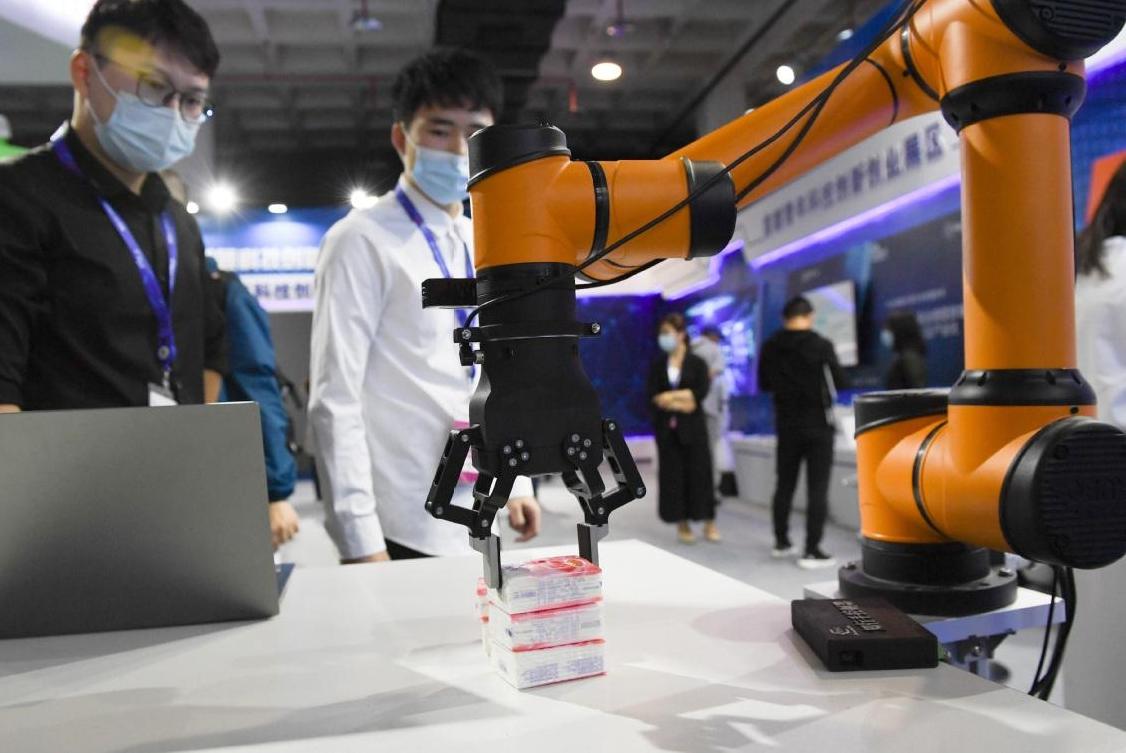
First, we have increased our efforts to achieve technological breakthroughs. We are focusing on developing intelligent manufacturing processes, equipment, products, and software systems. We are working to achieve breakthroughs in core technologies such as industrial robots, intelligent testing equipment, and additive manufacturing equipment. Additionally, we are strengthening innovative advancements in integrating processes, equipment, and software, particularly in areas like process digitization, equipment intelligence, quality inspection, and supply chain collaboration. The total output value of China's intelligent manufacturing equipment sector has now exceeded 3.2 trillion yuan.
Second, we have enhanced the supply of solutions. A robust network of service providers is essential to develop intelligent manufacturing and promote enterprises' digital and intelligent transformation. We are focusing on cultivating over 150 system solution providers with main business revenues exceeding 1 billion yuan. System integration capabilities in sectors such as steel, petrochemicals, and lithium batteries have reached an internationally advanced level. Solutions, including mixed-line flexible production, integrated processing and testing, and high-precision, high-reliability assembly, have also achieved significant breakthroughs, empowering more than 3,400 companies.
Third, we have enhanced leadership and demonstration efforts. For three consecutive years, we have collaborated with the National Development and Reform Commission and four other departments to implement smart manufacturing pilot demonstration actions. As a result, we have cultivated 421 national demonstration factories and more than 10,000 provincial-level digital workshops and smart factories. Technologies such as AI and digital twins are now applied in over 90% of these demonstration plants.
Fourth, we have strengthened the formulation of standards. The MIIT, in conjunction with the Standardization Administration of China (SAC), has released guidelines for the construction of a national smart manufacturing standards system. We have issued 408 national standards and led the formulation of 48 international standards to promote the standardized, institutional, and systematic development of intelligent manufacturing.
Next, based on our current work, we will focus on several key areas:
First, we will strengthen the leveraging role of applications. We will deeply promote the construction of smart factories and smart supply chains, carry out the AI Plus initiative, build smart industrial parks, and cultivate exemplary cases of digital transformation and intelligent development. We will support traditional industries and small- and medium-sized enterprises in technological transformation using mature and advanced applicable technologies. The goal is that by 2025, more than 70% of manufacturing enterprises above designated size will have transitioned to digital and network-based operations, and several smart manufacturing demonstration factories will be built to lead industrial development.
Second, we will improve supply support. We will plan and deploy major scientific and technological innovation projects in the intelligent manufacturing sector and strengthen breakthroughs in core technologies in key fields such as intelligent manufacturing processes, equipment, products, and software systems. At the same time, we will cultivate intelligent manufacturing system solution providers, fostering a group of providers with advanced technologies and strong service capacities. We aim to better promote the digital transformation and intelligent enhancement of more enterprises by 2025.
Third, the infrastructure will be improved. We will adopt an appropriately forward-thinking approach for information infrastructure like 5G networks, computing power, and Internet of Things, work faster to create industrial internet platforms, accelerate the innovative growth of industrial internet, and build a better system of standards for intelligent manufacturing. In particular, we will enhance evaluations with an aim to build a batch of industrial internet platforms that have influence in industries and across regions by 2025.
We have guided large-scale equipment renewals this year. Meanwhile we have systematically promoted intelligent manufacturing application research, advanced scientific and technological research, and strengthened infrastructure by using this opportunity in a bid to vigorously make the manufacturing sector more digitalized, internet-powered, and smarter, providing strong support to boost China's strength in manufacturing.
That's all from me. Thank you.
_ueditor_page_break_tag_
China Daily:
We noticed that the ministry recently rolled out a series of policies and measures to pursue the green development of the manufacturing industry. What have been the results in this regard? And what are the plans for the next steps? Thank you.
Tao Qing:
Thank you for your questions. Pursuing green and low-carbon growth is in line with the trend of technological revolution and industrial transformation. The ministry has fully implemented Xi Jinping Thought on Ecological Civilization, worked faster to build a modernized industrial system, and made achievements in moving the manufacturing sector toward greener production.
In terms of utilization of resources and energy, we have significantly improved the energy efficiency of products. China's steel, primary aluminum, cement clinker, and other industries have achieved significant improvements in unit product energy efficiency. The energy consumption structure has continued to be optimized. We have promoted a batch of typical application scenarios and cases for industrial green microgrids in key industries and sectors such as steel, petrochemicals, and chemicals.
In terms of product structure, we have continuously enhanced the capacities of green products. The proportion of advanced manufacturing and the supply capacity of green technical equipment and products have increased markedly. For example, in the first quarter, the production and sales of new energy vehicles were 2.115 million and 2.09 million, respectively, a year-on-year increase of 28.2% and 31.8%, with the market share reaching 31.1%.
In terms of green manufacturing, we have given full play to the leading and guiding role of relevant enterprises. At present, at the national level, a total of 5,095 green factories, 371 green industrial parks, 605 green supply chain management companies, and more than 500 green manufacturing professional service institutions have been built.
In terms of cultivating new driving forces, we have moved faster to set up a layout for the development of the future-oriented industries. In industrial sectors, application scenarios have been enriched in the hydrogen energy industry and the new type of power storage technologies. China's first 10,000-tonne demonstration project in green hydrogen industry was built and put into operation. The first million-tonne hydrogen-based shaft furnace in the steel industry successfully ignited and started production.
Next, we will further implement the arrangements on fully pursuing green growth of the industrial sector made at the national meeting on promoting new industrialization, as well as focus on forging new advantages in green development of the industry and creating a number of green manufacturing industry benchmarks. We will focus on three aspects.
First, we will speed up green and low-carbon transformation and upgrading in traditional industries. Efforts will be made to encourage large-scale equipment renewal and trade-in of consumer goods and guide enterprises, industrial parks, and key industries to promote a new round of green and low-carbon technological transformation. We will accelerate the adjustments and optimization of product mix, energy consumption structure and raw materials mix of traditional industries, and speed up their process reengineering, with a view to enhancing the competitiveness of industries.
Second, we will promote green, low-carbon, and forward-looking growth of emerging industries. Efforts will be made to guide information and technological infrastructure like data centers and base stations to expand the use of green energy. For example, we will accelerate the comprehensive utilization of new-type solid waste, such as decommissioned batteries, photovoltaic modules, and wind turbine rotor blades. Focusing on the realization of peaking carbon dioxide emissions and achieving carbon neutrality, we will lay out the development of future-oriented industries like hydrogen energy, energy storage, biomanufacturing, and carbon capture, utilization and storage, in keeping with the trend of energy revolution and industrial transformation.
Third, we will cultivate new business forms in green manufacturing. Vigorous efforts will be stepped up to promote the deep integration of eco-friendly and digital practices, modern services and green manufacturing, and consumer' needs for green consumption and the supply of sustainable products. We will work hard to cultivate new business forms and foster new growth drivers. Thank you.
_ueditor_page_break_tag_
Cover News:
According to the government work report this year, we will develop appropriately future-oriented digital infrastructure, work faster to create a nationally unified computing system, and foster industrial ecosystems for computing. What does the ministry specifically plan to do in this regard? Could you provide more details about the development of China's computing power sector and discuss the next steps for its growth? Thank you.
Shan Zhongde:
Thank you for your questions. Acting in line with the arrangements and requirements on working faster to create a nationally unified computing system pushed forward in this year's government work report, the MIIT has strengthened policy guidance, developed computing infrastructure, enhanced the innovation capacity of industries, and promoted the implementation of computing power applications, all of which have delivered positive outcomes.
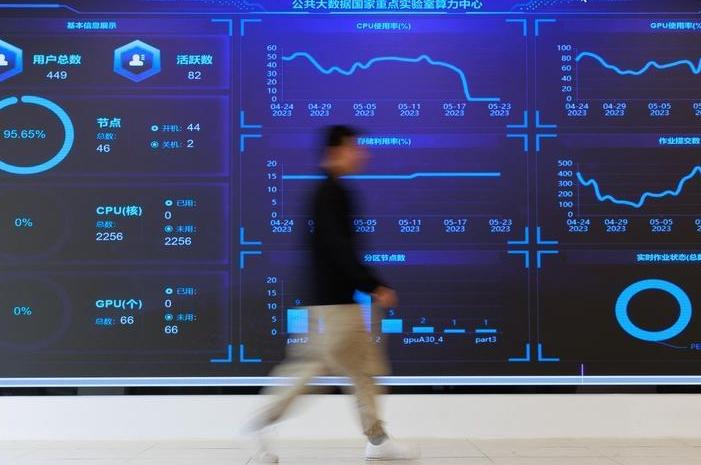
First, we have actively guided the development of computing infrastructure. We have accelerated the implementation of the action plan for the high-quality development of computing power infrastructure, advanced the coordinated development of computing, networks, storage, and application, and guided the building of the tiered system of computing infrastructure encompassing national hubs, regional centers, and local peripheries. As of the end of 2023, more than 8.1 million standard racks were in use at data centers across China, with the total computing power reaching 230 EFLOPS, which is 230 quintillion floating-point operations per second.
Second, we have focused on strengthening the foundation of computing power development. We have optimized the computing power structure, promoted a diversified supply of computing resources, and gradually expanded the proportion of intelligent computing power, satisfying the development of AI applications. As of the end of 2023, China’s intelligent computing power has reached 70 EFLOPS, which is 70 quintillion floating-point operations per second, a growth rate of over 70%. We have pushed basic telecommunication enterprises to plan and construct more than 180 optical trunk cables under the "East Data, West Computing" project, expanded the interconnection bandwidth of backbone networks to 40T, and covered major cities nationwide with 20-millisecond latency circles of computing power hubs.
Third, we have accelerated the scheduling of computing power resources. We have strengthened research on key technologies regarding the interconnection between computing resources, developed cloud scheduling systems for computing networks, established a computing resource identification system, and improved standards and norms for the interconnectivity of computing power. We have enhanced the efficiency of data transmission between networks, upgraded the functions of new-type internet exchange centers and backbone direct connection points, and improved the ability of computing power to access networks.
Fourth, we have effectively built a computing industry ecosystem. We organized the selection of successful cases among new-type national computing centers to enhance the guiding role of excellent practices. We collected over 5,000 projects of innovative application of computing power, covering various fields such as finance, transportation, and urban governance. We guided the establishment of a matrix for computing industry development and created a community for the development of the industry to better promote integrated and coordinated development, enabling computing power centers to achieve better development.
Next, we will continue to build a nationwide integrated computing power system from three aspects. First, we will coordinate computing resources and improve utilization efficiency. We will optimize the composition of computing infrastructure, deepen the coordination and monitoring of computing infrastructure, and guide the coordinated development of computing power in the eastern and western regions. We will encourage basic telecommunication enterprises to continuously improve the direct interconnection networks linking from computing power clusters to major cities, enhance computing networks’ access capacity, and promote standardized interconnection of public computing power to improve utilization efficiency. Second, we will strengthen the leading role of intelligent computing and optimize the computing power structure. We will actively promote the development of AI computing architecture and software ecosystem, accelerate the breakthrough of a number of landmark technological products and solutions, and encourage various entities to explore new modes of intelligent computing center construction and operation, including multi-party collaboration mechanisms, to better utilize intelligent computing power. Third, we will stimulate computing power demand and improve computing services. We will research and establish a public computing power service supervision and management system, organize computing service scheduling and operation safety monitoring and evaluation, cultivate a number of competitive computing service providers, create a nationwide unified computing service market, continuously optimize computing power network products and services, reduce the cost of computing services for small and medium enterprises, and enhance the inclusiveness and accessibility of computing power.
Arguably, computing power has become an important engine to promote high-quality economic and social development, as well as a vital foundation for technological innovation and high-quality industrial development. We will continue to make efforts in the areas of computing power structure, intelligent computing supply, efficiency improvement, and service guarantees, providing stronger support for accelerating new-type industrialization and serving the construction of a new pattern of development.
That's all I have to say, thank you.
_ueditor_page_break_tag_
China News Service:
This year, the development of the low-altitude economy has attracted widespread attention. We understand that the MIIT along with three other departments have just issued an implementation plan for the innovative application of general aviation equipment. What are your considerations and plans for developing the low-altitude economy? Thank you.
Shan Zhongde:
I'll answer this question. As you said, the low-altitude economy is currently quite popular, and provinces and cities such as Jiangsu, Shandong, and Shenzhen have issued relevant policies for its development. The low-altitude economy is a typical emerging industry, a typical representative of new quality productive forces, and an important direction for cultivating new growth drivers. It is innovation-driven, green and low-carbon, and integrates digital and real economy. Not long ago, the MIIT, together with the Ministry of Science and Technology, the Ministry of Finance, and the Civil Aviation Administration of China, jointly issued an implementation plan on innovative application of general aviation equipment (2024-2030), aiming to accelerate the commercial application of new-type general aviation equipment featuring unmanned, electric, and intelligent technologies, and promote the large-scale development of "low-altitude logistics distribution," "low-altitude urban air traffic," and "low-altitude emergency rescue," etc.
As we all know, the development of the low-altitude economy relies on advanced aircraft and requires digital-driven and internet-based support as well as communications. The general aviation manufacturing industry provides essential equipment for the growth of the low-altitude economy, while information and communication networks offer solid foundational support. In recent years, the general aviation equipment manufacturing industry, represented by drones, has achieved rapid progress. According to incomplete statistics, by the end of 2023, there were over 2,300 civilian drone manufacturing enterprises in China, producing more than 1,000 mass-produced drone types. In 2023, China delivered over 3.17 million civilian drones, with the general aviation manufacturing industry's output value exceeding 51 billion yuan, marking a year-on-year increase of nearly 60%. Moving forward, to develop the low-altitude economy while balancing high-quality growth with high-level security, it is essential to enhance coordination among various departments and foster cooperation between central and local authorities. This will accelerate the creation of new growth engines for the low-altitude economy. The focus will be on following four key areas:
First, accelerating equipment innovation. Developing the low-altitude economy requires advanced low-altitude equipment, focusing on trends such as unmanned, electric, and intelligent technologies. This involves expediting breakthroughs in core technologies for new types of general aviation equipment, including key innovations in batteries and motors used in the aviation industry. The goal is to build a product system for low-altitude equipment that meets the needs of various application scenarios, characterized by low cost, high reliability, high performance, and high safety.
Second, strengthening application-driven development. By focusing on various application scenarios, such as logistics, rescue, and transportation, we will establish a demonstration system for multi-scenario applications in low-altitude settings, guided by the development of an industrial ecosystem. We will proactively cultivate high-tech enterprises and specialized, innovative "little giant" enterprises in the low-altitude economy. Additionally, we will accelerate the development of the industrial chain centered around the innovation chain, encouraging genuine integration between industry, academia, and research to better advance the low-altitude economy.
Third, enhancing technological integration. We will fully utilizing and leveraging next-generation information and communication technologies, digital technologies, intelligent technologies, and AI. We will accelerate the development and innovation of intelligent low-altitude connectivity technologies and models, providing robust support for building a future system characterized by safe and efficient low-altitude operations. By leveraging advanced equipment, network technologies, and application-driven scenarios, we can achieve significant progress in the low-altitude economy.
Fourth, strengthening standards support. We will accelerate the establishment of an industrial standards system that spans the entire lifecycle of low-altitude equipment, covering research and development, design, production, testing, verification, and operational support. We will collaborate with relevant departments to promote the construction of a third-party testing and certification system. We believe that the low-altitude economy is a major direction for the future development of emerging industries. It is destined to evolve into an industry with a trillion-yuan scale, significantly benefiting the public and better fulfilling people's aspirations for a better life.
That's all from me. Thank you.
_ueditor_page_break_tag_
China Financial and Economic News:
AI has emerged as a powerful catalyst for industrial transformation, drawing considerable attention to its integration with various industries. What factors should be considered when promoting the role of AI in facilitating new industrialization? Thank you.
Tao Qing:
Thank you for your question. I will answer it as follows. AI is a strategic technology leading the new wave of technological revolution and industrial transformation, serving as a crucial driver of new industrialization. In recent years, with joint efforts across various sectors, China has made significant progress in the development of AI. The number of AI enterprises has exceeded 4,500, and innovative achievements such as intelligent chips and general large models have rapidly emerged. Intelligent infrastructure continues to be strengthened, and the construction of digital workshops and smart factories has accelerated, laying a solid foundation for AI-enabled new industrialization.
Going forward, we will thoroughly implement the decisions and arrangements of the CPC Central Committee and the State Council, carry out the tasks outlined in the National Meeting on Promoting New Industrialization and the government work report, and fully leverage the strengths of China's complete industrial system, large industrial scale, and diverse application scenarios. We will focus on the deep integration of AI and manufacturing, with intelligent manufacturing as the main direction and application scenarios as the driving force, to promote the intelligent transformation of the manufacturing industry and empower the industrial manufacturing system at a high level, providing new momentum for high-quality development.
First, we will accelerate breakthroughs in fundamental AI technologies to strengthen the foundation for application empowerment. By focusing on key underlying technologies such as algorithms and computational power for large models, we will expedite advancements in critical core technologies and products, including intelligent chips, large model algorithms, and frameworks. Additionally, we will accelerate the deployment of intelligent IoT terminals and industrial clouds, enhancing the operational management capabilities of computational power for manufacturing. Additionally, we will guide ecosystem enterprises to rapidly develop globally competitive general large models, cultivate industry-specific large models for manufacturing scenarios, and build high-level industrial databases to unlock the value of industrial data elements.
Second, we will accelerate the smart upgrading of key links, critical industries, and major products in the manufacturing sector. We will deepen the integration and application of AI technology throughout the entire manufacturing process to significantly enhance the smart-tech levels of R&D, pilot-scale testing, production, services, and management. Targeting key industries that have a significant impact on the national economy, a strong driving force, and a solid foundation for digitalization, we will launch special actions for AI-empowered new industrialization. This includes strengthening the connection between supply and demand, publicizing and implementing standards, and fostering application to expedite the smart upgrading of key industries and also improve the smart-tech levels of high-end equipment, critical software, and intelligent terminals among major products and equipment.
Third, we will improve the support system, and cultivate and expand the industrial ecosystem. We will provide stronger guidance on standards and establish and enhance the standard system for AI-empowered new industrialization. We will optimize the layout of AI manufacturing innovation centers, industrial technology public service platforms, and key laboratories, enhance collaborative innovation across the industrial chain, and reinforce the construction of an open-source AI ecosystem. We will also improve mechanisms for AI talent cultivation, security assurance, and international cooperation. Thank you!
_ueditor_page_break_tag_
People's Posts and Telecommunications News:
This year marks the 30th anniversary of China's connection to the internet. Could you please provide an overview of the key achievements in China's internet development over the past 30 years? What measures will be taken in the future to further promote its development?
Zhao Zhiguo:
I'll answer this question. Thank you for asking. On April 20, 1994, China opened its first 64K international dedicated line, achieving full functional connection with the internet and becoming the 77th member of the internet community. Thirty years have flown by, and the day after tomorrow, April 20, will be the 30th anniversary of this historic moment. Over the past 30 years, China's internet development has achieved significant accomplishments, providing a solid foundation and strong support for accelerating new industrialization and boosting its strength in manufacturing and cyberspace. These achievements can be summarized in five aspects: large scale, strong foundation, wide application, favorable environment, and extensive cooperation. Specifically:
First, in the aspect of scale, the comprehensive strength of the industry has continuously improved. By the end of 2023, the number of registered websites exceeded 3.8 million, the number of internet users reached 1.09 billion, and the internet penetration rate was 77.5%. From January to February this year, China's internet business revenue reached 246.3 billion yuan, up by 7.6% year on year, with total profits reaching 16.97 billion yuan, up by 6.5% year on year. According to estimates from relevant institutions, the market value of Chinese internet businesses is nearly 10 trillion yuan, with nine companies ranked among the top 30 global internet companies by market value. Their international competitiveness has been significantly enhanced.
Second, in the aspect of strong foundation, China's network facility has reached a global leading position. China has built the world's largest network infrastructure with advanced technology, fully completed IPv6 transformation, with the number of country code top-level domain registrations being the highest in the world. A comprehensive, multi-layered, and multi-dimensional network interconnection architecture is rapidly taking shape, and the quality of network services is advancing towards world-class levels.
Third, in the aspect of wide application, the role of integration and empowerment is evident. In the field of daily life, applications such as instant messaging, mobile payments, and ride-hailing have flourished, exploring new spaces for digital life. In the field of production, 5G applications have been integrated into 74 of the 97 major categories of the national economy, and the industrial internet has covered all 41 major industrial categories.
Fourth, in the aspect of favorable environment, the industrial ecosystem and order are continuously improving. The new regulatory system is continuously strengthened, significantly enhancing the compliance of business operations, the openness of the industrial ecosystem, and the robustness of security measures. The comprehensive service system that benefits the public and enterprises has gradually improved, and the protection of user rights is effectively strengthened.
Fifth, in the aspect of extensive cooperation, mutually beneficial cooperation continues to deepen and become more practical. China is deeply involved in global digital governance and international rule-making, promoting high-quality Belt and Road cooperation and practically carrying out all-around cooperation in digital transformation to share the dividends of digital economic development with other countries.
Next, regarding internet development, we will focus on the following three aspects of work:
First, we will stick to innovation-driven development and foster new quality productive forces. We will step up the construction of a new type of information infrastructure, systematically make plans to realize breakthroughs in core technologies in key fields, and promote the R&D and application of frontier technologies such as 6G, the next-generation internet, and quantum communication.
Second, we will adhere to the integration of the digital economy and the real economy and accelerate the new type of industrialization. We will promote the deep integration of AI and manufacturing, further advance the large-scale application for "5G+industrial internet," and speed up building a modern industrial system supported by advanced manufacturing.
Third, we will adhere to reform and opening-up and continue to optimize the business environment. We will improve policies and systems, promote the modernization of the industrial supervision system and our capabilities, advance work-style rectification, and continue to improve the quality of our services. In addition, we will further open up the telecommunication market and stimulate the vitality of various market entities. Thanks.
_ueditor_page_break_tag_
China Electronics News:
Currently, we all attach great importance to the industrial application of scientific and technological achievements. The application of laboratory findings cannot be achieved without the support of pilot-scale testing platforms. What plans will the MIIT make to promote the industrial application of scientific and technological achievements?
Shan Zhongde:
Thank you for your question. I'll answer it. We often say that it is difficult to transform scientific and technological achievements. Whether the achievements are mature and advanced determines their transformation level. Through pilot-scale testing, we can improve the maturity of the achievements, effectively accelerate the transformation of scientific and technological achievements, and speed up scientific and technological innovation. Pilot-scale testing is a transitional test that transforms the new products in the trial production stage into a real production process. This is the key to the transformation of scientific and technological achievements and also an organic component of the manufacturing innovation system. It provides important support for a modern industrial system. Through pilot-scale testing, we can improve product performance and quality, achieve stable mass production, and accelerate the commercialization of innovative products.
In order to better promote high-quality and high-performance development of products, at the beginning of this year, the MIIT worked with relevant departments to formulate the Implementation Opinions on Innovative Development of Pilot-Scale Testing in Manufacturing Industry," with a focus on enhancing our capabilities to support pilot-scale testing and improve the transformation and commercialization of scientific and technological achievements. Relevant work will be carried out in three aspects.
First, we will improve the pilot-scale testing and validation capabilities. Only when our capabilities advance can the transformation level of innovation achievements be well improved. We will conduct projects to improve our pilot-scale testing capabilities and scientifically plan our capacity building for advanced pilot-scale testing in key industries. We will support the layout and construction of a number of major pilot projects with strong driving forces in process-type manufacturing industries such as petrochemicals, chemicals, and metallurgy, as well as in discrete manufacturing industries such as equipment, automobiles, and electronics. At the same time, we will support leading enterprises in the industrial chain to make overall plans on integrating pilot-scale testing with R&D and production, in a bid to establish complete capabilities in pilot-scale testing and promote the full coverage of pilot-scale testing in key industrial chains.
Second, we will build pilot-scale testing platforms. We will enhance technological upgrading, promote the digital, networked, intelligent, high-end, and green development of pilot-scale testing, and build a system for pilot-scale testing service platforms. In particular, we will support the construction of comprehensive and professional public service institutions for pilot-scale testing, build application scenarios and test environments, promote product R&D, design and validation test, and speed up our efforts to meet industry development needs. In addition, we will strengthen the pilot-scale testing function of existing innovation and service platforms, enhance technology development and transformation, and open up experimental capabilities, test sites, and research results.
Third, we will improve the ecosystem for pilot-scale testing development. We will develop pilot-scale testing industries in an innovative way and foster excellent enterprises. We will expand the supply of products, such as precision measuring instruments, high-end test equipment, and design simulation software, and promote pilot-scale testing platforms to provide more accurate and effective services. In addition, we will strengthen the role of standards in providing support and guidance, establish a sound system of standards for pilot-scale testing, release a set of key standards, and cultivate inter-disciplinary talent and outstanding engineers who are good at solving complex engineering problems. We will support local governments to formulate policies and measures for pilot-scale testing development and provide funding, talent, and financial support for pilot-scale platforms.
Our goal is that by 2025, the country's manufacturing industry will witness positive progress in pilot-scale testing; its key industrial chains will see the full coverage of pilot-scale testing; the digital, networked, intelligent, high-end, and green development of pilot-scale testing will be significantly improved; and the pilot-scale testing service system will be continuously improved. At the same time, we will build pilot-scale testing platforms with globally advanced standards, further create a sound ecosystem for pilot-scale testing development, better enable high-quality development of the manufacturing industry, and promote the sustained growth of China's industrial economy.
That's all from me. Thanks.
Xing Huina:
Today's press conference will conclude here. Thank you to all the speakers and journalists.
Translated and edited by Xu Xiaoxuan, Huang Shan, Guo Yiming, Liu Qiang, Liu Caiyi, Yan Bin, Wang Qian, Ma Yujia, Zhou Jing, Wang Ziteng, Liu Sitong, Qin Qi, Li Huiru, Mi Xingang, Yuan Fang, Yan Xiaoqing, Wang Wei, Jay Birbeck, Tom Arnsten and Rochelle Beiersdorfer. In case of any discrepancy between the English and Chinese texts, the Chinese version is deemed to prevail.