Read in Chinese
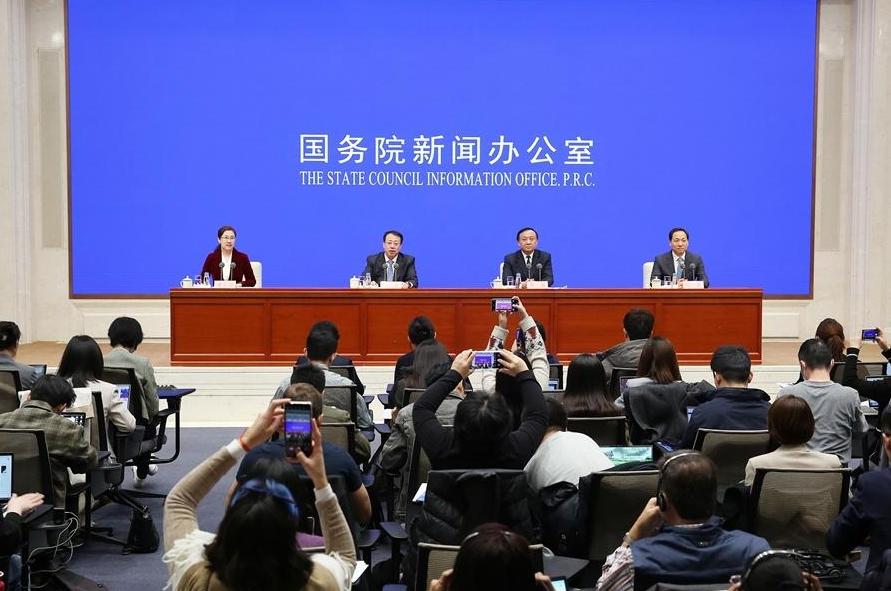
Speakers:
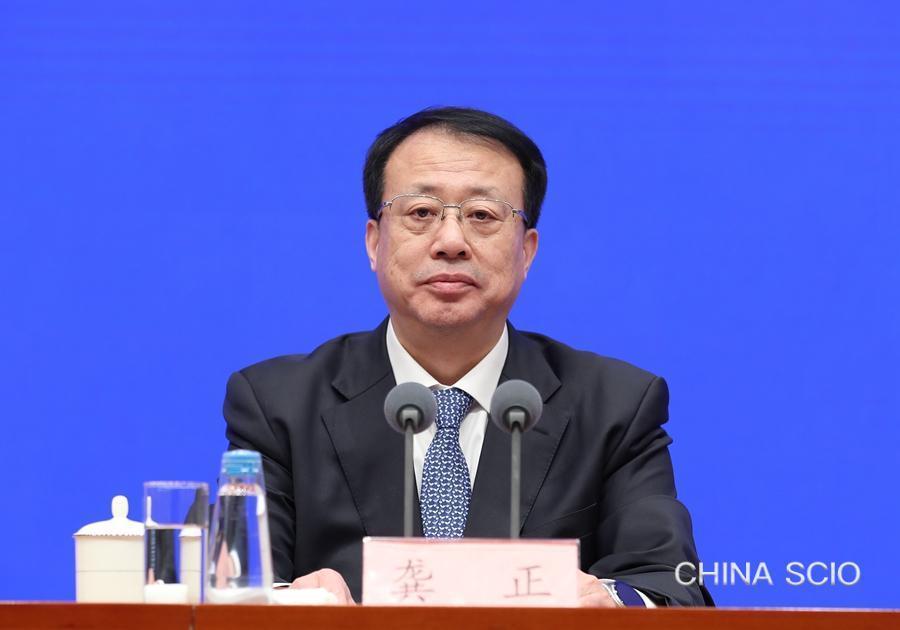
Mr. Gong Zheng, deputy secretary of the Communist Party of China (CPC) Shanghai Municipal Committee and mayor of Shanghai
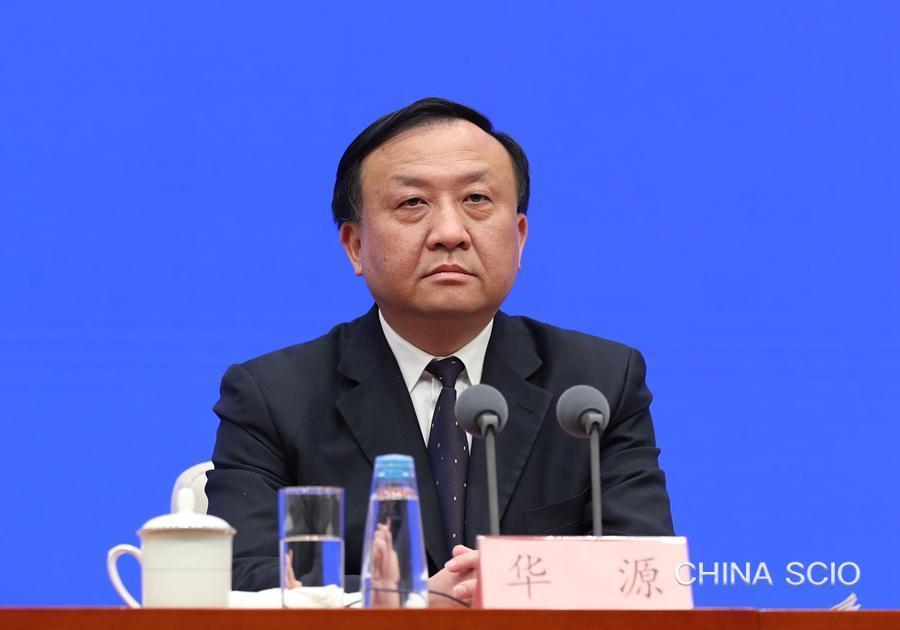
Mr. Hua Yuan, a member of the Standing Committee of the CPC Shanghai Municipal Committee and deputy mayor of Shanghai
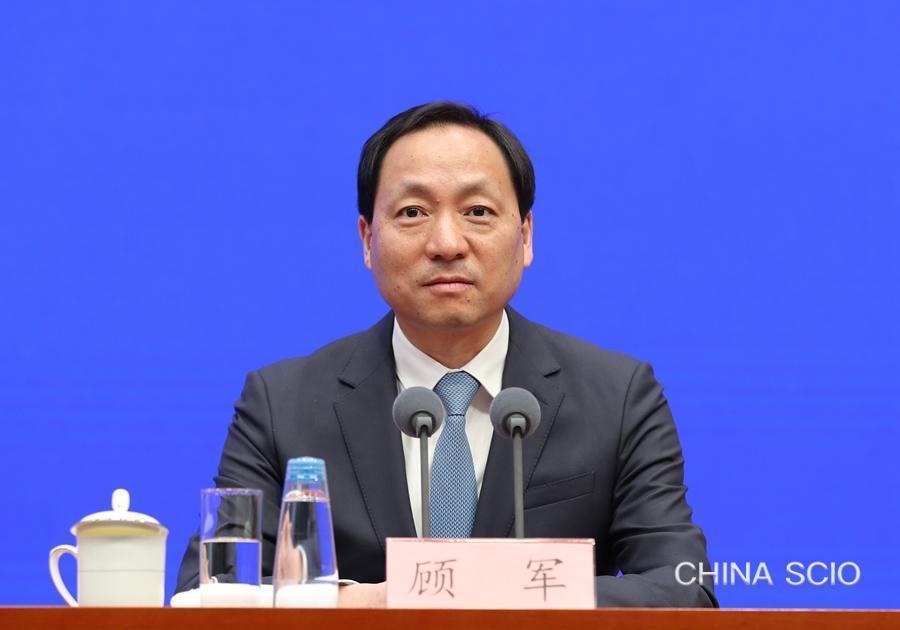
Mr. Gu Jun, secretary-general of the Shanghai Municipal People's Government and director of the Shanghai Municipal Development and Reform Commission
Chairperson:
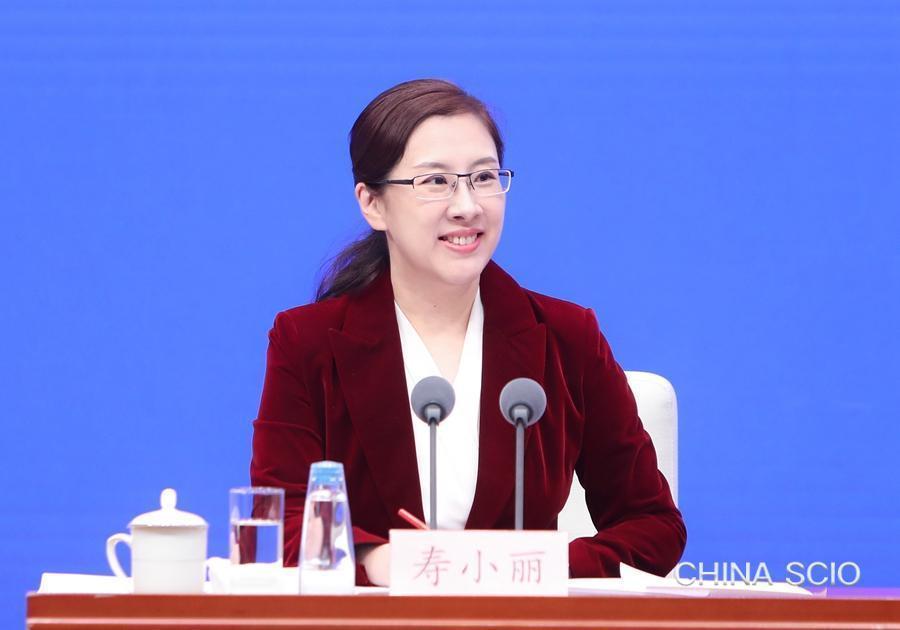
Ms. Shou Xiaoli, deputy director general of the Press Bureau of the State Council Information Office (SCIO) and spokesperson of the SCIO
Date:
March 28, 2024
Shou Xiaoli:
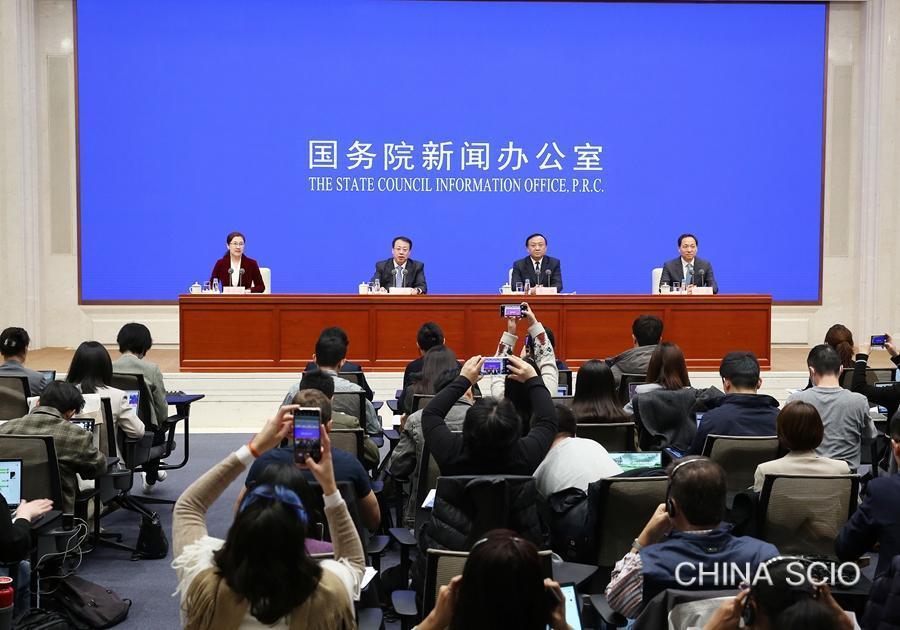
Ladies and gentlemen, good morning. Welcome to this press conference held by the State Council Information Office (SCIO). This is the third press conference in the series "Promoting High-Quality Development." Today, we are glad to be joined by Mr. Gong Zheng, deputy secretary of the Communist Party of China (CPC) Shanghai Municipal Committee and mayor of Shanghai, who will brief you on the "five centers" initiative of Shanghai and accelerating the building of a modern socialist international metropolis with global influence, and then take your questions. Also present today are Mr. Hua Yuan, a member of the Standing Committee of the CPC Shanghai Municipal Committee and deputy mayor of Shanghai; and Mr. Gu Jun, secretary-general of the Shanghai Municipal People's Government and director of the Shanghai Municipal Development and Reform Commission.
Now, I'll give the floor to Mr. Gong for his introduction.
Gong Zheng:
Ladies and gentlemen, friends from the media, good morning. It is a great pleasure to have the opportunity to brief you on Shanghai's high-quality development and its expedited efforts in building "five centers." On behalf of the CPC Shanghai Municipal Committee and the Shanghai Municipal People's Government, I would like to start by extending my deep appreciation for your long-standing interest in and support for the development of Shanghai.
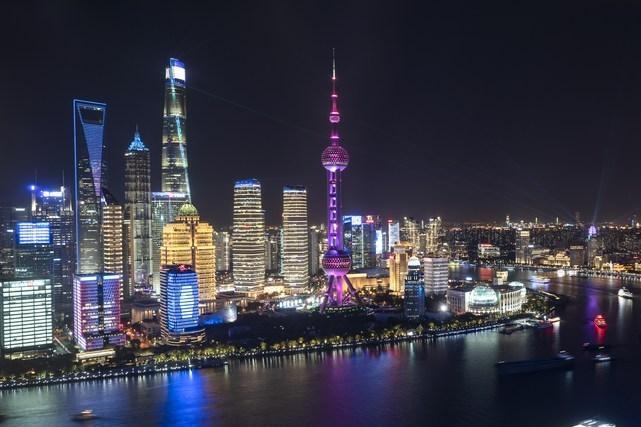
The construction of international centers of economy, finance, trade, shipping and sci-tech innovation in Shanghai is not only an important mission entrusted to the city by the CPC Central Committee, but also the only path for Shanghai to achieve high-quality development. Since the 18th CPC National Congress, under the strong leadership of the CPC Central Committee with Comrade Xi Jinping at its core, Shanghai has continuously facilitated the construction of "five centers" and seen remarkable progress in enhancing its urban functions and core competitiveness. In terms of building an international economic center, Shanghai's GDP reached 4.72 trillion yuan (about $663.7 billion) in 2023, continuing to rank among the top cities in the world. Regarding its international financial center construction, the turnover of Shanghai's financial markets hit a record high in 2023, exceeding 3,300 trillion yuan. Licensed financial institutions continued to gather in Shanghai, with the total number reaching 1,771 by the end of last year, including 548 foreign-funded ones. As for the development of an international trade center, in 2023, the total international trade volume of goods at Shanghai ports hit 10.7 trillion yuan, accounting for 3.6% of the world's total, maintaining first place among all cities worldwide. With respect to the city's establishment of an international shipping center, the container throughput of Shanghai Port also reached a record high in 2023 with 49.158 million twenty-foot equivalent units (TEUs), ranking first globally for 14 consecutive years. In addition, Shanghai's development of a sci-tech innovation center has seen three inspiring achievements: The city's total R&D expenditure reached around 4.4% of its GDP; the number of high-value invention patents per 10,000 people rose to 50.2; and the city secured fifth place in the latest Science and Technology Cluster Ranking by the World Intellectual Property Organization (WIPO).
On the new journey, we will thoroughly implement the guiding principles of General Secretary Xi Jinping's speech delivered during his visit to Shanghai, bearing in mind the Party's and the people's expectations and developing a stronger sense of mission and responsibility. Focusing on the primary task of facilitating high-quality development and the strategic task of creating a new development pattern, we will prioritize the building of the "five centers," ensure coordination in various aspects concerning socioeconomic development, and expedite the efforts to build Shanghai into a modern socialist international metropolis with global influence, so as to fully leverage the city's leading and exemplary role in developing a Chinese path to modernization.
First, we will accelerate efforts to build Shanghai into an international economic center focusing on improving its international standing and global influence in economic governance. We will continue bolstering the city's GDP, strive to create a modern industrial system, and pursue new quality productive forces based on unique local characteristics. We will emphasize the enabling role of sci-tech innovation, enhance further integration between sci-tech innovation and industrial innovation, and proactively advance new industrialization. We will adopt a coordinated approach to promoting the transformation and upgrading of traditional industries, bolstering the development of emerging industries, and developing future-oriented industries in advance, in a bid to create a group of world-class high-end industrial clusters.
_ueditor_page_break_tag_
Second, we will speed up Shanghai's development of an international financial center focusing on enhancing the internationalization of financial markets and bolstering their competitiveness and influence. We will coordinate with central financial authorities and thoroughly roll out high-level financial opening-up on the basis of enhancing the safety and manageability of the markets. We will further optimize four systems, namely those related to the financial markets, products, institutions and infrastructure. We will also make efforts in the five sectors of technology finance, green finance, inclusive finance, pension finance and digital finance, in order to provide better services to support the real economy, sci-tech innovation and Belt and Road Initiative (BRI) cooperation.
Third, we will ramp up actions to build an international trade center focusing on strengthening the city's role as a trading hub. We will thoroughly implement plans to upgrade free-trade zones in the city, taking the lead to establish institutional arrangements and supervisory models that align with high-standard international economic and trade rules such as the Comprehensive and Progressive Agreement for Trans-Pacific Partnership (CPTPP) and the Digital Economy Partnership Agreement (DEPA). We will also speed up and establish pilot cooperation zones regarding "Silk Road e-commerce," open demonstration zones for creative promotion of import trade, and establish the eastern hub international business cooperation zone, so as to expedite the development of new types of trading such as offshore trade, cross-border e-commerce and bonded maintenance.
Fourth, focusing on enhancing the global allocation of shipping resources, we will move faster to build Shanghai into an international shipping center. We will strive to address weaknesses in advanced shipping services, strengthen shipping insurance underwriting and service capabilities, explore innovative maritime arbitration models, and attract more shipping enterprises and other functional institutions to operate in the city. At the same time, we will accelerate the development of seaports, airports, cruise terminals, and shipping hub systems, and vigorously promote the smart and green transformation of the shipping industry.
Fifth, we will accelerate the transformation of Shanghai into an international sci-tech innovation center, emphasizing its role as a source and nurturing ground for sci-tech innovation. We will further pool national strategic strengths in science and technology, strategically plan and build major scientific and technological infrastructure, and strengthen the role of enterprises in promoting sci-tech innovation. Moreover, we will prioritize enhancing basic research capabilities in key areas, intensify efforts to achieve breakthroughs in critical core technologies, and facilitate the transformation and industrialization of scientific and technological advancements. We aim to seize control of pivotal segments in the industrial chain and secure a high-end position in the value chain.
As General Secretary Xi Jinping noted, Shanghai is a city of glory, innovation, openness, and aspiration. This serves as both heartfelt encouragement and a strong impetus for us. We will continue to give full consideration to both the domestic and international imperatives, aligning Shanghai's development with the central government's strategic positioning of the city, economic globalization, national development, and the overall plan for the development of the Yangtze River Delta. We will promote the city's spirit of "diversity, pursuit of excellence, open-mindedness and humbleness" and its character of "openness, innovation and inclusiveness." By comprehensively deepening reform and opening-up from a higher starting point, we will promote coordinated and synergized development, mutually empowering the construction of the "five centers." We will continuously achieve excellent results in the high-quality development of Shanghai's economy and society. This will enable us to welcome the 75th anniversary of the founding of the People's Republic of China with tangible actions and accomplishments.
That's all for my opening remarks. Next, Mr. Hua Yuan, Mr. Gu Jun, and I are ready to answer your questions. Thank you.
_ueditor_page_break_tag_
Shou Xiaoli:
Thank you, Mayor Gong, for your opening remarks. We will now move to the Q&A session. Please identify the media outlet you represent before asking your questions.
Science and Technology Daily:
I'm interested in the development of prioritized industries like integrated circuits, biomedicine, and artificial intelligence, as well as traditional industries like automobiles. I'm wondering what is the next step for promoting the development of these industries. What is Shanghai's plan to encourage the development of new quality productive forces? Thank you.
Gong Zheng:
Thank you. I'll take the questions. Developing new quality productive forces is key to Shanghai's high-quality development. We must strive to lead the way and stay ahead.
Overall, Shanghai has a solid foundation and various advantages in developing new quality productive forces. First, it boasts strong, comprehensive scientific and technological capabilities. Shanghai has gathered a significant number of national strategic scientific and technological forces, including national laboratories. There are currently 20 major scientific and technological infrastructure projects either completed, under construction, or planned for the future. Additionally, we have attracted prestigious research institutions, including the Tsung-dao Lee Institute and the Shanghai Institute for Mathematics and Interdisciplinary Sciences.
Second, Shanghai's industrial transformation and upgrading have been underway for quite some time. The city has largely shaped its industrial development around modern service industries as the mainstay, strategic emerging industries as the driving force, and advanced manufacturing as the backbone. In 2023, strategic emerging industries accounted for 43.9% of the total output value of industrial enterprises above designated size.
Third, Shanghai boasts a large number of high-level professionals. We've been making substantial efforts to attract and retain top-tier talents, and particularly the three prioritized industries of integrated circuits, biomedicine, and artificial intelligence have attracted more than 800,000 talents. Shanghai’s integrated circuits talents account for approximately 40% of the national total.
Looking ahead, we will thoroughly implement General Secretary Xi Jinping's important instructions on developing new quality productive forces, promoting industrial innovation through sci-tech innovation, and applying more sci-tech achievements to specific industries and industrial chains to accelerate the development of new quality productive forces. Our focus will be on continuously improving the high-end, intelligent, green, and integrated development of industries in the following three aspects based on our inherent advantages.
First, we will promote the "2+2" strategy, emphasizing the consolidation of the advantages of traditional industries. As mentioned earlier, traditional industries such as automobiles, steel, and chemicals still take up a large proportion of Shanghai's economy, with some being advantageous industries that cannot be overlooked or abandoned. Therefore, we are focusing on promoting the deep integration of advanced manufacturing with modern service industries, with particular emphasis on producer services. Additionally, we are prioritizing the "two transformations" strategy, encouraging all industries, especially traditional ones, to undergo digital, green and low-carbon transformations. We aim to empower traditional industries through new technologies, models, and formats, transforming them into new quality productive forces.
Second, we will promote the "3+6" model to establish innovation hubs for emerging industries. The "3" refers to three pioneering industries designated to Shanghai by the CPC Central Committee: integrated circuits, biomedicine, and artificial intelligence. Last year, these industries collectively amounted to a total scale of 1.6 trillion yuan. We will continuously implement national strategic deployments, take up our mission and tasks, and initiate a new round of "Shanghai Solutions" to consistently achieve breakthroughs in key links and improve the resilience and security of industrial and supply chains. The "6" means six major industries with unique features and foundations in Shanghai. We will accelerate the development of four industry clusters in electronic information, life and health, automobiles, and high-end equipment, each with a scale of 1 trillion yuan. Additionally, we will develop two clusters in advanced materials and fashion consumer goods, each with a scale of 500 billion yuan.
Third, we will introduce the "4+5" scheme to nurture new engines for the development of future-oriented industries. The "4" denotes four new fields: digital economy, green and low-carbon, metaverse and intelligent terminals. The "5" refers to five future-oriented industries: healthcare, intelligence, energy, space, and materials. We have devised action plans and strategies to further enhance our deployment of disruptive technologies and cutting-edge sectors. Efforts will be made to achieve breakthroughs in core technologies in key fields and establish industrial development advantages in several subdivisions. Thank you.
_ueditor_page_break_tag_
Phoenix TV:
Shanghai has long been a magnet for foreign investment, and it has set its sights on becoming a premier global investment destination. Could you share some of the key initiatives Shanghai plans to launch to attract foreign investment? Thank you.
Hua Yuan:
Thanks for your question. Shanghai has always placed great emphasis on attracting and utilizing foreign investment. In recent years, we have amended and improved relevant policies to encourage multinational corporations to set up regional headquarters, introduced and implemented upgrade plans for foreign R&D centers, and issued a set of measures to stabilize foreign investment. The city's actual use of foreign capital has exceeded $20 billion for four consecutive years. Last year, that number surpassed $24 billion, setting another record high. We are particularly pleased to see new regional headquarters of multinational corporations and foreign R&D centers established in Shanghai every year. In 2023, 65 regional headquarters and 30 foreign R&D centers were newly established in Shanghai, bringing the total number to 956 and 561, respectively. This has helped Shanghai become the city with the most regional headquarters of multinational corporations on the Chinese mainland. At present, its accumulated actual use of foreign capital has exceeded $350 billion, with more than 70,000 foreign companies established and flourishing there. These data indicate that Shanghai is already one of the top choices both for foreign investment and the global industrial chain layout of multinational corporations.
In our view, foreign investors are optimistic about Shanghai largely because of its continuously improving business environment and expanding advantages in opening up. For example, the globally renowned pharmaceutical company Moderna established its presence in Shanghai last year. From contract signing to groundbreaking, it took just over three months. "Moderna speed" has become a new benchmark in the city for supporting major foreign projects. Guided by the action plan, which includes 24 specific pro-foreign investment measures unveiled by the State Council, we will implement the national edition of the negative list for cross-border trade in services and the latest negative list for foreign investment. We will promote "Moderna speed" throughout the city, ensuring that all foreign projects have guaranteed space, efficient approval processes, and timely services. Our focus will be on the following three aspects.
First, we will further expand opening up. By aligning with international high-standard economic and trade rules, we will steadily expand institutional opening up, lift all restrictions on foreign investment in the manufacturing sector, and further implement comprehensive trials for expanding openness in the service sector, so as to embrace global enterprises and talent with a more open mindset.
Second, we will intensify our efforts to promote foreign investment. We will continue to leverage the role of institutions and organizations like global partners for foreign investment, organize a series of overseas promotion campaigns titled "Invest in Shanghai, Share the Future," and encourage foreign enterprises to invest more in key fields such as green development, digital transformation and sci-tech innovation.
Third, we will focus on improving our capability to serve enterprises. We will optimize the dedicated team and service commissioner system for foreign projects and the service package system for key companies, hold government-enterprise roundtables, and resolve practical difficulties and problems for foreign businesspeople. We will also implement various measures to improve the business environment and provide more targeted and quality services, enabling foreign investors to have a stronger sense of gain. Thank you.
_ueditor_page_break_tag_
CCTV:
This year marks the 10th anniversary of Shanghai's efforts to establish itself as an international sci-tech innovation center. What kinds of breakthroughs has Shanghai made in sci-tech innovation over the past decade? What will the city do to enhance its role in driving sci-tech innovation? Thank you.
Gong Zheng:
Building Shanghai into an international sci-tech innovation center is a major national strategic task that General Secretary Xi Jinping personally planned, deployed, and promoted. Over the past 10 years, we have followed the arrangements of the central authorities, sustained the dual driving forces of sci-tech innovation and institutional innovation, and achieved significant improvements in comprehensive sci-tech strength and overall innovative efficiency. First, we have explored the frontiers of science and technology and realized several original achievements, such as the world’s first macaques cloned from somatic cells and the world’s first artificial single-chromosome eukaryotic cell. Second, in response to major national strategic demands, we have led 929 major national sci-tech projects, participating in the development of several assets of national strategic importance. These include the Tianzhou cargo spacecraft, the Shenzhou manned spacecraft, the Xihe solar exploration satellite, and the Zhurong Mars rover. Third, we have concentrated on economic development, playing an important role in production of the C919 large aircraft and the first domestically made large cruise ship, the Adora Magic City, and independently developed a number of major strategic products that rank among the most advanced in the world. Fourth, we have prioritized people’s lives and health and improved our capacity to research and develop innovative drugs and medical devices. Over the past 10 years, nearly one-fifth of the Class 1 innovative drugs and medical devices approved for market launch in China were developed in Shanghai.
At present, we are stepping up the transition from establishing the framework to strengthening functionality in building Shanghai into an international center for sci-tech innovation. We will thoroughly implement the arrangements and requirements of the CPC Central Committee, effectively enhance Shanghai's role as a cradle of sci-tech innovation, and strive to build the city into an important driver for developing national sci-tech strength.
First, we plan to strengthen entities engaged in innovation. Shanghai is home to over 80 national-level advanced sci-tech research platforms, many new-type research and development institutions, and more than 24,000 new high-tech enterprises. We should offer strong support for these innovative entities to grow rapidly, ensure that national laboratories and national key laboratories in Shanghai are constructed and utilized properly, improve the innovation system of high-level research universities, foster more leading sci-tech enterprises with strong creative capabilities, and quickly develop systematic strategic sci-tech strength.
Second, we aim to enhance innovation and achieve more breakthroughs. We will target cutting-edge technologies, emerging sectors, and key development trends, including the health sector, smart technologies, energy, and materials. We will take the initiative to map out major sci-tech projects. Innovation and technological breakthroughs originate from basic research. Shanghai is building itself into a pilot area for promoting basic research. We task strategic scientists with selecting, managing, tracking, and assessing talent, mainly focusing on selecting talent instead of projects and providing long-term and stable funding for outstanding scientists to advance basic research in high-risk and high-value fields.
Third, we will facilitate the transformation of sci-tech research achievements. The critical part addresses the issues involving platforms, funds, carriers, and services. We are considering establishing funds to guide sci-tech innovation and enhance coordination among various government funds set up for this purpose. This approach aims to guide more social capital to invest in early-stage companies, invest small, invest in hard technology, and invest for the long run. Meanwhile, we also plan to build several high-quality incubators, focusing on forward-looking and in-depth incubation to provide sci-tech enterprises with quality services through different stages of their development.
Fourth, we will establish networks for promoting openness and innovation. Shanghai has inaugurated the Pujiang Innovation Forum and the World Laureates Forum, among other platforms for international exchanges. We will further improve and leverage these important platforms, advance the development of the Yangtze River Delta community of sci-tech innovation, and try to be part of the global innovation network. We will also explore new paths and modes for international sci-tech exchange and cooperation and quickly shape a healthy and globally-competitive ecosystem for sci-tech innovation. Thank you.
_ueditor_page_break_tag_
ThePaper.cn:
Mr. Gong just said that Shanghai has ranked first worldwide for 14 consecutive years in terms of container throughput. However, I have learned that Shanghai still has some work to do to catch up with London and Singapore in the shipping service sector. So, how does Shanghai plan to improve itself in this regard? Thank you.
Hua Yuan:
Thank you for your question. Mr. Gong discussed this subject in his opening speech, and I will add some details.
You all know that Shanghai had essentially established itself as an international shipping center by 2020. The city boasts various resources and elements for developing the shipping industry, well-developed shipping service functions, an excellent business environment, and efficient shipping and logistics services. Currently, we are focused on improving this international shipping center. The most important task is to quickly address the weaknesses in high-end shipping services to comprehensively enhance the global allocation of shipping resources. By making breakthroughs in high-end shipping services, we plan to further strengthen Shanghai’s role as an international shipping center and promote the digital, intelligent, and green transformation of the shipping industry to make a greater contribution to implementing major national strategies. This involves work in three aspects:
First, we should improve services. We should make efforts to develop shipping-related insurance, maritime arbitration, and other high-end shipping services. Regarding shipping-related insurance, we aim to leverage the construction of an international reinsurance center, facilitate innovation in shipping-related insurance products and business models, and enhance the underwriting capacity of shipping-related insurers in the global market. In terms of maritime arbitration, we will fully implement the Regulations of Shanghai Municipality on Promoting the Development of an International Commercial Arbitration Center enacted at the end of last year, research ad hoc arbitration, and offer support for overseas arbitration and dispute settlement organizations to set up and operate branches in Shanghai, and encourage business entities to prioritize Shanghai as the preferred place for dispute settlement.
Second, we will strengthen the hub. Generally speaking, we will continue to improve the construction of the "three ports and one system," which includes seaports, airports, cruise ports and the collection and distribution system. We will accelerate the development of significant projects, such as the Xiaoyangshan North Operation Area, Shanghai East Railway Station, and the fourth expansion phase of Shanghai Pudong International Airport. In addition, we will step up efforts to develop multimodal transportation, including water-to-water transfer and sea-rail intermodal transport, and actively support the growth of the cruise economy.
Second, we will promote transformation, focusing on both smart and green transformation. In terms of smart transformation, by focusing on blockchain technology, we aim to enhance Shanghai's international container transportation service platform. We will accelerate the building of a demonstrative platform for piloting the shipping trade digitalization. Regarding green transformation, our priority is to advance the establishment of a green shipping corridor between Shanghai Port and Los Angeles Port. Additionally, we are expediting the development of clean fuel supply chains for ships, including green methanol and LNG. Furthermore, we intend to encourage the adoption of eco-friendly transportation methods, such as pure electric vessels.
That's all for my answer, thank you.
_ueditor_page_break_tag_
Southern Metropolis Daily:
As the leader in the integrated development of the Yangtze River Delta, how will Shanghai continue to play a pivotal role? What are the plans for integrating resources? Thank you.
Gong Zheng:
Thank you for your question. This question goes to Mr. Gu.
Gu Jun:
Thank you for your question. As we all know, the Yangtze River Delta is one of the most vibrant, open, and innovative regions in China's economic development, with Shanghai acting as the core city within this world-class urban cluster. We are committed to fully implementing the guiding principles outlined in General Secretary Xi Jinping's speech at the symposium on advancing the integrated development of the Yangtze River Delta. Our focus is on both integration and high-quality development, harnessing Shanghai's leadership to strengthen cooperation with the provinces of Jiangsu, Zhejiang, and Anhui. By excelling in resource sharing and playing to our collective strengths, we are moving toward the cohesive development of the Yangtze River Delta. The key is to advance synergies in four areas:
First, sci-tech innovation. We will establish cross-regional bases for national laboratories, improve the planning of the national technology innovation center system, and facilitate joint research within the sci-tech innovation community. There will also be support for the cross-regional transfer and application of sci-tech innovation outcomes.
Second, industrial innovation. We will improve mechanisms for coordinated industrial development, focus on major strategic areas, and facilitate enterprises with trans-regional operations. We will also push forward innovative development among small and large enterprises throughout the upstream, midstream and downstream industrial chains. Our goal is to build world-class, high-end industry clusters in areas like new energy, artificial intelligence, and biomedicine.
Third, opening up. We will actively learn from and align with the best practices of pilot free trade zones, working toward the building of a Belt and Road comprehensive service platform in the Yangtze River Delta. Additionally, we will utilize the leading role of the Hongqiao International Airport as an opening hub, enhance the spillover effects of the China International Import Expo, and promote the Yangtze River Delta's competitive production capacity, quality equipment, applicable technology, and standards to go global.
Fourth, institutional mechanisms. We will formulate and implement a new three-year action plan and advance the formulation of a territorial space plan for the Shanghai metropolitan area. We aim to gradually align public service mechanisms, policies, and standards. Moreover, we will continue to innovate and replicate successful practices in creating the demonstration zone for integrated ecological and green development in the Yangtze River Delta and explore new cooperation models with neighboring regions. Thank you.
_ueditor_page_break_tag_
Xinmin Evening News:
Shanghai is home to many tall buildings and, at the same time, harbors old neighborhoods in need of improved living conditions. How does Shanghai improve people's quality of life through urban renewal? Thank you.
Gong Zheng:
Thank you for your question; I will answer it. The CPC Shanghai Municipal Committee and Shanghai municipal government attach great importance to providing livable and secure housing for citizens and continue to carry out urban renewal and the reconstruction of old areas. On July 26, 2022, we marked a significant milestone by completing the renovation of contiguous dilapidated old lane houses below level-two standard in downtown Shanghai, thus concluding an over three-decade-long campaign to improve residents' living conditions. Following the completion of these old neighborhood renovations, we plan to speed up and intensify the renovation of "two old houses and one village," which refers to scattered old houses below the level-two standard, non-standard old housing, and urban villages. We aim to complete the reconstruction project within 10 years, spanning the tenure of two governments. Last year was the first year of the reconstruction project, and we completed the annual target ahead of schedule. We completed the renovation of 123,000 square meters of scattered dilapidated houses below the level-two standard and 296,000 square meters of non-standard old housing. Additionally, we initiated 10 urban village transformation projects. Most importantly, we have removed barriers in carrying out renovation projects. Over the years, we have achieved "two innovations":
One is pattern innovation. For example, we have initiated renewal projects aimed at comprehensive application, such as renovating Fangualong's incomplete staff housing and reconstructing Ruikangli's incomplete alleyways. In the Ruikangli project, we explored four combined resettlement methods: voluntary application for relocation, physical resettlement in another location, repurchase or re-leasing at the original site, enabling residents to choose according to their needs and achieving cost reduction and efficiency improvement for the project.
The other area is policy innovation. We have issued implementation guidelines for urban renewal and a series of supporting policies. For instance, we have explored and established a "three-engineer" responsibility system, involving the collaboration of responsible planners, architects, and assessors. This approach allows professionals to handle their specialized tasks, addressing issues such as insufficient planning and coordination, low design quality, and mismatched standards and specifications in urban renewal.
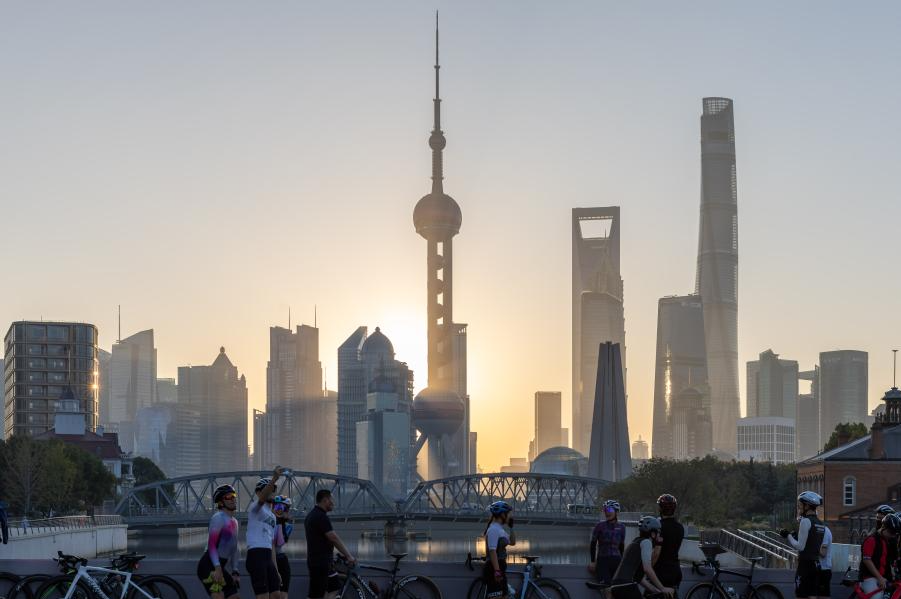
In the next step, Shanghai will continue to make significant efforts to explore a sustainable path for urban renewal, focusing on the renovation of old areas and housing, as well as urban villages, to improve the living conditions of more citizens. Additionally, we will carry out the renovation and upgrading of old industrial zones, commercial and business districts, and conservation areas, accelerate the renovation of the second facade of the Bund, and implement several renewal projects such as Wusong Innovation City, further enhancing the city's quality and stimulating its vitality. Thank you.
_ueditor_page_break_tag_
Xinhua News Agency:
We know that Pudong has always been at the forefront of reform and opening-up and has made significant reform efforts in recent years. Could you introduce some of the breakthrough institutional innovations made during the comprehensive pilot reform in Pudong? Thank you.
Gu Jun:
Thank you for your question. Launching the comprehensive pilot reform in Pudong is a significant measure to further promote high-level reform and opening-up, and to accelerate the construction of a leading zone for socialist modernization. It also plays an important role in supporting the accelerated development of "five centers" and enhancing the city's capabilities and core competitiveness. Mayor Gong Zheng earlier introduced the latest progress in Shanghai's development of "five centers." Pudong is the core area for the construction of these "five centers" in Shanghai. Since last year, we have been mobilizing the entire city's efforts to advance the implementation of the Pudong comprehensive pilot reform program, resulting in a continuous emergence of landmark institutional innovation achievements. These innovations mainly manifest in "three batches":
First, a batch of pioneering reforms are being rapidly implemented. China's first-ever Containerized Freight Index Futures was listed for trading, the pilot reform of the architect responsibility system has continued to deepen, and the Pudong New Area has introduced 18 innovative regulations, 23 management measures, and two local regulations with Pudong-specific chapters.
Second, a batch of leading opening-up initiatives is being promoted. China's first marine bonded liquefied natural gas (LNG) bunkering was successfully completed, the Shanghai International Reinsurance Trading Center and the Shanghai Data Exchange International Board were launched, and pilot projects for importing remanufactured products in key industries were initiated.
Third, a batch of groundbreaking innovations is making breakthroughs. We have launched the open competition mechanism for selecting the best public service platforms and accelerated the temporary practice license system for foreign professionals. The number of open innovation centers for large enterprises has reached 90, and the function of sci-tech innovation engines is becoming more prominent.
Next, we will target key areas that have the conditions for making pioneering breakthroughs, strengthen system integration and collaborative efficiency, and strive to make efforts in three areas to better play the role of the national reform and opening-up experimental field.
First, we will promote high-level institutional opening-up. We will formulate and implement special management measures to relax market access in Pudong, orderly promote opening-up in areas such as telecommunications and healthcare, implement pilot reforms like the copyright registration system, and accelerate the construction of a national institutional opening-up demonstration zone.
Second, we will enhance global resource allocation capabilities. We will actively expand the application scenarios of e-CNY, promote the development of offshore economic and trade activities for the convenience of cross-border payments and receipts by multinational enterprises, establish and improve a safe and convenient cross-border data flow mechanism, and continuously enhance the level of factor aggregation and outreach.
Third, we will establish and improve the legal support system. In cooperation with the Shanghai Municipal People's Congress and its Standing Committee, we will formulate six more regulations for Pudong New Area this year, focusing on areas such as free trade accounts, commercial mediation, and enterprise compliance reform. Thank you.
_ueditor_page_break_tag_
People's Daily:
The development of Shanghai as an international metropolis cannot be separated from international talent. I would like to ask what attracts international talent to Shanghai, and in particular, how does the city attract top international talent? Thank you.
Gong Zheng:
Thank you for your question. I will answer it. Talent is our primary resource. It can be said that a city's competitiveness depends on the caliber of talent it possesses. In the process of accelerating the construction of the "five centers," we have always insisted on gathering the best talents from around the world, continuously enhancing the empowering role of talent. This talent advantage has become a strong pillar supporting Shanghai in enhancing the city and its core competitiveness. In recent years, the total talent pool in Shanghai has continued to grow. For example, last year, we introduced and attracted a total of 172,000 domestic and overseas professionals, a 12% year-on-year increase. Currently, the total talent pool in Shanghai has exceeded 6.75 million. The clustering effect of high-end overseas talent has also continued to increase. Through the implementation of policies such as the "Talent Peak" project and special talent introduction and training projects in key sectors, we have gathered a large number of urgently needed high-end professionals. Shanghai has issued 441,000 work permits to foreigners and over 310,000 returned overseas students have come here to work and start businesses, both figures ranking first nationwide. Shanghai has always been a fertile ground for international talents chasing their dreams.
We also know that without international talent, Shanghai couldn't achieve its vision of developing the international "five centers." Therefore, we must recruit all kinds of top talent from around the world, accelerate the development of comparative advantages in international talent competition, and boost the construction of high-level talent hubs to new heights. We aim to focus our efforts on three areas:
First, we will strive to construct a high-level innovation platform aligned with national strategies. Focused on the significant talent needs during the development of the "five centers," our goal is to establish the four world-class platforms, namely, a basic scientific research platform, an industrial innovation platform, a scientific and technological service platform, and the Shanghai Global Talents Innovation and Entrepreneurship Competition. Our objective is to create a "magnetic field" with a strong attraction to gather talent, providing them with opportunities and spaces for development, as well as enabling them to achieve success in Shanghai.
Second, we will build high-efficiency systems and mechanisms driven by reform and innovation. We will implement a more open, active, and effective talent policy and deepen the comprehensive pilot reform of the system and mechanism for talent development. Our approach includes delegating authority and loosening restrictions in talent discovery, recommendation, evaluation, and other areas, as well as building a rational pyramid-shaped talent structure to fully stimulate their potential for innovation and creativity.
Third, we will concentrate on services and support, aiming to establish a high-quality talent ecosystem. We will accurately meet the needs of talent regarding residency, settlement, inbound and outbound travel, and so on. By leveraging measures such as the premium service plan for outstanding global talent and the one-stop life-cycle reform of talent services, we will further integrate high-quality resources, enhance service quality, and strive to create an excellent ecosystem for the development of top-class professionals in Shanghai. Thank you.
_ueditor_page_break_tag_
Shou Xiaoli:
The last two questions, please.
Yicai:
We have noticed that Shanghai has recently installed over 30,000 foreign card point-of-sale (POS) terminals and launched a series of policies and measures to improve convenient payments. What other conveniences will Shanghai provide for foreigners working, living, and traveling in China? Thank you.
Hua Yuan:
Thank you for your question. This issue is of great concern to many people from overseas. As we all know, Shanghai is China's largest aviation and shipping hub, as well as a top destination among overseas visitors for business, study, and tourism. We have earnestly implemented the decisions and plans of the CPC Central Committee, and made dedicated efforts to develop a new payment service system with mobile payments as the main component, bank card payments as the focus, and cash payments as the foundation. We will continue to improve this Shanghai solution in convenient payments.
First, we are advancing mobile payments. We have encouraged UnionPay, Alipay, and WeChat Pay to innovate cross-border payment methods, making it easier for users to conduct mobile payments with domestic merchants. Currently, China UnionPay supports payments from more than 180 overseas wallets at UnionPay direct merchants, and Alipay enables e-wallets from 10 countries and regions to make payments in China.
Second, we have improved bank card payments. Last year, we focused on key business districts and areas, activating and installing over 37,000 POS terminals for foreign bank card users. In key sectors such as commerce, tourism, and transportation, we have achieved full POS coverage for major merchants. Currently, Shanghai ranks first nationwide in foreign card POS transaction volumes and per-customer transaction values.
Third, we have improved cash payment systems. Shanghai maintains a comprehensive network for RMB cash withdrawals and exchanges, which includes over 8,000 ATMs, more than 3,500 Chinese-funded bank branches, 13 licensed foreign exchange outlets, and 183 foreign exchange agents, providing foreigners with convenient access to cash.
As Shanghai continues to see increasing inflows of overseas visitors, the city will further remove the barriers for foreigners to work and live in Shanghai. We aim to offer more high-quality, efficient, and convenient services and create a more welcoming environment for them. Specifically, we will align with Shanghai's "five centers" initiative and step up efforts to optimize the following two aspects.
On the one hand, we will continue to optimize the convenience of payment methods. This includes further increasing the availability of POS (Point of Sale) machines for international credit cards, expanding their application scenarios, setting up one-stop service desks at airports and other areas, and promoting citywide accessibility for international credit cards to be able to withdraw yuan from ATMs. We will also accelerate the development of key commercial districts such as Nanjing East Road, Nanjing West Road and Huaihai Middle Road into model districts for departure tax refunds. In the near future, we will introduce specific measures to further enhance the convenience of payments.
On the other hand, we will continue to optimize the content of services related to foreign affairs. At the beginning of this year, the International Services Shanghai online portal was launched. The objective of this website is to welcome and help foreigners, making it easier for those coming to Shanghai to better understand and integrate into the city. We will adhere to a user-oriented approach and empathetic thinking, continuously enhancing the multilingual and scenario-based functions, making it useful and practical for all foreigners in Shanghai, and a service that they will truly love to use. We welcome everyone to explore the online service, use it often and share your valuable feedback and suggestions. Thank you.
_ueditor_page_break_tag_
Economic Daily:
Last year, the central financial work conference proposed to "boost the competitiveness and influence of Shanghai as an international financial center." Subsequently, Shanghai has also released an implementation plan to build pilot financial reform zones for scientific and technological innovation. May I ask, how will Shanghai promote the coupling of the international financial center and the sci-tech innovation center? Thank you.
Gong Zheng:
Thank you for your question. Let me answer it. The development of five international centers in Shanghai includes the international financial center and the sci-tech innovation center. Therefore, both finance and sci-tech innovation are core functions of Shanghai. It is only by moving forward in a two-way manner that we can best help all parties involved to achieve success. In our work practice, we have also deeply felt that the high-quality development of finance relies heavily on the empowerment of technology. The self-reliance and self-improvement of technology cannot be achieved without the support of a highly compatible financial service system. You could say that there is no finance without technology and no technology without finance.
In recent years, under the guidance of relevant central government departments, Shanghai has vigorously promoted the integration of science and technology within finance, and has gradually established a sci-tech finance system based on sci-tech credit, sci-tech insurance, equity investments and a multi-level capital market. Going forward, we will continue to focus on the entire chain and process of sci-tech innovation, relying on important platforms, such as the sci-tech finance reform pilot zones, to make strides in improving the quality and efficiency of Shanghai's sci-tech financial services. There are a few key measures:
First, we aim to optimize the ecosystem for technology investment, guiding the flow of financial resources to nourish the original innovation of sci-tech companies. Shanghai is a major cluster for equity investment institutions. The city hosts over 1,800 private equity and venture capital managers and manages more than 8,900 funds with a total scale reaching 2.3 trillion yuan — all three metrics ranking among the top in the country. We will further promote the high-quality development of the equity investment sector, guiding social capital to increase support for sci-tech companies that are in the startup phase, because the startup phase involves higher risks and more uncertainties, yet requires financial support. Recently, we have initiated the establishment of the Shanghai Sci-Tech Innovation Financial Research Institute, a social organization dedicated to fostering the development of angel investments, with the goal of strengthening the discovery and investment nurturing of early-stage projects, thereby facilitating effective investment matchmaking for social capital.
Second, we aim to strengthen the multi-level capital market, fully aiding technology enterprises in listing and financing for better development. Since its establishment five years ago, the Science and Technology Innovation Board (STAR Market) has become the preferred listing venue for hard and core technology companies. So far, there have been 570 companies listed, with initial public offering (IPO) funds cumulatively exceeding 900 billion yuan. Among these, 90 listed companies are from Shanghai. Although Shanghai does not have the highest number of listed companies, it ranks first in terms of cumulative IPO funds and market value among companies listed on the STAR Market, with IPO funds reaching 230 billion yuan. We will cooperate with the national regulatory authorities, continue to deepen capital market reforms, enhance the functions of the capital markets, such as the Shanghai Stock Exchange's Main Board and the STAR Market, and strive to make the Shanghai capital market an important, supportive engine for sci-tech innovation and in developing new quality productive forces.
Third, we aim to create sophisticated sci-tech credit and insurance products to better meet the diverse financial needs of sci-tech enterprises. We will guide financial institutions to adapt to the characteristics of new factors, such as technology, data and talent, to recognize the value of intangible assets, and to innovate products and services like credit and insurance, thereby increasing support for sci-tech innovation. For example, we have encouraged some commercial banks to pilot "sci-tech enterprise employee stock ownership plans and equity incentive loans" for technology-based non-listed companies in the Lin-gang Special Area and Zhangjiang Science City. This initiative is very helpful for stabilizing core employees and stimulating innovation vitality. Next, we will also support financial institutions in innovating and launching more specialized financial products that are urgently needed by sci-tech enterprises. Thank you.
Shou Xiaoli:
Thank you to all the speakers, and thank you to all the journalists for your participation. Today's press conference will now conclude. Goodbye, everyone.
Translated and edited by Zhu Bochen, Wang Qian, Guo Yiming, Liu Sitong, Lin Liyao, Liu Qiang, Zhang Junmian, Cui Can, Huang Shan, Wang Ziteng, Zhang Rui, Yan Bin, Wang Wei, Li Huiru, David Ball, Jay Birbeck, and Rochelle Beiersdorfer. In case of any discrepancy between the English and Chinese texts, the Chinese version is deemed to prevail.