China.org.cn | January 28, 2026


Rudaw Media Network:
A relevant research report from the World Trade Organization indicates that AI has become a force for growth of global trade. What's the current situation of China's artificial intelligence going globally? Thank you.
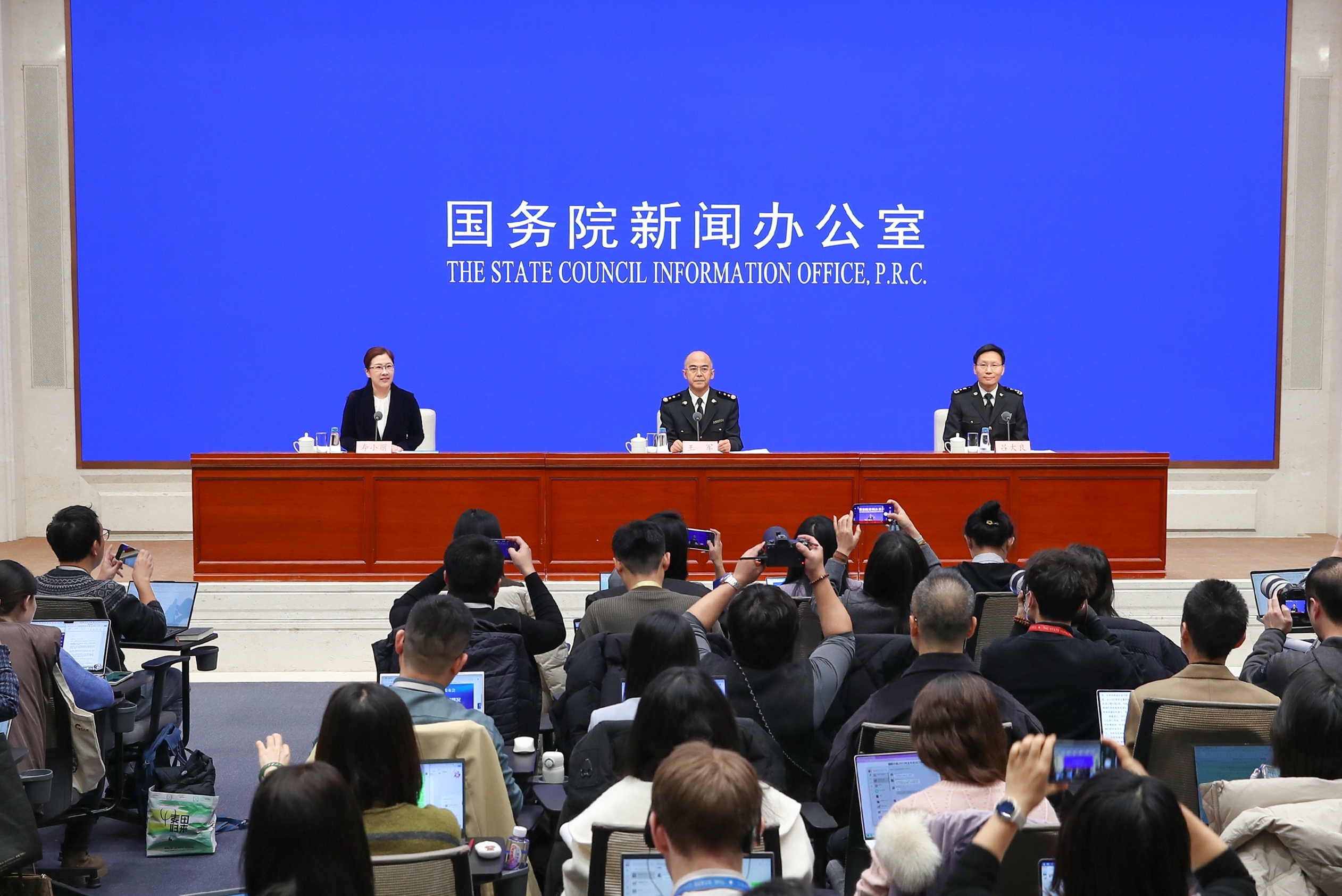
Wang Jun:
Thank you for your questions. We have also noted the relevant report from the World Trade Organization. According to the report, global trade in AI-related products increased by about 20% in the first half of last year, accounting for one-sixth of the total trade and contributing to over 40% of global trade growth. Preliminary estimates based on the product scope of the report indicate that China's trade in AI-related products in 2025 was largely in line with the global trend, demonstrating a vigorous and dynamic development momentum.
First, in the field of intermediate products, the diverse application scenarios have provided a broad space for the implementation of China's artificial intelligence technology, driving the import of related products. For example, China's autonomous driving technology is developing rapidly, with laser radar imports increasing by more than 20%. The demand for AI computing power is strong, with computer component imports increasing by 20%. At the same time, Chinese enterprises have actively participated in global cooperation and division of labor in the artificial intelligence industry, with exports of optical transceiver modules used in high-end graphics card applications increasing by nearly 60%. We have effectively met the strong power demand of global data centers, with exports of electrical equipment such as large transformers and energy storage batteries increasing by 18.8%.
Second, in the field of end-user products, China's intelligent robots are not only capable of dancing, running marathons, and practicing taichi, but they have also become a synonym for highly efficient production. Transport robots equipped with vision systems and algorithms can intelligently avoid obstacles, while welding robots are able to automatically scan, build models and calculate optimal welding solutions. These two types of robots have performed strongly in major overseas infrastructure and transportation projects, with export growth exceeding 60% in 2025. In daily life, our smart wearable devices are connected to large AI models, providing real-time health advice, while smart toys feature diversified functions such as touch sensing and scenario-based dialogue, delivering novel, friendly, and emotionally engaging consumer experiences. In 2025, China's smartwatches and smart toys were sold in more than 170 countries and regions.
At present, a new wave of scientific and technological innovation is entering a period of rapid and concentrated growth. The Central Economic Work Conference has made arrangements to further expand the "AI+" initiative, and China's artificial intelligence sector is gaining strong momentum. Accordingly, the AI intensity of China's foreign trade will continue to rise steadily. The GACC will actively embrace the development of artificial intelligence, taking the development of smart customs as a key driver to optimize clearance procedures, enhance precise risk prevention and control, and further improve the business environment, to ensure effective regulation, greater facilitation and faster clearance. Modernization of customs will better serve and support Chinese modernization. Thank you.